Eggs are one of the most common protein-rich foods found in almost every kitchen, so many hamster owners eventually wonder whether it’s safe to share a small bite with their pet. Because hamsters naturally eat some protein sources in the wild, eggs may be safer than many owners expect.
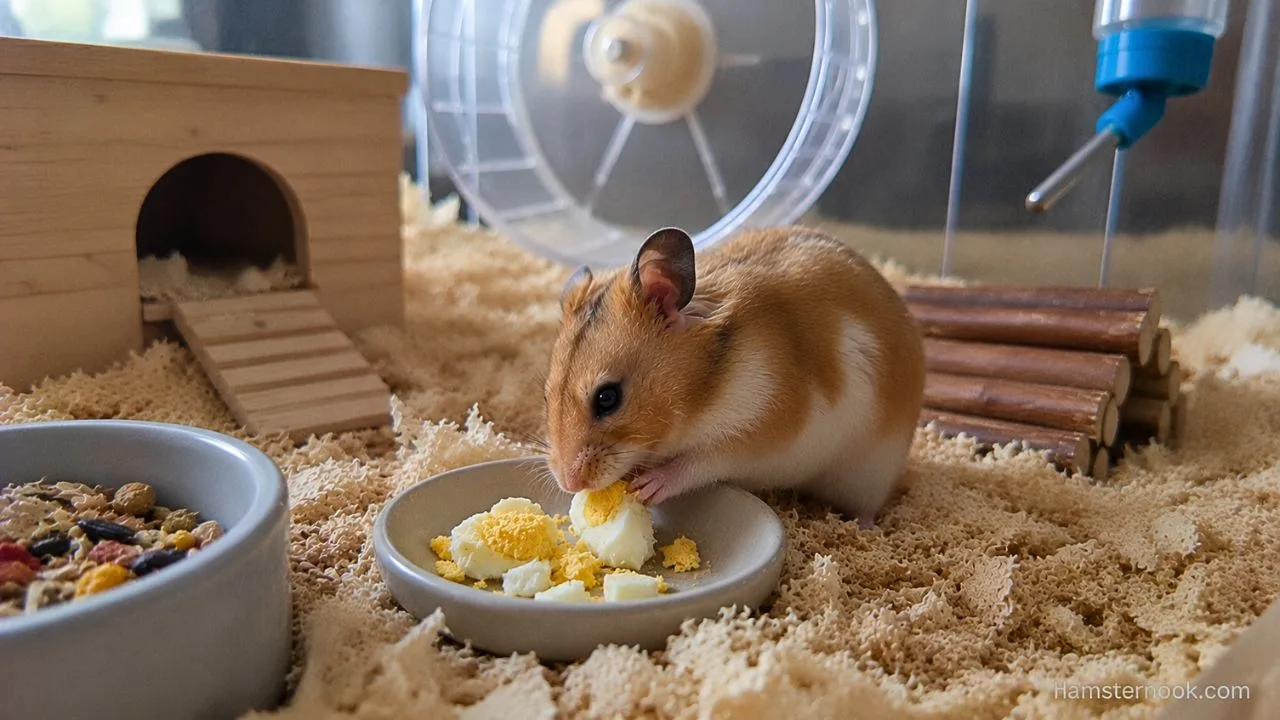
Yes, hamsters can eat small amounts of plain, fully cooked egg as an occasional treat. Eggs provide protein, but a balanced hamster food should remain the main source of nutrition. The preparation matters: plain boiled egg is the simplest choice, while raw or seasoned egg should be avoided.
This guide explains everything hamster owners should know about feeding eggs, including boiled vs raw eggs, serving sizes, feeding frequency, protein benefits, obesity concerns, and dangerous ingredients to avoid.
Are Eggs Safe for Hamsters?
Yes, cooked eggs are generally safe for healthy hamsters in small amounts.

Hamsters naturally eat a varied omnivorous diet that may include insects and other protein sources in the wild. Eggs can serve as an occasional protein-rich treat alongside a balanced hamster diet.
However, eggs should never replace a hamster’s regular food mix or pellets. They are best used as a supplement or occasional snack.
For a broader overview of the foods that should make up a hamster’s diet, see What Do Hamsters Eat? Complete Safe & Unsafe Food List.
The safest option is plain boiled egg without salt, oil, butter, or seasoning.
Boiled Eggs vs Raw Eggs for Hamsters
Not all forms of eggs are equally safe for hamsters.
Here’s a quick comparison every owner should know.
| Egg Type | Safe for Hamsters? | Important Notes |
|---|---|---|
| Plain Boiled Egg | Yes | Safest and easiest to digest |
| Scrambled Egg (Plain) | Sometimes | Only if cooked without oil or seasoning |
| Fried Egg | No | Usually contains oil or butter |
| Raw Egg | Not Recommended | Higher bacteria risk |
| Seasoned Egg | No | Salt and spices can be harmful |
Boiled eggs are considered the safest choice because they are fully cooked, easy to prepare, and contain no added fats or harmful ingredients.
Raw eggs are risky because they may contain harmful bacteria such as Salmonella. Even though infections are uncommon, the risk is unnecessary for such a small animal.

Why Hamsters May Benefit From Protein
Protein plays an important role in a hamster’s overall health.
In the wild, hamsters consume insects and other small protein sources naturally. Pet hamsters usually get enough protein from quality commercial foods, but occasional protein treats can still provide benefits.
Eggs contain:
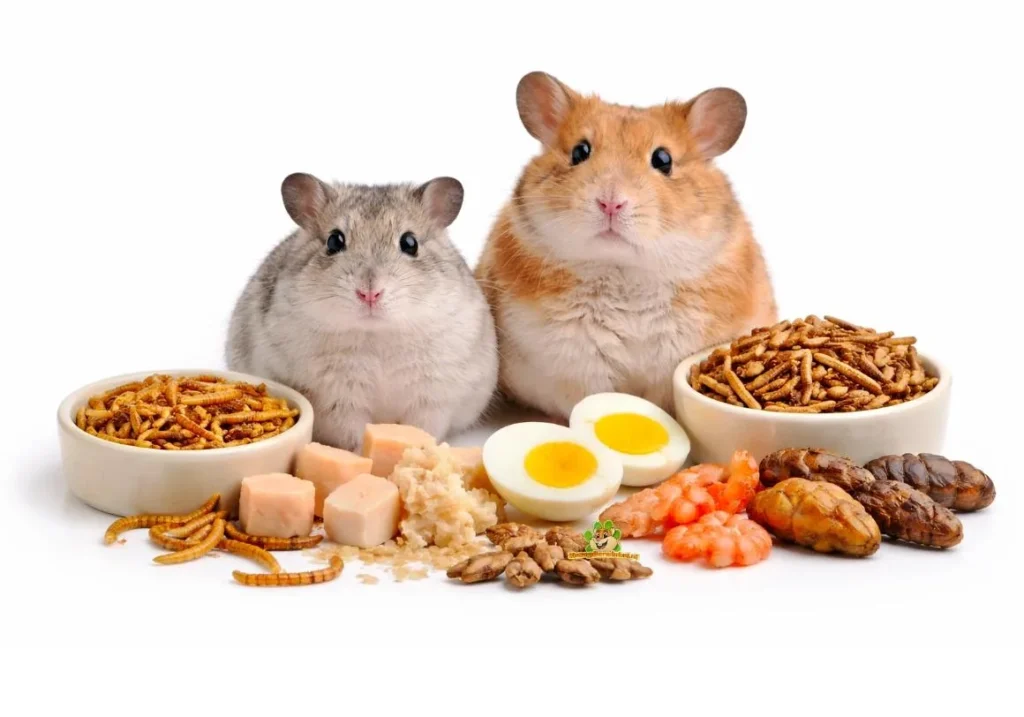
- High-quality protein
- Amino acids
- Healthy fats
- Vitamin B12
- Selenium
- Iron
These nutrients may support muscle maintenance, energy, and healthy growth.

Protein Benefits of Eggs for Hamsters
When fed correctly, eggs may offer several health benefits.
Eggs Are a Rich Protein Source
Eggs are considered a complete protein source because they contain essential amino acids.
Protein helps support:
- Muscle development
- Tissue repair
- Healthy fur condition
- Growth in young hamsters
This is one reason eggs are sometimes recommended as occasional treats for active or growing hamsters.
Nutritional Breakdown of Eggs for Hamsters
| Nutrient | Benefit for Hamsters |
|---|---|
| Protein | Supports muscles and growth |
| Healthy Fats | Provides energy |
| Vitamin B12 | Supports body function |
| Iron | Helps healthy blood support |
| Selenium | Supports overall health |
Even though eggs contain useful nutrients, hamsters only need tiny portions because of their small body size.
Risks of Feeding Eggs to Hamsters
Despite the benefits, there are important risks owners should understand before feeding eggs regularly.
Eggs Can Cause Obesity if Overfed
One of the biggest concerns is excess calories and fat.
Too much egg may contribute to:
- Obesity
- Reduced activity
- Fat buildup
- Unbalanced nutrition
Egg is best treated as one occasional treat rather than a major part of the diet. Our Healthy Treats for Hamsters guide explains how different treats can fit into a balanced feeding routine.
Hamsters are tiny animals, so even small amounts of high-calorie foods can quickly affect their weight.
Some dwarf hamsters, particularly Russian dwarf hamsters, are more prone to diabetes, so keeping high-calorie treats limited is sensible.
Too Many Protein Treats Can Create Diet Problems
Protein is important, but too much can reduce interest in healthier staple foods.

A hamster that fills up on treats may ignore pellets, grains, or vegetables needed for balanced nutrition.
Eggs should remain an occasional supplement only.
Spoiled Eggs Can Become Dangerous
Cooked egg spoils quickly, especially in warm cages.
Leaving egg pieces inside the enclosure too long may lead to bacterial growth and contamination.

Remove uneaten egg before it spoils, and check food-storage areas regularly because hamsters may hide food.
Seasoning and Additives Are Dangerous
This is one of the most important safety rules.
Hamsters should never eat eggs cooked with:
- Salt
- Pepper
- Garlic
- Onion powder
- Butter
- Oil
- Cheese
- Sauces
Human-style cooked eggs are usually unsafe for hamsters because seasonings and fats can harm their digestive system.

Safe vs Unsafe Egg Preparation for Hamsters
| Egg Preparation | Safe or Unsafe | Why |
|---|---|---|
| Plain boiled egg | Safe | No harmful additives |
| Plain steamed egg | Safe | Soft and easy to digest |
| Plain scrambled egg | Limited | Only without oil or seasoning |
| Fried egg | Unsafe | Too oily and fatty |
| Salted egg | Unsafe | Excess sodium is harmful |
| Spicy egg | Unsafe | Irritates digestive system |
| Raw egg | Unsafe | Bacteria risk |
How Much Egg Can a Hamster Eat?
Portion size is extremely important.
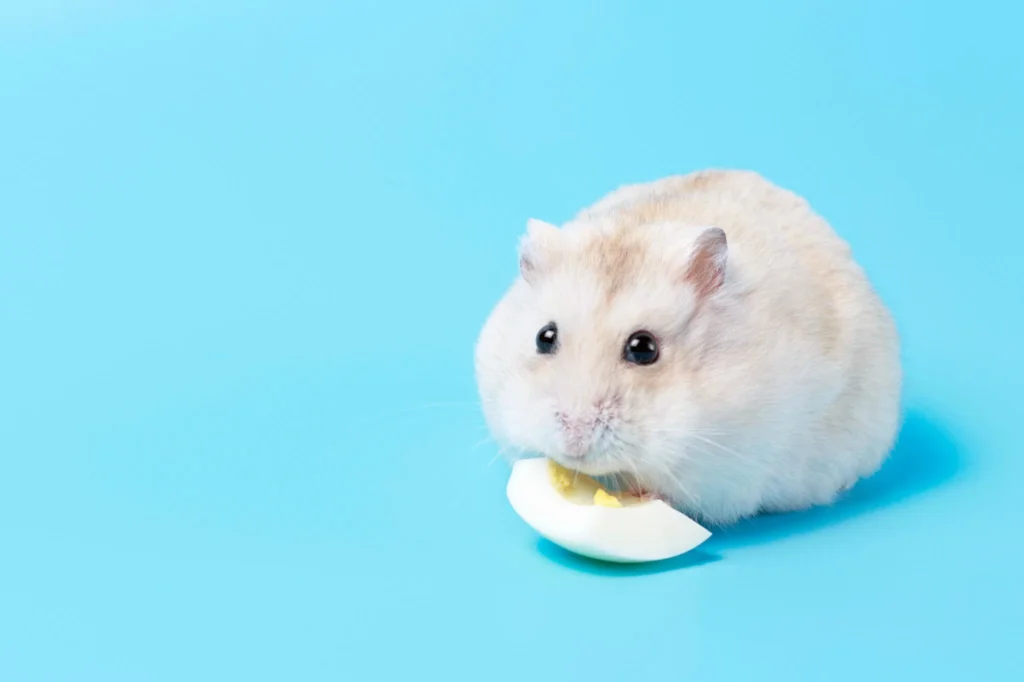
A hamster only needs a tiny amount of egg to receive the benefits.
Recommended Serving Size
| Safe Egg Portion |
|---|
| Offer a tiny bite-sized piece of plain, fully cooked egg as an occasional treat. |
Overfeeding protein treats regularly may increase obesity risk over time.
How to Feed Eggs to Hamsters Safely
Following a few basic rules helps keep feeding safe.
Safe Feeding Tips
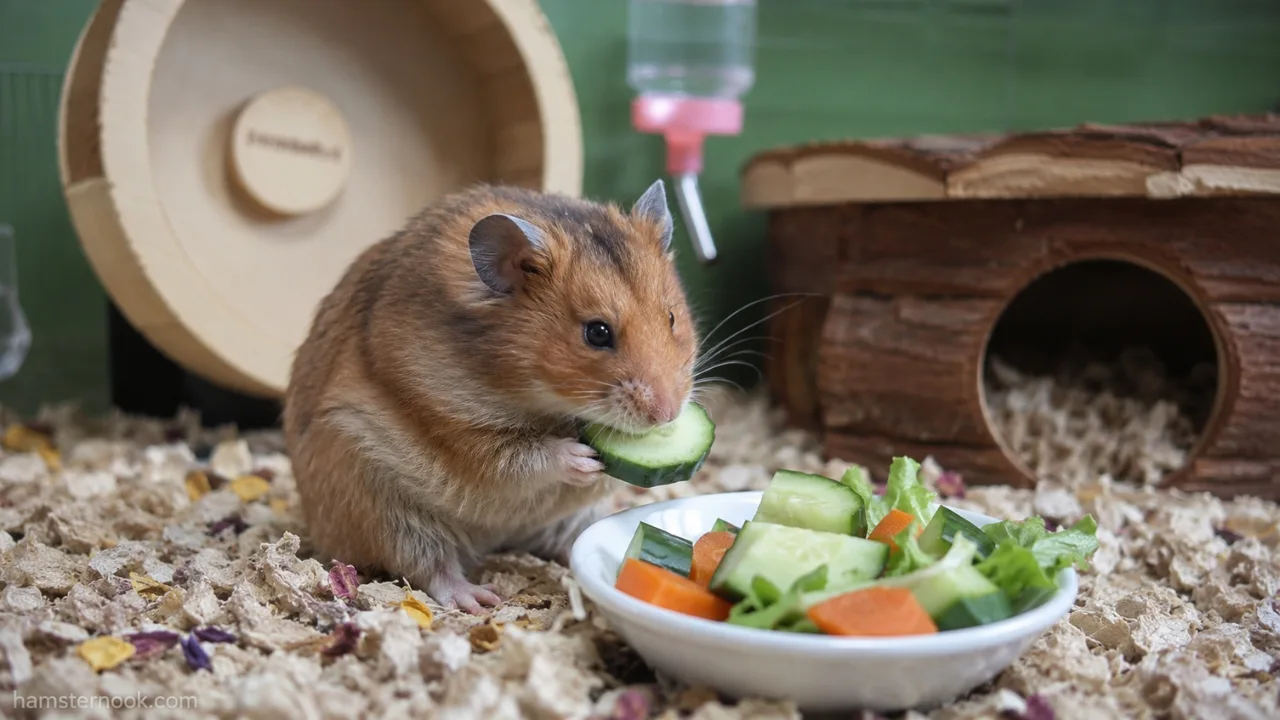
- Use fully cooked plain egg only.
- Avoid all seasoning and oil.
- Offer very small portions.
- Feed occasionally, not daily.
- Remove leftovers quickly.
- Monitor for digestive changes.
Introducing any new food slowly helps prevent stomach upset.
Can Baby Hamsters Eat Eggs?
Baby hamsters should only receive eggs after they are fully weaned and eating solid foods comfortably.
Young hamsters have sensitive digestive systems, so rich foods should be introduced carefully.
If offering egg to a young hamster, use extremely tiny portions.

Can Dwarf Hamsters Eat Eggs?
Yes, dwarf hamsters can safely eat small amounts of plain cooked egg.
Unlike sugary treats, eggs are low in sugar, which makes them somewhat safer for dwarf species prone to diabetes.
However, the fat and calorie content still means moderation is important.
Signs Your Hamster Ate Too Much Egg
Watch for these symptoms if your hamster overeats eggs:
- Weight gain
- Greasy fur
- Soft stools
- Reduced appetite for regular food
- Lethargy
If symptoms continue, reduce treats and consult an exotic veterinarian if necessary.
Egg vs Other Protein Foods for Hamsters
| Protein Food | Protein Level | Best Use |
|---|---|---|
| Boiled Egg | High | Occasional protein treat |
| Mealworms | High | Enrichment and protein |
| Plain Chicken | Moderate | Lean protein option |
| Tofu | Moderate | Plant-based protein |
| Commercial Hamster Pellets | Balanced | Daily staple diet |
A varied, balanced diet is usually healthier than relying on a single protein source.
For another protein-rich treat option, Can Hamsters Eat Mealworms? Benefits, Risks & Safe Feeding Guide explains how mealworms can be offered safely and why portions still matter.
Infographic: Egg Feeding Rules for Hamsters
| Do | Don’t |
|---|---|
| Feed plain boiled egg | Feed raw egg |
| Offer tiny portions | Overfeed protein |
| Remove leftovers quickly | Leave egg overnight |
| Feed occasionally | Add salt or spices |
| Use fully cooked egg | Feed oily fried eggs |
Final Thoughts
Eggs can be a healthy occasional treat for hamsters when prepared safely and served in moderation. Plain boiled egg is generally the best option because it provides protein without harmful oils or seasonings.
The biggest mistakes owners make are feeding too much, offering seasoned eggs, or leaving leftovers inside the cage too long. Since hamsters are tiny animals, even small amounts of unhealthy additives can affect their health quickly.
For most healthy hamsters, a tiny portion of cooked egg once or twice weekly is more than enough to provide benefits without increasing obesity or digestive risks.
Frequently Asked Questions
Can hamsters eat boiled eggs?
Yes, plain boiled eggs are the safest type of egg for hamsters when fed in small portions.
Can hamsters eat raw eggs?
Raw eggs are not recommended because they may contain harmful bacteria.
How often can hamsters eat eggs?
Most hamsters can safely eat small portions once or twice weekly.
Can dwarf hamsters eat eggs?
Yes, dwarf hamsters can eat tiny amounts of plain cooked egg safely.
Are scrambled eggs safe for hamsters?
Only plain scrambled eggs cooked without oil, butter, milk, or seasoning may be safe in small amounts.
What happens if a hamster eats too much egg?
Overfeeding eggs may cause obesity, digestive upset, or poor diet balance over time.
References
This guide is based on hamster nutrition, feeding, food safety, and welfare guidance from trusted animal welfare and veterinary resources, including:
- RSPCA – Hamster Diet and Feeding Guidance – Guidance on balanced hamster diets, suitable foods, treats, fresh foods, and feeding practices.
- PDSA – Hamsters as Pets – Advice on hamster nutrition, feeding, treats, general care, and welfare.
- Blue Cross – Hamster Care Guide – Practical information on hamster diet, suitable foods, feeding routines, and general husbandry.
- Merck Veterinary Manual – Hamsters – Veterinary reference information covering hamster nutrition, health, husbandry, and common dietary considerations.
- FDA – Selecting and Serving Produce Safely – Food safety guidance relevant to handling and storing fresh foods offered as part of a hamster’s diet.

Narayan Kumar is the founder and author of HamsterNook. He creates practical, research-based hamster care guides covering hamster behavior, nutrition, cage setup, enrichment, health, and everyday care. His goal is to help hamster owners make informed decisions and provide safer, healthier lives for their pets through clear, beginner-friendly information based on trusted animal care resources.