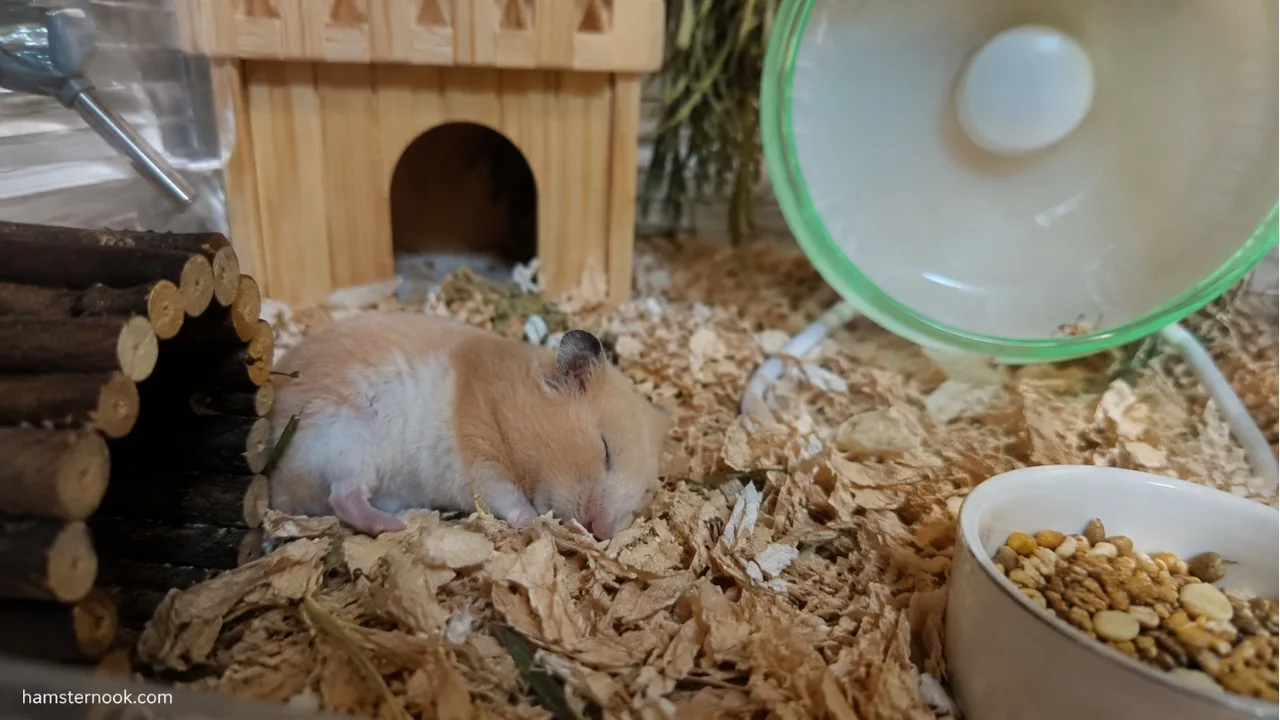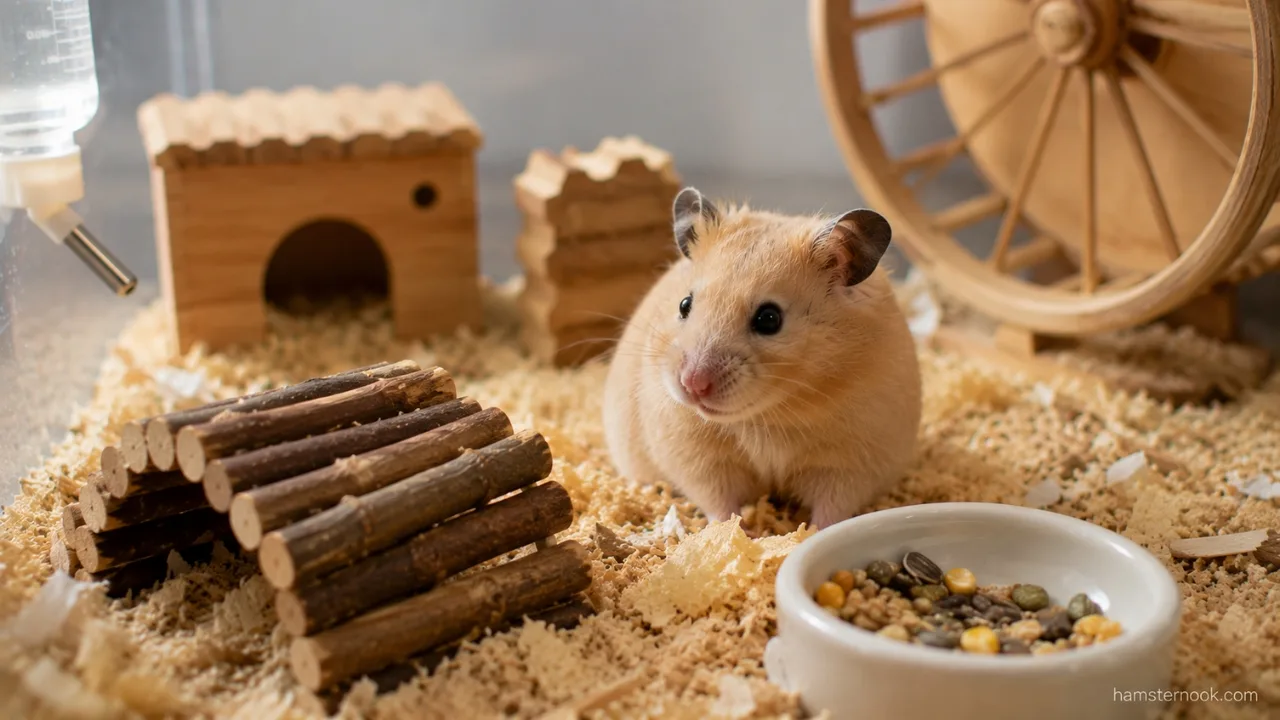
Choosing your first hamster sounds simple until you realize there are several breeds, each with different personalities, care needs, and handling requirements. Many first-time owners assume all hamsters behave similarly, only to discover that different breeds can vary considerably in size, activity level, and ease of handling.
The truth is that some hamster breeds are much easier for beginners than others. Factors like size, temperament, activity level, and ease of handling can make a huge difference in the experience of a first-time owner.
For most first-time owners, the Syrian hamster is usually the easiest place to start. However, that doesn’t mean every first-time owner should automatically choose one. Understanding the strengths and challenges of each breed will help you find the hamster that best fits your lifestyle and expectations.
While personality varies between individual hamsters, breed selection can significantly influence how easy the first few months of ownership feel. Owners usually have a better experience when the hamster’s natural behavior matches what they were expecting from a pet.
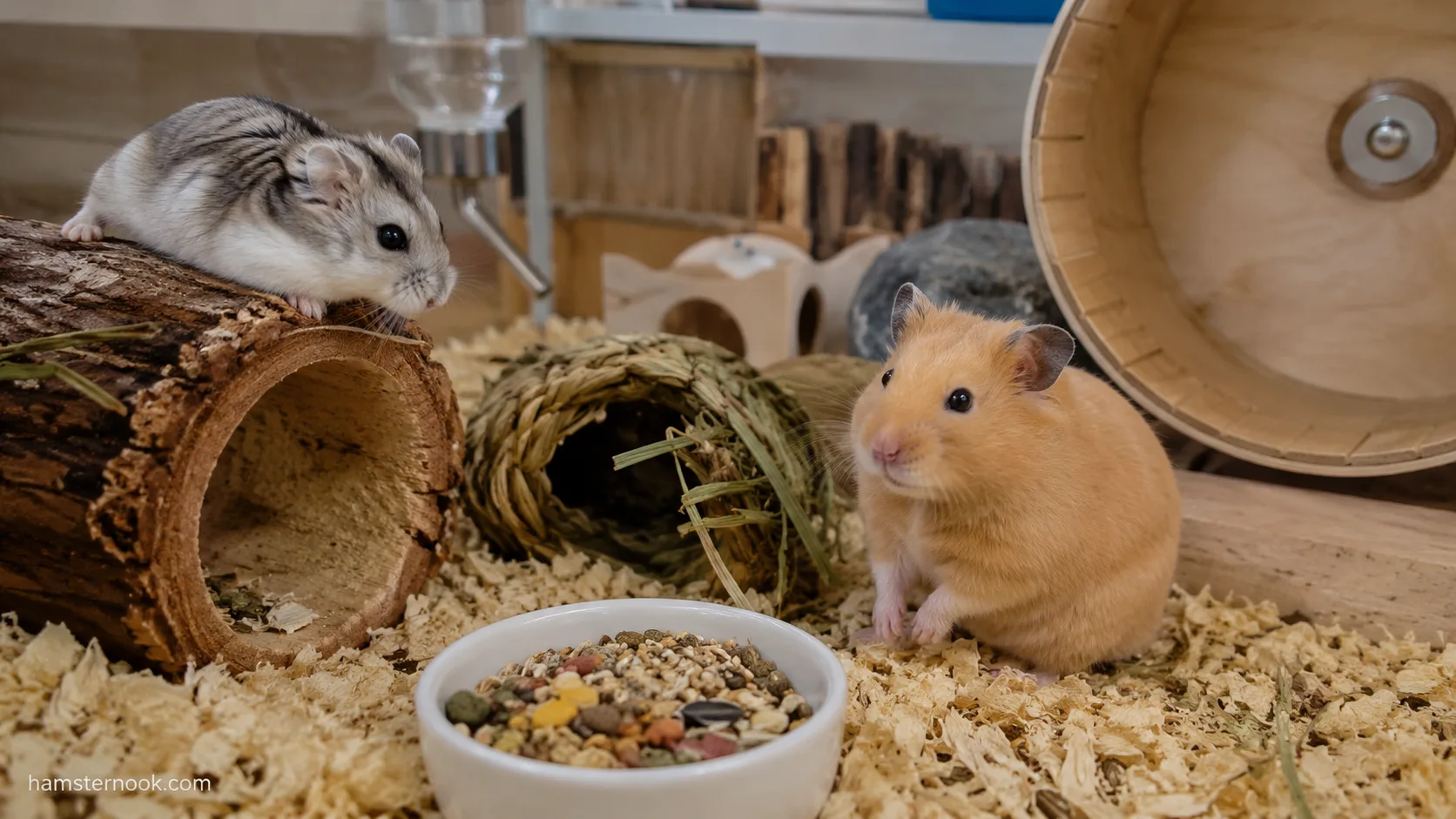
Choosing a breed that matches your expectations often reduces frustration during the first few weeks and helps owners build confidence more quickly.
Why Hamster Breed Matters for Beginners
Many common hamster care problems start with choosing the wrong breed for your situation.
A hamster that is extremely fast, tiny, or difficult to handle can feel overwhelming for someone with no previous hamster experience. On the other hand, a breed that is easier to observe and interact with can make learning hamster care much more enjoyable.
Breed choice affects:
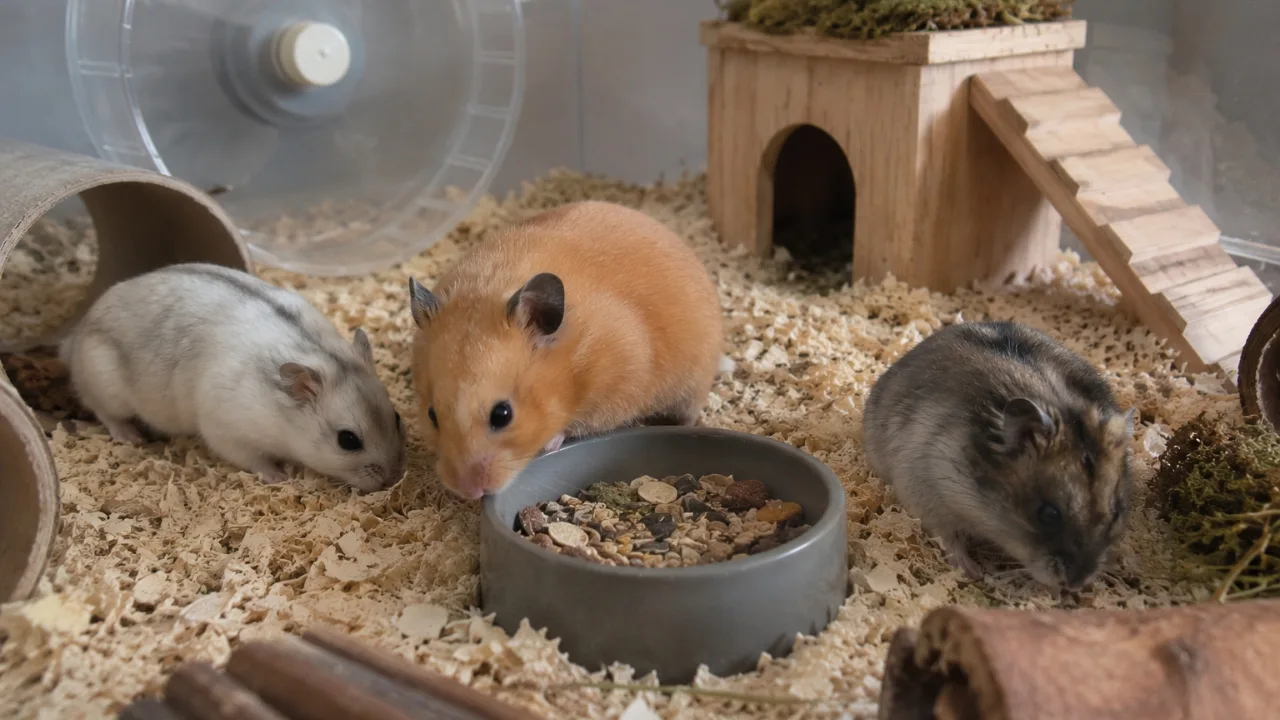
- Ease of handling
- Socialization and taming
- Cage requirements
- Activity patterns
- Visibility and observation
- Overall beginner experience
Owners comparing multiple breeds may also find our Friendliest Hamster Breeds Ranked: Which Hamster Is Best for Handling? guide helpful when evaluating personality and handling tendencies.
Hamster Breeds Compared for First-Time Owners
| Hamster Breed | Average Size | Ease of Handling | Beginner Friendly | Activity Level |
|---|---|---|---|---|
| Syrian Hamster | Large | Excellent | Excellent | Moderate |
| Roborovski Hamster | Very Small | Difficult | Fair | Very High |
| Campbell’s Dwarf Hamster | Small | Moderate | Good | High |
| Winter White Hamster | Small | Good | Good | Moderate |
| Chinese Hamster | Small | Moderate | Good | Moderate |
Note: Ease of handling refers to typical breed tendencies. Individual personality and taming history can significantly influence behavior.
For most beginners, Syrian hamsters consistently rank as the easiest breed to care for and handle.
Their larger size gives new owners more confidence during routine interactions, making accidental escapes and handling mistakes less common.

Why Syrian Hamsters Are Usually the Best Choice

Syrian hamsters are often recommended as the ideal starter hamster, and for good reason.
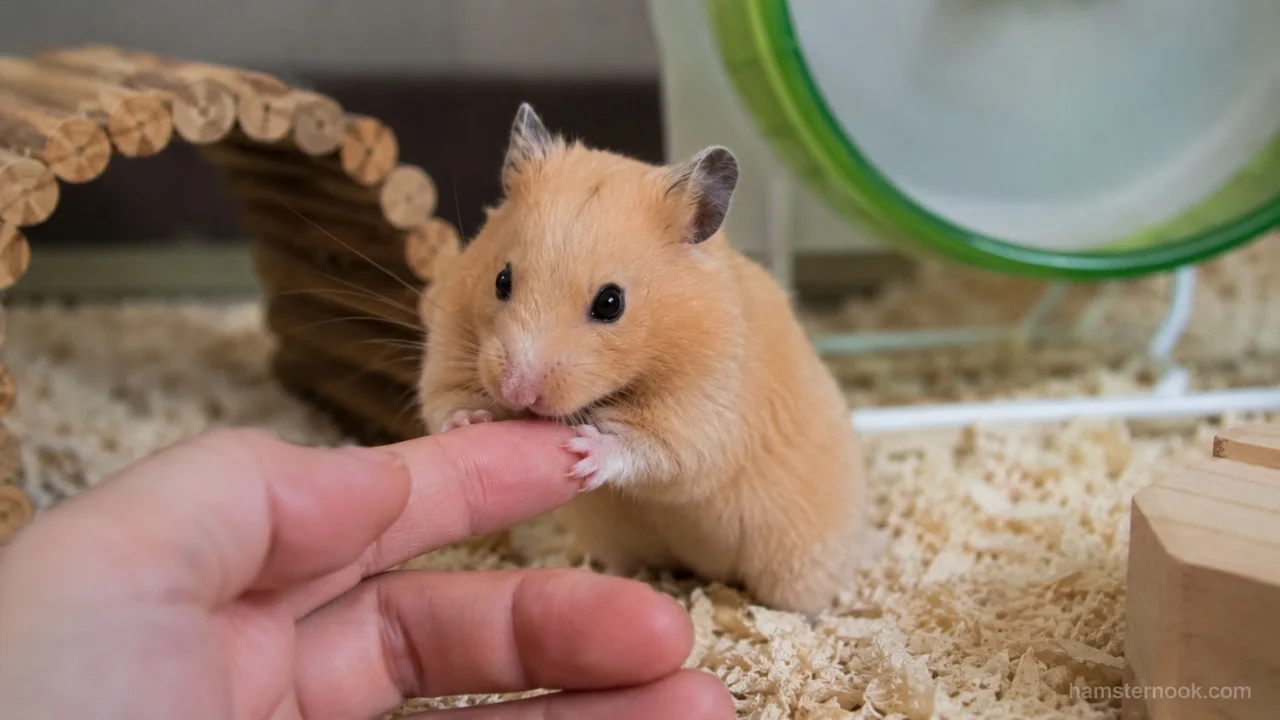
Their larger size makes them easier to hold, observe, and interact with compared to smaller dwarf species. They are generally easier to observe, pick up safely, and tame through consistent positive interactions.
Advantages of Syrian Hamsters
- Easier for children and beginners to handle
- Larger size makes health issues easier to spot
- Often bond well with patient owners
- Less likely to slip through small gaps
- Wide variety of colors and coat types
Many first-time owners find Syrian hamsters easier to understand and handle during those early weeks of ownership.
If you’re still preparing your enclosure, reading Best Hamster Cage Setup for Beginners can help avoid problems before bringing your new pet home.
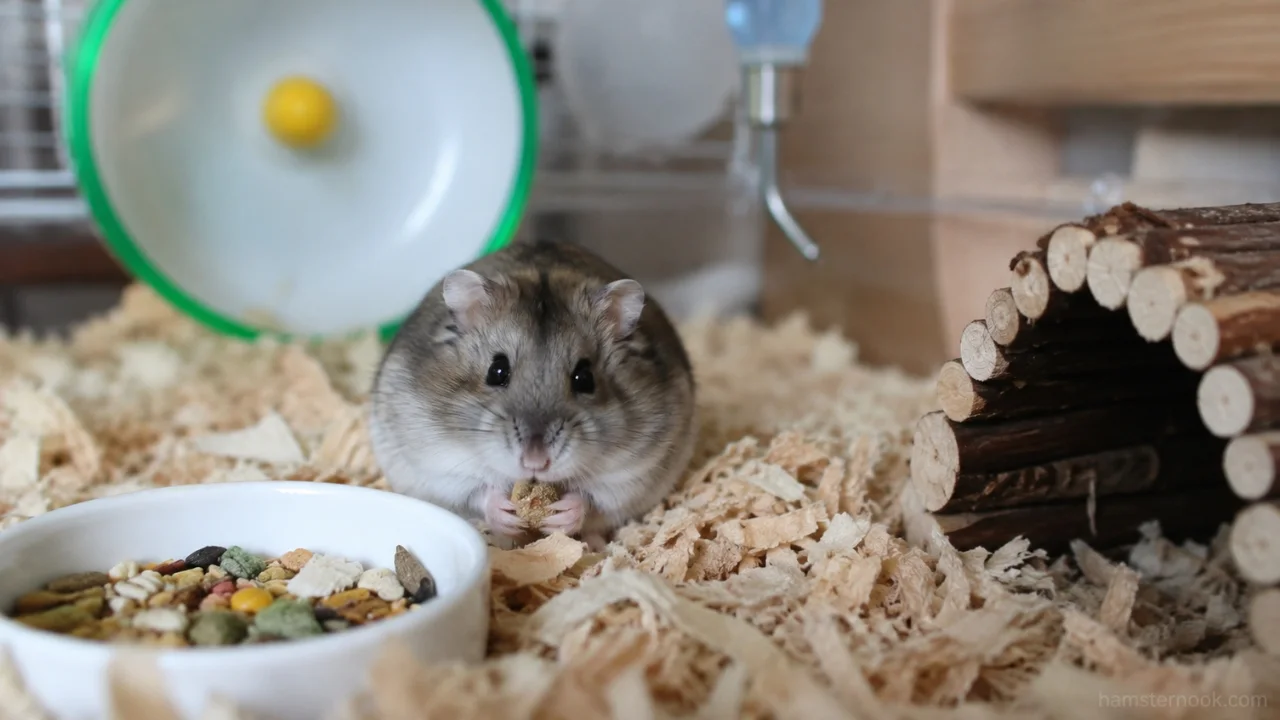
Challenges of Syrian Hamsters
Despite their beginner-friendly reputation, Syrian hamsters still require proper enrichment, deep bedding, and regular mental stimulation to remain healthy and active.
Syrian hamsters are not perfect.
They require larger enclosures than many people expect and must always live alone once mature. Housing two Syrian hamsters together can lead to serious fighting.
They are also primarily active during the evening and nighttime hours, which surprises some owners expecting daytime interaction.
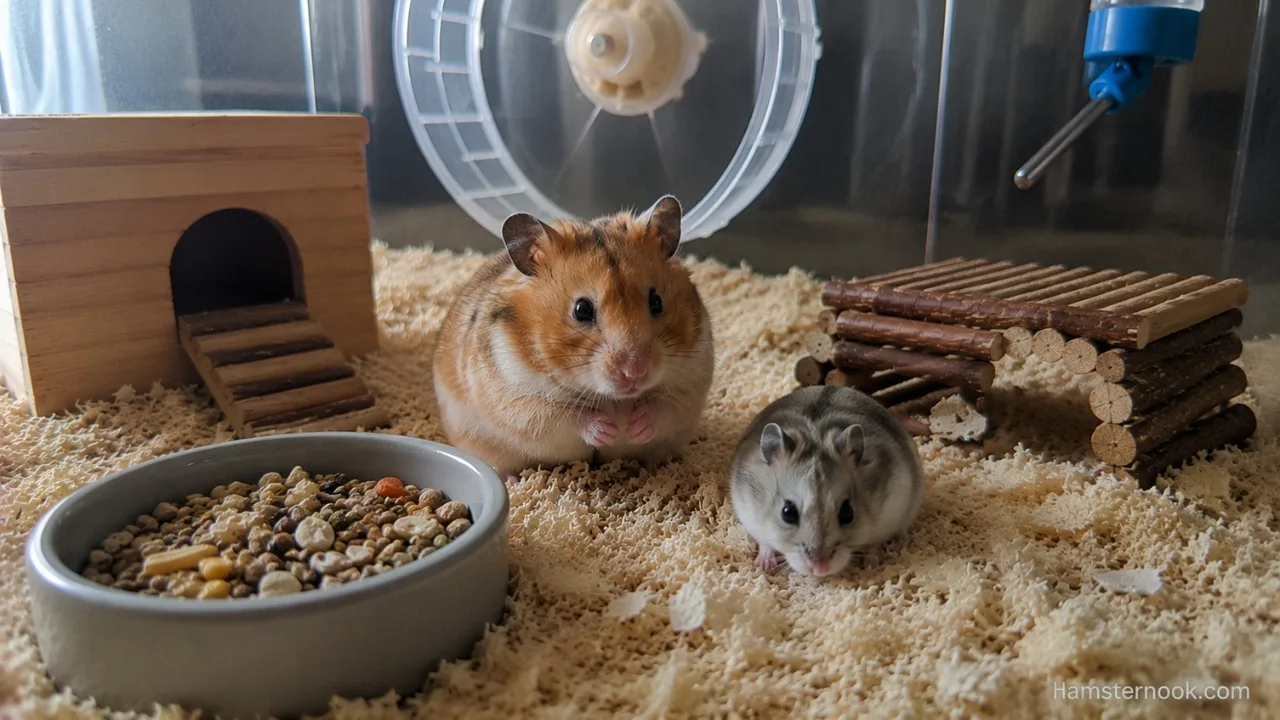
Are Dwarf Hamsters Good for Beginners?
Dwarf hamsters can make excellent pets, but they often require a little more patience.
Because they are smaller and faster than Syrian hamsters, they can be more challenging to handle, especially for younger children or owners who have never cared for a hamster before.
Benefits of Dwarf Hamsters
| Benefit | Why Owners Like It |
|---|---|
| Smaller size | Requires less space for accessories |
| Active behavior | Fun to watch exploring |
| Curious personality | Often interactive once comfortable |
| Adorable appearance | Popular among hamster enthusiasts |
Potential Beginner Challenges
New owners are often surprised by how quickly dwarf hamsters can move. Even experienced hamster keepers sometimes use a playpen or secure area when beginning taming sessions.
Their small size creates some difficulties.

Dwarf hamsters can:
- Move extremely fast
- Be harder to pick up safely
- Slip through surprisingly small openings
- Require more patience during taming
Building trust is often more important than teaching behaviors. Our How to Tame a Hamster Without Getting Bitten (Beginner Guide) explains how positive interactions help new owners develop trust more quickly.
Are Roborovski Hamsters Good for First-Time Owners?
Roborovski hamsters are fascinating little animals, but they are often not the easiest choice for beginners seeking a hands-on pet.
They are the smallest commonly kept hamster species and are famous for their speed.

What Makes Roborovskis Unique?
Roborovski hamsters are:
- Extremely active
- Very fast runners
- Less interested in handling
- Fun to observe
Many owners enjoy watching Roborovskis explore but find that regular handling is more challenging than with larger hamster breeds.
If your main goal is watching natural hamster behavior rather than frequent handling, a Roborovski can still be a great choice.
Why Some Beginners Struggle With Them
Because they move so quickly, new owners may find handling stressful.
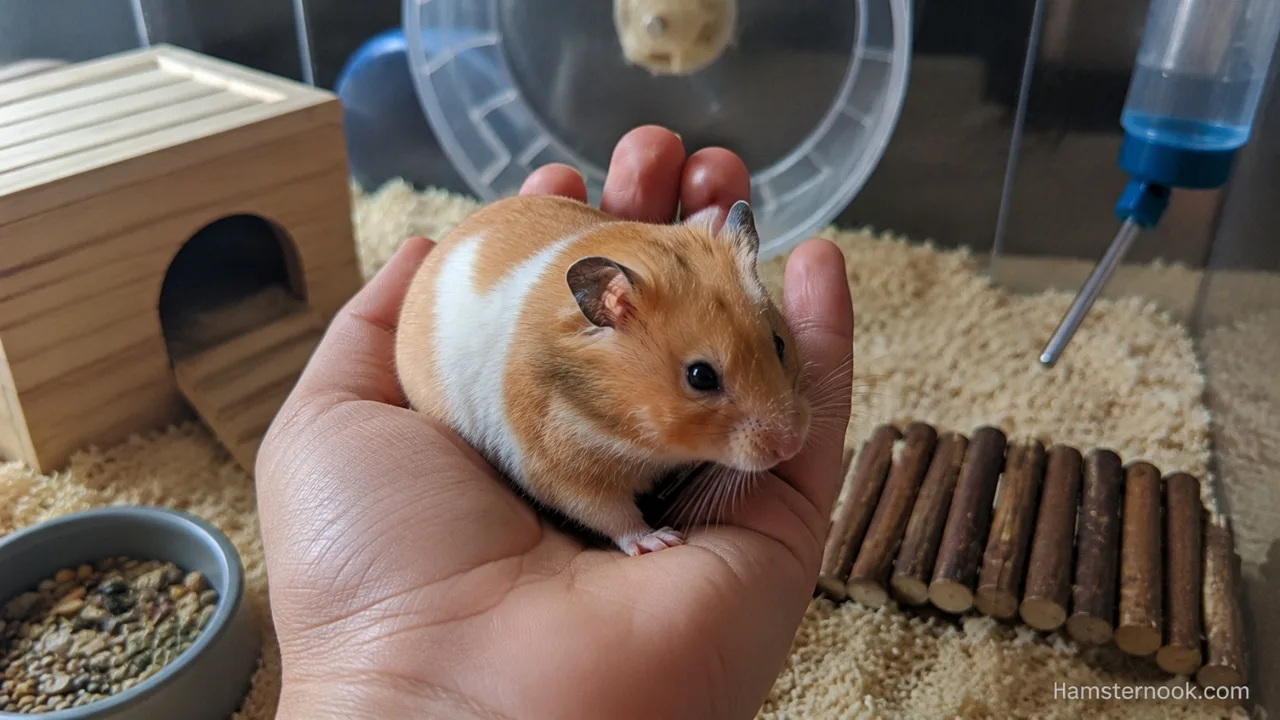
Escapes can happen more easily, and taming often takes longer compared to larger breeds.
For owners hoping for a cuddly pet, Roborovskis may not meet expectations.
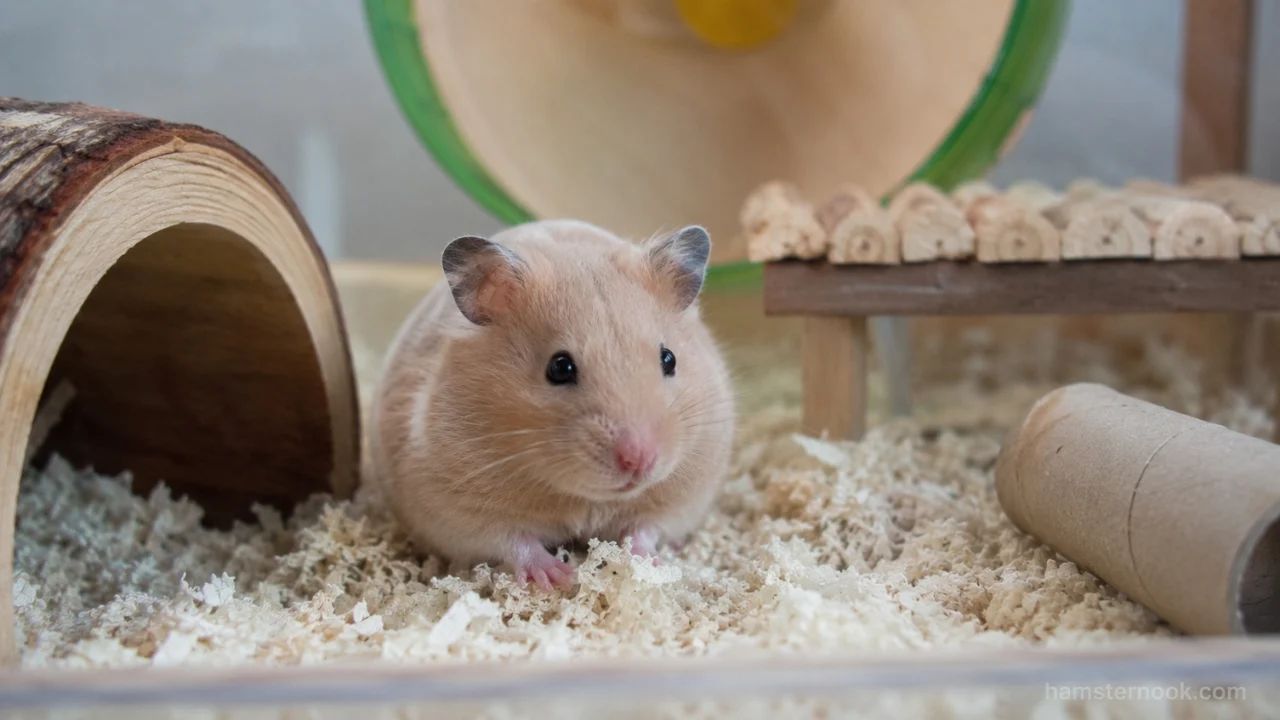
Winter White Hamsters: A Good Middle Ground
Winter White hamsters are often considered one of the better dwarf breeds for beginners.
They tend to be calmer than Roborovskis while still offering the compact size many owners prefer.
Strengths of Winter White Hamsters
| Trait | Beginner Benefit |
|---|---|
| Generally gentle nature | Easier taming |
| Moderate activity level | Easier to observe |
| Small but manageable size | Less intimidating |
| Curious personality | Encourages interaction |
Winter White hamsters are often appreciated for combining an active personality with relatively manageable handling.
What About Chinese Hamsters?
Chinese hamsters are technically not true dwarf hamsters, although they are often grouped with them.
They are known for having slender bodies and slightly longer tails than other hamster species.
Chinese hamsters can be excellent pets for beginners, but availability varies depending on location.

They are often described as:
- Curious
- Gentle
- Intelligent
- Moderately active
Because they are less common in some areas, finding one from a reputable breeder may require extra effort.
Factors More Important Than Breed
Breed provides a general idea of what to expect, but individual temperament often plays an equally important role in long-term compatibility.
While breed matters, it is not the only factor that determines your experience.
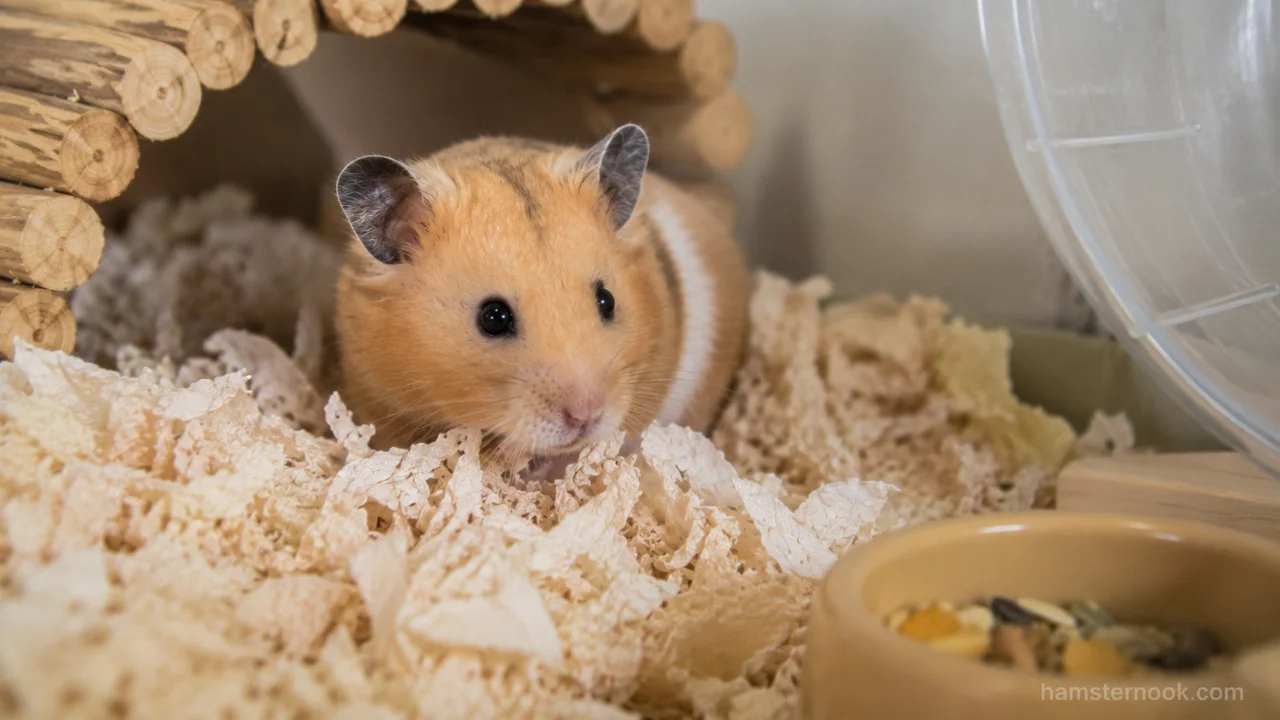
Individual personality can vary significantly.
Two hamsters of the same breed can display completely different levels of confidence, curiosity, and sociability.
Some naturally confident hamsters adjust quickly, while others remain cautious for longer periods.
This is why understanding The Biggest Mistake New Hamster Owners Make in the First Week is just as important as selecting the right breed.
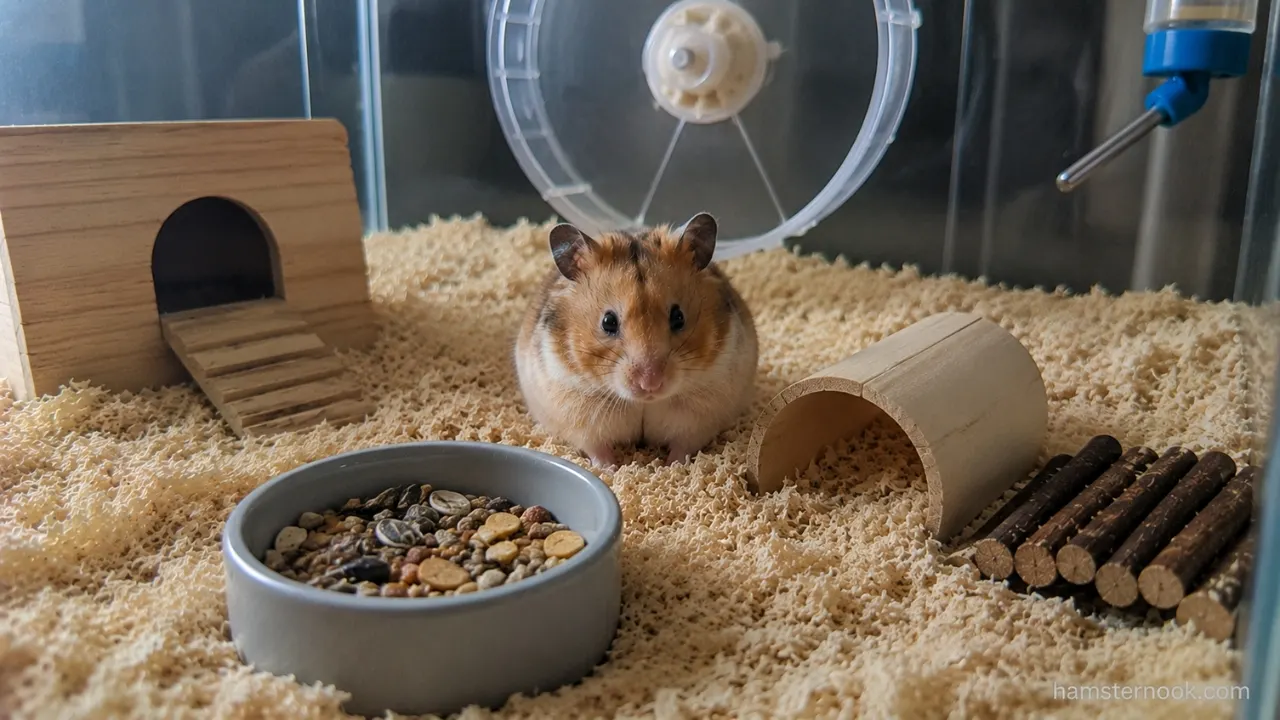
Most hamsters become noticeably more confident once they’ve had enough time to settle into their new surroundings.
Is Breed or Personality More Important?
Breed tendencies can provide useful guidance, but individual temperament often has a greater influence on long-term compatibility. Observing a hamster’s confidence, curiosity, and behavior before adoption can sometimes be just as important as choosing a specific breed.
Common Mistakes When Choosing a First Hamster
Choosing Based Only on Appearance
A fluffy coat or unique color can be appealing, but temperament and care requirements matter more.
The cutest hamster is not always the best fit for your lifestyle.

Ignoring Activity Schedules
Many owners are surprised to discover hamsters are primarily active during the evening.
Learning Why Your Hamster Sleeps All Day and Runs All Night can help set realistic expectations before adoption.
Underestimating Cage Requirements
Every hamster needs a properly sized enclosure, enrichment, and opportunities to exercise.
Even small dwarf hamsters require more space than many starter cages provide.

Expecting Instant Bonding
Trust takes time.
Owners who rush handling often create unnecessary stress for their new pets.
Many owners notice that hamsters become more confident around familiar people over time. Our Do Hamsters Get Excited to See Their Owners? guide explains how hamsters recognize routines, scents, and regular interactions.
Which Hamster Breed Is Best for Children?
The answer depends on the child’s age and experience.

In many cases, Syrian hamsters are the easiest option because their larger size makes accidental drops less likely and handling more manageable.
However, adult supervision is always important.
Hamsters are delicate animals and should never be treated like toys.
Trust develops gradually through patience, predictable routines, and gentle interactions. Owners who respect a hamster’s natural behavior usually build confidence and trust much faster than those who rush handling sessions.
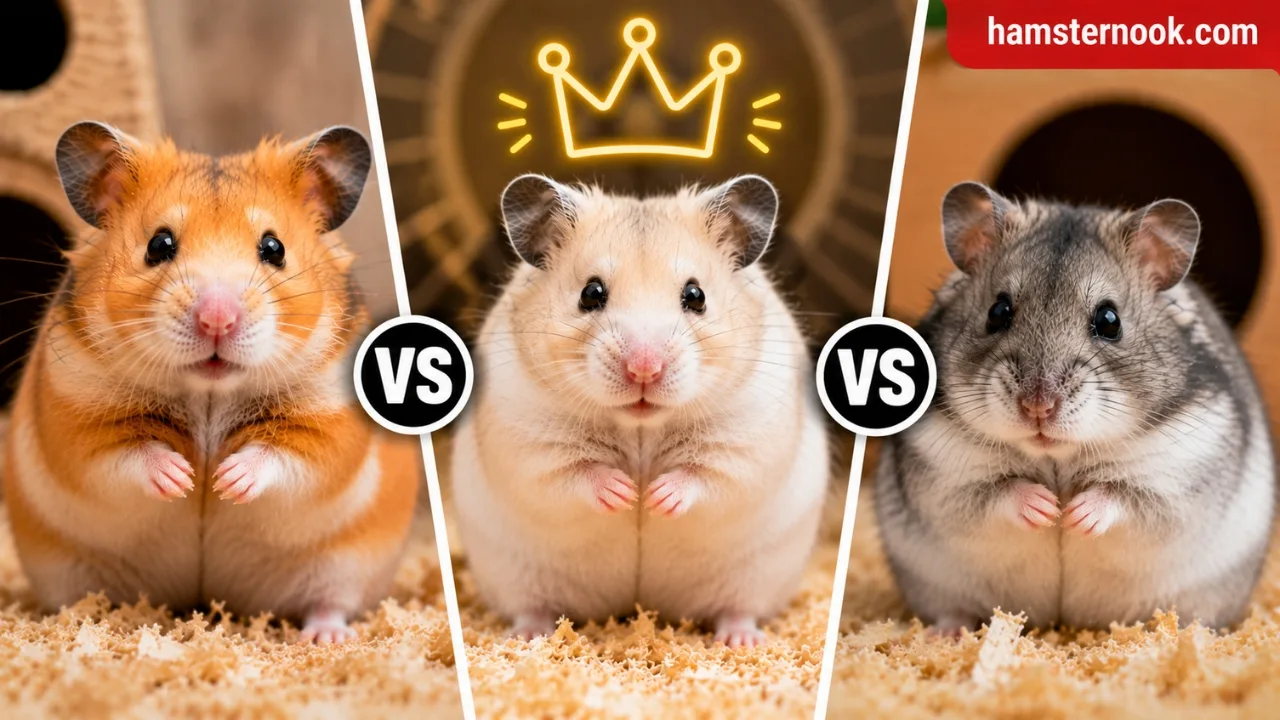
Best Hamster Breed by Owner Type
| Owner Type | Recommended Breed |
|---|---|
| Complete beginner | Syrian Hamster |
| Child with supervision | Syrian Hamster |
| Observation-focused owner | Roborovski Hamster |
| Owner wanting a small but interactive pet | Winter White Hamster |
| Experienced beginner | Campbell’s Dwarf Hamster |
| Owner seeking a unique species | Chinese Hamster |
These recommendations are general guidelines rather than strict rules. Individual temperament should always be considered alongside breed characteristics.
The best hamster is usually the one whose needs match your expectations.
If possible, spend a few minutes observing a hamster before bringing it home. A calm, curious hamster is often easier for beginners than one that appears extremely nervous or reactive.
Final Verdict: Which Hamster Breed Should Beginners Choose?

For most first-time owners, the Syrian hamster remains the best overall choice.
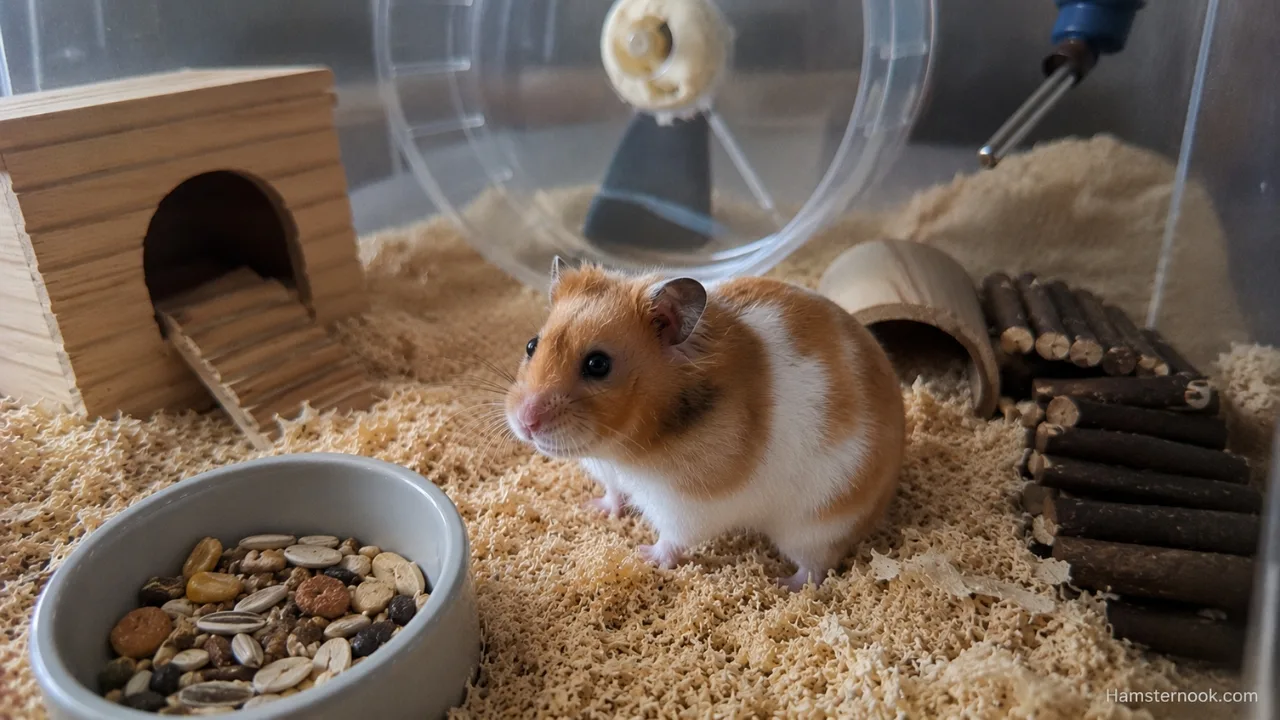
Its larger size, predictable care requirements, and easier handling make it one of the most forgiving choices for first-time hamster owners. Syrian hamsters are generally more forgiving of beginner mistakes and often develop strong trust with patient owners.
That said, Winter White and Chinese hamsters can also be excellent options for beginners who prefer a smaller pet. Roborovski hamsters are usually better suited for owners who enjoy observing natural behaviors rather than frequent handling.
No matter which breed you choose, good housing, patience, and realistic expectations usually matter more than breed alone.
Frequently Asked Questions
What is the friendliest hamster breed for beginners?
Syrian hamsters are often considered the friendliest beginner breed because they are larger, easier to handle, and typically respond well to patient taming.
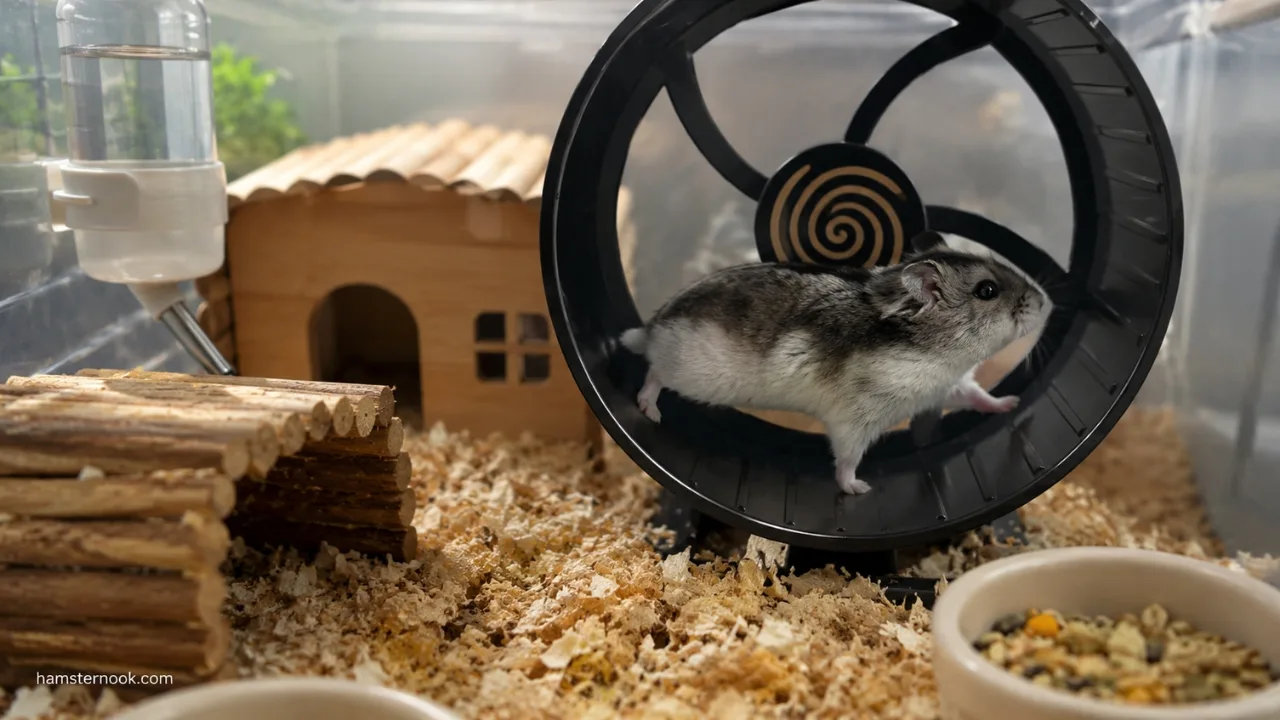
Are dwarf hamsters harder to care for than Syrian hamsters?
Not necessarily, but they are usually faster, smaller, and more challenging to handle, which can make them less beginner-friendly.
Which hamster breed bites the least?
Any hamster can bite if frightened, stressed, or handled incorrectly. Well-socialized Syrian hamsters are often considered among the easiest breeds to handle safely.
Is a Roborovski hamster a good first pet?
Roborovskis can be rewarding pets for beginners who prefer observing behavior, but their speed and small size make them less suitable for owners seeking frequent handling.
Should I get a male or female hamster?
Both males and females can make excellent pets. Individual personality, socialization, and care quality generally have a greater impact than sex alone.

Which hamster breed lives the longest?
Syrian hamsters often live around 2–3 years, although lifespan depends on genetics, diet, healthcare, and overall living conditions.
Is a Syrian hamster better than a dwarf hamster for beginners?
For many first-time owners, yes. Syrian hamsters are generally easier to handle because of their larger size, although some dwarf hamsters can also make excellent beginner pets.
References
This guide is based on hamster welfare, behavior, and husbandry information from trusted veterinary and animal care resources, including:
- RSPCA – Hamster Care Advice
- PDSA – Small Pet Welfare Guidance
- Blue Cross – Hamster Care Resources
- MSD Veterinary Manual – Hamsters and Other Rodents
- NC3Rs – Hamster Housing and Welfare
Medical Disclaimer
This article is for educational purposes only and should not replace veterinary advice. Individual hamster personalities vary, and breed tendencies do not guarantee specific behavior.

Narayan Kumar is the founder and author of HamsterNook. He creates practical, research-based hamster care guides covering hamster behavior, nutrition, cage setup, enrichment, health, and everyday care. His goal is to help hamster owners make informed decisions and provide safer, healthier lives for their pets through clear, beginner-friendly information based on trusted animal care resources.