If you’ve ever cooked rice at home and noticed your hamster watching curiously from across the room, you might have wondered whether it’s safe to share a small bite. Rice is one of the most common foods in households around the world, but that doesn’t automatically mean it’s suitable for hamsters.
Yes, hamsters can eat plain rice in small amounts, but it should only be an occasional treat rather than a regular part of their diet. Not all rice products are equally suitable for hamsters, and larger portions can create dietary problems over time. Understanding the safest serving sizes, potential risks, and healthier alternatives can help you make better feeding decisions for your pet.
This guide covers everything hamster owners need to know about rice, including cooked versus uncooked rice, portion recommendations, common mistakes, and safer options for a balanced diet.
Quick Answer
Hamsters can eat small amounts of plain cooked rice as an occasional treat. Cooked rice is the preferred option because it is softer and easier to chew, while there is no clear benefit to offering uncooked rice. Rice should never replace a balanced hamster diet.

Can Hamsters Eat Rice Safely?
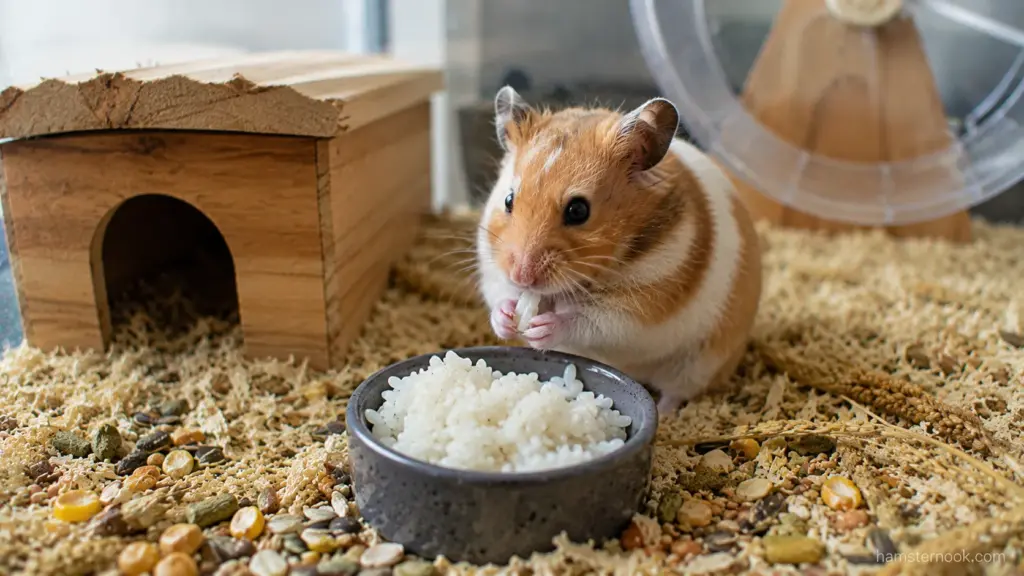
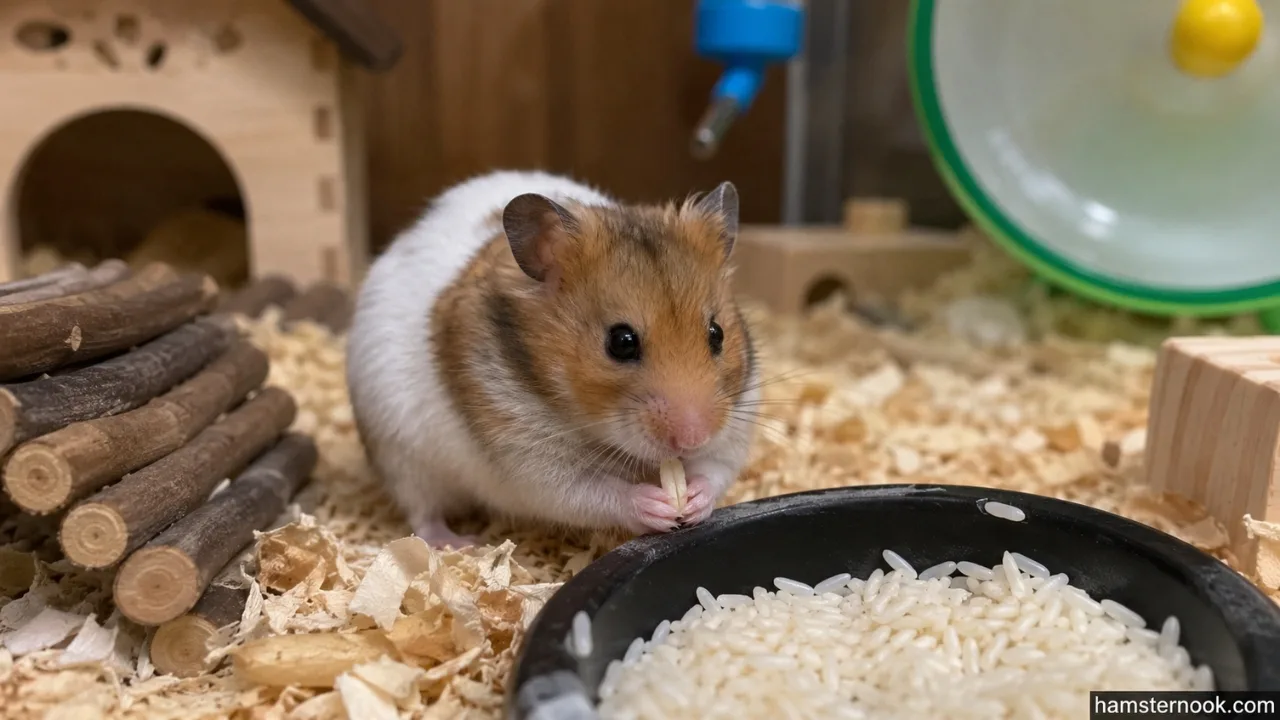
Yes, hamsters can eat rice in moderation.
Plain cooked rice can be offered occasionally to healthy hamsters in a very small portion. Cooked rice is the more practical choice because it is soft and easy to chew. There is no need to offer uncooked rice when cooked rice is available.
However, rice should never become a major part of a hamster’s diet. Hamsters thrive on a balanced diet consisting primarily of high-quality hamster food, supplemented with safe vegetables, occasional fruits, and small treats.
Rice is better treated as an occasional extra rather than an important part of a hamster’s diet.

Cooked Rice vs Uncooked Rice: Which Is Better?
Many owners are surprised to learn that hamsters can eat both cooked and uncooked rice. Each has advantages and drawbacks.
| Type of Rice | Safe for Hamsters? | Benefits | Potential Concerns |
|---|---|---|---|
| Plain Cooked White Rice | Yes | Easy to chew and digest | Can be filling with limited nutrition |
| Plain Cooked Brown Rice | Yes | Slightly more fiber and nutrients | Must be served plain |
| Uncooked Rice | Yes, in small amounts | Encourages natural chewing | Harder texture for some hamsters |
| Fried Rice | No | None | Contains oils, salt, and seasonings |
| Seasoned Rice | No | None | Ingredients may be unsafe |
| Instant Flavored Rice | No | None | Often contains additives and sodium |
As a general rule, the less processed the rice is and the fewer ingredients it contains, the safer it is for hamsters.
The safest choice is plain cooked rice with no salt, butter, oil, sauces, or seasonings.
Nutritional Value of Rice for Hamsters
Rice is primarily an energy source rather than a nutrient-dense food. While it can be fed safely, hamsters should receive most of their nutrition from a complete hamster food mix.
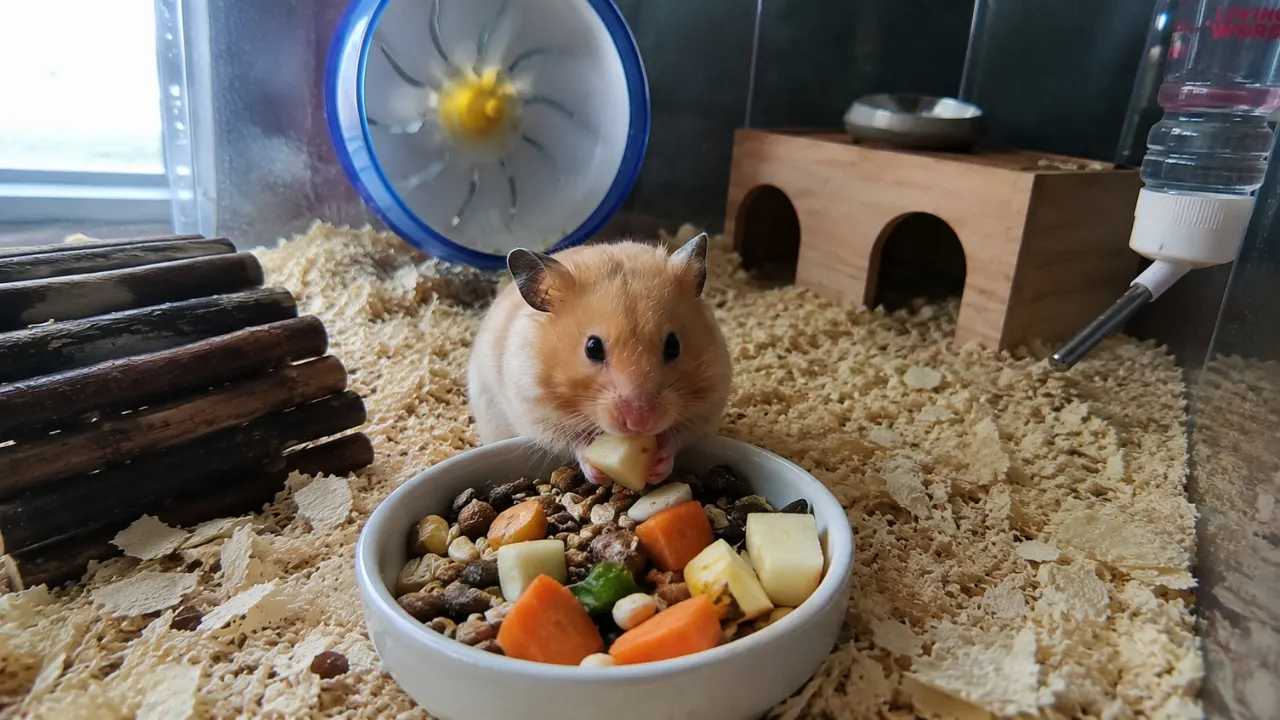
Although rice provides energy, it contains fewer beneficial nutrients than many vegetables and protein-rich treats.
A small serving of rice may provide:
- Carbohydrates for energy
- Small amounts of protein
- Trace minerals
- Small amounts of fiber (especially brown rice)
Because the nutritional profile is fairly limited, rice should not replace more nutritious foods.
Potential Benefits of Feeding Rice to Hamsters
Although rice isn’t a superfood for hamsters, it can offer some benefits when used appropriately.

Easy for Most Hamsters to Eat
Soft cooked rice is generally easy to chew, making it accessible for many hamsters.
Older hamsters or those with minor dental challenges may sometimes find cooked rice easier to manage than harder treats.
Provides Quick Energy
Rice contains carbohydrates that can provide a quick energy source.
This doesn’t mean hamsters need rice regularly, but an occasional small serving is unlikely to cause problems in healthy animals.

Adds Variety to the Diet
Offering safe foods occasionally can add variety and encourage natural foraging behavior.
Many owners occasionally introduce new foods to add variety to their hamster’s diet. If you’re looking to expand your hamster’s menu, Can Hamsters Eat Mealworms? Benefits & Risks discusses another commonly offered treat that provides protein rather than carbohydrates.
Potential Risks of Feeding Rice to Hamsters
Rice may be safe, but there are important limitations owners should understand.
Too Much Rice Can Lead to Weight Gain
Rice is calorie-dense compared to many vegetables.

Regularly feeding large portions may contribute to:
- Weight gain
- Reduced activity
- Dietary imbalance
This is especially important for dwarf hamster species, which can be prone to obesity when fed excessive treats.
Rice Lacks Many Essential Nutrients
A hamster filling up on rice may eat less of its nutritionally balanced hamster food.
Commercial hamster diets are designed to provide essential nutrients that rice cannot supply in sufficient amounts.

Unlike vegetables, seeds, and protein-rich foods, rice contributes relatively little in terms of vitamins and minerals.
Seasoned Rice Can Be Dangerous
One of the most common mistakes owners make is sharing rice directly from their own plate.
Human rice dishes often contain:
- Salt
- Garlic
- Onion
- Oils
- Butter
- Sauces
Many of these ingredients are inappropriate or potentially harmful for hamsters.

Rice is only one example of a human food that may need special care before being offered to a hamster. Our What Human Foods Can Hamsters Eat? 10 Safe Foods & What to Avoid guide covers other common foods and ingredients owners should watch for.
Always serve rice plain.
How Much Rice Can a Hamster Eat?
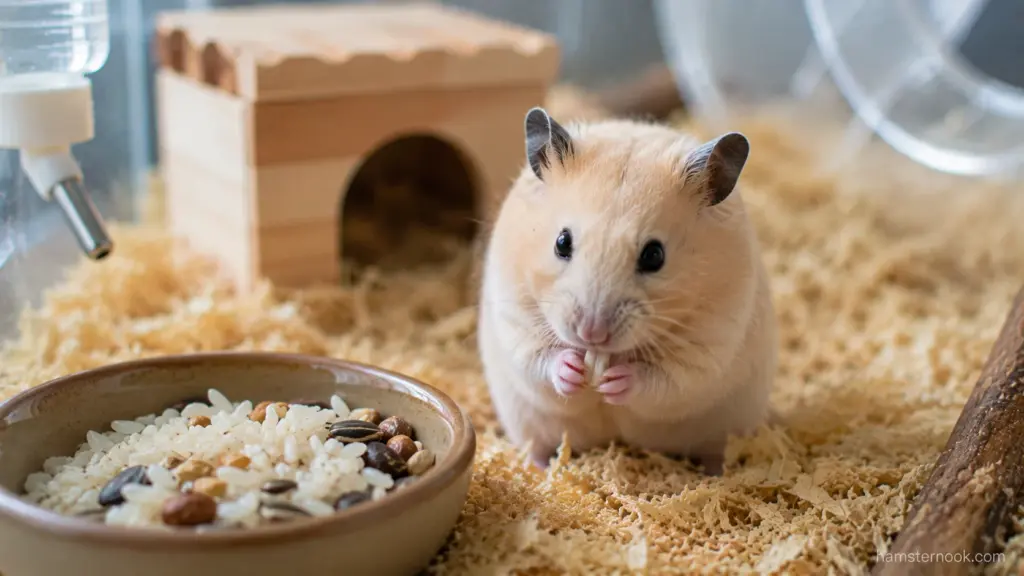
Even safe foods can become unhealthy when portion sizes are too large.
Hamsters are tiny animals, so even small servings can be significant.

Recommended Serving Guide
| Hamster Type | Portion Size | Frequency |
|---|---|---|
| Any hamster | Tiny bite-sized portion of plain cooked rice | Occasional treat |
Rice should remain a small supplement rather than a routine food.
How to Prepare Rice Safely for Hamsters
Safe preparation is simple.
Step 1: Cook Rice Plain
Do not add:
- Salt
- Butter
- Oil
- Herbs
- Seasonings
Step 2: Allow It to Cool
Hot food can burn a hamster’s mouth.

Always allow rice to cool completely before serving.
Step 3: Serve a Small Portion
A tiny amount is sufficient.
Many owners unknowingly overestimate how much food a hamster actually needs.
Step 4: Remove Leftovers
Fresh foods can spoil inside the enclosure.

Because hamsters often store food, it’s worth checking their stash areas occasionally. Owners concerned about food-hoarding behavior may also find Why Does My Hamster Keep Hiding Food? helpful for understanding this natural habit.
Can Hamsters Eat White Rice?
Yes. Plain cooked white rice is the type most owners feed. It is soft, easy to chew, and generally well tolerated when served in very small amounts. The key requirement is that it must be completely plain and free from seasonings.
Can Hamsters Eat Brown Rice?
Yes, plain cooked brown rice is generally safe.
Brown rice contains slightly more fiber and nutrients than white rice because it retains its outer bran layer.
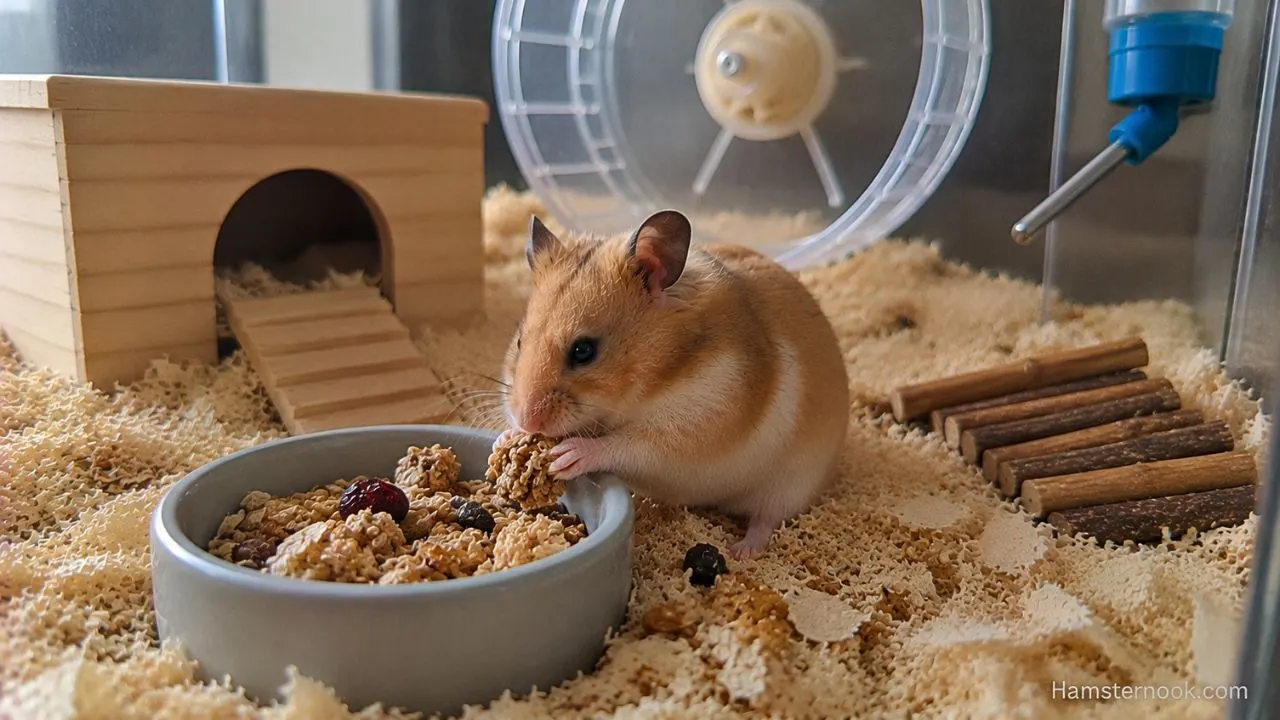
However, the nutritional difference is relatively small considering the tiny portions hamsters consume.
The same feeding rules apply:
- Serve plain
- Offer small amounts
- Feed occasionally
Can Hamsters Eat Rice Cakes?
Plain rice cakes are sometimes safe in very small pieces.
However, many commercial rice cakes contain:
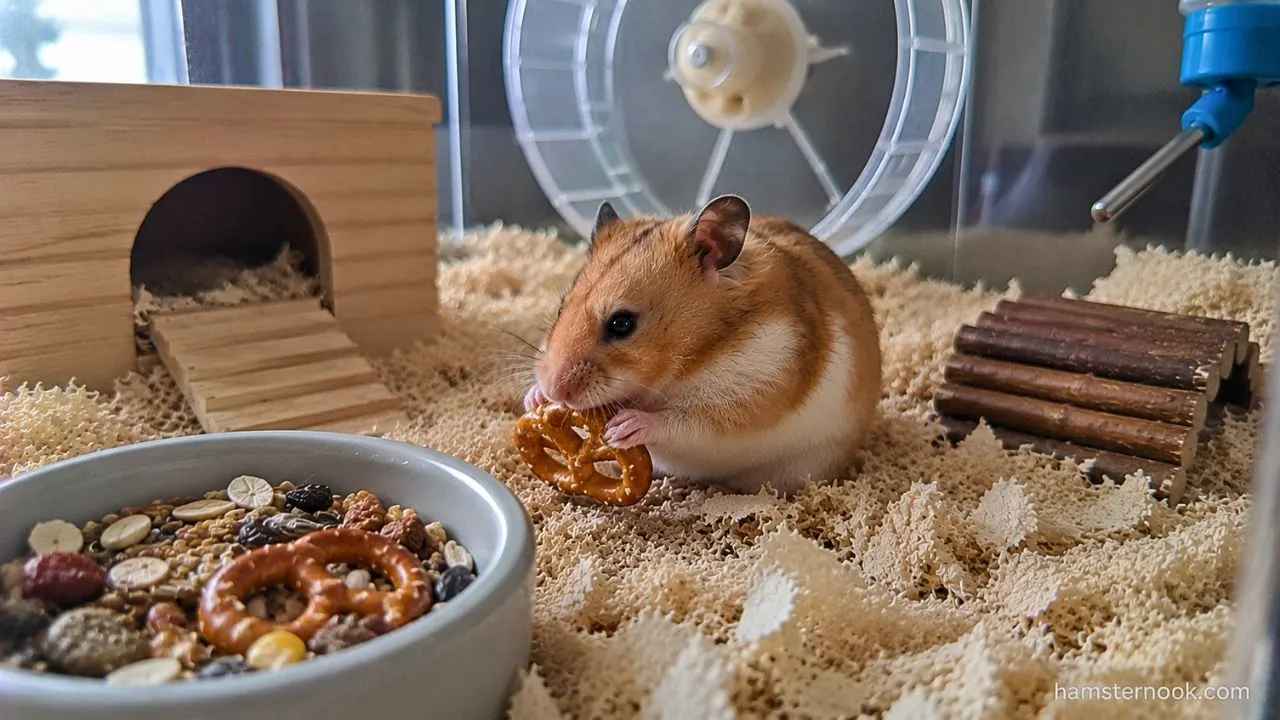
- Salt
- Flavorings
- Sweeteners
- Artificial ingredients
For this reason, plain rice is usually the better choice.
Always check ingredient labels carefully before offering processed foods.
Can Baby Hamsters Eat Rice?
Young hamsters should primarily eat foods appropriate for their age and development.
While a tiny amount of plain cooked rice is unlikely to be harmful to a weaned hamster, rice offers limited nutritional value compared to a balanced diet.
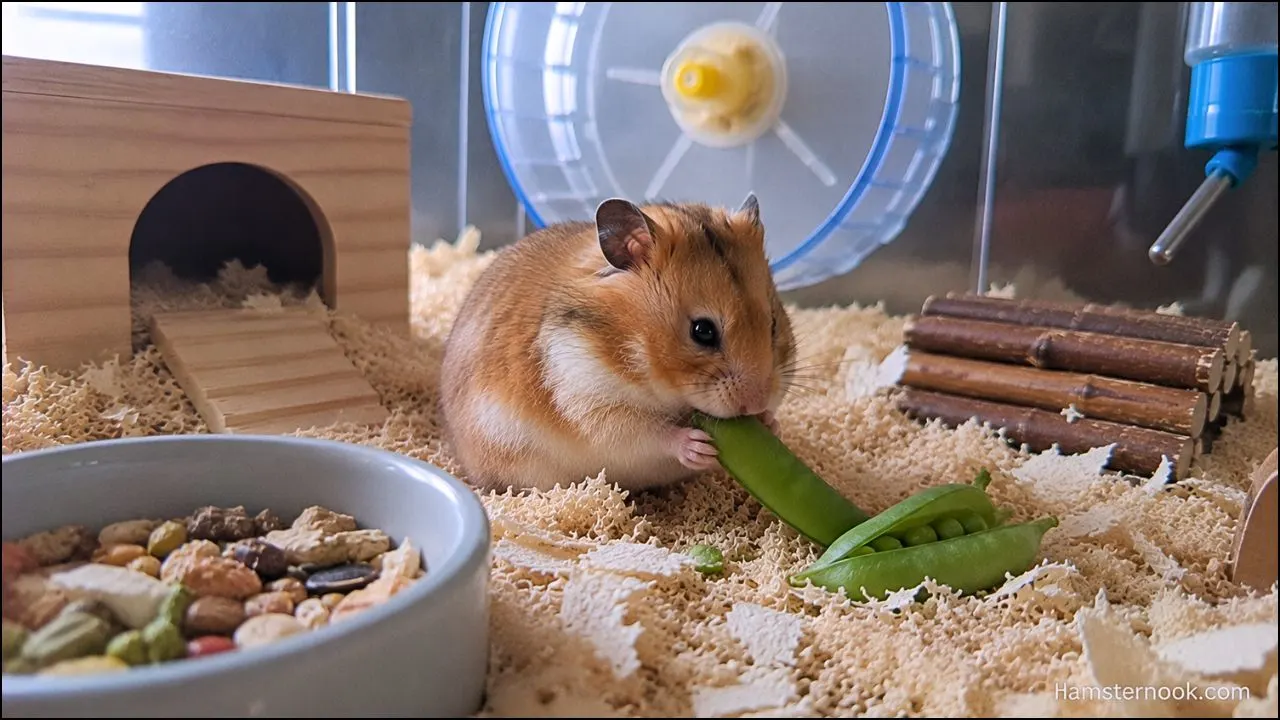
New owners often worry about introducing foods too quickly. Similar concerns apply when offering fruits and treats, which is discussed in Can Hamsters Eat Grapes? What Owners Need To Know.
Signs Your Hamster Ate Too Much Rice
Most hamsters tolerate small amounts of rice without difficulty.
However, excessive feeding may contribute to:
| Sign | Possible Cause |
|---|---|
| Weight gain | Excess calories |
| Reduced appetite | Filling up on treats |
| Food hoarding | Large portions offered |
| Less interest in pellets | Preference for treats |
If you notice these changes, reduce treat portions and focus on a balanced diet.

If your hamster eats more rice than intended, stop offering additional treats and return to its normal balanced food. If you notice diarrhea, persistent lethargy, or a noticeable change in eating, contact an exotic-pet veterinarian.
When Should You Avoid Feeding Rice?
Avoid feeding rice if your hamster is overweight, already receiving multiple treats throughout the week, or has digestive issues that are being monitored by a veterinarian. In these situations, lower-calorie foods are usually a better choice.
Better Alternatives to Rice for Hamsters
Rice is safe, but there are often more nutritious options available.
Vegetables
Many vegetables provide more vitamins and minerals than rice.

Examples include:
- Cucumber
- Bell pepper
- Zucchini
- Broccoli
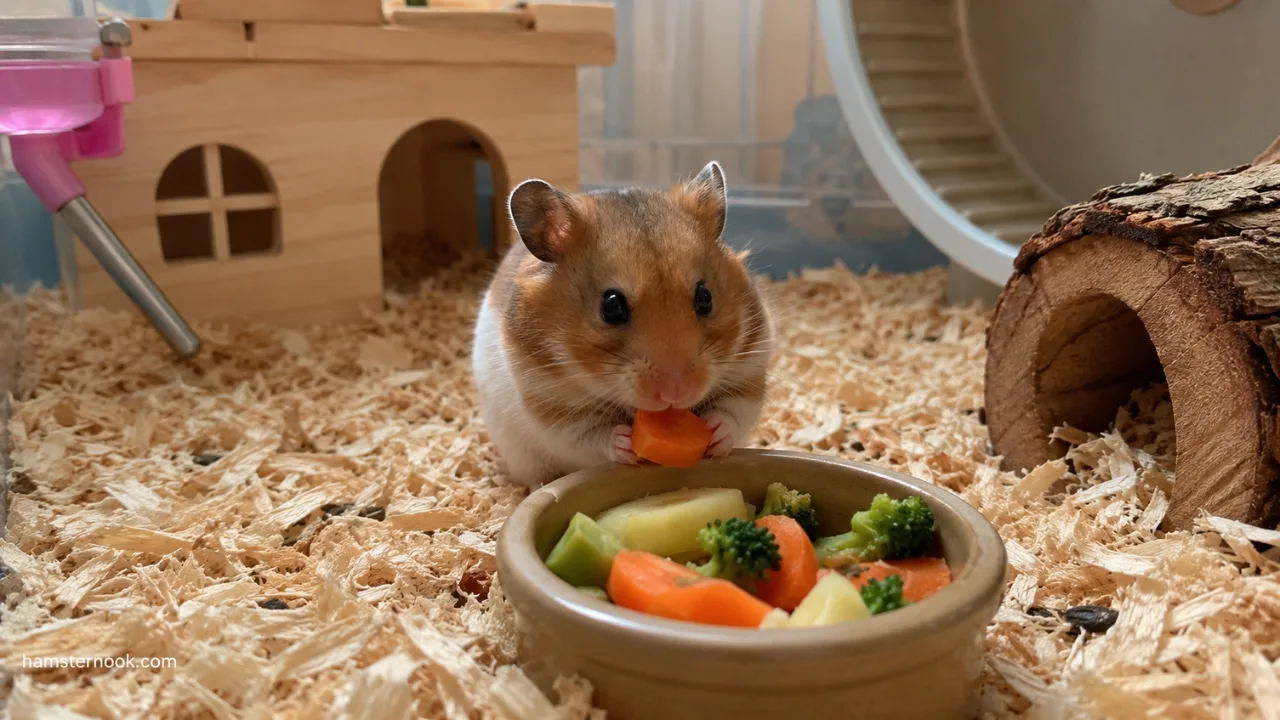
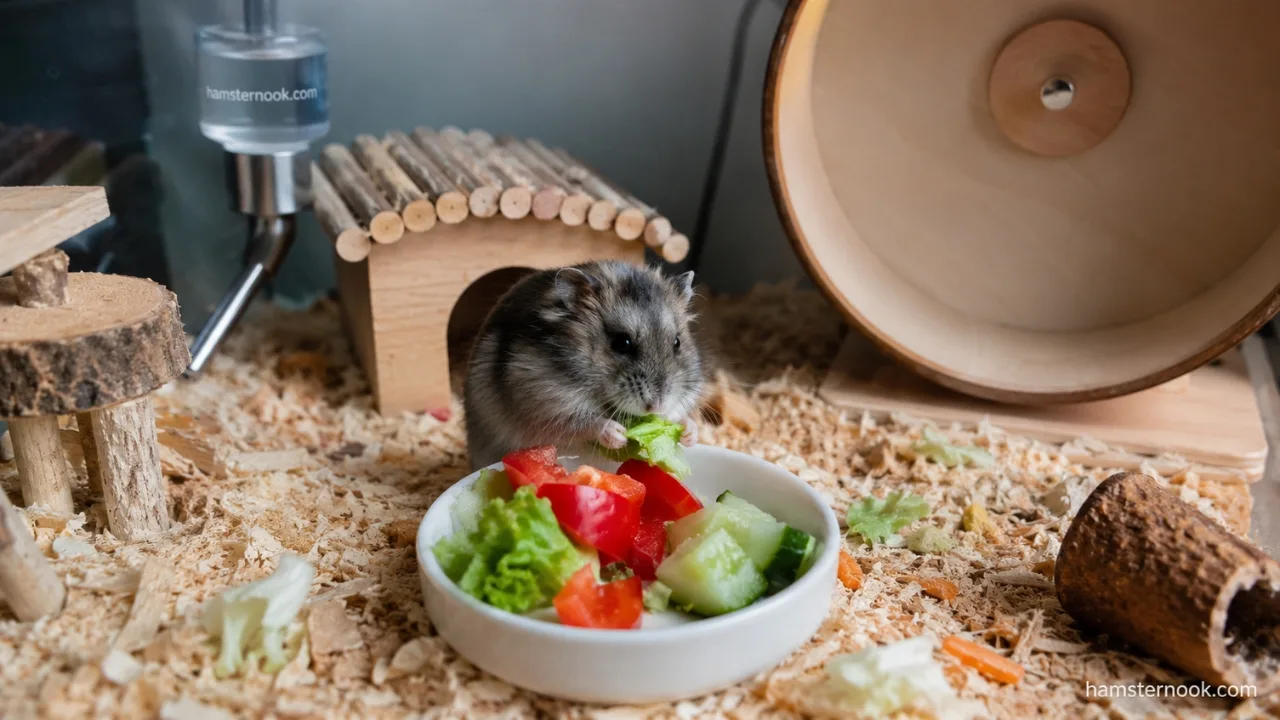
For a more complete list of safe produce options, see Best Fruits and Vegetables for Hamsters.
Protein-Rich Treats
Hamsters naturally consume some animal protein.
Small protein treats can often provide more nutritional value than rice. For a broader look at what belongs in a hamster’s overall diet, see What Do Hamsters Eat? Complete Safe & Unsafe Food List.

Safe Whole Grains
Some hamster owners offer small amounts of:
- Oats
- Barley
- Millet
These grains often appear naturally in commercial hamster food mixes.
Healthy Enrichment Foods
Rice Feeding Mistakes to Avoid
Even well-meaning owners sometimes make avoidable mistakes.
Sharing Rice Directly From Human Meals
This is the most common error.

Human rice dishes almost always contain ingredients that are unsuitable for hamsters.
Offering Large Portions
Hamsters need surprisingly small amounts of supplemental food.
More is not better.
Feeding Rice Too Frequently
Rice should complement a balanced diet, not replace healthier foods.

Ignoring Overall Diet Quality
If a hamster’s staple diet is poor, adding rice will not improve nutritional balance.
Final Thoughts on Feeding Rice to Hamsters
Hamsters can safely eat rice when it is served plain, in small portions, and only occasionally. Both white and brown rice are generally acceptable choices, provided they contain no added seasonings, oils, or sauces.
Rice can be a safe treat, but it should never replace a balanced hamster food mix designed to meet your pet’s nutritional needs. While it can offer variety and enrichment, there are many foods that provide greater nutritional value.
For most hamsters, rice works best as an occasional treat while a balanced hamster food mix remains the main source of nutrition.
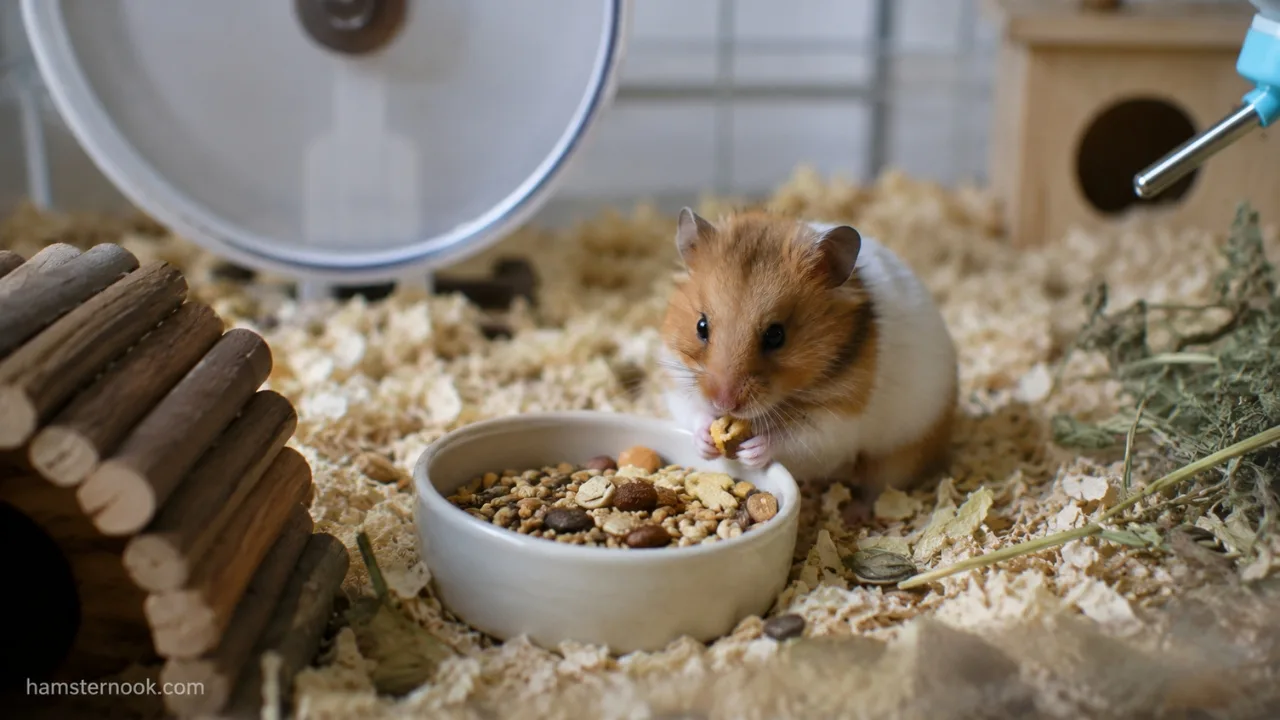
Key Takeaways
- Plain cooked rice is safe for hamsters in small amounts.
- Rice should be an occasional treat, not a dietary staple.
- Never feed rice that contains salt, butter, oil, sauces, or seasonings.
- Small portions are especially important for dwarf hamster species.
- A balanced hamster food mix should remain the foundation of the diet.
Frequently Asked Questions About Hamsters and Rice
Can hamsters eat rice every day?
No. Rice should be an occasional treat rather than a daily food because it lacks many essential nutrients that hamsters need.
Is cooked rice safer than uncooked rice for hamsters?
Cooked rice is generally easier to chew and digest, making it the preferred option for most pet hamsters.
Can dwarf hamsters eat rice?
Yes. Dwarf hamsters can eat very small amounts of plain rice occasionally, but portion control is especially important.
Can hamsters eat rice with butter or salt?
No. Rice served to hamsters should always be plain and free from butter, salt, oils, and seasonings.

Is brown rice better than white rice for hamsters?
Brown rice contains slightly more fiber and nutrients, but both can be fed safely in moderation.
What foods are healthier than rice for hamsters?
Many vegetables, high-quality hamster pellets, safe grains, and occasional protein-rich treats typically offer greater nutritional value than rice.
Can hamsters eat rice crackers?
Most rice crackers are not recommended because they often contain salt, flavorings, oils, or other ingredients that are unsuitable for hamsters.
Can hamsters eat leftover rice from dinner?
Only if the rice is completely plain. Rice prepared for human meals often contains ingredients that should not be fed to hamsters.
How much rice is too much for a hamster?
If rice begins replacing normal hamster food or is offered several times a week in large amounts, the portion is likely too large.

Narayan Kumar is the founder and author of HamsterNook. He creates practical, research-based hamster care guides covering hamster behavior, nutrition, cage setup, enrichment, health, and everyday care. His goal is to help hamster owners make informed decisions and provide safer, healthier lives for their pets through clear, beginner-friendly information based on trusted animal care resources.