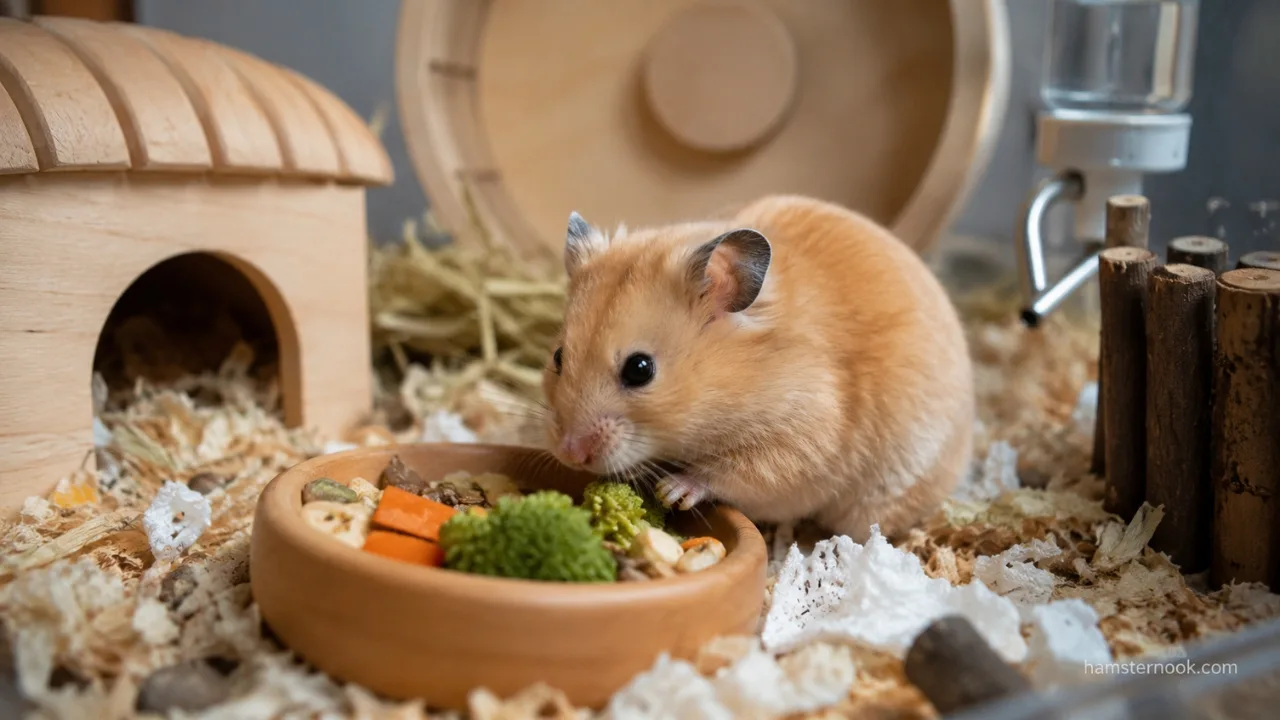
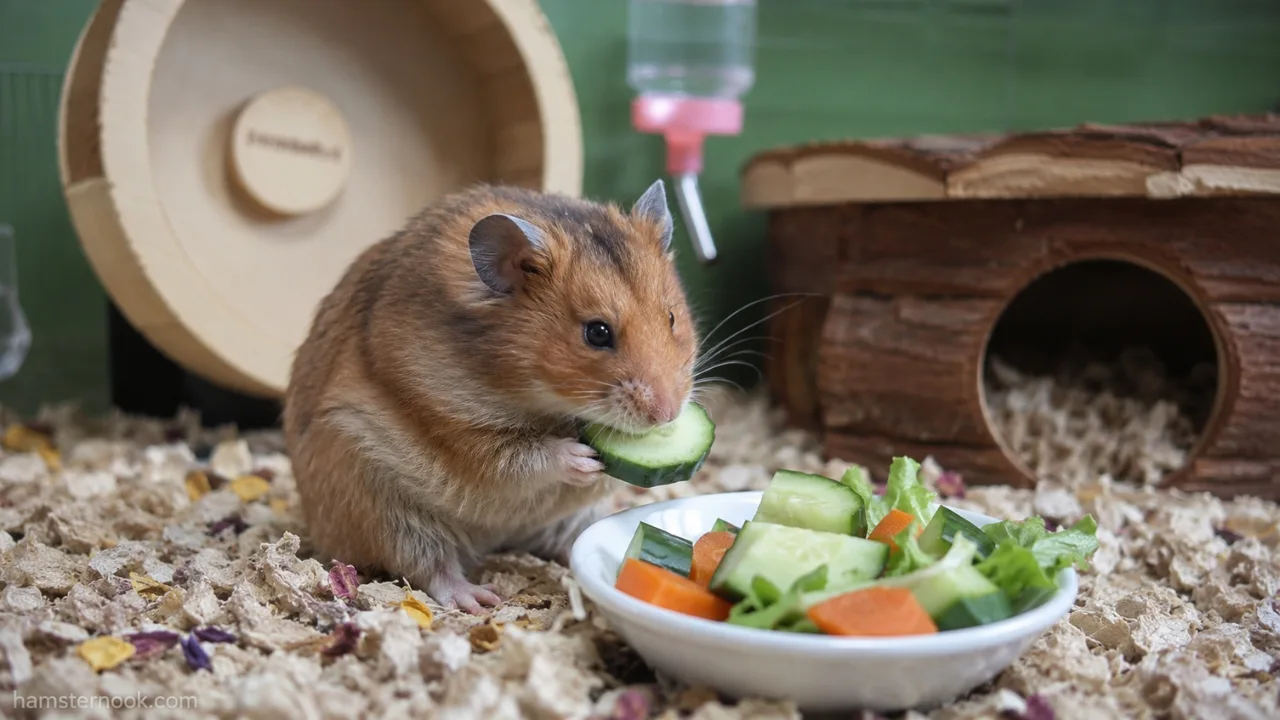
Green beans are a common vegetable, and if you have some in your kitchen, you may wonder whether your hamster can have a small piece too. Yes, green beans can be offered to hamsters when they are plain, properly prepared, and given in moderation. The main challenge isn’t whether green beans are safe, but knowing how much to offer and how to fit them into an already balanced hamster diet.
Quick Answer
Yes, hamsters can eat green beans in small amounts.
Plain green beans can be a suitable fresh vegetable for hamsters. They can be offered raw or cooked, as long as they are clean, unseasoned, and prepared in a hamster-friendly way.
Green beans should not replace your hamster’s regular food. A quality hamster diet should remain the main source of nutrition, while fresh vegetables are used as a small addition for variety.

Understanding what should make up that main diet is important before adding individual vegetables. What Do Hamsters Eat? Complete Food List of Safe, Healthy & Unsafe Foods explains the foods that should form the foundation of a hamster’s everyday diet.
The simplest option is a small piece of plain green bean. Avoid adding salt, butter, oil, sauces, garlic, onion, or other seasonings.
Are Green Beans Safe for Hamsters?
RSPCA guidance for smaller pets, including hamsters, lists green beans among suitable foods.
For a pet hamster, the important part is preparation. A plain green bean is very different from green beans cooked as part of a human meal with butter, salt, gravy, or seasoning.
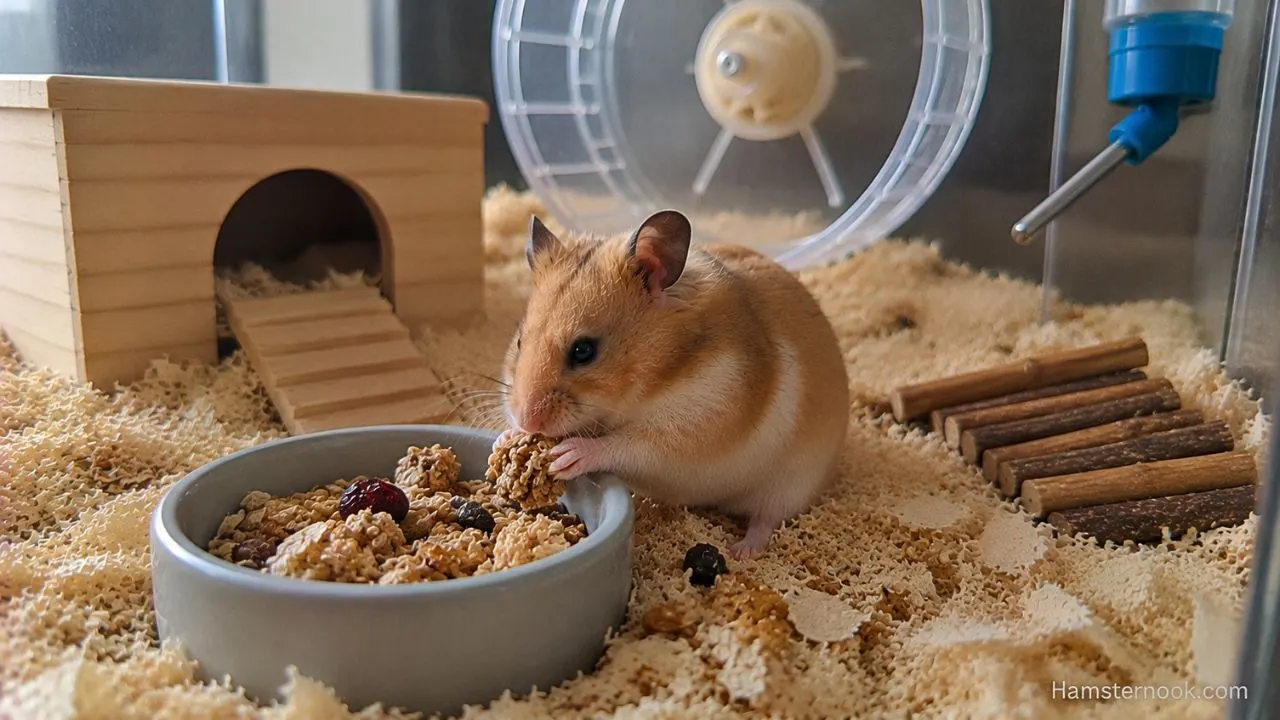
If you’re preparing green beans specifically for your hamster, keep them as simple as possible.
Good options include:
- Plain fresh green beans
- Plain cooked green beans that have cooled
- Small pieces of washed green bean
Avoid:
- Green beans with salt
- Green beans cooked in butter or oil
- Canned green beans with added salt
- Green bean casserole
- Green beans mixed with onion or garlic
- Seasoned or spicy green beans
- Leftover vegetables covered in sauce
Your hamster doesn’t need human-style seasoning to enjoy a vegetable. Plain is safer and easier to control.

Can Hamsters Eat Raw Green Beans?
Yes, plain raw green beans can be offered in a small amount.
Wash the green bean first to remove dirt and any surface residue. Then cut off any unsuitable ends and give your hamster a small piece that is easy to handle.
A plain green bean does not need to be cooked before feeding if it has been washed and prepared appropriately.
Some hamsters may nibble the piece immediately, while others may carry it away to their food stash. Carrying food away is normal hamster behavior.

If your hamster has never eaten green beans before, start with a very small piece rather than offering a large portion.
Can Hamsters Eat Cooked Green Beans?
Yes, plain cooked green beans can also be offered.
If you cook them for your hamster, don’t add salt, butter, oil, sauces, or seasonings. Let the vegetable cool completely before giving it to your pet.
There’s also no need to cook green beans specifically for a hamster if you already have a suitable fresh green bean that can be safely washed and served raw.
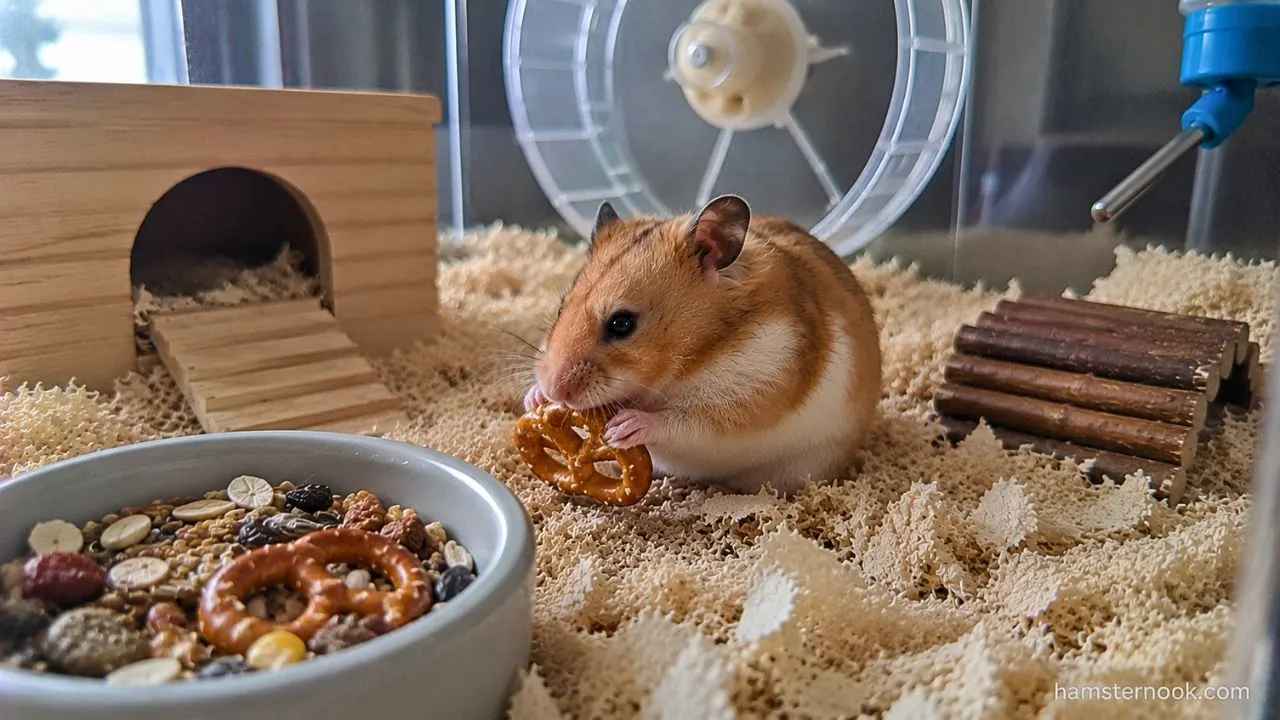
Whatever preparation you choose, keep the green bean plain and offer only a small portion.
How Much Green Bean Can a Hamster Eat?

Portion size is more important than giving an exact number of beans.
Hamsters are very small animals, so even a piece that looks tiny to us can be a meaningful amount of food for them. Blue Cross recommends that fresh food portions should be no larger than a hamster’s ear.
For a first serving, a small piece is a sensible starting point. You can then observe how your hamster handles the new food before offering it again.

A useful way to think about it is:
| Serving size | Practical guidance |
|---|---|
| A tiny piece | A cautious starting point when introducing green beans. |
| A small piece | A modest fresh-food serving alongside the usual balanced diet. |
| Several large pieces | More than needed for a small pet’s fresh-food serving. |
| A handful or large daily serving | Avoid; excess fresh food can be hidden and spoil. |
There isn’t a single green-bean portion that is perfect for every hamster. Syrian hamsters and dwarf hamsters differ in body size, and the rest of the hamster’s diet matters too.
Can Dwarf Hamsters Eat Green Beans?
Yes, dwarf hamsters can eat green beans in small amounts.
The same basic rules apply: the green bean should be plain, clean, and offered as a small part of the diet.

Because dwarf hamsters are smaller, owners should be especially careful about portion size. A piece that seems tiny to you can still be a relatively large serving for a small hamster.
Don’t assume that a dwarf hamster needs to avoid vegetables altogether. The important thing is moderation and a balanced overall diet.
Can Syrian Hamsters Eat Green Beans?
Yes. Syrian hamsters can also have small portions of plain green beans.
Their larger body size doesn’t mean they should receive unlimited vegetables. Fresh food should still be a relatively small part of the overall diet.
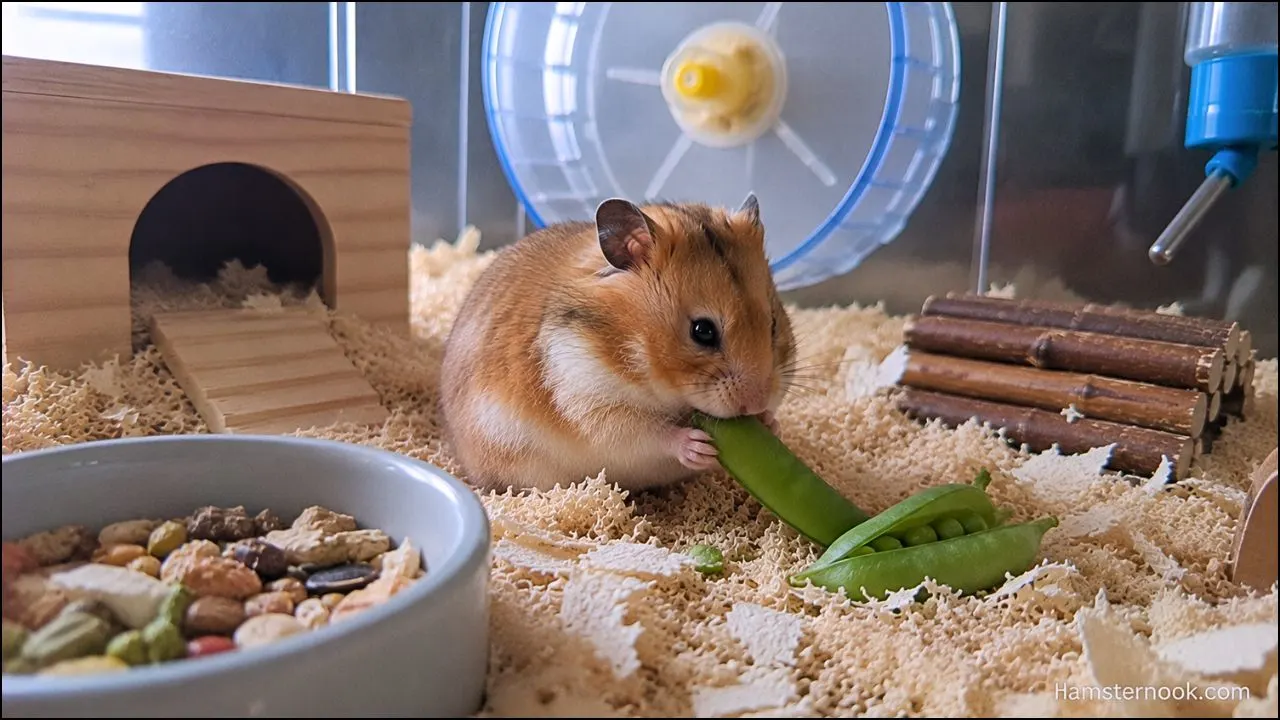
A Syrian hamster may carry a green bean into its nest rather than eating it immediately. This is normal because hamsters naturally carry and store food.
That behavior creates another reason to keep portions small: fresh vegetables can spoil if they’re hidden and forgotten.
Why Should Green Beans Only Be a Small Part of the Diet?
Green beans can add variety, but they aren’t a complete hamster diet.
Hamsters need a balanced food that supplies their nutritional requirements. A suitable commercial hamster food should form the foundation of the diet, with fresh vegetables offered in smaller quantities.

Fresh food can make meals more interesting and provide variety, but giving too much can displace the main food your hamster needs.
Fresh vegetables are only one part of a hamster’s overall nutrition. For a broader list of safe produce, portion guidance, and foods to limit, see our Best Fruits and Vegetables for Hamsters: Safe Foods, Portion Sizes & Feeding Tips guide.
There’s also a practical issue with hamsters: they are natural hoarders.
Your hamster may take a piece of green bean into a hide, under bedding, or into its usual food storage area. If you provide too much, more of it may remain hidden and eventually spoil.

This is why a tiny serving is usually better than a generous one.
How Often Can Hamsters Eat Green Beans?
Green beans don’t need to be given every day, and they should be rotated with other suitable fresh foods.
Hamsters can have a variety of suitable vegetables rather than eating the same vegetable repeatedly. If green beans are already part of your hamster’s fresh-food rotation, there’s no need to make them the only vegetable it receives.
Rotating suitable vegetables also helps keep any one fresh food from becoming too large a part of the diet.

Think of green beans as one option among several appropriate vegetables.
Broccoli is another suitable vegetable to consider when you’re building variety into your hamster’s fresh-food rotation. Our Can Hamsters Eat Broccoli? Benefits, Risks & Safe Serving Size guide covers safe portions and preparation.
What Is the Best Way to Prepare Green Beans?
Preparation doesn’t need to be complicated.
Start with a fresh green bean and wash it thoroughly. If you’re using cooked green beans, make sure they have been prepared without seasonings and have cooled before serving.

Then cut off unsuitable ends and offer a small piece.
Avoid trying to make vegetables tastier with human ingredients. Butter, salt, sauces, and seasonings are unnecessary for a hamster and can make an otherwise suitable vegetable inappropriate.
What If My Hamster Carries the Green Bean Away?
Don’t be surprised if your hamster grabs the vegetable and disappears into a hide.
Hamsters have expandable cheek pouches that allow them to carry food away from where they find it. They may then eat it somewhere private or add it to their food hoard.

So don’t assume your hamster has eaten the whole piece simply because it is no longer in the bowl.
If you’ve offered fresh green bean, check later to see whether any uneaten pieces have been stored. Fresh vegetables shouldn’t be allowed to sit around until they become spoiled.
Practical Example
Imagine you’re preparing dinner and have a fresh green bean available.
Instead of giving your hamster a whole bean, wash it and cut off a small piece. Offer that piece during your hamster’s normal active period.
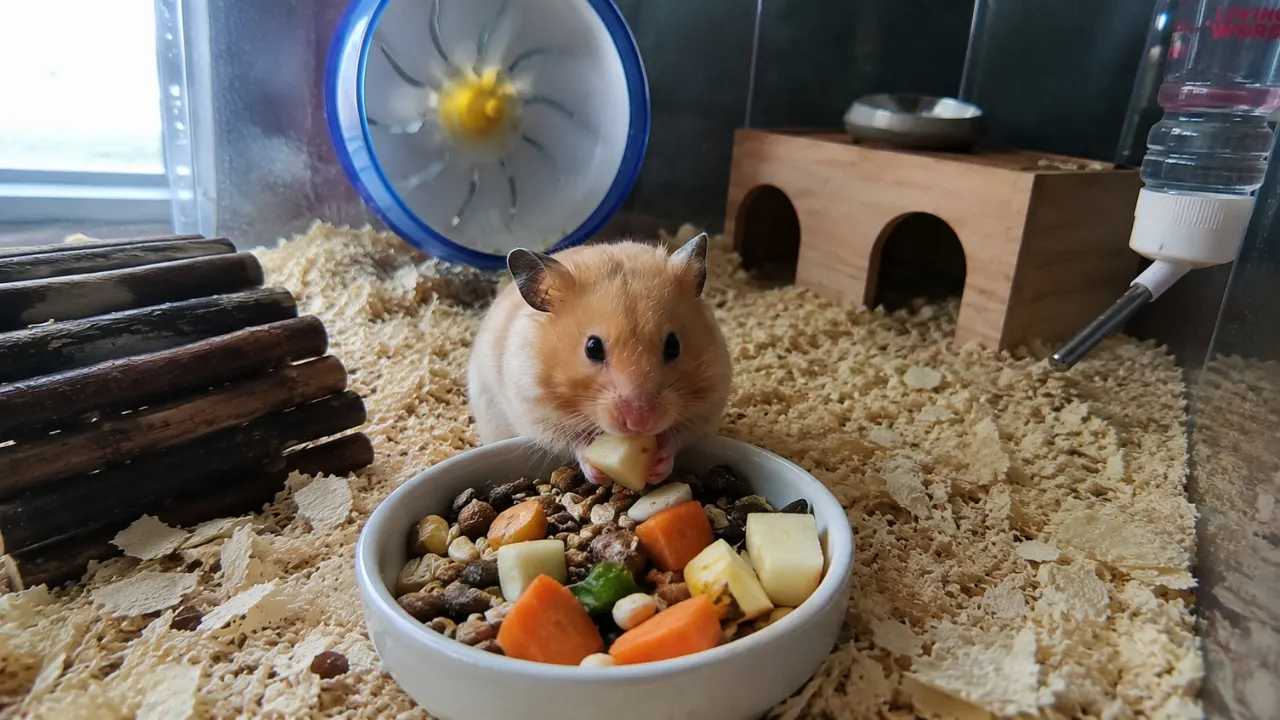
Your hamster may sniff it, nibble it, carry it away, or ignore it completely.
If it carries the piece into its nest, don’t immediately disturb the entire nest. Check later and remove the fresh vegetable if it hasn’t been eaten.
This gives your hamster a chance to try the new food without making a large change to its usual diet.
Introducing Green Beans for the First Time
If your hamster has never eaten green beans before, introduce them gradually.

There’s no advantage to offering several unfamiliar vegetables on the same day. If your hamster reacts poorly to a new food, introducing multiple foods at once makes it harder to identify which change may have contributed.
Start with a very small amount and keep the rest of the diet familiar.
Once your hamster has had an opportunity to try the vegetable, you can decide whether it deserves a place in its normal rotation of fresh foods.
If you’re building a rotation of fresh vegetables, cucumber is another option you may want to consider alongside green beans. Can Hamsters Eat Cucumber? Safe Amounts, Benefits & Risks explains how to offer it safely and what portion considerations matter.

Common Mistakes When Feeding Green Beans

Green beans are easy to prepare, but a few mistakes can make an otherwise suitable vegetable less appropriate for a hamster.
Giving Too Much at Once
A whole handful of green beans is far more than a hamster needs.
Hamsters have small bodies and can also carry fresh food away to store. A large serving therefore increases the amount of food that may remain hidden and spoil.
Keep the portion small. Blue Cross recommends that fresh food pieces should be no larger than a hamster’s ear, while PDSA recommends only small portions of fresh vegetables as part of a hamster’s diet.
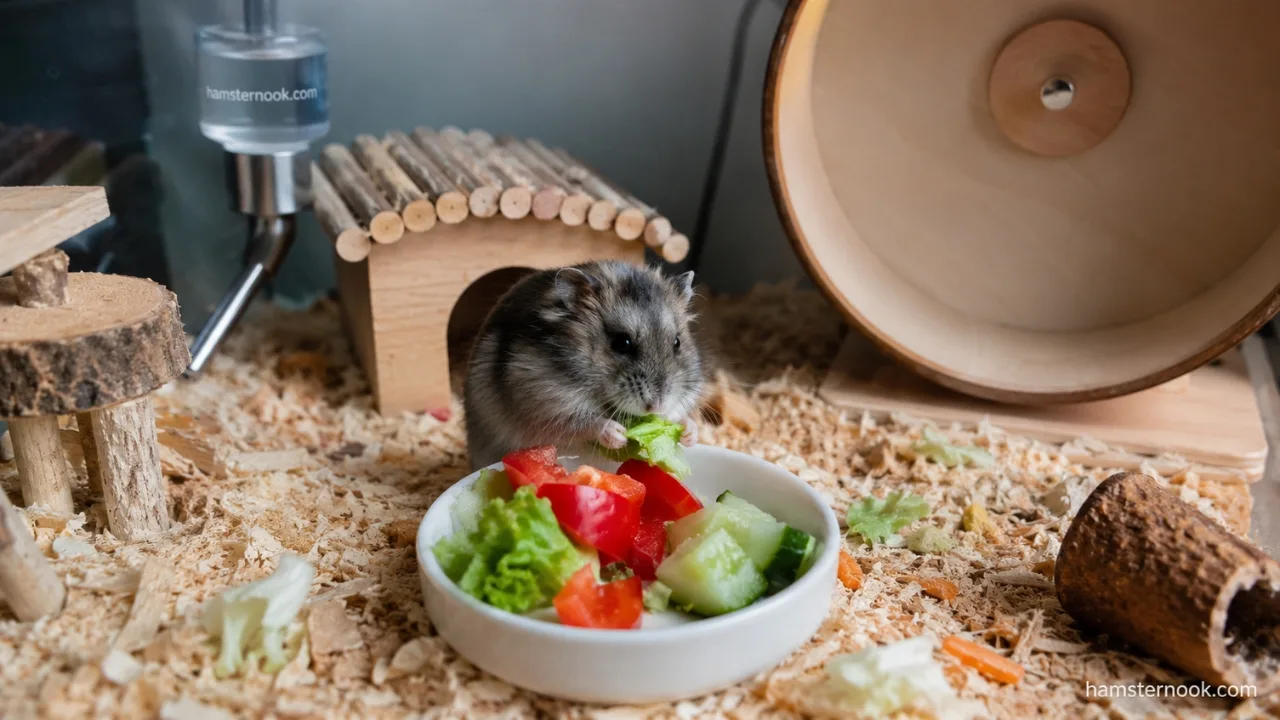
Feeding Seasoned Green Beans
Don’t give your hamster green beans from a seasoned dinner.
Green beans prepared with salt, butter, oil, gravy, garlic, onion, or other ingredients are not the same as plain green beans. RSPCA lists green beans among suitable foods for smaller pets such as hamsters, while its hamster diet guidance recommends small quantities of fresh vegetables alongside a balanced main diet.
If you’re cooking green beans for the family, set aside a plain piece for your hamster before adding any seasonings or sauces.
Leaving Fresh Green Beans in the Cage
Hamsters are natural hoarders. A hamster may carry a green bean into its nest and leave it there rather than eating it immediately.
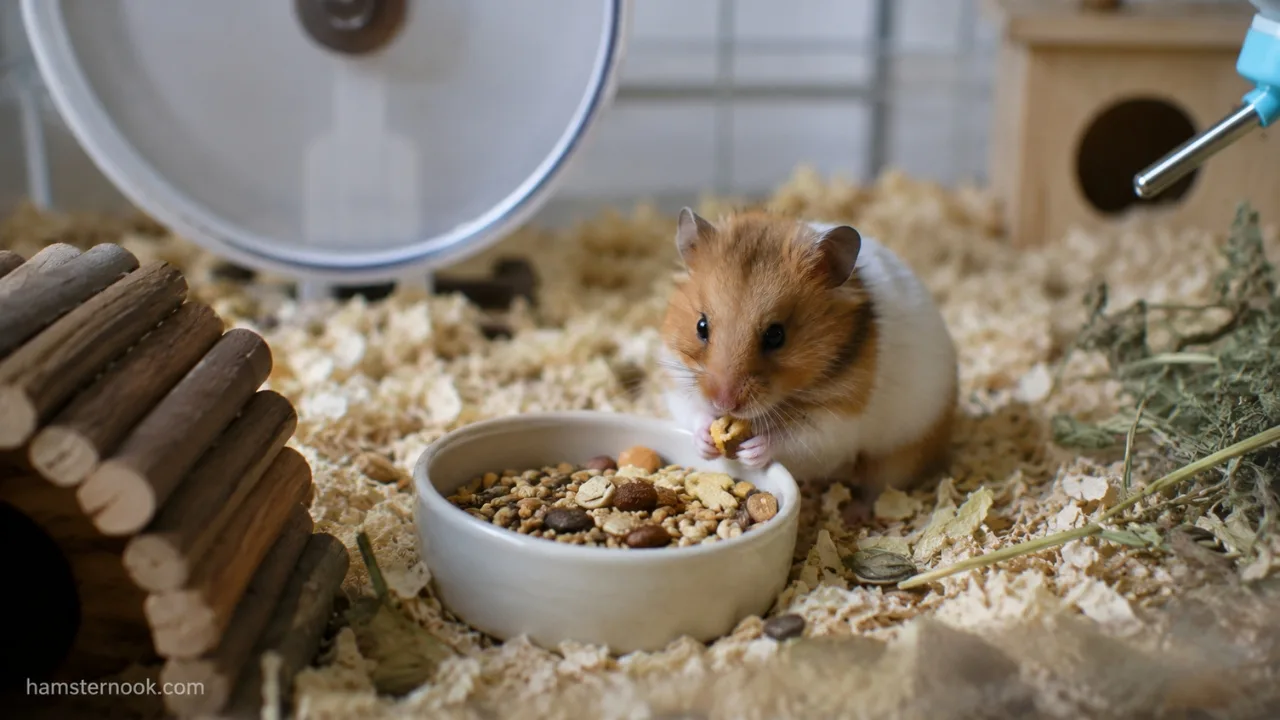
Fresh vegetables can spoil when hidden in a hamster’s hoard, so check for uneaten pieces and remove them daily.
Don’t completely empty the hamster’s entire food hoard just because you find stored food. Instead, deal with spoiled fresh food while preserving the hamster’s normal sense of security.
Changing Several Foods at Once
If green beans are new to your hamster, don’t introduce several other unfamiliar foods at the same time.
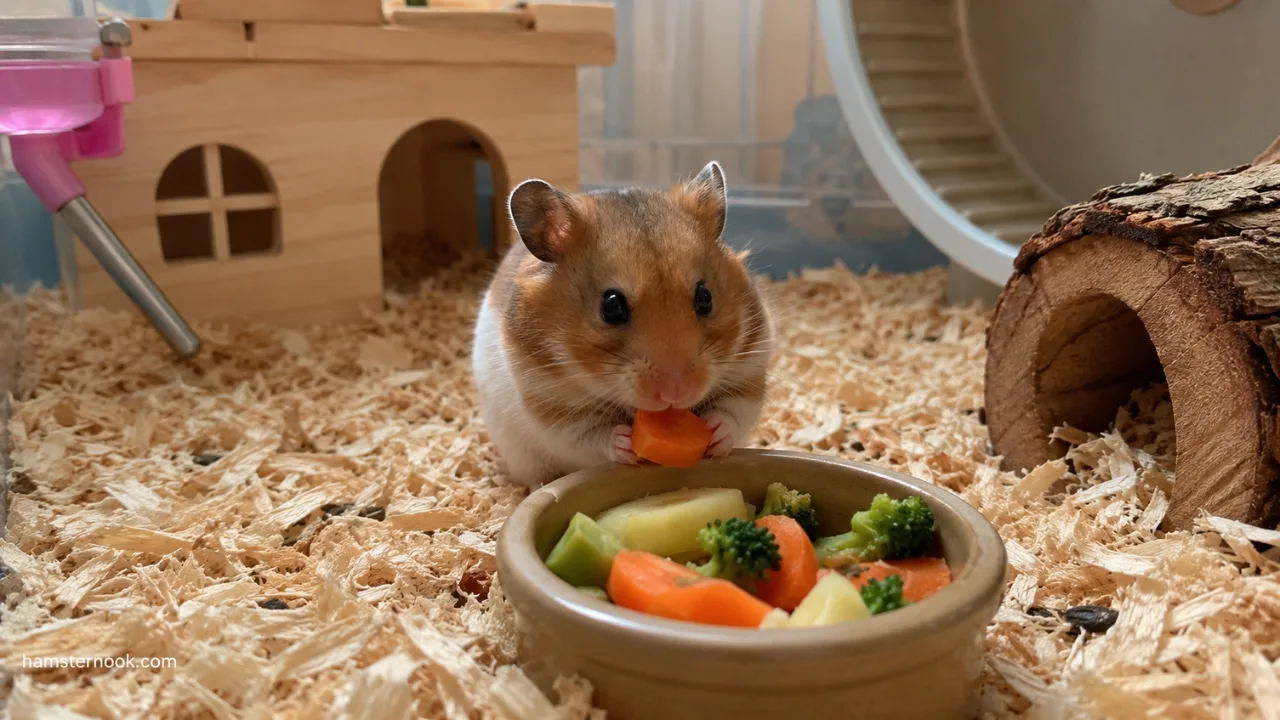
Introducing one unfamiliar food at a time also makes it easier to notice how your hamster responds to it. How to Introduce New Foods to Your Hamster Without Upsetting Its Stomach explains a gradual approach for adding unfamiliar foods to the diet.
What You Should Do
If you want to introduce green beans, keep the first serving simple.
- Choose a fresh, plain green bean.
- Wash it thoroughly.
- Remove any unsuitable ends.
- Cut off a very small piece.
- Offer it during your hamster’s normal active period.
- Let your hamster decide whether to eat it or carry it away.
- Check later for any uneaten fresh food.
- Remove leftover pieces before they spoil.
You don’t need to force your hamster to eat a vegetable. Some hamsters may sniff a new food and walk away, and that’s perfectly fine.
Warning Signs to Watch For
Green beans are considered a suitable vegetable for hamsters, but any new food should still be introduced carefully.
Pay attention if your hamster develops a noticeable change after a dietary change, particularly:

- Eating less than usual
- Moist or abnormal droppings
- A soiled hind end
- Marked lethargy
- A significant change in normal behavior
These signs should not automatically be blamed on green beans. Hamsters can become unwell for many reasons.
RSPCA advises owners to contact a veterinarian if a hamster starts eating less, develops moist droppings, or has soiled hindquarters. It also recommends avoiding sudden dietary changes and stale food because these can upset a hamster’s stomach.
Portion size, preparation, and storage are all important when adding fresh foods to a hamster’s diet. The Biggest Fresh Food Mistakes That Can Make Hamsters Sick covers the common problems owners should avoid when offering vegetables and other fresh foods.
Final Thoughts
So, can hamsters eat green beans?

Yes. Plain green beans can be a suitable fresh vegetable for hamsters when they’re washed, prepared simply, and offered in small portions. They can be served raw or plain and cooked, as long as cooked pieces are cooled and contain no added ingredients.
The easiest approach is to start with a tiny piece, especially if green beans are new to your hamster. Your hamster may eat it immediately, ignore it, or carry it back to its nest. All three responses can happen with normal hamster behavior.
What matters most is moderation. Green beans should complement a balanced hamster diet, not replace it. Keep fresh portions small, avoid seasoned vegetables, and remove uneaten pieces before they spoil.
Frequently Asked Questions
Can hamsters eat green beans every day?
Green beans don’t need to be given every day. Hamsters can have a variety of suitable fresh foods in small portions rather than relying heavily on one vegetable.

Can hamsters eat raw green beans?
Yes. Plain raw green beans can be offered after being washed and cut into a small piece.
Can hamsters eat cooked green beans?
Yes, as long as they’re plain, fully cooled, and free from salt, butter, oil, sauces, and seasonings.
Can dwarf hamsters eat green beans?
Yes. Dwarf hamsters can eat small amounts of plain green beans. Because they are smaller animals, keep the portion particularly small.
Can Syrian hamsters eat green beans?
Yes. Syrian hamsters can also have small pieces of plain green bean as part of a varied diet.
How much green bean should I give my hamster?
Keep the portion very small. Blue Cross recommends that fresh-food pieces should be no larger than the hamster’s ear. The exact amount can vary with the hamster’s size and the other fresh foods being offered.
Can hamsters eat green beans from a can?
It’s better to choose plain fresh green beans instead. Canned vegetables may contain added salt or other ingredients that aren’t necessary for a hamster.
Can hamsters eat frozen green beans?
Plain frozen green beans can be thawed and served if they contain no added ingredients. Do not serve them frozen and hard.
Can hamsters eat green beans with butter?
No. Give your hamster plain green beans instead of green beans prepared with butter.

What if my hamster hides its green bean?
That’s normal hoarding behavior. Hamsters commonly carry food away in their cheek pouches and store it. Check later for uneaten fresh food and remove it before it spoils.
Are green beans good for hamsters?
Green beans can be a suitable fresh vegetable, but they should be treated as a small addition to a balanced diet rather than a primary food.
What vegetables can hamsters eat besides green beans?
PDSA lists several suitable vegetables, including broccoli, Brussels sprouts, cabbage, cauliflower, celery, cucumber, kale, parsnip, peas, pumpkin, squash, and sweetcorn. Fresh vegetables should still be washed and offered in moderation.
References
This guide is based on hamster nutrition, vegetable safety, feeding practices, and animal welfare guidance from trusted animal welfare and veterinary resources, including:
- RSPCA – What to Feed a Pet Hamster – Guidance on balanced hamster diets, suitable fresh vegetables, feeding practices, and avoiding sudden dietary changes.
- RSPCA – Safe Foods for Smaller Pets – Advice on suitable foods for small pets, including hamsters, and foods that should be avoided.
- PDSA – Hamsters as Pets – Guidance on hamster nutrition, fresh vegetables, appropriate portions, and general dietary care.
- Blue Cross – How to Look After Your Hamster – Practical guidance on hamster feeding, fresh-food portions, and maintaining a balanced diet.
- FDA – Selecting and Serving Produce Safely – Food safety guidance on washing fresh produce before preparation and serving.

Narayan Kumar is the founder and author of HamsterNook. He creates practical, research-based hamster care guides covering hamster behavior, nutrition, cage setup, enrichment, health, and everyday care. His goal is to help hamster owners make informed decisions and provide safer, healthier lives for their pets through clear, beginner-friendly information based on trusted animal care resources.