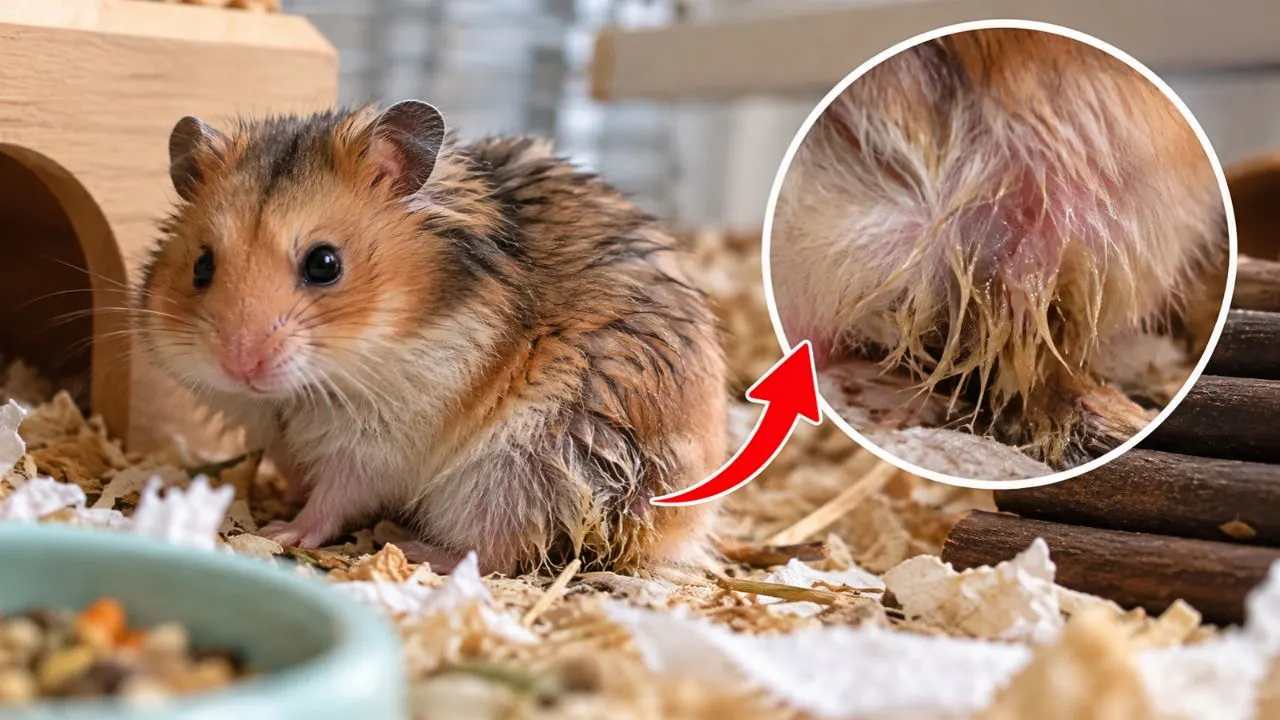
If your hamster suddenly seems to be scratching more than usual, it’s easy to assume something is wrong. Fortunately, brief scratching is a normal part of a hamster’s daily grooming routine. The important part is knowing when it crosses the line into a possible health problem. Watching for changes such as hair loss, irritated skin, or unusual behavior will help you decide whether your hamster simply needs monitoring or should be examined by an exotic animal veterinarian.
Knowing the difference between healthy grooming and abnormal itching can help you respond quickly while avoiding unnecessary worry. This guide explains what causes hamsters to scratch, when it’s perfectly normal, what warning signs deserve attention, and when it’s time to contact an exotic animal veterinarian.
Quick Answer
Hamsters naturally scratch and groom themselves every day to keep their fur clean and remove loose debris. Occasional scratching without hair loss, redness, sores, or changes in behavior is usually normal.
Scratching may become a concern if it is constant, accompanied by hair loss, flaky skin, scabs, redness, swelling, weight loss, reduced activity, or other signs of illness. In those cases, your hamster should be examined by an experienced exotic pet veterinarian.

Readers who want a complete overview of everyday hamster care should also read our Complete Hamster Care Guide for Beginners (2026), where we explain the subject in greater detail with practical tips and beginner-friendly guidance.
Why Do Hamsters Scratch?
Scratching is a normal part of a hamster’s grooming routine. Like many small mammals, hamsters regularly clean their fur and skin throughout the day to remove dust, loose bedding, and natural oils.
During grooming, a hamster may:
- Scratch behind its ears
- Rub its face with its paws
- Clean its whiskers
- Lick and smooth its fur
- Remove small particles of bedding or dust
These grooming sessions are usually brief and your hamster returns to exploring, eating, running, or sleeping afterward.

Healthy scratching should never leave visible injuries or affect your hamster’s normal routine.
It’s also normal for scratching to happen immediately after your hamster wakes up, finishes eating, or returns from exploring its enclosure. These short grooming sessions are part of everyday self-care and usually last only a few moments before your hamster resumes its usual activities.
Normal Grooming vs. Problem Scratching

Instead of focusing on how often your hamster scratches, pay attention to everything happening around that behavior. A healthy hamster may scratch several times during a grooming session, but it should still have a clean coat, healthy skin, a normal appetite, and its usual level of activity.
| Normal Grooming | Possible Health Problem |
|---|---|
| Brief scratching during grooming | Persistent or repetitive scratching |
| Even coat without new bald patches | Hair loss or bald patches |
| Skin without visible redness or sores | Redness, scabs, sores, or bleeding |
| Normal appetite and activity | Reduced appetite, low activity, or unusual hiding |
A healthy hamster can scratch several times a day without anything being wrong.
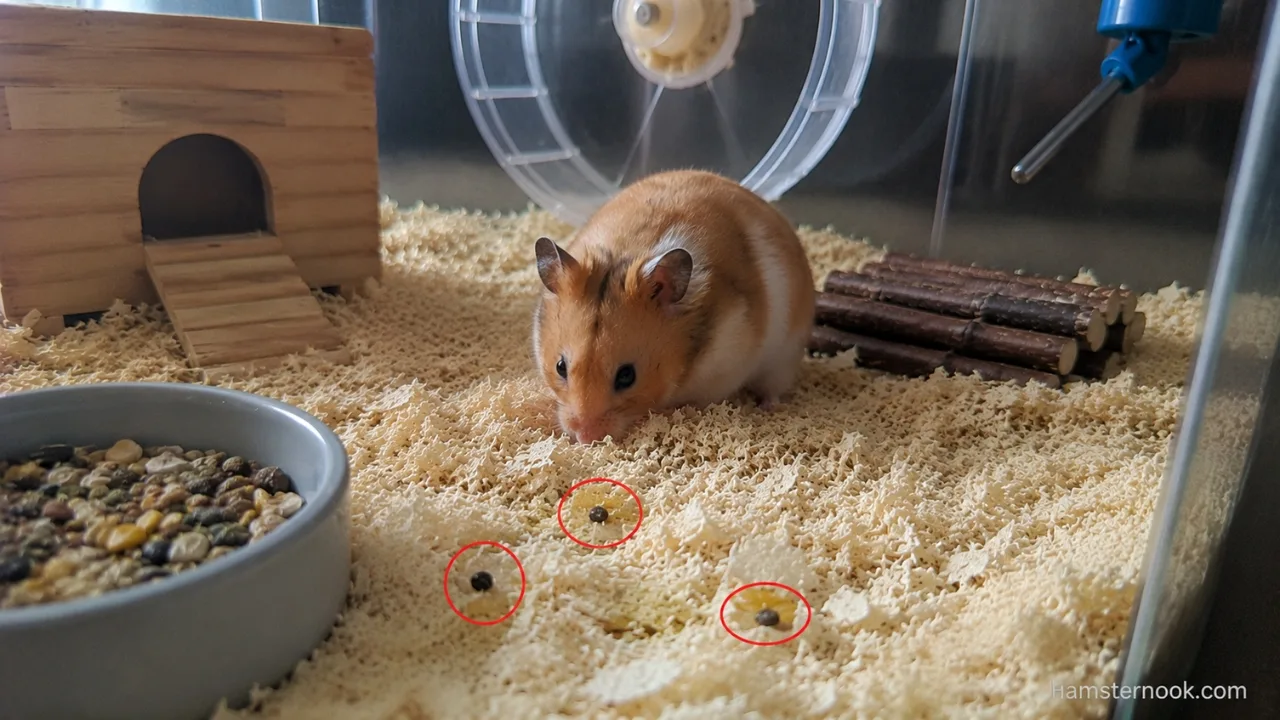
What matters is whether the scratching is accompanied by other changes.
Common Reasons Your Hamster May Be Scratching
Normal grooming
This is by far the most common reason.
Hamsters spend a surprising amount of time keeping their coats clean. After waking up, before resting, or after exploring the cage, they often pause for a quick grooming session.
As long as your hamster looks comfortable and healthy afterward, there is usually no cause for concern.

Dry skin
Dry skin can sometimes make a hamster scratch more than usual.
Possible contributors include:
- Very low humidity
- Dusty bedding
- Environmental changes
- Older age in some hamsters
Mild flaking may occasionally occur in a dry environment, but cracked skin, heavy scaling, bleeding, or sores are not normal and should always be investigated.
Choose clean, low-dust bedding and avoid strongly scented products that could irritate sensitive skin.

Irritating bedding or cleaning products
Some bedding materials create more dust than others.
Similarly, scented cage sprays, perfumes, air fresheners, or heavily fragranced cleaning products can sometimes irritate a hamster’s sensitive skin or respiratory system.
Using an unscented, hamster-safe habitat with appropriate bedding is generally the safest choice.
Because scented sprays and strong household cleaners can irritate hamsters, our Can Household Cleaning Sprays Affect Hamsters? What Owners Should Avoid guide covers safer cleaning choices around the enclosure.

Stress
Stress doesn’t directly cause every scratching problem, but stressed hamsters may groom more frequently than usual.
A hamster may experience stress from:
- Frequent handling
- Loud noises
- Constant disturbances during the day
- A cage that is too small
- Lack of hiding places
- Sudden environmental changes
If your hamster also seems nervous, freezes frequently, hides constantly, or startles easily, stress may be contributing to the behavior.
Stress can affect grooming behavior, especially when environmental changes or repeated disturbances are involved. Our 7 Signs You’re Accidentally Stressing Your Hamster (Without Even Realizing It) guide explains common stress triggers and signs owners may notice.

When Scratching Could Signal a Health Problem

Occasional scratching is expected.
Persistent itching together with physical changes deserves closer attention.
Parasites
External parasites such as mites are one possible cause of severe itching in small mammals.
Signs may include:

- Constant scratching
- Hair thinning
- Scabs
- Inflamed skin
- Restlessness
Parasites cannot be confirmed by appearance alone. An exotic veterinarian may perform appropriate skin examinations to identify the underlying cause before recommending treatment.
Never apply flea treatments intended for cats or dogs unless specifically prescribed for your hamster.
Skin infections
Bacterial or fungal skin infections can also cause irritation.
Possible warning signs include:

- Red skin
- Moist or crusty patches
- Unpleasant odor
- Hair loss around affected areas
Because different skin conditions can look similar, proper diagnosis is important before beginning treatment.
Allergic or irritant reactions
Although less commonly discussed than other causes, hamsters can develop irritation after exposure to unsuitable bedding, harsh cleaning products, or environmental irritants.
If scratching begins soon after introducing a new product, switching back to a previously well-tolerated option may help while arranging veterinary advice if symptoms continue.
Don’t Ignore These Warning Signs
Scratching should be treated as more urgent if you notice any of the following:

- Bald patches
- Bleeding
- Scabs
- Thick flakes
- Swollen skin
- Redness
- Weight loss
- Sleeping much more than normal
- Refusing food
- Reduced activity
- Changes in personality
These signs suggest that the problem may involve more than routine grooming and deserves veterinary attention.
Readers who want to recognize illness earlier should also read our Signs of a Sick Hamster: Warning Symptoms Every Owner Should Know, where we explain the subject in greater detail with practical tips and beginner-friendly guidance.
What Should You Do if Your Hamster Keeps Scratching?
If your hamster has started scratching more than usual, avoid jumping to conclusions. Instead, take a careful look at both your pet and its environment.
Start by checking:

- Whether the scratching is occasional or almost constant
- If there is any hair loss, redness, or scabbing
- Whether your hamster is eating and drinking normally
- If it is still active during its usual waking hours
- Whether you recently changed bedding, nesting material, or cleaning products
In some cases, a recent bedding or cleaning product change may explain mild irritation. If the scratching continues, becomes more frequent, or is accompanied by skin changes, professional veterinary evaluation is the safest next step.
Keep the cage clean, provide fresh food and water, and avoid introducing additional new products until you know what is causing the problem.
Readers who want to create a healthier living environment should also read our How Often Should You Clean a Hamster Cage? A Complete Cleaning Schedule, where we explain the subject in greater detail with practical tips and beginner-friendly guidance.
When Can Mild Scratching Be Monitored?
If your hamster is otherwise acting normally and the scratching is occasional, with no hair loss, redness, scabs, wounds, appetite changes, or unusual behavior, you can closely monitor the pattern. Note when the scratching happens and whether it becomes more frequent or is followed by any new symptoms. If warning signs appear or the scratching becomes persistent, contact an exotic animal veterinarian rather than continuing to monitor it.

Common Mistakes Owners Should Avoid
Well-meaning owners sometimes make the problem worse by trying home remedies that are not safe for hamsters.
Avoid these common mistakes:
- Using flea or tick medication intended for cats or dogs
- Applying essential oils or herbal products to the skin
- Bathing your hamster in water
- Scrubbing irritated skin
- Ignoring persistent scratching for several weeks
- Changing multiple cage products at once, making it difficult to identify the cause
Hamsters are very small animals, and many products designed for larger pets can be harmful or even life-threatening.
If your hamster has open wounds or severe itching, professional veterinary advice is much safer than experimenting with over-the-counter treatments.
When Should You See a Veterinarian?
A veterinary visit is recommended if your hamster has any of the following:
- Constant scratching that lasts several days without improvement
- Hair loss or bald patches
- Red, swollen, or bleeding skin
- Scabs or crusty areas
- A bad odor coming from the skin
- Loss of appetite
- Noticeable weight loss
- Unusual tiredness or weakness
- Any other signs that your hamster seems unwell
An exotic animal veterinarian can determine whether parasites, infection, skin disease, or another medical condition is responsible for the itching.
Early diagnosis is usually much easier than waiting until the skin becomes severely irritated.
Readers who would like to know what to expect from a veterinary examination should also read our Do Hamsters Need Vet Checkups? Here’s When to Go, where we explain the subject in greater detail with practical tips and beginner-friendly guidance.

Can Diet Affect Your Hamster’s Skin?
A balanced diet supports healthy skin and a healthy coat, although scratching alone should not automatically be blamed on nutrition.
Fresh water should always be available, and your hamster should receive a complete commercial hamster food as its primary diet, with appropriate fresh foods and treats offered in moderation.
Poor-quality diets or excessive treats are not known to be the direct cause of every skin problem, but good overall nutrition helps maintain general health.
Readers who want to build a balanced feeding routine should also read our Complete Hamster Diet Guide: Best Foods, Safe Treats & Toxic Foods, where we explain the subject in greater detail with practical tips and beginner-friendly guidance.

Could Hair Loss Mean Something More Serious?
Scratching and hair loss often appear together, but they are not the same problem.
Hair loss may occur because a hamster scratches irritated skin repeatedly, but it can also have other causes that require veterinary evaluation.
If you notice thinning fur, bald patches, or skin changes, don’t assume it is simply part of normal shedding or aging.
Scratching and thinning fur can occur together, but hair loss can also have causes that are not related to itching. Our guide to why hamsters lose hair explains other possible causes and when a veterinary examination is important.

How to Help Prevent Skin Problems
While not every skin condition can be prevented, good everyday care lowers the risk of many common problems.
Helpful habits include:
- Keep the enclosure clean without over-cleaning.
- Use low-dust, unscented bedding.
- Feed a balanced diet appropriate for hamsters.
- Avoid unnecessary stress.
- Check your hamster’s coat regularly while handling it gently.
- Introduce new bedding or habitat products one at a time.
- Schedule a veterinary visit whenever you notice persistent skin changes.
Small routine observations often allow owners to spot problems before they become serious.
Can Hamsters Scratch More During Seasonal Changes?
Some owners notice slightly more grooming during seasonal temperature or humidity changes, especially when indoor air becomes drier. While occasional extra grooming can still be normal, seasonal changes should never cause bald patches, open sores, or constant itching. If those symptoms develop, the cause is unlikely to be the season alone and your hamster should be examined by a veterinarian.

Conclusion
Seeing your hamster scratch isn’t automatically a reason to panic. Grooming is a completely normal part of daily life, and healthy hamsters often scratch briefly while cleaning themselves.
The key is to watch for changes that occur alongside the scratching. Hair loss, inflamed skin, sores, reduced appetite, weight loss, or unusual behavior suggest that something more than routine grooming may be happening.
Most cases of occasional scratching are simply part of normal grooming, but paying attention to changes in your hamster’s skin, coat, and behavior makes it much easier to spot genuine problems early. A clean enclosure, proper nutrition, and timely veterinary care remain the best ways to support long-term skin health.
Readers interested in understanding everyday hamster behavior should also read our Why Does My Hamster Keep Stretching? Is It Normal?, where we explain the subject in greater detail with practical tips and beginner-friendly guidance.

Frequently Asked Questions
Is it normal for a hamster to scratch every day?
Yes. Healthy hamsters groom themselves several times each day, and brief scratching is usually part of that routine. It only becomes concerning if it is excessive or accompanied by other symptoms.
How can I tell if my hamster has mites?
Constant scratching, hair loss, scabs, and irritated skin may suggest mites or another skin condition, but these signs are not specific to mites alone. A veterinarian can perform the appropriate examination to determine the cause.
Can dusty bedding make my hamster itch?
Dusty or irritating bedding may contribute to skin irritation in some hamsters. Choosing a clean, low-dust, unscented bedding is generally recommended.
Should I bathe my hamster if it keeps scratching?
No. Hamsters should not be bathed in water unless specifically instructed by a veterinarian. Water baths can increase stress and may cause additional health problems.

Can stress make my hamster scratch more?
Some stressed hamsters groom themselves more frequently than usual. If the scratching is accompanied by nervous behavior or environmental stressors, improving the habitat may help. However, persistent itching should still be evaluated for possible medical causes.
References
This guide is based on hamster grooming, skin health, parasites, welfare, and veterinary care information from trusted animal welfare and veterinary resources, including:
- RSPCA – Hamster Health & Welfare – Grooming, health checks, signs of illness, and safe hamster care.
- Merck Veterinary Manual – Disorders and Diseases of Hamsters – Skin disorders, hair loss, mites, ringworm, infections, and other health conditions affecting hamsters.
- Merck Veterinary Manual – Hamsters – Veterinary information on hamster health examinations, skin conditions, ectoparasites, and general husbandry.
- PDSA – Hamsters as Pets – General hamster care, health, welfare, and husbandry guidance.
- Blue Cross – Looking After Your Hamster – Hamster care, housing, grooming, and welfare guidance.
- Association of Exotic Mammal Veterinarians (AEMV) – Veterinary resources and professional information relating to exotic companion mammals.
Medical Disclaimer: This article is intended for educational purposes only and should not replace advice from a qualified exotic animal veterinarian. Occasional scratching is normal hamster grooming, but persistent scratching, hair loss, redness, scabs, wounds, swelling, changes in appetite, weight loss, or reduced activity can indicate an underlying health problem. If your hamster develops these symptoms or appears unwell, seek professional veterinary care for an accurate diagnosis and appropriate treatment.

Narayan Kumar is the founder and author of HamsterNook. He creates practical, research-based hamster care guides covering hamster behavior, nutrition, cage setup, enrichment, health, and everyday care. His goal is to help hamster owners make informed decisions and provide safer, healthier lives for their pets through clear, beginner-friendly information based on trusted animal care resources.