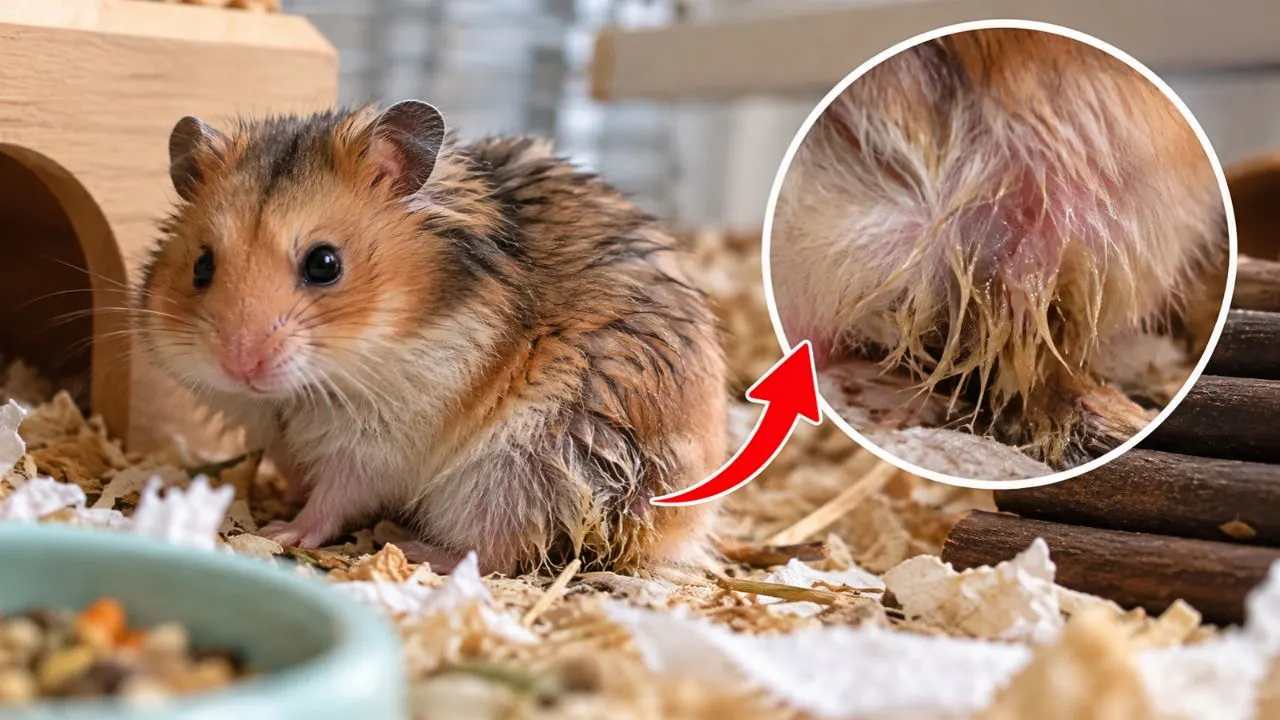
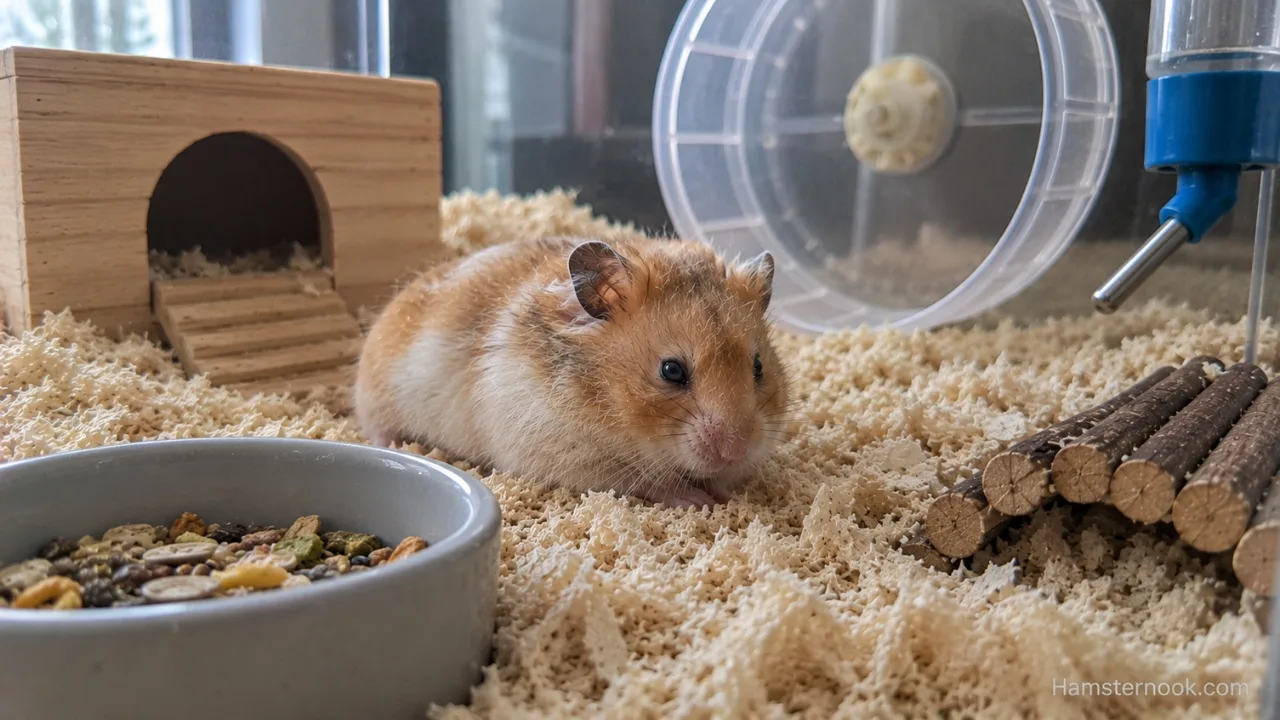
Hearing your hamster sneeze can be worrying, especially if it happens several times in a row. An occasional sneeze does not automatically mean your hamster is sick. A small amount of dust or another irritant can trigger the normal sneeze reflex. The concern is when sneezing becomes frequent, persistent, or appears alongside other changes such as nasal discharge, reduced appetite, low activity, wheezing, or difficult breathing.
Quick Answer: Why Is My Hamster Sneezing?
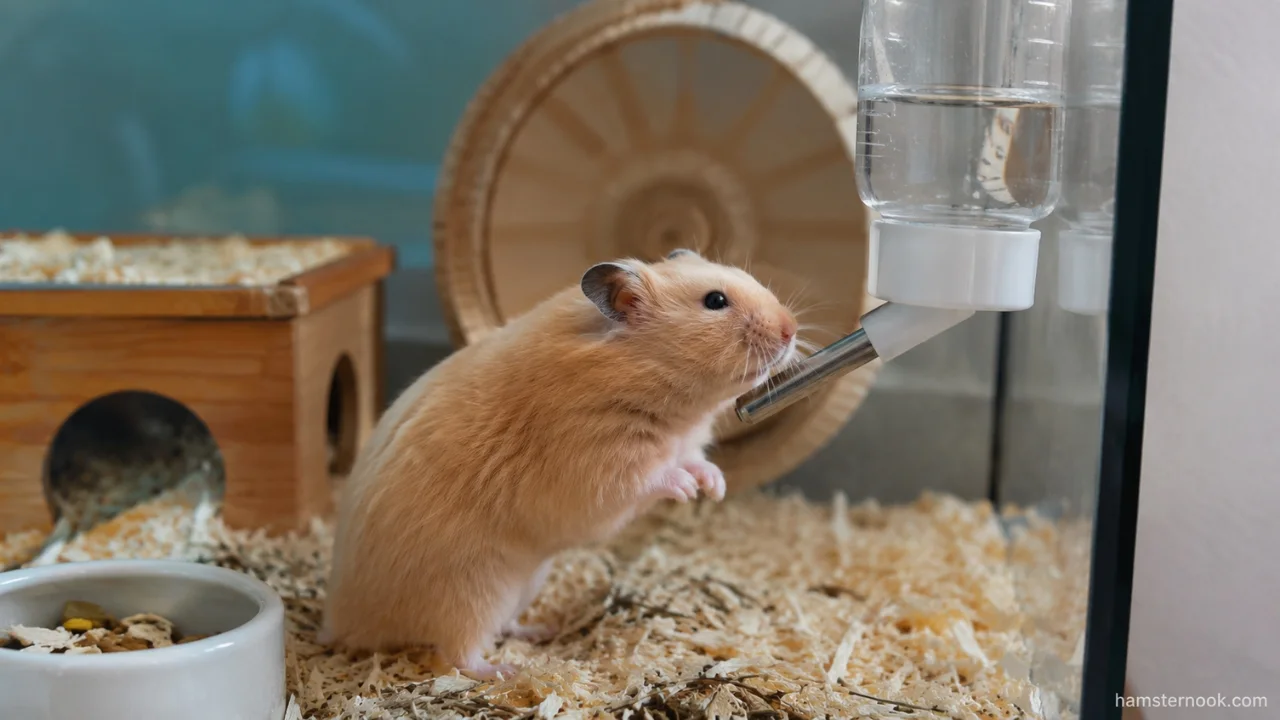
A hamster may sneeze because something has irritated the nasal passages, including airborne particles from bedding or other environmental irritants. Sneezing is a nonspecific respiratory sign, however, so it can also occur with respiratory disease or other problems affecting the nose and airways.
If your hamster sneezes once or twice and then behaves normally, eating, drinking, exploring, and breathing comfortably, you can start by checking the environment for possible irritants. If sneezing keeps happening or you notice discharge, breathing changes, poor appetite, or unusual tiredness, veterinary advice is appropriate.
Because respiratory changes can be connected with several areas of hamster care, it helps to look at the animal’s overall health rather than focusing on sneezing alone. Complete Hamster Care Guide for Beginners (2026) covers the broader daily-care, housing, feeding, and health basics owners should understand.

Occasional Sneezing vs. Persistent Sneezing
Not every sneeze deserves the same level of concern. The pattern matters.
A single sneeze after digging through bedding, for example, is different from repeated sneezing throughout the day. A hamster that sneezes occasionally but otherwise acts normally is generally less concerning than one that is sneezing repeatedly while also showing other signs of illness.
| What you notice | What it may mean | What to do |
|---|---|---|
| One or two isolated sneezes | Temporary nasal irritation is possible | Observe your hamster and check the environment |
| Sneezing repeatedly after cage changes | Environmental irritation may be involved | Check bedding, dust, cleaning products, and ventilation |
| Persistent sneezing | Could indicate ongoing irritation or a health problem | Arrange veterinary advice if it continues |
| Sneezing with nasal or eye discharge | Respiratory illness is possible | Contact a veterinarian |
| Sneezing with wheezing or difficult breathing | Potential respiratory emergency | Seek veterinary care promptly |
| Sneezing plus poor appetite or marked inactivity | More concerning illness may be present | Contact a veterinarian promptly |
Sneezing itself is a protective reflex that helps clear irritating material from the nasal passages. Veterinary guidance also identifies sneezing, nasal discharge, rapid or labored breathing, and abnormal respiratory sounds among the signs that can accompany respiratory disease.
Common Environmental Causes of Sneezing
Dusty Bedding
Bedding is one of the first things worth checking when a hamster starts sneezing.

Hamsters spend a great deal of time close to their bedding, digging through it and building nests. Fine airborne particles can irritate the respiratory tract, particularly if the material is dusty.

The MSD Veterinary Manual recommends bedding that is clean, nontoxic, absorbent, and as dust-free as possible. It also notes that some wood materials can contain oils that may irritate a hamster’s respiratory tract.
If sneezing becomes more frequent after you add fresh bedding, check whether the material is producing visible dust and consider switching to an appropriate low-dust option.
If you notice sneezing becoming more frequent immediately after adding fresh bedding, don’t assume the hamster simply needs to “get used to it.” Examine the bedding closely and consider whether it produces visible dust when handled. For help choosing an appropriate material, see how to choose safe, low-dust hamster bedding.
Dust From Sand or Other Materials
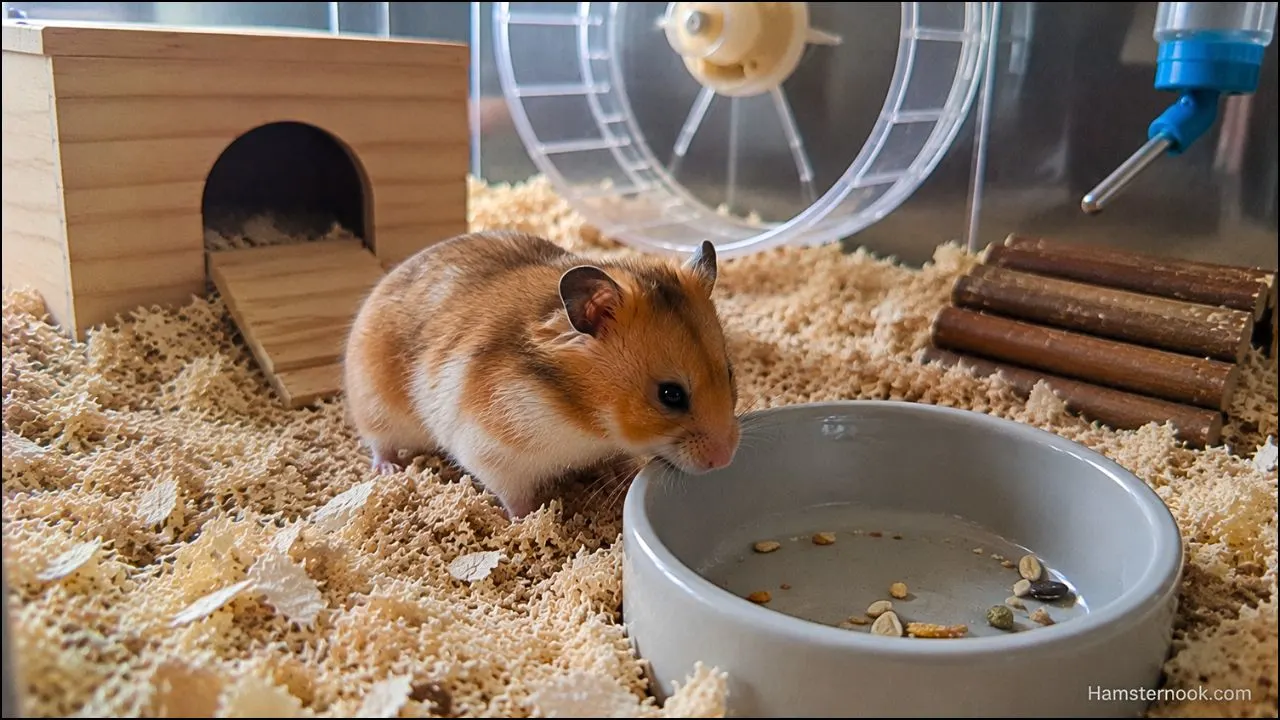
Sand and other loose substrates can also produce airborne particles depending on the product and how it is handled. A hamster may sneeze after digging or moving through dusty material.
You do not need to eliminate every particle from the cage. Instead, choose appropriate low-dust materials and avoid products that visibly produce fine dust.
Cleaning Products and Strong Odors
Strong odors and airborne irritants can be a problem in a hamster’s enclosure, so keep the cage clean and dry without using strongly scented products around your hamster.
Strongly scented household products, sprays, perfumes, air fresheners, smoke, and other airborne substances can be problematic around a small animal’s sensitive respiratory system. If your hamster’s sneezing started after a cleaning product, fragrance, or other environmental change was introduced, remove the potential irritant and improve the room’s ventilation.

Do not spray cleaning products around the hamster or directly into the enclosure.
Poor Cage Conditions
Damp or dirty bedding is another reason to inspect the enclosure. The RSPCA recommends keeping the hamster’s cage clean with dry bedding and nesting material and replacing soiled material regularly.
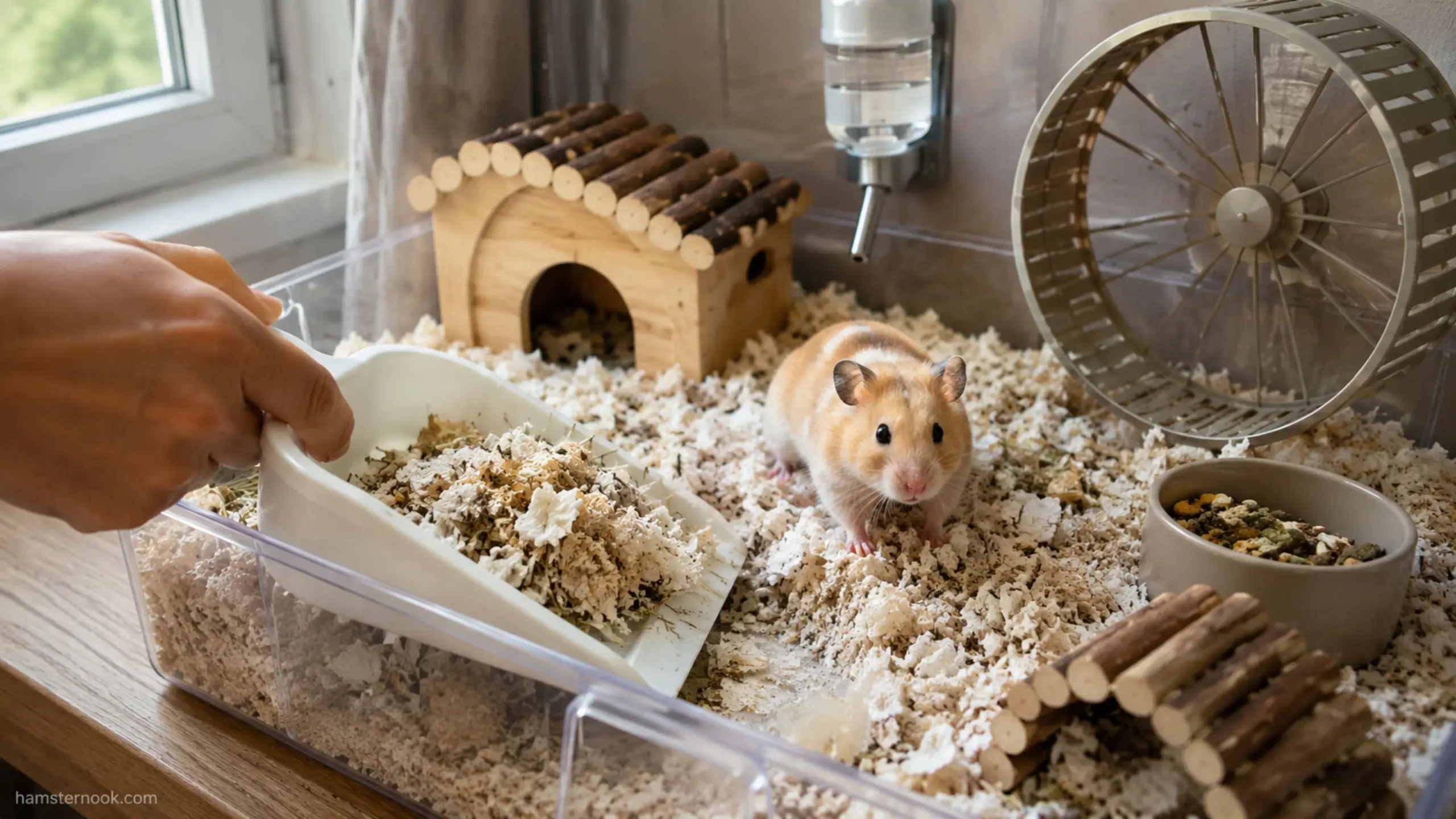
This does not mean completely stripping the cage every time you notice a little mess. Excessive cleaning can disturb the hamster unnecessarily. Spot-cleaning soiled areas while maintaining a clean, dry environment is a more practical approach.
Could Sneezing Mean Your Hamster Is Sick?
Yes, but sneezing alone cannot tell you what is wrong.
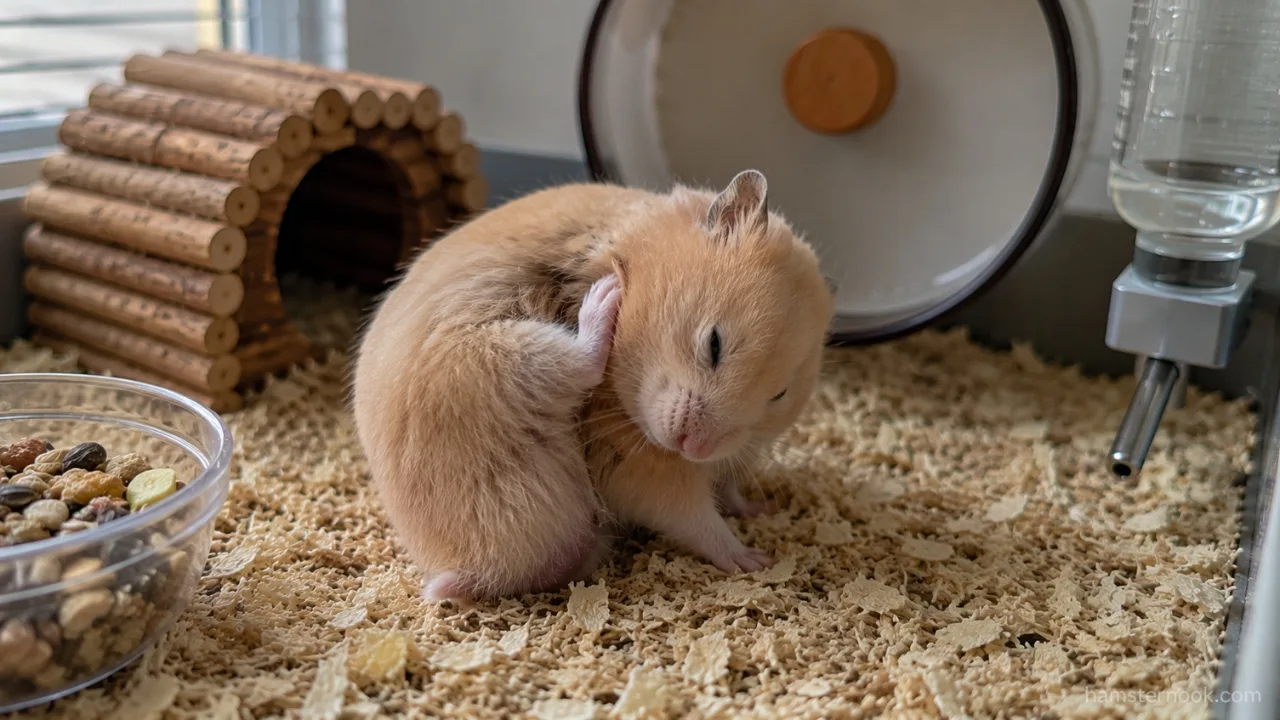
Respiratory disease can produce several different signs, and hamsters can deteriorate quickly when serious airway or lung problems develop. The MSD Veterinary Manual specifically notes that respiratory disorders in hamsters can become serious because of their small size.
Possible concerning signs include:
- Nasal discharge or mucus
- Discharge around the eyes
- Wheezing or unusual breathing sounds
- Rapid or labored breathing
- Noticeable effort when breathing
- Reduced activity
- Loss of appetite
- A hamster that seems unusually weak or withdrawn
Respiratory disease can cause signs such as nasal or eye discharge, difficulty breathing, reduced appetite, and reduced activity. Pneumonia is one respiratory condition that can occur in hamsters. A veterinarian is needed to determine whether pneumonia or another condition is actually present.
This is why it is better to look at the whole picture rather than trying to diagnose the cause from sneezing alone. For a broader look at signs that your hamster may be sick, it helps to consider other changes in behavior and health as well.
What Should You Check at Home?
If your hamster has started sneezing but is otherwise behaving normally, begin with a calm environmental check.
1. Look at the Bedding
Check whether the bedding is visibly dusty. Think about whether you recently changed brands or introduced a new material.
Choose bedding that is clean, nontoxic, absorbent, and as dust-free as possible. Paper-based bedding is one option described by the MSD Veterinary Manual. The RSPCA also recommends dust-free wood shavings or other suitable bedding materials.
2. Check for Damp or Soiled Areas
Look underneath the surface rather than checking only what you can see on top. Remove wet or heavily soiled bedding and keep the enclosure dry.
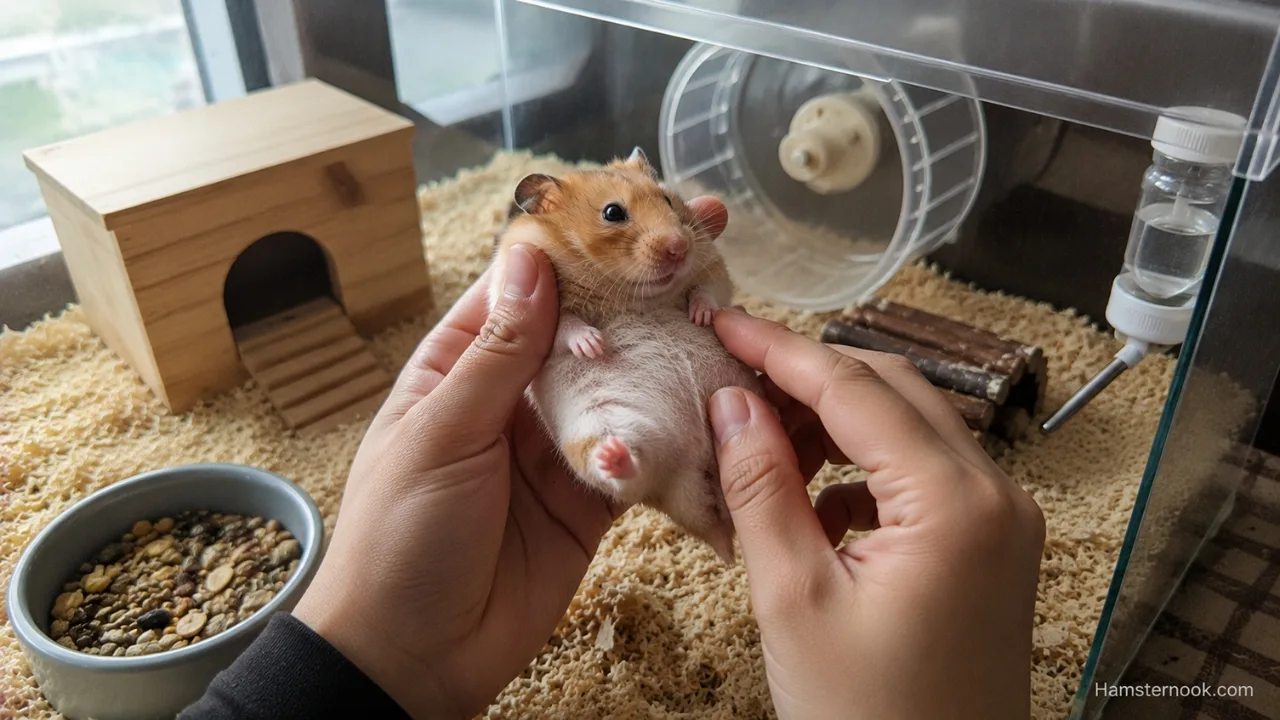
A clean cage does not have to smell strongly of disinfectant. In fact, unnecessary strong odors are something you should avoid around your hamster.
3. Think About Recent Changes
Ask yourself what changed shortly before the sneezing started.
For example:
- Did you change the bedding?
- Did you deep-clean the cage?
- Did you introduce a new substrate?
- Did you use a spray or scented product nearby?
- Did you move the cage?
- Has the room become unusually cold, damp, or poorly ventilated?
Temperature changes are another environmental factor worth checking when respiratory symptoms appear. What Temperature Is Too Hot or Too Cold for Hamsters? A Complete Safety Guide explains the temperature range and environmental conditions owners should watch throughout the year.
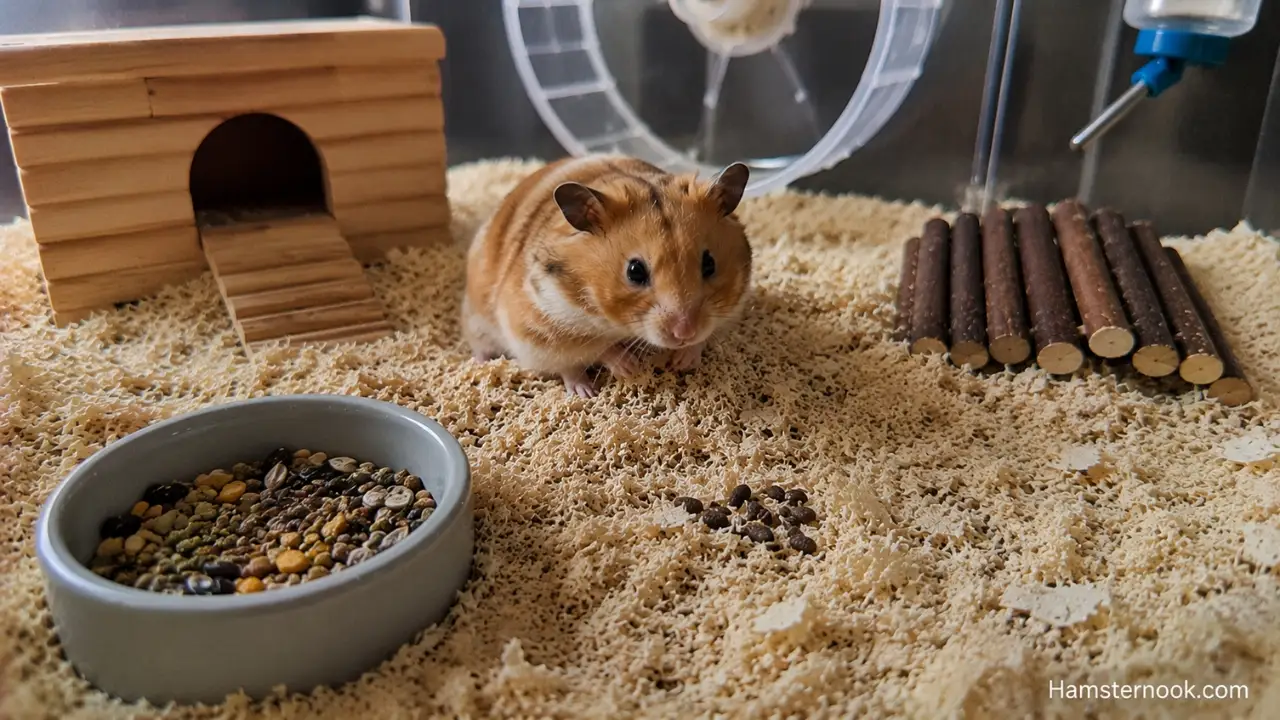
A timing connection does not prove that a particular change caused the sneezing, but it can help you identify something worth correcting.
If a spray or scented product may be involved, our Can Household Cleaning Sprays Affect Hamsters? What Owners Should Avoid guide explains which household products can create avoidable irritants around a hamster.
4. Watch the Hamster, Not Just the Sneeze
Observe your hamster when it is naturally awake.
Look for normal movement, eating, drinking, grooming, and exploration. Also watch how the hamster breathes. You should be particularly concerned if breathing appears difficult or noticeably different from normal.
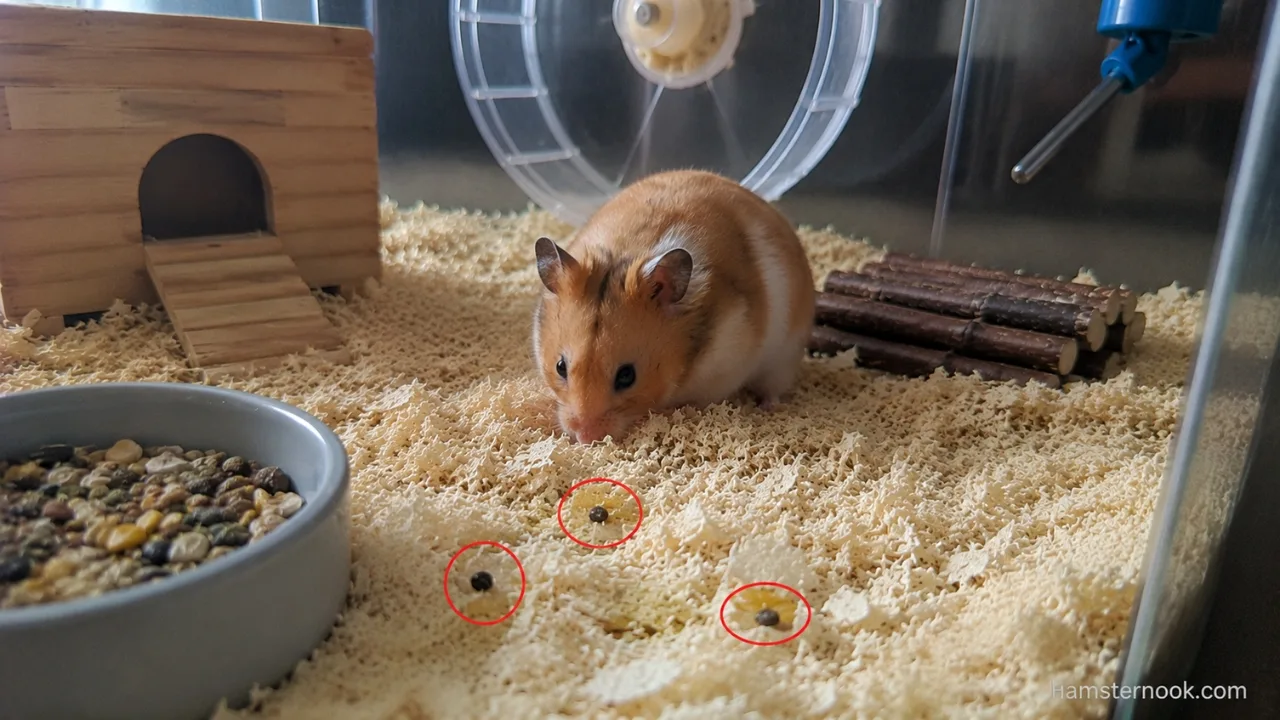
Avoid repeatedly picking up or disturbing a hamster simply to check it. Stress can make an already unwell animal more difficult to assess.
Stress can also make changes in a hamster’s normal behavior harder to interpret. 7 Signs You’re Accidentally Stressing Your Hamster (Without Even Realizing It) explains the broader behavioral signs that may indicate your hamster is under too much stress.
When Is Sneezing an Emergency?
Breathing difficulty is the biggest warning sign.
If your hamster is struggling to breathe, breathing with obvious effort, wheezing heavily, or showing a significant change in normal breathing, do not wait several days to see whether the problem disappears.
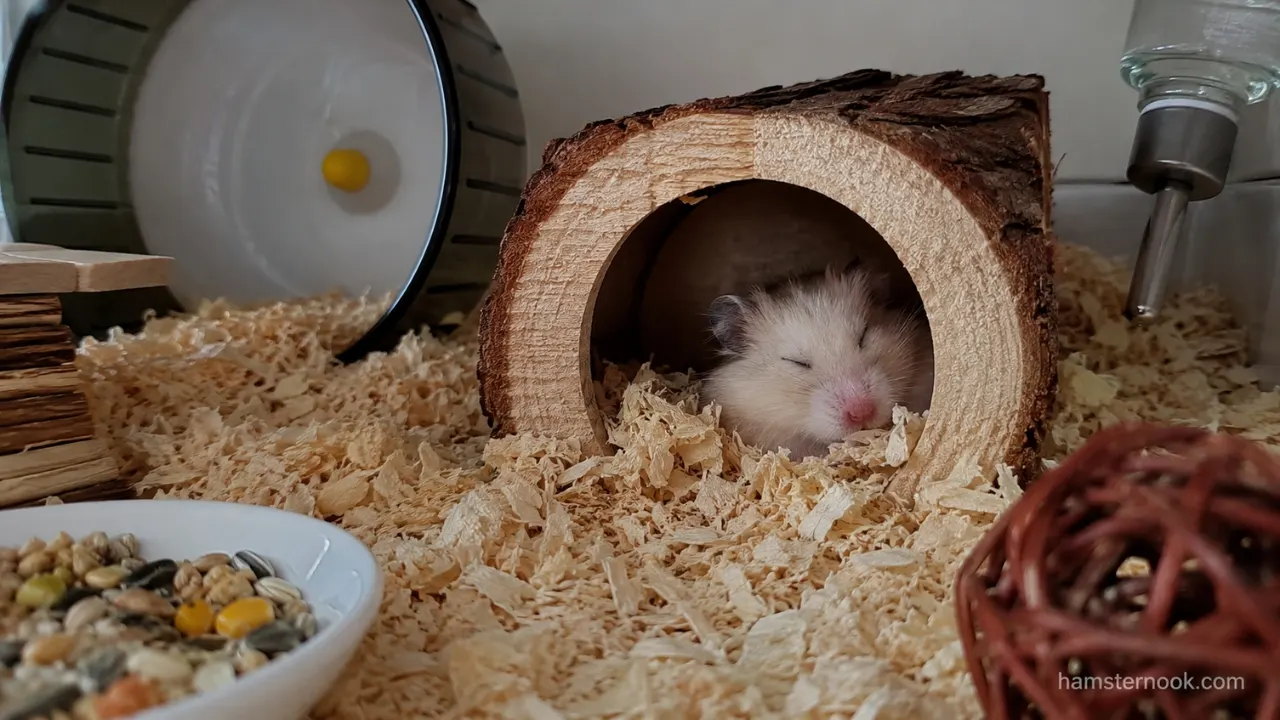
The MSD Veterinary Manual advises prompt veterinary attention when a hamster is wheezing or having difficulty breathing. If you want to understand what fast breathing can mean in a hamster, the pattern and other accompanying signs are important to consider.
Other combinations should also make you contact a veterinarian promptly, particularly:
- Persistent sneezing together with nasal discharge
- Sneezing with eye discharge
- Sneezing accompanied by loss of appetite
- Sneezing with marked inactivity or weakness
- Any worsening respiratory signs
- A hamster that appears generally unwell
Appetite changes can also be important when evaluating your hamster’s overall condition. If your hamster has started refusing food, see why a hamster may suddenly stop eating and what other signs to watch for.
A hamster may hide signs of illness until a problem has progressed, so a noticeable change from normal behavior deserves attention. If your hamster also seems unusually weak or less active, learn more about what sudden weakness can mean in a hamster.
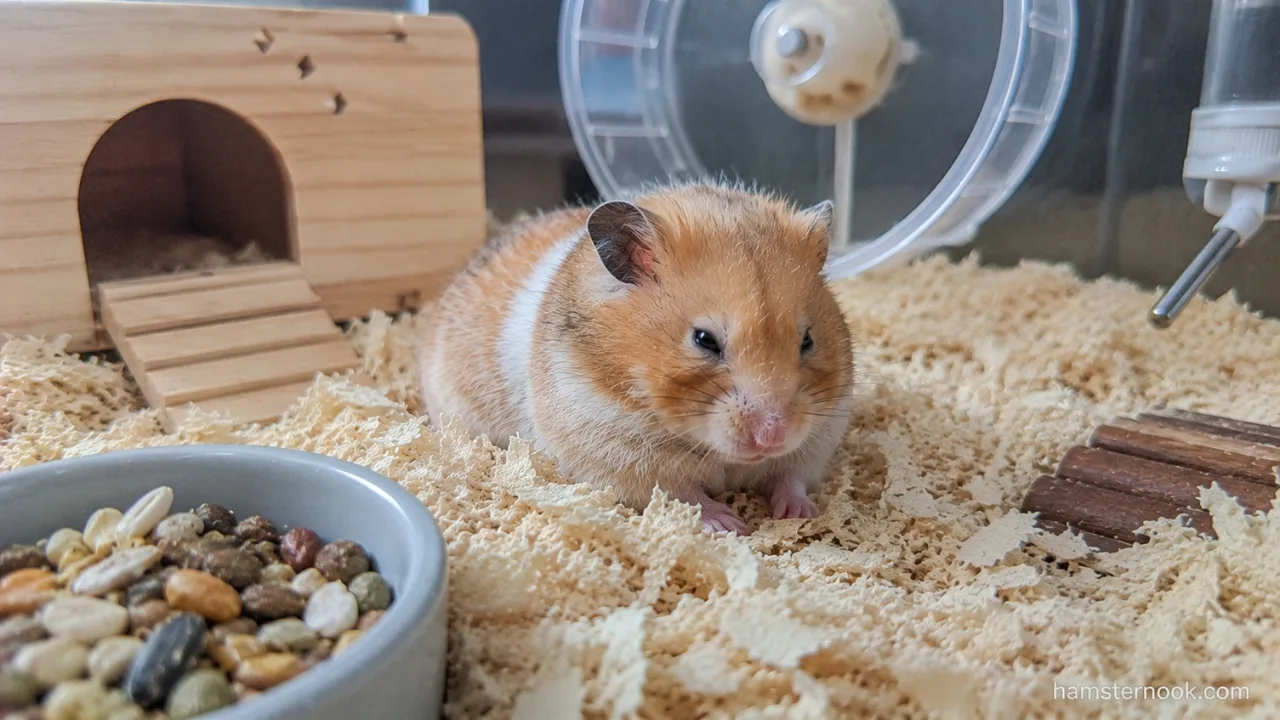
What Not to Do When Your Hamster Is Sneezing
A common mistake is trying to treat the symptom before knowing what is causing it.
Do not give your hamster human cold medicine, leftover antibiotics, essential oils, decongestants, or other medications unless a veterinarian has specifically prescribed or recommended them for your hamster.
Do not put strong-smelling substances inside the cage in an attempt to “clear” the nose. Do not use smoke, vapor, perfume, or other inhaled products as a home remedy.
You should also avoid repeatedly deep-cleaning the entire cage in response to every sneeze. The RSPCA recommends balancing cleanliness with avoiding excessive disturbance and stress.
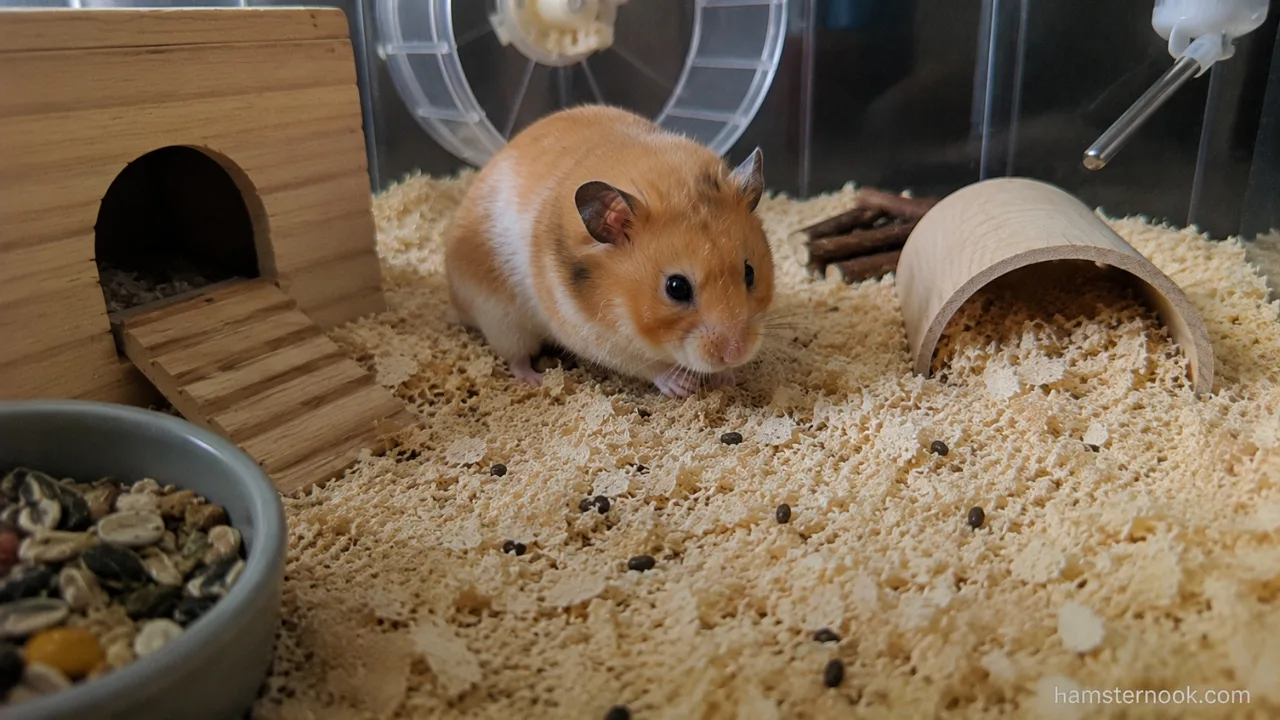
The safest first step for a hamster that is otherwise well is usually to identify and remove potential environmental irritants while carefully monitoring the animal.
Environmental management is especially important when the suspected trigger comes from the enclosure itself. Best Hamster Cage Setup for Beginners (Safe, Comfortable & Stress-Free) covers the main enclosure features that help create a cleaner and more suitable living environment.
Common Mistakes Hamster Owners Make
Assuming Every Sneeze Is a Cold
Sneezing is not specific to one illness. It can be triggered by irritation as well as a range of respiratory and other problems.
Ignoring the Bedding
Owners sometimes focus on the hamster while overlooking the material surrounding its nose for much of the day. Bedding should be clean, dry, and as dust-free as possible.
Waiting When Breathing Changes
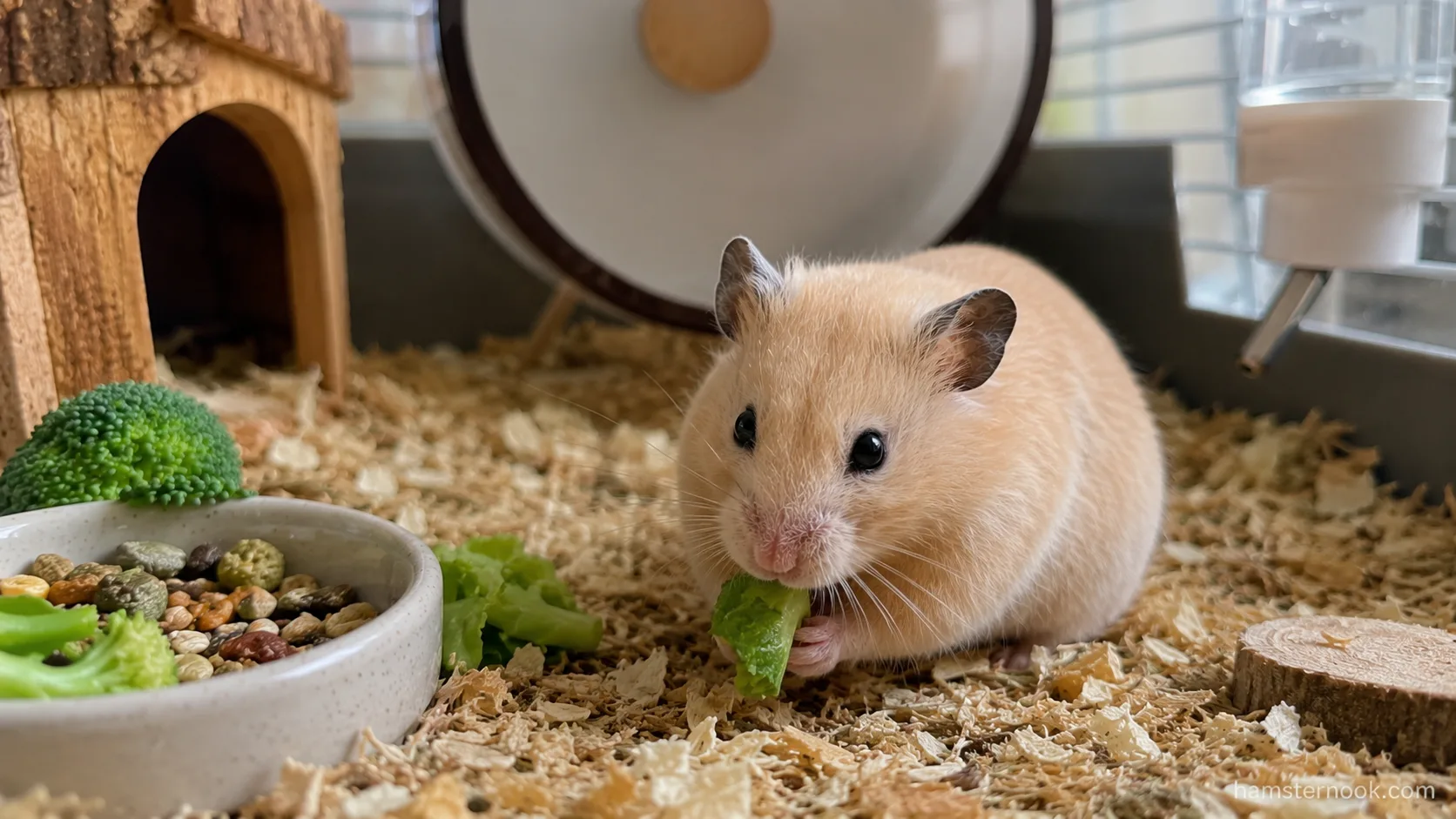
An occasional sneeze can be monitored when the hamster otherwise appears normal. Difficulty breathing is different. Because respiratory problems can become serious in hamsters, breathing changes should not be treated as something to simply watch for several days.
Trying Human Treatments
A medication that is appropriate for a person is not automatically safe for a hamster. Small animals also require careful dosing, and the underlying cause of sneezing may not be what an owner assumes.
Over-Cleaning the Cage
Keeping the cage clean is important, but constantly removing all bedding can create unnecessary disruption. Spot-cleaning and maintaining dry bedding is generally more appropriate than repeatedly stripping the entire enclosure.
Cleaning should remove soiled material without creating unnecessary disruption or repeatedly exposing the hamster to strong cleaning products. How Often Should You Clean a Hamster Cage? Complete Cleaning Guide explains how to balance cleanliness with a practical cleaning routine.
What You Should Do If Your Hamster Keeps Sneezing
If the sneezing is occasional and your hamster remains completely normal, start by checking the environment.
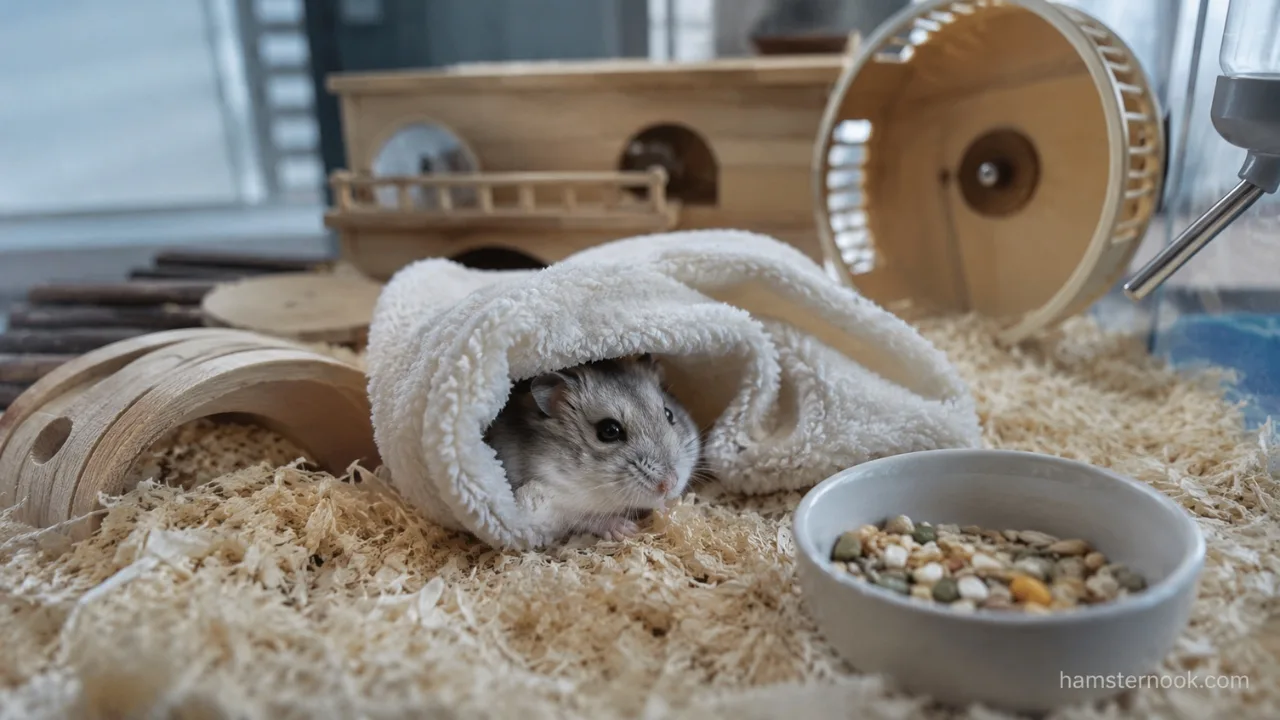
Make sure the bedding is low-dust, the enclosure is dry, and there are no obvious airborne irritants nearby. Then observe your hamster when it is awake and active.
If the sneezing persists, becomes frequent, or is accompanied by discharge, appetite changes, reduced activity, wheezing, or abnormal breathing, contact a veterinarian.
If breathing is difficult, seek veterinary care promptly rather than waiting to see whether environmental changes solve the problem.
Final Thoughts
An occasional hamster sneeze does not automatically mean something is seriously wrong. Sneezing is a protective response and can happen when particles or other irritants affect the nasal passages.
The important question is whether the sneezing is isolated or part of a larger change in your hamster’s health. Check the bedding and environment, keep the cage clean and dry, and observe your hamster’s appetite, activity, and breathing.
When sneezing continues or other respiratory signs appear, don’t try to diagnose the problem yourself. A veterinarian can determine whether the cause is simple irritation, respiratory disease, or another condition and decide what treatment, if any, is appropriate.
Frequently Asked Questions
Is it normal for a hamster to sneeze sometimes?
An occasional sneeze can occur when something irritates the nasal passages. Sneezing is a normal protective reflex, so an isolated sneeze does not automatically indicate illness.

Can dusty bedding make a hamster sneeze?
Dust and other airborne particles can irritate the respiratory tract. Veterinary guidance recommends hamster bedding that is clean, nontoxic, absorbent, and as dust-free as possible.
Should I change my hamster’s bedding if it is sneezing?
Check whether the bedding is dusty or otherwise unsuitable. If it is visibly dusty, replacing it with an appropriate low-dust bedding material is reasonable. Make environmental changes calmly rather than repeatedly disturbing the hamster.
How do I know if my hamster’s sneezing is serious?
Sneezing becomes more concerning when it persists or occurs with nasal or eye discharge, reduced appetite, unusual inactivity, wheezing, or breathing difficulty. These signs warrant veterinary attention.
Can hamsters get respiratory infections?
Yes. Hamsters can develop respiratory diseases, including conditions such as pneumonia. Signs can include discharge, breathing difficulty, reduced appetite, and reduced activity.
When should I take my hamster to a vet for sneezing?
Contact a veterinarian if sneezing is persistent, worsening, or accompanied by other signs of illness. If your hamster is having difficulty breathing or appears seriously unwell, veterinary care should be sought promptly.
Can I give my hamster medicine for sneezing?
Do not give human cold medicine or other medication unless a veterinarian has specifically advised you to do so. The correct treatment depends on the underlying cause.
Should I completely clean the cage if my hamster starts sneezing?
Not necessarily. Check for dusty or soiled bedding and remove problem areas, but avoid unnecessary full cage cleanouts. The RSPCA recommends keeping the cage clean and dry while also minimizing excessive disturbance.
References
This guide is based on hamster respiratory health, housing, bedding, environmental care, illness signs, and veterinary guidance from trusted animal welfare and veterinary resources, including:
- RSPCA – Hamster Health & Welfare – Guidance on hamster health monitoring, signs of illness, respiratory concerns, hygiene, and when veterinary care may be needed.
- RSPCA – Creating a Good Home for Hamsters – Guidance on suitable bedding, cage hygiene, ventilation, environmental conditions, and maintaining a clean and dry enclosure.
- MSD Veterinary Manual – Disorders and Diseases of Hamsters – Veterinary information on respiratory disorders, sneezing, nasal discharge, abnormal breathing, pneumonia, and other signs of illness in hamsters.
- MSD Veterinary Manual – Providing a Home for a Hamster – Veterinary guidance on appropriate bedding, dust control, ventilation, housing conditions, and reducing respiratory irritation.
- Blue Cross – Hamster Care Guide – Practical hamster care guidance covering housing, bedding, cleaning, environmental conditions, and general wellbeing.
- PDSA – Hamsters as Pets – General hamster health, care, housing, feeding, and welfare information for pet owners.
Medical Disclaimer
This article is intended for educational purposes only and should not be considered veterinary advice or a diagnosis. Occasional sneezing can have simple environmental causes, but persistent sneezing or sneezing accompanied by nasal discharge, eye discharge, wheezing, difficulty breathing, reduced appetite, or unusual lethargy may indicate an underlying health problem. If your hamster has difficulty breathing or appears seriously unwell, contact a qualified exotic animal veterinarian promptly.

Narayan Kumar is the founder and author of HamsterNook. He creates practical, research-based hamster care guides covering hamster behavior, nutrition, cage setup, enrichment, health, and everyday care. His goal is to help hamster owners make informed decisions and provide safer, healthier lives for their pets through clear, beginner-friendly information based on trusted animal care resources.