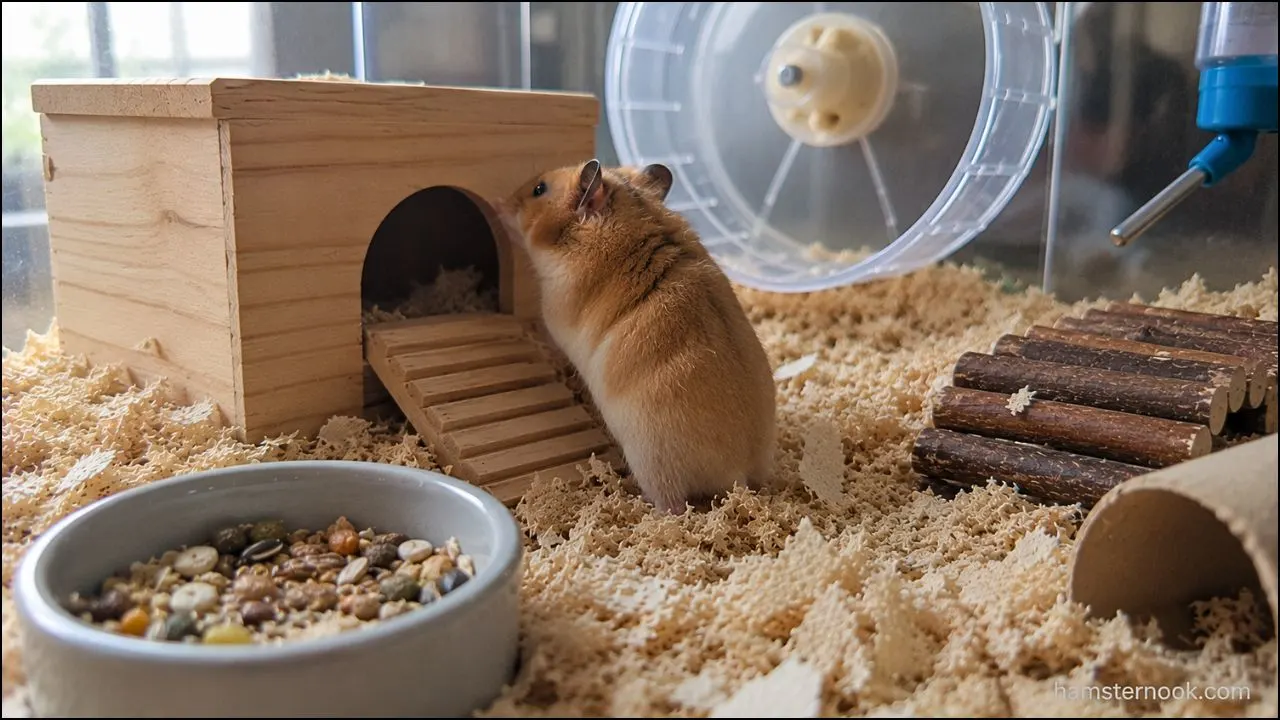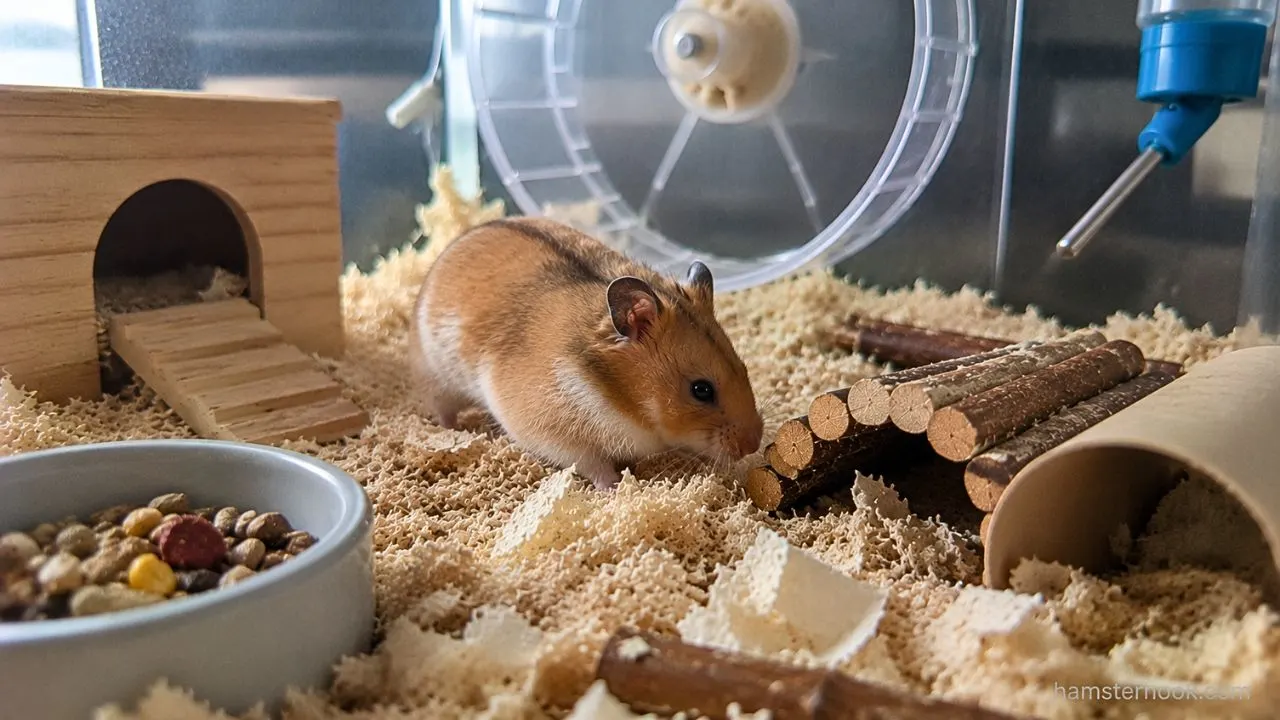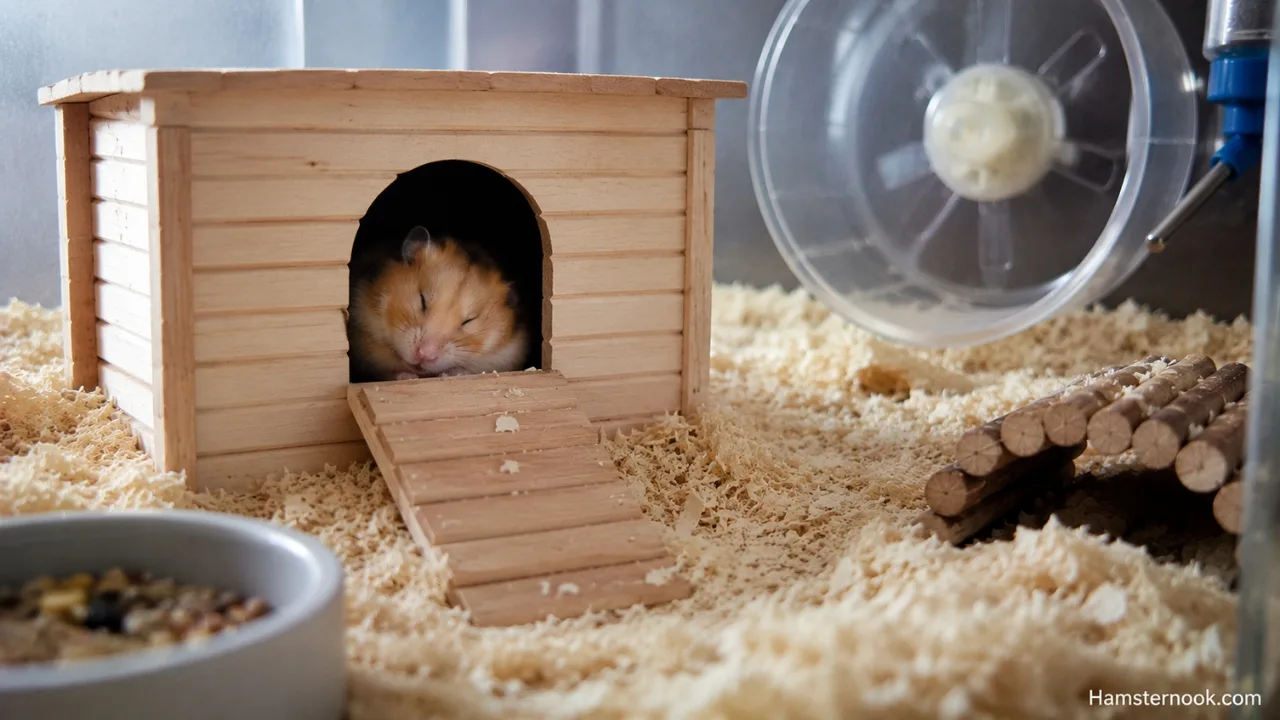
Watching your hamster sleep can be surprisingly entertaining. You may notice tiny paw movements, twitching whiskers, flicking ears, or even soft squeaks while they’re curled up in their nest. It’s natural to wonder whether those tiny movements mean your hamster is dreaming the way other mammals might. While scientists can’t know exactly what a hamster experiences during sleep, there are some evidence-based insights into how mammals sleep and what those nighttime movements might mean.
This guide explains what researchers know about hamster sleep, whether dreaming is possible, what normal sleep behaviors look like, and when unusual sleeping habits may deserve closer attention.
Quick Answer
Scientists cannot directly confirm whether hamsters dream because dreams cannot be directly observed or measured. However, sleep studies have identified REM (rapid eye movement) sleep in hamsters. Because REM sleep is associated with dreaming in humans and many other mammals, it is possible that hamsters experience some form of dream-like brain activity, but there is no evidence showing what they experience subjectively. Small movements such as whisker twitching, paw movements, or brief muscle twitches can occur during sleep.
While it’s reasonable to think hamsters may experience dream-like brain activity during REM sleep, there is no scientific evidence proving what they actually dream about—or whether they dream in the same way humans do.

If you notice your hamster twitching or moving slightly during sleep, there’s usually no need to wake it. These brief movements are commonly seen during normal sleep.
Readers who want a complete introduction to caring for a pet hamster should also read our Complete Hamster Care Guide for Beginners (2026), where we explain the subject in greater detail with practical tips and beginner-friendly guidance.
How Do Hamsters Sleep?
Hamsters are naturally active during the evening and nighttime. They spend much of the daytime resting inside burrows or enclosed nesting areas where they feel protected.
Like many mammals, hamsters alternate between periods of lighter sleep and deeper sleep throughout their rest cycle. During deeper sleep, you may notice subtle movements that can seem unusual if you’ve never watched a sleeping hamster before.

Most healthy hamsters prefer sleeping in:
- Underground-style burrows
- Covered hideouts
- Nesting chambers
- Quiet, dark areas of the enclosure
Choosing a secure sleeping location helps them feel safe while resting.
Hamsters naturally rest for much of the day and are often more active during the evening and night. Are Hamsters Nocturnal? Their Natural Sleep Schedule Explained provides more detail about their daily activity pattern.
Can Hamsters Really Dream?
This is one of the most common questions hamster owners ask.
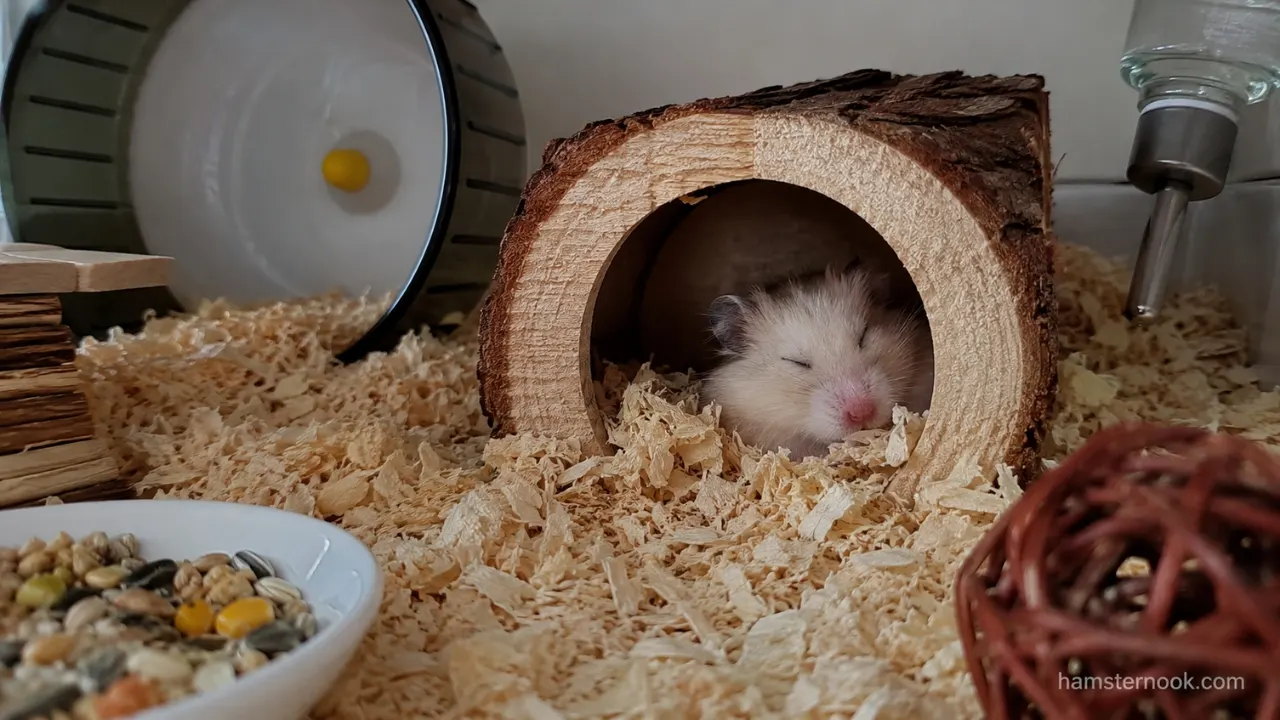
The most accurate answer is that scientists don’t yet know for certain.
Researchers have identified REM sleep in hamsters and other rodents. REM sleep is the stage during which humans experience most vivid dreams. Because hamsters also enter REM sleep, scientists believe it is possible that they experience some form of dream-like brain activity.
However, no study can determine what a hamster is actually experiencing while asleep.
For that reason, it would be inaccurate to claim that hamsters definitely dream—or to suggest they dream about specific things like running, food, or their owners.
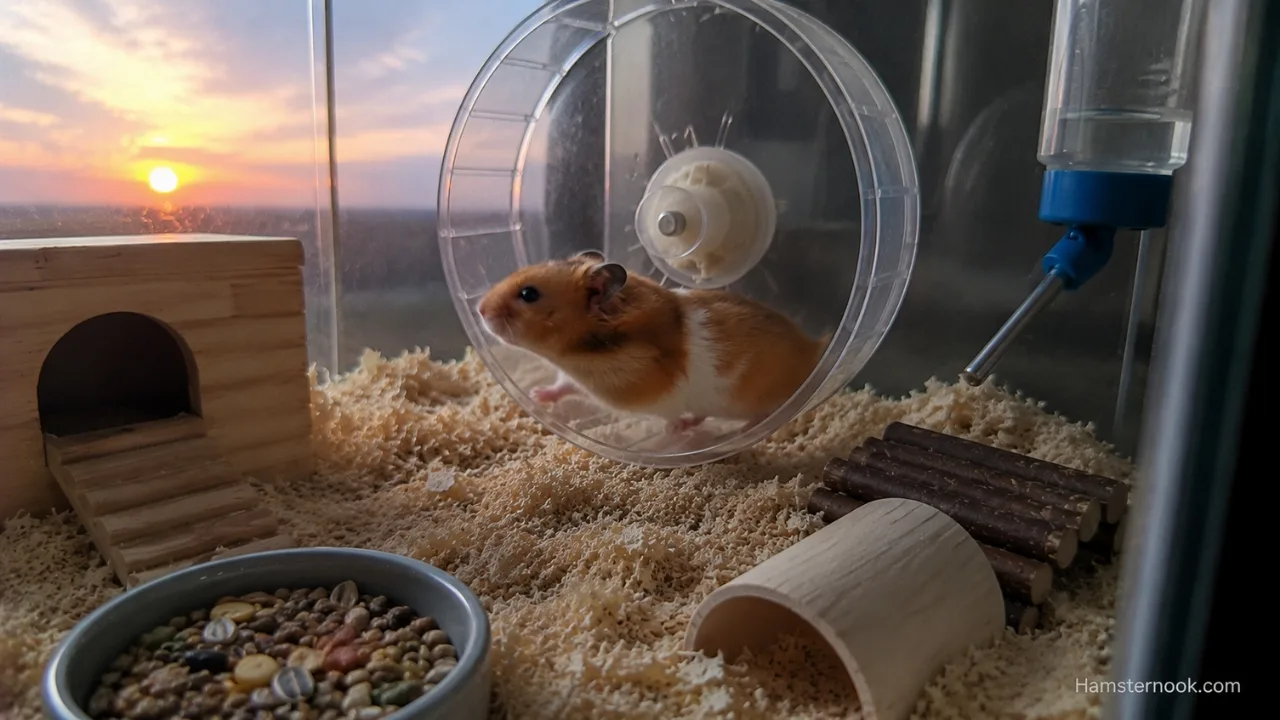
The most evidence-based conclusion is:
- Hamsters experience REM sleep.
- REM sleep is linked with dreaming in many mammals.
- Scientists cannot confirm whether hamsters consciously dream.
What Happens During REM Sleep?

REM stands for Rapid Eye Movement.
During this stage, the brain becomes more active than during deeper non-REM sleep, while most muscles remain relaxed.
Some perfectly normal behaviors during REM sleep include:

- Whisker twitching
- Tiny paw movements
- Ear flicks
- Nose movements
- Brief body twitches
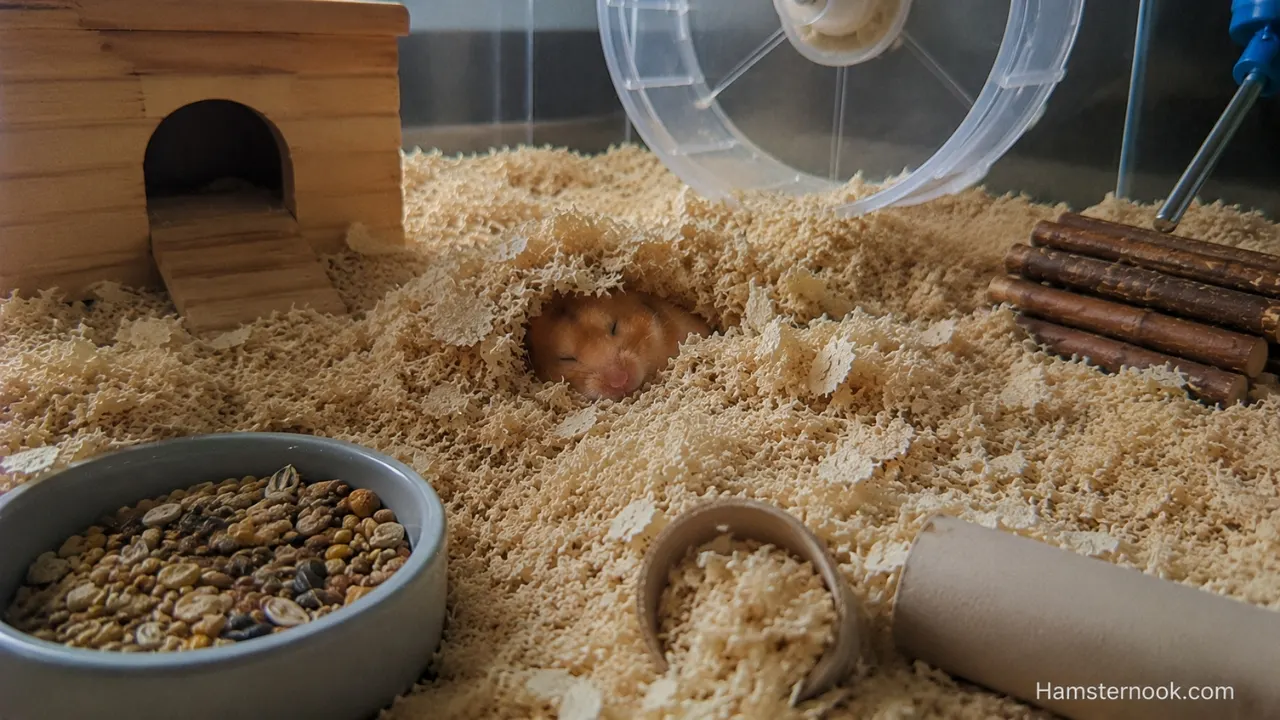
These movements can be brief and intermittent, with the hamster becoming still again between movements.
Seeing these small movements is not usually a cause for concern if your hamster wakes normally and behaves as usual afterward.
Resist the urge to touch or wake your hamster just to check on it, as sudden disturbances can interrupt its normal sleep cycle and cause unnecessary stress.
Readers who want to understand everyday hamster behaviors should also read our How Do Hamsters Communicate? A Complete Guide to Body Language, Sounds & Scents, where we explain the subject in greater detail with practical tips and beginner-friendly guidance.
Normal Sleeping Behaviors vs. Warning Signs
Many first-time owners worry when they notice unusual sleeping habits that are actually completely normal.
| Usually Normal | Concerning Signs |
|---|---|
| Brief body or paw twitches during sleep | Difficulty waking or not responding normally |
| Whisker movement or occasional ear flicks | Labored breathing or repeated breathing difficulty |
| Changing sleeping positions | Persistent weakness or loss of balance after waking |
| Sleeping inside a hideout | An unusual sleeping location combined with other signs of illness |
| An occasional brief squeak | Loss of appetite, marked lethargy, or other sudden health changes |
Looking at your hamster’s overall health is much more helpful than focusing on a single sleeping movement.
Why Does My Hamster Twitch While Sleeping?
Tiny muscle twitches are among the most common behaviors owners notice while a hamster is asleep.
You may notice:

- Front paws moving slightly
- Whiskers vibrating
- Nose twitching
- Ears flicking
- Gentle body jerks
These brief movements are generally considered a normal part of sleep and are not automatically a sign that something is wrong.
If twitching only occurs while your hamster is asleep and it wakes up alert, eats normally, and behaves as usual, there is usually no reason to worry.
Do Hamsters Make Noises While Sleeping?
Some hamsters occasionally produce very soft sounds while asleep.
These may include:
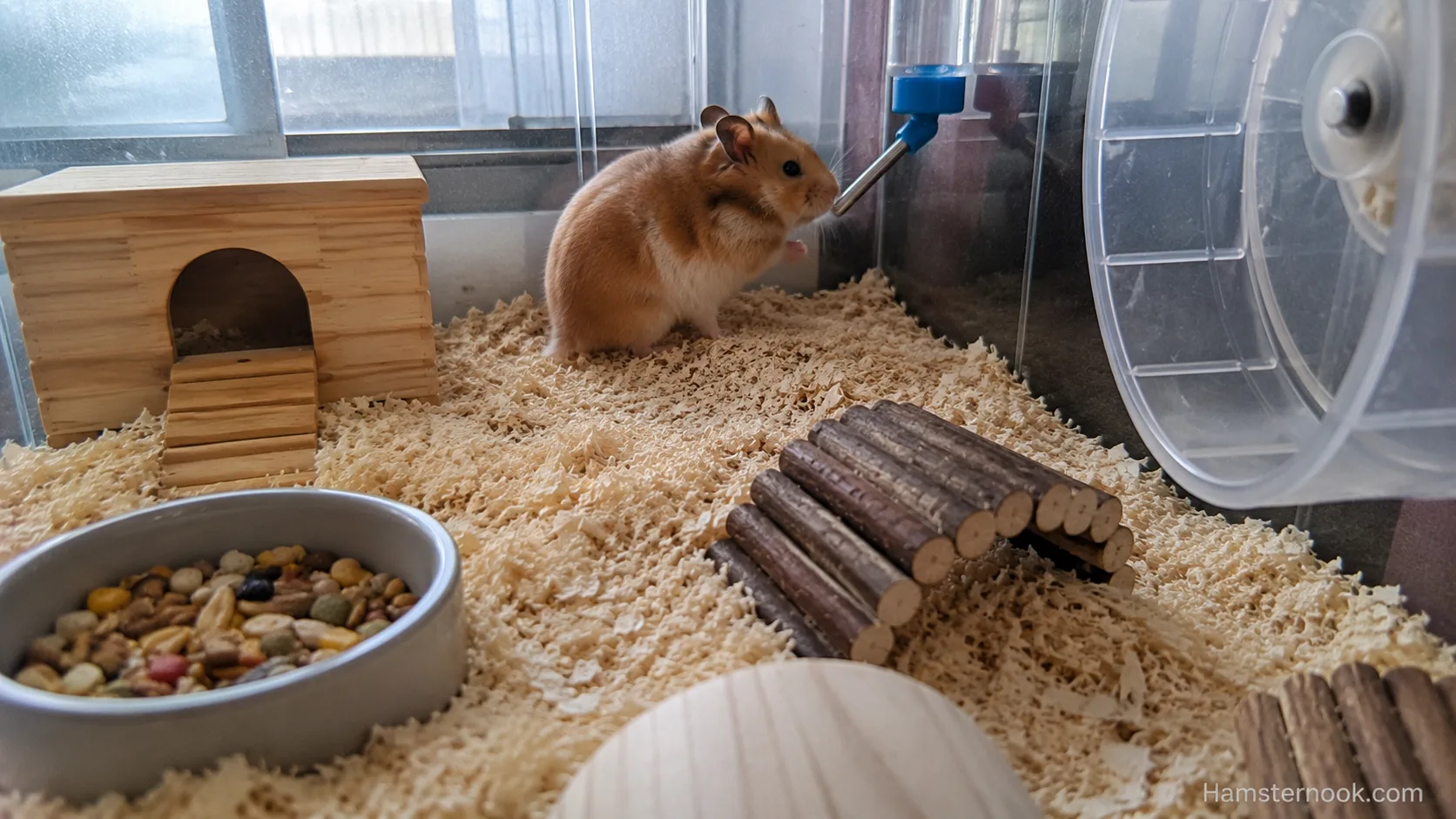
- Quiet squeaks
- Tiny chirps
- Soft breathing noises
Occasional sounds during sleep are usually harmless.
However, repeated clicking, wheezing, or obvious breathing difficulty while awake should never be dismissed as “dreaming” and deserves veterinary evaluation.
If your hamster is sleeping more than usual, look at changes in appetite, energy and behavior as well as its sleep routine. Why Is My Hamster Sleeping So Much? Normal Sleep, Causes & Warning Signs explains which changes may need closer attention.
Why Does My Hamster Change Sleeping Positions?
Hamsters often change position several times during a sleep session.

They may:
- Curl into a tight ball
- Stretch out on one side
- Sleep partially upright
- Rest against the wall of a hideout
These changes are usually part of normal comfort adjustments.
Some hamsters even switch between several sleeping positions during a single rest period, especially after rearranging their bedding or nest.
A hamster’s sleeping position can provide useful context, but it should be considered alongside its usual behavior and overall health. What Your Hamster Sleeping Position Says About Their Health (Normal vs Warning Signs) explains common positions and when a change may deserve attention.

Should You Wake a Sleeping Hamster?
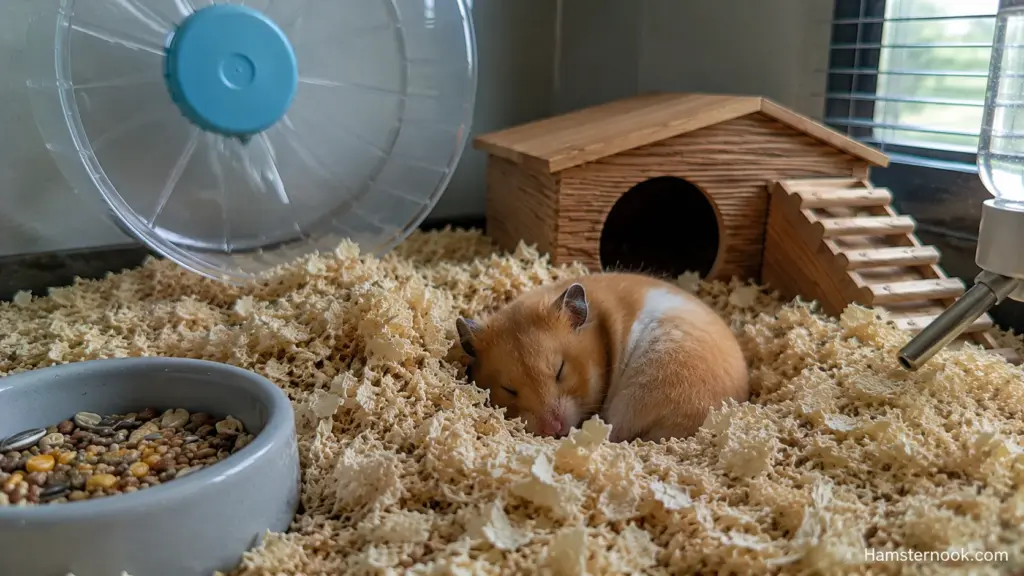
In most situations, it’s best to let your hamster wake up naturally.
Hamsters are naturally active mainly during the darker parts of their daily cycle, including the evening and night. Waking a sleeping hamster can interrupt its normal rest period and may cause it to become startled or defensive.
Keeping a consistent light-dark environment can also help support a hamster’s natural daily rhythm; our Do Hamsters Need Light? Daylight, Darkness & Night Lights Explained guide explains how lighting can affect their routine.
If you need to interact with your hamster, wait until it wakes on its own or gently encourage it by speaking softly and offering a favorite treat rather than lifting it unexpectedly.
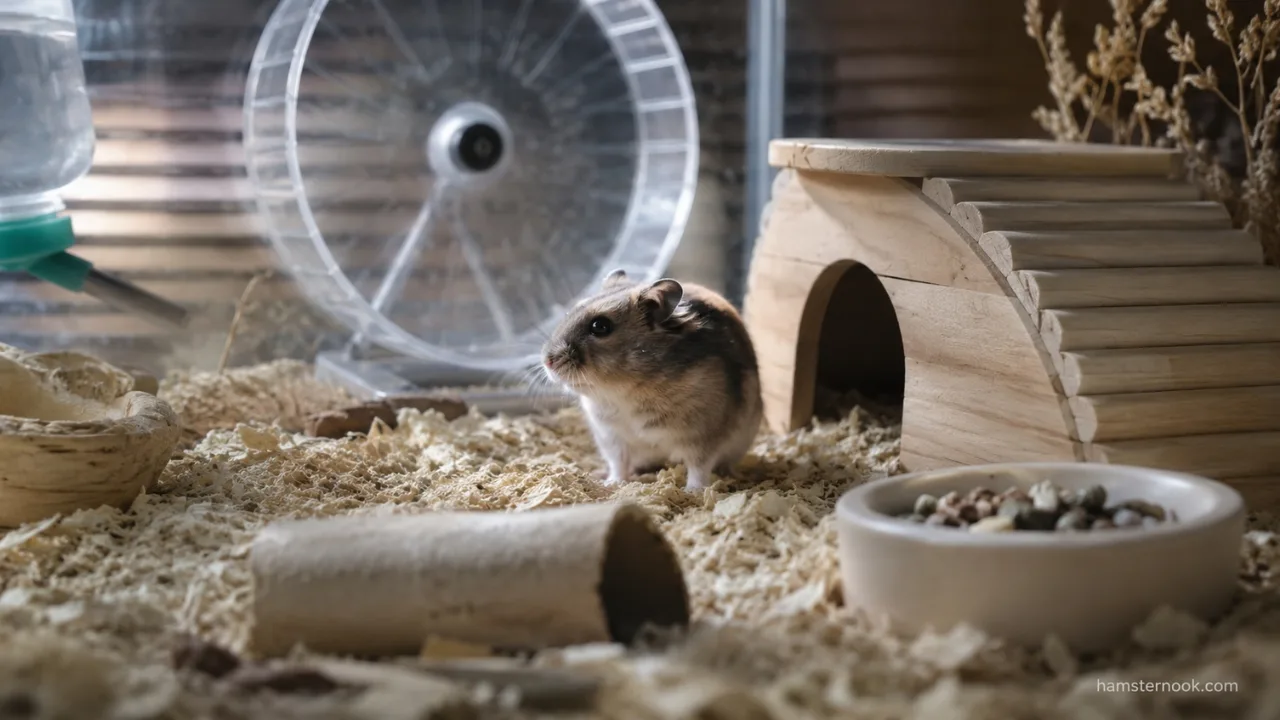
Readers who want to build trust with a shy hamster should also read our How to Bond With Your Hamster Without Scaring Them, where we explain the subject in greater detail with practical tips and beginner-friendly guidance.
Can Hamsters Have Nightmares?
This is another question that doesn’t have a scientific answer.
Because researchers cannot observe or measure a hamster’s subjective experiences while dreaming, there is no evidence proving that hamsters have nightmares.
If your hamster suddenly twitches, squeaks, or changes position while asleep, it doesn’t necessarily mean it had a bad dream. These brief movements are commonly associated with normal REM sleep in many mammals.
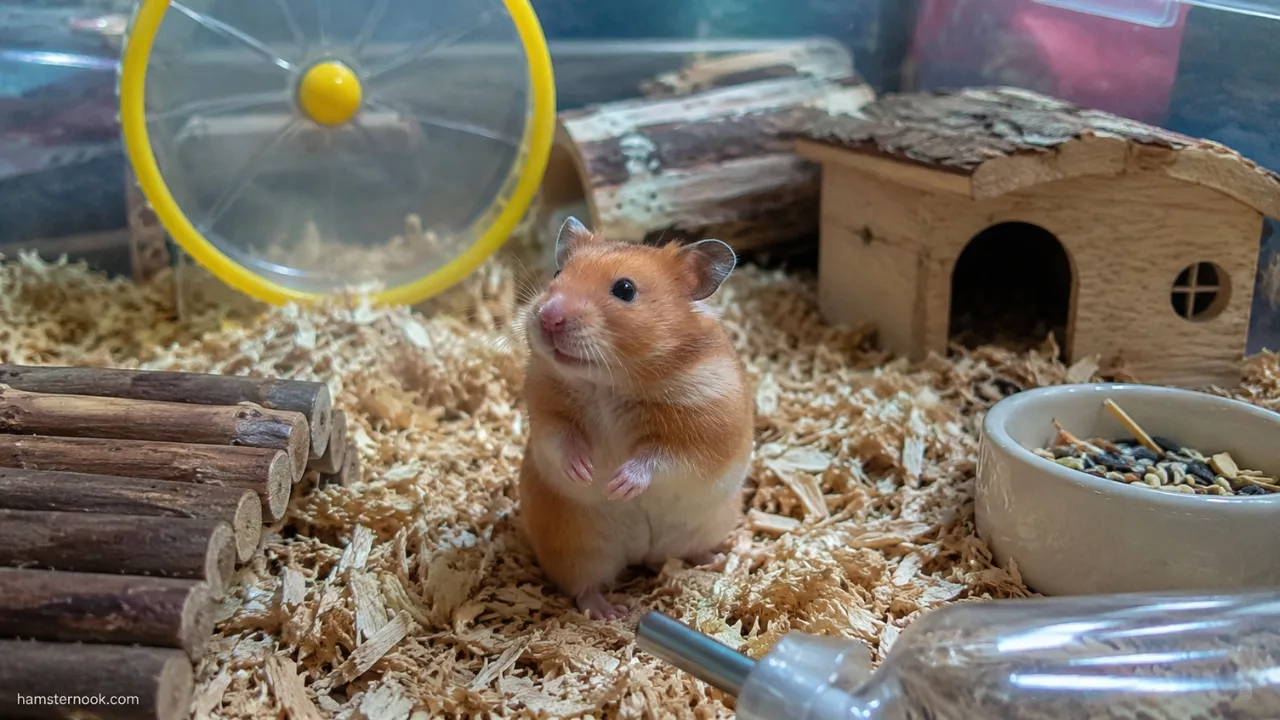
Avoid assuming emotional experiences based solely on sleeping movements.
How to Help Your Hamster Sleep Better
Quality sleep plays an important role in your hamster’s overall health and daily routine.
Here are a few simple ways to support healthy sleep habits:
- Keep the enclosure in a quiet area.
- Avoid bright lights during your hamster’s normal sleeping hours.
- Provide at least one enclosed hideout for security.
- Offer deep bedding for comfortable nesting.
- Maintain a consistent daily routine whenever possible.
- Avoid waking your hamster unnecessarily.
A hamster that feels safe is more likely to rest comfortably and follow its natural sleep cycle.

Readers looking to improve their hamster’s habitat should also read our How to Set Up the Perfect Hamster Cage: A Beginner’s Guide, where we explain the subject in greater detail with practical tips and beginner-friendly guidance.
When Should You Be Concerned?
Most sleeping movements are completely normal.
However, you should contact an experienced exotic animal veterinarian if your hamster shows any of the following:
- Difficulty breathing while asleep or awake
- Repeated seizures or uncontrolled movements
- Inability to wake normally
- Loss of balance after waking
- Refusing food after waking
- Extreme weakness or lethargy
- Sudden changes in normal sleeping habits together with other signs of illness
It’s important to look at your hamster’s overall health rather than focusing on a single twitch or movement during sleep.

Sleep changes are more concerning when they occur alongside other symptoms. How to Tell If Your Hamster Is Sick: Signs, Symptoms & When to See a Vet covers additional warning signs and when veterinary advice is needed.
Common Myths About Hamster Dreams
Many myths about hamster dreams appear online, but not all are supported by evidence.
Myth: Hamsters definitely dream about running on their wheel.
There is no scientific evidence showing what hamsters dream about.
Myth: Twitching always means a hamster is dreaming.
Twitching often occurs during normal sleep, but scientists cannot confirm that every twitch represents dreaming.
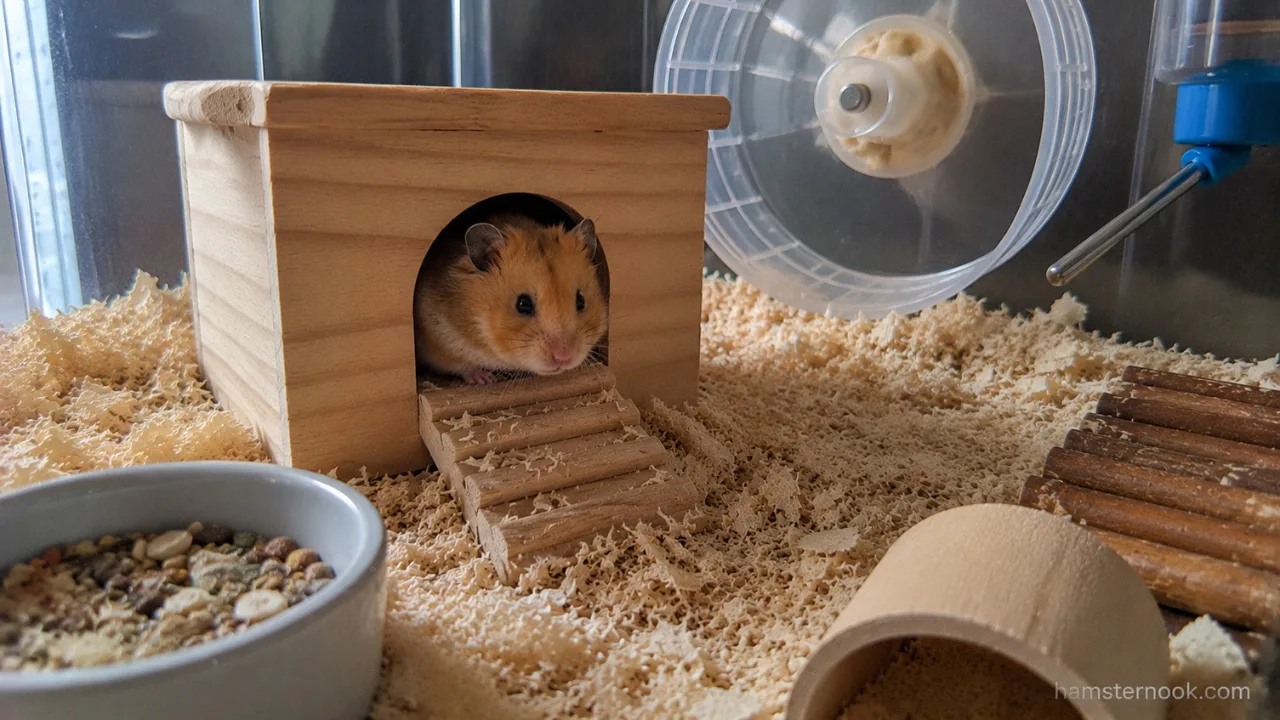
Myth: Sleeping deeply means a hamster is sick.
Healthy hamsters naturally spend long periods sleeping during the daytime.
Myth: You should wake your hamster to play every day.
Allowing your hamster to follow its natural sleep schedule is generally better than waking it for interaction.
What You Should Do as an Owner
If you’ve noticed your hamster twitching or moving while asleep:
- Observe without disturbing it.
- Check that breathing appears normal.
- Allow your hamster to wake naturally.
- Monitor its behavior after waking.
- Ensure it eats, drinks, and moves around normally.
- Seek veterinary advice if unusual movements continue while your hamster is awake or if other symptoms develop.
Remember that healthy hamsters often display small sleep movements that are completely harmless.

Conclusion
Although scientists cannot say with certainty whether hamsters dream, they do experience REM sleep—the same sleep stage associated with dreaming in humans and many other mammals. This makes it reasonable to think they may have dream-like brain activity, but there is currently no evidence proving what they experience.
Most sleeping behaviors, including whisker twitching, tiny paw movements, stretching, or changing positions, are a normal part of a hamster’s sleep cycle.
Paying attention to your hamster’s normal sleeping habits over time makes it much easier to recognize when something is genuinely different.
By understanding what healthy sleep looks like, you can enjoy watching your hamster rest without worrying about every little movement—and you’ll also know which changes genuinely deserve closer attention.

Nighttime activity is also an important part of normal hamster behavior, and changes in activity can be easier to understand when you know your hamster’s usual routine.
Frequently Asked Questions
Do hamsters actually dream?
Scientists cannot confirm that hamsters dream. However, they experience REM sleep, which is the stage associated with dreaming in humans and many other mammals.
Why does my hamster twitch while sleeping?
Small twitches, whisker movements, ear flicks, and tiny paw movements are generally considered normal during sleep.
Is it okay to wake my hamster up?
It’s usually best to allow your hamster to wake naturally. Waking a sleeping hamster unnecessarily may cause stress or make it feel startled.

Why does my hamster squeak while sleeping?
Some hamsters occasionally make soft noises while asleep. If the sounds are brief and your hamster behaves normally afterward, they are usually not a cause for concern. Persistent breathing noises or wheezing should be checked by a veterinarian.
Should I worry if my hamster sleeps all day?
Not necessarily. Hamsters naturally sleep for much of the daytime and become active during the evening and night. Concern is more appropriate if excessive sleeping is accompanied by poor appetite, weakness, weight loss, or other signs of illness.
References
This guide is based on research into hamster sleep, REM sleep, mammalian sleep patterns, natural behavior, and veterinary health guidance from scientific and veterinary resources, including:
- PubMed – Biomedical and Sleep Research – Scientific literature database for research on REM sleep, sleep physiology, and sleep-related behavior in mammals.
- NCBI Bookshelf – Biomedical Research and Sleep Science – Scientific and medical reference materials on sleep stages, brain activity, and mammalian physiology.
- RSPCA – Hamster Behaviour – Guidance on natural hamster behavior, activity patterns, environmental needs, and signs of stress.
- Blue Cross – Hamster Care Guide – Practical information on hamster sleeping habits, daily routines, housing, and general wellbeing.
- MSD Veterinary Manual – Hamsters – Veterinary information on hamster health, normal care, and signs that may require professional evaluation.
- RSPCA – Hamster Health – Guidance on recognizing illness, monitoring health, and identifying symptoms that may need veterinary attention.
Medical Disclaimer
This article is intended for educational purposes only and should not be considered veterinary advice. Small movements during sleep can be normal, but unusual or repeated movements may sometimes indicate an underlying health problem. If your hamster experiences difficulty breathing, uncontrolled movements, difficulty waking, severe weakness, loss of balance, or other concerning symptoms, consult a qualified exotic animal veterinarian for proper evaluation.

Narayan Kumar is the founder and author of HamsterNook. He creates practical, research-based hamster care guides covering hamster behavior, nutrition, cage setup, enrichment, health, and everyday care. His goal is to help hamster owners make informed decisions and provide safer, healthier lives for their pets through clear, beginner-friendly information based on trusted animal care resources.