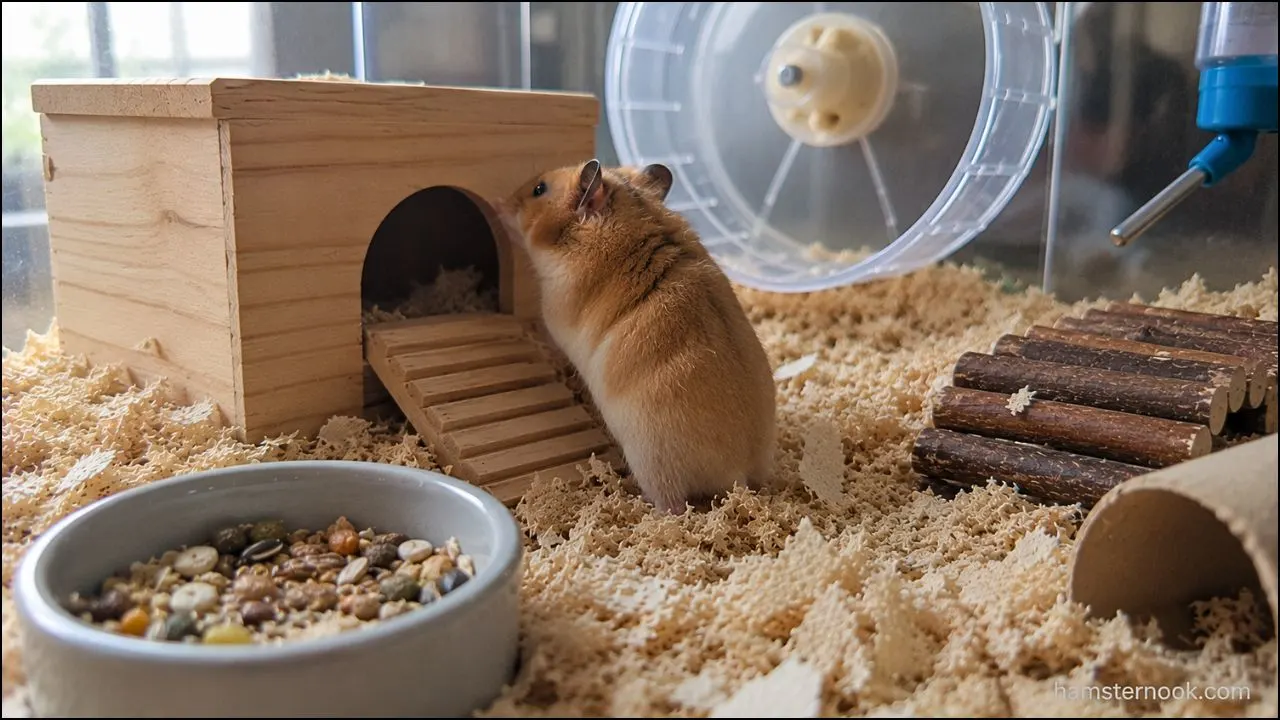
Have you noticed your hamster licking cage bars, toys, bedding, your hands, or almost every new object it encounters? While this behavior may seem unusual, it’s usually a normal part of how hamsters explore their surroundings. In most cases, occasional licking isn’t a sign of illness. However, if the behavior becomes frequent or appears alongside other symptoms, it’s worth taking a closer look to rule out an underlying problem.
Quick Answer
Hamsters often lick objects to explore unfamiliar scents and tastes, investigate their environment, or interact with items they encounter every day. Occasional licking is usually normal. However, if licking becomes excessive or is accompanied by changes such as poor appetite, weight loss, difficulty eating, or unusual behavior, the underlying cause should be investigated.
If you’re new to hamster ownership, our Complete Hamster Care Guide for Beginners (2026) provides a broader overview of daily care, behavior, and creating a healthy environment.
Is It Normal for Hamsters to Lick Things?
Yes. Hamsters naturally use several senses together when exploring their surroundings.

When they discover something unfamiliar, they may:
- Sniff it
- Touch it with their whiskers
- Gently nibble it
- Lick the surface
These behaviors help a hamster gather information before deciding whether something is safe, edible, or simply part of its environment.
Brief licking without any other concerning signs is generally considered normal.
The important thing is not how often your hamster licks, but what happens around the behavior. Brief licking followed by normal eating, drinking, grooming, exploring, or resting is usually much less concerning than persistent licking combined with changes in appetite, chewing, energy, or body weight.

Why Do Hamsters Lick Objects?
A hamster may lick many different things throughout the day for perfectly harmless reasons.
Common examples include:
- Cage bars
- Water bottle nozzle
- Food bowl
- Wooden chew toys
- Cardboard tunnels
- Glass enclosure walls
- Your hands
- New enrichment items
Licking may be brief and occasional, but the pattern can vary between individual hamsters.
Common Reasons Your Hamster Keeps Licking Everything
Exploring unfamiliar scents
A hamster’s sense of smell is one of its most important tools for understanding the world.
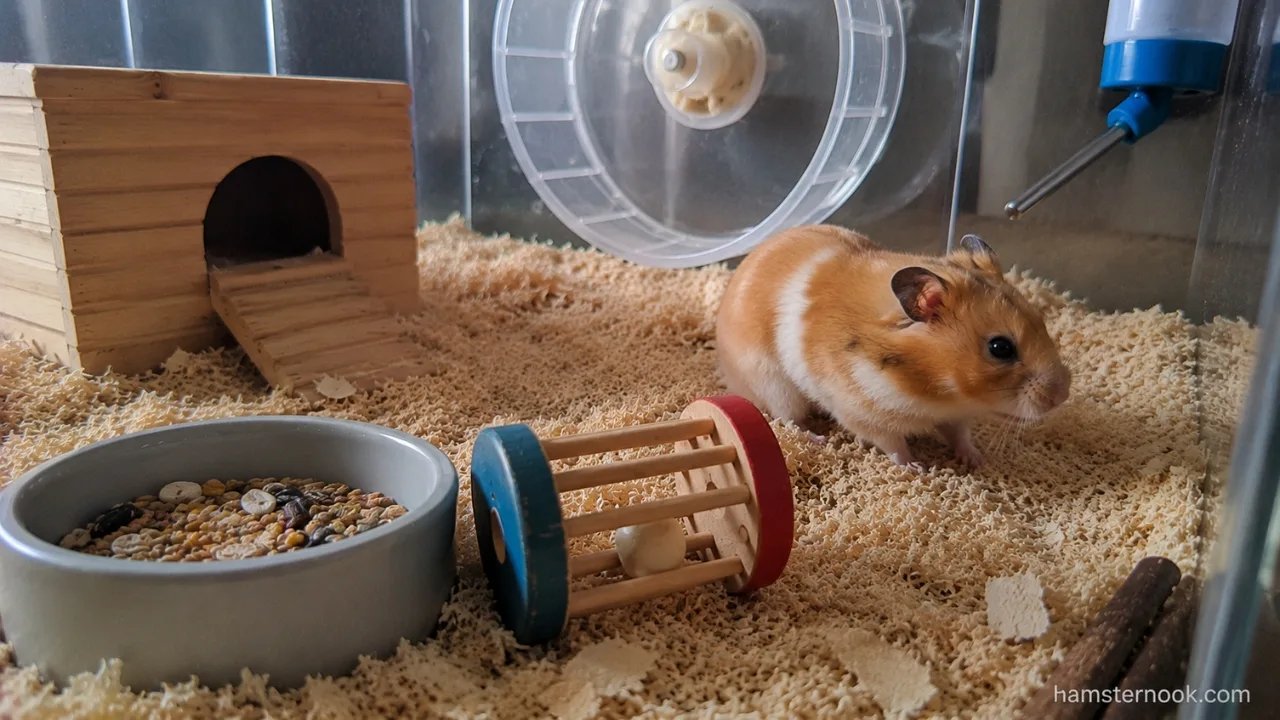
When something new appears inside the enclosure, your hamster will often investigate it by sniffing and occasionally licking it.
This doesn’t necessarily mean your hamster wants to eat the object—it is simply gathering information.
If you’d like to learn more about how hamsters use scent, see our Can Hamsters Smell Their Owners? How Powerful Is a Hamster’s Sense of Smell?
Investigating textures
Different materials can have different textures and scents, so a hamster may briefly lick or sniff them while investigating.
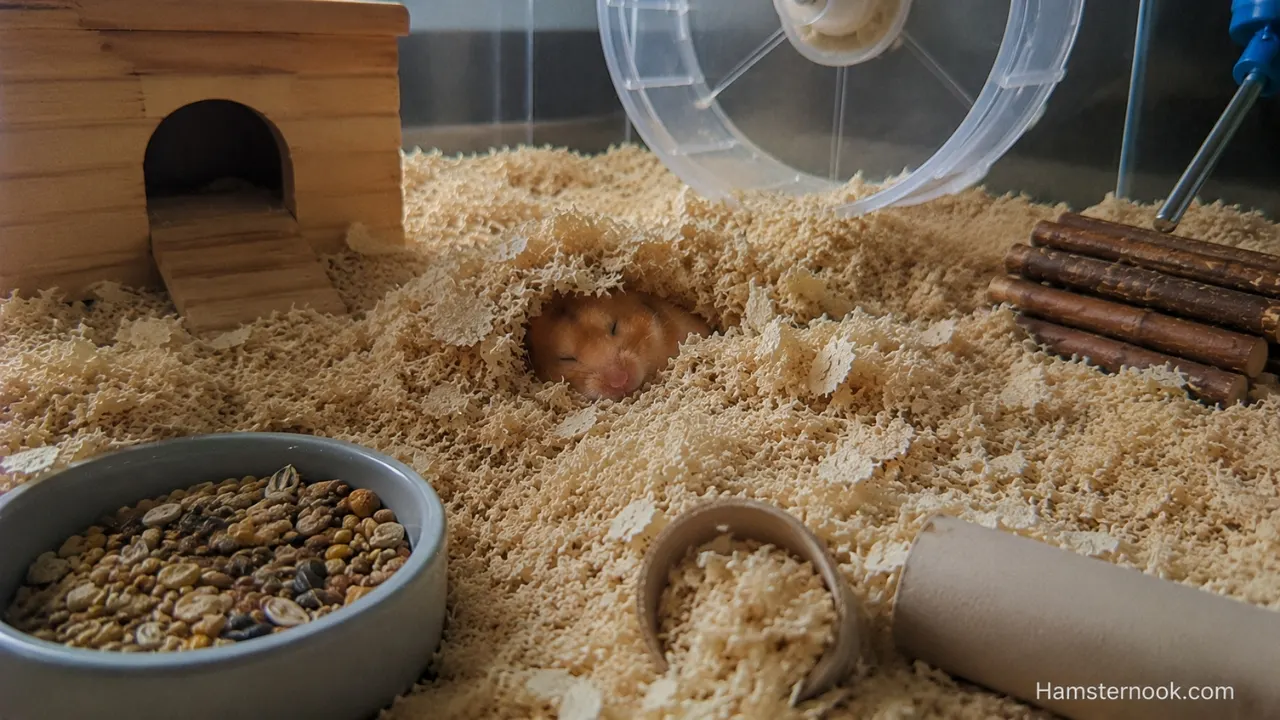
Wood, cork, cardboard, ceramic, and glass all have unique textures that a curious hamster may briefly lick while exploring.
Licking vs. Chewing: What’s the Difference?
Although they sometimes happen together, licking and chewing are not the same behavior.
| Licking | Chewing |
|---|---|
| Usually brief | Often lasts longer |
| Explores taste or scent | Helps wear down teeth |
| Gentle tongue contact | Uses the front teeth |
| Often stops quickly | May continue repeatedly |
A hamster may lick an object first and then decide whether to chew it.
Licking Your Hands
Many owners notice that their hamster licks their fingers during handling.

This is usually a form of investigation rather than affection in the human sense.
Your hands carry many scents, including food, soap, and your natural skin scent. Licking allows the hamster to gather more information before deciding how to respond.
Before handling your hamster, wash your hands with mild unscented soap and rinse thoroughly. Strong food odors, perfumes, or cleaning products can encourage extra investigation simply because they introduce unfamiliar scents.
If your hamster regularly licks your hand, you may also enjoy reading Why Does My Hamster Lick Me? 7 Meanings Every Owner Should Know, which explores this behavior in greater detail.

Why Does My Hamster Lick the Cage Bars?

Occasional licking of cage bars isn’t unusual.
Some hamsters simply investigate the metal surface while exploring.
However, if licking is accompanied by persistent bar chewing, pacing, or repeated attempts to escape, it may be worth evaluating the enclosure size, enrichment, and overall environment. These behaviors can sometimes occur together when a hamster is experiencing stress, so it is also useful to look for 7 Signs You’re Accidentally Stressing Your Hamster (Without Even Realizing It) rather than judging the licking on its own.
Licking New Toys or Enrichment Items

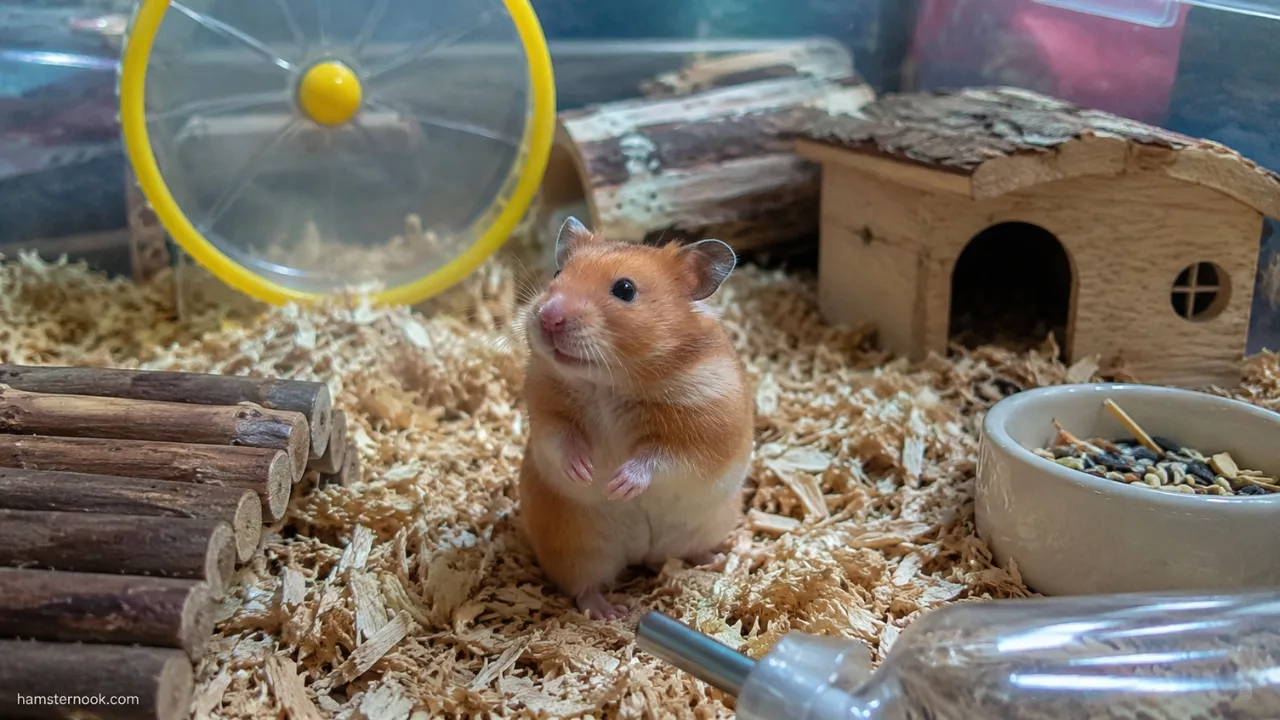
Whenever you introduce a new hideout, tunnel, bridge, or chew toy, your hamster will probably inspect it carefully.
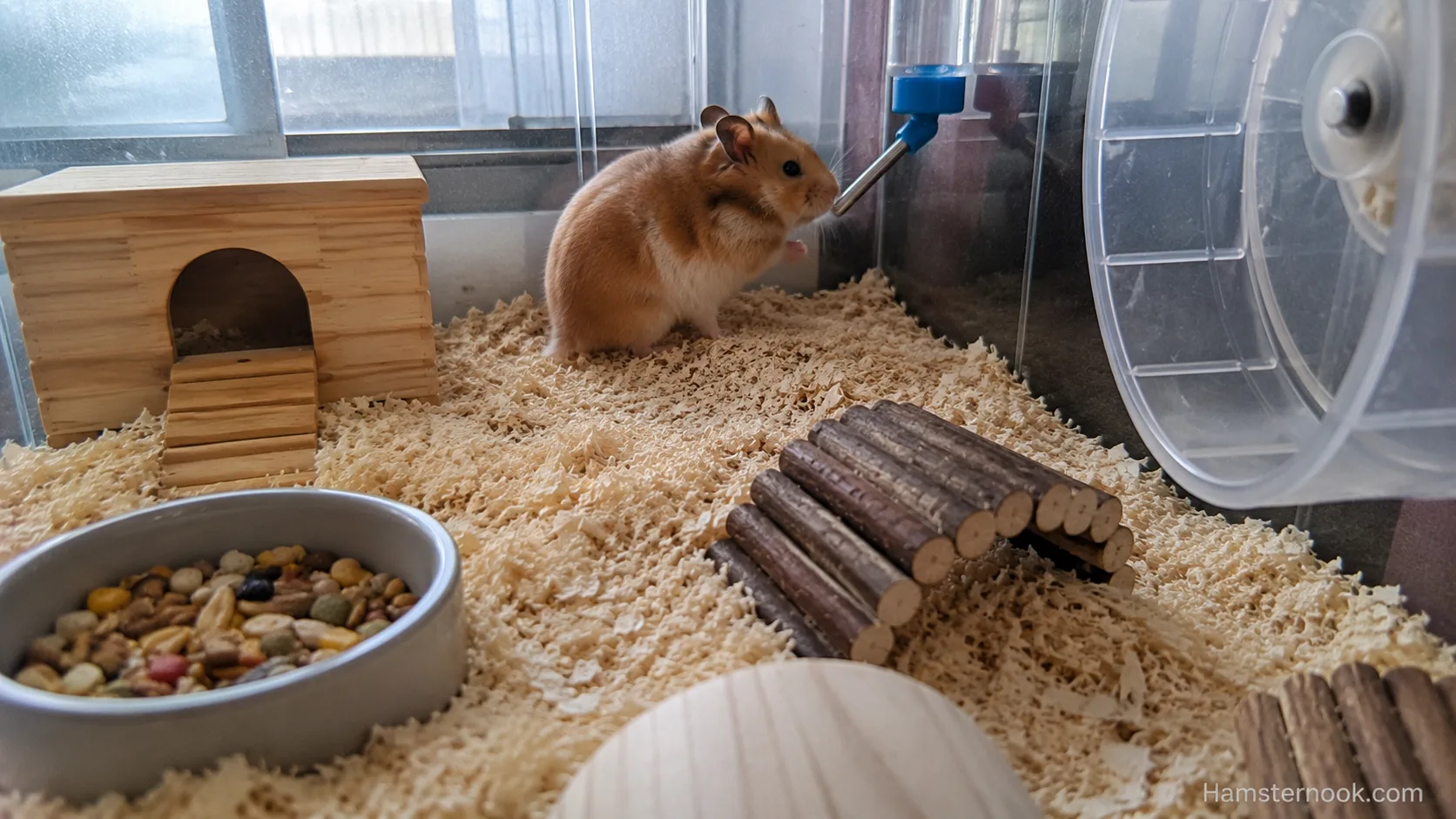
This inspection often includes:
- Sniffing
- Licking
- Gentle nibbling
- Walking around it several times
Allow your hamster to explore at its own pace instead of forcing interaction.
Introducing only one or two new enrichment items at a time makes it easier for your hamster to investigate without becoming overwhelmed by too many unfamiliar scents.
These careful inspections are a normal part of how hamsters become familiar with changes in their environment.
Can Boredom Cause Excessive Licking?
Evidence does not show that licking alone is a reliable sign of boredom.
However, if your hamster repeatedly licks the same object while showing other repetitive behaviors—such as constant bar chewing or pacing—it may be worth reviewing whether the enclosure provides enough opportunities for natural activities like digging, foraging, and exploring.
Our article Do Hamsters Get Bored? 10 Signs Your Hamster Needs More Enrichment explains how to recognize when a hamster may benefit from additional environmental enrichment.
When Licking May Need Closer Attention
Occasional licking is usually harmless.

You should observe your hamster more carefully if the behavior is accompanied by:
- Difficulty eating
- Weight loss
- Drooling
- Mouth injuries
- Bleeding
- Swelling around the mouth
- Sudden changes in appetite
- Noticeable lethargy
Pay particular attention to changes that affect eating or normal activity. A hamster that suddenly stops eating, becomes unusually weak, loses weight, or has difficulty using its mouth needs more attention than one that is simply licking objects while otherwise behaving normally.
If reduced appetite appears alongside these changes, Why Is My Hamster Not Eating? 9 Causes, Warning Signs & What to Do is useful for understanding why a hamster may suddenly lose interest in food.
What You Should Do if Your Hamster Keeps Licking Everything
If your hamster occasionally licks objects around the enclosure, there’s usually no reason to worry. Instead of trying to stop the behavior, observe when and where it happens.

Ask yourself:
- Is your hamster only licking new objects?
- Does it return to normal activities afterward?
- Is it eating and drinking normally?
- Has anything recently changed in the enclosure?
- Is the licking brief or repetitive?
Keeping a simple record for a few days can help you determine whether the behavior is simply curiosity or something that is becoming more frequent. Note what your hamster is licking, whether the behavior happens after a cage change or new object, how long it lasts, and whether eating, drinking, activity, and weight remain normal.
A simple note of what your hamster was licking, how long the behavior lasted, and whether it continued eating and behaving normally can help you spot patterns that may be useful if veterinary advice is ever needed.
Provide a Safe Environment for Exploration
Because hamsters naturally investigate their surroundings, it’s important to make sure everything inside the enclosure is hamster-safe.

Choose accessories made for small pets, such as:
- Untreated wooden chews
- Cork tunnels
- Cardboard tubes
- Ceramic hides
- Hamster-safe bridges
- Paper-based bedding
Avoid allowing your hamster to lick or chew painted, treated, or unknown materials that are not intended for pets.
If you’re looking for more ways to encourage natural exploration, our Best Hamster Toys for Mental Stimulation & Exercise guide offers additional enrichment ideas.
Common Mistakes Owners Make
Licking itself usually isn’t the problem, but some owner responses can create unnecessary stress.

Avoid these common mistakes:
- Removing every object your hamster licks.
- Assuming licking always means illness.
- Spraying bitter-tasting products on cage accessories.
- Introducing many new items at once.
- Handling your hamster immediately after touching strongly scented foods or other pets without washing your hands.
Give your hamster time to investigate unfamiliar scents and textures without repeatedly interrupting the behavior. The goal is not to prevent normal exploration, but to make sure the objects being explored are safe.
Can Diet Cause Licking Behavior?
A balanced diet supports overall health, but occasional licking by itself is not considered a sign of nutritional deficiency.
Supporting your hamster’s overall health starts with providing a balanced daily diet. Every hamster should always have access to:

- A high-quality hamster food
- Fresh water
- Appropriate fresh foods offered in moderation
- Safe treats in suitable amounts
If your hamster suddenly begins licking food dishes while eating much less than usual, the change deserves closer observation because reduced appetite can have several possible causes.
When Should You Contact a Veterinarian?
Licking alone is rarely an emergency.
However, veterinary advice is recommended if you notice licking together with:
- Difficulty chewing
- Drooling
- Bleeding from the mouth
- Swelling around the face
- Broken or overgrown teeth
- Weight loss
- Refusing food
- Unusual lethargy
These symptoms suggest that your hamster may have an underlying medical issue rather than simply displaying normal exploratory behavior.
If these symptoms persist or worsen, arranging a prompt examination with an experienced exotic animal veterinarian gives your hamster the best chance of receiving appropriate care.
Conclusion
Licking is one of the many ways hamsters explore the world around them. Along with sniffing, whisker movement, and gentle nibbling, it helps them investigate new objects, recognize familiar scents, and learn about changes in their environment.
In most cases, occasional licking is completely normal and doesn’t require any intervention. The key is to look at your hamster’s overall health and behavior rather than focusing on the licking itself.
If your hamster remains active, eats normally, maintains a healthy weight, and only licks objects briefly before moving on, the behavior is usually nothing more than healthy curiosity.

Frequently Asked Questions
Is it normal for my hamster to lick everything?
Yes. Brief licking is a normal exploratory behavior. Hamsters often lick unfamiliar objects, toys, cage accessories, and even their owner’s hands while investigating their surroundings.
Why does my hamster lick my fingers?
Your fingers carry many different scents. A hamster may lick them while investigating your natural scent or checking for traces of food. Washing your hands before handling your hamster helps reduce confusing smells.
Should I stop my hamster from licking cage accessories?
Not usually. If the accessories are clean and made from hamster-safe materials, occasional licking is generally harmless. Replace any damaged or unsuitable items if necessary.
Can licking mean my hamster is sick?
Licking by itself is not usually a sign of illness. However, if it occurs alongside drooling, difficulty eating, swelling, weight loss, bleeding, or other unusual symptoms, your hamster should be examined by an experienced exotic animal veterinarian.
Why does my hamster lick new toys?
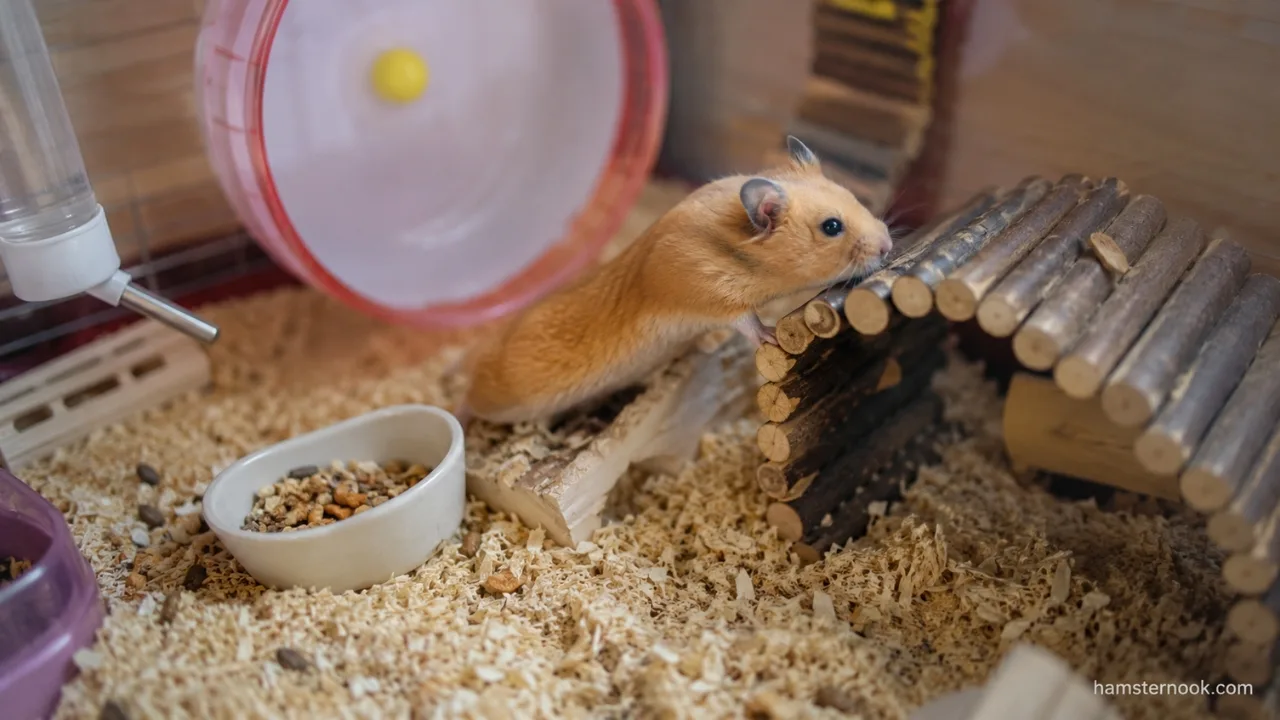
New toys have unfamiliar scents and textures. Licking, sniffing, and gentle nibbling are normal ways for hamsters to investigate new enrichment items before deciding whether to use them regularly.
Agar tum is Behavior article ke end me References add karna chahte ho, to ye concise aur professional version use kar sakte ho:
References
The information in this guide is based on trusted veterinary and animal welfare resources, including:
- RSPCA – Keeping Hamsters as Pets
- Blue Cross – Hamster Care Guide
- MSD Veterinary Manual – Providing a Home for a Hamster
- MSD Veterinary Manual – Routine Health Care of Hamsters
Medical Disclaimer:
This article is for general educational purposes and does not replace veterinary advice. If your hamster has difficulty eating, drooling, mouth swelling, bleeding, significant weight loss, severe weakness, or other concerning symptoms, contact an experienced exotic animal veterinarian.

Narayan Kumar is the founder and author of HamsterNook. He creates practical, research-based hamster care guides covering hamster behavior, nutrition, cage setup, enrichment, health, and everyday care. His goal is to help hamster owners make informed decisions and provide safer, healthier lives for their pets through clear, beginner-friendly information based on trusted animal care resources.