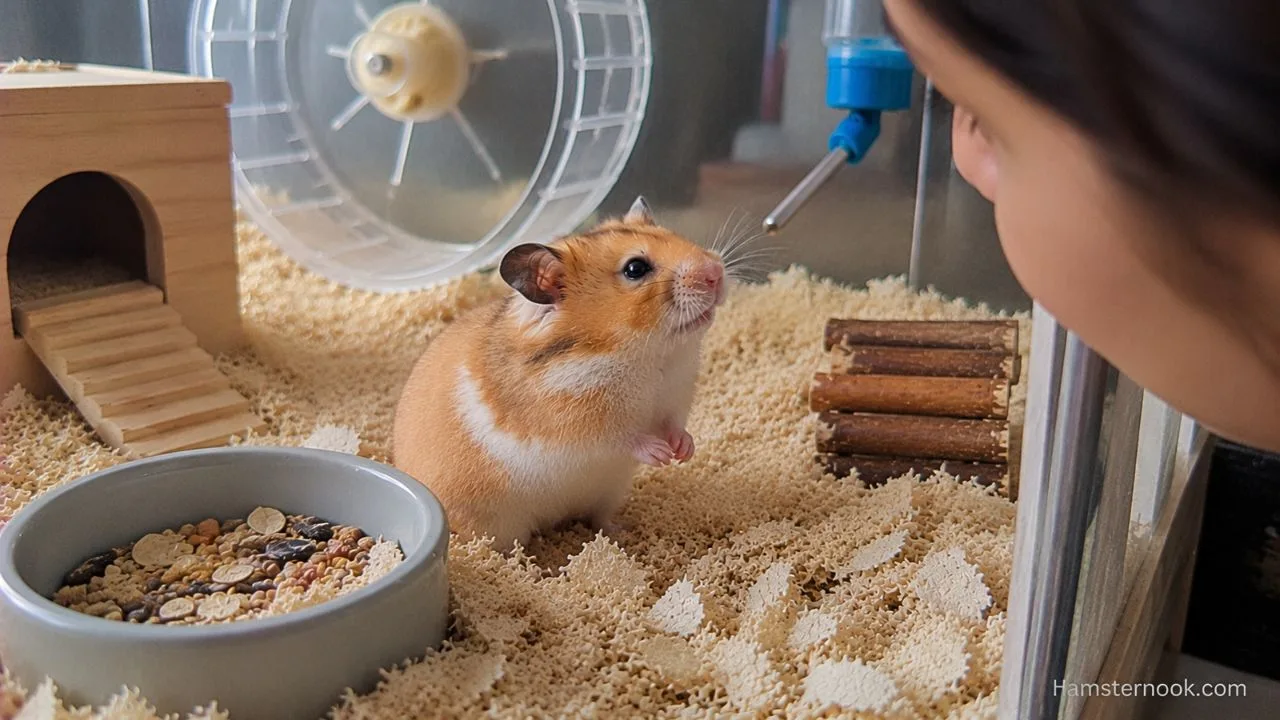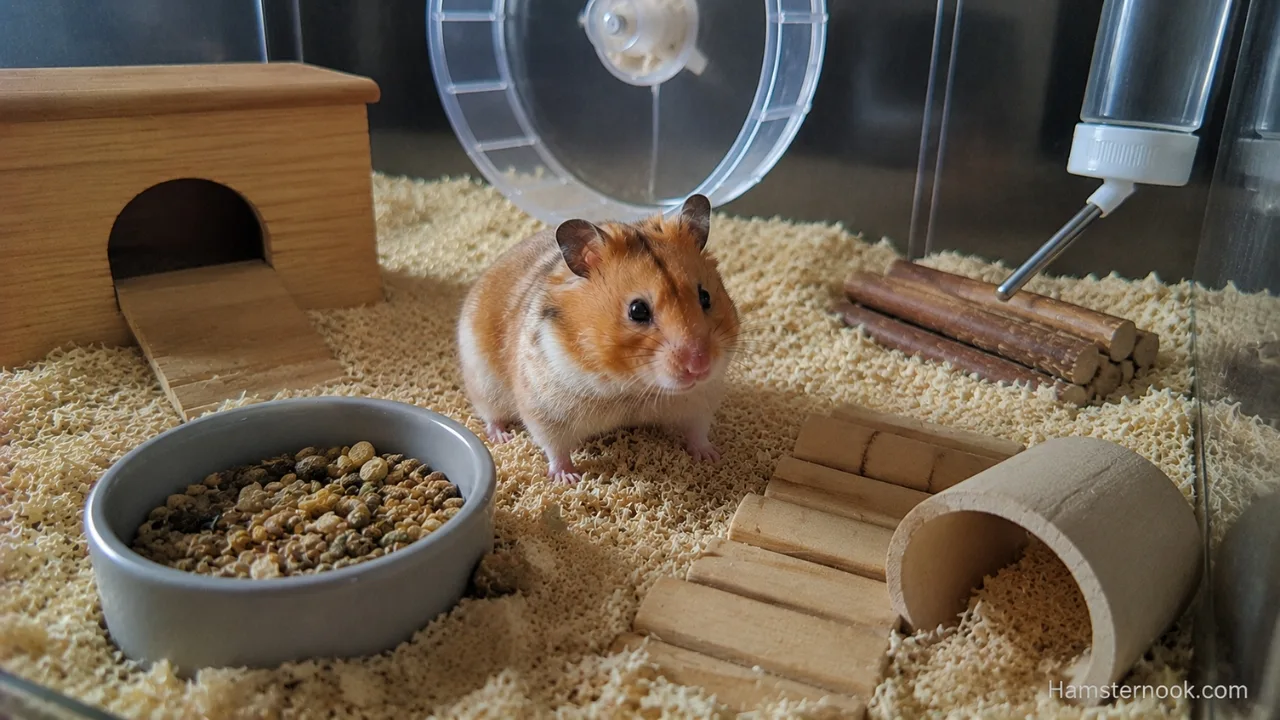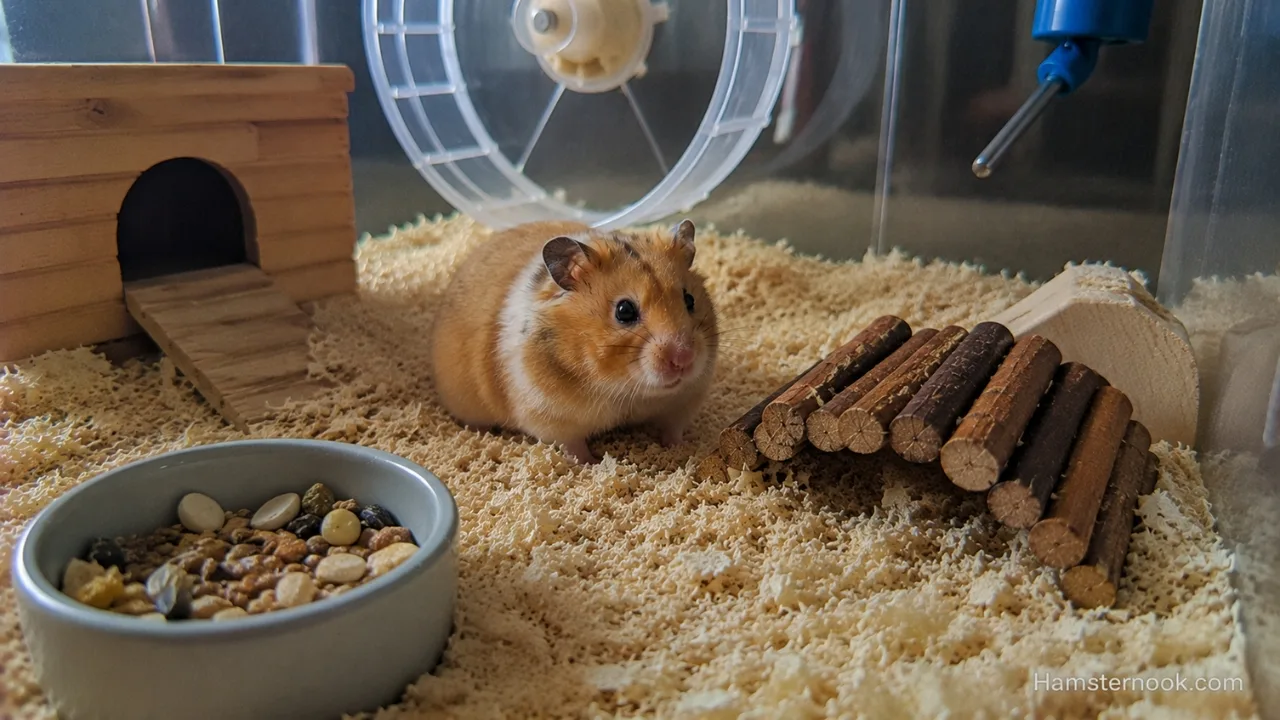
A hamster that suddenly stops moving after a loud sound can be alarming to watch, especially if you’re a new owner. In most cases, this brief freezing response is completely normal. As prey animals, hamsters instinctively pause to assess potential danger before deciding whether it’s safe to move again. Understanding this natural behavior makes it easier to distinguish a normal startle response from signs that may need closer attention.
Quick Answer
Yes, it’s normal for a hamster to freeze briefly after hearing a loud or unexpected noise. As prey animals, hamsters may instinctively stop moving while they assess whether a potential threat is nearby. Once they decide the environment is safe, they usually return to exploring, eating, or running on their wheel. Freezing becomes more concerning when it happens repeatedly without an obvious trigger or occurs alongside other unusual changes in behavior.
Why Do Hamsters Freeze Instead of Running Away?
Many animals respond to danger by fleeing immediately, but hamsters often pause first to assess the situation.
In the wild, sudden movement can attract the attention of predators. Remaining completely still for a few seconds allows a hamster to gather information through its highly developed senses before deciding whether to hide or continue with its normal activities.
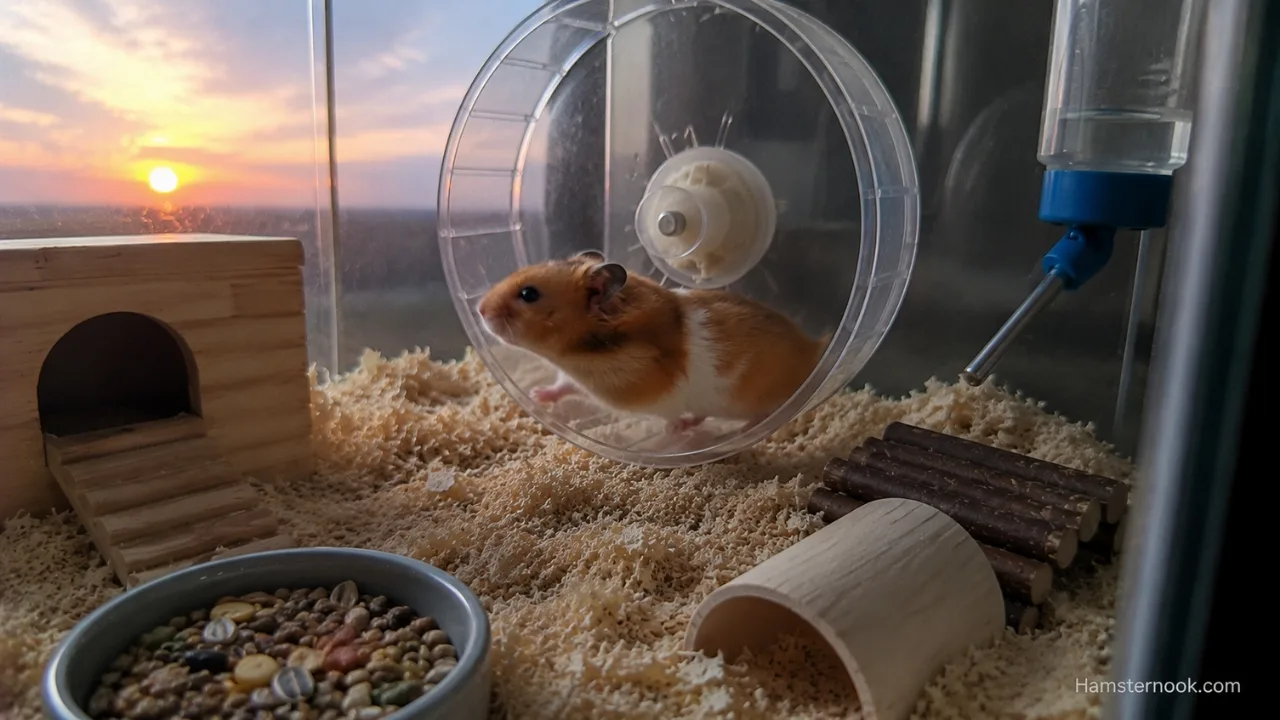
Although pet hamsters live in safe homes, they still retain these natural instincts.
A brief freezing response is therefore a normal part of hamster behavior rather than a sign that something is wrong.
Most healthy hamsters recover within seconds without any help from their owner and continue behaving as they normally would.
If you’d like to understand how freezing fits into your hamster’s overall behavior, read our Hamster Behavior Guide: Understanding Every Common Hamster Behavior (2026).
How Hamsters Detect Danger
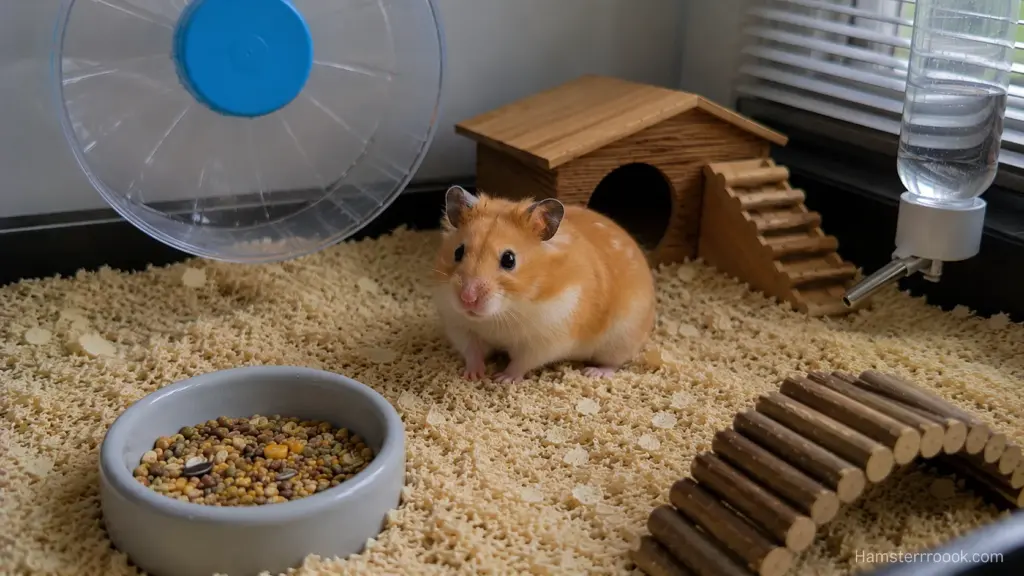
Hamsters rely far more on their hearing and sense of smell than on their eyesight.
Their ears can detect sudden changes in their surroundings, while their nose helps identify unfamiliar scents carried through the air. When an unexpected sound occurs, freezing gives the hamster time to determine whether the noise represents a genuine threat.
Once the hamster decides the environment is safe, you’ll often notice one or more of these normal behaviors:
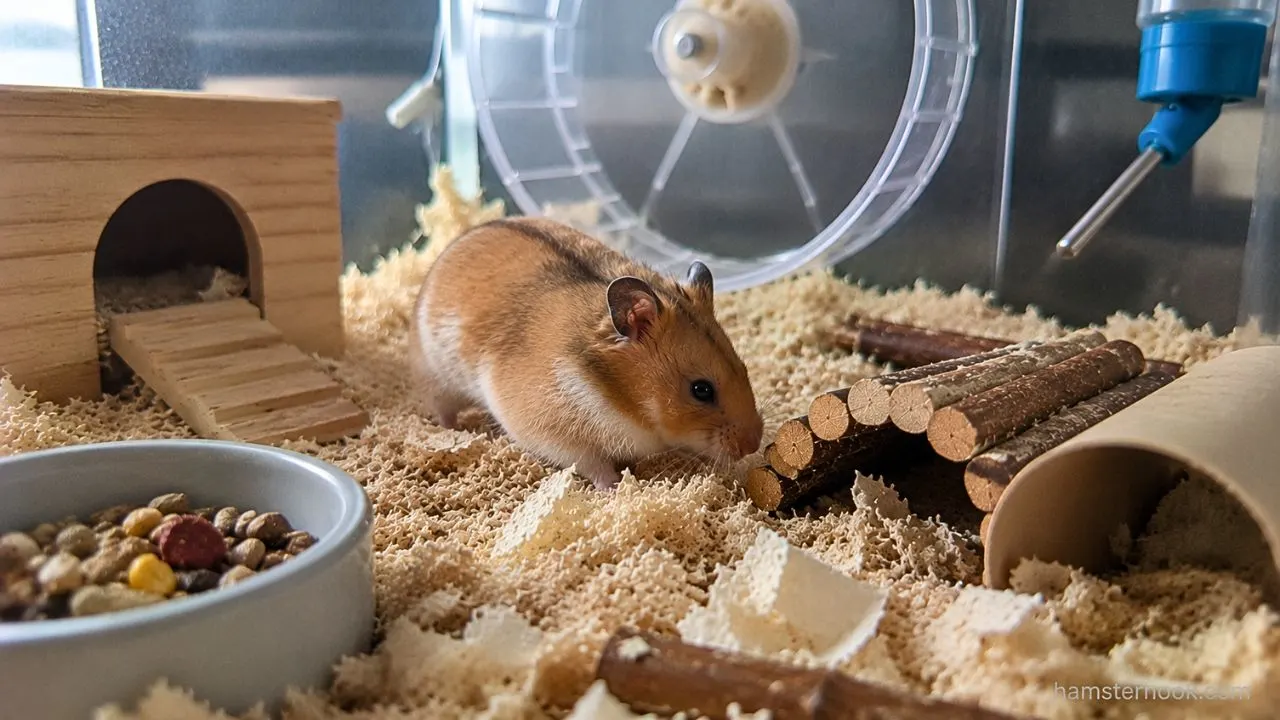
- Sniff the air.
- Turn its head toward the sound.
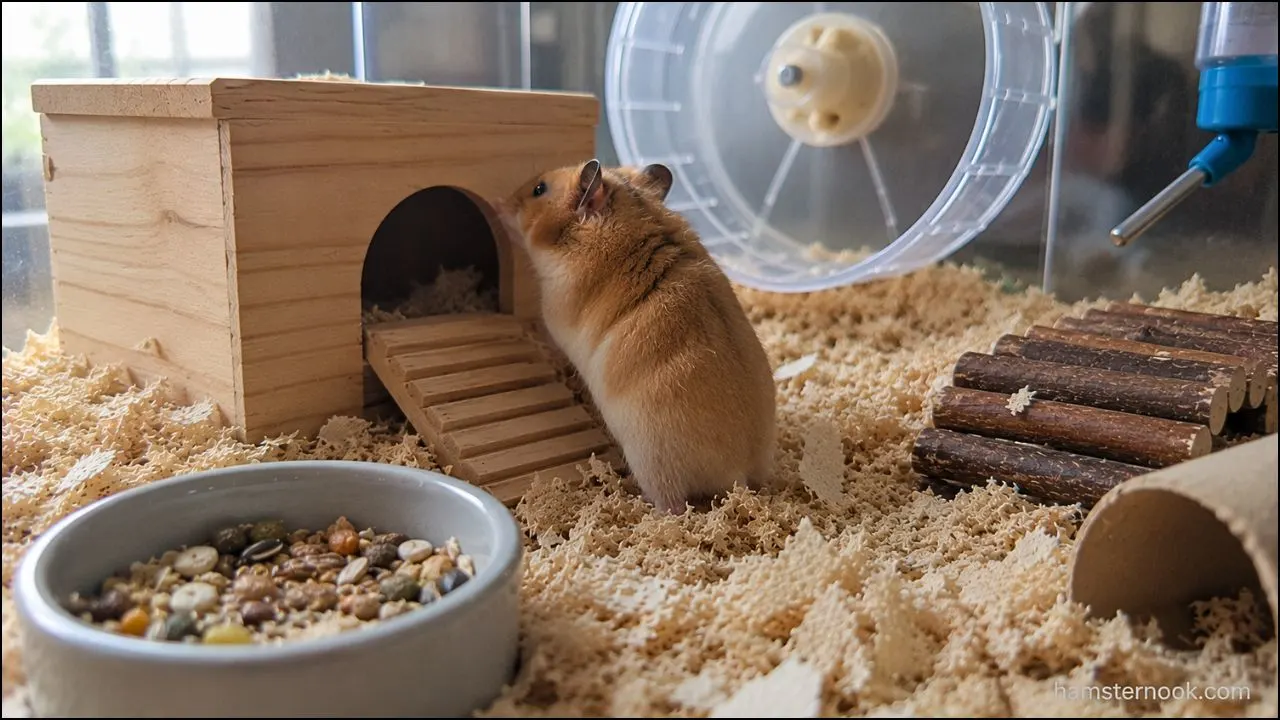
- Stand briefly on its hind legs.
- Return to normal activity.
- Walk toward a hide if it still feels uncertain.
Many hamsters briefly rear up after freezing to gather more information about their surroundings. Learn why in Why Does My Hamster Keep Standing on Two Legs?.

This sequence is typical of a healthy, alert hamster.
Common Loud Noises That Trigger Freezing
Not every sound will cause the same reaction.
Some sounds, such as loud television or music, may be more disruptive when they continue for a long time. Our Can Loud TV or Music Stress a Hamster? Signs & Safer Setup guide explains how ongoing noise may affect hamsters and how to create a calmer listening environment.
Many hamsters briefly freeze after hearing:
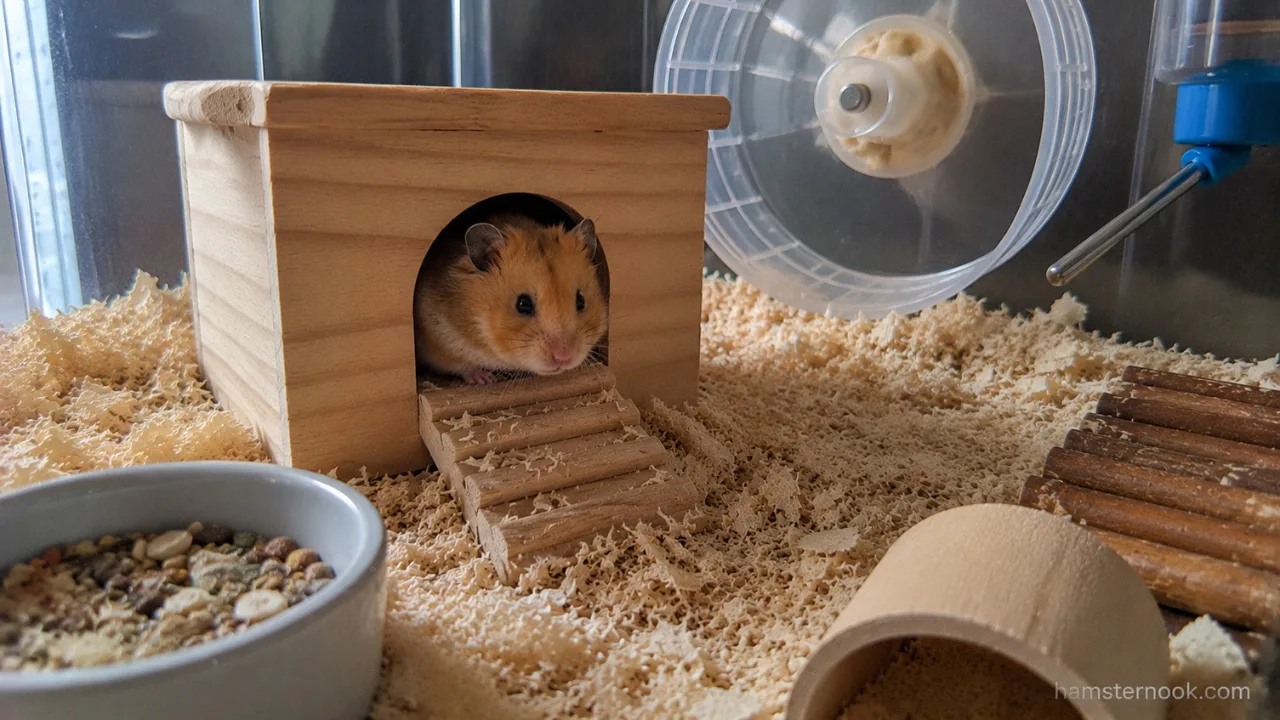
- A door slamming.
- Someone dropping an object.
- Loud television or music.
- A vacuum cleaner.
- Barking dogs.
- Children shouting.
- Furniture being moved.
- Thunder.
- Fireworks.
The hamster isn’t necessarily frightened by these sounds—it is simply reacting to something sudden and unfamiliar.
How Long Should Freezing Last?
For many healthy hamsters, a startle-related freeze is brief and ends once the hamster feels safe enough to move again.
During this time, the hamster remains alert while listening and smelling the environment. Once it decides there is no danger, it usually resumes whatever it was doing before the interruption.
A hamster that immediately begins grooming, eating, digging, or running again has likely experienced a completely normal startle response.
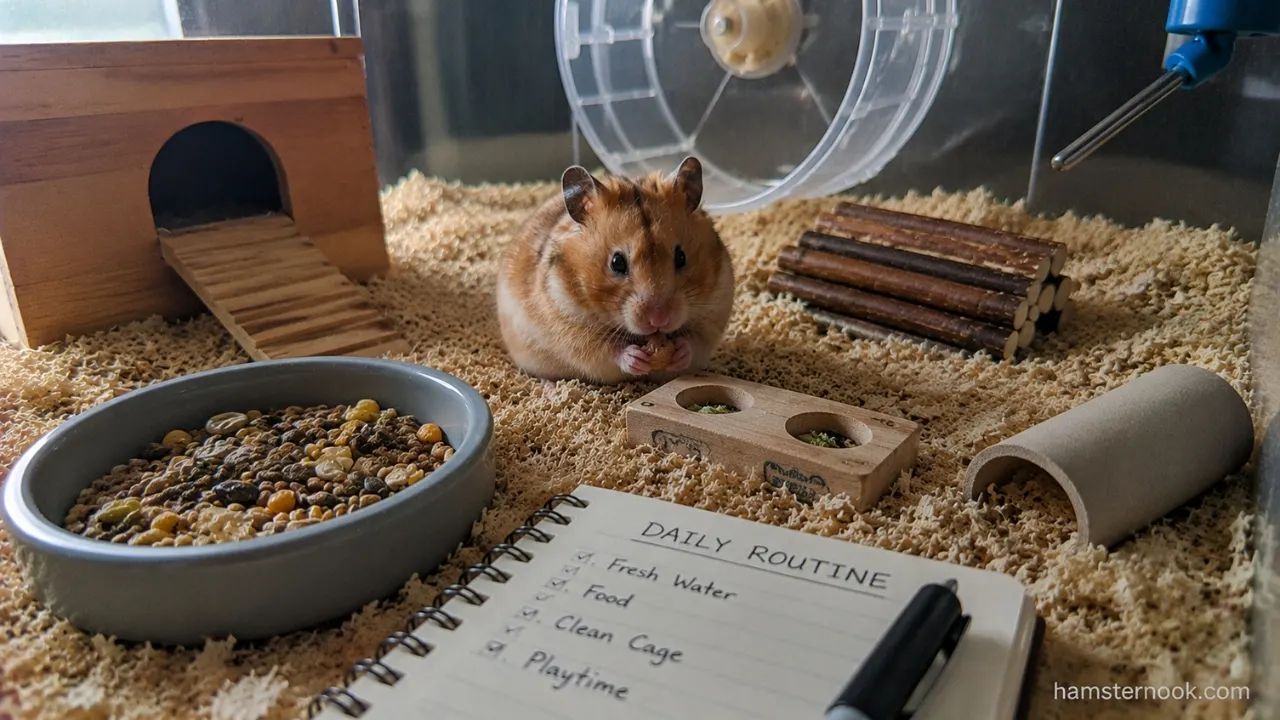
Normal Freezing vs. Stress-Related Behavior
| Normal Startle Response | Possible Ongoing Stress |
|---|---|
| Briefly freezes after a sudden loud sound | Freezing happens repeatedly without an obvious trigger |
| Resumes exploring afterward | Remains withdrawn or hides more than usual afterward |
| Continues eating normally | Eats noticeably less |
| Returns to normal activities | Avoids normal activities |
| Occurs after a sudden loud sound | Happens alongside other unusual behavior changes |
The overall pattern of behavior is much more informative than the freezing itself.
Looking at what happens immediately before and after the freezing episode often provides a clearer picture than focusing on the pause alone.
This related guide explains how to interpret these signals more accurately: Hamster Body Language Explained: Signs of Stress, Fear, Happiness & Trust.
Why Some Hamsters Freeze More Than Others
Not every hamster reacts the same way.
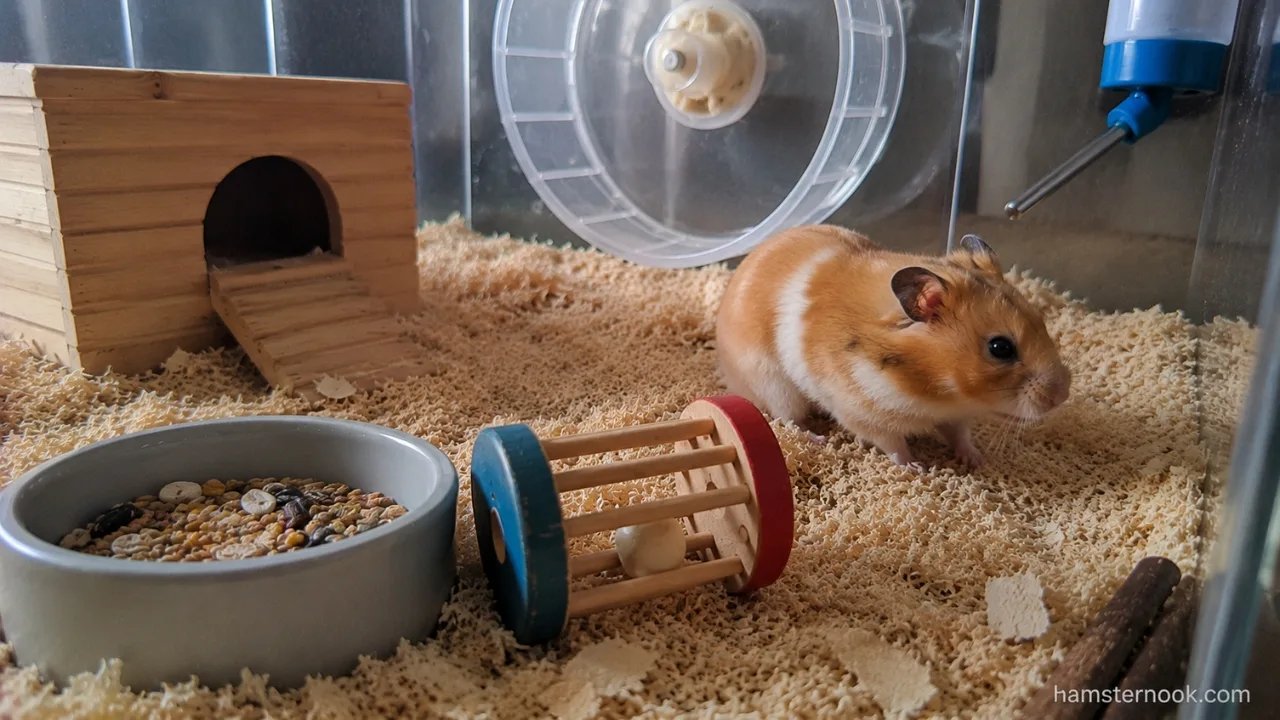
Several factors influence how sensitive an individual hamster may be.
Personality
Some hamsters are naturally bold and recover almost immediately after a startling noise.
Others are more cautious and spend longer assessing new situations before feeling comfortable again.
Previous Experiences
Hamsters that have experienced frequent disturbances, transportation, or unstable housing may be more easily startled than those raised in consistently quiet environments.
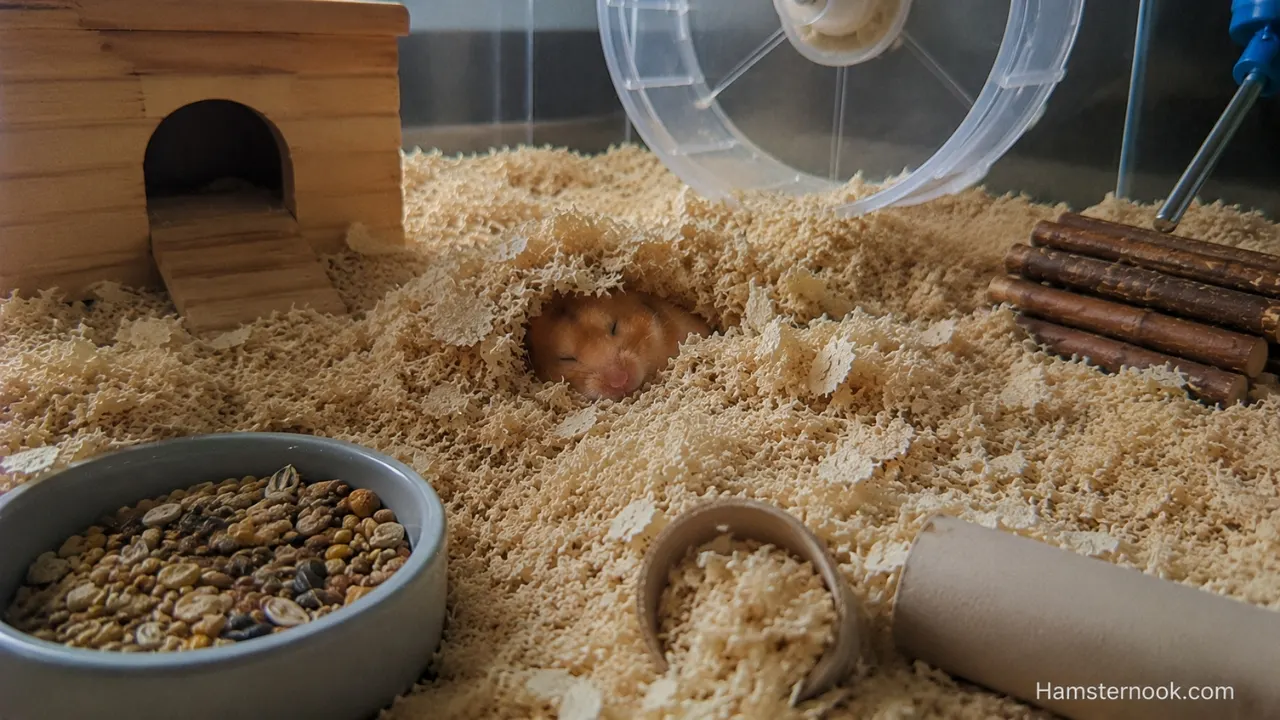
Age
Young hamsters often become accustomed to normal household sounds over time.
Older hamsters may prefer a quieter, more predictable environment and can sometimes react more cautiously to sudden disturbances.
Household Situations That Commonly Cause Freezing
Many owners notice freezing during everyday activities without realizing how loud those events may sound from a hamster’s perspective.
For example:
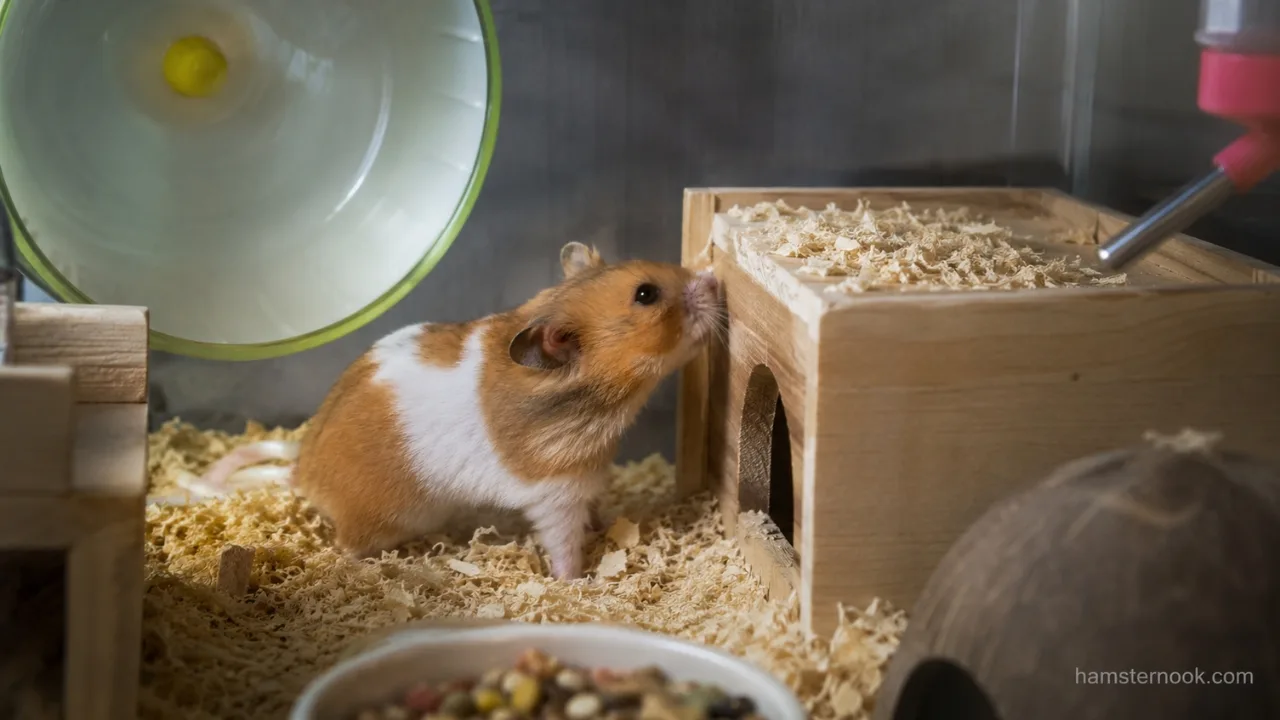
Vacuuming Nearby
Vacuum cleaners create loud noise and vibrations that travel through floors and furniture.
Many hamsters will briefly freeze or retreat into a hide until the noise stops.
Rearranging Furniture
Dragging chairs or moving heavy furniture creates unfamiliar sounds and vibrations that may trigger a short defensive pause.
Visitors in the Home
Several unfamiliar voices, footsteps, and movement around the enclosure can temporarily increase a hamster’s alertness.
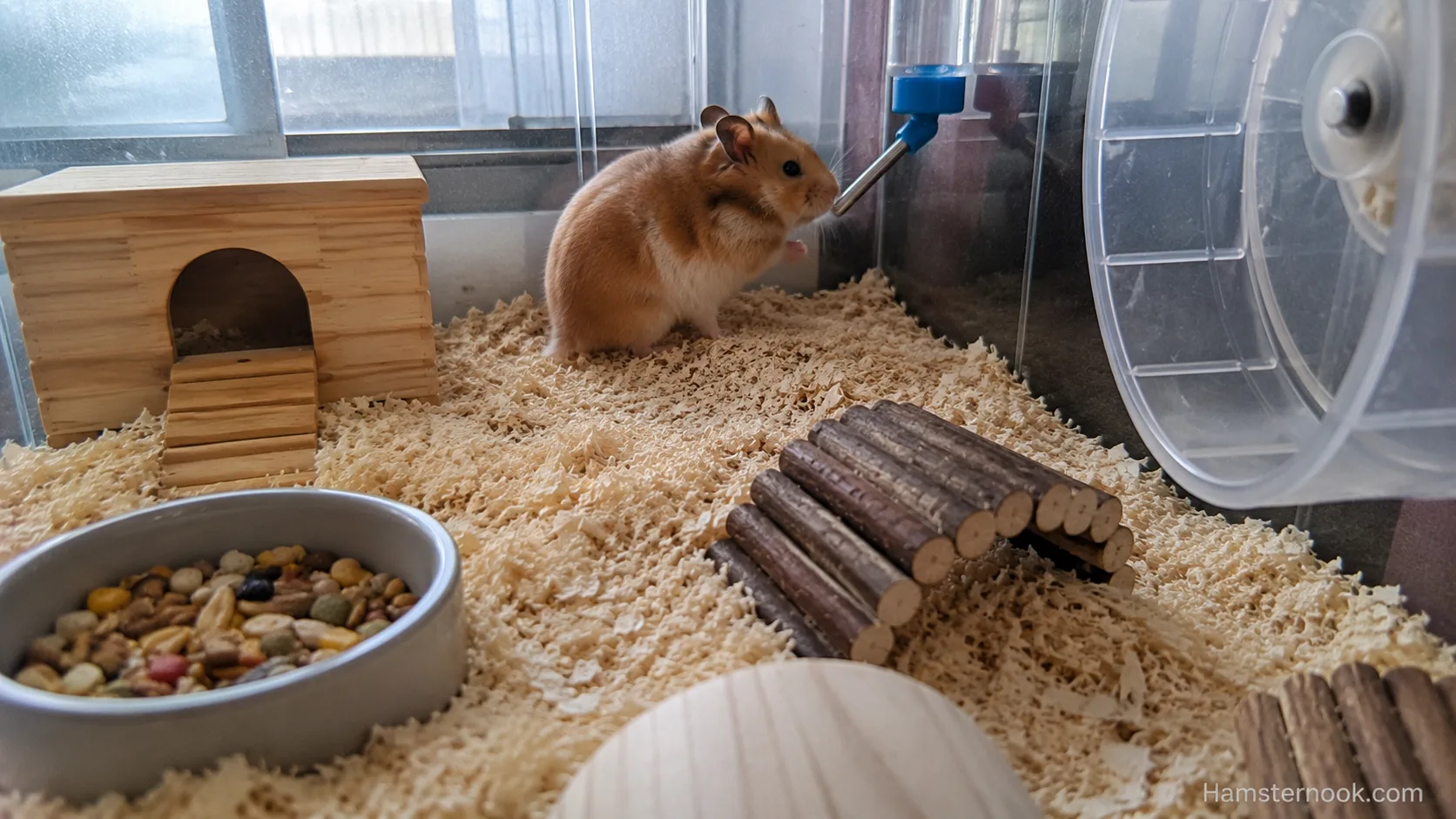
Fireworks and Thunderstorms
Unexpected explosive sounds often cause hamsters to remain inside their hides until the environment becomes quiet again.
Practical Examples
Example 1: The Vacuum Cleaner Starts
Your hamster is collecting food when someone begins vacuuming the room.
It freezes for several seconds, sniffs the air, then walks into its hide until the noise stops.
This is a normal response to an unfamiliar loud sound.
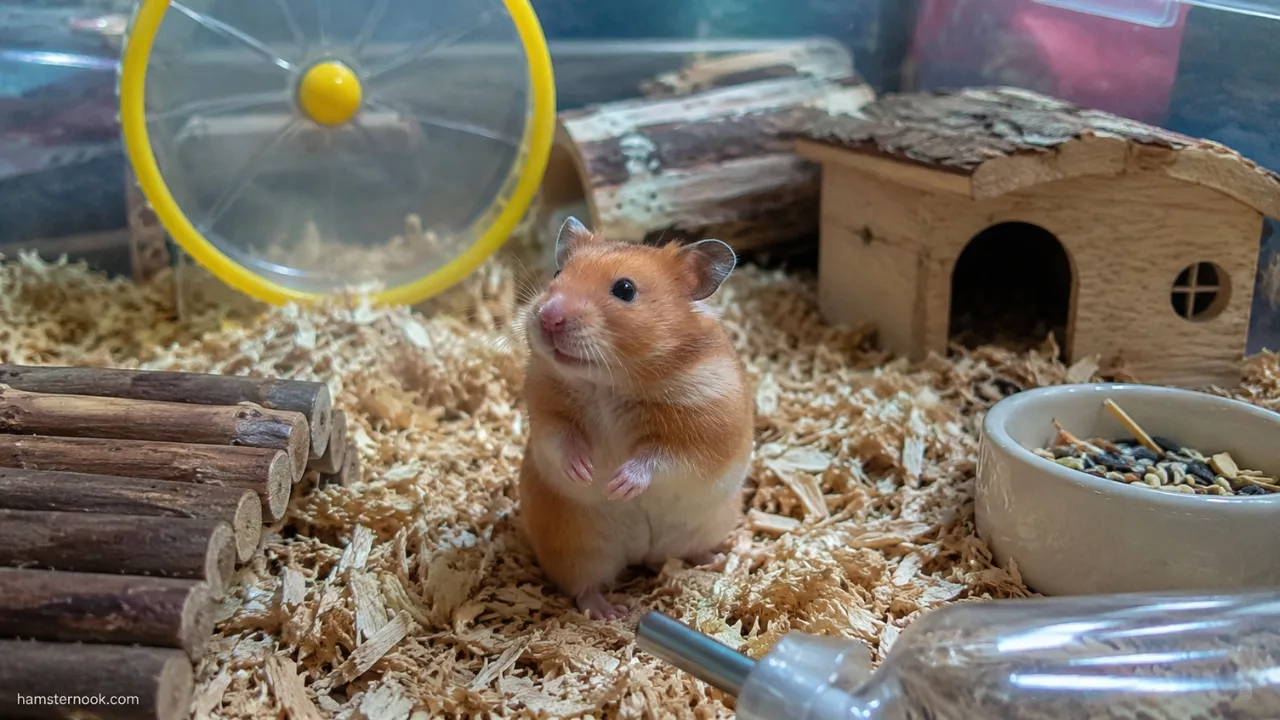
Example 2: You Accidentally Drop a Metal Spoon
The sudden clang causes your hamster to stop moving instantly.
Within a few moments, it resumes digging through its bedding.
Again, this is expected prey-animal behavior.
Example 3: Loud Voices During a Family Gathering
Your hamster pauses several times throughout the evening whenever voices become louder, but continues eating and exploring between interruptions.
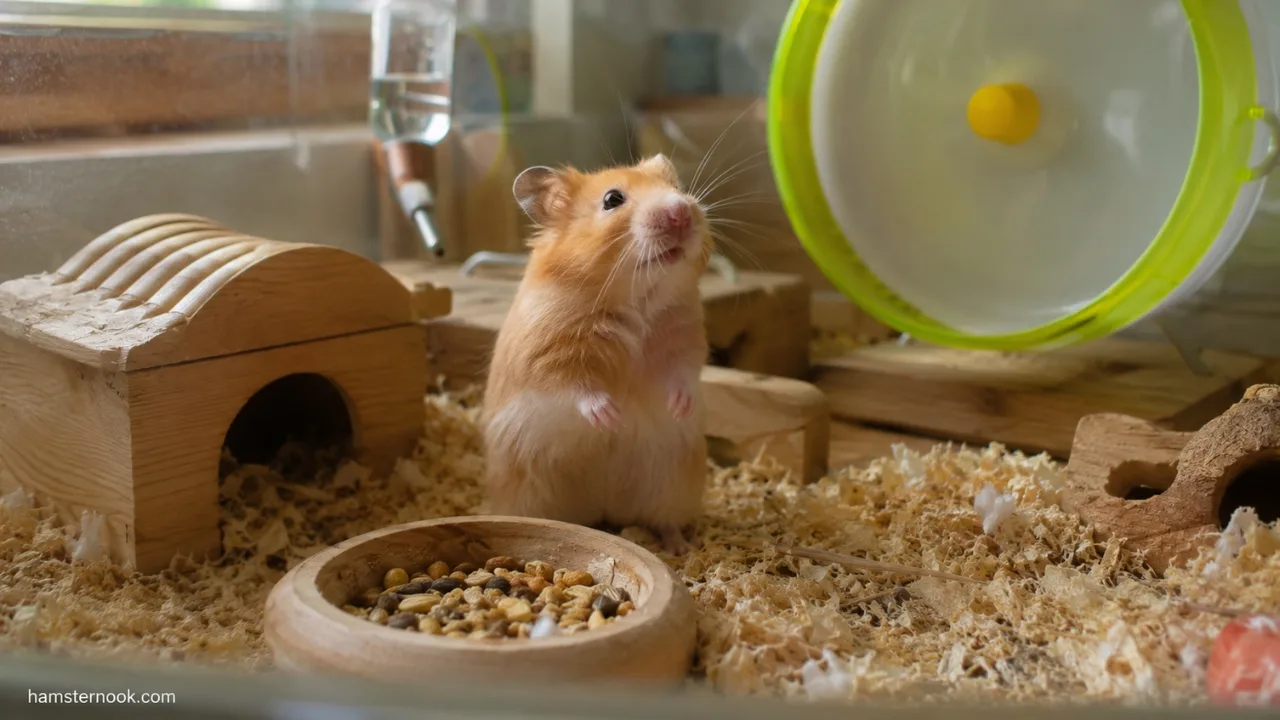
This suggests temporary alertness rather than ongoing fear.
Can Frequent Loud Noises Cause Stress?
Yes.
While occasional startling sounds are unlikely to cause lasting problems, repeated loud disturbances may interfere with your hamster’s ability to feel secure.
Animal welfare organizations recommend keeping hamster enclosures in a calm area of the home, away from constant noise, heavy foot traffic, televisions played at high volume, or other persistent disturbances.
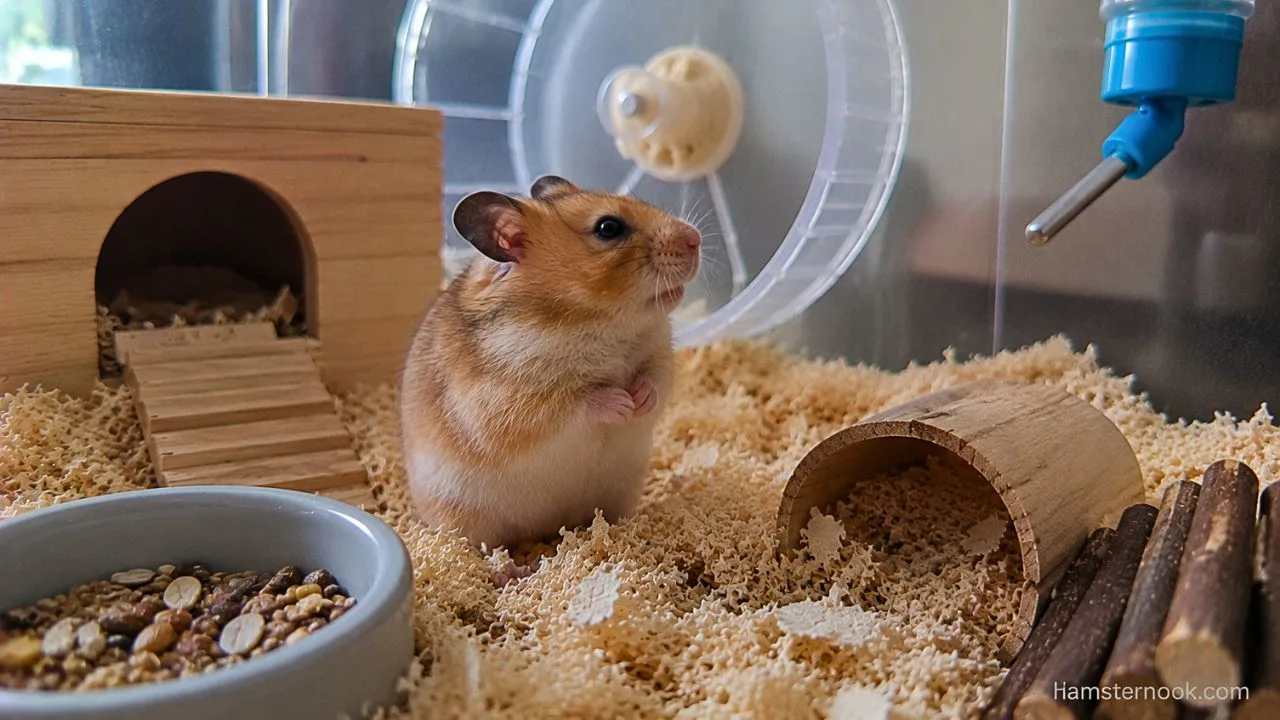
A predictable environment supports natural behaviors such as foraging, burrowing, grooming, and resting.
Does Freezing Mean My Hamster Doesn’t Trust Me?
Usually not.
Owners sometimes worry that a hamster freezing when they approach means it is afraid of them.
More often, the hamster is simply reacting to unexpected movement or sound before recognizing who is nearby.

As your hamster becomes familiar with your voice, scent, and daily routine, these brief pauses often become less noticeable.
If you’ve ever wondered how your hamster recognizes you, read Do Hamsters Recognize Their Owners? How They Remember You & Build Trust.
A calm approach, slow movements, and speaking softly can help your hamster feel more comfortable over time.
Common Mistakes Owners Make
Seeing a hamster freeze can make new owners think something is seriously wrong. In reality, the response is often a normal survival instinct. The key is understanding the context rather than reacting to the behavior itself.

Trying to Pick Up the Hamster Immediately
If your hamster has just frozen after a loud noise, avoid reaching into the enclosure right away. A startled hamster is still assessing its surroundings and may become more frightened if it’s suddenly handled.
Instead, give it a few moments to relax before interacting.
Assuming Every Freeze Is a Medical Problem
Brief freezing after an unexpected sound can be a normal defensive behavior in healthy hamsters. It becomes more concerning when it occurs alongside other unusual signs such as weakness, poor balance, loss of appetite, or a persistent change in normal behavior.
Keeping the Cage in a Busy Area
Placing the enclosure next to a television, speakers, a frequently used doorway, or a washing machine exposes the hamster to repeated loud noises and vibrations. Over time, this may make it difficult for the hamster to fully relax during its active hours.
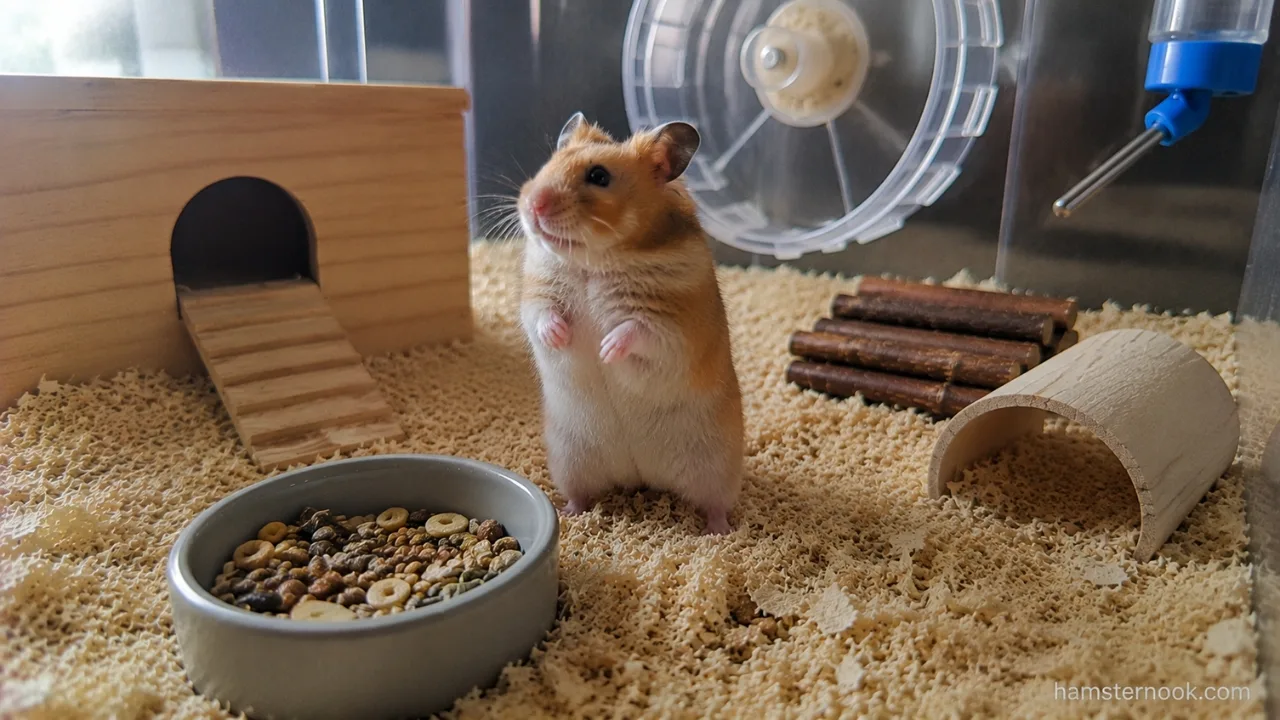
Repeated disturbances can increase stress, so it’s important to recognize changes in behavior that may suggest your hamster is struggling with its environment. Our 7 Signs You’re Accidentally Stressing Your Hamster (Without Even Realizing It) guide covers common stress-related behavior changes.
Making Sudden Movements Near the Cage
Quick hand movements, tapping on the glass, or approaching the enclosure abruptly can trigger the same startle response as loud sounds.
Waking the Hamster During the Day
Hamsters naturally sleep for much of the daytime. Waking them repeatedly increases stress and makes them more likely to react defensively when startled.
What You Should Do
If your hamster freezes after hearing a loud noise, the best response is usually to do very little.
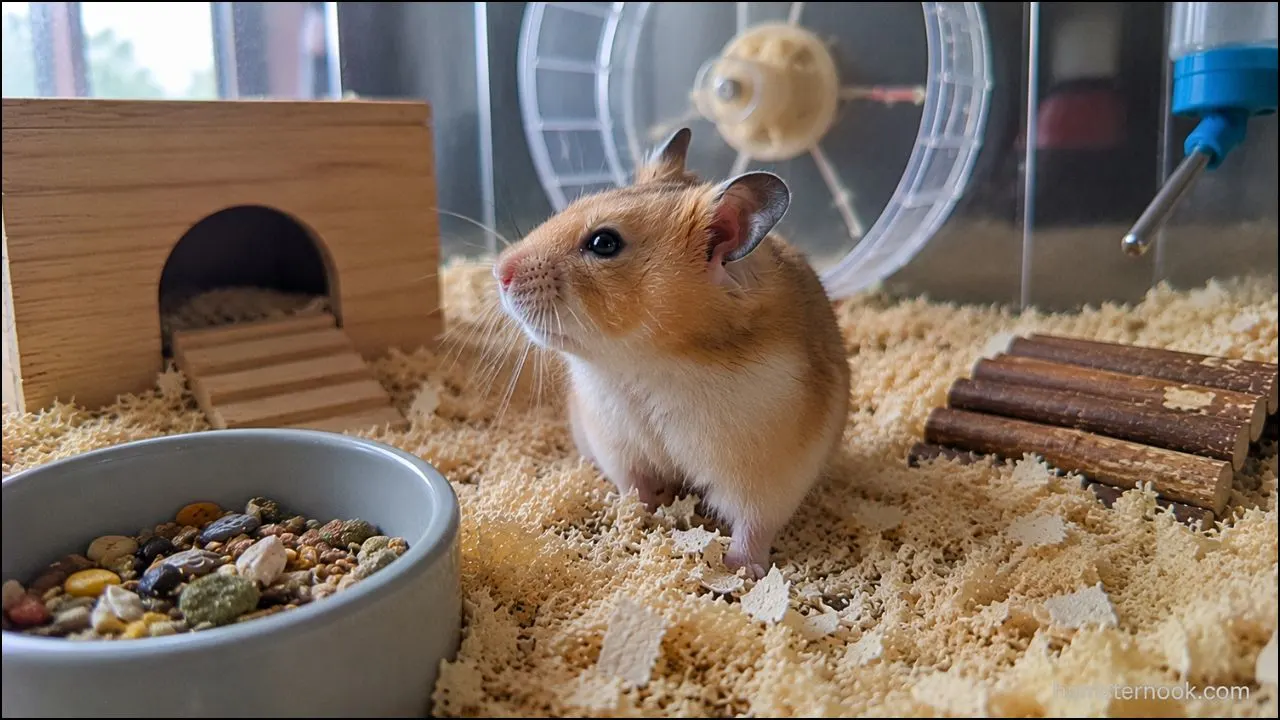
Give your hamster time to decide when it feels safe enough to resume normal activity.
You can help by:
- Speaking in a calm, quiet voice.
- Avoiding sudden movements near the enclosure.
- Waiting until the hamster resumes normal activity before interacting.
- Keeping the cage in a quieter part of your home whenever possible.
- Providing several hides and deep bedding so your hamster always has a secure place to retreat.
- Maintaining a consistent daily routine, especially for feeding and cleaning.
Many hamsters become more confident once they learn that normal household sounds are not dangerous.
Whenever possible, allow your hamster to decide when it wants to leave its hide rather than encouraging it to come out immediately after a loud noise.
Warning Signs to Watch For
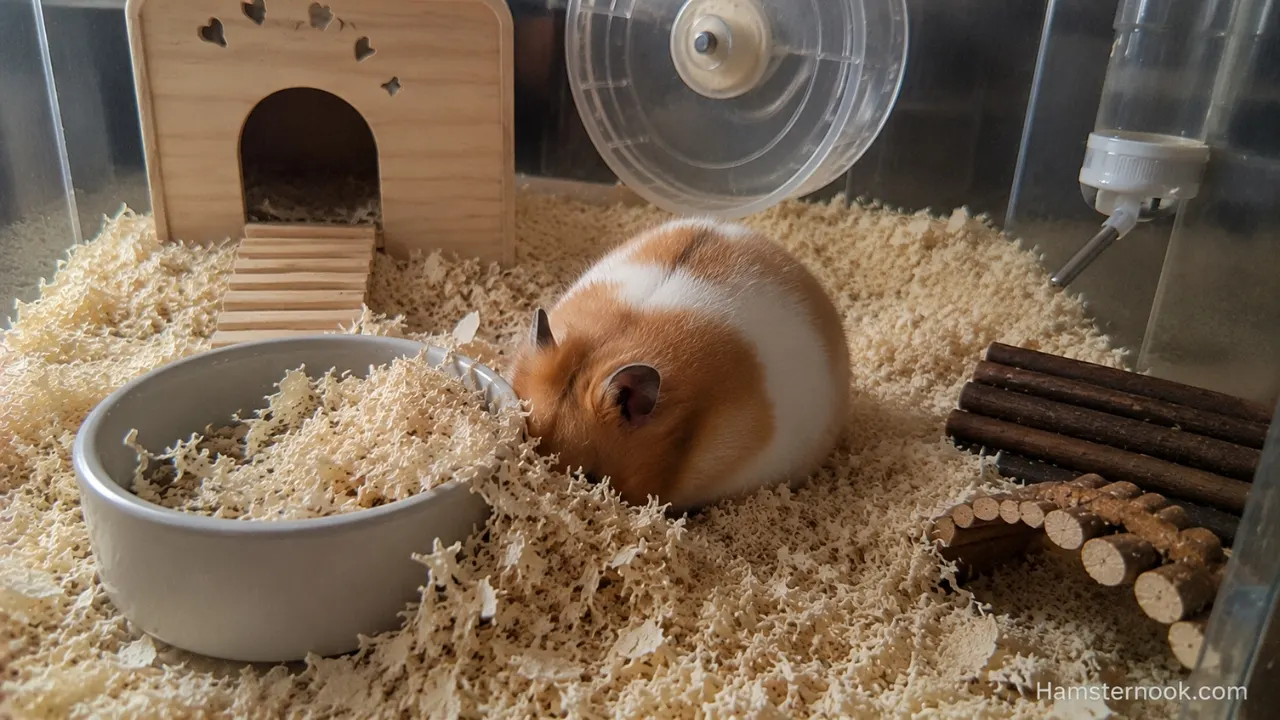
Freezing itself is rarely a problem, but pay attention if it occurs alongside other changes in behavior.
Watch for:
- Repeatedly remaining frozen for unusually long periods.
- Refusing to leave the hide during normal evening activity.
- Loss of appetite or reduced water intake.
- Persistent escape attempts.
- Excessive bar chewing or repetitive pacing.
- Sudden aggression in a normally calm hamster.
- Difficulty walking or maintaining balance after moving again.
- Noticeable weight loss or a persistent reduction in normal activity.
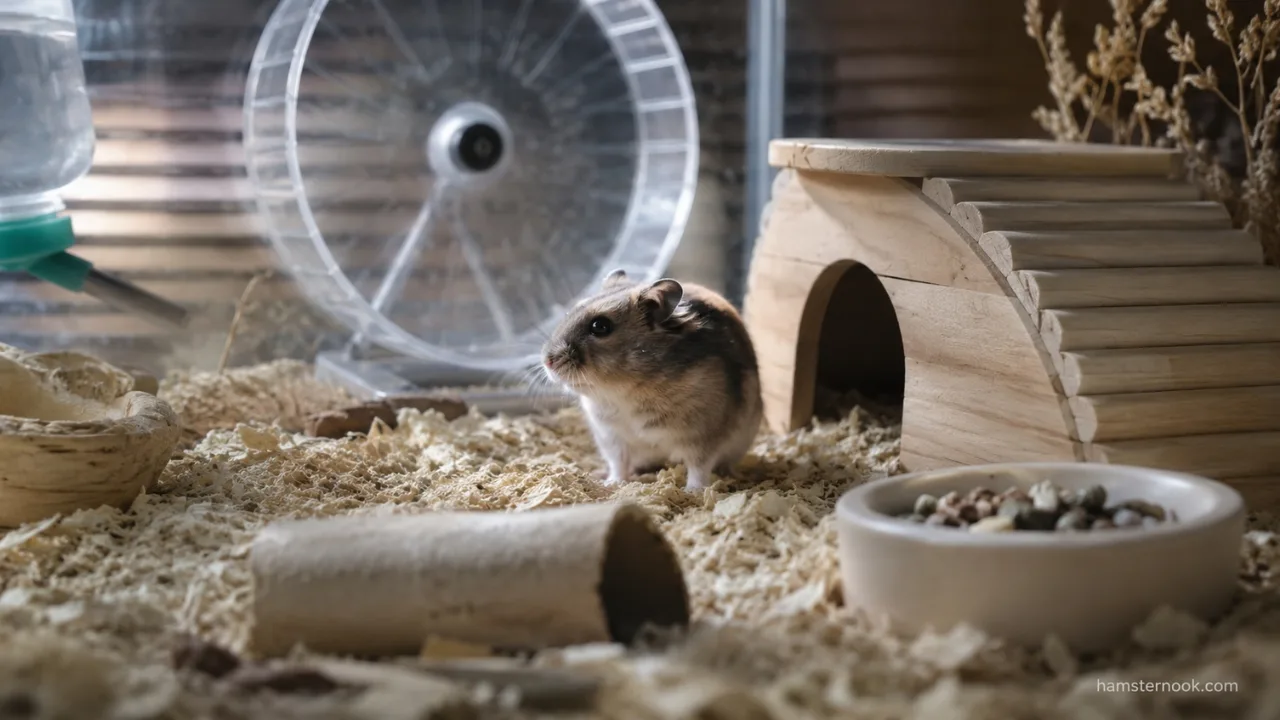
These signs suggest your hamster may be experiencing more than a simple startle response.
If freezing is also accompanied by unusual weakness or reduced responsiveness, our Why Is My Hamster Suddenly Weak? 9 Causes, Warning Signs & What to Do guide covers other signs that may need prompt veterinary attention.
When to Worry
Most healthy hamsters recover from a loud noise within seconds and continue their usual routine.
Consider contacting an experienced exotic animal veterinarian if your hamster:
- Frequently freezes for unusually long periods without an obvious trigger.
- Stops eating or drinking.
- Appears weak, lethargic, or unsteady.
- Shows additional symptoms such as labored breathing, discharge from the eyes or nose, or obvious injury.
- Displays a sudden and persistent change in its normal behavior.
Remember that the freezing behavior itself is not usually the concern. It’s the combination of freezing with other abnormal signs that deserves further investigation.
Final Thoughts
A hamster freezing after hearing a loud noise is usually a normal survival instinct rather than a sign of illness or unhappiness. As prey animals, hamsters naturally pause to assess unfamiliar sounds before deciding whether it’s safe to continue exploring.
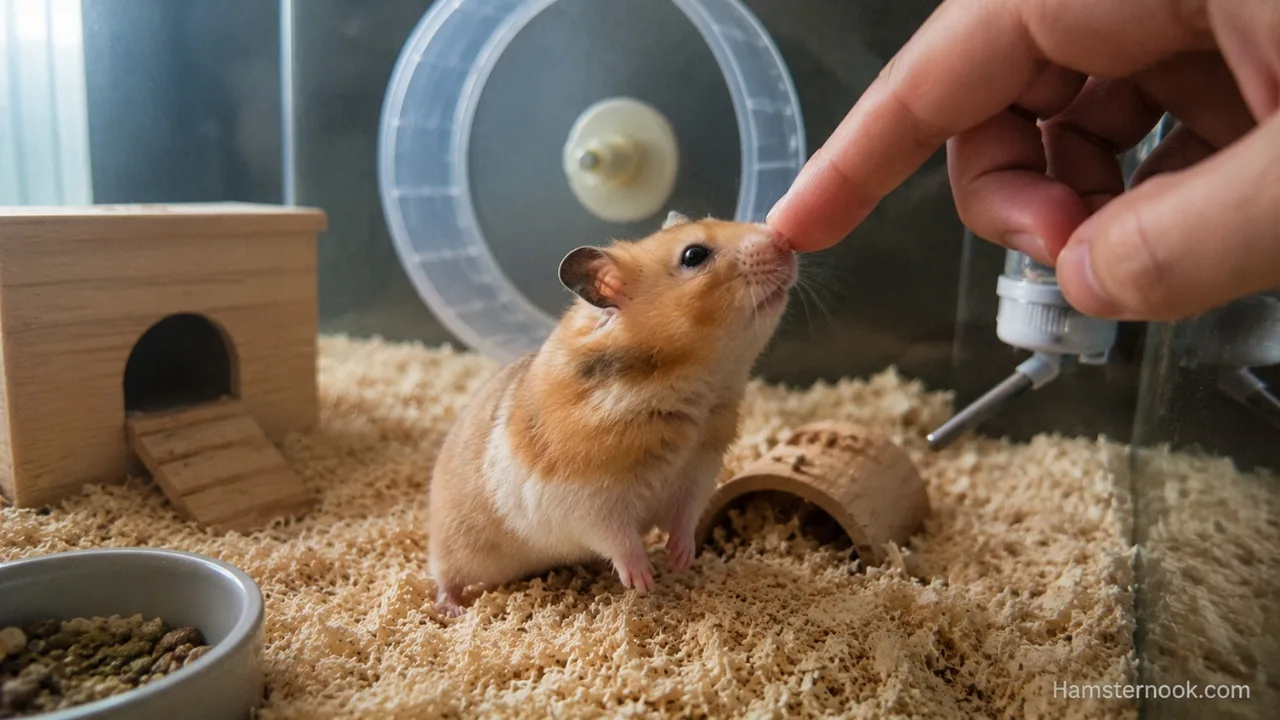
By watching your hamster’s overall body language, you’ll quickly learn the difference between healthy caution and behavior that may indicate ongoing stress. A hamster that briefly freezes, sniffs the air, and then returns to eating, digging, or running on its wheel is behaving exactly as nature intended.
Providing a quiet environment, a predictable routine, and plenty of secure hiding places allows your hamster to recover from occasional startle responses and continue expressing its normal natural behaviors.
Frequently Asked Questions
Why does my hamster suddenly stop moving when it hears a loud sound?
This is a natural defensive response. Hamsters instinctively freeze while they determine whether a sudden noise could indicate danger.
Is freezing after a loud noise normal?
Yes. Brief freezing that lasts only a few seconds is common in healthy hamsters and is part of their natural prey-animal behavior.

Should I comfort my hamster when it freezes?
The best approach is usually to leave your hamster alone for a few moments. Avoid reaching into the enclosure until it has relaxed and resumed normal activity.
Can loud music stress a hamster?
Yes. Constant loud music, televisions, speakers, or other ongoing noise may increase stress and disturb a hamster’s normal resting and active routines.
Why does my hamster freeze and then stand on two legs?
After freezing, many hamsters rear up to sniff the air and listen more carefully. This helps them gather information before deciding whether it’s safe to continue exploring.
Will my hamster get used to normal household noises?
Many hamsters gradually become familiar with everyday sounds if they’re exposed to a calm, predictable environment. Sudden or extremely loud noises, however, may still trigger a brief startle response.
References
This guide is based on hamster behavior, sensory responses, stress, environmental care, and welfare guidance from trusted animal welfare and veterinary resources, including:
- RSPCA – Hamster Behaviour – Guidance on natural hamster behavior, responses to environmental changes, activity patterns, and signs of stress.
- RSPCA – Creating a Good Home for Hamsters – Advice on suitable enclosure placement, environmental conditions, hiding places, and reducing disturbances.
- RSPCA – Keeping Hamsters as Pets – General guidance on hamster care, natural behaviors, housing, and welfare.
- Blue Cross – Hamster Care Guide – Practical advice on hamster housing, handling, enrichment, and providing a calm, suitable environment.
- MSD Veterinary Manual – Hamsters – Veterinary information on hamster health, behavior, husbandry, and signs that may require professional assessment.
- NC3Rs – Housing and Husbandry: Hamster – Guidance on hamster housing, environmental needs, suitable hiding places, and welfare-focused husbandry.

Narayan Kumar is the founder and author of HamsterNook. He creates practical, research-based hamster care guides covering hamster behavior, nutrition, cage setup, enrichment, health, and everyday care. His goal is to help hamster owners make informed decisions and provide safer, healthier lives for their pets through clear, beginner-friendly information based on trusted animal care resources.