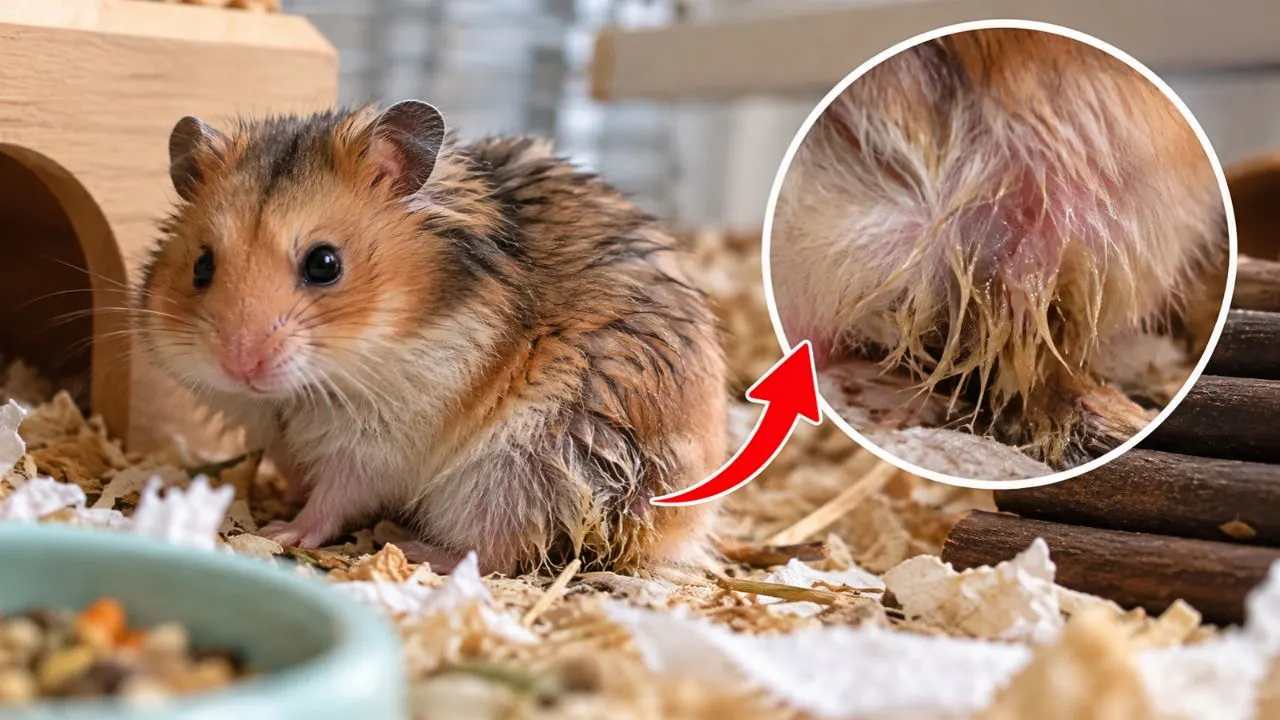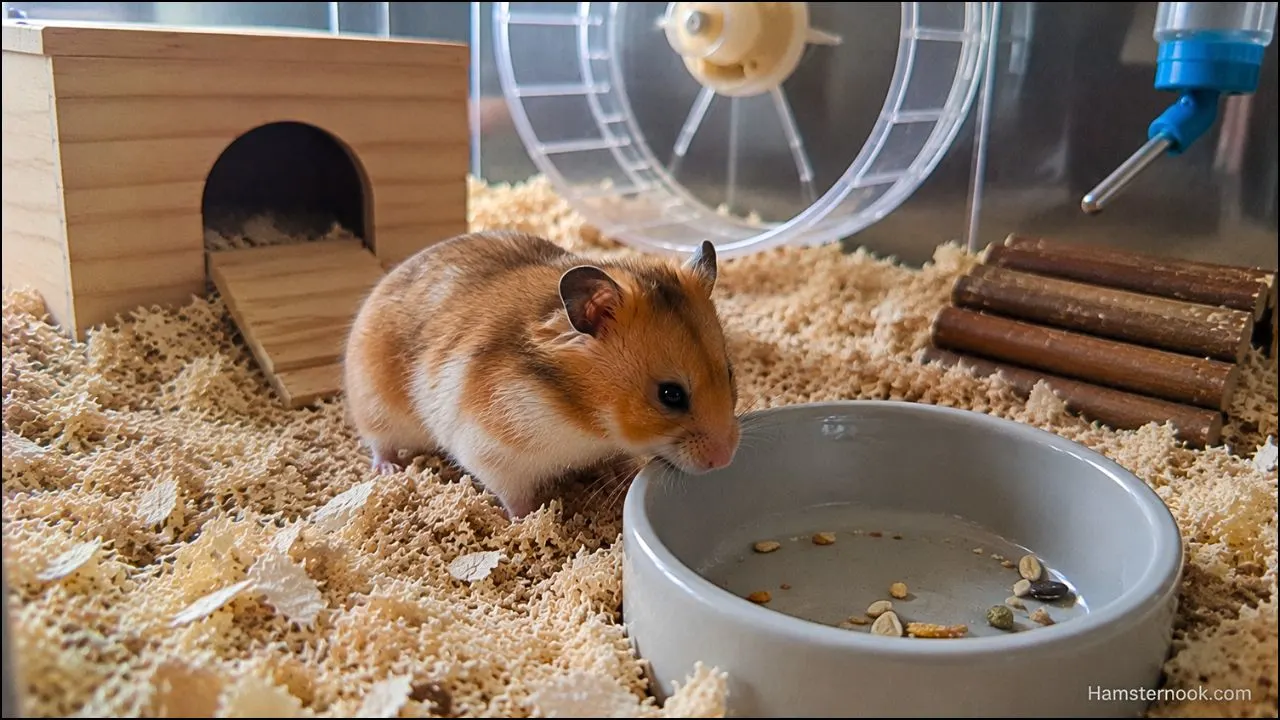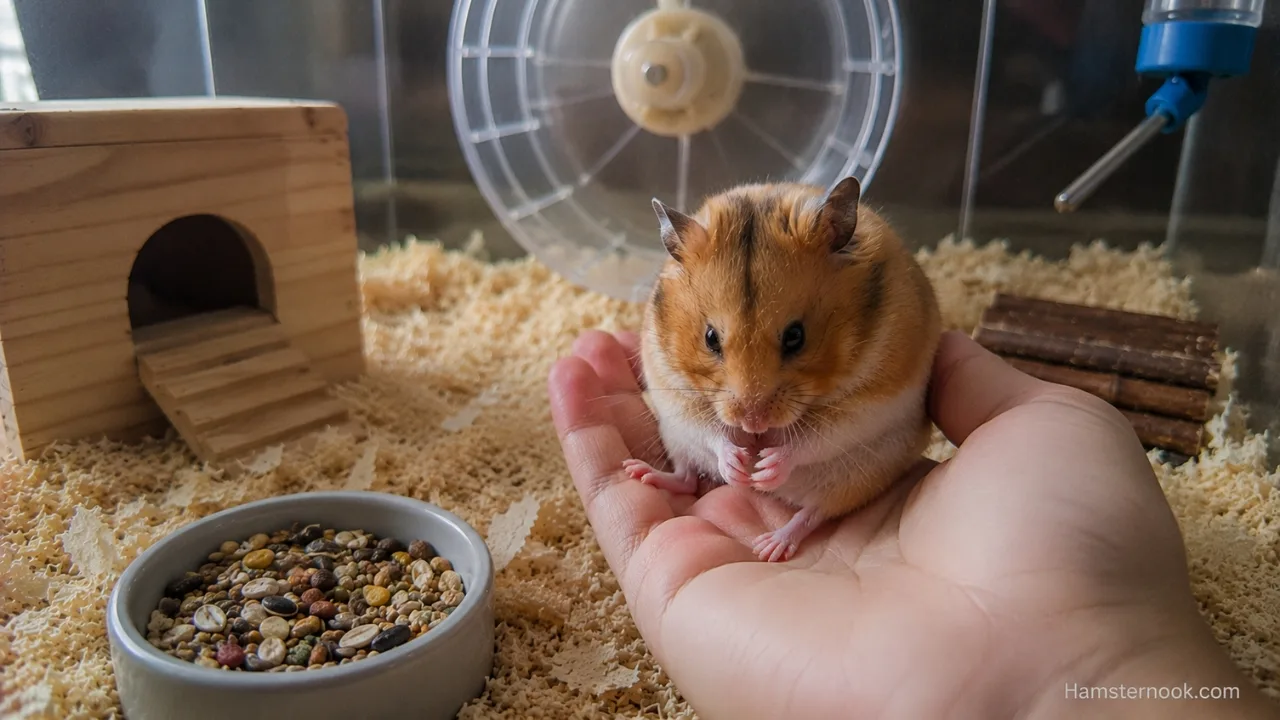
Hamster nails are easy to overlook because they usually grow gradually over time. Many owners don’t notice a problem until the nails begin catching on bedding, curling, or affecting normal movement. Knowing how hamster nails naturally wear down—and when they may need trimming—can help prevent avoidable health and mobility issues while keeping your pet comfortable.
Quick Answer
Hamster nails grow continuously throughout their lives, but there is no reliable universal rate such as a fixed number of millimeters per week. Growth and natural wear vary between individual hamsters. Many healthy hamsters keep their nails short through digging, climbing, and everyday activity, while others may develop overgrown nails. Trimming may be needed when nails become noticeably long, begin curling, interfere with walking, or repeatedly catch on enclosure materials.
Do Hamster Nails Grow Continuously?
Yes. Hamster nails continuously grow throughout life.
In the wild, hamsters spend much of their time digging burrows, searching for food, climbing over natural surfaces, and traveling across rough terrain. These daily activities naturally wear the nails down.
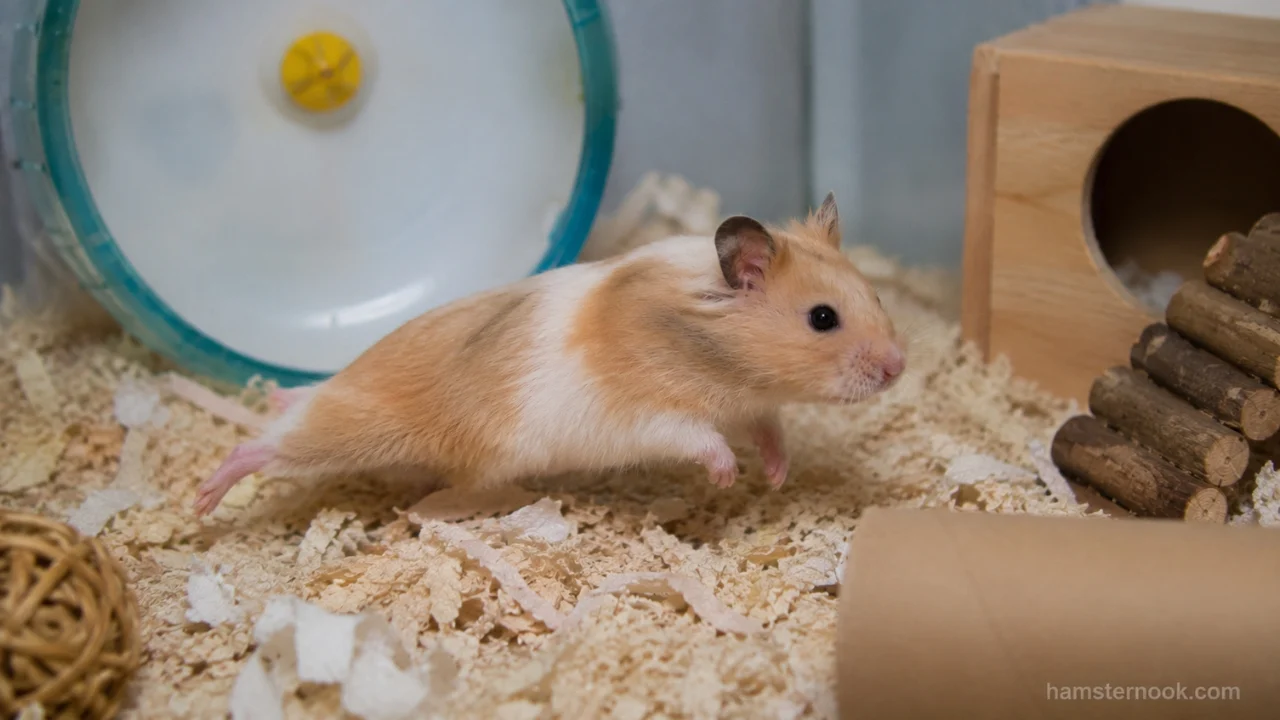
Pet hamsters live in much safer environments, but they often encounter fewer abrasive surfaces than their wild counterparts. As a result, some individuals experience faster nail growth than natural wear, causing the nails to gradually become longer.
This doesn’t automatically mean every hamster will need routine trimming. Many maintain healthy nail length with proper enclosure design and enrichment.
To better understand how enrichment, activity, and daily care affect your hamster’s overall health, read our Complete Hamster Care Guide for Beginners (2026).
What Affects How Fast Hamster Nails Grow?
Not all hamsters experience nail growth at the same rate.
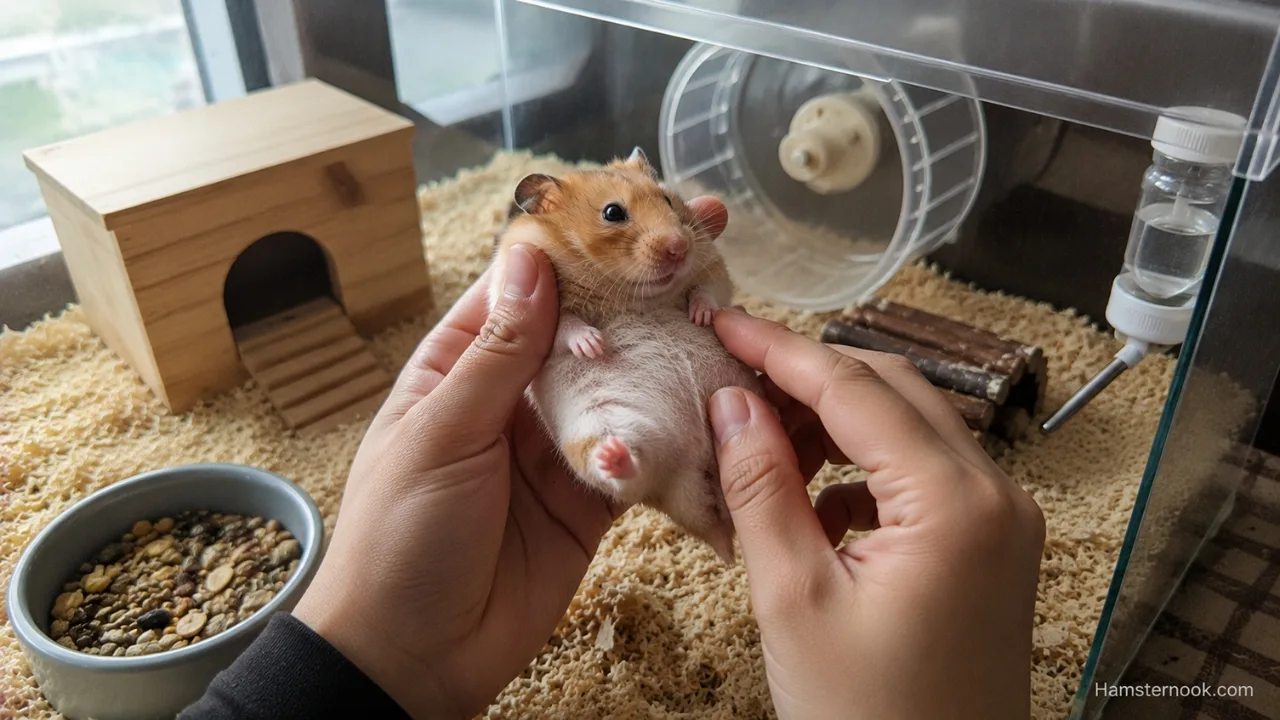
Several factors can influence how quickly nails become overgrown.
Age
Older hamsters are more likely to develop longer nails.
As activity levels decrease with age, natural nail wear may decline. A senior hamster that spends less time digging and exploring may not wear its nails down as effectively as a younger, more active hamster.
Age-related changes affect much more than nail growth. Learn what to expect in Is Your Hamster Getting Old? How to Care for a Senior Hamster.
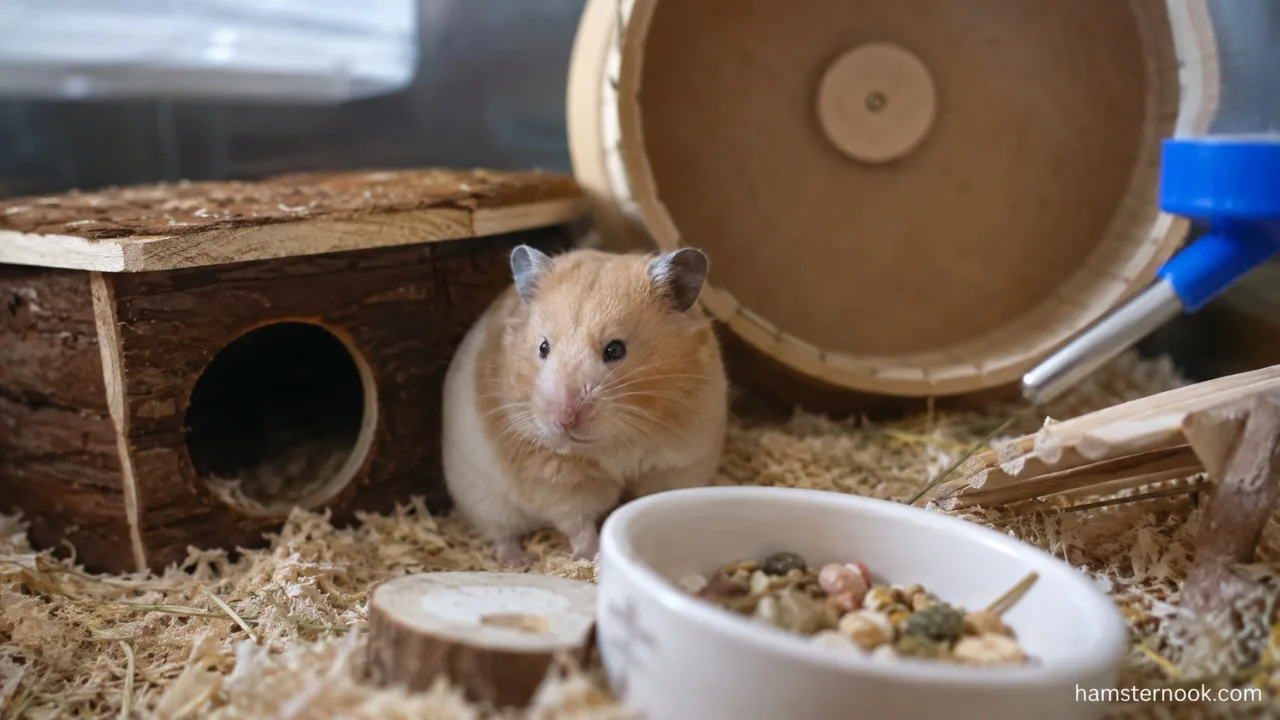
Activity Level
Active hamsters naturally wear their nails more than sedentary ones.
Hamsters that regularly:
- Dig deep burrows
- Explore tunnels
- Climb safe structures
- Use enrichment items
- Forage around the enclosure
Providing enough stimulation encourages movement and natural wear. Hamsters that regularly dig, forage, and explore different parts of their enclosure often wear their nails down more effectively. Learn more in Do Hamsters Get Bored? 10 Signs Your Hamster Needs More Enrichment.
Regular digging can also contribute to natural activity and nail wear, and our Why Is My Hamster Digging So Much? 7 Common Reasons guide explains what different digging patterns can mean.
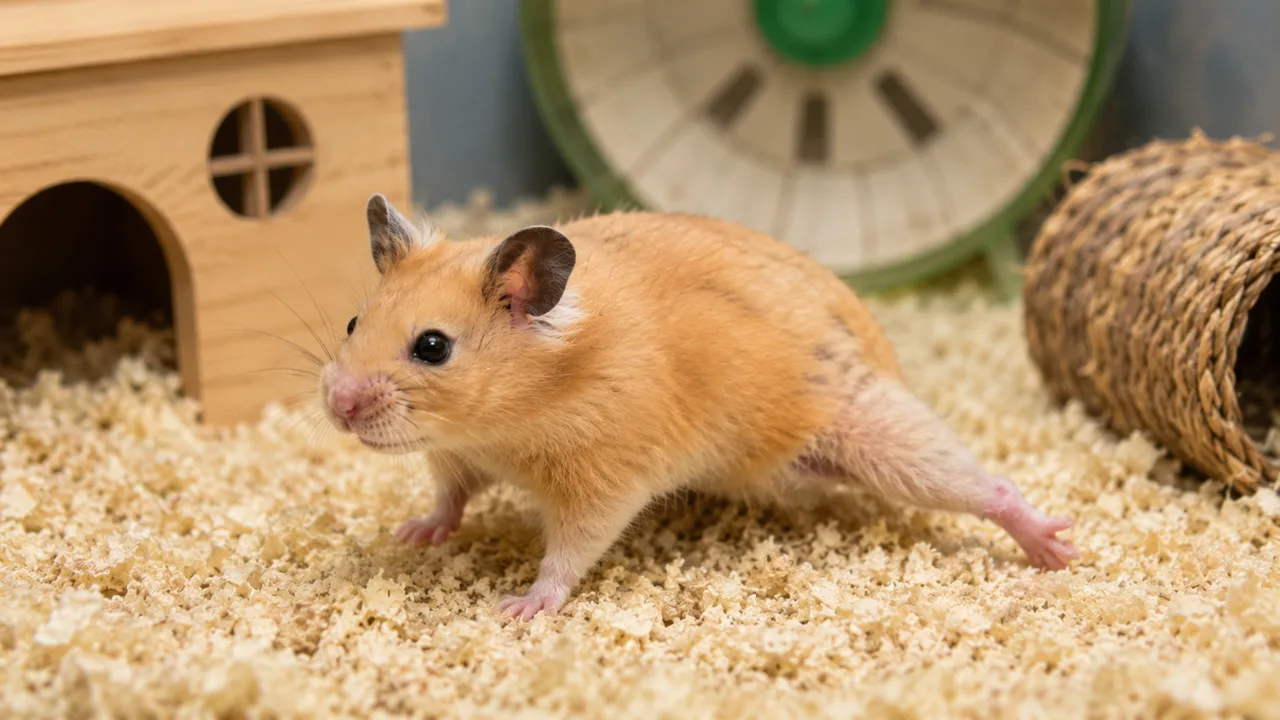
often maintain shorter nails than individuals that spend most of their time resting.
Enclosure Setup
The materials inside the enclosure can make a significant difference.
Natural surfaces such as cork, untreated wood, slate, and digging areas may help support normal nail wear through everyday activity. Smooth plastic surfaces alone generally provide fewer opportunities for natural nail wear.
The overall enclosure setup also affects how much opportunity your hamster has for natural movement and exploration, so our Best Hamster Cage Setup for Beginners: Size, Bedding, Wheel & Essentials guide covers the main enclosure features to consider.

Individual Differences
Some hamsters simply grow nails faster than others.
Even hamsters of the same species, age, and housing conditions can show different nail lengths. Genetics likely play a role, although reliable research specifically measuring growth rates in pet hamsters is limited.
Is There a Normal Hamster Nail Growth Rate?
There is no well-established growth rate that can be used to predict when every hamster will need a trim. Instead of measuring nail growth against a fixed weekly schedule, compare your hamster’s nails over time and watch for changes in walking, climbing, digging, or nails catching on enclosure materials. If the nails are becoming longer despite normal activity, a veterinary professional can help determine whether trimming is appropriate.
How Can You Tell If Your Hamster’s Nails Are Too Long?
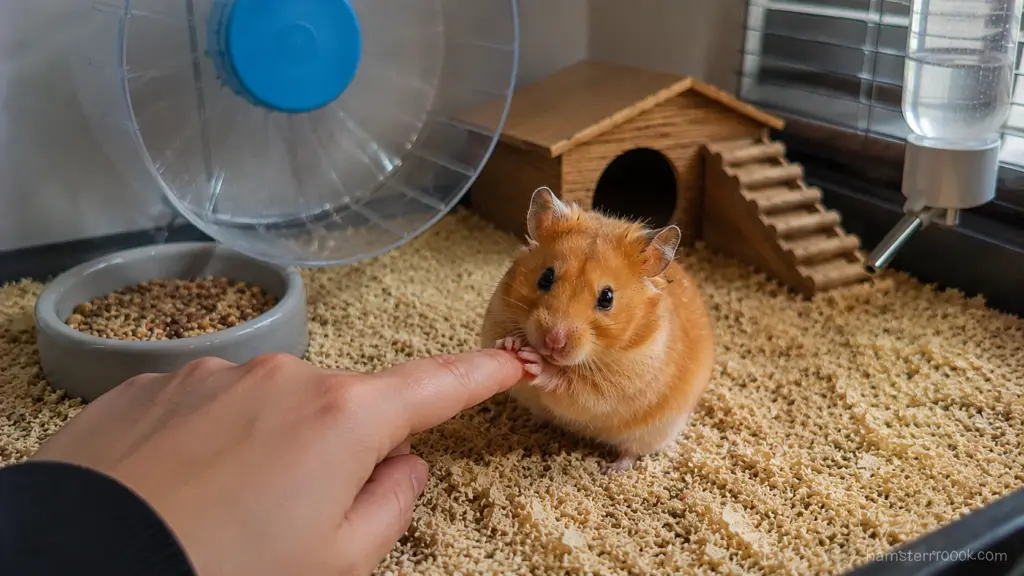
Many owners worry about trimming long before it becomes necessary.
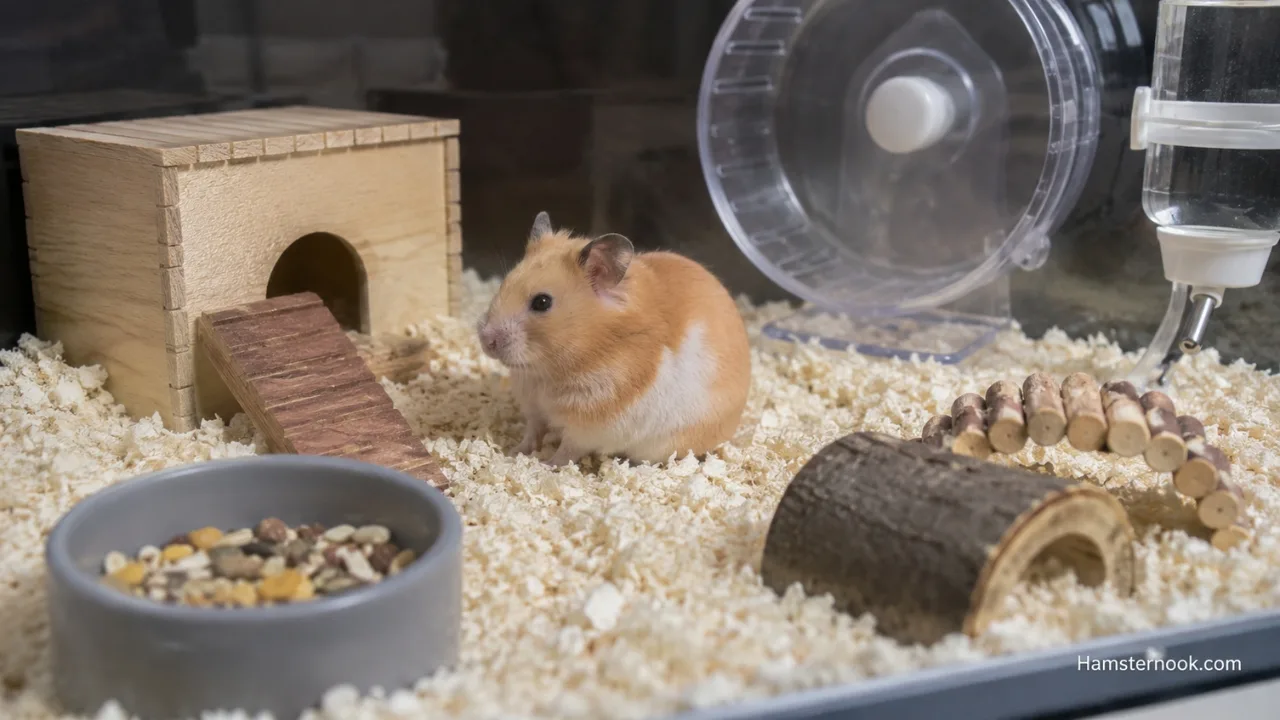
Rather than focusing on a specific nail length, look at how the nails function.
Healthy nails generally:
- Allow comfortable walking
- Remain relatively straight
- Do not catch on bedding
- Do not interfere with digging
- Do not alter normal posture
Overgrown nails often become easier to recognize through changes in appearance and movement.
Common Signs of Overgrown Nails
You may notice:

- Nails visibly extending well beyond the toes
- Curving or curling nails
- Nails catching on fabric or bedding
- Difficulty gripping surfaces
- Awkward walking posture
- Reduced willingness to climb
When nails begin affecting mobility, they deserve attention.
It’s often easier to notice changes by comparing your hamster’s current nail appearance with photos taken a few months earlier. Gradual nail growth can be difficult to recognize when you see your hamster every day.
Normal Nails vs. Overgrown Nails
| Normal Nails | Overgrown Nails |
|---|---|
| Allow natural walking | May affect walking posture |
| Relatively straight appearance | Curved or curling shape |
| Do not snag on materials | Frequently catch on bedding |
| Comfortable movement | May cause reduced mobility or hesitation |
| Support digging and climbing | May interfere with normal activities |
This comparison often provides a better guide than attempting to measure nail length.
Do All Hamsters Need Nail Trims?
No.
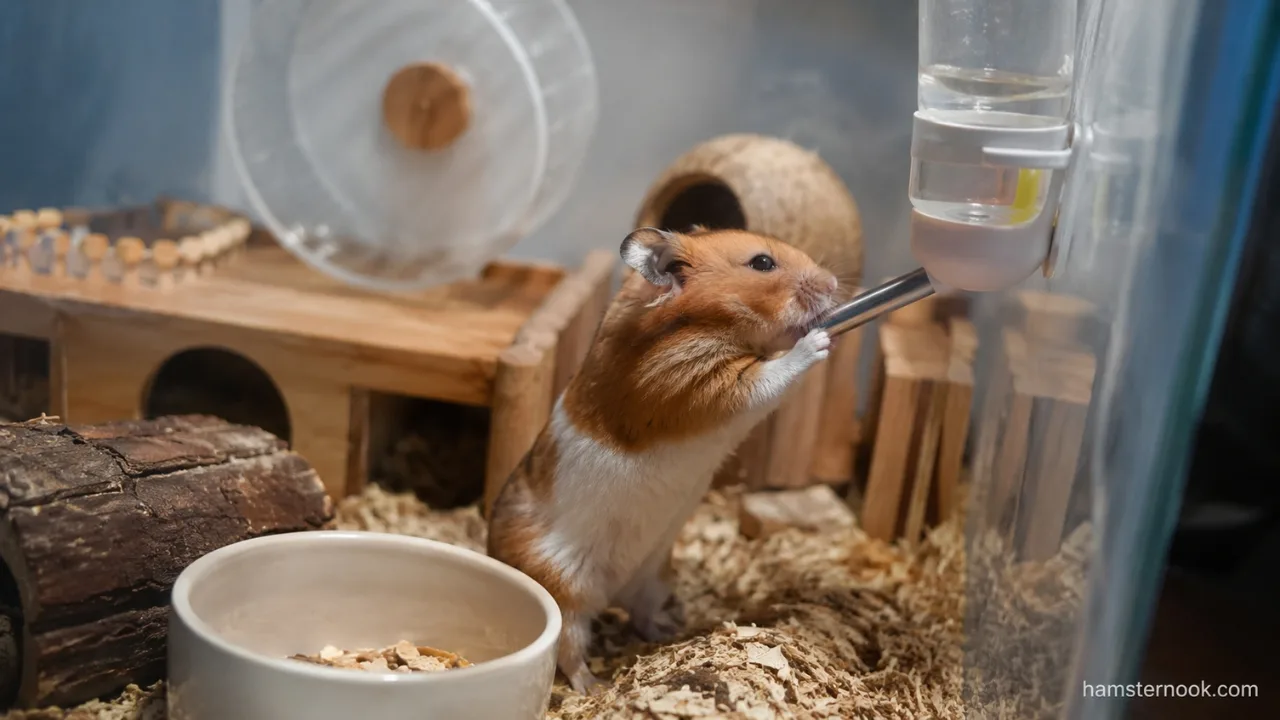
Some hamsters may never require trimming if their nails stay at a healthy length through normal activity.
Others need occasional maintenance.
A hamster that has access to appropriate enrichment and remains active may naturally manage its nail length for years. Another hamster living under similar conditions may still develop overgrown nails due to individual differences.
This is why regular observation is usually more useful than following a fixed trimming schedule. Monitoring how your hamster walks, climbs, and digs often provides a clearer picture than focusing on nail length alone.
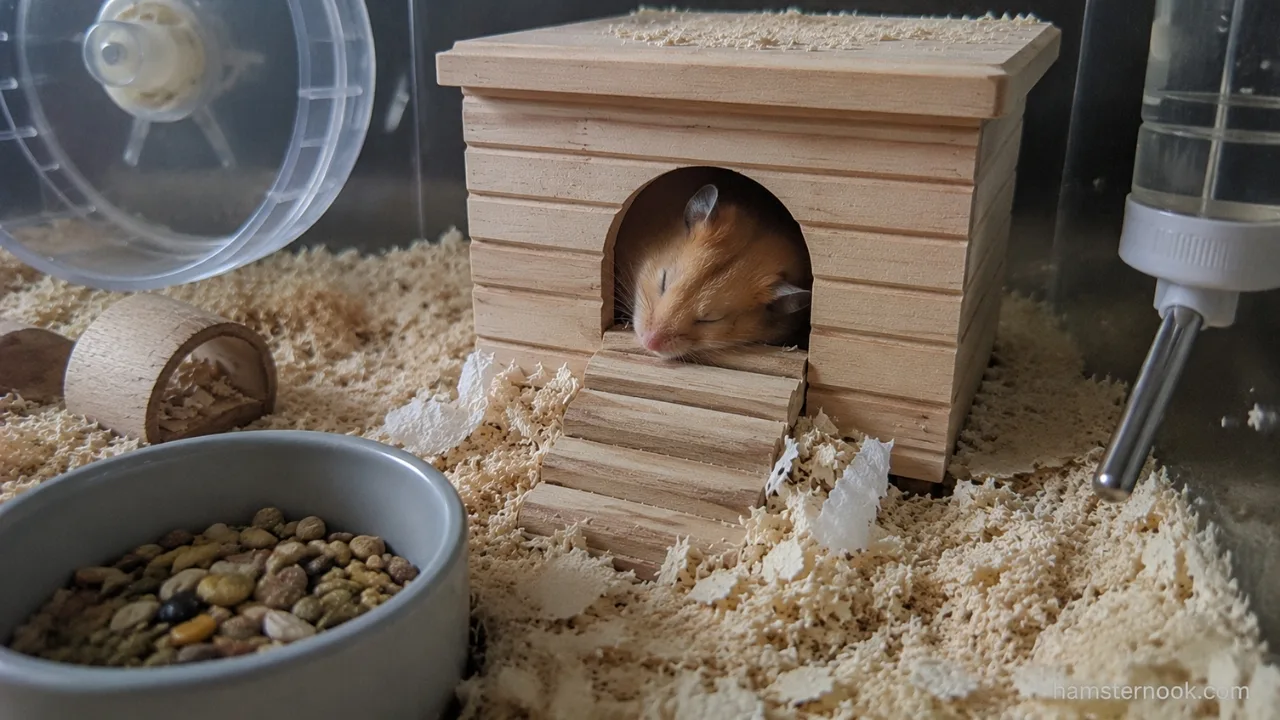
Which Hamsters Are Most Likely to Need Trimming?
Certain hamsters are more prone to nail problems.
Senior Hamsters
Older hamsters frequently develop longer nails because they tend to move less and wear them down more slowly.
Less Active Hamsters
A hamster that spends little time digging or exploring may not generate enough natural abrasion to keep nails short.
Hamsters Recovering From Illness or Injury
Reduced activity during recovery can contribute to increased nail length over time.

Recovery periods often reduce normal digging and exploration. Learn more in Can Hamsters Recover From Minor Injuries on Their Own?.
Hamsters Living in Low-Enrichment Enclosures
Enclosures lacking opportunities for natural digging, climbing, and exploration may result in less nail wear.
Limited opportunities for natural behaviors can affect both physical and mental wellbeing. Learn how to encourage more natural activity in Why Your Hamster Isn’t Burrowing (And How to Fix It).
Can Overgrown Nails Cause Problems?
Yes.

Slightly long nails are not always a problem, but severe overgrowth can eventually affect comfort and mobility.
Potential issues include:
- Difficulty walking
- Reduced balance
- Nails becoming caught on cage furnishings
- Changes in posture
- Difficulty digging
- Increased risk of nail damage
In severe cases, excessively curled nails may eventually affect how the foot contacts the ground.
This is why routine observation is preferable to waiting until a problem becomes obvious.
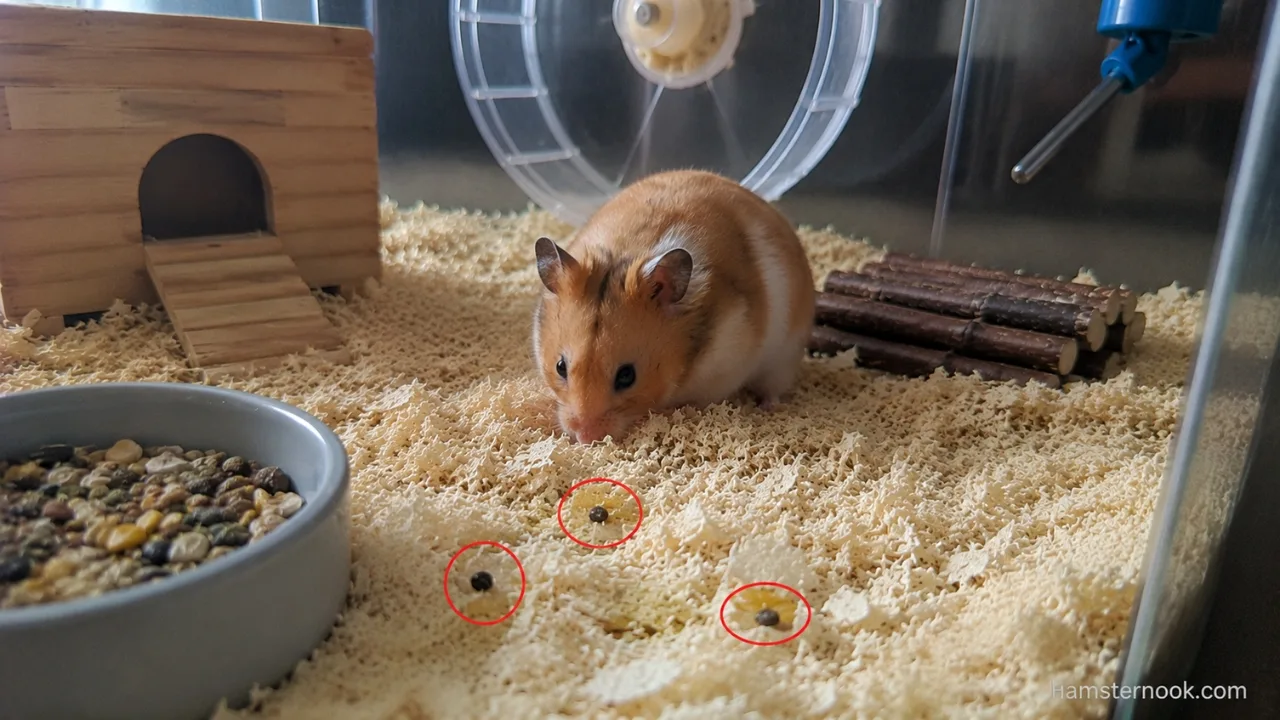
How Often Should You Check Your Hamster’s Nails?
Regular visual inspection is useful for most healthy hamsters.
You don’t need to handle your hamster extensively to monitor nail length.
Many owners simply observe:
- Walking behavior
- Digging behavior
- Climbing ability
- Nail appearance during routine interaction
Regular checks help identify gradual changes before they become significant.
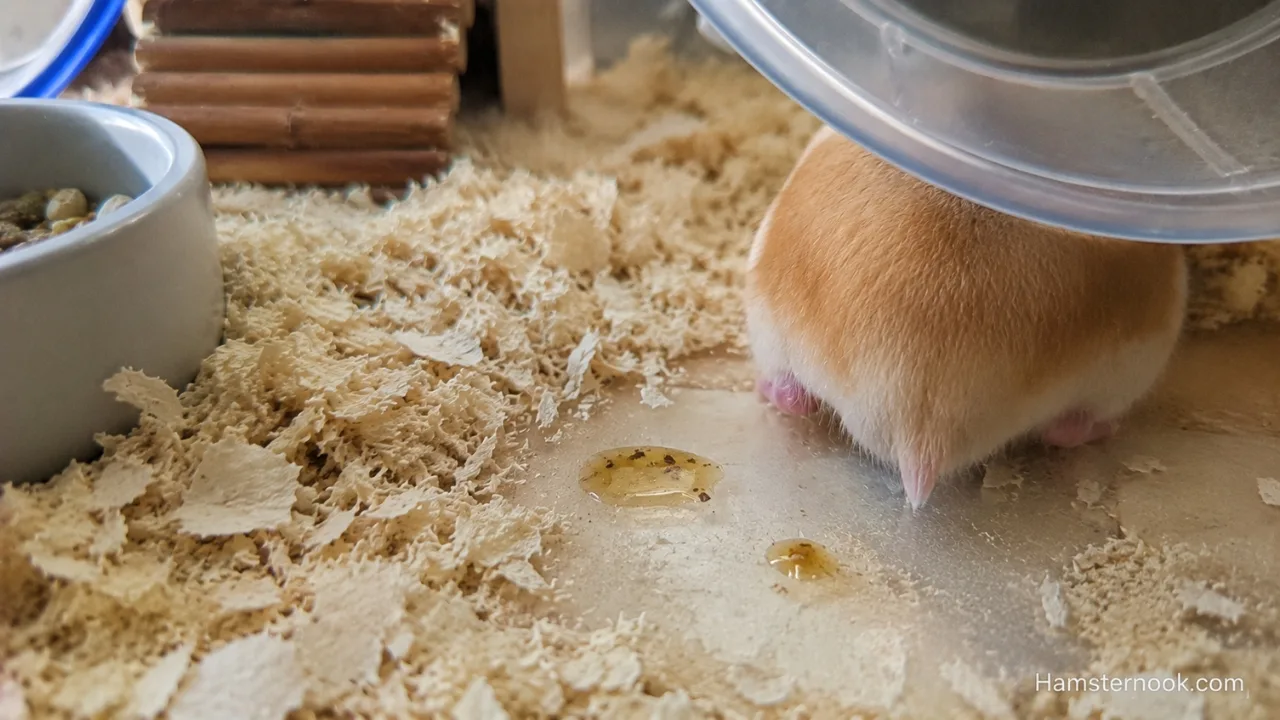
If your hamster dislikes handling, try observing its nails while it is eating, standing on a platform, or walking across a clear surface. This allows you to monitor nail length without causing unnecessary stress.
Comparing nail appearance over time is often easier than trying to judge length during a single observation session.
Can Natural Enrichment Help Wear Nails Down?
In many cases, yes.
Providing opportunities for natural behavior is often the first step before considering trimming.
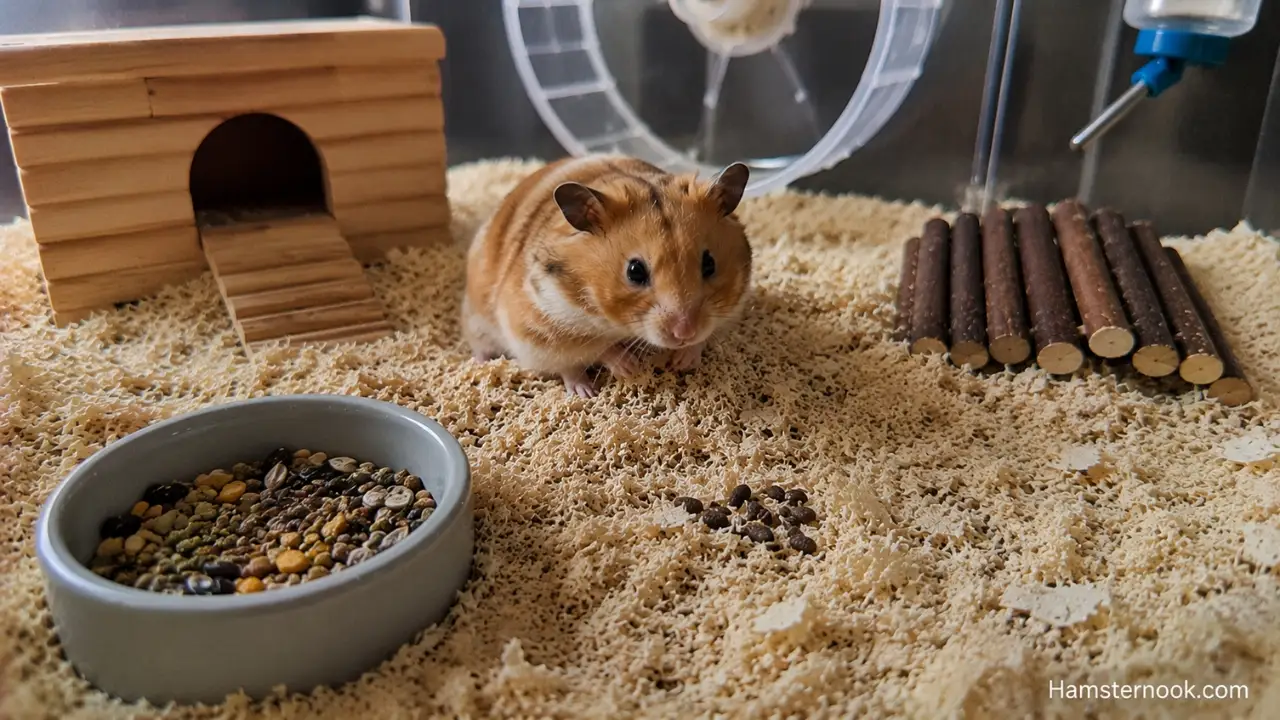
Helpful enclosure features may include:
- Deep bedding for digging
- Cork logs
- Untreated wooden accessories
- Natural tunnels
- Slate platforms
- Foraging opportunities
The depth of your bedding can directly affect how much digging and natural nail wear your hamster gets. See How Much Bedding Does a Hamster Need? Minimum Depth Guide for Healthy Burrowing.
These items encourage movement and exploration, which may contribute to natural nail wear over time.
The goal is not to force nail wear but to encourage the natural behaviors that help maintain healthy nail length.
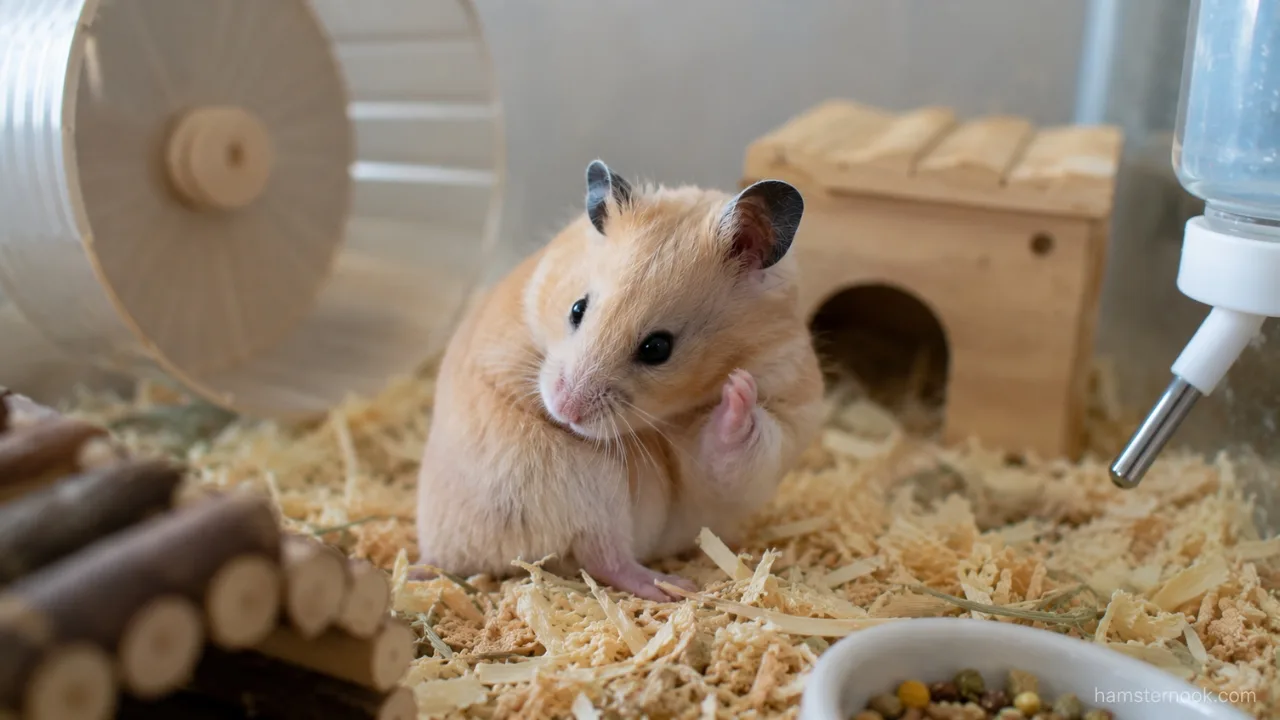
It’s important to remember that enrichment supports natural wear but does not guarantee that every hamster will avoid nail trimming entirely.
Practical Examples
Example 1: The Active Syrian Hamster
A Syrian hamster spends hours each evening digging through deep bedding, climbing onto platforms, and exploring enrichment items.
Its nails remain short despite never receiving a trim.
Example 2: The Senior Hamster
An older hamster becomes less active and spends more time sleeping.
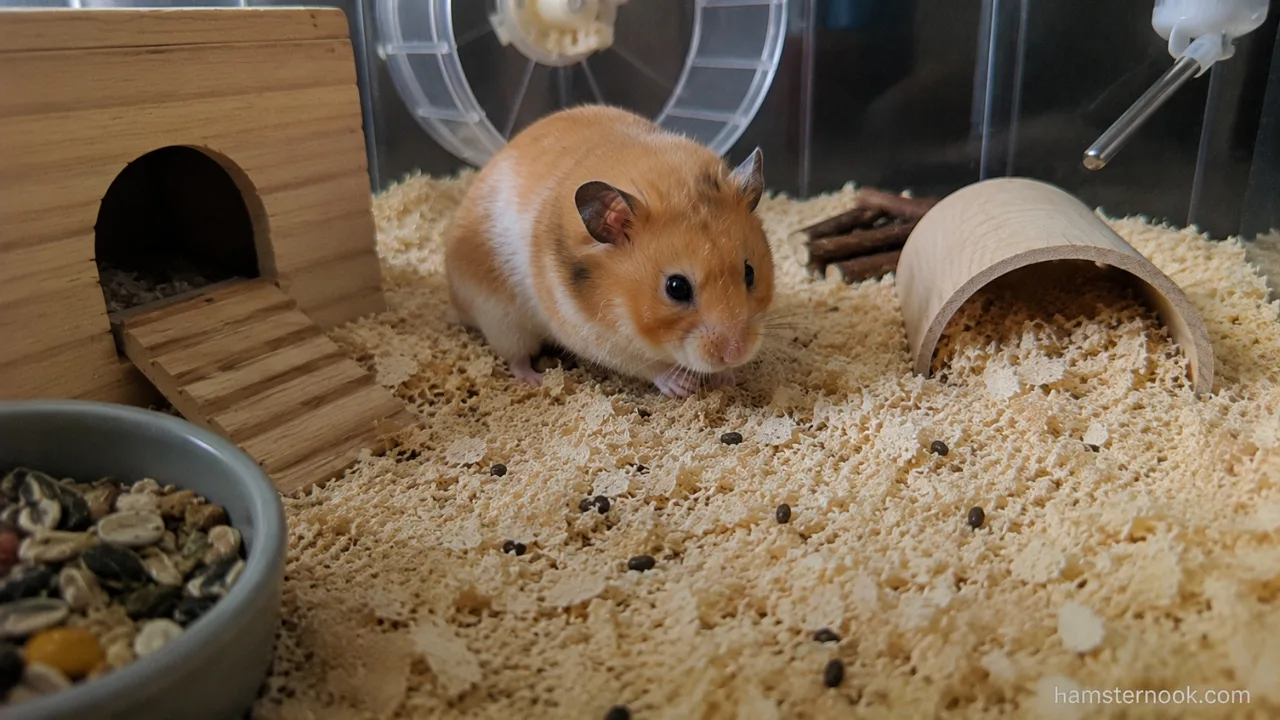
Over several months, the nails gradually become longer because natural wear decreases.
Example 3: The Bedding Snagger
A hamster’s nails begin catching on paper bedding while it walks through the enclosure.
Although still active, the repeated snagging suggests the nails may have become longer than ideal.
Should Owners Trim Hamster Nails Themselves?
Nail trimming can be challenging because hamsters are small, active animals with delicate feet.
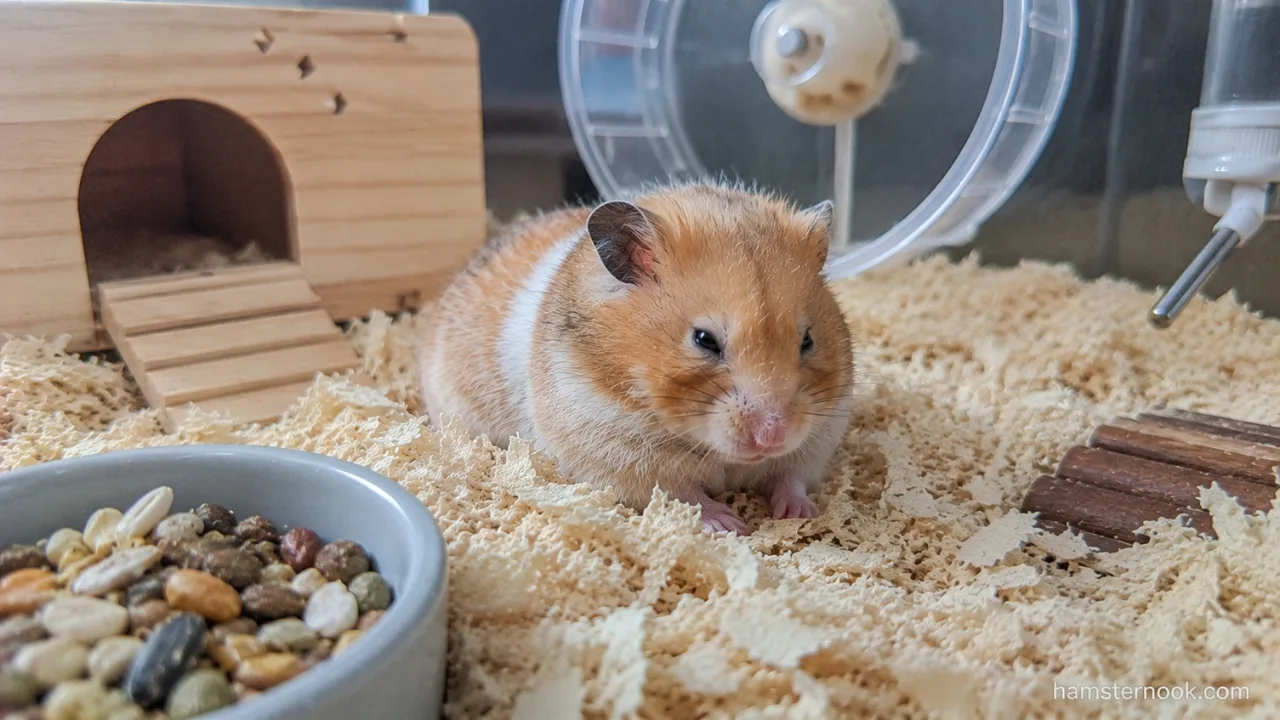
Many hamsters dislike having their paws handled, making accurate trimming difficult.
A mistake can accidentally cut into the quick, the blood vessel within the nail, causing pain and bleeding.
For this reason, owners who are inexperienced or uncertain often seek guidance from an exotic animal veterinarian or a qualified veterinary professional.
Correct trimming technique is important, especially when dealing with dark-colored nails where the quick may be difficult to see.
Common Mistakes Owners Make
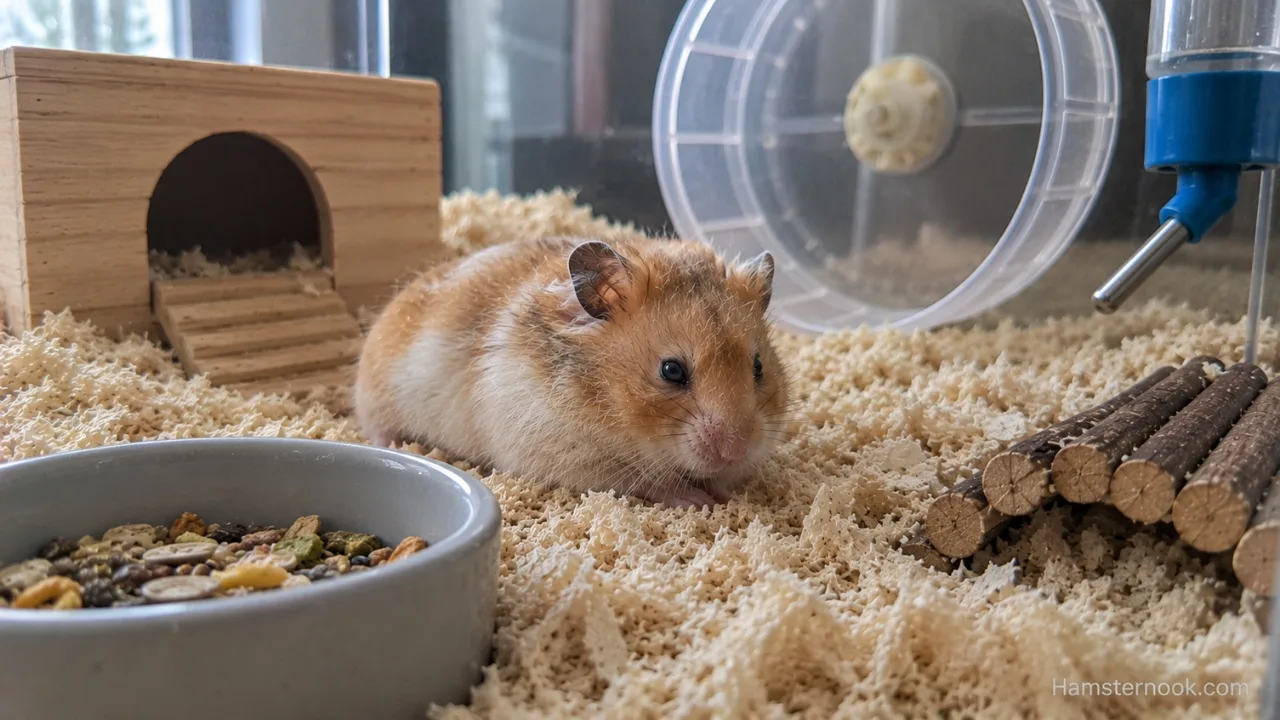
Nail care problems often develop because owners either ignore nail growth completely or become overly concerned about trimming too early.
Waiting Until Nails Curl Severely
One of the most common mistakes is waiting until the nails become obviously curled or begin affecting movement. Mild overgrowth is much easier to address than severe overgrowth that has developed over months.
Trimming Nails Without Proper Restraint
Hamsters rarely sit still for nail trims. Attempting to cut nails while a hamster is actively moving increases the risk of injury.
Cutting Too Much at Once
Removing too much nail can accidentally cut into the quick, causing pain and bleeding. Small, careful trims are safer than attempting to shorten overgrown nails dramatically in a single session.
Assuming Every Hamster Needs Routine Trims
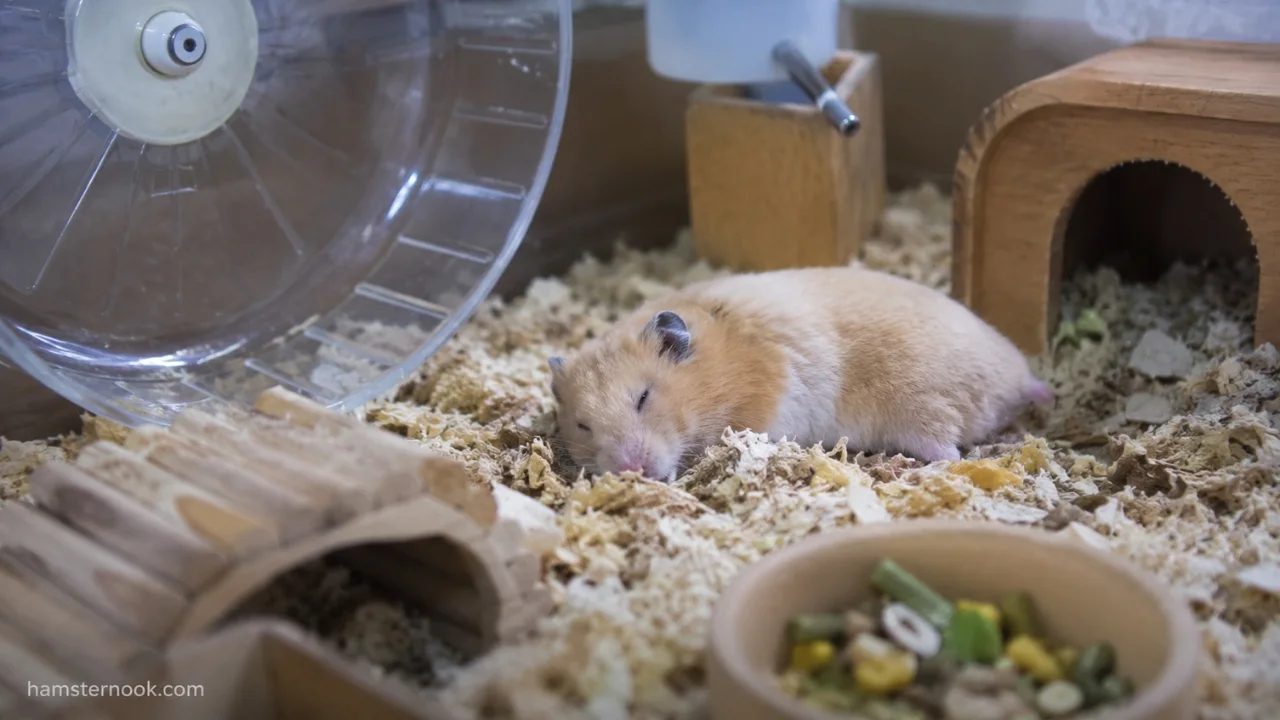
Some owners schedule regular trims simply because they believe all hamsters require them. In reality, many hamsters maintain healthy nail length naturally and may never need trimming.
Ignoring Enclosure Enrichment
Nail care isn’t only about trimming. A hamster living in a stimulating enclosure with opportunities for digging, climbing, and exploring often experiences more natural nail wear than one living in a basic setup.
What You Should Do
The best approach is prevention combined with regular observation.
Monitor your hamster’s nails every few weeks while also paying attention to how your pet moves around the enclosure.
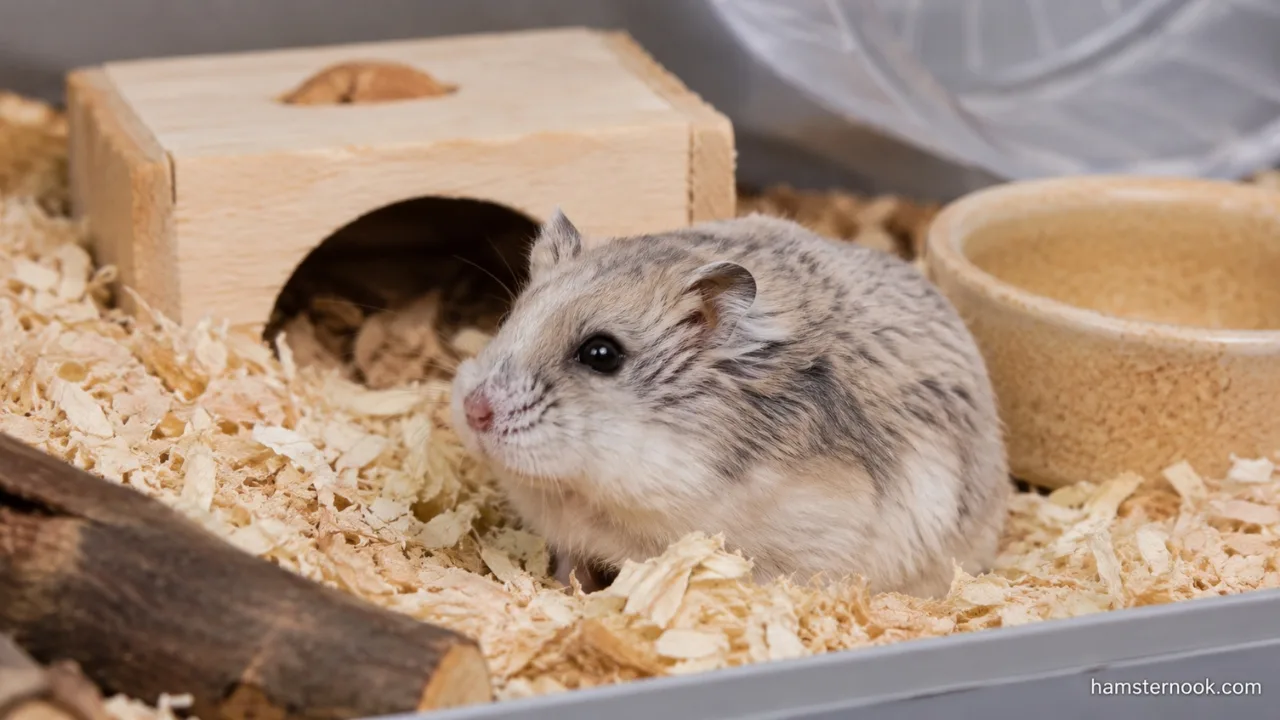
Consider the following steps:
- Provide deep bedding for natural digging behavior.
- Include safe wooden accessories and cork items.
- Offer opportunities for climbing and exploration.
- Watch for nails catching on bedding or fabrics.
- Check whether your hamster walks normally.
- Observe older hamsters more closely since nail overgrowth becomes more common with age.
Pay attention to whether your hamster moves confidently across different areas of the enclosure without hesitation.
If the nails appear excessively long or begin interfering with normal movement, seek advice from an experienced exotic animal veterinarian or qualified veterinary professional.
Warning Signs of Nail Problems
A hamster’s nails deserve closer attention when you notice changes in appearance or mobility.

Warning signs may include:
- Nails curling toward the foot.
- Nails catching on bedding repeatedly.
- Difficulty walking normally.
- Reduced climbing ability.
- Reluctance to dig.
- Changes in posture while standing or walking.
- Broken or damaged nails.
These signs suggest the nails may be affecting your hamster’s comfort or daily activities.
If you notice changes in movement, posture, or activity levels, read How to Tell If Your Hamster Is Happy, Healthy, Stressed, or Sick: Complete Owner’s Guide (2026).
When to Worry
Long nails do not always require emergency attention, but certain situations should not be ignored.

Seek veterinary guidance if:
- A nail becomes broken or torn.
- The nail begins bleeding.
- Your hamster appears uncomfortable while walking.
- A curled nail is contacting the foot or skin.
- Mobility changes suddenly.
- You are unable to trim the nails safely yourself.
Discomfort while walking can sometimes indicate pain or an underlying health issue. Learn the warning signs in How Can You Tell If a Hamster Is in Pain?.
An exotic animal veterinarian can assess the situation and perform nail trimming safely when necessary.
Final Thoughts
Hamster nails grow continuously throughout life, but there is no universal trimming schedule that works for every pet. Some hamsters naturally wear their nails down through digging, climbing, and daily activity, while others gradually develop overgrown nails that require attention.

The most reliable approach is regular observation rather than trimming on a schedule that may not match your hamster’s individual needs. Watching how your hamster walks, climbs, digs, and interacts with its environment often reveals potential nail issues before they become serious.
By providing appropriate enrichment, maintaining a well-designed enclosure, and monitoring nail length periodically, most owners can help their hamsters stay comfortable and active throughout their lives.
Frequently Asked Questions
How fast do hamster nails grow?
Hamster nails grow continuously throughout life, but the exact rate varies between individuals. Factors such as age, activity level, and natural nail wear influence how quickly they appear to grow.
How often should I check my hamster’s nails?
A visual inspection every few weeks is usually sufficient for healthy hamsters. Older hamsters may benefit from more frequent checks.

Do all hamsters need nail trimming?
No. Many hamsters naturally wear their nails down through normal activities and may never require trimming.
Why are my hamster’s nails getting longer as it ages?
Senior hamsters often become less active, reducing the natural wear that helps keep nails short.
Can overgrown nails hurt a hamster?
Yes. Severely overgrown nails can affect walking, balance, digging, and climbing. They may also catch on enclosure materials.
What surfaces help wear hamster nails naturally?
Cork logs, untreated wood, slate platforms, digging areas, and other safe natural textures may help promote normal nail wear as part of everyday activity.
Can I trim my hamster’s nails at home?
Some experienced owners successfully trim nails at home, but it can be difficult due to the hamster’s small size and movement. If you are unsure, a qualified veterinary professional can perform the procedure safely.
References
This guide is based on hamster health, nail care, husbandry, enrichment, mobility, and veterinary guidance from trusted animal welfare and veterinary resources, including:
- RSPCA – Hamster Health & Welfare – Guidance on hamster health monitoring, grooming, mobility, signs of illness, and general welfare.
- RSPCA – Creating a Good Home for Hamsters – Guidance on enclosure setup, bedding, enrichment, activity, and providing opportunities for natural hamster behaviors.
- Blue Cross – Hamster Care Guide – Practical information on hamster husbandry, enrichment, handling, exercise, and general wellbeing.
- MSD Veterinary Manual – Hamsters – Veterinary reference information covering hamster health, diseases, husbandry, and conditions that can affect movement and comfort.
- MSD Veterinary Manual – Routine Health Care of Hamsters – Veterinary guidance on routine health monitoring and recognizing changes that may require professional evaluation.
- NC3Rs – Housing and Husbandry: Hamster – Guidance on hamster housing, bedding, activity, environmental conditions, and species-appropriate husbandry.

Narayan Kumar is the founder and author of HamsterNook. He creates practical, research-based hamster care guides covering hamster behavior, nutrition, cage setup, enrichment, health, and everyday care. His goal is to help hamster owners make informed decisions and provide safer, healthier lives for their pets through clear, beginner-friendly information based on trusted animal care resources.