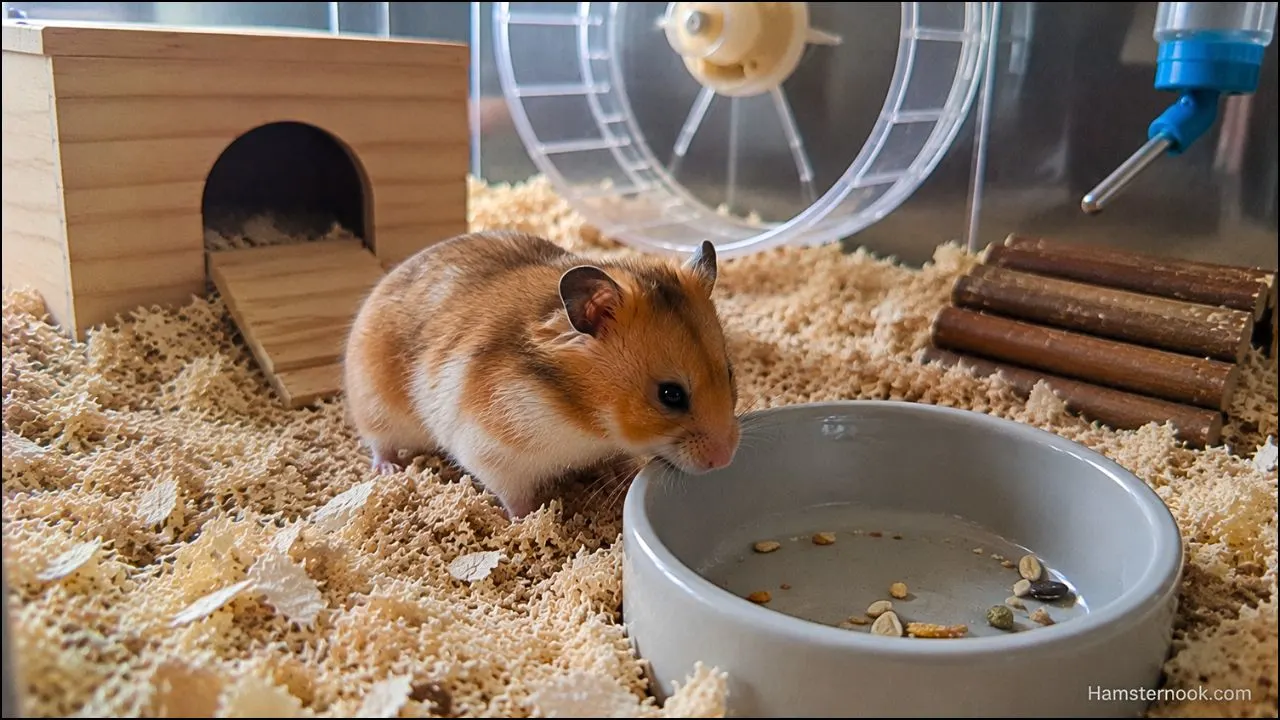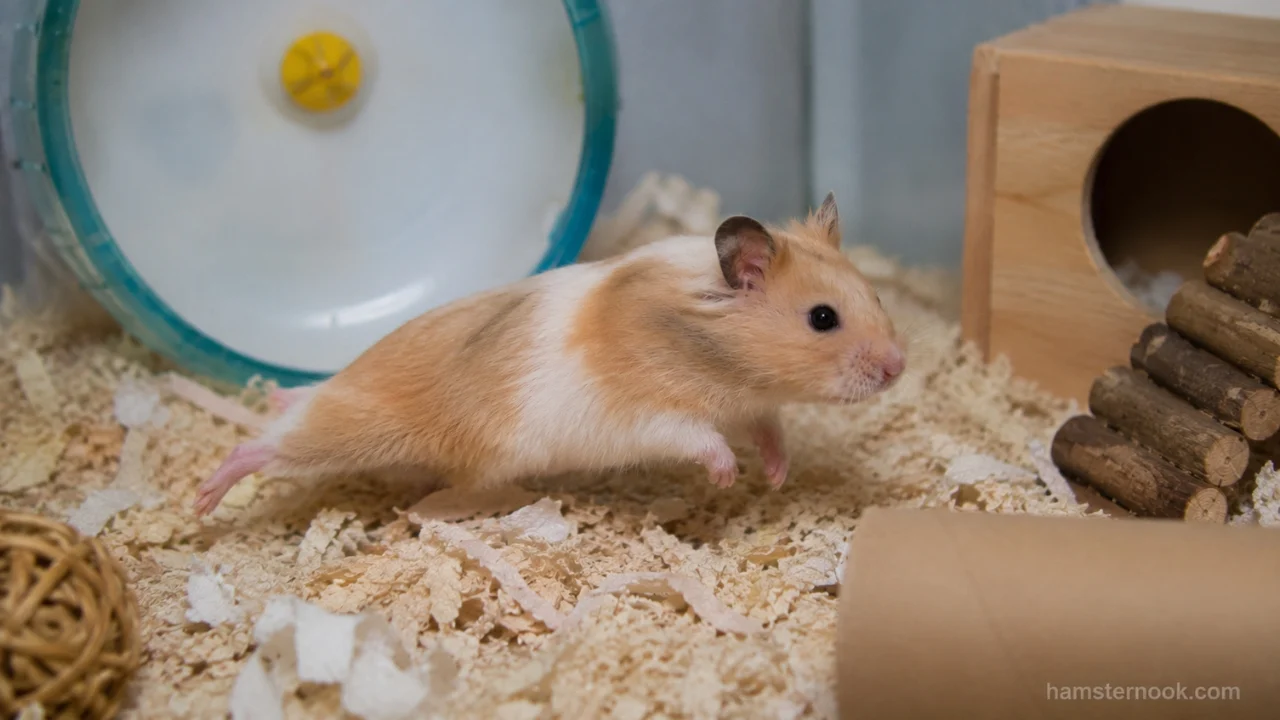
Seeing your hamster suddenly walk backward can be concerning, especially if you’ve never seen the behavior before. While occasional backward movement is often harmless, repeated or unexplained backward walking can sometimes signal a health or balance problem that deserves closer attention. Many owners immediately wonder whether their hamster is injured, sick, or simply behaving normally.
Backward walking can happen for several different reasons, ranging from harmless behavior to underlying health problems. Sometimes the explanation is simple, such as backing out of a tunnel or adjusting position while grooming.
In other cases, repeated backward walking can point to a health issue that needs closer attention. The key is understanding the context, how often it happens, and whether other symptoms are present.
If your hamster has suddenly started walking backward, this guide will help you understand the most common reasons, how to identify warning signs, and when a veterinary visit may be necessary.

Quick Answer
Hamsters sometimes walk backward while exploring tunnels, grooming, backing away from something, or adjusting to environmental changes. However, frequent backward walking, especially when combined with head tilting, circling, balance problems, or loss of coordination, may indicate an ear infection, injury, neurological issue, or another health concern.
Is It Normal for Hamsters to Walk Backward Occasionally?
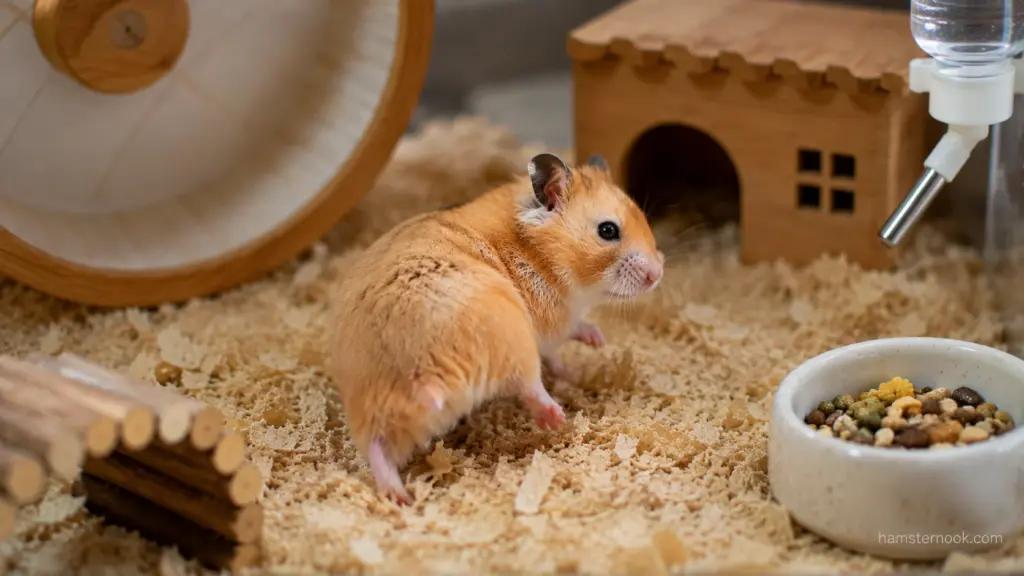
In many situations, yes.
Hamsters are curious animals that constantly investigate their surroundings. They often move backward briefly when exiting tight spaces, rearranging bedding, backing away from unfamiliar objects, or adjusting their position inside tunnels.
A few backward steps here and there are usually not a cause for concern.
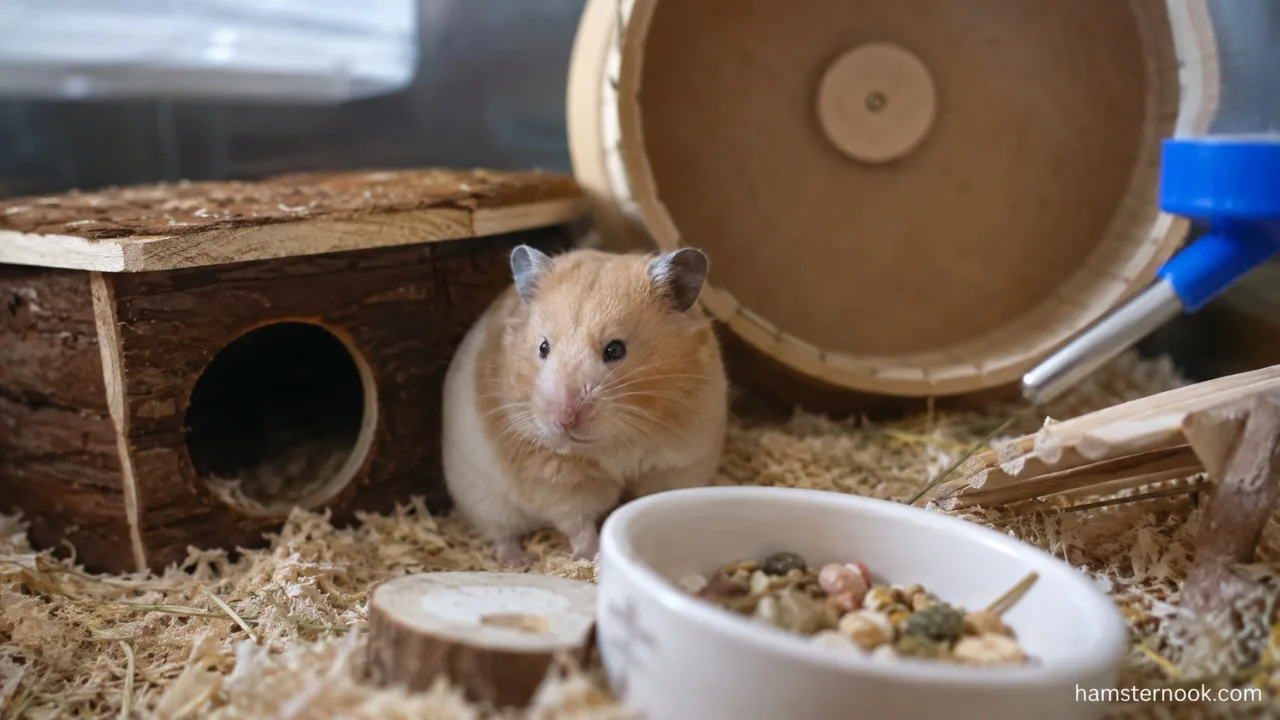
The situation becomes more important when:
- Backward walking happens repeatedly
- The hamster struggles to move normally
- Balance appears affected
- Other unusual symptoms appear
- The behavior starts suddenly and continues
The biggest clue is whether your hamster is acting normally the rest of the time. A healthy hamster that occasionally backs up is very different from one that suddenly struggles to move around the enclosure.
Knowing what normal behavior looks like makes unusual movements easier to spot. Read Signs of a Healthy Hamster for comparison.
Many owners first notice backward walking during free-roam sessions or after cleaning the cage. Looking at what happened shortly before the behavior started can often provide important clues.
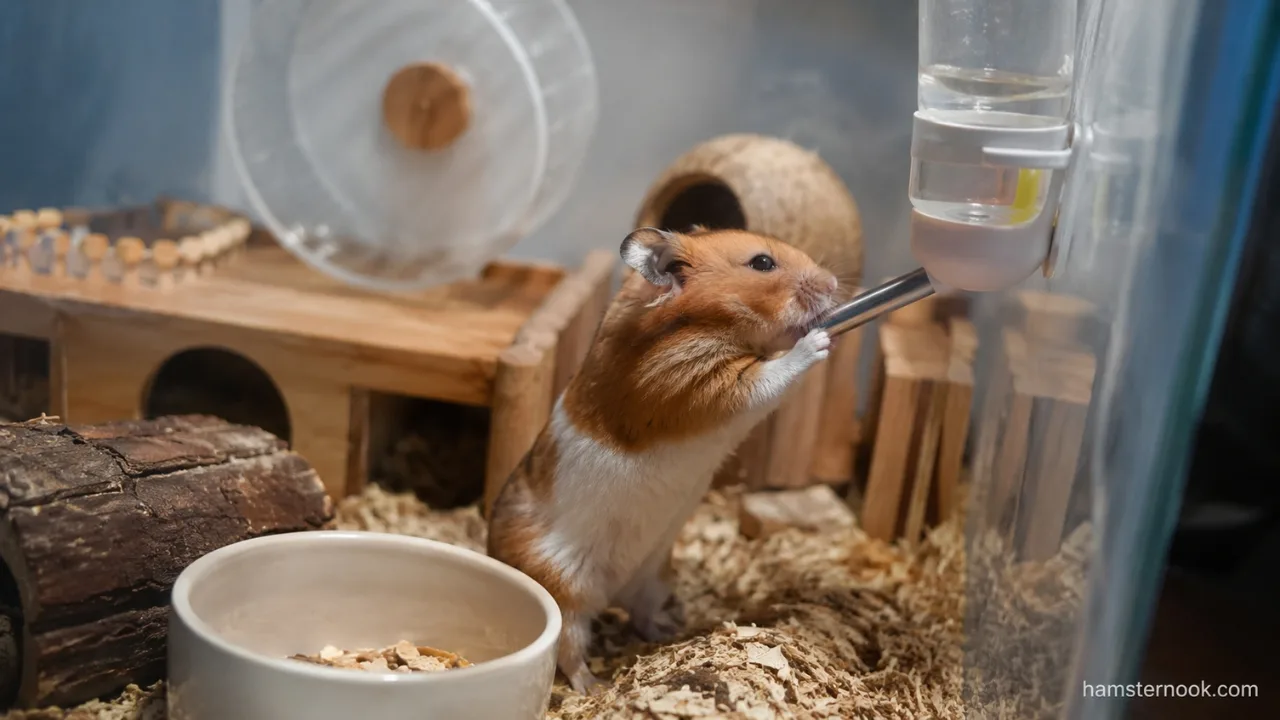
Major enclosure changes can affect behavior in unexpected ways. See How Often Should You Clean a Hamster Cage? for tips on cleaning without causing unnecessary stress.
Normal vs Concerning Backward Walking in Hamsters
| Situation | Usually Normal? | Should You Monitor Closely? |
|---|---|---|
| Backing out of a tunnel | Yes | No |
| Moving backward while grooming | Yes | No |
| Brief backward movement after being startled | Yes | No |
| Frequent unexplained backward walking | No | Yes |
| Loss of balance while walking backward | No | Yes |
| Circling combined with backward movement | No | Yes |
| Backward movement with head tilt | No | Yes |
| Inability to walk forward normally | No | Immediate attention recommended |
Sometimes a Hamster Simply Gets Temporarily Confused
One possible explanation is temporary disorientation.
Hamsters rely heavily on scent, touch, hearing, and memory to navigate their environment. Changes inside the enclosure can sometimes confuse them.
Examples include:
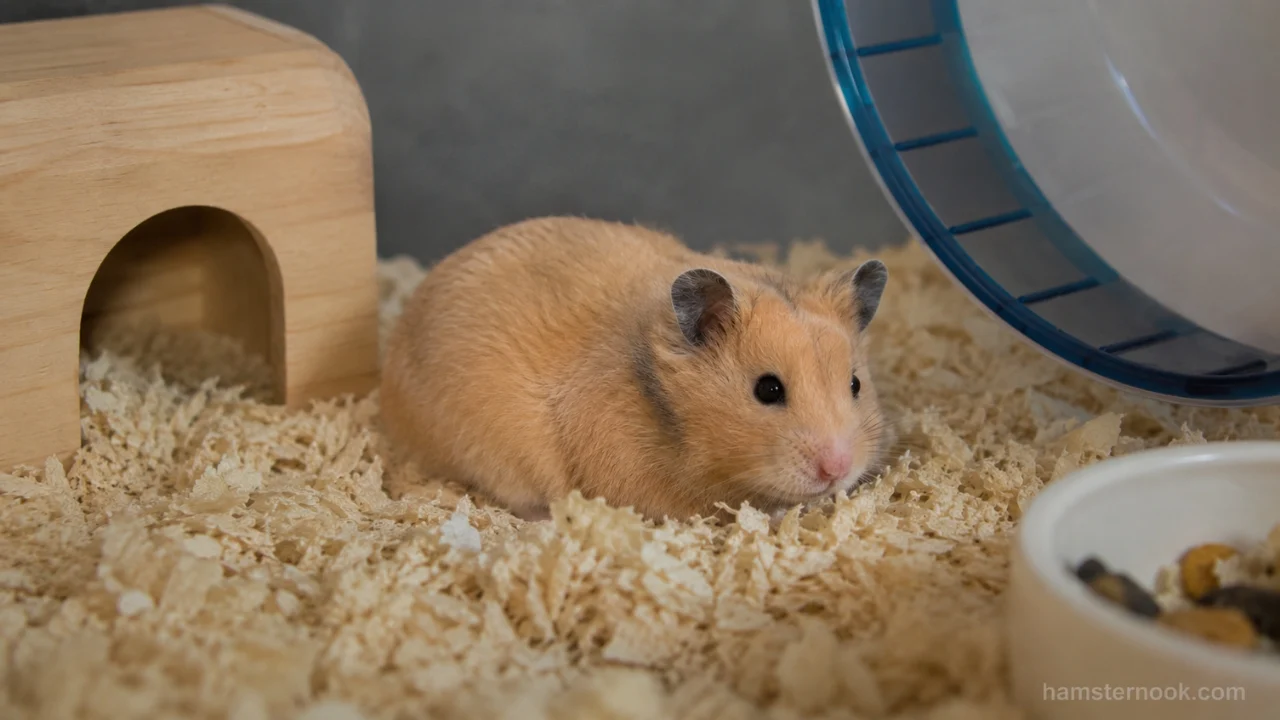
- A complete cage rearrangement
- New accessories
- Strong unfamiliar scents
- Recent relocation to a different habitat
Environmental stress can sometimes affect behavior in surprising ways. If your hamster has recently experienced major habitat changes, read 10 Ways Owners Accidentally Stress Their Hamsters.
In these situations, a hamster may briefly move backward while trying to reassess its surroundings.
If the behavior stops after a short period and the hamster otherwise acts normally, environmental confusion may have been the cause.
Could Your Hamster Be Backing Out of Painful Areas?
Occasionally, a hamster may avoid moving in a certain direction because of discomfort. For example, soreness in a leg, foot injury, or irritation around the rear end may cause unusual movement patterns that look like backward walking.
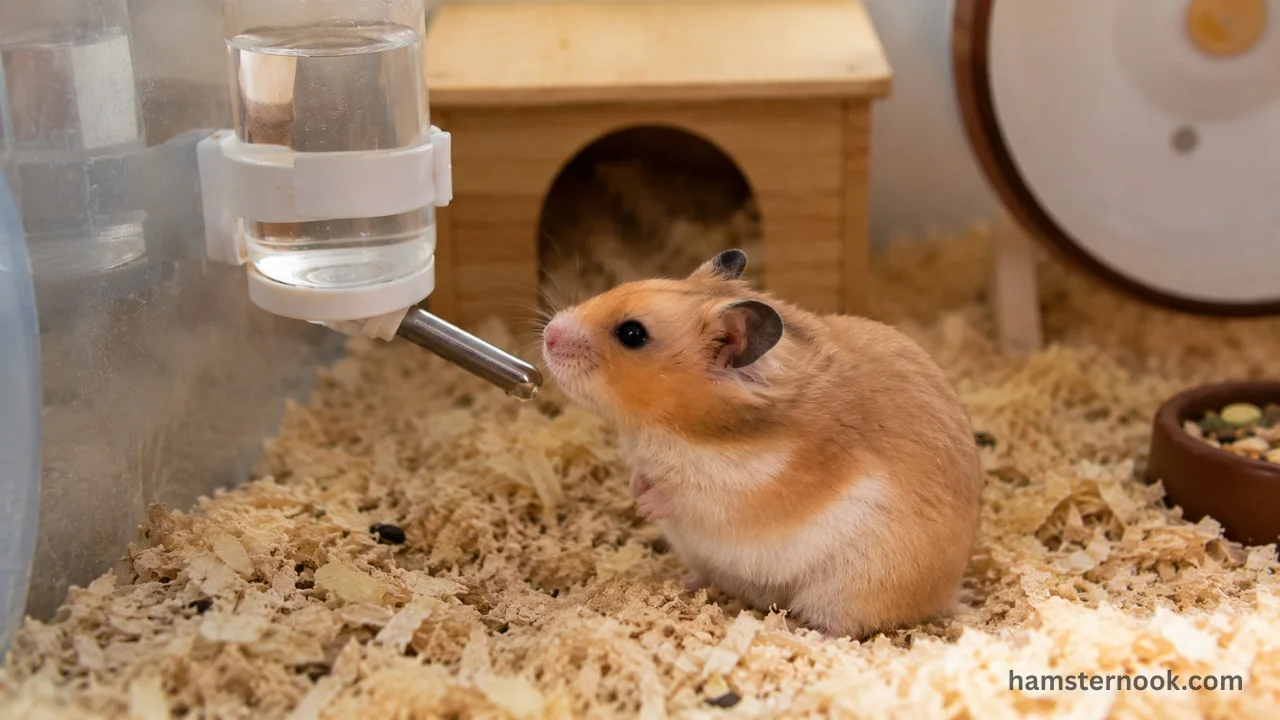
If you notice limping, reluctance to climb, or sensitivity when moving, an injury should be considered.
Ear Problems Can Affect Balance and Movement
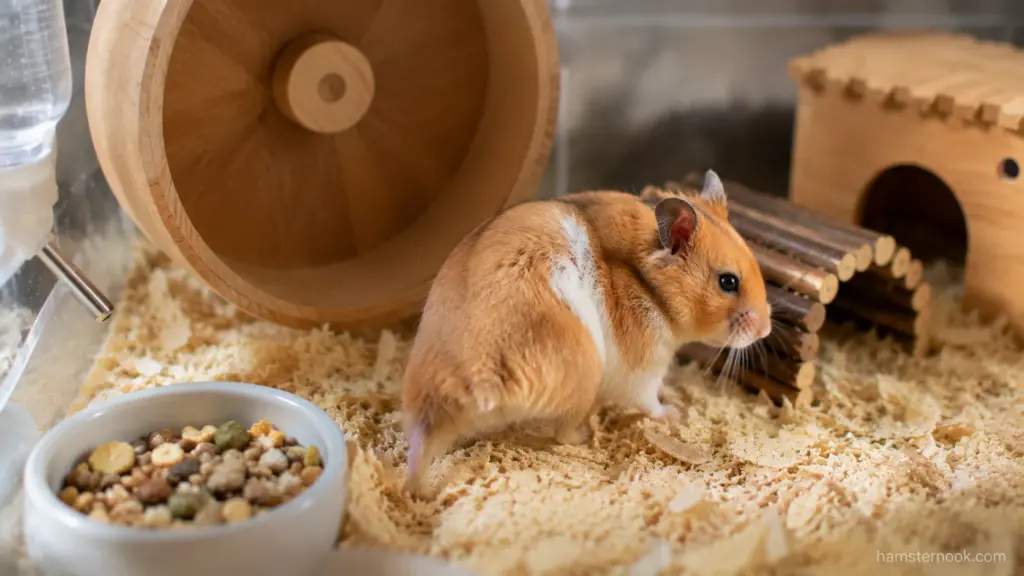
A hamster’s inner ear plays an important role in balance.
When an ear infection or inner ear problem develops, some hamsters experience:
- Difficulty walking straight
- Head tilting
- Loss of coordination
- Falling over
- Unusual backward movement
Because balance disorders can worsen over time, persistent backward walking accompanied by coordination issues should not be ignored.

Ear-related problems require evaluation by an experienced exotic animal veterinarian.
Neurological Issues May Cause Unusual Movement
The nervous system controls coordination and movement.
If something affects the brain or nervous system, a hamster may begin displaying unusual behaviors, including:
- Walking backward repeatedly
- Moving in circles
- Tremors
- Poor coordination
- Difficulty standing properly
Neurological disorders can have various causes, including age-related changes, injuries, infections, or other medical conditions.

While these cases are less common, they are among the more serious possibilities when backward walking becomes frequent.
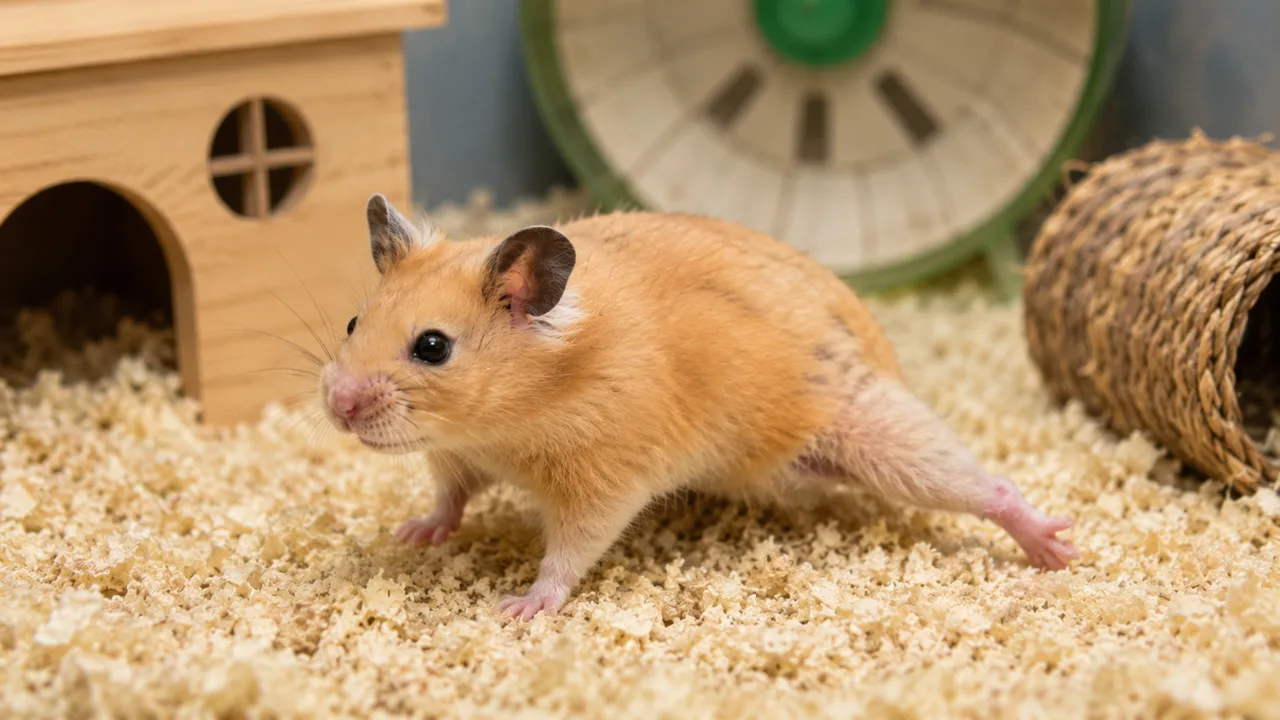
Could Your Hamster Have Experienced an Injury?
Injuries sometimes alter how a hamster moves.
A hamster that has fallen, become trapped, or suffered a physical injury may attempt to avoid using a painful limb or body part.
Signs that may suggest an injury include:
| Possible Injury Signs | What You May Notice |
|---|---|
| Limping | Uneven walking pattern |
| Swelling | Enlarged area on body or leg |
| Sensitivity | Hamster reacts when touched |
| Reduced activity | Less climbing or running |
| Difficulty balancing | Awkward movement patterns |
| Hunched posture | Appears uncomfortable |
Even minor injuries can affect movement temporarily.
Stress and Fear Can Trigger Backward Movement
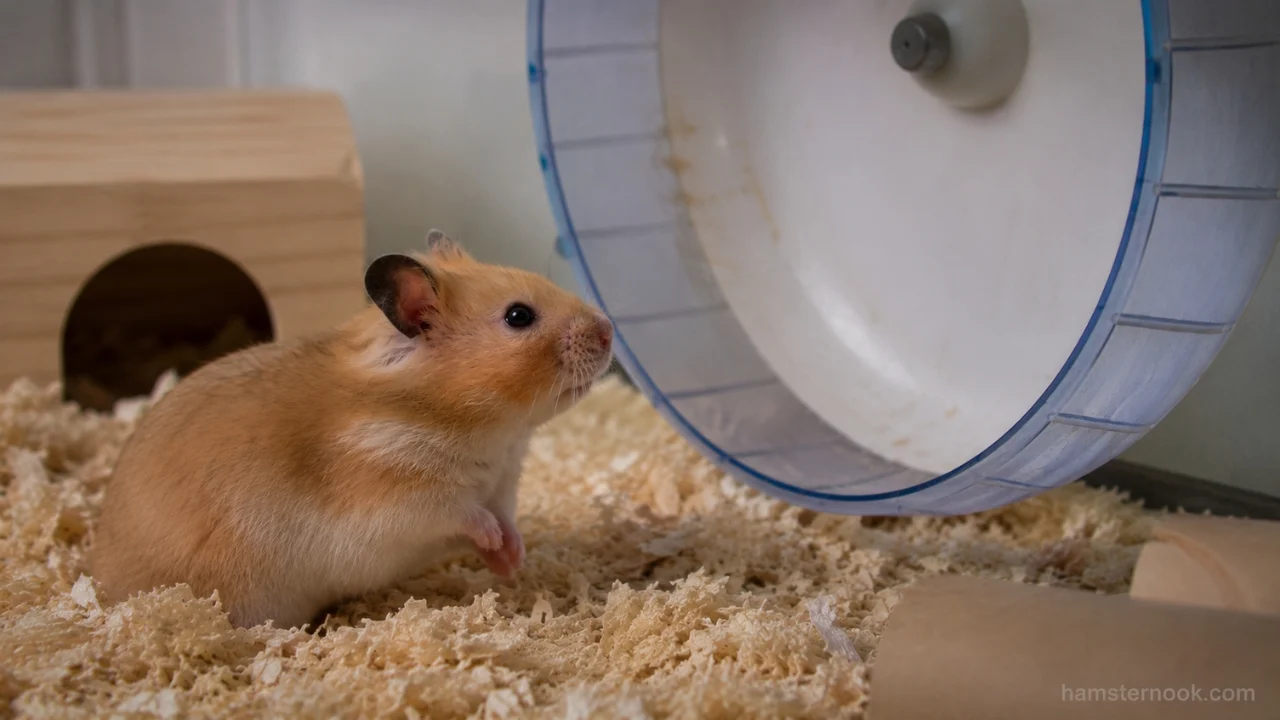
Hamsters are prey animals by nature.
When they feel threatened, they may react in unexpected ways. One of those reactions can include backing away from something they perceive as dangerous.
Potential stress triggers include:
- Loud noises
- New pets nearby
- Sudden handling
- Bright lights
- Strong odors
- Changes in routine
Owners who notice fear-related behaviors may also find Hamster Stress Signs: How to Tell if Your Hamster Is Stressed useful for identifying additional warning signs.
If backward walking only occurs in stressful situations and disappears afterward, fear may be the explanation.
Vision Problems in Older Hamsters
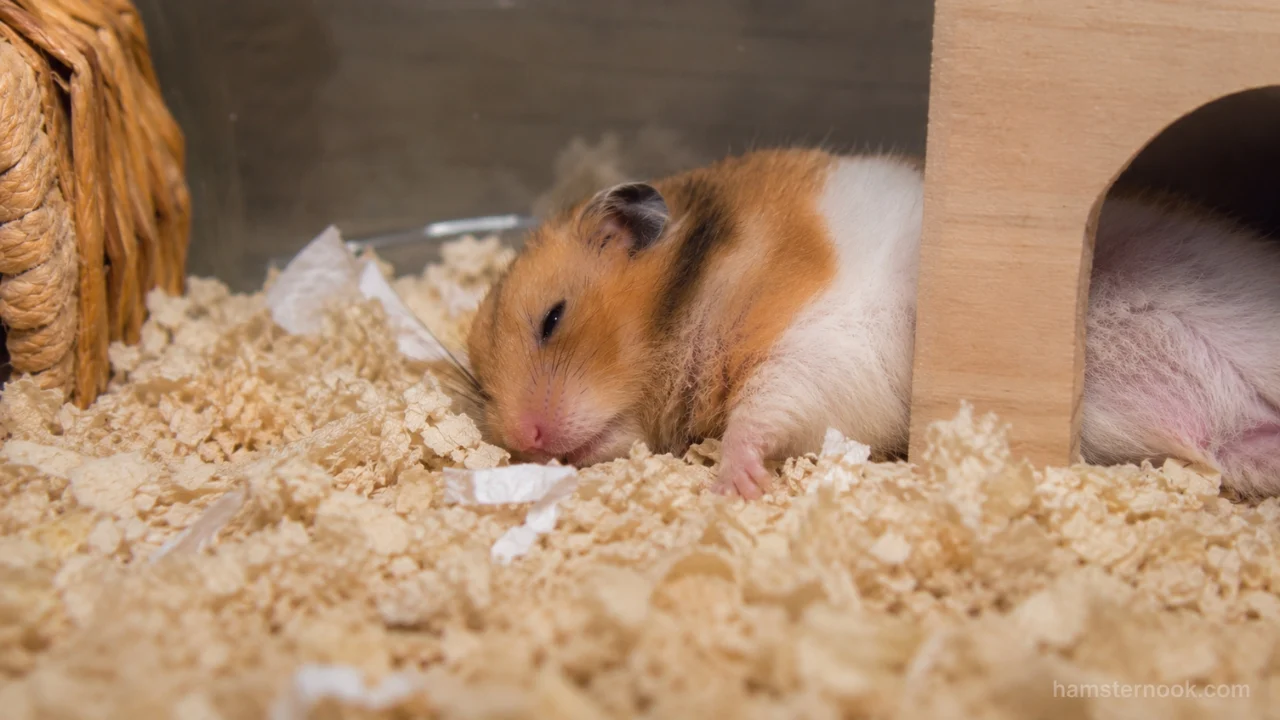
As hamsters age, vision can gradually decline.
Older hamsters may occasionally move backward while trying to orient themselves in unfamiliar situations.
Age-related behavior changes often appear alongside other senior hamster habits discussed in Do Older Hamsters Sleep More?
Age-related vision issues can cause:
- Hesitation while walking
- Bumping into objects
- Slower movement
- Increased reliance on scent cues
If your hamster is a senior and otherwise appears healthy, vision changes could be contributing to unusual movement patterns.
Cage Layout Changes Can Cause Temporary Confusion
Many owners perform a deep cage cleaning and completely redesign the habitat.
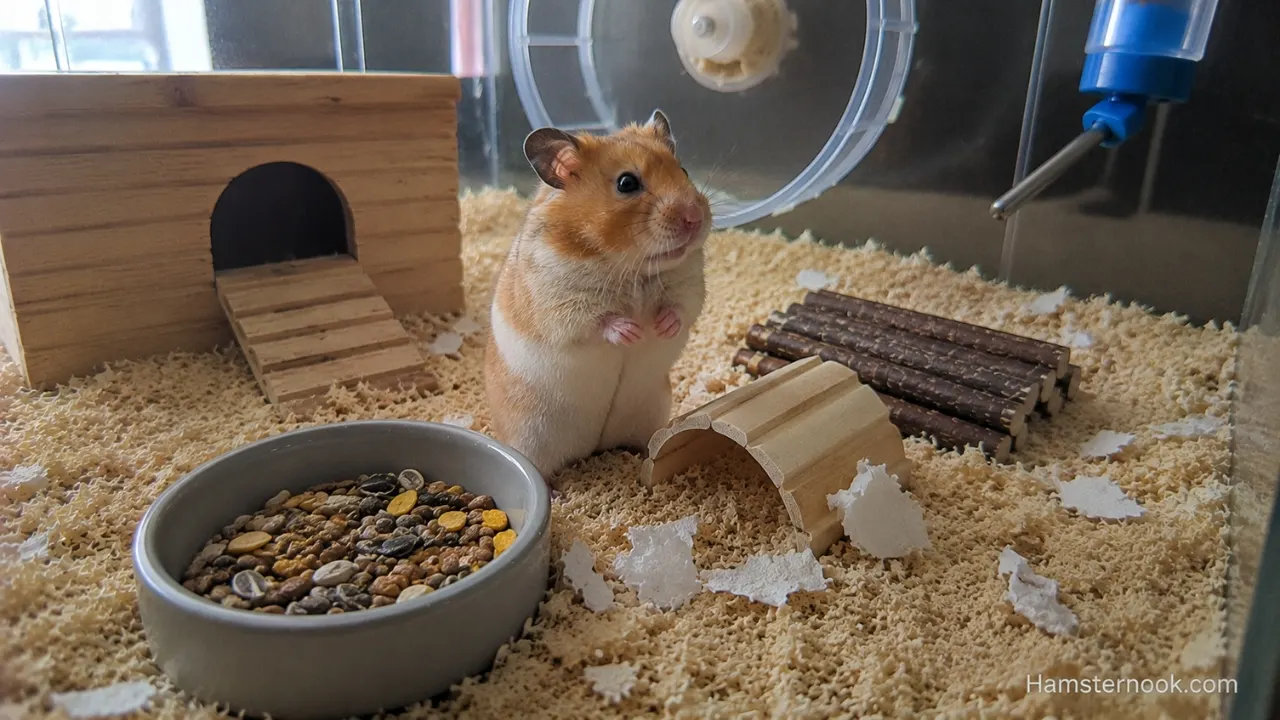
While this seems helpful from a human perspective, it can temporarily confuse a hamster.
Hamsters memorize pathways using scent and familiarity. Removing all bedding and changing every object at once can leave them feeling disoriented.
If backward walking started immediately after a major cage change, consider whether the change may have affected your hamster’s behavior, but do not delay veterinary advice if the movement is persistent or accompanied by balance problems, weakness, head tilt, or other concerning signs.
Could the Problem Be Related to a Stroke?
Sudden weakness, circling, head tilt, falling, or difficulty walking can have several possible causes and should not be assumed to be a stroke without veterinary evaluation.
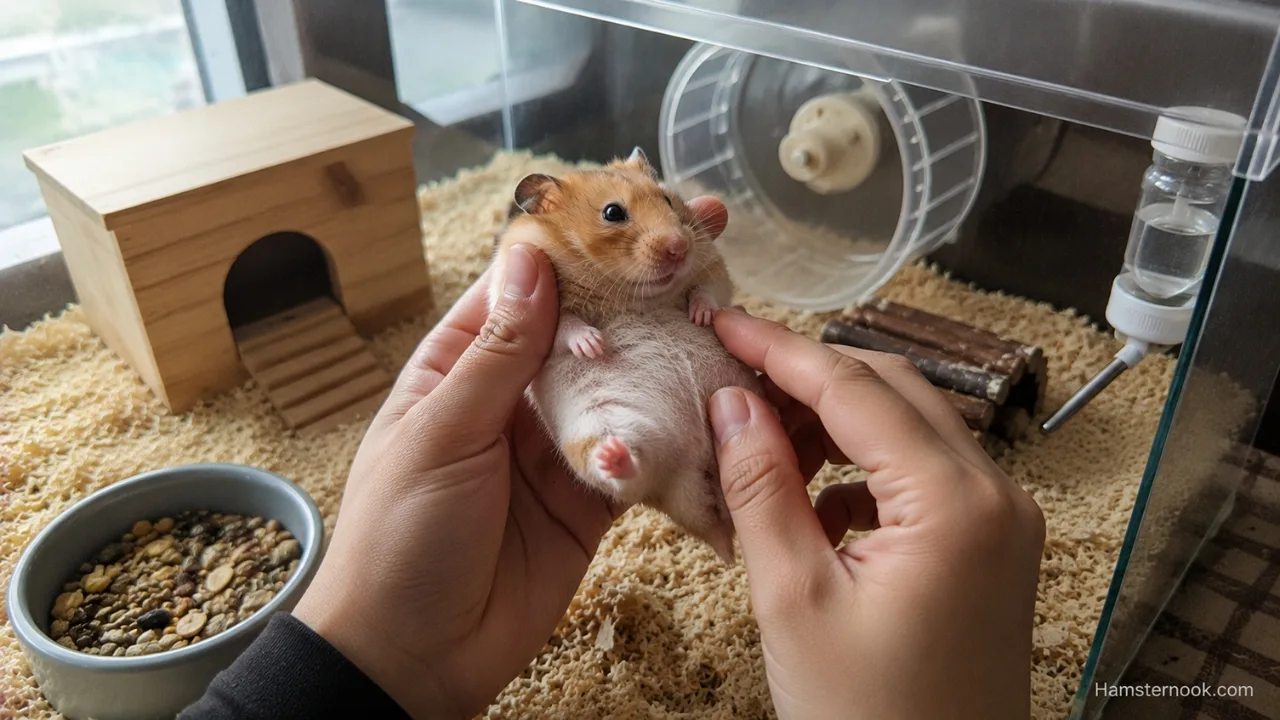
Possible signs include:
- Sudden balance problems
- Weakness on one side
- Head tilt
- Difficulty walking
- Circling behavior
- Falling over
A stroke cannot be diagnosed at home. If symptoms appear suddenly and seem severe, veterinary attention is recommended.
How Long Should You Monitor Backward Walking Before Worrying?
If the behavior only happens once or twice and your hamster continues eating, drinking, running, and behaving normally, observation is usually reasonable.
If backward walking is persistent, becomes more frequent, or appears alongside balance problems, head tilt, weakness, appetite loss, or other unusual symptoms, contact a veterinarian rather than waiting for a fixed amount of time.
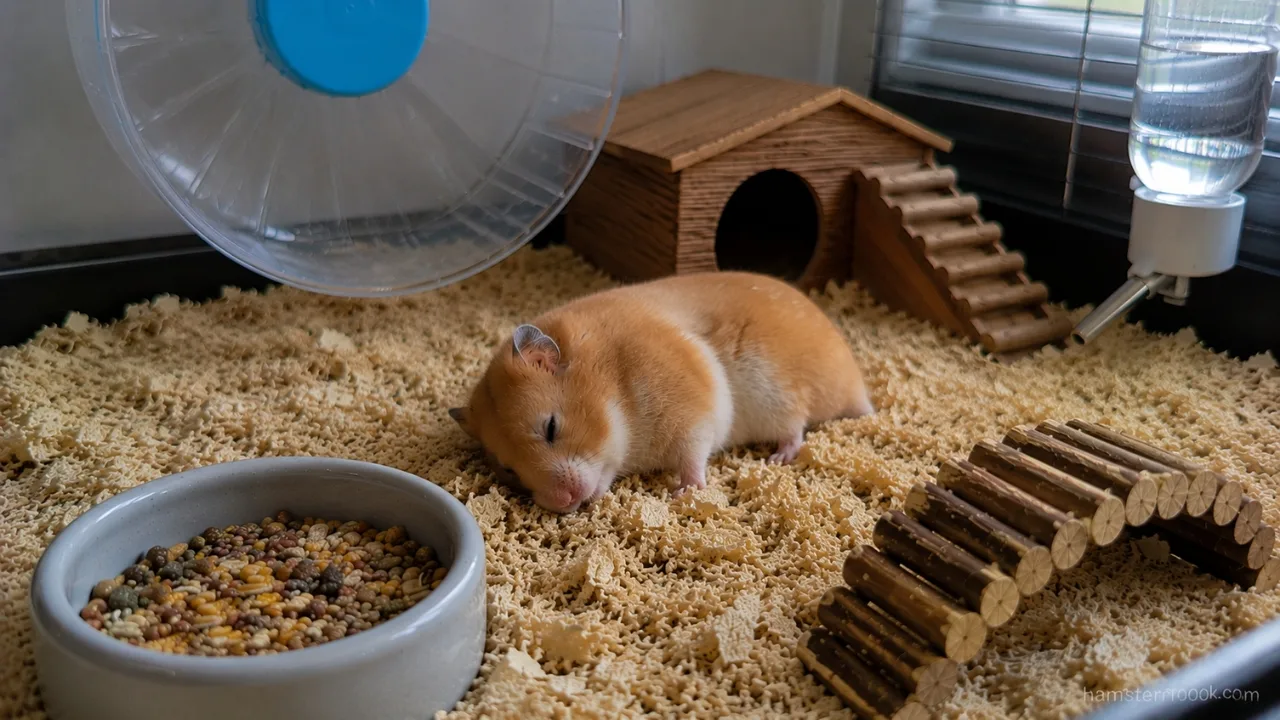
Signs That Require Immediate Veterinary Attention
Some symptoms suggest that backward walking may be part of a more serious issue.
Seek veterinary care promptly if you notice:
| Warning Sign | Why It Matters |
|---|---|
| Head tilt | May indicate ear or neurological issues |
| Frequent falling | Suggests balance problems |
| Circling continuously | Possible neurological concern |
| Loss of appetite | Often accompanies illness |
| Sudden lethargy | Common sign of health problems |
| Paralysis or weakness | Requires urgent evaluation |
| Tremors | Could indicate nervous system involvement |
| Inability to walk forward | Serious mobility concern |
These signs are more important than the backward walking itself.
If your hamster is showing other abnormal movement as well, our Why Is My Hamster Walking Weird? guide covers additional mobility and coordination warning signs.
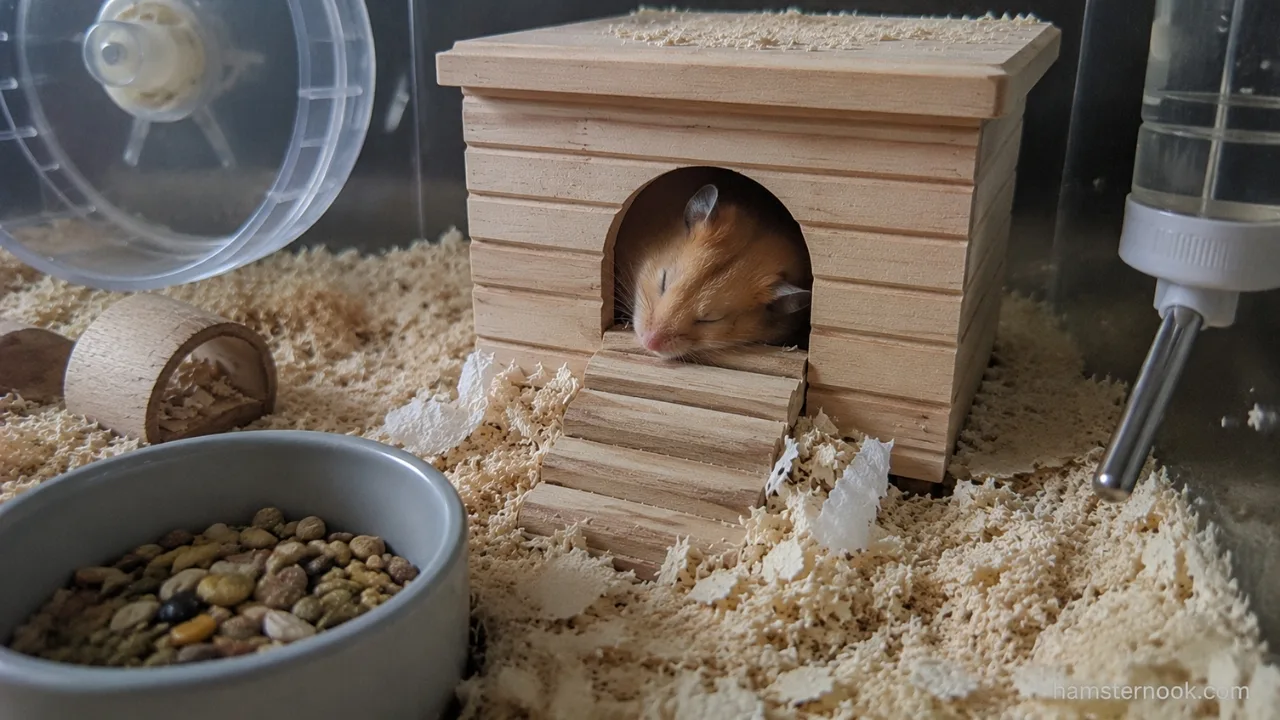
How to Observe the Behavior Correctly
Before assuming the worst, spend some time observing exactly what is happening.
Try noting:
- When the behavior occurs
- How long it lasts
- Whether it happens daily
- Any recent environmental changes
- Other symptoms present
- Changes in eating or drinking habits
Detailed observations can help a veterinarian identify the cause more quickly if a visit becomes necessary.
What You Should Not Do
When owners become worried, they sometimes make the situation worse unintentionally.
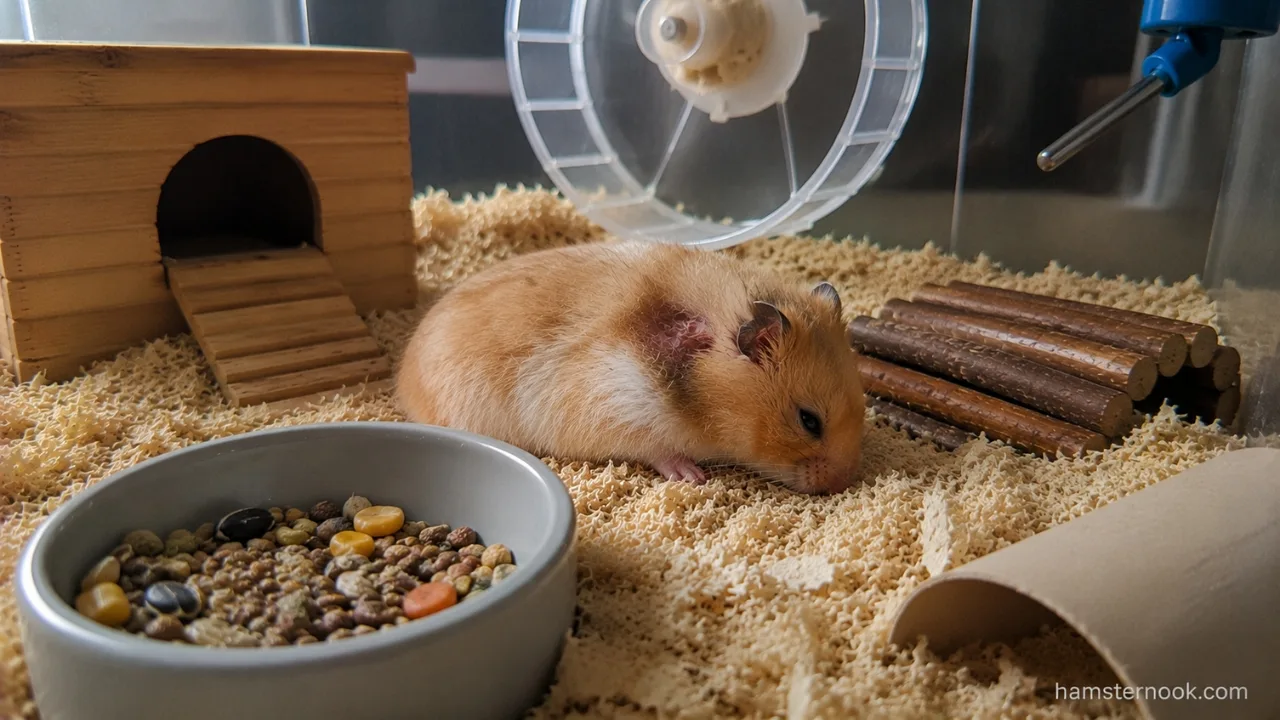
Avoid:
- Forcing the hamster to walk
- Excessive handling
- Repeatedly testing movement
- Changing the cage multiple times
- Giving medications without veterinary guidance
Instead, provide a calm environment and monitor carefully.
Steps to Take at Home
If your hamster seems otherwise healthy, you can take a few simple steps while monitoring the situation.
Create a Safe Environment
Reduce climbing opportunities temporarily to prevent falls if balance is affected.

Check for Injuries
Look for swelling, limping, or obvious physical abnormalities without forcing the hamster into uncomfortable positions.
Monitor Eating and Drinking
A hamster that continues eating, drinking, and behaving normally is generally less concerning than one showing multiple symptoms.
Changes in appetite can provide important health clues. You may also want to review Why Is My Hamster Not Eating?
Watch for Progression
If the behavior becomes more frequent or additional symptoms develop, schedule a veterinary appointment.

If unusual movement is accompanied by a noticeable loss of strength, our Why Is My Hamster Suddenly Weak? guide explains other warning signs that may occur with illness or injury.
When Backward Walking Is Probably Harmless
In many cases, occasional backward walking is simply part of normal hamster behavior.
It is less likely to indicate a health problem when:
- It happens only briefly
- The hamster remains active
- Appetite is normal
- Balance is normal
- No head tilt is present
- No other symptoms appear
Context matters more than the backward movement itself.

Final Thoughts
Seeing your hamster suddenly walk backward can certainly be concerning, but the behavior does not automatically mean something is seriously wrong. Sometimes hamsters back up while exploring, navigating tunnels, reacting to stress, or adjusting to environmental changes.
However, persistent backward walking—especially when combined with balance problems, circling, head tilts, weakness, or appetite changes—deserves closer attention. These signs can point to ear infections, injuries, neurological conditions, or other health concerns that require professional evaluation.
Paying attention to everything happening around the behavior is usually more useful than focusing on the backward walking alone. By paying attention to when the behavior occurs and whether other symptoms develop, you can better determine whether your hamster is simply acting normally or needs veterinary care.
Frequently Asked Questions
My hamster only walks backward for a few seconds. Should I worry?
Usually not. Brief backward movement while exploring, grooming, or exiting tunnels is common and generally harmless.
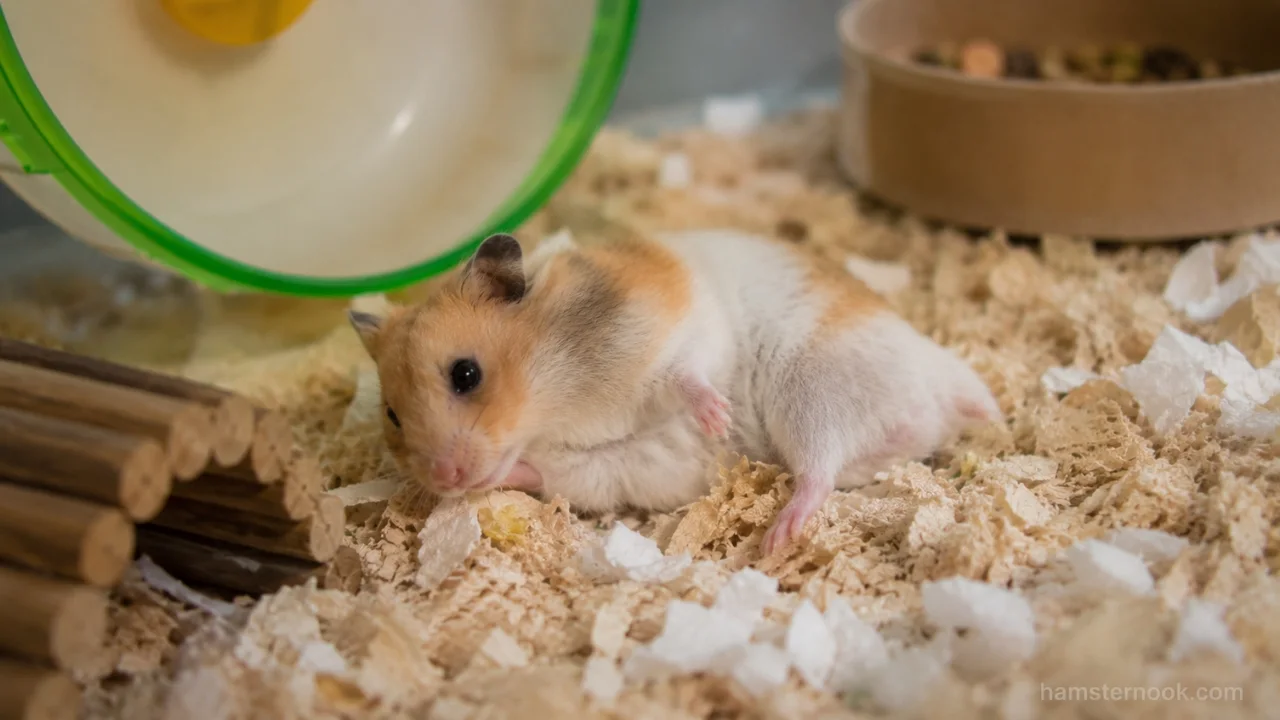
Can stress make a hamster walk backward?
Yes. A frightened or startled hamster may temporarily back away from something it perceives as a threat.
Is backward walking a sign of an ear infection?
It can be. Ear infections sometimes affect balance and coordination, which may lead to unusual movement patterns.
Why is my hamster walking backward and in circles?
The combination of backward walking and circling may indicate a neurological or balance-related issue and should be evaluated by a veterinarian.
Can old age cause backward walking?
Older hamsters may develop vision, balance, or neurological changes that contribute to unusual movement, including occasional backward walking.
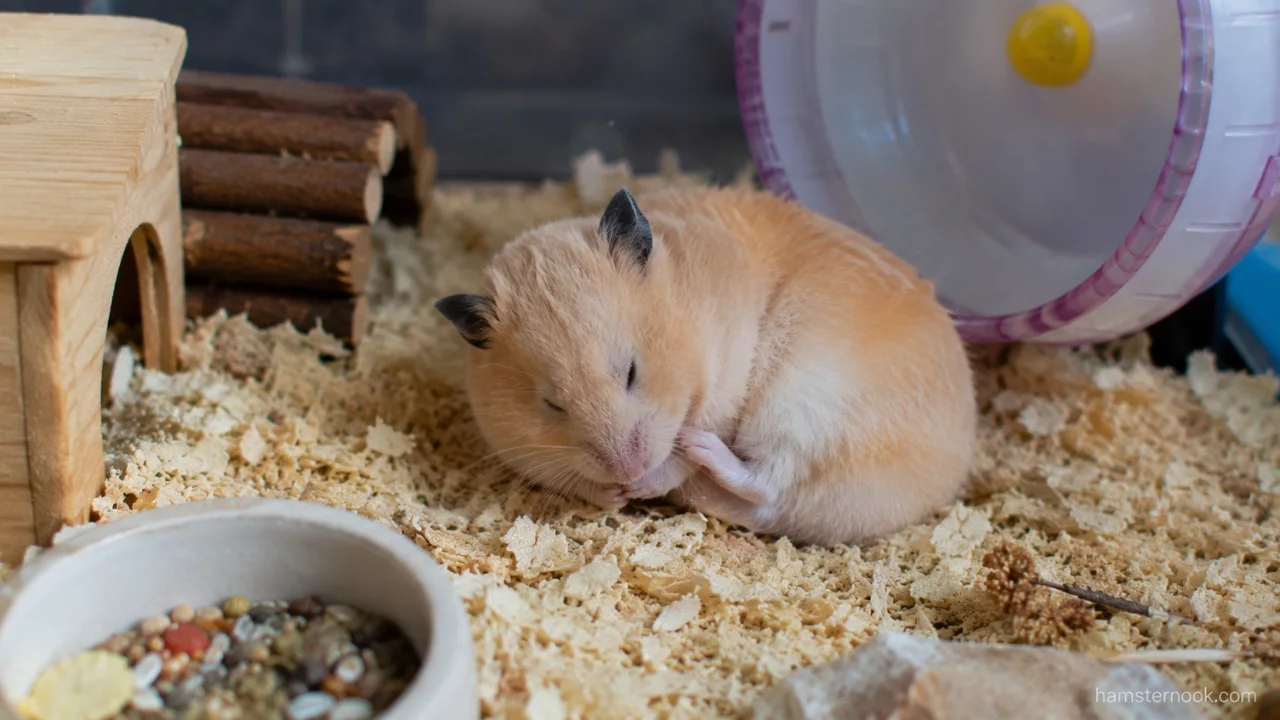
When should I call a veterinarian?
Contact a veterinarian if backward walking is frequent, worsening, accompanied by a head tilt, balance problems, weakness, loss of appetite, or any other concerning symptoms.
Can a cage rearrangement make a hamster walk backward?
Yes. Hamsters rely heavily on scent and familiar pathways. Major enclosure changes can temporarily confuse them and lead to unusual movement while they reorient themselves.
Can dehydration cause balance problems in hamsters?
In severe cases, dehydration can contribute to weakness and abnormal movement. A hamster showing movement problems along with reduced drinking or eating should be monitored closely and seen by a veterinarian if symptoms persist.
References
This guide is based on hamster health, abnormal movement, neurological signs, injuries, and veterinary care guidance from trusted veterinary resources, including:
- Merck Veterinary Manual – Routine Health Care of Hamsters – Signs of illness, abnormal walking, changes in activity, appetite, weight, and when veterinary evaluation is needed.
- Merck Veterinary Manual – Disorders and Diseases of Hamsters – Health conditions affecting movement, balance, the nervous system, ears, joints, and other body systems.
- Merck Veterinary Manual – The Neurologic Examination of Animals – Veterinary guidance on evaluating gait, coordination, posture, balance, and neurological abnormalities.
Medical Disclaimer:
The information provided in this article is for educational and informational purposes only and should not be considered veterinary advice, diagnosis, or treatment. If your hamster is showing abnormal movement, balance problems, weakness, injury, or other signs of illness, consult a qualified veterinarian.

Narayan Kumar is the founder and author of HamsterNook. He creates practical, research-based hamster care guides covering hamster behavior, nutrition, cage setup, enrichment, health, and everyday care. His goal is to help hamster owners make informed decisions and provide safer, healthier lives for their pets through clear, beginner-friendly information based on trusted animal care resources.