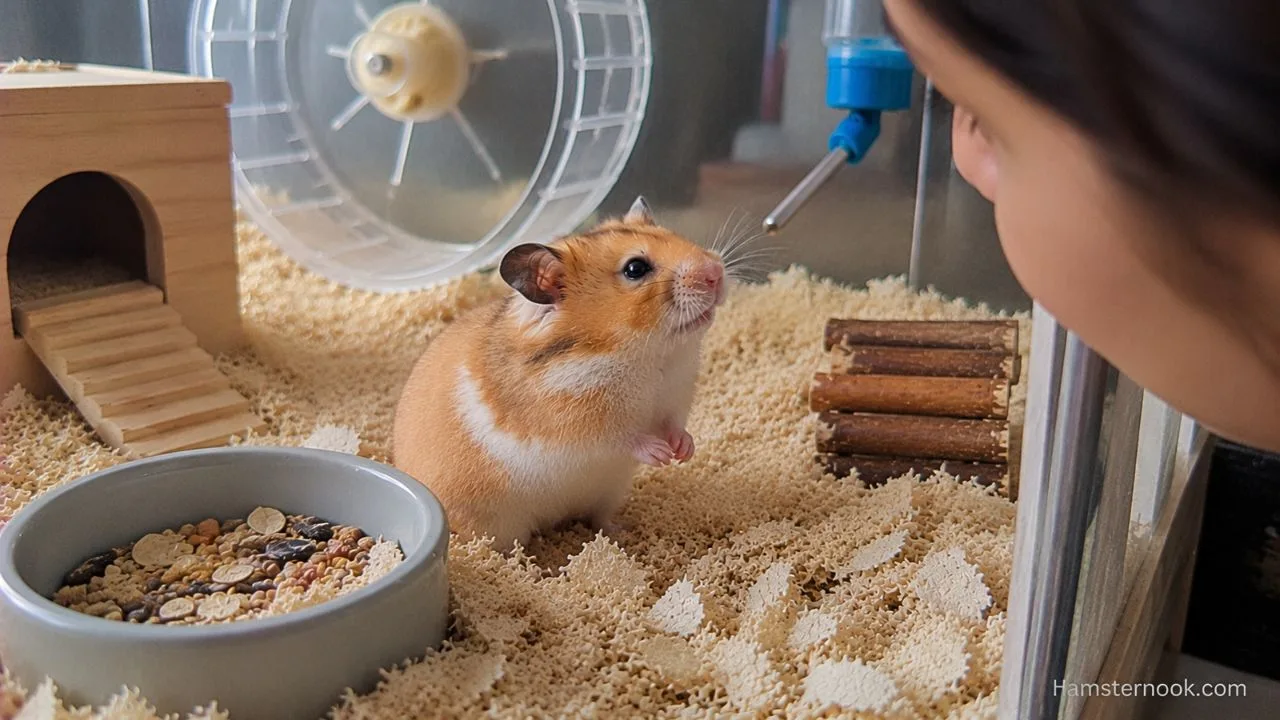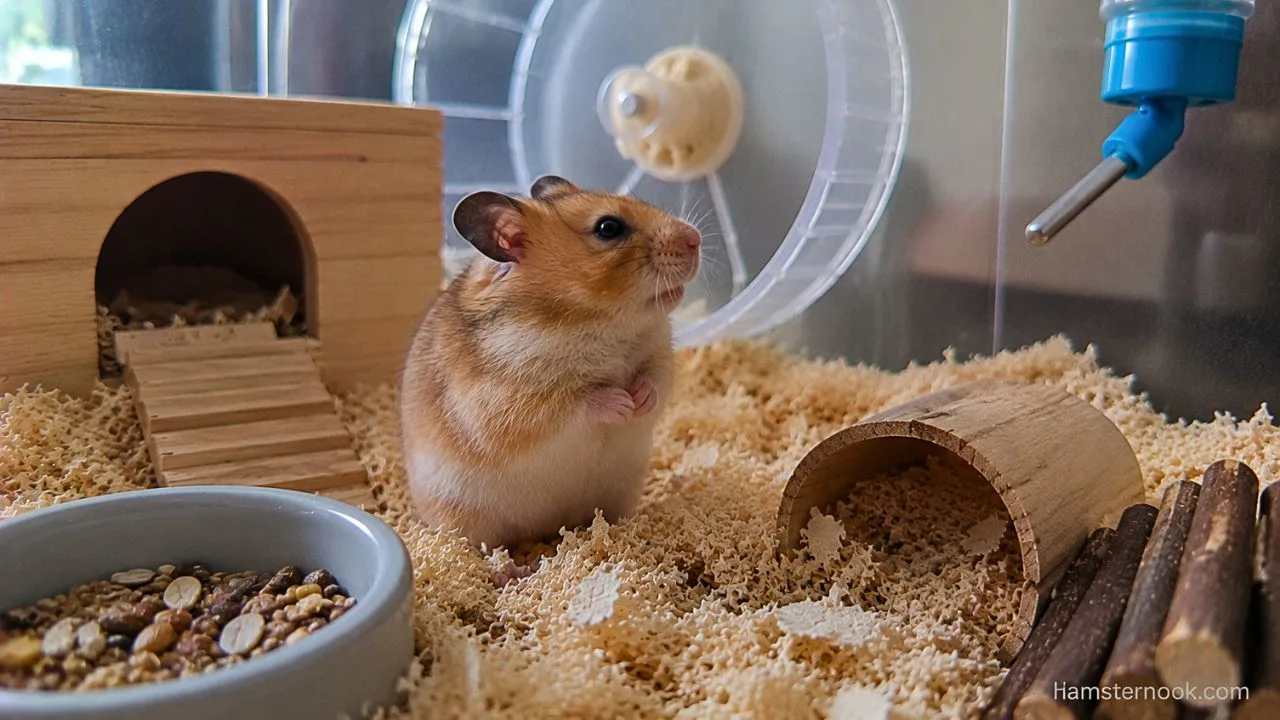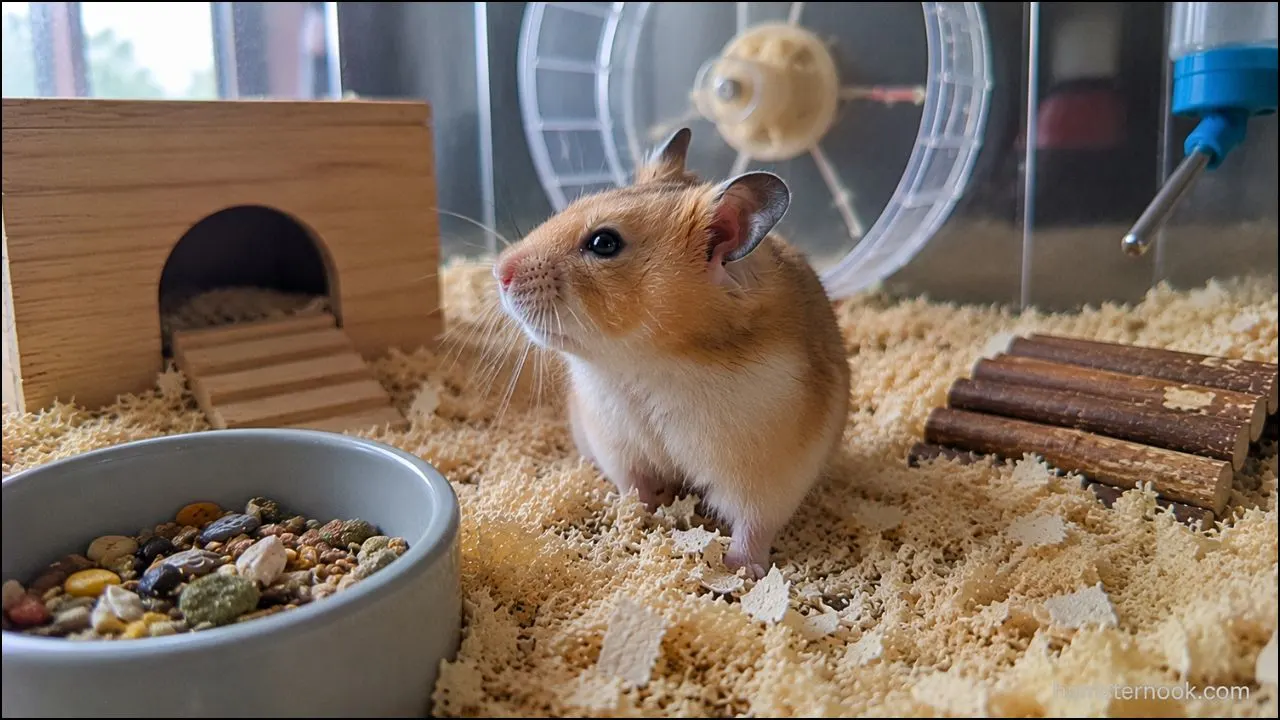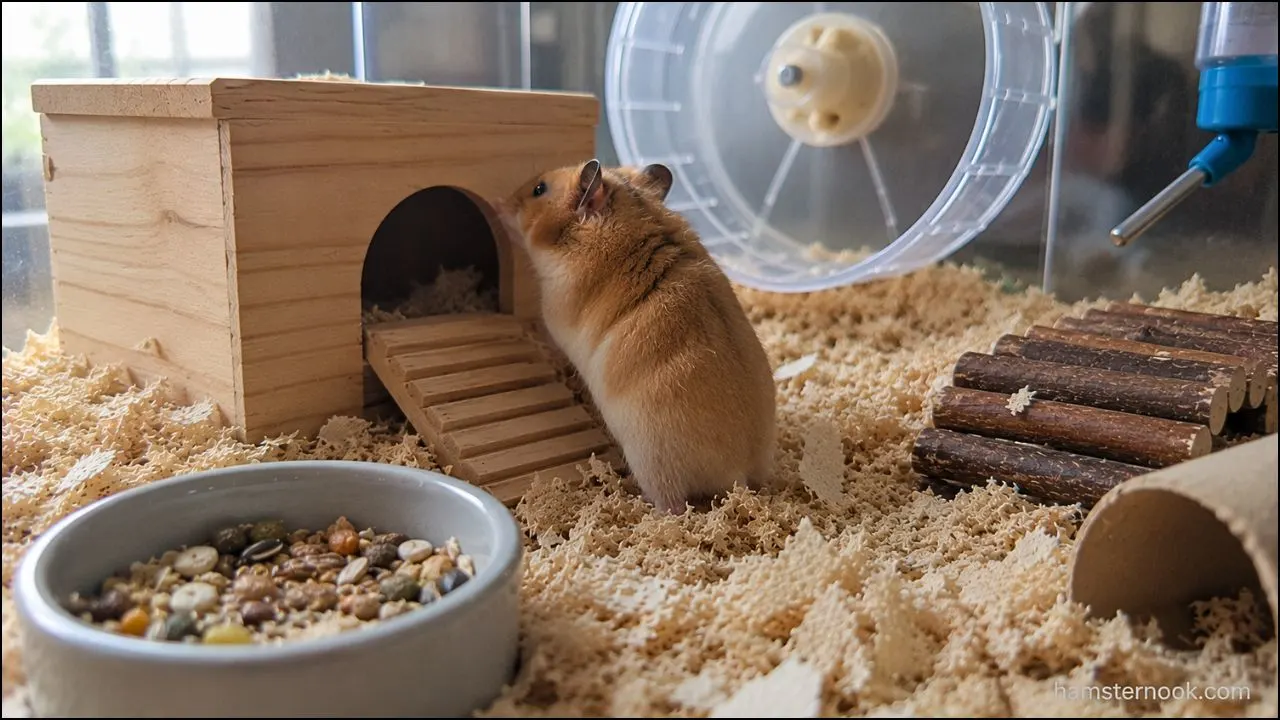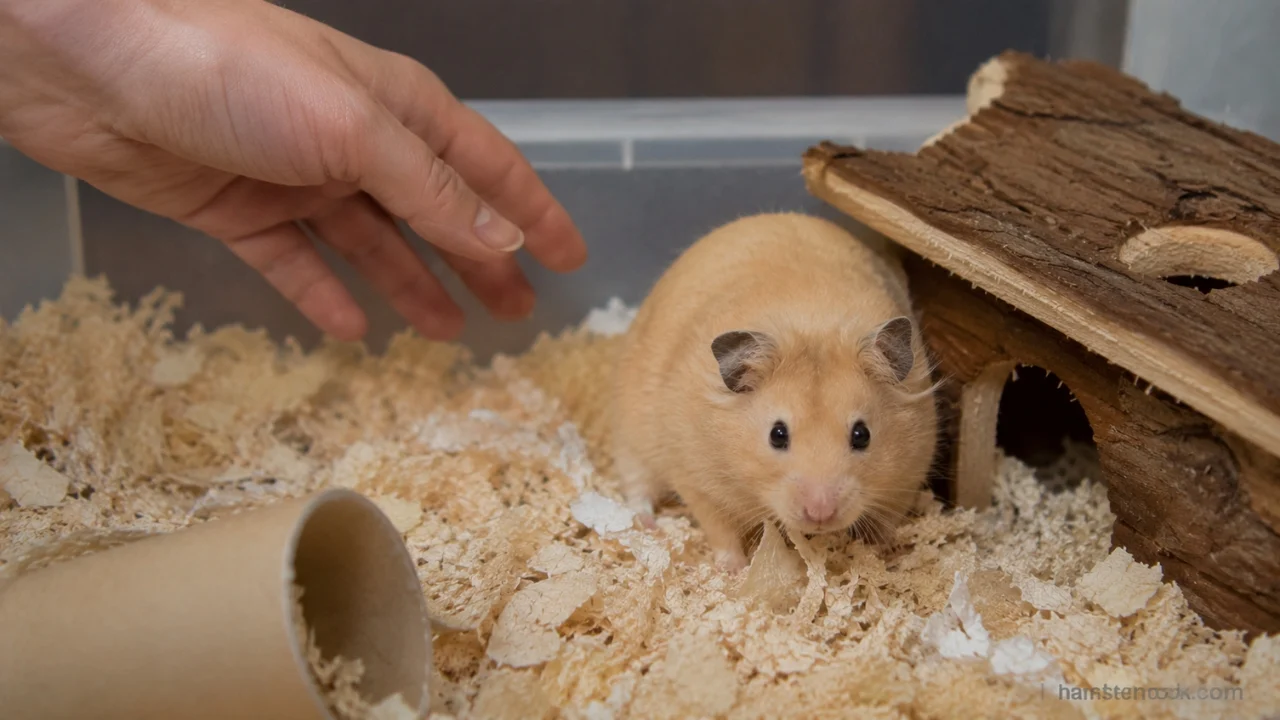
Hamster stress can develop when everyday parts of housing, handling, sleep, or routine repeatedly make a hamster feel unsafe or prevent normal behavior. Common causes include insufficient space, frequent disturbance, loud surroundings, shallow bedding, limited enrichment, excessive cleaning, and sudden environmental changes.
Because hamsters are prey animals, signs of stress are not always obvious. Some may hide more, become defensive, repeatedly pace or chew bars, while others show subtler changes in activity or interaction.
Identifying the pattern and possible trigger is more useful than judging a single behavior on its own. This guide covers common causes of hamster stress, warning signs to watch for, and practical ways to create a more secure environment.
Quick Answer
Hamster stress can be linked to insufficient space, interrupted sleep, excessive handling, loud surroundings, limited burrowing opportunities, inadequate enrichment, frequent environmental disruption, and sudden routine changes. Reducing the underlying stressor and providing a stable environment can help a hamster feel more secure.
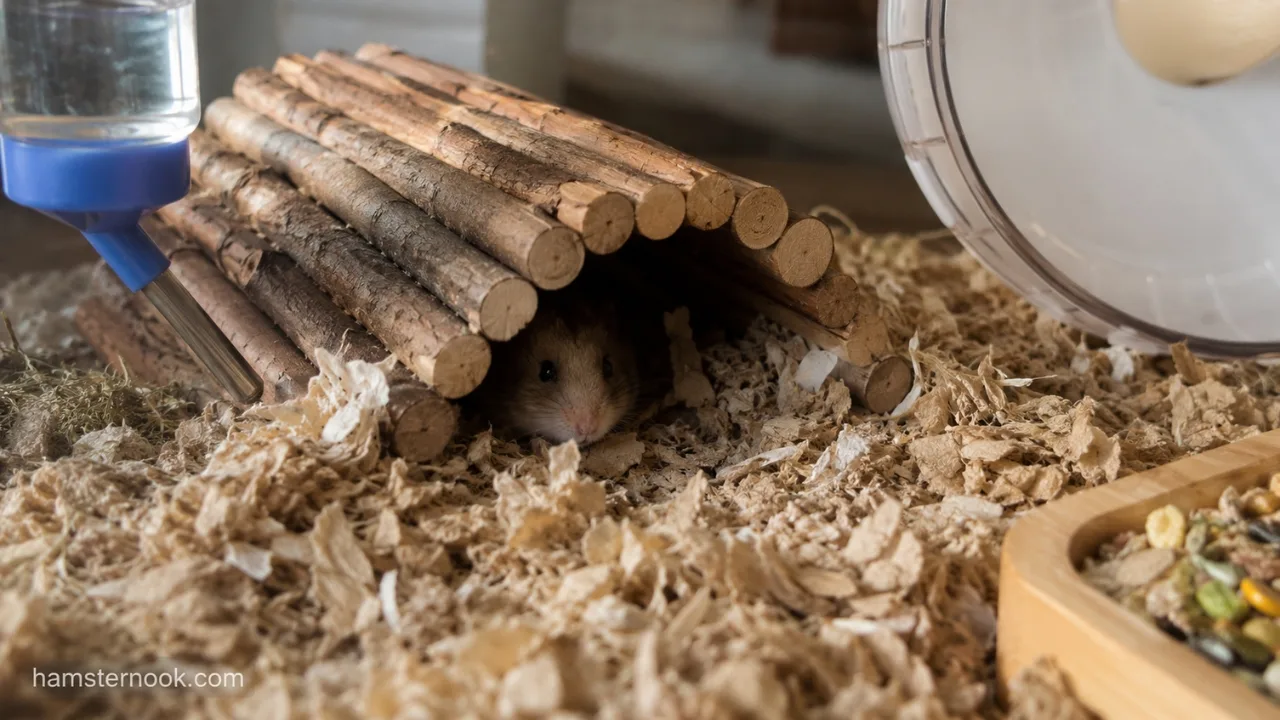
How Chronic Stress Can Affect Hamsters
Occasional stress is a normal part of life. However, long-term stress can affect a hamster’s behavior, normal routines, and overall wellbeing.
- Reduced appetite
- Increased hiding behavior
- Lower activity levels
- Excessive chewing or bar biting
- Sleep disturbances
- Difficulty bonding with owners
Because stress often develops gradually, many owners don’t notice the problem until behavioral changes become obvious.
Common Signs Your Hamster May Be Stressed
Before looking at the causes, it’s helpful to recognize the warning signs.
| Behavior | Possible Meaning |
|---|---|
| Constant hiding | Fear, insecurity, or environmental stress |
| Bar biting | Frustration, stress, or inadequate enclosure size |
| Unusual inactivity during normal waking hours | Stress, discomfort, or illness |
| Sudden aggression | Feeling threatened, frightened, or overwhelmed |
| Repeated cage pacing | Stress, boredom, or insufficient space |
| Excessive grooming | Stress, anxiety, or discomfort |
| Jumping when approached | Startle response, fear, or frequent disturbance |
A single behavior does not automatically mean stress, but several occurring together deserve attention.

Stress is only one possible explanation for changes in activity, hiding, grooming, biting, or movement. Our Hamster Behavior Guide explains common hamster behaviors in context and can help distinguish normal habits from broader behavioral changes.
Stress is only one possible explanation for changes in activity, hiding, grooming, biting, or movement. Our 7 Signs You’re Accidentally Stressing Your Hamster guide explains which behavioral changes may be linked to stress and which may need a closer look.
Many owners only realize something is wrong when a hamster suddenly becomes less active or starts avoiding interaction. In reality, stress signs often appear gradually, which is why small behavioral changes are worth paying attention to.
Your Hamster May Not Have Enough Space
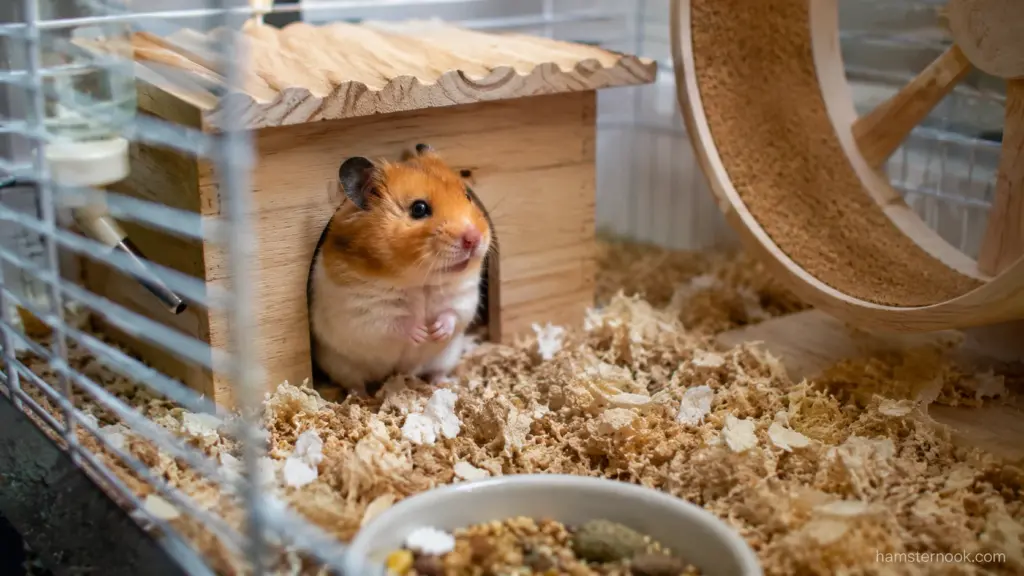
One of the most common causes of chronic stress is inadequate living space.
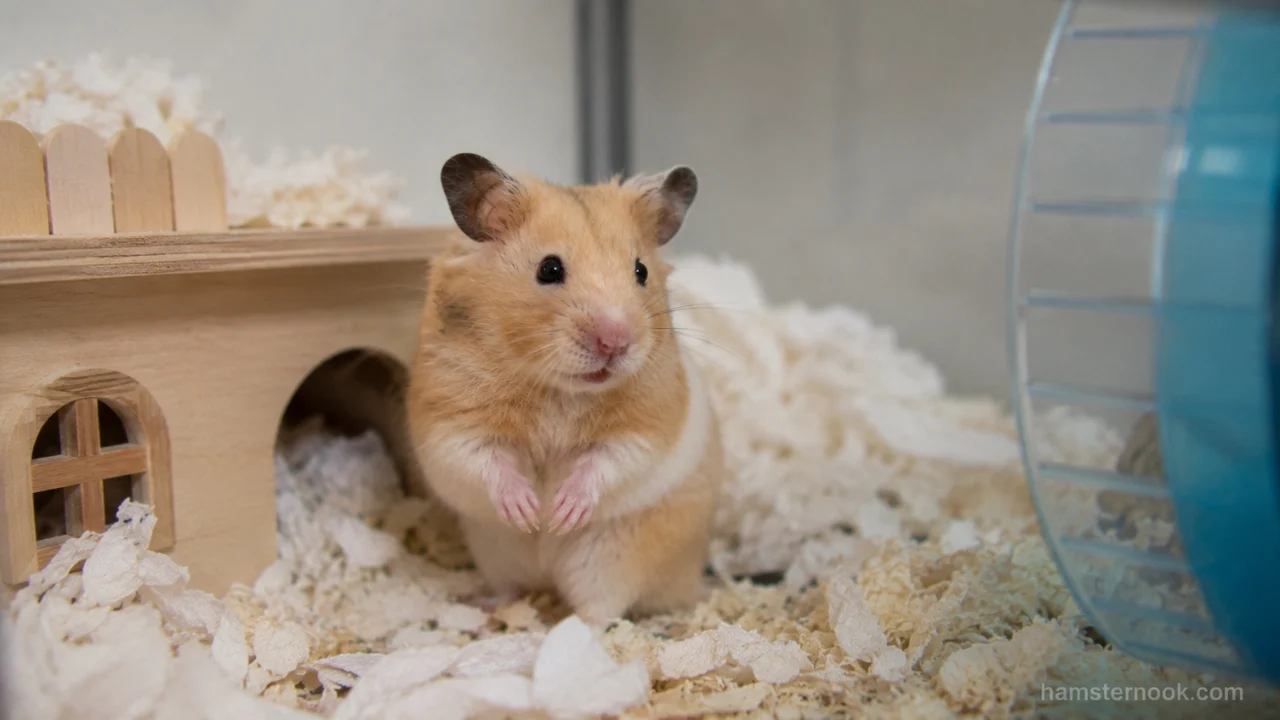
Many cages marketed for hamsters are significantly smaller than what most welfare experts recommend. A hamster naturally travels long distances while searching for food and exploring territory.
In a small enclosure, they cannot perform many natural behaviors.
Signs of cage-related stress may include:
- Bar chewing
- Climbing cage walls
- Repetitive pacing
- Hyperactivity at night
Providing adequate usable space alongside suitable bedding, hides, enrichment, and other habitat essentials can give a hamster more opportunities to perform natural behaviors.
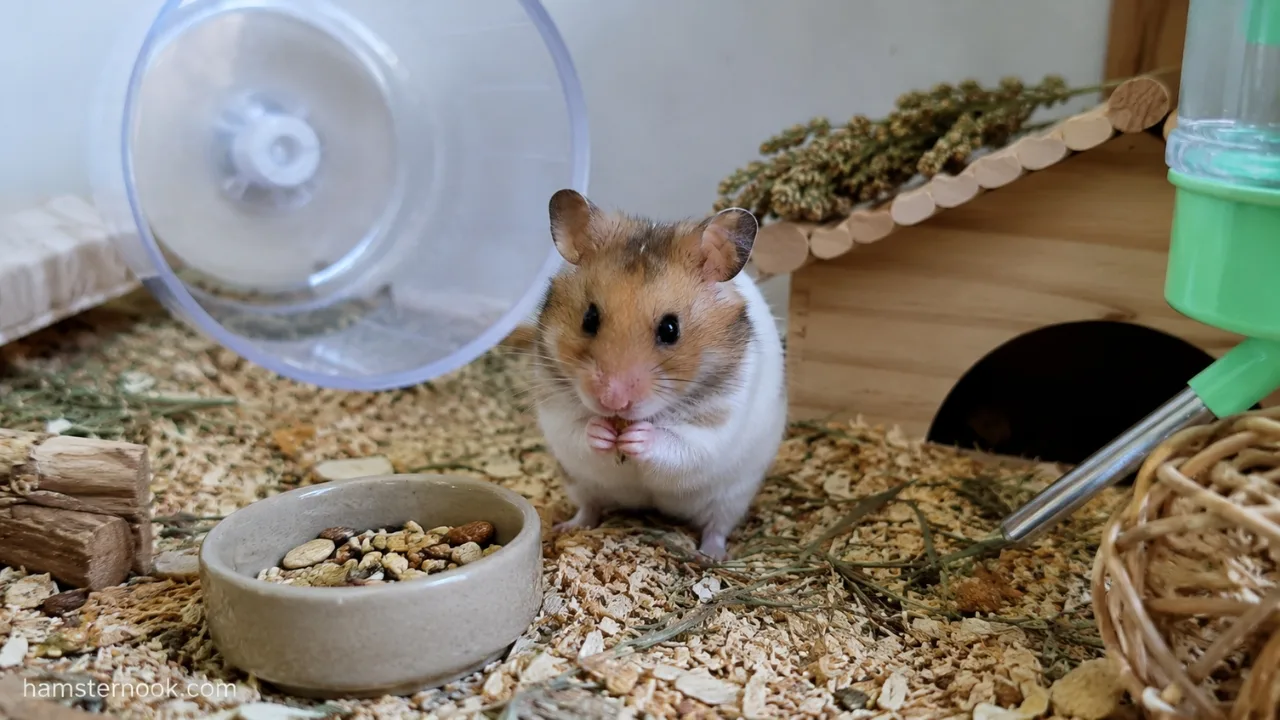
Floor space is only one part of a suitable habitat. Bedding, hides, enrichment, wheel access, and enclosure layout also affect how much opportunity a hamster has to express natural behavior. Our Best Hamster Cage Setup for Beginners guide explains these habitat elements together.
Can Stress Make a Hamster Bite?
Yes.
A stressed hamster is more likely to become defensive. While not every bite is caused by stress, hamsters that feel unsafe, cornered, repeatedly disturbed, or unable to escape may use biting as a way to protect themselves.
Sudden biting can also have causes beyond environmental stress, including fear, territorial responses, surprise, or discomfort. Our Why Your Hamster Suddenly Started Biting You guide explains these possibilities in more detail.
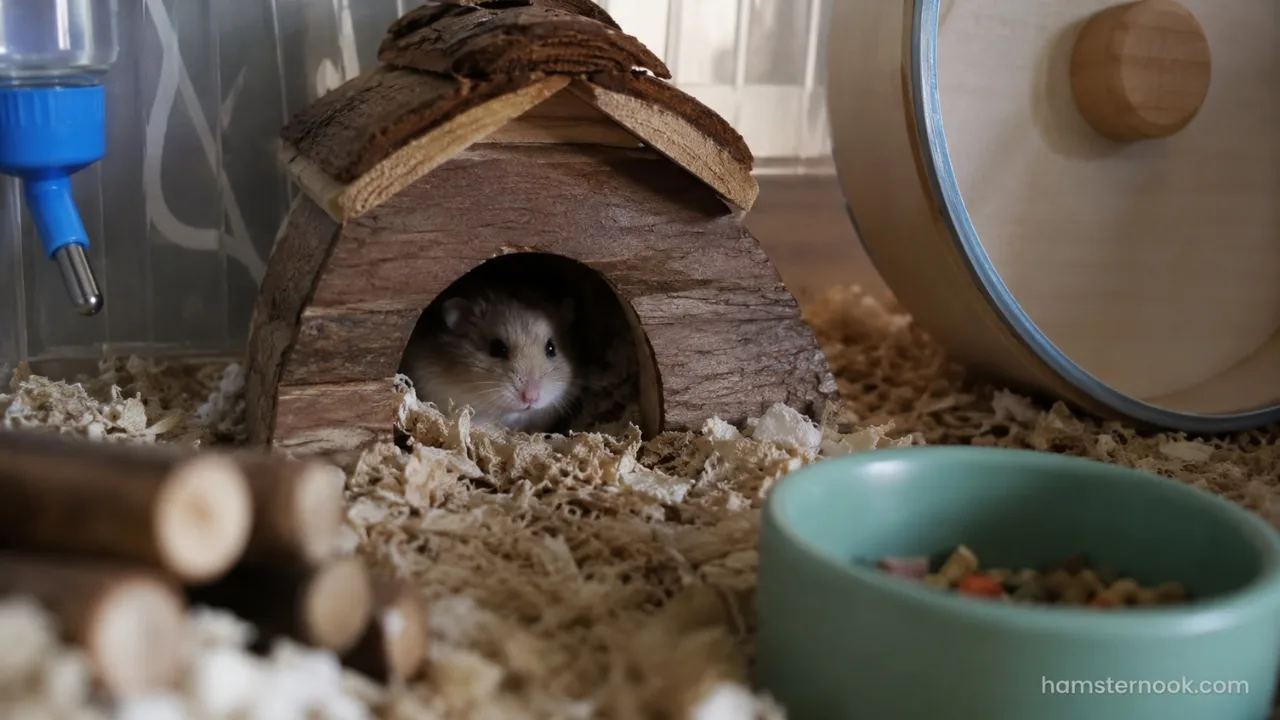
Frequent Handling Can Become Overwhelming
Many owners assume that more handling automatically means a happier hamster.
Not every hamster responds to handling the same way.
Some hamsters enjoy regular interaction, while others prefer limited contact. Constantly picking up your hamster throughout the day can interrupt sleep and create anxiety.
A hamster that is repeatedly disturbed may begin:
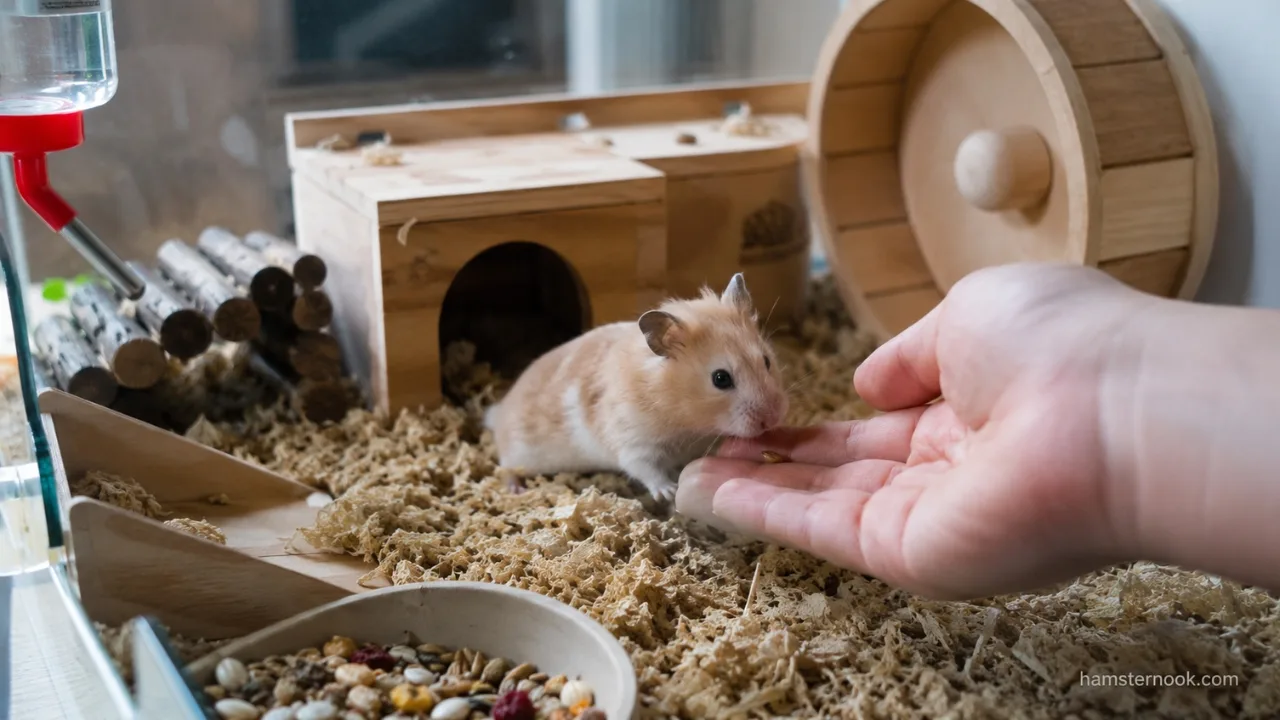
- Avoiding your hand
- Running away
- Freezing in place
- Nipping defensively
Allowing your hamster to choose when to approach often builds trust faster than forcing interaction.
A hamster that becomes more comfortable may gradually approach voluntarily, accept interaction more readily, or show other signs of familiarity. Our 10 Signs Your Hamster Trusts You guide explains behaviors that can indicate growing confidence around an owner.
Waking Your Hamster During the Day Causes Stress
Hamsters are nocturnal, meaning they are generally most active during the evening and night and tend to sleep during the day.
Many owners accidentally wake their hamster because they want to play during daytime hours.
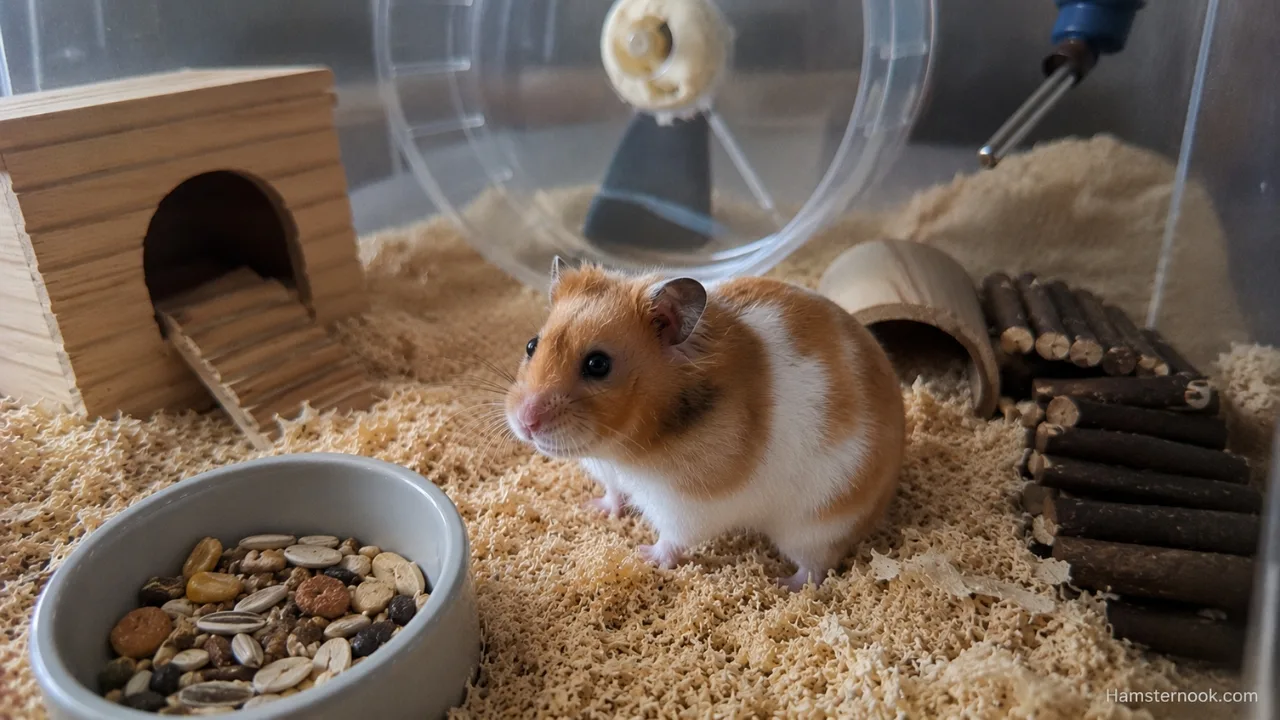
Repeated sleep interruptions can create ongoing stress and fatigue.
Healthy vs Stressful Interaction Times
| Situation | Better Approach |
|---|---|
| Hamster is awake and active | Appropriate time for calm interaction |
| Hamster approaches voluntarily | Allow gentle interaction |
| Hamster is sleeping | Avoid waking unnecessarily |
| Hamster retreats or hides | Give it space |
| Hamster appears frightened | Stop and allow it to settle |
Whenever possible, allow your hamster to wake naturally.
Understanding when hamsters naturally sleep and become active makes it easier to choose better interaction times. Our Are Hamsters Nocturnal? guide explains their typical sleep and activity pattern.
Loud Household Noise Can Be More Disturbing Than You Think
Hamsters have sensitive hearing.
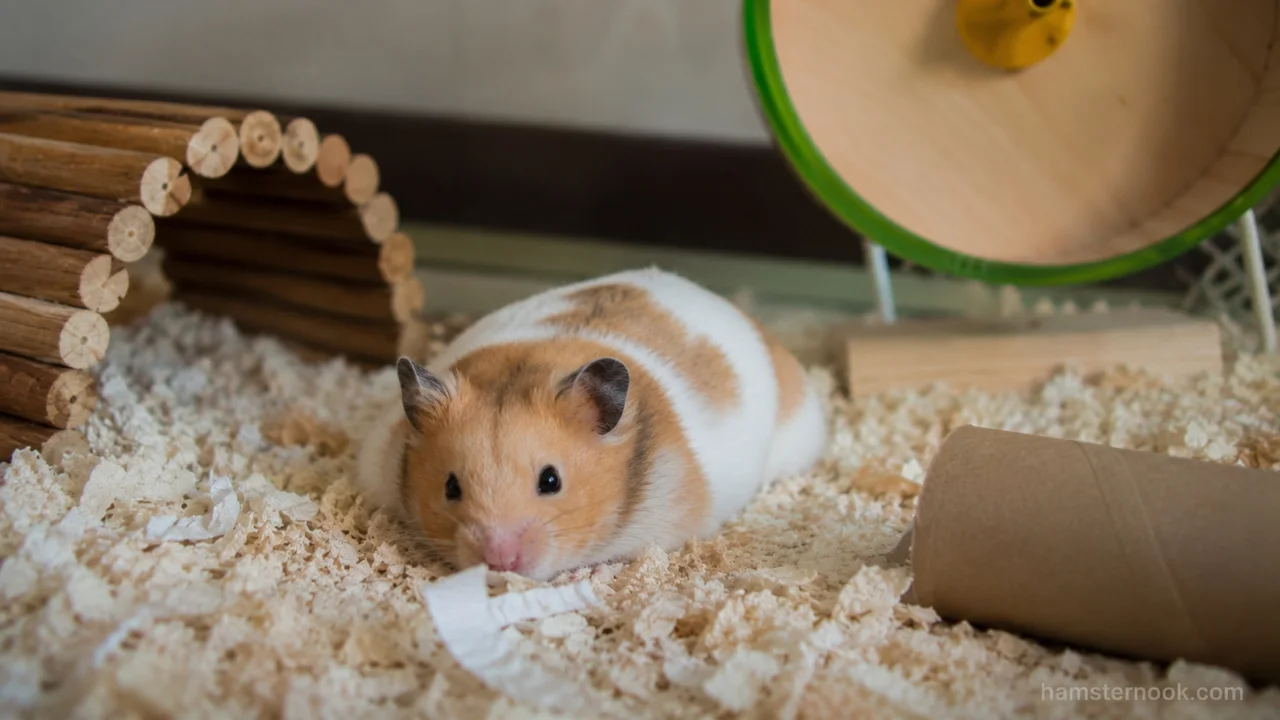
Sounds that seem normal to humans may be overwhelming to a small prey animal.
Potential noise stressors include:
- Loud televisions
- Speakers
- Vacuum cleaners
- Barking dogs
- Children shouting
- Slamming doors
A cage placed near constant noise may prevent your hamster from feeling secure.
If loud sounds are a recurring problem, our Can Loud Noises Stress a Hamster? Signs, Effects & Prevention guide covers common noise-related stressors and practical ways to reduce them.
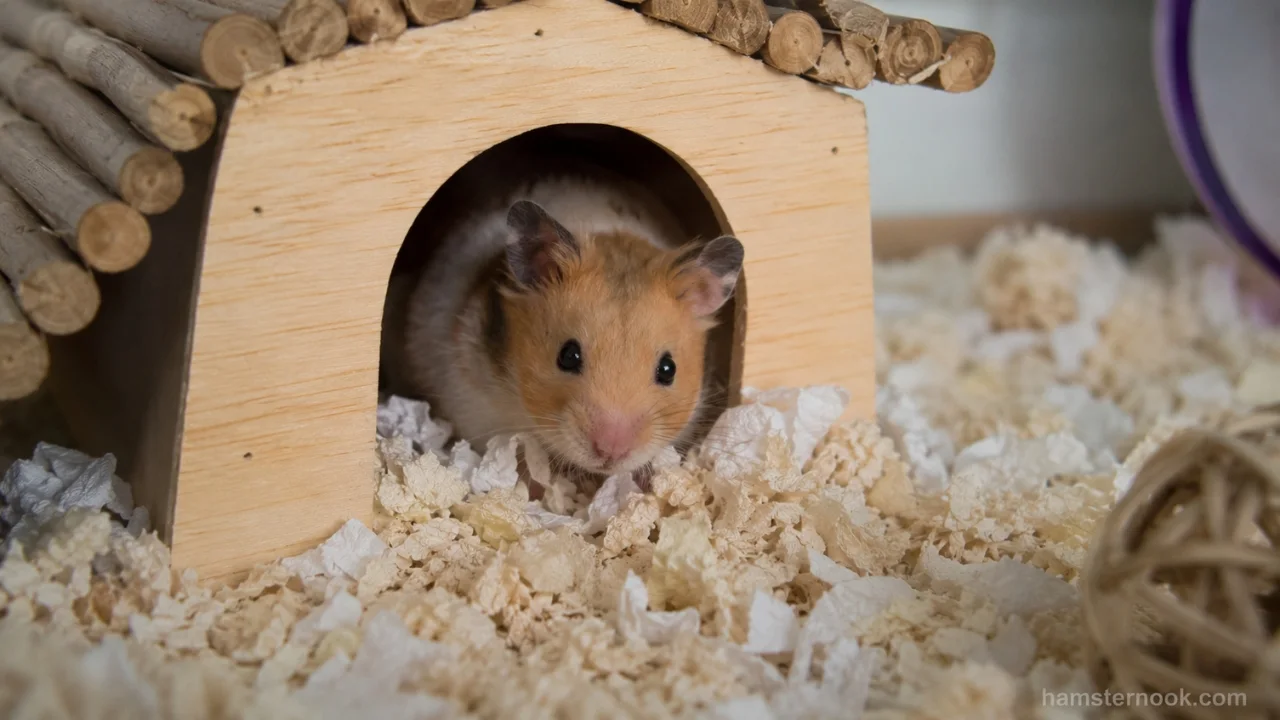
A quieter location can reduce unnecessary disturbance, especially during daytime sleep. Our Where Should You Put a Hamster Cage? guide explains how noise, activity, light, drafts, and room conditions should be considered when choosing enclosure placement.
Lack of Deep Bedding Prevents Natural Behavior
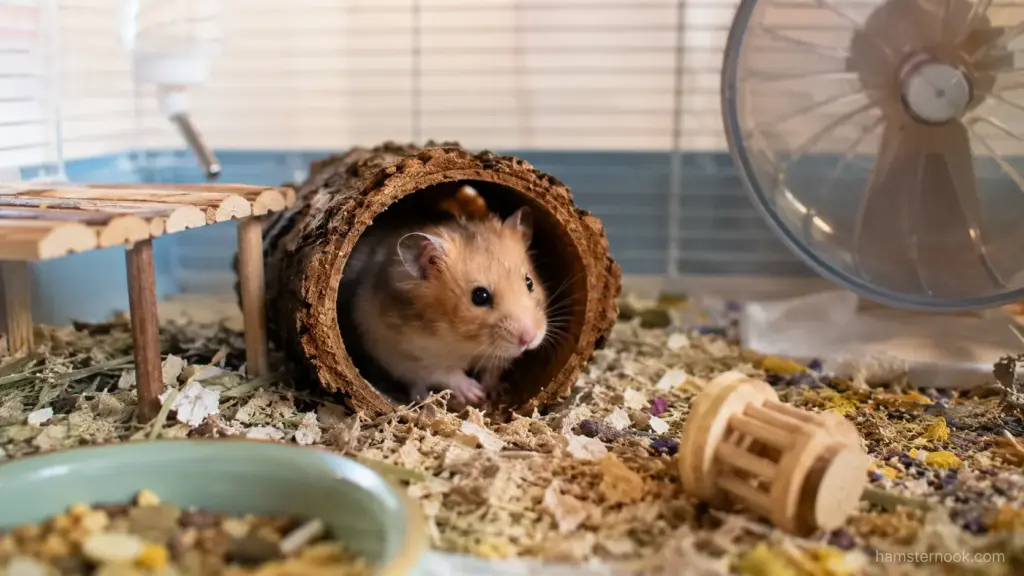
Digging and burrowing are natural hamster behaviors.
A thin layer of bedding can limit a hamster’s ability to create tunnels and underground resting areas.
Providing enough suitable bedding gives the hamster more opportunity to dig, burrow, and create a secure resting area.

A deep substrate layer allows them to:
- Build tunnels
- Create sleeping areas
- Hide when stressed
- Explore naturally
Burrowing gives hamsters an important opportunity to create tunnels, nests, and secure resting areas. Our How Much Bedding Does a Hamster Need? Minimum Depth Guide for Healthy Burrowing explains how bedding depth and substrate setup can better support this natural behavior.
Constant Cage Cleaning Can Remove Their Sense of Security
This is one of the most overlooked stress triggers. Owners often assume a completely fresh cage feels better for the hamster, but from the hamster’s perspective, familiar scents are an important part of feeling safe.
Clean cages are important, but excessive cleaning can become stressful.
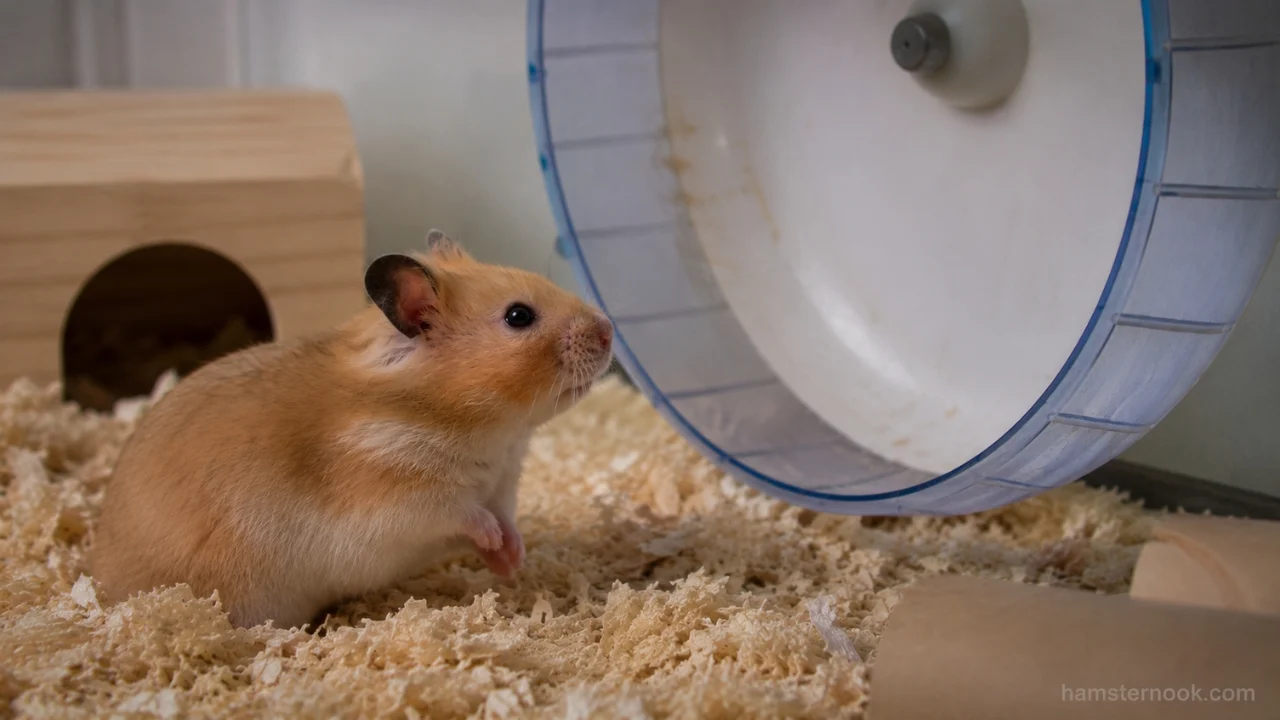
Hamsters rely heavily on scent to navigate their environment. Completely removing every scent too frequently can make the cage feel unfamiliar each time.
This may cause:
- Increased anxiety
- Excessive scent marking
- Restlessness
- Confusion
Focus cleaning on actual hygiene needs rather than completely resetting the enclosure on a rigid schedule. Remove spoiled food and soiled material when needed, clean contaminated areas, and avoid replacing all clean bedding unnecessarily. When appropriate, retaining some clean familiar nesting material or bedding can help preserve familiar scent cues.
Housing Hamsters Together Can Create Hidden Stress
Many owners assume hamsters enjoy companionship.
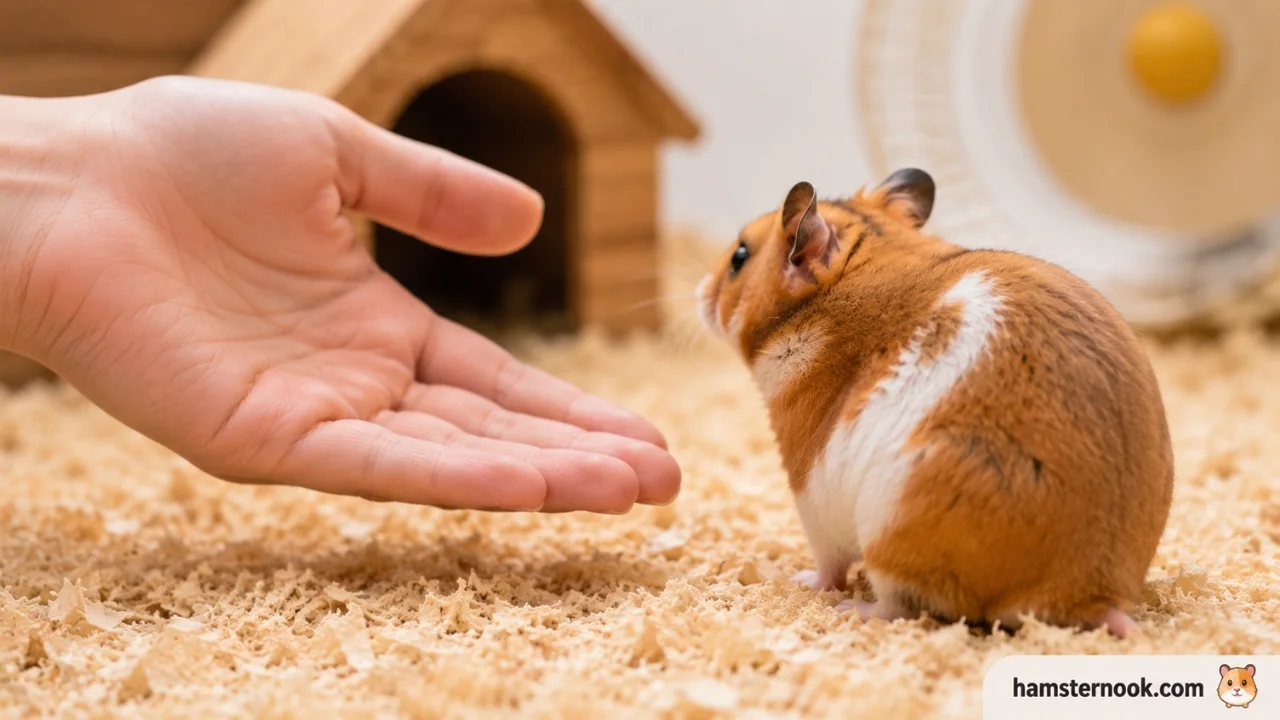
Syrian hamsters should be housed alone, and keeping hamsters together can create serious welfare risks. Social tolerance differs among species and individuals, so owners should not assume that two hamsters need companionship simply because they appear calm together.
Even when two hamsters appear calm together, hidden tension may exist.
Potential problems include:
- Competition for food
- Territorial disputes
- Sleep disruption
- Injuries from fighting
For pet hamsters, individual housing is generally the safest approach, especially for Syrian hamsters, which should always live alone.

Not Providing Enough Enrichment Leads to Boredom
A hamster that has nothing to do can become frustrated.
Enrichment doesn’t have to be expensive. It simply means providing opportunities for natural behaviors.
Useful enrichment may include:
- Dig boxes
- Cardboard tunnels
- Chew toys
- Foraging activities
- Hideouts
- Safe climbing structures
Enrichment works best when it supports behaviors hamsters naturally perform, such as digging, foraging, chewing, hiding, and exploring. Our Do Hamsters Get Bored? guide explains common signs of insufficient stimulation and ways to make the enclosure more engaging.

A mentally stimulated hamster is often calmer and more confident.
Strong Smells Can Make Your Hamster Uncomfortable
Hamsters experience the world largely through their sense of smell.
Strong odors that seem pleasant to humans can be irritating for them.
Common examples include:

- Air fresheners
- Scented candles
- Perfumes
- Cleaning sprays
- Essential oils
Avoid using strong fragrances, aerosols, scented products, or concentrated odors close to the enclosure, particularly where ventilation is limited.
Sudden Changes in Routine Can Trigger Anxiety
Hamsters can become familiar with recurring environmental cues and routines, so repeated or abrupt changes may temporarily affect their behavior.
Frequent changes can create uncertainty.
Examples include:

- Moving the cage repeatedly
- Changing food suddenly
- Altering lighting schedules
- Rearranging the enclosure too often
When a change can reasonably be introduced gradually, minimizing unnecessary disruption may help the hamster adjust while maintaining familiar bedding, hides, and other environmental cues.
If your hamster frequently rearranges its setup, our Why Does My Hamster Keep Rearranging Its Cage? Reasons & When to Worry guide explains when this behavior is normal and when it may deserve closer attention.
Other Pets May Be Causing Fear
Dogs and cats may appear harmless from your perspective, but a hamster sees them differently.
The sight, smell, sound, or close presence of a predator species such as a cat or dog may cause a hamster to become more alert or hide.

Even if no direct contact occurs, constant observation by larger animals may cause ongoing stress.
Watch for behaviors such as:
- Hiding whenever another pet approaches
- Freezing in place
- Refusing to leave the nest
Keeping the enclosure in a calm area away from predator pets is often beneficial.
Do Some Hamsters Handle Stress Better Than Others?
Yes.

Personality plays a role. Some hamsters remain confident even when minor changes occur, while others are more sensitive to noise, handling, or environmental changes. This is why two hamsters living in similar conditions may react very differently.
Stress or Illness: When Behavior Needs Closer Attention
Stress and illness can sometimes produce similar changes, including increased hiding, reduced activity, appetite changes, unusual aggression, or changes in normal routines. Because behavior alone cannot identify the cause, look at the hamster’s overall condition rather than assuming every change is stress.
Difficulty breathing, inability to move normally, significant appetite loss, diarrhea, injury, marked weakness, or a rapid decline in normal activity should not be treated simply as a behavioral problem. These signs warrant veterinary attention.
Our Signs of a Sick Hamster guide covers broader health warning signs that can help owners recognize when a behavioral change may need veterinary assessment.
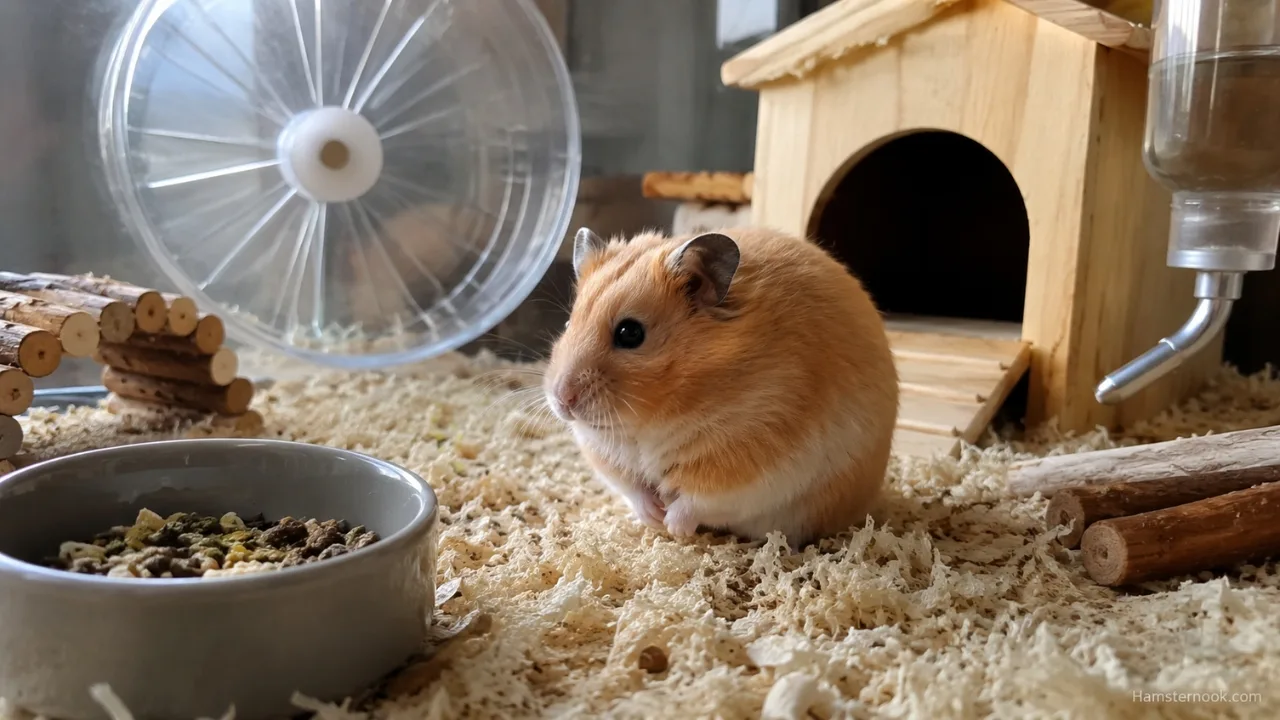
How to Create a More Relaxing Environment for Your Hamster
Reducing stress usually doesn’t require expensive products.
Focus on the basics:
| Stress Factor | Better Alternative |
|---|---|
| Inadequate usable space | More suitable enclosure and layout |
| Shallow bedding | Deep burrowing substrate |
| Frequent waking | Natural sleep schedule |
| Loud room | Quiet location |
| Limited enrichment | Multiple enrichment options |
| Excessive handling | Hamster-led interaction |
| Constant rearranging | Stable environment |
Often, correcting just one or two major issues can noticeably improve your hamster’s confidence and behavior.
Final Thoughts
Hamster stress can result from repeated disturbances or environmental conditions that make it difficult for a hamster to sleep, hide, burrow, explore, and follow its normal routine. Insufficient space, excessive handling, loud surroundings, limited enrichment, frequent environmental resets, and abrupt changes are all worth reviewing when behavior changes.
Focus on patterns rather than a single action. A stable enclosure, suitable bedding, secure hiding areas, appropriate enrichment, quiet sleep periods, and hamster-led interaction can support a more comfortable environment. When behavioral changes occur alongside physical symptoms or persist despite environmental improvements, seek veterinary guidance.
Frequently Asked Questions
How can I tell if my hamster is stressed or simply shy?
Shy hamsters usually become more confident over time. A stressed hamster may show ongoing behaviors such as bar biting, excessive hiding, pacing, sudden aggression, or noticeable changes in eating and activity levels.
Can a hamster die from stress?
Severe or persistent stress can negatively affect a hamster’s wellbeing, but sudden illness or deterioration should not automatically be attributed to stress. If a hamster is weak, not eating, breathing abnormally, or showing other serious symptoms, veterinary assessment is more appropriate than assuming stress is the cause.
Do hamsters get stressed when their cage is moved?
Frequent cage relocation can be unsettling for some hamsters, especially when it also changes familiar smells, sounds, lighting, or surroundings. When moving the enclosure is necessary, keeping the setup and routine as familiar as possible can make the transition easier.
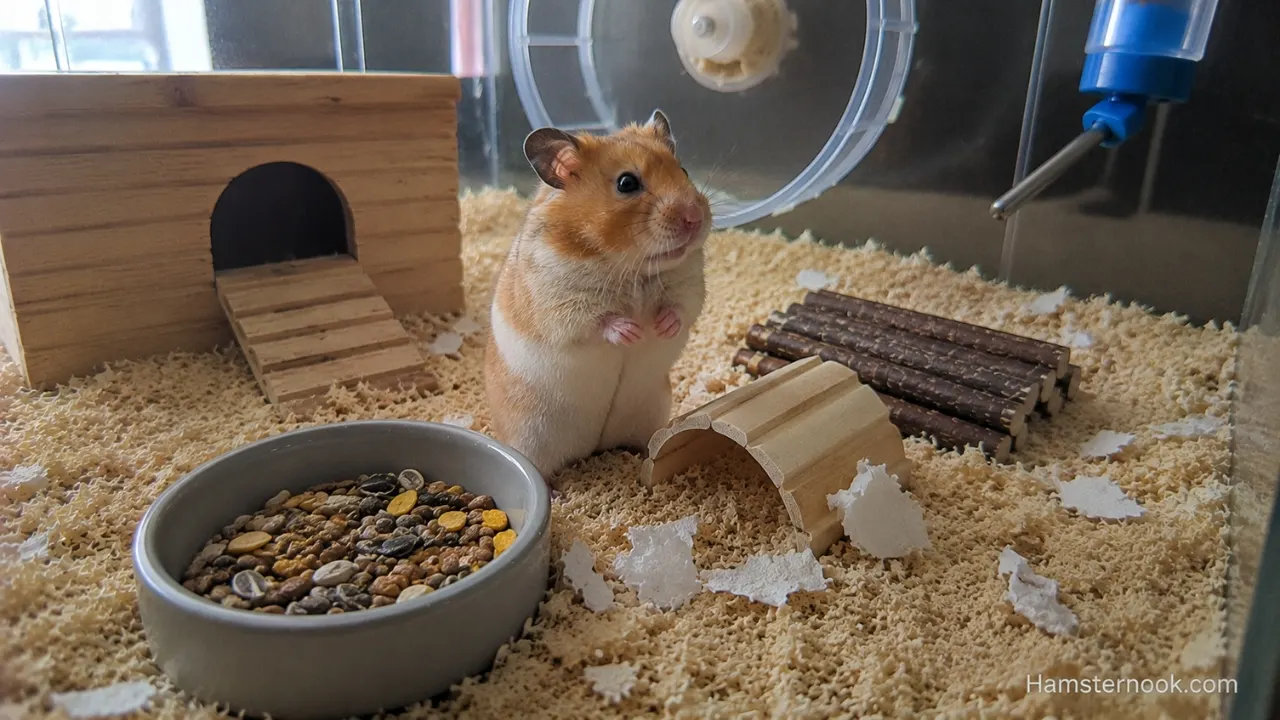
Is it okay to wake my hamster occasionally?
It is best to avoid waking your hamster unless necessary. Repeated sleep interruptions can create stress and affect natural behavior patterns.
Why does my hamster hide all the time?
Hiding is normal to some extent, but excessive hiding may indicate fear, stress, illness, or a lack of confidence in the environment.
How long does it take for a stressed hamster to relax?
This depends on the cause and the individual hamster. Improvement may occur after the underlying stressor is removed, but persistent, worsening, or unexplained changes should be discussed with a veterinarian.
Can moving a hamster to a larger cage reduce stress?
More usable space can provide additional opportunities for running, burrowing, foraging, hiding, and exploration, particularly when the enclosure also includes suitable bedding and enrichment. Behavior varies by individual, so enclosure size should be considered alongside the overall habitat setup.

What is the most common cause of hamster stress?
Hamster stress can have multiple causes, including insufficient space, frequent sleep disturbance, excessive handling, loud surroundings, limited hiding or burrowing opportunities, and repeated environmental changes. The most relevant cause depends on the individual hamster and its setup.
References
This guide is based on hamster behavior, housing, enrichment, handling, environmental care, and welfare guidance from trusted animal welfare and veterinary resources, including:
- RSPCA – Hamster Behaviour – Guidance on natural hamster behavior, stress, handling, activity, sleeping patterns, and behavioral changes.
- RSPCA – Creating a Good Home for Hamsters – Guidance on enclosure space, bedding, hiding areas, environmental conditions, and creating a suitable habitat.
- RSPCA – Keeping Hamsters as Pets – General guidance on hamster care, housing, diet, enrichment, behavior, and welfare.
- Blue Cross – Hamster Care Guide – Practical advice on hamster housing, bedding, enrichment, handling, feeding, and wellbeing.
- MSD Veterinary Manual – Providing a Home for a Hamster – Veterinary guidance on hamster housing, bedding, exercise, environmental needs, and appropriate enclosure management.
- NC3Rs – Housing and Husbandry: Hamster – Guidance on hamster housing, bedding, enrichment, environmental conditions, and welfare.
- NC3Rs – Choosing Appropriate Enrichment – Guidance on providing appropriate enrichment and opportunities for natural behaviors.
Medical Disclaimer
This article is intended for educational purposes only and should not be considered veterinary advice. Stress can sometimes produce behaviors that overlap with signs of illness, so behavioral changes should not automatically be attributed to stress. If your hamster shows significant appetite loss, difficulty breathing, inability to move normally, diarrhea, injury, marked weakness, or a rapid decline in normal activity, consult a qualified exotic animal veterinarian for proper evaluation.

Narayan Kumar is the founder and author of HamsterNook. He creates practical, research-based hamster care guides covering hamster behavior, nutrition, cage setup, enrichment, health, and everyday care. His goal is to help hamster owners make informed decisions and provide safer, healthier lives for their pets through clear, beginner-friendly information based on trusted animal care resources.