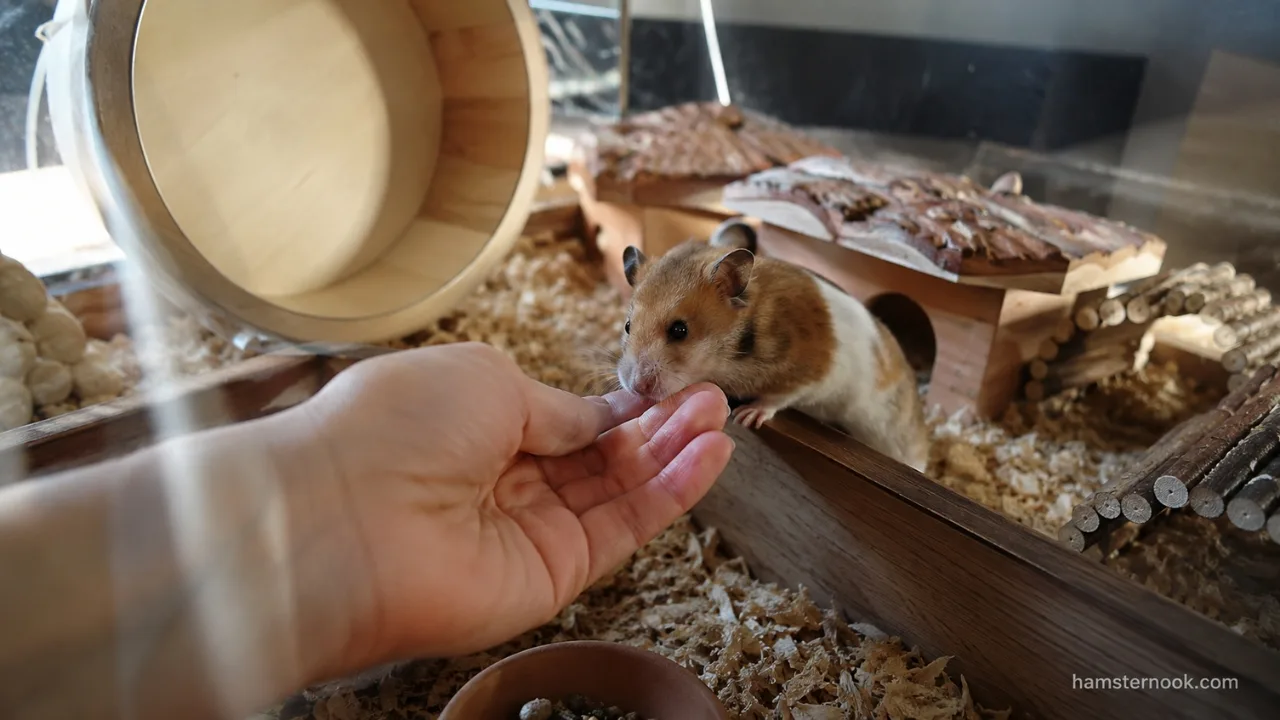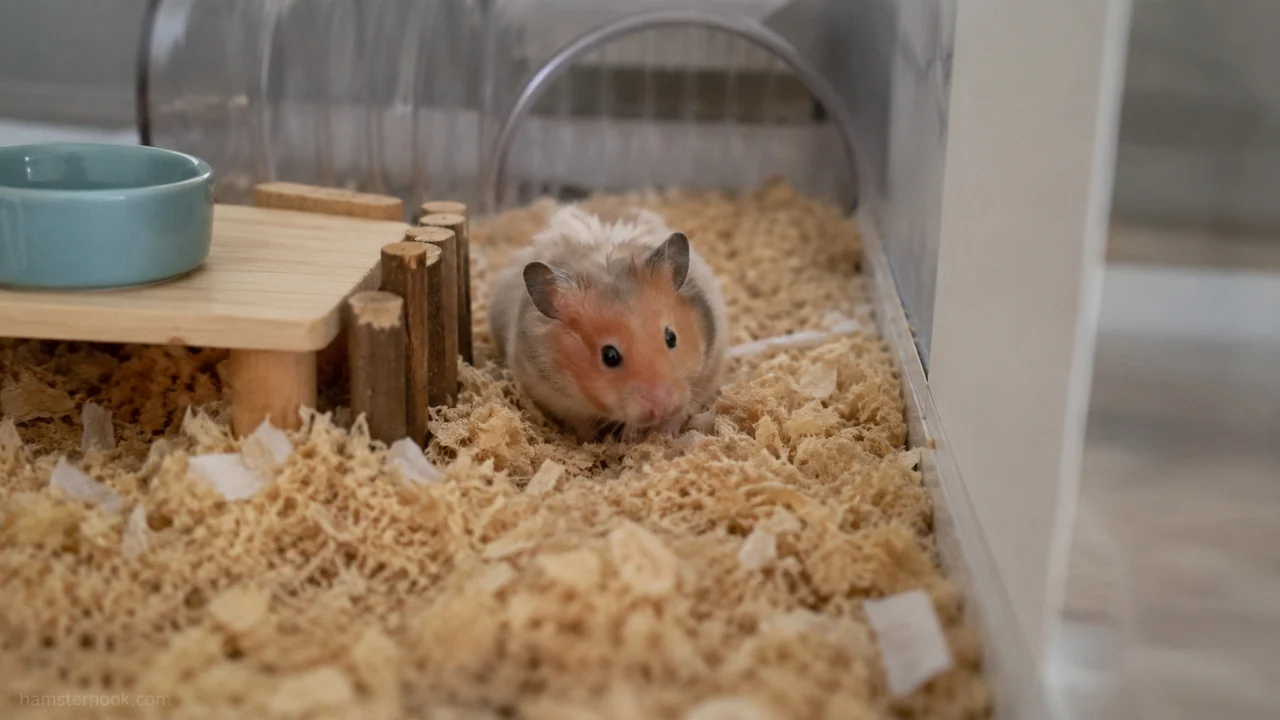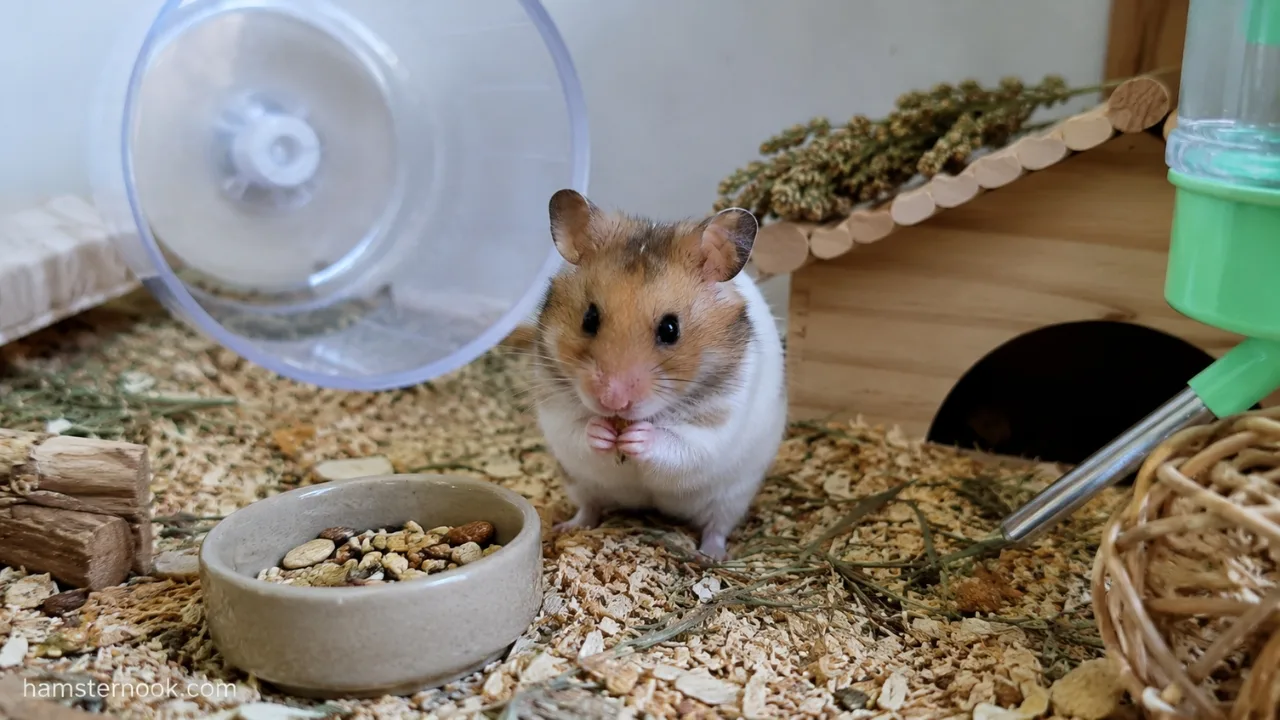
The day you bring a hamster home feels exciting. You set up the cage, buy treats, pick out toys, and imagine your new pet happily running into your hand. But if hamsters could talk, many would probably have a very different message for first-time owners.
Most hamster care mistakes happen during the first few days because new owners unintentionally treat hamsters like larger companion pets. A hamster isn’t a miniature dog or cat. It doesn’t automatically enjoy handling, it doesn’t want constant attention, and it doesn’t always show affection in obvious ways.
Understanding your hamster’s natural instincts from the beginning can prevent stress, build trust faster, and help your pet live a healthier life. If your hamster could give advice to new owners on day one, it would probably sound something like this.
Quick Answer
If hamsters could give advice to new owners, they would probably ask for patience, space, a proper enclosure, and time to build trust. Most beginner mistakes happen because owners expect too much interaction too quickly instead of respecting natural hamster behavior.
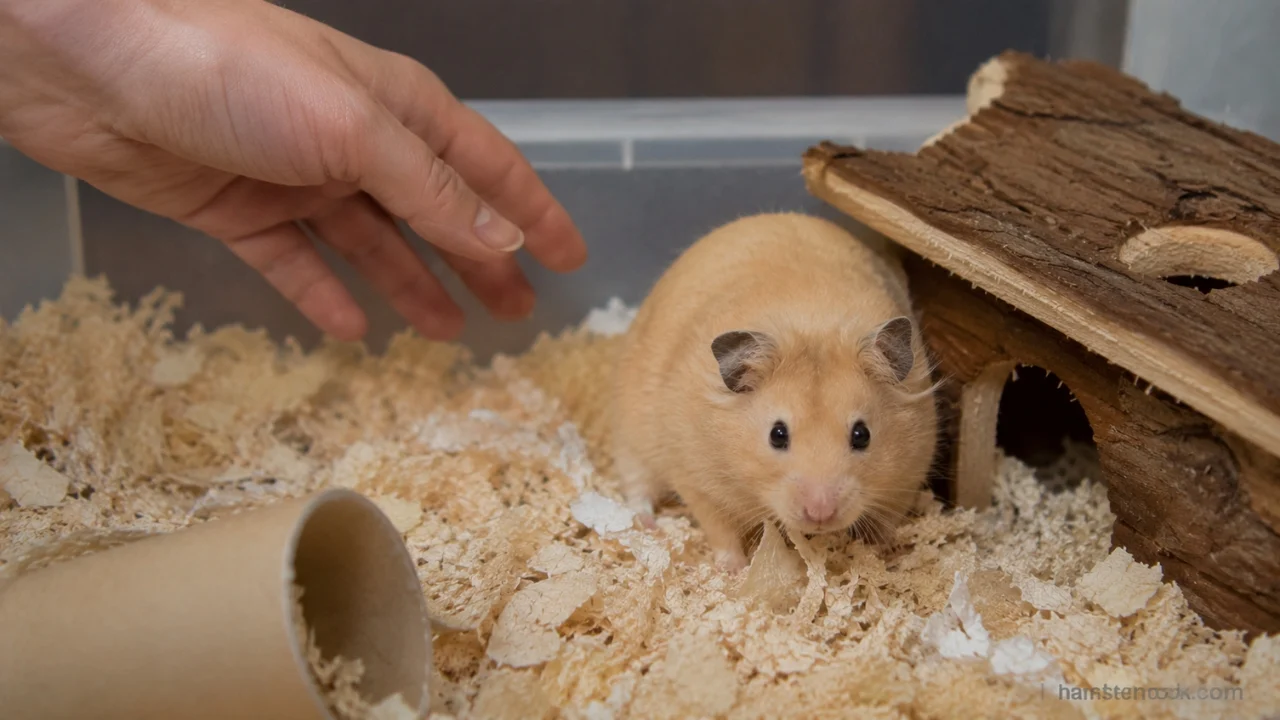
I Need Time to Feel Safe Before I Can Trust You

One of the biggest misconceptions about hamsters is that they should immediately enjoy human interaction.
From your hamster’s perspective, everything has suddenly changed. New smells, new sounds, new people, and a completely unfamiliar environment can feel overwhelming.
Many new owners accidentally slow down the bonding process by trying to handle their hamster too quickly.Giving a hamster space to settle in often builds trust faster than trying to interact constantly.
If your hamster spends the first few days hiding, sleeping, or avoiding contact, that’s usually normal. Our guide to The Biggest Mistake New Hamster Owners Make in the First Week explains why giving a new hamster space can help build trust more naturally.

The First 48 Hours Are About Adjustment
The first two days in a new home are often the most stressful for a hamster. During this period, your pet is learning new smells, sounds, lighting patterns, and routines.
Many hamsters spend this time hiding, sleeping more than usual, or avoiding interaction. This adjustment period is normal and should not be mistaken for a personality problem.
Your Cage Matters More Than Fancy Toys

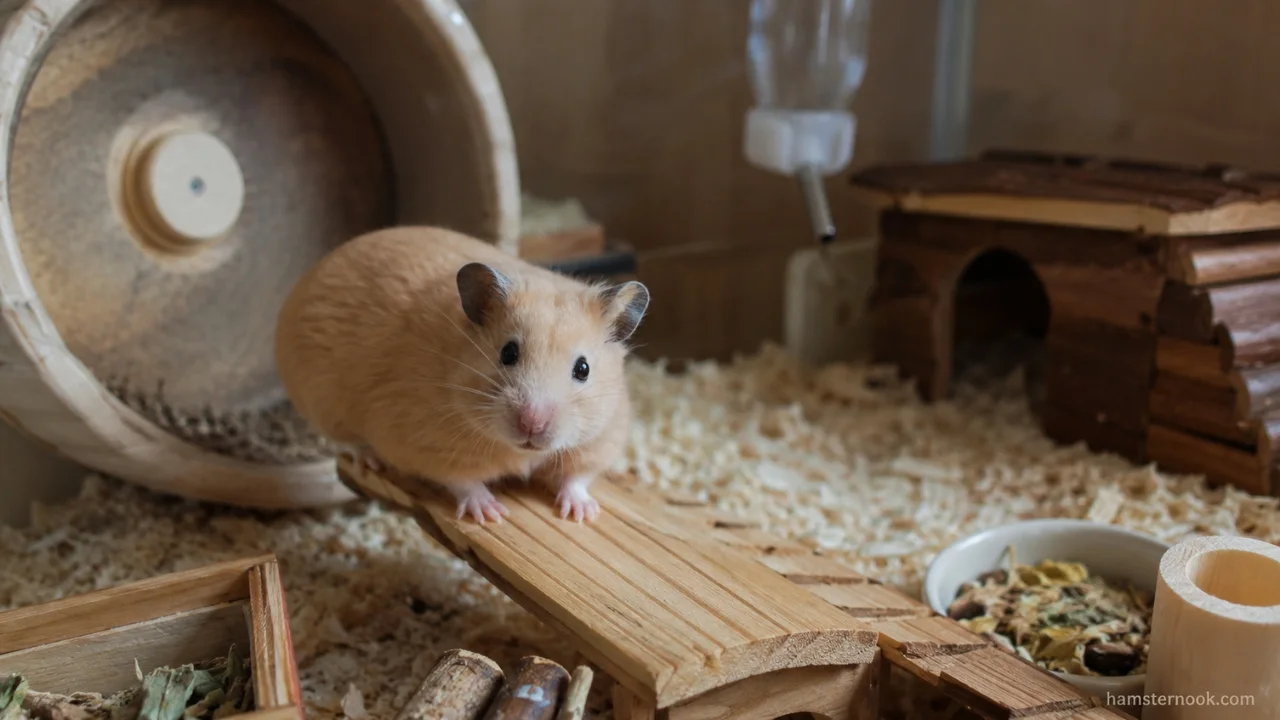
Adequate space is one of the most important factors affecting a hamster’s quality of life.
Many pet store cages look attractive but provide very limited room for natural behaviors. In the wild, hamsters travel long distances searching for food and exploring their surroundings.
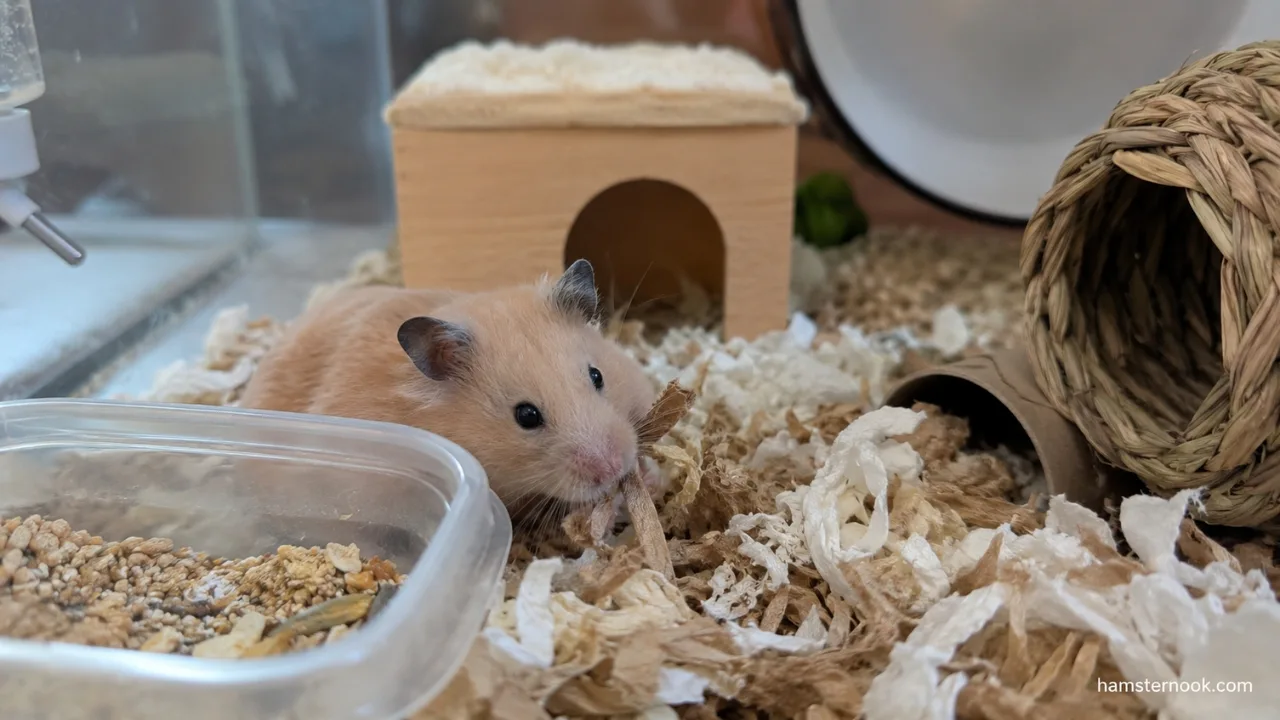
A hamster would probably tell new owners:
“I’d rather have a larger enclosure with deep bedding than a small cage filled with colorful accessories.”
A proper habitat allows natural behaviors such as:
- Digging
- Burrowing
- Exploring
- Nest building
- Foraging
- Running
Without enough space, even friendly hamsters may develop stress-related behaviors.
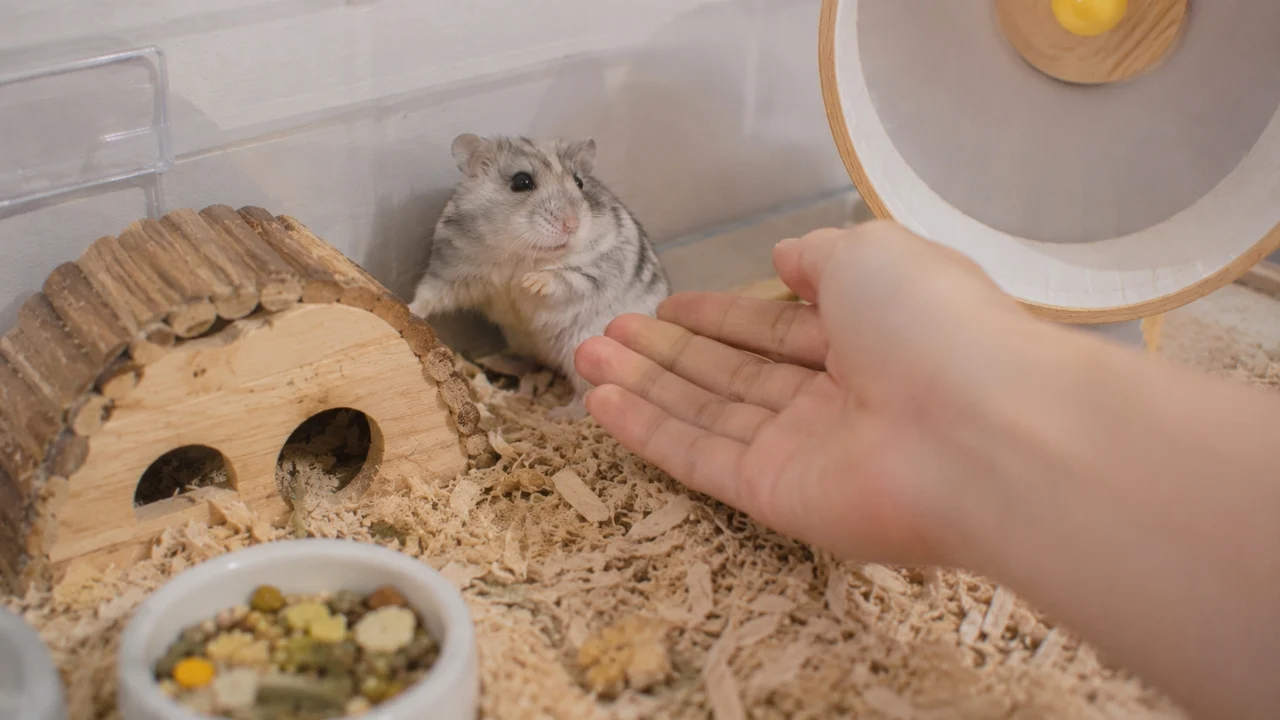
What Hamsters Actually Need vs What Owners Often Buy
| What Hamster Needs Most | What New Owners Often Prioritize |
|---|---|
| Large enclosure | Decorative cage accessories |
| Deep bedding | Bright plastic toys |
| Quality wheel | Multiple small toys |
| Hiding places | Novelty cage decorations |
| Consistent routine | Frequent cage rearranging |
Many beginner purchases focus on appearance rather than function. Prioritizing space, exercise, and enrichment usually produces better welfare outcomes than adding more accessories.
Meeting a hamster’s basic needs usually has a greater impact than adding extra accessories.
Please Don’t Wake Me Up During the Day
Many owners worry when they rarely see their hamster during daylight hours.
Hamsters are naturally most active during the evening and nighttime. Sleeping during much of the day is completely normal behavior.

A hamster sleeping during daylight hours is usually behaving exactly as nature intended.
Waking your hamster repeatedly can lead to:
- Increased stress
- Defensive behavior
- Startling responses
- Reduced trust
Owners who understand normal activity patterns are less likely to mistake natural behavior for a problem.
If your hamster seems invisible during the daytime, you may find Why Do Hamsters Hide So Much During the Day? helpful for understanding what’s normal and what isn’t.
Treats Are Nice, But Don’t Overdo Them
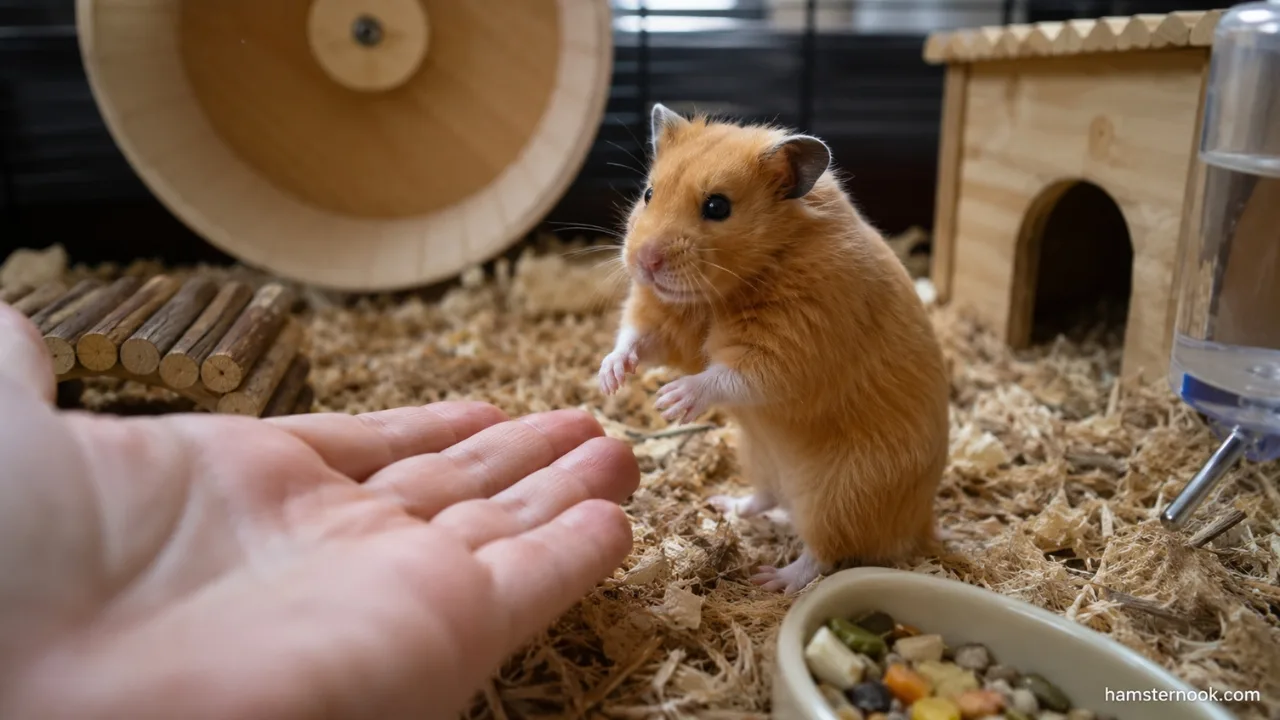
Many new hamster owners try to build trust through food.
While treats can help create positive associations, too many treats can quickly create health problems.
Because hamsters are so small, even tiny amounts of unhealthy food can have a significant impact over time. Foods that seem harmless to us can add significant amounts of sugar, fat, or calories to their diet.
A hamster would likely say:
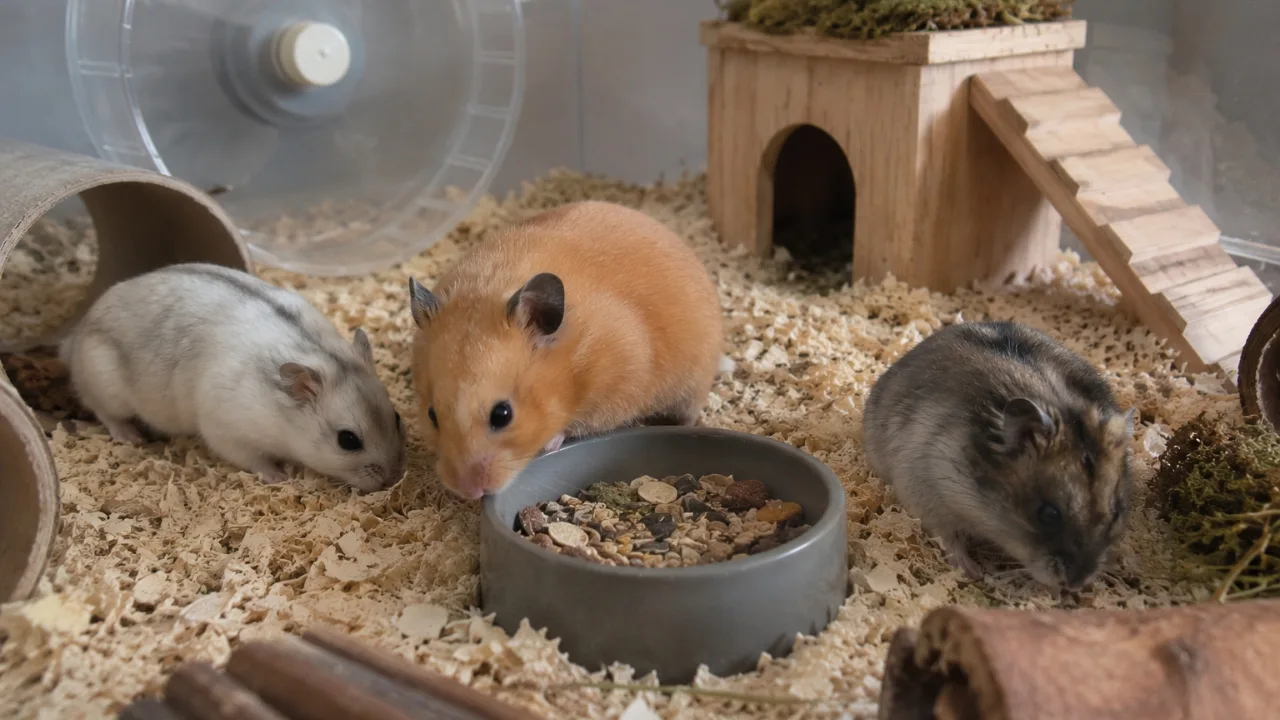
“I appreciate the snack, but I don’t need treats every time you walk past my cage.”
Healthy treats should remain occasional additions rather than daily habits.
Safe Treat Philosophy for New Owners
| Good Approach | Less Helpful Approach |
|---|---|
| Small treats occasionally | Treats multiple times daily |
| Balanced hamster diet first | Treats replacing regular food |
| Variety in moderation | Same sugary treat repeatedly |
| Monitoring weight | Unlimited snack access |
For most treats, small portions and occasional feeding work best.
I Show Trust Differently Than Other Pets
Many first-time owners expect affection to look the same across all pets.
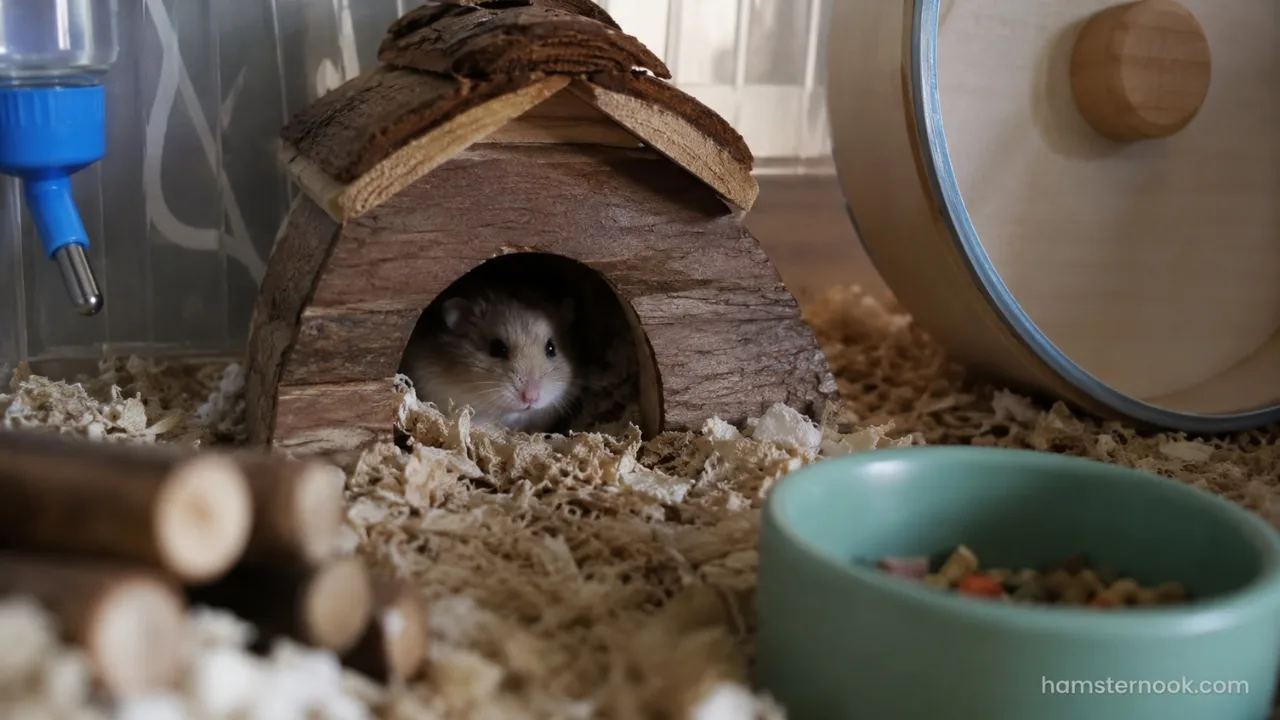
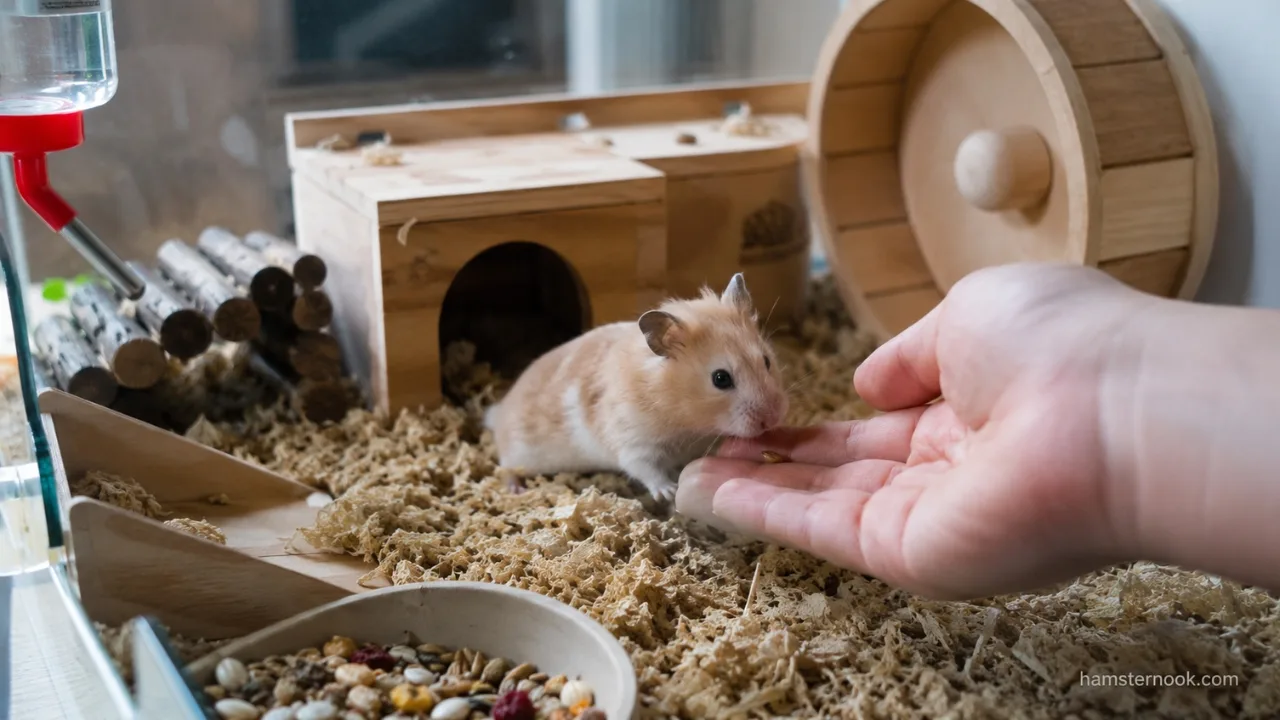
Hamsters communicate trust in subtle ways.
A hamster that trusts you may:
- Approach your hand voluntarily
- Accept treats calmly
- Groom itself near you
- Remain relaxed when you are nearby
- Climb onto your hand without hesitation
These small behaviors often mean more than many owners realize.
Understanding hamster body language can help you recognize progress that might otherwise go unnoticed.
Owners curious about hamster recognition behaviors often enjoy reading Can Hamsters Learn Their Names? because it helps explain how hamsters perceive and respond to familiar people.
A Quiet Environment Helps Me Thrive
Hamsters have sensitive hearing and strong survival instincts.
What feels normal in a busy household can sometimes feel stressful to a small prey animal.
Sudden loud noises may cause a hamster to:
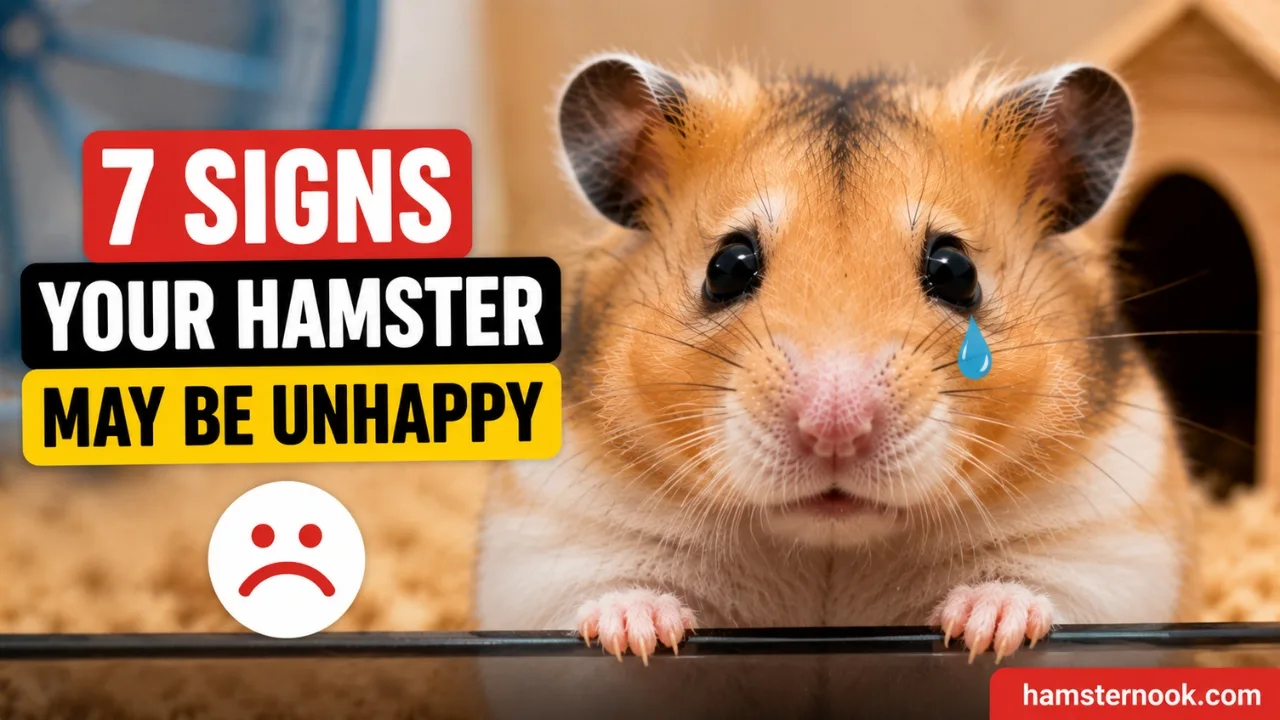
- Freeze
- Hide
- Stop eating temporarily
- Avoid exploring
This doesn’t mean your home must be silent. It simply means consistency is helpful.
Placing the enclosure away from televisions, speakers, and heavy foot traffic can help many hamsters feel more secure.
My Wheel Is Not Optional
One of the most misunderstood aspects of hamster care is exercise.
For most pet hamsters, a wheel is an essential exercise tool and an important part of daily activity.
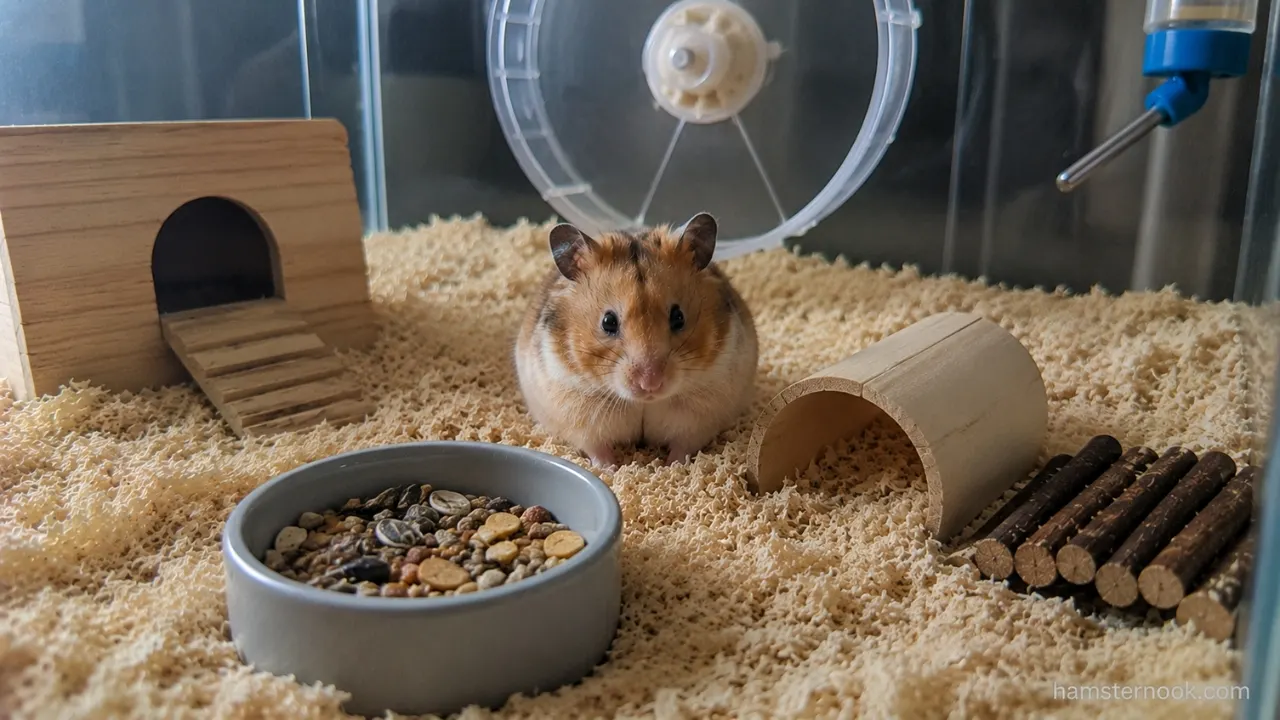
Healthy hamsters can spend a large part of the night running and exploring, so regular wheel use is an important part of their daily activity.
Owners surprised by high activity levels may also find Why Is My Hamster Running on the Wheel So Much? helpful.
Without sufficient exercise opportunities, some hamsters develop:
- Restlessness
- Frustration
- Bar chewing
- Repetitive behaviors
A properly sized wheel is one of the most valuable investments a hamster owner can make.
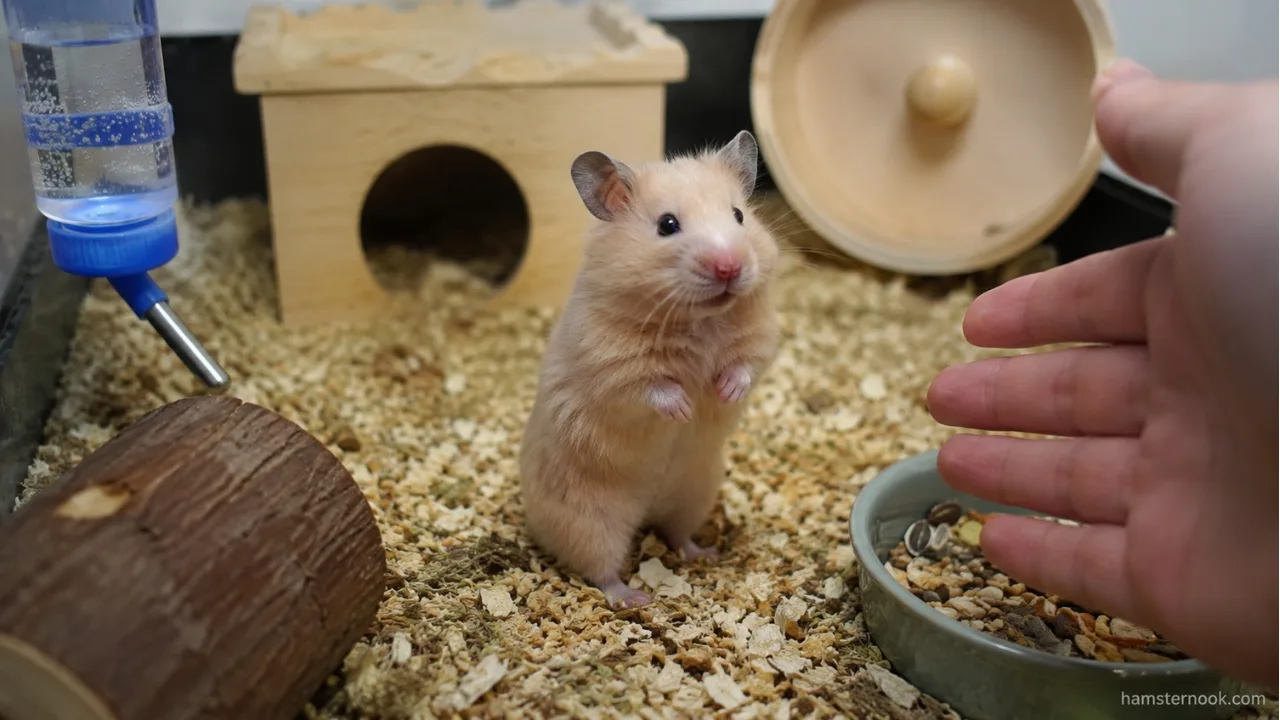
Watch My Behavior, Not Just My Appearance
Because hamsters are small prey animals, they often hide signs of illness.
By the time obvious symptoms appear, a health issue may already be advanced.
Changes in behavior are often among the earliest warning signs that something may be wrong.
Pay attention if your hamster suddenly:

- Stops eating
- Sleeps much more than usual
- Becomes unusually aggressive
- Loses interest in exercise
- Changes drinking habits
- Shows reduced curiosity
Even small behavioral changes are worth paying attention to.
Owners who understand behavior patterns are often better equipped to identify potential concerns early.
You may also find Why Does My Hamster Suddenly Act Different? Common Reasons Behind Behavior Changes useful when trying to understand unexpected changes.
I Need More Than Food and Water
Physical care is important, but mental stimulation plays a major role in hamster welfare as well.
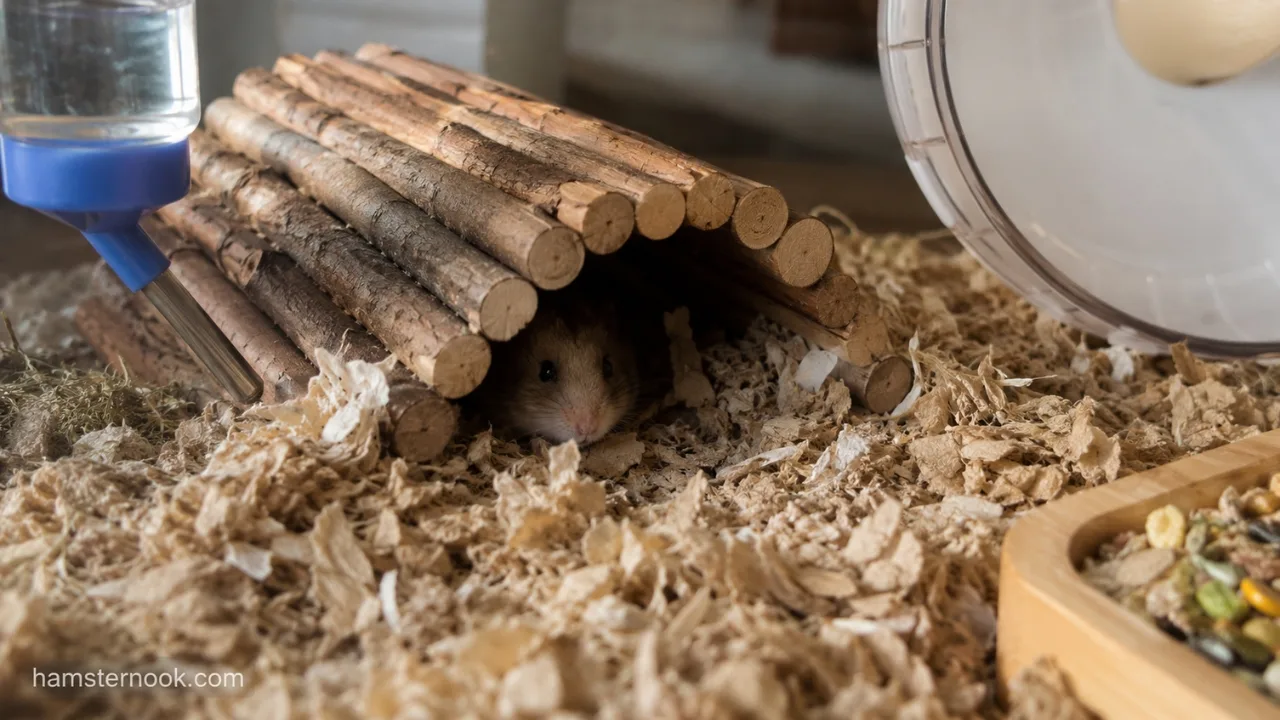
Enrichment helps prevent boredom and encourages natural behaviors.
For additional enrichment ideas, see Fun Ways to Keep Your Hamster Mentally Stimulated.
Simple enrichment ideas include:
- Scatter feeding
- Cardboard tunnels
- Safe chew toys
- Dig boxes
- Foraging opportunities
- Nesting materials
The goal isn’t constant entertainment. It’s creating opportunities for natural hamster behaviors.
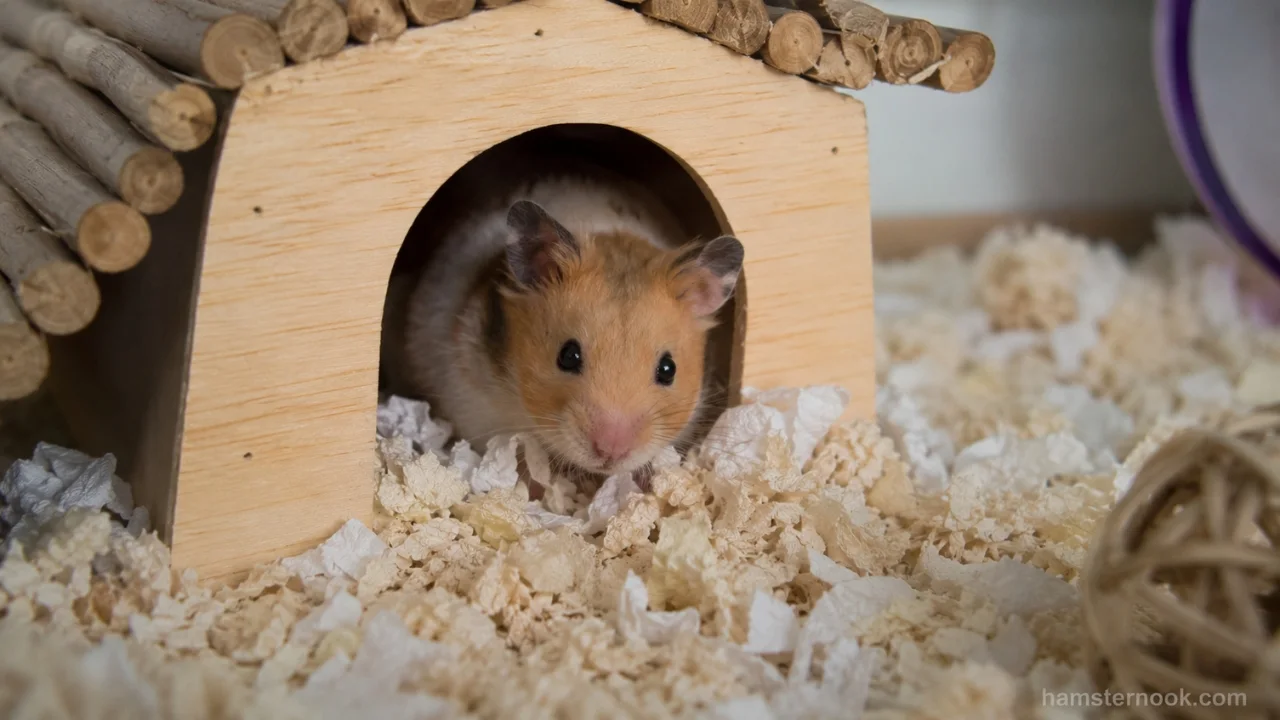
Even small changes can make an enclosure far more engaging.
Every Hamster Has a Different Personality
Some hamsters are naturally confident and curious, while others are cautious and reserved.
Two hamsters raised in similar conditions can respond very differently to handling and interaction. Allowing your hamster’s personality to develop naturally usually leads to better long-term trust.
Trust Takes Time, But It’s Worth It
Many owners worry they are doing something wrong if bonding feels slow.

Every hamster responds differently to handling, routine, and new experiences.
Some become comfortable within days. Others may need several weeks before they willingly interact with people.
The important thing is consistency.
A hamster that learns you are predictable, calm, and non-threatening often becomes far more confident over time.

Many owners are surprised by how rewarding the process becomes once trust develops naturally.
If you’re working on your relationship with a nervous hamster, How to Get a Hamster to Trust You Faster Without Stressing It Out offers additional trust-building strategies that focus on patience rather than force.
Signs Your Hamster Is Happy and Comfortable
Understanding positive behaviors can help new owners feel more confident.
Common Signs of a Comfortable Hamster
| Behavior | What It Often Means |
|---|---|
| Exploring regularly | Feels secure in environment |
| Building nests | Comfortable and settled |
| Running on wheel | Healthy activity levels |
| Accepting treats | Growing trust |
| Grooming normally | Relaxed behavior |
| Curious investigation | Confidence and comfort |
These behaviors should be viewed collectively rather than individually. A hamster displaying several of these signs is generally adjusting well to its environment.

No hamster displays every behavior all the time, but these signs often indicate a healthy adjustment.
If this is your first hamster, consider bookmarking Ultimate Hamster Care Guide for Beginners: Everything You Need to Know (2026) as a complete reference guide covering everything from cage setup and feeding to behavior, health, and trust-building.
Small Improvements Make a Big Difference
Many owners believe they need expensive products to keep a hamster happy. In reality, larger living space, deeper bedding, proper exercise, and consistent routines often have a greater impact than costly accessories.
Final Thoughts
If hamsters could offer one piece of advice to first-time owners, it would likely be simple: be patient.
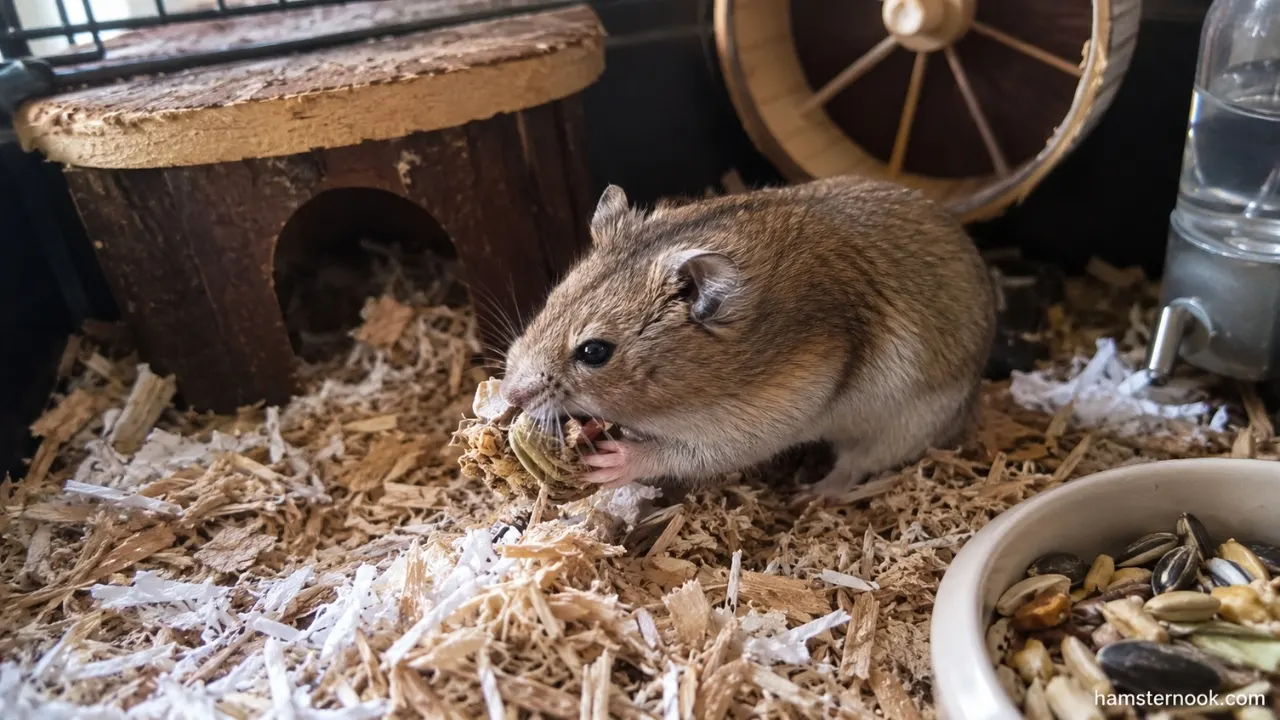
Most hamster care mistakes come from good intentions rather than neglect. Owners want to bond quickly, interact frequently, and provide the best possible experience. But hamsters often value patience, consistency, and security more than constant attention.
When you respect your hamster’s natural instincts, provide a suitable environment, and allow trust to develop at its own pace, you create the foundation for a healthier and happier relationship.
The most successful hamster owners are usually the ones who focus on understanding their pet’s needs rather than rushing the bonding process.
Key Takeaways
- New hamsters need time to adjust before bonding.
- Cage size and bedding depth matter more than decorative accessories.
- Hamsters should not be regularly woken during daytime sleep.
- Trust develops through consistency rather than forced interaction.
- Exercise, enrichment, and routine are essential for long-term wellbeing.
Frequently Asked Questions
What is the most common mistake new hamster owners make?
Trying to handle the hamster too soon is one of the most common mistakes. Most hamsters need time to adjust to their new environment before they feel comfortable interacting with people.
How long should I leave a new hamster alone?
Most hamsters benefit from several days of minimal disturbance while they settle into their new home. Basic care should continue, but handling should usually be limited initially.
Is it normal for a new hamster to hide constantly?
Yes. Hiding is a natural response to an unfamiliar environment and is especially common during the first week after adoption.
How can I make my hamster trust me faster?
Move slowly, speak softly, offer treats occasionally, and allow your hamster to approach you voluntarily rather than forcing interaction.
Do hamsters get attached to their owners?
Hamsters can learn to recognize familiar people and may become comfortable with regular handlers, although they typically show trust differently than dogs or cats.
What does a happy hamster look like?
A happy hamster often explores its enclosure, uses its wheel regularly, builds nests, eats normally, and shows curiosity about its surroundings.
References
- RSPCA – Understanding Hamster Behaviour
- RSPCA – Creating a Good Home for Hamsters
- Blue Cross – Hamster Care
- PDSA – Hamsters as Pets

Narayan Kumar is the founder and author of HamsterNook. He creates practical, research-based hamster care guides covering hamster behavior, nutrition, cage setup, enrichment, health, and everyday care. His goal is to help hamster owners make informed decisions and provide safer, healthier lives for their pets through clear, beginner-friendly information based on trusted animal care resources.