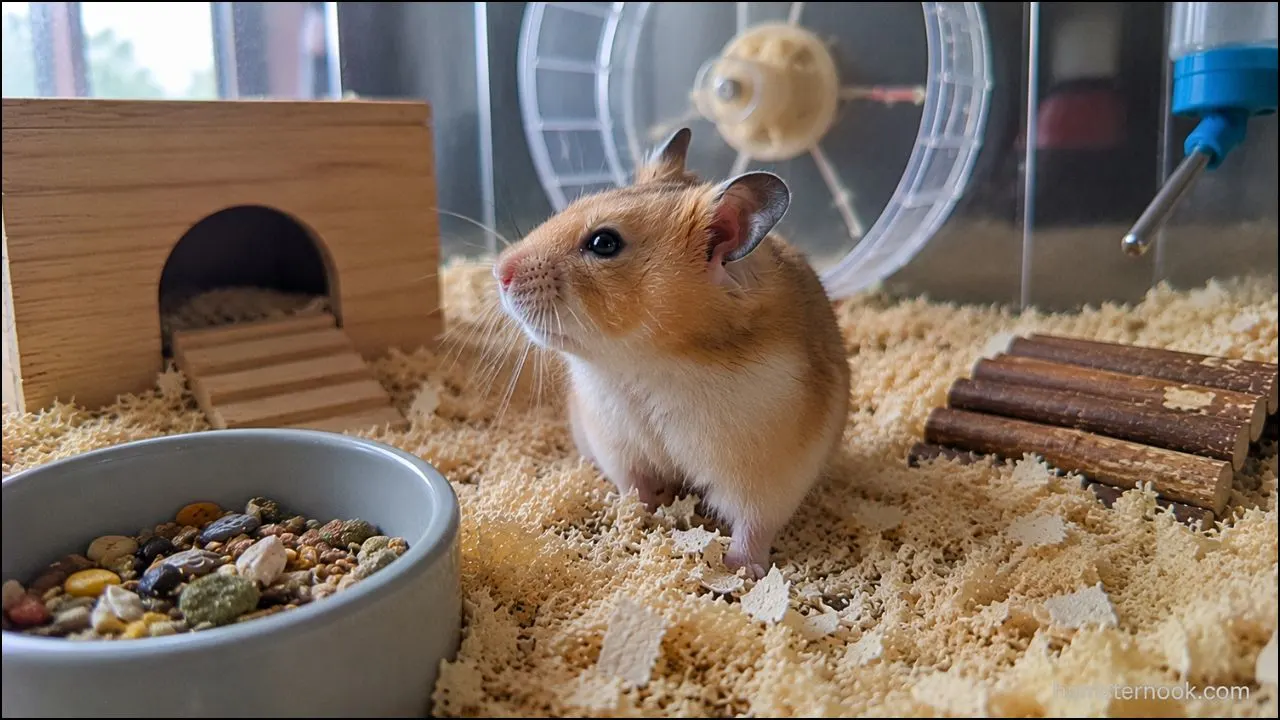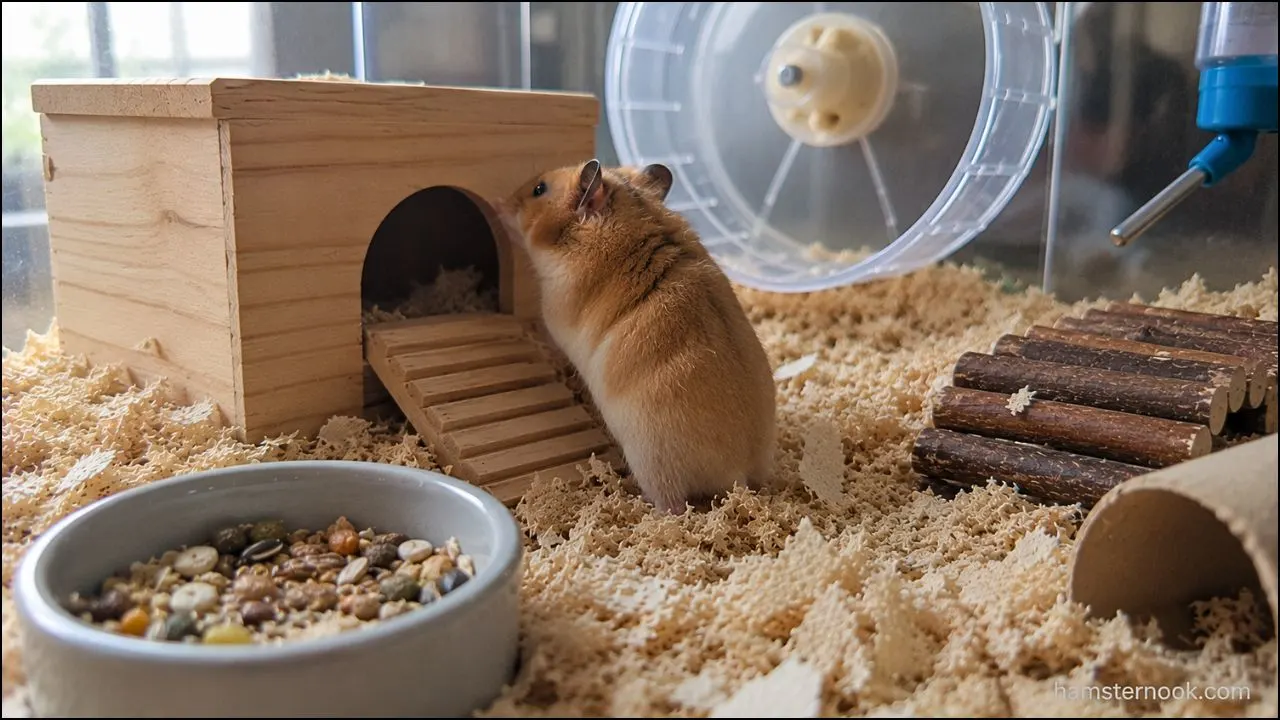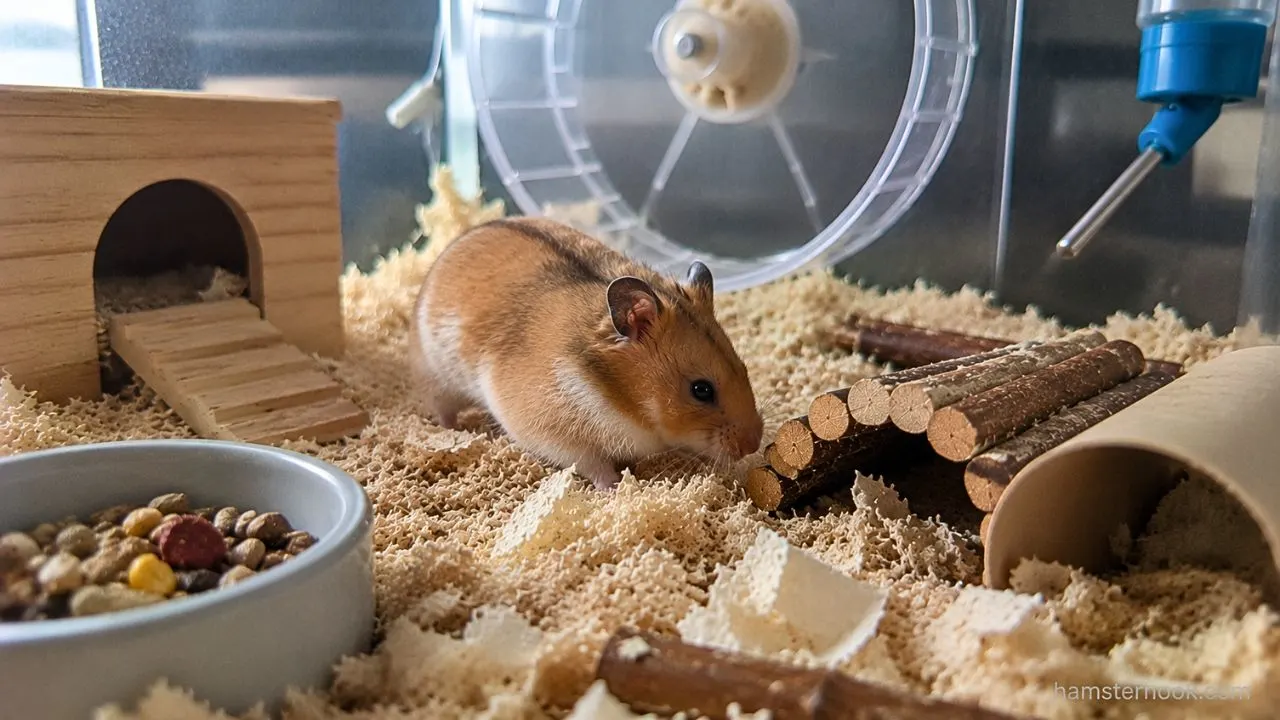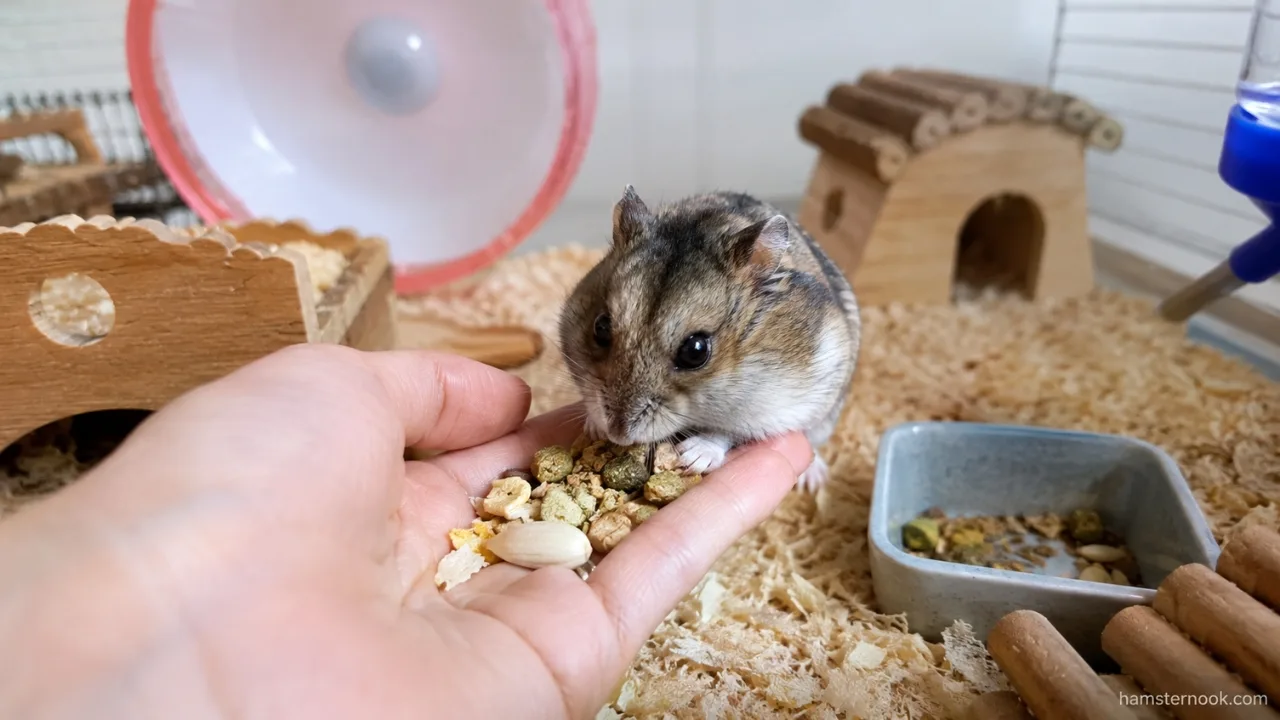
It’s easy to assume your hamster dislikes you, but in most cases it’s simply acting on natural caution and survival instincts. Hamsters are naturally cautious animals. In the wild, they survive by avoiding potential threats, and unfortunately, a giant hand reaching into their cage can seem like one.
Trust doesn’t happen overnight, but with the right approach, you can help your hamster feel safe, comfortable, and confident around you much sooner.
Building trust has more to do with consistency and patience than any special product or training method. It mostly comes down to patience, consistency, and understanding how hamsters naturally think and behave.
In this guide, you’ll learn 10 proven ways to build trust with your hamster without causing unnecessary stress, along with common mistakes that often slow the bonding process.
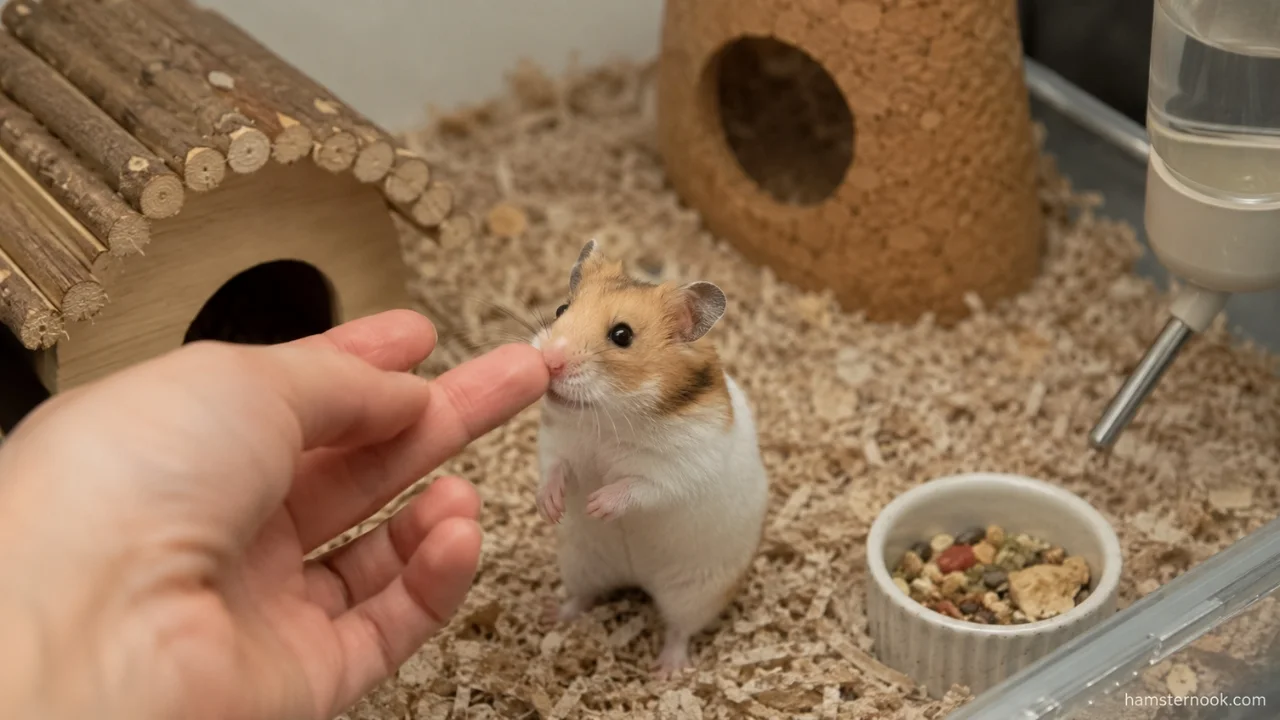
Quick Answer: How Do You Get a Hamster to Trust You?
The best way to earn a hamster’s trust is through patience, consistency, and positive interactions. Allow your hamster time to adjust to its environment, avoid forcing handling, offer treats by hand, and interact during its natural active hours. Most hamsters become more confident when they feel safe and in control of interactions.
Why Building Trust Matters
A hamster that trusts its owner is usually easier to handle, less likely to bite, and more confident in its environment. If biting is already a concern, Why Does My Hamster Bite Me? explains the most common reasons behind defensive behavior.
Trust can make everyday care much easier for both you and your hamster, especially during:
- Health checks
- Cage cleaning
- Nail inspections
- Travel
- Playtime outside the enclosure
Most importantly, trust allows your hamster to feel relaxed around you instead of constantly staying on alert whenever you approach the enclosure.
How Long Does Hamster Taming Usually Take?
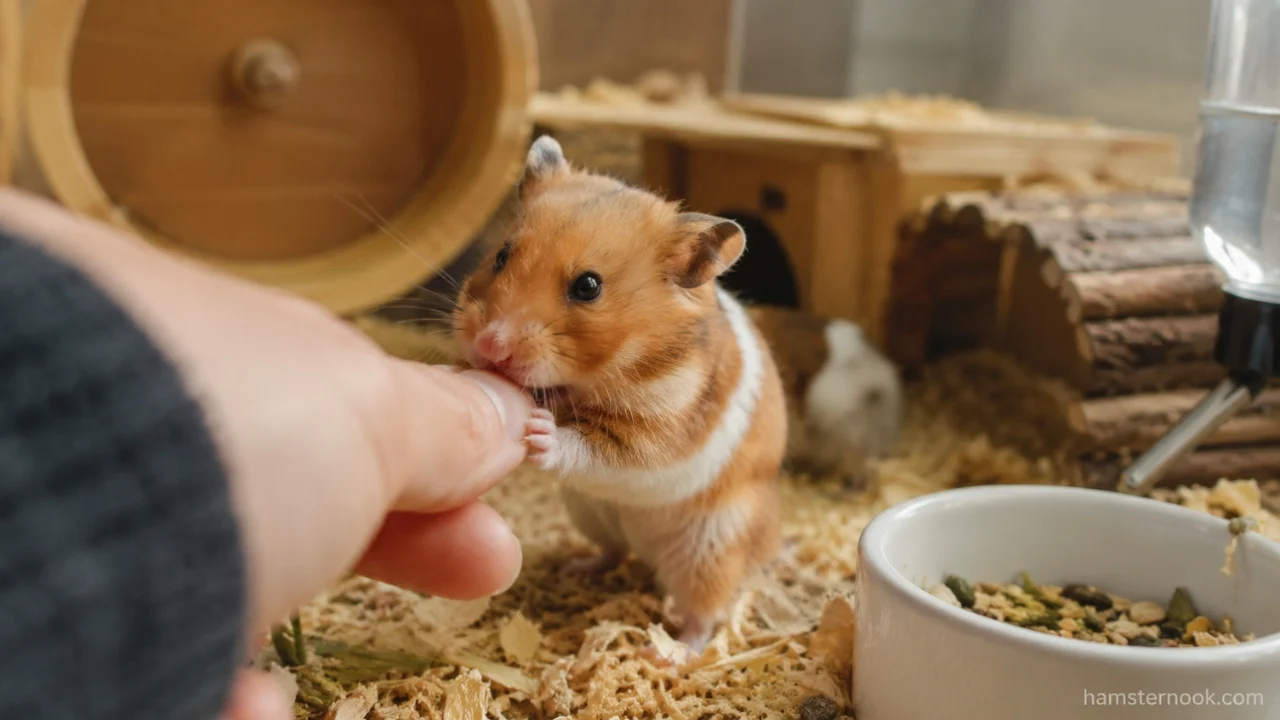
Many owners worry when progress seems slow, but trust develops gradually. Some hamsters take treats from a hand within a few days, while others need several weeks before they willingly approach. Consistent positive experiences matter far more than speed.
No two hamsters adjust in exactly the same way.
Some outgoing hamsters begin accepting treats within a few days, while more cautious individuals may take several weeks before they feel comfortable approaching your hand.
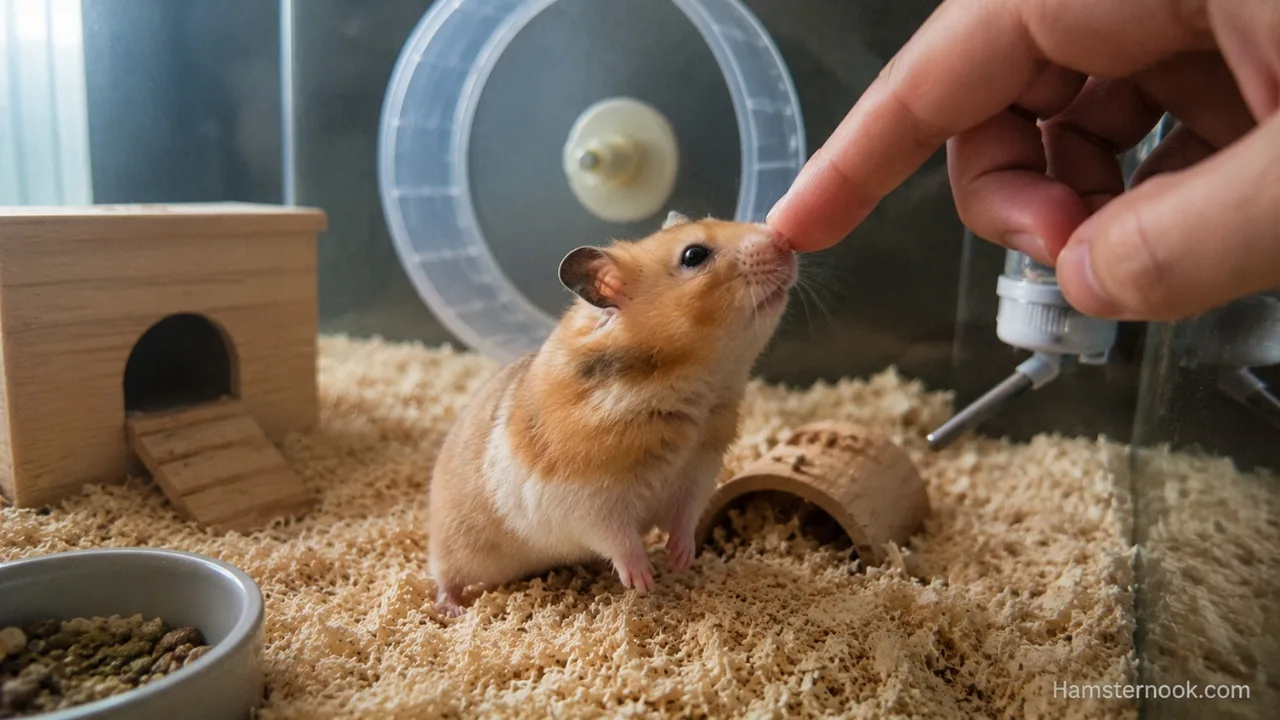
Several factors affect trust-building speed:
| Factor | Impact on Trust Building |
|---|---|
| Age | Younger hamsters often adapt faster |
| Previous handling experience | Positive experiences can help |
| Personality | Some hamsters are naturally more confident |
| Cage environment | A secure setup reduces stress |
| Owner consistency | Daily positive interactions build trust faster |
Rather than worrying about how quickly progress happens, concentrate on making each interaction a positive one.
Before You Start Taming Your Hamster
Trust-building works best when your hamster already feels secure in its enclosure. A stressed, frightened, or overwhelmed hamster will naturally be less interested in human interaction regardless of training methods.
1. Give Your Hamster Time to Settle In
One of the biggest mistakes owners make is trying to bond immediately after bringing a hamster home.
Your hamster has already experienced significant changes, including transportation, unfamiliar smells, and a completely new environment.
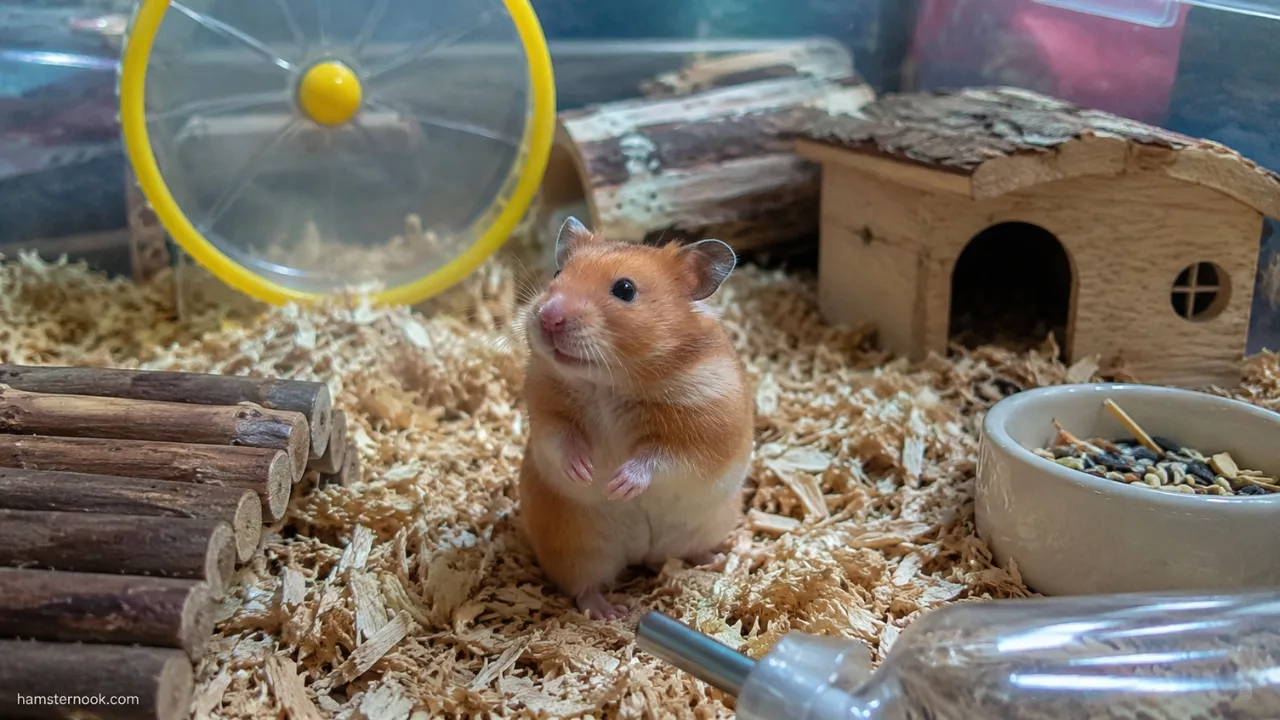
During the first few days:
- Avoid unnecessary handling
- Keep noise levels low
- Allow uninterrupted sleep
- Focus on food and water routines
Many trust problems begin because owners rush the process.
If your hamster is newly adopted, you may also find our guide on The Biggest Mistake New Hamster Owners Make in the First Week helpful for avoiding common beginner errors.
2. Let Your Hamster Get Used to Your Presence
Trust starts before physical contact.
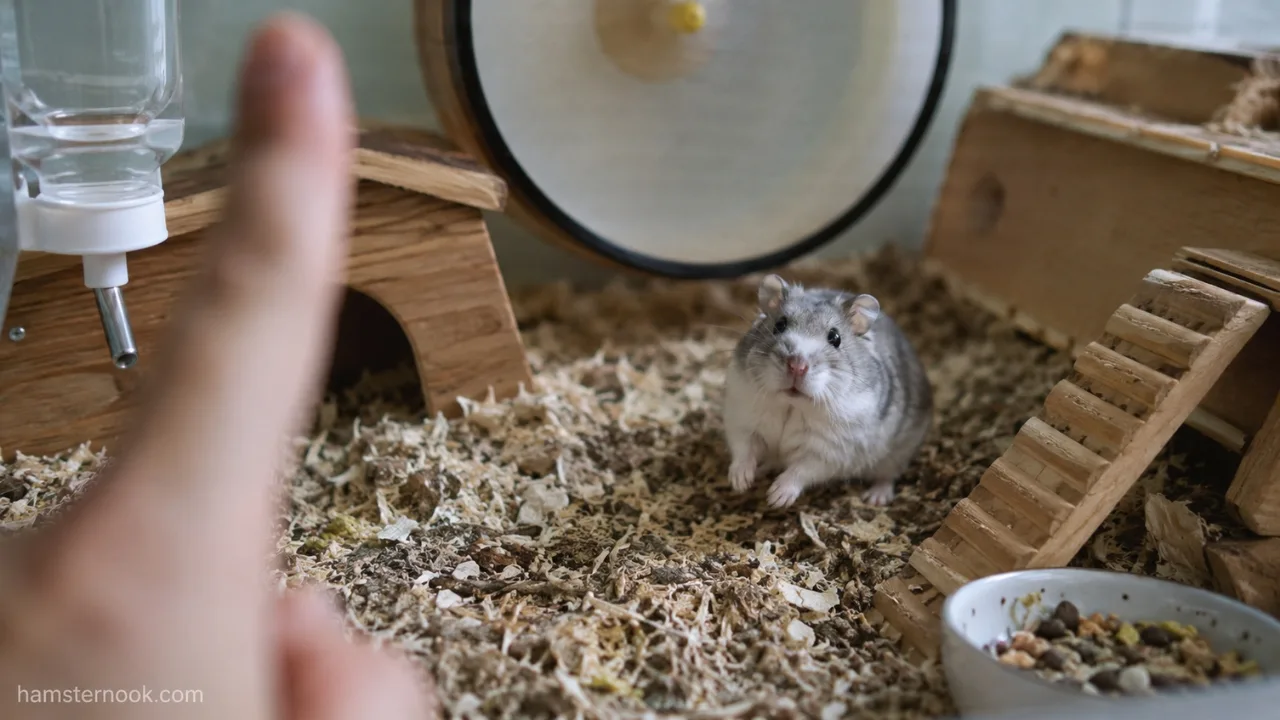
Spend time sitting near the cage while reading, working, or watching television. Allow your hamster to hear your voice and observe your movements from a safe distance.
Over time, your hamster begins associating your presence with safety rather than danger.
Consistency matters more than duration. Ten calm minutes daily is often more effective than occasional long interactions.
3. Talk Softly Around the Cage
Hamsters rely heavily on their senses when evaluating potential threats.
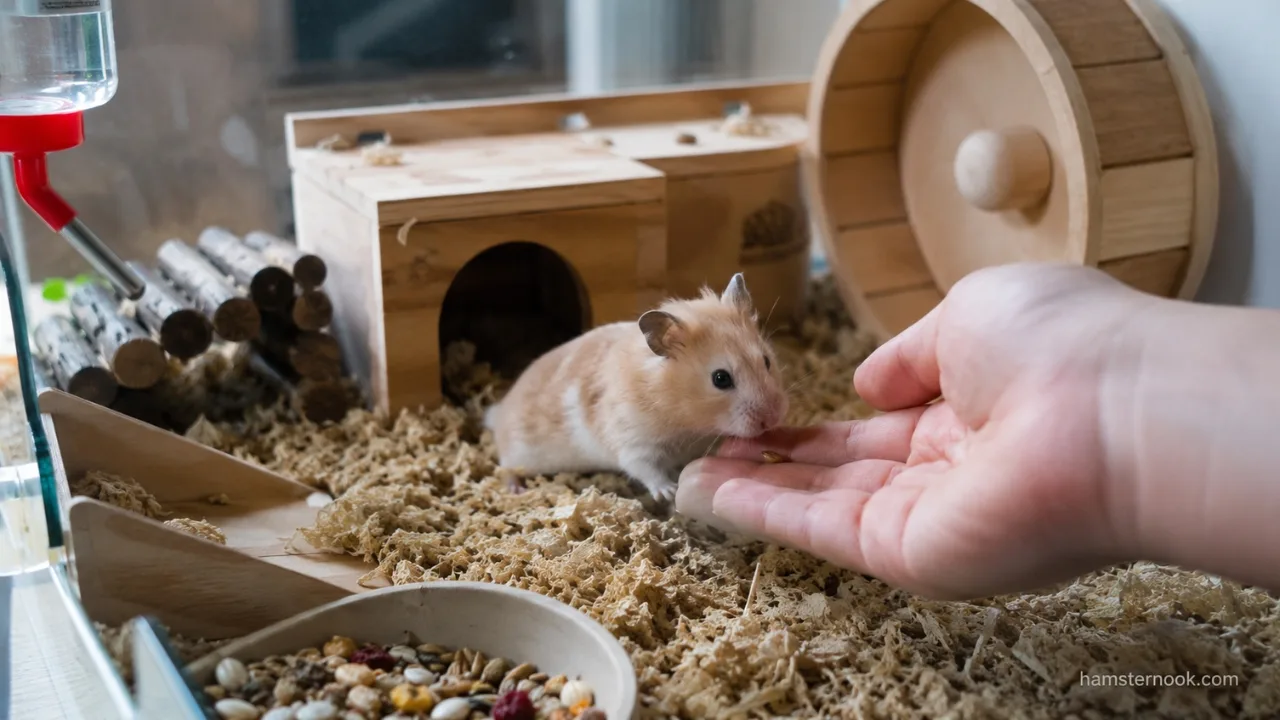
Speaking softly near the enclosure helps your hamster become familiar with your voice.
You don’t need special training phrases. Simply talking calmly while changing water or providing food helps build familiarity.
Avoid:
- Shouting
- Sudden loud noises
- Tapping on the cage
- Startling movements
A calm environment supports trust-building.
4. Use Food to Create Positive Associations

Food is one of the easiest ways to build trust.
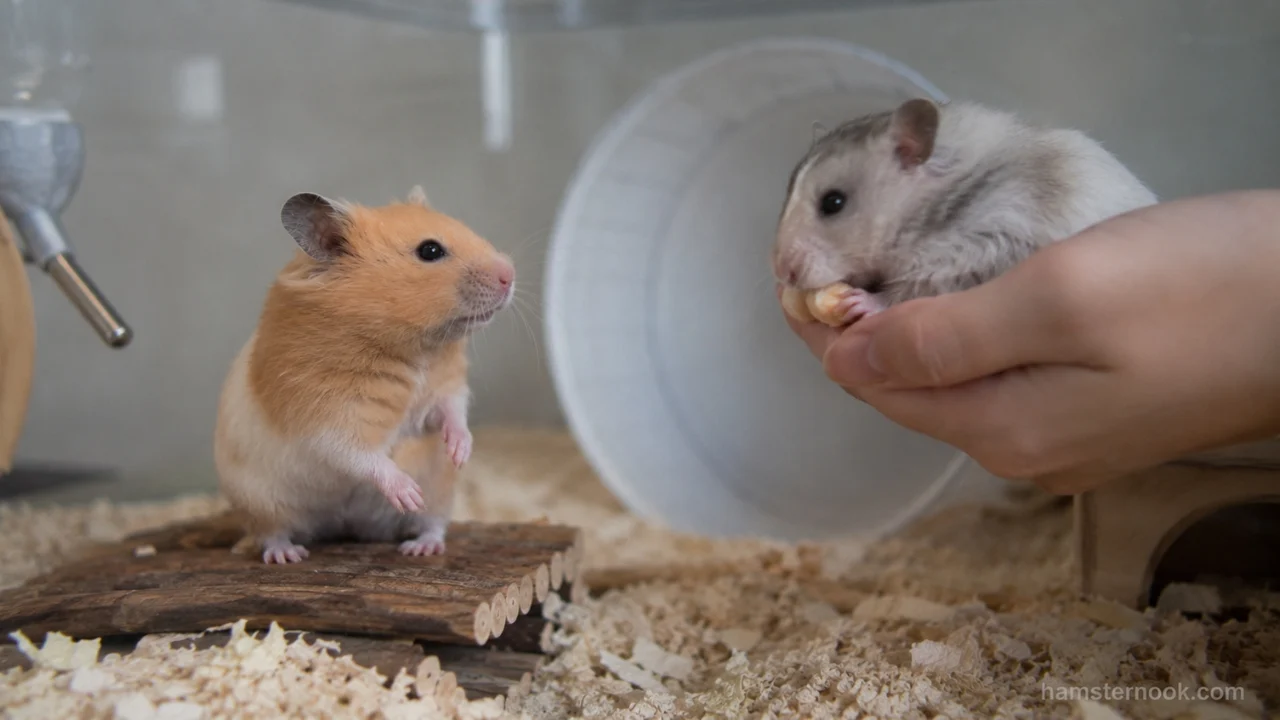
Begin by placing a treat near your hamster while keeping your hand still. Once your hamster becomes comfortable, gradually offer treats directly from your fingers.
Safe options may include:
- Small seeds
- Tiny vegetable pieces
- Hamster-safe treats
The goal isn’t bribery. You’re teaching your hamster that good things happen when you’re nearby.
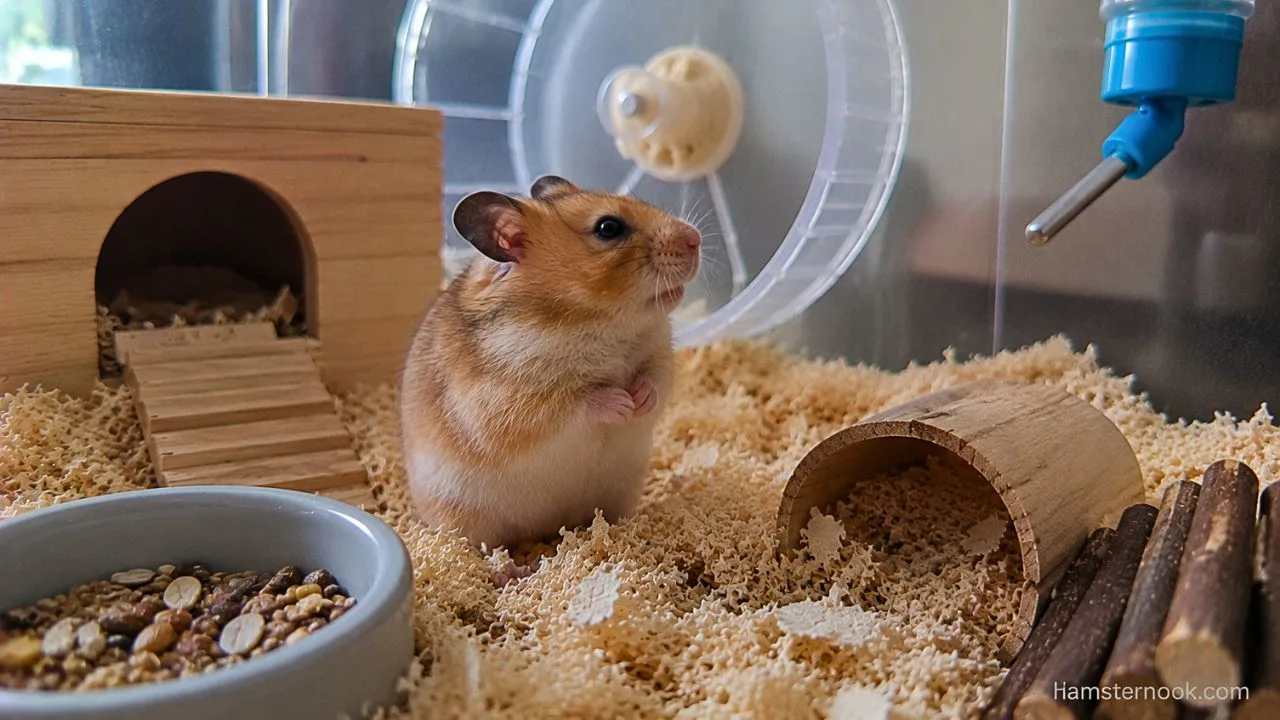
If you’re unsure which treats are appropriate, articles such as Can Hamsters Eat Grapes? and Can Hamsters Eat Mealworms? can help you choose safe options.
Best Time to Offer Treats
Treat training is usually most effective shortly after your hamster wakes up naturally. At this time, most hamsters are alert, curious, and more willing to investigate new experiences.
5. Never Chase Your Hamster Around the Cage
Few things damage trust faster than pursuing a frightened hamster.
When a hamster runs away, many owners instinctively follow it with their hand. Unfortunately, this reinforces fear.
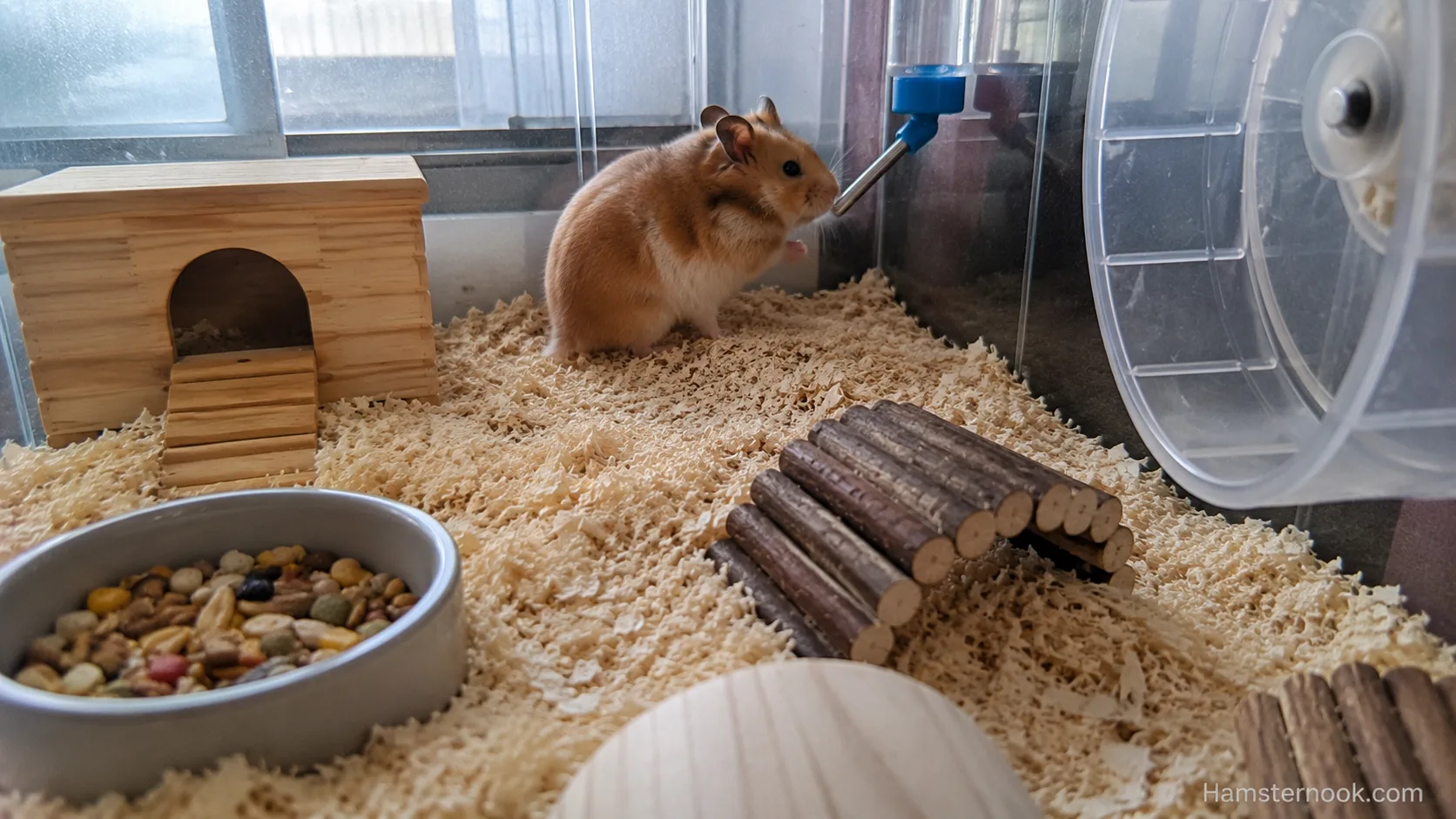
Instead:
- Allow the hamster space
- Stay still
- Let curiosity bring it back
Hamsters that feel in control of interactions often become confident much faster.
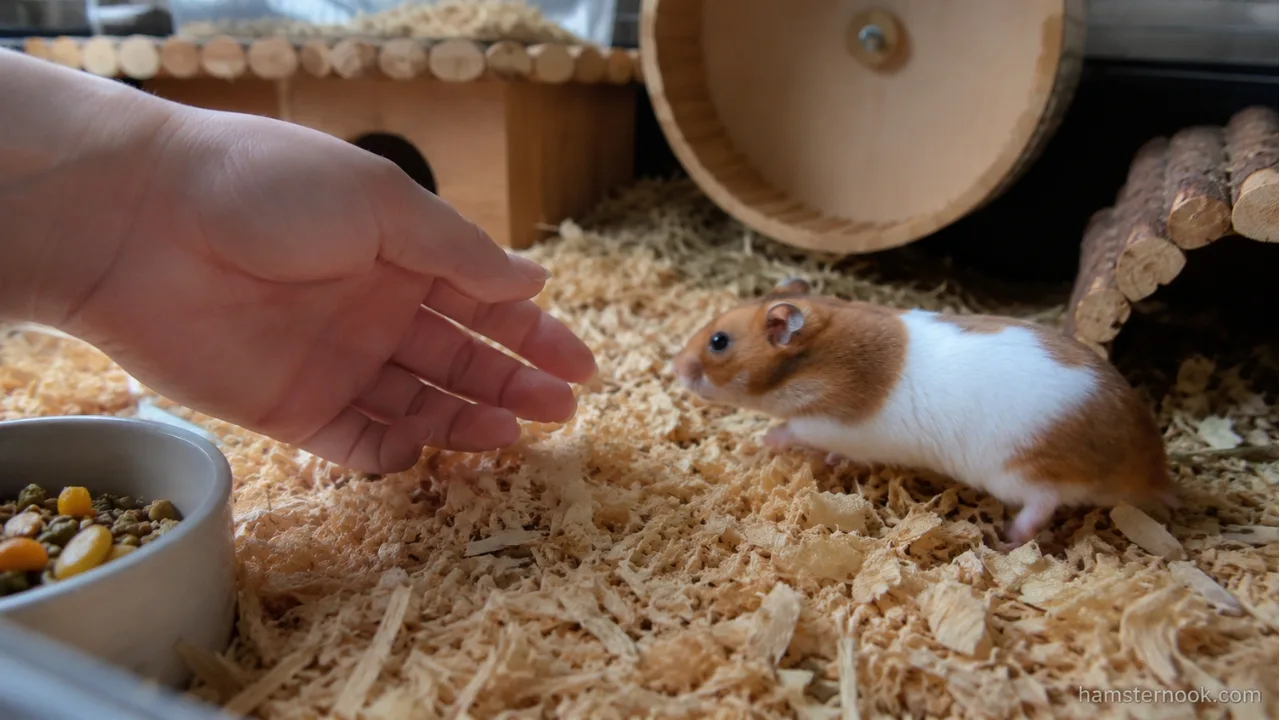
6. Allow Your Hamster to Approach You First

Trust grows when the hamster makes the decision to interact.
Place your hand flat inside the enclosure and remain motionless.

At first, your hamster may:
- Sniff your fingers
- Walk around your hand
- Ignore you completely
All of these reactions are normal.
Avoid trying to pick up your hamster during these early sessions. The goal is simply to become a familiar part of the environment.
7. Learn Your Hamster’s Active Hours
Many bonding attempts fail because owners try interacting when the hamster wants to sleep.

Most pet hamsters are naturally active during the evening and nighttime hours.
Trying to wake a sleeping hamster often results in:
| Waking a Sleeping Hamster | Waiting Until Awake |
|---|---|
| Irritability | Curiosity |
| Stress | Relaxed behavior |
| Defensive reactions | Better trust building |
| Higher bite risk | Lower bite risk |
Always try to interact when your hamster wakes naturally.
If your hamster spends much of the day hidden, you may find Why Is My Hamster Always Hiding? When It’s Normal and When to Worry useful for understanding normal behavior.
8. Practice Gentle Hand Training
Once your hamster willingly approaches your hand, you can begin gentle hand training.
Start by:
- Offering a treat from your palm.
- Allowing your hamster to climb onto your hand.
- Keeping your hand low inside the enclosure.
- Ending sessions before the hamster becomes stressed.
Small positive experiences build confidence over time.
Avoid lifting your hamster high during early sessions.

Avoid Lifting Too High
During early taming sessions, keep your hands low inside the enclosure or directly above a safe surface. This reduces the risk of injury if your hamster suddenly jumps or becomes startled.
9. Create a Comfortable Environment
A hamster that feels unsafe in its enclosure will struggle to trust people.
Make sure your hamster has:
- Deep bedding
- Hideouts
- Access to fresh food and water
- A suitable wheel
- Plenty of enrichment
Environmental stress often affects social behavior.

For example, bored hamsters sometimes become withdrawn or defensive. Activities discussed in Fun Ways to Keep Your Hamster Mentally Stimulated can help keep your pet engaged and confident.
10. Respect Your Hamster’s Individual Personality
Not every hamster will become highly social.
Some hamsters enjoy climbing onto their owner’s hands and exploring during playtime. Others remain more independent even when they trust their owners completely.
A trusting hamster may show affection by:
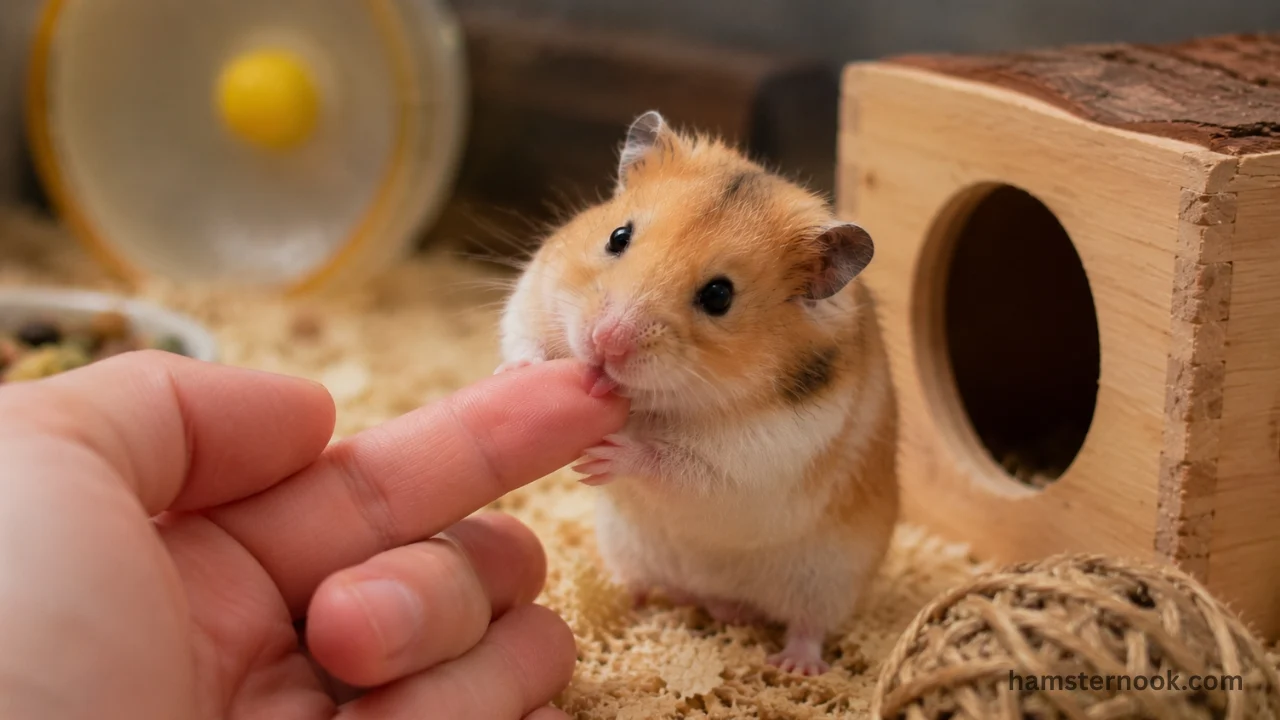
- Approaching voluntarily
- Accepting treats calmly
- Remaining relaxed during handling
- Exploring around you confidently
These signs are often more meaningful than constantly seeking attention.
If you’re curious about how much hamsters can actually recognize and remember, Can Hamsters Learn Their Names? provides an interesting look at hamster intelligence and learning abilities.
5 Signs Your Hamster Is Beginning to Trust You
Trust often develops gradually.
Look for these positive signs:
| Trust Signal | What It Usually Means |
|---|---|
| Approaches the cage front | Comfortable with your presence |
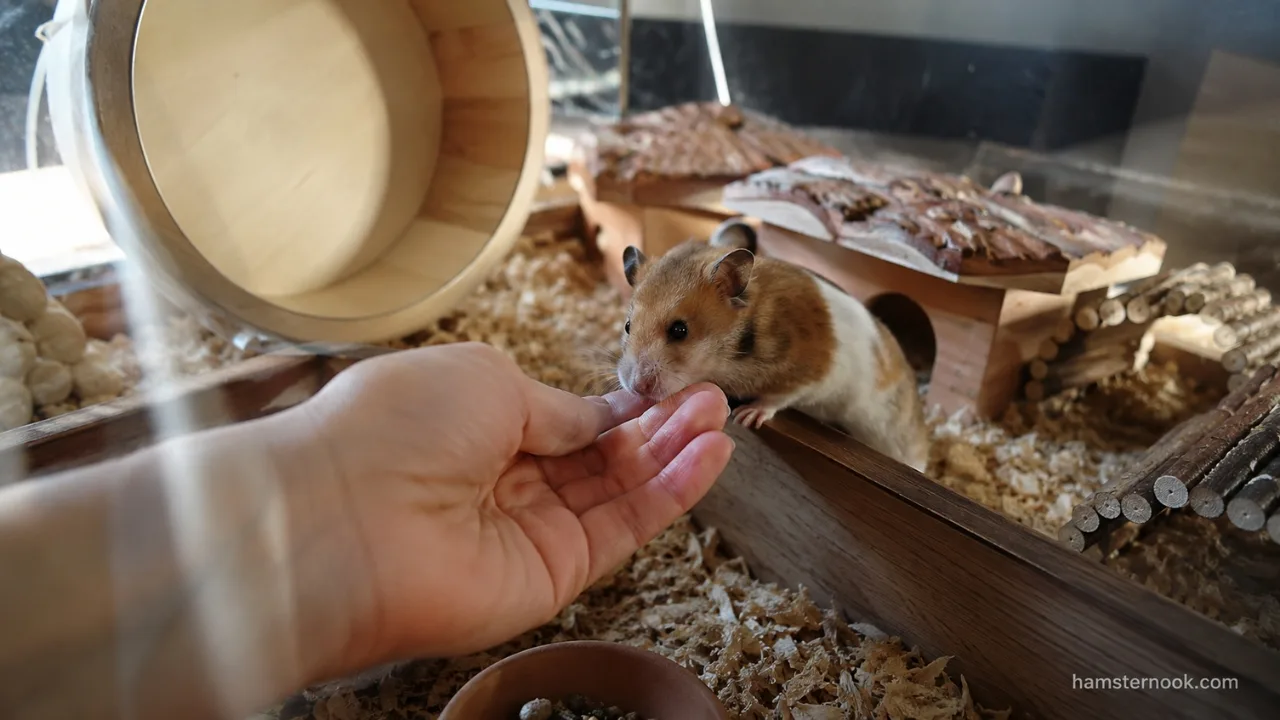
| Takes treats from your hand | Positive association formed |
| Climbs onto your hand | Growing confidence |
| Grooms near you | Feels safe |
| Explores during interactions | Reduced fear |
| Shows curiosity | Increasing trust |
Not every hamster will display all of these signs. Even small improvements, such as accepting treats calmly or remaining relaxed near your hand, indicate growing confidence.
For a broader checklist of everyday trust signals, 10 Signs Your Hamster Trusts You: How to Tell If They Like You explains what these behaviors can—and cannot—tell you.
Small changes in confidence often indicate that trust is developing in the right direction.
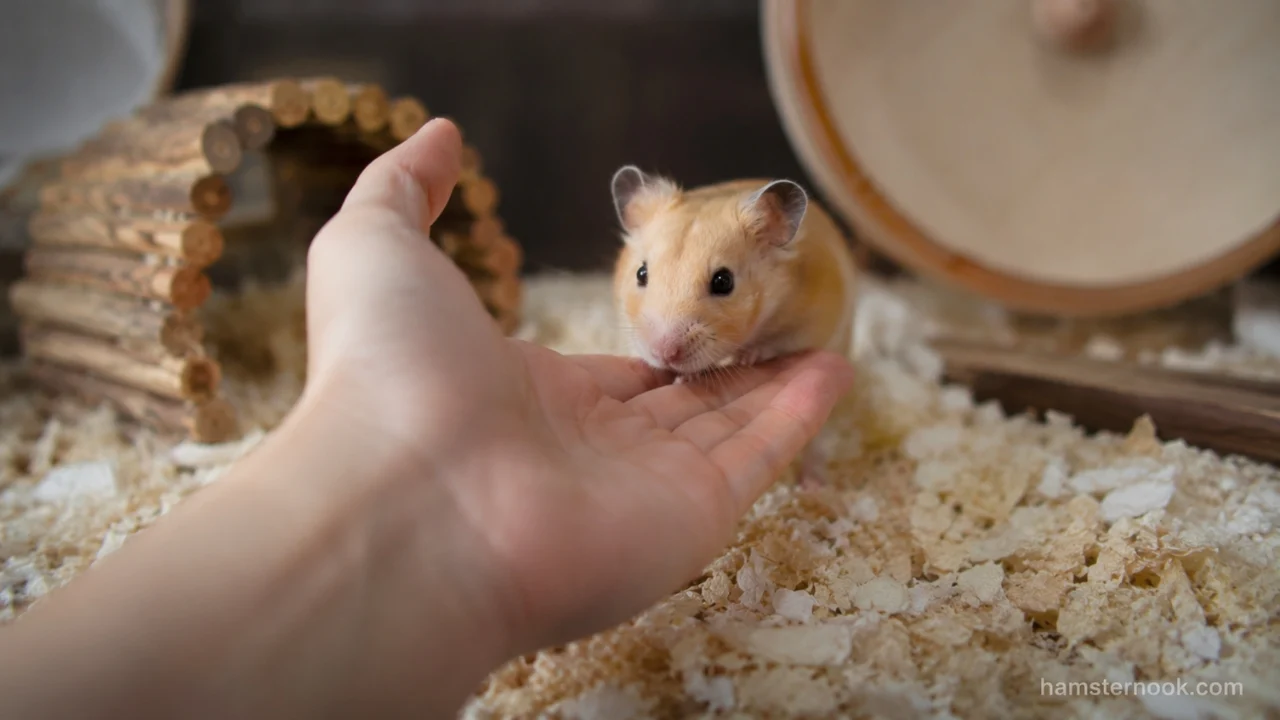
What Does Hamster Trust Actually Look Like?
Many owners expect a trusting hamster to enjoy cuddling or constantly seeking attention. In reality, trust is often shown through calm behavior, curiosity, and willingness to interact voluntarily.
Signs You May Be Moving Too Fast
If your hamster suddenly starts hiding more, refusing treats, running away immediately, or showing defensive behaviors, it’s often a sign that training should slow down for a few days.
5 Common Mistakes That Slow Down Trust Building
Many owners unintentionally make bonding harder.
Moving Too Fast
Trying to handle a hamster before it’s ready often causes setbacks.
Waking a Sleeping Hamster
Disrupting natural sleep cycles creates stress.

Using Strong Scents
Perfumes, lotions, and scented products can confuse or overwhelm a hamster’s sensitive nose.
Forcing Interaction
Trust cannot be rushed. Forced handling usually produces the opposite result.
Being Inconsistent
Trust grows through regular, predictable interactions.
What If Your Hamster Still Seems Afraid?
Some hamsters simply need more time.

If your hamster seems unusually fearful, Why Is My Hamster Scared of Me? Causes, Signs & How to Rebuild Trust covers common causes and ways to respond without forcing contact.
If your hamster continues hiding or avoiding contact:
- Review cage setup
- Reduce stressors
- Slow down training sessions
- Focus on positive experiences
Patience can help when fear comes from a new environment or unfamiliar handling, but do not assume every behavior change is a bonding problem. If your hamster becomes unusually inactive, stops eating, loses weight, develops diarrhea, or has breathing difficulty, contact a veterinarian promptly. A sudden change in behavior can be a sign of illness or pain.
Fearful behavior does not necessarily mean your hamster dislikes you. Owners dealing with persistent nervous behavior may also find Why Does My Hamster Run Away From Me? What It’s Really Trying to Tell You helpful. It often means your hamster is still learning that you’re safe.

Key Takeaway
The most effective way to get a hamster to trust you faster is to combine patience, hand-fed treats, gentle interaction, and respect for your hamster’s natural routine. Trust grows when your hamster consistently experiences safety, predictability, and positive contact.
Final Thoughts
Building trust with a hamster isn’t about finding a secret trick or shortcut. It’s about creating a series of positive, stress-free experiences that help your hamster feel secure around you.
The quickest path to trust is usually patience. Hamsters respond far better to calm, predictable interactions than rushed attempts to speed up the bonding process. Give your hamster time, respect its boundaries, and allow curiosity to develop naturally.
Many hamsters gain confidence naturally when owners allow the relationship to develop at a comfortable pace. By following these ten proven strategies, you’ll create a stronger bond and a happier relationship with your pet for years to come.

Frequently Asked Questions
How do I know if my hamster trusts me?
A trusting hamster will often approach your hand willingly, accept treats calmly, remain relaxed during interactions, and show curiosity rather than fear.
How long does hamster taming usually take?
Some hamsters begin showing trust within days, while others may need several weeks. Personality and previous experiences play a major role.
Can a hamster learn to enjoy being handled?
Many hamsters become comfortable with gentle handling when trust is built gradually and interactions remain positive.
Why does my hamster run away when I put my hand in the cage?
This usually indicates caution rather than dislike. Your hamster may still be adjusting to your presence or may need more positive experiences before feeling comfortable.

Why does my hamster take treats but still avoid being picked up?
Accepting treats is often one of the first stages of trust. Many hamsters become comfortable taking food before they feel ready for handling.
Can I build trust with a hamster that bites?
Yes. Many biting hamsters are acting out of fear rather than aggression. Slowing down interactions and focusing on positive experiences often improves trust over time.
Is it normal for progress to seem slow?
Absolutely. Trust-building is rarely a straight line. Some days your hamster may appear more confident than others, especially while adjusting to new experiences or environments.
References
This guide is based on hamster behavior, taming, handling, trust-building, stress, enrichment, and welfare guidance from trusted animal welfare and veterinary resources, including:
- RSPCA – Hamster Behaviour – Guidance on natural hamster behavior, handling, activity patterns, social interaction, and recognizing signs of stress or fear.
- RSPCA – Keeping Hamsters as Pets – General guidance on hamster care, handling, housing, enrichment, behavior, and welfare.
- Blue Cross – Hamster Care Guide – Practical information on handling, settling a new hamster, building confidence, enrichment, housing, and general wellbeing.
- MSD Veterinary Manual – Hamsters – Veterinary reference information covering hamster behavior, health, husbandry, and conditions that can affect normal activity and behavior.
- NC3Rs – Housing and Husbandry: Hamster – Guidance on suitable hamster housing, bedding, environmental conditions, natural behaviors, and welfare.
- NC3Rs – Choosing Appropriate Enrichment – Guidance on providing appropriate enrichment and opportunities for natural behavior while supporting animal welfare.
Medical Disclaimer
This article is intended for educational purposes only and should not be considered veterinary advice. Fear, biting, hiding, or changes in behavior can sometimes be related to stress, pain, or an underlying health problem rather than a lack of trust. If your hamster becomes unusually inactive, stops eating, loses weight, develops diarrhea, has difficulty breathing, or shows other sudden or concerning changes, consult a qualified exotic animal veterinarian for proper evaluation.

Narayan Kumar is the founder and author of HamsterNook. He creates practical, research-based hamster care guides covering hamster behavior, nutrition, cage setup, enrichment, health, and everyday care. His goal is to help hamster owners make informed decisions and provide safer, healthier lives for their pets through clear, beginner-friendly information based on trusted animal care resources.