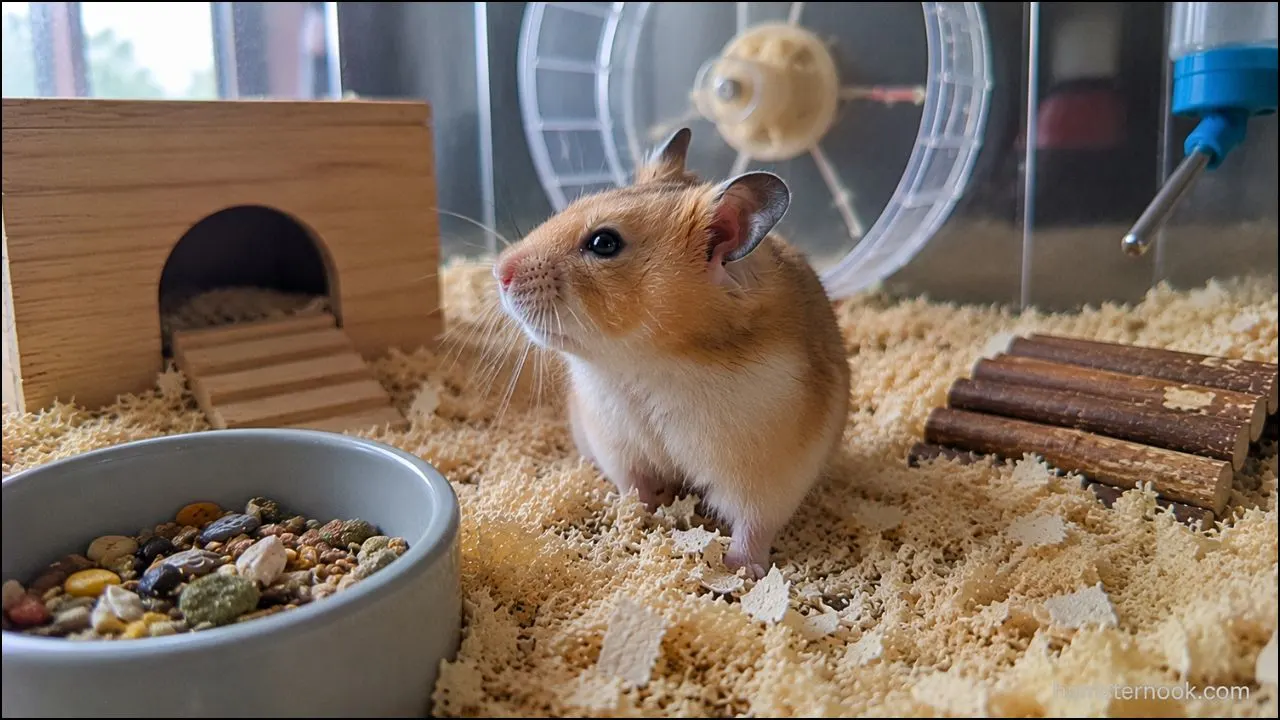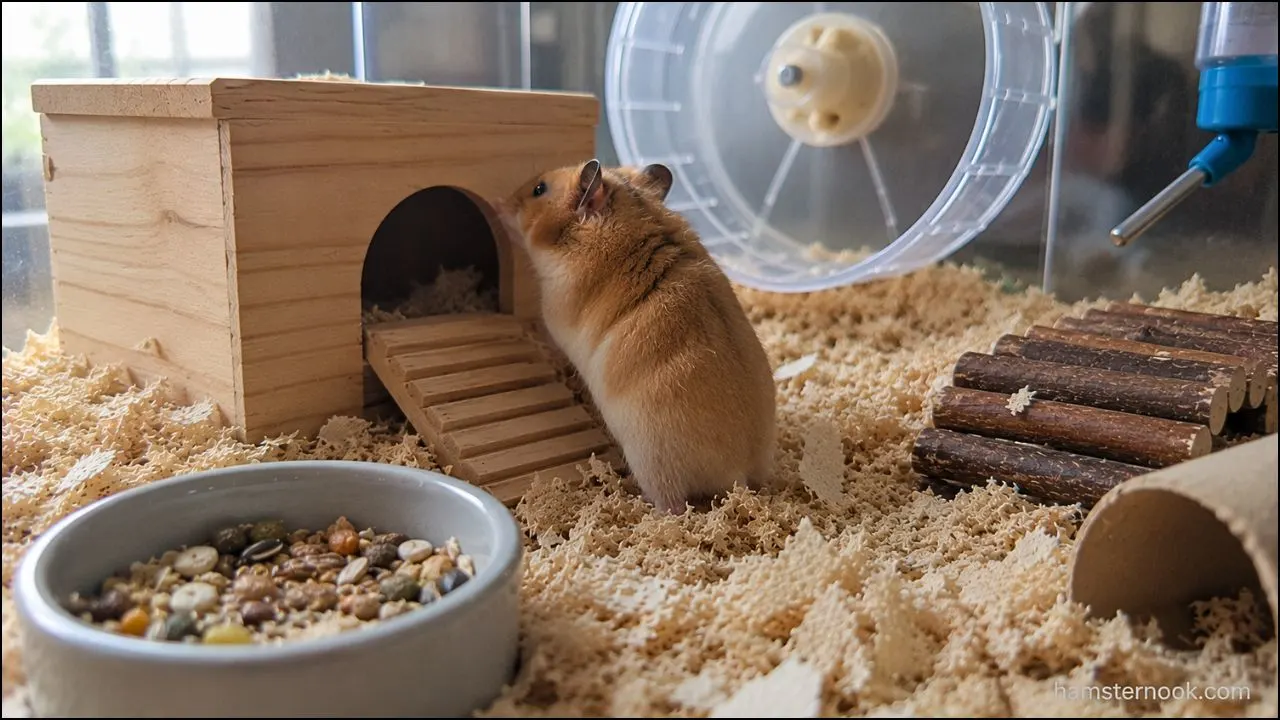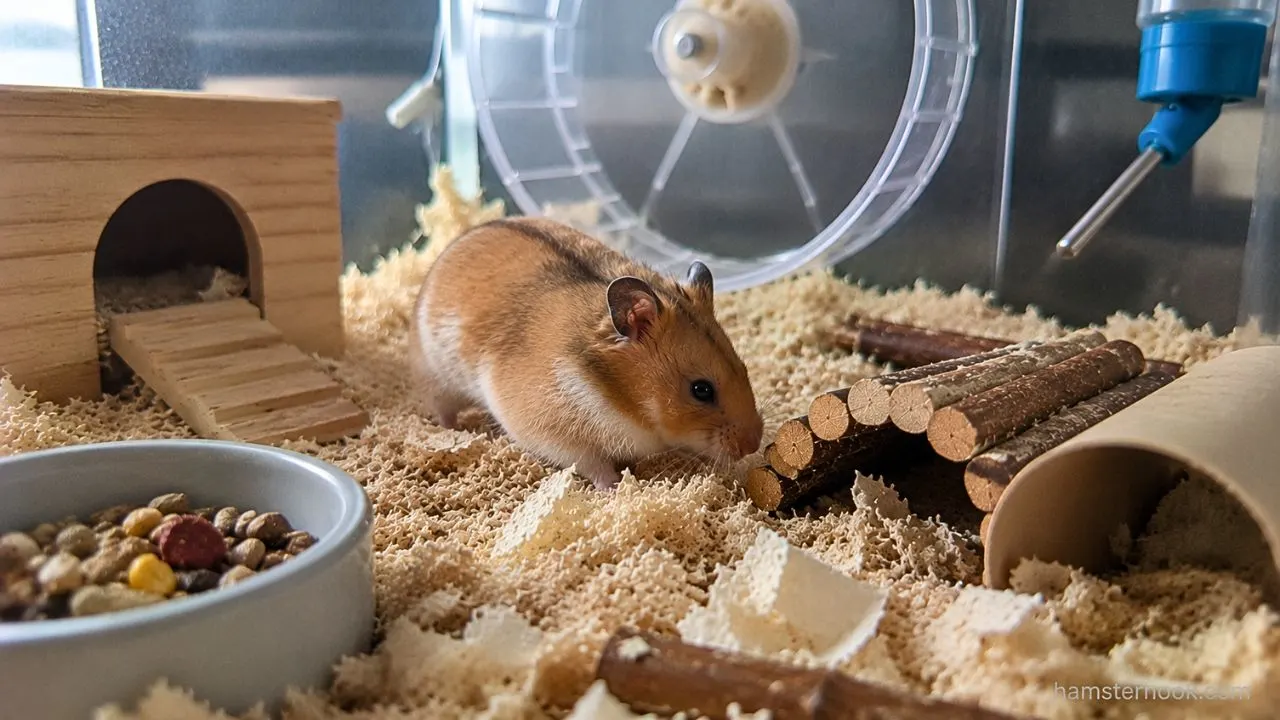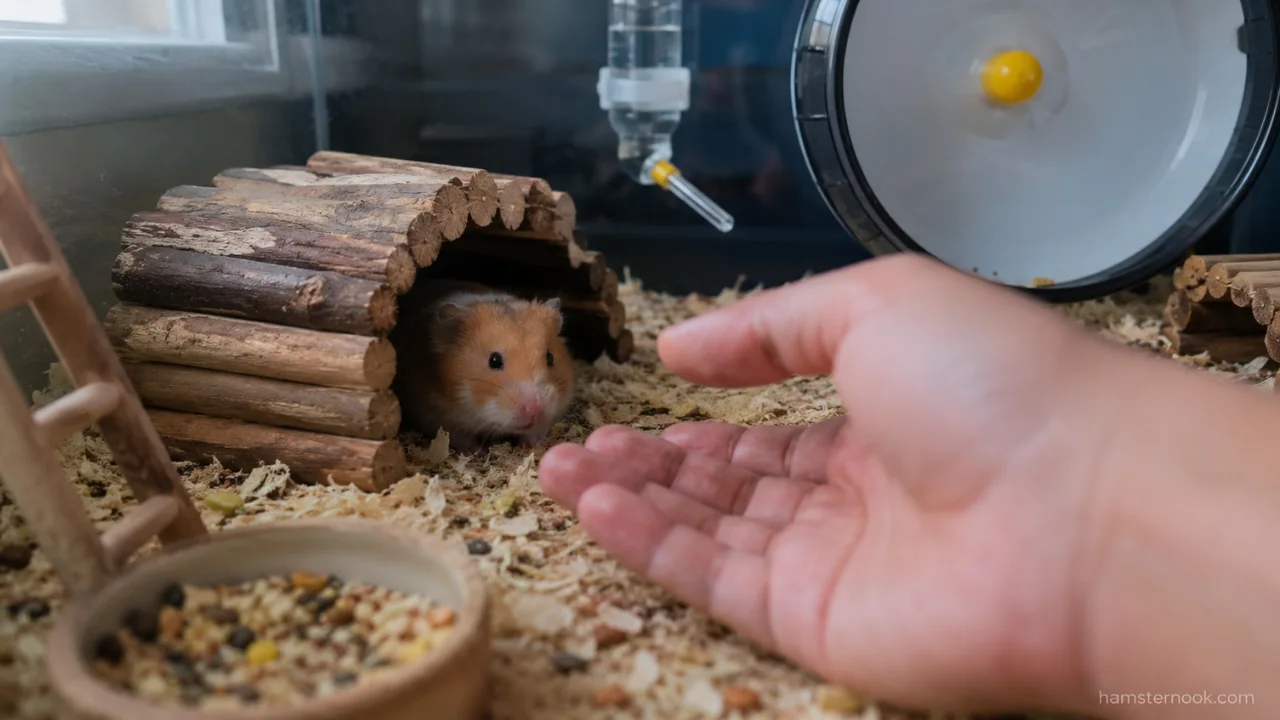
One day your hamster eagerly takes treats from your hand, climbs onto your palm, and seems completely comfortable around you. Then, seemingly out of nowhere, everything changes. They start hiding when you approach, run away when you open the cage, or even squeak and act nervous around you.
If your hamster suddenly seems nervous around you, there is often an identifiable cause behind the behavior change. A hamster suddenly becoming fearful does not necessarily mean you’ve done something wrong or that your pet no longer trusts you. Hamsters are sensitive animals, and changes in behavior are often linked to stress, environmental changes, health issues, or natural instincts.
Understanding why your hamster suddenly seems scared is the first step toward rebuilding trust and helping them feel secure again.
Common Signs Your Hamster Is Afraid of You
Fear can show up in different ways depending on the hamster’s personality.
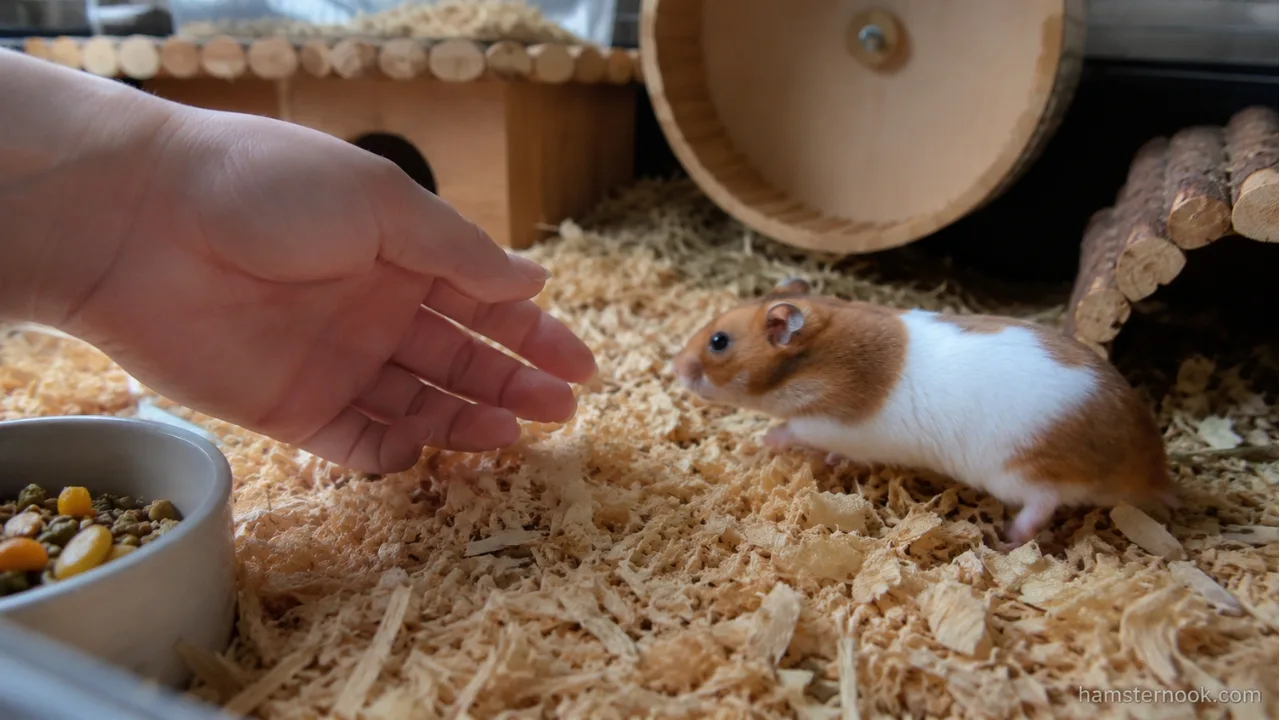
| Behavior | What It May Indicate |
|---|---|
| Running away when approached | Fear or uncertainty |
| Hiding more than usual | Stress or discomfort |
| Freezing in place | Feeling threatened |
| Squeaking or vocalizing | Fear or distress |
| Refusing treats from your hand | Loss of confidence |
| Biting or nipping | Defensive behavior |
| Jumping suddenly when touched | Startle response |
A single fearful reaction isn’t always a concern, but repeated changes in behavior deserve attention.
Looking for patterns over several days often provides a clearer picture than focusing on a single fearful interaction.
If hiding has also become much more frequent, our Why Is My Hamster Always Hiding? When It’s Normal and When to Worry guide explains when hiding is normal and when it may deserve closer attention.
Why Your Hamster May Suddenly Be Scared of You
Many owners assume their hamster has forgotten them or stopped liking them. In reality, there is usually a specific reason behind the behavioral change.

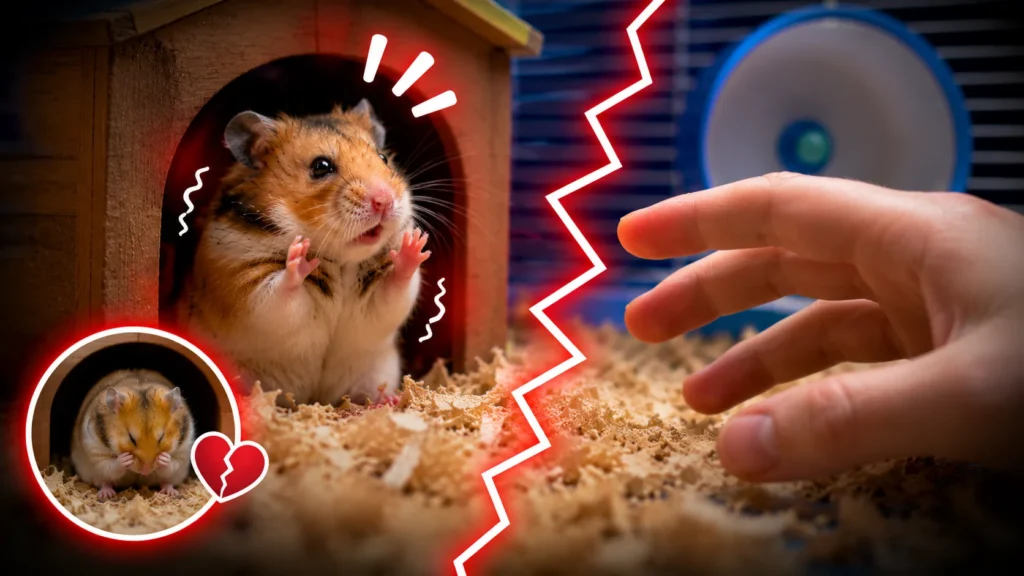
Changes in Scent Can Confuse Your Hamster
Hamsters rely heavily on their sense of smell.
If your hamster has also started watching you closely without approaching, Why Does My Hamster Keep Staring at Me? explains what this behavior usually means and whether it is a sign of curiosity, caution, or growing trust.
If you’ve recently used a new soap, lotion, perfume, hand sanitizer, or cleaning product, your hamster may not immediately recognize your scent.
To a hamster, unfamiliar smells can make even a trusted owner seem like a stranger.

Try washing your hands with unscented soap before handling your hamster and avoid strong fragrances around the cage.
A Recent Scary Experience May Have Damaged Trust
A frightening experience can make a hamster more cautious around handling, especially if it happens unexpectedly or while they are resting.
Many frightened hamsters show subtle changes before they completely avoid handling. Our Things Your Hamster Does When It No Longer Feels Safe guide explains the behaviors owners often overlook.
Your hamster may become nervous if they recently experienced:

- Being dropped accidentally
- Rough handling
- A loud noise during handling
- An unexpected grab from above
- A stressful cage cleaning
Even a single negative experience can temporarily reduce trust.
Your Hamster Was Startled While Sleeping
Hamsters are prey animals and naturally alert to danger.
Being suddenly awakened can trigger a defensive reaction. If you accidentally wake your hamster while they are sleeping, give them space and avoid immediately trying to handle them again.
Many fear-related problems start with small handling mistakes. Our 7 Common Hamster Mistakes That Can Make Your Pet Sick (And How to Avoid Them) guide covers everyday habits that can negatively affect your hamster’s wellbeing.
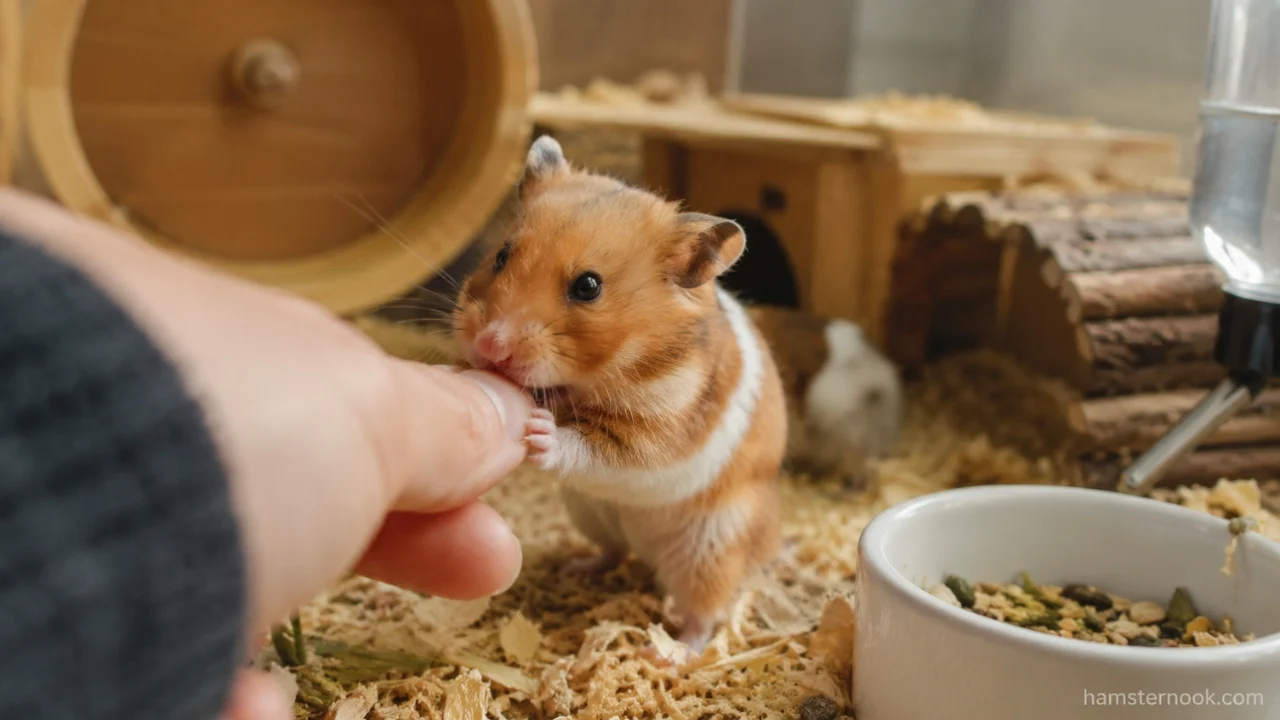
Always allow your hamster to wake up naturally before interacting with them.
New Sounds or Activity in the Home
Hamsters are highly sensitive to environmental changes.
If these environmental changes continue, 7 Ways You’re Accidentally Stressing Your Hamster: Signs & What to Do can help you recognize whether everyday stress is affecting your hamster’s behavior.
Common stress triggers include:
| Environmental Change | Possible Effect |
|---|---|
| New pet in the home | Increased fear |
| Construction noise | Stress and hiding |
| Rearranged room | Reduced confidence |
| Loud music or TV | Anxiety |
| Frequent visitors | Nervous behavior |
| Moving to a new home | Major stress |
What seems minor to humans can feel significant to a small prey animal.
Health Problems Can Cause Fearful Behavior
Behavioral changes that appear suddenly and continue for several days should always be monitored carefully, especially if eating habits or activity levels also change.
Behavioral changes are sometimes one of the earliest warning signs of illness. Our What Your Hamster Does Right Before It Gets Sick article explains the small changes many owners notice before obvious symptoms appear.
A hamster that suddenly becomes fearful may actually be feeling unwell.
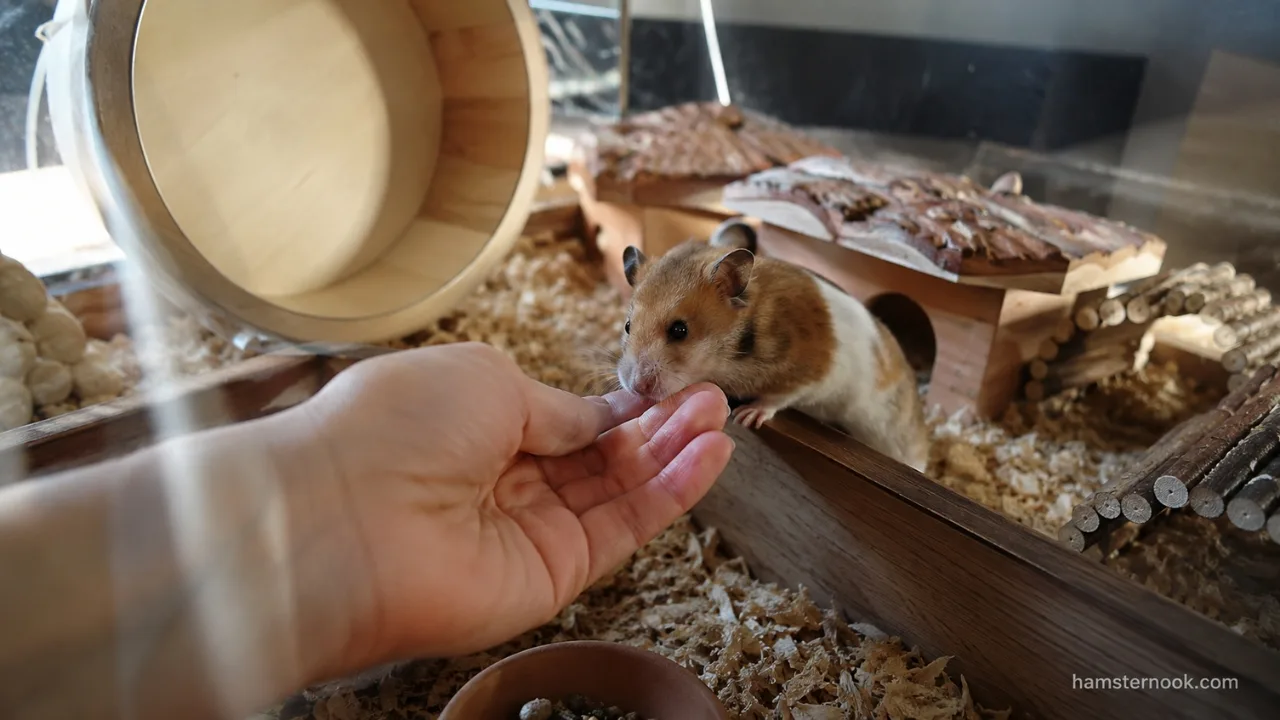
Pain and illness often make animals more defensive because they feel vulnerable.
Watch for additional symptoms such as:
- Reduced appetite
- Weight loss
- Lethargy
- Discharge from eyes or nose
- Difficulty moving
- Changes in drinking habits
If fearful behavior appears alongside physical symptoms, a veterinarian visit is recommended.
Our How to Tell If Your Hamster Is Sick: Signs, Symptoms & When to See a Vet guide explains the subtle health changes owners often miss before more obvious symptoms appear.

Your Hamster Is Going Through a Natural Personality Change
Just like people, hamsters can change over time.
Young hamsters are often more curious and adventurous. As they mature, some become calmer and more cautious.
This doesn’t necessarily mean your hamster dislikes you. They may simply be becoming more selective about interaction.
Handling Too Frequently Can Create Stress
Many owners are surprised to learn that too much attention can sometimes backfire.
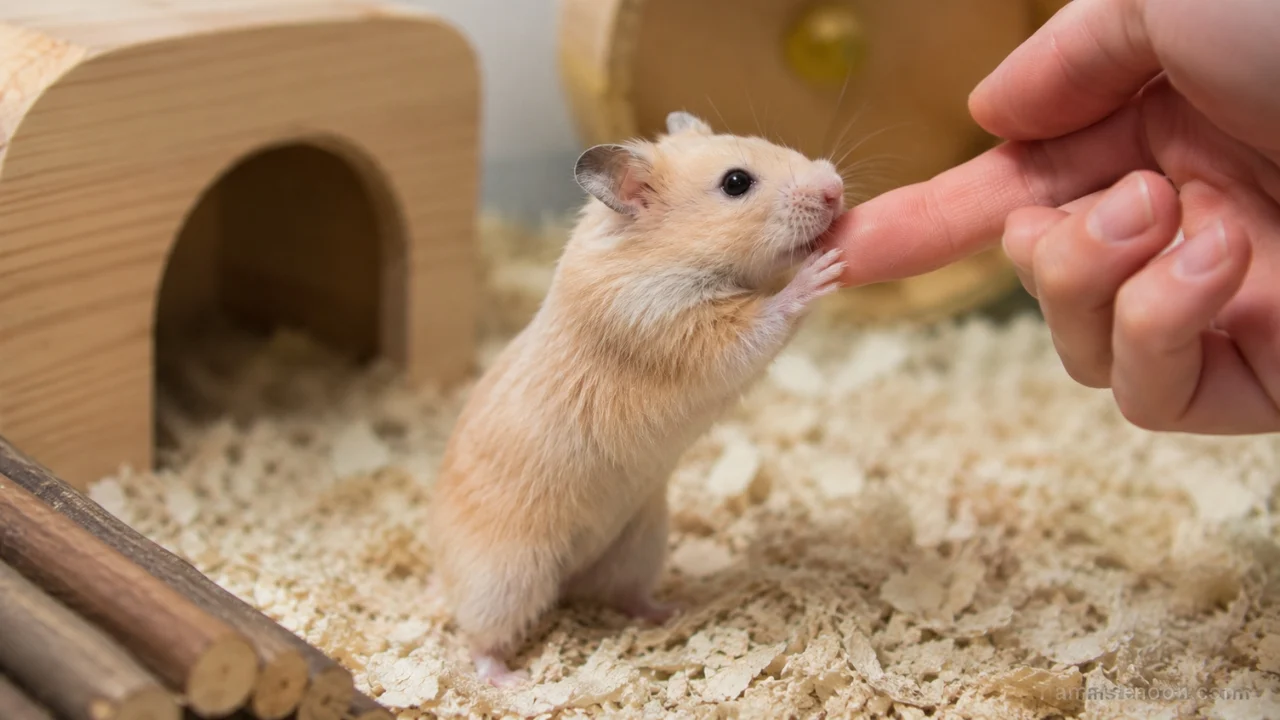
If you’re rebuilding trust after a setback, How to Tame a Hamster Without Getting Bitten walks through a gentle approach that helps many nervous hamsters become more comfortable with handling.
Hamsters generally enjoy routine and predictability. Excessive handling sessions may cause stress, especially if the hamster has little time to rest.
Signs of handling-related stress include:
- Avoiding your hand
- Hiding after interaction
- Increased cage aggression
- Nervous body language
Giving your hamster a few quiet days can sometimes help restore confidence.
Why Hamsters Often Fear Hands Coming From Above
One of the most common mistakes owners make involves how they approach their hamster.
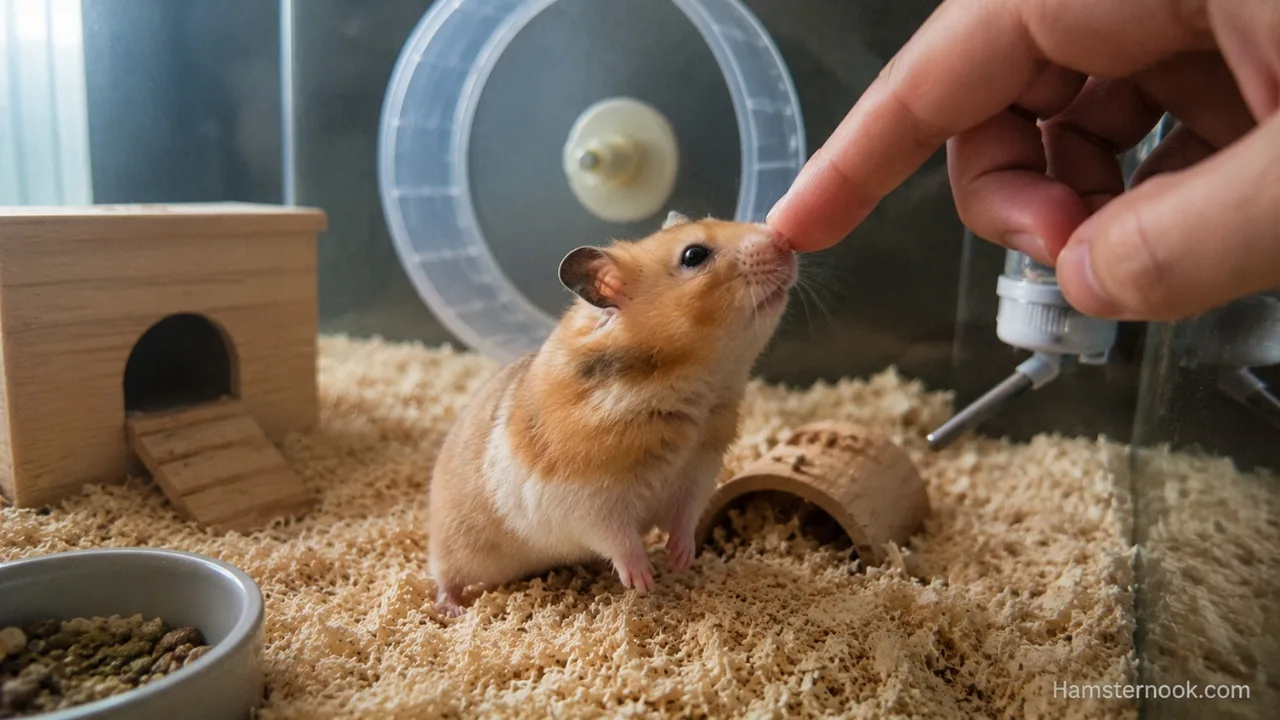
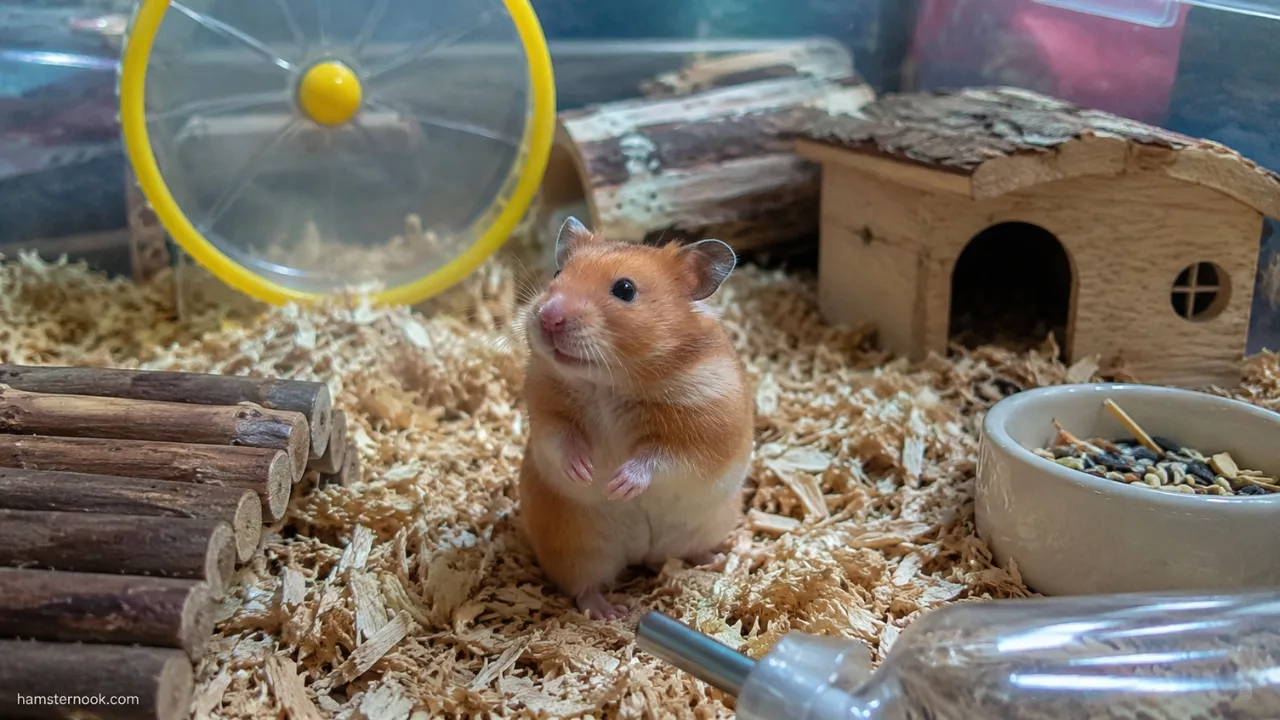
In the wild, predators such as birds attack from above. Because of this instinct, many hamsters feel threatened when a hand suddenly reaches down toward them.
| Approach Method | Hamster Reaction |
|---|---|
| Hand from above | Often frightening |
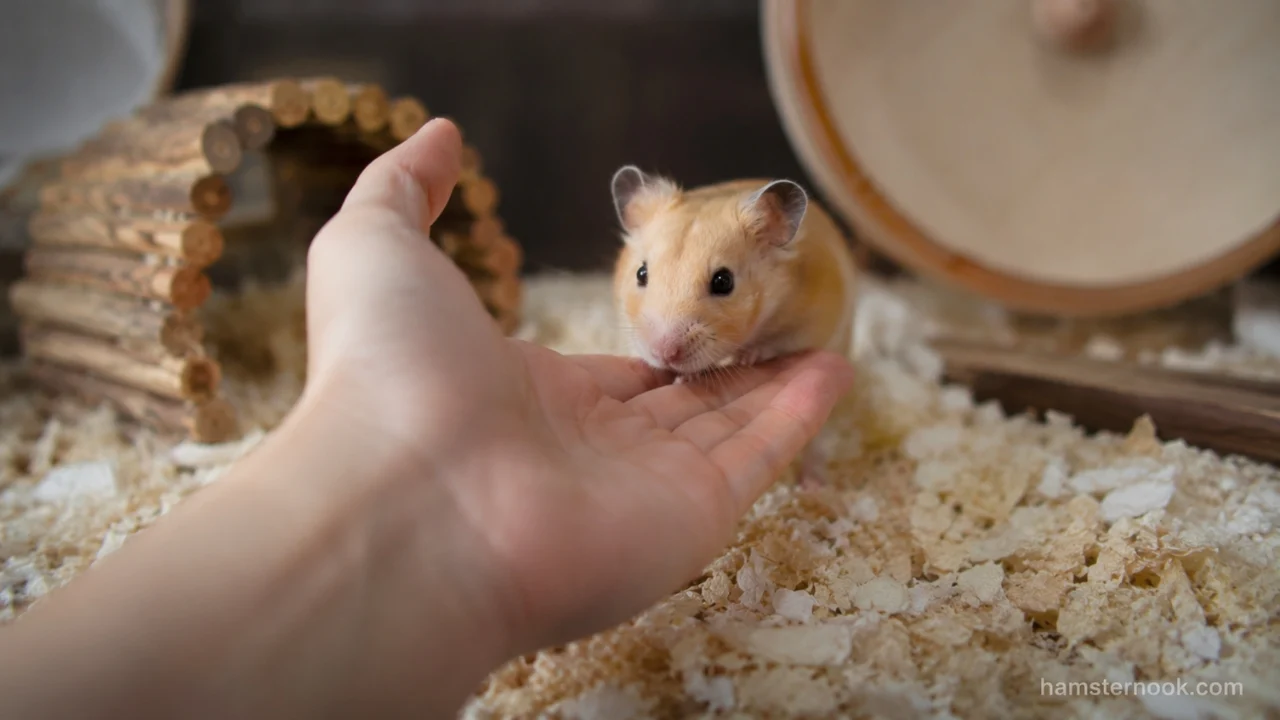
| Hand offered from the side | Usually less stressful |
| Allowing hamster to approach voluntarily | Builds trust faster |
| Forcing contact | Increases fear |
Allowing your hamster to choose interaction usually produces better results than attempting to pick them up immediately.
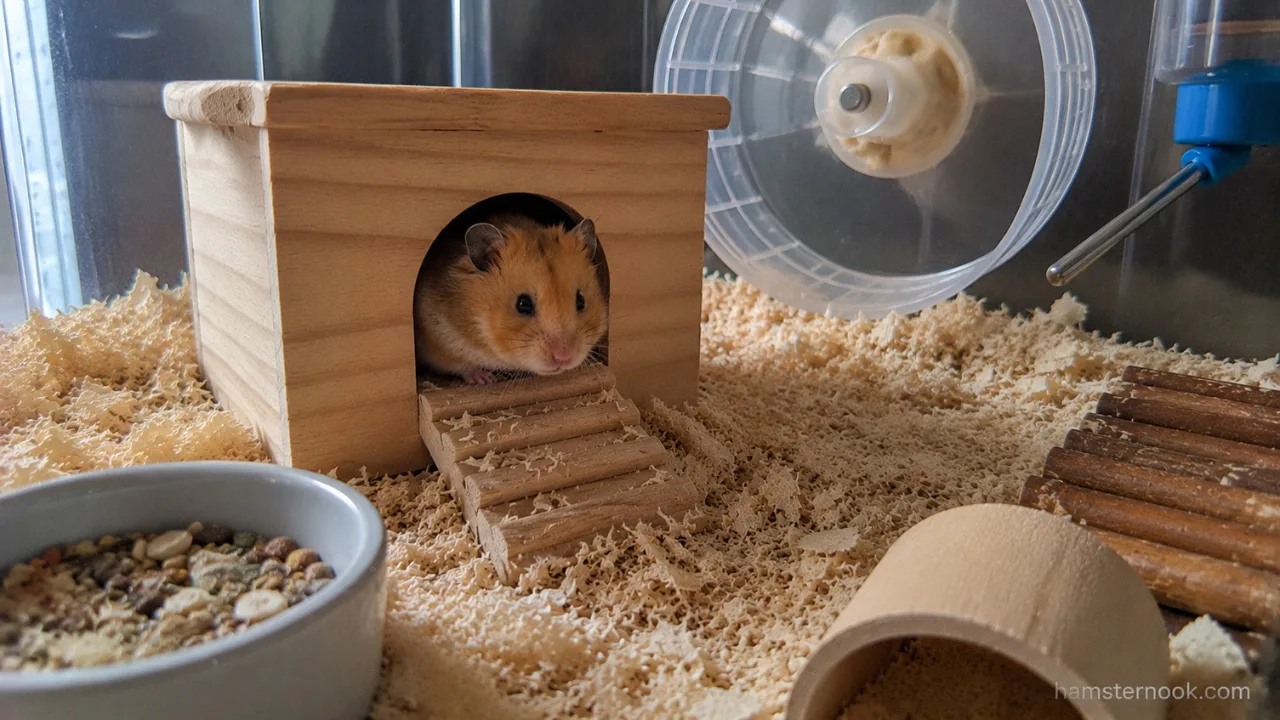
Could Cage Changes Be the Problem?
Hamsters become familiar with their surroundings through scent.
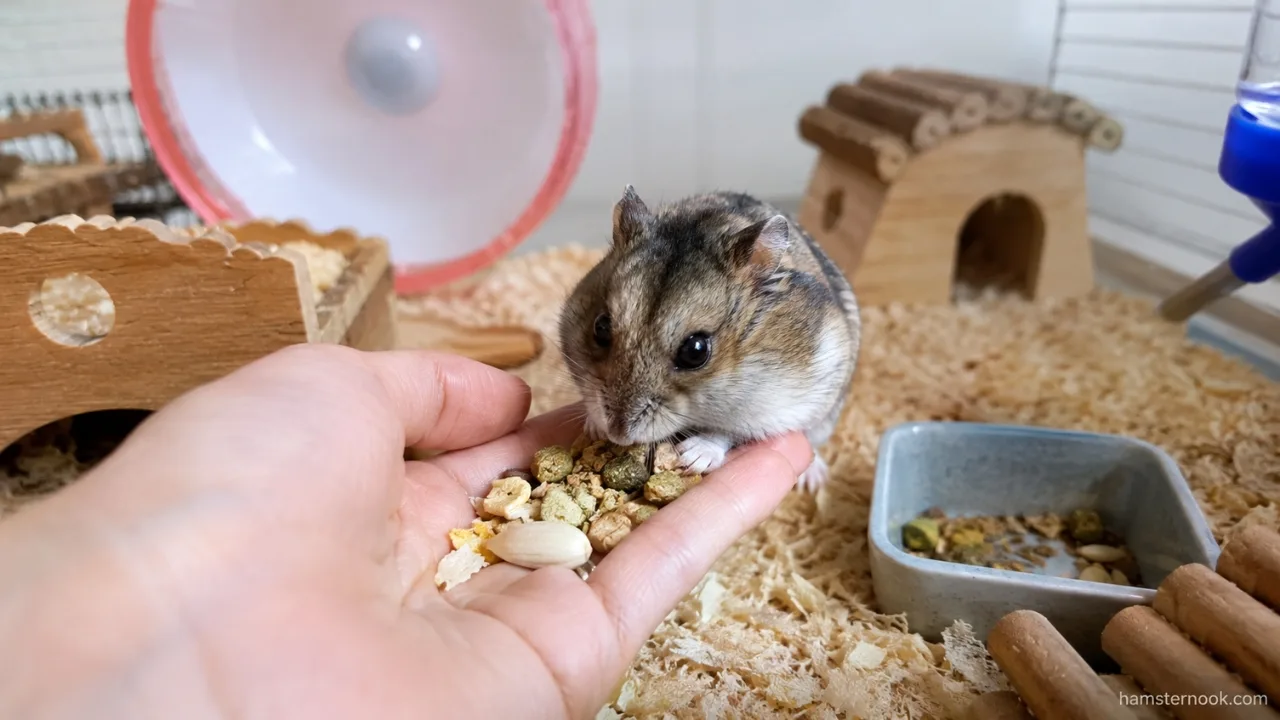
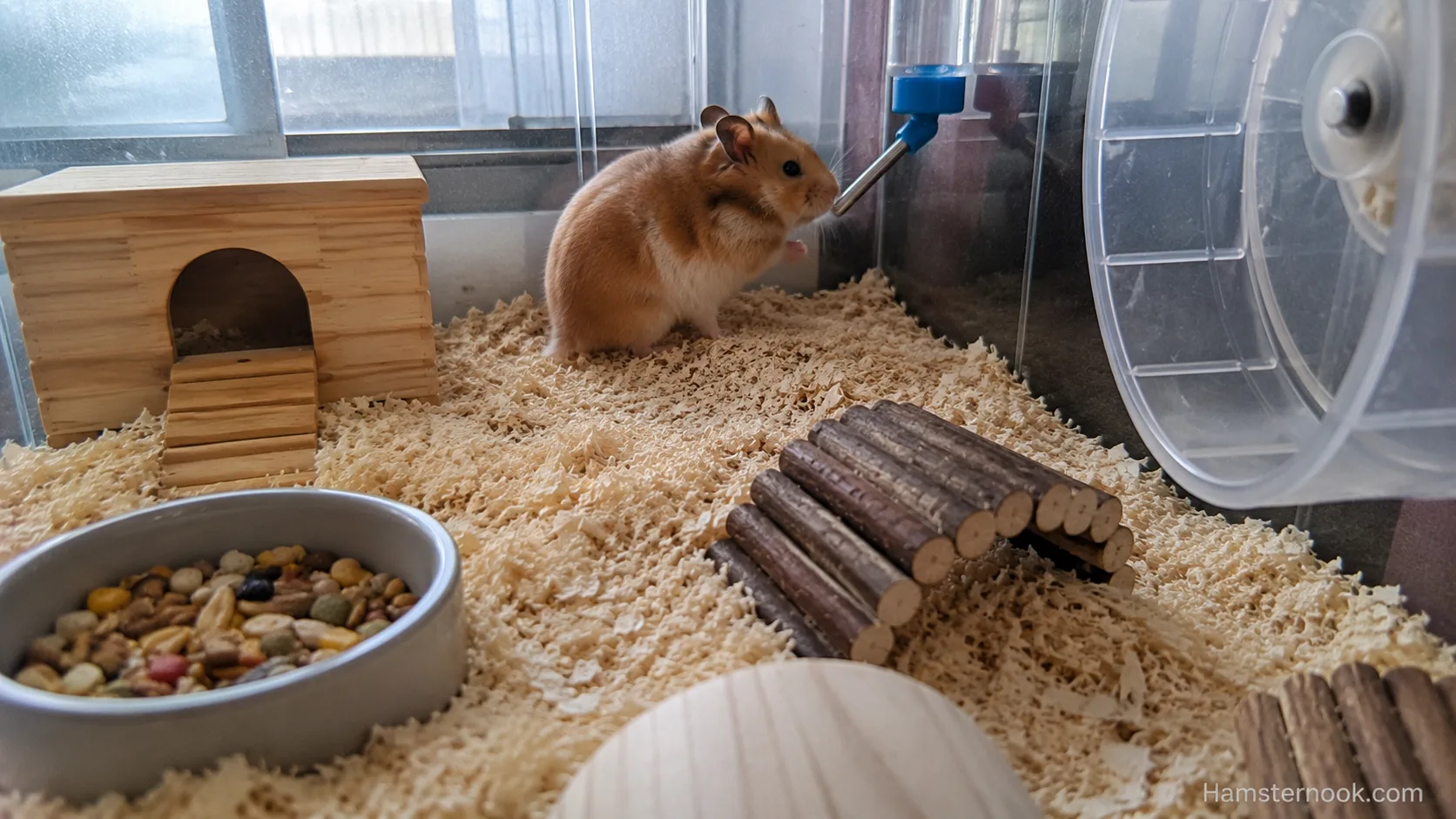
Creating a secure enclosure can make a big difference. Our Best Hamster Cage Setup for Beginners guide explains how proper cage design helps reduce fear and encourages confident behavior.
Major cage changes can sometimes make them feel insecure.
Examples include:
- Replacing all bedding at once
- Rearranging cage accessories
- Switching cages suddenly
- Removing familiar hiding places
When cleaning the cage, it’s helpful to leave a small portion of clean old bedding behind so familiar scents remain.
How to Rebuild Trust With a Scared Hamster
Keeping interactions short and positive often produces better long-term results than frequent handling sessions.
Most hamsters regain confidence when interactions remain calm, predictable, and positive.
Slow Down Interactions
If your hamster seems nervous, reduce handling temporarily.
Spend a few days simply sitting near the cage and speaking softly. Let them observe you without pressure.

Avoid trying to regain your hamster’s trust in a single session. Short, calm interactions repeated over several days are usually much more effective than long handling sessions that may overwhelm an already nervous hamster.
Use Treat-Based Positive Reinforcement
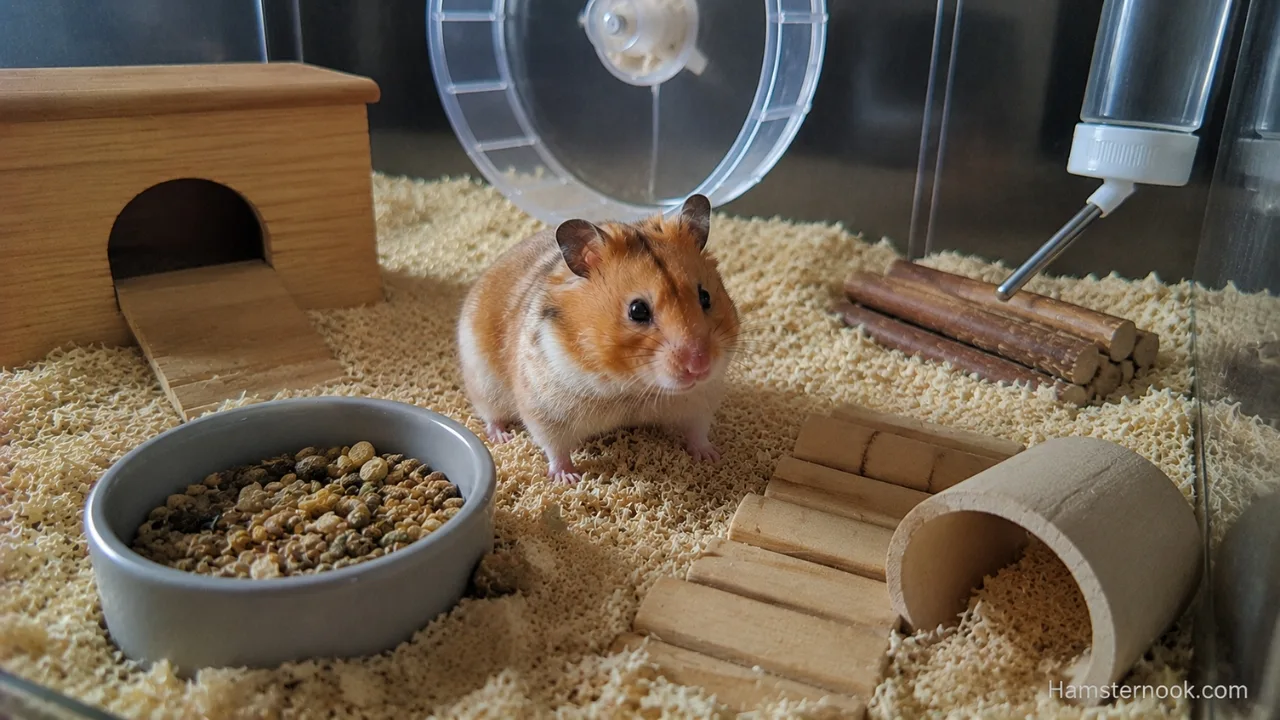
Food can help rebuild positive associations.
Offer small treats such as:
- Tiny pieces of cucumber
- Small broccoli pieces
- Hamster-safe seeds
Place treats near your hand at first rather than trying to pick the hamster up.
If your hamster still avoids you after several calm interactions, 10 Signs Your Hamster Trusts You: How to Tell If They Like You explains the small behavioral changes that often show your bond is improving.
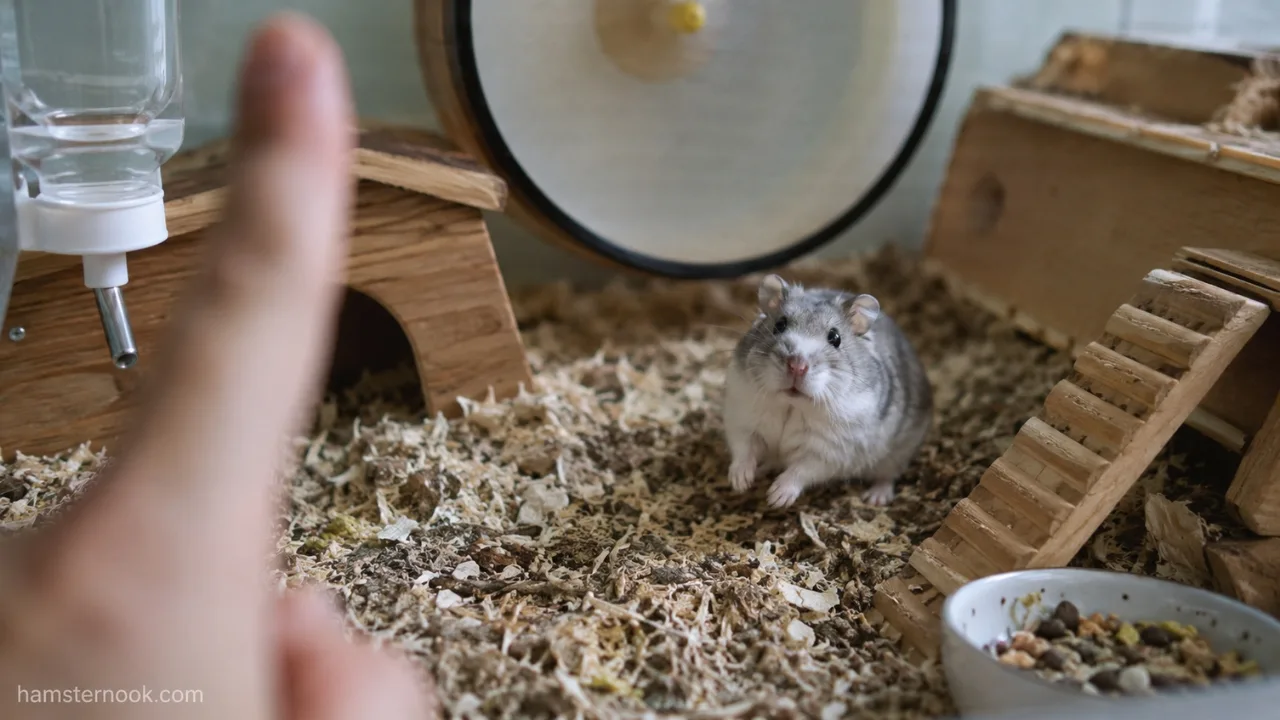
Let Your Hamster Make the First Move
Trust grows faster when the hamster feels in control.
Instead of reaching for your hamster, place your hand inside the cage and remain still. Allow them to investigate at their own pace.
This approach often produces better long-term results.
Maintain a Consistent Routine
Hamsters feel safer when daily life is predictable.
Try to:
- Feed at similar times
- Handle at similar times
- Avoid sudden disturbances
- Keep noise levels low
Consistency helps reduce anxiety.
Mistakes to Avoid When Your Hamster Is Scared
Many fear-related problems start with small handling mistakes. Common Hamster Mistakes Beginners Make explains the everyday habits that can accidentally damage your hamster’s confidence.
Avoid these common errors that can worsen fear:
| Mistake | Why It’s Harmful |
|---|---|
| Forcing handling | Increases stress |
| Chasing around the cage | Damages trust |
| Waking a sleeping hamster | Triggers defensive behavior |
| Punishing biting | Creates more fear |
| Frequent cage disruptions | Reduces security |
Patience is usually more effective than trying to speed up the bonding process.
How Long Does It Take for a Hamster to Trust You Again?
Every hamster is different.
Some recover within a few days after a stressful event, while others may need several weeks to regain confidence.
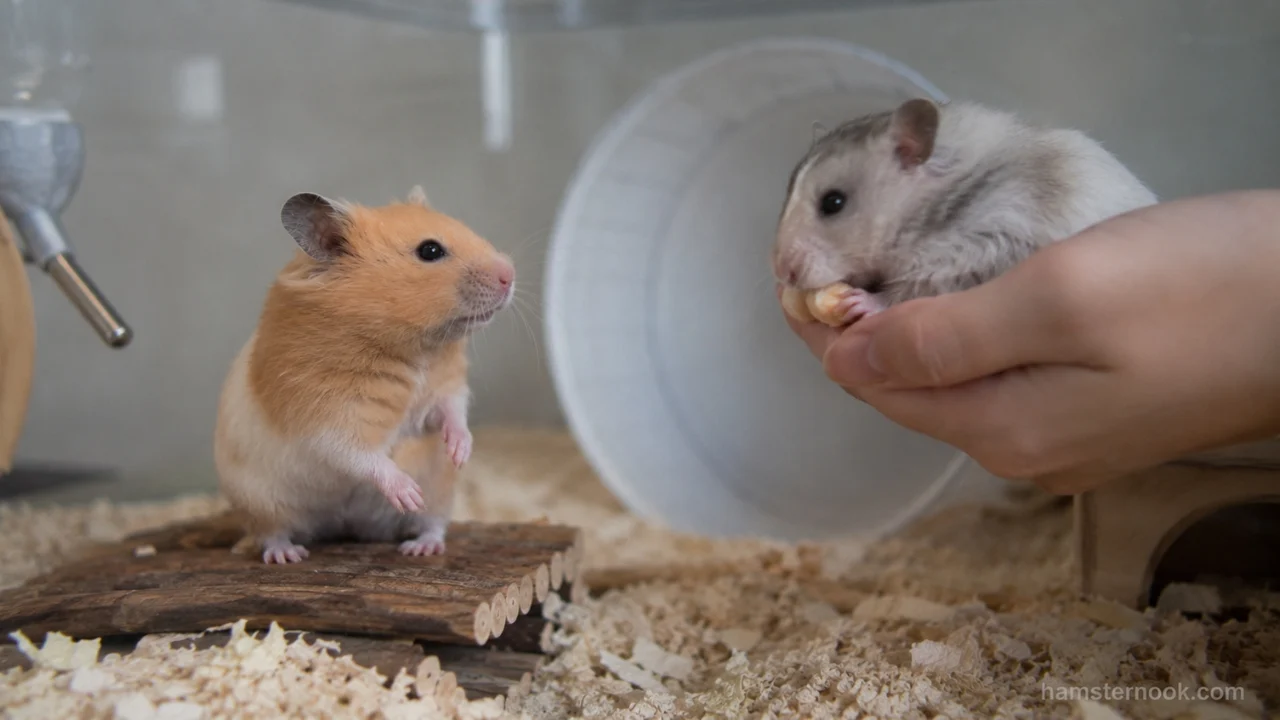
Factors affecting recovery include:
- Age
- Personality
- Previous experiences
- Overall health
- Level of stress
The key is remaining consistent and avoiding situations that caused fear in the first place.
Trust usually returns gradually through predictable routines, calm interactions, and giving the hamster enough time to feel secure again.
Some hamsters regain confidence surprisingly quickly once the original source of stress has been removed, while naturally shy individuals may always prefer limited handling. Respecting your hamster’s personality is an important part of building long-term trust.

When Fearful Behavior May Need Veterinary Attention
Sometimes behavior changes are not purely emotional.
Consider veterinary advice if your hamster shows:
- Sudden aggression combined with lethargy
- Loss of appetite
- Weight loss
- Difficulty walking
- Persistent hiding for many days
- Signs of pain or illness
Behavior changes can occasionally be an early warning sign of a medical problem.
Final Thoughts
A hamster that suddenly becomes scared of you is usually reacting to something in their environment, routine, health, or recent experiences. In most cases, the problem can be resolved through patience, gentle handling, and rebuilding positive associations.

Rather than forcing interaction, focus on helping your hamster feel safe again. Give them time, respect their boundaries, and maintain a predictable routine. Most hamsters gradually regain confidence when they realize there is no threat.
Consistent routines and gentle interactions are often the most effective ways to rebuild trust over time, and with consistency, your hamster can learn to feel comfortable around you again.
Frequently Asked Questions
Why Is My Hamster Suddenly Scared of Me?
A sudden change can happen after a frightening experience, environmental change, disrupted sleep, stressful handling, or illness. Look at what changed recently and give your hamster calm, predictable interactions rather than forcing contact.
Why does my hamster run away when I put my hand in the cage?
Your hamster may feel startled, stressed, or unsure of your intentions. Approaching slowly and allowing them to come to you often helps.
Will my hamster remember me after a few weeks?
Yes. Hamsters can recognize familiar scents and routines, especially if you have interacted with them regularly.
Is it normal for a hamster to be scared after a cage cleaning?
Yes. Removing familiar scents and rearranging the environment can temporarily make a hamster feel insecure.
Why does my hamster suddenly bite me when it never did before?
Biting may occur if the hamster is frightened, in pain, startled, or mistakes your fingers for food. Sudden biting should be evaluated alongside other behavioral changes.
How can I make my hamster comfortable around me again?
Use patience, consistent routines, gentle interactions, and positive reinforcement with treats. Allow your hamster to approach you voluntarily rather than forcing contact.

Can a hamster become scared of its owner after a cage cleaning?
Yes. Large cage cleanings can remove familiar scents and temporarily make a hamster feel insecure. Most hamsters adjust again once familiar smells and routines return.
References
This guide is based on hamster behavior, stress, handling, environmental changes, trust-building, health monitoring, and welfare guidance from trusted animal welfare and veterinary resources, including:
- RSPCA – Hamster Behaviour – Guidance on natural hamster behavior, handling, fear, stress, activity patterns, and behavioral changes.
- RSPCA – Creating a Good Home for Hamsters – Guidance on housing, bedding, hiding places, environmental conditions, cage placement, and reducing stress.
- RSPCA – Keeping Hamsters as Pets – General hamster care, handling, behavior, welfare, diet, and environmental needs.
- Blue Cross – Hamster Care Guide – Practical guidance on hamster handling, settling in, housing, enrichment, behavior, and wellbeing.
- MSD Veterinary Manual – Hamsters – Veterinary reference information covering hamster health, behavior, common diseases, clinical signs, and husbandry.
- NC3Rs – Housing and Husbandry: Hamster – Guidance on hamster housing, environmental conditions, husbandry, natural behaviors, and welfare.
- NC3Rs – Choosing Appropriate Enrichment – Guidance on appropriate enrichment and supporting natural behaviors while maintaining animal welfare.
Medical Disclaimer
This article is intended for educational purposes only and should not be considered veterinary advice. A hamster that suddenly becomes fearful may be responding to stress, environmental changes, handling experiences, or other factors, but sudden behavioral changes can also occur alongside pain or illness. If fearful behavior persists or occurs with loss of appetite, weight loss, lethargy, difficulty moving, signs of pain, or other concerning symptoms, consult a qualified exotic animal veterinarian for proper evaluation.

Narayan Kumar is the founder and author of HamsterNook. He creates practical, research-based hamster care guides covering hamster behavior, nutrition, cage setup, enrichment, health, and everyday care. His goal is to help hamster owners make informed decisions and provide safer, healthier lives for their pets through clear, beginner-friendly information based on trusted animal care resources.