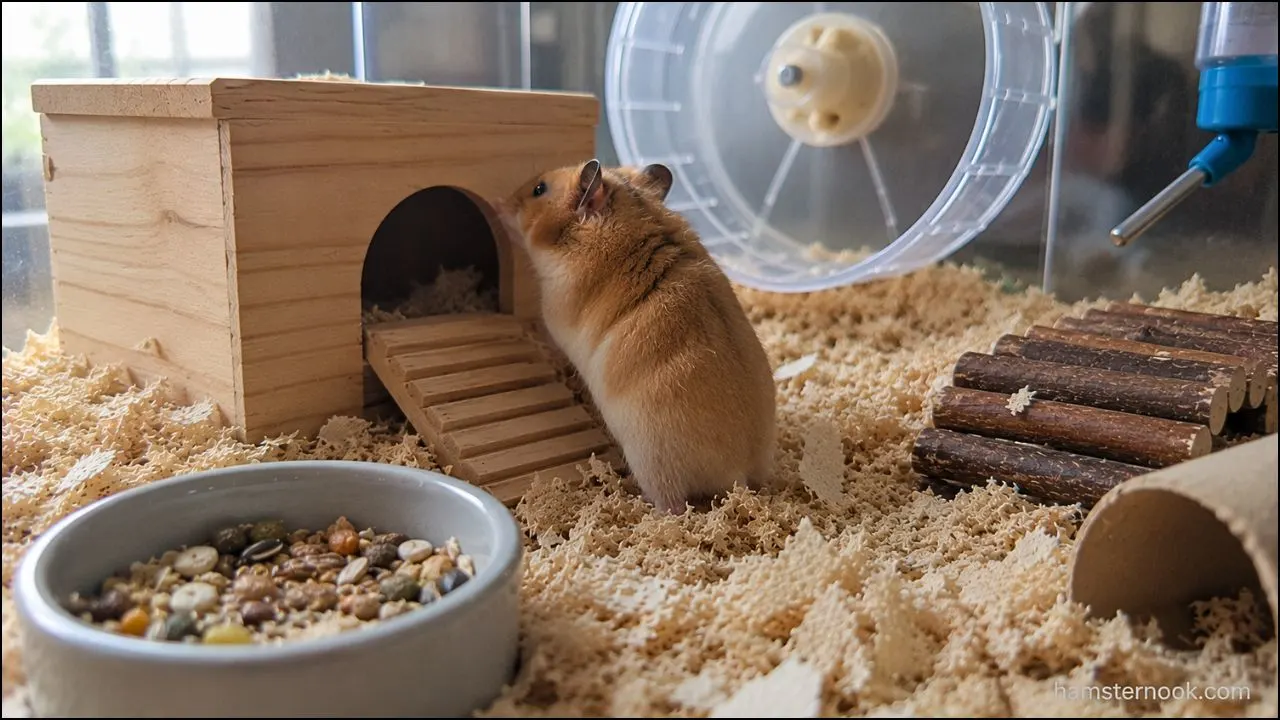
When a hamster doesn’t feel safe, its behavior may change before the reason is obvious. You might notice more hiding, freezing, defensive biting, escape attempts, repetitive behavior, or reluctance to interact.
However, no single behavior proves that a hamster is frightened or stressed. Normal personality, a new environment, handling, enclosure conditions, and health problems can sometimes produce similar changes.
This guide explains common signs that may suggest your hamster feels unsafe, what could be triggering those behaviors, and practical ways to help your hamster feel more secure.
Quick Answer
A hamster that feels unsafe may hide more than usual, freeze when approached, become defensive, repeatedly attempt to escape, or change its normal activity and interaction patterns. Look for a change from your hamster’s usual behavior rather than relying on one sign alone, and consider both environmental stress and possible health problems.
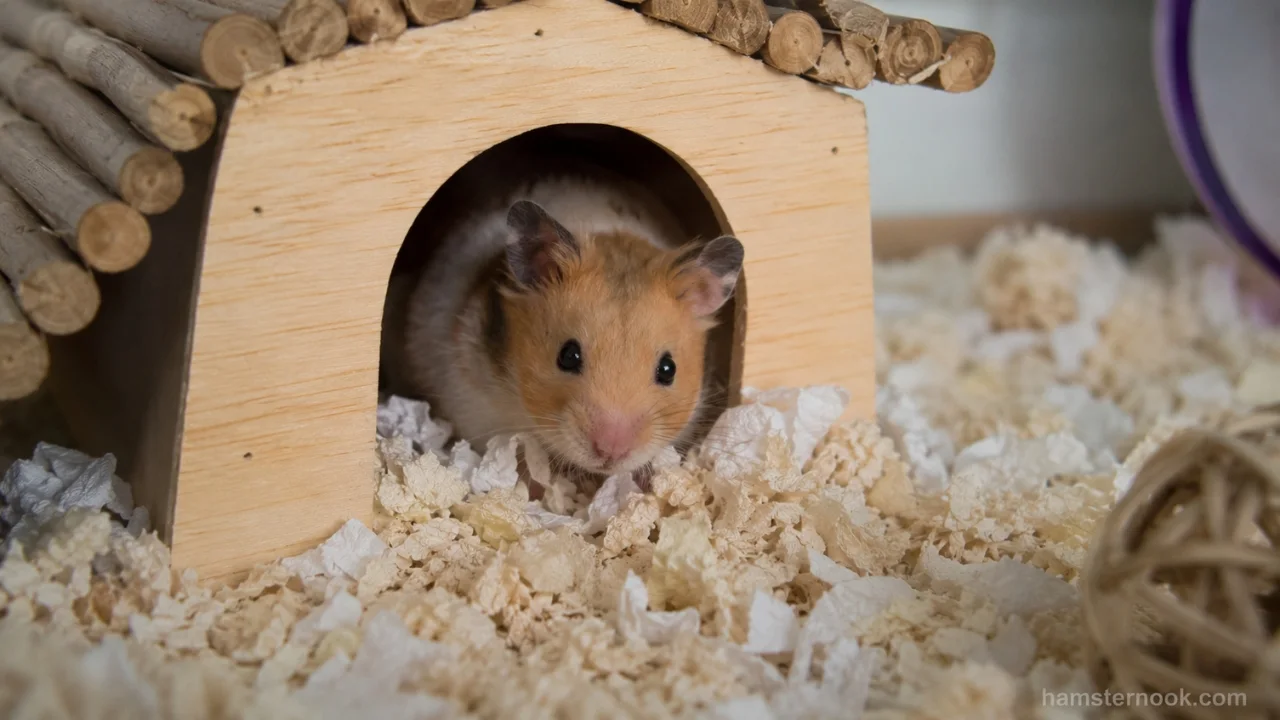
Why Feeling Safe Matters for Hamsters
A hamster’s behavior is easier to interpret when you know what is normal for that individual. A noticeable change in exploration, hiding, feeding, activity, or response to handling can be a reason to review recent environmental changes and the hamster’s overall condition.
Common causes of insecurity include:
- Sudden or loud noise
- Forced or rough handling
- Frequent enclosure disturbance
- Too few secure hiding areas
- Bright or disruptive lighting
- Nearby pets or repeated movement around the enclosure
- Major changes to the enclosure or routine
- Pain, illness, or another source of discomfort
The timing of the behavior can provide useful context. Consider what changed shortly before the hamster began acting differently.
Common Signs a Hamster No Longer Feels Safe
Recognizing stress behaviors early can help prevent long-term anxiety and health problems in hamsters.
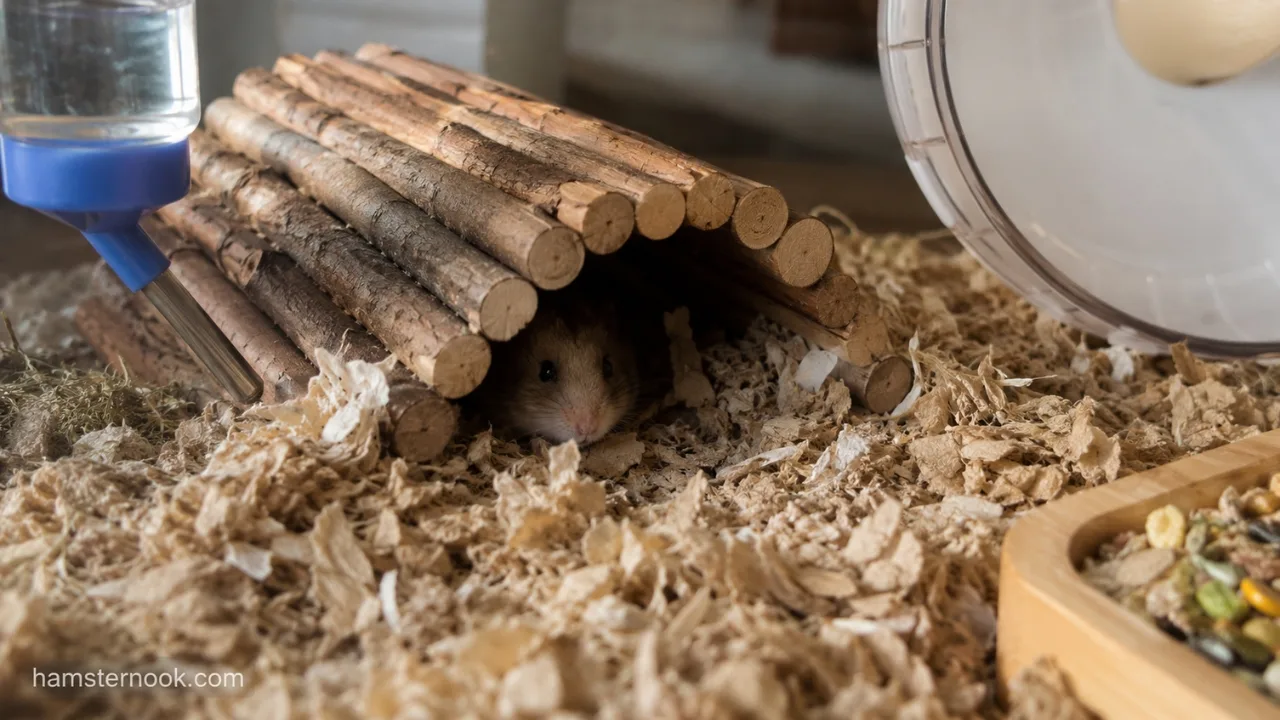
The behaviors below are some of the most common stress and fear responses seen in pet hamsters.
| Behavior | What to Consider |
|---|---|
| Increased hiding | Environment, recent changes, normal nesting pattern |
| Defensive biting | Fear, handling, territorial response, pain |
| Freezing | Sudden noise, movement or perceived threat |
| Repetitive behavior | Stress, limited enrichment or enclosure factors |
| Reduced interaction | Fear, adjustment period or health change |
| Reduced appetite | Stress or possible illness |
| Grooming/fur changes | Stress, skin problem or other health issue |
| Repeated escape attempts | Exploration, stress or enclosure conditions |
One isolated behavior does not always indicate a serious problem, but repeated changes usually deserve attention.
Looking at several behaviors together can provide better context than judging one sign alone. Hamster Body Language: Signs of Happiness, Stress, Fear & Illness explains how to interpret common behavioral signals.
Constant Hiding and Avoiding Interaction
Hamsters naturally enjoy hiding, but excessive hiding can signal insecurity.
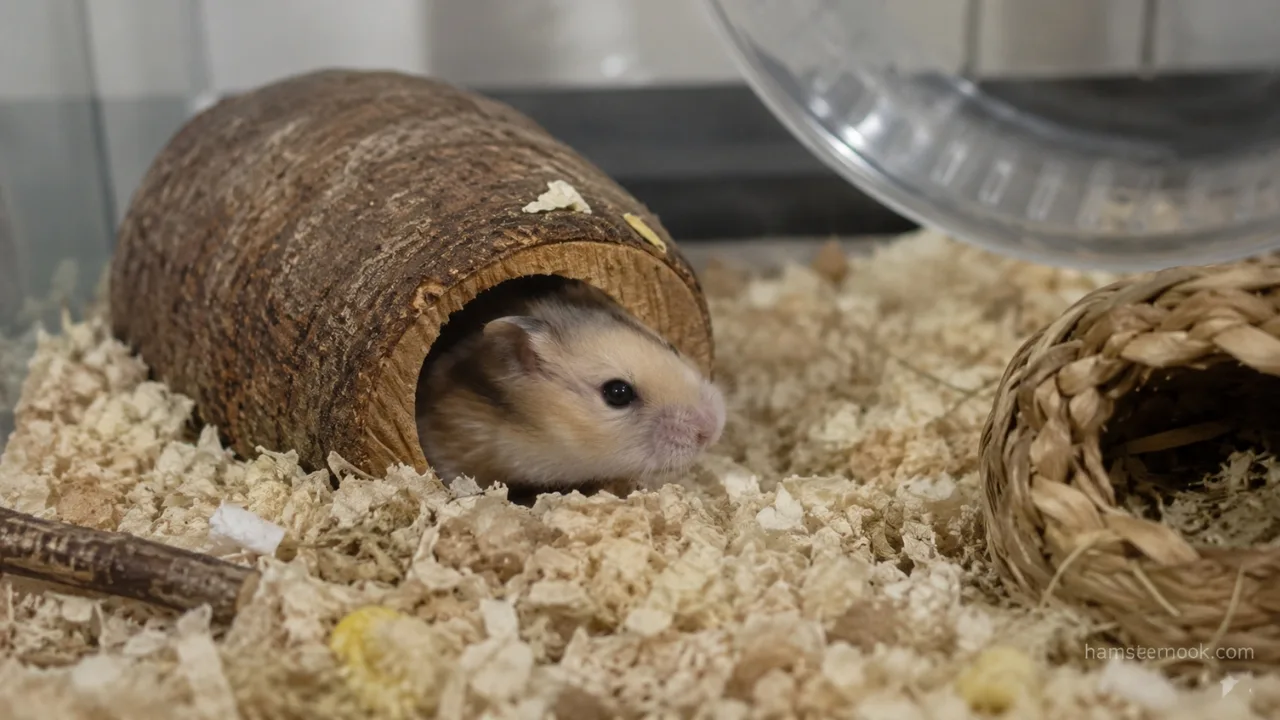
A hamster that suddenly avoids coming out, even during normal active hours, may no longer feel comfortable in its environment. Some stressed hamsters stay buried for long periods or rush back into hiding whenever someone approaches the cage.
This often happens when:
- The cage is placed in a noisy area
- Handling became too stressful
- The hamster lacks secure hideouts
- Bright lights disturb the enclosure
Providing multiple hiding spots and reducing disturbances can help rebuild confidence.
If hiding has increased suddenly, Why Is My Hamster Hiding More Than Usual? Normal Causes & Warning Signs explains when hiding may reflect normal behavior, environmental stress, or a possible health concern.
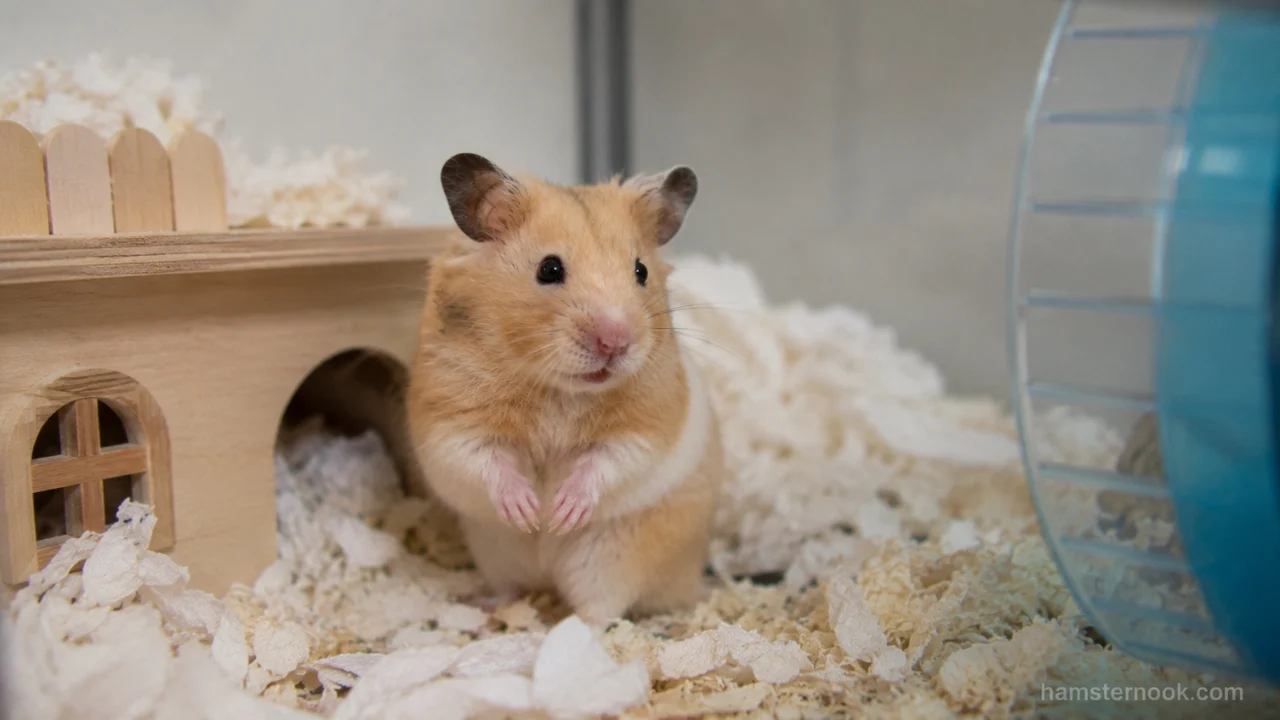

Increased Biting and Defensive Behavior
Biting does not automatically mean a hamster has an aggressive personality. Defensive biting can occur when a hamster is frightened, startled, cornered, disturbed while sleeping, or uncomfortable with handling.
When hamsters feel unsafe, biting becomes a form of self-defense. A frightened hamster may bite if:
- Hands enter the cage suddenly
- It feels cornered
- It was woken abruptly
- Trust has not been built slowly
Fear biting is often quick and defensive rather than repeated attacking behavior.
Freezing or Staying Completely Still
A hamster that suddenly freezes may be reacting to perceived danger.
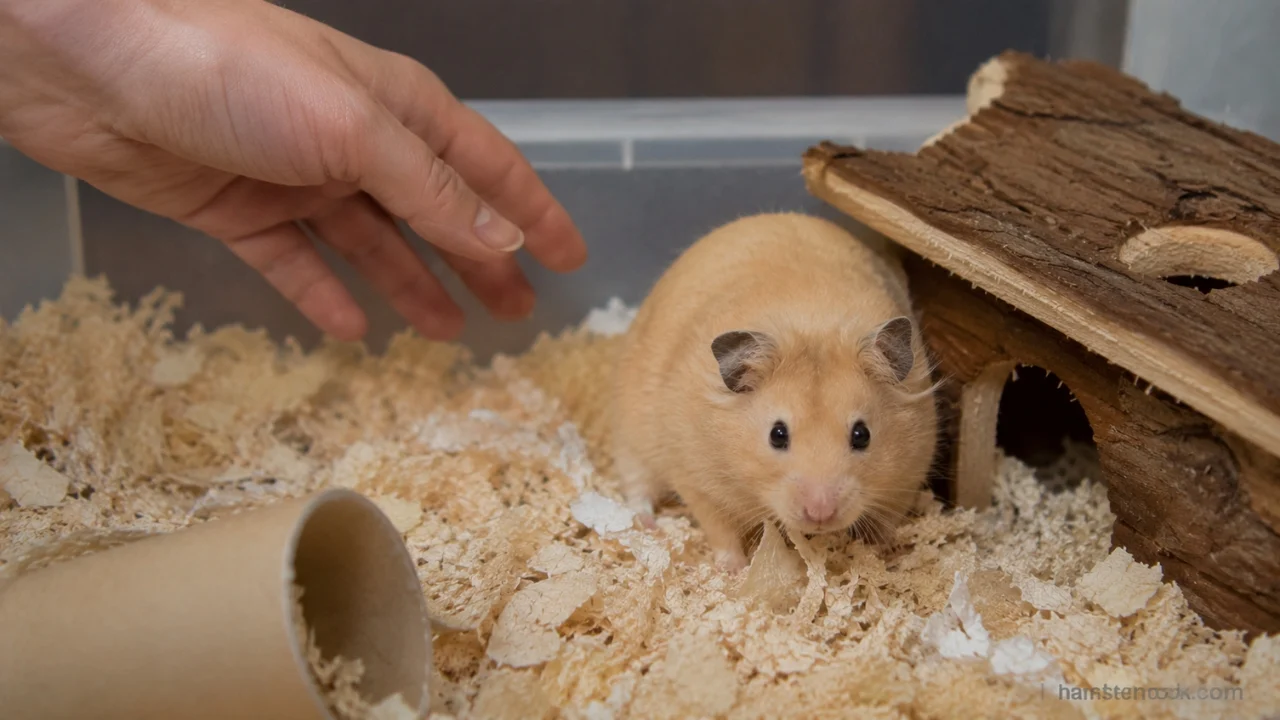
Brief freezing can occur when a hamster notices an unfamiliar sound, movement, vibration, or other sudden stimulus.
Common triggers include:
- Loud televisions
- Dogs or cats near the cage
- Sudden room movement
- Strong vibrations
If freezing happens frequently, check when it occurs and whether it follows specific noises, nearby pets, handling, movement, or other disturbances.
Cage Bar Chewing and Repetitive Behaviors
Persistent bar chewing, pacing, repeated climbing, or digging at enclosure boundaries can be reasons to review the hamster’s environment. These behaviors may occur for different reasons, including limited enrichment, enclosure conditions, stress, or repeated attempts to explore.
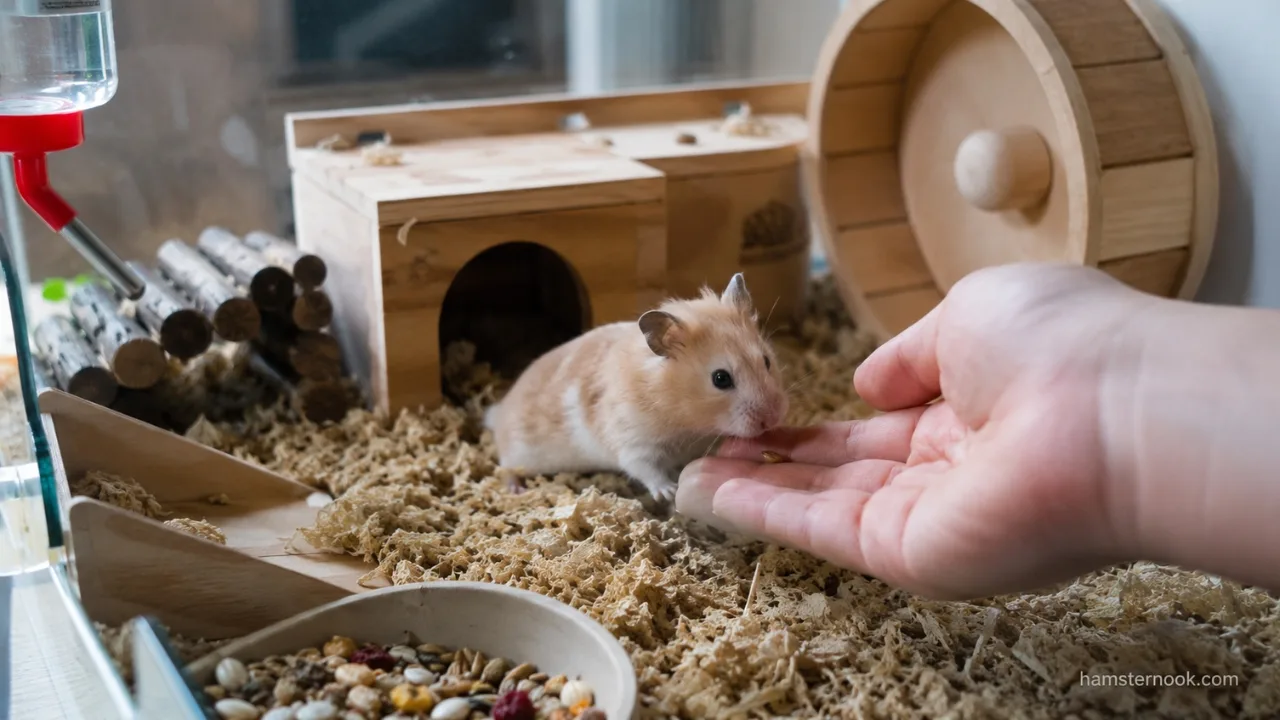

Bar chewing, pacing, climbing excessively, or repeatedly digging at corners may indicate frustration or insecurity. While boredom can also contribute, these behaviors frequently increase in stressful environments.
Common Stress-Related Repetitive Behaviors
Pay attention to whether one repetitive behavior is dominating the hamster’s normal waking activity and whether it began after a change in the enclosure or routine.
Review usable enclosure space, bedding, hides, foraging opportunities, wheel access, chew materials, and other enrichment rather than assuming one feature is responsible.
Our 10 Ways to Make a Hamster Cage More Enriching and Less Boring guide covers practical ways to create more opportunities for digging, hiding, foraging, chewing, and exploration.
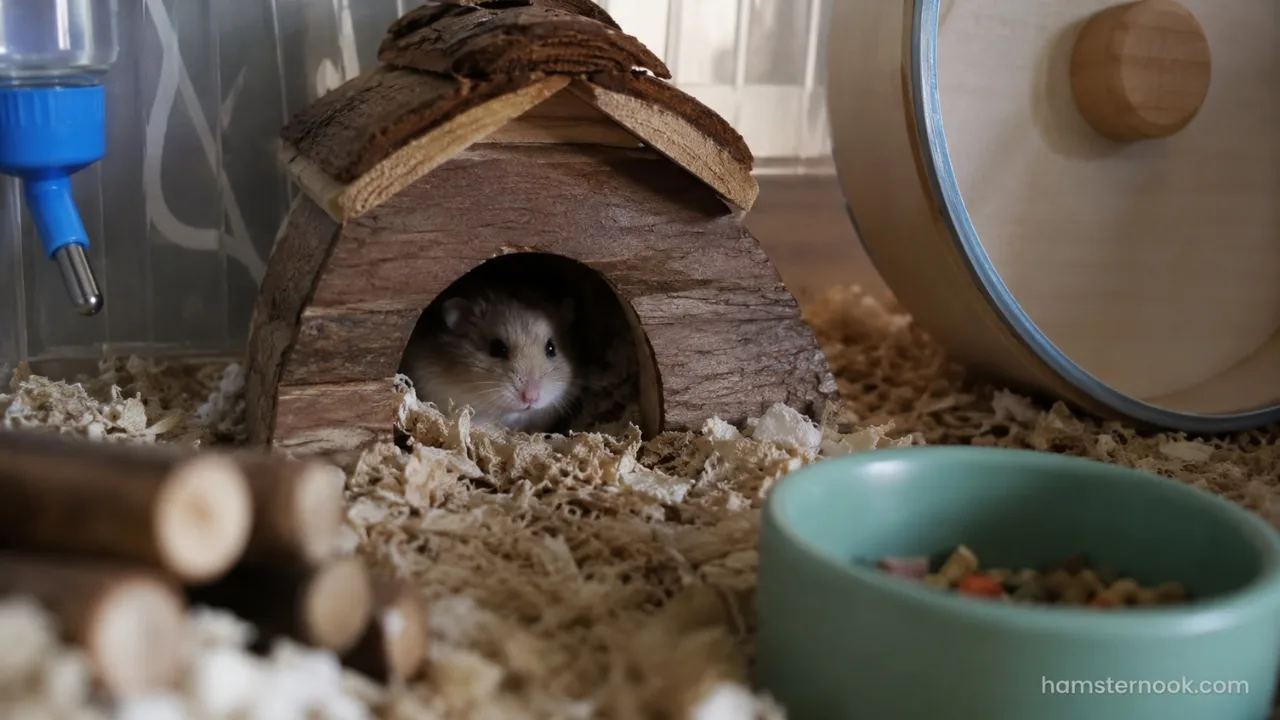
Sudden Aggression Toward Owners
A hamster that once tolerated handling but suddenly becomes aggressive may no longer feel secure.
This change sometimes happens after:
- Pain or illness
- Rough handling
- Lack of routine
- Major cage changes
- Sleep disturbances
A sudden change in defensive behavior deserves context, especially when it follows handling, enclosure changes, disturbed sleep, or another noticeable event.
Do not respond to biting or defensive behavior by grabbing, chasing, or physically punishing the hamster. Reduce the immediate trigger and reassess handling gradually.

Refusing Food or Eating Less
Appetite can change during periods of disturbance, but reduced eating should not automatically be attributed to stress.
A frightened hamster may:
- Ignore favorite treats
- Stop storing food
- Eat less than normal
- Avoid eating while people are nearby
However, appetite loss can also signal illness, so owners should monitor closely if this behavior continues.
Sleeping More Than Usual
Hamsters normally sleep through much of the daytime, so judge activity against your hamster’s usual waking pattern. A clear reduction in normal activity can have environmental, behavioral, or health-related causes.
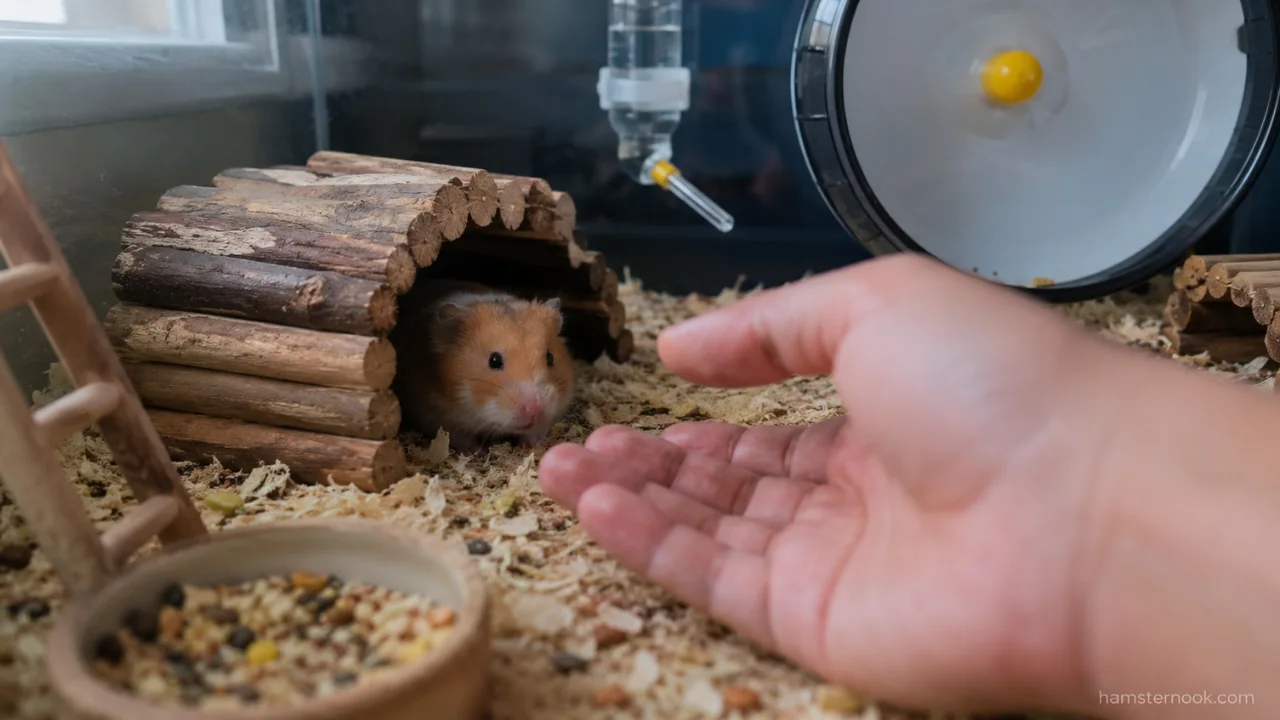
A stressed hamster may avoid activity because it no longer feels comfortable exploring openly.
Signs that sleep behavior may be stress-related include:
- Reduced activity during its usual waking period
- Avoiding the exercise wheel
- Minimal curiosity
- Lack of normal exploration
Our Why Is My Hamster Sleeping So Much? guide explains how normal sleep differs from unusual inactivity and other changes that may deserve attention.
Excessive Grooming or Fur Changes
Stress sometimes appears through grooming habits.
Changes in grooming or fur condition should be interpreted carefully. Hair loss, irritated skin, persistent scratching, sores, or changes in coat condition can have several causes and should not be assumed to result from stress alone.
Persistent fur loss, skin irritation, wounds, or frequent scratching are reasons to consider a health problem and seek veterinary advice when appropriate.
Trying to Escape Constantly
Exploring enclosure boundaries can be normal, but repeated escape attempts that dominate waking activity are a reason to review the setup and recent environmental changes.
A hamster may repeatedly try escaping if:

- Limited usable space
- Too few hiding or exploration options
- Frequent noise or disturbance
- Unsuitable lighting or cage placement
- Limited enrichment opportunities
Providing secure hides and meaningful cover can give the hamster places to retreat without overcrowding access to the wheel, food, water, or other essential areas.
Unusual Vocal Sounds
A sudden or unusual vocalization can occur during handling, conflict, fear, pain, or another stressful situation, so the surrounding context matters.
Sounds such as squeaking or hissing should be considered alongside what the hamster was doing and what happened immediately beforehand.
These sounds often occur when a hamster feels cornered or threatened.

Repeated vocalization accompanied by physical symptoms or a major behavior change deserves closer attention.
Stress vs Normal Hamster Behavior
Some behaviors are completely normal and should not automatically worry owners.
| Behavior | Often Normal in Context | Reason to Look Closer |
|---|---|---|
| Hiding | Sleeping, nesting or resting | Major increase during normal waking time |
| Nibbling | Exploring food or objects | Repeated hard defensive biting |
| Digging | Burrowing and nest building | Persistent repetitive boundary digging |
| Freezing | Brief response to a sudden stimulus | Frequent episodes linked to disturbance |
| Grooming | Routine coat maintenance | Hair loss, wounds or persistent scratching |
Understanding the difference helps owners avoid unnecessary panic while still recognizing real warning signs.
How to Help a Hamster Feel Safe Again
Rebuilding a hamster’s sense of security takes patience and consistency.
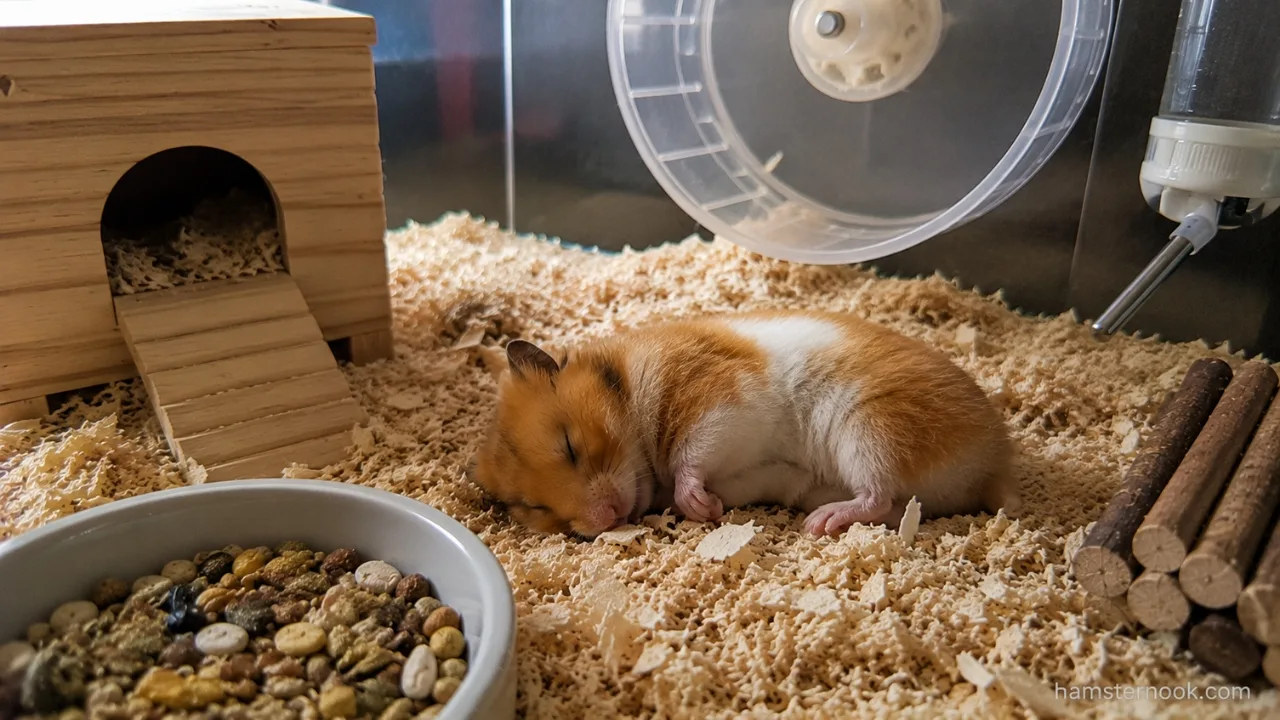
Provide More Hiding Places
Hamsters feel safer when they can retreat easily.
Good hide options include:
- Wooden houses
- Cork tunnels
- Paper hides
- Multi-chamber shelters
Multiple suitable hides give the hamster more than one place to retreat and rest.
Move the Cage to a Quieter Area
Cage placement matters more than many beginners realize.

Hamsters usually feel safer in calm spaces with predictable routines and minimal sudden disturbances.
Avoid placing hamster cages near:
- Loud televisions
- Speakers
- Kitchens
- Constant foot traffic
- Other pets
A quieter, stable cage location can reduce unnecessary disturbances during resting and active periods.
Respect Their Sleep Schedule
Avoid waking a sleeping hamster unnecessarily.

Waking a sleeping hamster suddenly can create fear and defensive biting. Handling is generally easier when the hamster is already awake and active rather than being disturbed specifically for interaction.
Build Trust Slowly
Trust develops gradually through positive interactions.
Helpful taming steps include:
- Let the hamster approach voluntarily
- Offer treats gently
- Avoid chasing or grabbing
- Speak softly near the cage
- Keep handling sessions short initially
Consistency matters more than speed.
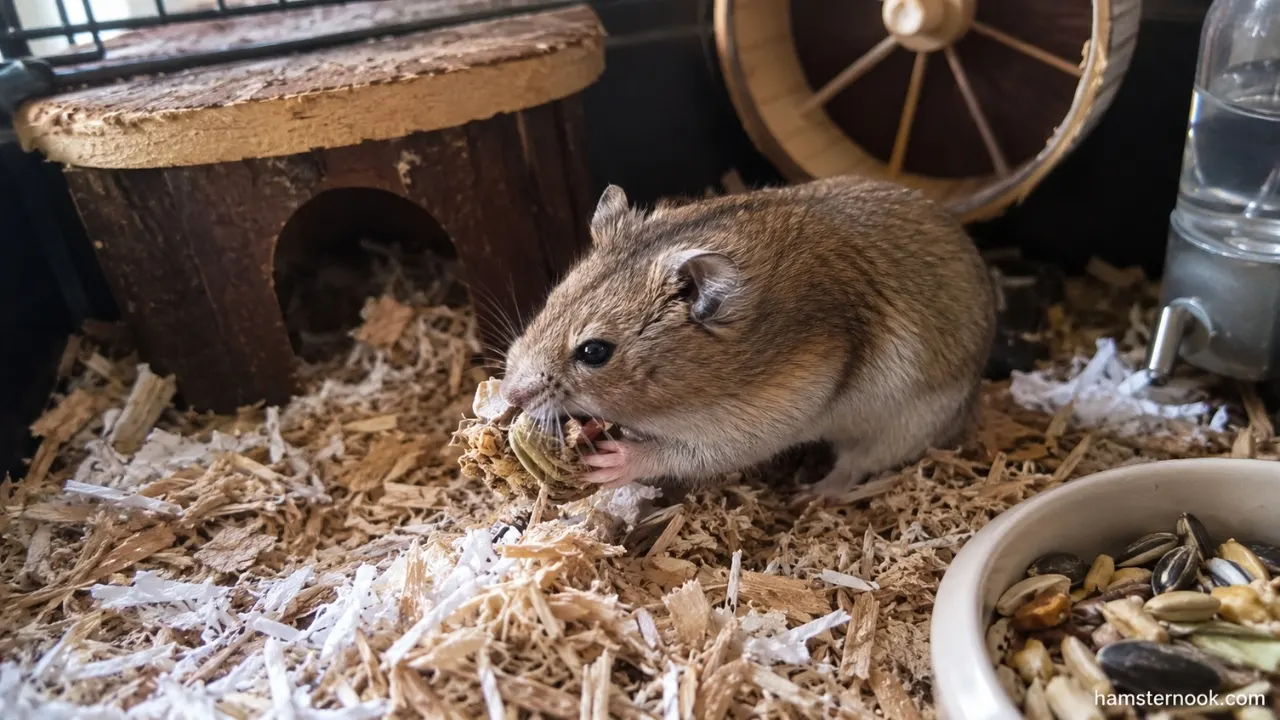
If your hamster has recently become fearful of handling or your presence, our Why Is My Hamster Suddenly Scared of Me? guide focuses specifically on rebuilding trust after a behavior change.
Upgrade the Cage Setup
A suitable enclosure should support hiding, burrowing, exercise, foraging, chewing, nesting, and exploration.
Important enclosure features include:
- Deep bedding
- Large floor space
- Exercise wheel
- Enrichment toys
- Safe chew items
- Secure hideouts
Our Best Hamster Cage Setup for Beginners guide shows how these enclosure elements can be combined into a practical setup.
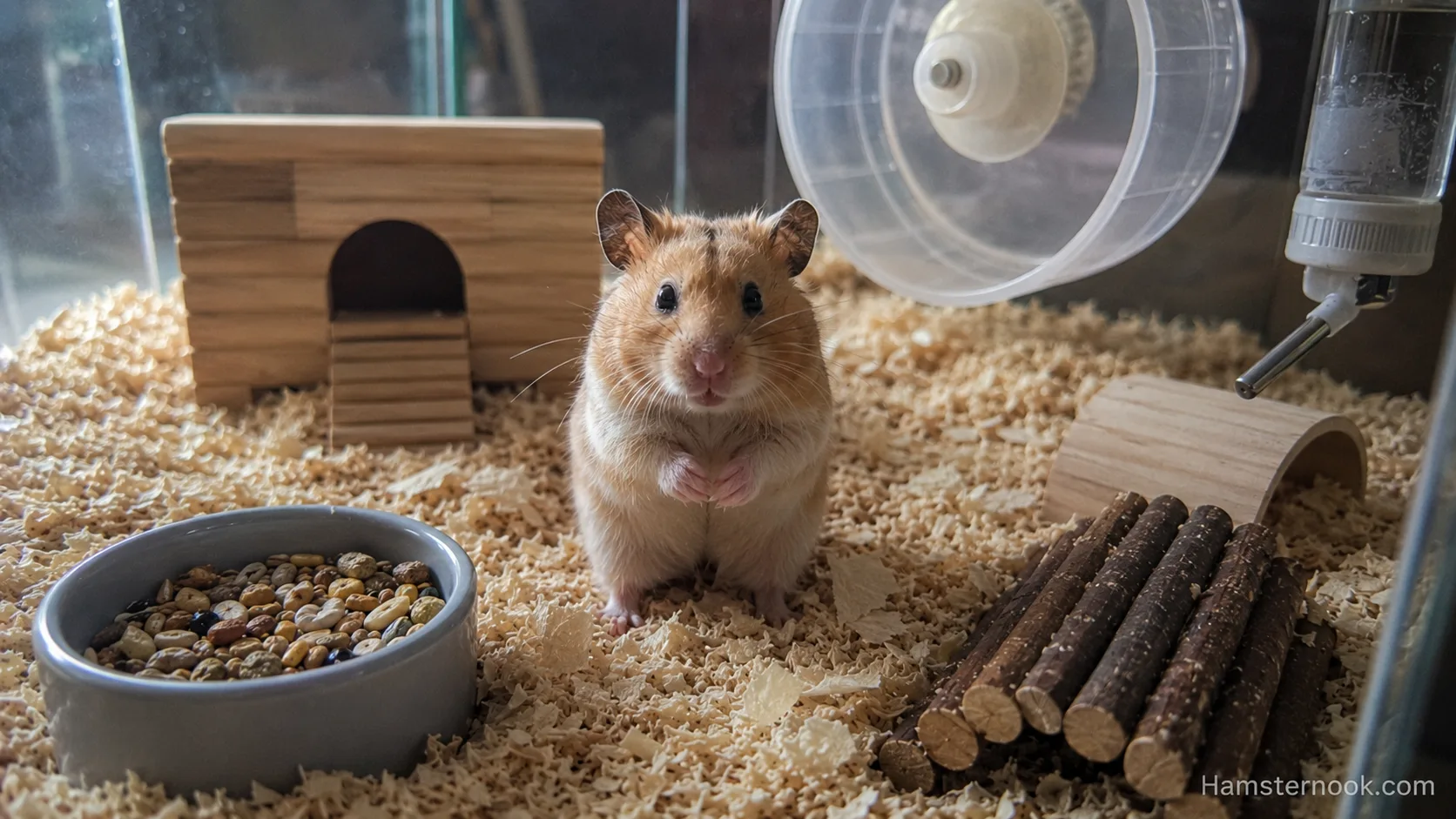
Is My Hamster Bored or Feeling Unsafe?
Boredom and stress can overlap because both may appear as repetitive behavior, escape attempts, or changes in normal activity. A hamster with limited opportunities for digging, foraging, chewing, hiding, and exploring may need more enrichment, while a hamster reacting to handling, noise, nearby pets, sudden environmental changes, or other disturbances may be responding to stress.
The two can also occur together, so focus on the enclosure, recent changes, and the hamster’s overall behavior rather than trying to diagnose the cause from one sign.
Our Do Hamsters Get Bored? 10 Signs Your Hamster Needs More Enrichment guide covers repetitive behaviors and enrichment-related concerns in more detail.
When to See a Veterinarian
Behavior changes are not always caused by fear alone.
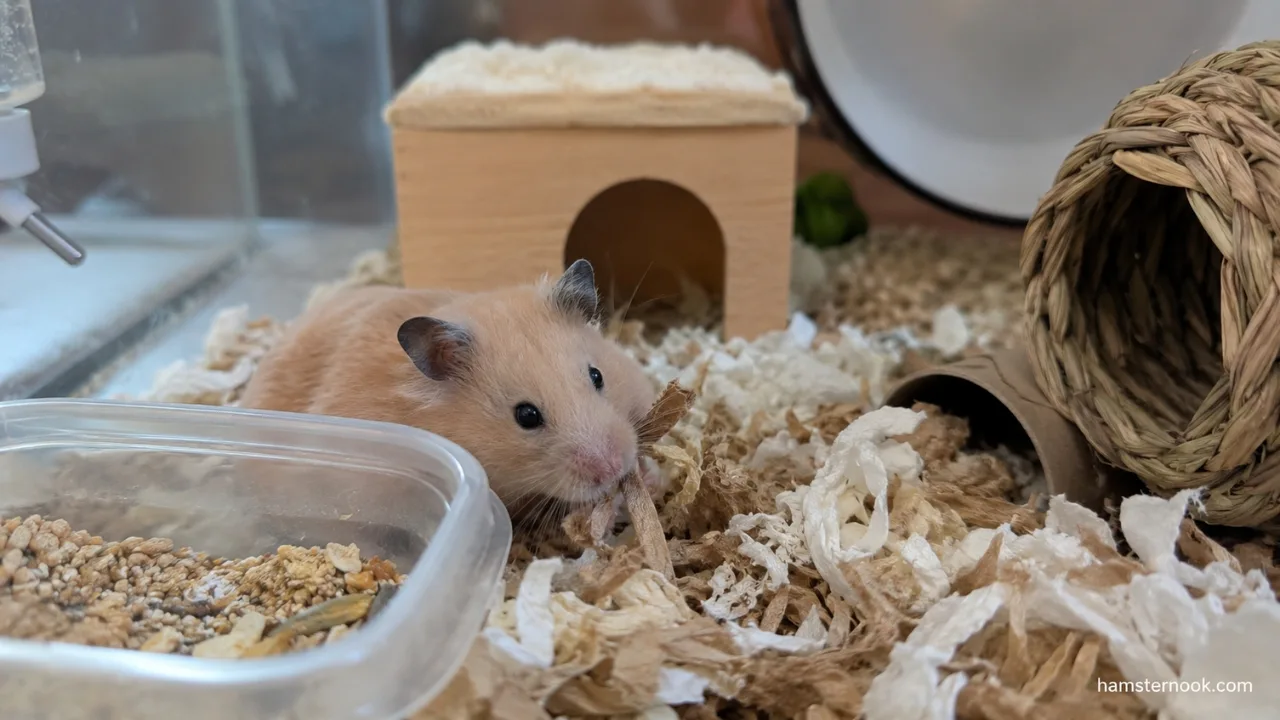
Some symptoms may indicate illness instead of stress, including:
- Rapid weight loss
- Severe lethargy
- Persistent refusal to eat
- Heavy breathing
- Skin wounds
- Severe fur loss
Seek veterinary advice when a major behavior change occurs with physical symptoms, or when you are concerned that pain or illness may be contributing to the behavior.
Final Thoughts
A hamster that hides more, freezes, becomes defensive, repeatedly tries to escape, or changes its normal activity may be responding to something in its environment, but no single behavior confirms that it feels unsafe.
Compare the change with your hamster’s usual behavior and consider recent handling, noise, cage placement, enclosure changes, hiding opportunities, enrichment, and overall health.
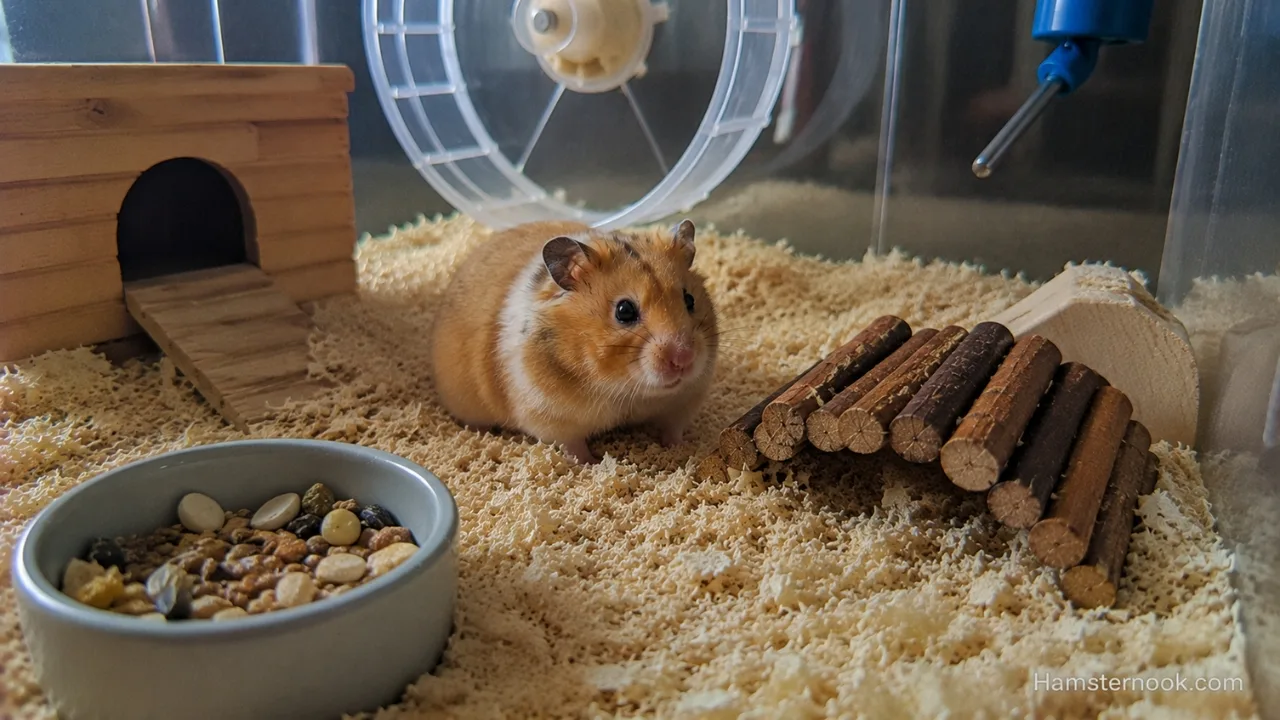
A stable environment, secure hiding options, suitable enrichment, and patient handling can help create conditions in which the hamster can choose when to rest, explore, and interact.
Frequently Asked Questions
Why is my hamster suddenly hiding all the time?
A sudden increase in hiding can follow environmental changes, disturbance, fear, or stress, but hiding can also be normal during sleep and nesting. Look for a change from your hamster’s usual waking behavior and any additional symptoms.
Does biting always mean a hamster is aggressive?
No. Biting can occur because of fear, handling, territorial responses, being startled, or discomfort. The situation immediately before the bite provides important context.
Can loud noises stress hamsters?
Sudden or repeated loud noise and vibration can disturb a hamster, particularly during its resting period. Keep the enclosure away from avoidable sources of frequent disturbance.
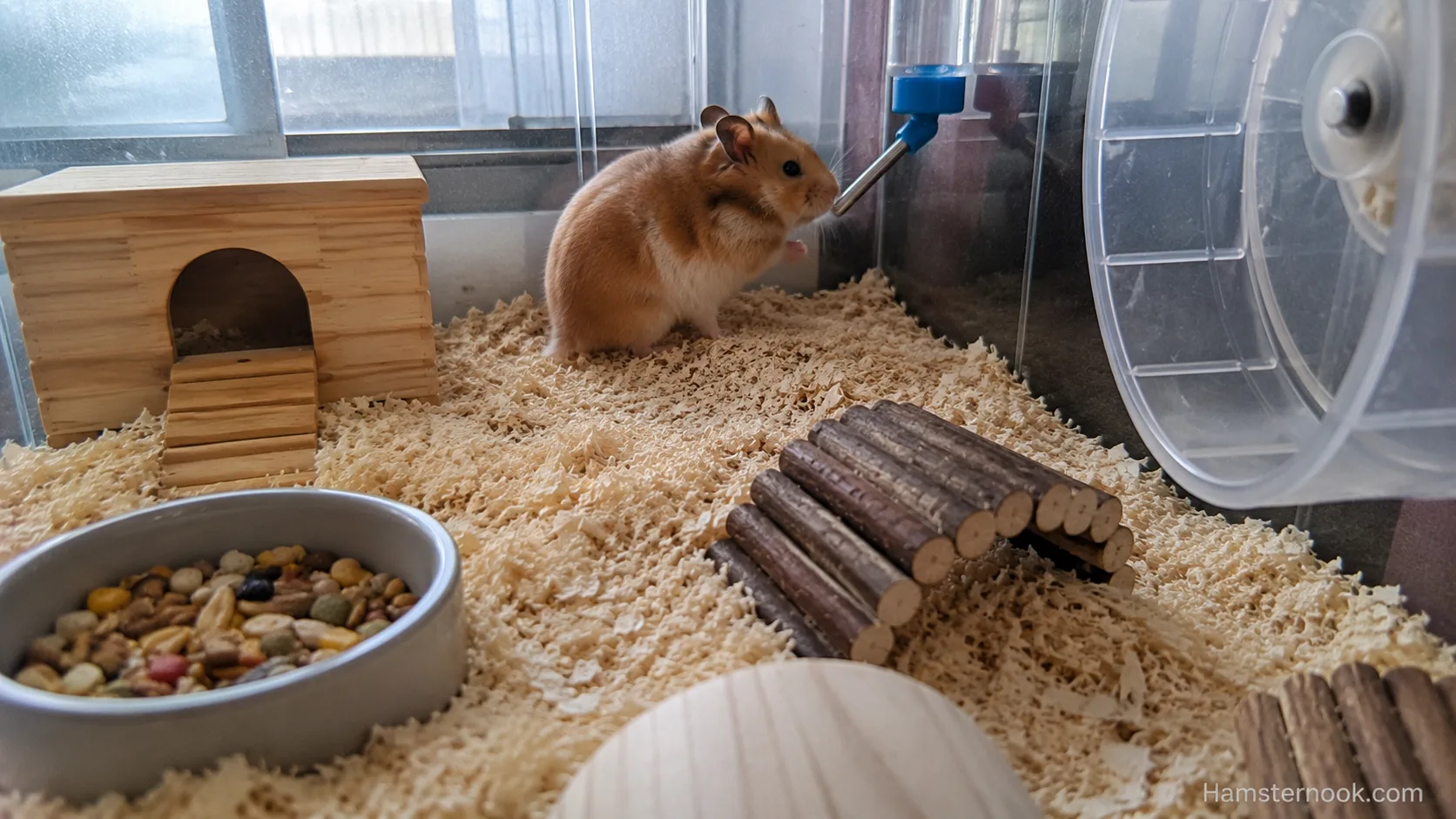
How can I make my hamster trust me again?
Move slowly, avoid forced handling, offer treats gently, and interact consistently during active hours.
Is cage bar chewing always a bad sign?
Occasional interaction with cage bars does not identify a specific problem, but persistent bar chewing is a reason to review enclosure space, enrichment, bedding, hiding options, and other environmental factors.
When should I worry about stress behaviors?
Seek veterinary advice when a significant behavior change occurs with appetite loss, unexplained weight loss, marked lethargy, abnormal breathing, diarrhea, wounds, or other physical symptoms.
References
This guide is based on hamster behavior, stress, handling, housing, enrichment, and welfare guidance from trusted animal welfare and veterinary resources, including:
- RSPCA – Hamster Behaviour – Guidance on natural hamster behavior, body language, handling, activity patterns, stress, and behavioral changes.
- RSPCA – Creating a Good Home for Hamsters – Guidance on enclosure space, bedding, hiding places, environmental conditions, and creating a secure hamster habitat.
- RSPCA – Keeping Hamsters as Pets – General guidance on hamster care, welfare, handling, housing, enrichment, and natural behavior.
- Blue Cross – Hamster Care Guide – Practical advice on hamster housing, enrichment, handling, behavior, and wellbeing.
- MSD Veterinary Manual – Providing a Home for a Hamster – Veterinary guidance on hamster housing, bedding, hiding areas, exercise, and environmental needs.
- NC3Rs – Housing and Husbandry: Hamster – Guidance on appropriate hamster housing, bedding, enrichment, environmental conditions, and welfare.
- NC3Rs – Choosing Appropriate Enrichment – Guidance on providing appropriate enrichment and opportunities for natural hamster behaviors.
Medical Disclaimer
This article is intended for educational purposes only and should not be considered veterinary advice. Changes such as increased hiding, defensive behavior, reduced appetite, unusual grooming, or reduced activity can have behavioral, environmental, or medical causes. If your hamster develops persistent or severe behavior changes, rapid weight loss, difficulty breathing, wounds, severe lethargy, loss of appetite, or other concerning physical symptoms, consult a qualified exotic animal veterinarian for proper evaluation.

Narayan Kumar is the founder and author of HamsterNook. He creates practical, research-based hamster care guides covering hamster behavior, nutrition, cage setup, enrichment, health, and everyday care. His goal is to help hamster owners make informed decisions and provide safer, healthier lives for their pets through clear, beginner-friendly information based on trusted animal care resources.