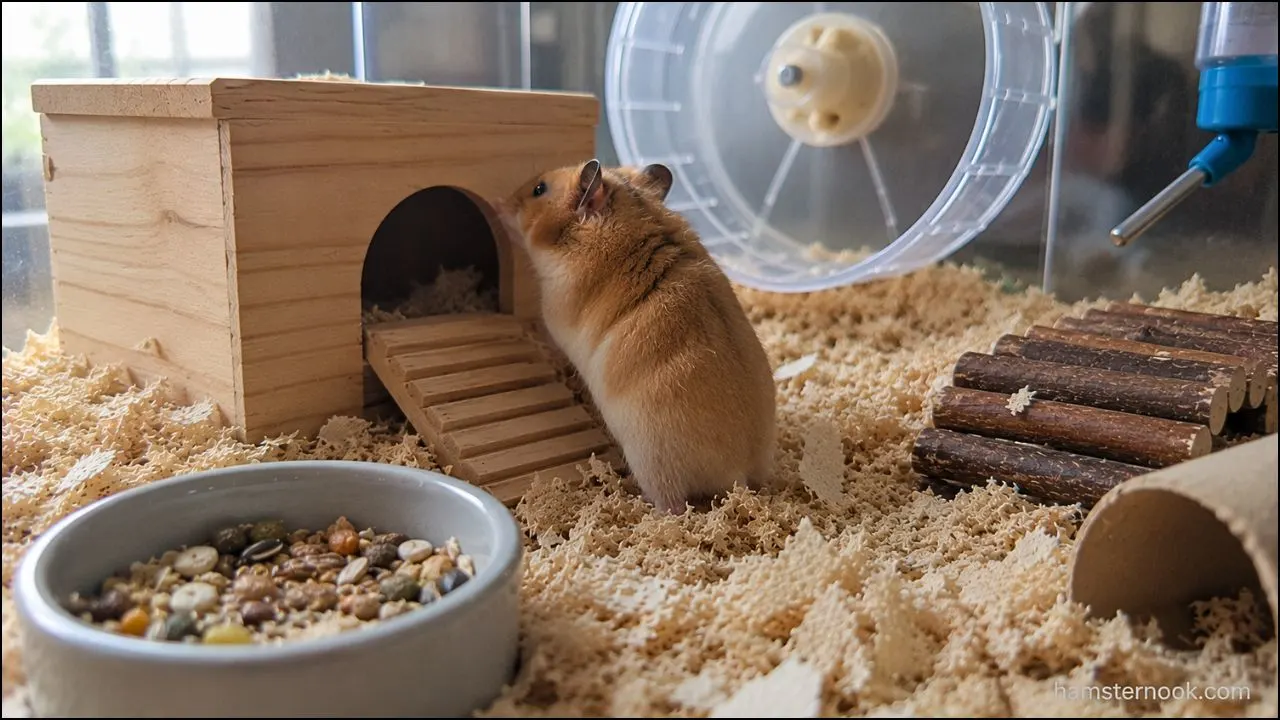
Hamster bites can feel surprising, especially when you’re trying to build trust with a new pet. Although biting can be frustrating, it is usually a sign that the hamster feels frightened, confused, startled, or uncomfortable rather than aggressive. Understanding the reason behind the behavior is the first step toward improving it.
The good news is that hamsters usually do not bite because they are naturally aggressive. In most cases, biting is simply a form of communication. Your hamster may feel scared, stressed, startled, territorial, or confused. Understanding the real reason behind the behavior is the first step toward stopping it safely and building trust with your pet.
In this guide, you will learn why hamsters bite, how to tell the difference between playful nibbling and aggressive biting, and the safest ways to stop the behavior without damaging your hamster’s trust.
Quick Answer:
Hamsters usually bite because they feel scared, startled, stressed, territorial, or confused. Some bites happen when fingers smell like food, while others occur when a hamster is woken up suddenly or handled before trust has been established. Most biting improves with patience, gentle handling, and a low-stress environment.

Why Do Hamsters Bite Their Owners?
Hamsters bite for several different reasons, and the exact cause depends on their environment, handling experience, age, and personality.
Here are the most common causes of hamster biting.
Learning to understand hamster behavior is one of the most important parts of preventing bites. Our Complete Hamster Care Guide for Beginners (2026) explains how housing, handling, routine, and trust-building all influence behavior.
Fear and Stress Are the Most Common Causes of Hamster Bites
Hamsters are prey animals. In the wild, they survive by staying alert and protecting themselves from danger. Because of this instinct, sudden movements or unfamiliar handling can easily scare them.
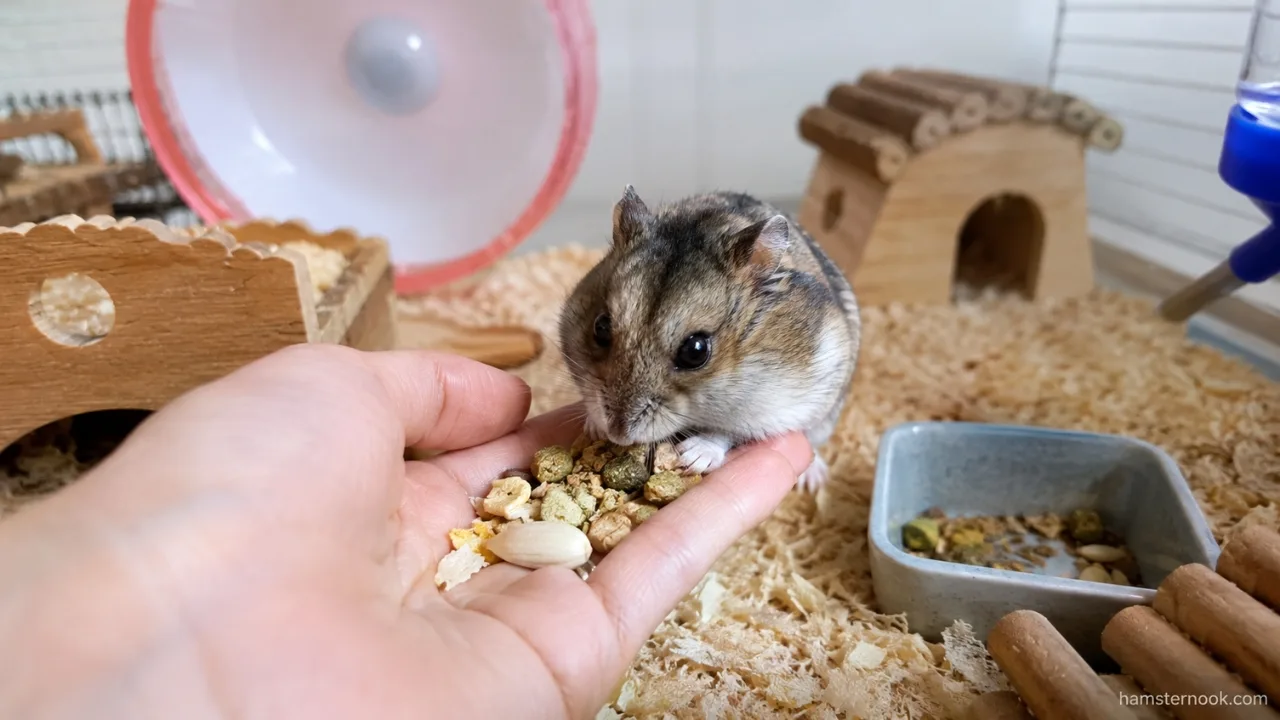
A frightened hamster may bite if:
- You wake it up suddenly
- You grab it from above
- It is new to your home
- There are loud noises nearby
- It feels cornered or trapped
- It has not bonded with you yet
This is especially common during the first few days after bringing a hamster home. Your pet is adjusting to a completely new environment, unfamiliar smells, and new people.
Many new owners assume biting means their hamster is aggressive, but this is rarely true. In most cases, the hamster is simply reacting to an unfamiliar environment and needs more time to feel secure.
How to Help
- Give your hamster several days to settle in
- Speak softly before touching it
- Move slowly around the cage
- Let the hamster approach your hand first
- Avoid handling during daytime sleep hours
Patience is extremely important. Trust with hamsters develops gradually.

Hamsters Often Bite When They Mistake Fingers for Food

Hamsters rely heavily on their sense of smell. If your hands smell like food, your hamster may think your fingers are something edible.
This type of bite is usually quick and exploratory rather than aggressive.
Foods with strong scents are especially likely to confuse hamsters, including:
- Fruits
- Seeds
- Peanut butter
- Vegetables
- Treats
How to Prevent Food-Related Biting
- Wash your hands before handling your hamster
- Avoid scented lotions or food residue
- Offer treats with an open palm instead of fingertips
If your hamster also licks or investigates your hand before biting, our Why Does My Hamster Lick My Hand Then Bite Me? guide explains this specific behavior in more detail.

Many owners notice this problem disappears once hand scents are removed.
Territorial Behavior Can Trigger Defensive Biting
Some hamsters become protective of their cage or nesting area. This is called territorial behavior.
Dwarf hamsters and Syrian hamsters can both show territorial instincts, especially if they feel their safe space is being invaded.
Common situations include:

- Reaching into the cage suddenly
- Touching the nest area
- Disturbing stored food
- Handling the hamster immediately after waking it
A territorial bite is usually fast and defensive.
Territorial behavior often becomes more noticeable when a hamster is surprised inside its nest or food storage area. Allowing your hamster to leave its hiding place on its own usually leads to calmer interactions.
Better Ways to Handle a Territorial Hamster
Instead of grabbing your hamster inside the cage:
- Let it come out on its own
- Use a cup or tunnel for transport
- Handle it outside the enclosure
- Avoid touching nesting spots
This reduces stress and helps the hamster feel safer.

A Hamster That Is in Pain May Bite More Frequently
Pain or illness can make even a normally friendly hamster bite unexpectedly.
Possible health-related causes include:
- Dental problems
- Injuries
- Skin irritation
- Illness
- Arthritis in older hamsters
Signs that may suggest a health problem include:
| Behavior or Change | What It May Indicate |
|---|---|
| Sudden change from previous behavior | Pain, illness, fear, or another source of discomfort |
| Hunched posture | Possible illness or discomfort |
| Loss of appetite | Possible dental or health problem |
| Squeaking during handling | Fear, pain, or discomfort |
| Reduced activity | Stress, illness, or another health problem |
If your hamster suddenly starts biting without any obvious reason, a veterinary checkup is a good idea.

Sudden biting combined with weakness, appetite loss, unusual posture, or major behavior changes may point to a health issue rather than a handling problem. Our Signs of a Sick Hamster: Symptoms, Warning Signs & When to See a Vet guide explains the symptoms that should never be ignored
Why Baby Hamsters Bite More Often
Young hamsters are naturally curious and still learning about their environment. Baby hamsters may nibble fingers simply to investigate objects around them.
This behavior is not always aggression.
Young hamsters also:

- Get startled easily
- Have limited handling experience
- Learn through exploration
- Need time to become socialized
Gentle daily interaction usually improves behavior over time.
Hamsters May Bite If They Are Woken Up Suddenly
Hamsters are nocturnal animals. They are naturally more active during the evening and nighttime.
Many owners accidentally trigger defensive bites by disturbing a sleeping hamster. Our Are Hamsters Nocturnal? Their Natural Sleep Schedule Explained guide explains when hamsters are naturally awake and most comfortable interacting with people.
Waking a sleeping hamster can lead to defensive reactions because the animal feels confused or threatened.

A sleepy hamster may:
- Bite instantly
- Jump suddenly
- Hide aggressively
- Make squeaking sounds
Best Handling Times
The safest time to handle a hamster is:
- Early evening
- After it wakes naturally
- During active periods
Avoid disturbing your hamster during deep daytime sleep whenever possible.
Understanding the Difference Between Nibbling and Real Biting

Not every mouth contact is aggressive.
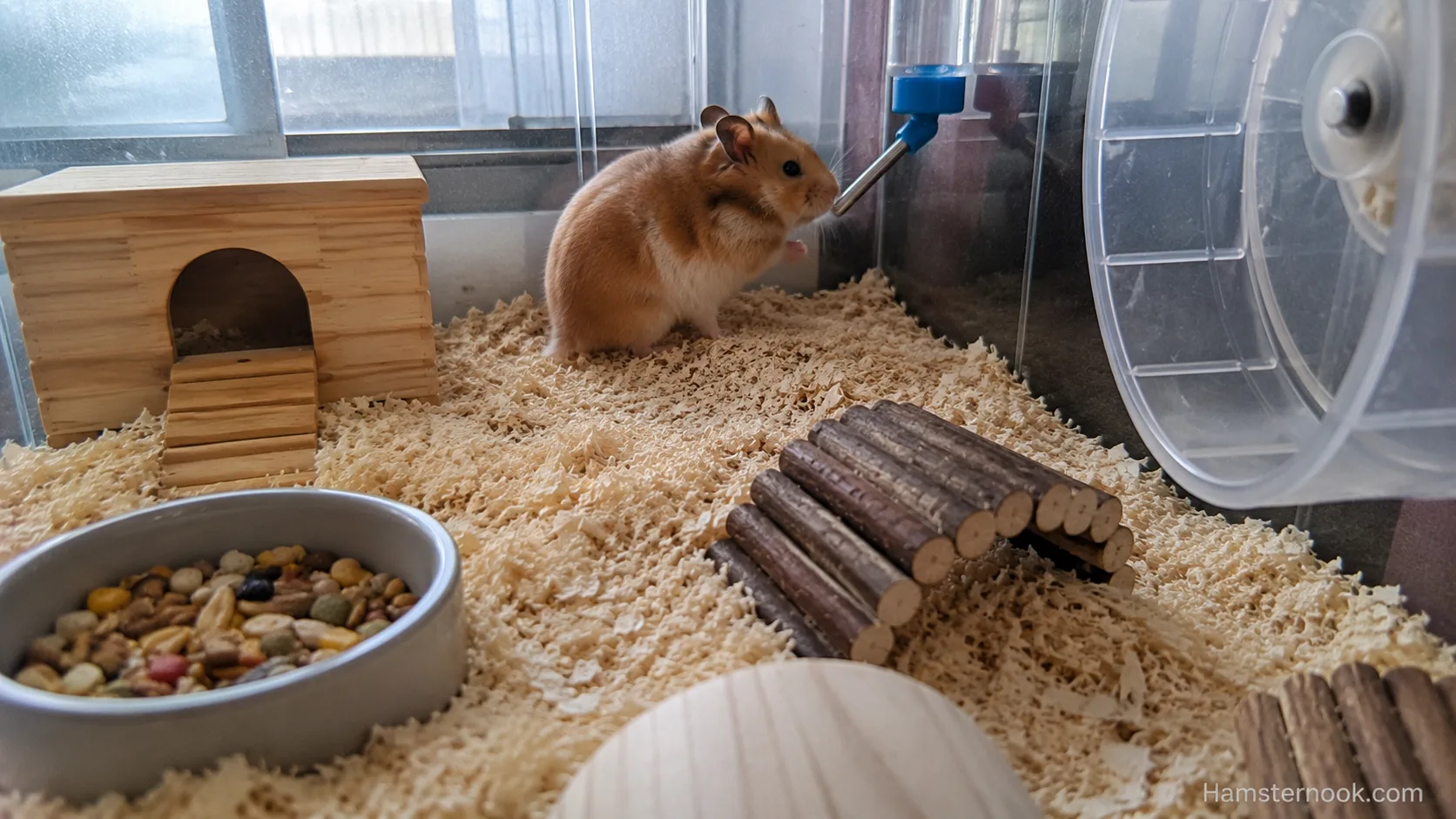
Some hamsters gently nibble to explore textures or scents. This is different from a fearful or painful bite.
| Behavior | Meaning |
|---|---|
| Gentle nibble | Curiosity or investigation |
| Quick light nip | Finger smells like food |
| Hard sudden bite | Fear, stress, or defense |
| Repeated biting | Ongoing discomfort or stress |
Learning your hamster’s body language helps prevent future bites.
Signs Your Hamster Feels Uncomfortable Before Biting
Hamsters often show warning signs before they bite.
Many of these warning signals appear through body posture, ear position, movement, and overall behavior. Our Hamster Body Language: Signs of Happiness, Stress, Fear & Illness guide explains how to recognize these signals before a bite happens.

Watch for these behaviors:
- Flattened ears
- Freezing suddenly
- Hiding repeatedly
- Standing upright defensively
- Teeth chattering
- Sudden fast movements
If you notice these signs, stop handling and give your hamster space.
How to Stop Your Hamster From Biting Safely
Stopping hamster bites requires consistency, patience, and gentle handling techniques.
Progress is usually gradual rather than immediate. Many owners notice small improvements first, such as fewer defensive reactions, increased curiosity, or a willingness to approach the hand voluntarily.

Here are the most effective methods.
Build Trust Slowly With Hand Taming
Hand taming is one of the best long-term solutions.
For a dedicated step-by-step approach, see our How to Tame a Hamster That Bites: 7 Safe Steps to Build Trust guide.
Step-by-Step Taming Process
Step 1: Let Your Hamster Adjust
Give your hamster time to settle into its new environment before expecting regular handling. Begin interaction gradually and respect signs that your hamster is frightened or overwhelmed.

Step 2: Introduce Your Scent
Place your hand near the cage without touching the hamster.
Step 3: Offer Treats
Use healthy treats to create positive associations.
Step 4: Let the Hamster Climb Onto You
Avoid grabbing or chasing your hamster.
Step 5: Keep Sessions Short
Start with short, calm sessions and gradually increase interaction as your hamster becomes more comfortable.
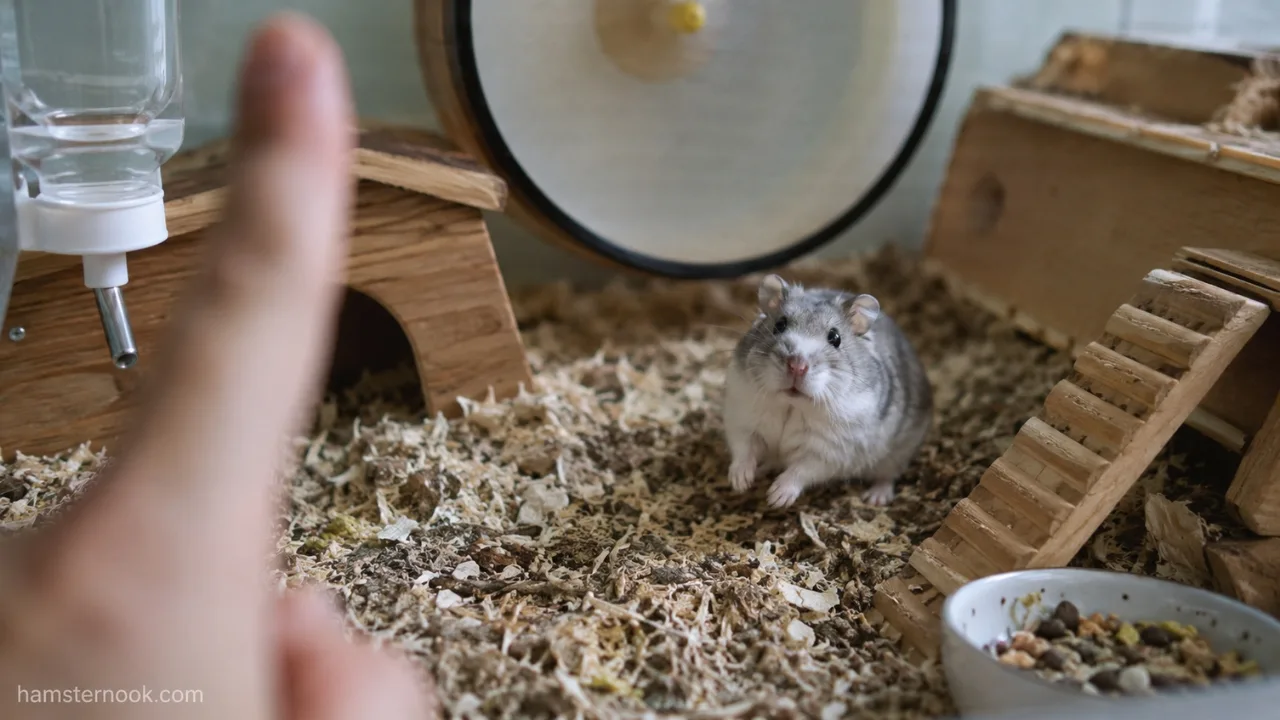
Trust develops gradually, not instantly.
Trust develops gradually through positive experiences and routine. Our Do Hamsters Recognize Their Owners? How They Know You & Remember You guide explains how hamsters learn to recognize familiar people over time.
Avoid Common Handling Mistakes That Cause Biting
Many bites happen because owners unintentionally scare their hamster.
Common Mistakes
- Picking up suddenly from above
- Squeezing too tightly
- Waking the hamster abruptly
- Handling too frequently
- Allowing rough handling by children
Gentle and predictable interaction is much safer.

Creating a Low-Stress Environment Helps Reduce Aggression
A stressed hamster is more likely to bite.
Important environmental factors include:
Cage Size
Small cages can increase stress and frustration.
Hiding Spots
Hamsters need safe places to retreat.

Proper Enrichment
Chew toys, tunnels, and wheels help prevent boredom.
Quiet Placement
Avoid placing the cage near loud TVs, speakers, or constant activity.
A calm environment often improves behavior significantly.
A properly designed enclosure can significantly reduce stress-related behaviors in hamsters. Learn how to build a safe and beginner-friendly habitat in our cage setup guide.

A calm environment often reduces fear-based biting significantly. Our Best Hamster Cage Setup for Beginners: Size, Bedding & Essentials guide shows how enclosure size, bedding depth, enrichment, and hiding places work together to reduce stress.
Do Certain Hamster Breeds Bite More Than Others?
Every hamster has an individual personality, but some species may behave differently.
| Hamster Type | What Owners Should Know |
|---|---|
| Syrian hamster | Can bite when frightened, startled, disturbed, or handled before trust is established |
| Roborovski dwarf hamster | Very small and fast, so calm and careful handling is especially important |
| Campbell dwarf hamster | Individual temperament varies; some may show defensive or territorial behavior |
| Winter White dwarf hamster | Individual temperament varies, so gentle handling and gradual trust-building remain important |
Even within the same breed, behavior can vary widely.
What To Do Immediately After a Hamster Bite
Hamster bites are usually minor, but proper cleaning is important.

Basic First Aid
- Wash the wound promptly with soap and warm running water.
- If it is bleeding, apply gentle pressure with a clean cloth or dressing.
- Keep the wound clean and covered with a clean dressing if needed.
- Watch for increasing redness, warmth, swelling, pain, discharge, or other signs of infection.
Seek medical attention if the wound is deep or serious, bleeding does not stop, the injury becomes infected, the bite is on the hand, foot, face, or head, or you have other factors that increase infection risk. Pet small-mammal bites can spread germs even when the wound looks minor.
Minor bites may heal without complications, but any bite that becomes increasingly red, painful, warm, swollen, or produces discharge should be medically assessed.
Can Hamster Biting Improve Over Time?
Most hamsters improve significantly with proper handling and patience, but occasional nipping can still happen.
Remember:

- Hamsters are animals with instincts
- Fear reactions are natural
- Trust takes time
- Consistency matters
The goal is not perfection. The goal is building a calm and safe relationship where biting becomes rare.
Final Thoughts
Hamster biting is usually a form of communication rather than bad behavior. Once you understand what triggers the bites and adjust your handling approach accordingly, most hamsters become noticeably calmer and easier to interact with over time.
Gentle handling, patience, a suitable enclosure, and consistent trust-building can help reduce fear-based biting. The goal is not to force handling, but to create interactions in which your hamster feels safe enough to approach voluntarily.
Frequently Asked Questions
Why does my hamster bite me softly?
Soft biting or nibbling is usually curiosity. Your hamster may be exploring your scent or checking whether your fingers are food.

Why does my hamster suddenly bite me after being friendly?
Sudden biting may happen because of stress, pain, fear, territorial behavior, or being startled during sleep. Sudden personality changes should be monitored carefully.
Do hamster bites hurt?
Most hamster bites are minor, but larger Syrian hamsters can deliver more painful bites than dwarf species.
Is it bad to blow on a hamster after it bites?
Blowing air directly at a hamster can increase stress and fear. Calmly placing the hamster back into its enclosure is better.
How long does it take for a hamster to stop biting?
The time varies between individual hamsters. Some become more comfortable relatively quickly, while others need a longer period of consistent, gentle interaction. Focus on gradual progress rather than a fixed deadline.

Should I punish my hamster for biting?
No. Punishment can increase fear and make biting worse. Hamsters respond better to patience, trust-building, and calm handling.
Not every hamster becomes comfortable with handling at the same pace. Some build trust within days, while others may need several weeks of patient interaction before they feel secure around people.
Why does my hamster bite me but not other people?
Hamsters often react differently to individual scents, handling styles, and routines. A hamster that feels uncertain around one person may behave more confidently around someone whose movements and interactions feel more predictable.
References
This guide is based on hamster behavior, handling, taming, stress, housing, and welfare guidance from trusted animal welfare and veterinary resources, including:
- RSPCA – Hamster Behaviour – Guidance on natural hamster behavior, fear responses, handling, socialization, activity patterns, and reducing stress.
- RSPCA – Creating a Good Home for Hamsters – Guidance on suitable enclosure space, bedding, hiding areas, enrichment, environmental conditions, and hamster welfare.
- RSPCA – Keeping Hamsters as Pets – General hamster care, handling, behavior, diet, housing, and welfare guidance.
- Blue Cross – Hamster Care Guide – Practical advice on hamster handling, taming, housing, enrichment, feeding, and wellbeing.
- MSD Veterinary Manual – Providing a Home for a Hamster – Veterinary guidance on hamster housing, environmental needs, bedding, hiding areas, exercise, and husbandry.
- MSD Veterinary Manual – Disorders and Diseases of Hamsters – Veterinary information on health problems, pain, illness, behavioral changes, and conditions that may require veterinary attention.
- NC3Rs – Housing and Husbandry: Hamster – Guidance on hamster housing, environmental conditions, enrichment, and species-appropriate husbandry.

Narayan Kumar is the founder and author of HamsterNook. He creates practical, research-based hamster care guides covering hamster behavior, nutrition, cage setup, enrichment, health, and everyday care. His goal is to help hamster owners make informed decisions and provide safer, healthier lives for their pets through clear, beginner-friendly information based on trusted animal care resources.