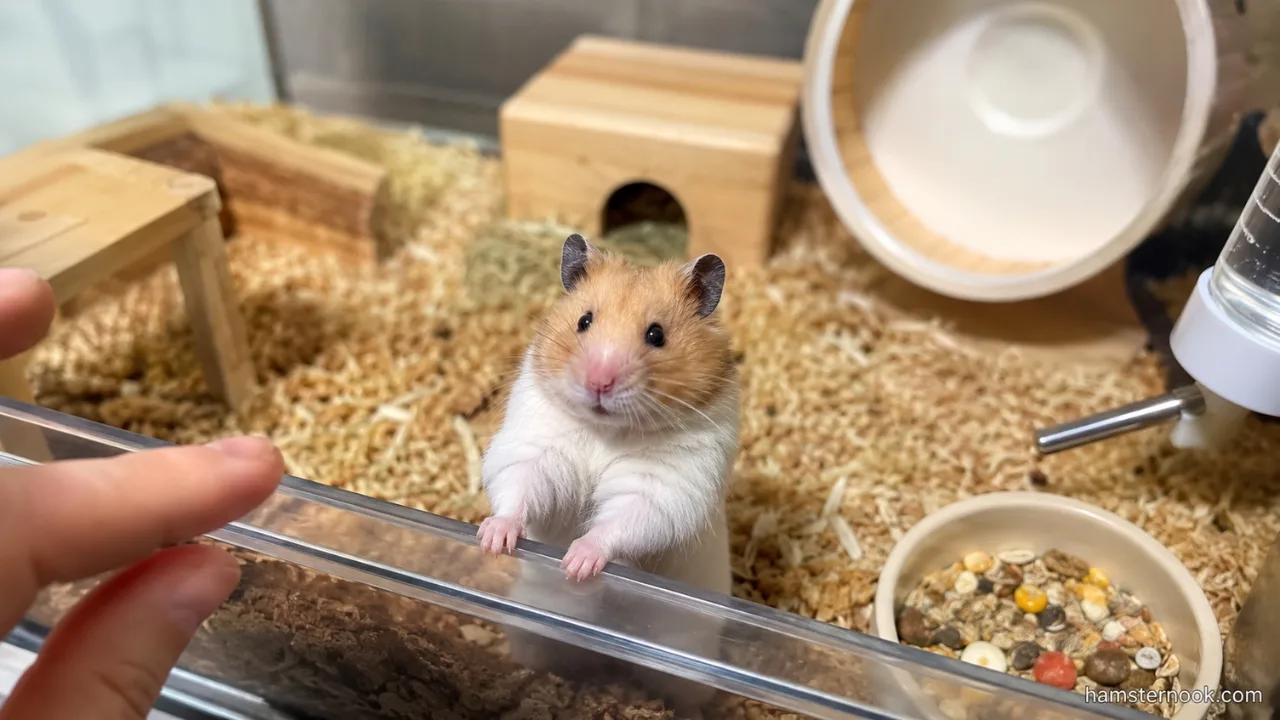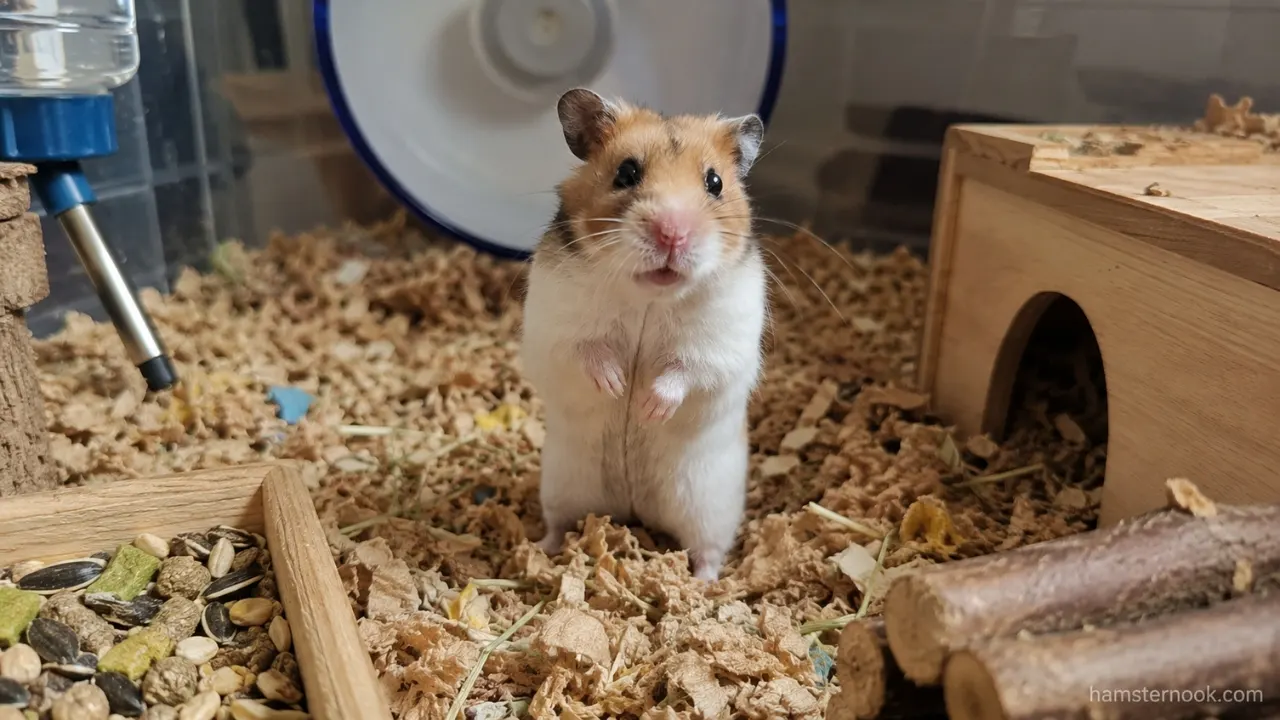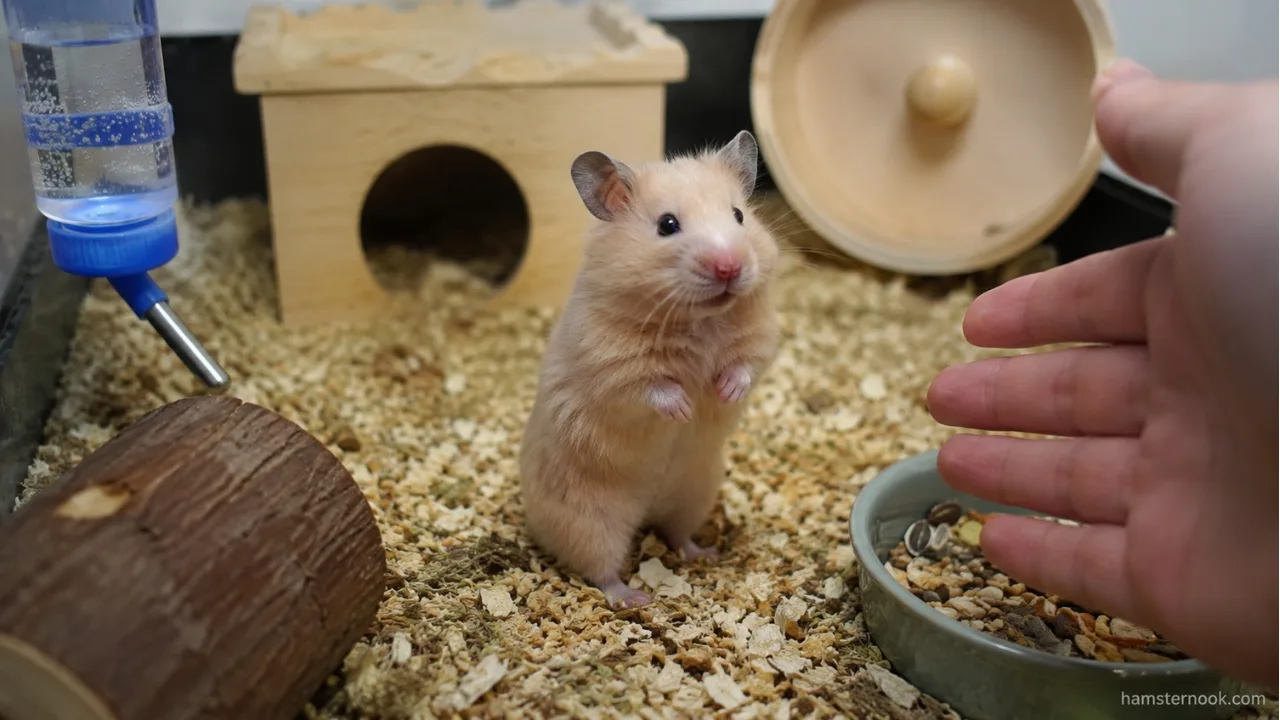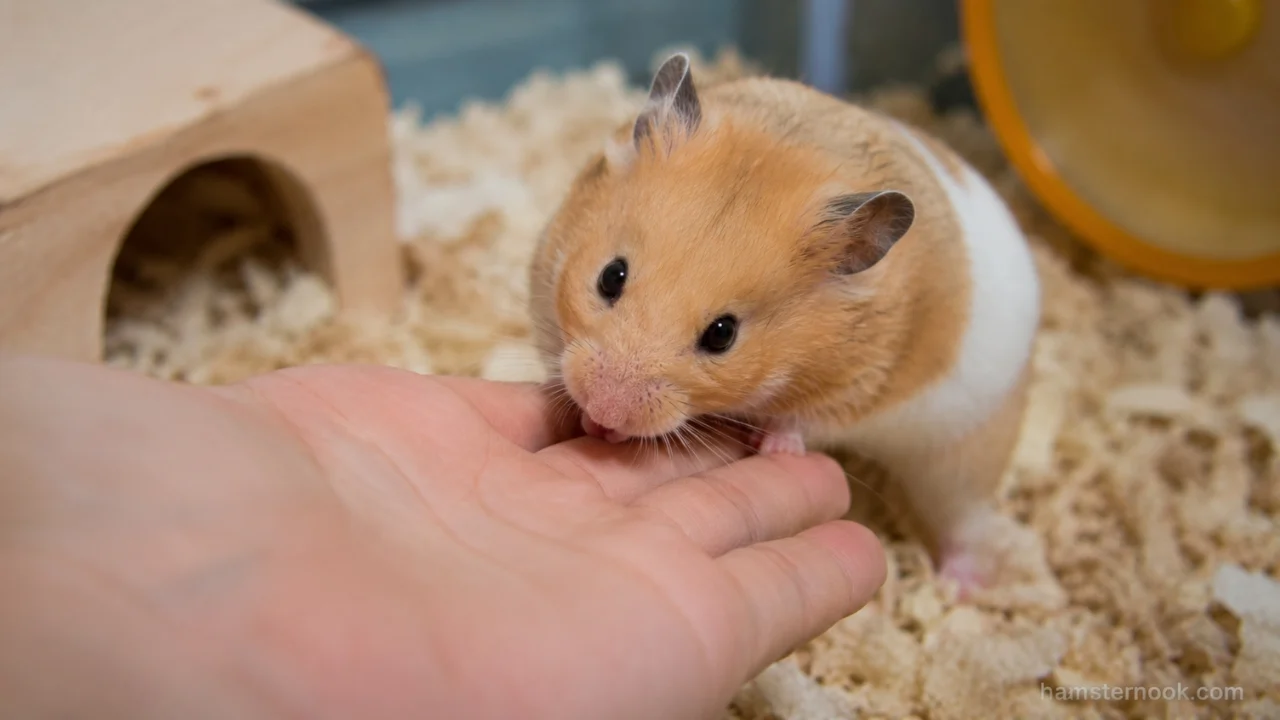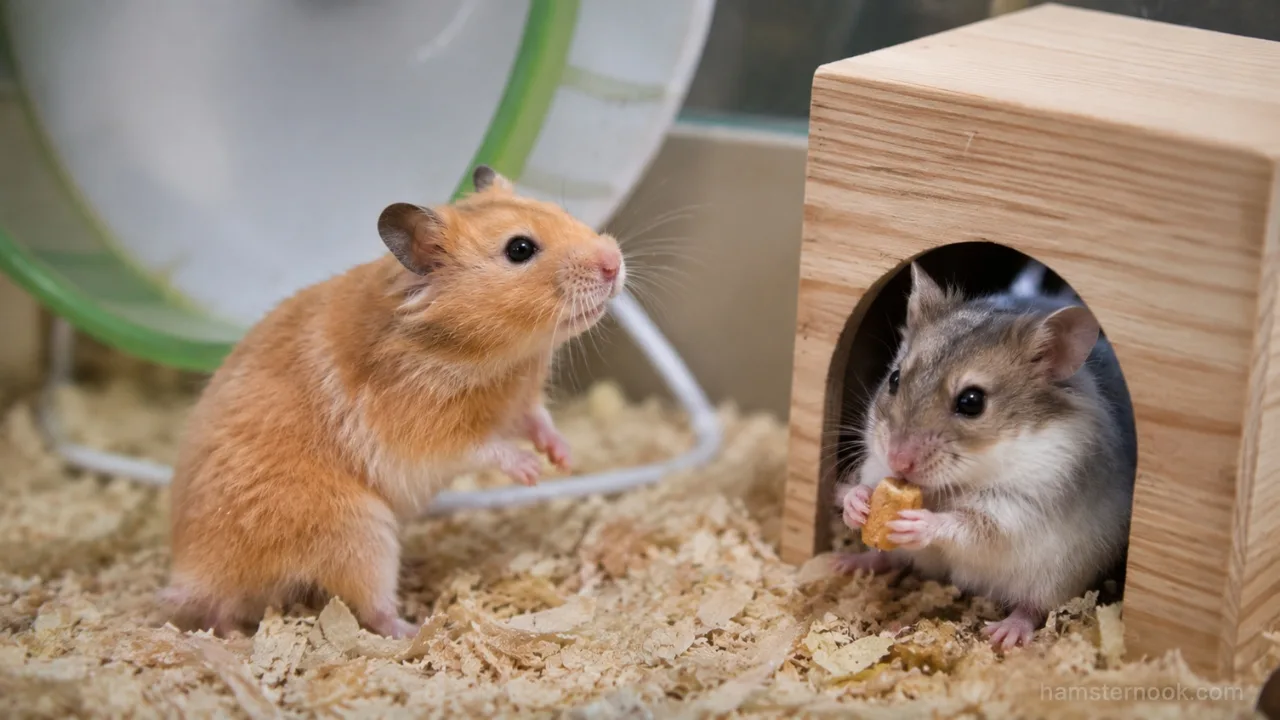
Many hamster owners notice a strange pattern. The moment attention goes to another pet, their hamster suddenly starts climbing, scratching, pacing, or appearing unusually interested in what’s happening. It’s easy to assume jealousy is the cause, but hamster behavior is often more complicated than it first appears.
It’s a surprisingly common question among hamster owners. Many people interpret certain behaviors as jealousy, especially when a hamster seems to react differently after seeing another animal receive attention. To understand what’s really happening, it helps to focus on natural hamster instincts instead of human emotions.
The short answer is that there is no scientific evidence proving that hamsters experience jealousy in the same complex emotional way humans do. However, hamsters can react to changes in their environment, routines, resources, and interactions with their owners. These reactions can sometimes look similar to jealousy, even when something else is actually causing the behavior.
Understanding the difference can help you build a better relationship with your hamster and avoid common misunderstandings.
Quick Answer
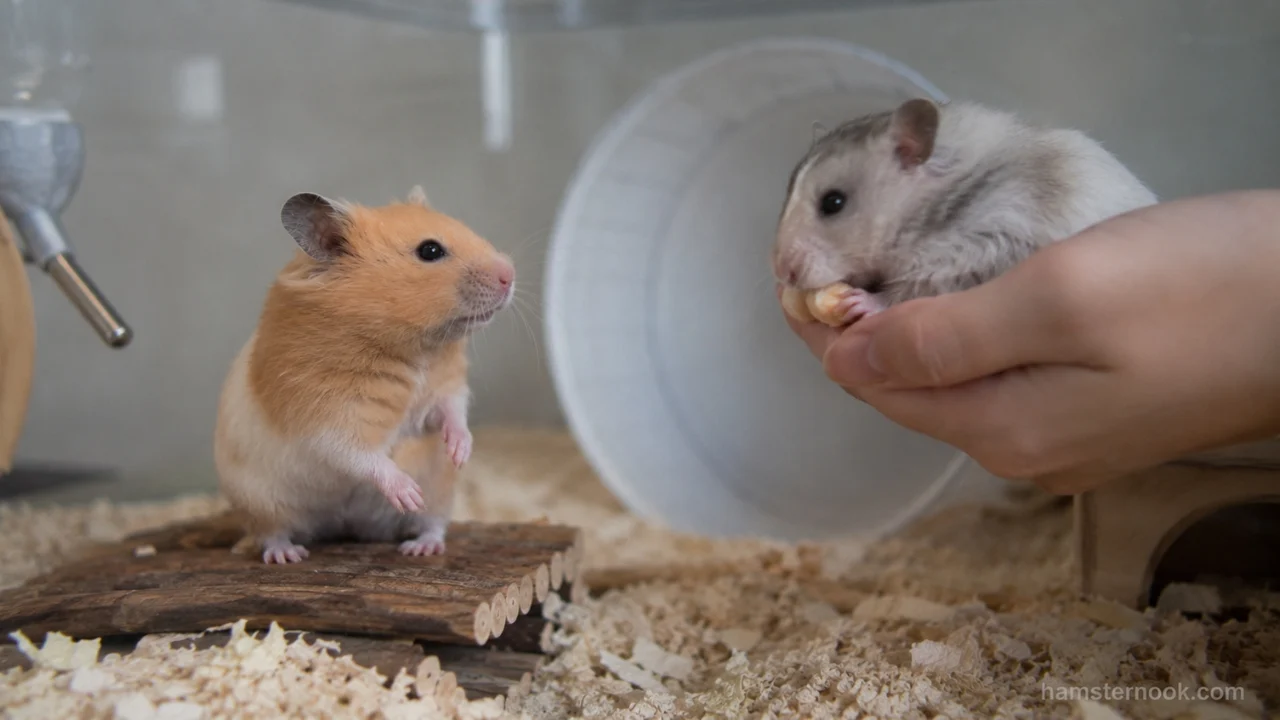
No scientific evidence shows that hamsters experience jealousy the same way humans do. Most behaviors that look like jealousy are usually caused by territorial instincts, curiosity, routine changes, stress, excitement, or anticipation of food and interaction.
What Is Jealousy and Can Hamsters Experience It?
Jealousy is a complex social emotion that typically involves competition for attention, affection, status, or resources. In humans, jealousy often requires advanced emotional and social awareness.
Hamsters are intelligent animals, but they do not process relationships the same way people do.
Current knowledge suggests that hamsters are primarily motivated by
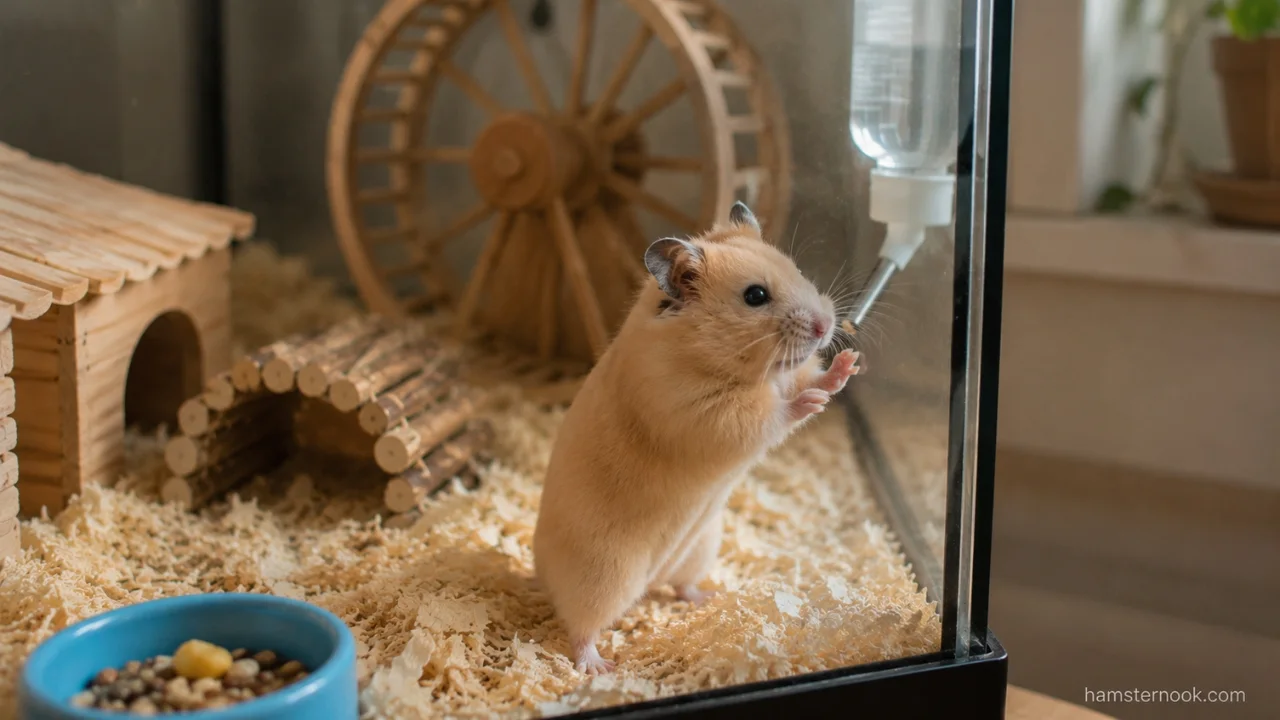
Because of this, most behaviors that owners describe as jealousy are usually linked to territory, stress, excitement, curiosity, or changes in routine rather than true jealousy.
Why Hamster Behavior Can Look Like Jealousy
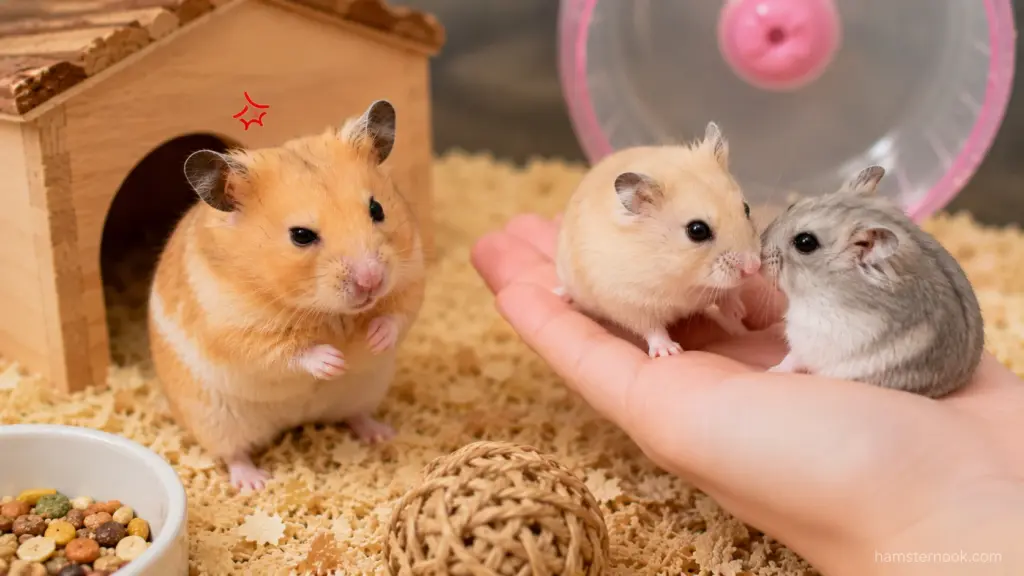
Owners often describe jealousy after seeing a hamster become more active while another pet receives attention. In reality, the hamster is usually reacting to movement, unfamiliar scents, sounds, or a disruption in its normal routine rather than competing emotionally for attention.
Many hamster behaviors can be misunderstood when viewed through a human lens.
For example, if you spend time with another pet and your hamster suddenly becomes more active, it may seem like the hamster is demanding equal attention.
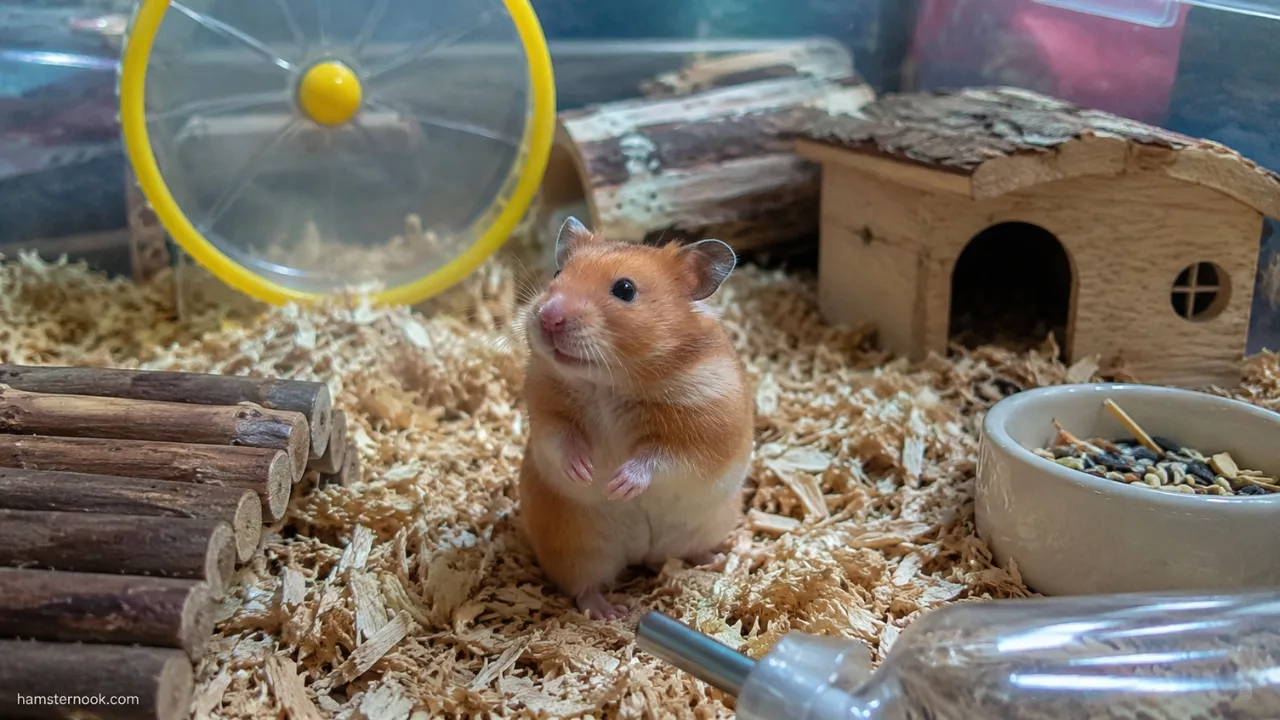
In reality, several other explanations are often more likely.
| Behavior Observed | Common Interpretation | More Likely Explanation |
|---|---|---|
| Bar climbing after seeing another pet | Jealousy | Excitement, curiosity, or stress |
| Increased attention-seeking | Jealousy | Learned behavior or routine change |
| Scent marking more often | Possessiveness | Territorial instinct |
| Agitation near another animal | Jealousy | Feeling threatened |
| Increased activity when owner is nearby | Wanting attention | Anticipation of interaction |
Understanding these differences helps owners respond appropriately.
Do Hamsters Form Attachments to Their Owners?
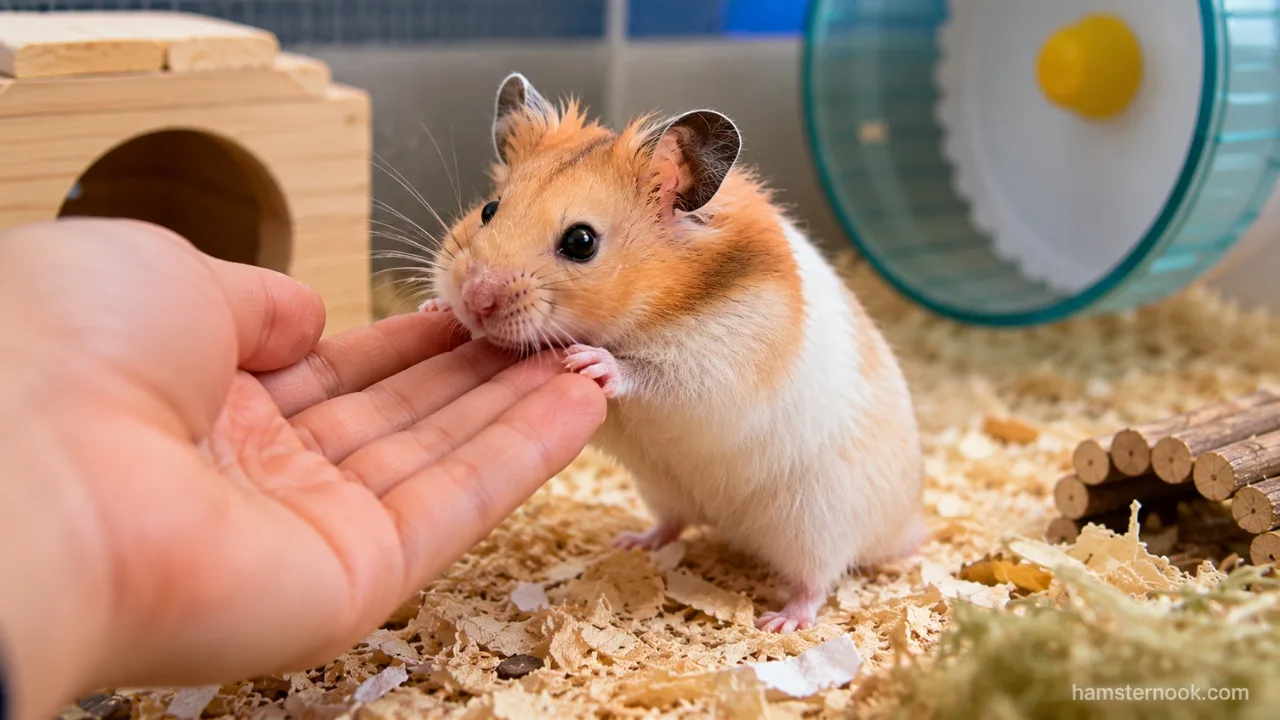
Many hamsters learn to recognize the people who care for them.
Learn more in Do Hamsters Recognize Their Owners?
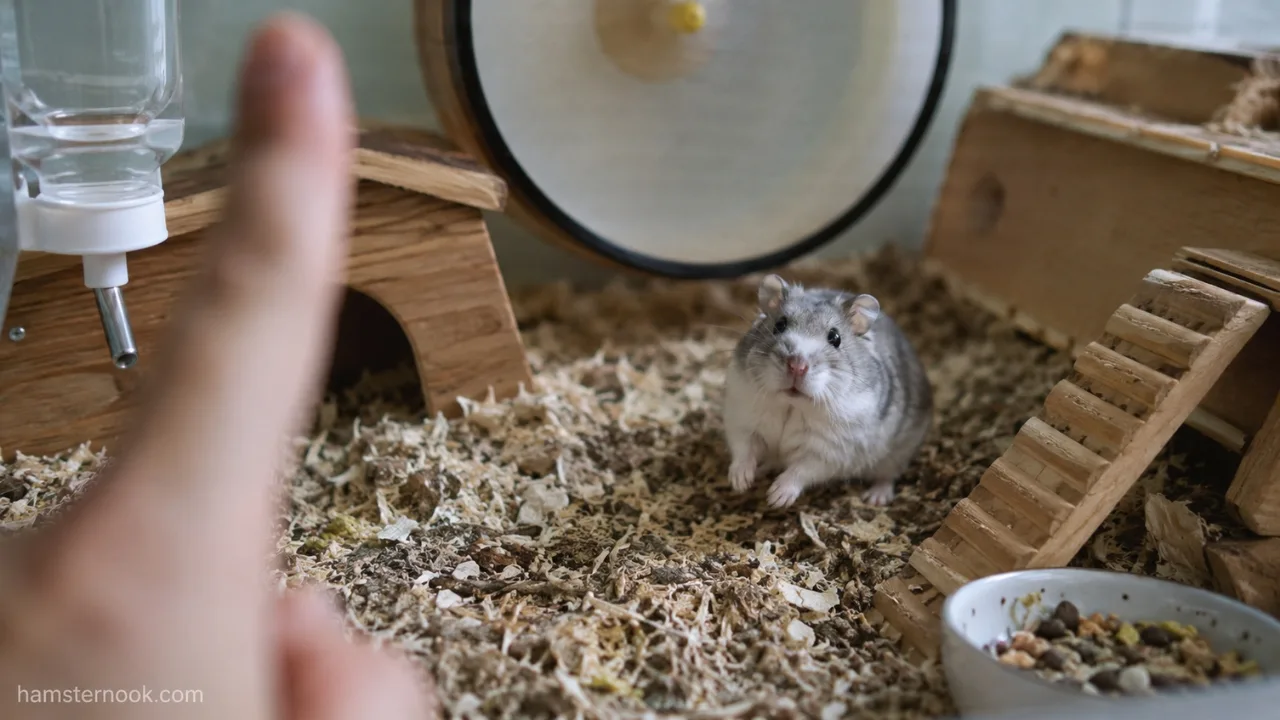
A tame hamster may:
- Approach your hand
- Accept treats
- Climb onto you willingly
- Show less fear around you
- Become comfortable during handling
However, this attachment differs from the emotional bonds seen in highly social animals such as dogs.
Hamsters are naturally solitary animals. While they can become familiar with their owners, they do not typically depend on social relationships in the same way group-living species do.
If you’re unsure whether a hamster needs a companion, read Do Hamsters Get Lonely?
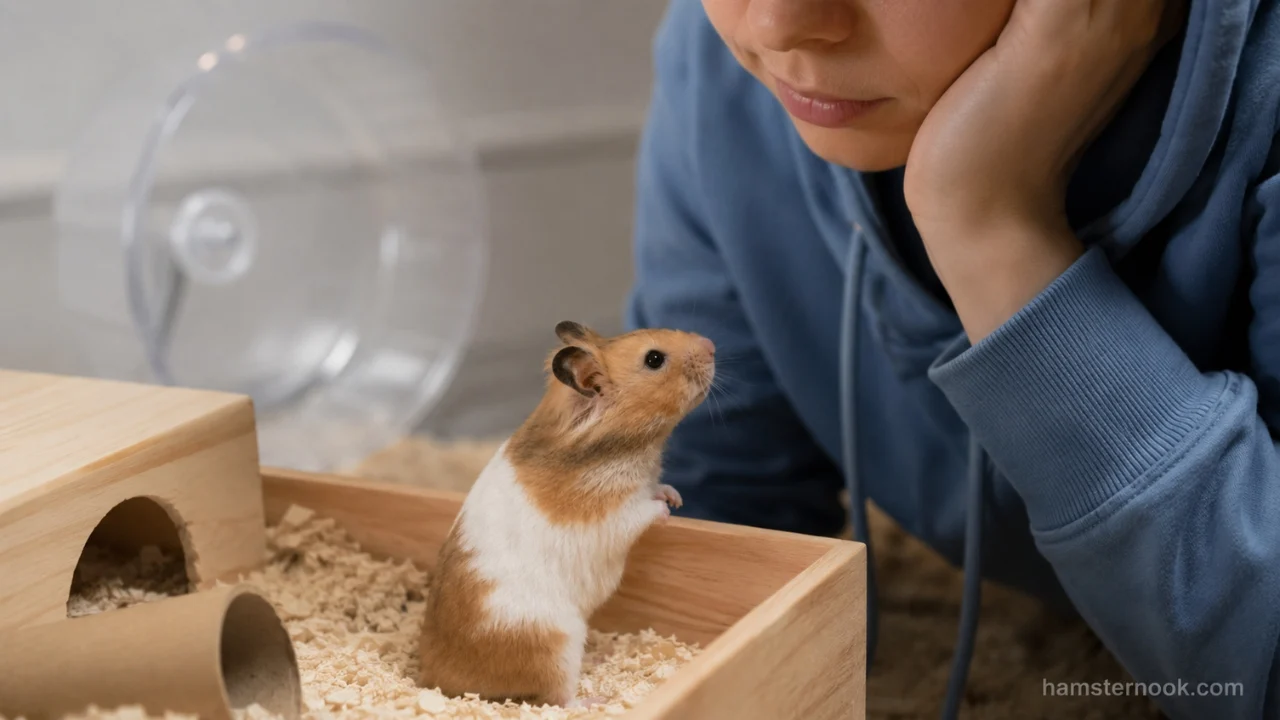
This means that a hamster’s reactions are often based more on familiarity and positive experiences than emotional jealousy.
Can Hamsters Be Protective of Their Territory?
Yes, territorial behavior is very common in hamsters.
In fact, what many owners call jealousy is often territoriality.
Hamsters naturally defend:
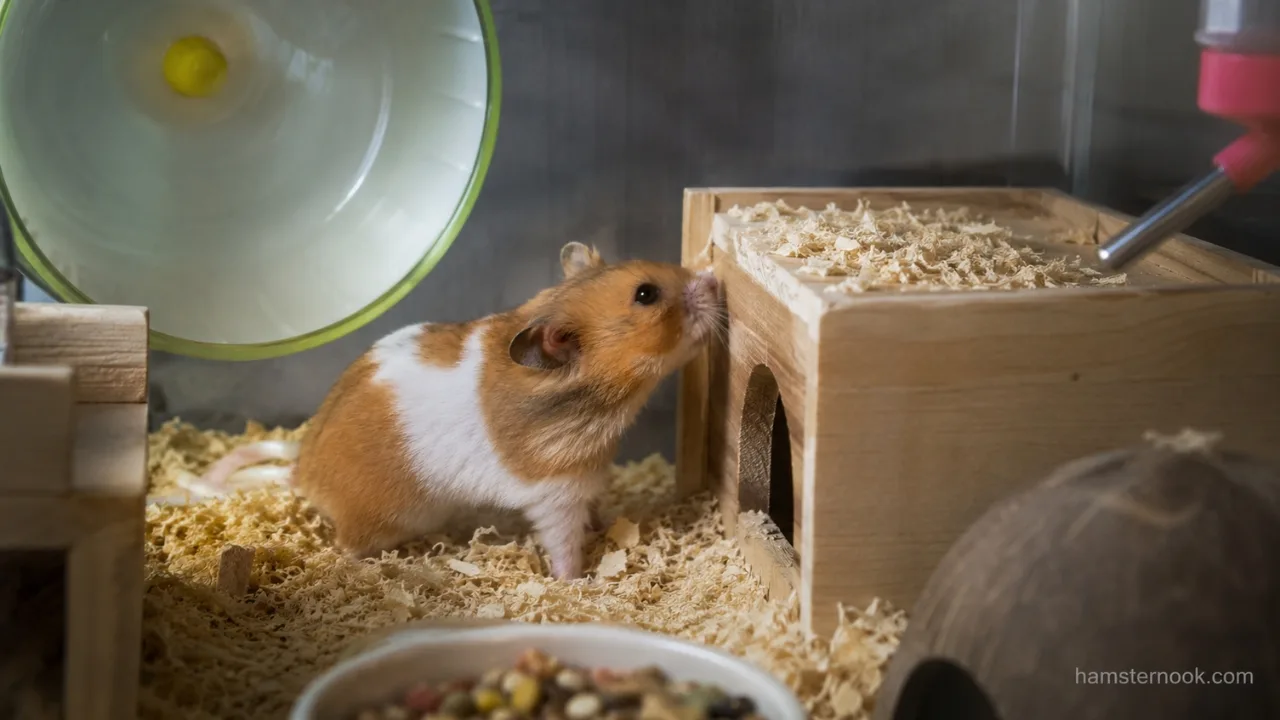
- Sleeping areas
- Food stores
- Nesting sites
- Personal space
This instinct is especially strong in Syrian hamsters, which are naturally solitary in the wild.
If another pet approaches the cage, your hamster may react because it perceives a potential threat to its territory rather than because it feels jealous.
Common Territorial Behaviors
| Behavior | Possible Meaning |
|---|---|
| Scent marking | Claiming territory |
| Standing alert | Monitoring surroundings |
| Chattering or defensive posture | Feeling threatened |
| Lunging at cage intruders | Territorial defense |
| Guarding food | Resource protection |
Can Hamsters Get Jealous of New Hamsters?
Many owners ask this question after bringing home a second hamster.
In most cases, the reaction is not jealousy. Hamsters are highly territorial animals, especially Syrian hamsters. What appears to be jealousy is usually a response to a new scent, perceived intruder, or competition for territory and resources.
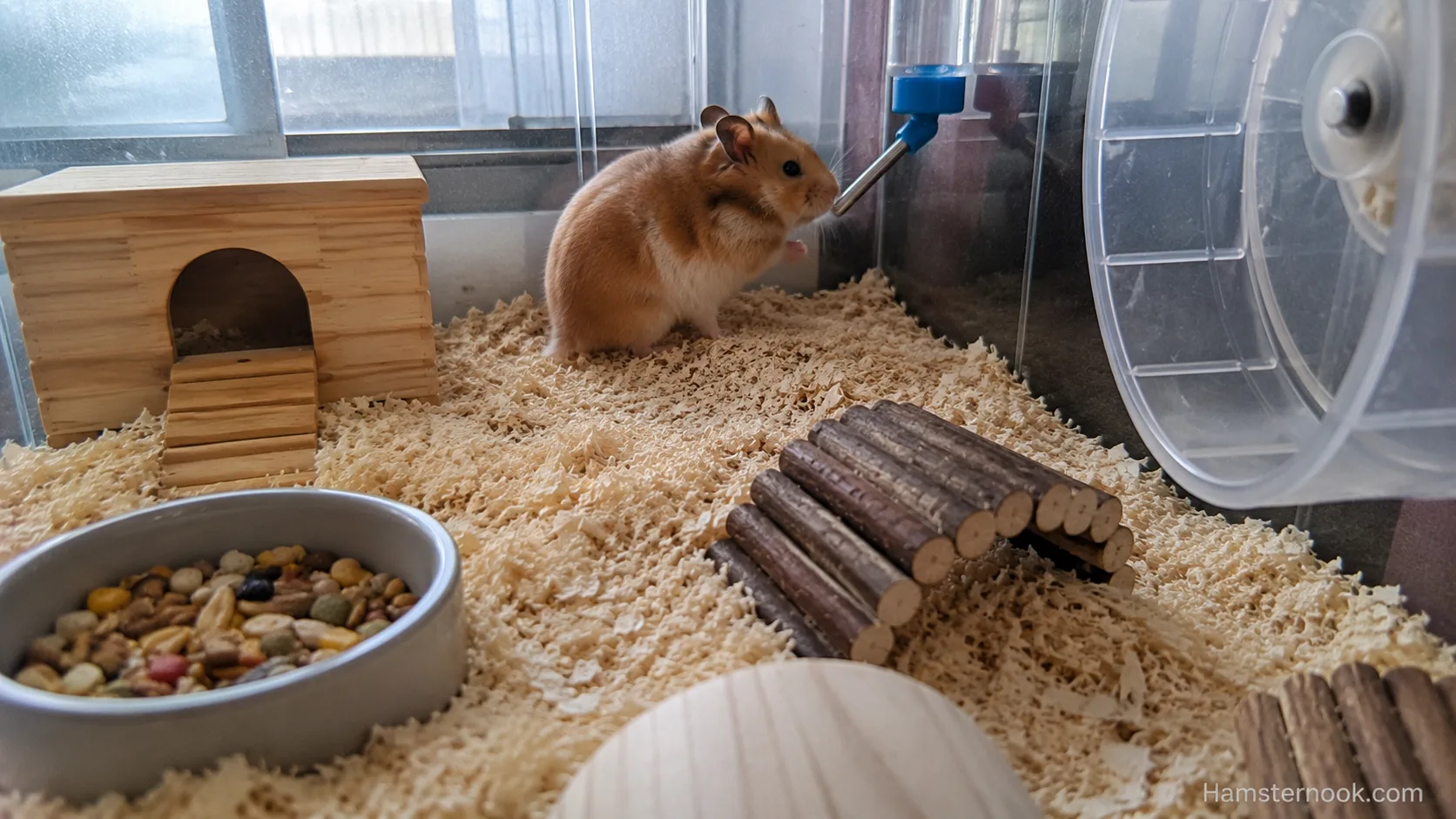
Because territorial disputes can become serious, most pet hamsters should not be introduced simply to provide companionship.
These behaviors are normal and often unrelated to emotional jealousy.
Can Hamsters Get Upset When Attention Changes?
Hamsters thrive on predictable routines.
If your usual interaction schedule suddenly changes, your hamster may respond by acting differently.
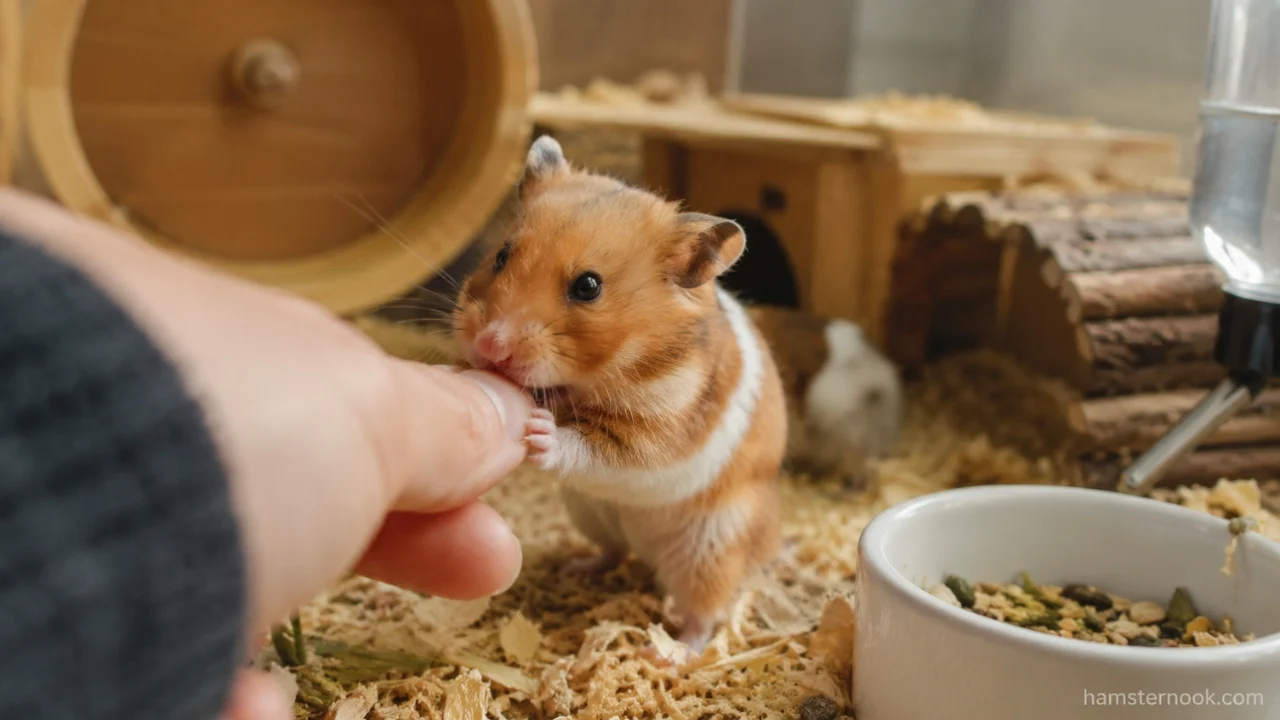
For example:
- Less handling than usual
- Feeding at different times
- Reduced playtime
- Changes in cage location
These disruptions can lead to:
- Increased activity
- Restlessness
- More cage interaction
- Attention-seeking behaviors
This does not necessarily mean the hamster is jealous. It may simply be responding to a change in expectations.
Do Hamsters Compete for Attention?
In most cases, no.
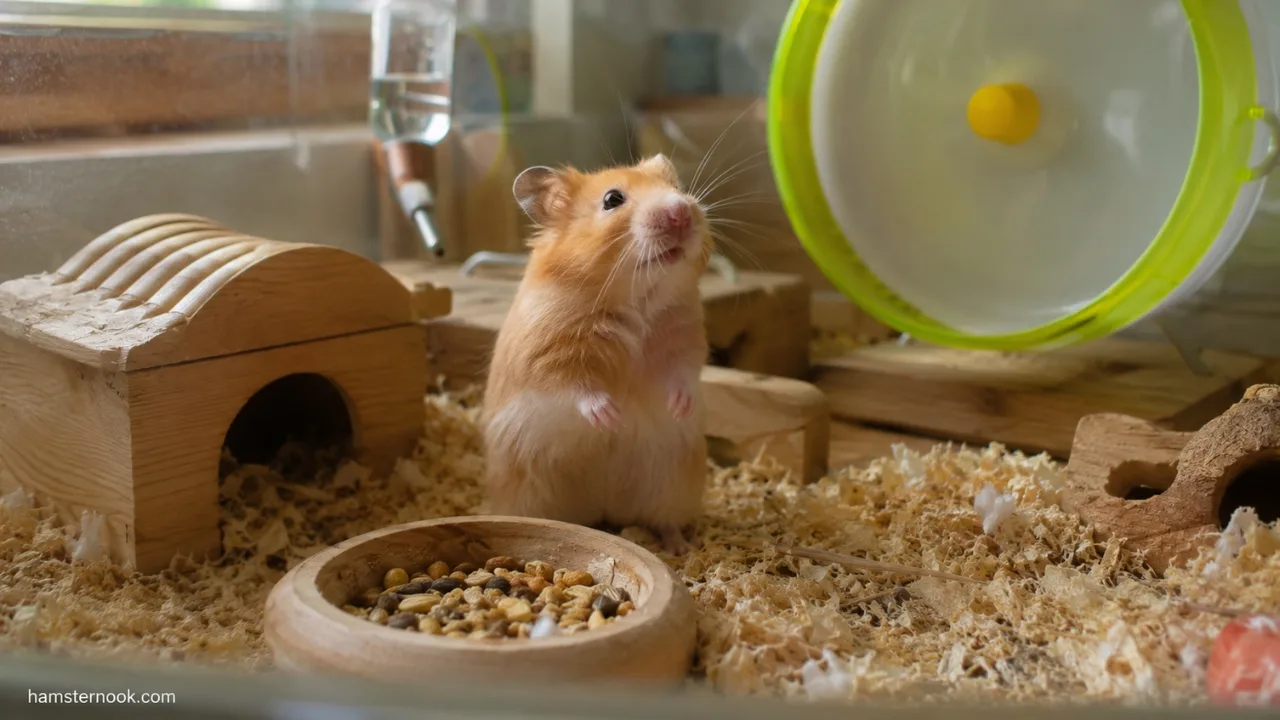
Unlike highly social animals, hamsters generally do not compete for social attention in the same way dogs or some birds might.
A hamster is more likely to compete for:
- Food
- Space
- Shelter
- Nesting materials
This distinction is important because resource competition can sometimes resemble emotional competition.
Hamsters and Other Pets: What Owners Often Misinterpret
Many reports of hamster jealousy occur in homes with multiple pets.
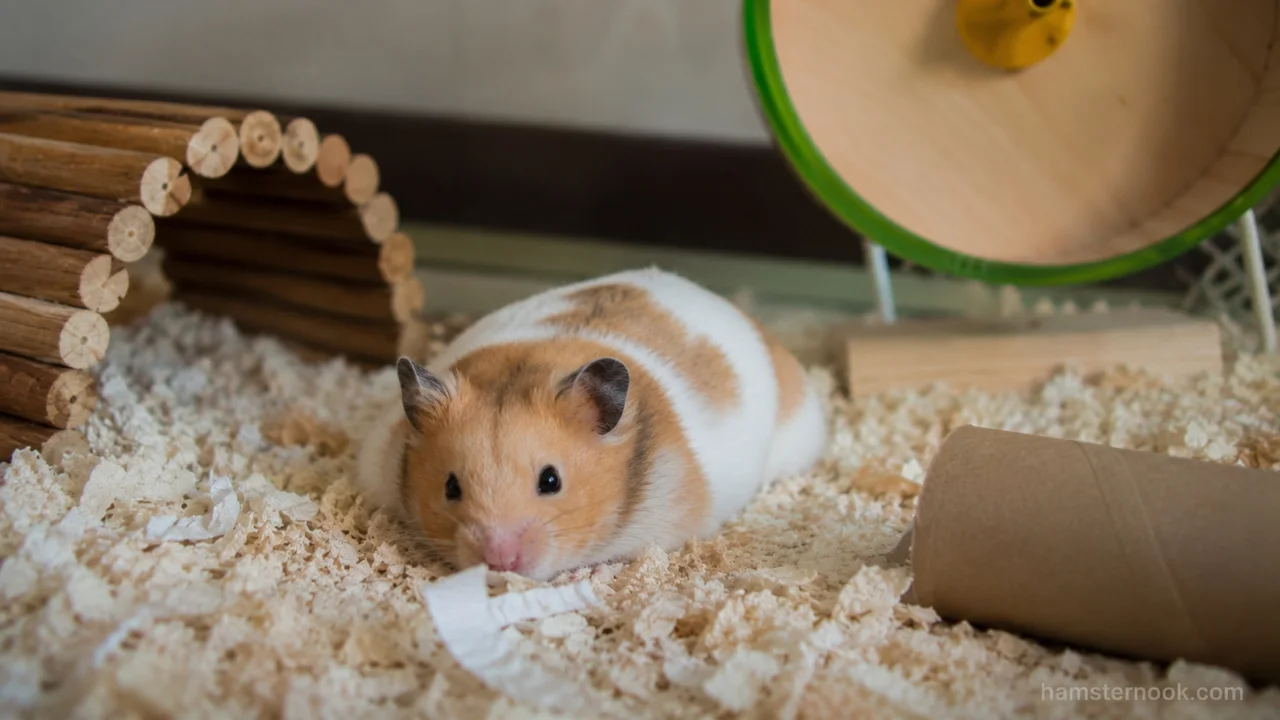
For example, an owner may notice their hamster becoming active whenever they interact with a dog, cat, rabbit, or another hamster.
Several factors may explain this behavior.
| Situation | Possible Hamster Response |
|---|---|
| Seeing another pet nearby | Curiosity |
| Smelling another animal | Alertness |
| Hearing unusual sounds | Investigation |
| Cage being approached | Defensive behavior |
| Changes in owner routine | Increased activity |
These responses are usually instinctive rather than emotional.
Can Hamsters Become Stressed by Other Animals?
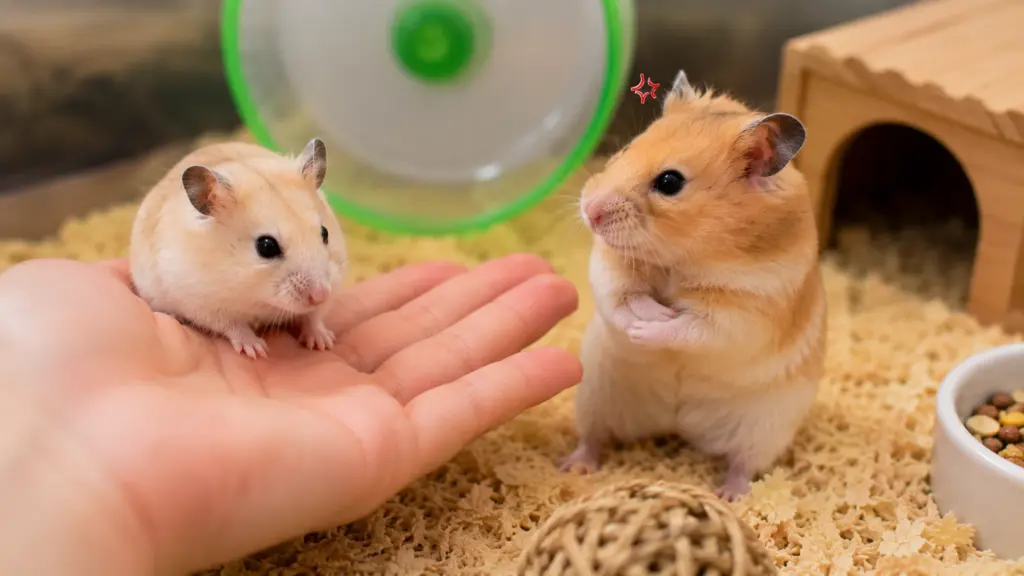
Yes, absolutely.
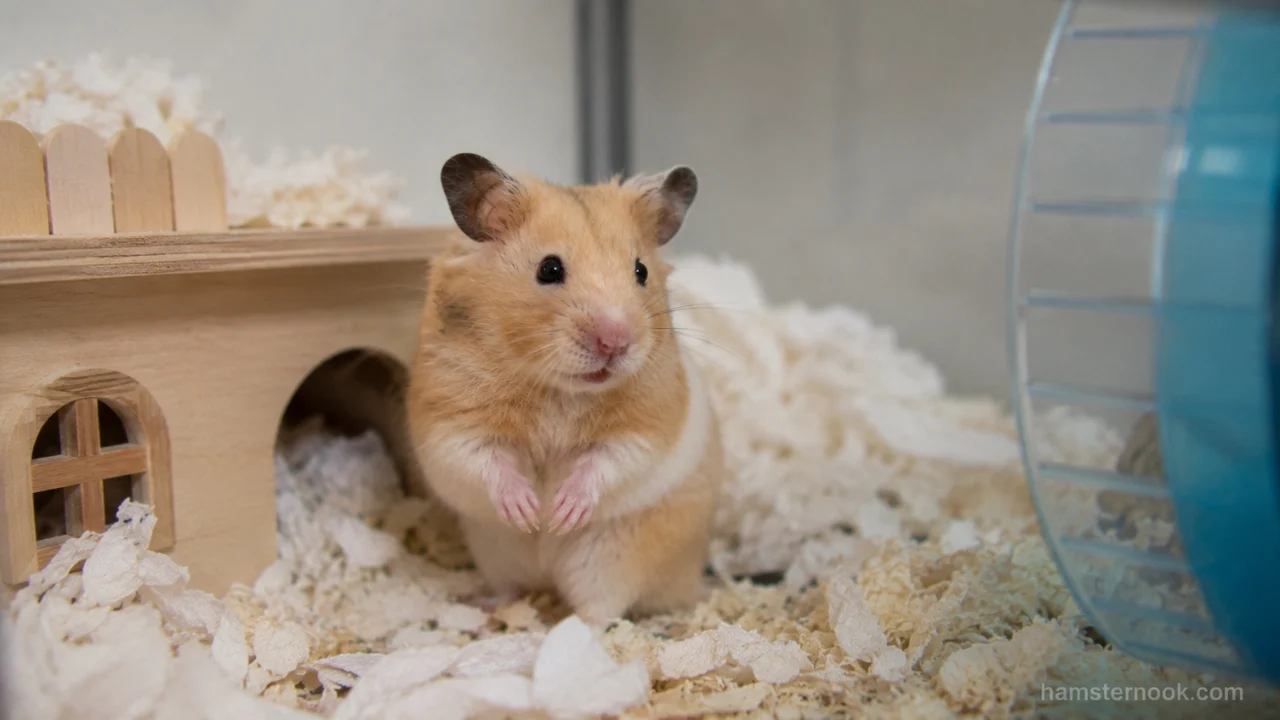
Hamsters are prey animals.
Many larger pets naturally trigger caution because a hamster’s instincts are designed to detect potential threats.
Animals that may cause stress include:
- Cats
- Dogs
- Ferrets
- Birds of prey
- Other unfamiliar hamsters
A stressed hamster may display behaviors that look similar to jealousy, including:

If you notice hiding, pacing, or unusual behavior, read 5 Warning Signs Your Hamster May Be Stressed.
- Pacing
- Hiding
- Bar chewing
- Freezing
- Hyperactivity
The root cause is often anxiety rather than emotional rivalry.
Signs Your Hamster Wants More Interaction
While hamsters may not experience jealousy in the human sense, they can learn to enjoy positive interaction.
A hamster that wants engagement may:
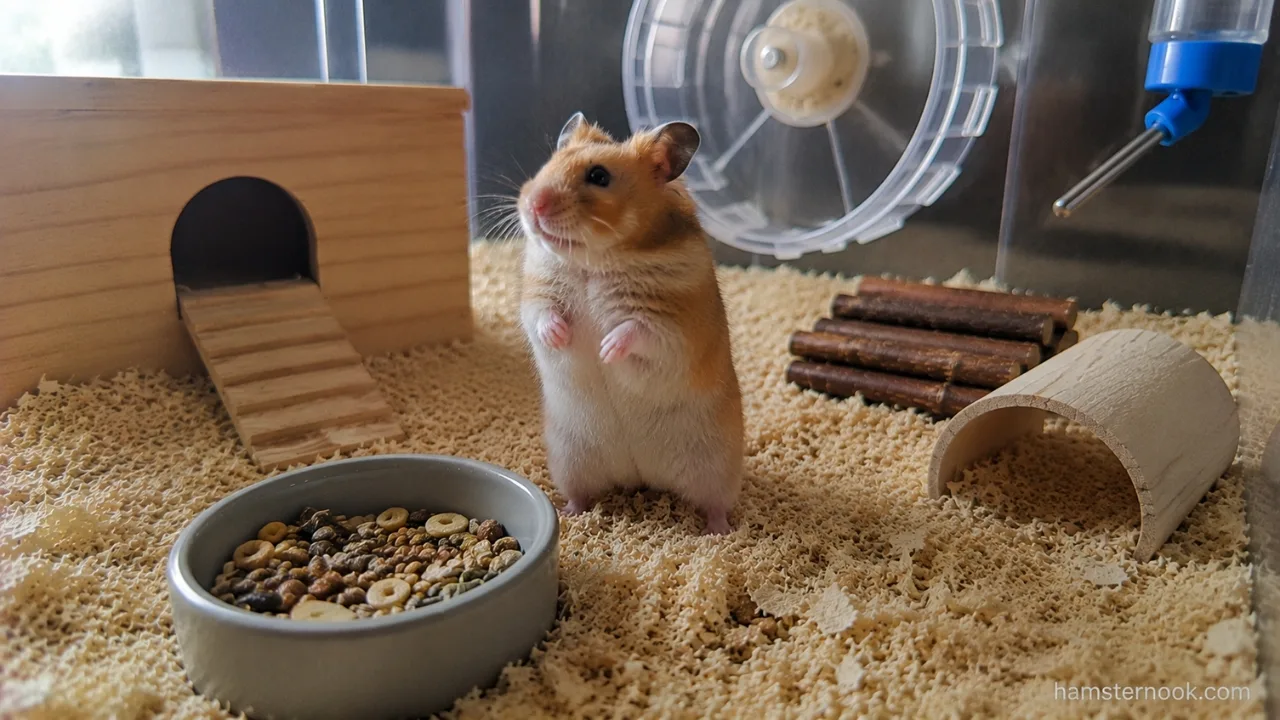
- Approach the front of the cage
- Climb onto your hand
- Investigate your presence
- Wait near feeding areas
- Show curiosity when you enter the room
These behaviors typically indicate comfort and familiarity rather than jealousy.
How to Make Sure Your Hamster Feels Secure
Whether or not jealousy is involved, creating a stable environment helps your hamster feel safe and confident.
Focus on Consistency
Try to maintain:
Consistent routines help reduce stress-related behavior changes. See Daily Hamster Care Checklist.

- Regular feeding schedules
- Predictable handling sessions
- Consistent cage cleaning routines
- Stable cage placement
Routine helps reduce stress.
Provide Adequate Enrichment
Enrichment becomes much easier when the habitat is set up correctly. See Best Hamster Cage Setup for Beginners.
A bored hamster may become more reactive to environmental changes.
Signs such as pacing and bar chewing may indicate boredom rather than jealousy. See How to Make Your Hamster Happy in a Small Cage for enrichment ideas that can help reduce boredom-related behaviors.
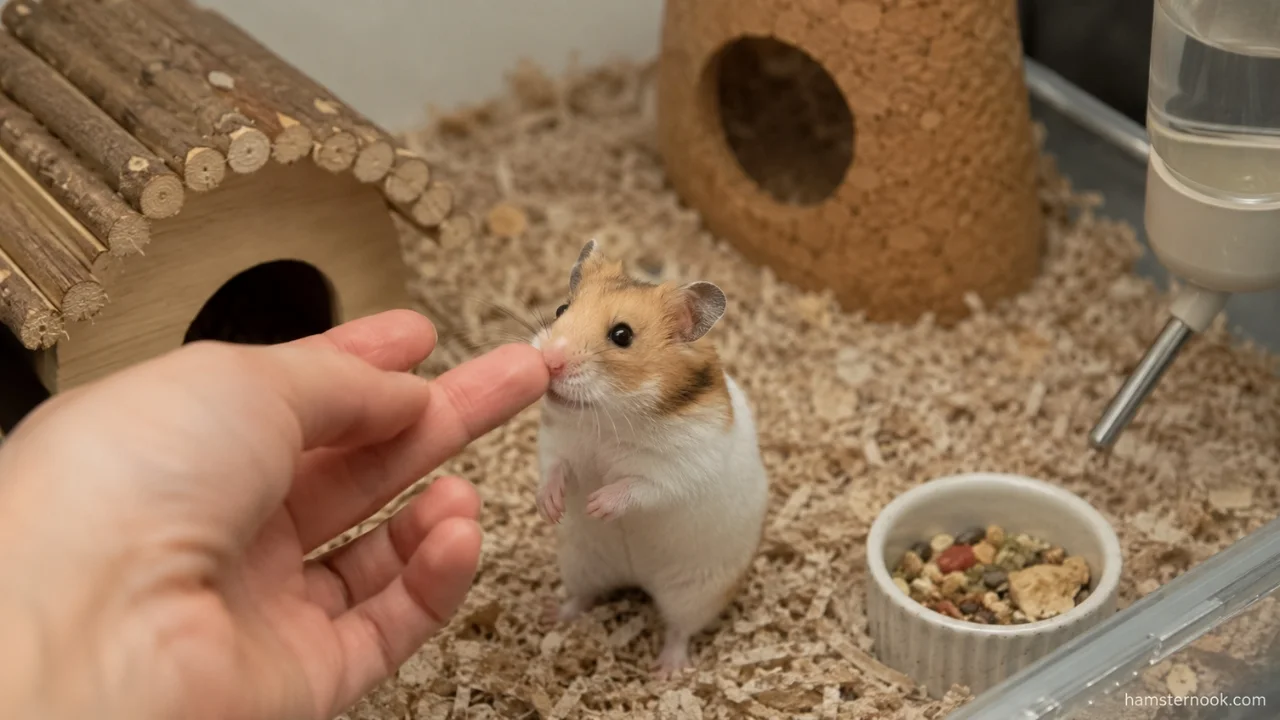
Helpful enrichment includes:
- Deep bedding
- Tunnels
- Sand baths
- Foraging opportunities
- Chew toys
- Exercise wheels
Mental stimulation often reduces unwanted behaviors.
Respect Your Hamster’s Natural Solitary Instincts
Unlike social animals, most hamsters prefer living alone.
Forcing interactions with other hamsters or pets can create stress rather than companionship.
What Science Currently Suggests About Hamster Emotions
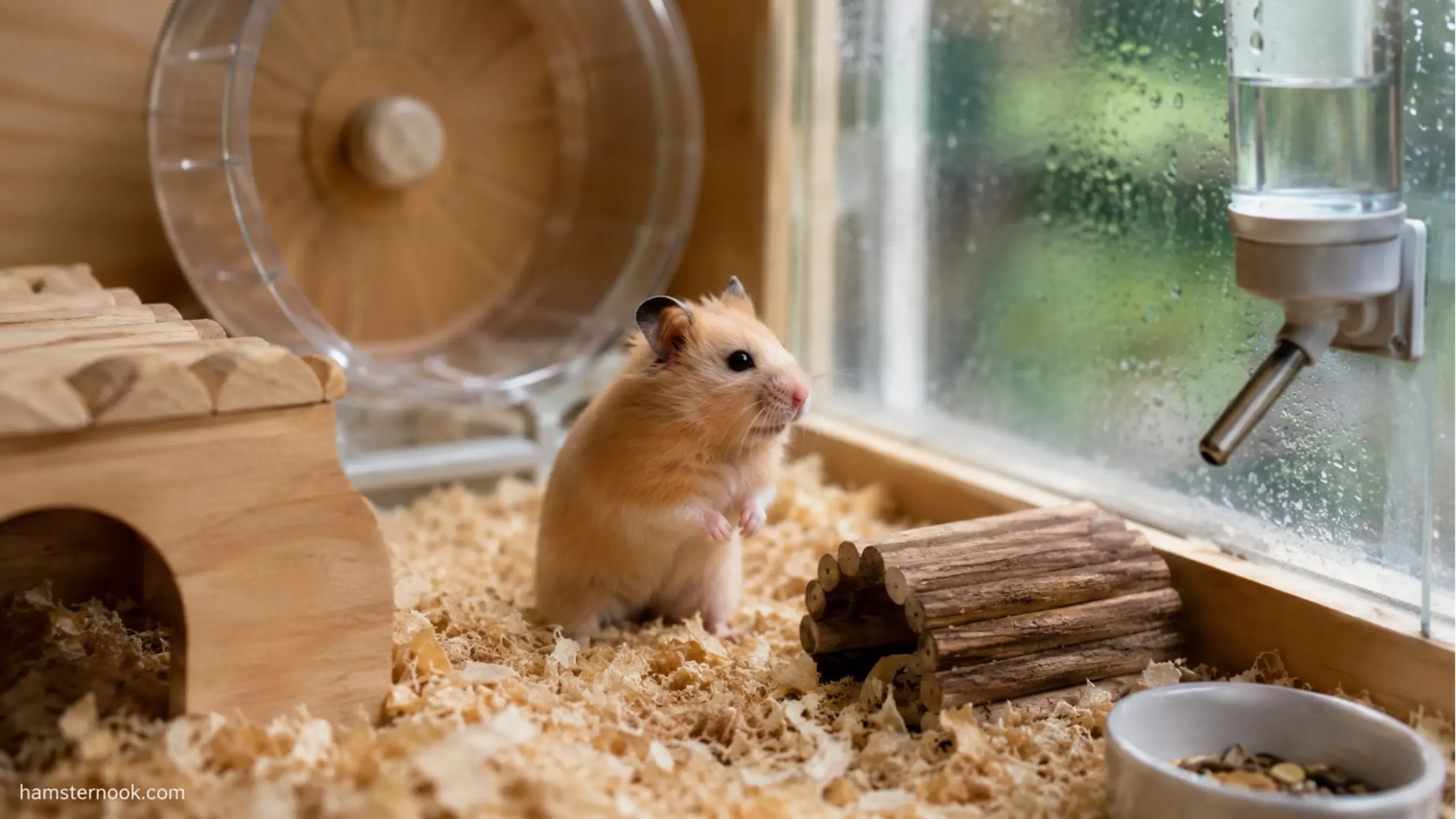
Researchers continue studying animal emotions, but current evidence does not support the idea that hamsters experience human-like jealousy.
What we do know is that hamsters can experience:
- Fear
- Stress
- Comfort
- Curiosity
- Excitement
- Familiarity
They also learn from experiences and can form associations with people, routines, and environments.
However, assigning complex human emotions to hamster behavior often leads to inaccurate conclusions.
Can a hamster become jealous of a cat or dog?
There is no evidence that hamsters feel jealousy toward cats or dogs. Most reactions are caused by curiosity, stress, unfamiliar scents, movement, or changes in routine rather than emotional rivalry.
Final Thoughts
Hamsters do not appear to experience jealousy in the same way humans do. Most behaviors that owners interpret as jealousy are more likely linked to territorial instincts, environmental changes, stress, curiosity, or learned routines.
That doesn’t mean your hamster is indifferent to you. Many hamsters recognize their owners, respond positively to familiar handling, and become comfortable with regular interaction. But their motivations are generally different from those of highly social animals.
When a hamster suddenly behaves differently after attention is given elsewhere, it’s usually best to look at factors such as routine changes, environmental stress, territory, and enrichment before assuming jealousy is the cause.

By understanding how hamsters naturally think and behave, owners can provide better care and create a more secure environment for their pets.
Frequently Asked Questions About Hamster Jealousy
Can a hamster get jealous of another hamster?
Most conflicts between hamsters are related to territory and resources rather than jealousy. Hamsters are naturally solitary and often prefer their own space.
Why does my hamster become active when I pet my dog?
Your hamster may be reacting to movement, sounds, scents, or changes in routine. This behavior is not necessarily a sign of jealousy.
Do hamsters recognize their owners?
Many hamsters learn to recognize their owners through scent, voice, and repeated positive interactions.
Can hamsters feel emotions?
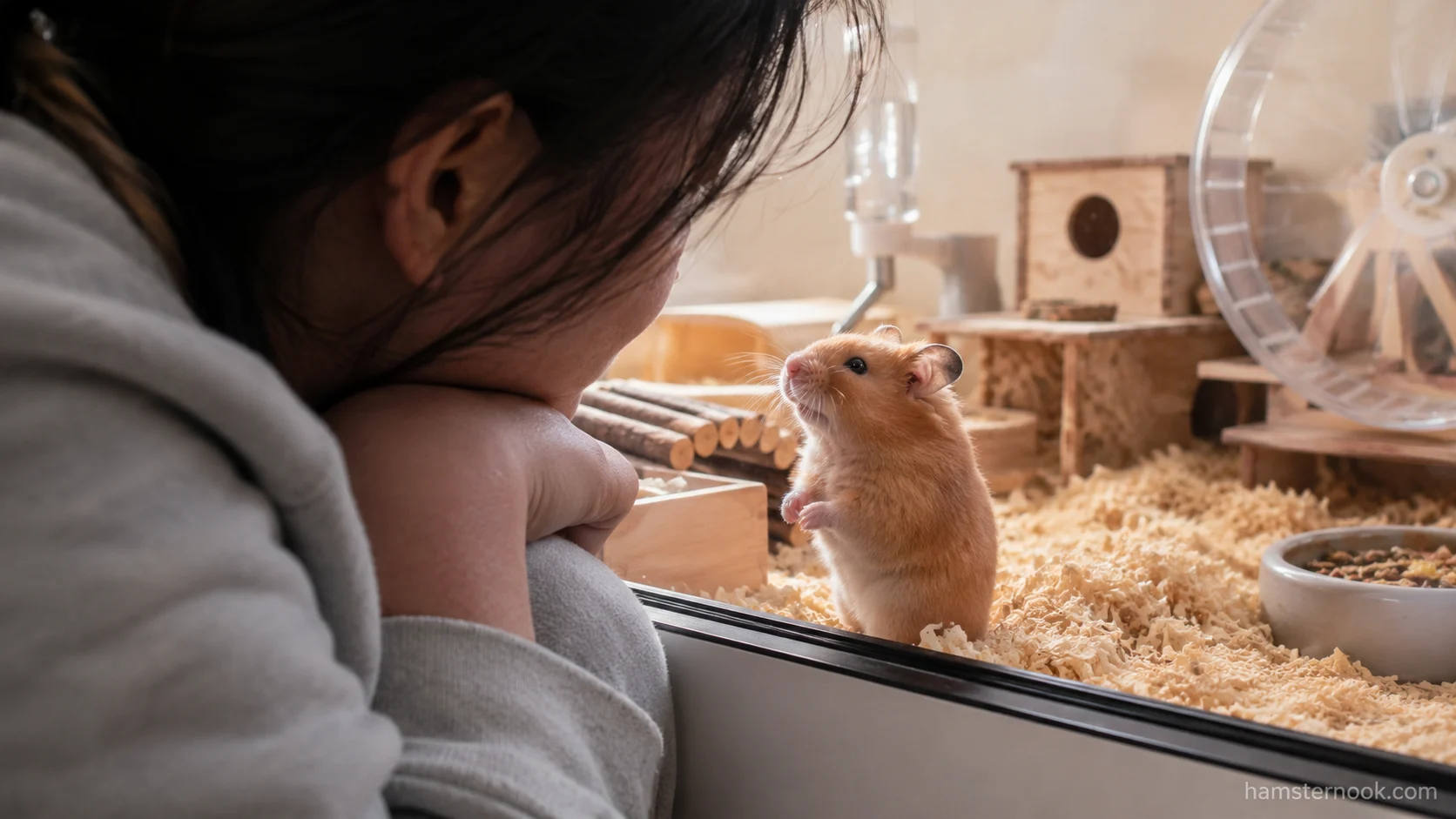
Hamsters can experience basic emotions and behavioral states such as fear, comfort, stress, curiosity, and excitement.
Why does my hamster demand attention when I enter the room?
Your hamster may associate your presence with food, treats, handling, or enrichment activities.
Is territorial behavior the same as jealousy?
No. Territorial behavior involves protecting space and resources, while jealousy is a complex social emotion. Most hamster behaviors that seem jealous are more accurately explained by territorial instincts.

Narayan Kumar is the founder and author of HamsterNook. He creates practical, research-based hamster care guides covering hamster behavior, nutrition, cage setup, enrichment, health, and everyday care. His goal is to help hamster owners make informed decisions and provide safer, healthier lives for their pets through clear, beginner-friendly information based on trusted animal care resources.