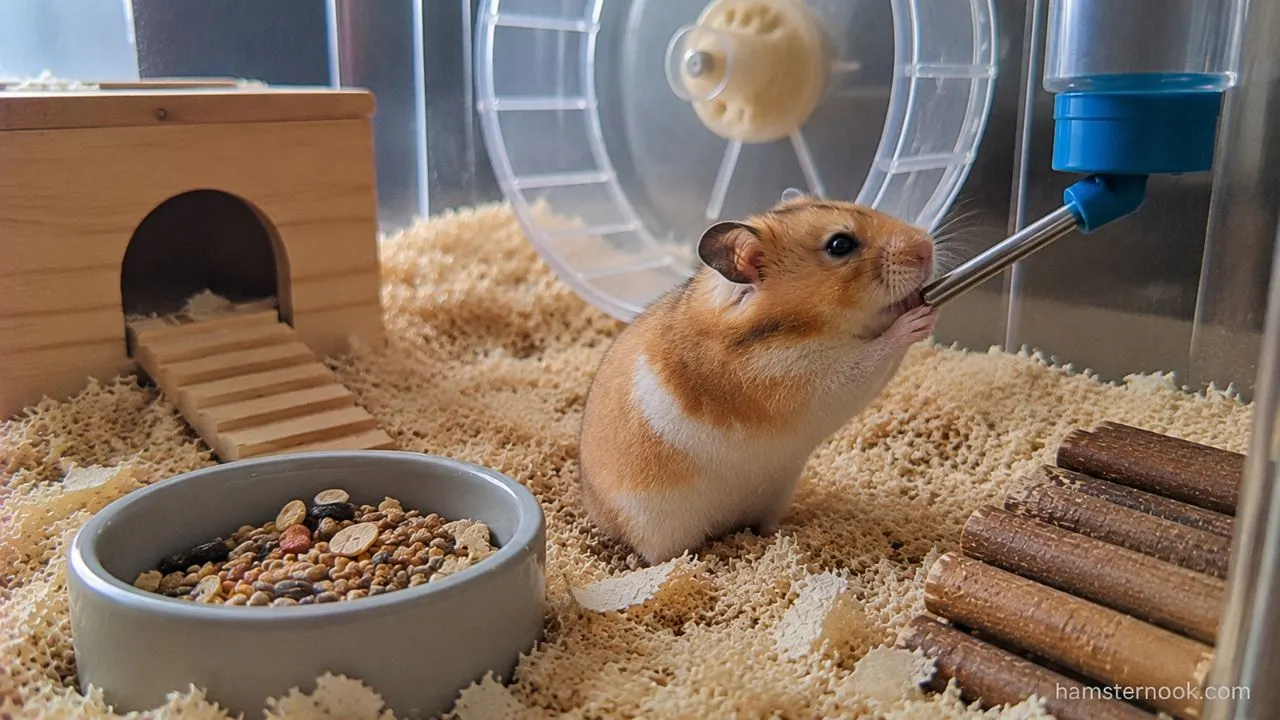
Owning a hamster may seem simple at first glance. They are small, quiet, and relatively low-maintenance compared to many other pets. However, healthy hamsters rely on consistent daily care more than many new owners realize. Missing small details—such as checking water bottles, monitoring behavior, or removing spoiled food—can gradually affect your hamster’s health and happiness.
The good news is that proper hamster care does not require hours of work each day. A simple routine that takes just a few minutes can help you spot problems early, maintain a clean habitat, and ensure your hamster stays active and comfortable.
This daily hamster care checklist covers 15 practical checks and care tasks that help owners monitor their hamster’s health, safety, comfort, and daily environment.
Why a Daily Hamster Care Routine Matters
Hamsters are prey animals that naturally hide signs of illness or discomfort. By the time obvious symptoms appear, a problem may already be advanced.

A daily routine helps owners:
- Detect health issues early
- Maintain a clean environment
- Prevent dehydration
- Reduce stress
- Support natural behaviors
- Build trust with their hamster
Even brief daily observations can make a significant difference.
Quick Daily Hamster Care Checklist at a Glance
| Daily Task | Why It Matters | Time Needed |
|---|---|---|
| Check water bottle | Prevent dehydration | 1 minute |
| Refill food if needed | Ensure proper nutrition | 1 minute |
| Remove spoiled food | Prevent mold and bacteria | 1 minute |
| Observe behavior | Detect problems early | 2 minutes |
| Check for injuries | Monitor health | 1 minute |
| Spot-clean dirty areas | Improve hygiene | 2 minutes |
| Inspect bedding | Maintain comfort | 1 minute |
| Check wheel function | Ensure safe exercise | 1 minute |
| Verify cage security | Prevent escapes | 1 minute |
| Monitor temperature | Prevent heat or cold stress | 1 minute |
| Provide enrichment | Reduce boredom | 2 minutes |
| Inspect chew items | Support dental health | 1 minute |
| Listen for unusual sounds | Spot possible issues | 1 minute |
| Handle gently if appropriate | Build trust | 2–5 minutes |
| Review overall condition | Daily wellness check | 1 minute |
Check Your Hamster’s Water Supply
Fresh water is one of the most important daily necessities.
Water bottles can occasionally become clogged or leak without obvious signs. A hamster that cannot access water may become dehydrated surprisingly quickly.

Every day:
- Verify water is available
- Test the bottle nozzle
- Refill with fresh water when needed
- Check for leaks
Never assume a bottle is functioning correctly just because it contains water.
Water problems can become serious quickly, so it is useful to know the warning signs covered in How Long Can Hamsters Go Without Water? Risks, Warning Signs & What to Do.
Make Sure Food Is Available

Hamsters naturally store food, so a bowl that appears empty does not always mean your hamster is hungry.

However, daily food checks are still important.
Understanding which foods are safe can help you make better feeding decisions. Read What Can Hamsters Eat? Complete Food List.
Look for:
- Empty food dishes
- Uneaten pellets
- Signs of selective feeding
- Changes in appetite
A sudden decrease in food consumption can sometimes indicate a health issue.

If your hamster is eating noticeably less than usual, Why Is My Hamster Not Eating? 9 Causes, Warning Signs & What to Do explains possible causes and when veterinary advice is needed.
Remove Fresh Food Leftovers
Many owners provide vegetables, fruits, or fresh treats.
Fresh and moist foods can spoil in the cage, so remove uneaten pieces before they become stale, mouldy, or contaminated. The exact timing depends on the food and the hamster’s condition, so avoid relying on a fixed number of hours for every fresh food.
| Food Type | Maximum Recommended Time |
|---|---|
| Fresh vegetables | 12–24 hours |
| Fruit | 12 hours |
| Moist treats | Remove within a few hours |
Spoiled food can attract bacteria and mold that may harm your hamster.

Observe Your Hamster’s Normal Behavior
One of the easiest ways to monitor health is simply watching your hamster.
Ask yourself:
- Is my hamster active during normal waking hours?
- Is movement normal?
- Is grooming behavior unchanged?
- Is the hamster exploring as usual?
A predictable light-dark routine also helps you judge whether changes in activity are unusual; Do Hamsters Need Light? Daylight, Darkness & Night Lights Explained covers the basics of healthy lighting.
Changes in behavior are often among the earliest warning signs that something is wrong.

Look for Signs of Injury or Illness
A quick visual inspection can help identify problems early.
Check for:
- Wet fur
- Discharge around eyes or nose
- Limping
- Hair loss
- Swelling
- Unusual posture
You do not need to perform a detailed examination every day, but a brief health check is worthwhile.
Spot-Clean Dirty Areas
Full cage cleanings are not necessary daily, but spot cleaning is.

Focus on:
- Bathroom corners
- Soiled bedding
- Wet areas
- Food waste
Removing small messes daily helps maintain cleanliness without causing unnecessary stress from frequent deep cleans.
Check Bedding Condition
Hamsters depend on bedding for sleeping, burrowing, and security.
Inspect bedding for:

| What to Check | Why It Matters |
|---|---|
| Damp spots | Prevent bacterial growth |
| Excessive odor | Indicates cleaning is needed |
| Burrow stability | Supports natural behavior |
| Bedding depth | Encourages digging |
Deep, clean bedding is an important part of hamster welfare.
Increased digging and burrowing can also reveal how comfortable your hamster feels in its enclosure. See Why Has My Hamster Suddenly Started Digging More?.
Ensure the Exercise Wheel Works Properly
A wheel is often the most-used item in a hamster habitat.
Daily checks can help prevent injuries.

Verify that:
- The wheel spins freely
- No cracks are present
- The running surface is safe
- Nothing is blocking movement
A damaged wheel should be replaced immediately.
Inspect the Cage for Escape Risks
Hamsters are skilled escape artists.
Reviewing your enclosure setup regularly can help prevent escape risks and other common problems. Read Hamster Cage Setup Guide.

Take a moment each day to inspect:
- Doors
- Latches
- Mesh panels
- Tubes and connectors
Even small openings can become escape routes.
Monitor Room Temperature
Hamsters are sensitive to temperature extremes.
| Temperature Check | What to Watch For |
|---|---|
| Below the recommended room range | Risk of torpor-like state |
| Around 18–21°C | Generally comfortable |
| Hot room conditions | Risk of overheating |
Keep the room temperature stable, avoid drafts and direct sunlight, and make sure your hamster cannot be exposed to excessive heat or cold. PDSA recommends a steady room temperature of around 18–21°C for hamsters.

Provide Daily Enrichment Opportunities

Choosing the right hideouts and enrichment items can make a significant difference in your hamster’s daily comfort and confidence. See Best Hamster Hideouts and Sleeping Areas for ideas that support natural behavior.
A hamster’s environment should offer more than food and water.
Simple enrichment ideas include:
- Scatter feeding
- New cardboard tunnels
- Foraging activities
- Rearranged toys
- Safe chew items
Even simple changes, such as hiding treats in different spots or adding a cardboard tunnel, can give your hamster something new to investigate and help keep daily life interesting.

Check Chew Toys and Dental Items
Hamster teeth grow continuously throughout life.
Inspect chew items for:
- Heavy wear
- Damage
- Sharp edges
- Dirt buildup
Providing safe chewing opportunities supports healthy dental wear.
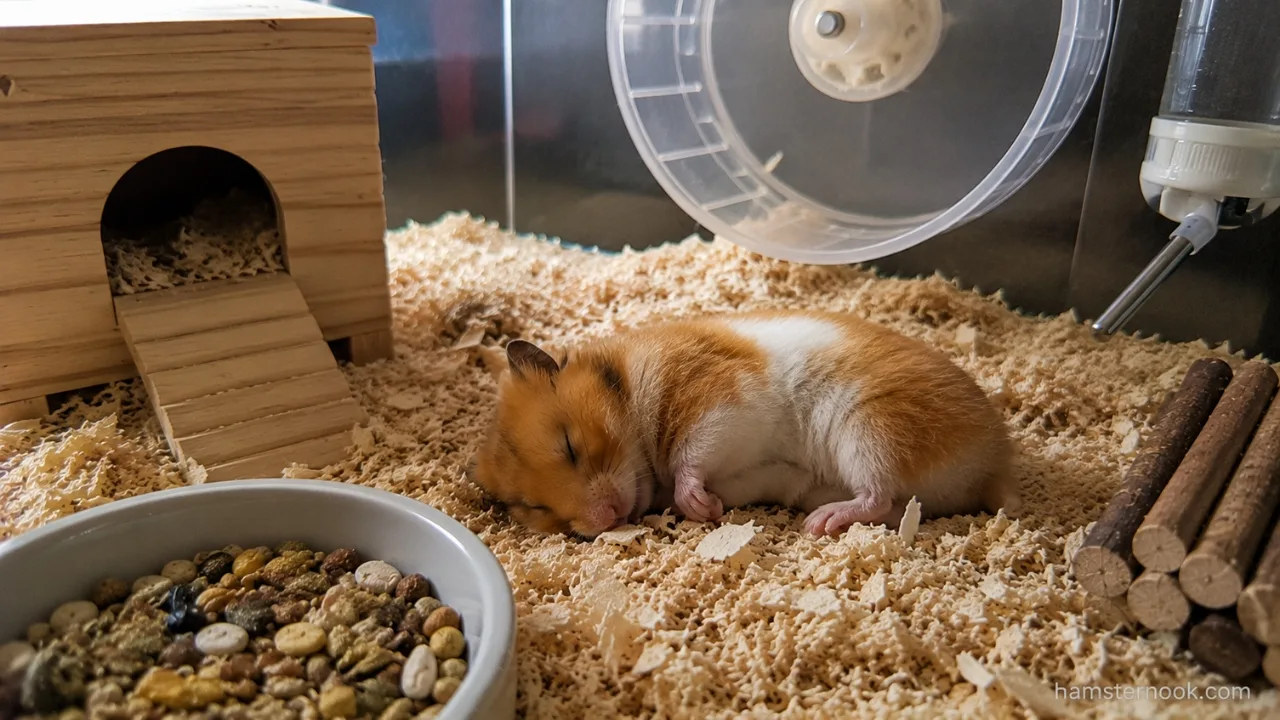
Listen for Unusual Sounds
Owners often focus on what they can see, but listening can also be useful.
Watch for:
- Wheezing
- Clicking sounds
- Labored breathing
- Unusual vocalizations
Unusual breathing sounds can be a sign that something is wrong, especially when they occur with changes in activity, appetite, or appearance.
If you notice difficulty breathing, loss of appetite, marked inactivity, discharge, an abnormal posture, or another sudden change in your hamster’s condition, contact a veterinarian promptly rather than treating the checklist as a substitute for veterinary care.
Spend a Few Minutes Building Trust
Not every hamster enjoys handling, but most benefit from gentle interaction.

If your hamster is nervous around people, gradual trust-building techniques can help. See How to Tame a Hamster Without Getting Bitten.
Daily interaction may include:
- Hand feeding
- Talking softly
- Allowing exploration
- Gentle handling when comfortable
Consistency is usually more important than duration.
Perform a Final Daily Wellness Check
Before ending your care routine, take one final look at your hamster and habitat.

Ask yourself:
| Question | Why It Matters |
|---|---|
| Is food available? | Supports nutrition |
| Is water accessible? | Prevents dehydration |
| Does the cage look clean? | Promotes hygiene |
| Is behavior normal? | Helps detect issues |
| Is the environment safe? | Reduces risk of injury |
This quick review helps ensure nothing important was overlooked.
Common Daily Care Mistakes Owners Make
Even dedicated owners sometimes develop habits that can cause problems.
Some of the most common mistakes include:

| Mistake | Potential Consequence |
|---|---|
| Forgetting water checks | Dehydration |
| Overfeeding treats | Weight gain |
| Ignoring behavior changes | Delayed health detection |
| Cleaning too aggressively | Stress and anxiety |
| Neglecting enrichment | Boredom and frustration |
Small adjustments can often improve your hamster’s quality of life significantly.
Creating a Sustainable Daily Routine
The best hamster care routine is one that you can maintain consistently.
Rather than spending large amounts of time occasionally, focus on performing small tasks every day. The time needed varies with the hamster, enclosure, and what needs attention that day. The goal is not to finish within a fixed number of minutes, but to complete the important checks consistently without unnecessarily disturbing your hamster.
After a while, these quick daily checks become part of your routine, and they can help you catch small problems before they turn into bigger health or behavior issues.

Conclusion
Daily hamster care is not about doing complicated tasks. It is about paying attention to the small details that keep your pet healthy and comfortable. Fresh water, proper food, clean bedding, safe equipment, and regular observation all play important roles in a hamster’s well-being.
Following a simple daily checklist helps prevent common problems, supports natural behaviors, and allows owners to notice changes before they become serious concerns. A few minutes each day can make a meaningful difference throughout your hamster’s life.
When a Daily Check Finds Something Abnormal
A daily checklist is useful for spotting changes, but it cannot determine what is causing them. If your hamster has difficulty breathing, stops eating or drinking, becomes markedly inactive, develops discharge, has trouble walking, or shows another sudden change in appearance or behavior, contact a veterinarian promptly. Hamsters can become seriously unwell without showing obvious signs early on.
Frequently Asked Questions
How long should daily hamster care take?
Daily care time varies, but the essential checks can usually be kept brief when the enclosure is already well maintained.
Do I need to clean my hamster’s cage every day?
No. Daily spot cleaning is usually sufficient, while full cage cleanings are performed less frequently depending on cage size and cleanliness.
Should I wake my hamster to do health checks?
No. Hamsters should not be disturbed unnecessarily during sleep. Health checks are best done when your hamster naturally wakes up.
Is it normal for hamsters to hide food every day?
Yes. Food hoarding is a natural hamster behavior and is not usually a cause for concern.
How often should I check my hamster’s water bottle?
At least once every day. Water bottle malfunctions are more common than many owners realize.

What is the most important item on a daily hamster checklist?
Fresh water is arguably the most critical daily necessity, followed closely by observing your hamster’s behavior for signs of potential problems.
If you notice sudden hiding, freezing, or unusual behavior during your daily checks, read Things Your Hamster Does When It No Longer Feels Safe to identify common signs of stress and insecurity.
References
This guide is based on hamster health monitoring, daily care, nutrition, housing, behavior, and welfare guidance from trusted veterinary and animal welfare resources, including:
- RSPCA – Hamster Health & Welfare – Guidance on monitoring hamster health, recognizing signs of illness, grooming, dental care, and general welfare.
- RSPCA – Hamster Diet – Guidance on feeding, fresh foods, drinking water, food storage, and maintaining a suitable hamster diet.
- RSPCA – Creating a Good Home for Hamsters – Guidance on bedding, enclosure setup, environmental conditions, exercise, nesting, and hamster welfare.
- PDSA – Hamsters as Pets – Practical advice on hamster nutrition, housing, temperature, exercise, handling, and common health concerns.
- Blue Cross – Hamster Care Guide – Guidance on daily hamster care, housing, diet, enrichment, handling, and wellbeing.
- MSD Veterinary Manual – Routine Health Care of Hamsters – Veterinary guidance on routine health observation, nutrition, dental care, exercise, and monitoring for health problems.
- MSD Veterinary Manual – Disorders and Diseases of Hamsters – Veterinary information on common hamster health problems, abnormal symptoms, and conditions requiring veterinary attention.
Medical Disclaimer
This article is intended for educational purposes only and should not be considered veterinary advice. A daily health checklist can help you notice changes in your hamster’s condition, but it cannot diagnose illness or determine the cause of abnormal symptoms. If your hamster has difficulty breathing, stops eating or drinking, becomes markedly inactive, develops discharge, has trouble walking, shows signs of injury, or experiences another sudden or concerning change in appearance or behavior, contact a qualified exotic animal veterinarian promptly.

Narayan Kumar is the founder and author of HamsterNook. He creates practical, research-based hamster care guides covering hamster behavior, nutrition, cage setup, enrichment, health, and everyday care. His goal is to help hamster owners make informed decisions and provide safer, healthier lives for their pets through clear, beginner-friendly information based on trusted animal care resources.