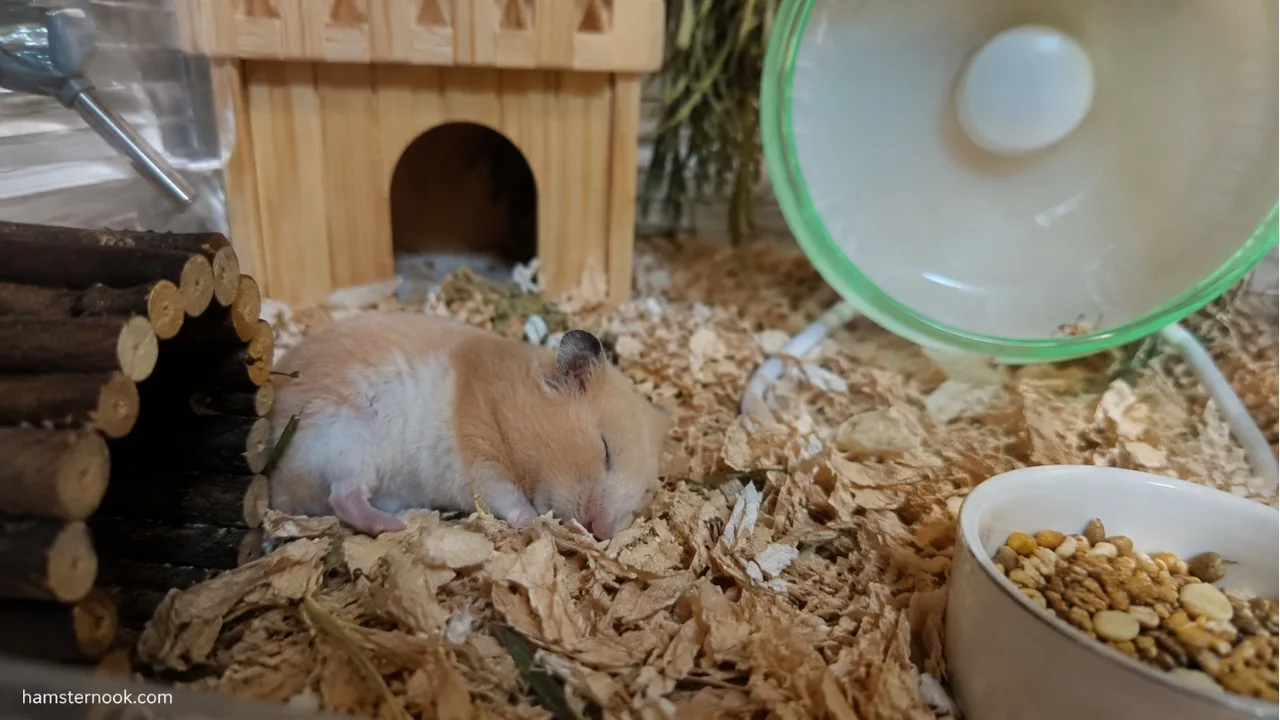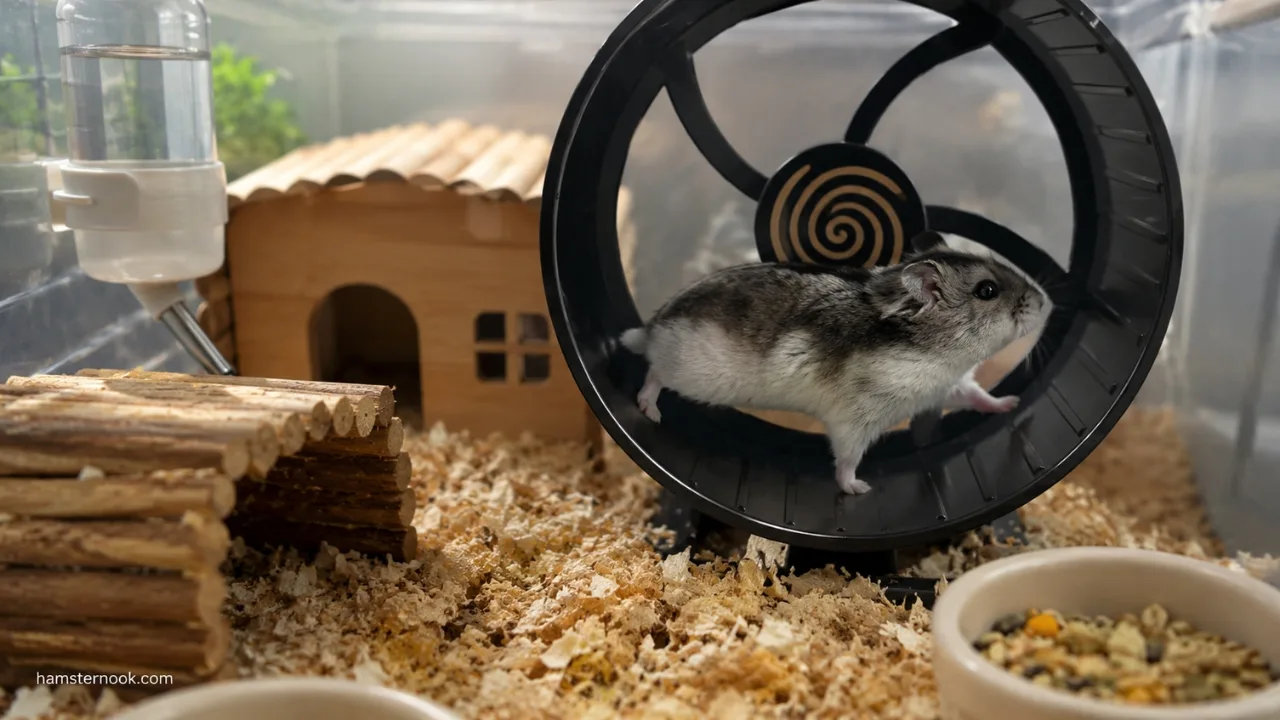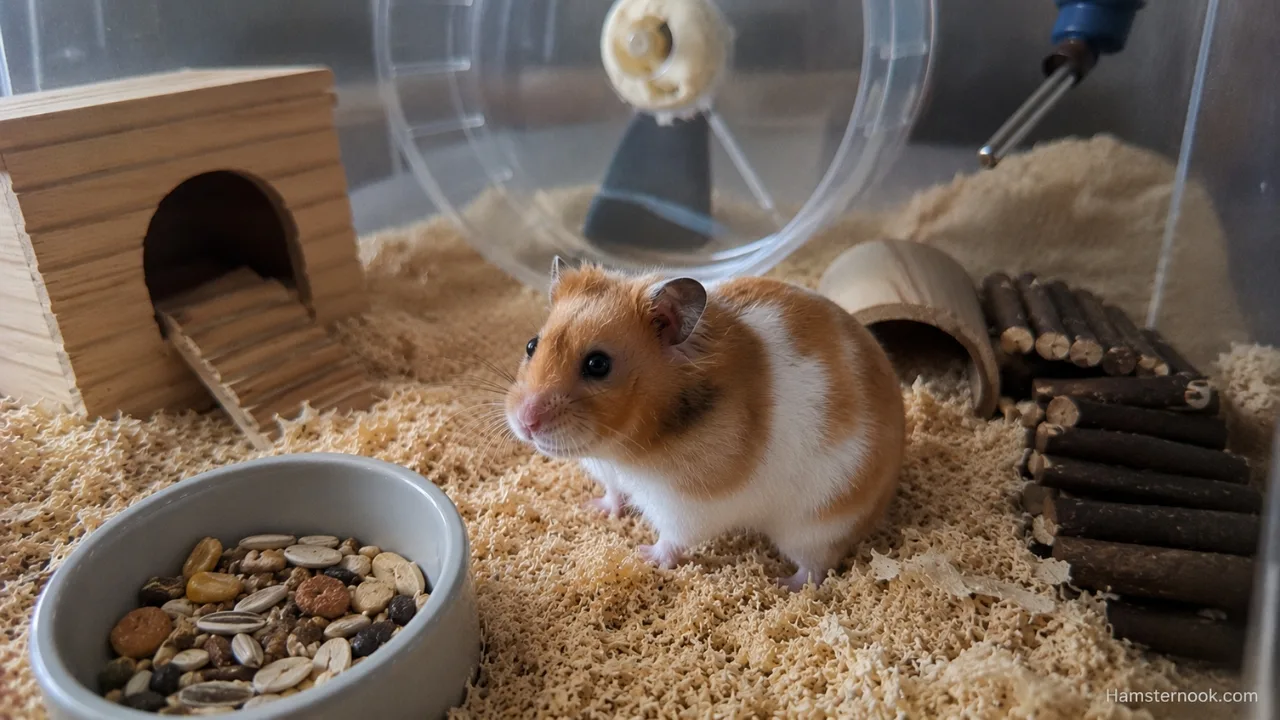
Getting your first Syrian hamster is exciting, but many owners quickly learn that proper care involves much more than providing food, water, and a wheel. These curious and intelligent pets need enough space, enrichment, a balanced diet, and a suitable environment to stay healthy and active.
Once you understand what Syrian hamsters need to stay healthy and comfortable, caring for them becomes much easier. Learning about their natural habits early on can help you avoid common mistakes and give your hamster a happier, healthier life.
Whether you’re bringing home your first Syrian hamster or looking to improve your current setup, this guide will help you avoid common mistakes and provide the care your pet truly needs.
What Is a Syrian Hamster?
Quick Answer:
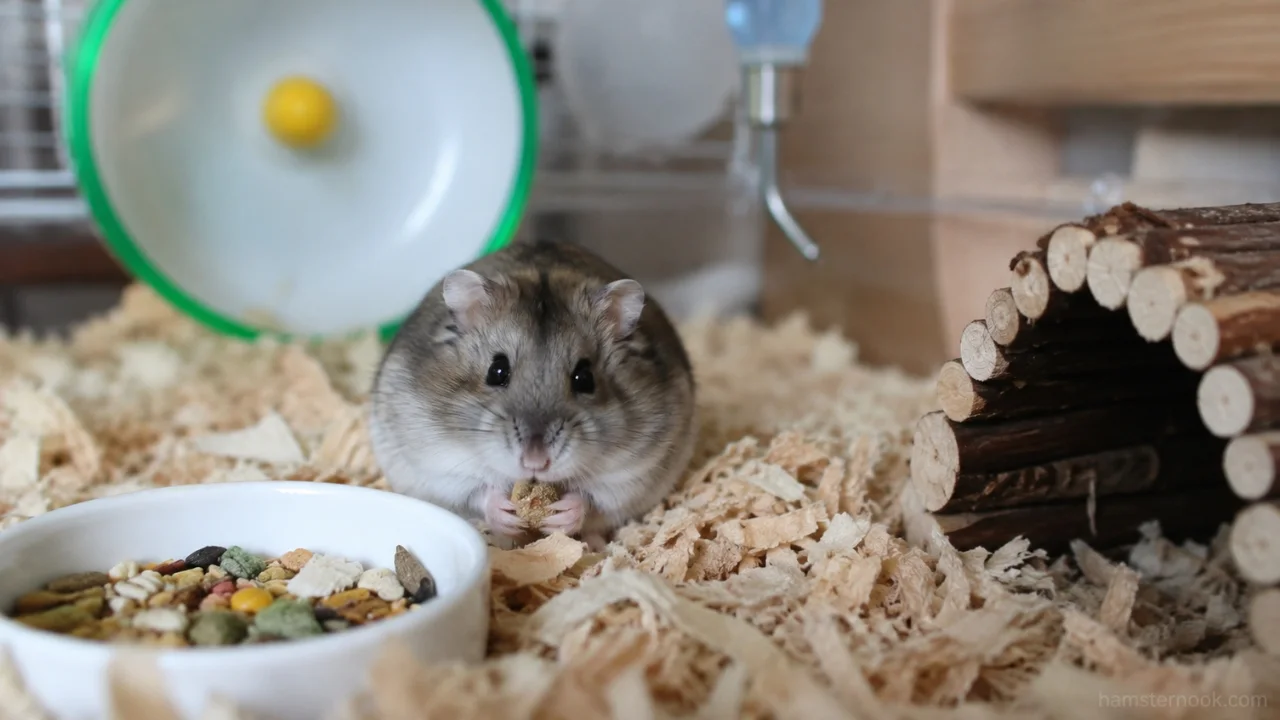
Syrian hamsters are larger than the commonly kept dwarf hamster species and need to live alone. Good care includes a spacious enclosure, deep bedding for burrowing, an appropriately sized wheel, hiding places and enrichment, a suitable diet, fresh water, and regular health checks.
The Syrian hamster is the largest and most commonly kept pet hamster species. It is sometimes called the Golden Hamster or Teddy Bear Hamster, depending on coat type and coloration.
Unlike some dwarf hamster species, Syrian hamsters are solitary animals and must live alone once they reach maturity.
Quick Syrian Hamster Facts
| Feature | Details |
|---|---|
| Scientific Name | Mesocricetus auratus |
| Average Size | 5–7 inches |
| Average Weight | 100–200 grams |
| Lifespan | 2–3 years |
| Activity Period | Mostly nocturnal |
| Social Needs | Solitary |
| Beginner Friendly | Yes |
Their larger size often makes them easier to handle than smaller hamster species, which is one reason they remain popular among new pet owners.

Why Syrian Hamsters Are Popular Pets
There are several reasons why Syrian hamsters are often recommended for first-time owners.
Benefits of Syrian Hamsters
| Benefit | Why Owners Like It |
|---|---|
| Larger Size | Easier to handle and observe |
| Distinct Personalities | Often become interactive with owners |
| Widely Available | Commonly found through breeders and rescues |
| Simple Diet | Easy to feed properly |
| Low Noise Level | Generally quiet pets |
While they are relatively easy to care for, they still require proper housing and daily attention.
Choosing the Right Cage for a Syrian Hamster

One of the biggest mistakes new owners make is purchasing a cage that is too small.
Many cages sold in pet stores do not provide enough usable floor space for a Syrian hamster’s needs. Our Best Hamster Cage Setup for Beginners (Safe, Comfortable & Stress-Free) guide explains how to build an enclosure that supports natural behaviors and long-term wellbeing.

Recommended Cage Requirements
| Requirement | Recommendation |
|---|---|
| Floor Space | At least 100 × 50 cm of usable floor area |
| Bedding | Provide a deep layer suitable for burrowing |
| Bar Spacing | Narrow enough to prevent escape |
| Ventilation | Good ventilation without exposing the enclosure to drafts |
A larger enclosure provides room for exercise, burrowing, nesting, and enrichment.
Many behavioral problems commonly seen in pet hamsters can be linked to inadequate space, limited enrichment, or insufficient opportunities to perform natural behaviors.
Best Bedding for Syrian Hamsters
The right bedding helps your hamster feel secure and encourages natural behaviors like burrowing and nesting.
Syrian hamsters love digging tunnels and creating underground sleeping chambers.

Safe Bedding Options
| Bedding Type | Safe for Syrian Hamsters? |
|---|---|
| Paper-Based Bedding | Yes |
| Aspen Shavings | Yes |
| Hemp Bedding | Yes |
| Unscented Paper Bedding | Yes |
| Pine Shavings | No |
| Cedar Shavings | No |
Choose safe, dust-extracted bedding that can support burrowing, and avoid fluffy nesting materials that can separate into thin strands. RSPCA guidance recommends suitable dust-extracted bedding and warns against fluffy bedding because of the risk of entanglement or ingestion.
What Do Syrian Hamsters Eat?
Feeding a balanced diet is one of the most important parts of keeping a Syrian hamster healthy.
High-quality hamster food should form the foundation of their diet, with fresh foods offered as supplements.
Syrian Hamster Diet Overview
| Food Type | Role in Diet |
|---|---|
| Quality Hamster Pellets | Primary food source |
| Seed Mixes | Variety and enrichment |
| Vegetables | Occasional fresh nutrition |
| Protein Sources | Small supplemental amounts |
| Treats | Limited and occasional |
Fresh, clean drinking water should always be available and checked daily.
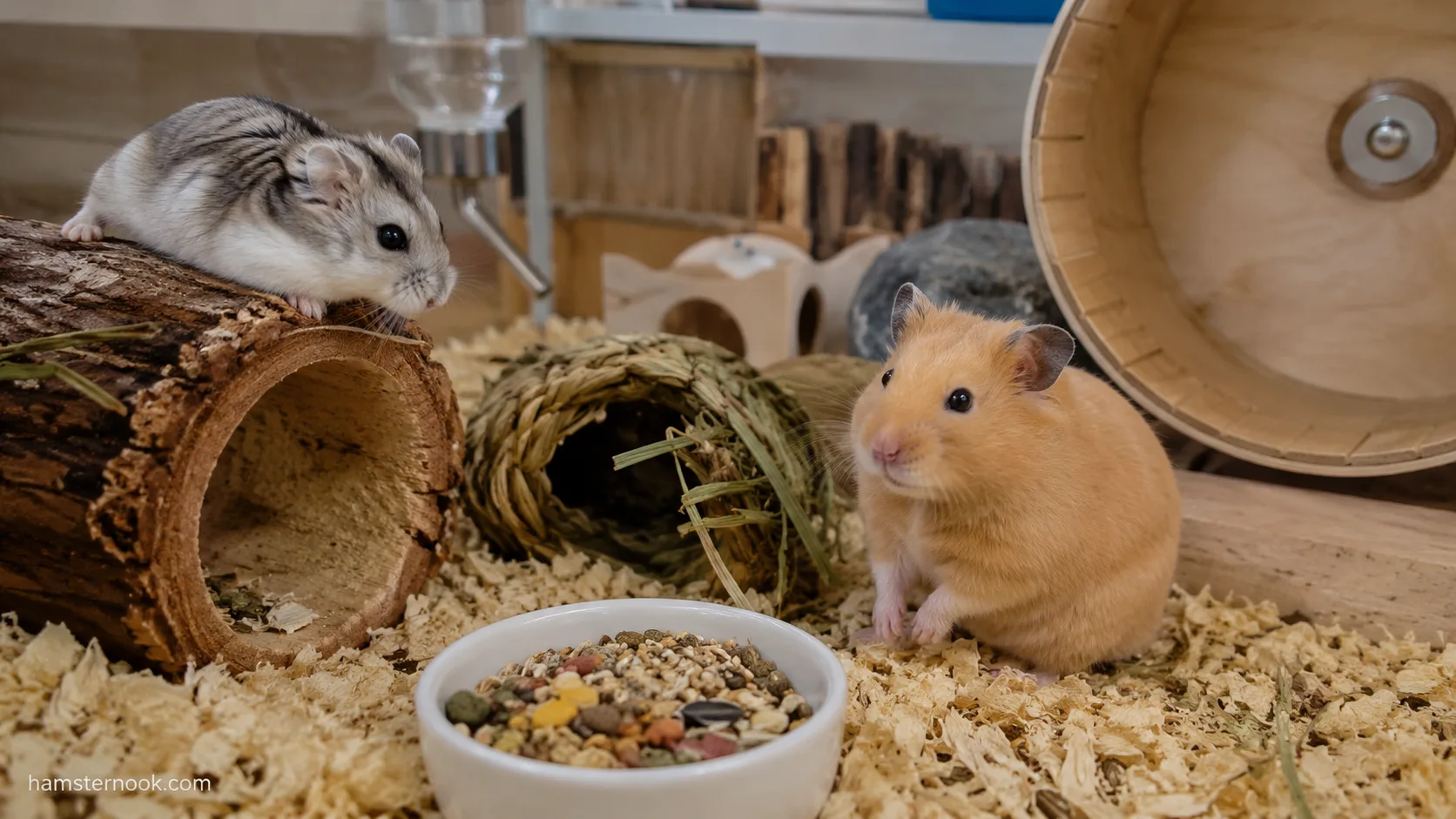
If you’re concerned that your hamster has gone without water or is not drinking normally, How Long Can Hamsters Go Without Water? Risks, Warning Signs & What to Do covers the warning signs and appropriate next steps.
Safe Foods for Syrian Hamsters
Many fresh foods can be offered in moderation.
Healthy Food Options
| Food | Safe? |
|---|---|
| Cucumber | Yes |
| Broccoli | Yes |
| Carrot | Yes |
| Bell Pepper | Yes |
| Apple (seedless) | Yes |
| Blueberries | Yes |
| Cooked Egg | Yes |
| Mealworms | Yes |
Introduce new foods gradually to avoid digestive upset. For a complete breakdown of safe foods, vegetables, fruits, protein sources, and treats, see our What Do Hamsters Eat? Complete Food List for Beginners guide.
Foods Syrian Hamsters Should Avoid
Not every food that is safe for humans is safe for hamsters, and some can be dangerous.

Unsafe Foods
| Food | Reason |
|---|---|
| Chocolate | Toxic |
| Onion | Harmful compounds |
| Garlic | Digestive concerns |
| Alcohol | Toxic |
| Raw Beans | Difficult to digest |
| Candy | Excessive sugar |
| Junk Food | Poor nutrition |
When you are unsure whether a food is suitable, check a reliable hamster-specific source before offering it rather than assuming that a human food is safe.
For a broader safe-food reference, What Do Hamsters Eat? Complete Food List for Beginners covers everyday foods, fresh foods, treats, and foods to avoid.
Essential Accessories Every Syrian Hamster Needs

A proper habitat should contain more than just food and water.
Must-Have Cage Accessories
| Accessory | Purpose |
|---|---|
| Exercise Wheel | Daily exercise |
| Hideouts | Security and rest |
| Sand Bath | Grooming |
| Chew Toys | Dental health |
| Tunnels | Exploration |
| Multi-Chamber Hide | Natural nesting behavior |
Enrichment helps prevent boredom and encourages natural activity.

Choosing the Correct Wheel Size
A wheel that is too small can force unnatural spinal bending.
Recommended Wheel Sizes
| Hamster Type | Wheel Size |
|---|---|
| Syrian Hamster | 11–12 inches |
The hamster’s back should remain relatively straight while running.
Understanding Syrian Hamster Behavior
Many behaviors that seem unusual are actually normal hamster instincts.
Common Behaviors
| Behavior | Meaning |
|---|---|
| Burrowing | Natural nesting instinct |
| Food Hoarding | Normal survival behavior |
| Running at Night | Natural activity cycle |
| Digging | Exploration and enrichment |
| Grooming | Normal self-care |
Understanding body language can help owners identify stress, fear, comfort, and trust much earlier. Our Hamster Body Language Explained: Signs of Stress, Fear & Happiness guide covers the signals Syrian hamsters commonly display.

Can Syrian Hamsters Live Together?
No.
Syrian hamsters are solitary animals and should never be housed together once mature.
Housing Comparison
| Situation | Recommended? |
|---|---|
| One Syrian Alone | Yes |
| Two Syrians Together | No |
| Mixed-Sex Pair | No |
| Adult Siblings Together | No |
Housing Syrians together can result in severe fighting and injury.
How to Tame a Syrian Hamster
Most Syrian hamsters can become comfortable with gentle handling over time.

Building trust takes patience and consistency. Our How to Tame a Hamster Without Getting Bitten (Beginner Guide) explains the step-by-step approach many owners use successfully.
Steps to Build Trust
- Allow several days to settle in.
- Speak softly near the cage.
- Offer treats from your hand.
- Let the hamster approach voluntarily.
- Gradually begin short handling sessions.
Take things slowly and let your hamster build trust at its own pace. Moving too quickly can make it nervous.
Daily Care Routine for Syrian Hamsters
Following a simple daily routine can help keep your hamster healthy and make it easier to spot problems early.
Syrian Hamster Health Checks and When to Contact a Vet
Daily care should include noticing changes in eating, drinking, activity, movement, breathing, coat condition, eyes, nose, and toileting. Contact a veterinarian if your Syrian hamster develops concerning changes such as difficulty breathing, persistent diarrhea, significant lethargy, discharge, injury, or stops eating or drinking. A sudden change from your hamster’s normal behavior can also justify veterinary advice, especially when physical symptoms are present.

Knowing your hamster’s normal behavior makes changes easier to spot; How to Tell If Your Hamster Is Happy, Healthy, Stressed, or Sick: Complete Owner’s Guide (2026) explains how to assess several behavioral and physical signs together.
Daily Checklist
| Task | Frequency |
|---|---|
| Check Water | Daily |
| Feed Food | Daily |
| Observe Behavior | Daily |
| Remove Spoiled Food | Daily |
| Spot Clean Cage | As Needed |
| Social Interaction | Daily |
Regular observation helps identify potential problems early.
Common Mistakes New Syrian Hamster Owners Make
Many care issues stem from outdated advice.
Frequent Beginner Errors
| Mistake | Better Alternative |
|---|---|
| Buying a Small Cage | Choose larger floor space |
| Using Tiny Wheels | Use 11–12 inch wheels |
| Housing Syrians Together | House individually |
| Overfeeding Treats | Focus on balanced nutrition |
| Cleaning Entire Cage Too Often | Spot clean regularly |
Avoiding these mistakes can significantly improve a hamster’s quality of life.

How Long Do Syrian Hamsters Live?
Syrian hamsters have a relatively short lifespan, and individual lifespan varies with factors such as genetics, health, and overall care.
Several factors influence lifespan:
- Genetics
- Diet quality
- Housing conditions
- Stress levels
- Overall health
While their lifespan is relatively short, good care can help maximize both longevity and quality of life.
Signs of a Happy Syrian Hamster
Healthy Syrian hamsters are usually active during their normal waking hours, show interest in food, maintain regular grooming habits, build nests, and explore their environment confidently. Looking at several behaviors together often provides a better picture of overall wellbeing than focusing on a single habit.

Final Thoughts
Syrian hamsters can be rewarding pets, but their care should not be underestimated. Their need to live alone, burrow deeply, exercise, forage, hide, and follow their natural activity pattern means the enclosure and daily routine need to support more than basic food and water.
Most Syrian hamsters thrive when they have enough space, deep bedding to burrow in, healthy food, things to keep them busy, and gentle handling from their owner. By understanding how Syrian hamsters naturally live and behave, owners can create an environment that supports both physical health and mental well-being.
A well-cared-for Syrian hamster is more likely to display natural behaviors, remain active, and develop trust with its owner over time.
Frequently Asked Questions About Syrian Hamster Care
Are Syrian hamsters good for first-time owners?
They can be suitable for first-time owners who are prepared to provide the space, enrichment, diet, and patient handling they need. Individual temperament varies, so a Syrian hamster should not be assumed to enjoy handling simply because of its species.

How often should I clean a Syrian hamster cage?
Spot cleaning should be done regularly, while full cleanouts should be limited to avoid causing unnecessary stress.
Can Syrian hamsters recognize their owners?
Many Syrian hamsters learn to recognize familiar scents, voices, and handling routines over time.
Do Syrian hamsters need a sand bath?
Yes. A hamster-safe sand bath helps with grooming and enrichment.
What is the best cage type for a Syrian hamster?
Large enclosures with substantial floor space, deep bedding, and proper ventilation are generally the best choice.

Can Syrian hamsters be left alone during the day?
Yes. Syrian hamsters are primarily active during the evening and nighttime hours, so sleeping during the day is completely normal.
Do Syrian hamsters like being held?
Some Syrian hamsters become comfortable with handling over time, while others prefer limited interaction. Trust should always be built gradually and at the hamster’s pace.
References
This guide is based on Syrian hamster care, housing, nutrition, behavior, enrichment, and health guidance from trusted animal welfare and veterinary resources, including:
- RSPCA – Keeping Hamsters as Pets – General hamster care, housing, diet, behavior, enrichment, handling, and welfare guidance.
- RSPCA – Creating a Good Home for Hamsters – Guidance on enclosure space, bedding, nesting, enrichment, ventilation, and suitable environmental conditions.
- RSPCA – Hamster Diet – Guidance on balanced hamster diets, fresh foods, treats, feeding routines, and access to fresh water.
- RSPCA – Hamster Behaviour – Information on natural hamster behavior, activity patterns, social needs, handling, and enrichment.
- Blue Cross – Hamster Care Guide – Practical advice on hamster housing, bedding, diet, enrichment, exercise, handling, and general wellbeing.
- MSD Veterinary Manual – Providing a Home for a Hamster – Veterinary guidance on hamster housing, bedding, exercise, nesting, and environmental care.
- MSD Veterinary Manual – Disorders and Diseases of Hamsters – Veterinary reference information on common hamster health problems, clinical signs, and conditions requiring veterinary attention.
- NC3Rs – Housing and Husbandry: Hamster – Guidance on hamster housing, bedding, environmental conditions, enrichment, and species-appropriate husbandry.
Medical Disclaimer
This article is intended for educational purposes only and should not be considered veterinary advice. Information about hamster health, illness, nutrition, and care is provided for general guidance and does not replace an examination or diagnosis by a qualified veterinarian. If your Syrian hamster shows signs of illness, injury, difficulty breathing, significant lethargy, persistent diarrhea, unusual discharge, or changes in eating or drinking, consult a qualified exotic animal veterinarian.

Narayan Kumar is the founder and author of HamsterNook. He creates practical, research-based hamster care guides covering hamster behavior, nutrition, cage setup, enrichment, health, and everyday care. His goal is to help hamster owners make informed decisions and provide safer, healthier lives for their pets through clear, beginner-friendly information based on trusted animal care resources.