
Many people focus on the purchase price of a hamster, but the larger cost comes from providing the enclosure, bedding, wheel, enrichment, food, and veterinary care the animal needs throughout its life. The purchase price is only one part of the overall budget.
So when people ask, “What is the most expensive hamster breed to own?” there isn’t a reliable single answer based on breed alone. Some equipment can cost more for a larger hamster, but enclosure requirements, bedding, enrichment, food, veterinary care, and local prices can have a bigger effect on the final cost.
Syrian hamsters can require larger wheels and some larger accessories, but that does not automatically make them the most expensive hamster to keep overall. All hamsters need an appropriate enclosure, deep bedding, exercise, enrichment, and proper care.
Quick Answer
There is no reliable breed that can be called the most expensive hamster to own in every situation. Syrian hamsters can have higher costs for some larger equipment, especially their wheel and certain accessories, but total ownership cost depends heavily on the enclosure, bedding, enrichment, food, veterinary care, replacement needs, and local prices.
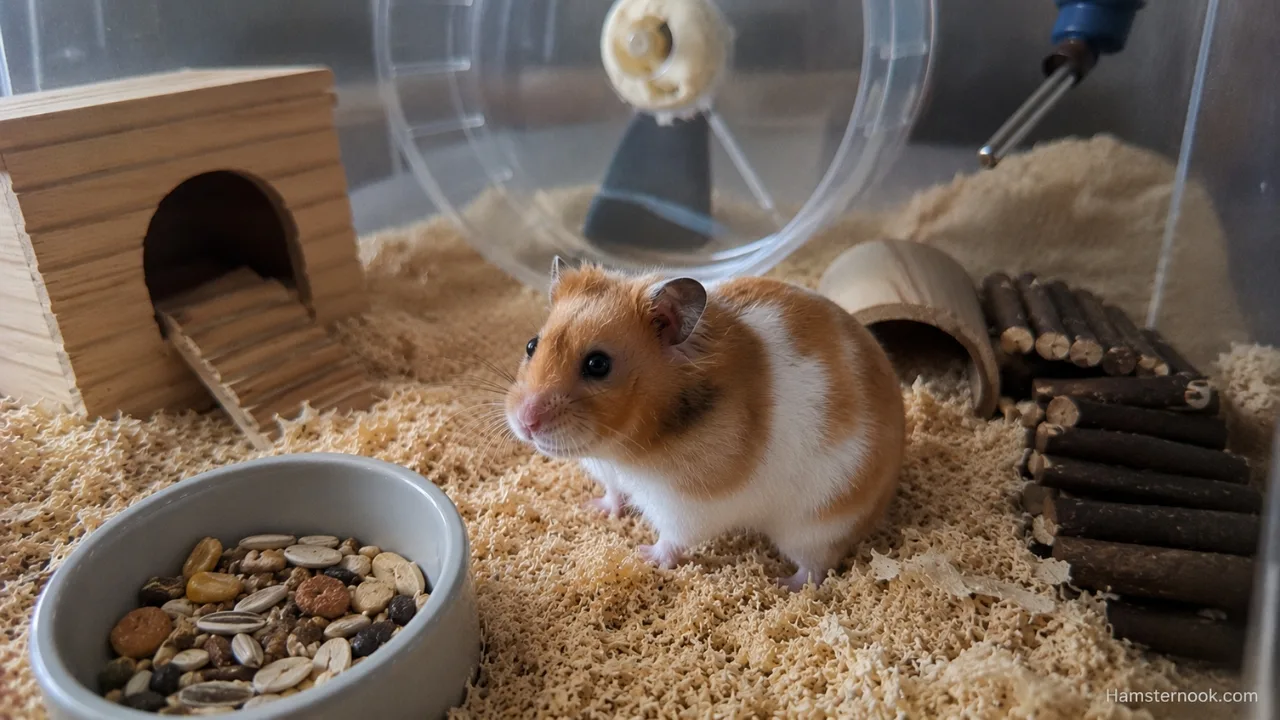
Looking at the full cost of ownership makes it easier to decide which hamster fits your budget before bringing one home.
Which Hamster Breed Costs the Most to Own?
When considering total ownership expenses rather than purchase price alone, Syrian hamsters generally cost more than dwarf hamster species.
This is because Syrian hamsters need:
- Larger cages
- Bigger wheels
- More bedding
- Larger hides
- More food
- More enrichment items
While dwarf hamsters and Chinese hamsters have their own needs, their smaller size often means lower ongoing costs.
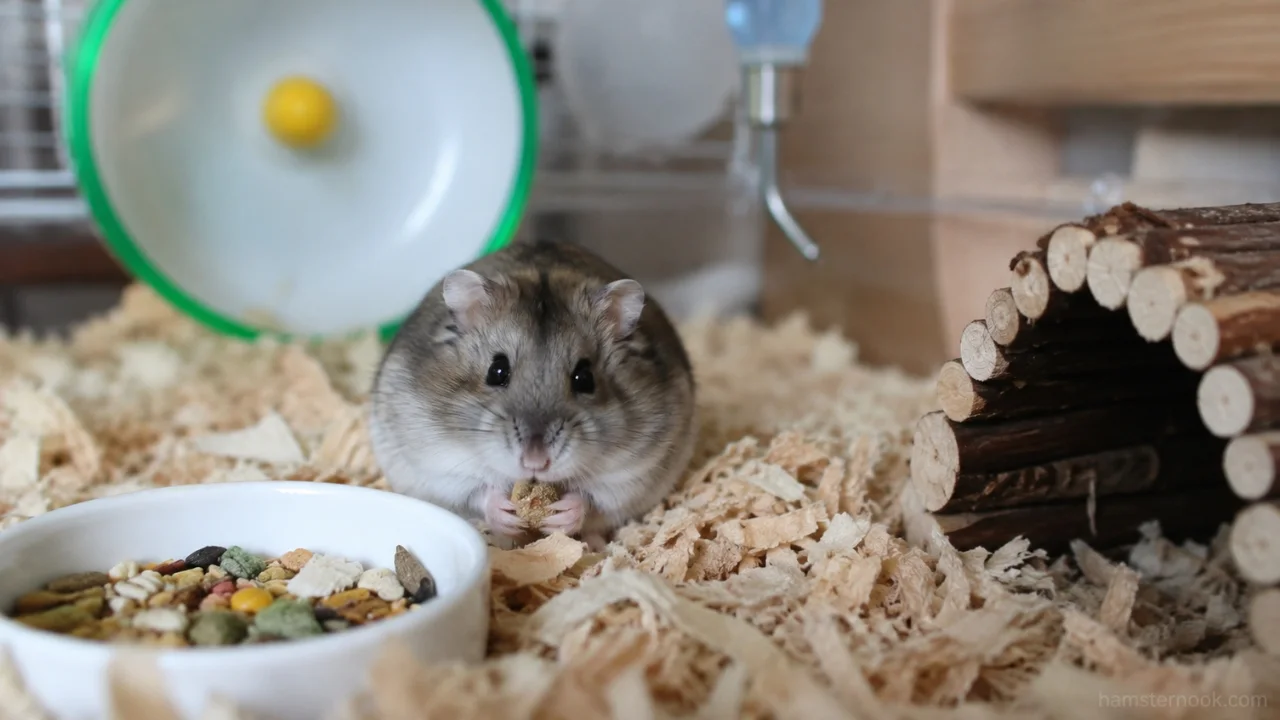
Many first-time owners are surprised to learn that the initial hamster purchase often represents only a small fraction of total ownership costs. The enclosure setup usually becomes the largest expense during the first few weeks.
Average Ownership Cost Comparison
The table below compares typical ownership expenses across commonly kept hamster species. Actual costs vary by enclosure size, bedding choice, and enrichment setup.
| Cost Area | What Actually Affects the Cost |
|---|---|
| Initial setup | Enclosure, wheel, hides, bedding, enrichment and other equipment |
| Bedding | Enclosure size, bedding depth, material and how often it needs replacing |
| Food | Hamster size, diet and the type of food and treats provided |
| Veterinary care | Health problems, clinic fees, treatment and location |
| Replacement costs | Damaged or worn wheels, hides, toys and other equipment |
| Lifetime total | The combined cost of setup, daily care, replacements and veterinary needs |
The difference usually becomes noticeable over time as bedding, accessories, and enclosure upgrades need to be replaced or expanded.
There is no universal monthly cost that applies to every hamster or every household. Local prices and the quality and size of the setup can change the budget substantially, so comparing the major cost categories is more useful than assigning one fixed price to each breed.

Why Syrian Hamsters Usually Cost the Most

Syrian hamsters are the largest commonly kept pet hamster species.
Their larger body size means they need larger equipment to stay healthy and comfortable.
Larger Enclosures Increase Costs
One of the biggest expenses in hamster ownership is the enclosure.
A Syrian hamster requires significantly more space than many beginners expect. Small pet store cages often fail to meet modern care recommendations.

A proper enclosure may require:
- Large glass tanks
- Bin cages
- Custom enclosures
- Large habitat accessories
The enclosure is usually one of the largest setup expenses, so choosing the right size before buying accessories can prevent wasted money and unsuitable equipment. Our Best Hamster Cage Setup for Beginners: Size, Bedding & Essentials guide explains what to consider before building a setup.
Because the enclosure is the foundation of hamster care, this single requirement often creates the largest difference in ownership costs.
Bigger Exercise Wheels Cost More
Hamsters need access to a properly sized wheel every day.

A wheel that is too small can cause uncomfortable spinal arching and poor posture.
Typical Wheel Size Comparison
| Hamster Type | Wheel Guidance |
|---|---|
| Syrian Hamster | At least 30 cm (12 inches) |
| Dwarf Hamsters | At least 20 cm (8 inches) |
Larger wheels are generally more expensive than smaller models, which adds to the overall ownership cost of Syrian hamsters.
Bedding Costs Add Up Over Time
Many new owners underestimate how much bedding a hamster requires.
Deep bedding is important because hamsters naturally burrow, but bedding cost should not be judged by breed size alone. The amount you use depends on the enclosure, required bedding depth, material, and how often soiled areas need replacing. Our How Much Bedding Does a Hamster Need? Minimum Depth Guide for Healthy Burrowing explains the practical bedding requirements.

Over months and years, bedding becomes one of the largest recurring expenses.
Food Expenses Are Slightly Higher
The difference isn’t dramatic, but Syrian hamsters generally consume more food than dwarf species.
Their diets still consist of:
- Quality hamster pellets
- Seed mixes
- Fresh vegetables
- Occasional treats
- Protein sources
Although food costs remain relatively low compared to dogs or cats, they still contribute to the higher lifetime cost of owning a Syrian hamster.

Rare Color Varieties Can Increase Purchase Price
While breed affects ownership costs, coat color and genetics can affect the initial purchase price.
Some breeders charge higher prices for:
- Rare coat colors
- Unique patterns
- Long-haired Syrians
- Show-quality breeding lines
Purchase Price vs Lifetime Cost
Looking only at the purchase price can be misleading. Lifetime care expenses often reveal a very different picture.
| Expense Category | Syrian Hamster | Dwarf Hamsters |
|---|---|---|
| Purchase Price | Similar | Similar |
| Cage Cost | Higher | Lower |
| Wheel Cost | Higher | Lower |
| Bedding Usage | Higher | Lower |
| Accessories | Higher | Lower |
| Lifetime Cost | Highest | Lower |
For most owners, the setup and ongoing care end up costing far more than the hamster itself.

Are Roborovski Hamsters Cheaper?

Roborovski hamsters may have lower costs for some size-dependent equipment, but that does not automatically make them the cheapest hamster to keep.
Roborovskis are small, but they still need an appropriate enclosure, suitable bedding, a correctly sized wheel, hides, enrichment, food, and veterinary care. Total ownership cost therefore depends on the complete setup rather than body size alone.
However, this does not mean they are beginner-friendly.
Roborovskis are known for being extremely fast and less likely to enjoy handling than Syrian hamsters.
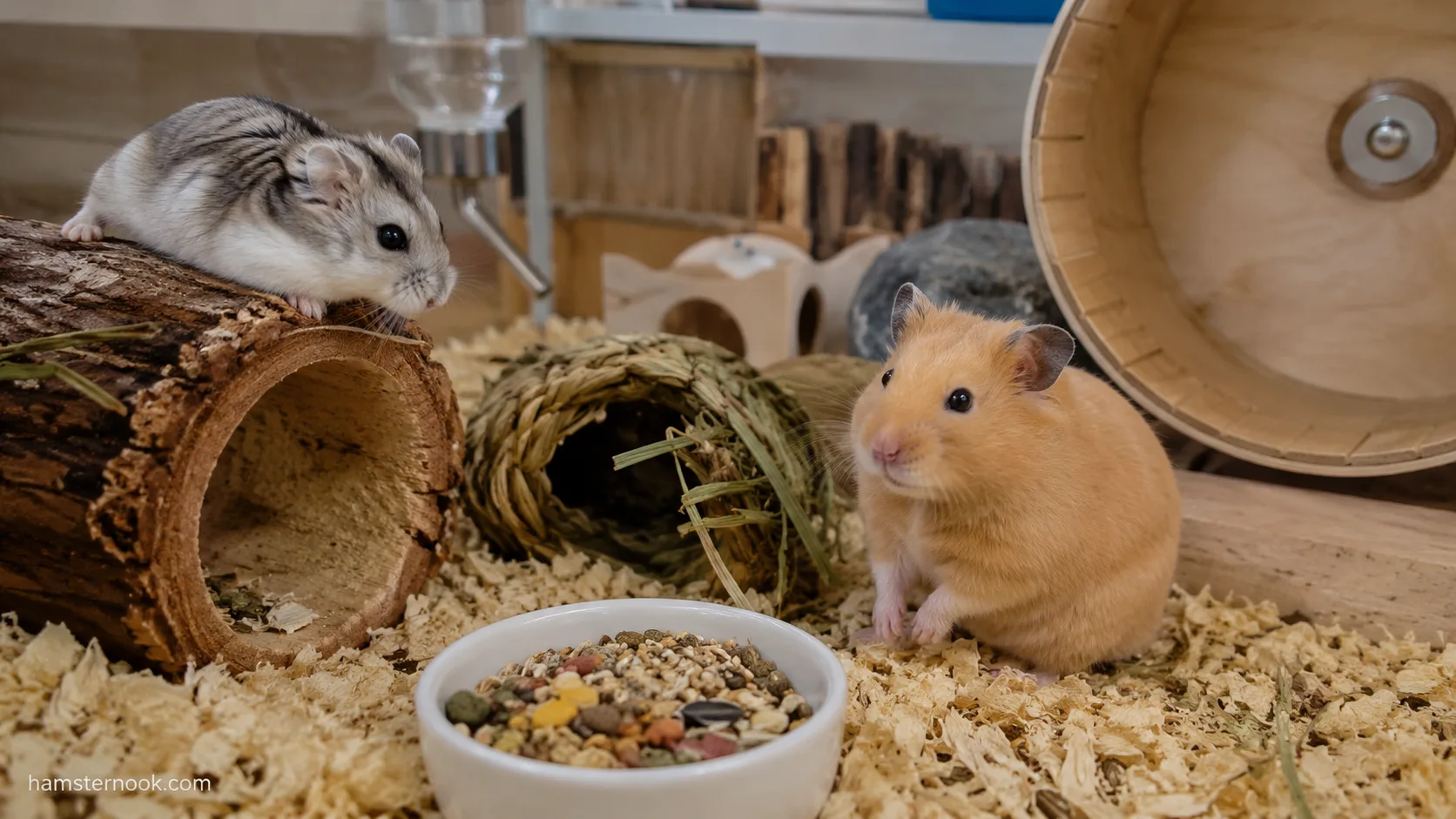
Owners interested in personality differences may also enjoy Which Hamster Breed Is Best for Beginners?
Temperament is often more important than cost when choosing a hamster.
What Usually Costs the Most?
For most hamster owners, enclosure setup is the single largest expense.
Typical high-cost items include:

- Large enclosure or tank
- Proper exercise wheel
- Deep bedding supplies
- Multi-chamber hideouts
- Enrichment and chew items
These purchases often exceed the hamster’s purchase price several times over.
Veterinary Care Can Be a Major Variable Cost
Veterinary expenses should be treated separately from routine breed-related costs. The price of an examination or treatment can vary by clinic, location, health problem, and the care required.
Common veterinary expenses may include:
- Health examinations
- Treatment for illness or injury
- Dental problems
- Diagnostic testing
- Ongoing treatment when needed
Because these costs are difficult to predict, they are one reason a hamster’s total ownership budget should include room for unexpected veterinary care.

Learning the early warning signs discussed in Signs Your Hamster May Be Sick can sometimes help owners seek treatment sooner.
Common Mistake: Choosing a Breed Based Only on Purchase Price
One of the biggest mistakes beginners make is choosing the cheapest hamster available without considering long-term care requirements.
For example:
| Decision Factor | Smart Approach |
|---|---|
| Cheapest hamster available | Consider total lifetime costs |
| Smallest cage sold in stores | Research actual space needs |
| Lowest bedding usage | Prioritize natural burrowing behavior |
| Basic wheel size | Match wheel to hamster size |
| Cheapest setup possible | Focus on long-term welfare |
The cheapest hamster to buy is not always the cheapest hamster to care for properly.

Factors That Affect Ownership Costs More Than Breed
Ownership costs can vary widely even between people who keep the same hamster breed. A well-designed enclosure purchased once often costs less over time than repeatedly replacing unsuitable accessories.
While Syrian hamsters generally cost the most, several factors can have an even greater impact on your budget.
Enclosure Quality
A high-quality enclosure often costs more initially but lasts much longer.
Bedding Choice
Premium paper bedding typically costs more than some alternatives but may offer better odor control and comfort.

Veterinary Care
Health emergencies are often the largest unexpected expense.
Enrichment and Toys
Many owners regularly replace chews, tunnels, and enrichment items to keep their hamster mentally stimulated.
If your hamster seems bored despite having toys, Hamster Boredom Signs and Fixes can provide useful ideas.
Is a More Expensive Hamster Better?
Not necessarily.

The most expensive hamster breed isn’t automatically healthier, friendlier, or easier to care for.
Each species has strengths and challenges.
Syrian Hamsters
Pros:
- Often easier to handle
- Generally solitary
- Larger and easier to observe
Cons:

- Higher setup costs
- Larger space requirements
Dwarf Hamsters
Pros:
- Lower equipment costs
- Smaller space requirements
- Active and entertaining
Cons:
- Can be quicker and harder to handle
- Some species are more prone to diabetes
How to Save Money Without Sacrificing Care
Good hamster care is more about making smart choices than buying the most expensive products.
Some practical ways to reduce costs include:

- Purchasing durable accessories once
- Buying bedding in bulk
- Using safe DIY enrichment ideas
- Choosing quality products that last longer
- Researching cage requirements before purchasing
Cutting corners on enclosure size or wheel quality is rarely worth the savings.
Final Thoughts
If you’re looking strictly at long-term ownership costs, Syrian hamsters are generally the most expensive hamster breed to own. Their larger size requires bigger cages, larger wheels, more bedding, and larger accessories, all of which increase expenses over time.
However, the difference is often smaller than many people expect. Veterinary care, enclosure quality, and ongoing enrichment usually have a greater impact on your overall budget than the breed itself.
Cost matters, but it’s usually better to choose a hamster whose care needs and personality are a good match for your home and expectations. A well-cared-for hamster of any breed is likely to be a far more rewarding pet than one chosen simply because it seemed cheaper at the start.
Frequently Asked Questions
What is the most expensive hamster breed to buy?
Rare coat colors and specialty breeder lines may cost more initially, but most common hamster breeds are relatively affordable to purchase.
Why are Syrian hamsters more expensive to own?
Syrian hamsters require larger cages, bigger wheels, more bedding, and larger accessories, which increases lifetime ownership costs.
Are dwarf hamsters cheaper than Syrian hamsters?
Generally yes. Dwarf hamsters usually require smaller equipment and consume fewer resources over time.
Which hamster breed is the cheapest to care for?
Roborovski, Winter White, and Campbell’s dwarf hamsters are often among the least expensive breeds to maintain, provided they receive proper care.

Do expensive hamster breeds live longer?
No. Lifespan depends on genetics, health, care quality, and species rather than purchase price.
Should beginners choose a hamster based on cost?
No. Temperament, care requirements, handling expectations, and available space are usually more important factors than the initial or ongoing cost of ownership.
References
This guide is based on hamster housing, husbandry, nutrition, enrichment, welfare, and species-specific care guidance from trusted veterinary and animal welfare resources, including:
- RSPCA – Keeping Hamsters as Pets – Guidance on hamster housing, diet, exercise, enrichment, behavior, and general welfare requirements.
- Blue Cross – Hamster Care Guide – Practical information on hamster enclosure requirements, bedding, exercise, food, enrichment, and everyday care.
- MSD Veterinary Manual – Providing a Home for a Hamster – Veterinary guidance on hamster housing, enclosure setup, bedding, exercise, and environmental needs.
- NC3Rs – Housing and Husbandry: Hamster – Guidance on hamster housing, husbandry, bedding, enrichment, and species-appropriate environmental care.
- MSD Veterinary Manual – Hamsters – Veterinary reference information covering hamster health, nutrition, husbandry, and common care considerations.

Narayan Kumar is the founder and author of HamsterNook. He creates practical, research-based hamster care guides covering hamster behavior, nutrition, cage setup, enrichment, health, and everyday care. His goal is to help hamster owners make informed decisions and provide safer, healthier lives for their pets through clear, beginner-friendly information based on trusted animal care resources.