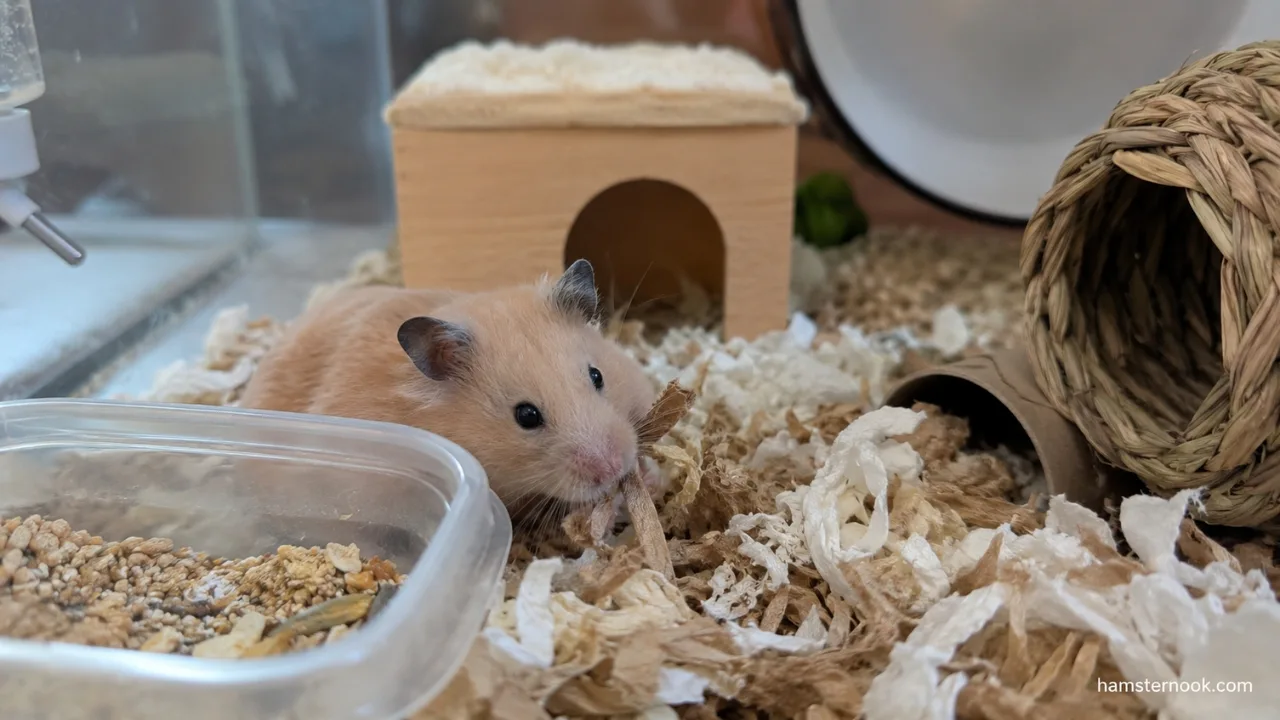
Most hamster owners never intend to cause stress, but some of the most common beginner mistakes can make a hamster feel unsafe without the owner realizing it.
They buy a cage, add food and toys, and look forward to bonding with their new companion. Yet despite good intentions, beginner mistakes can unintentionally create significant stress for a hamster. Unlike dogs and cats, hamsters survive by avoiding danger, which means they naturally pay close attention to anything that feels unfamiliar or threatening.
Their instincts tell them to stay alert for potential danger, which means small changes in their environment can have a surprisingly large impact on how safe they feel. When stress becomes chronic, it can affect behavior, appetite, sleep patterns, and overall well-being. In many cases, small changes to housing and handling routines are enough to reduce unnecessary stress.
By understanding the mistakes new owners commonly make, you can create a calmer, healthier environment and help your hamster feel secure from the start.
Quick Answer
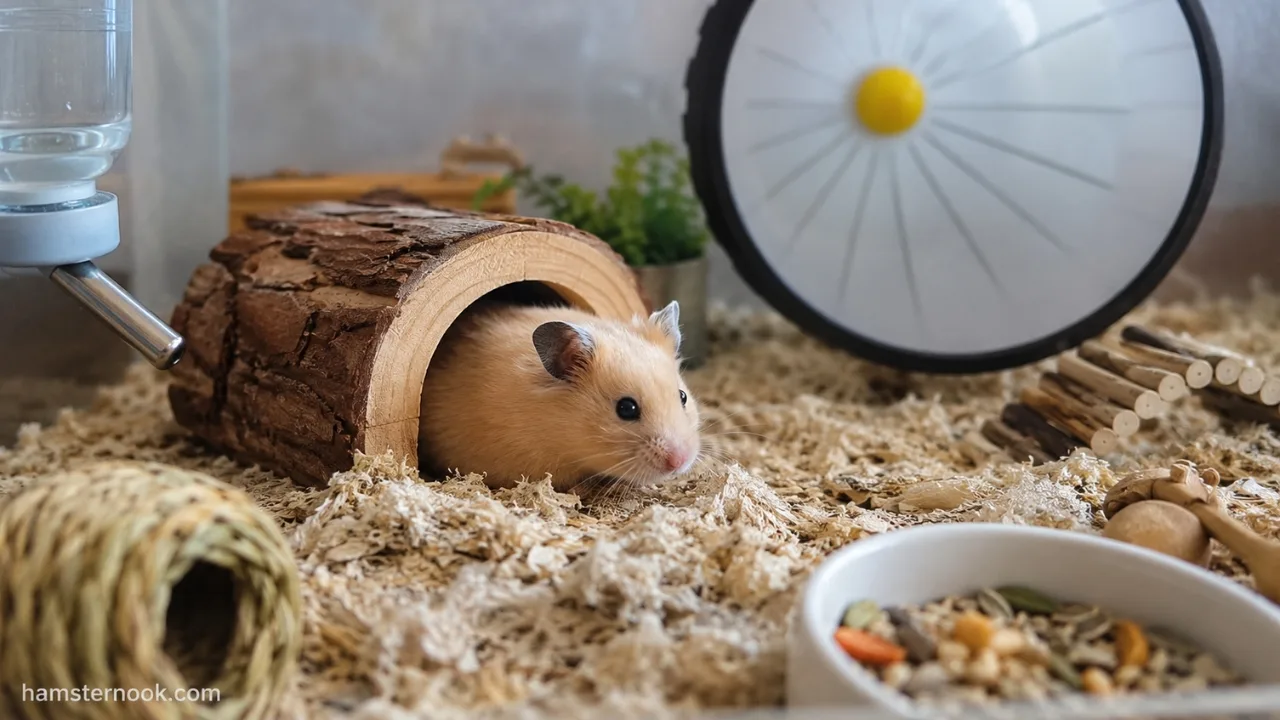
The most common beginner hamster mistake is trying to interact with a new hamster too quickly. Early handling, frequent disturbances, small cages, lack of hiding places, and poor cage placement can all increase stress and make it harder for a hamster to feel safe and confident.
Why Hamster Stress Should Never Be Ignored
Many stress-related behaviors look harmless at first. A hamster that suddenly hides more, avoids interaction, or spends long periods sitting in one spot may actually be responding to stress rather than simply acting shy. Spotting these changes early often makes it easier to address the cause before the behavior becomes a bigger concern.
Stress isn’t simply a hamster being shy or nervous. Prolonged stress can lead to behavioral and health issues that affect quality of life.
A stressed hamster may:
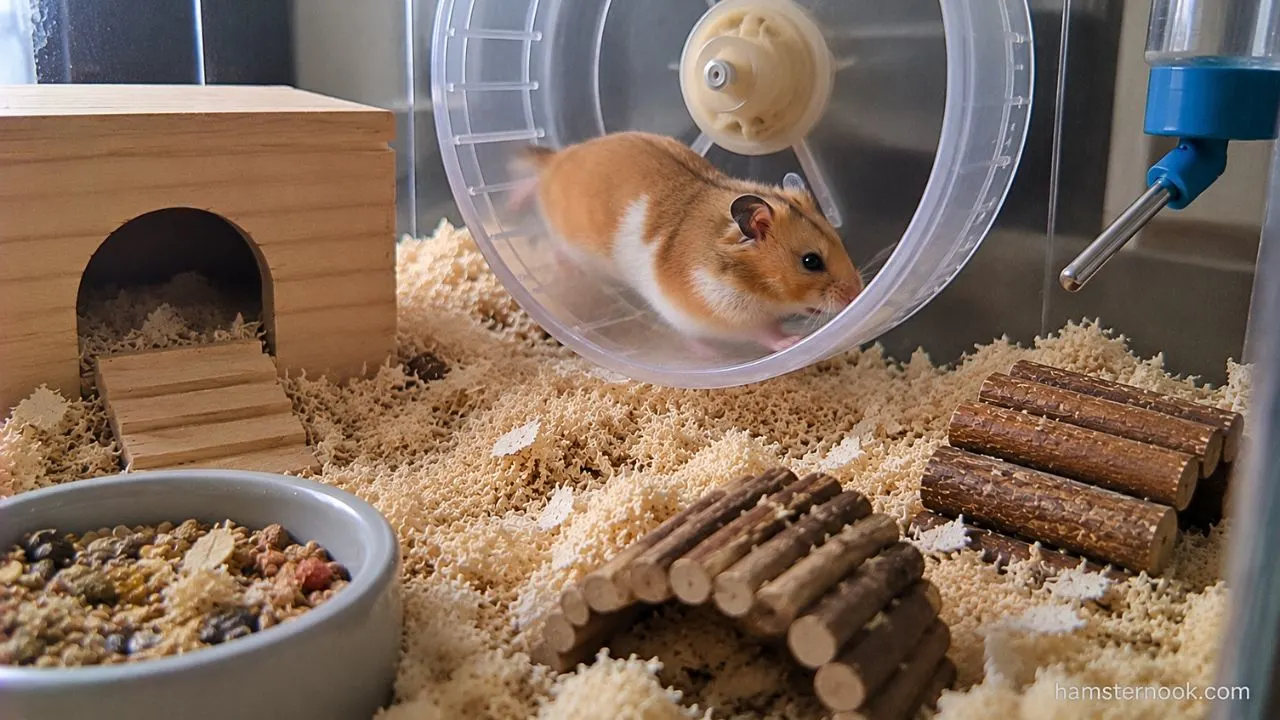
- Hide excessively
- Become defensive or bite
- Refuse handling
- Sleep irregularly
- Chew cage bars constantly
- Show reduced activity
- Lose interest in food
Quick Overview of Common Stress-Causing Mistakes
Even well-intentioned owners can accidentally create stressful situations. The table below highlights the mistakes most commonly linked to hamster anxiety and behavioral problems.
| Beginner Mistake | Why It Causes Stress | Better Approach |
|---|---|---|
| Handling too soon | Hamster feels threatened | Allow adjustment time |
| Small cage | Restricts natural behavior | Provide adequate space |
| Frequent waking | Disrupts sleep cycle | Respect daytime sleep |
| Lack of hiding places | Removes sense of security | Provide multiple hides |
| Loud environment | Creates constant anxiety | Keep cage in a calm area |
| Overcleaning | Removes familiar scents | Spot clean when possible |
| Too much interaction | Prevents proper adjustment | Build trust gradually |
Handling a New Hamster Too Quickly
One of the most common mistakes occurs within the first few days after bringing a hamster home.
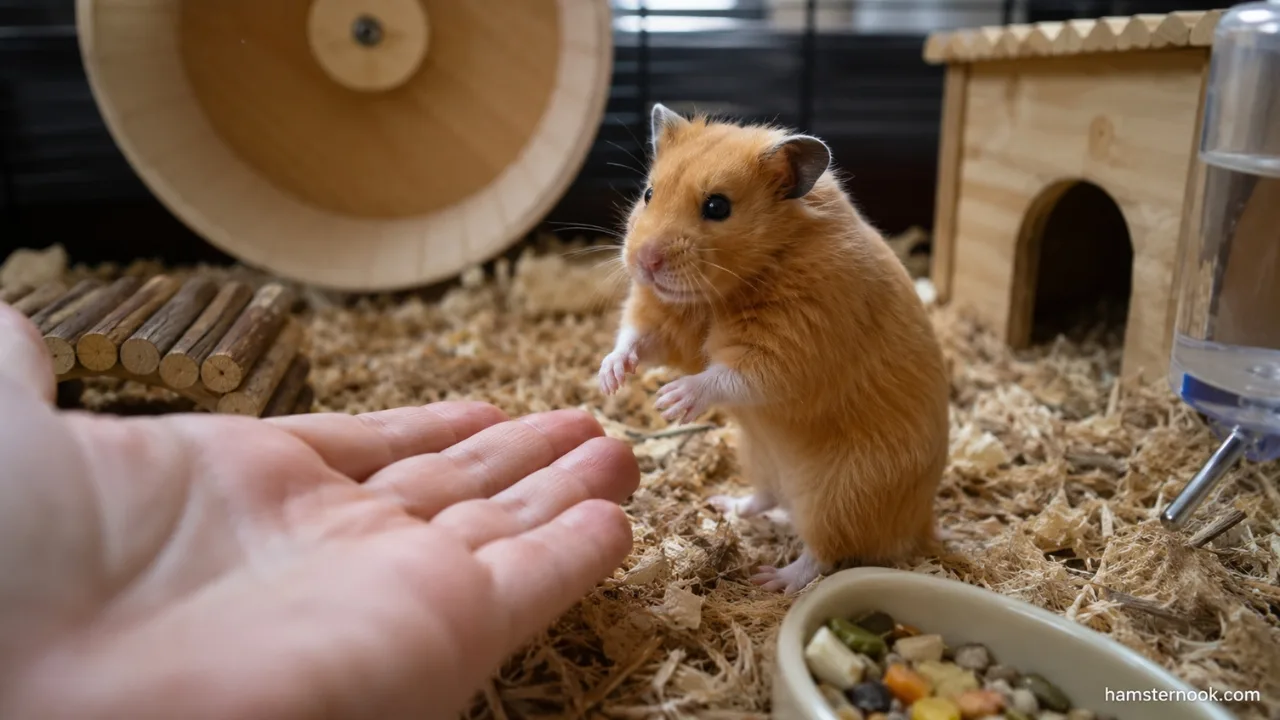
New owners naturally want to hold and interact with their pet immediately. However, a hamster that has just experienced transportation and a completely new environment often needs time to settle.
Forcing interaction too early may result in:
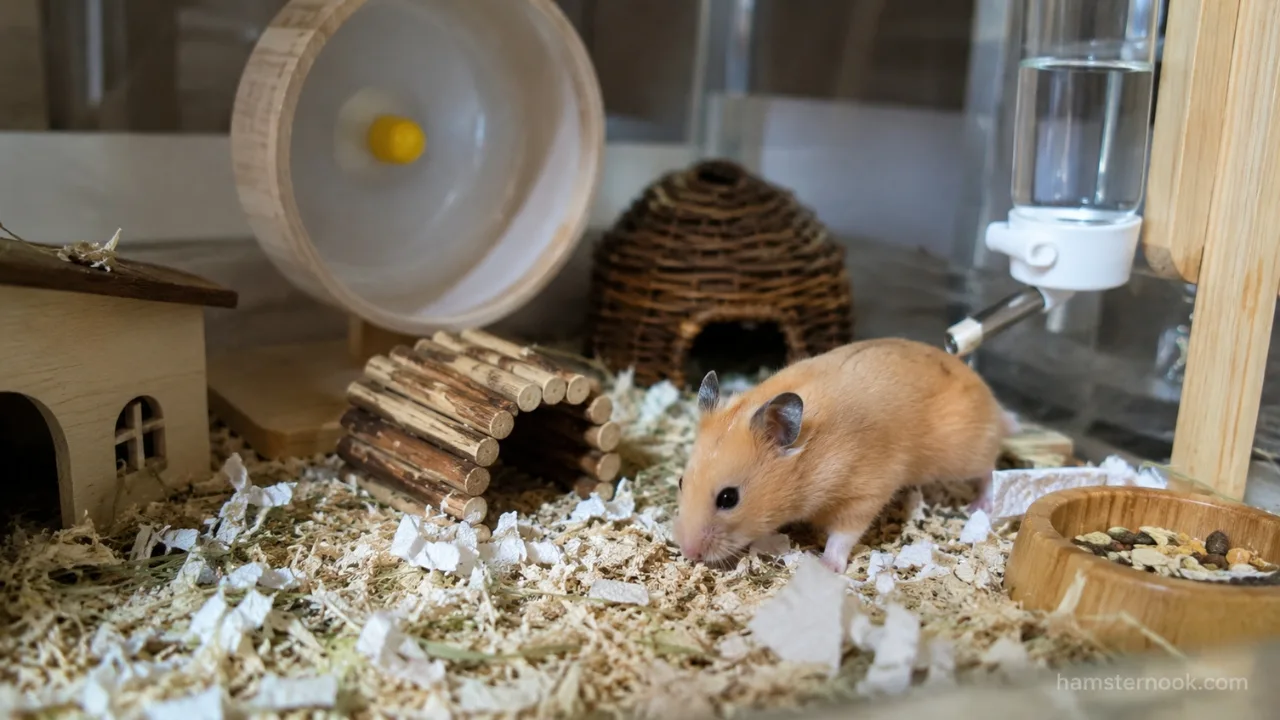
- Fearful behavior
- Hiding
- Running away from hands
- Defensive biting
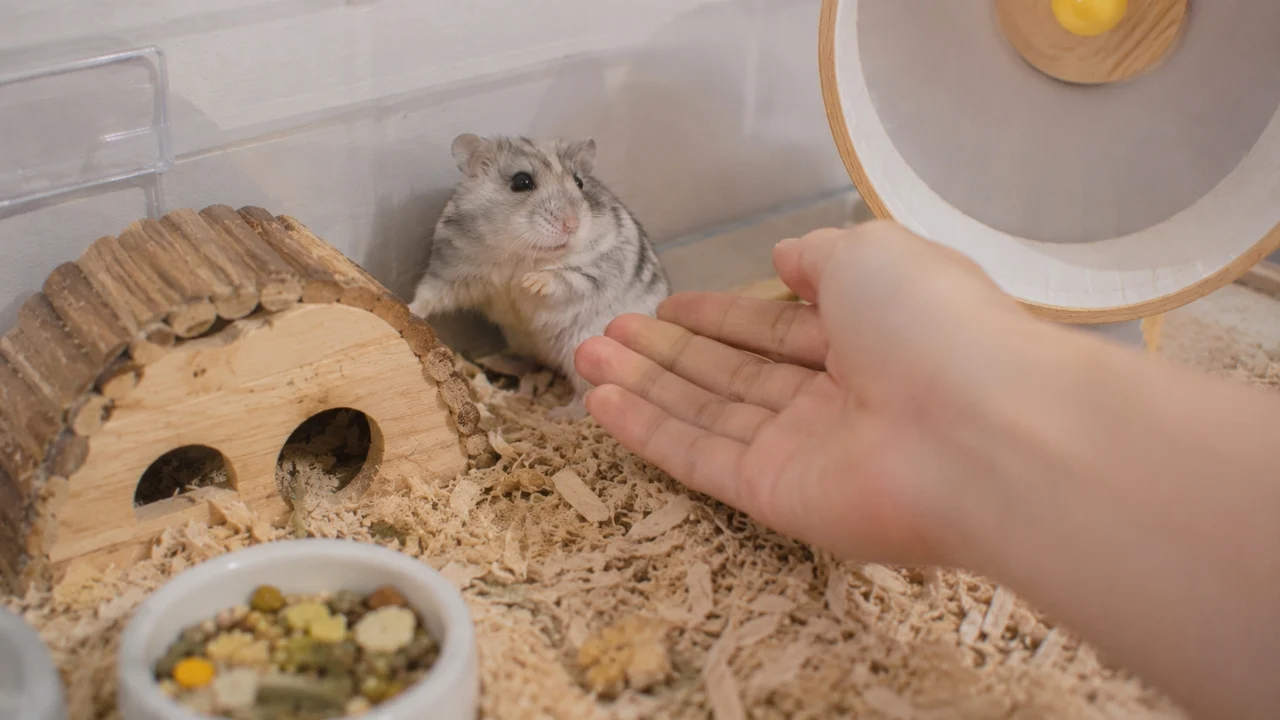
Instead, allow your hamster to become familiar with its surroundings first. Spending time near the enclosure and speaking softly often helps build trust more effectively than immediate handling.
A new home can feel overwhelming at first, and Why Your New Hamster Seems Scared of Everything (And How to Help) explains how to make the adjustment less stressful.
Using a Cage That Restricts Natural Behaviors
Many starter cages sold in pet stores are smaller than what hamsters naturally require.
In the wild, hamsters travel significant distances while foraging and exploring. While pet hamsters don’t need miles of space, they still benefit from roomy enclosures that allow natural behaviors.
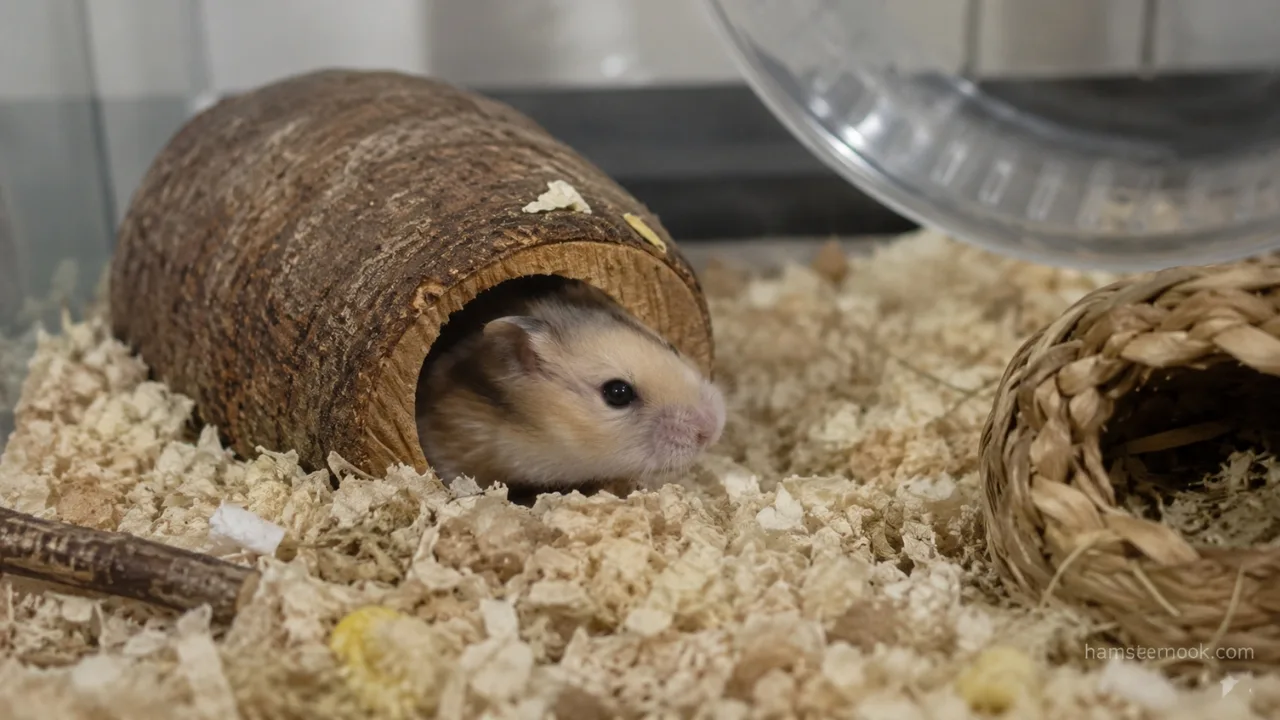
A small enclosure may contribute to:
- Bar chewing
- Pacing
- Restlessness
- Increased stress
Signs of enclosure-related frustration are often mistaken for hyperactivity or boredom.
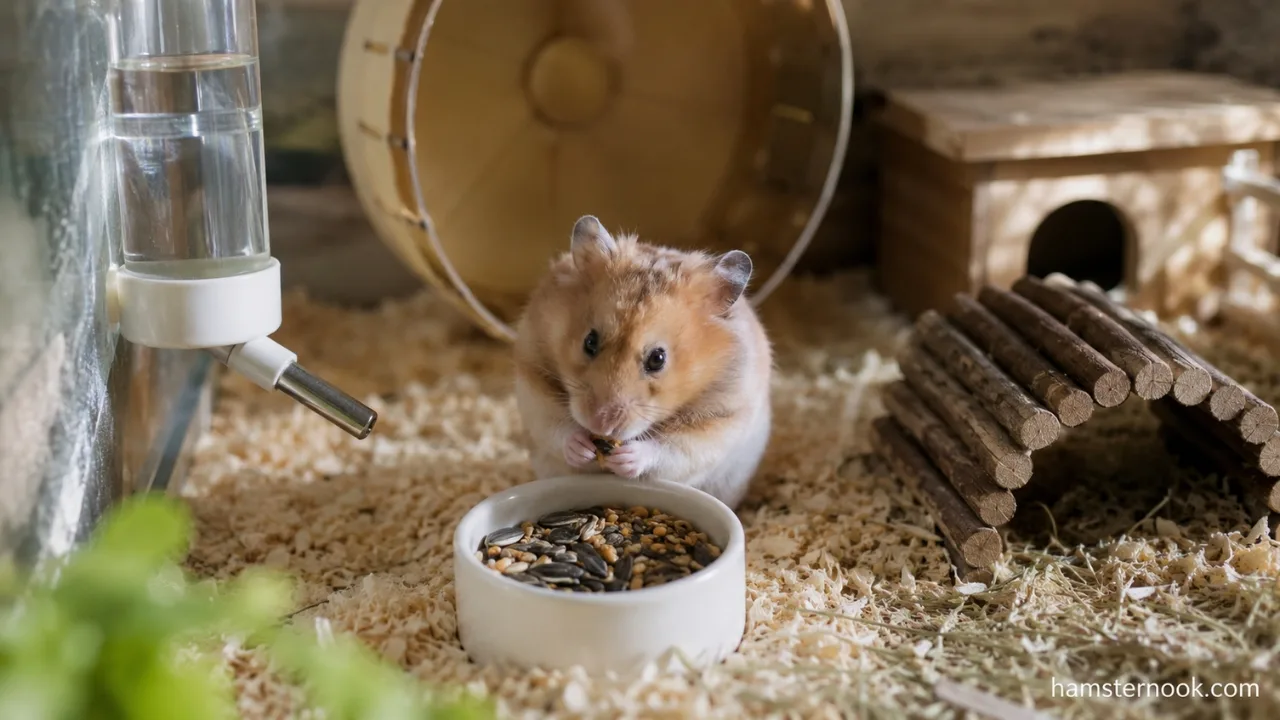
Hamsters are often more relaxed when they have enough space to dig, explore, and move around naturally.
Choosing an appropriate enclosure is an important first step for new owners. Best Hamster Cage Setup for Beginners: Size, Bedding, Wheel & Essentials covers the key setup considerations.
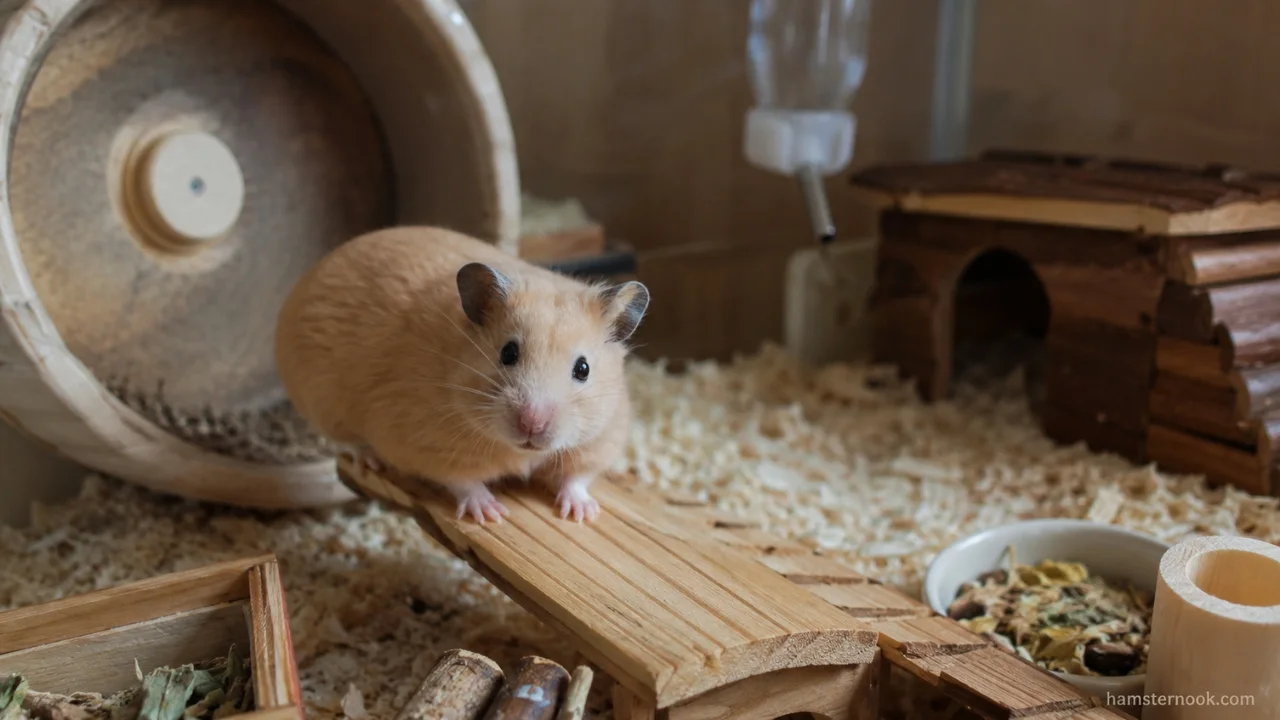
Frequently Waking a Sleeping Hamster
Hamsters are naturally most active during the evening and nighttime hours.
Many beginners expect their hamster to be awake during the day and become concerned when they rarely see it. As a result, they may wake the hamster for handling or playtime.
This can create unnecessary stress.
Repeatedly disturbing sleep may lead to:
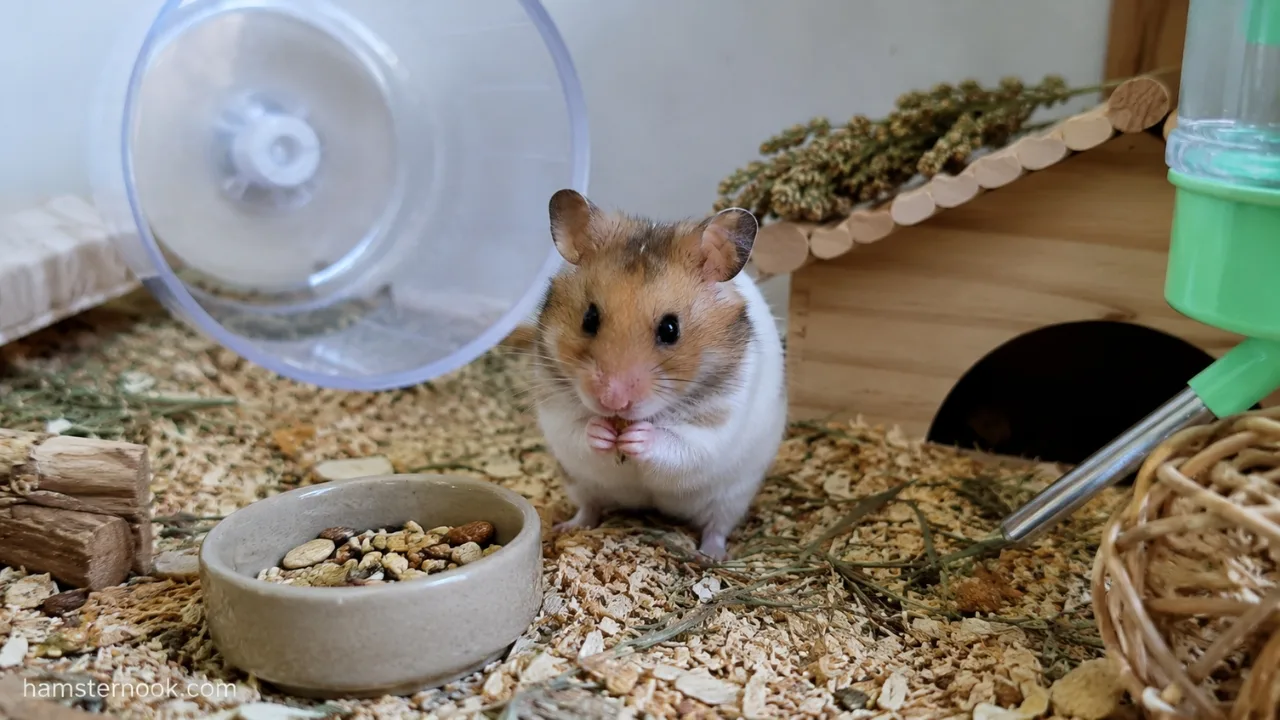
- Irritability
- Defensive behavior
- Reduced activity levels
- Disrupted routines
A sleeping hamster should generally be left alone unless there is a health concern requiring attention.
Understanding your pet’s natural schedule can make a huge difference in reducing stress.
Removing the Sense of Security Hamsters Need
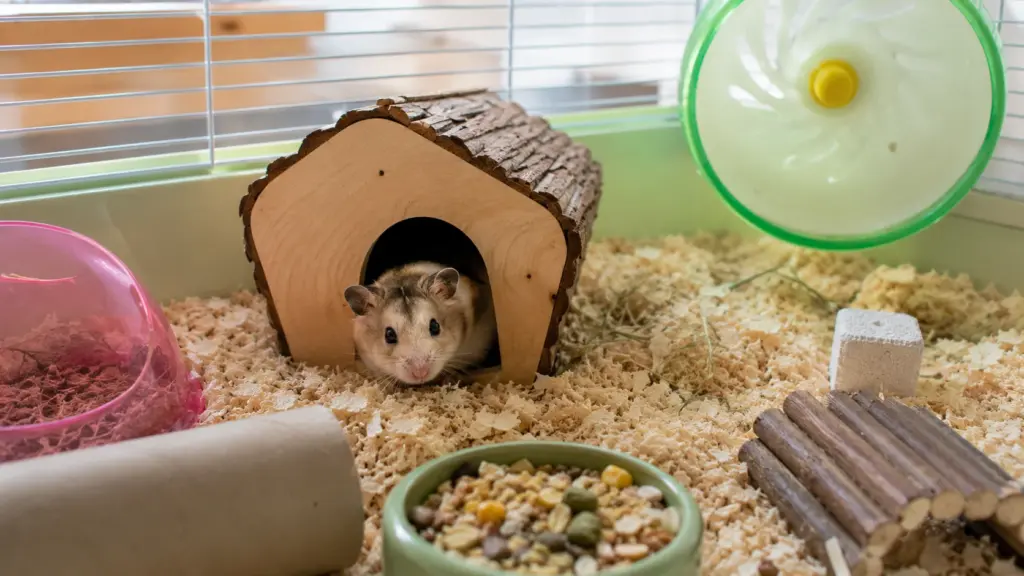
Hamsters instinctively seek shelter when they feel vulnerable.
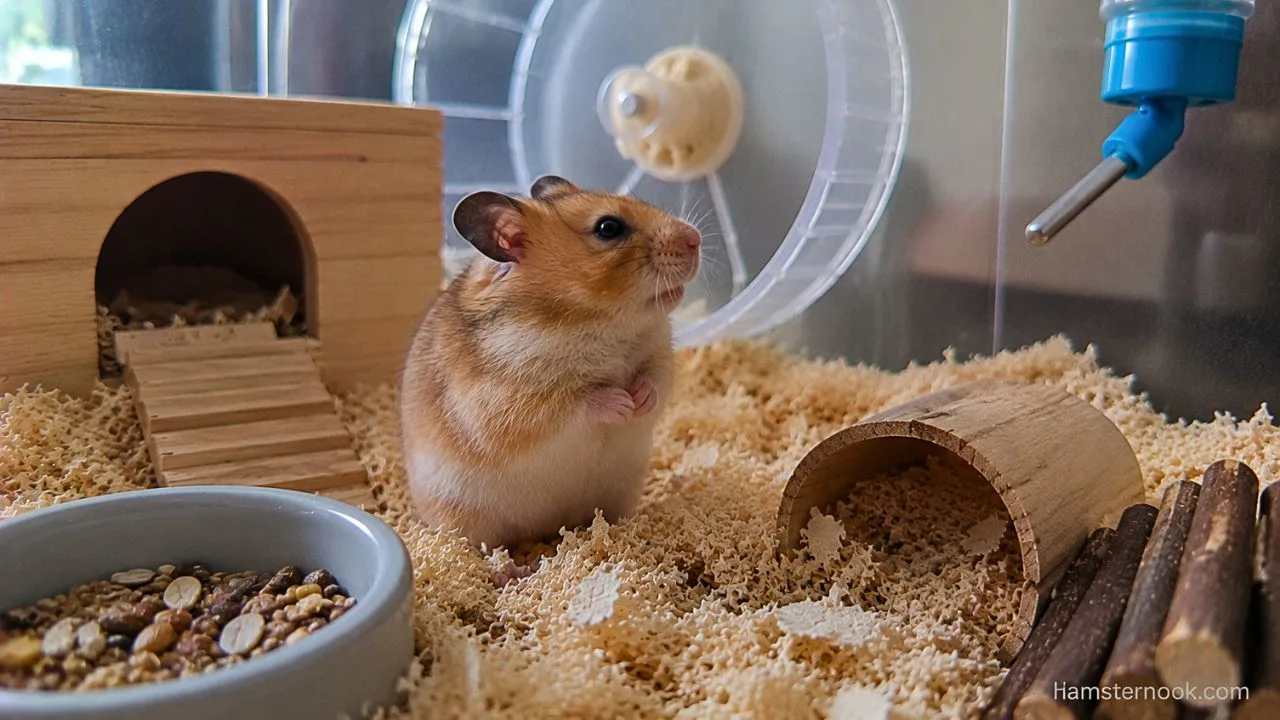
A cage that looks attractive to humans isn’t always comfortable for a hamster. Open spaces without cover can leave a hamster feeling exposed.
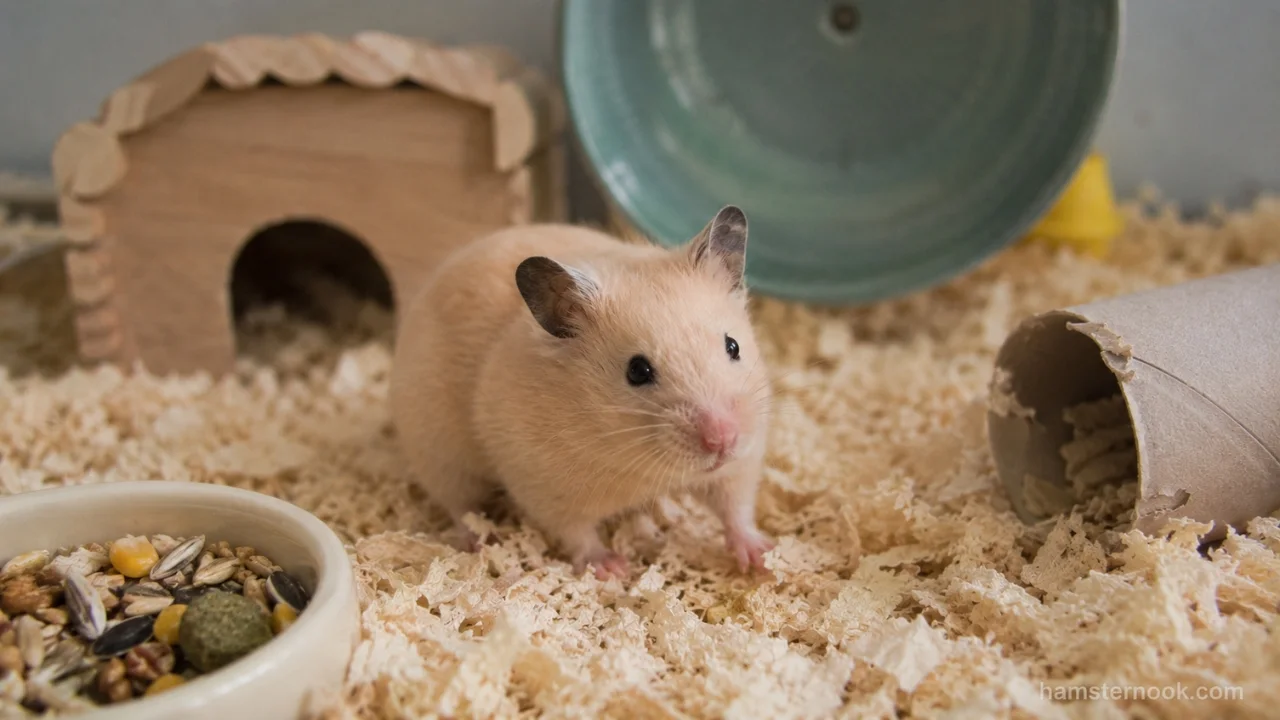
Every hamster should have access to:
- At least one secure hideout
- Tunnels
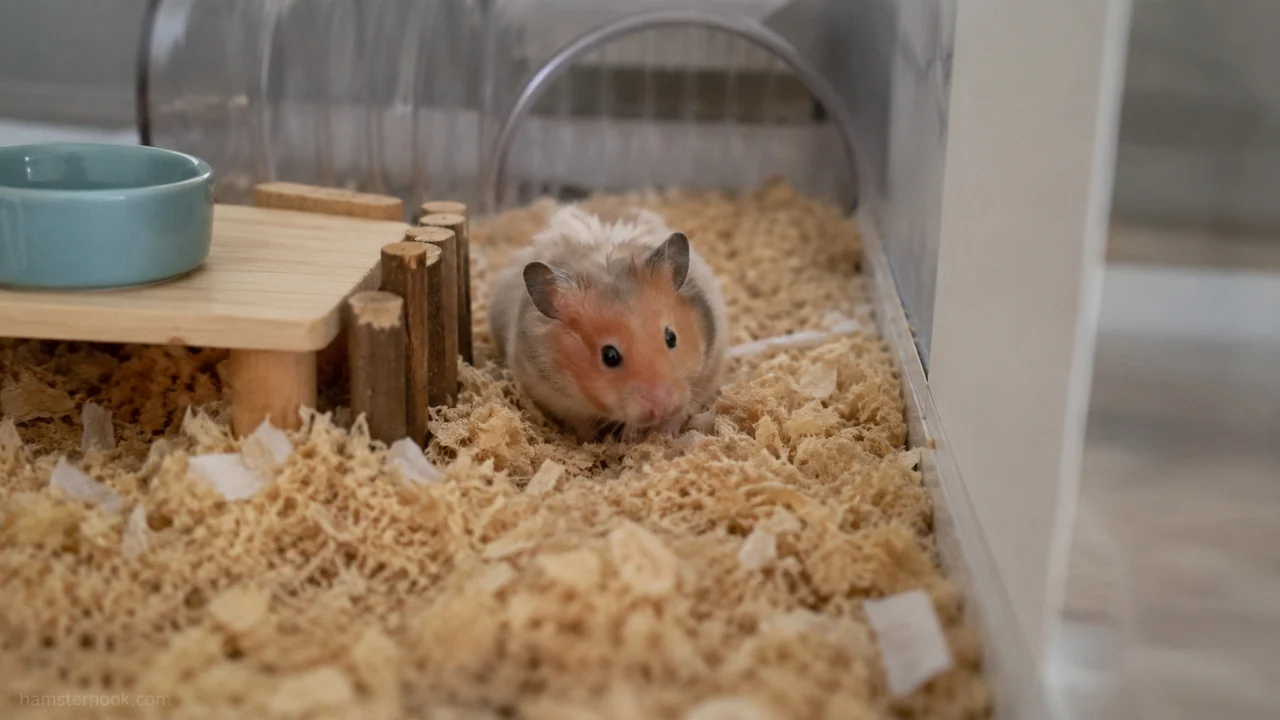
- Deep bedding for burrowing
- Areas away from bright light
The ability to retreat to a safe space often increases confidence rather than encouraging shyness.
Interestingly, owners often notice that hamsters become more social once they know they always have somewhere secure to hide.
Placing the Cage in a Noisy Location
Location matters more than many new owners realize.
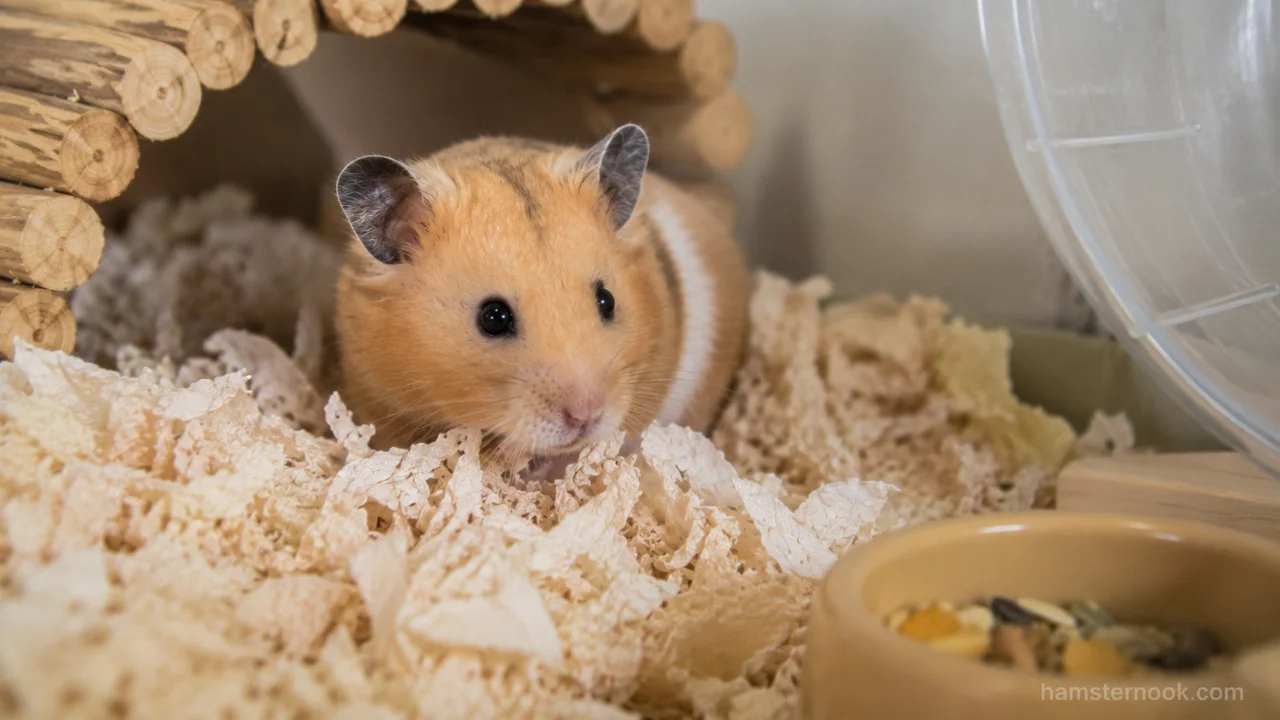
Hamsters have sensitive hearing and may be affected by sounds that humans barely notice.
Stressful cage locations often include:
- Near televisions
- Next to speakers
- Busy hallways
- Children’s play areas
- Frequently opened doors
A quieter location allows a hamster to rest properly and maintain normal activity patterns.
If your hamster seems unusually nervous, the cage location may be contributing to the problem.
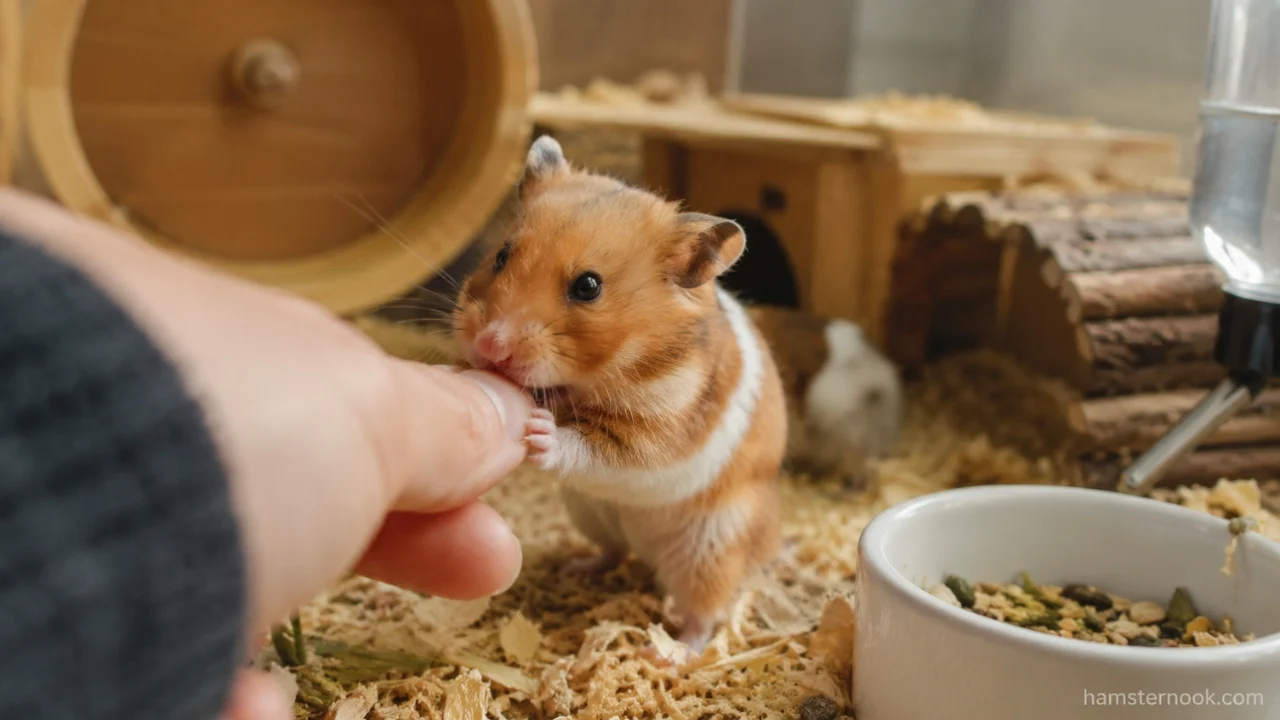
Cleaning the Entire Cage Too Often
Cleanliness is important, but excessive cleaning can create stress.
Hamsters rely heavily on scent to understand their environment. When every trace of familiar scent disappears, the cage can suddenly feel unfamiliar and unsafe.
Many beginners make the mistake of performing complete cage cleanouts too frequently.
Instead, focus on:
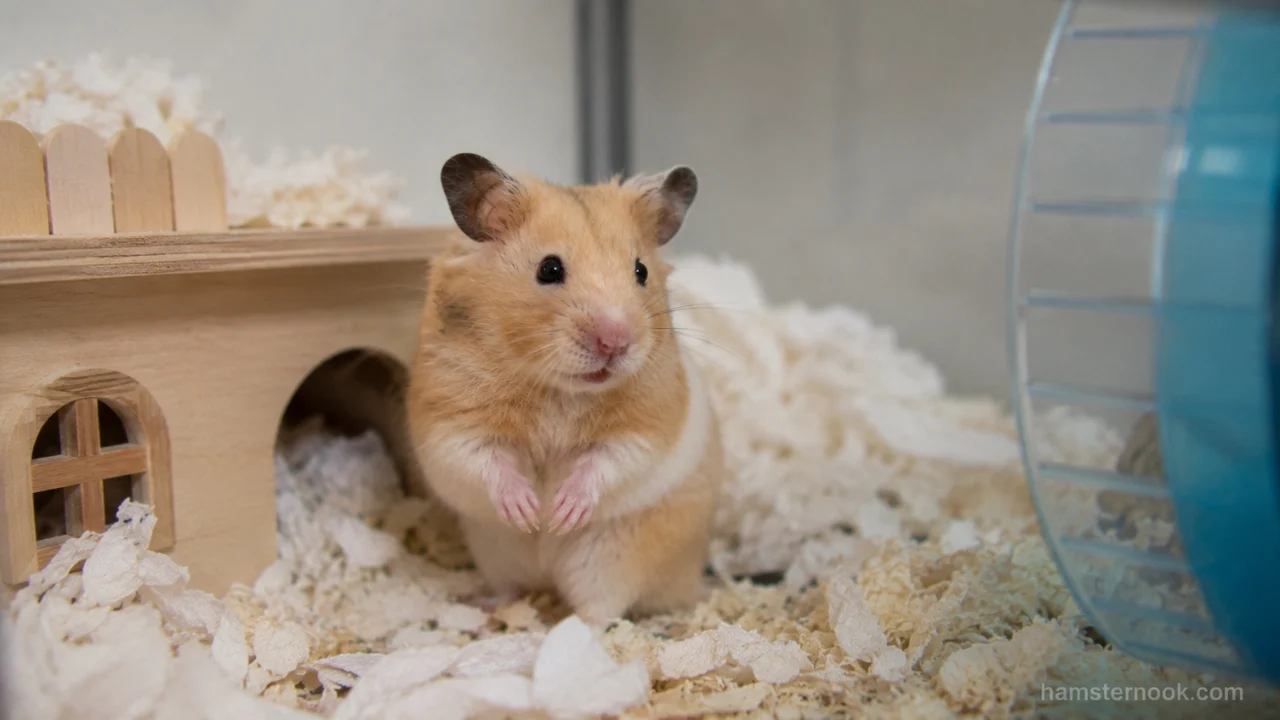
- Spot cleaning soiled areas
- Replacing wet bedding
- Preserving some clean familiar bedding during larger cleans
This helps maintain a balance between hygiene and comfort.
Owners who notice frantic behavior after cleaning may find useful insights in Why Is My Hamster Rearranging Its Cage?, since enclosure management plays a major role in hamster confidence.
Feeding Too Many Treats
Treats are often used as a shortcut for bonding.
While treats can help build trust, excessive treats may create health issues and encourage selective eating habits.
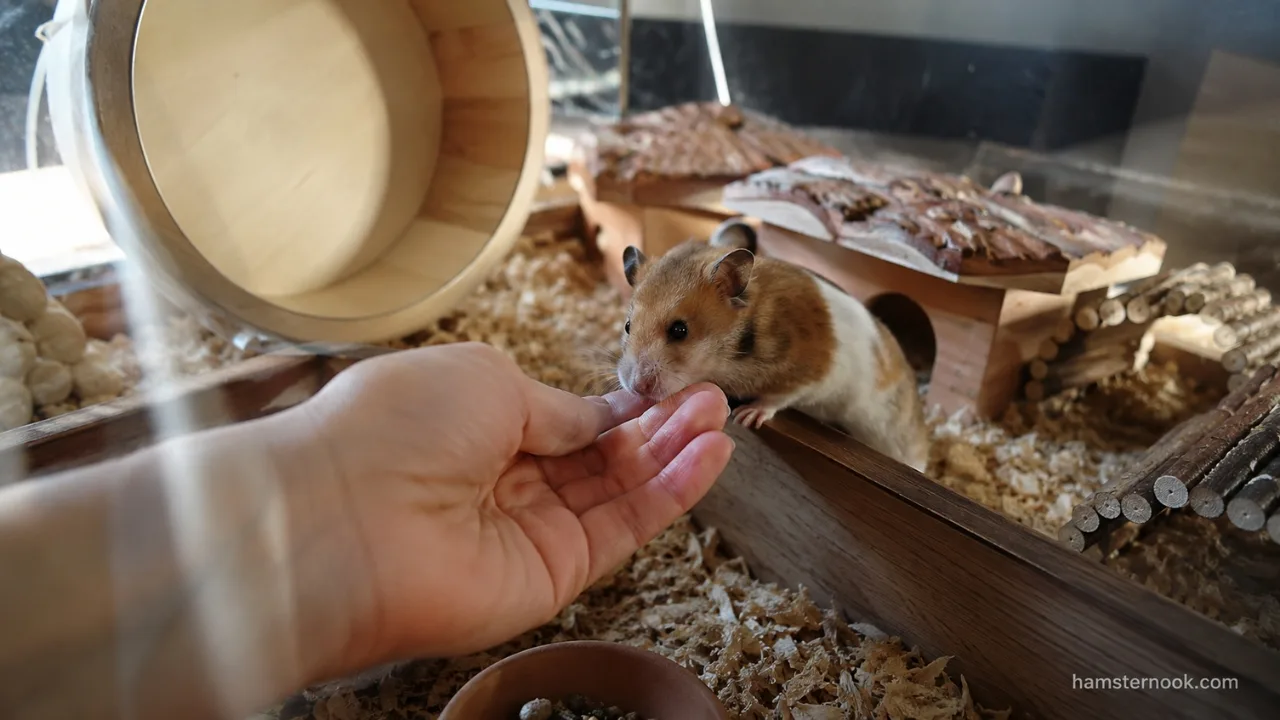
Common problems include:
- Weight gain
- Nutritional imbalance
- Ignoring regular food
- Digestive upset
Healthy hamster diets should be based primarily on balanced staple foods rather than treats.
When introducing new foods, moderation is always the safest approach.
Ignoring Signs of Boredom
A hamster may have food, water, and shelter but still experience stress if its environment lacks enrichment.
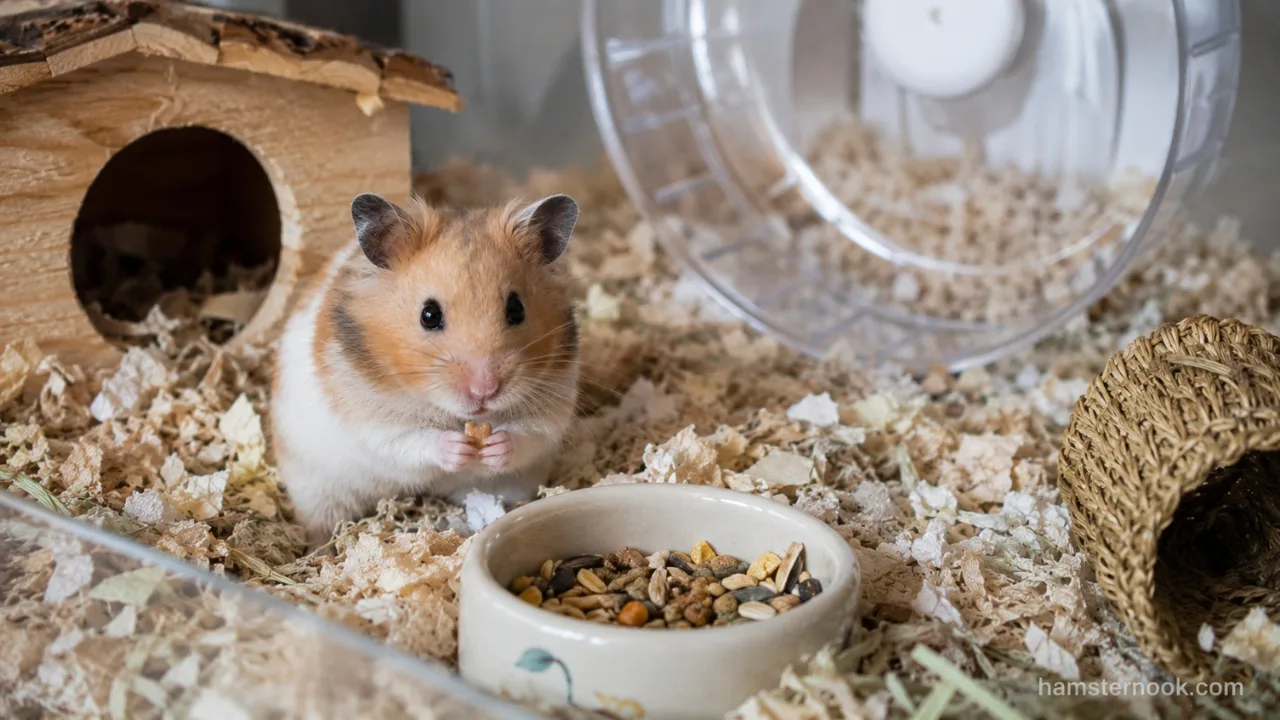
Boredom-related stress can lead to:
- Bar chewing
- Digging at corners
- Repetitive behaviors
- Excessive sleeping
Helpful enrichment options include:
| Enrichment Item | Benefit |
|---|---|
| Exercise wheel | Supports physical activity |
| Tunnels | Encourages exploration |
| Foraging toys | Stimulates natural instincts |
| Sand bath | Allows natural grooming |
| Chew toys | Supports dental health |
| Deep bedding | Encourages burrowing |
Providing opportunities for natural behaviors often reduces stress significantly.
Hamsters that seem uninterested in their surroundings may benefit from activities discussed in 10 Ways to Make a Hamster Cage More Enriching and Less Boring.

Expecting Instant Bonding
One of the biggest misconceptions about hamster ownership is the belief that every hamster will immediately enjoy human interaction.
Like people, hamsters have individual personalities.
Some become comfortable quickly, while others require weeks or even months to build trust.
Owners who rush the bonding process often experience frustration and accidentally increase their hamster’s anxiety.
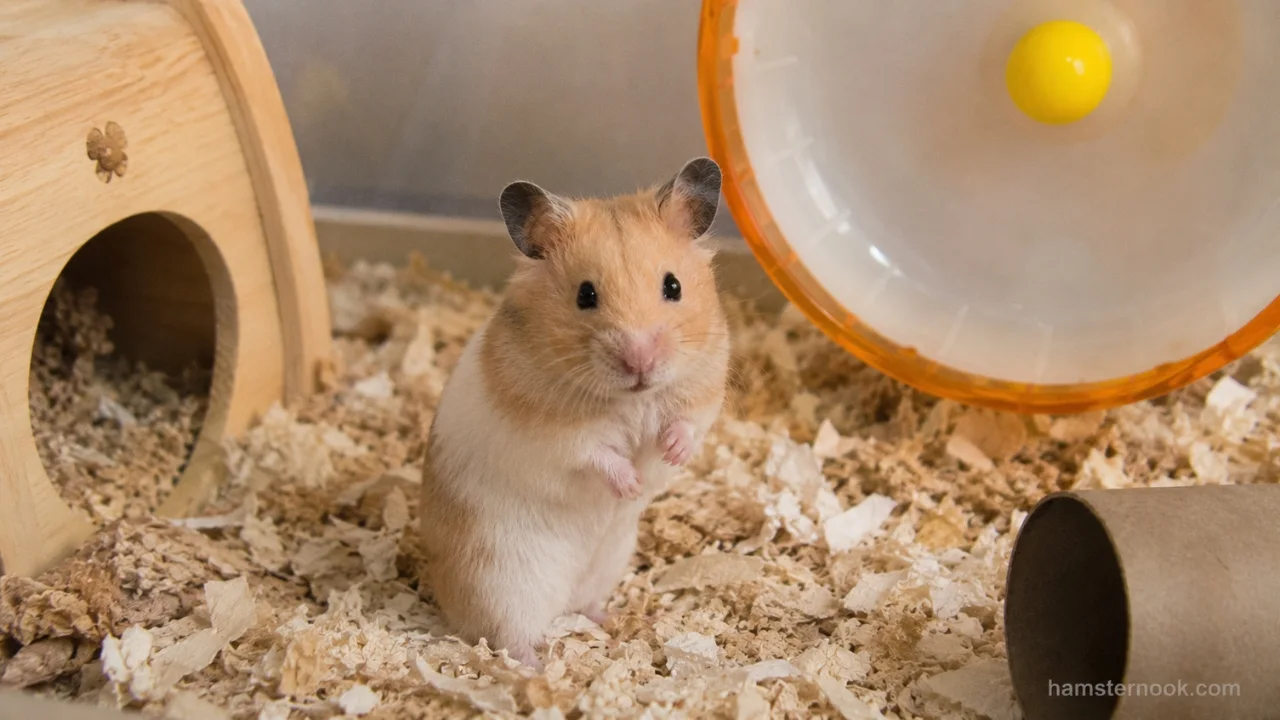
Patience usually produces better results than persistence.
Learning about Can Hamsters Learn Their Names? can also help owners understand how hamsters gradually recognize familiar sounds, routines, and people over time.
Housing Hamsters Together
This mistake often occurs because pet store housing setups can create confusion.
Most pet hamster species kept as pets are solitary and generally prefer living alone.
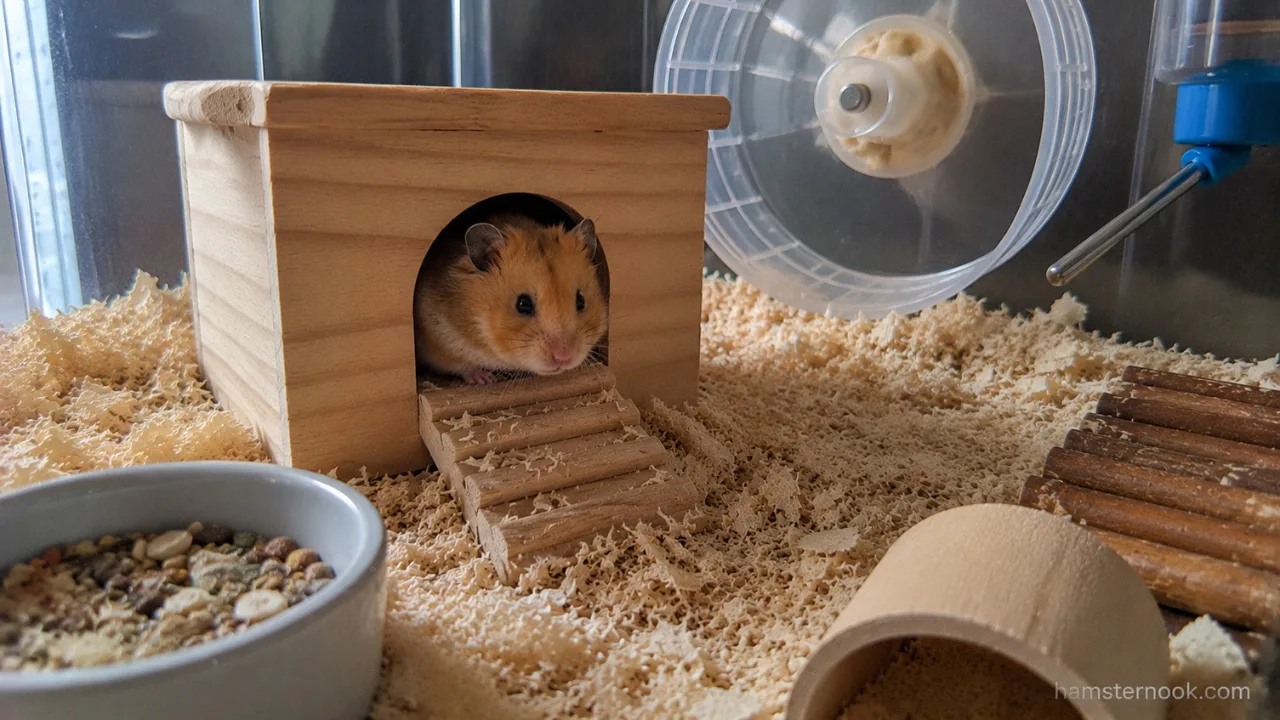
Housing incompatible hamsters together may lead to:
- Territorial disputes
- Chronic stress
- Serious injuries
- Resource guarding
Even hamsters that appear friendly initially may begin fighting later.
Researching species-specific social needs before introducing another hamster is extremely important.
Ignoring Early Stress Signals
Many stress-related problems become easier to fix when recognized early.
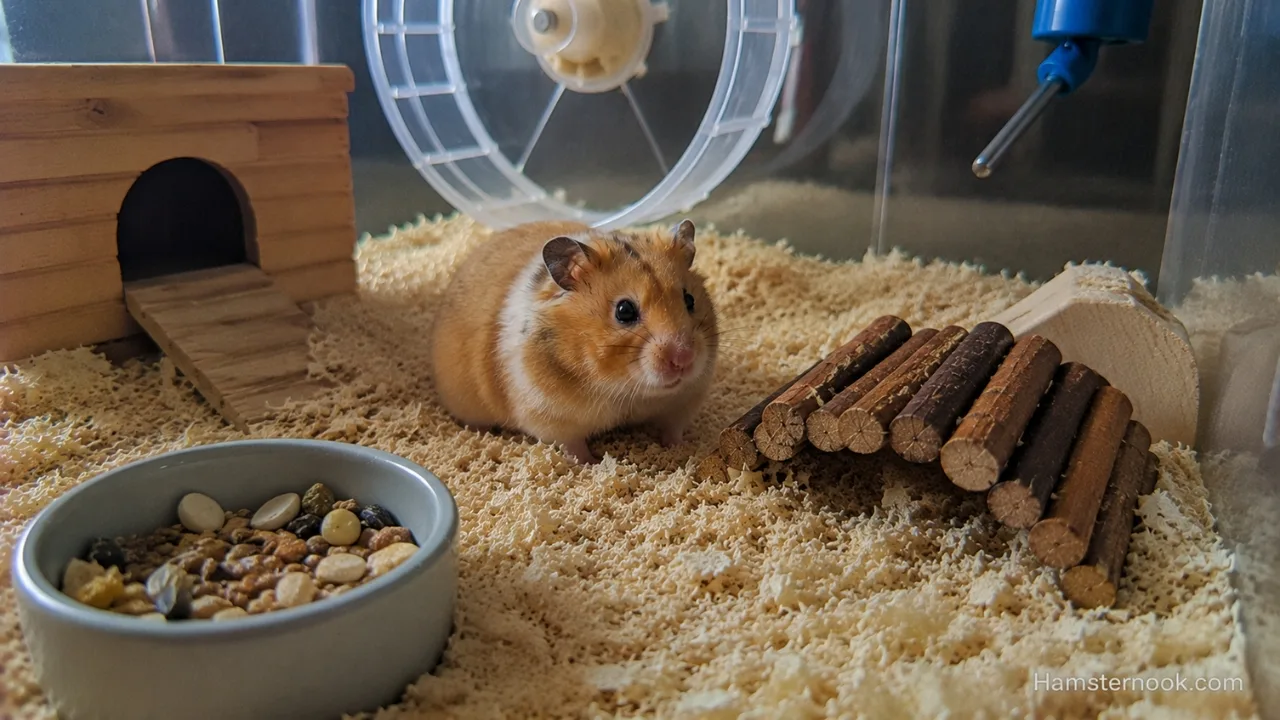
Warning signs include:
| Warning Sign | Possible Cause |
|---|---|
| Constant hiding | Fear or insecurity |
| Bar chewing | Frustration or boredom |
| Excessive freezing | Stress or anxiety |
| Refusing treats | Adjustment issues |
| Defensive biting | Fear response |
| Overgrooming | Stress-related behavior |
Observing behavior carefully allows owners to identify problems before they become more serious.
If several warning signs appear together, 7 Ways You’re Accidentally Stressing Your Hamster: Signs & What to Do explains common stress triggers and practical ways to address them.
How Long Does It Take a Stressed Hamster to Relax?
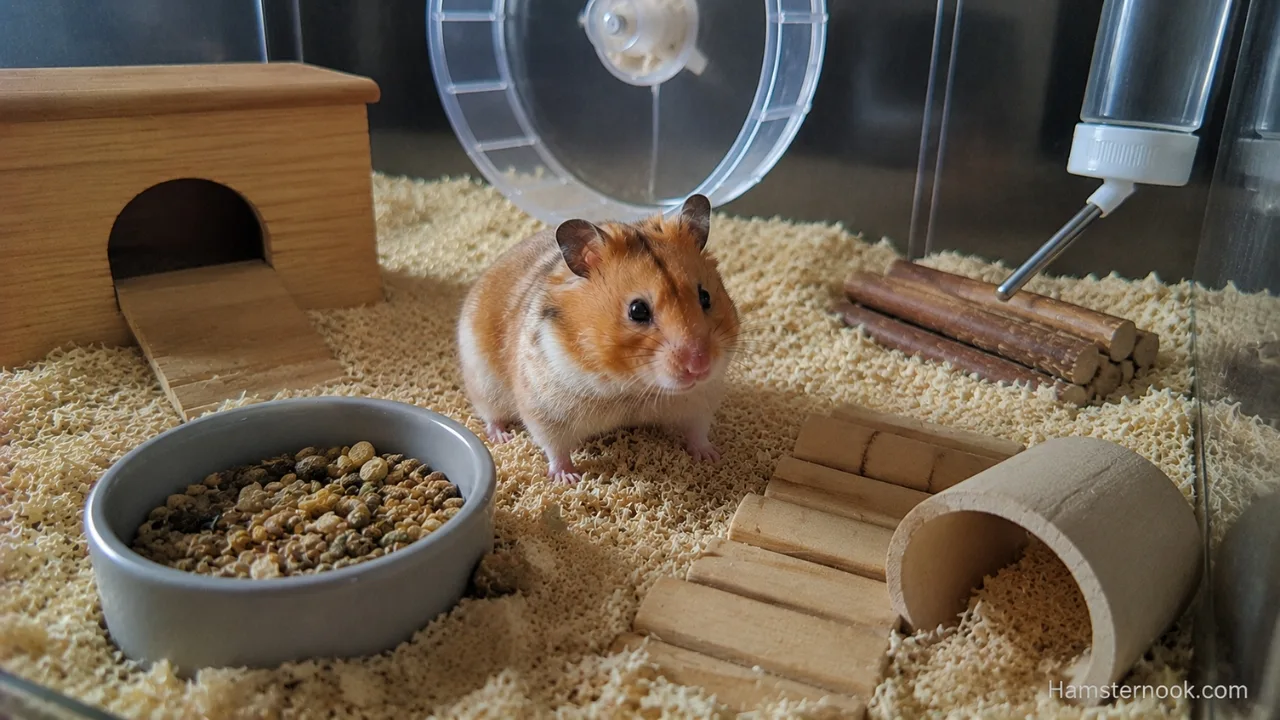
Recovery depends on the cause of the stress.
| Situation | What to Expect |
|---|---|
| New home adjustment | Allow the hamster to settle at its own pace and avoid unnecessary handling. |
| Cage upgrade | Keep familiar, clean bedding and familiar hides where practical; monitor behavior as the hamster explores. |
| After major cage cleaning | Preserve some clean, familiar bedding when possible and avoid unnecessary disturbance. |
| Stress from frequent handling | Reduce handling and rebuild trust gradually when the hamster is awake and calm. |
| Stress from noise | Move the enclosure away from loud, busy areas and observe whether behavior improves. |
Most hamsters become noticeably more confident when the source of stress is removed and routines remain consistent.
How to Create a Low-Stress Environment for Your Hamster
Preventing stress is usually easier than trying to fix stress-related behaviors later.
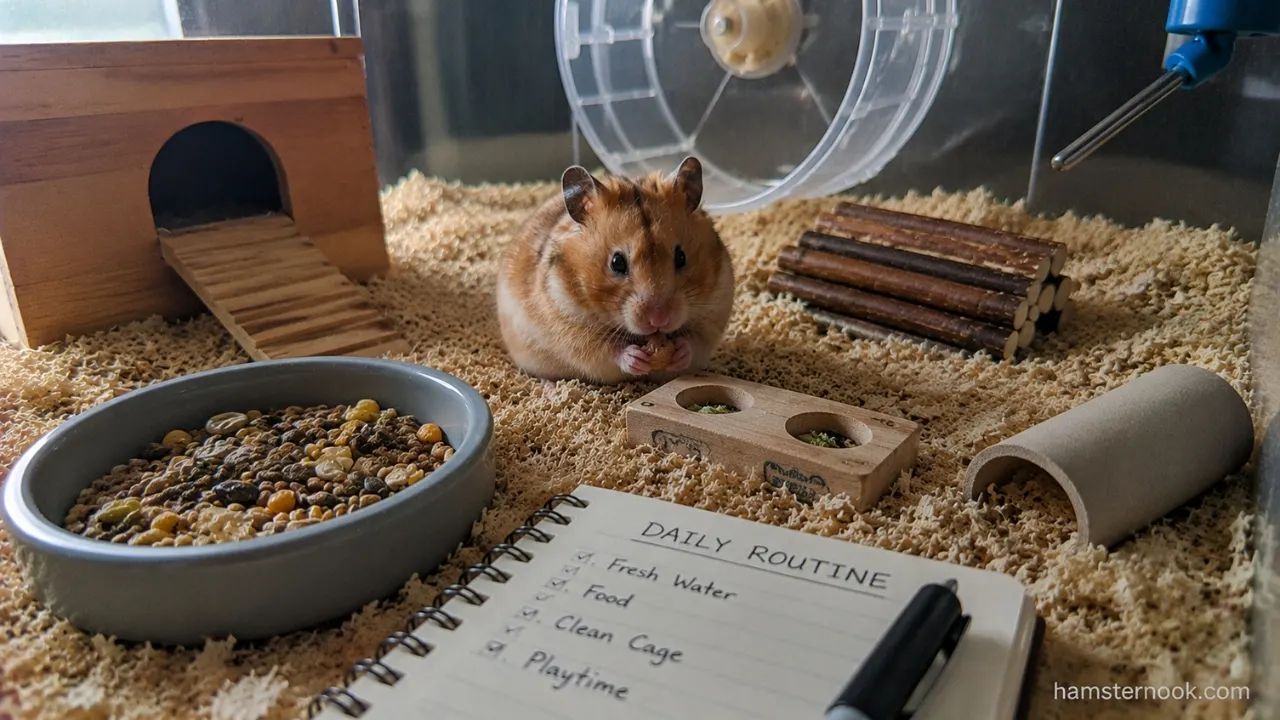
A low-stress hamster environment typically includes:
- A spacious enclosure
- Deep bedding
- Multiple hiding spots
- Consistent routines
- Quiet surroundings
- Proper nutrition
- Opportunities for enrichment
- Patient handling
Even modest improvements in these areas can make a noticeable difference in how comfortable a hamster feels.
Small Changes Often Make the Biggest Difference
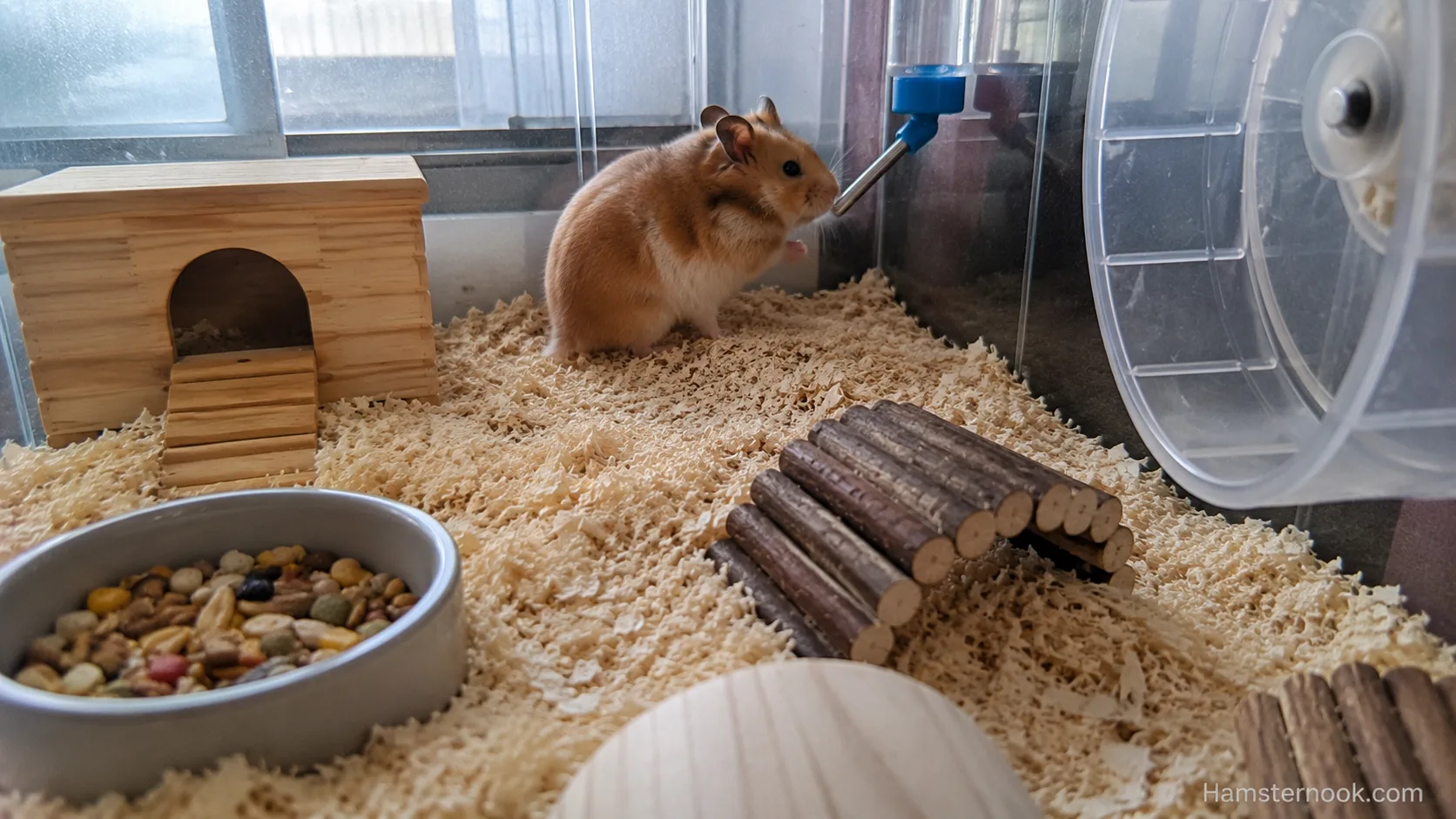
Owners often assume they need expensive accessories to reduce stress, but simple improvements usually have the greatest impact. Adding deeper bedding, providing another hideout, moving the cage to a quieter area, or allowing a hamster more adjustment time can significantly improve confidence and daily behavior.
Final Thoughts
Nearly every new hamster owner makes mistakes at first, but understanding how hamsters experience their environment makes it much easier to avoid unnecessary stress. The challenge is that hamsters experience the world very differently than humans. What seems friendly, helpful, or harmless to us may feel overwhelming to a small prey animal.
Fortunately, stress-related issues are often easy to prevent once you understand your hamster’s natural instincts. Giving your hamster adequate space, respecting its sleep schedule, providing secure hiding places, and allowing trust to develop gradually can dramatically improve its quality of life.
When a hamster feels secure in its environment, its natural personality is often much easier to see.
Frequently Asked Questions
What is the most common stress mistake new hamster owners make?
Handling a new hamster too soon is one of the most common mistakes. Most hamsters need time to adjust before they are comfortable with direct interaction.
Can stress make a hamster aggressive?
Yes. Fear and stress are common reasons for defensive behaviors such as biting, freezing, or running away.
How can I tell if my hamster is stressed?
Signs include excessive hiding, bar chewing, refusal of treats, sudden behavior changes, defensive reactions, and reduced activity.
Does cage size affect hamster stress levels?
Absolutely. A cage that is too small can limit natural behaviors and contribute to frustration, boredom, and chronic stress.
How long does it take for a hamster to adjust to a new home?
Most hamsters begin adjusting within a few days, but full confidence often takes one to three weeks. Very shy hamsters may require longer before they feel completely secure.
Can too much attention stress a hamster?
Yes. Constant handling, repeated cage interruptions, and frequent disturbances can overwhelm a hamster, especially during the first few weeks in a new environment.
Can stress make a hamster stop eating?
Stress or environmental changes may affect a hamster’s appetite, but not eating should not automatically be blamed on stress. Contact a veterinarian promptly if your hamster stops eating, particularly if it also seems weak, loses weight, has diarrhea, or shows other unusual symptoms. Hamsters can deteriorate quickly when unwell.
Will a stressed hamster still use its wheel?
Some stressed hamsters continue using their wheel normally, while others become less active and spend more time hiding. Changes in wheel use should always be considered alongside other behaviors.
References
This guide is based on hamster behavior, stress, housing, handling, enrichment, and welfare guidance from trusted animal welfare and veterinary resources, including:
- RSPCA – Hamster Behaviour – Guidance on natural hamster behavior, handling, activity, sleep patterns, social interaction, and signs of stress.
- RSPCA – Creating a Good Home for Hamsters – Guidance on enclosure space, bedding, hiding places, environmental conditions, and creating a secure hamster habitat.
- RSPCA – Keeping Hamsters as Pets – General guidance on hamster care, housing, enrichment, behavior, diet, and welfare.
- Blue Cross – Hamster Care Guide – Practical advice on hamster housing, bedding, enrichment, handling, feeding, and helping hamsters adjust to their environment.
- MSD Veterinary Manual – Providing a Home for a Hamster – Veterinary guidance on hamster housing, bedding, nesting, exercise, environmental needs, and reducing potential sources of stress.
- NC3Rs – Housing and Husbandry: Hamster – Guidance on hamster housing, bedding, environmental conditions, natural behaviors, and welfare.
- NC3Rs – Choosing Appropriate Enrichment – Guidance on appropriate enrichment and providing opportunities for hamsters to express natural behaviors.
Medical Disclaimer
This article is intended for educational purposes only and should not be considered veterinary advice. Stress-related behaviors can sometimes overlap with signs of illness, and changes such as loss of appetite, unusual weakness, significant weight loss, or other concerning symptoms should not automatically be attributed to stress. If your hamster stops eating, appears weak, develops persistent or unusual behavior changes, or shows other signs of illness or distress, consult a qualified exotic animal veterinarian promptly.

Narayan Kumar is the founder and author of HamsterNook. He creates practical, research-based hamster care guides covering hamster behavior, nutrition, cage setup, enrichment, health, and everyday care. His goal is to help hamster owners make informed decisions and provide safer, healthier lives for their pets through clear, beginner-friendly information based on trusted animal care resources.