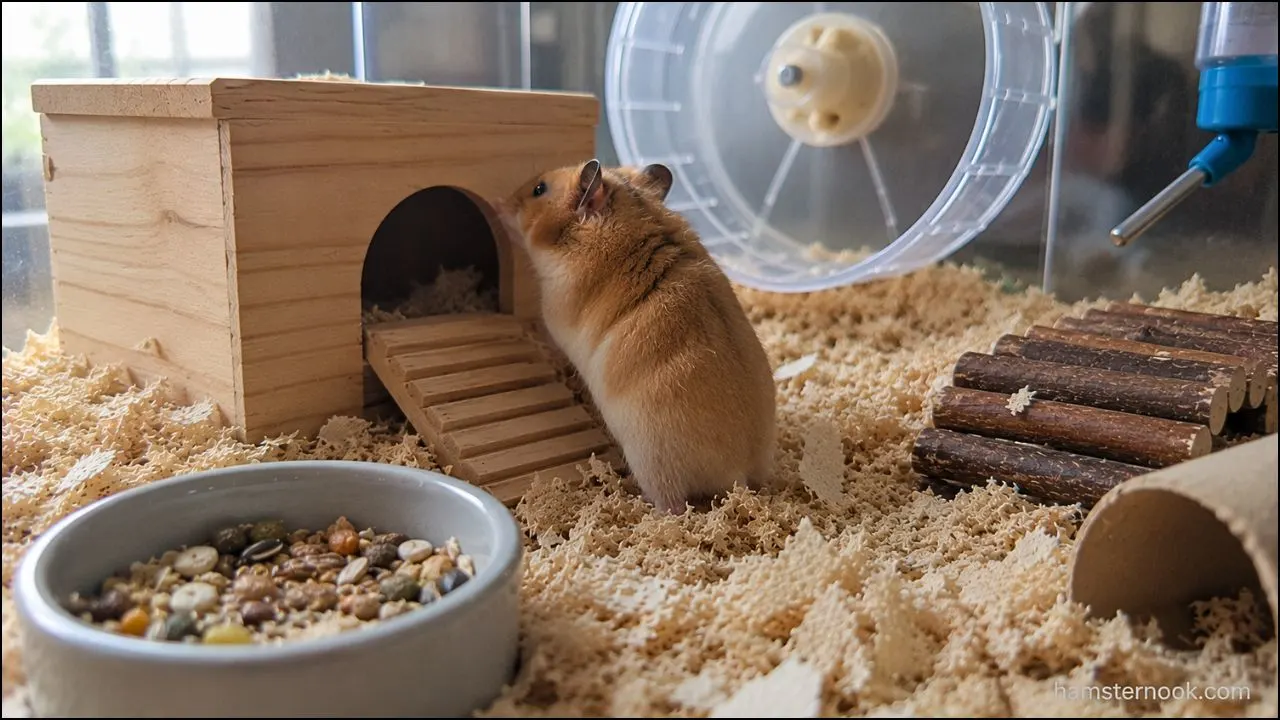
Hamsters naturally love hiding. In the wild, hiding helps protect them from predators, bright light, and danger. That’s why pet hamsters spend a lot of time inside tunnels, burrows, hides, or bedding. But when a hamster suddenly starts hiding much more than normal, many owners become worried — especially if their pet used to be active, curious, and social during evening hours.
In some cases, extra hiding is completely harmless and caused by stress, environmental changes, or normal hamster instincts. In other situations, it can be an early sign of illness, fear, pain, or discomfort.
Understanding the difference between normal hiding and unusual behavior changes helps owners notice possible problems earlier.
This guide explains the most common reasons hamsters suddenly hide more than usual, how to identify warning signs, and what owners can do to help their pet feel safe and comfortable again.

Is It Normal for Hamsters to Hide?
Yes, hiding is completely normal hamster behavior.
Most healthy hamsters spend a large portion of the day inside hides, tunnels, or bedding because this behavior feels safe and natural to them.
Hamsters are prey animals, which means they instinctively avoid open spaces and spend much of their time in protected areas. Most hamsters naturally prefer:
- Burrowing under bedding
- Sleeping in hides
- Staying hidden during daytime hours
- Exploring quietly at night
However, a noticeable change in behavior matters. If your hamster suddenly becomes far more withdrawn than usual, it’s important to look for possible causes.
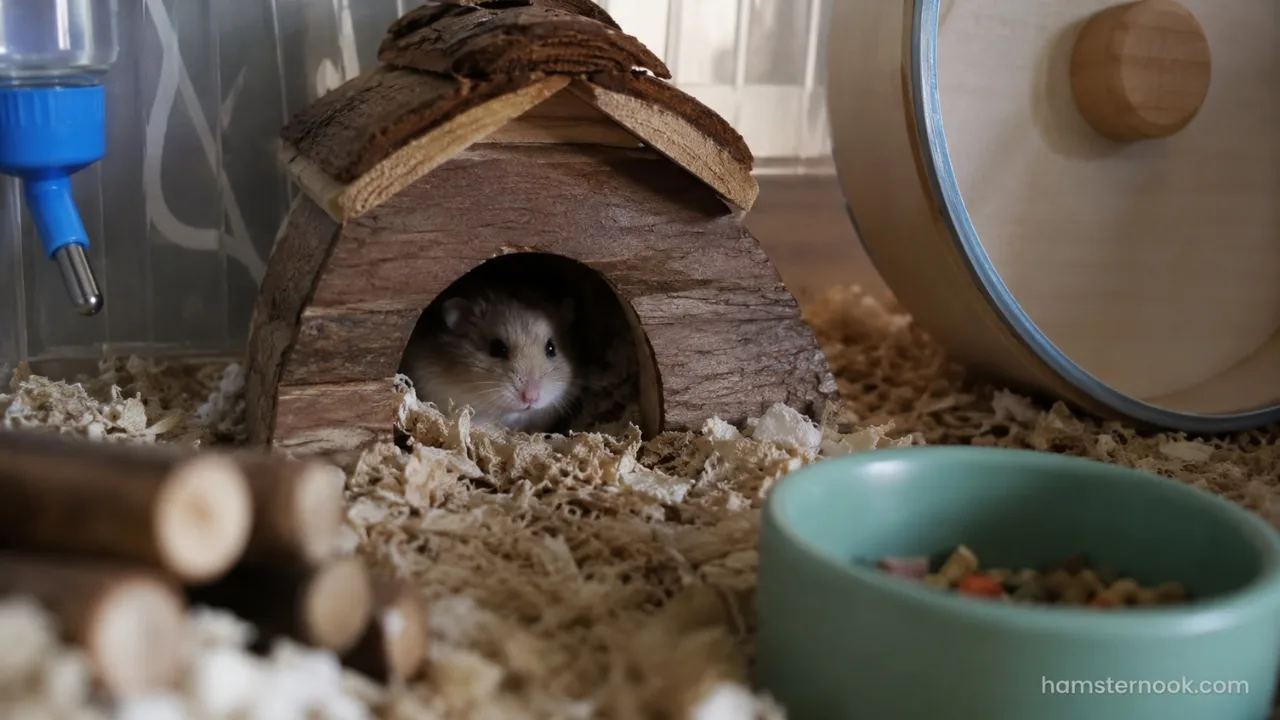
Normal Hiding vs Concerning Hiding Behavior
The table below helps explain when hiding is likely normal and when it may require closer attention.
| Behavior | Usually Normal | Potential Concern |
|---|---|---|
| Sleeping during daytime | Yes | No |
| Hiding after cage cleaning | Yes | No |
| Brief hiding around strangers | Yes | No |
| Refusing to come out for food | No | Yes |
| Constant hiding for several days | Sometimes | Yes |
| Hiding with lethargy or weight loss | No | Yes |
| Avoiding interaction suddenly | Sometimes | Yes |
| Hiding while shaking or breathing heavily | No | Yes |
Behavior changes that happen suddenly and continue for multiple days deserve monitoring.
A sudden increase in hiding is usually easier to understand when you look at your hamster’s overall behavior rather than hiding alone. If your hamster is still eating, drinking, grooming, maintaining a healthy weight, and becoming active during its normal waking hours, the behavior is often temporary. Hiding becomes much more concerning when it is accompanied by several other changes at the same time.
Stress Is One of the Most Common Causes
Stress is one of the biggest reasons hamsters begin hiding excessively.
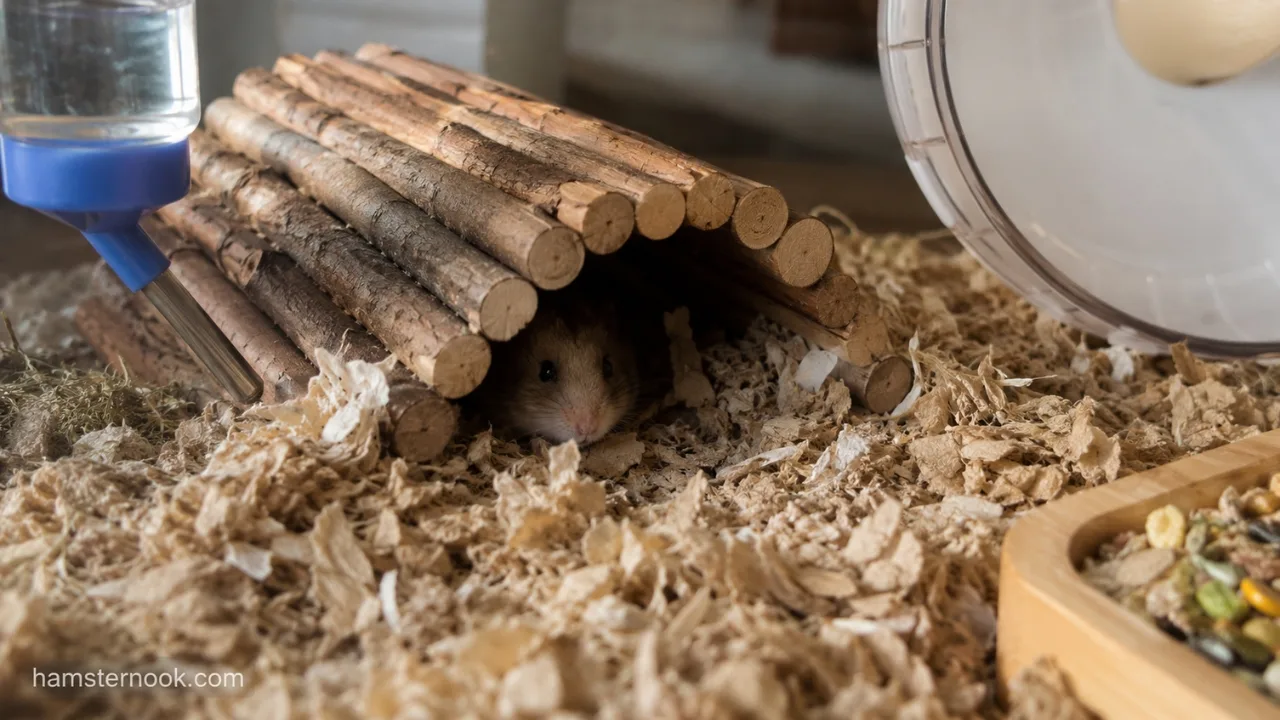
Stress-related hiding is often accompanied by other subtle behavior changes. Our 5 Warning Signs Your Hamster Is Stressed (And How to Help) guide explains the most common signs owners should watch for.
Hamsters are sensitive animals, and even small environmental changes can make them feel unsafe.

Common stress triggers include:
- Loud noises
- Bright lighting
- Frequent handling
- New pets nearby
- Strong smells
- Sudden cage changes
- Lack of hiding spots
A stressed hamster may spend more time buried under bedding or staying inside hides for long periods.

Recent Cage Changes May Make Your Hamster Feel Unsafe
Many owners unintentionally cause stress during cage cleaning or habitat upgrades.
Hamsters rely heavily on scent and familiarity. If everything suddenly smells different or the layout changes too much, your hamster may temporarily hide more often.
This commonly happens after:
- Deep-cleaning the cage
- Replacing all bedding at once
- Moving accessories
- Switching cages
- Adding unfamiliar toys
Most hamsters adjust again within a few days if the environment remains calm and stable.

Whenever possible, avoid changing everything at once. Keeping some clean bedding, familiar nesting material, and hideouts in their usual positions can help your hamster recognize its environment more quickly and reduce the need to hide while it settles again.
Your Hamster May Be Sick or in Pain
Sudden excessive hiding may sometimes happen alongside underlying health problems.
Hamsters naturally hide weakness because prey animals instinctively avoid appearing vulnerable. Excessive hiding is sometimes one of the earliest warning signs of a health problem.
Watch carefully for symptoms such as:

| Warning Sign | Possible Concern |
|---|---|
| Weight loss | Illness or poor appetite |
| Wet tail area | Diarrhea or wet tail |
| Labored breathing | Respiratory infection |
| Hunched posture | Pain or discomfort |
| Refusing food or water | Serious illness |
| Dull fur | Poor health |
| Low energy | Weakness or infection |
If hiding behavior appears alongside these symptoms, veterinary attention is important.
Temperature Problems Can Affect Hamster Behavior
Hamsters are sensitive to temperature changes.
If the cage becomes too cold, hamsters may hide more deeply in bedding to stay warm. If it becomes too hot, they may also reduce activity and remain hidden to conserve energy.
Ideal Hamster Temperature Range
| Condition | Recommended Range |
|---|---|
| Safe room temperature | 65°F–75°F |
| Too cold | Below 60°F |
| Too hot | Above 80°F |
Extreme temperatures can even trigger dangerous conditions such as torpor or heat stress.

Maintaining a stable room temperature is one of the easiest ways to reduce unnecessary stress. Our What Temperature Is Too Hot or Too Cold for Hamsters? A Complete Safety Guide explains the ideal temperature range for hamsters and what to do during hot or cold weather.
Your Hamster Could Simply Be Aging
Older hamsters naturally become less active.
Senior hamsters often:
- Sleep more
- Explore less
- Hide more frequently
- Move slower
- Avoid climbing
This change usually happens gradually rather than suddenly. If the change is abrupt, another cause may be involved.

Changes in Sleep Schedule Are Common
Many owners accidentally wake hamsters during daytime hours and assume something is wrong when the hamster hides again.
Hamsters are nocturnal or crepuscular animals, meaning they are naturally most active during the evening and nighttime.
A healthy hamster may stay hidden most of the day and become active only after the room becomes quiet and dark.
New Environments Often Cause Temporary Hiding
New hamsters commonly hide excessively for the first several days after adoption.

This adjustment period is normal because the hamster is:
- Learning new smells
- Adapting to sounds
- Feeling uncertain about safety
- Establishing territory
Some hamsters adjust within a day or two, while shy hamsters may take over a week to feel comfortable.
Lack of Proper Hideouts Increases Anxiety
Ironically, hamsters sometimes hide more when they don’t have enough safe hiding spaces.
Providing multiple secure hiding areas can help nervous hamsters feel more confident exploring their enclosure.

A hamster that feels exposed may spend nearly all its time buried under bedding instead of confidently exploring.
Providing enough bedding is just as important as providing enough floor space. Our Best Hamster Bedding for Beginners guide explains which bedding materials support safe burrowing and how much bedding your hamster should have.
A proper enclosure should include:
| Recommended Cage Feature | Why It Helps |
|---|---|
| Multiple hides | Creates security |
| Deep bedding | Encourages burrowing |
| Tunnels | Supports natural instincts |
| Quiet sleeping area | Reduces stress |
| Large enclosure | Prevents anxiety and boredom |
Hamsters generally feel more confident when they know safe shelter is always available.

Bullying in Dwarf Hamster Pairs Can Cause Hiding
If you keep dwarf hamsters together, hiding may sometimes signal bullying or territorial stress.
Signs of conflict include:
- One hamster guarding food
- Chasing
- Squeaking fights
- Fur loss
- Bite marks
- One hamster constantly hiding
Syrian hamsters should always live alone because they are highly territorial.
Boredom and Depression-Like Behavior
Hamsters need mental stimulation.

A hamster kept in a small, empty, or unstimulating cage may become withdrawn and inactive over time.
Signs of boredom may include:
- Excessive sleeping
- Hiding constantly
- Lack of curiosity
- Repetitive behaviors
- Reduced wheel use
Providing enrichment often improves confidence and activity levels.
If you’re looking for simple ways to make your hamster more confident, our Do Hamsters Get Bored? 10 Signs Your Hamster Needs More Enrichment guide includes safe activities that encourage natural exploration and reduce boredom.
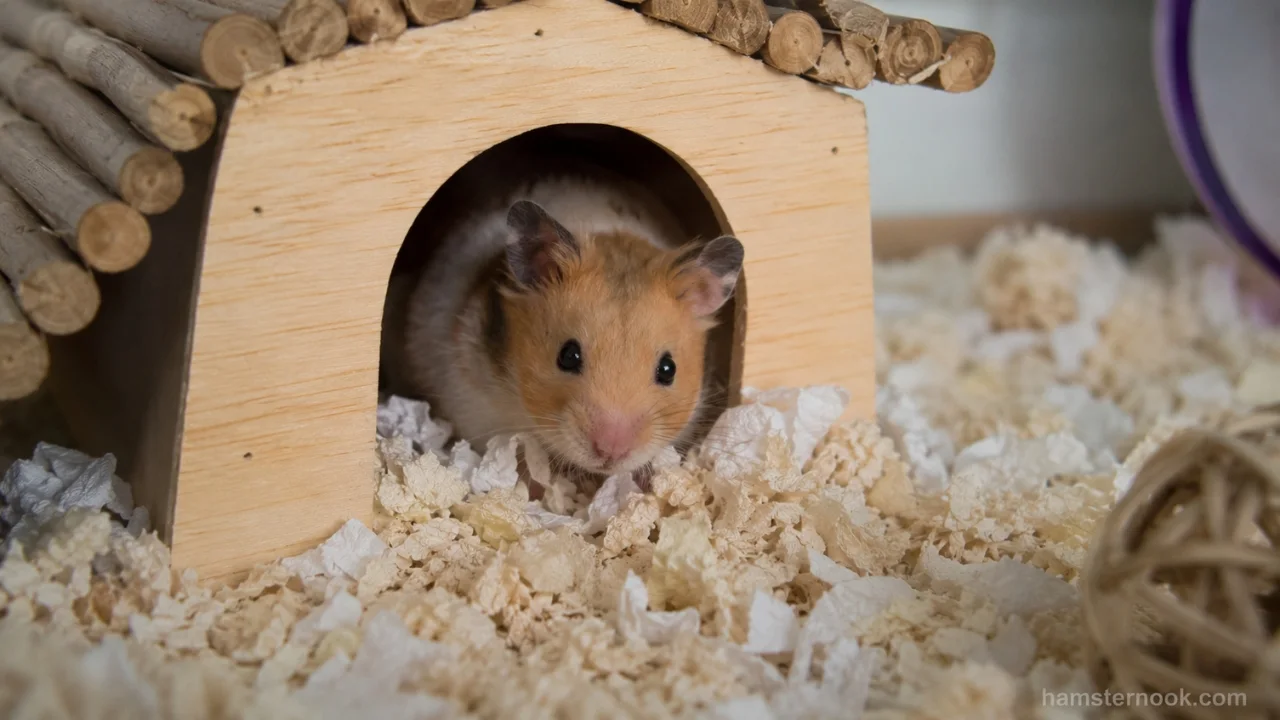
Simple changes such as scatter feeding, adding tunnels, rotating safe chew toys, and providing deeper bedding can encourage natural exploration without forcing your hamster out of its hiding place.
How to Help a Hamster That Is Hiding More Than Usual
The best solution depends on the underlying cause.
Helpful Steps Owners Can Take
| Action | Why It Helps |
|---|---|
| Keep the cage in a quiet area | Reduces stress |
| Avoid overhandling | Builds trust gradually |
| Provide deeper bedding | Encourages natural burrowing |
| Maintain stable temperatures | Prevents discomfort |
| Offer multiple hideouts | Improves security |
| Follow a consistent routine | Helps hamsters feel safe |
| Monitor eating and drinking | Detects illness early |
Avoid forcing your hamster out of hiding because this usually increases fear.
Building trust takes patience rather than frequent handling. Our How to Earn Your Hamster’s Trust Faster Without Making Common Bonding Mistakes guide explains how to help a nervous hamster become more comfortable around you over time.

When Should You Worry About Excessive Hiding?
Hiding becomes more concerning when it appears alongside other symptoms.
Contact an exotic veterinarian if your hamster:
- Stops eating
- Stops drinking
- Loses weight
- Has diarrhea
- Breathes heavily
- Appears weak
- Cannot walk normally
- Remains hidden constantly for several days
Behavior changes that continue alongside physical symptoms should always be monitored carefully.
When hiding is combined with appetite loss, weight loss, breathing changes, or unusual posture, our Signs of a Sick Hamster: 10 Warning Symptoms Every Owner Should Know guide can help you recognize additional warning signs before your veterinary visit.

Final Thoughts
Hamsters naturally enjoy hiding, so seeing your pet spend time inside tunnels or bedding is usually normal behavior. However, a sudden increase in hiding can sometimes signal stress, illness, fear, discomfort, or environmental problems.
The key is to look at the overall picture. A hamster that still eats, drinks, explores occasionally, and behaves normally at night is often simply reacting to temporary stress or routine changes. But hiding combined with lethargy, appetite loss, breathing problems, or physical symptoms should never be ignored.
A sudden increase in hiding is often only one part of a broader behavior change. Our Why Is My Hamster Suddenly Acting Different? 11 Signs Something May Be Wrong guide explains other common behavioral changes and what they may indicate.
By providing a quiet environment, proper enrichment, stable temperatures, and regular observation, owners can help their hamster feel safe and healthy again.

Medical Disclaimer:
This article is for educational purposes only and is not a substitute for professional veterinary advice. If your hamster develops appetite loss, weight loss, breathing problems, severe lethargy, or other concerning symptoms alongside excessive hiding, seek advice from a qualified veterinarian promptly.
References
This guide is based on hamster behavior, welfare, and husbandry guidance from trusted veterinary and animal care resources, including:
- RSPCA – Hamster Care Guidance
- PDSA – Hamster Care Advice
- Blue Cross – Hamster Care Guide
- Veterinary Partner – Small Mammal Health Resources
Frequently Asked Questions
Why is my hamster hiding and not coming out?
Your hamster may be stressed, adjusting to environmental changes, sleeping during normal daytime hours, or potentially feeling unwell if other symptoms are present.
Is it normal for a hamster to hide all day?
Yes. Hamsters are naturally nocturnal, so many sleep and hide during daylight hours.

Why is my hamster suddenly burrowing more?
Hamsters often burrow more when stressed, cold, anxious, or seeking extra security.
Should I wake my hamster if it keeps hiding?
No. Waking a sleeping hamster repeatedly can increase stress and fear.
Can boredom cause a hamster to hide?
Yes. Hamsters without enough enrichment or space sometimes become withdrawn and less active.
When should I take my hamster to the vet for hiding behavior?
Seek veterinary help if hiding occurs with symptoms like weight loss, diarrhea, breathing problems, weakness, or refusal to eat or drink.
How long can a hamster hide before I should worry?
A hamster may stay hidden for extended periods during the day or for a short time after a cage change or other environmental change. However, if your hamster remains hidden for several days while also refusing food, losing weight, breathing heavily, or showing other unusual symptoms, it should be examined by a veterinarian.

Narayan Kumar is the founder and author of HamsterNook. He creates practical, research-based hamster care guides covering hamster behavior, nutrition, cage setup, enrichment, health, and everyday care. His goal is to help hamster owners make informed decisions and provide safer, healthier lives for their pets through clear, beginner-friendly information based on trusted animal care resources.