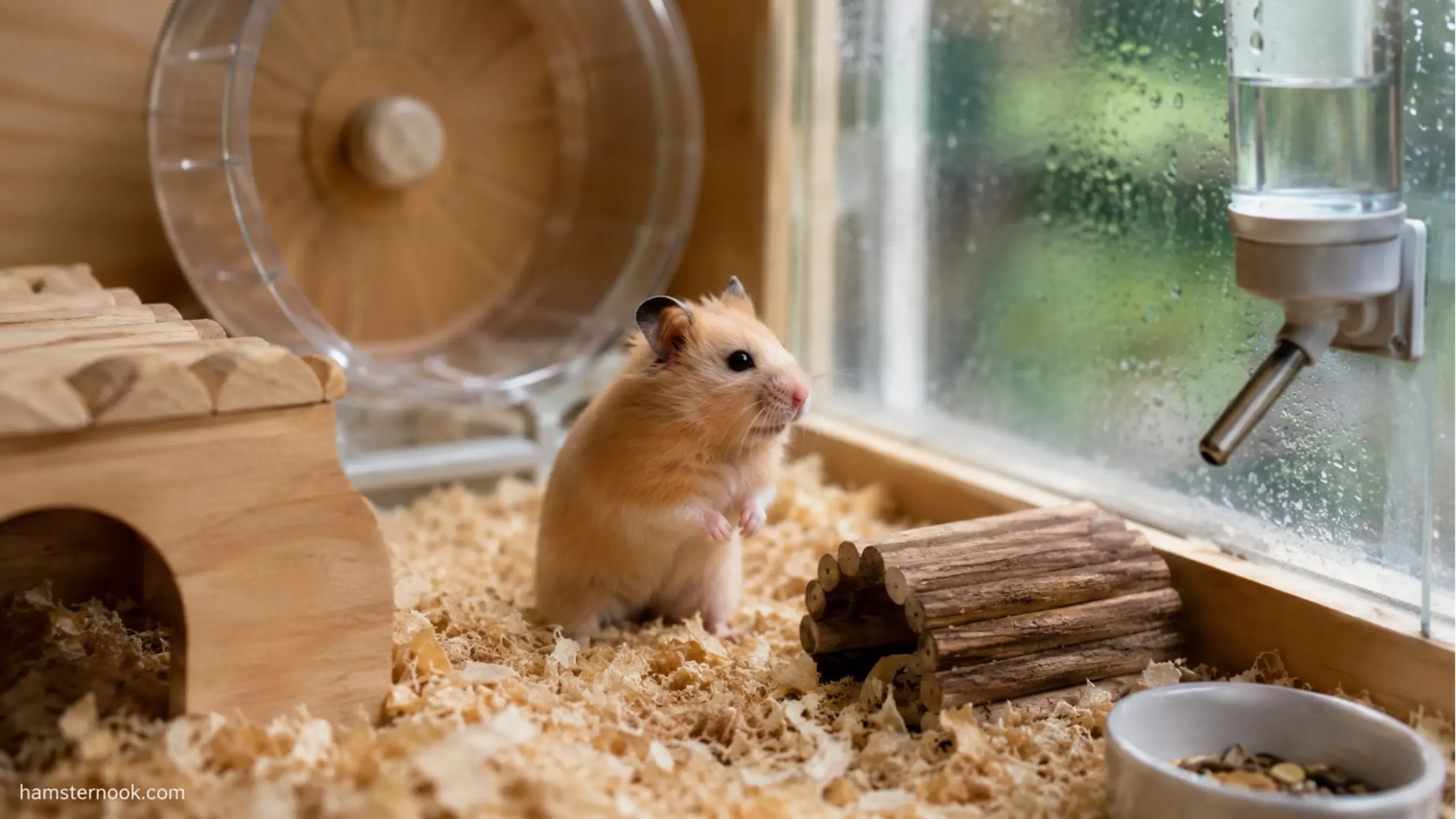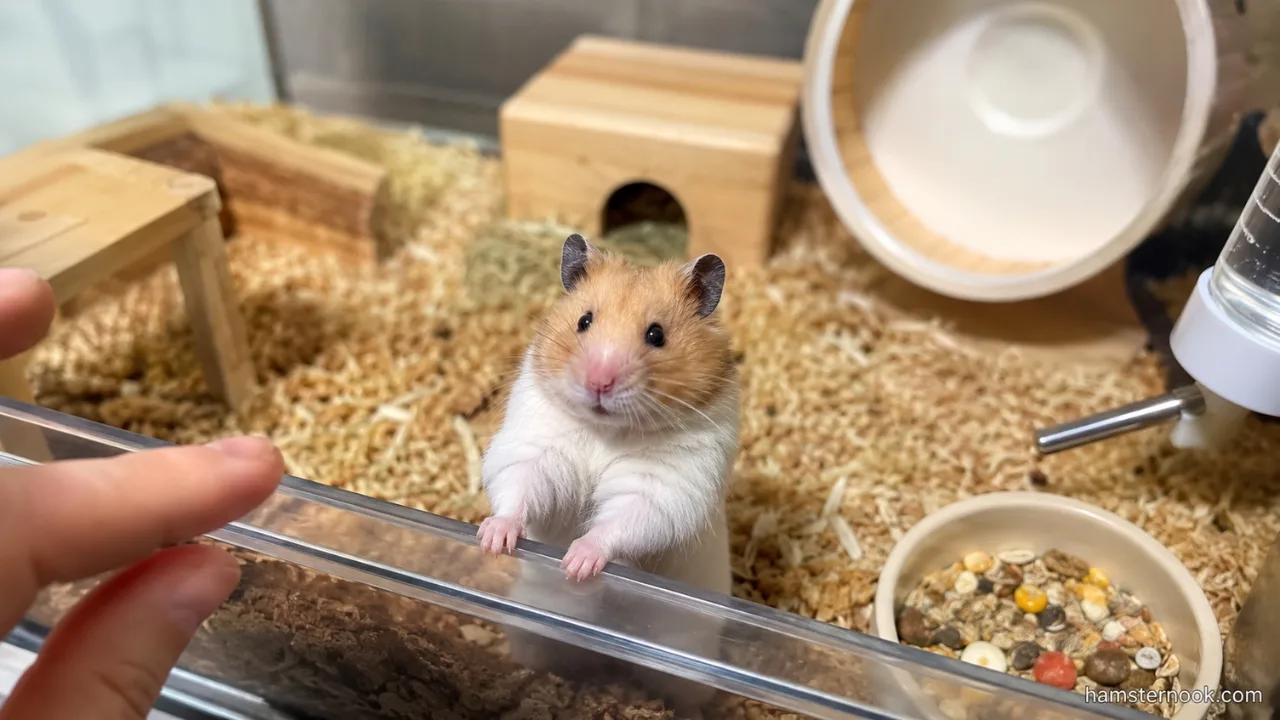
You walk up to your hamster’s cage, and suddenly your pet stops moving completely. Its body becomes still, its eyes stay wide open, and it seems frozen in place. For many new hamster owners, this behavior can be confusing or even alarming.
In most cases, a hamster freezing when it sees you is a normal instinctive reaction rather than a sign that something is wrong. In most cases, it’s a natural behavior rooted in instinct, caution, and how hamsters perceive the world around them. Knowing why this happens makes it easier to react calmly and avoid accidentally making your hamster more nervous.
In this guide, we’ll explore the most common reasons hamsters freeze, when the behavior is normal, when it may indicate stress, and what you can do to help your hamster feel more comfortable around you.
Quick Answer:
Hamsters freeze because they are prey animals with strong survival instincts. When they notice a new sound, movement, scent, or person, they may stop moving for a few seconds to assess whether the situation is safe before deciding what to do next.
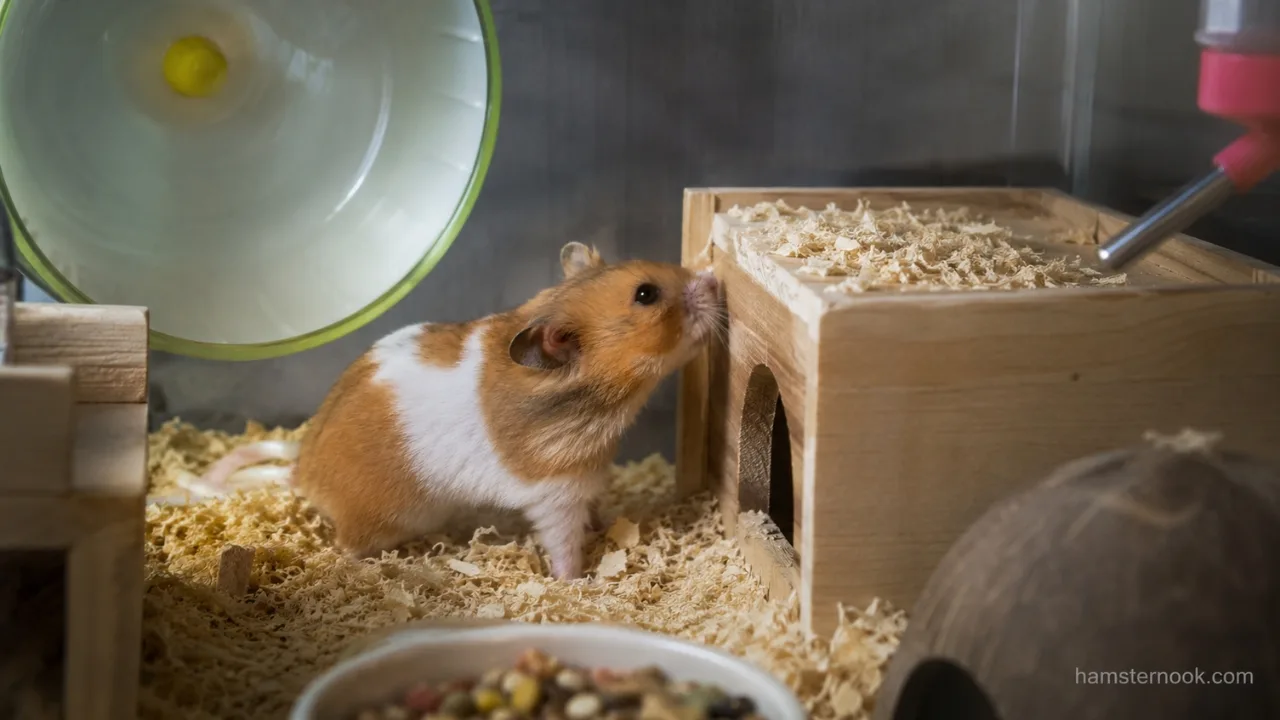
Why Do Hamsters Freeze in the First Place?
Freezing is a natural survival behavior.
In the wild, hamsters are prey animals. They are constantly alert for predators such as birds, snakes, foxes, and other animals that may hunt them. When a hamster detects something unfamiliar or potentially threatening, one of its first instincts is often to stop moving completely.
Remaining motionless helps a hamster avoid attracting attention. A predator is more likely to notice movement than a still object.
Even though your pet hamster lives safely indoors, these survival instincts are still deeply ingrained.
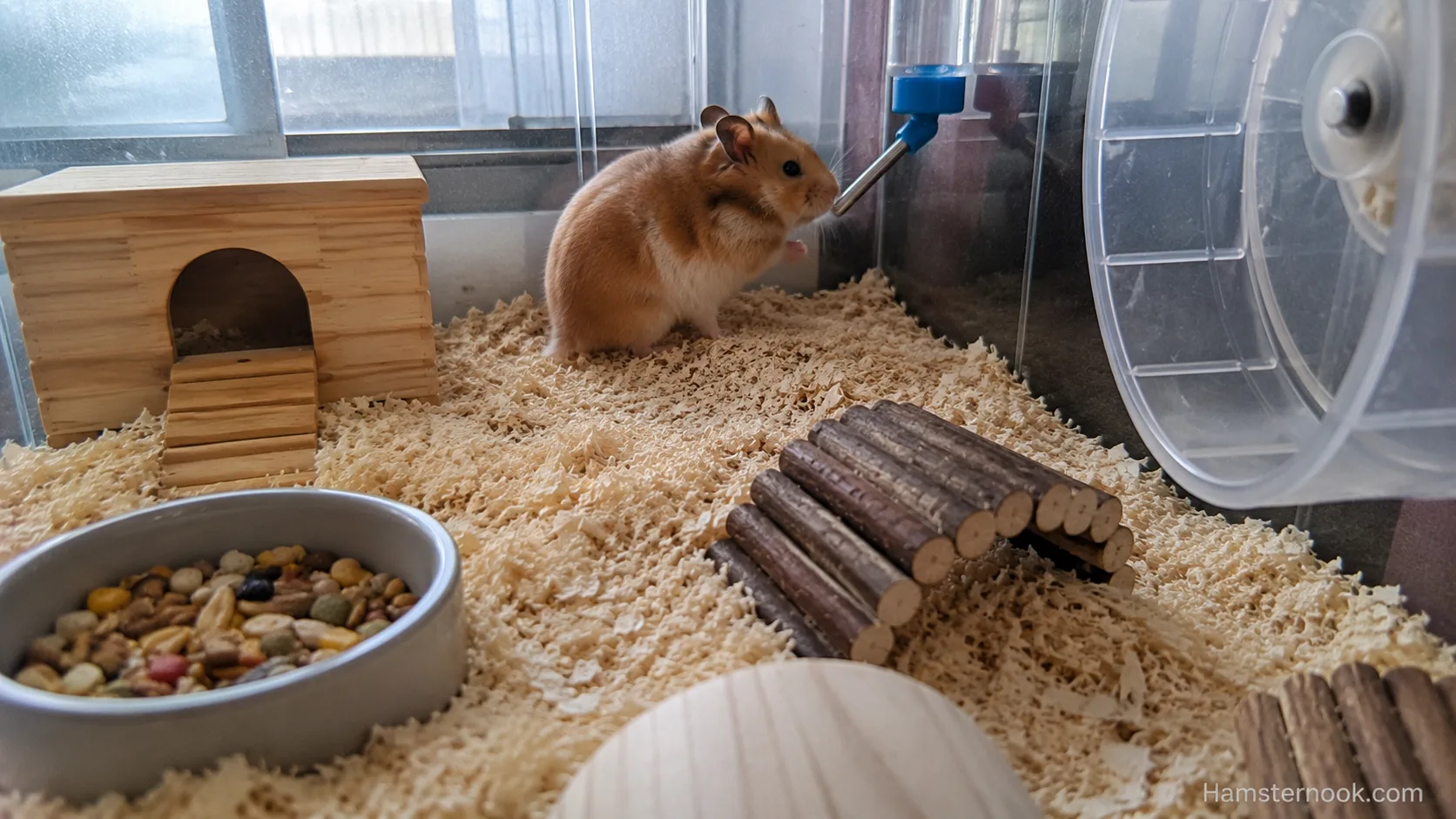
Many owners notice this behavior most often when approaching the cage, reaching in with a hand, or entering a room unexpectedly. Most of the time, the hamster is simply trying to figure out what is happening around it.
Is It Normal for a Hamster to Freeze When It Sees You?
Yes, especially if:
- Your hamster is new to your home
- You recently changed its cage setup
- The hamster is naturally shy
- You approached suddenly
- The room was unusually noisy
Many hamsters freeze occasionally, even after becoming comfortable with their owners.
What happens immediately after the freeze often tells you whether your hamster is simply curious or feeling uneasy.

Common Reasons Your Hamster Freezes When It Sees You
Your Hamster Is Still Learning to Trust You
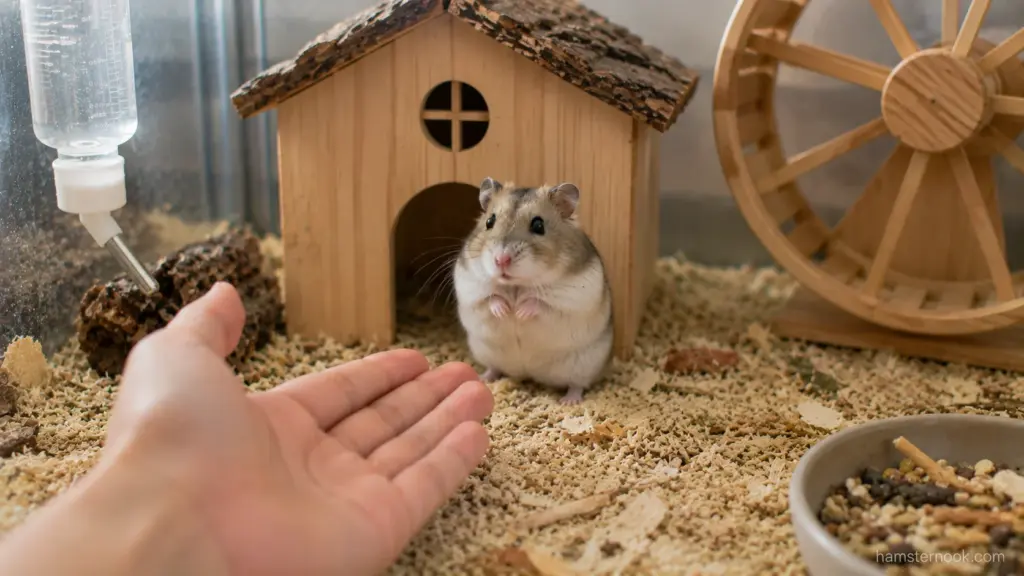
Trust takes time.
When a hamster first arrives in a new home, everything feels unfamiliar. Your scent, voice, movements, and routine are all new experiences.
A hamster that freezes when you approach may simply be trying to assess whether you are a threat.
This behavior is particularly common during the first few weeks after adoption. Owners dealing with a newly adopted pet often benefit from reading The Biggest Mistake New Hamster Owners Make in the First Week, as early interactions can strongly influence a hamster’s confidence.
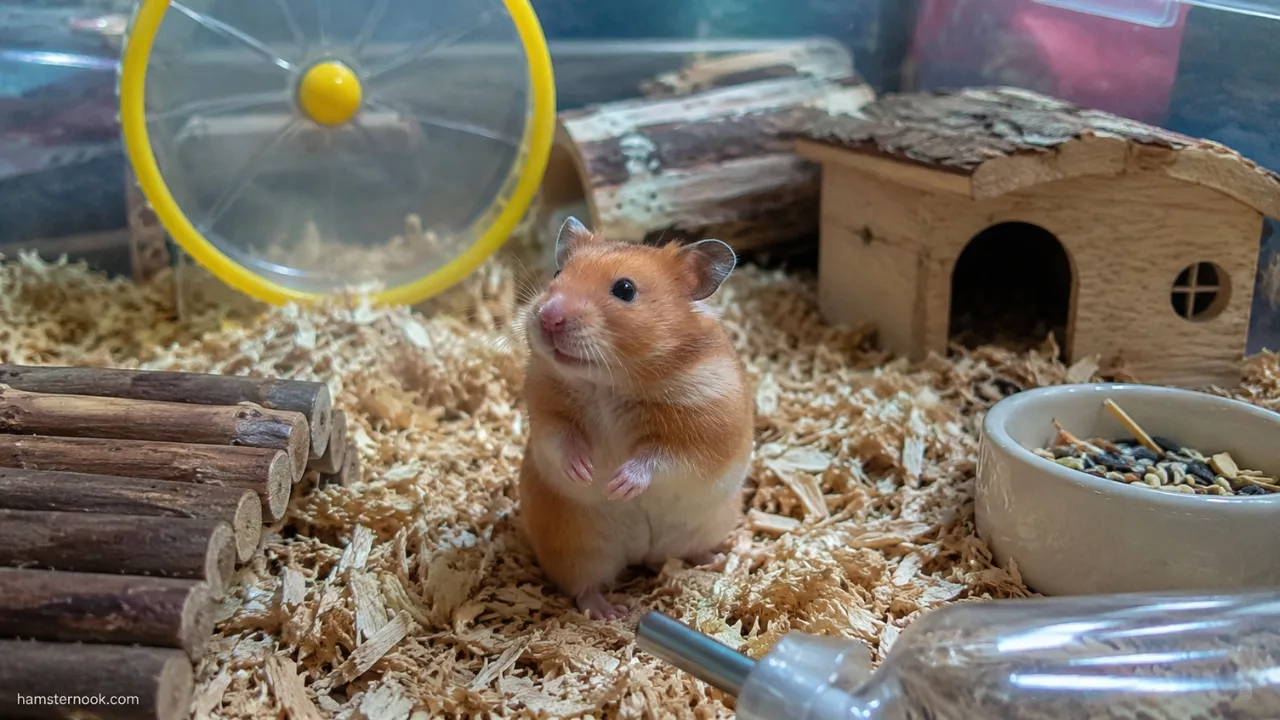
You Approached Too Quickly
Hamsters have relatively poor eyesight and rely heavily on hearing and smell.
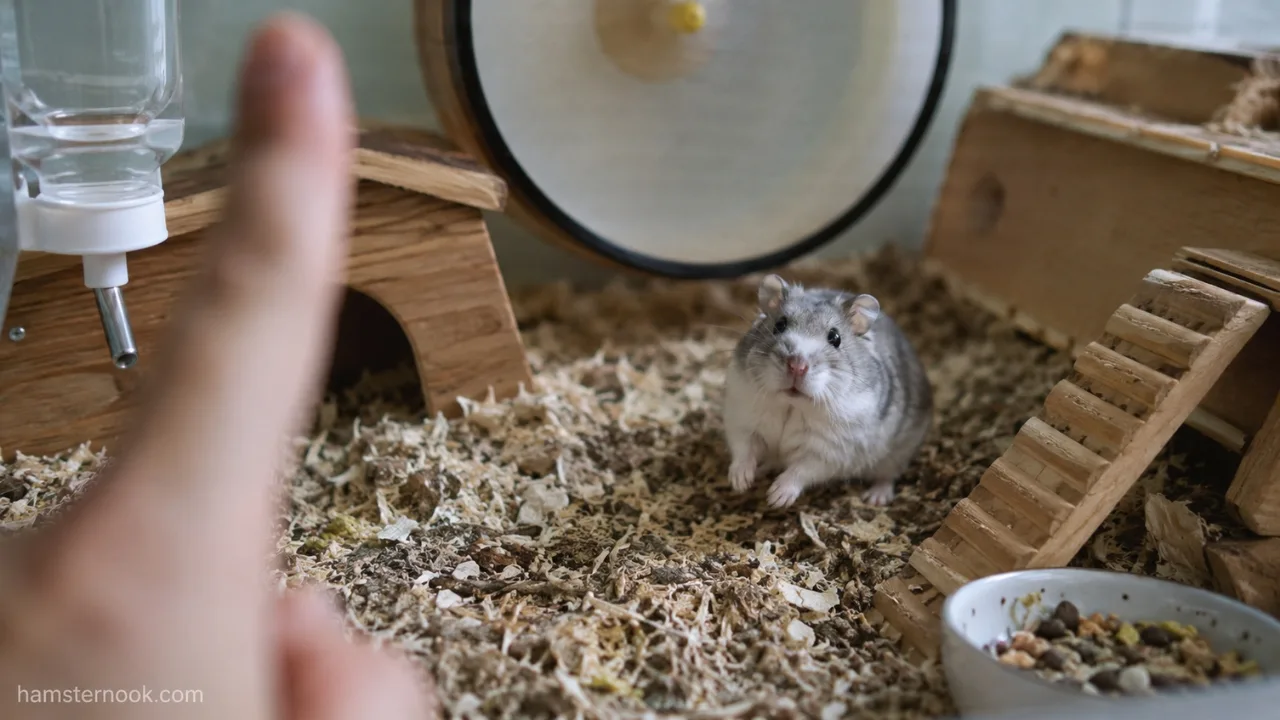
If you suddenly appear near the cage or move your hand quickly toward them, the hamster may freeze as an immediate defensive response.
From the hamster’s perspective, a large object appeared unexpectedly.
Moving slowly and speaking softly can reduce these reactions over time.
Your Hamster Was Startled
A sudden sound, vibration, or movement can trigger freezing behavior.
Examples include:
- Slamming doors
- Loud voices
- Vacuum cleaners
- Dogs barking nearby
- Children running around the cage
Sometimes owners assume the hamster is reacting specifically to them when it is actually responding to something happening in the environment.
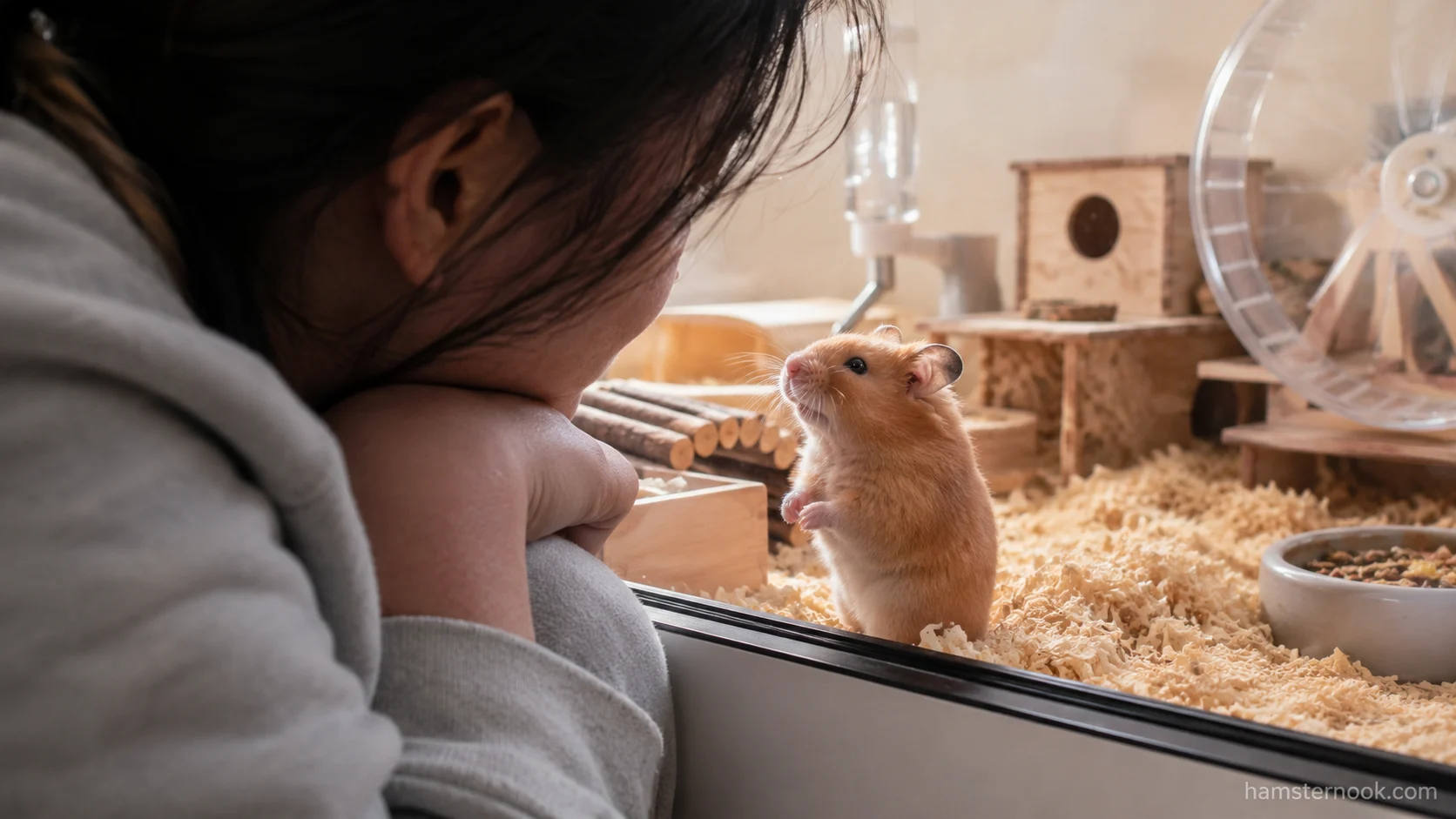
Your Hamster Is Observing You
For example, a hamster may freeze for several seconds when you enter the room, then continue eating, grooming, or exploring normally once it recognizes you. This type of freezing is usually linked to observation rather than fear.
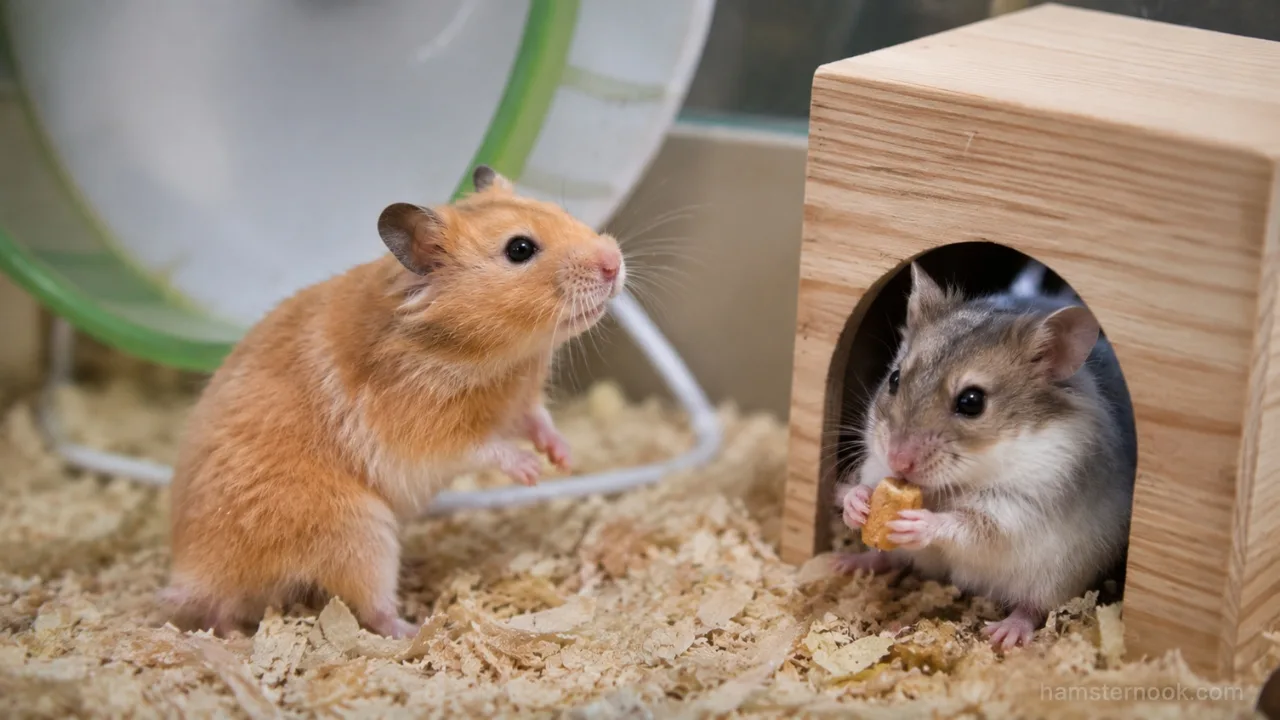
Freezing does not automatically mean your hamster is frightened.
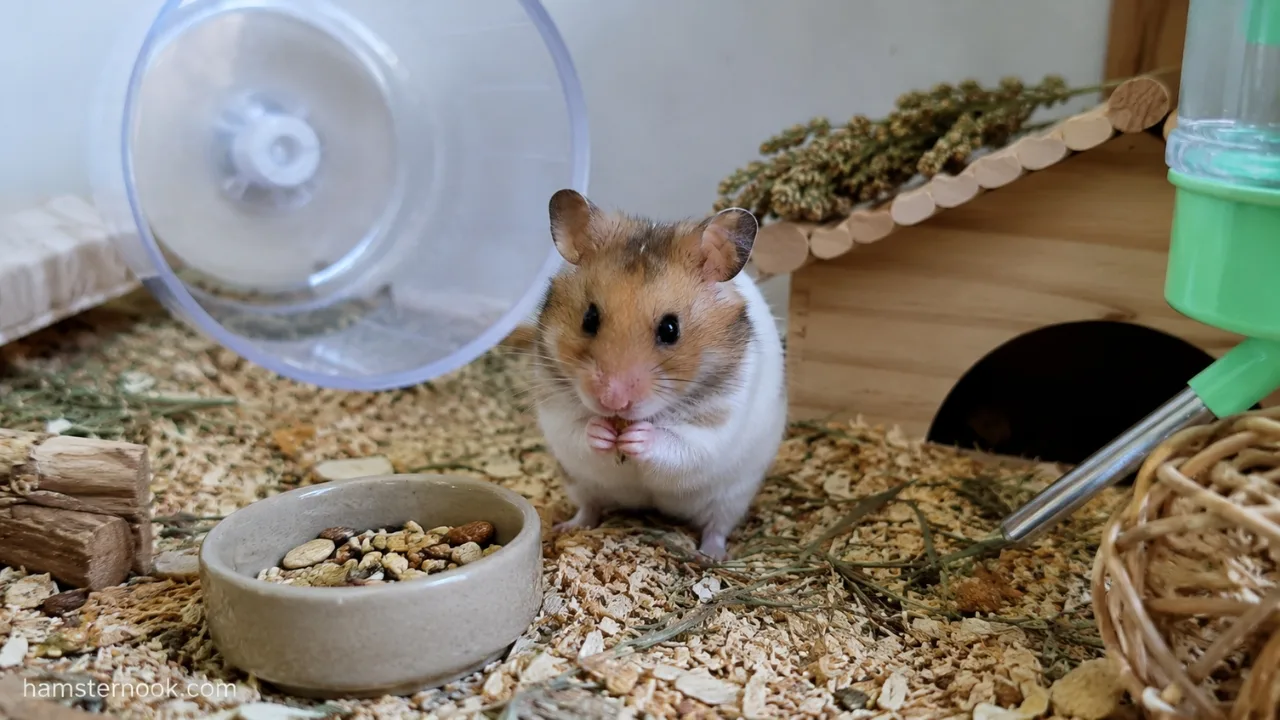
Sometimes hamsters stop moving simply because they are curious.
They may be:
- Watching your movements
- Listening to your voice
- Trying to identify a scent
- Deciding whether to approach
A curious hamster often resumes normal activity after a few seconds.
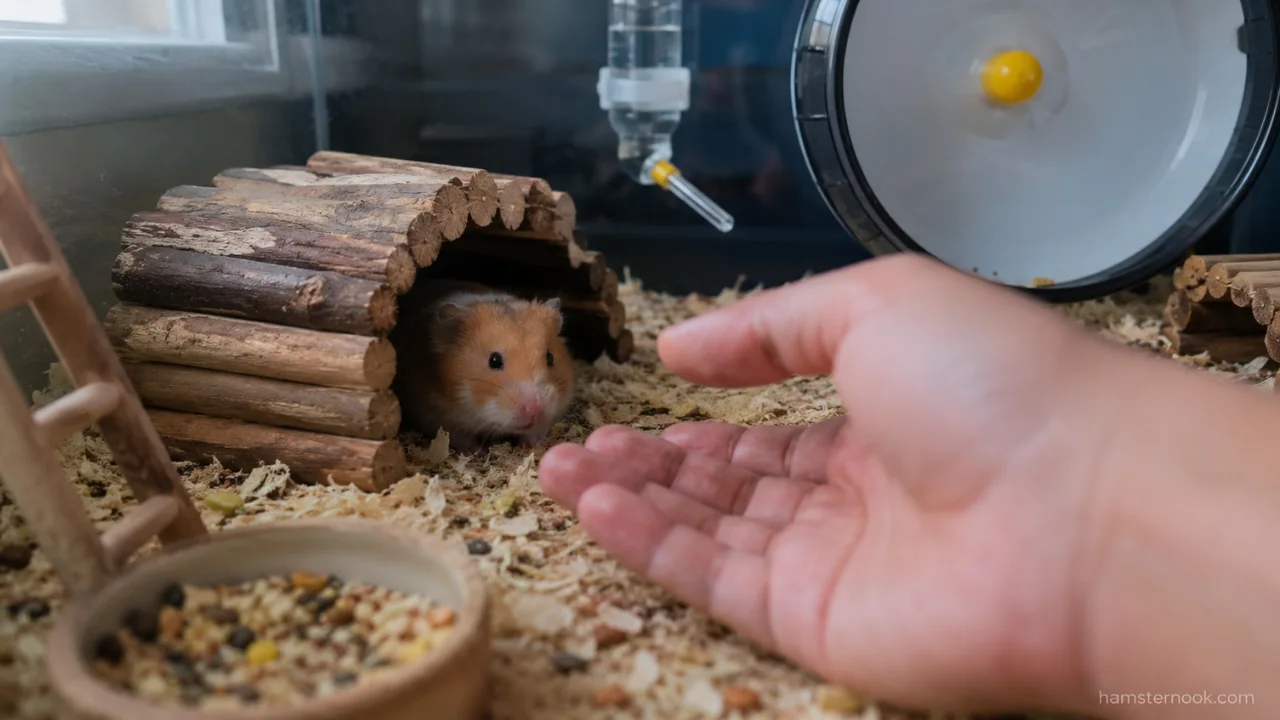
If your hamster regularly watches you from the cage, you may also enjoy learning Can Hamsters Learn Their Names?, as many owners are surprised by how well hamsters can recognize familiar sounds and routines.
Fear Freeze vs Curiosity Freeze
The hamster’s body language after the freeze usually tells you whether it was cautious or genuinely worried.
| Behavior | Fear-Based Freeze | Curiosity-Based Freeze |
|---|---|---|
| Body posture | Tense and rigid | Relaxed but still |
| Ears | Flattened or alert | Normal position |
| Duration | Often longer | Usually brief |
| Reaction afterward | Hides or runs away | Continues exploring |
| Response to treats | Avoids them | May approach cautiously |
Most hamsters show both types of freezing at different times.
Signs the Freezing May Be Stress-Related
Occasional freezing is normal, but repeated stress-related behavior deserves attention.

Watch for these additional signs:
| Possible Sign | What It May Indicate |
|---|---|
| Constant hiding | Ongoing anxiety |
| Refusing food | Stress or illness |
| Frequent biting | Fear-based behavior |
| Excessive cage pacing | Frustration or stress |
| Sudden aggression | Feeling threatened |
| Reduced activity | Physical or emotional stress |
If freezing occurs alongside several of these behaviors, the hamster may need environmental changes or additional time to adjust.
How Your Cage Setup Can Influence Freezing Behavior
The enclosure itself plays a major role in how secure a hamster feels.
Hamsters that lack proper hiding spaces often become more cautious.

A comfortable enclosure should include:
- Multiple hideouts
- Deep bedding for burrowing
- A properly sized wheel
- Areas away from household traffic
- Consistent food and water access
Hamsters that feel exposed tend to remain alert and defensive more often.
Owners evaluating their setup may find Signs Your Hamster Is Stressed and How to Fix It helpful for identifying environmental factors that contribute to stress.
Why New Hamsters Freeze More Frequently
Newly adopted hamsters often freeze more than established pets.
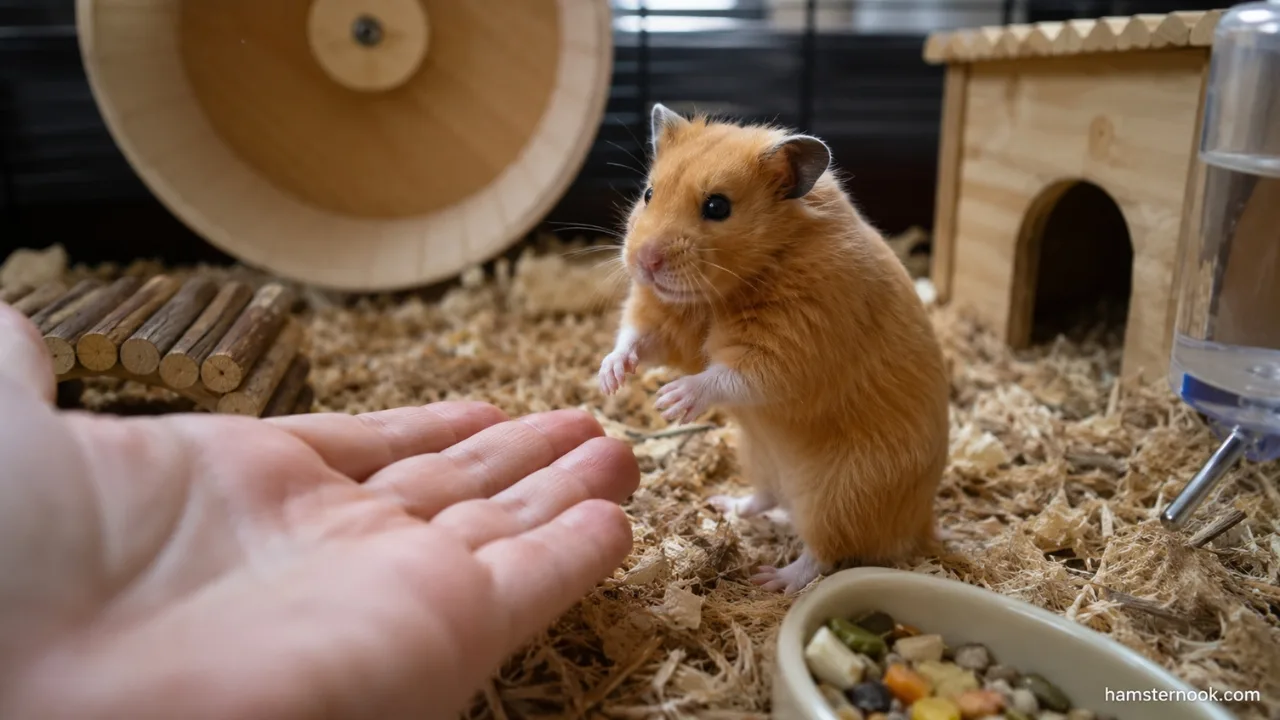
Everything about their environment is unfamiliar.
During the adjustment period, a hamster may:
- Freeze when someone enters the room
- Hide after hearing voices
- Avoid approaching the cage front
- Remain cautious around hands
As the hamster becomes familiar with its surroundings, these reactions often become less frequent.
Patience is often more effective than frequent handling during this stage.
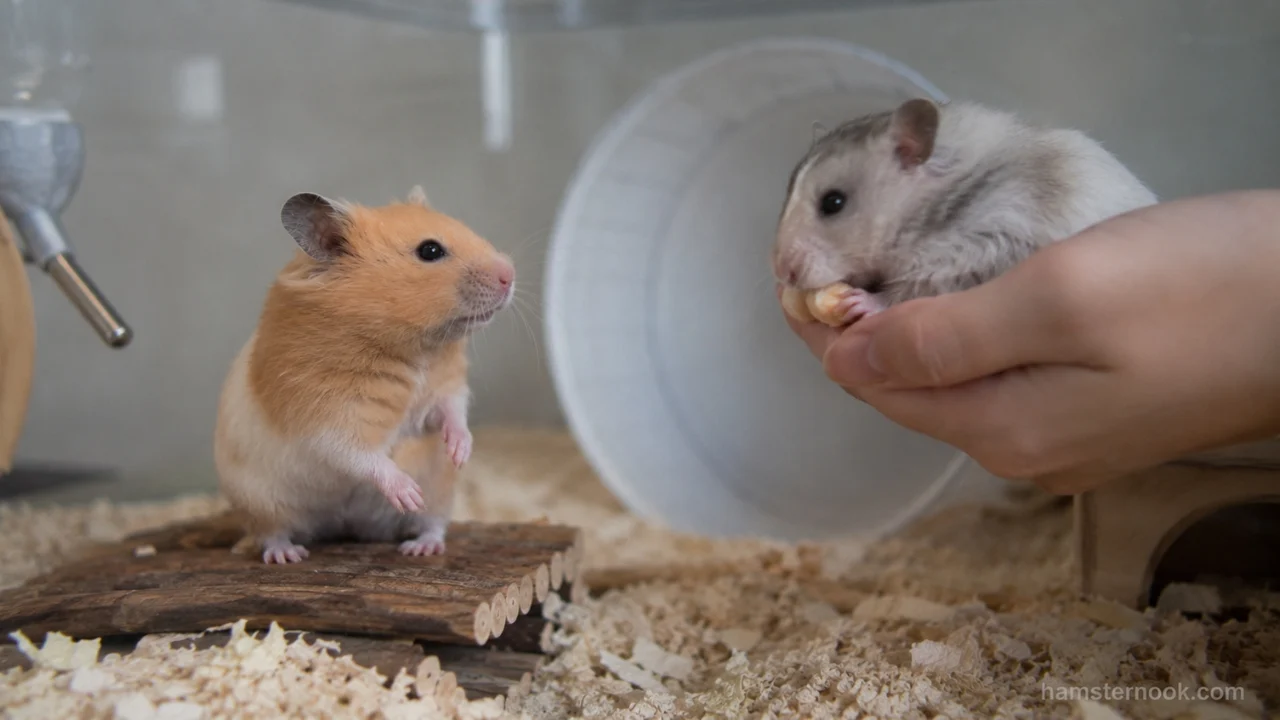
What Should You Do When Your Hamster Freezes?
Remember that freezing itself is not usually the problem. The goal is to help your hamster learn that your presence consistently leads to safe and predictable experiences.
The best response is usually to stay calm and avoid escalating the situation.
Give the Hamster Time
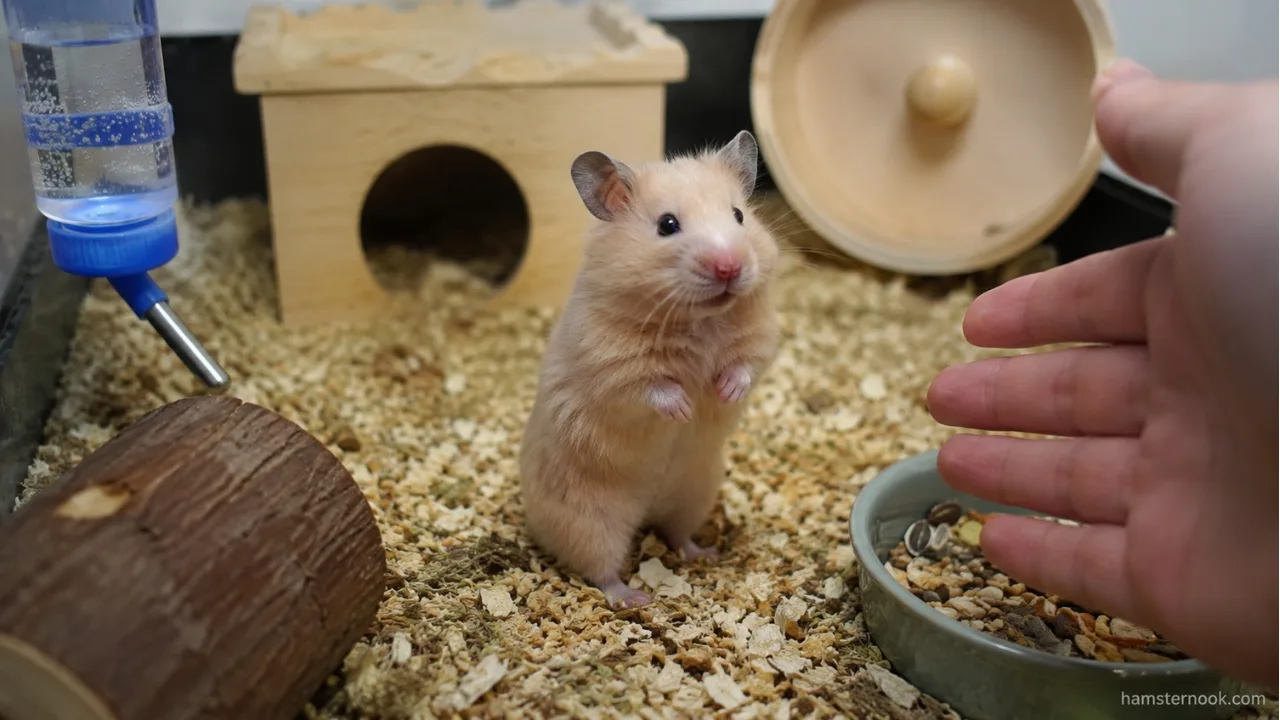
If your hamster freezes, avoid immediately reaching toward it.
Allow it a moment to assess the situation.
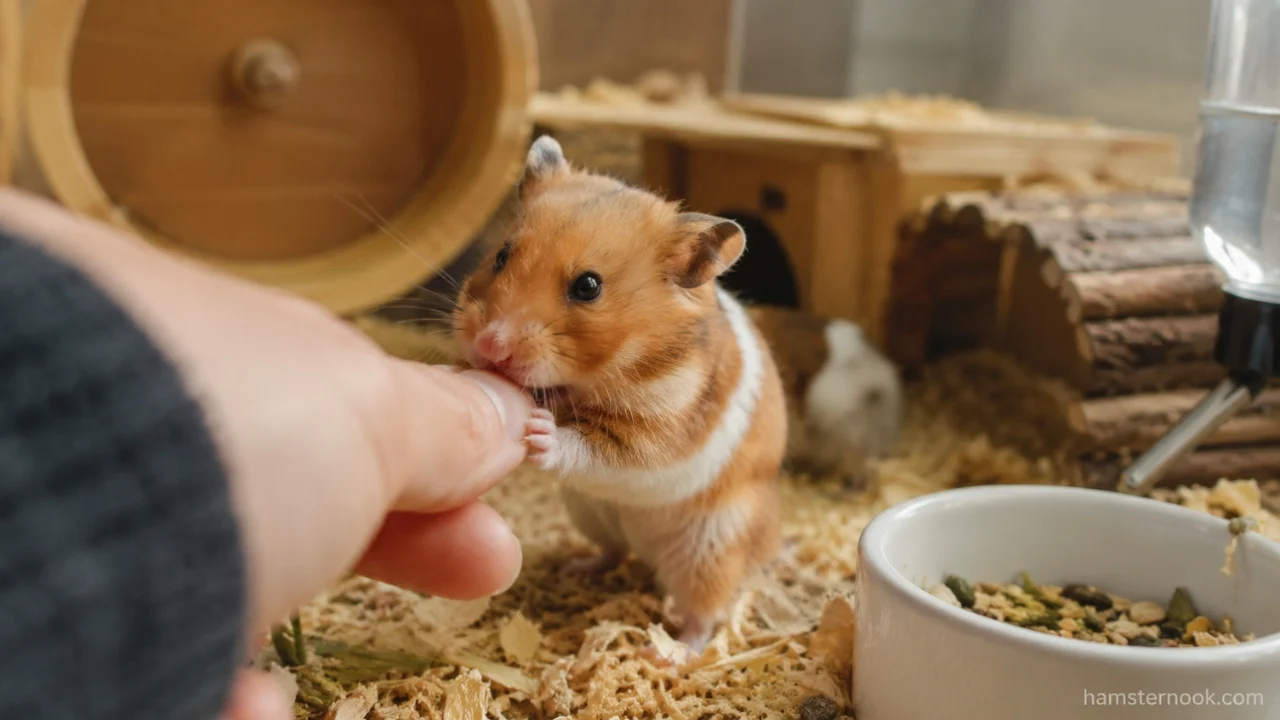
Many hamsters relax naturally once they realize no threat is present.
Speak Softly
Gentle talking helps your hamster become familiar with your voice.
Over time, your presence becomes more predictable and less concerning.
Avoid Sudden Movements
Quick hand movements can reinforce fear responses.
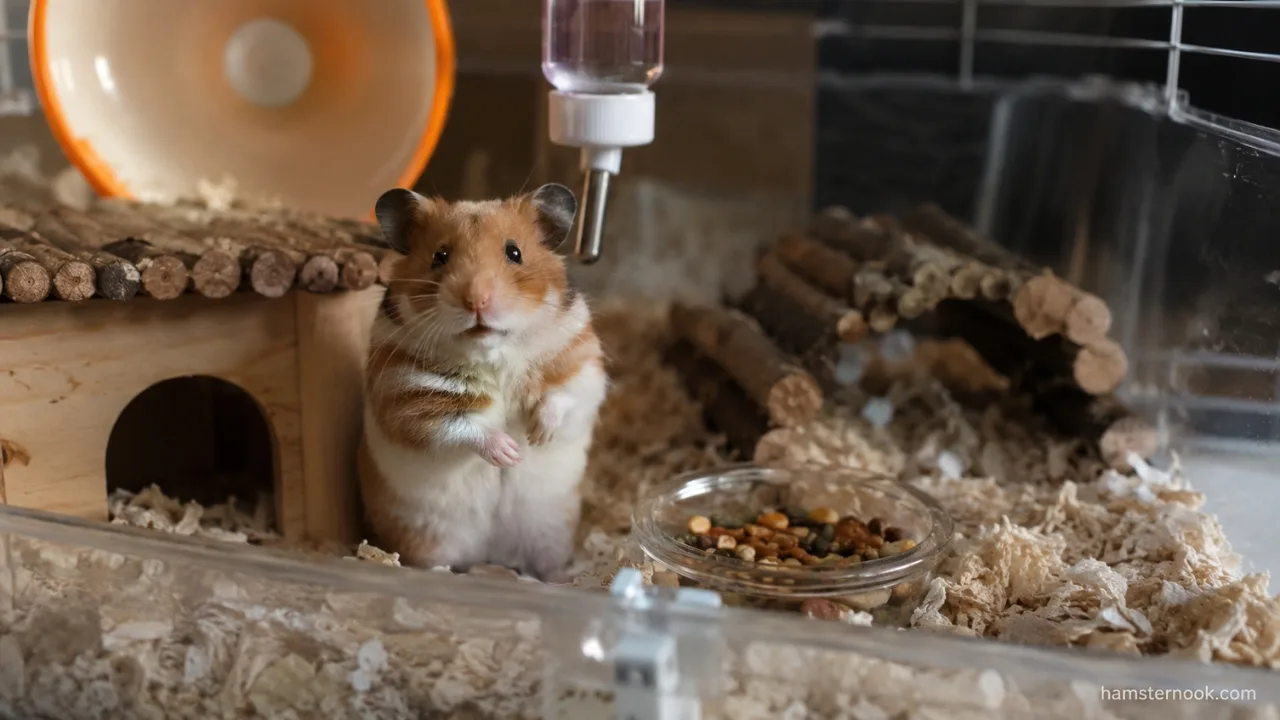
Move slowly when:
- Opening the cage
- Refilling food
- Offering treats
- Cleaning the enclosure
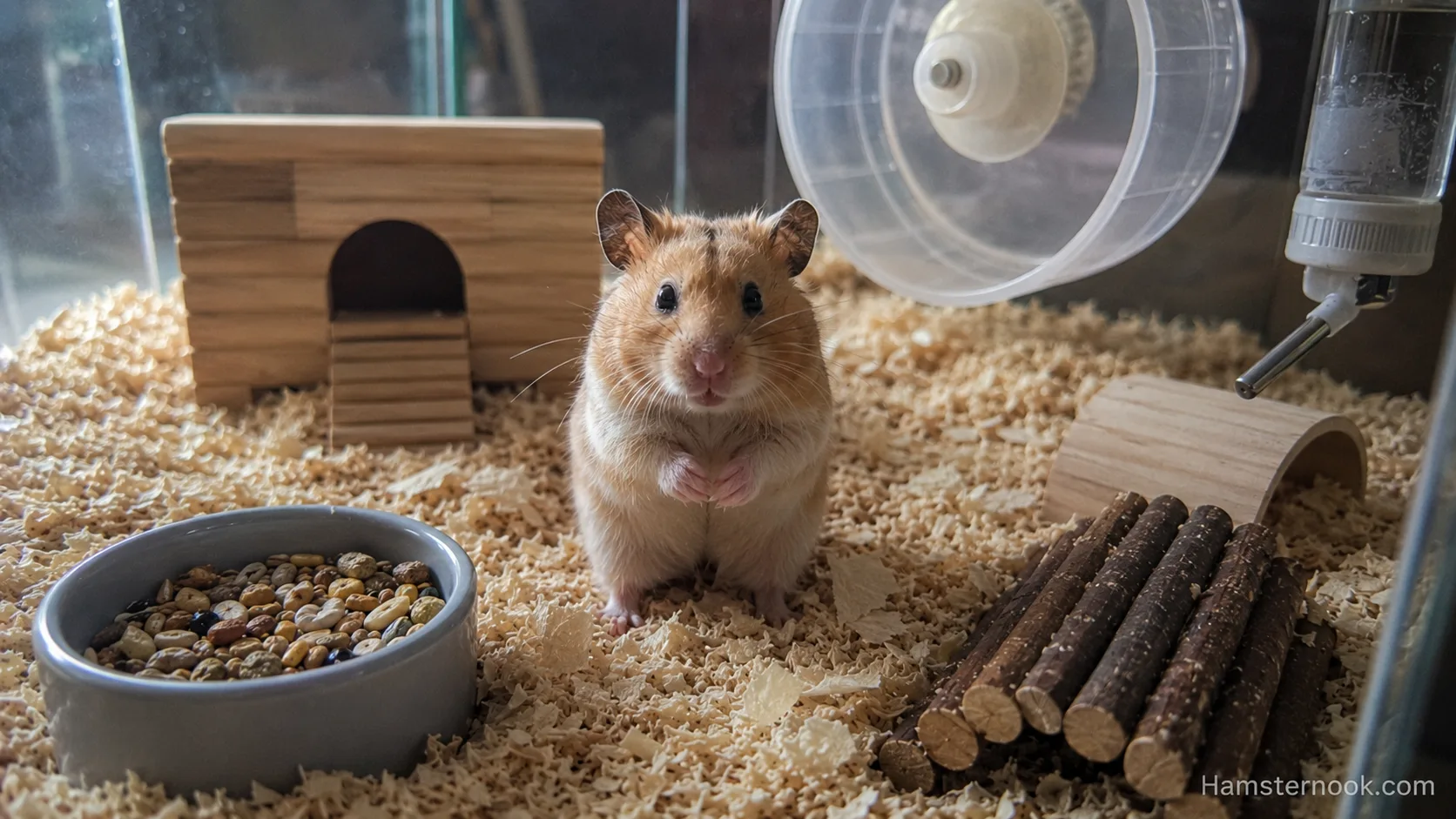
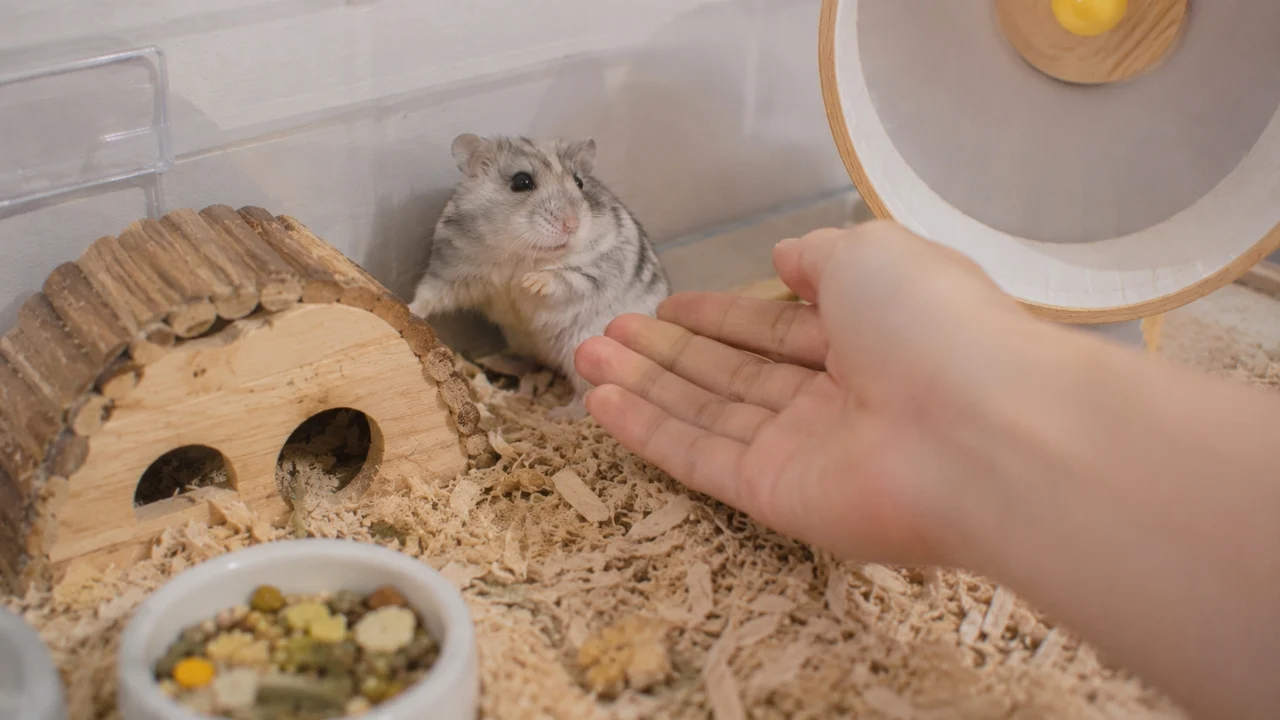
Let Your Hamster Approach You
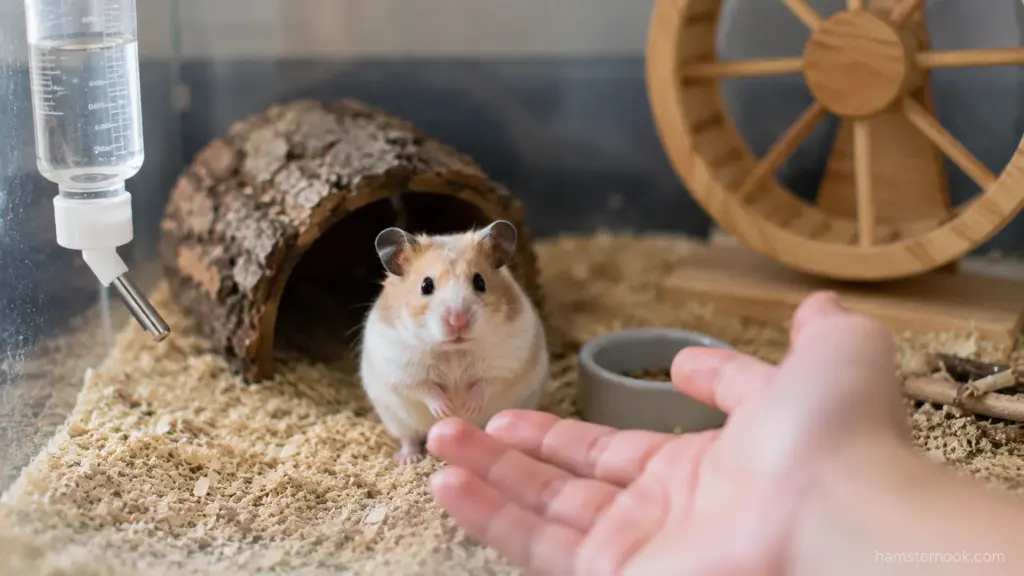
Hamsters generally become more confident when they feel they can choose whether to approach or retreat.
Instead of chasing or grabbing, allow your hamster to decide when to investigate your hand.
This gradual approach often works better than forced interaction.
Owners trying to strengthen trust may also benefit from understanding Why Your New Hamster Seems Scared of Everything, as many early behaviors stem from normal adjustment stress.
Common Mistakes That Make Freezing Worse
Many owners accidentally increase freezing behavior without realizing it.
Forcing Handling Sessions
Picking up a nervous hamster repeatedly can reinforce fear.
Instead, focus on trust-building before attempting regular handling.

Waking a Sleeping Hamster
Hamsters naturally sleep during much of the day.
Being awakened suddenly may cause defensive reactions.
If your hamster seems inactive, it may simply be following a normal sleep schedule. Understanding Why Your Hamster Sleeps So Much During the Day can help set realistic expectations.
Constantly Rearranging the Cage
Hamsters rely heavily on scent and familiarity.
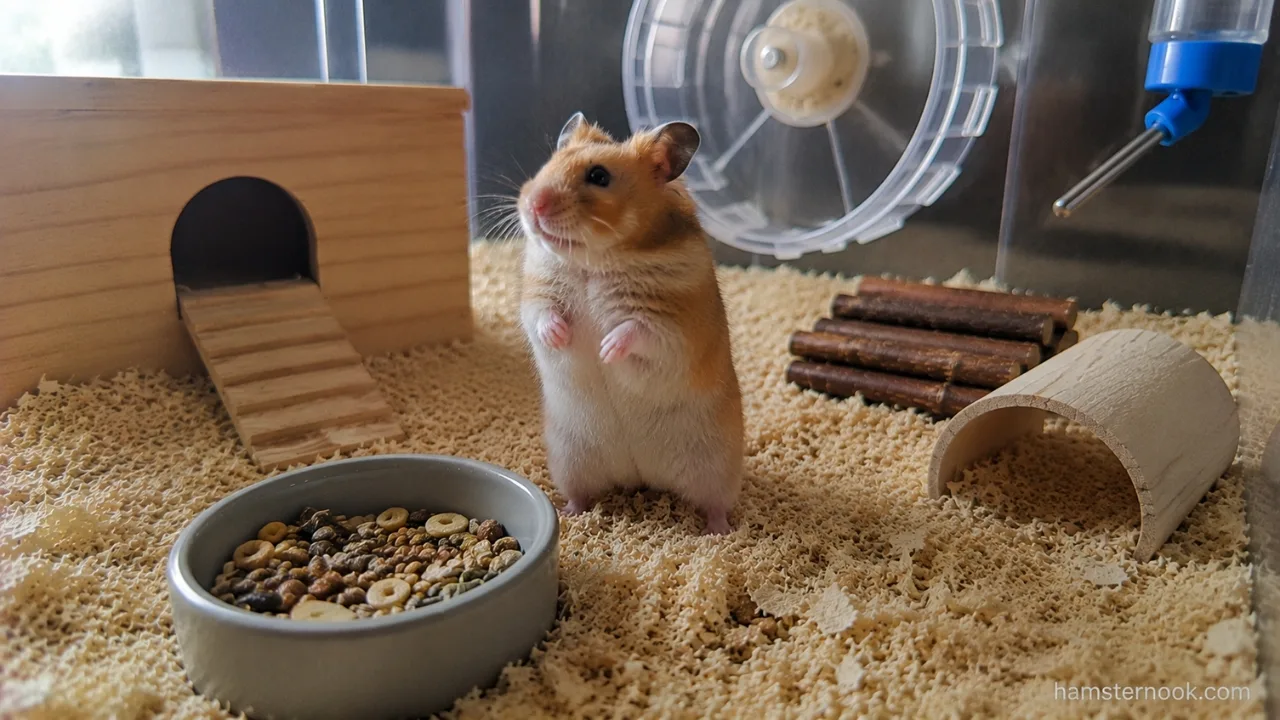
Frequent changes can make the environment feel unpredictable.
Overcrowding Around the Cage
Multiple people staring into the enclosure at once may overwhelm shy hamsters.
When Freezing Could Signal a Health Problem
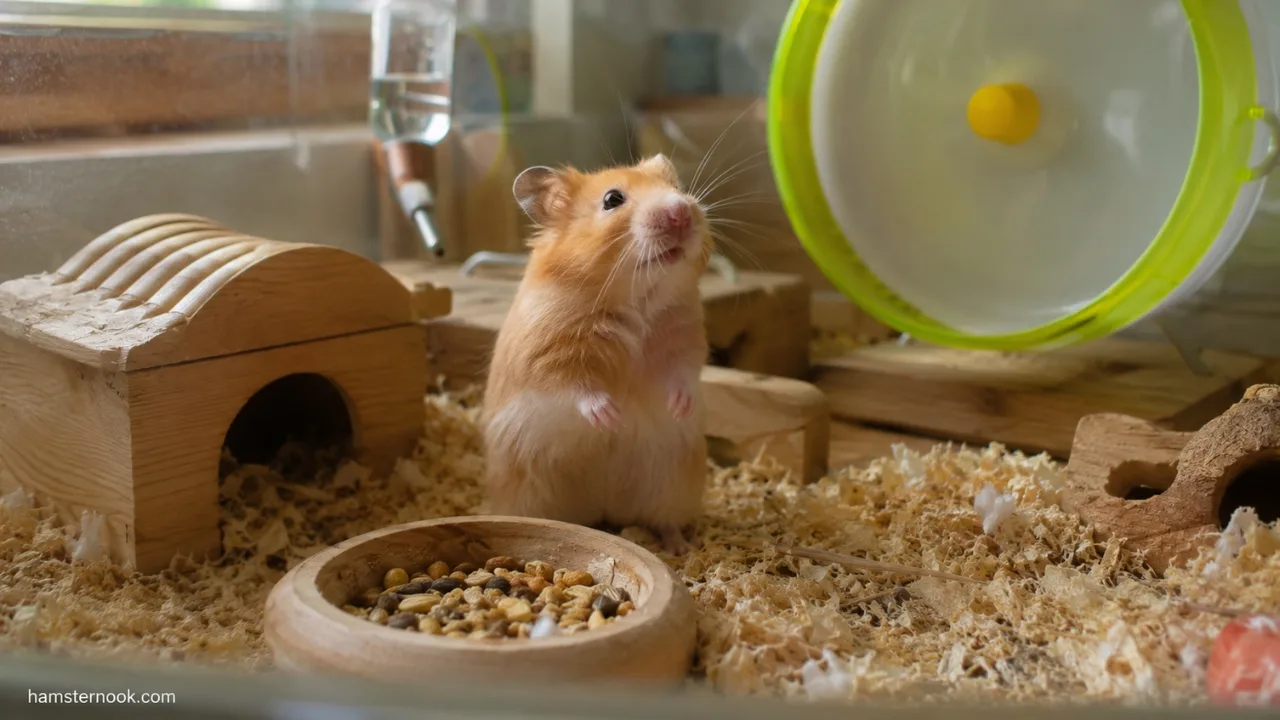
Although freezing is usually behavioral, health issues occasionally contribute.
Contact a veterinarian if freezing is accompanied by:
- Difficulty walking
- Tremors
- Labored breathing
- Refusal to eat or drink
- Significant weight loss
- Unusual lethargy
A healthy hamster should eventually return to normal movement after a freeze response.
Persistent immobility is not typical and warrants professional evaluation.
How Long Does It Take a Hamster to Stop Freezing?
Every hamster is different.
Some become comfortable within a few days, while others may need several weeks.
Factors that influence adjustment include:
| Factor | Possible Impact |
|---|---|
| Personality | Naturally shy hamsters take longer |
| Previous handling | Well-socialized hamsters adjust faster |
| Cage quality | Secure environments build confidence |
| Household noise | Quieter homes reduce stress |
| Owner patience | Consistent, calm interaction helps trust develop |
Most hamsters gain confidence little by little, so small improvements are often a better sign than sudden changes.
Even small changes in confidence are usually a sign that trust is moving in the right direction.
Final Thoughts
If your hamster freezes when it sees you, don’t assume something is wrong. In most cases, freezing is a completely normal survival behavior that reflects caution, curiosity, or temporary uncertainty.

Hamsters are naturally vigilant animals, and their instincts often remain active even in safe home environments. By moving slowly, respecting their space, and allowing trust to develop at their pace, most owners see freezing behavior decrease over time.
Even hamsters that are comfortable with their owners may occasionally freeze when something catches their attention unexpectedly. Instead, focus on helping your hamster feel secure enough that it no longer sees your presence as something worth worrying about.
Frequently Asked Questions
Why does my hamster suddenly stop moving when I walk by the cage?
Your hamster is likely assessing its surroundings. This is a natural prey-animal behavior designed to help detect potential threats.
Is my hamster scared of me if it freezes?
Not necessarily. Freezing can be caused by fear, caution, curiosity, or simply paying close attention to movement nearby.
How can I make my hamster less nervous around me?
Move slowly, speak softly, avoid sudden handling, and allow your hamster to approach you voluntarily. Consistency helps build trust.
Why does my hamster freeze and then run away?
This often means the hamster paused to evaluate the situation and then decided retreating felt safer.
Do friendly hamsters still freeze sometimes?
Yes. Even well-socialized hamsters occasionally freeze when startled or when observing something unfamiliar.
Should I pick up my hamster when it freezes?
Generally no. Allow the hamster to relax first. Picking up a frozen hamster immediately may increase stress and make trust-building more difficult.

Narayan Kumar is the founder and author of HamsterNook. He creates practical, research-based hamster care guides covering hamster behavior, nutrition, cage setup, enrichment, health, and everyday care. His goal is to help hamster owners make informed decisions and provide safer, healthier lives for their pets through clear, beginner-friendly information based on trusted animal care resources.