
The first month with a new hamster often determines what your relationship with that pet will look like for months—or even years—to come. Many owners focus on buying the right cage, bedding, and food, but overlook the small daily decisions that influence a hamster’s trust, confidence, and overall health.
A hamster that feels safe during its first 30 days is more likely to become curious, relaxed, and easier to handle. On the other hand, repeated mistakes during this adjustment period can create stress, fear, and health problems that take much longer to correct.
Most first-month mistakes become much easier to avoid once you understand how hamsters adapt to a new home. By understanding what your hamster needs during this critical period, you can build a strong foundation for a healthy and trusting pet.
Quick Answer:
The biggest first-month mistakes are rushing interaction, disturbing sleep, using inadequate housing, overfeeding treats, cleaning too aggressively, and overlooking changes in normal behavior. Give your hamster time to settle, keep its routine predictable, provide appropriate enrichment, and watch for signs that may indicate stress or illness.
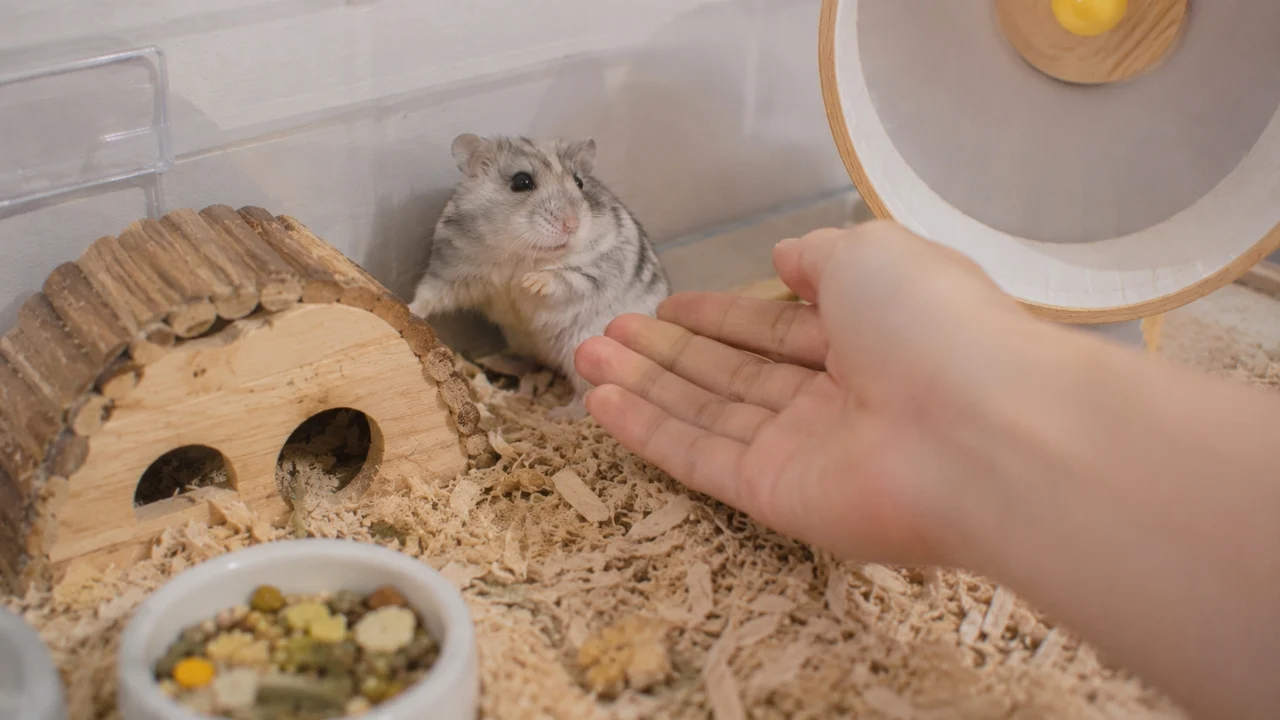
Why the First 30 Days Matter More Than Most Owners Realize
When a hamster arrives in a new home, everything is unfamiliar.
The smells, sounds, lighting, schedule, and environment are completely different from what the hamster previously experienced. Even confident hamsters need time to learn that their new surroundings are safe.
During the first month, your hamster is:
- Establishing a daily routine
- Learning where food and water are located
- Creating nesting and sleeping areas
- Adjusting to household activity
- Deciding whether people are safe or threatening
The experiences a hamster has during these early weeks often influence how comfortable and confident it feels later on.

Your Hamster Is Learning More Than You Think
During the first month, your hamster is constantly assessing whether its new environment is predictable and safe. Small daily experiences—such as how often the cage is disturbed, when food appears, and how people behave around the enclosure—can influence future confidence levels.
A hamster that repeatedly experiences calm, predictable routines usually settles more quickly than one exposed to frequent disruptions. Even simple habits, such as feeding at similar times each evening and avoiding unnecessary disturbances during the day, can help create a stronger sense of security.
Mistake #1: Trying to Bond Too Quickly

One of the most common first-month mistakes is rushing the bonding process.
Many owners bring home a hamster and immediately want to hold, pet, and play with it. While the intention is good, hamsters are prey animals and often interpret forced interaction as a threat.

What feels like friendly attention to an owner can feel overwhelming to a hamster that has not yet settled into its new home.
Signs your hamster may need more space include:
- Running away when approached
- Freezing when your hand enters the cage
- Hiding excessively
- Biting defensively
- Refusing treats
Trust develops gradually. If you’re interested in understanding how hamsters recognize familiar people, the topic is closely related to Can Hamsters Learn Their Names?, which explores how hamsters respond to repeated interactions and cues.
Better Approach
For the first few days, focus on allowing your hamster to observe you rather than forcing interaction. Sitting near the enclosure, speaking softly, and offering occasional treats often produces better long-term results than immediate handling.
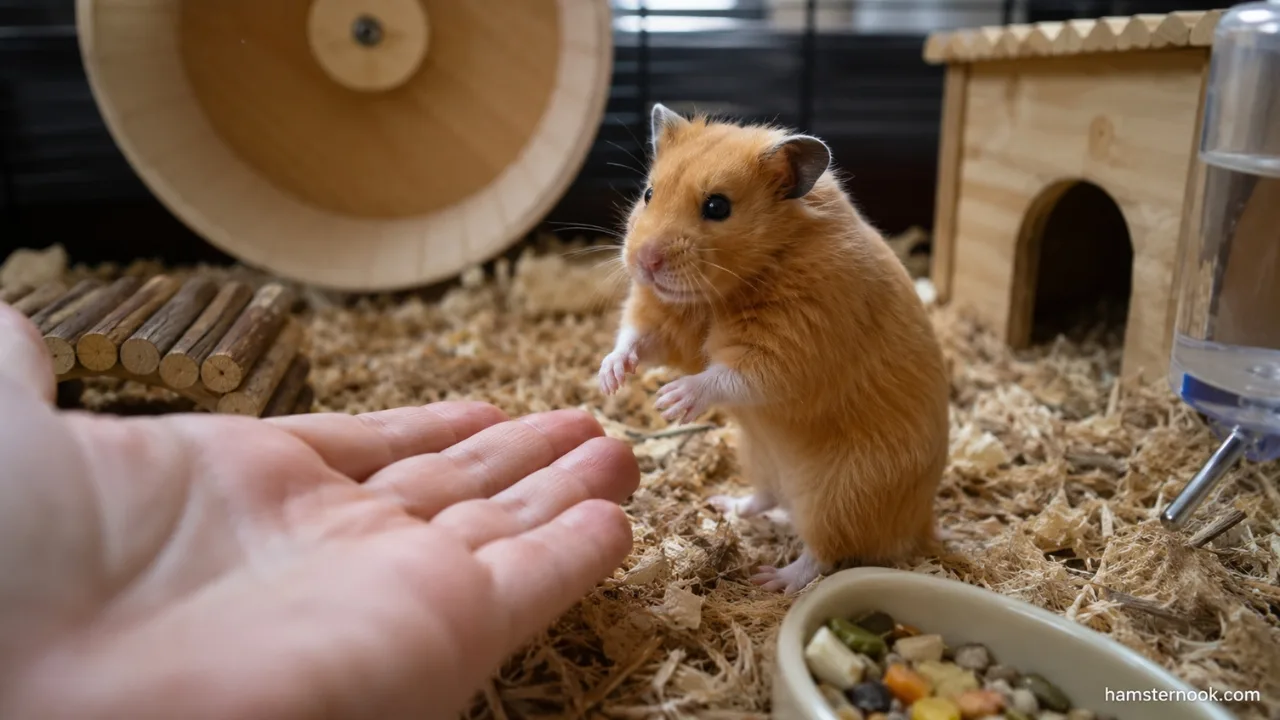
The first night is especially important because your hamster is adjusting to unfamiliar surroundings. The First Night With a New Hamster: What to Expect and What to Avoid covers the early adjustment period and common mistakes to avoid.
Mistake #2: Disturbing Sleep During the Day
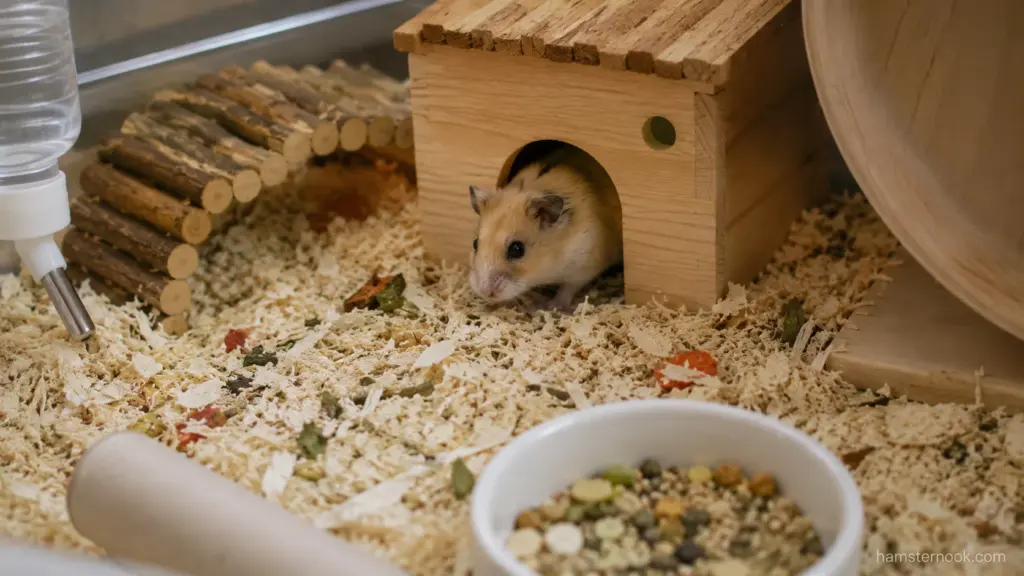
Hamsters are naturally active during the evening and nighttime.
New owners often become worried when they rarely see their hamster during daylight hours. As a result, they may wake the hamster to play, clean the cage, or introduce family members.
Understanding your hamster’s normal sleep routine can make the first month much easier. Are Hamsters Nocturnal? Their Natural Sleep Schedule Explained explains when hamsters are normally active and why daytime sleep should be respected.

Repeated sleep interruptions can cause:
| Potential Issue | Why It Happens |
|---|---|
| Irritability | Sleep cycles are disrupted |
| Increased stress | The hamster feels unsafe |
| Defensive behavior | The hamster is startled awake |
| Reduced activity | Poor rest affects energy levels |
Allowing your hamster to wake naturally helps maintain a healthy routine.
Mistake #3: Choosing a Cage That Is Too Small
A surprisingly large number of commercially marketed hamster cages do not provide enough space for long-term well-being.
Hamsters need room to:

- Run
- Explore
- Dig
- Forage
- Create separate sleeping and bathroom areas
Small enclosures can contribute to stress-related behaviors such as:
- Bar chewing
- Repetitive pacing
- Climbing obsessively
- Escape attempts
Many owners discover this problem after noticing unusual behaviors discussed in Do Hamsters Get Bored in Their Cage?, where inadequate space is often a contributing factor.
Mistake #4: Overfeeding Treats During the Adjustment Period
Treats are useful tools for building trust, but they should not become the foundation of a hamster’s diet.
New owners often offer treats constantly because they want positive interactions. Unfortunately, this can create several issues:

- Weight gain
- Selective eating
- Nutritional imbalance
- Reduced interest in regular food
The healthiest approach is to offer treats occasionally while ensuring a quality hamster food remains the primary diet.
Safe Treat Guidelines During the First Month
| Treat Type | General Guidance |
|---|---|
| Seeds | Offer small amounts as treats rather than making them the main diet. |
| Vegetables | Introduce suitable vegetables in small amounts and monitor how your hamster responds. |
| Fruit | Offer only small amounts because fruit is relatively high in sugar. |
| Commercial treats | Choose hamster-appropriate options and use them sparingly. |
| Sugary snacks | Avoid foods that are heavily sweetened or unsuitable for hamsters. |
Moderation is especially important for dwarf hamster species, which can be more sensitive to dietary imbalances.
Mistake #5: Cleaning the Entire Cage Too Often
Many people assume that a completely clean cage is always better.
However, hamsters rely heavily on scent to understand their environment. Removing every trace of their scent repeatedly can be stressful.
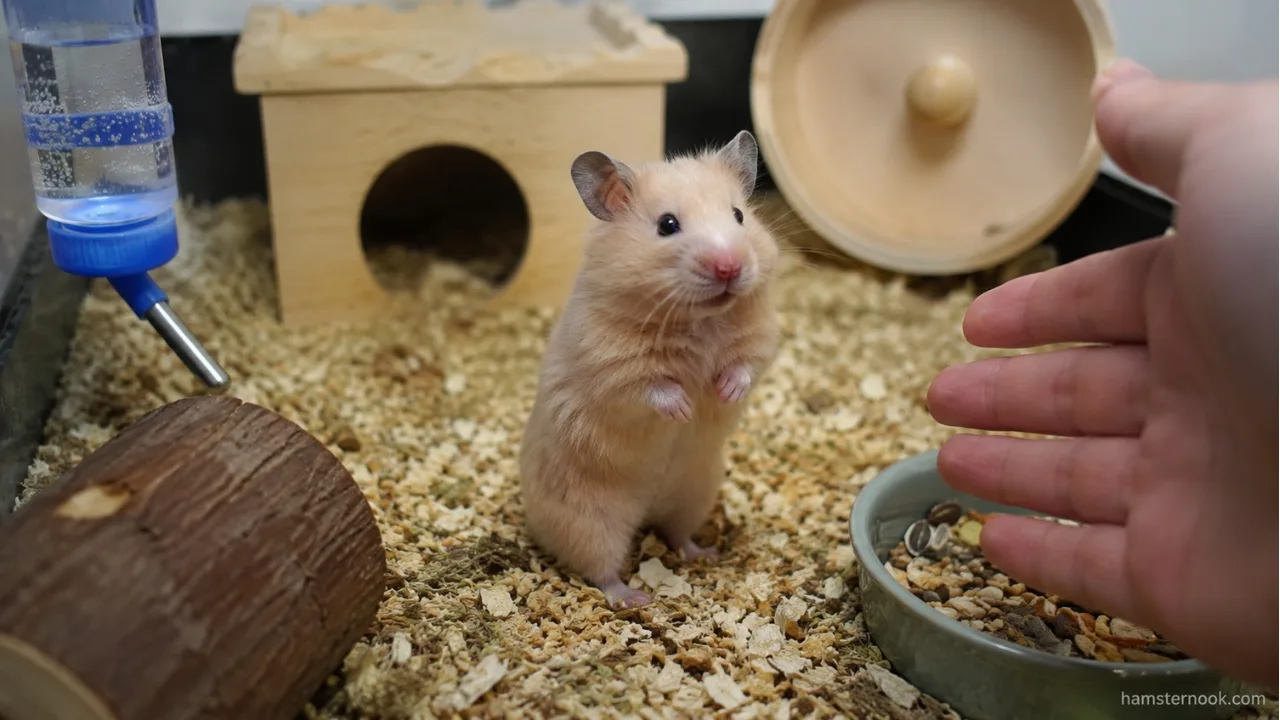
A better approach is spot cleaning.
Spot Cleaning vs Full Cleaning
| Cleaning Method | Best Use |
|---|---|
| Spot cleaning | Daily or as needed |
| Partial bedding replacement | Periodically |
| Full cage cleaning | Only when necessary |
Keeping some familiar bedding helps maintain a sense of security.
Mistake #6: Ignoring Early Signs of Stress
Stress can affect both trust and physical health.
New hamster owners sometimes mistake stress-related behavior for personality traits.
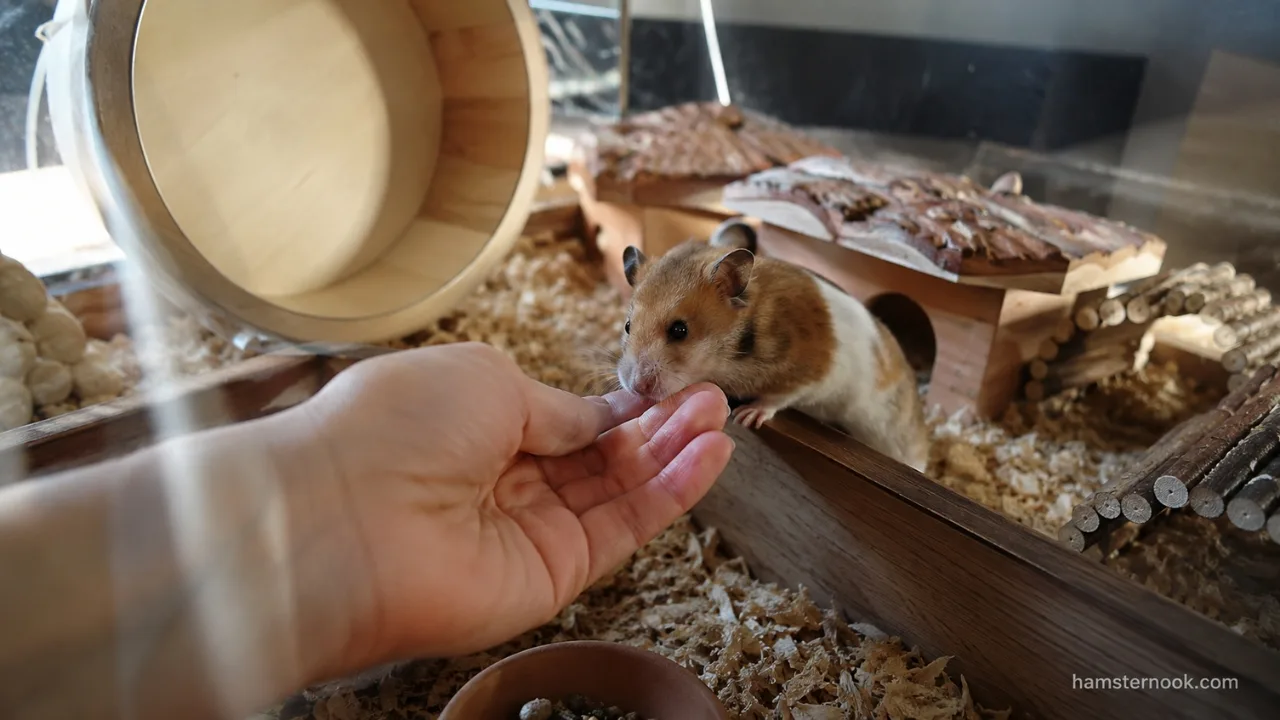
For example:
- A frightened hamster may seem “aggressive”
- A stressed hamster may appear “lazy”
- A nervous hamster may seem “antisocial”
Learning to recognize stress signals early allows owners to make adjustments before problems become more serious.
Common Stress Warning Signs
| Sign | Possible Meaning |
|---|---|
| Constant hiding | Fear or insecurity |
| Excessive chewing | Frustration |
| Refusing food | Stress or illness |
| Sudden aggression | Feeling threatened |
| Repetitive pacing | Environmental issues |
Persistent behavioral changes should never be ignored.
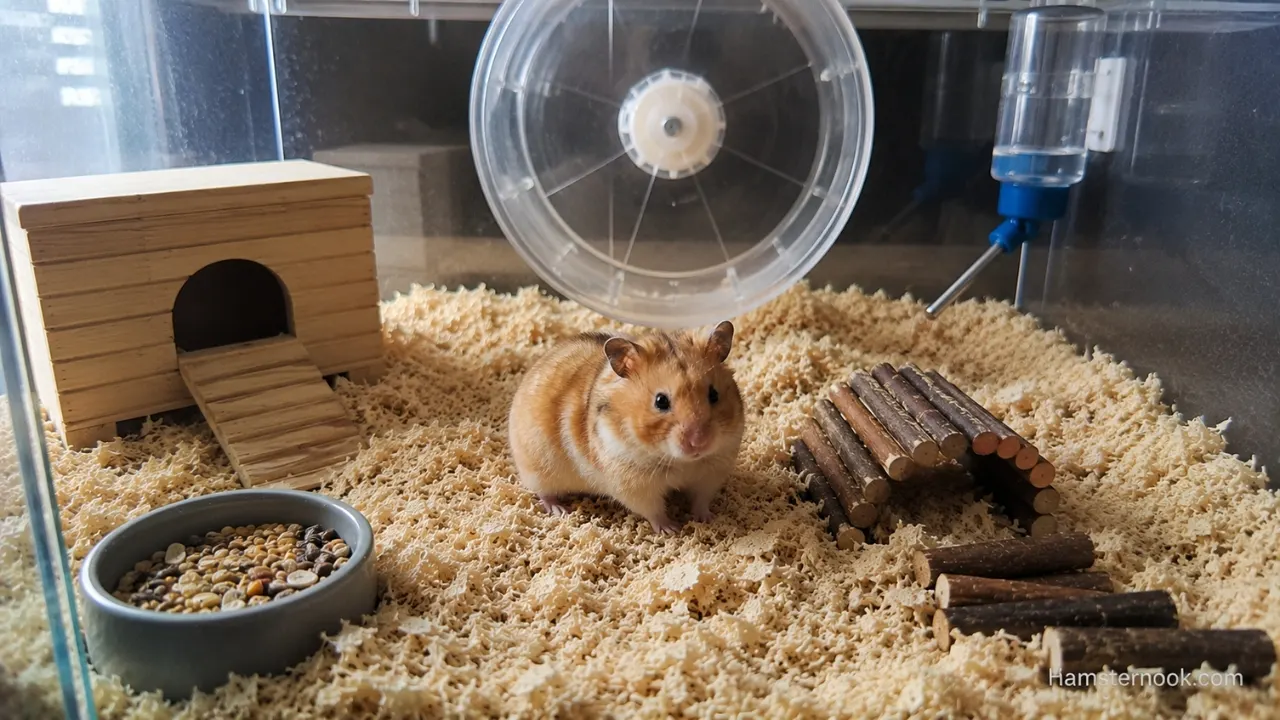
Mistake #7: Using Unsafe Exercise Equipment
Exercise is important, but not all hamster accessories are equally safe.

One common mistake is choosing equipment based on appearance rather than function.
Potential problems include:
- Wheels that are too small
- Wire exercise wheels
- Unsafe plastic accessories
- Narrow tunnels
A hamster’s exercise setup should allow natural movement without causing strain.
Many wheel-related issues overlap with topics discussed in Why Is My Hamster Running on the Wheel So Much?, where activity levels and environmental enrichment often go hand in hand.
Mistake #8: Assuming Every Hamster Has the Same Personality
Not all hamsters behave the same way.
Some become confident and curious quickly. Others remain cautious for weeks.
Comparing your hamster to videos online or another person’s pet can create unrealistic expectations.
Personality Differences Are Normal
| Behavior Type | Typical Traits |
|---|---|
| Curious | Explores readily |
| Cautious | Observes before interacting |
| Independent | Prefers limited handling |
| Food-Motivated | Responds strongly to treats |
Owners usually get the best results when they work with their hamster’s personality instead of trying to change it.
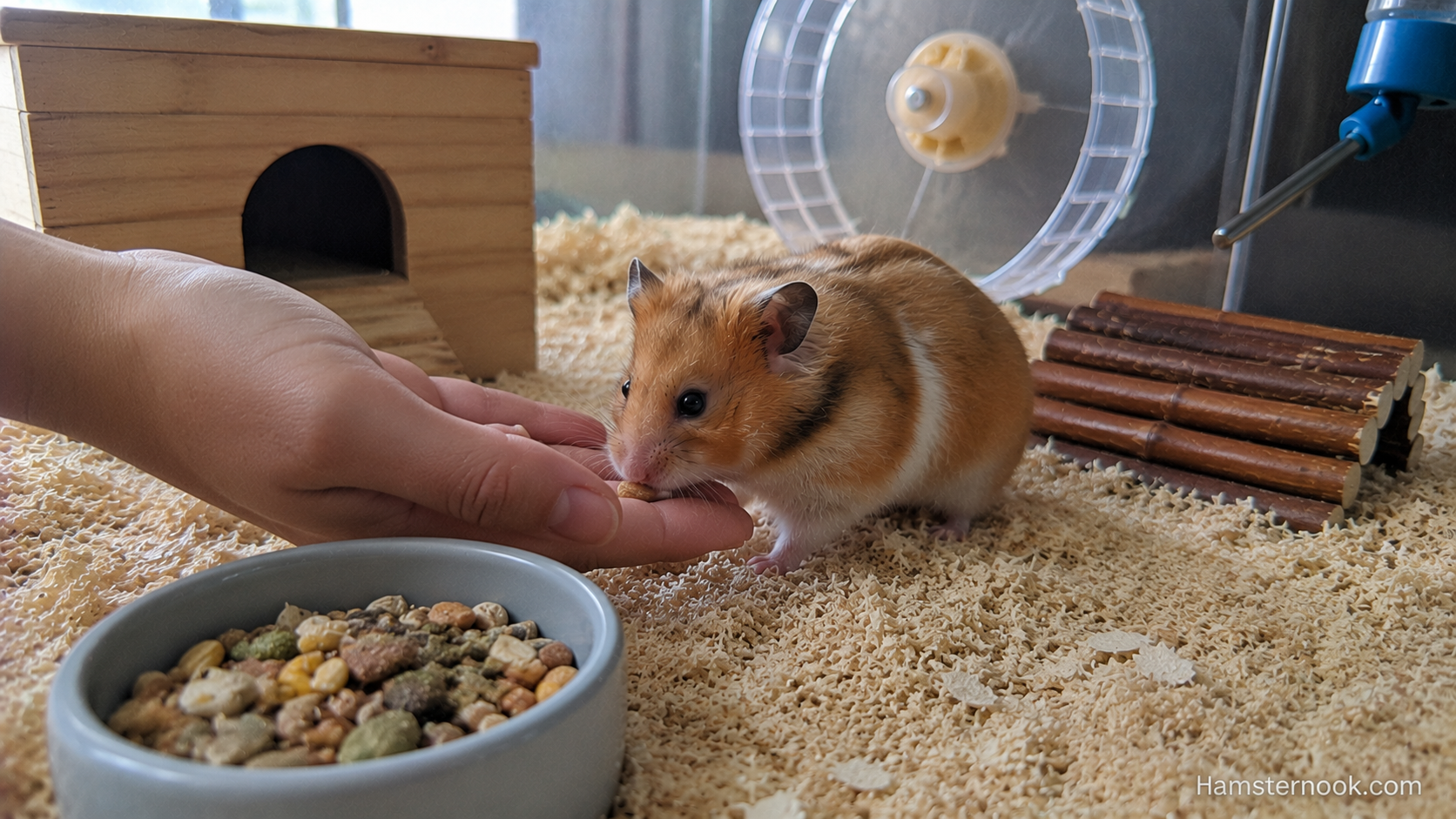
Mistake #9: Neglecting Environmental Enrichment
A hamster’s enclosure should provide more than food and water.
Mental stimulation is important for preventing boredom and stress.
Good enrichment may include:
- Deep bedding
- Hiding spots
- Tunnels
- Foraging opportunities
- Safe chew items
Hamsters that lack enrichment are more likely to develop unwanted behaviors.

If you’re interested in enrichment ideas, 10 Ways to Make a Hamster Cage More Enriching and Less Boring offers simple ways to add variety without expensive accessories.
Mistake #10: Waiting Too Long to Learn Normal Health Behaviors
The first month is the ideal time to observe what is normal for your hamster.
Pay attention to:
- Eating habits
- Water consumption
- Activity patterns
- Sleeping schedule
- Grooming habits
Understanding your hamster’s baseline behavior makes it easier to notice changes that may indicate illness.
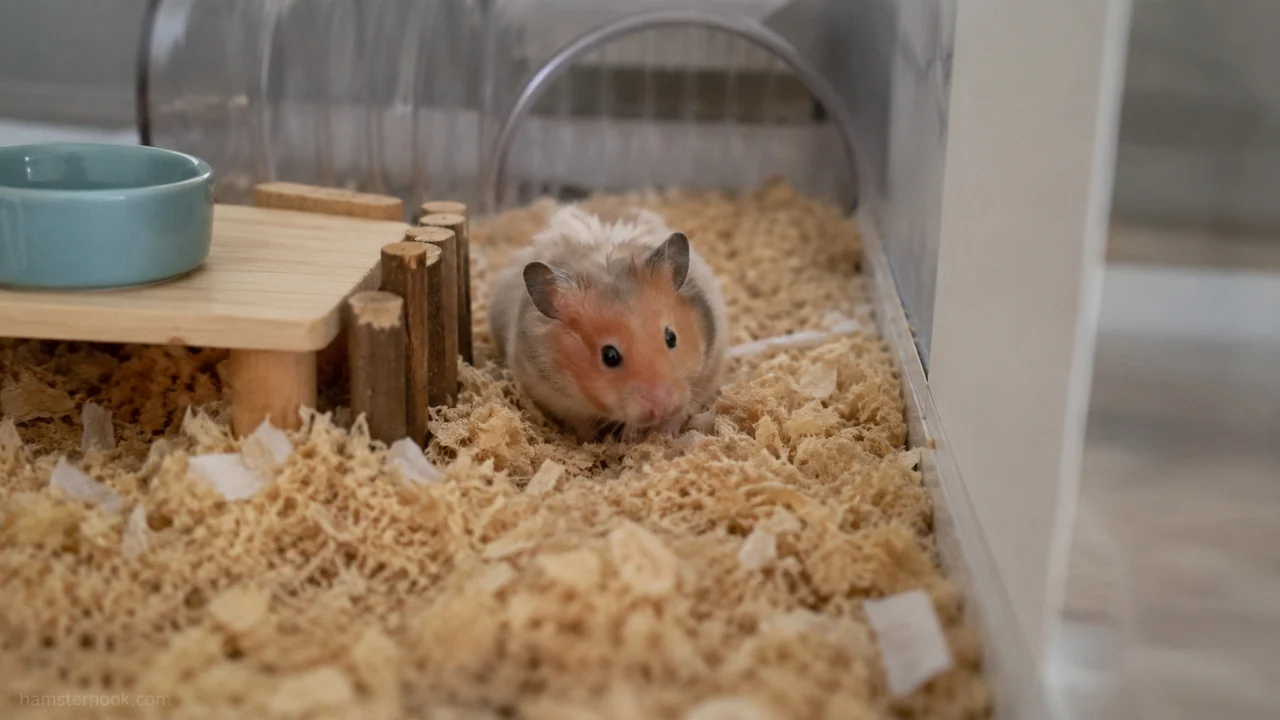
Owners who learn these patterns early are often better prepared to recognize problems discussed in guides such as Signs Your Hamster May Be Sick, where early detection can make a significant difference.
Simple Weekly Health Check
Once your hamster becomes comfortable, spend a few minutes each week observing:
- Body condition
- Fur quality
- Eye appearance
- Activity level
- Appetite
If you notice a persistent change in appetite, activity, breathing, balance, appearance, or other normal behavior, do not assume it is simply part of settling in. Hamsters can become unwell quickly, so unusual or worsening changes should be discussed with a veterinarian.
What a Healthy First Month Should Look Like
Not every hamster adjusts at the same pace, but most healthy adjustment periods follow a similar pattern.

| Time Period | Typical Behavior |
|---|---|
| Days 1–3 | Hiding, exploring cautiously |
| Week 1 | Learning routines |
| Week 2 | Increased confidence |
| Week 3 | Accepting interaction more readily |
| Week 4 | Establishing consistent habits |
Some days will go better than others, and that’s completely normal. Some days your hamster may seem more confident than others.
Building Trust Without Causing Stress
The best way to earn a hamster’s trust is through consistency.
Helpful habits include:
- Speaking softly near the cage
- Offering treats occasionally
- Respecting sleep schedules
- Moving slowly around the enclosure
- Allowing voluntary interaction
Trust usually grows through small positive experiences that happen consistently over time. It develops when a hamster learns that your presence consistently leads to safety rather than fear.
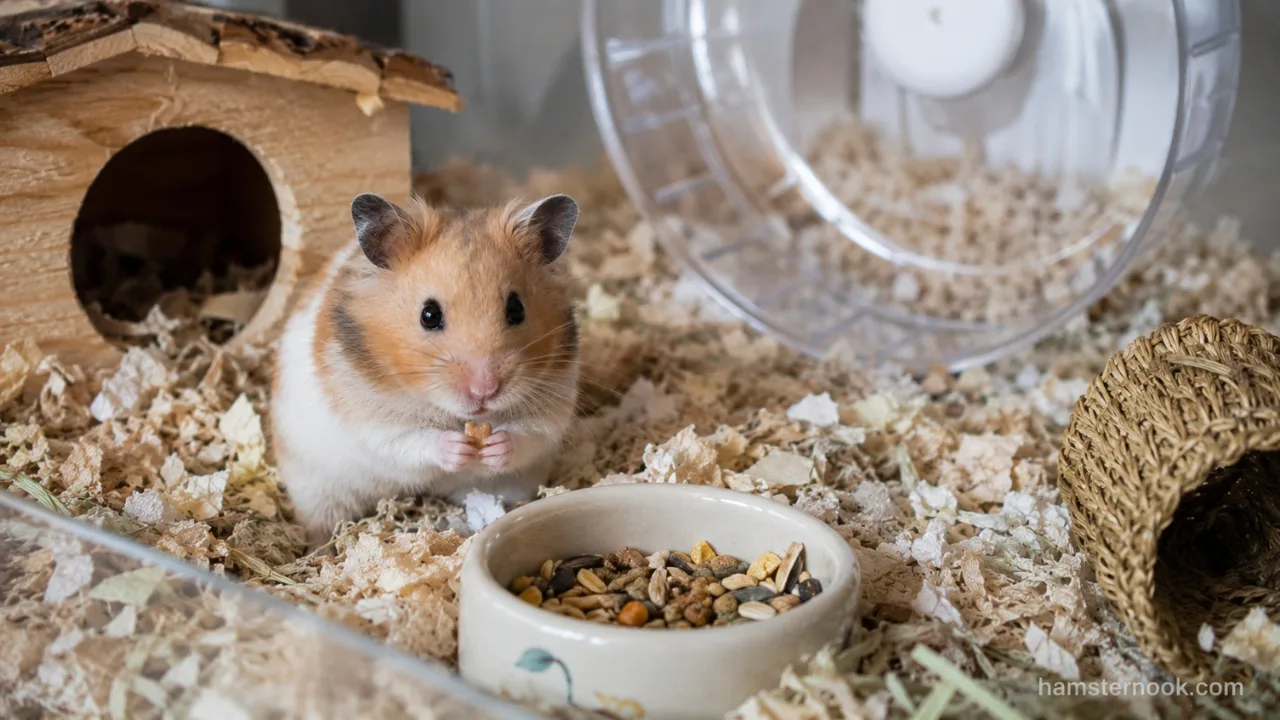
As your hamster becomes more comfortable, 10 Signs Your Hamster Trusts You: How to Tell If They Like You can help you recognize gradual changes in confidence and voluntary interaction.
Final Thoughts
The first 30 days with a hamster are less about training and more about creating security. Most early mistakes happen because owners are excited to interact with their new pet and unintentionally move faster than the hamster is comfortable with.
Most hamsters settle more successfully when owners allow them to adjust at their own pace.
By avoiding rushed handling, protecting sleep, providing adequate space, monitoring health closely, and allowing trust to develop naturally, you’ll give your hamster the best possible start in its new home.

A calm and patient first month often leads to a healthier, more confident hamster and a stronger relationship for years to come.
Frequently Asked Questions
How long does it take a hamster to trust its owner?
Most hamsters begin showing increased confidence within a few weeks, although some may take longer depending on personality and previous experiences.
Should I hold my hamster during the first week?
It’s generally better to allow your hamster time to settle before beginning regular handling sessions. Focus on building familiarity first.
Is it normal for a new hamster to hide constantly?
Yes. Hiding is one of the most common adjustment behaviors during the first days and weeks after arriving in a new home.
Can I clean a hamster cage during the first week?
Yes, but limit cleaning to necessary spot cleaning unless there is a hygiene issue. Frequent full cleanouts can increase stress during the adjustment period.
How do I know if I’m moving too fast with taming?
If your hamster consistently hides, runs away, freezes, or avoids treats after interaction attempts, slowing down the bonding process may help.
Is it normal for a new hamster to ignore treats?
Yes. Some hamsters are too focused on adjusting to their new surroundings to show interest in treats immediately. Appetite and confidence often improve as they settle in.
References
This guide is based on hamster housing, settling-in, handling, behavior, nutrition, enrichment, and welfare guidance from trusted animal welfare and veterinary resources, including:
- RSPCA – Keeping Hamsters as Pets – General guidance on hamster care, housing, diet, behavior, handling, enrichment, and welfare.
- RSPCA – Creating a Good Home for Hamsters – Guidance on suitable enclosure space, bedding, nesting areas, environmental conditions, and safe housing.
- RSPCA – Hamster Behaviour – Information on natural hamster behavior, activity patterns, handling, communication, and signs of stress.
- Blue Cross – Hamster Care Guide – Practical advice on hamster housing, settling in, handling, feeding, enrichment, exercise, and wellbeing.
- MSD Veterinary Manual – Providing a Home for a Hamster – Veterinary guidance on hamster housing, bedding, nesting, exercise, environmental needs, and safe enclosure management.
- NC3Rs – Housing and Husbandry: Hamster – Guidance on appropriate hamster housing, bedding, enrichment, husbandry, and environmental welfare.
- NC3Rs – Choosing Appropriate Enrichment – Guidance on providing enrichment that supports natural hamster behaviors and reduces environmental stress.

Narayan Kumar is the founder and author of HamsterNook. He creates practical, research-based hamster care guides covering hamster behavior, nutrition, cage setup, enrichment, health, and everyday care. His goal is to help hamster owners make informed decisions and provide safer, healthier lives for their pets through clear, beginner-friendly information based on trusted animal care resources.