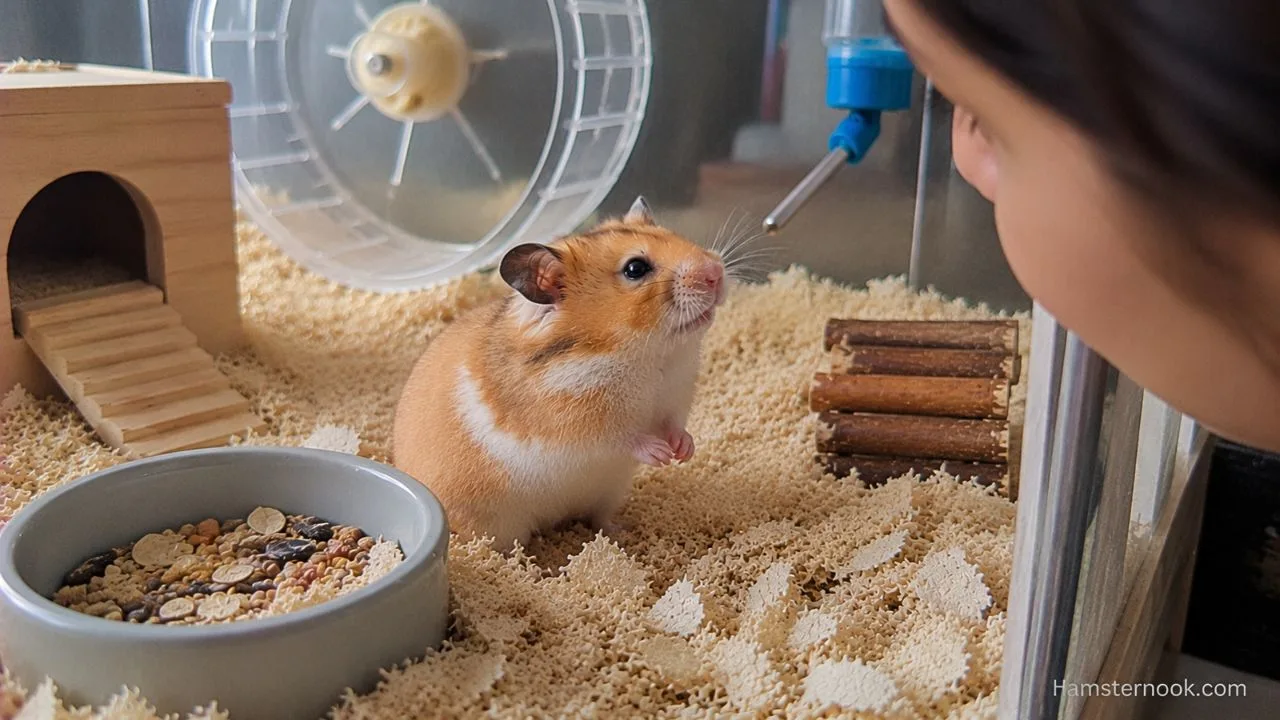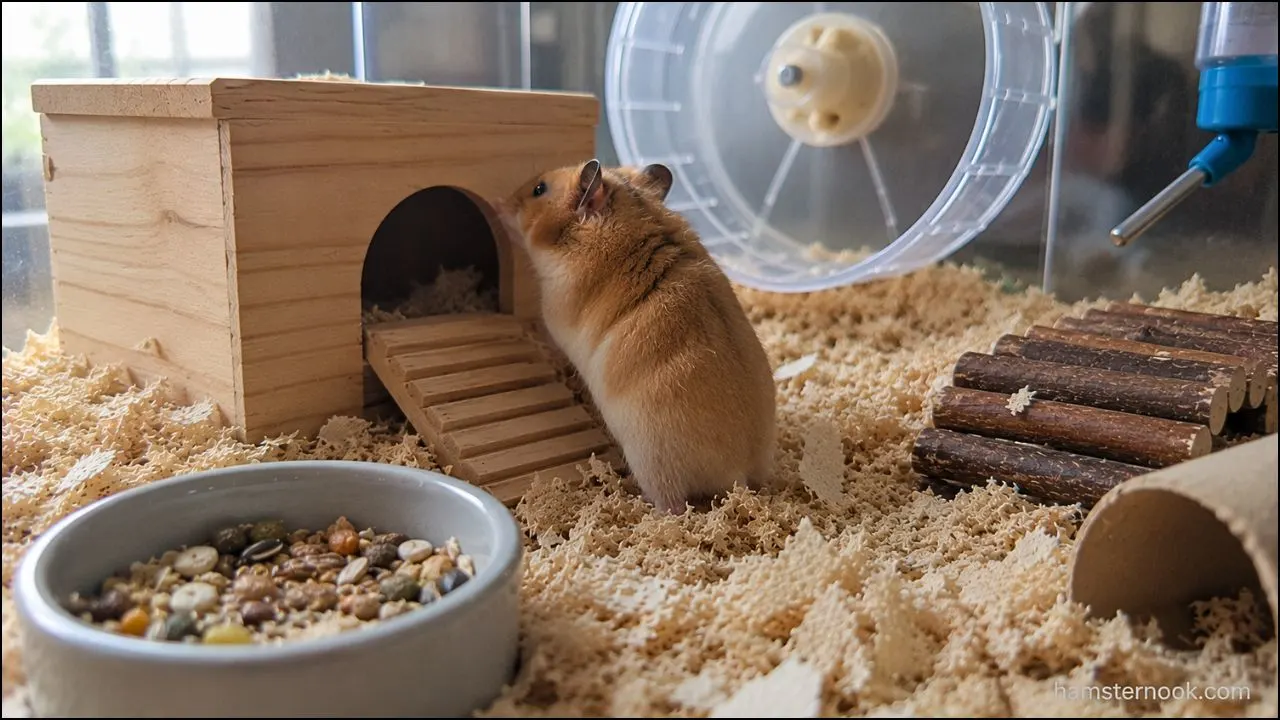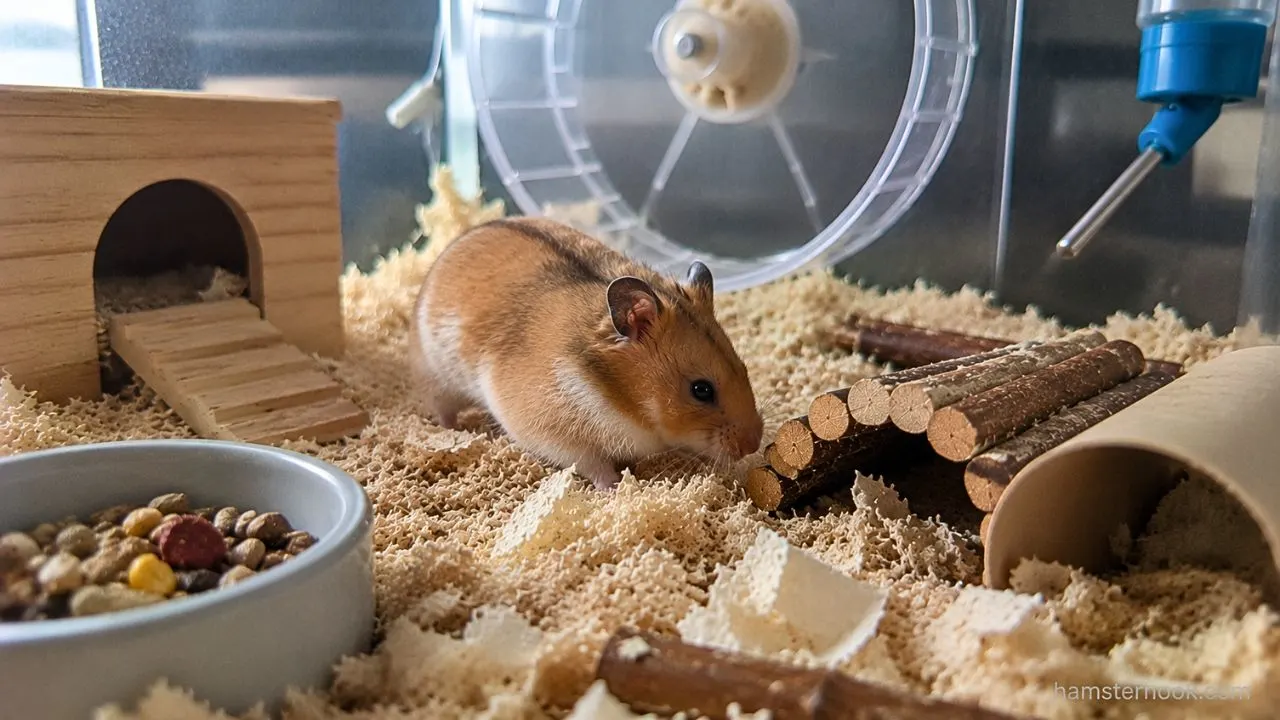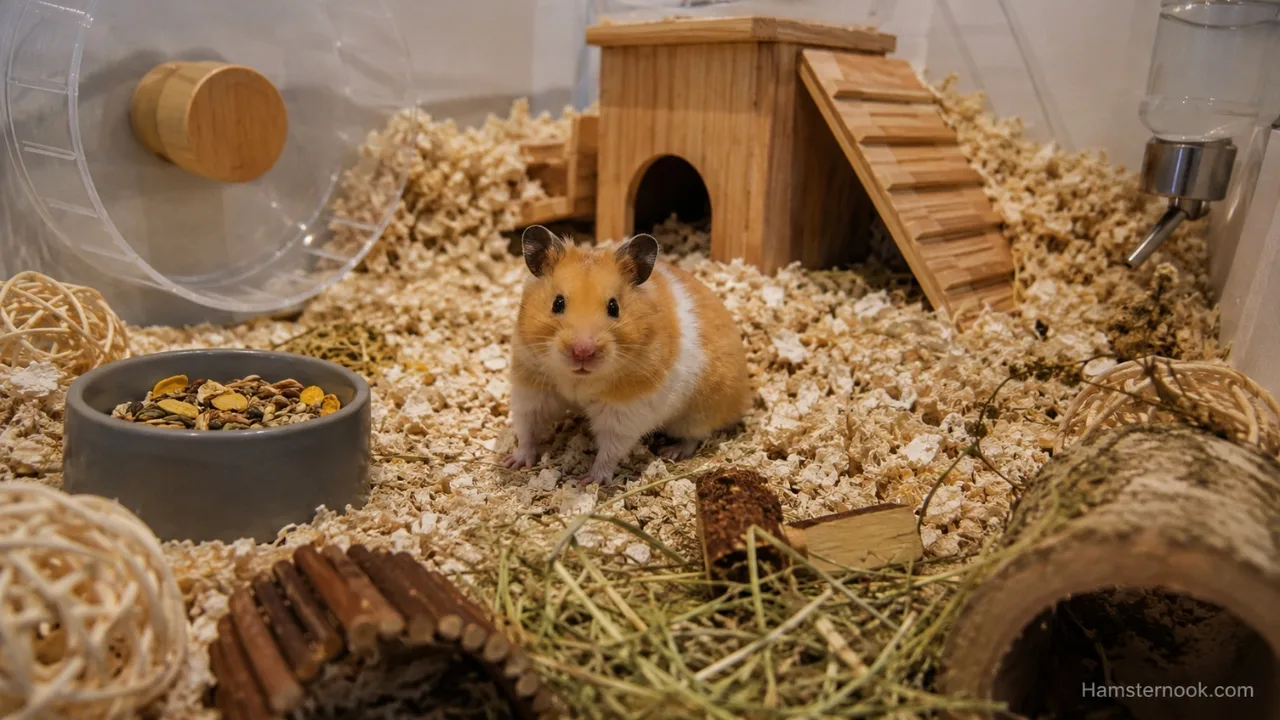
One of the biggest surprises for new hamster owners is learning that hamsters are not like many other popular pets. If you’ve owned guinea pigs, rabbits, rats, or even some bird species, you’ve probably heard that companionship is important for their well-being. Naturally, many people assume hamsters must feel lonely when living alone.
The reality is quite different. Unlike highly social animals, most pet hamsters have evolved to live independently. What owners often interpret as loneliness is much more likely to be boredom, stress, or a lack of suitable enrichment.
In fact, for most pet hamsters, living alone is not only normal—it is often the safest and healthiest option. Many owners mistakenly try to give their hamster a cage mate out of concern for loneliness, only to discover that the animals begin fighting, stressing each other out, or even causing serious injuries.
So, do hamsters get lonely? The answer depends on the species, their natural behavior, and what “loneliness” actually means for a hamster. Understanding these factors can help you create a happier and healthier environment for your pet.
Quick Answer:
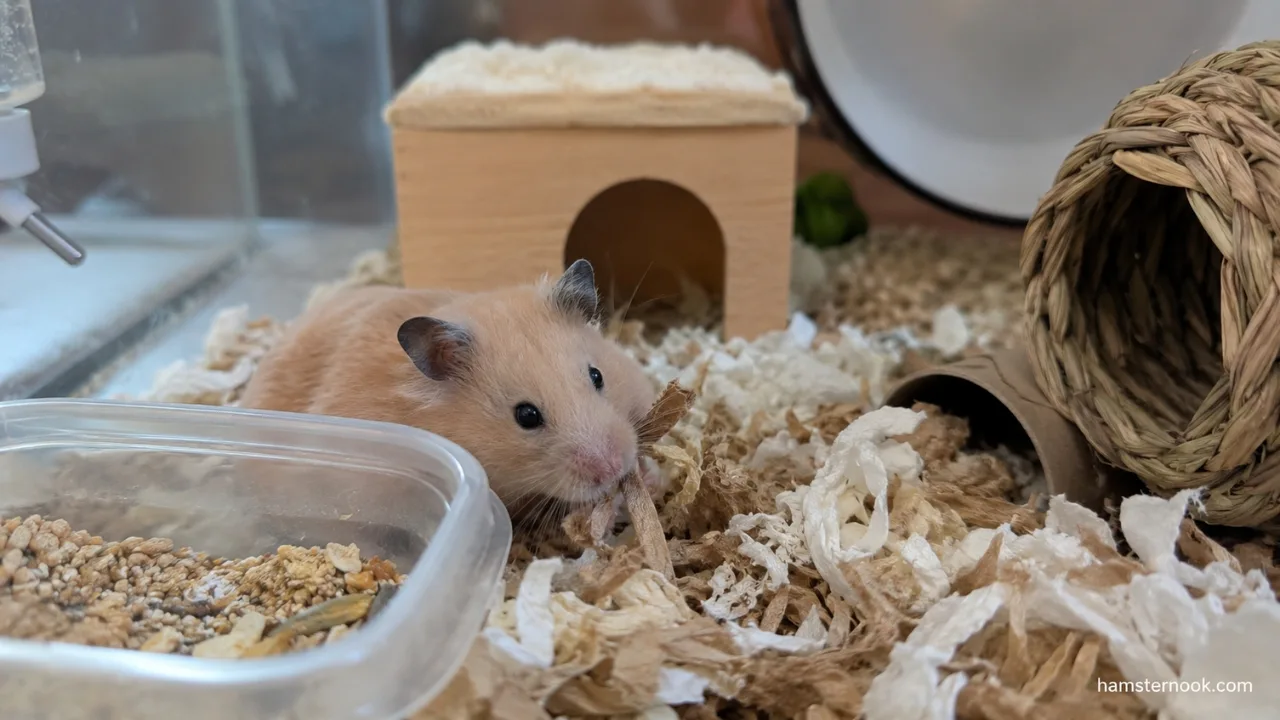
Most pet hamsters do not get lonely when living alone. Syrian hamsters are naturally solitary and should always be housed individually, while some dwarf species may tolerate companions under certain conditions. In most cases, boredom is mistaken for loneliness, and improving the enclosure is a much better solution than adding another hamster.
Do Hamsters Get Lonely When Living Alone?
For most hamster species kept as pets, living alone does not cause loneliness in the way humans experience it.
Most welfare concerns about hamster loneliness come from comparing them to social pets such as guinea pigs or rats. However, hamster behavior and social needs are very different.
Hamsters are naturally solitary animals. In the wild, many species spend most of their lives living alone, searching for food independently, and defending their territory from other hamsters.
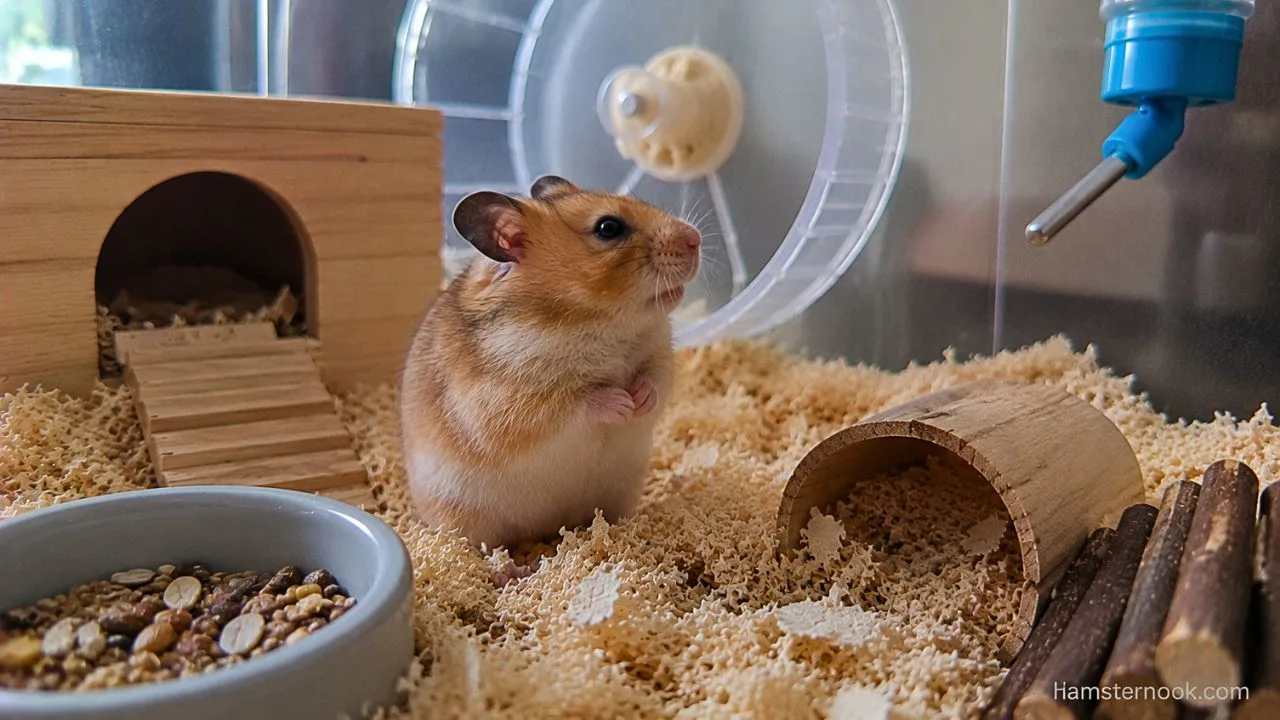
Unlike highly social animals that depend on group interaction, hamsters generally prefer having their own space. A hamster living alone with enough space, enrichment, and opportunities to explore can usually thrive without another hamster.
What seems like loneliness is often boredom, stress, or a habitat that needs more enrichment.
Understanding Natural Hamster Behavior
To understand why most hamsters don’t get lonely, it helps to look at how they behave in nature.
Wild hamsters spend much of their time:
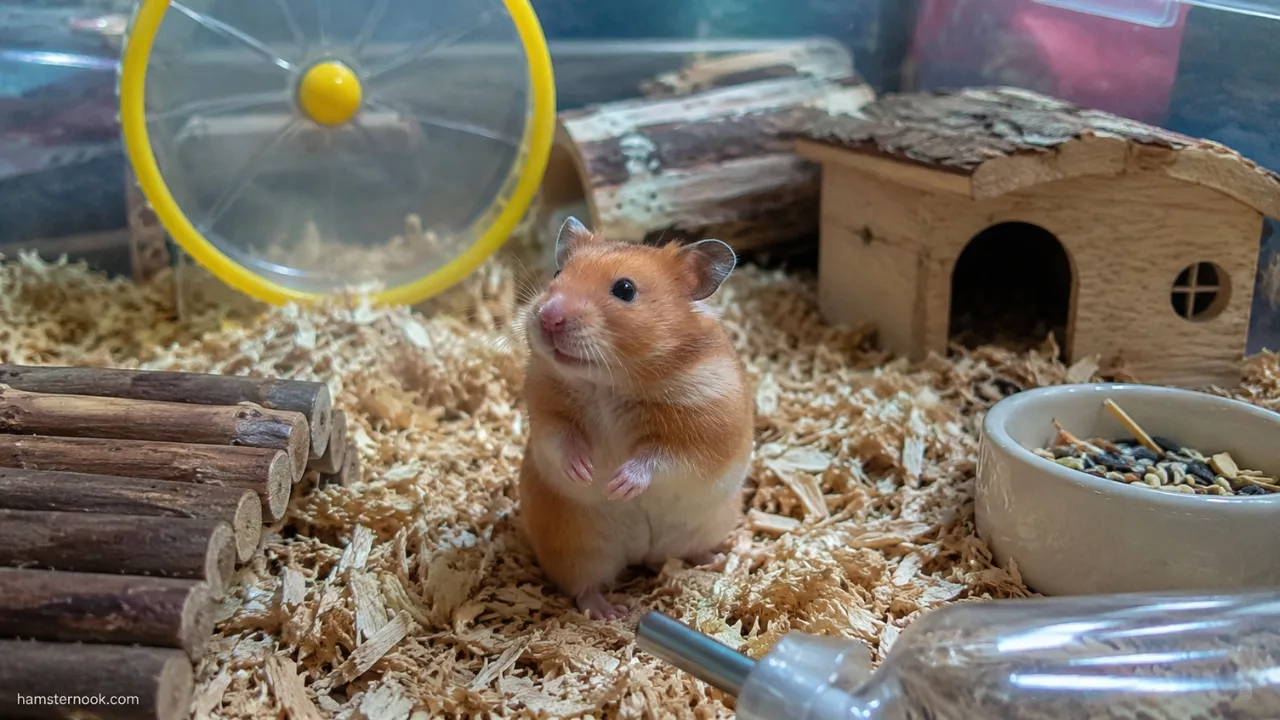
- Living in individual burrows
- Foraging for food alone
- Defending territory
- Avoiding unnecessary encounters with other hamsters
- Resting in separate nesting areas
Their survival strategy is built around independence rather than social cooperation.
This natural instinct remains strong even in domesticated pet hamsters.
Understanding these instincts is one of the foundations of responsible hamster care. If you’re new to keeping hamsters, our Hamster Care Guide for Beginners explains how natural behaviors influence housing, handling, feeding, and enrichment decisions.
Which Hamster Species Prefer Living Alone?
Not all hamster species have identical social tendencies.
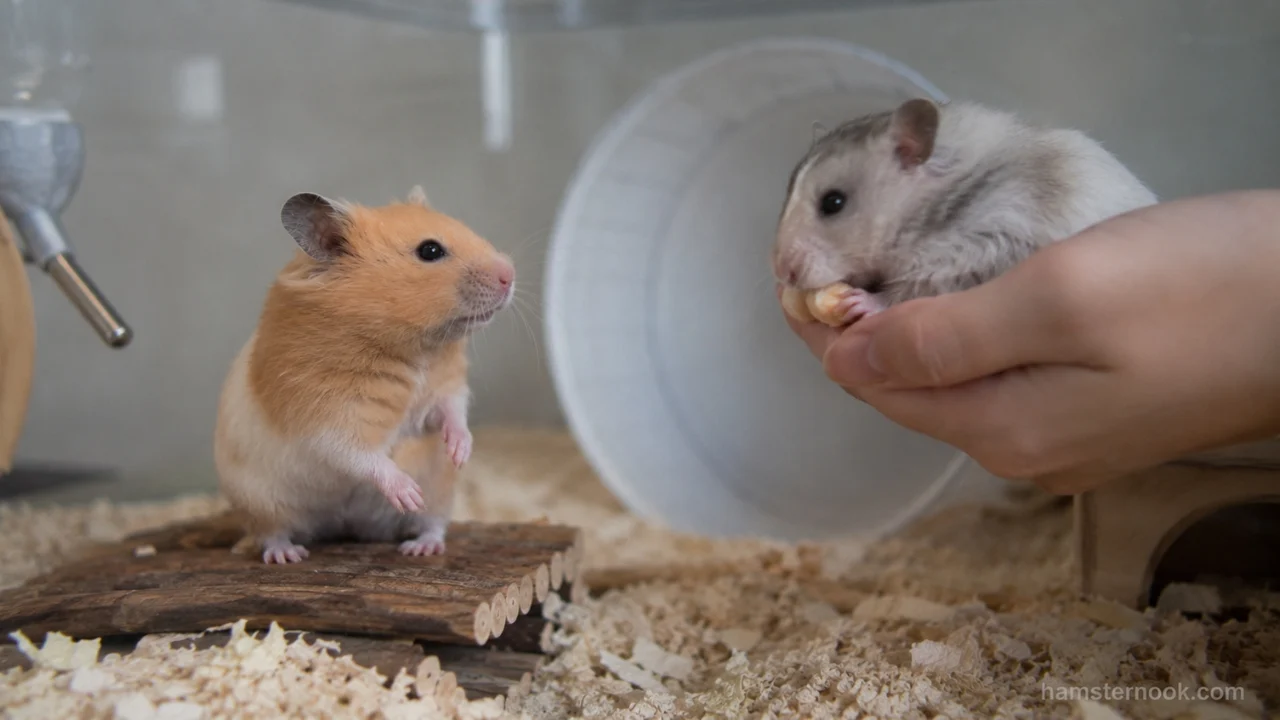
The table below shows the general housing recommendations for common pet hamster species.
| Hamster Species | Social Behavior | Recommended Housing |
|---|---|---|
| Syrian Hamster | Strongly solitary | Always housed alone |
| Chinese Hamster | Mostly solitary | Usually housed alone |
| Campbell’s Dwarf Hamster | Can tolerate some social interaction | Usually best housed alone as pets |
| Winter White Hamster | More social than Syrians | Careful group housing possible but risky |
| Roborovski Hamster | Most tolerant of same-species company | Some pairs/groups may work but require monitoring |
Even among species that can sometimes coexist, successful group housing is never guaranteed.
Many experienced hamster keepers still choose individual housing because it eliminates the risk of aggression.
Social tolerance also varies between hamster species. Our Syrian Hamster vs Dwarf Hamster: Which Is Better? guide compares the behavioral differences that every prospective owner should understand before choosing a pet.
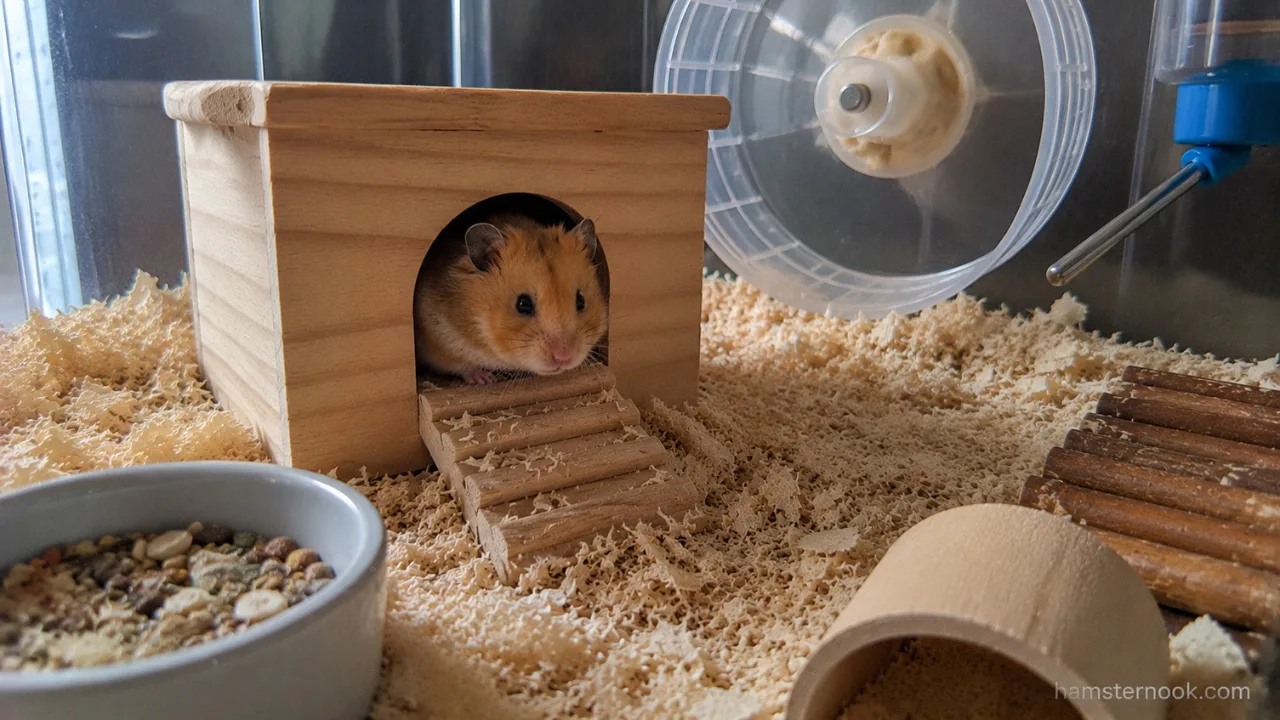
Why Syrian Hamsters Should Never Have Cage Mates
Syrian hamsters are the most commonly kept pet hamster species and the most strictly solitary.
Once mature, Syrian hamsters typically do not tolerate living with another hamster. Introducing a companion often leads to:
| Potential Problem | Risk Level |
|---|---|
| Territorial aggression | Very High |
| Serious injuries | Very High |
| Chronic stress | High |
| Food guarding | High |
| Fighting over nesting areas | Very High |
Even siblings that appear friendly as babies can become aggressive as they mature.
For Syrian hamsters, a larger enclosure is always a better solution than adding a companion.
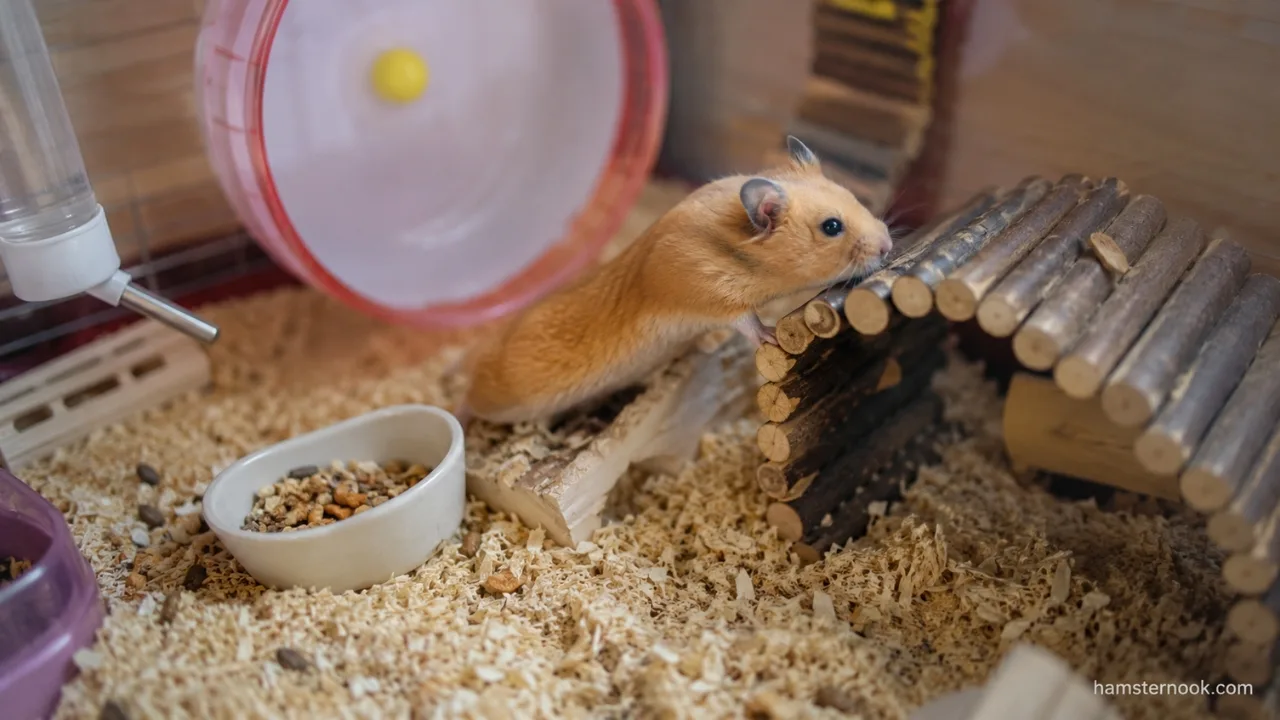
Signs Your Hamster Is Not Lonely but Bored
Boredom and unhappiness often look similar at first, but they’re not always caused by the same problem. Our How to Tell If Your Hamster Is Happy or Unhappy guide explains the behaviors that can help you tell the difference.
Many owners confuse boredom with loneliness.
A hamster that lacks stimulation may display behaviors that seem like a desire for companionship when the real issue is an inadequate environment.
Common signs of boredom include:
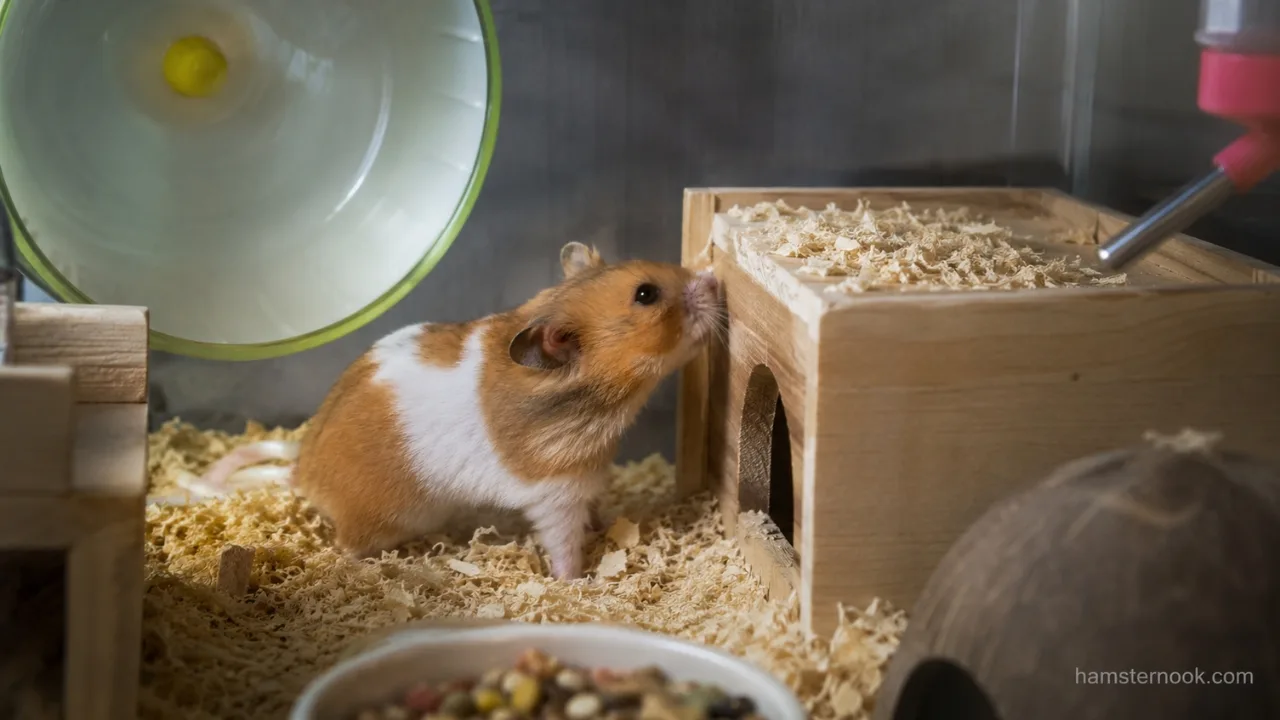
- Excessive bar chewing
- Repetitive pacing
- Constant attempts to escape
- Digging at cage corners
- Overgrooming
- Lack of interest in toys
These behaviors often improve when the hamster receives better enrichment rather than a cage mate.
What Actually Makes a Hamster Happy?
A hamster’s happiness depends much more on its environment than on having a companion. Our How to Keep a Hamster Happy in a Small Cage guide shares practical ways to add enrichment, even when space is limited.
Hamsters have different needs than social animals.
Instead of seeking companionship, they typically thrive when provided with an environment that supports natural behaviors.
| Need | Why It Matters |
|---|---|
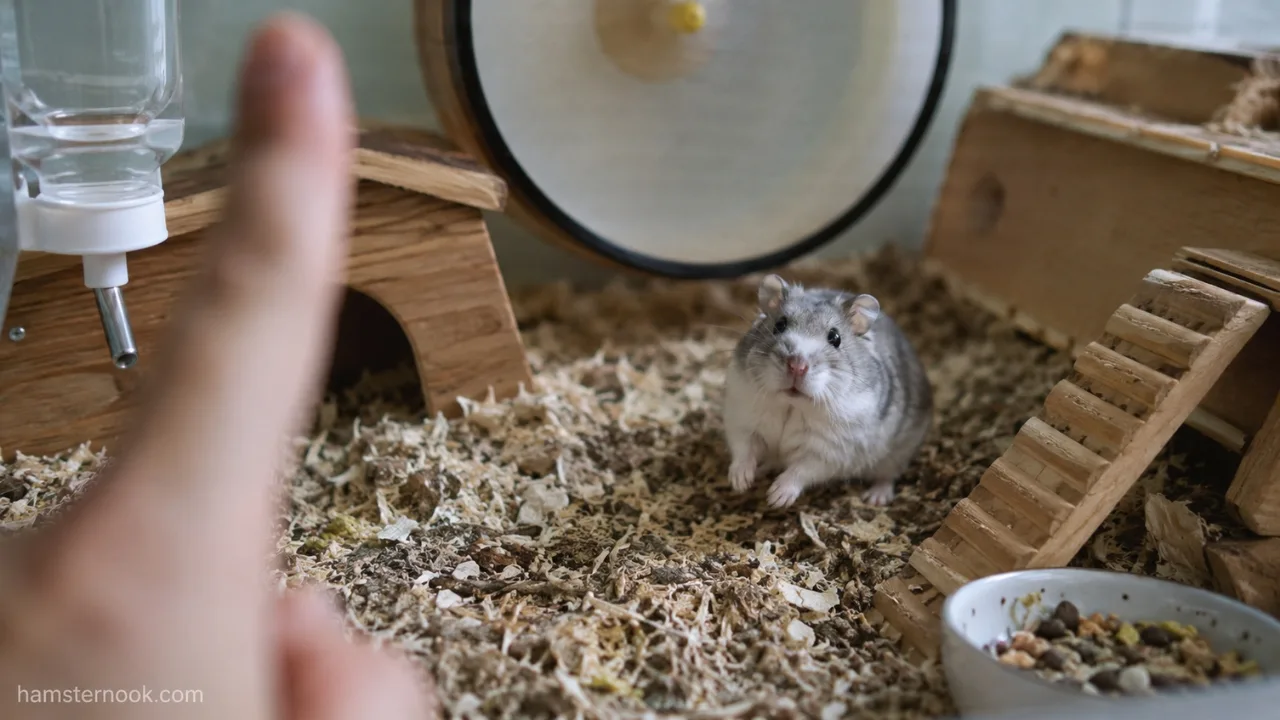
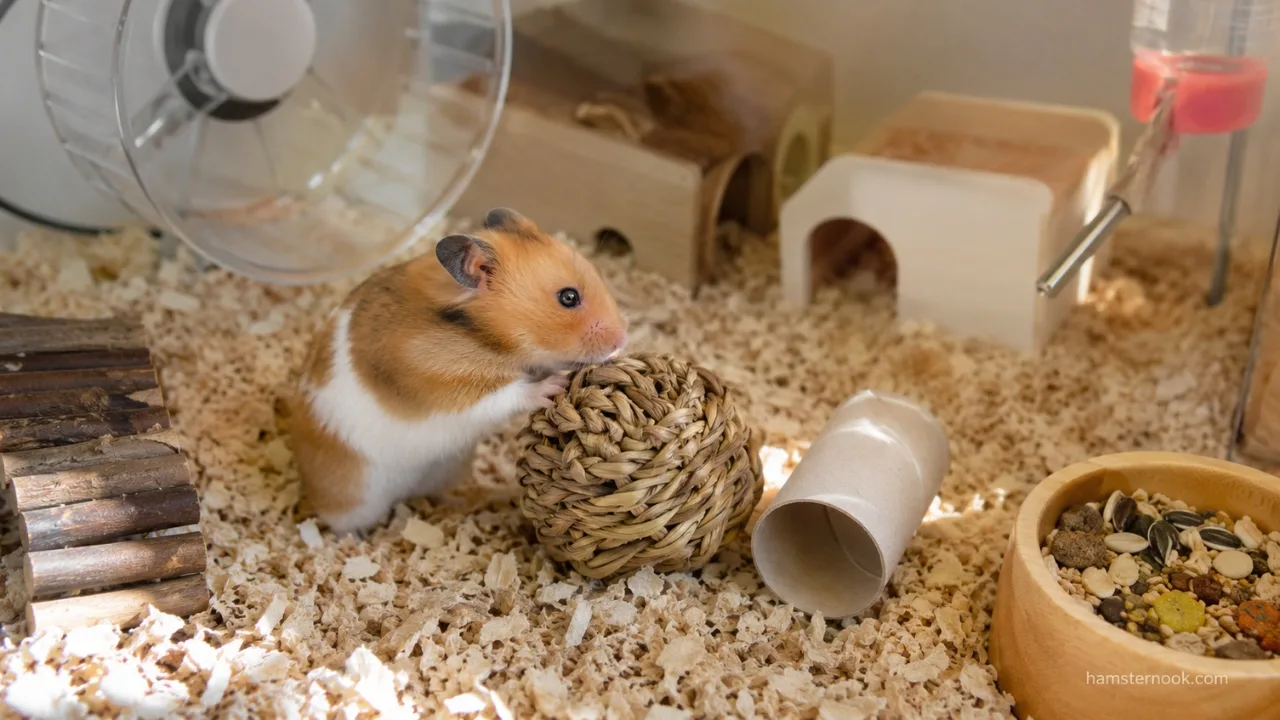
| Large enclosure | Allows exploration and exercise |
| Deep bedding | Supports natural burrowing instincts |
| Exercise wheel | Provides physical activity |
| Hideouts | Creates a sense of security |
| Foraging opportunities | Encourages mental stimulation |
| Chew toys | Supports dental health |
| Sand bath | Allows natural grooming behavior |
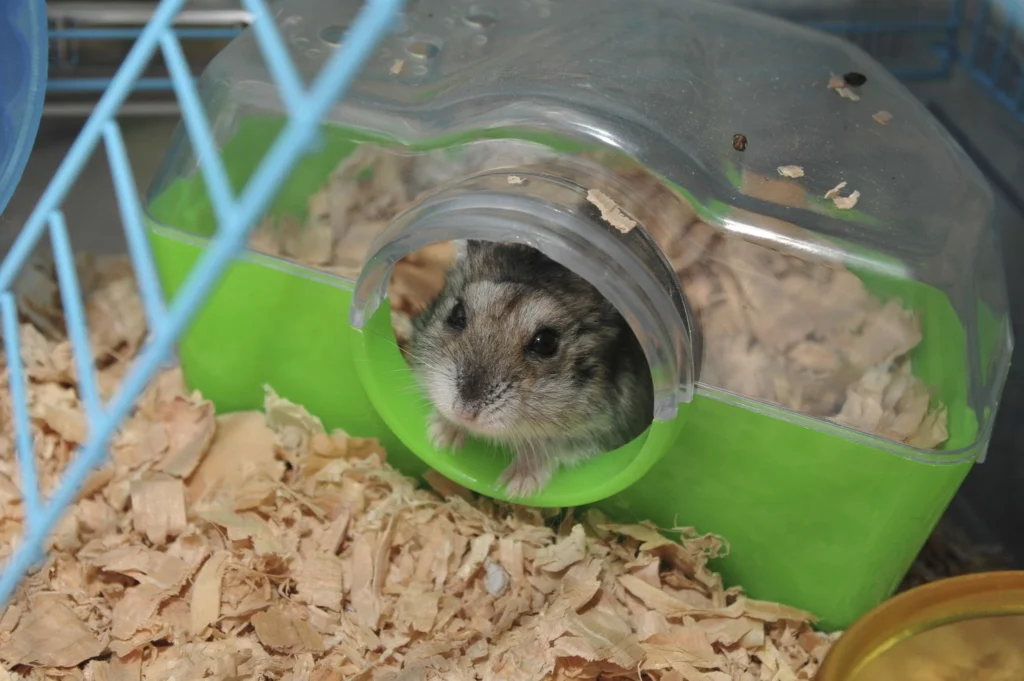
Meeting these needs is far more important than providing another hamster.
A hamster that feels secure usually communicates that through its daily behavior. Our Hamster Body Language Explained: Signs of Stress, Fear & Happiness guide helps you recognize whether your hamster is relaxed, anxious, or becoming more confident.
Can Hamsters Become Attached to Their Owners?
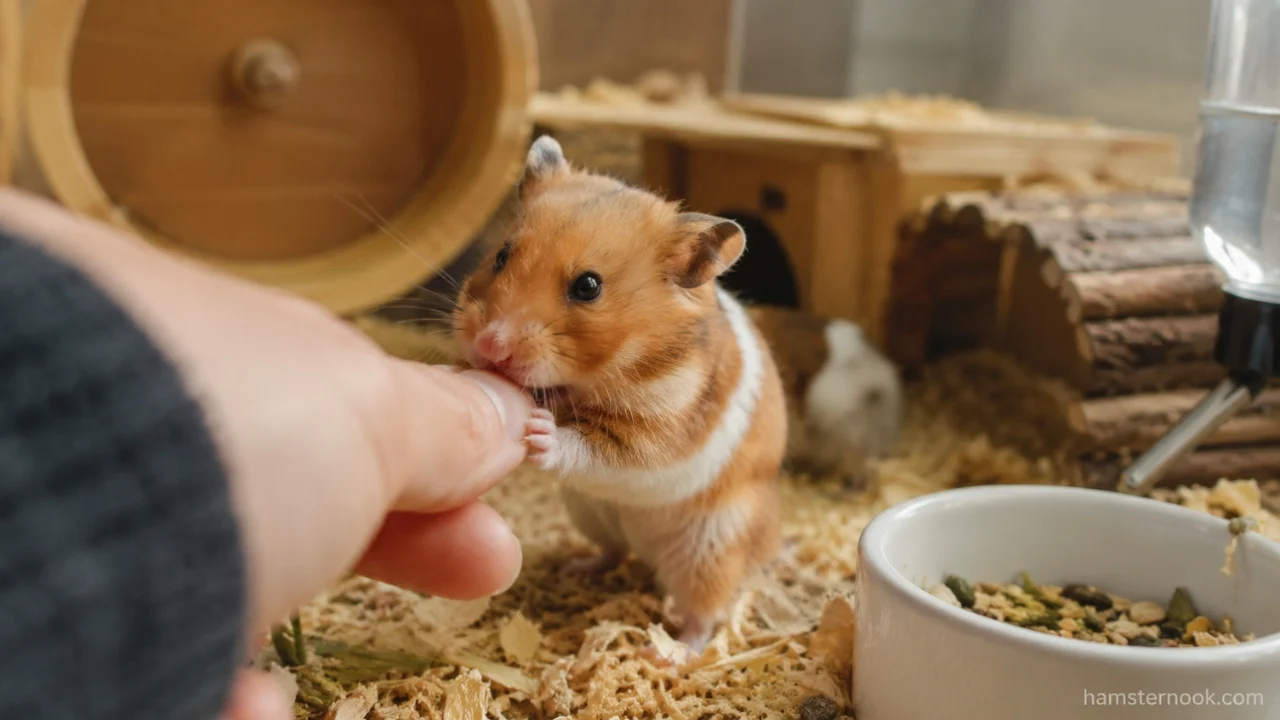
Although hamsters don’t need another hamster for companionship, many can learn to recognize familiar people over time. Our Do Hamsters Recognize Their Owners? guide explains how that recognition develops.
Hamsters can learn to recognize and trust their owners, but this differs from social bonding seen in dogs or some other pets.

A hamster may:
- Recognize your scent
- Approach for treats
- Become comfortable with handling
- Show curiosity toward your presence
However, this should not be interpreted as a need for constant social interaction.
Most hamsters still value personal space and periods of uninterrupted rest.
While regular interaction can help build trust, most hamsters don’t require constant attention to remain content. Short, calm sessions during their natural active hours are usually far more beneficial than frequent interruptions throughout the day.
How to Tell If Your Hamster Is Stressed
Stress can sometimes be mistaken for loneliness, especially when a hamster suddenly hides more or becomes less active. Our Hamster Stress Signs Every Owner Should Know guide explains what to watch for.
Sometimes owners worry about loneliness when their hamster is actually experiencing stress from another cause.
Watch for signs such as:
| Stress Sign | Possible Cause |
|---|---|
| Hiding constantly | Feeling unsafe |
| Aggression | Fear or territorial behavior |
| Excessive sleeping | Environmental stress |
| Weight loss | Illness or anxiety |
| Overgrooming | Stress or boredom |
| Refusing food | Health or environmental issues |
If these symptoms appear, review the hamster’s habitat and consult an exotic veterinarian if necessary.

If these behavioral changes are accompanied by weight loss, poor appetite, or unusual posture, the issue may be medical rather than emotional. Our What Your Hamster Does Right Before It Gets Sick guide explains the subtle warning signs owners often overlook.
Is It Cruel to Keep a Hamster Alone?
No, keeping most hamster species alone is not cruel.
For Syrian hamsters, solitary housing is actually the recommended and humane approach. Providing a cage mate may increase stress rather than improve welfare.
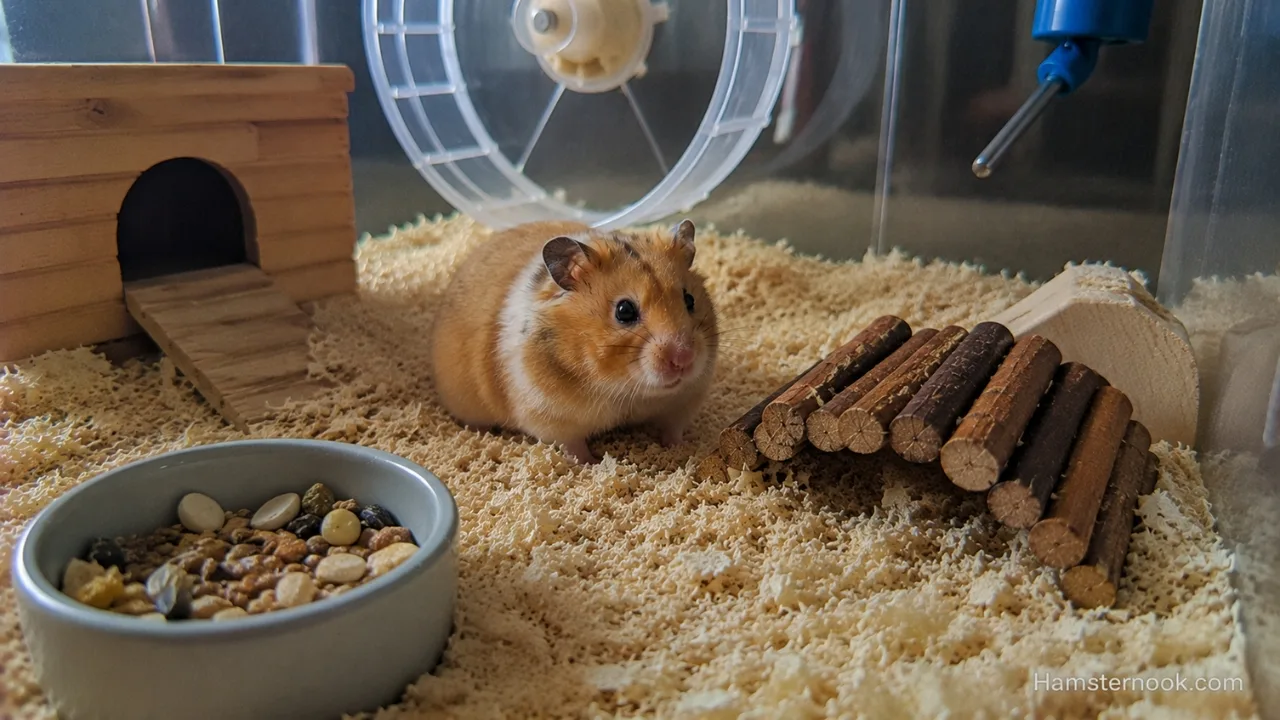
A hamster’s quality of life depends much more on:
- Proper nutrition
- Adequate cage size
- Mental enrichment
- Clean living conditions
- Veterinary care when needed
A single hamster living in an enriched environment is usually far happier than two hamsters forced to share a space they don’t want to share.
What Happens When Hamsters Are Housed Together?
Owners sometimes place two hamsters together believing they will enjoy companionship.
Unfortunately, problems often develop gradually.
Initially, the hamsters may appear peaceful. However, as they mature, territorial instincts can become stronger.
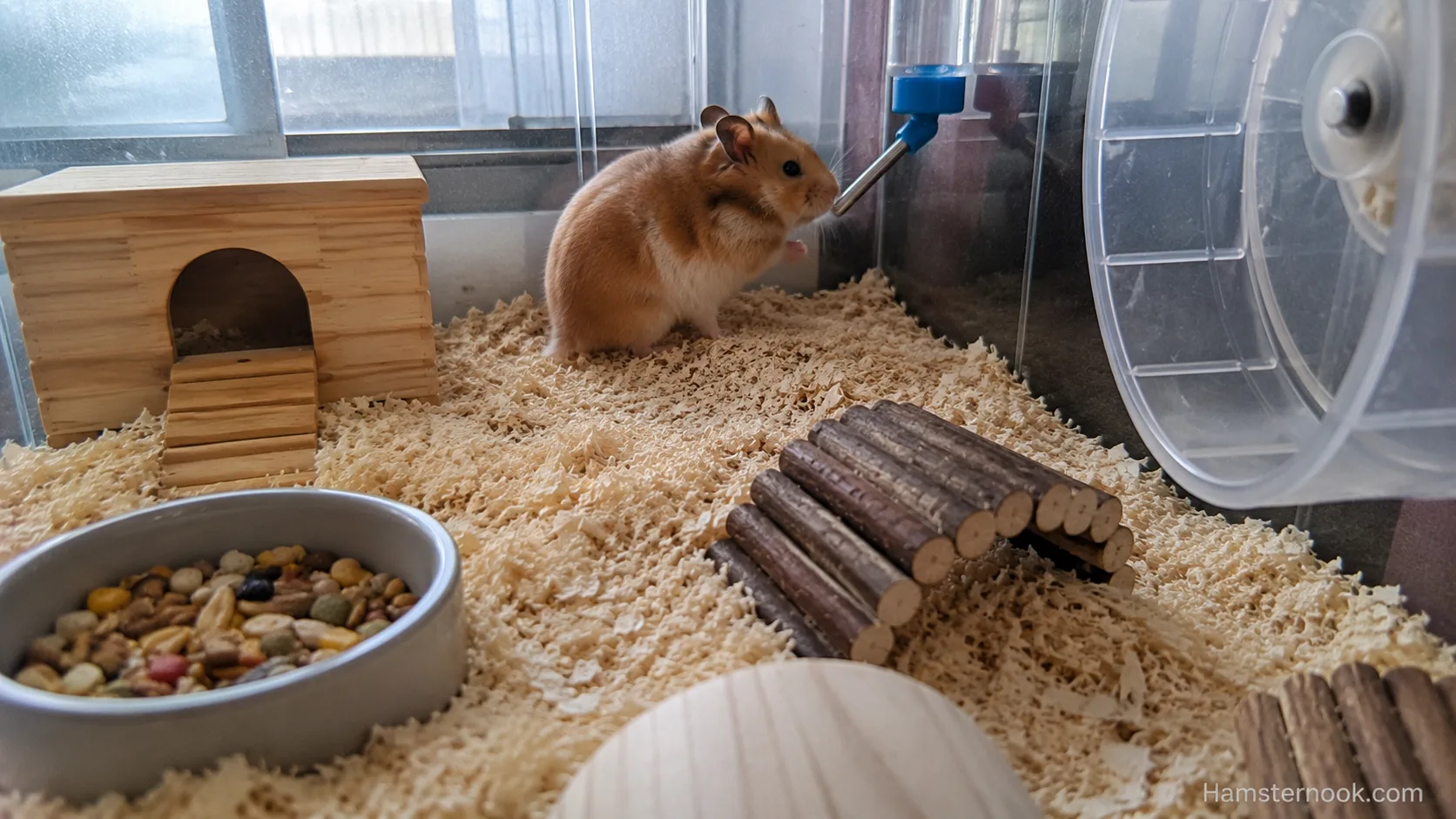
Potential outcomes include:
- Resource guarding
- Bullying
- Sleep disruption
- Chronic stress
- Fighting
- Serious injuries
In some cases, aggression escalates suddenly after weeks or months of peaceful coexistence.
This unpredictability is one reason many experts recommend individual housing.
Ways to Prevent Boredom Without Adding Another Hamster
If you’re concerned your hamster seems lonely, focus on enrichment instead.
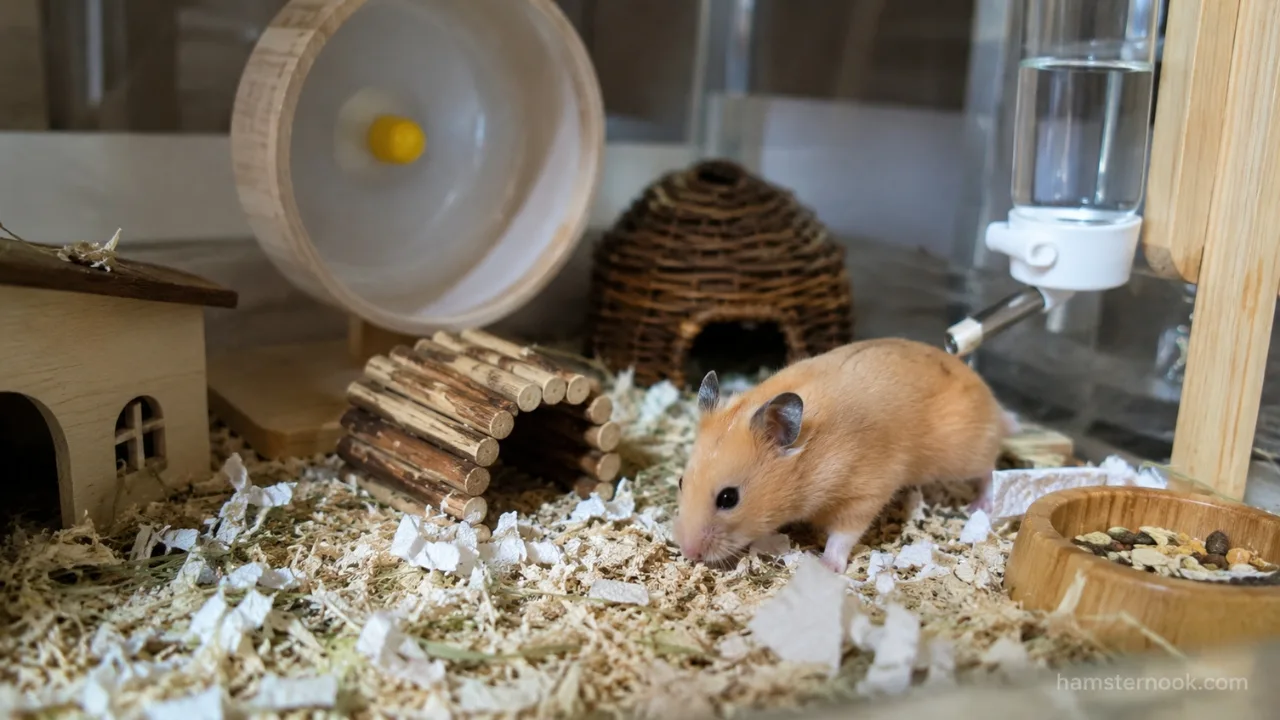
Here are safe ways to improve your hamster’s quality of life:
Create a Foraging Experience
Scatter some food around the enclosure instead of always using a bowl. This encourages natural food-searching behavior.
Introducing new enrichment gradually often works better than changing everything at once. Rotating toys, tunnels, or foraging opportunities every few weeks can keep the environment interesting without making the enclosure feel unfamiliar.
Add Digging Opportunities
Provide deep bedding so your hamster can build tunnels and burrows.
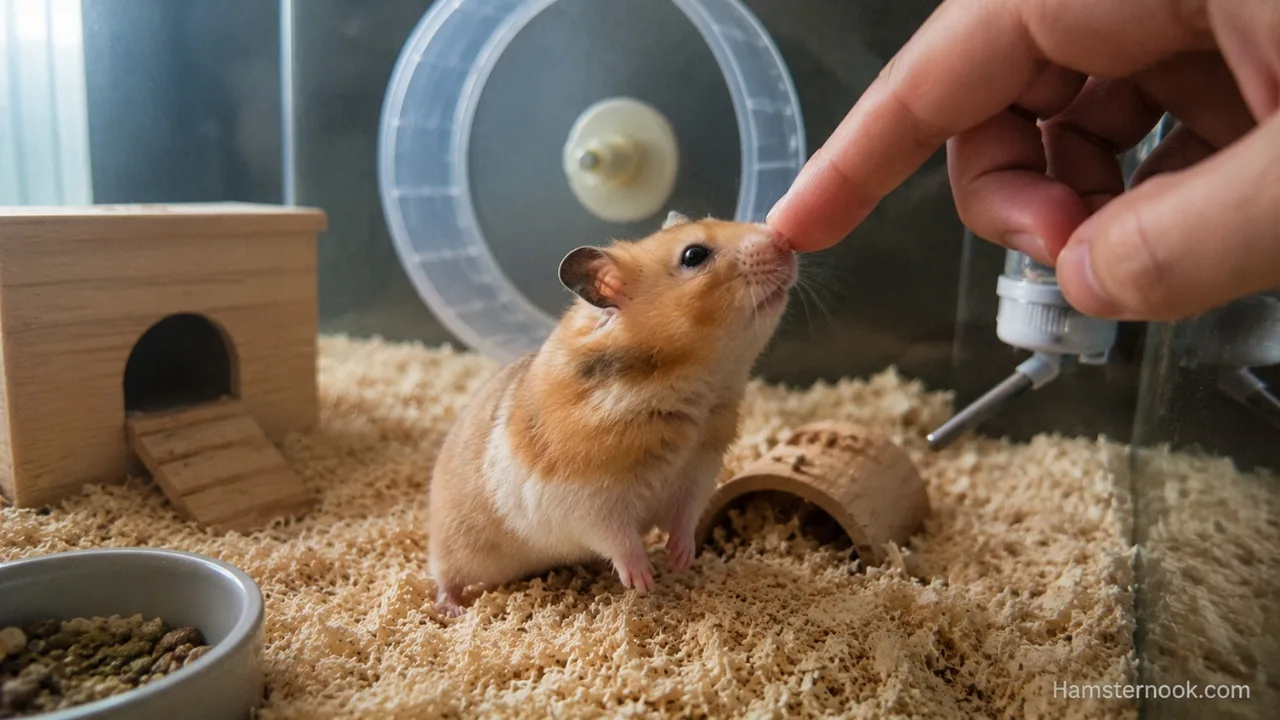
Rotate Toys Periodically
Changing enrichment items occasionally can keep the environment interesting.
Offer Safe Chewing Materials
Hamsters naturally need things to chew to maintain healthy teeth.
Increase Exploration Space
Try introducing only one new enrichment item at a time and observe how your hamster responds over the next several days. This makes it easier to identify which changes genuinely increase activity and confidence without overwhelming your pet.
A properly sized enclosure gives your hamster more opportunities to explore and exercise.
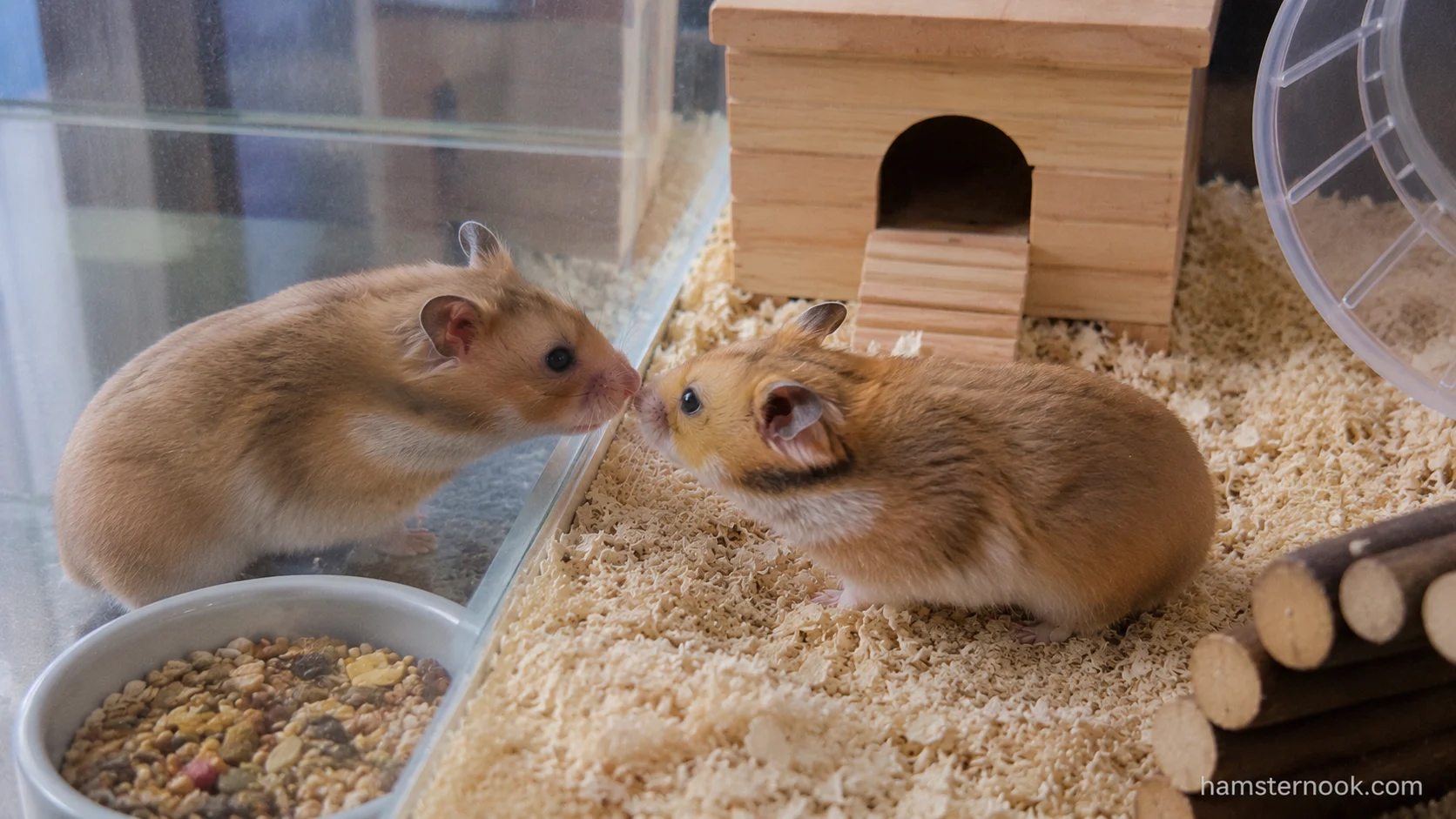
These activities often provide far more value than introducing another hamster.
Simple habitat improvements can make a remarkable difference to your hamster’s daily routine. Our Best Hamster Cage Setup for Beginners guide explains how enclosure size, bedding depth, hideouts, and enrichment work together to reduce boredom naturally.
Can You Spend Too Much Time With a Hamster?
Although hamsters can learn to trust their owners, they still need uninterrupted time to sleep, forage, groom, and explore independently. Respecting these natural routines often helps build stronger trust than constant handling.
Common Myths About Hamster Loneliness
Several myths continue to circulate among new owners.
| Myth | Reality |
|---|---|
| Hamsters need friends to be happy | Most pet hamsters prefer living alone |
| A lonely hamster becomes depressed without another hamster | Boredom is usually mistaken for loneliness |
| Two siblings will always get along | Sibling hamsters often become aggressive as adults |
| More hamsters mean more enrichment | Enrichment comes from environment, not companions |
| A cage mate prevents boredom | Proper habitat design prevents boredom more effectively |
Understanding these misconceptions can help owners make better decisions for their pets.
Behavior changes are often linked to changes in the environment rather than loneliness alone. Our Why Hamsters Suddenly Change Behavior guide explores the most common reasons behind unexpected behavioral shifts.
It’s natural for owners to worry that a hamster living alone might feel isolated, especially if they’ve cared for more social pets in the past. Understanding how hamsters naturally behave helps you focus on what truly improves their quality of life—space, enrichment, and a secure environment.
Final Thoughts
Most pet hamsters thrive when housed alone in an enriching environment that allows them to express natural behaviors. Instead of focusing on companionship, owners should concentrate on providing enough space, deep bedding, mental stimulation, and a predictable routine that supports long-term well-being.
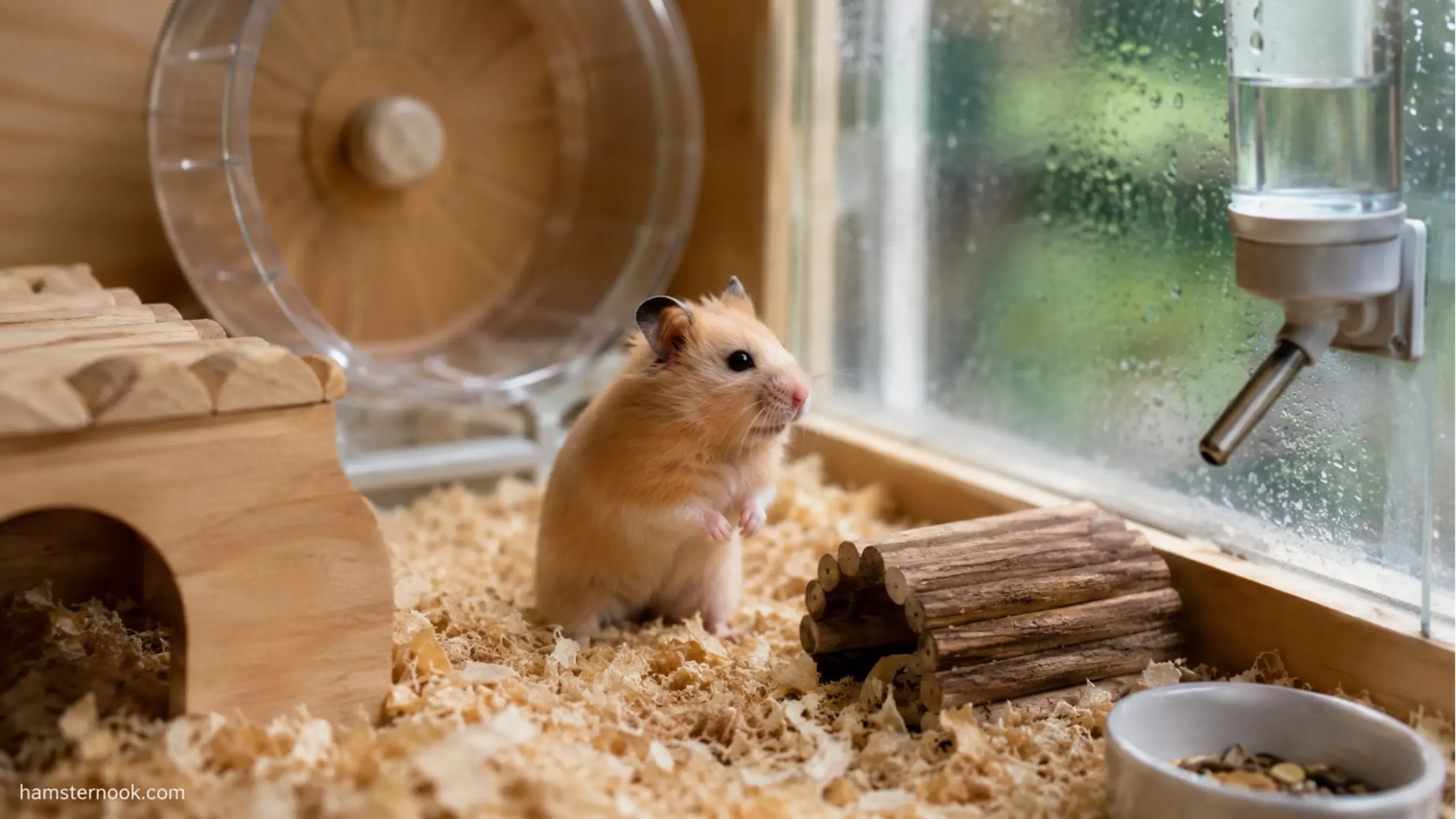
What hamsters truly need is not a companion but an environment that allows them to express natural behaviors such as burrowing, exploring, foraging, running, and nesting. When those needs are met, a hamster can live a healthy, active, and fulfilling life without sharing its space with another hamster.
If you’re worried your hamster seems lonely, take a closer look at the enclosure, enrichment, and daily care routine. In most cases, improving the habitat will have a far greater impact on your hamster’s well-being than introducing another animal.
Frequently Asked Questions
Can a single hamster live happily by itself?
Yes. Most pet hamsters, especially Syrian hamsters, can live happily alone when provided with proper housing, enrichment, and care.
Why does my hamster always want attention?
Your hamster may be curious, food-motivated, or comfortable around you. This does not necessarily mean it is lonely.
Are dwarf hamsters less lonely than Syrian hamsters?
Some dwarf species are more tolerant of other hamsters, but they still do not require companions to live healthy lives.
How do I know if my hamster is bored?
Bar chewing, pacing, escape attempts, and repetitive behaviors are common signs that additional enrichment may be needed.
Can two female hamsters live together?
Some dwarf hamster females may coexist temporarily, but conflicts can still occur. Syrian females should never be housed together.
What is the best way to keep a hamster happy?
Provide a spacious enclosure, deep bedding, an exercise wheel, hideouts, chew toys, opportunities for foraging, and a balanced diet. These factors have a much greater impact on happiness than social companionship.
Will my hamster miss another hamster after being separated?
In most situations, no. Hamsters usually adjust well to living alone, especially if they have a spacious enclosure, plenty of enrichment, and a consistent daily routine. For Syrian hamsters, separate housing is generally the safest long-term option.
References
This guide is based on hamster social behavior, housing, enrichment, stress, and welfare guidance from trusted animal welfare and veterinary resources, including:
- RSPCA – Hamster Behaviour – Guidance on natural hamster behavior, social interactions, territorial behavior, activity, and signs of stress.
- RSPCA – Keeping Hamsters as Pets – General guidance on hamster housing, companionship, behavior, enrichment, and welfare.
- RSPCA – Creating a Good Home for Hamsters – Guidance on suitable enclosure space, bedding, hiding places, enrichment, and environmental needs.
- Blue Cross – Hamster Care Guide – Practical information on hamster housing, enrichment, handling, behavior, and wellbeing.
- MSD Veterinary Manual – Providing a Home for a Hamster – Veterinary guidance on hamster housing, environmental needs, enrichment, exercise, and appropriate living conditions.
- NC3Rs – Housing and Husbandry: Hamster – Guidance on hamster housing, social considerations, enrichment, natural behaviors, and welfare.
- NC3Rs – Choosing Appropriate Enrichment – Guidance on providing enrichment that supports natural behaviors and improves the welfare of laboratory and pet hamsters.

Narayan Kumar is the founder and author of HamsterNook. He creates practical, research-based hamster care guides covering hamster behavior, nutrition, cage setup, enrichment, health, and everyday care. His goal is to help hamster owners make informed decisions and provide safer, healthier lives for their pets through clear, beginner-friendly information based on trusted animal care resources.