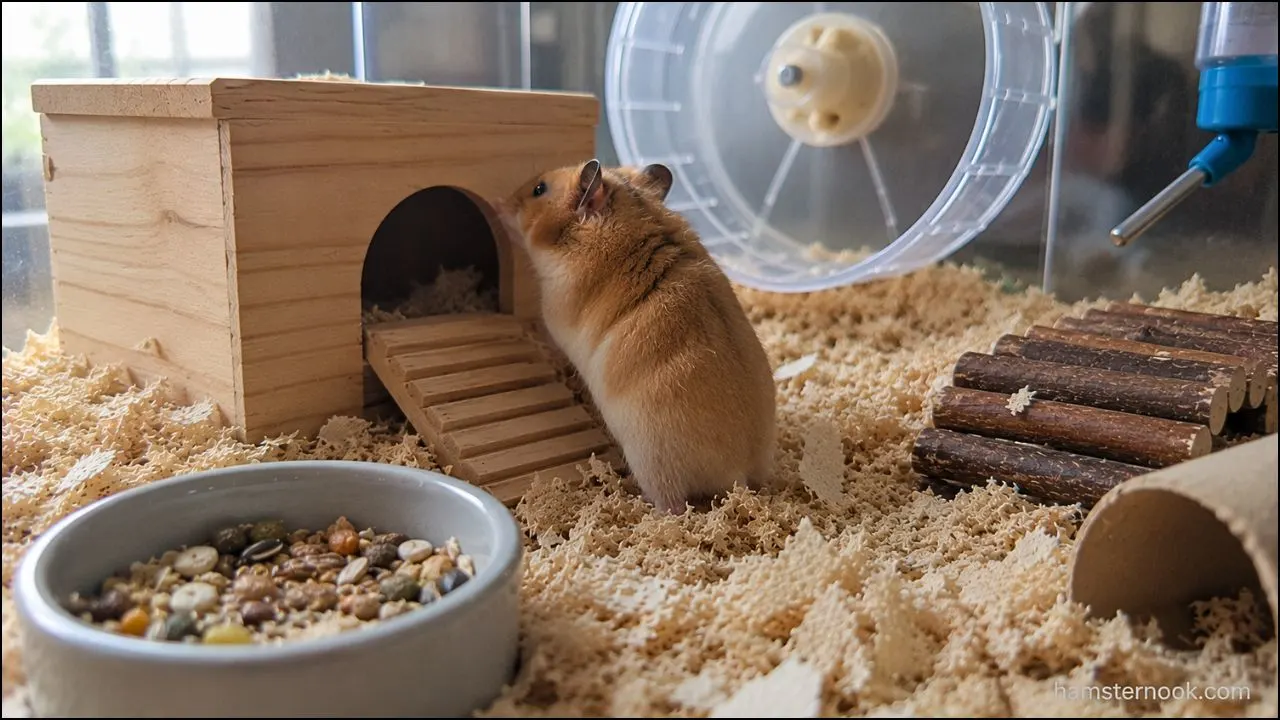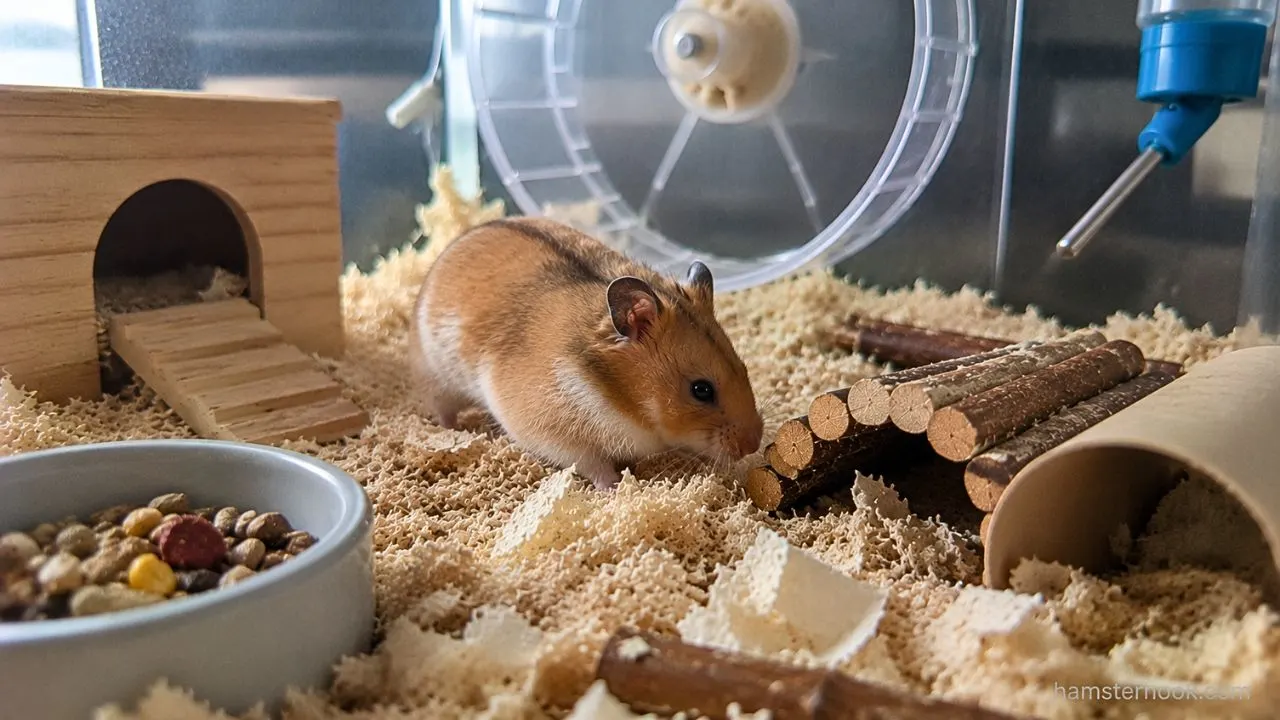
If your hamster suddenly starts chasing, biting, scent marking, or acting protective around its cage, you may wonder whether it’s becoming aggressive. In many cases, these behaviors are actually linked to a hamster’s natural territorial instincts rather than a change in personality. Understanding why hamsters defend their space can help you respond appropriately and build a more trusting relationship with your pet.
This guide explains what territorial behavior looks like, why it happens, which species are most likely to display it, and how to manage it safely without causing unnecessary stress.
Quick Answer
Yes, hamsters are naturally territorial. Most pet hamsters—especially Syrian hamsters—prefer having their own space and may defend their enclosure if they feel threatened or if another hamster enters their territory. Territorial behavior is a normal instinct and should not automatically be confused with aggression or a lack of taming.
If you’re new to hamster ownership, our Complete Hamster Care Guide for Beginners (2026) walks through the essentials of housing, feeding, handling, and daily care.
What Does Territorial Behavior Mean?
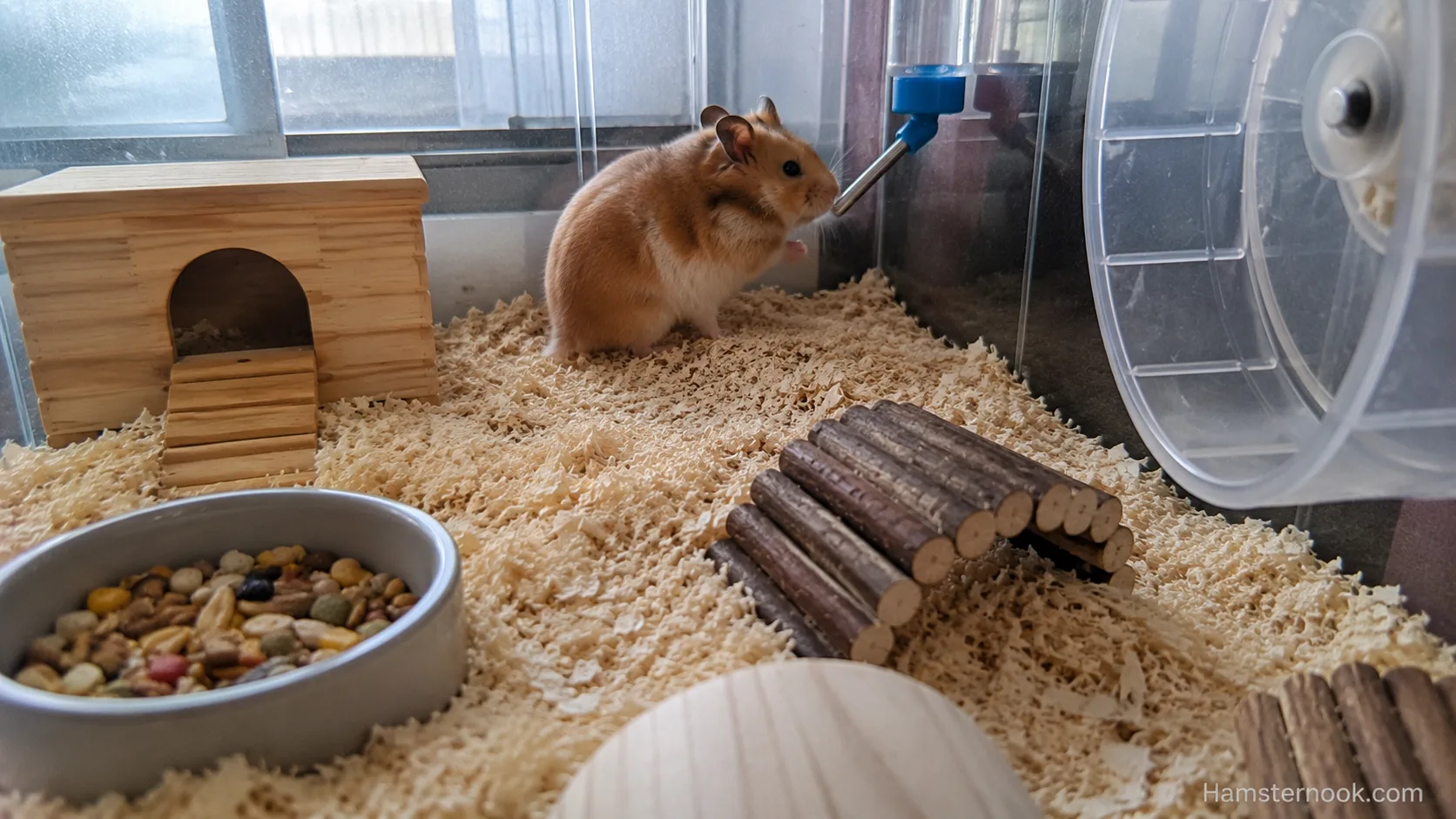
Territorial behavior is an animal’s natural instinct to protect an area it considers its own.
For hamsters, that territory usually includes:
- Their nest
- Food storage area
- Favorite hideout
- Exercise and exploration space
- Sleeping burrow
In the wild, defending these resources increases the chances of survival. Although pet hamsters no longer face predators or food shortages, these instincts remain.
Because territorial behavior is instinctive, it isn’t something owners should try to “train away.” Instead, understanding and respecting these natural behaviors helps reduce stress for both you and your hamster.
Are All Hamsters Territorial?
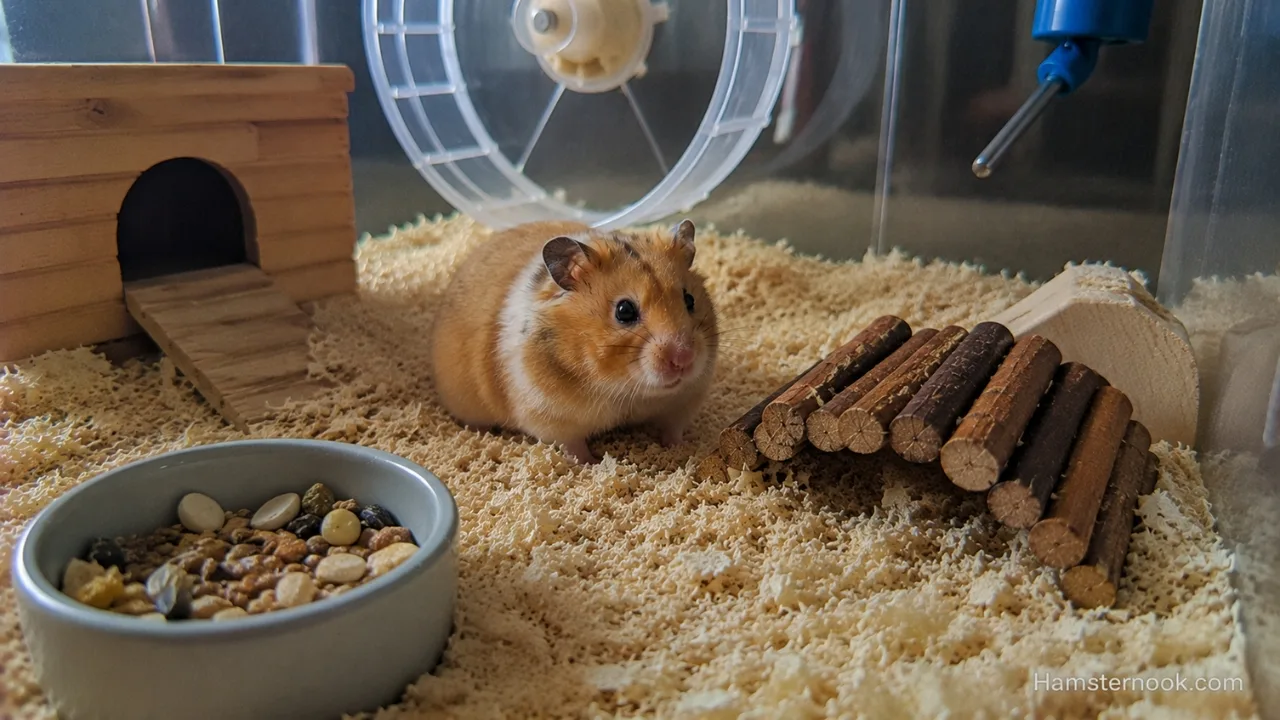
Yes, but the degree of territorial behavior varies by species.
| Hamster Species | Territorial and Housing Considerations |
|---|---|
| Syrian hamster | Strongly territorial; should be housed alone. |
| Chinese hamster | Generally solitary and should be housed alone. |
| Campbell’s Russian dwarf hamster | Some may live in established, compatible groups, but fighting remains possible. |
| Winter white dwarf hamster | Group housing is not guaranteed to remain peaceful; separate housing avoids group-conflict risks. |
| Roborovski dwarf hamster | Some may live in established groups, but fighting can still occur and requires immediate attention. |
Even among dwarf hamsters that may sometimes live together, compatibility is never guaranteed. Fighting can occur if one hamster begins defending food, nesting areas, or personal space.
Why Are Hamsters Territorial?
Territorial behavior developed as an adaptation for survival.
Wild hamsters spend considerable effort creating burrows and collecting food. Protecting these resources reduces competition and helps ensure access to shelter.

Domestic hamsters still carry these instincts, even though food and shelter are provided by their owners.
You may notice territorial behavior when your hamster:
- Has just woken up.
- Is inside its hideout.
- Is protecting stored food.
- Is startled unexpectedly.
- Feels another animal has entered its space.
Recognizing these situations helps explain many behaviors that owners mistakenly interpret as “mean” or “unfriendly.”
If your hamster also retreats, freezes, or seems frightened when you approach, Why Is My Hamster Scared of Me? Causes, Signs & How to Rebuild Trust explains how to recognize fear and respond without forcing interaction.

To better understand the signals behind territorial behavior, see our guide How Do Hamsters Communicate? A Complete Guide to Body Language, Sounds & Scents.
Common Signs of Territorial Behavior

Territorial behavior usually appears as defensive actions rather than unprovoked aggression.
Some common signs include:
Scent Marking
Hamsters naturally use scent glands to mark areas within their enclosure.
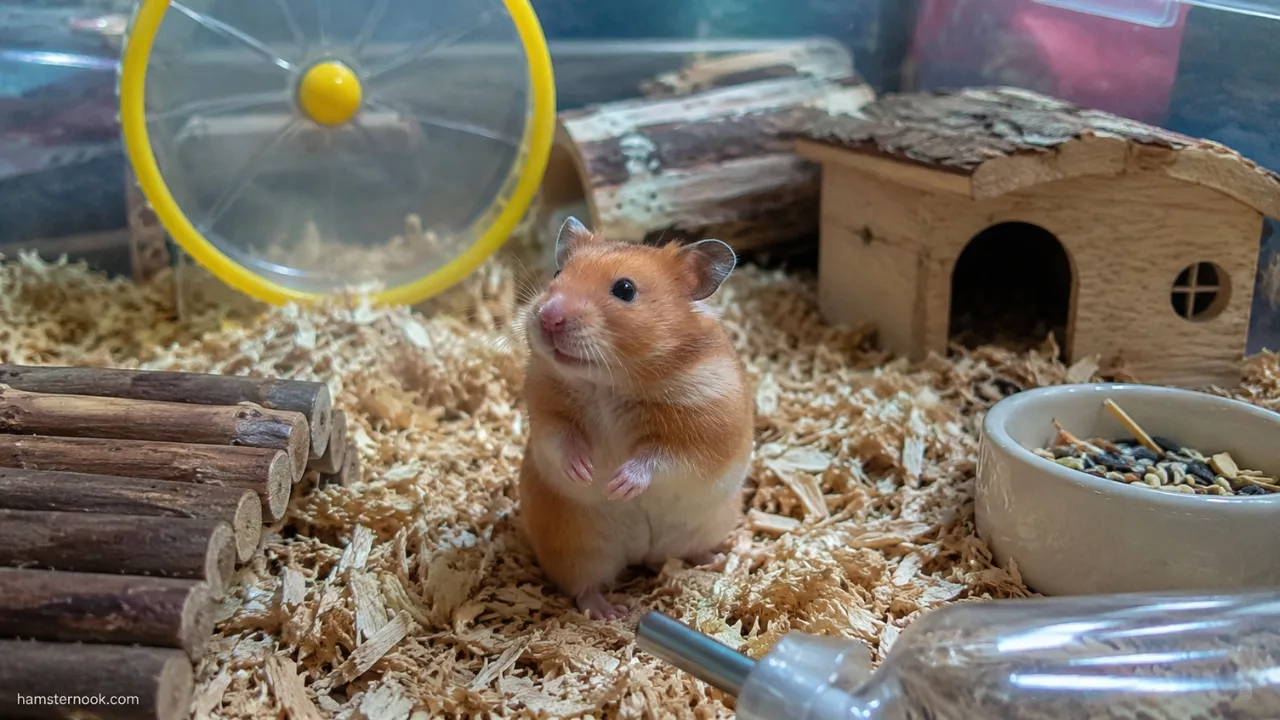
This behavior helps create a familiar environment and communicate ownership of certain spaces.
Scent marking is completely normal and does not indicate a behavioral problem.
Defending a Hideout
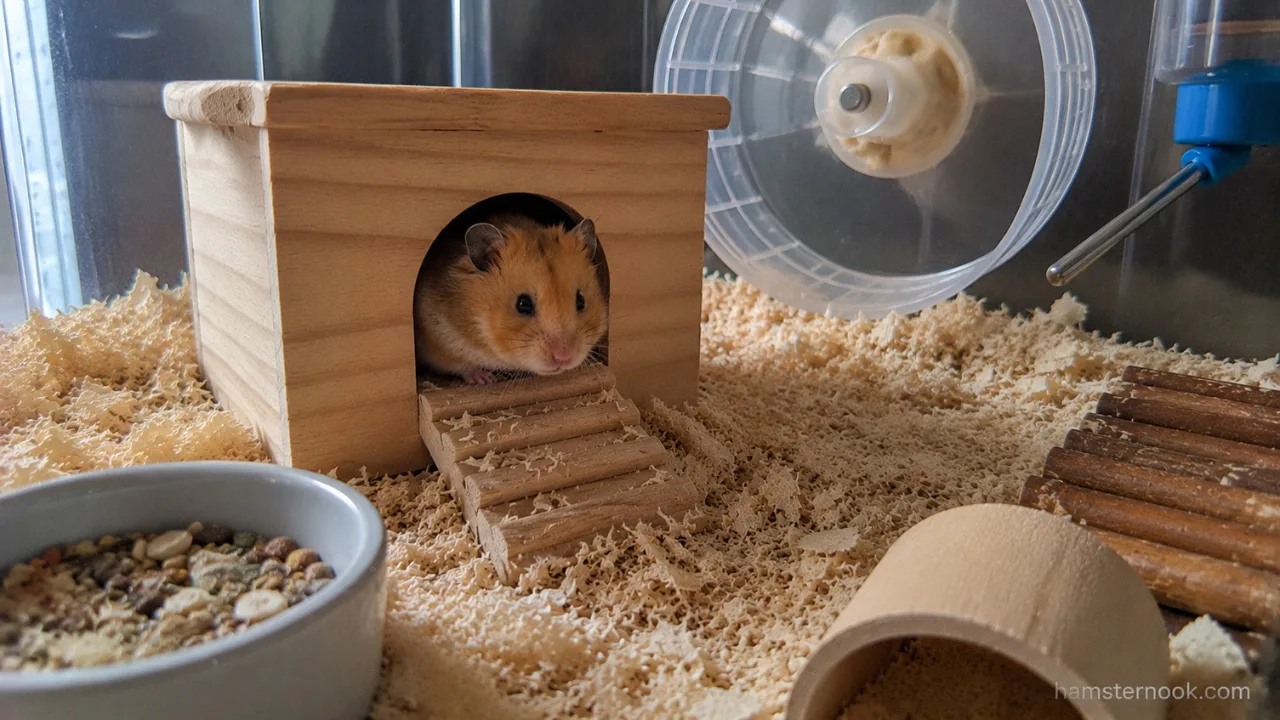
Many hamsters dislike having their sleeping area disturbed.
If you reach directly into a hideout while your hamster is resting, it may:

- Freeze
- Turn toward your hand
- Sniff repeatedly
- Vocalize softly
- Nip defensively
Giving your hamster time to leave its hideout voluntarily usually results in calmer interactions.
Protecting Food
Food is another resource that hamsters naturally guard.
A hamster storing food inside its nest isn’t being greedy—it is displaying normal hoarding behavior.
Avoid removing stored food unless it has spoiled or become unsafe.

Cage Defensiveness
Some hamsters behave differently inside the enclosure than they do outside it.
A hamster that appears defensive when you reach into the cage may become calm once it voluntarily climbs onto your hand or enters a play area.
If your hamster becomes defensive around its enclosure, our guide Why Is My Hamster Biting the Cage? Causes & Easy Solutions covers common reasons and practical ways to respond.
Territorial Behavior vs. Aggression
These two terms are often confused.
| Territorial Behavior | Aggression or Other Concerning Behavior |
|---|---|
| Often occurs around a nest, hideout, or food store | May occur in several situations or without an obvious territorial trigger |
| May follow an approach or disturbance near a protected area | Can be associated with fear, pain, illness, or severe stress |
| May settle when the hamster has space and feels secure | Repeated or sudden changes in behavior deserve closer assessment |
| A natural instinct that should be managed respectfully | Do not assume the cause without considering context and overall health |
Understanding the difference helps owners avoid punishing behaviors that are actually part of normal hamster instincts.
Our guide Hamster Body Language Explained: Signs of Stress, Fear & Happiness explains how to recognize the difference between relaxed, fearful, and defensive behavior.
Can Territorial Behavior Change Over Time?
Yes.
Young hamsters may become more confident as they mature, and established routines often make them feel more secure.

Positive, gentle handling can reduce fear-based reactions over time, but natural territorial instincts will still remain.
Many owners notice that once their hamster learns predictable daily routines, defensive behavior around handling becomes less frequent.
If you’re trying to build your hamster’s confidence, see How to Get a Hamster to Trust You Faster Without Stressing It Out for gentle trust-building techniques.
Is Territorial Behavior Normal?
Yes. Territorial behavior is a normal part of hamster behavior and should not automatically be viewed as a problem.

A hamster protecting its nest, food stash, or favorite hideout is behaving much like it would in the wild. In most cases, these behaviors simply reflect natural instincts rather than aggression.
The goal isn’t to eliminate territorial behavior but to understand it and interact with your hamster in ways that make it feel secure.
Common Mistakes Owners Make
Many defensive reactions occur because owners unintentionally invade a hamster’s space.
Avoid these common mistakes:

- Waking a sleeping hamster suddenly.
- Reaching directly into a hideout.
- Trying to grab your hamster from above.
- Disturbing food hoards unnecessarily.
- Housing unfamiliar hamsters together or assuming previously compatible hamsters will always remain compatible.
- Rearranging the entire habitat too frequently.
Respecting your hamster’s personal space often leads to calmer and more trusting interactions.
Providing enough enrichment can reduce stress-related behaviors. Our guide Do Hamsters Get Bored? 10 Signs Your Hamster Needs More Enrichment explains what to look for.
What You Should Do
If your hamster shows territorial behavior, focus on creating predictable, low-stress interactions.

Helpful approaches include:

- Allow your hamster to wake naturally before handling.
- Let it approach your hand instead of picking it up suddenly.
- Keep a consistent feeding routine.
- Provide several hideouts within the enclosure.
- Avoid forcing interaction if your hamster appears uncomfortable.
- Offer treats to build positive associations.
- Handle your hamster calmly and consistently.
Over time, many hamsters become more confident when they know what to expect from daily interactions.
Curious how your hamster recognizes you? Read Can Hamsters Smell Their Owners? How Powerful Is a Hamster’s Sense of Smell? to learn more.
Should You Keep Two Hamsters Together?
This depends largely on the species.
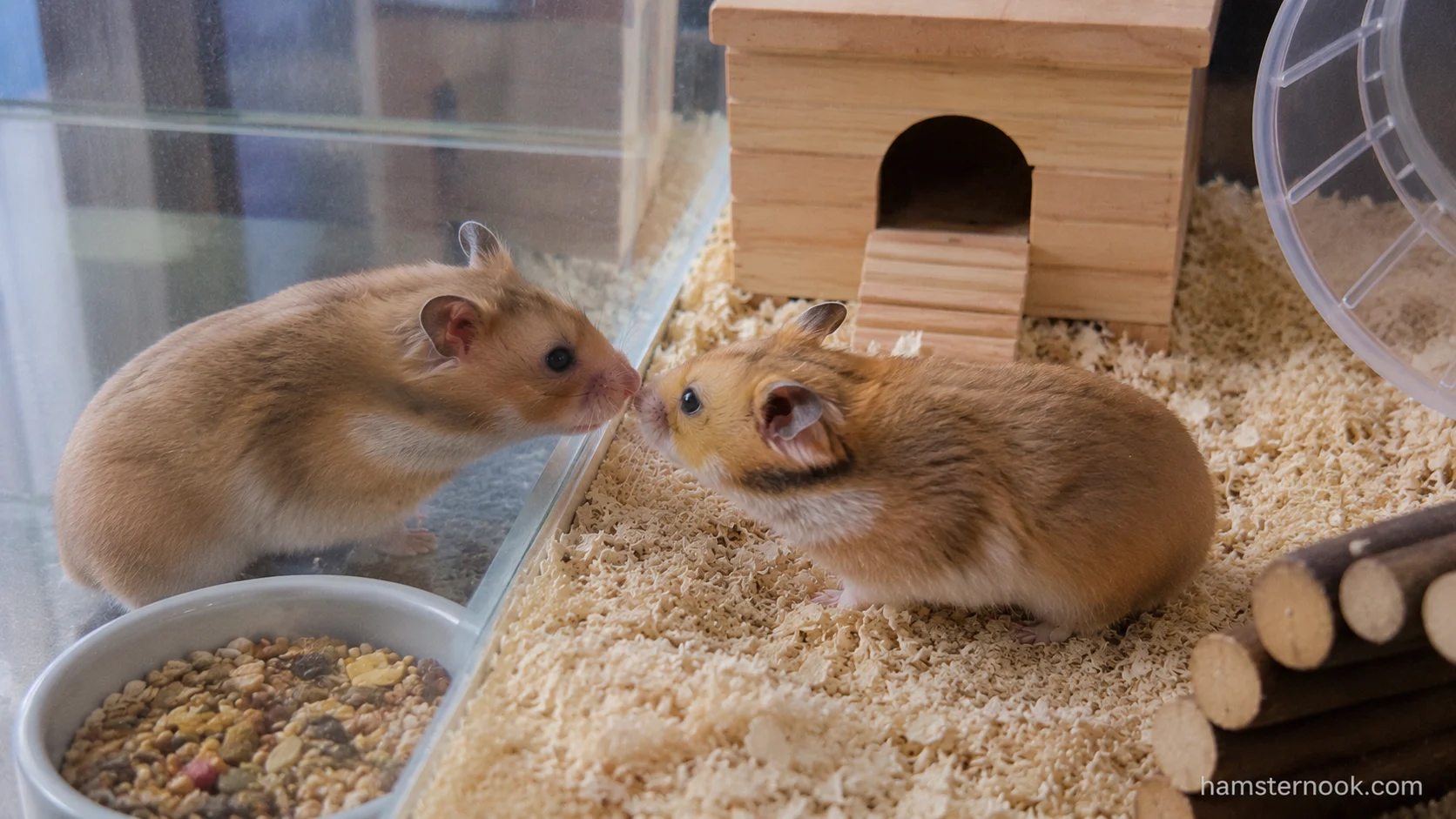
Syrian hamsters should always be housed alone because they are strongly territorial and may seriously injure each other if forced to share the same enclosure.

Some dwarf hamster species may tolerate compatible companions under certain circumstances, but conflicts can still develop over food, nesting areas, or territory.
Owners should never assume that two hamsters will remain compatible simply because they previously lived together.
Before keeping more than one hamster, read Can Hamsters Live Together? Everything You Need to Know to understand which species can safely share space.
When Should You Be Concerned?
Territorial behavior itself is normal.
However, veterinary advice or a closer evaluation of your hamster’s environment may be appropriate if you notice:
- Sudden personality changes.
- Frequent biting without obvious triggers.
- Loss of appetite.
- Weight loss.
- Persistent lethargy.
- Signs of pain or injury.
- Fighting between housed hamsters.
- Defensive behavior that appears alongside other signs of illness.
Behavior should always be considered together with your hamster’s overall health.
If you’re concerned about your hamster’s overall health, Signs of a Sick Hamster: Warning Symptoms Every Owner Should Know explains the warning signs that need attention.
Conclusion
Territorial behavior is one of the most natural instincts a hamster has. Protecting its nest, food, sleeping area, and personal space doesn’t mean your hamster dislikes you—it simply means it’s behaving the way hamsters have evolved to survive.
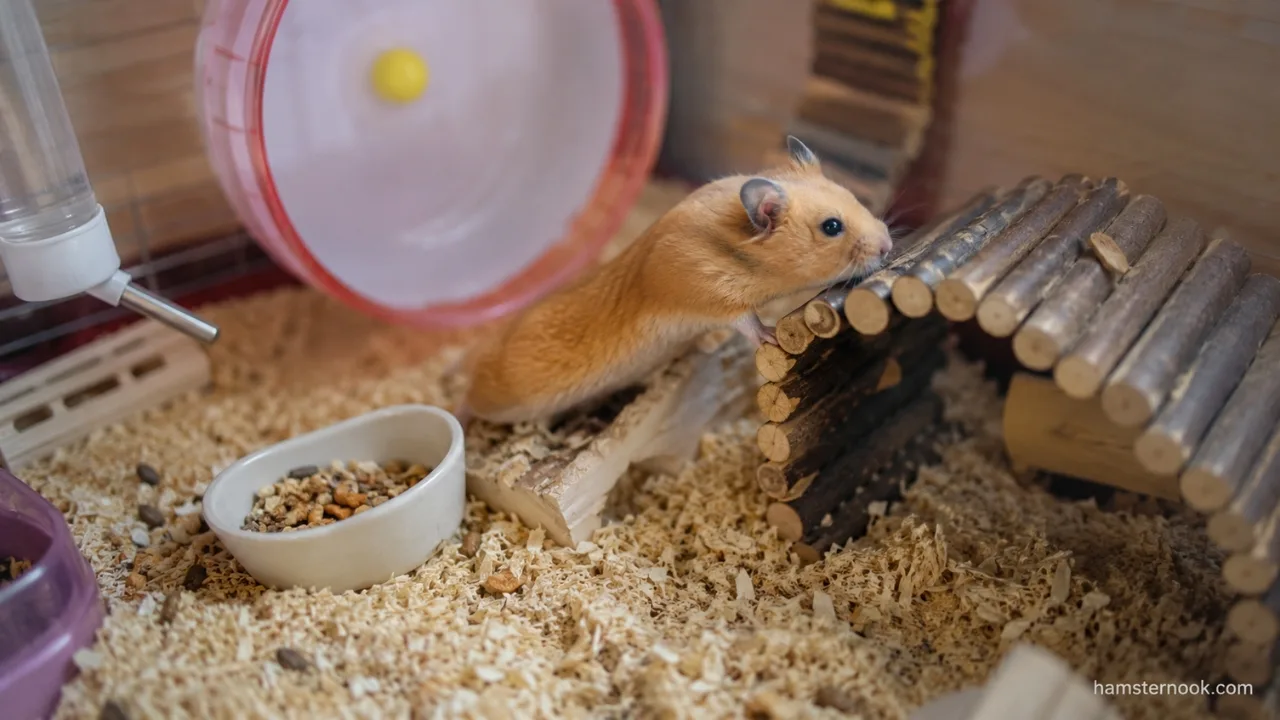
By respecting your hamster’s boundaries, handling it gently, and maintaining a consistent routine, you can build trust without trying to suppress its natural behaviors.
Learning the difference between normal territorial instincts and true behavioral problems helps you become a more confident and responsible hamster owner.
Want to learn more about your hamster’s natural behavior while resting? See Do Hamsters Dream? What Happens When Your Hamster Sleeps?.
Frequently Asked Questions
Are Syrian hamsters more territorial than dwarf hamsters?
Yes. Syrian hamsters are generally the most territorial pet hamster species and should always be housed alone.

Why does my hamster bite when I reach into its cage?
Your hamster may be protecting its territory, especially if you reach into its nest or surprise it while sleeping. Allowing it to approach you voluntarily often leads to calmer interactions.
Does territorial behavior mean my hamster is aggressive?
Not necessarily. Territorial behavior is a normal instinct. True aggression may have other causes, including fear, pain, illness, or severe stress.
Can territorial behavior be reduced?
You can’t eliminate natural instincts, but gentle handling, predictable routines, and respecting your hamster’s personal space often reduce defensive reactions.
Should I separate hamsters if they start fighting?
Yes. Hamsters that begin fighting should be separated immediately to prevent serious injuries, especially Syrian hamsters.
References
This guide is based on hamster territorial behavior, communication, housing, handling, social interactions, and welfare guidance from trusted animal welfare and veterinary resources, including:
- RSPCA – Hamster Behaviour – Guidance on natural hamster behavior, scent marking, territorial instincts, handling, and signs of stress.
- RSPCA – Creating a Good Home for Hamsters – Information on suitable enclosure space, hiding places, bedding, enrichment, and environmental needs.
- RSPCA – Keeping Hamsters as Pets – General guidance on hamster care, housing, handling, behavior, and welfare.
- Blue Cross – Hamster Care Guide – Practical advice on hamster housing, handling, enrichment, social needs, and preventing stress.
- MSD Veterinary Manual – Providing a Home for a Hamster – Veterinary guidance on housing, environmental enrichment, and appropriate hamster husbandry.
- NC3Rs – Housing and Husbandry: Hamster – Guidance on hamster housing, species-specific needs, environmental conditions, and welfare.

Narayan Kumar is the founder and author of HamsterNook. He creates practical, research-based hamster care guides covering hamster behavior, nutrition, cage setup, enrichment, health, and everyday care. His goal is to help hamster owners make informed decisions and provide safer, healthier lives for their pets through clear, beginner-friendly information based on trusted animal care resources.