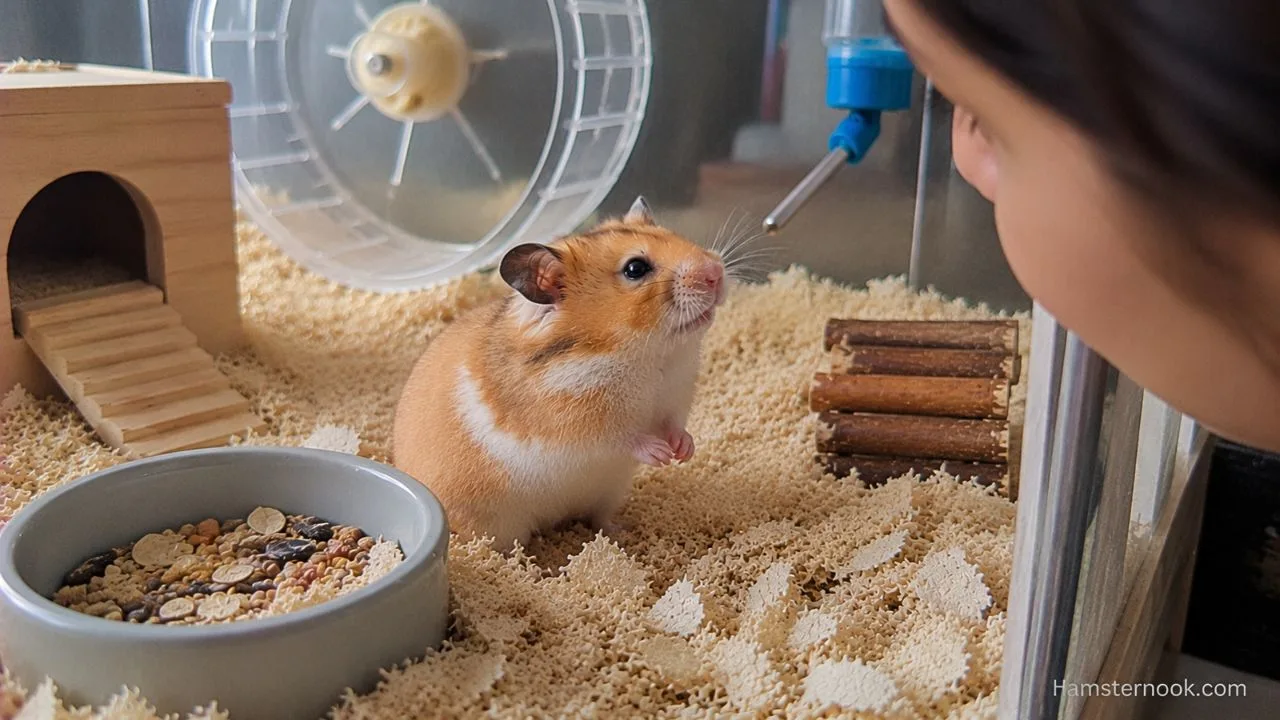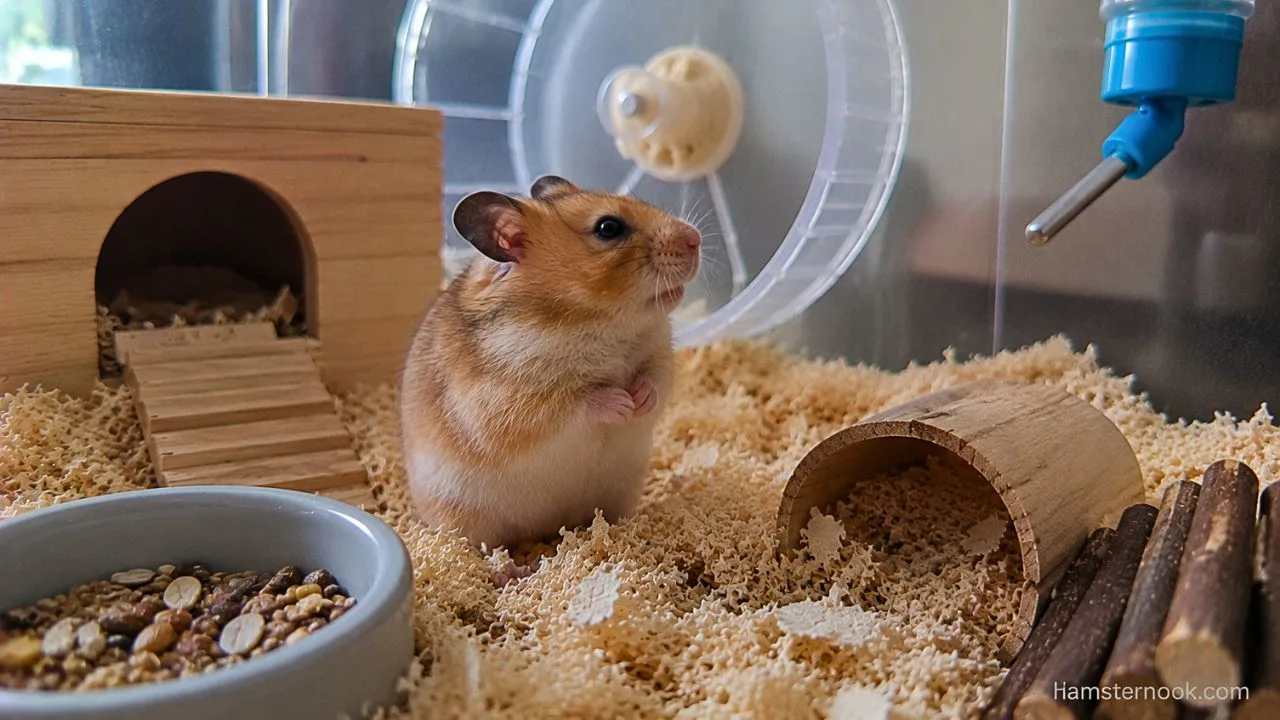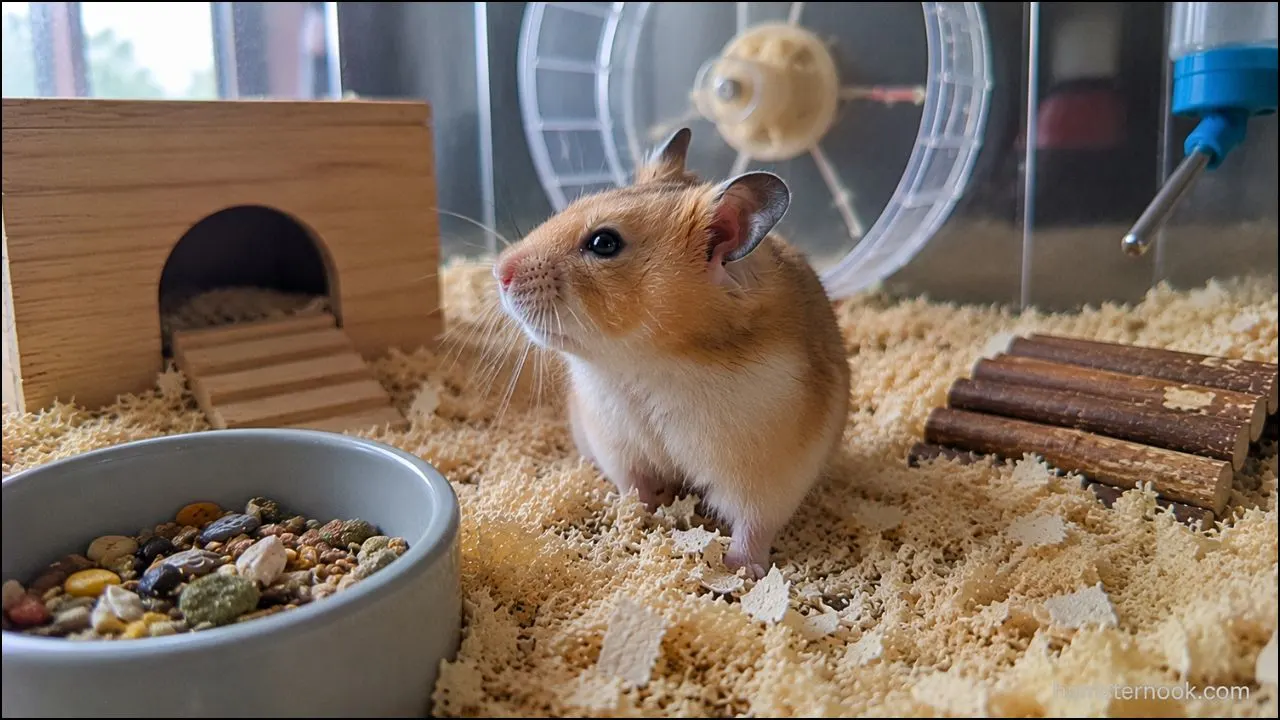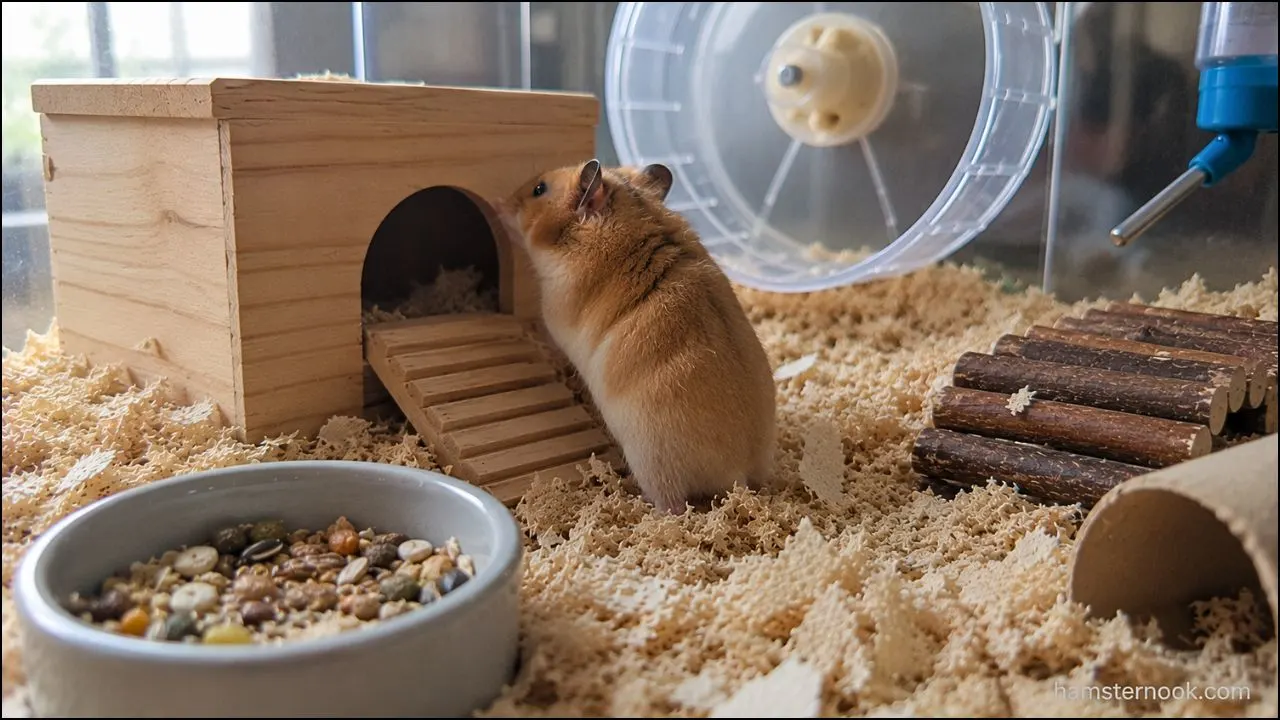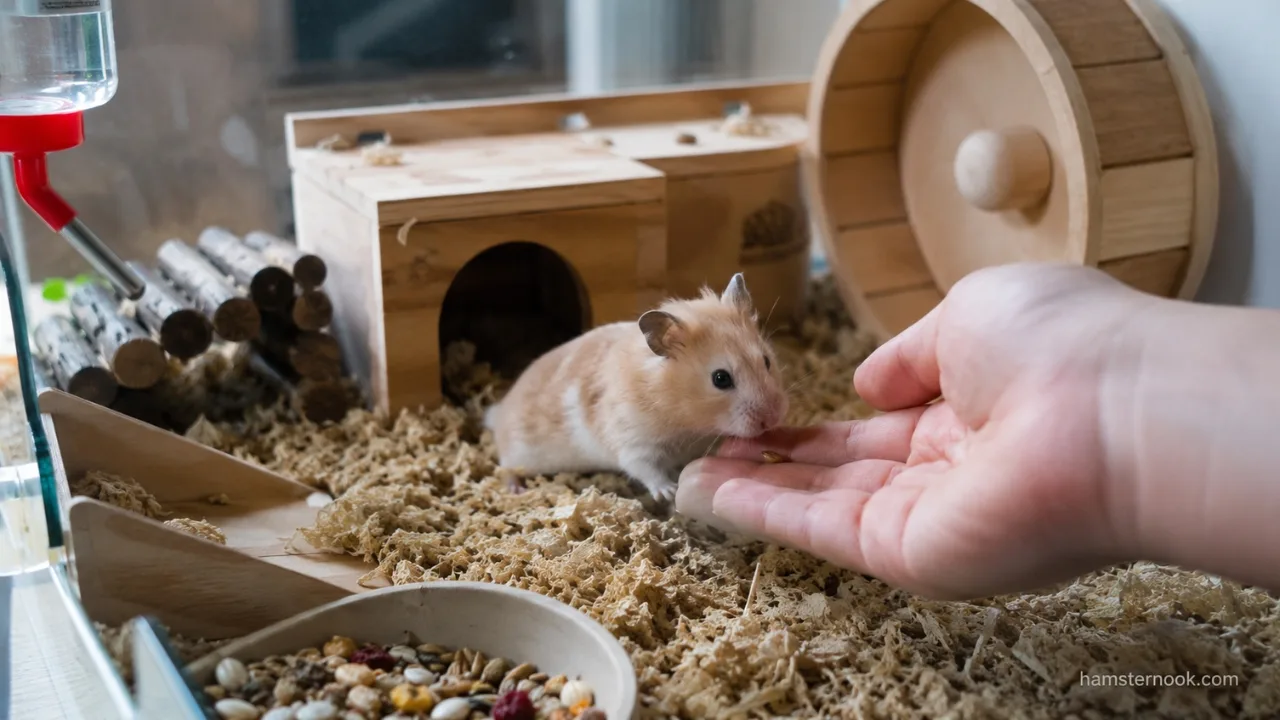
Few things are more frustrating for a new hamster owner than bringing home an adorable pet only to discover that it runs away every time you get near the cage. Many owners worry they’re doing something wrong when their hamster hides, avoids contact, or seems completely uninterested in interaction.
The truth is that trust takes time. Hamsters are prey animals by nature, which means their first instinct is usually caution rather than curiosity. However, that doesn’t mean bonding has to take months. By understanding how hamsters think and using the right approach, you can build trust much faster without creating fear or stress.
The key is not forcing friendship. It’s creating an environment where your hamster chooses to trust you on its own terms.
Every hamster builds trust at its own pace. Some become comfortable within days, while others need several weeks of calm, consistent interaction. Measuring progress by small improvements—such as accepting treats, approaching your hand, or staying relaxed in your presence—is far more realistic than expecting immediate handling.
Why Hamsters Don’t Automatically Trust Humans
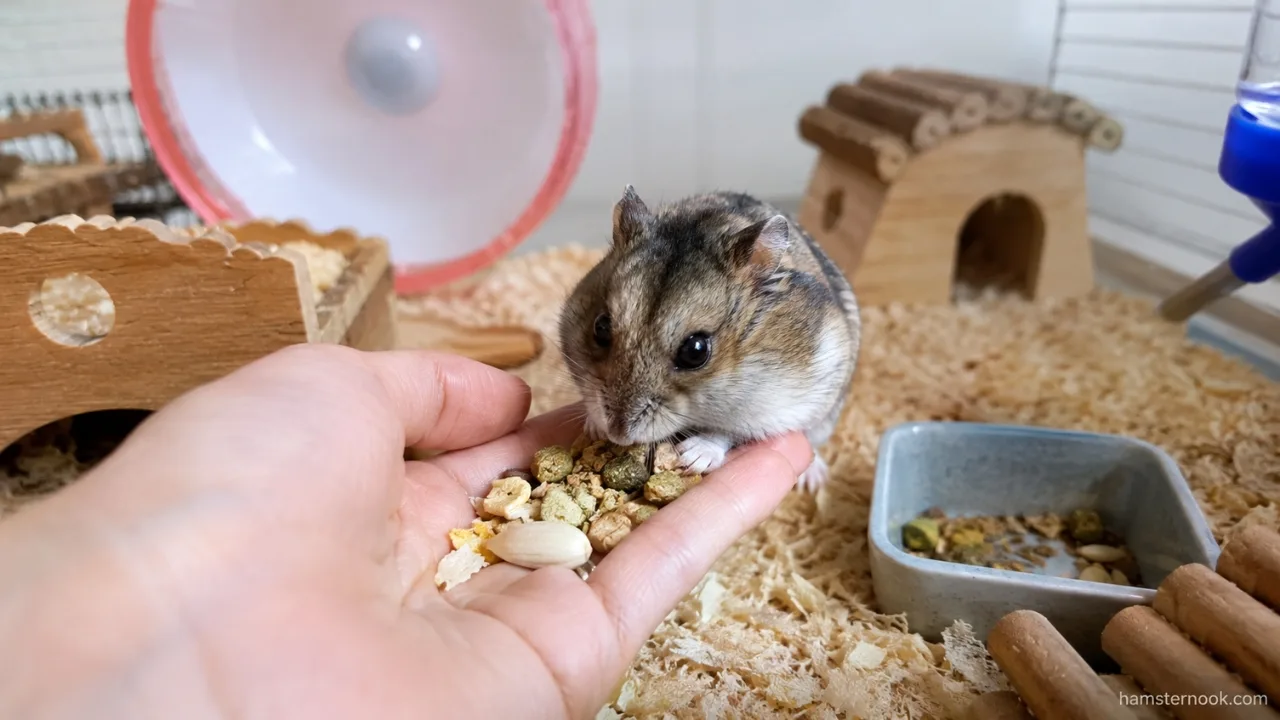
Unlike dogs, which have been domesticated for thousands of years to work alongside people, hamsters rely heavily on survival instincts.
In the wild, a large creature reaching down from above is often a predator. To a hamster, your hand can initially seem more threatening than friendly.
When a hamster enters a new home, it must adapt to:
- New smells
- New sounds
- New lighting conditions
- Different routines
- Unfamiliar people
This adjustment period is completely normal. In fact, many owners accidentally damage trust by trying too hard to bond immediately after bringing a hamster home.
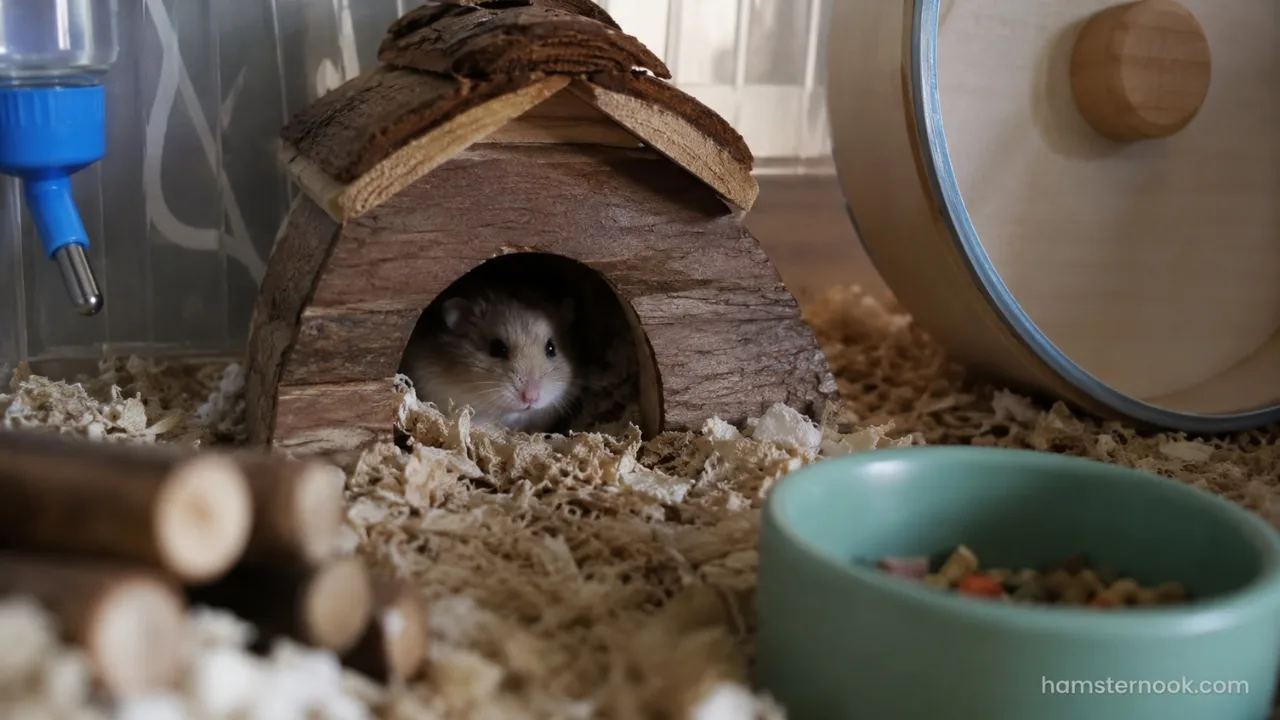
The first few days after bringing a hamster home often have the biggest impact on future bonding. Our The Biggest Mistake New Hamster Owners Make in the First Week guide explains what to avoid during this important adjustment period.
How Long Does It Take a Hamster to Trust You?
There is no universal timeline.
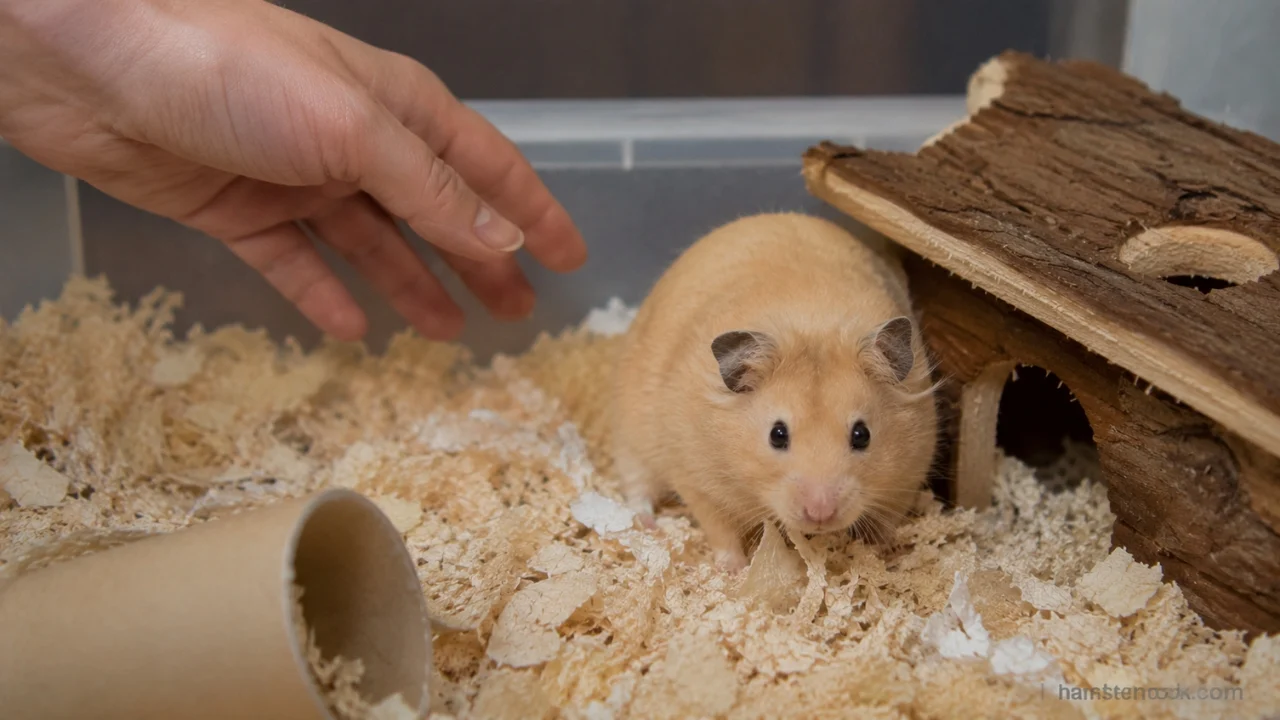
Some confident hamsters may begin approaching their owners within a few days, while shy individuals may need several weeks.
Several factors influence trust development:
| Factor | Impact on Trust Building |
|---|---|
| Age | Younger hamsters often adapt faster |
| Personality | Some hamsters are naturally cautious |
| Previous Handling | Positive experiences help confidence |
| Cage Environment | A secure habitat reduces stress |
| Owner Patience | Consistency speeds progress |
The goal shouldn’t be to rush trust. Instead, focus on creating positive experiences that encourage trust naturally.
A hamster that feels safe in its enclosure is naturally more confident around people. Our What Good Hamster Care Actually Looks Like guide explains the housing and daily care habits that support confident behavior.
Start by Giving Your Hamster Time to Settle In
One of the most effective ways to gain trust quickly is surprisingly simple: leave your hamster alone for the first few days.
Many owners assume immediate handling helps bonding. In reality, a stressed hamster is far less likely to trust you.
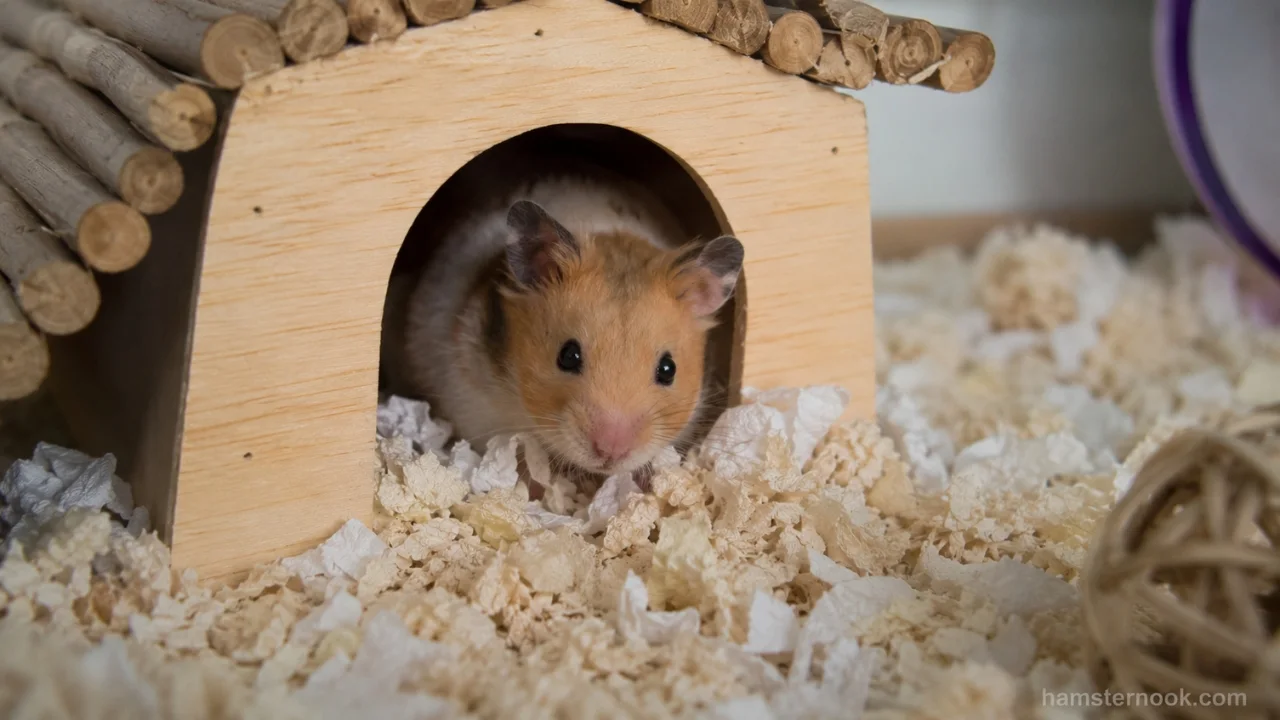
During the adjustment period:
- Refresh food and water daily
- Speak softly near the enclosure
- Avoid unnecessary cage rearranging
- Let the hamster explore at its own pace
This allows your hamster to feel safe before social interactions begin.
Use Your Voice Before Using Your Hands
Hamsters learn familiarity through repeated exposure.
Before attempting physical interaction, spend time talking quietly near the cage. The words themselves don’t matter as much as the consistency of your voice.
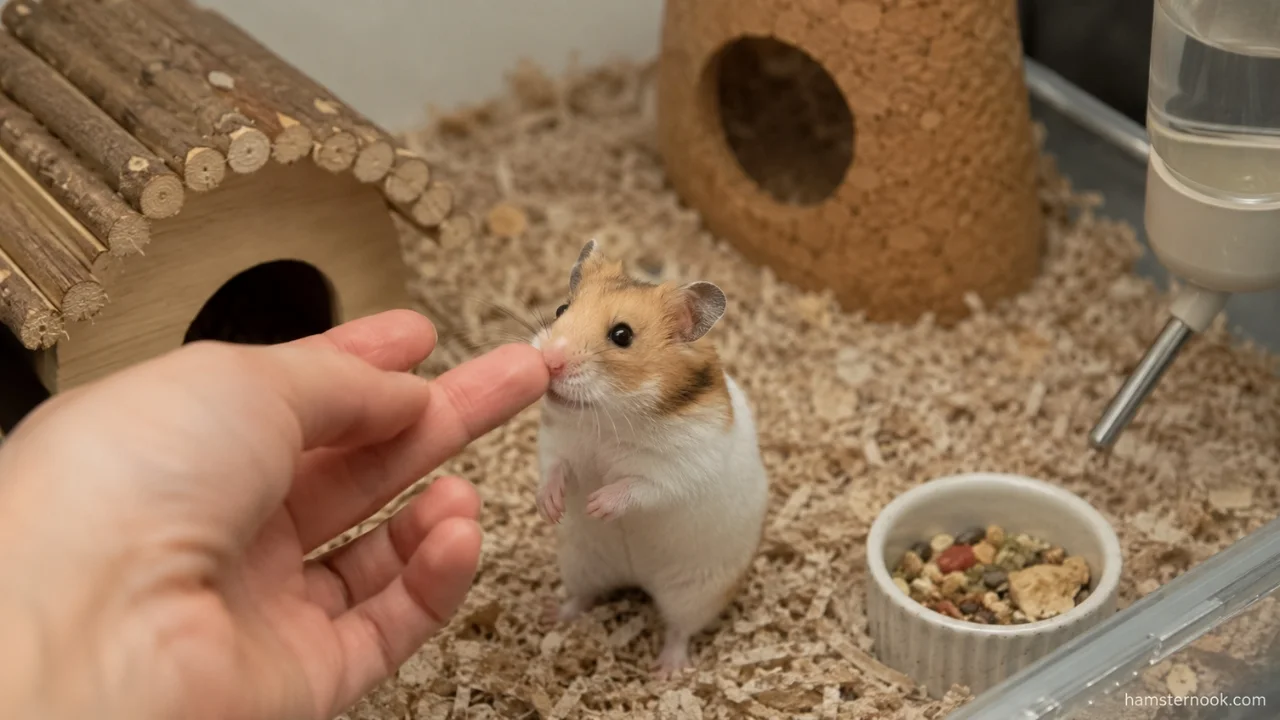
A hamster that regularly hears you without negative experiences begins associating your presence with safety.
This simple step is often overlooked, yet it can significantly reduce fear during later handling sessions.
Let Your Hamster Come to You
Many owners make the mistake of chasing their hamster around the enclosure with their hands.
Trust grows faster when the hamster controls the interaction.

Instead:
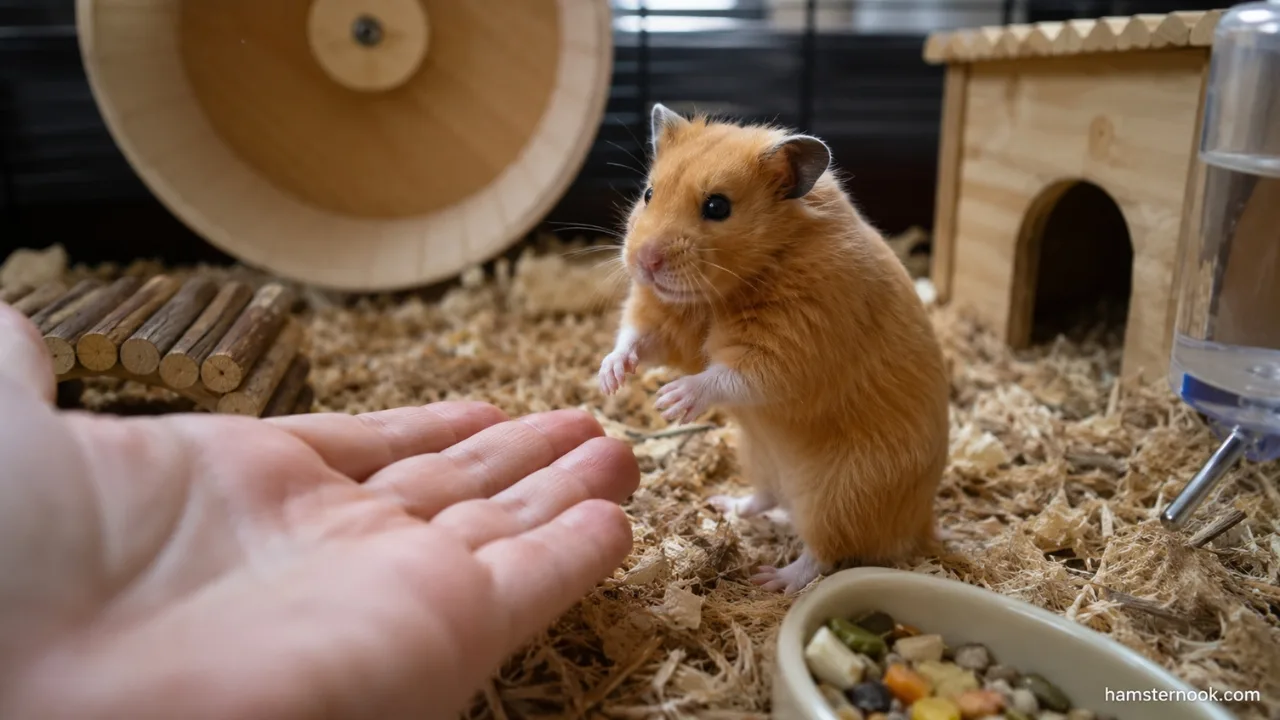
- Place your hand inside the cage.
- Remain still.
- Allow your hamster to investigate.
- Let it sniff without pressure.
- End the session before the hamster becomes nervous.
Even if your hamster only approaches briefly, that’s progress.
Small positive interactions repeated consistently are far more effective than long stressful sessions.
Build Positive Associations With Treats
Food can be one of the most powerful trust-building tools when used correctly.
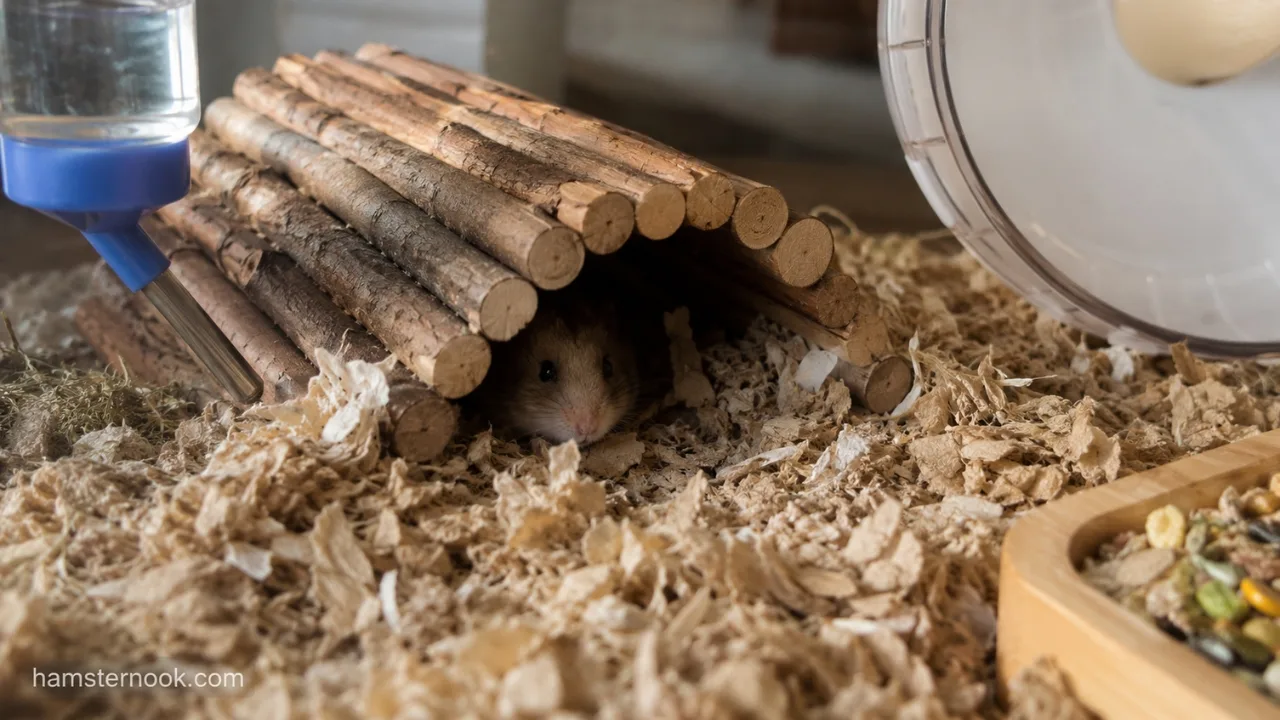
Offer small hamster-safe treats from your fingertips or open palm. Over time, your hamster begins connecting your presence with positive experiences.
Good options include:
- Pumpkin seeds
- Sunflower seeds in moderation
- Tiny vegetable pieces
- Small portions of hamster-safe fruits
Avoid overfeeding treats simply to gain affection.
Learn to Recognize Relaxed vs Stressed Behavior
Understanding body language can dramatically improve trust-building success.

Signs Your Hamster Is Becoming Comfortable
| Relaxed Behaviors | What They Mean |
|---|---|
| Approaching your hand | Growing curiosity |
| Grooming nearby | Feeling secure |
| Accepting treats calmly | Positive association forming |
| Exploring openly | Increased confidence |
| Normal eating habits | Reduced stress |
Signs You Should Slow Down
| Stress Signals | What They Mean |
|---|---|
| Freezing suddenly | Feeling threatened |
| Running away repeatedly | Not ready for interaction |
| Hiding immediately | Overwhelmed |
| Biting defensively | Fear response |
| Flattened posture | Anxiety |
Respecting these signals helps prevent setbacks.
To understand the small behaviors that can show growing confidence, 10 Signs Your Hamster Trusts You: How to Tell If They Like You explains what trust may look like during everyday interactions.
Create an Environment That Encourages Confidence
Trust isn’t built only through interaction. The cage environment plays a huge role.
Hamsters feel safer when they have:
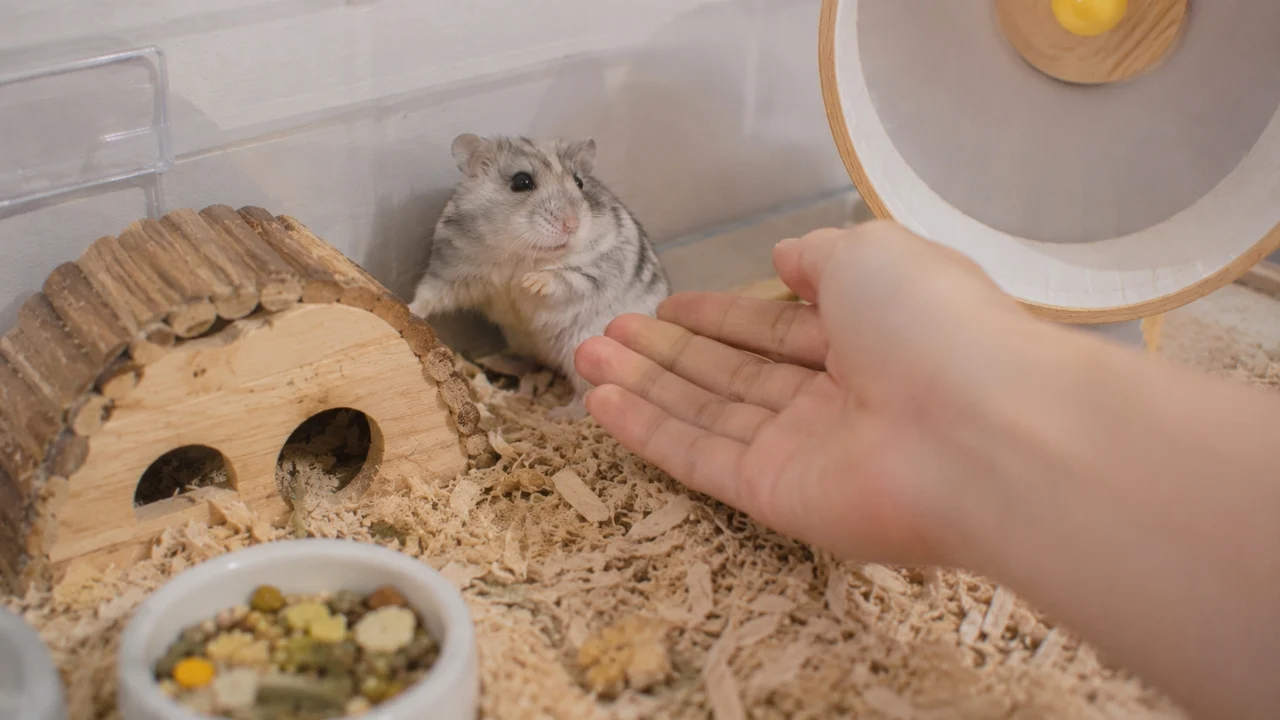
- Deep bedding for burrowing
- Multiple hiding places
- A properly sized enclosure
- A quality exercise wheel
- Consistent daily routines
A hamster that feels secure in its habitat is naturally more willing to interact with people.
If your hamster still spends most of its time hidden despite a suitable enclosure, our Why Is My Hamster Always Hiding? When It’s Normal and When to Worry guide can help you understand what is normal and what may need attention.
The Best Way to Introduce Hand Taming
Once your hamster willingly approaches your hand, you can gradually begin hand taming.
Start by:

- Allowing the hamster to step onto your palm voluntarily
- Keeping your hand low inside the cage
- Avoiding sudden movements
- Keeping sessions brief
Do not immediately lift your hamster high above the enclosure.
Many hamsters become nervous when elevated before they’ve developed confidence.
Progress should feel gradual and natural.
If your hamster seems nervous after a handling session, go back to the previous step instead of pushing forward. Repeating successful, low-stress interactions usually builds trust faster than trying to rush the process.

Common Mistakes That Slow Down Trust Building
Even well-meaning owners sometimes sabotage their progress.
Waking a Sleeping Hamster
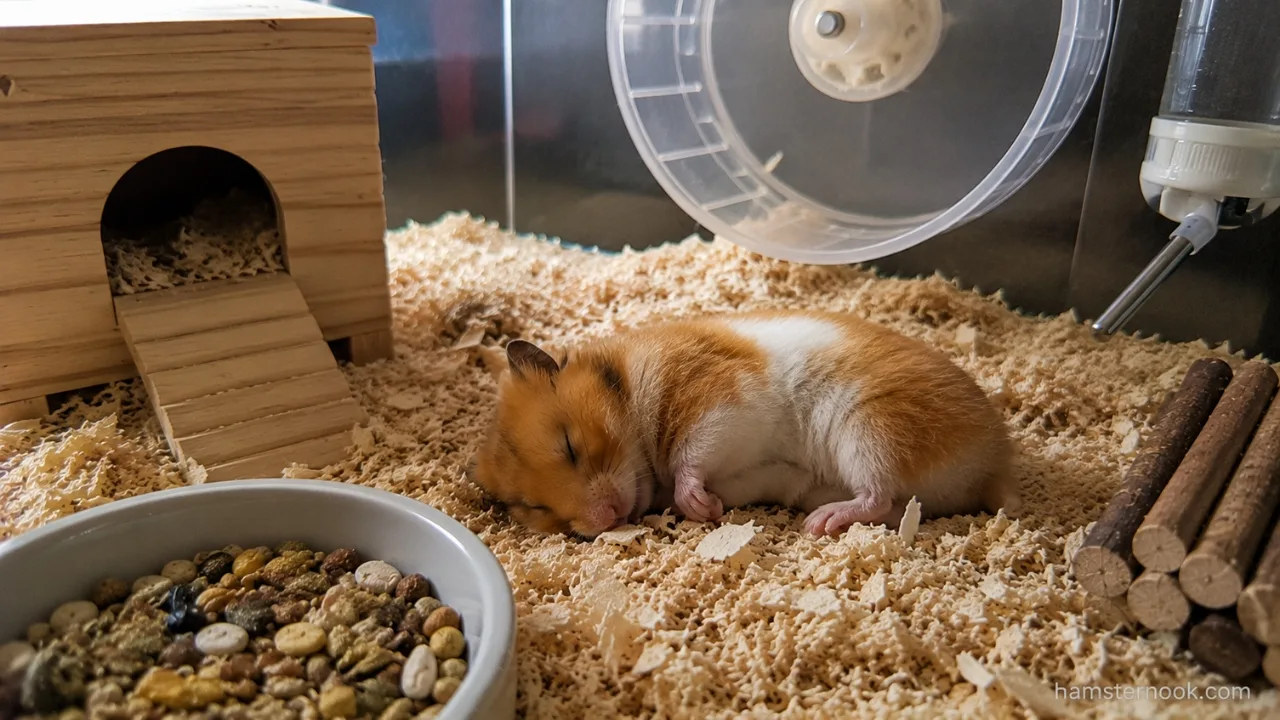
Hamsters are naturally most active during evening and nighttime hours.
Repeatedly waking a sleeping hamster can create irritation and stress.
Forcing Physical Contact
Picking up a hamster before it feels comfortable often delays bonding rather than accelerating it.

Moving Too Fast
Trying to achieve full handling within a few days often backfires.
Trust develops through consistency, not speed.
Ignoring Individual Personality
Some hamsters become social quickly while others remain more independent.
A shy hamster isn’t necessarily unhappy.
If your hamster immediately runs away whenever you approach the cage, our Why Does My Hamster Run Away From Me? guide explains the most common reasons behind this behavior and how to respond.
How Scent Helps Hamsters Learn to Trust You
Hamsters rely heavily on smell to understand their environment.
One useful technique is placing a small piece of unscented tissue or toilet paper that you’ve handled into the enclosure.
This allows your hamster to become familiar with your scent without direct interaction.

Over time, your smell becomes part of the hamster’s safe environment.
Because scent plays such an important role in how hamsters recognize their surroundings, familiar smells often provide reassurance during stressful situations. A hamster that regularly encounters your scent in calm, predictable situations may become more confident around you than one that only encounters your presence during handling sessions.
This method is especially helpful for nervous hamsters that are not yet comfortable approaching hands.
Because hamsters rely heavily on scent, they often recognize familiar people long before they become comfortable with handling. Our Can Hamsters Recognize Their Owners by Smell Alone? guide explains how this works.

Activities That Strengthen Trust After Bonding Begins
Once your hamster consistently approaches you, additional activities can strengthen the relationship.
These include:
- Hand-feeding occasional treats
- Supervised playpen time
- Gentle handling sessions
- Allowing exploration on your lap
- Interactive foraging games
Building trust isn’t only about handling. Our Hamster Cage Enrichment: 10 Ideas to Prevent Boredom guide explains how enrichment encourages confidence and natural exploration.
When Trust Building Doesn’t Go as Planned
Some hamsters simply require more time.
If progress stalls:
- Reduce handling temporarily
- Return to treat-based interactions
- Reevaluate the cage setup
- Ensure the hamster is healthy
- Avoid punishment or frustration
Every positive interaction contributes to trust, even if progress feels slow.
A sudden change in behavior should not automatically be treated as a bonding problem. If your hamster becomes unusually inactive, stops eating, loses weight, develops diarrhea, or has difficulty breathing, contact a veterinarian promptly. Hamsters can become unwell quickly, and illness or pain can also change their behavior.
Consistency matters more than long training sessions. Spending just a few calm minutes with your hamster each evening is often more effective than occasional lengthy handling sessions that leave your pet feeling overwhelmed.

The goal is a hamster that chooses to interact with you, not one that tolerates handling out of necessity.
Final Thoughts
Getting a hamster to trust you faster isn’t about finding a secret trick. It’s about understanding what makes a hamster feel safe.
The owners who build the strongest bonds are usually the ones who move slowly, respect boundaries, and allow trust to develop naturally. A hamster that feels secure is far more likely to approach, explore, and interact willingly.
By focusing on patience, positive associations, and gentle interactions, you can create a relationship based on confidence rather than fear. The process may take days or weeks depending on the individual hamster, but the result is often a calmer, happier pet that genuinely enjoys your presence.

Frequently Asked Questions
How can I make my hamster trust me quickly?
The fastest way to build trust is by allowing your hamster to approach you voluntarily, using treats responsibly, maintaining a calm environment, and avoiding forced handling.
Should I hold my hamster every day to build trust?
Not necessarily. Daily interaction can help, but only if the hamster is comfortable. Forced handling often slows trust development.
Why does my hamster still run away from me?
New environments, fear, personality differences, and previous experiences can all affect trust-building speed. Consistent positive interactions usually help over time.
Can treats help a hamster trust me?
Yes. Small healthy treats can create positive associations with your presence and encourage voluntary interaction.
How do I know if my hamster trusts me?
A trusting hamster may approach your hand willingly, take treats calmly, explore around you, and remain relaxed during interaction.
What should I do if my hamster bites me?
Stay calm and avoid sudden reactions. Biting is usually a sign of fear, stress, or misunderstanding rather than aggression. Reducing pressure and rebuilding trust gradually is often the best approach.
Why does my hamster trust other family members but not me?
Hamsters learn through repeated positive experiences. Differences in handling style, scent, voice, or routine may cause them to become comfortable with one person sooner than another. Consistent, calm interactions usually help build trust over time.
References
This guide is based on hamster behavior, taming, handling, stress, enrichment, and welfare guidance from trusted animal welfare and veterinary resources, including:
- RSPCA – Hamster Behaviour – Guidance on natural hamster behavior, handling, interaction, activity patterns, body language, and reducing stress.
- RSPCA – Keeping Hamsters as Pets – General guidance on hamster care, behavior, handling, housing, enrichment, and welfare.
- Blue Cross – Hamster Care Guide – Practical advice on hamster handling, settling into a new home, enrichment, housing, and building positive interactions.
- MSD Veterinary Manual – Providing a Home for a Hamster – Veterinary guidance on hamster housing, bedding, hiding places, exercise, environmental needs, and reducing stress.
- NC3Rs – Housing and Husbandry: Hamster – Guidance on suitable housing, bedding, environmental conditions, natural behavior, and hamster welfare.
- NC3Rs – Choosing Appropriate Enrichment – Guidance on enrichment that supports natural behaviors, exploration, foraging, and psychological wellbeing.
Medical Disclaimer
This article is intended for educational purposes only and should not be considered veterinary advice. Changes in behavior can sometimes be related to fear, stress, illness, or pain. If your hamster becomes unusually inactive, stops eating, loses weight, develops diarrhea, has difficulty breathing, or shows other persistent or concerning symptoms, consult a qualified exotic animal veterinarian for proper evaluation.

Narayan Kumar is the founder and author of HamsterNook. He creates practical, research-based hamster care guides covering hamster behavior, nutrition, cage setup, enrichment, health, and everyday care. His goal is to help hamster owners make informed decisions and provide safer, healthier lives for their pets through clear, beginner-friendly information based on trusted animal care resources.