
Bringing a new hamster home is exciting, but the first night can be surprisingly stressful—for both the hamster and the owner. Many people expect their new pet to immediately start exploring, eating treats, and interacting with them. Instead, they often find a hamster hiding in a corner, sleeping, freezing in place, or refusing food altogether.
If your new hamster is hiding, ignoring treats, or avoiding interaction, that’s usually completely normal.
The first night in a new home is one of the biggest adjustments a hamster will experience. New sights, unfamiliar smells, different sounds, and a completely unfamiliar enclosure can all feel overwhelming at first. Understanding that this cautious behavior is a normal part of settling in helps owners respond with patience rather than unnecessary concern.
This guide explains exactly what to expect during your hamster’s first night, how to make the transition easier, and which warning signs may require closer attention.
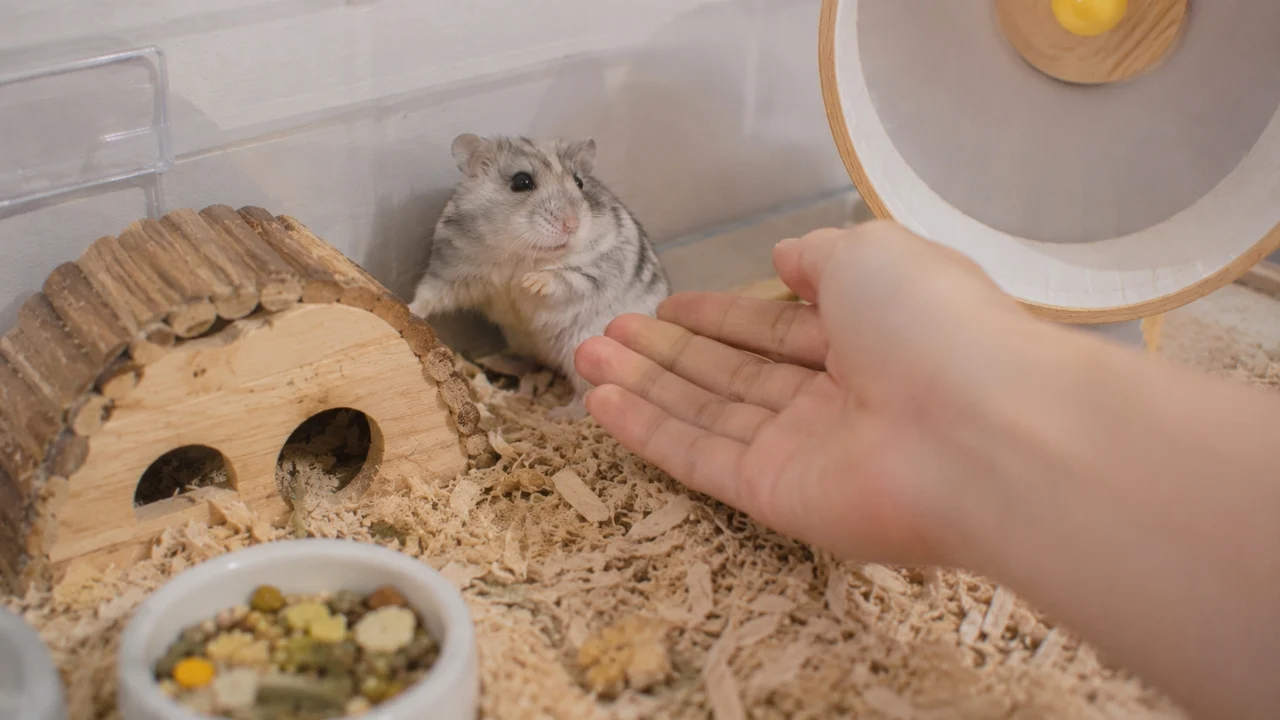
Quick Answer: What Should I Expect on a Hamster’s First Night?
A new hamster may spend much of the first night hiding, sleeping, exploring cautiously, eating when the room is quiet, or avoiding interaction. These behaviors are common during the adjustment period. Give your hamster fresh water, food, bedding, shelter, and a quiet environment, then allow it to settle without repeated handling or cage disturbances.
Why the First Night Is So Important for a New Hamster
A hamster’s first night sets the tone for its adjustment period.
Before arriving in your home, the hamster may have experienced transportation, handling, a new carrier, and a completely unfamiliar environment. Even outgoing hamsters usually need time to adjust after transportation and a change of environment.
Unlike dogs or cats, hamsters are prey animals. Their natural instinct is to be cautious when entering a new territory. During the first night, most hamsters focus on finding shelter, learning their surroundings, and deciding whether the new environment feels safe.

Many first-time owners accidentally create extra stress without realizing it. Understanding The Biggest Mistake New Hamster Owners Make in the First Week can help you avoid common errors that slow the adjustment process.
What Is Normal During a Hamster’s First Night?
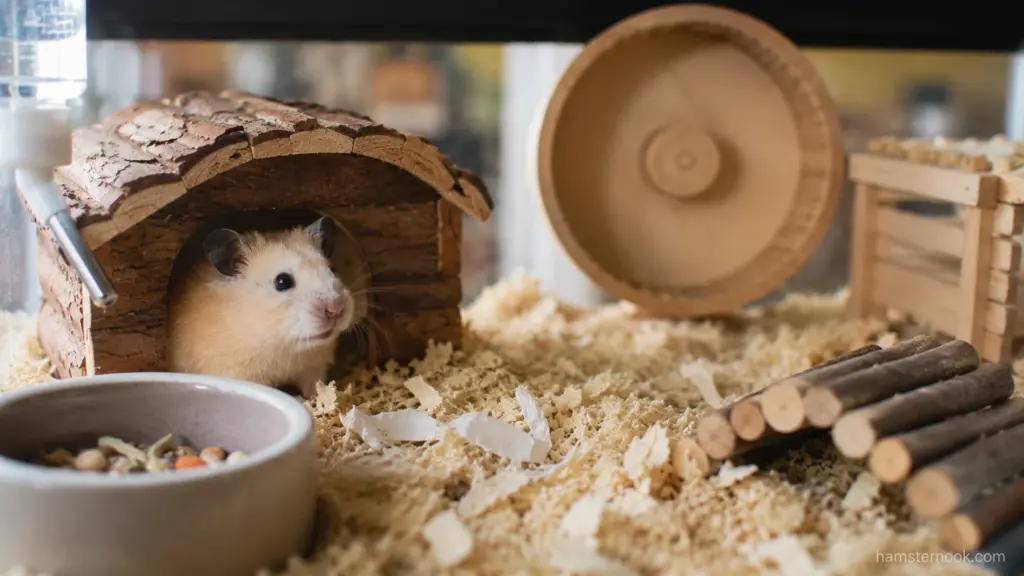
No two hamsters react exactly the same way during their first night. Some begin exploring almost immediately, while others spend most of the night hidden. Both responses can be perfectly normal.
Many behaviors that worry new owners are actually completely normal.
Your hamster may react differently depending on its personality, age, species, and previous experiences.

Common First-Night Behaviors
| Behavior | Usually Normal? | Explanation |
|---|---|---|
| Hiding frequently | Yes | Hamster is seeking safety |
| Sleeping more than expected | Yes | Stress and adjustment can increase rest |
| Exploring the cage repeatedly | Yes | Learning the new environment |
| Refusing treats initially | Yes | Cautious behavior is common |
| Running on the wheel excessively | Yes | Some hamsters release stress through activity |
| Freezing when approached | Yes | Natural prey-animal response |
Most of these behaviors fade naturally as the hamster becomes more comfortable in its new home.
Some hamsters adjust surprisingly quickly, while others need several quiet nights before their confidence begins to show. Avoid comparing your hamster’s progress with stories from other owners, as personality, previous handling, age, and species can all influence how long the adjustment process takes.
Why Your New Hamster May Hide All Night

One of the most common concerns is when a hamster spends most of the first night hiding.
Many owners worry that something is wrong because the hamster stays inside a hideout or burrow.

In most cases, hiding is a normal coping behavior that helps a hamster feel secure while adjusting. It means the hamster has found a place where it feels secure.
Hamsters naturally seek enclosed spaces because they mimic underground burrows in the wild.
If your hamster is hiding but occasionally comes out to eat, drink, groom, or explore, there is usually no cause for concern.
If you’re unsure whether your hamster’s nighttime activity is normal after settling in, our How Active Should a Healthy Hamster Be at Night? guide explains what healthy evening behavior usually looks like.

Don’t Expect Immediate Bonding
One of the biggest misconceptions is that the first night should be used for bonding.
Many new owners are tempted to:
- Pick up the hamster repeatedly
- Introduce family members
- Offer numerous treats
- Rearrange the cage
- Wake the hamster during the day
Unfortunately, these actions often increase stress rather than reduce it.
If you’re trying to decide whether your hamster is simply adjusting or showing broader signs of stress, our Hamster Stress Signs guide explains the behavioral changes owners can watch for and how to reduce common stress triggers.

The first night should focus on allowing the hamster to settle into its new environment.
This is also a good time to avoid common environmental triggers that can make a new hamster feel unsafe. Our Things Hamsters Absolutely Hate guide covers several everyday situations that owners may not realize are stressful for hamsters.
Trust usually develops little by little as the hamster learns that your presence is safe and predictable.
What Your Hamster Is Actually Doing During the First Night
Even if your hamster seems to be doing very little, it is constantly learning about its new surroundings.

Most hamsters spend their first night:
Mapping Their Environment
Hamsters rely heavily on scent and memory.
They explore to learn:
- Food locations
- Water bottle position
- Hideout entrances
- Wheel placement
- Burrowing areas
Establishing Safe Zones
Your hamster will identify areas that feel secure.

These locations often become favorite sleeping or nesting spots.
Creating a Routine
Hamsters quickly begin developing patterns.
This is why keeping food, water, and accessories in consistent locations helps reduce stress.
How to Prepare the Cage for the First Night
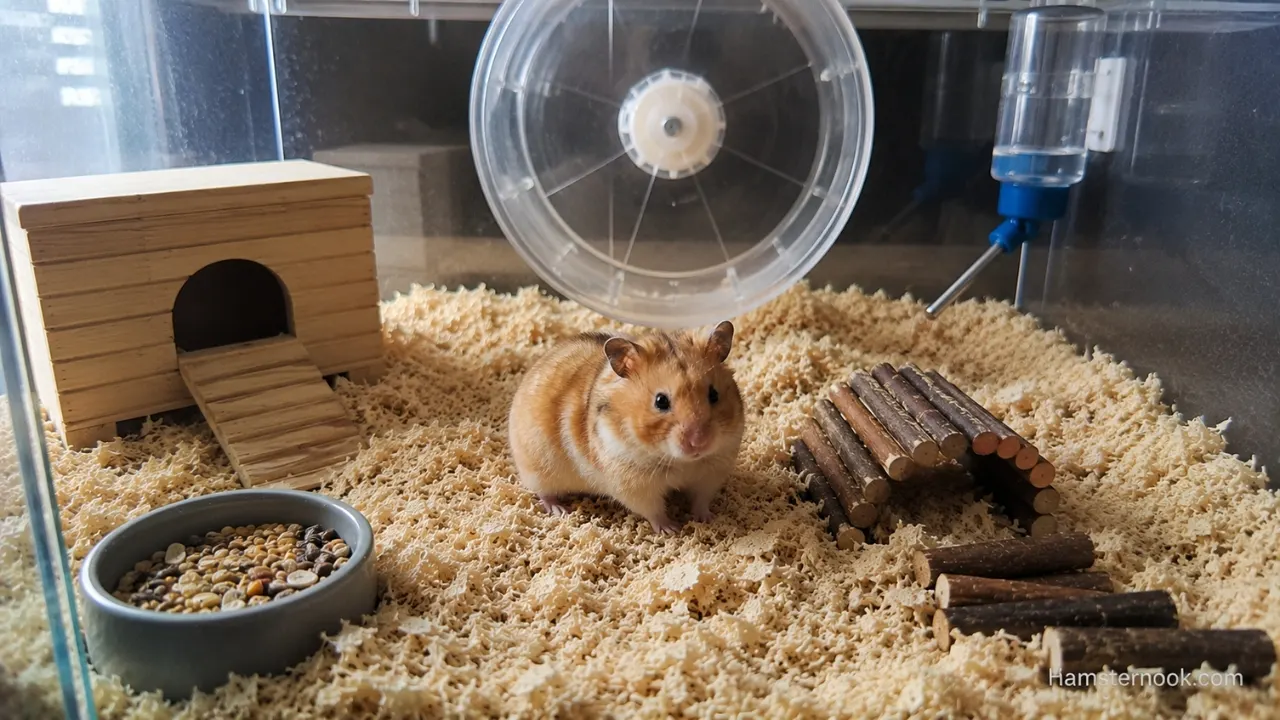
A calm and predictable setup helps reduce stress. Ideally, the enclosure should already be fully arranged before the hamster arrives home so major changes are not needed afterward.

A properly prepared enclosure can make a huge difference in how quickly a hamster settles.
For a complete setup before bringing your hamster home, see our Best Hamster Cage Setup for Beginners: Size, Bedding & Essentials guide for the main enclosure essentials.
A well-prepared cage is especially important during the first night because your hamster should be able to find its food, water, shelter, bedding, and wheel without needing you to rearrange anything after it arrives.
Essential First-Night Setup
| Item | Why It Matters |
|---|---|
| Deep bedding | Allows burrowing and security |
| Hideout | Provides a safe retreat |
| Fresh water | Prevents dehydration |
| Quality hamster food | Encourages normal eating habits |
| Exercise wheel | Supports natural activity |
| Quiet location | Reduces stress |
Before leaving your hamster alone for the night, check that the water bottle is actually dispensing water and that the drinking area is easy to reach. A bottle can appear full while the nozzle is blocked or not working properly, so a quick check before bedtime can prevent an avoidable problem.

Having these essentials available from the first day helps a hamster settle more comfortably and establish normal routines sooner.
Before bedtime, do one simple final check: confirm that your hamster has accessible food and working water, a secure hideout, suitable bedding, and a safe wheel. Then leave the enclosure alone and allow your hamster to explore without repeated checking.
Avoid making major cage changes during the first few days unless absolutely necessary.
Keeping the enclosure stable is especially important during the adjustment period. If you’re unsure when changing the layout can become stressful, our Hamster Rearranging Cage guide explains how enclosure changes can affect a hamster and how to make them more carefully.
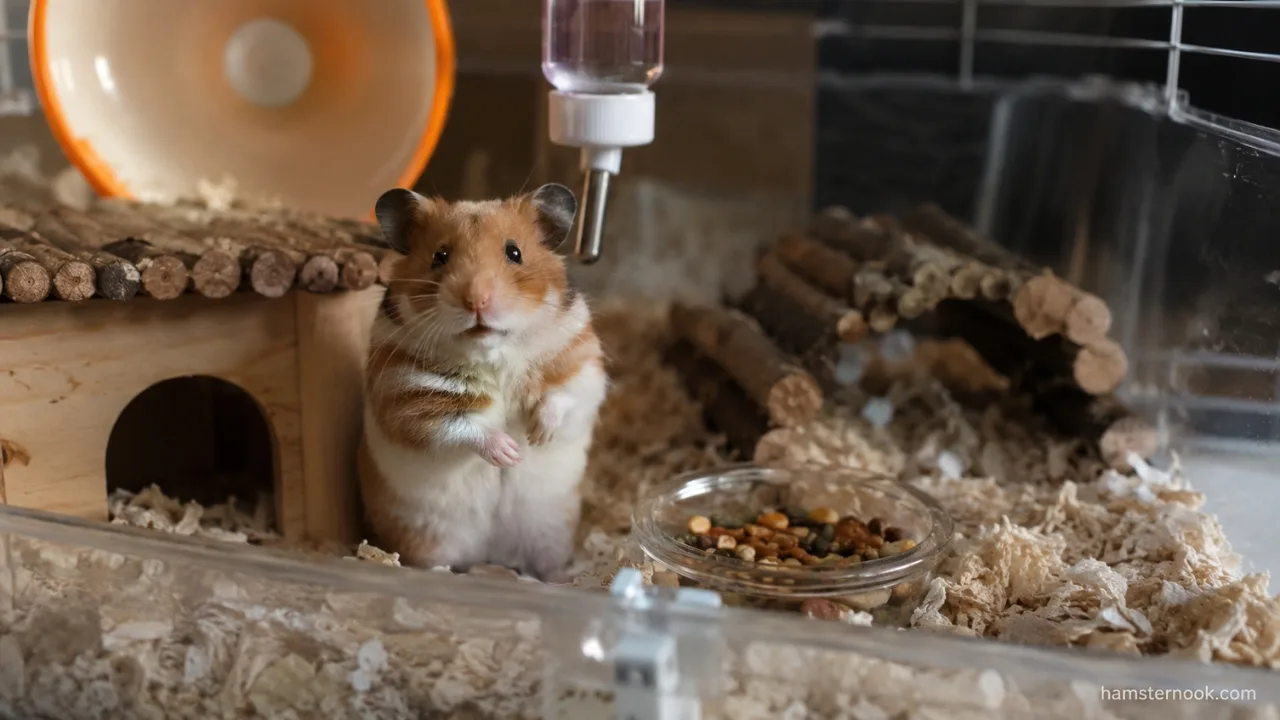
The same applies to cleaning. Unless there is a genuine hygiene or safety problem, avoid doing a full cage clean immediately after bringing your hamster home. Familiar bedding and smells can help the new environment feel less unfamiliar, while unnecessary disturbance can add stress during the adjustment period.
Consistency helps hamsters adjust more quickly.
If possible, avoid introducing new toys, changing bedding, or moving accessories during the first few days unless something is unsafe. A stable environment helps your hamster learn where everything is and reduces unnecessary stress while it becomes familiar with its new home.
Common Mistakes Owners Make on the First Night
Even well-intentioned owners can accidentally create stress.
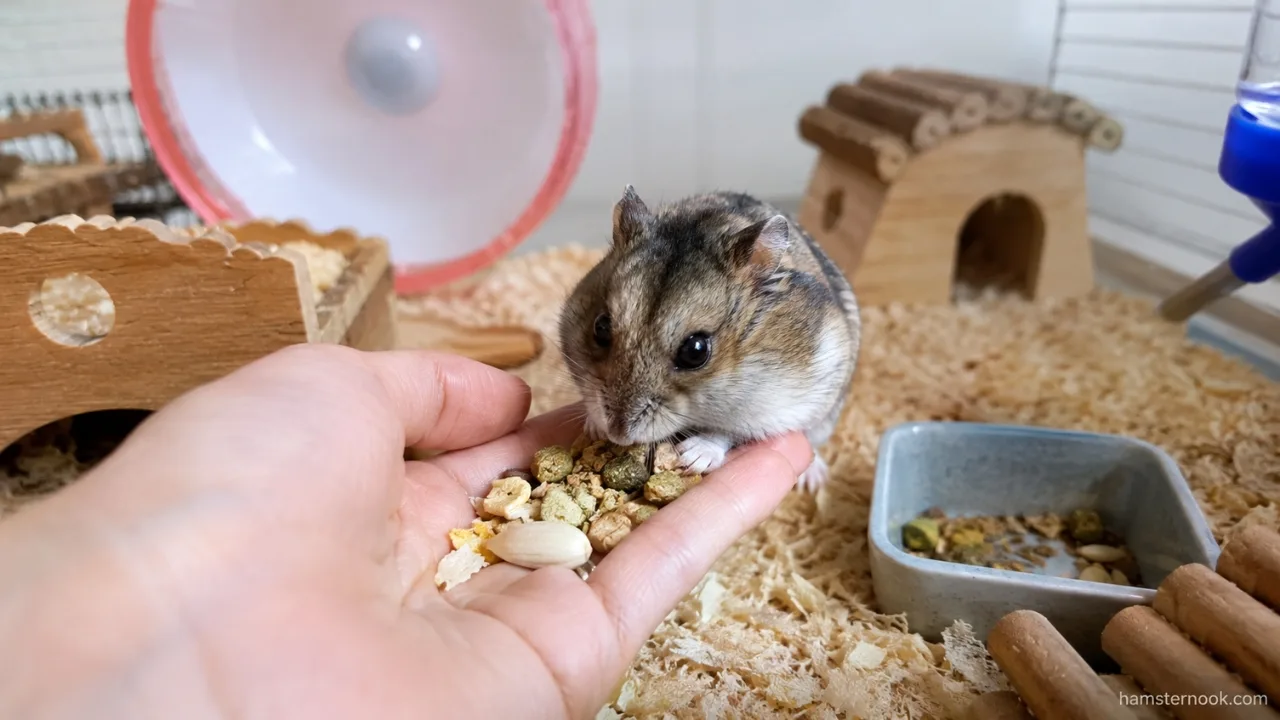
Trying to Handle the Hamster Immediately
Most hamsters need time before they are comfortable being picked up.
Forced handling can lead to:
- Fear
- Defensive behavior
- Biting
- Reduced trust
Patience often results in a friendlier hamster later.
Constantly Checking the Cage
It’s understandable to be excited, but repeatedly lifting hides or disturbing bedding can make a hamster feel unsafe.

Allow your pet to explore privately whenever possible.
Keeping Bright Lights On
Hamsters are naturally active during low-light hours.
Bright lighting throughout the evening may disrupt their normal behavior.
Keep the enclosure away from harsh direct lighting and avoid repeatedly switching bright lights on to check what your hamster is doing. A dim, predictable environment allows the hamster to explore when it naturally becomes active without being repeatedly disturbed.
Offering Too Many Treats
Owners often try to build trust through food.
A few small treats are fine, but excessive treats can upset dietary balance.
If you plan to offer treats during the adjustment period, make sure they’re appropriate for hamsters. Our Can Hamsters Eat Grapes? What Owners Need to Know guide explains whether grapes are a safe choice.
Signs Your Hamster Is Adjusting Well
The first night may not look exciting, but several positive signs indicate that your hamster is settling in.

Healthy Adjustment Signs
- Drinking water
- Eating food
- Exploring the cage
- Using the wheel
- Grooming itself
- Creating a nest
- Digging or burrowing
Instead of focusing on a single behavior, look for gradual progress over several days. A hamster that begins eating regularly, explores more confidently, and follows a predictable routine is generally adjusting well, even if it still prefers limited interaction.
Both situations can be normal.
While adjustment behaviors are common, owners should still monitor basic activities such as eating, drinking, and movement during the first several days.
When Should You Be Concerned?
While most first-night behaviors are harmless, there are a few situations that deserve attention.

Watch for These Warning Signs
| Possible Concern | Why It May Matter |
|---|---|
| Difficulty breathing | May indicate illness |
| Severe lethargy | Could suggest stress or health issues |
| Refusing food and water for an extended period | Requires monitoring |
| Visible injuries | May need veterinary care |
| Persistent diarrhea | Risk of dehydration |
If any of these symptoms appear severe or continue beyond the initial adjustment period, professional veterinary advice may be needed.
A hamster that simply hides or sleeps more than expected is usually not showing signs of illness.
Should You Leave Food Out Overnight?
Yes.
Hamsters are naturally nocturnal or crepuscular, meaning they are often most active during evening and nighttime hours.

Fresh food should always be available during the first night.
Many owners are surprised to discover that food disappears overnight even when they never see the hamster eating.
This is completely normal.
Hamsters frequently eat when they feel safest and least observed.
How Much Noise Is Too Much?
Most hamsters adapt well to normal household sounds. Problems usually arise when noises are sudden, unusually loud, or constantly repeated near the enclosure.
A calm environment helps reduce stress during the adjustment period.
Try to avoid:
- Loud television volume
- Shouting
- Frequent cage movement
- Heavy vibrations
- Constant visitors
Normal household sounds are generally fine.

Consistency is usually more important than silence when helping a hamster settle into a new home.
What You Should Avoid During the First 24 Hours
The first day should focus on helping your hamster feel secure rather than encouraging interaction. Avoid waking your hamster, rearranging the enclosure, introducing new pets, or allowing multiple people to handle it. Giving your hamster uninterrupted time to explore and rest usually leads to a smoother adjustment and better long-term confidence.
When Can You Start Building Trust?
The first night should focus on observation rather than interaction.
Once your hamster appears relaxed and begins exploring confidently, you can gradually introduce trust-building activities.

Good early bonding steps include:
- Speaking softly near the cage
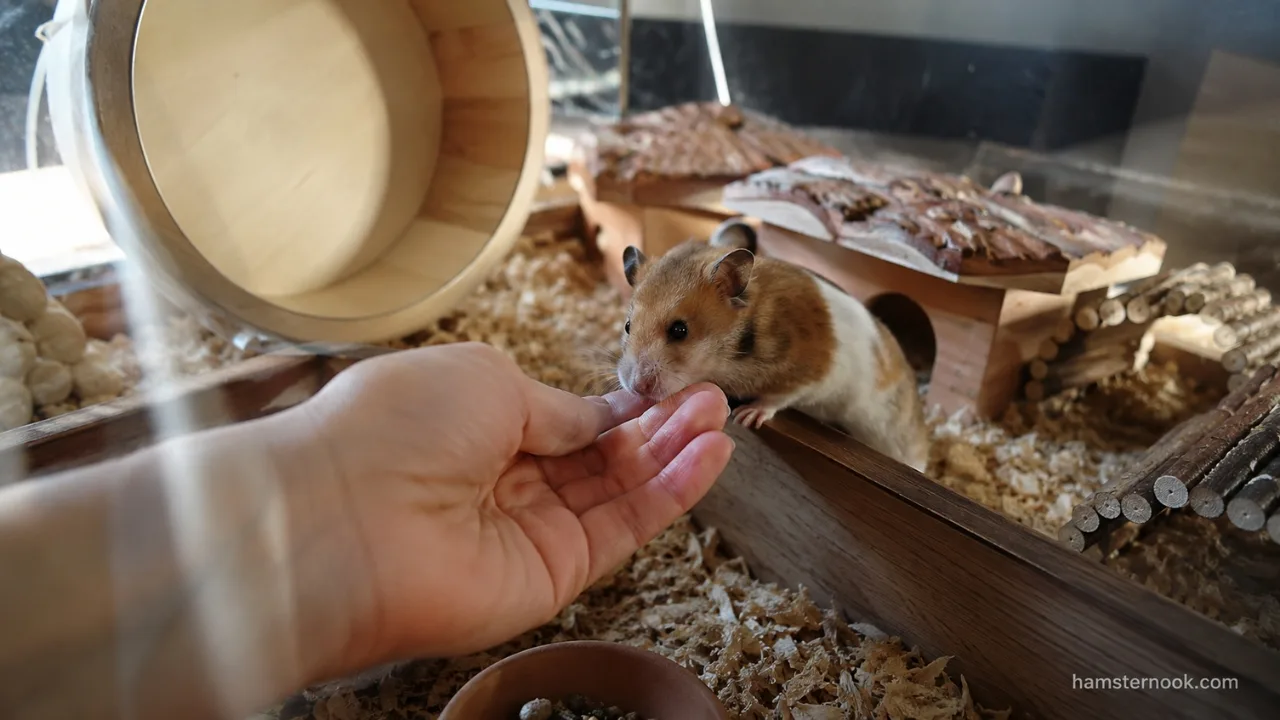
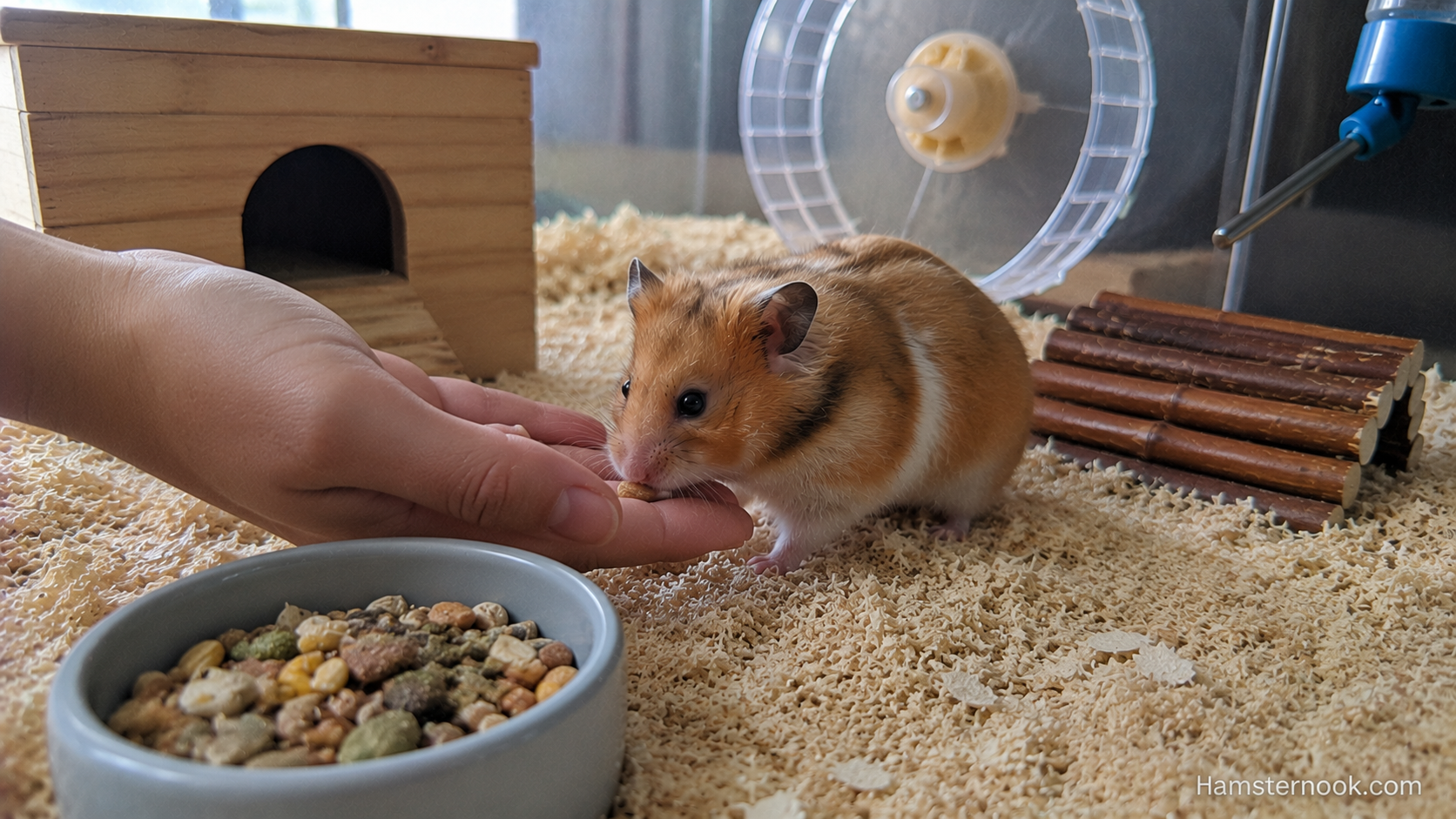
- Offering treats from your hand
- Sitting near the enclosure
- Allowing the hamster to approach voluntarily
As your hamster becomes more comfortable, you may notice it responding to familiar routines and sounds. Our Can Hamsters Learn Their Names? guide explains how recognition develops over time.
Understanding the Difference Between Fear and Personality
A shy hamster on its first night is not necessarily a shy hamster forever.
Many owners incorrectly assume their hamster’s first-night behavior reflects its permanent personality.
In reality, a nervous hamster may become extremely confident after a few weeks of adjustment.
Likewise, an outgoing hamster may temporarily become cautious after a move.
For that reason, it is best not to assume your hamster’s long-term personality based on its first few days at home.
Reading your hamster’s body language becomes much easier once you understand why it watches people so closely. Our Why Does My Hamster Stare at Me? guide explains what this common behavior usually means.

Creating a Stress-Free First Week After the First Night
Settling into a new home takes longer than a single night, and most hamsters continue adjusting throughout the first week.
The following days should focus on:
- Consistent feeding schedules
- Stable cage setup
- Minimal disturbances
- Gradual trust building
- Observation of normal habits
Every hamster builds confidence at its own pace. Our How Long Does It Take a Hamster to Trust You? guide explains realistic bonding timelines and what owners should expect during the first few weeks.
It’s completely normal to feel anxious if your new hamster spends most of its first night hiding or avoiding interaction. In most cases, patience is far more helpful than trying to encourage activity. Giving your hamster time to settle naturally creates the best foundation for future trust.
Final Thoughts
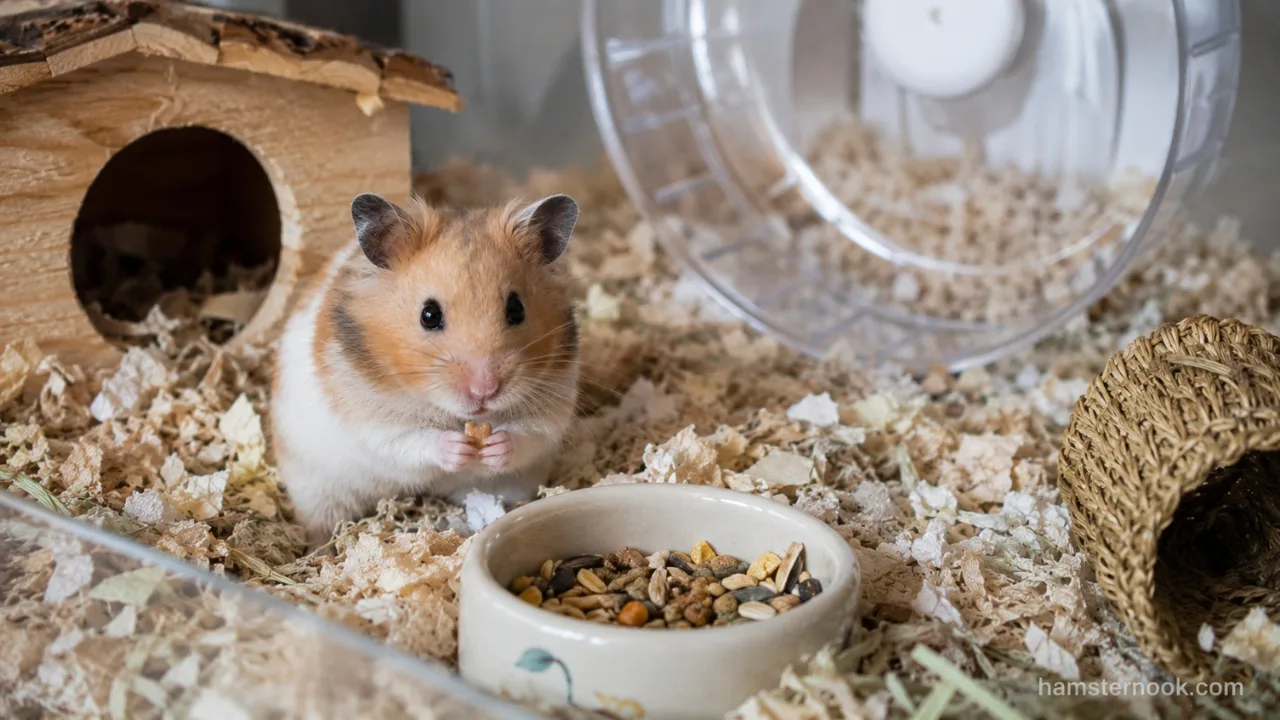
The first night with a new hamster is often much quieter and less interactive than many owners expect. A hamster that hides, sleeps, freezes, or cautiously explores is usually behaving exactly as nature intended.
Providing a quiet environment, fresh food and water, a comfortable enclosure, and plenty of patience gives your hamster the best chance to settle successfully. Rather than rushing interaction, allow your hamster to build confidence at its own pace. Most new hamsters become noticeably more relaxed once they realize their new surroundings are safe and predictable.
As a hamster settles into a routine and begins feeling secure, confidence often starts to appear on its own. By respecting their need for time and security during that critical first night, you’re laying the foundation for a healthier, happier relationship in the weeks ahead.
Frequently Asked Questions
Is it normal for a new hamster to hide all night?
Yes. Hiding is one of the most common first-night behaviors and usually indicates that the hamster is seeking security while adjusting to a new environment.

Can I Hold My Hamster on the First Day?
It is generally better to give a new hamster time to settle before handling it. On the first day, avoid waking it or repeatedly picking it up; let your hamster approach you voluntarily once it becomes comfortable.
Why isn’t my new hamster eating?
Some hamsters eat very little during the first few hours due to stress. Many begin eating once the room becomes quiet and they feel safe.
Can I leave my hamster alone overnight?
Yes. As long as food, water, bedding, and shelter are available, leaving your hamster undisturbed overnight is often beneficial.
How long does it take for a hamster to settle into a new home?
Many hamsters begin showing confidence within a few days, while others may take several weeks to fully adjust.
What should I do if my hamster seems scared?
Keep the environment calm, avoid unnecessary handling, speak softly near the cage, and allow the hamster to explore at its own pace. Patience is usually the most effective approach.
References
This guide is based on hamster housing, behavior, environmental care, enrichment, handling, and welfare guidance from trusted animal welfare and veterinary resources, including:
- RSPCA – Creating a Good Home for Hamsters – Guidance on suitable enclosure space, bedding, nesting areas, hiding places, environmental conditions, and creating a secure home for hamsters.
- RSPCA – Hamster Behaviour – Information on natural hamster behavior, activity patterns, handling, settling into a new environment, and reducing stress.
- RSPCA – Keeping Hamsters as Pets – General guidance on hamster care, housing, diet, behavior, enrichment, and welfare.
- Blue Cross – Hamster Care Guide – Practical guidance on hamster housing, bedding, enrichment, handling, feeding, and helping a hamster settle into its environment.
- MSD Veterinary Manual – Providing a Home for a Hamster – Veterinary guidance on hamster housing, bedding, nesting, exercise, environmental conditions, and basic husbandry.
- NC3Rs – Housing and Husbandry: Hamster – Guidance on hamster housing, bedding, environmental conditions, husbandry practices, and supporting natural behaviors.
- NC3Rs – Choosing Appropriate Enrichment – Guidance on providing appropriate enrichment that supports natural hamster behaviors and welfare without unnecessary environmental stress.

Narayan Kumar is the founder and author of HamsterNook. He creates practical, research-based hamster care guides covering hamster behavior, nutrition, cage setup, enrichment, health, and everyday care. His goal is to help hamster owners make informed decisions and provide safer, healthier lives for their pets through clear, beginner-friendly information based on trusted animal care resources.