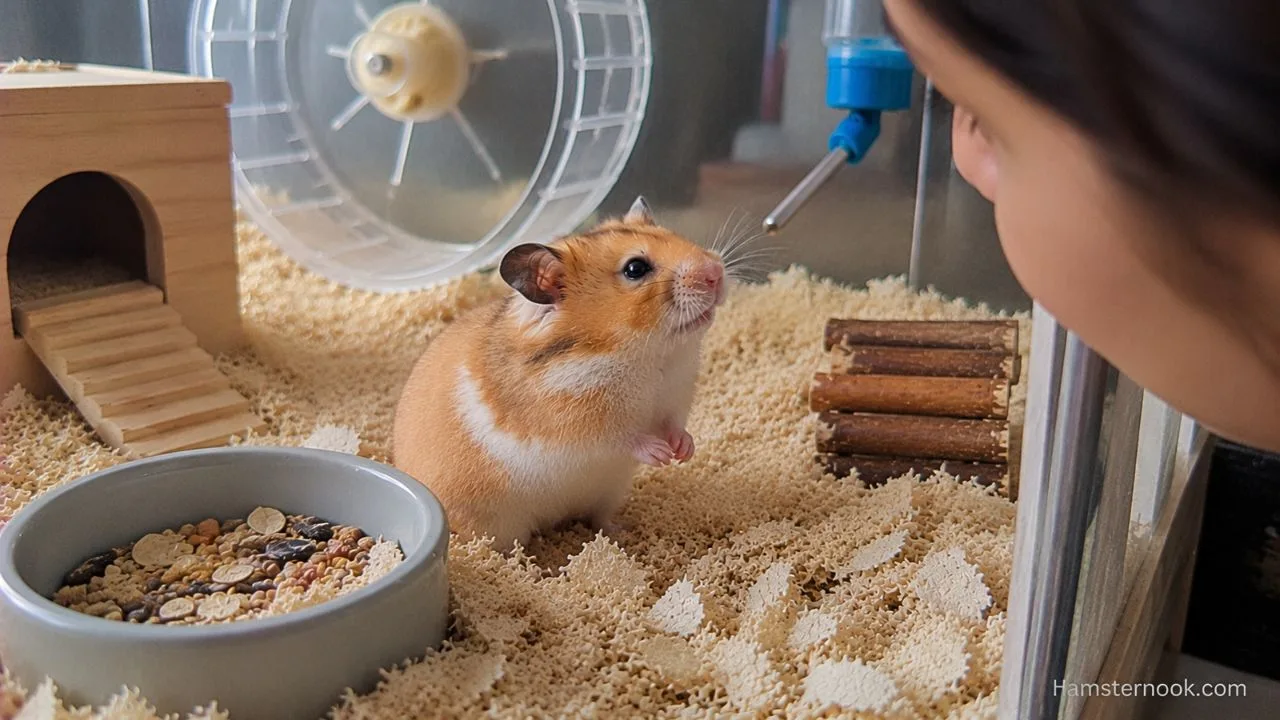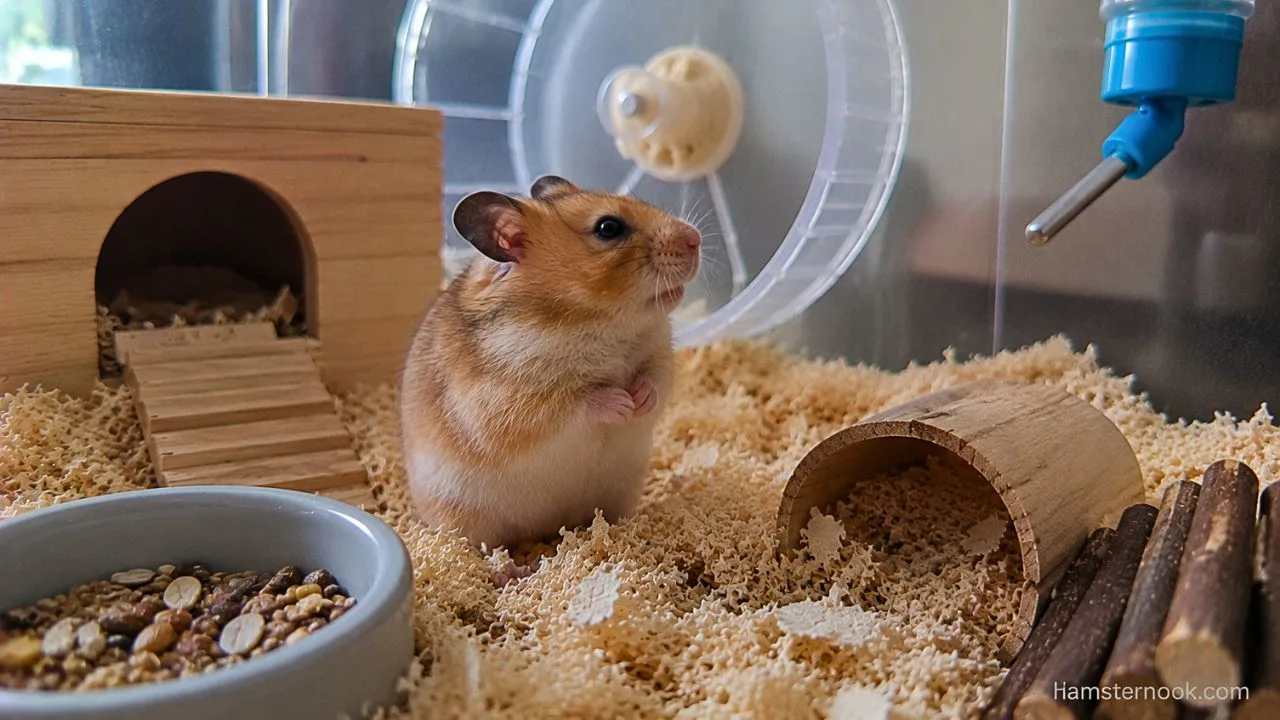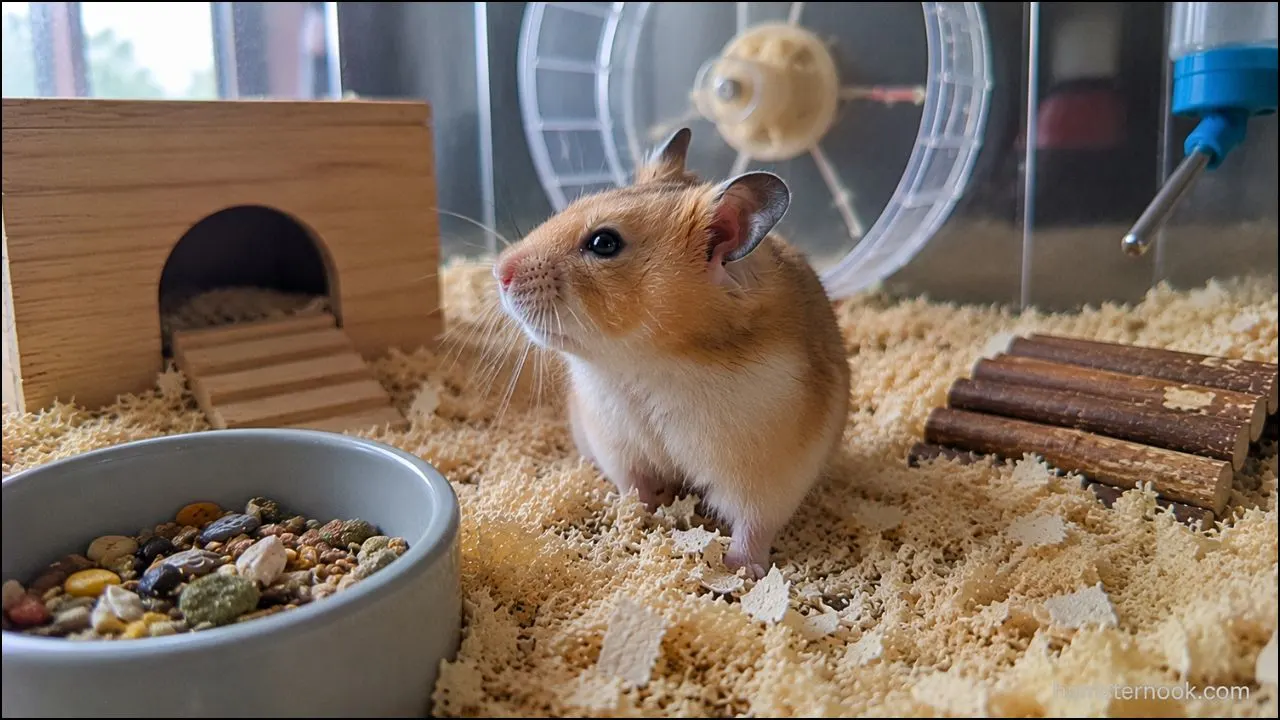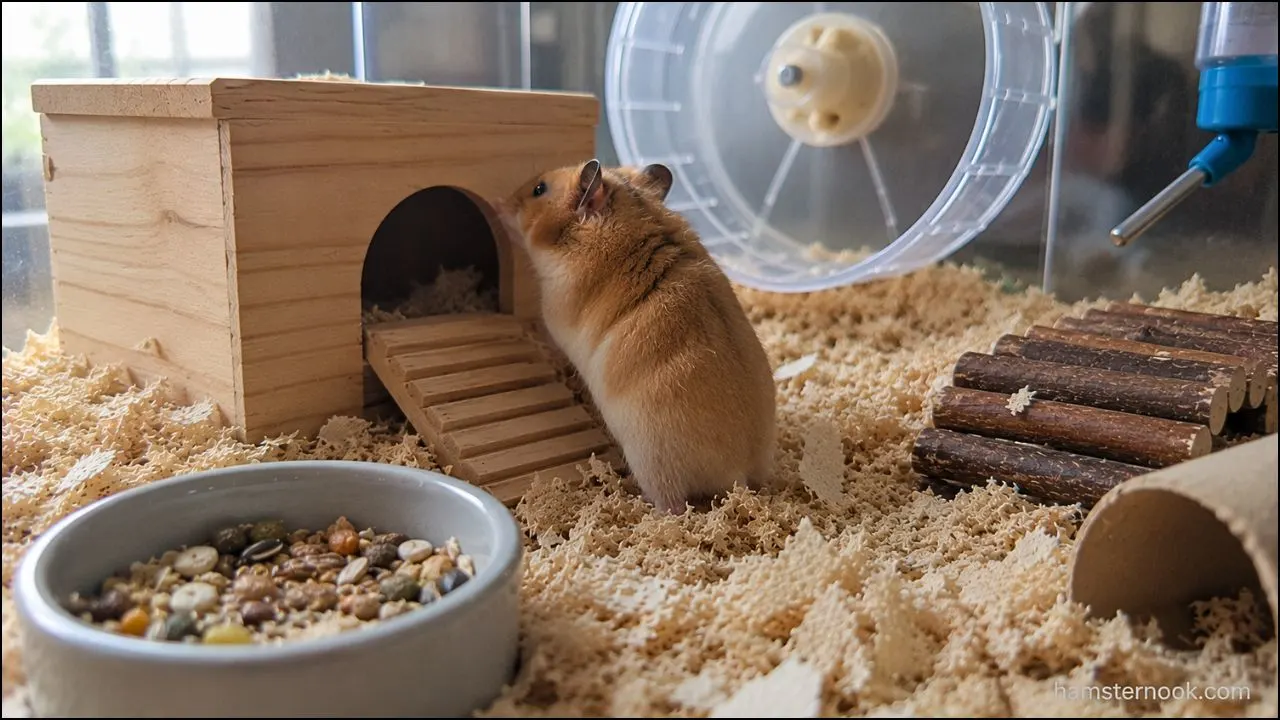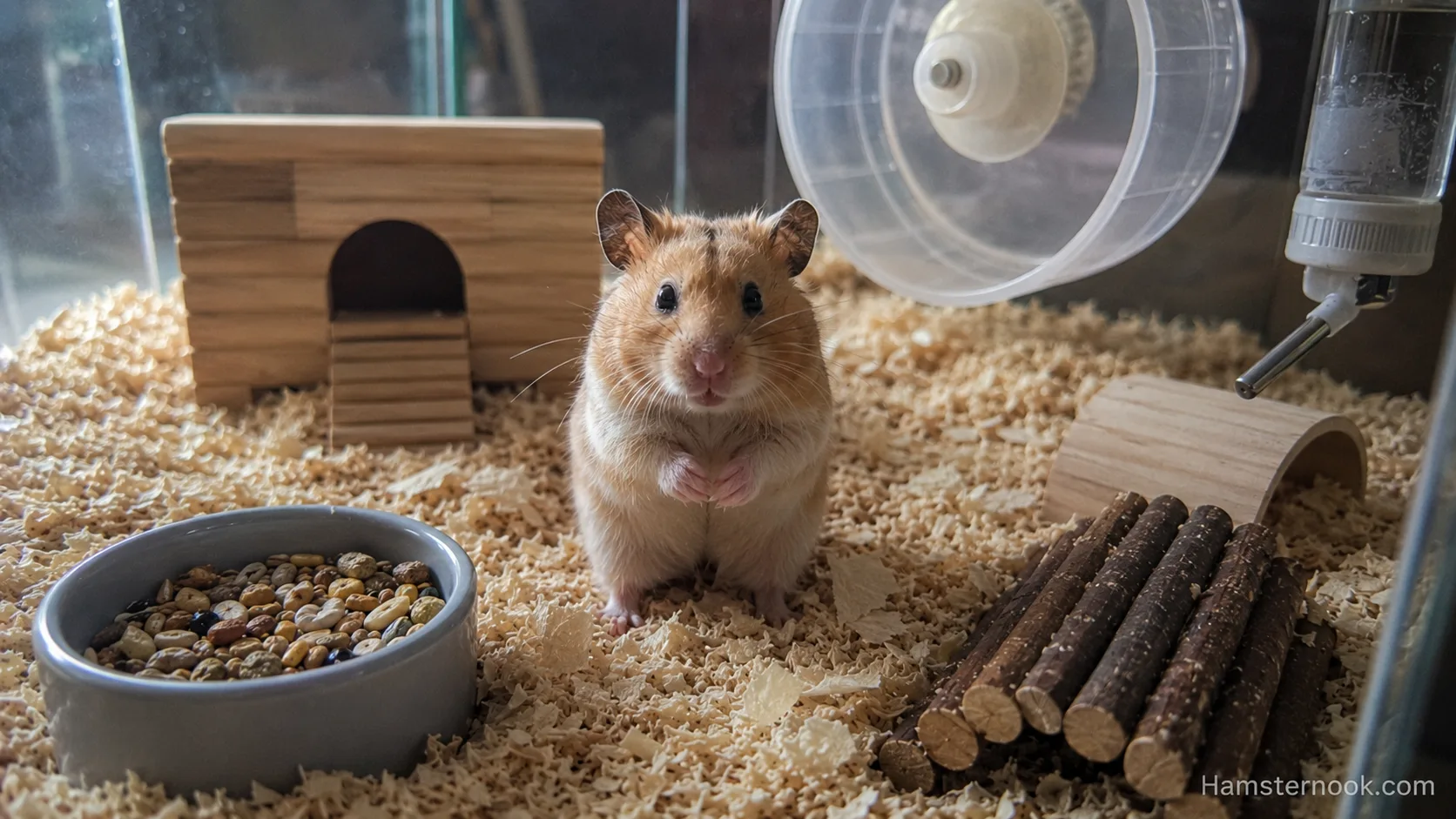
If your hamster sits still and stares directly at you for long periods, you’re not alone. Hamsters often stare quietly because they are naturally alert animals that carefully observe movement, sounds, and scents, while sometimes reacting to something unfamiliar around them.
The good news is that staring is usually completely normal hamster behavior. In most cases, your hamster is simply observing you, recognizing your scent, waiting for food, or trying to understand what’s happening around them. Since hamsters have poor eyesight but strong hearing and smell, they often pause and “watch” humans carefully to gather information.
Because their eyesight is limited, many hamsters seem to stare when they’re actually trying to identify movement using their hearing, whiskers, and sense of smell. Remaining still helps them gather more information before deciding whether to investigate or retreat.
Understanding basic hamster body language can also make it easier to tell whether your hamster is simply curious or showing signs of stress, since posture, ear position, and movement often provide important clues. Body language is important because relaxed staring is usually harmless, while tense staring may indicate stress or discomfort, fear, boredom, or health problems depending on the situation and body language involved.
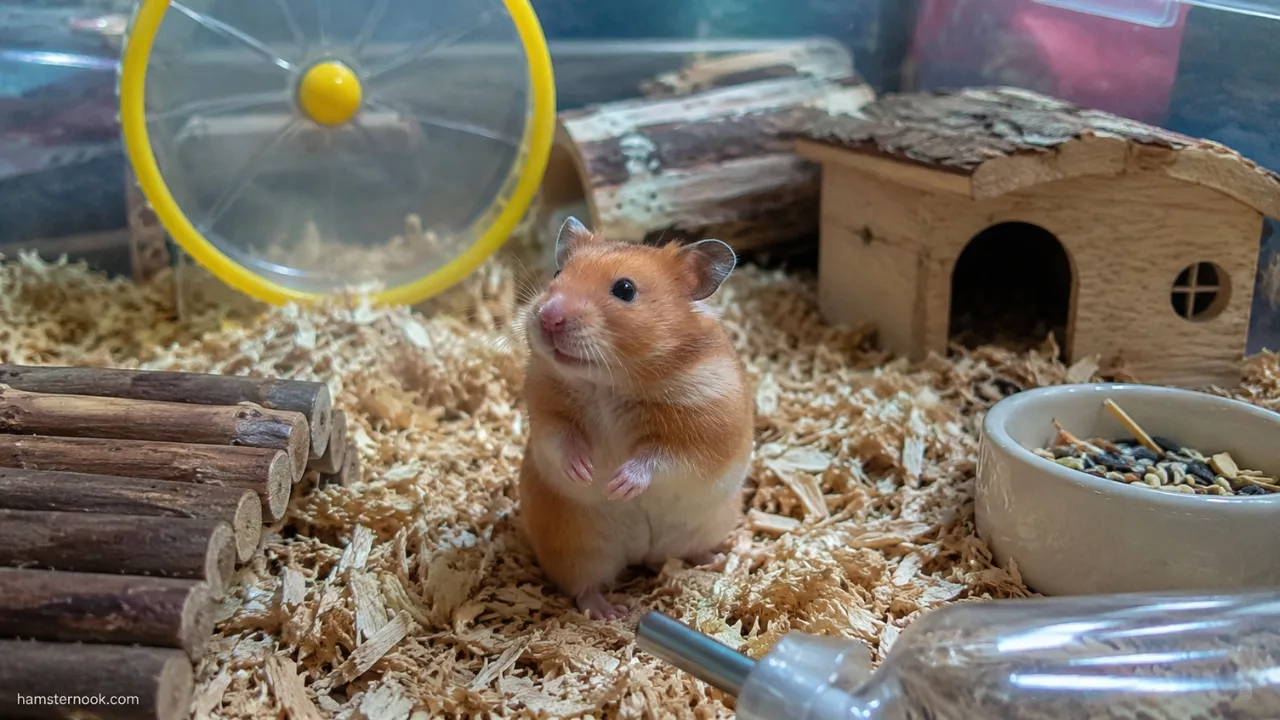
This guide explains the real reasons hamsters stare, when it’s harmless, when it could indicate a problem, and how to better understand your hamster’s behavior.
Is It Normal for Hamsters to Stare at Their Owners?
Yes, staring is very common in pet hamsters.
Hamsters are naturally cautious prey animals. In the wild, they constantly observe movement, sounds, shadows, and scents to stay safe from predators. Even domesticated hamsters still have these instincts.
When your hamster stares at you, they are often:
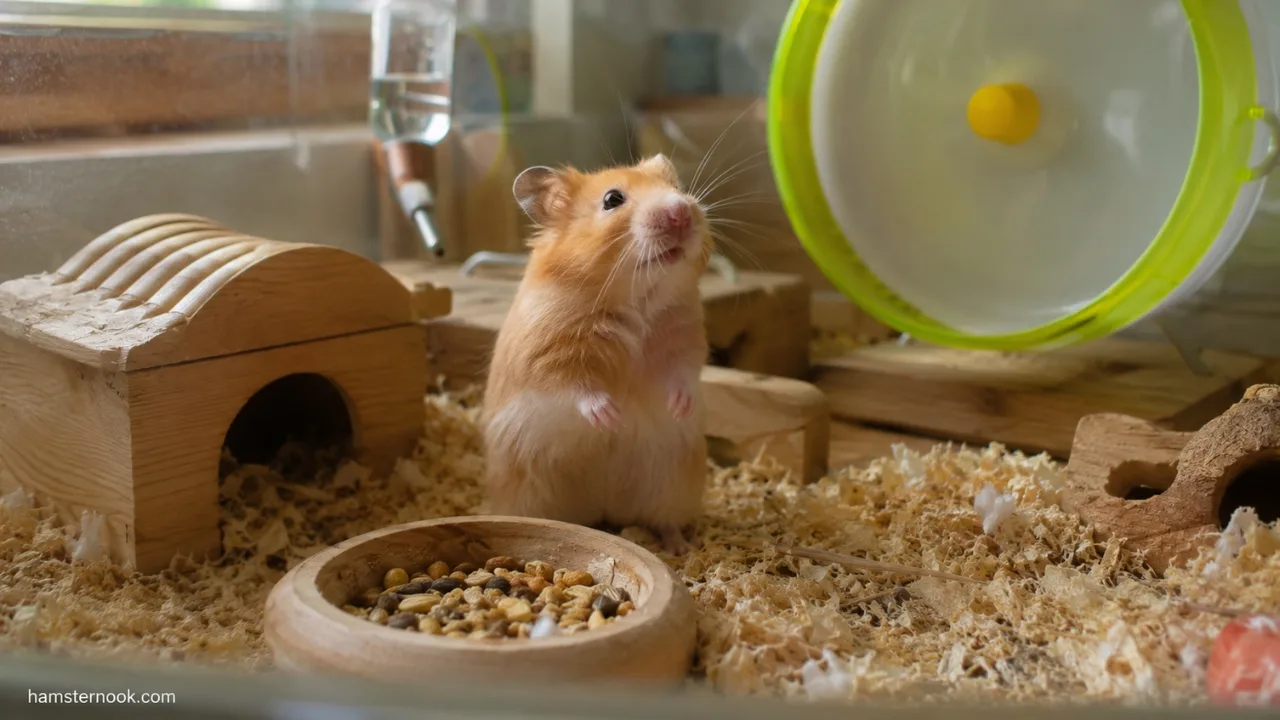
- Trying to recognize your scent
- Listening to your voice
- Watching movement outside the cage
- Expecting food or treats
- Feeling curious about you
- Staying alert to possible danger
Unlike dogs or cats, hamsters don’t always show emotions in obvious ways. Quiet staring is one of the ways they process their surroundings.
Why Does My Hamster Keep Looking at Me?
There are several common reasons behind this behavior.
Your Hamster Is Curious About You
Hamsters are naturally curious animals.
Even though they may seem small and shy, hamsters constantly explore and observe their environment. If your hamster frequently watches you when you walk near the cage, they may simply be interested in what you’re doing.
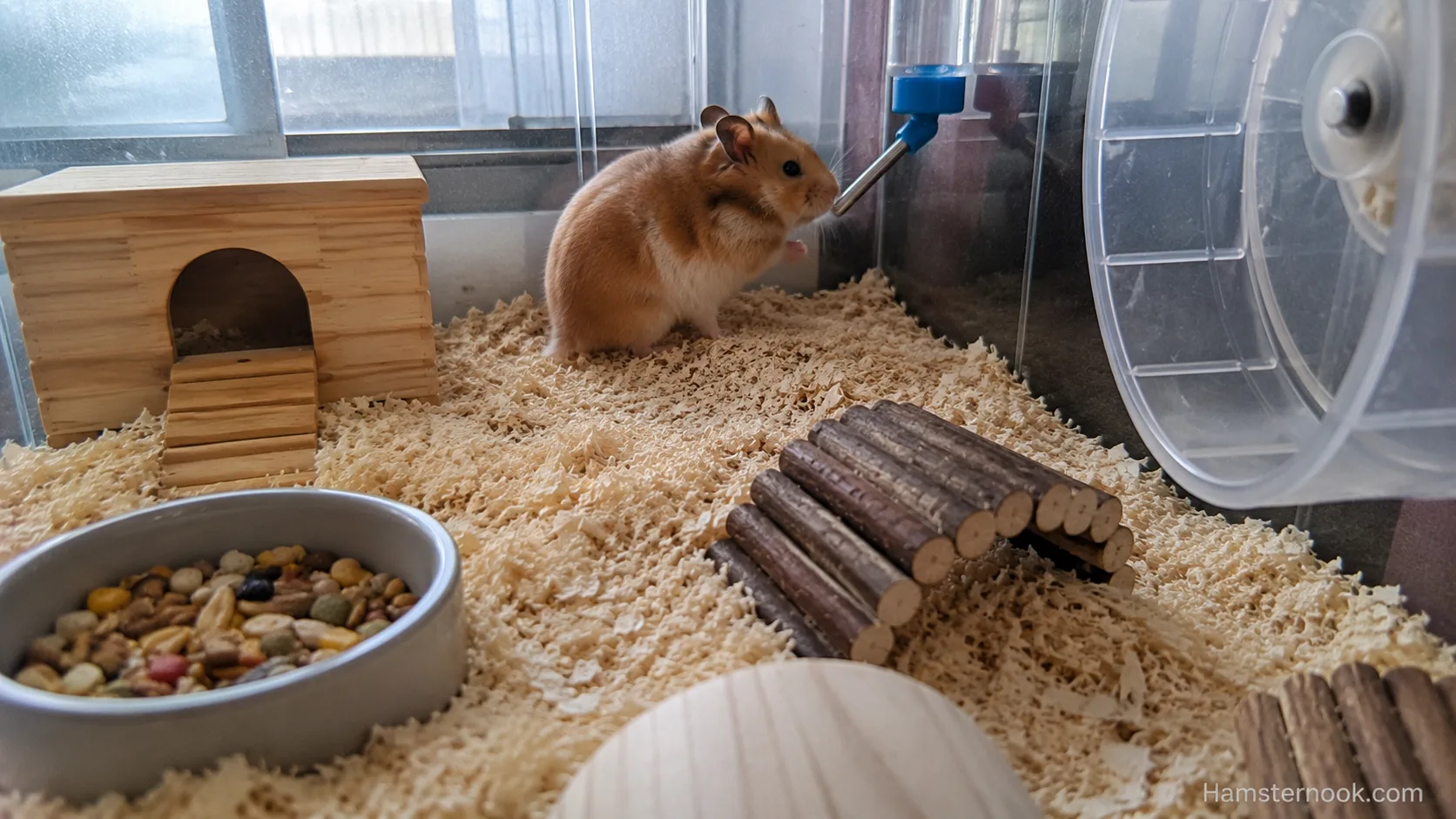
This is especially common in hamsters that are becoming comfortable with their owners.
Signs of Curious Staring
| Curious Behavior | What It Usually Means |
|---|---|
| Relaxed body posture | Feels safe |
| Ears upright | Paying attention |
| Sniffing the air | Exploring scents |
| Slowly approaching cage bars | Interested, not scared |
| Standing on hind legs | Trying to observe better |
Curious staring is usually a positive sign.
Your Hamster Recognizes You
If your hamster seems to recognize your voice or routine, Do Hamsters Recognize Their Owners? explains how they identify familiar people through scent, sound, and daily habits.
Over time, hamsters learn to recognize familiar people through scent, sound, and routine.
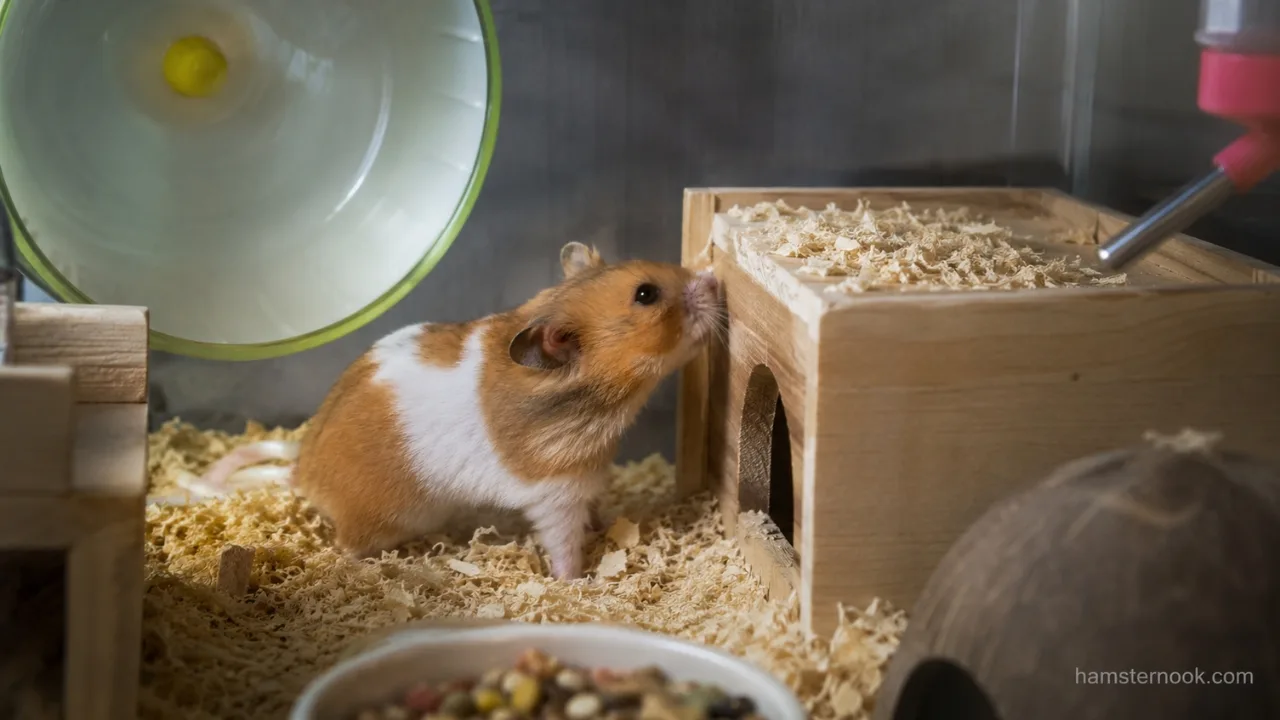
Your hamster may stare because they know:
- You bring food
- You clean the cage
- You provide treats
- You usually interact gently
Hamsters rely heavily on smell rather than eyesight, so your scent becomes part of their sense of safety.
Some hamsters even begin waiting near the cage when they hear their owner approaching.
Your Hamster Wants Food
One of the most common reasons for staring is simple: food.
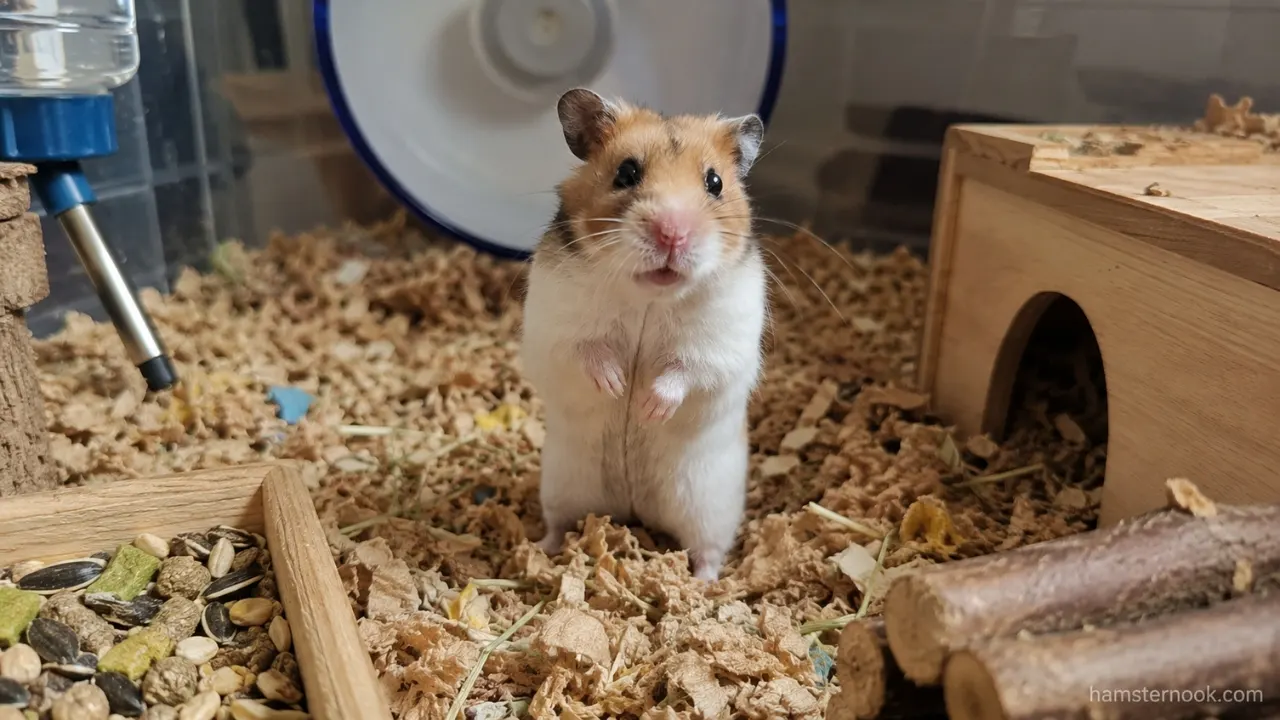
Hamsters quickly learn feeding schedules. If your hamster stares at you around normal feeding time, they may be expecting snacks or fresh food.
Food-related staring often includes:
- Standing near the food bowl
- Pawing at cage bars
- Sniffing intensely
- Following your movement
Hamsters can learn to associate familiar people with regular feeding routines.
If your hamster stares at you mainly around feeding time, check whether the behavior stops after its normal meal or treat. This can help distinguish food-related staring from fear or unusual behavior.
Your Hamster May Feel Nervous or Threatened
Not all staring is friendly curiosity.
A hamster that stares while staying frozen or tense may also show other stress behaviors. Our 5 Warning Signs Your Hamster May Be Stressed guide covers the signs to watch for.
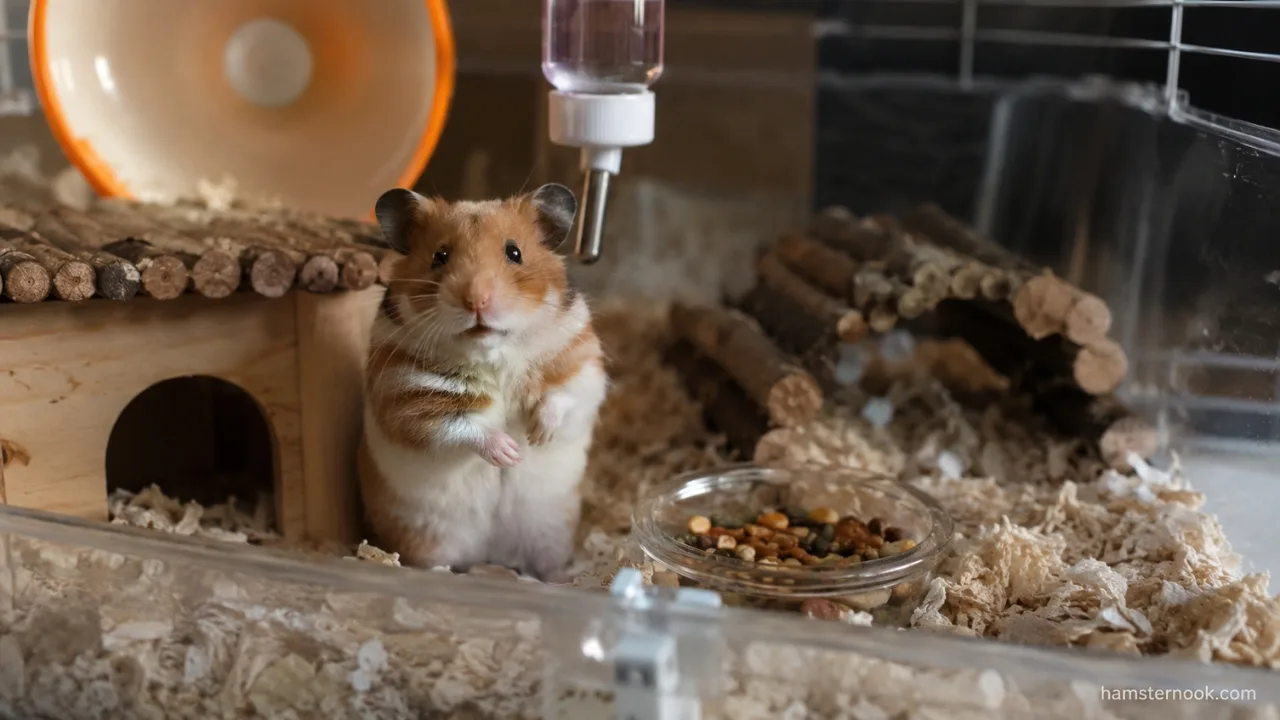
Because hamsters are prey animals, they sometimes freeze and stare when they feel unsure or frightened. Staying still helps them observe possible danger before reacting.
Signs of Fearful Staring
| Stress Signs | Possible Meaning |
|---|---|
| Flattened ears | Fear or stress |
| Frozen posture | Feeling threatened |
| Sudden hiding | Wants safety |
| Rapid breathing | Anxiety |
| Teeth chattering | Defensive behavior |
If your hamster looks tense while staring, avoid sudden movements or loud noises.
Why Does My Hamster Freeze and Stare?
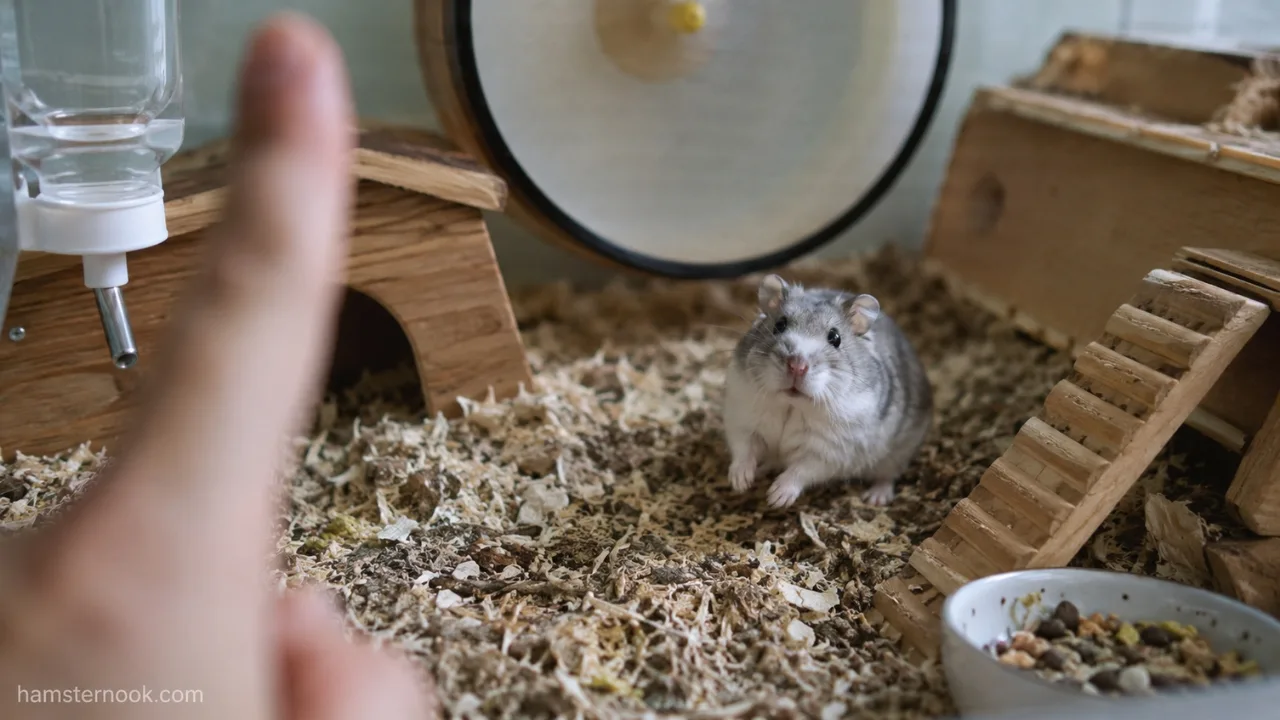
Freezing and staring can happen when a hamster notices something unfamiliar or feels threatened. Look at the rest of its body language: a relaxed posture is less concerning, while flattened ears, rapid breathing, hiding, or continued freezing can indicate fear or stress.
Hamsters Have Poor Eyesight
Many owners assume their hamster is “watching” them clearly, but hamster eyesight is actually quite weak.
Hamsters mostly rely on:
- Smell
- Hearing
- Whisker sensitivity
What appears to be focused staring may simply be your hamster trying to identify movement or scents nearby.
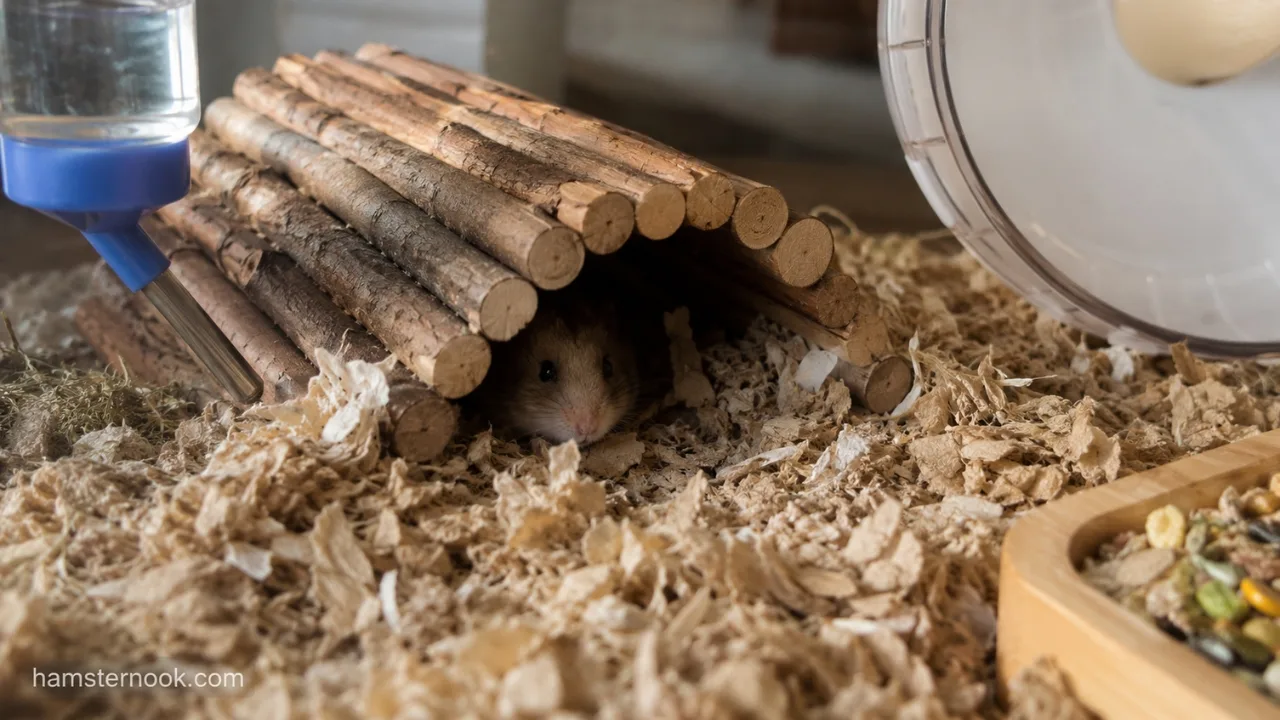
Some hamsters stare longer because they are attempting to understand blurry shapes and sounds around them.
Your Hamster Is Listening to Sounds
Hamsters have sensitive hearing.
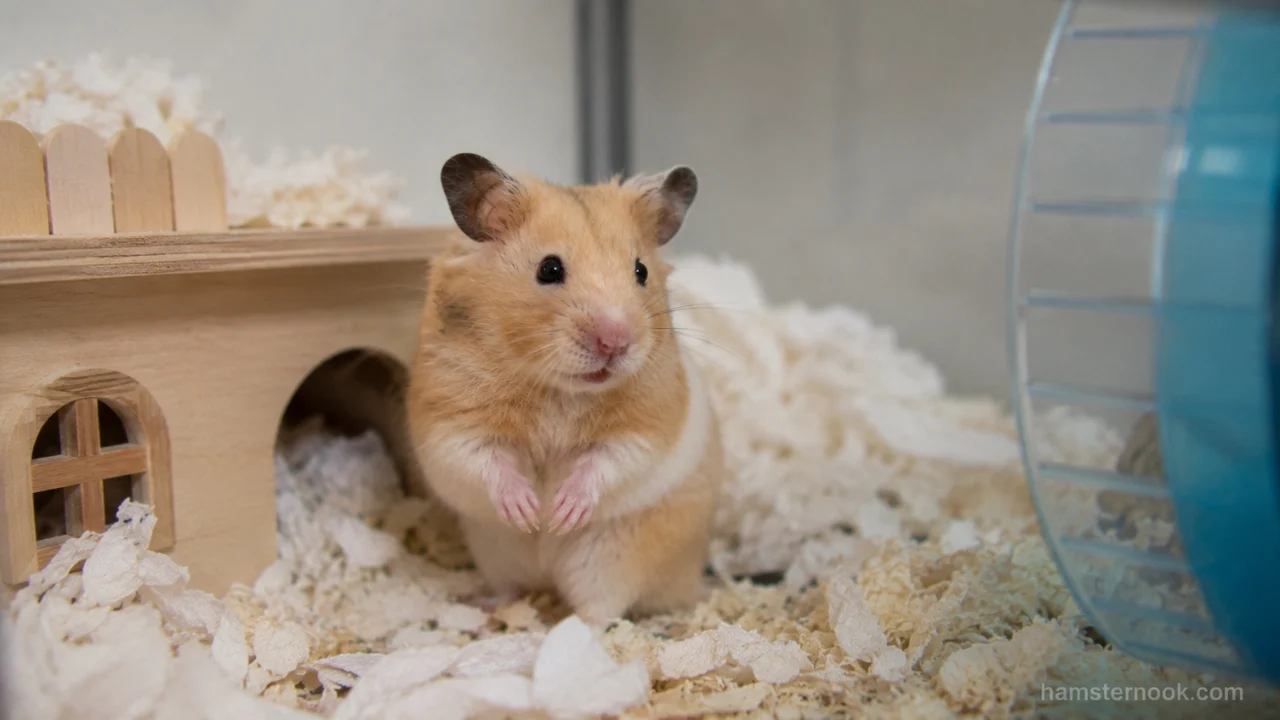
If your hamster suddenly freezes and stares, they may actually be listening carefully rather than visually focusing on you.
Common sounds that catch a hamster’s attention include:
- Food bags opening
- Cage doors moving
- Footsteps
- Voices
- TV sounds
- Other pets nearby
This alert behavior is completely normal.
Why Does My Hamster Stare at Me at Night?
Hamsters are nocturnal or crepuscular animals, meaning they are naturally more active during evening and nighttime hours.
At night, your hamster may become more alert and interactive because this is when they naturally explore, search for food, and observe activity.
Nighttime staring often happens because:

- Your hamster is awake and active
- They expect food
- They hear movement in the room
- They want attention or enrichment
This behavior is usually harmless.
Can Staring Mean My Hamster Likes Me?
Sometimes, yes.
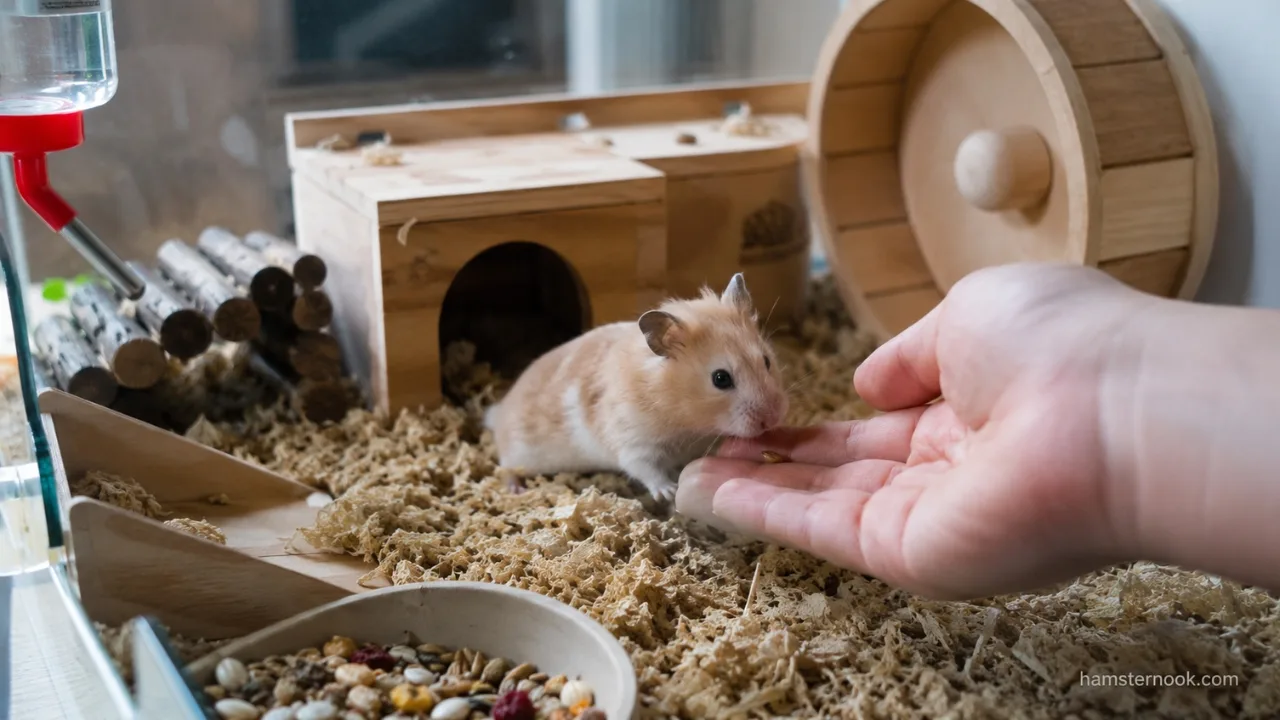
While hamsters do not bond exactly like dogs or cats, they can become familiar and comfortable with their owners over time.
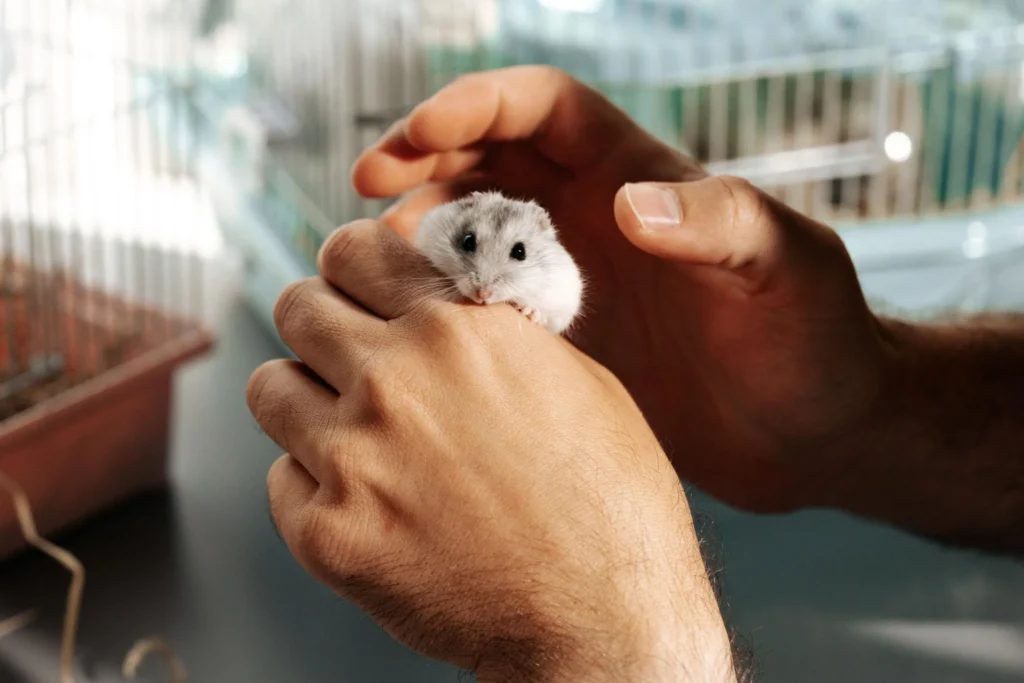
Signs your hamster likely trusts you include:
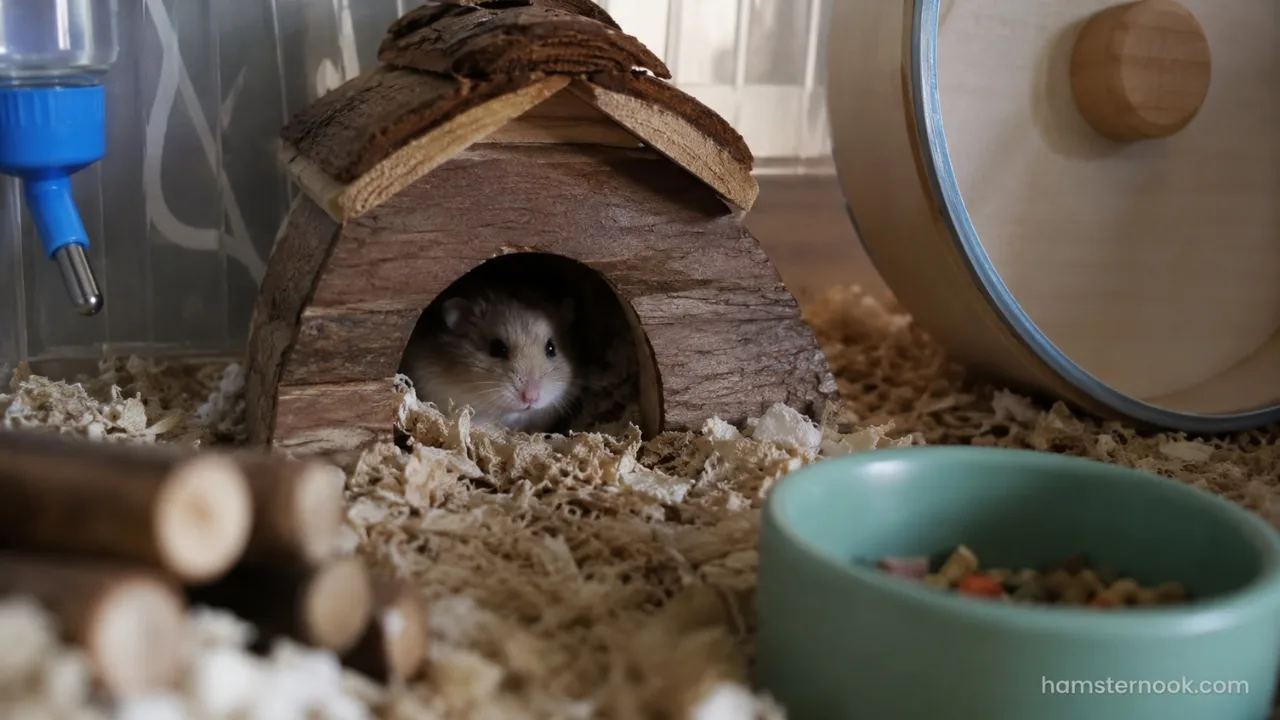
- Calm behavior around your hand
- Taking treats gently
- Walking toward you voluntarily
- Grooming near you
- Relaxed posture while watching you
A relaxed hamster that calmly stares at you is often simply comfortable with your presence.
When Hamster Staring Could Signal a Problem
Although staring is usually harmless, certain situations may indicate health or stress concerns.
Possible Health Issues Behind Unusual Staring
If staring is combined with unusual symptoms, monitor your hamster carefully.
Warning Signs to Watch For
| Symptom | Possible Concern |
|---|---|
| Head tilting | Ear or neurological issues |
| Lack of movement | Illness or weakness |
| Cloudy eyes | Eye infection or aging |
| Loss of appetite | Health problem |
| Constant freezing | Extreme stress |
| Poor balance | Injury or illness |
If your hamster suddenly behaves differently or appears unwell, contact an exotic veterinarian.
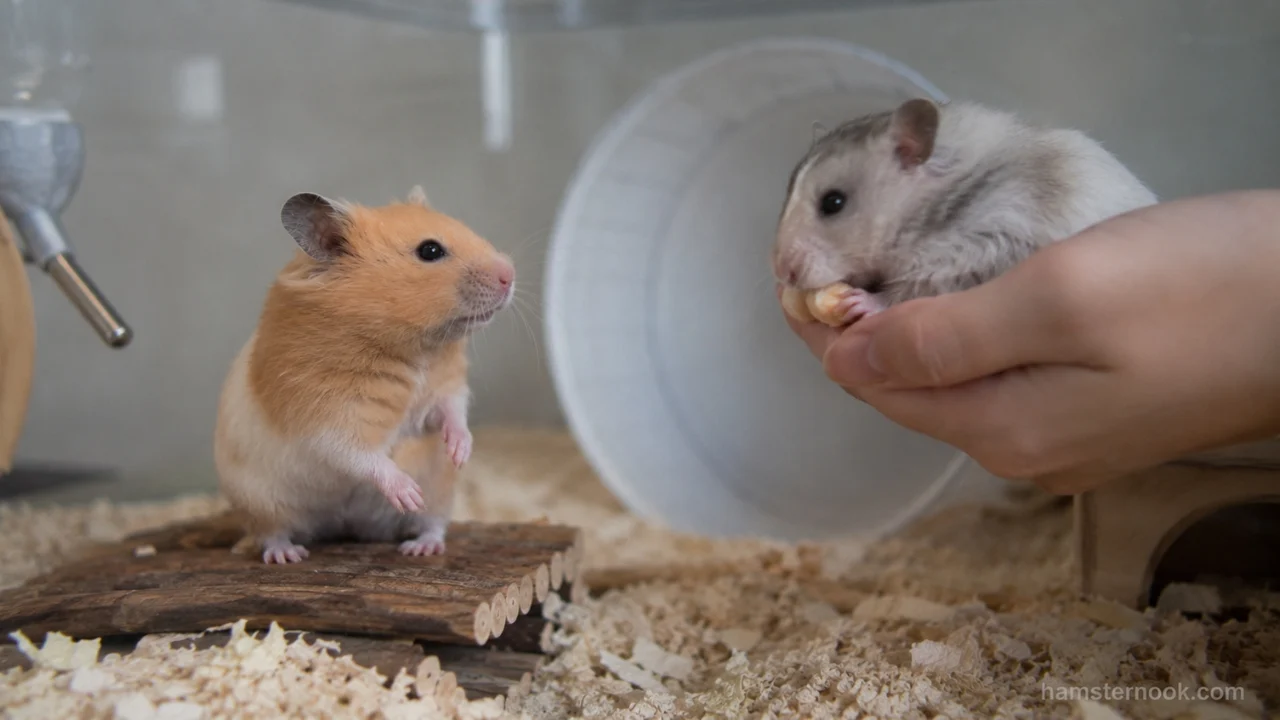
Boredom Can Also Cause Staring
Hamsters need mental stimulation and enrichment.
A lack of enrichment is only one cause of boredom. Things Hamsters Absolutely Hate covers other common environmental stressors that may affect behavior.
A bored hamster may sit and stare because the enclosure lacks:
- Toys
- Tunnels
- Exercise opportunities
- Chew items
- Exploration activities
Boredom may also lead to:
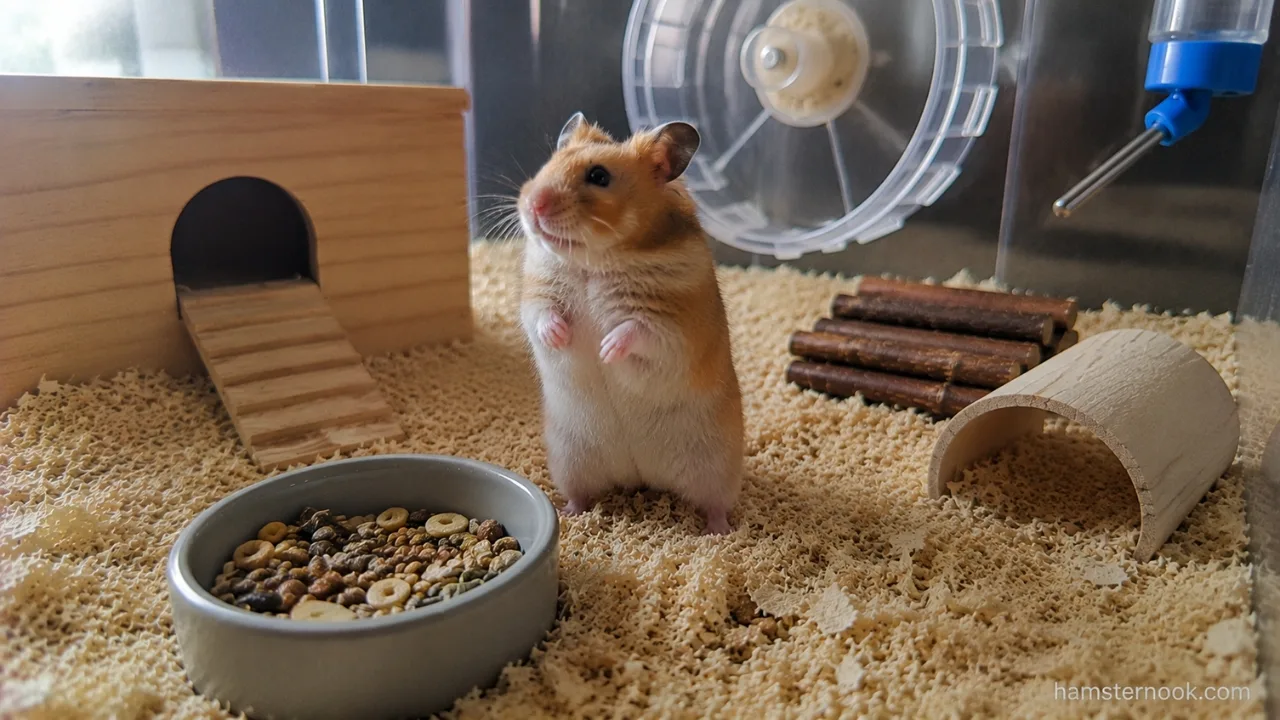
- Cage bar chewing
- Excessive sleeping
- Repetitive pacing
- Overgrooming
Providing a larger, enriching habitat can improve behavior significantly.
How to Make Your Hamster Feel More Comfortable
If your hamster seems nervous or overly cautious, small changes can help build trust.
If your hamster is still nervous around people, How to Tame a Hamster Without Getting Bitten provides a gradual trust-building approach.
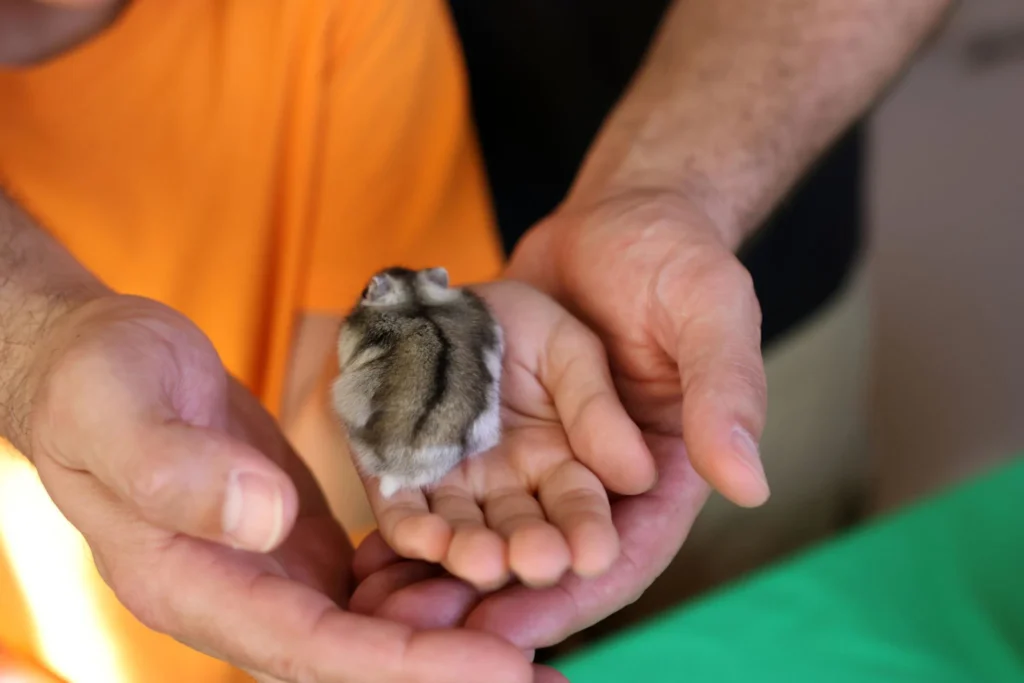
Helpful Ways to Build Trust
- Move slowly near the cage.
- Speak softly.
- Avoid waking your hamster suddenly.
- Offer treats by hand occasionally.
- Let your hamster approach voluntarily.
- Keep the cage in a calm environment.
Trust-building takes time, especially with young or newly adopted hamsters.
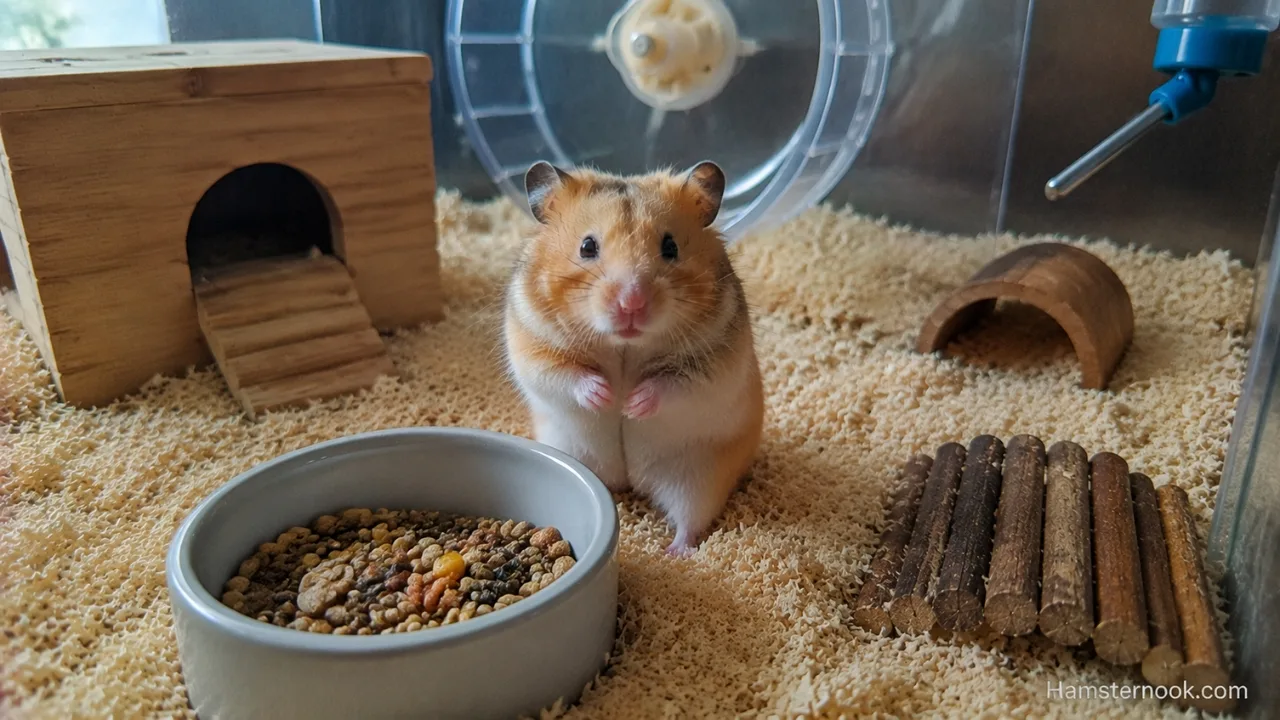
Hamster Staring Behavior Chart
| Type of Staring | Likely Meaning | Usually Normal? |
|---|---|---|
| Relaxed staring | Curiosity or recognition | Yes |
| Food-focused staring | Waiting for treats | Yes |
| Frozen staring | Fear or caution | Sometimes |
| Wide-eyed tense staring | Stress or anxiety | Monitor |
| Staring with lethargy | Possible illness | No |
Safe vs Unsafe Hamster Body Language
| Safe/Normal Signs | Concerning Signs |
|---|---|
| Sniffing calmly | Rapid breathing |
| Relaxed posture | Constant hiding |
| Grooming normally | Refusing food |
| Curious exploration | Aggression |
| Standing curiously | Weakness or wobbling |
Understanding body language helps owners tell the difference between curiosity and distress.
Simple Hamster Behavior Infographic
What Your Hamster’s Staring Usually Means
- Curious about movement
- Recognizes your scent
- Waiting for food
- Listening carefully
- Feeling cautious
- Exploring surroundings
- Observing nighttime activity
When to Worry
- Staring with lethargy
- Refusing food
- Head tilting
- Poor balance
- Continuous freezing behavior
Do Hamsters Get Attached to Their Owners?
Hamsters can become familiar with their owners, although their social behavior differs from larger pets.
Most hamsters recognize familiar people through scent, routine, and repeated positive interactions rather than strong visual recognition. However, they can learn:
- Your scent
- Your voice
- Feeding routines
- Gentle handling patterns
A hamster that calmly watches you may simply view you as a safe and familiar part of its environment.

Final Thoughts
If your hamster keeps staring at you, it’s usually nothing to worry about. Most of the time, hamsters stare because they are curious, alert, hungry, or simply recognizing familiar sounds and scents.
Since hamsters naturally observe their environment carefully, staring is often part of normal behavior. Relaxed body language usually means your hamster feels safe and comfortable.
For more examples of what different behaviors can mean, see our Hamster Behavior Guide: What Common Hamster Behaviors Mean.
However, if staring comes with signs like lethargy, loss of appetite, freezing, or poor balance, it could indicate stress or illness that deserves attention.
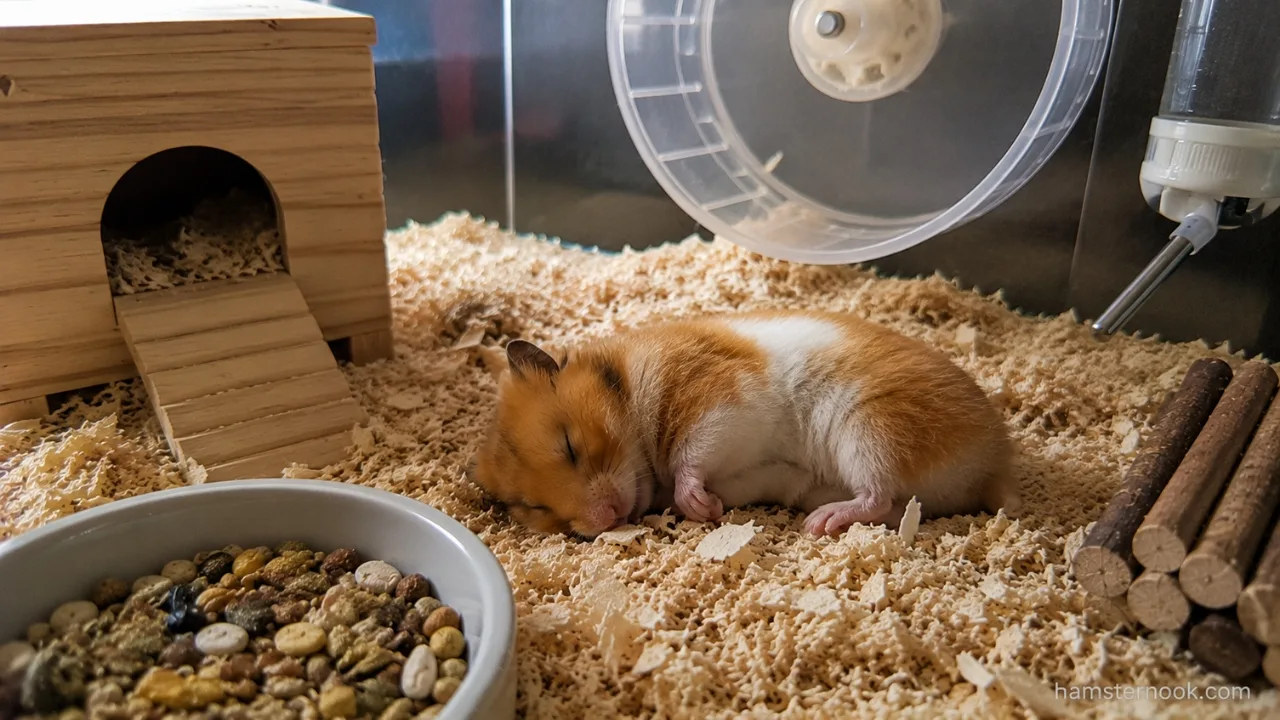
By understanding hamster body language and behavior, owners can better recognize when their pet is simply curious and when something may actually be wrong.
Every hamster has its own personality. Some naturally spend more time observing their surroundings than others. Looking at your hamster’s overall body language, daily routine, and appetite gives a much clearer picture than staring behavior alone.
Frequently Asked Questions
Why does my hamster stare at me without moving?
Hamsters sometimes freeze and observe quietly to understand movement, sounds, or scents around them. This is usually normal.
Does my hamster recognize me?
Yes, hamsters can recognize familiar scents, voices, and routines over time.
Is staring a sign my hamster likes me?
Sometimes. Relaxed staring combined with calm body language often means your hamster feels comfortable around you.
Why does my hamster stare at me at night?
Hamsters are naturally more active at night and may become more alert to movement and sounds during evening hours.
Should I worry if my hamster stares constantly?
Not usually, unless staring is combined with illness symptoms like lethargy, poor balance, or appetite loss.
How can I make my hamster trust me more?
Move slowly, speak softly, offer treats gently, and allow your hamster to approach you at its own pace.
References
This guide is based on hamster behavior, welfare, husbandry, and health information from trusted veterinary and animal care organizations, including:
- RSPCA – Hamster Care and Welfare
- PDSA – Hamster Behavior and Husbandry
- MSD Veterinary Manual – Behavior and Health Observations
- Merck Veterinary Manual – Behavior and Health Observations

Narayan Kumar is the founder and author of HamsterNook. He creates practical, research-based hamster care guides covering hamster behavior, nutrition, cage setup, enrichment, health, and everyday care. His goal is to help hamster owners make informed decisions and provide safer, healthier lives for their pets through clear, beginner-friendly information based on trusted animal care resources.