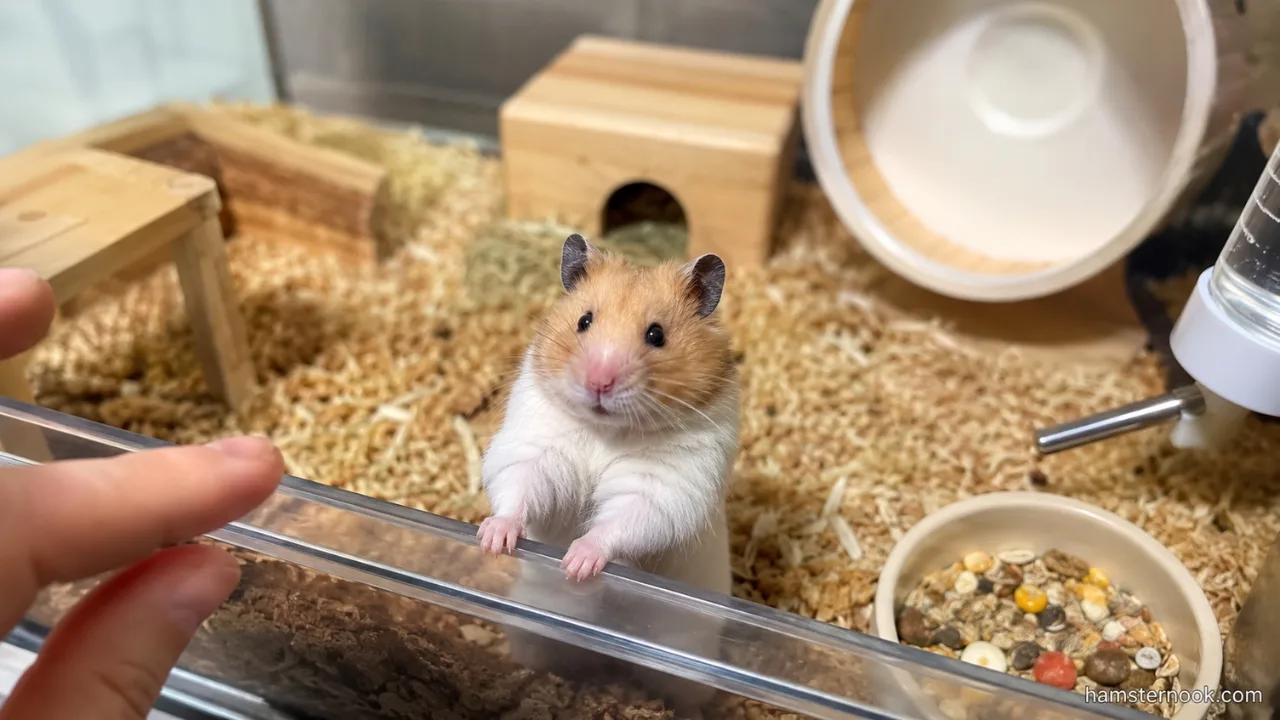
If you’ve ever walked into a room and noticed your hamster suddenly appear from its hideout, stand on its hind legs, or rush toward the cage door, you’ve probably wondered: Does my hamster actually get excited to see me?
It’s a question many hamster owners ask after noticing their pet react differently to them than to other people. Unlike dogs, which often show obvious excitement through tail wagging and jumping, hamsters communicate in much subtler ways. This can make it difficult to tell whether they’re genuinely happy to see their owner or simply responding to food, routine, or curiosity.
The answer isn’t completely straightforward because hamsters express recognition and trust differently from many other pets. Hamsters can learn to recognize their owners and often develop positive associations with them. However, their excitement doesn’t look the same as it does in more social animals. Understanding how hamsters recognize people and express comfort can help you build a stronger bond and better interpret your pet’s behavior.
Quick Answer
Yes, many hamsters can become excited to see their owners, but their excitement usually appears as curiosity, confidence, and voluntary interaction rather than obvious affection. A hamster that approaches you, takes treats calmly, or climbs onto your hand is often showing recognition and trust.

How Hamsters Recognize People
Hamsters do not rely on vision the way humans do. Instead, they primarily recognize familiar people through scent, voice, daily routines, and repeated positive experiences. This is why consistency often matters more than the amount of time spent interacting.
Can Hamsters Recognize Their Owners?
Because hamsters use several senses to interpret their surroundings, vision is only one part of how they respond to people. For a closer look at what hamsters can actually see, see our Can Hamsters See in the Dark? The Truth About Hamster Vision guide.
Many pet hamsters can become familiar with their owners over time, especially through repeated exposure to familiar scents, routines, and handling. Research in golden hamsters has demonstrated individual recognition and memory for familiar odors, but these studies examined recognition of other hamsters rather than human owners. This means the research supports the ability to learn familiar individual cues, while the exact way a pet hamster recognizes a person is less directly studied.
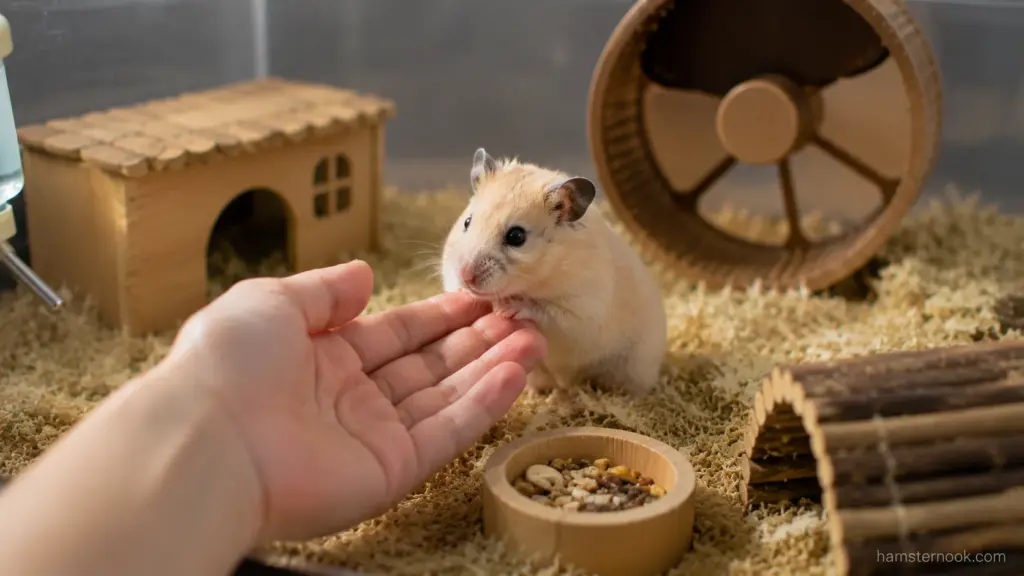
In everyday life, a hamster may show this familiarity by becoming less wary when you approach, coming to the cage front, or choosing to investigate your hand. These behaviors are better interpreted as familiarity and trust than as proof that a hamster understands your identity in exactly the same way a dog might.
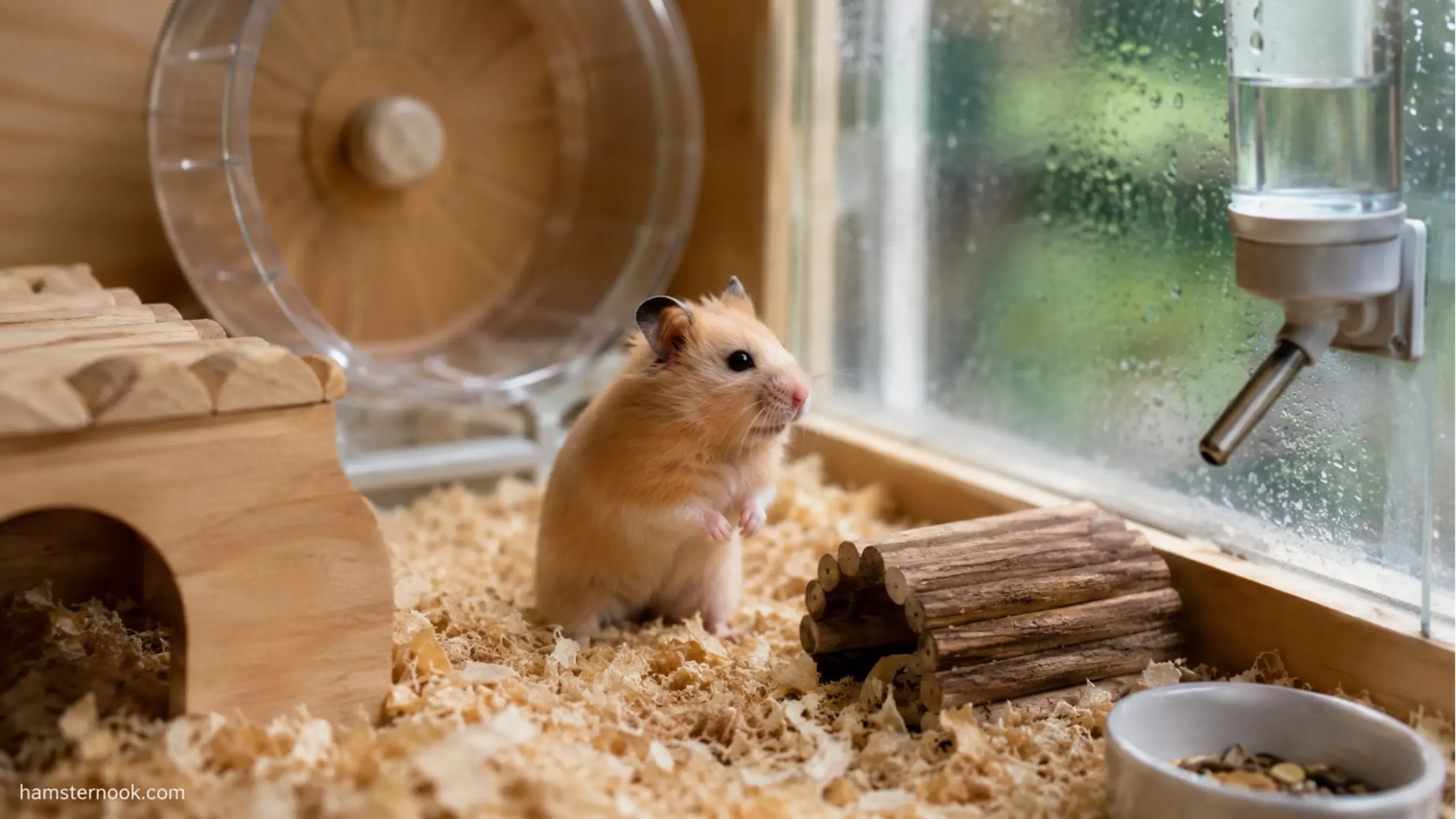
Building trust with a hamster requires understanding its natural instincts, daily routines, and behavior patterns. Our How to Care for a Hamster: Complete Beginner Guide (2026) explains the foundations of creating a strong human-hamster bond.
What Does Excitement Look Like in a Hamster?
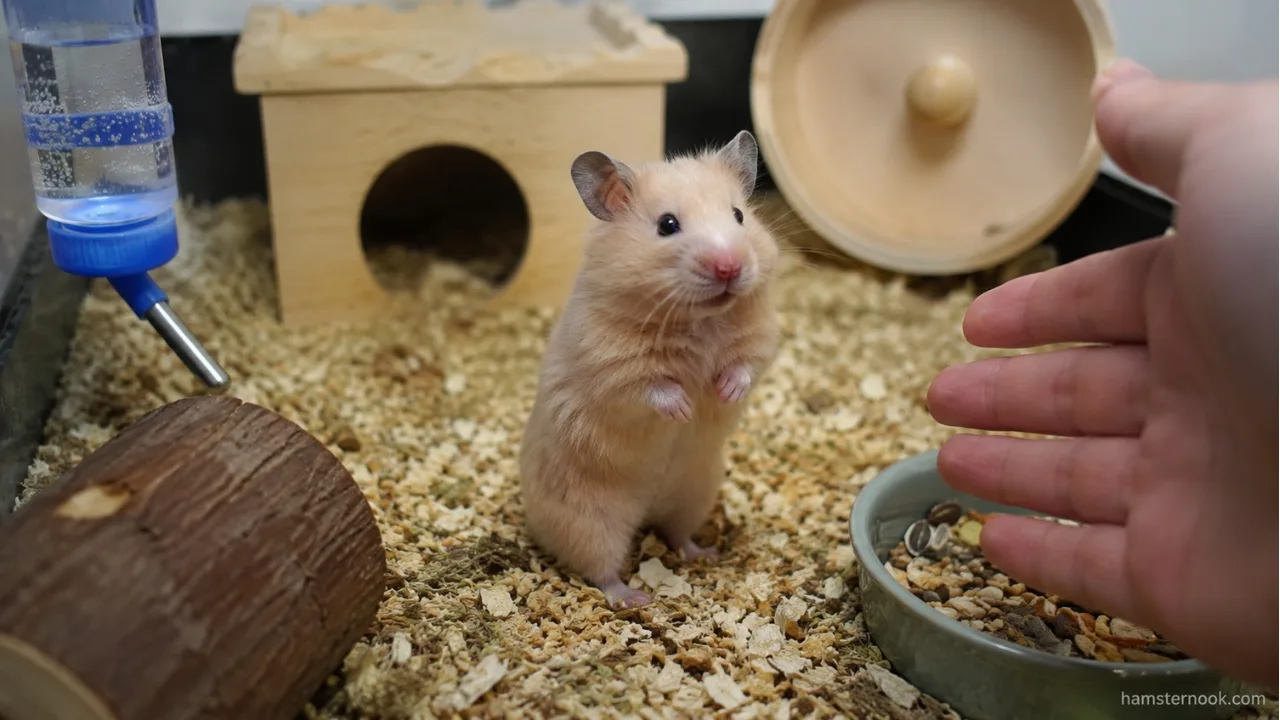
Hamsters usually do not show excitement with obvious displays like jumping or wagging their tails. Instead, a hamster that recognizes you may become more alert, curious, and willing to interact.
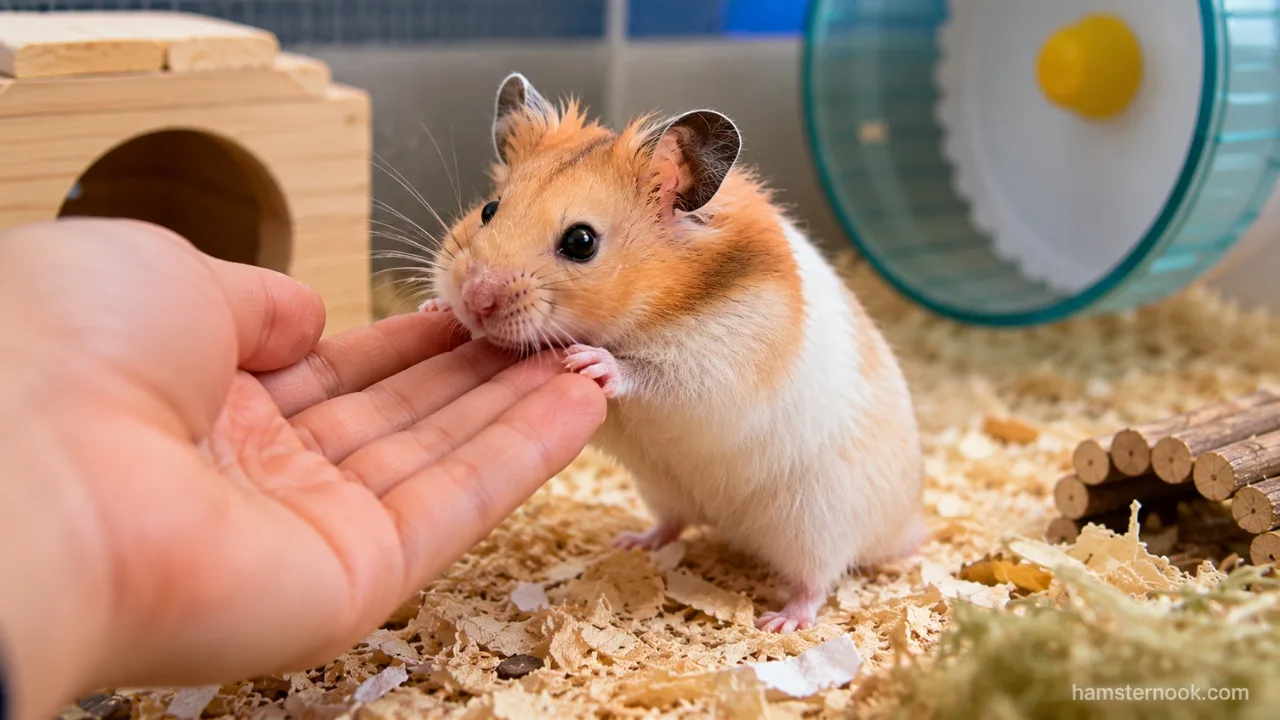
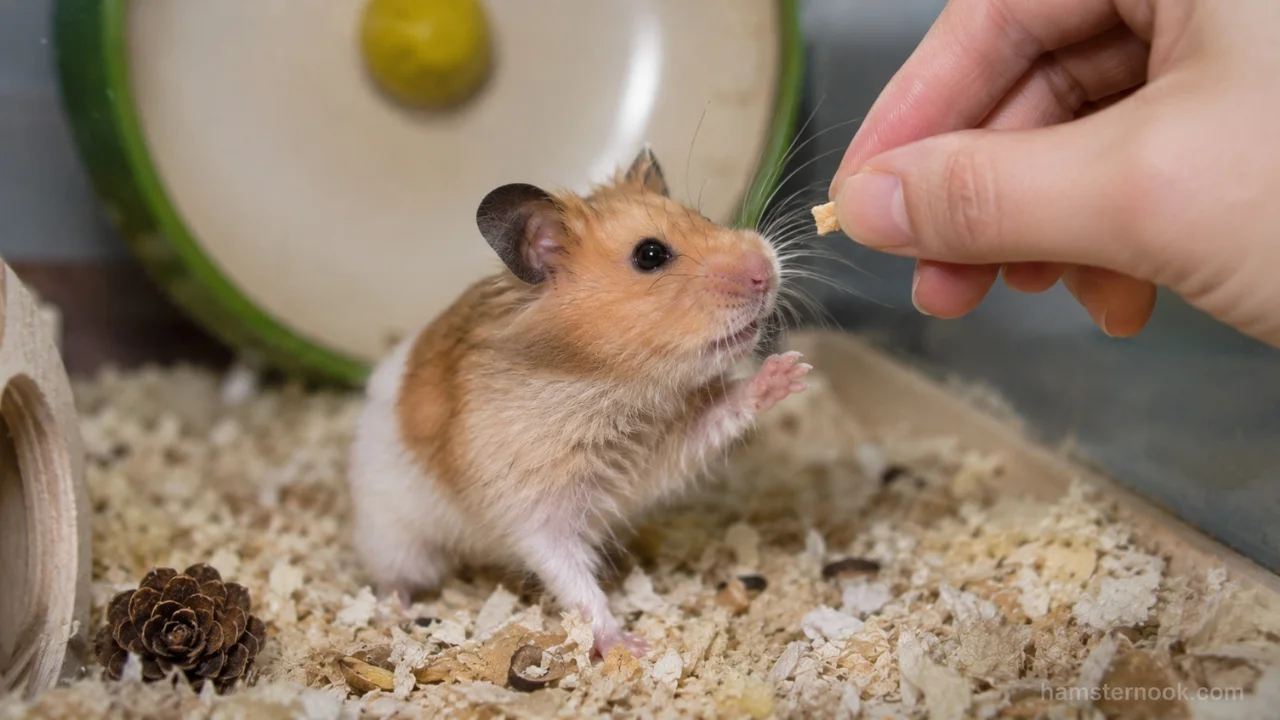
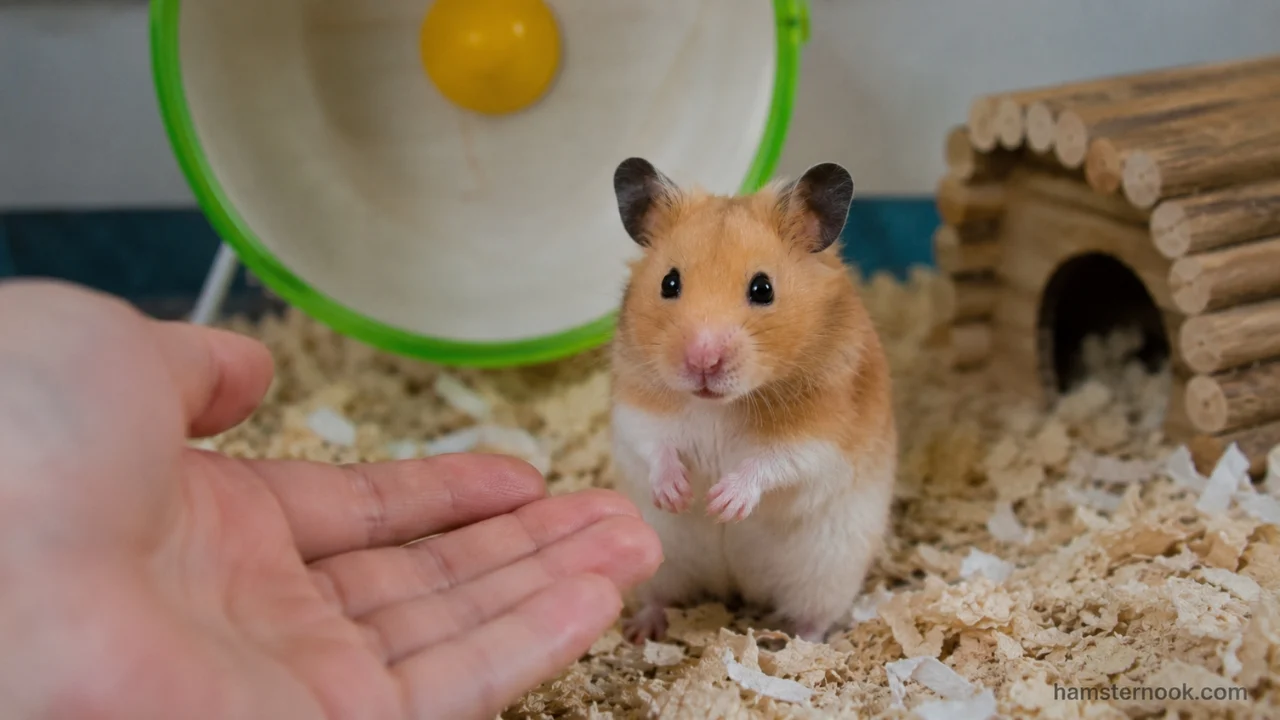
The strongest signs are behaviors your hamster chooses to repeat over time, such as approaching the cage front when you arrive, coming toward your hand, taking food calmly, or exploring you without trying to escape. These behaviors are more meaningful when your hamster remains relaxed rather than frantic or fearful.
Common Signs a Hamster Is Happy to See You
| Behavior | What It May Mean |
|---|---|
| Approaching the cage front when you enter | Recognition and curiosity |
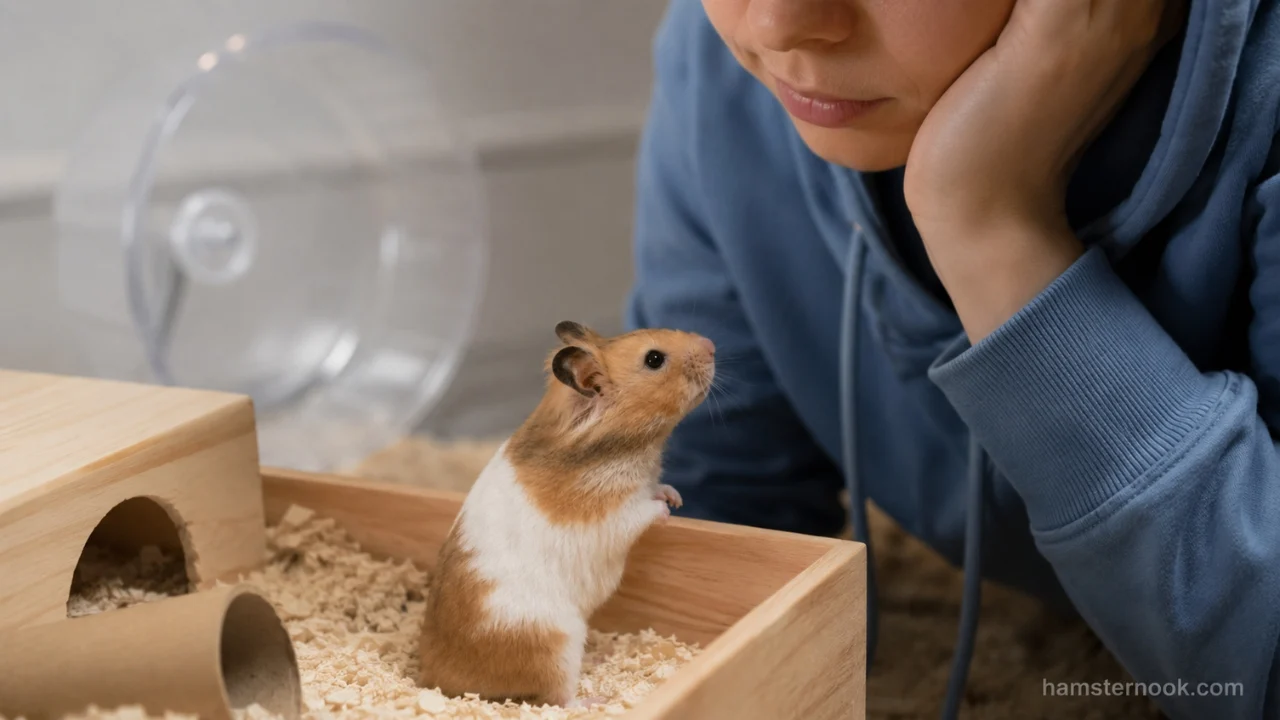
| Standing on hind legs near you | Investigating your presence |
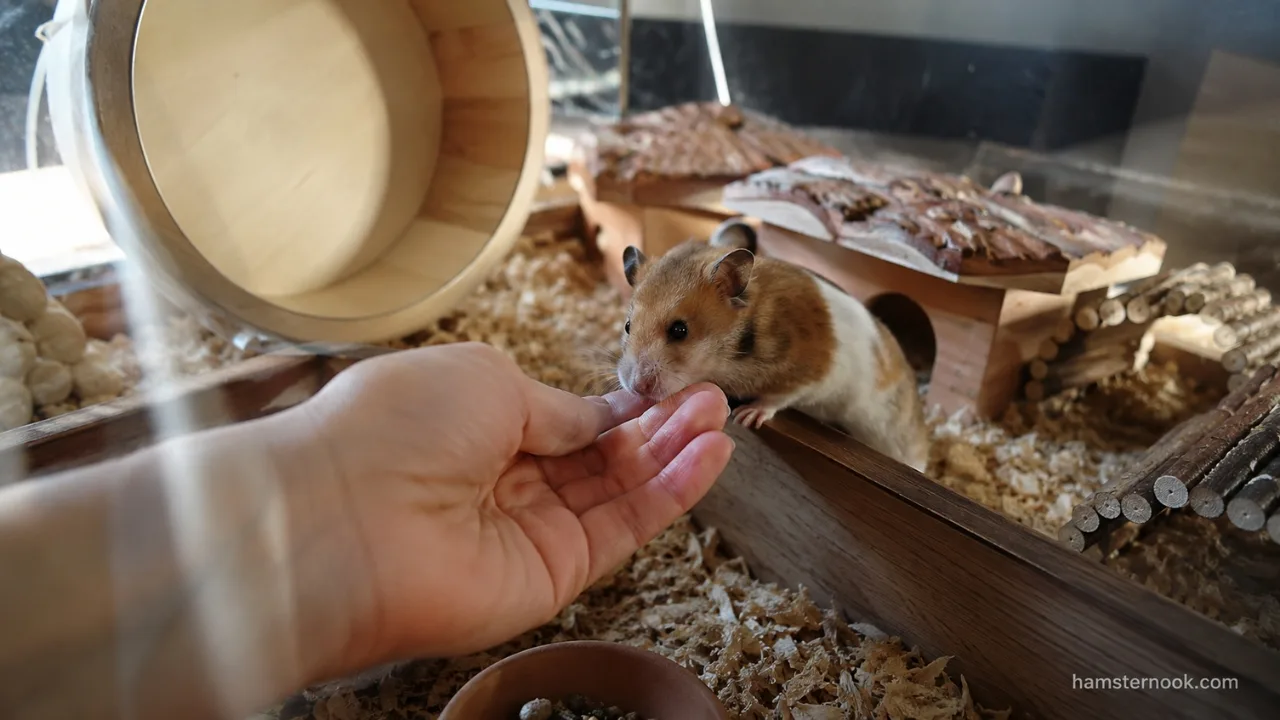
| Taking treats calmly from your hand | Trust and comfort |
| Climbing onto your hand voluntarily | Positive association |
| Remaining relaxed during handling | Confidence around you |
| Grooming in your presence | Feeling safe and secure |
A single behavior does not automatically mean your hamster is excited to see you. Look for a consistent pattern of relaxed, voluntary interaction. If your hamster approaches you without food being present, stays nearby, and remains comfortable during interaction, those combined behaviors are stronger signs of recognition and trust.
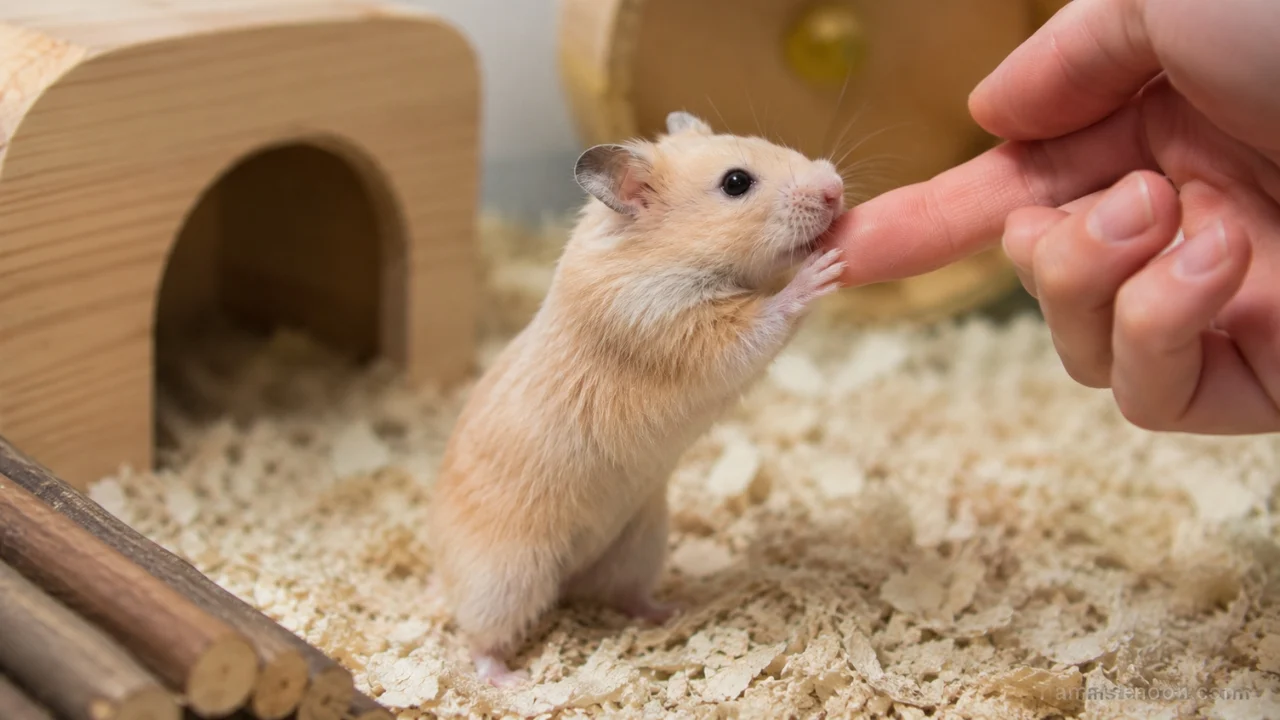
These behaviors don’t prove affection in a human sense, but they do suggest your hamster feels comfortable around you.
Are Hamsters Excited About You or the Food?
This is one of the most common questions among hamster owners.
In many cases, the answer is a combination of both recognition and food-related anticipation.
Hamsters are intelligent enough to connect certain people with rewarding experiences. If you consistently provide food, treats, enrichment, and gentle handling, your hamster may become eager when it notices your arrival.
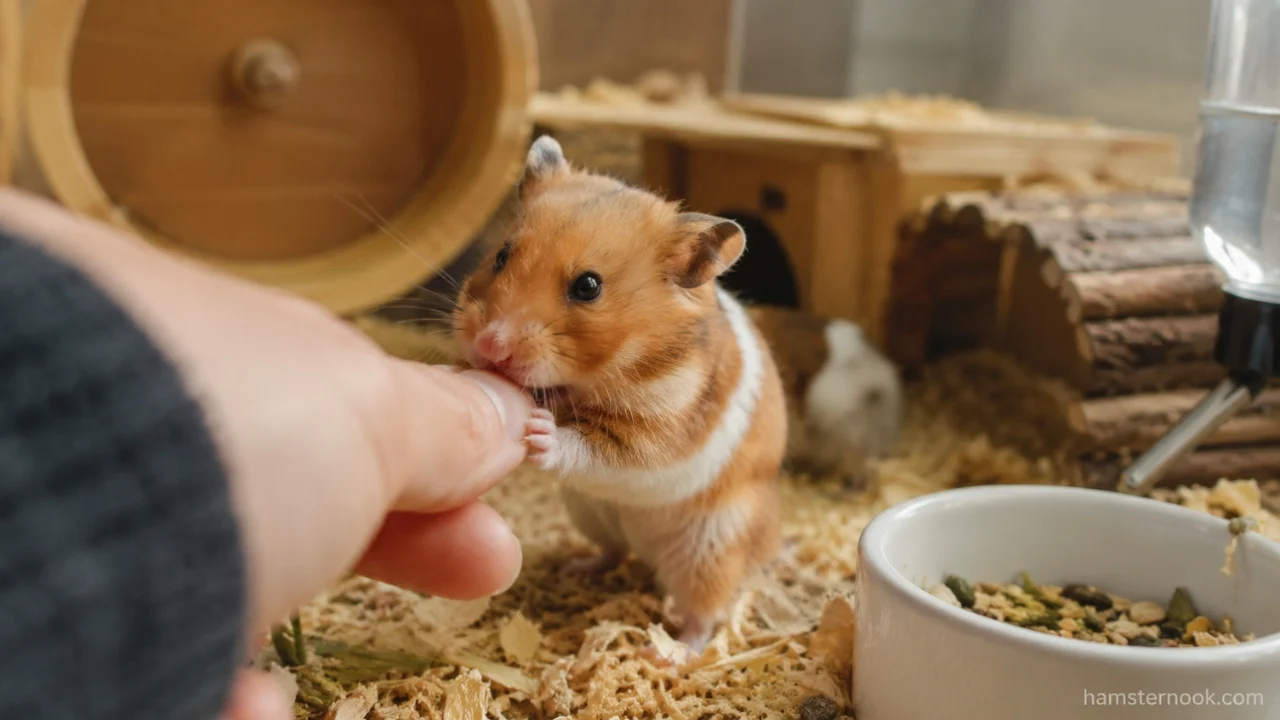
Think of it this way: your hamster may not be thinking, “My favorite person is home,” but it may recognize that your appearance often leads to something positive.
Over time, many owners notice that their hamster approaches even when no food is involved. This suggests the hamster has learned to associate the owner with safety and familiarity rather than just treats.
If your hamster constantly expects food, balancing treats with enrichment can help create a healthier relationship. Our How to Keep a Hamster Mentally Stimulated: 15 Enrichment Ideas guide shares activities that encourage curiosity and engagement beyond feeding time.
How Hamsters Learn to Associate Owners With Safety
Most hamsters become comfortable through many small positive interactions over time.
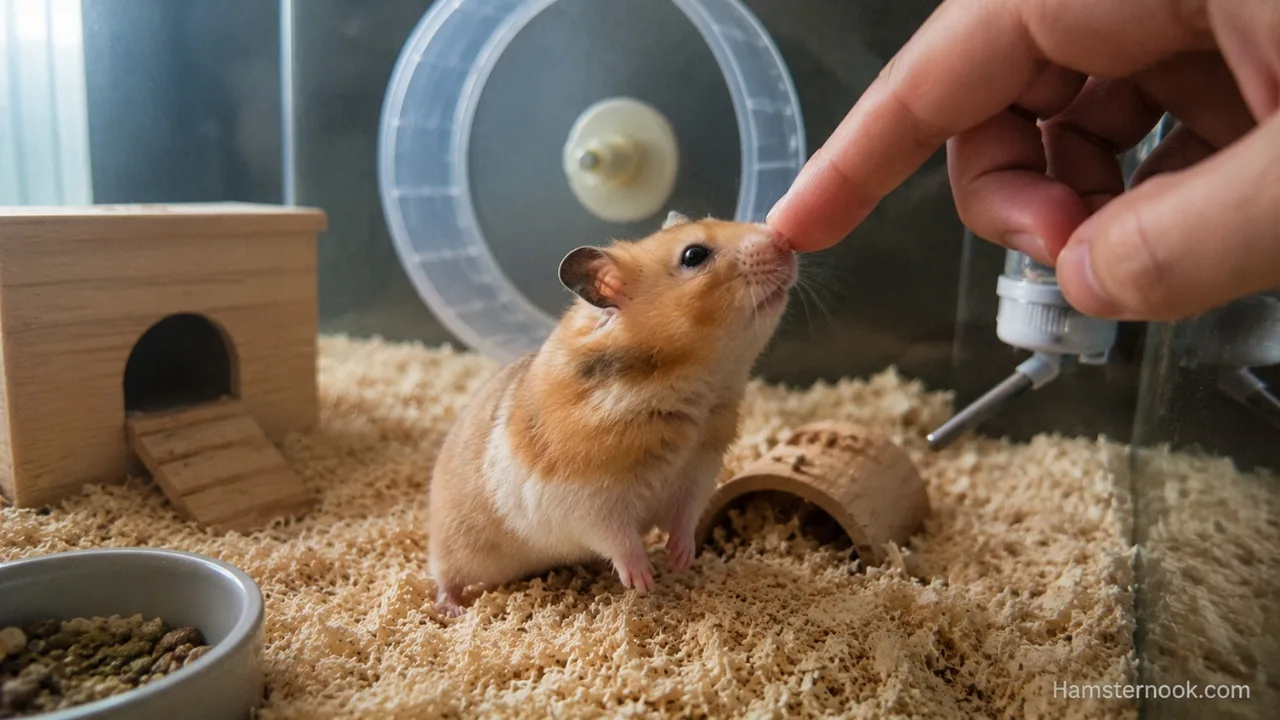
A hamster’s natural instinct is to be cautious around unfamiliar creatures. Every positive interaction teaches your hamster that you are not a threat.
This learning process often involves:
- Consistent feeding routines
- Gentle handling
- Speaking softly
- Respecting sleep schedules
- Avoiding sudden movements
- Allowing the hamster to approach voluntarily
The more predictable your behavior becomes, the more likely your hamster is to feel secure around you.
Predictability helps reduce uncertainty for prey animals. When feeding, handling, and interaction occur at similar times each day, many hamsters become noticeably more confident around their owners.
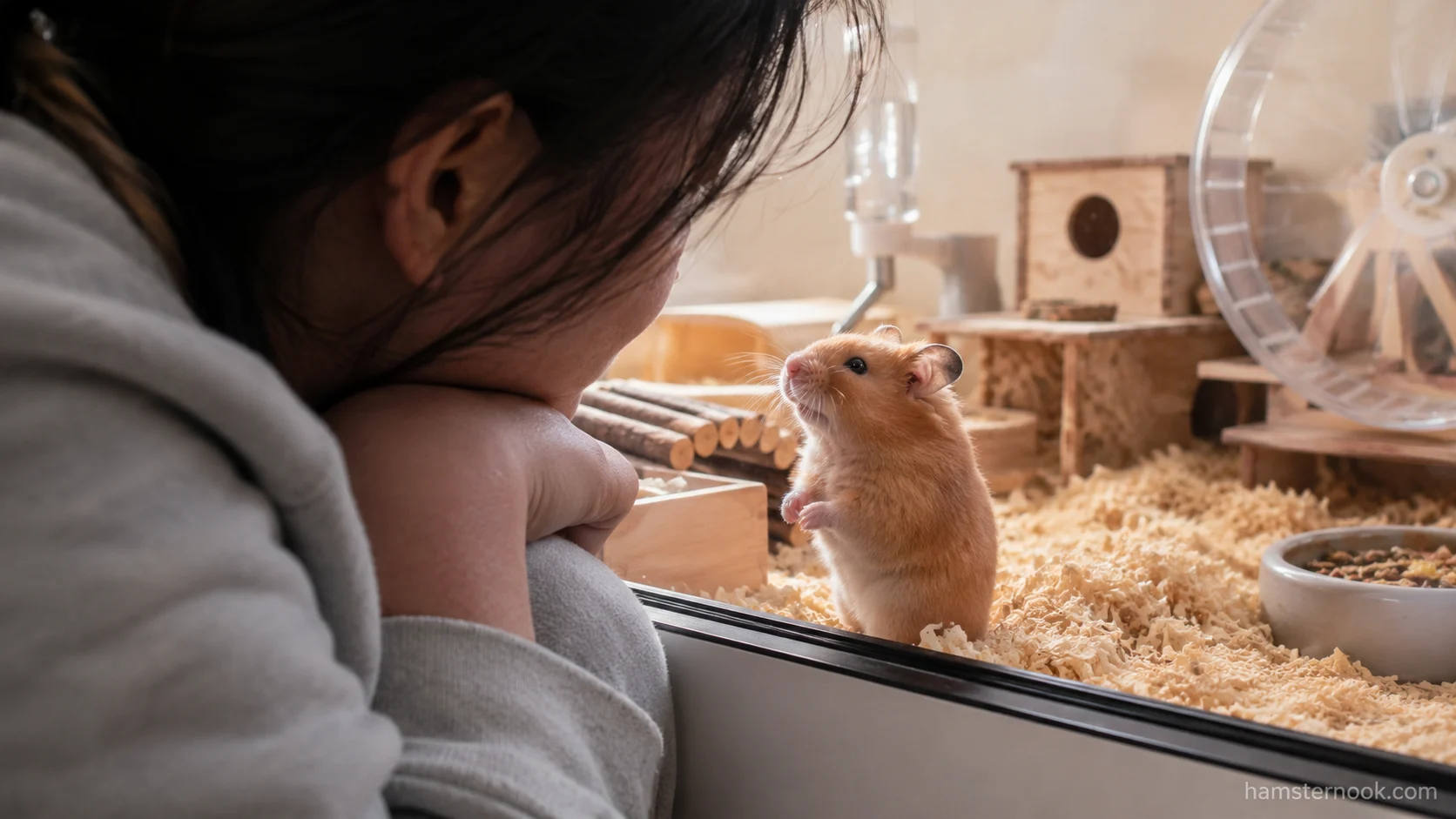
Owners interested in strengthening trust may also enjoy How Long Does It Take for a Hamster to Trust You?
Many owners mistakenly assume trust should happen quickly. In reality, some hamsters bond within days, while others require weeks or even months.
Signs Your Hamster Has Formed a Positive Bond With You
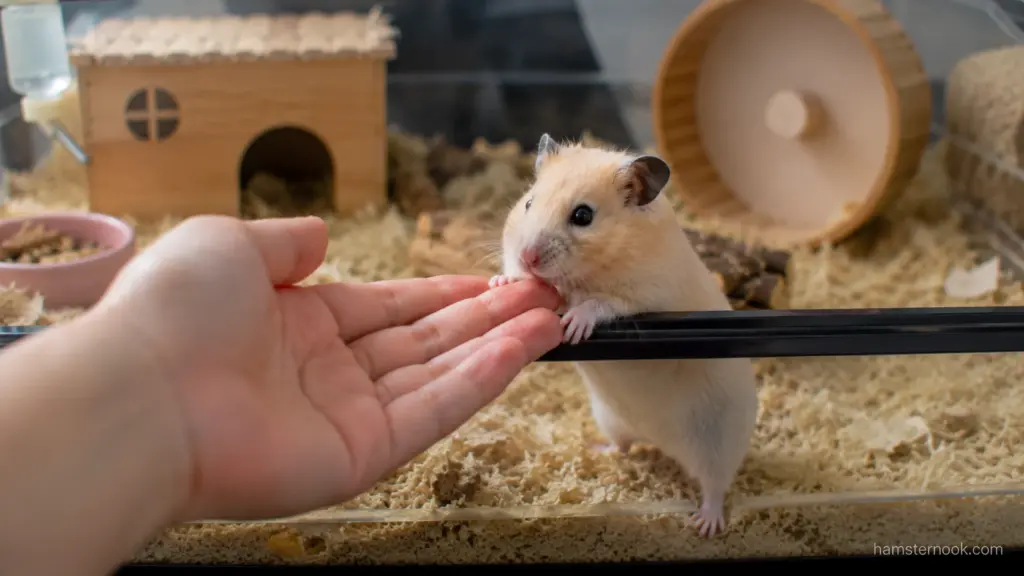
Not every hamster expresses comfort in the same way, but certain behaviors often indicate a positive relationship.
Your Hamster Approaches Without Being Forced
One of the clearest signs of trust is voluntary interaction.
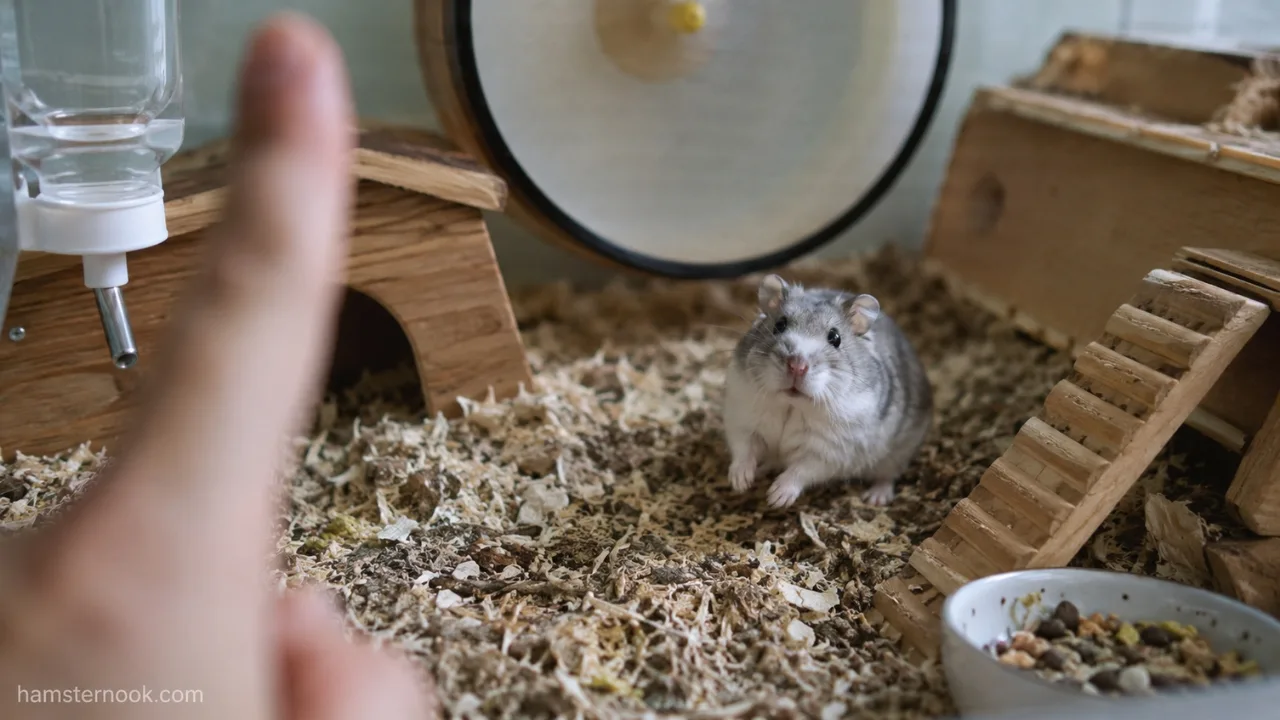
A hamster that consistently comes toward your hand rather than running away has likely learned that your presence is safe.
Your Hamster Accepts Handling Calmly
Hamsters that remain relaxed during handling often view the experience as familiar rather than threatening.
This doesn’t mean every hamster will enjoy long cuddling sessions. Many simply tolerate handling because they trust the person holding them.
Your Hamster Shows Curiosity Around You
Curiosity is often a positive sign.
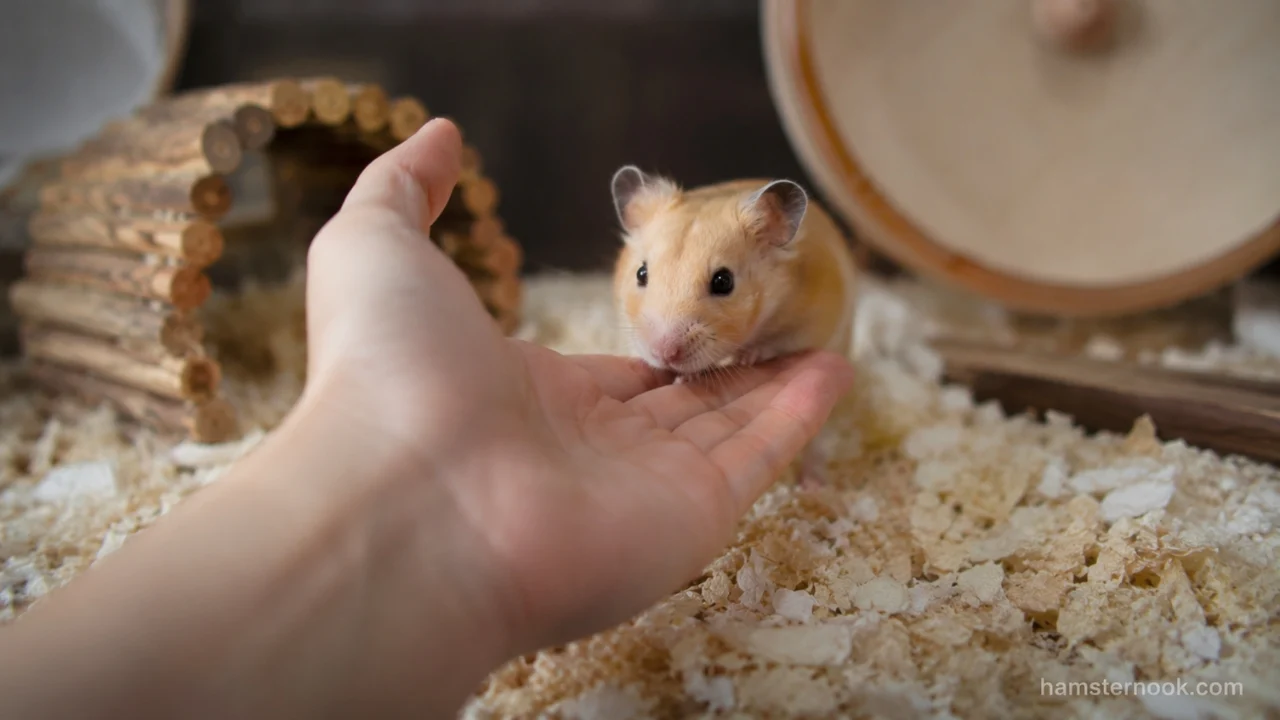
A hamster that sniffs your fingers, explores your clothing, or investigates your movements is displaying confidence rather than fear.
Other small behaviors can also help owners understand whether a hamster feels comfortable around them, including licking, gentle investigation, and repeated voluntary interaction. Why Does My Hamster Lick Me? 7 Meanings Every Owner Should Know explains what this behavior may mean and when it is simply normal exploration.
Behaviors That People Mistake for Excitement
Not every active behavior means your hamster is happy to see you.
Sometimes owners misinterpret stress or routine-based behavior as excitement.
| Behavior | Possible Explanation |
|---|---|
| Frantic cage climbing | Boredom or enclosure issues |
| Constant scratching at cage walls | Seeking more space |
| Running in circles | Stress or environmental frustration |
| Hyperactive behavior at feeding time | Anticipation of food |
| Sudden freezing when approached | Fear, not excitement |
Looking at the situation as a whole is important. Some behaviors that appear enthusiastic on the surface may actually indicate boredom, stress, or a need for environmental improvements.
If you are unsure whether unusual activity is excitement or stress, compare it with other 7 Ways You’re Accidentally Stressing Your Hamster: Signs & What to Do such as freezing, avoidance, repeated escape attempts, or sudden changes in normal behavior.
Why Some Hamsters Seem More Social Than Others
Individual personality differences have a significant influence on how social a hamster appears.
Some hamsters naturally appear more confident and outgoing, while others remain cautious regardless of how much time you spend together.
Factors that influence behavior include:
- Species
- Genetics
- Early socialization
- Past experiences
- Age
- Overall health
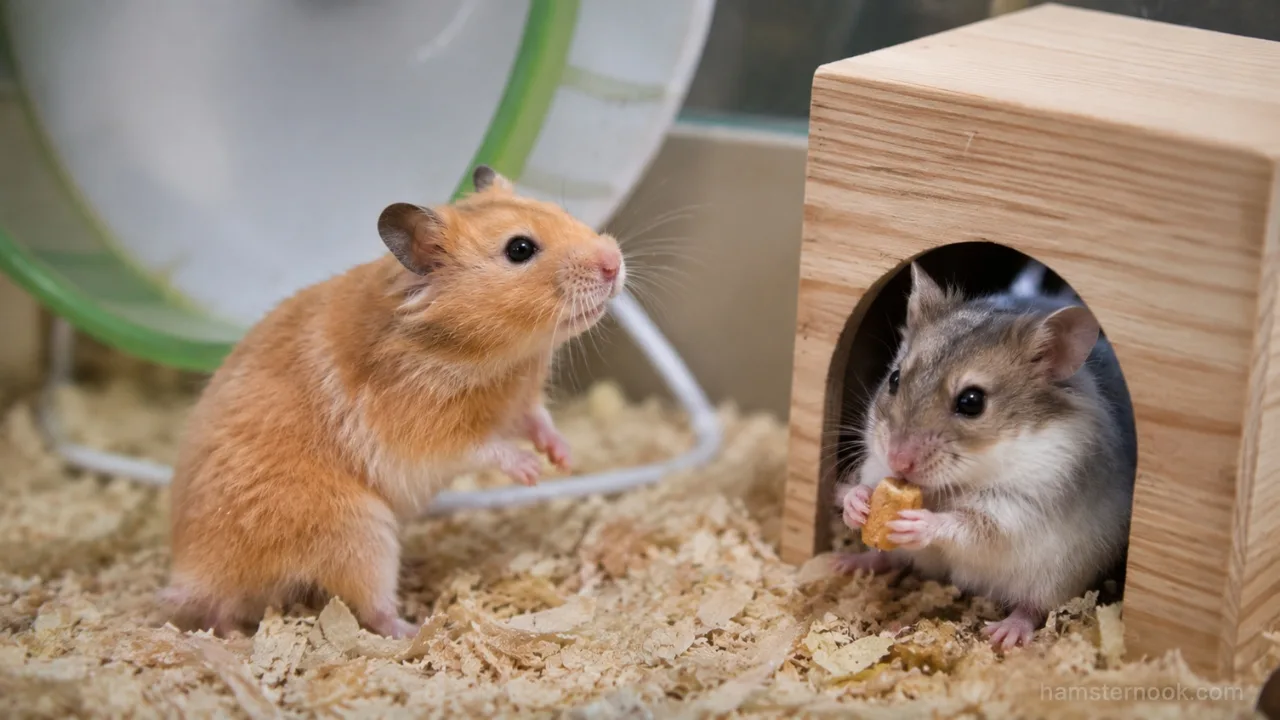
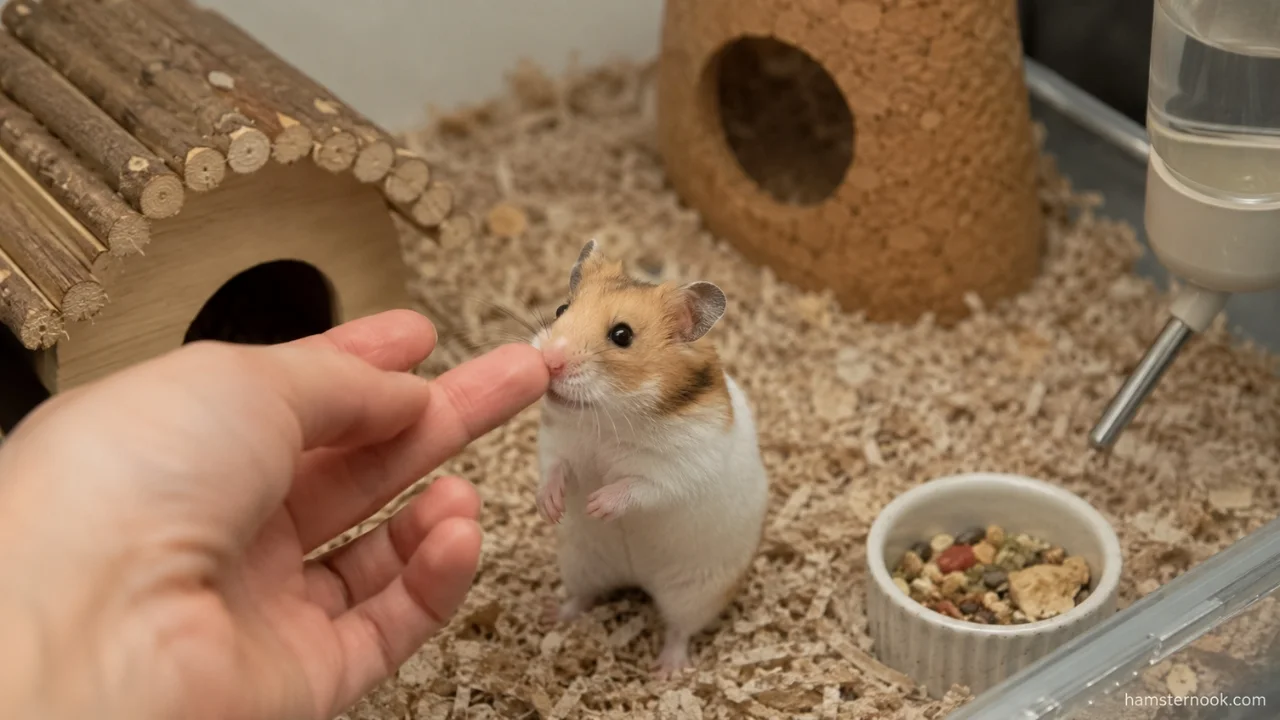
For example, Syrian hamsters are often described as more interactive with people, while some dwarf species may be more independent.
This doesn’t mean one hamster loves its owner more than another. It simply reflects differences in personality.
Common Mistakes That Can Damage Trust
Owners who want a close relationship with their hamster sometimes accidentally slow down the bonding process.
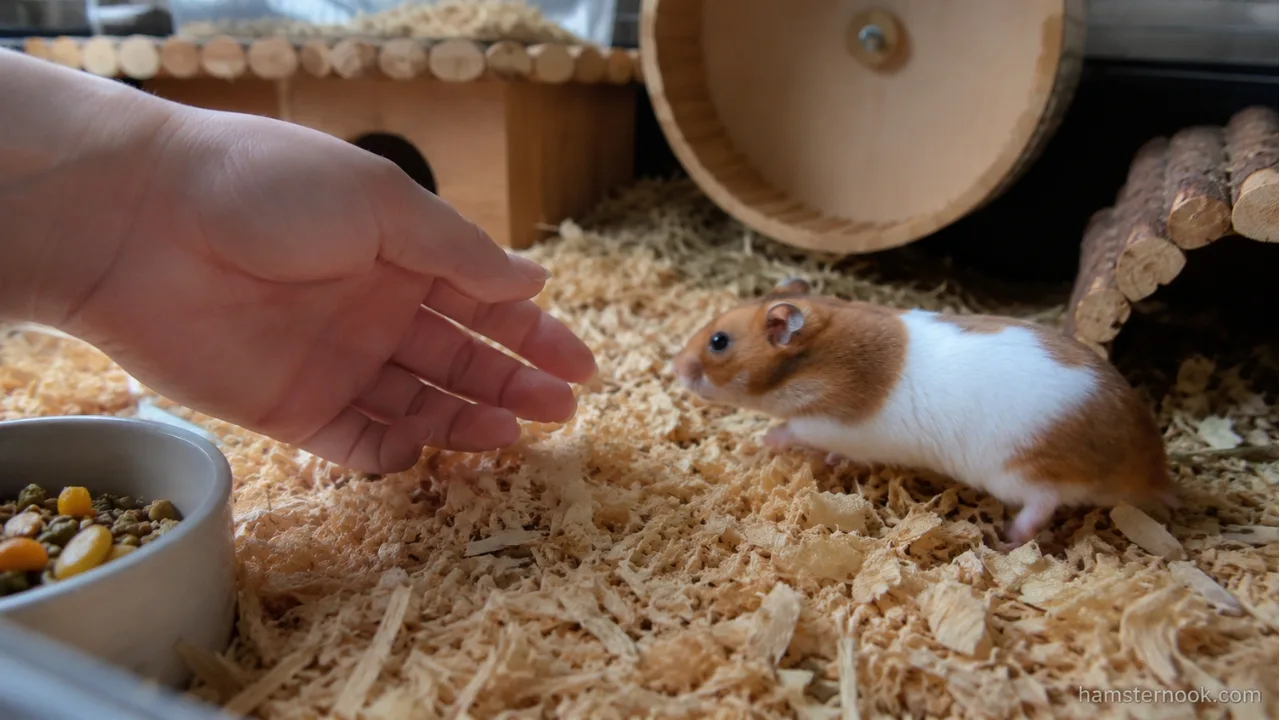
Waking a Sleeping Hamster
Hamsters are naturally most active during the evening and night.
Repeatedly waking them during the day can lead to stress and defensive behavior.
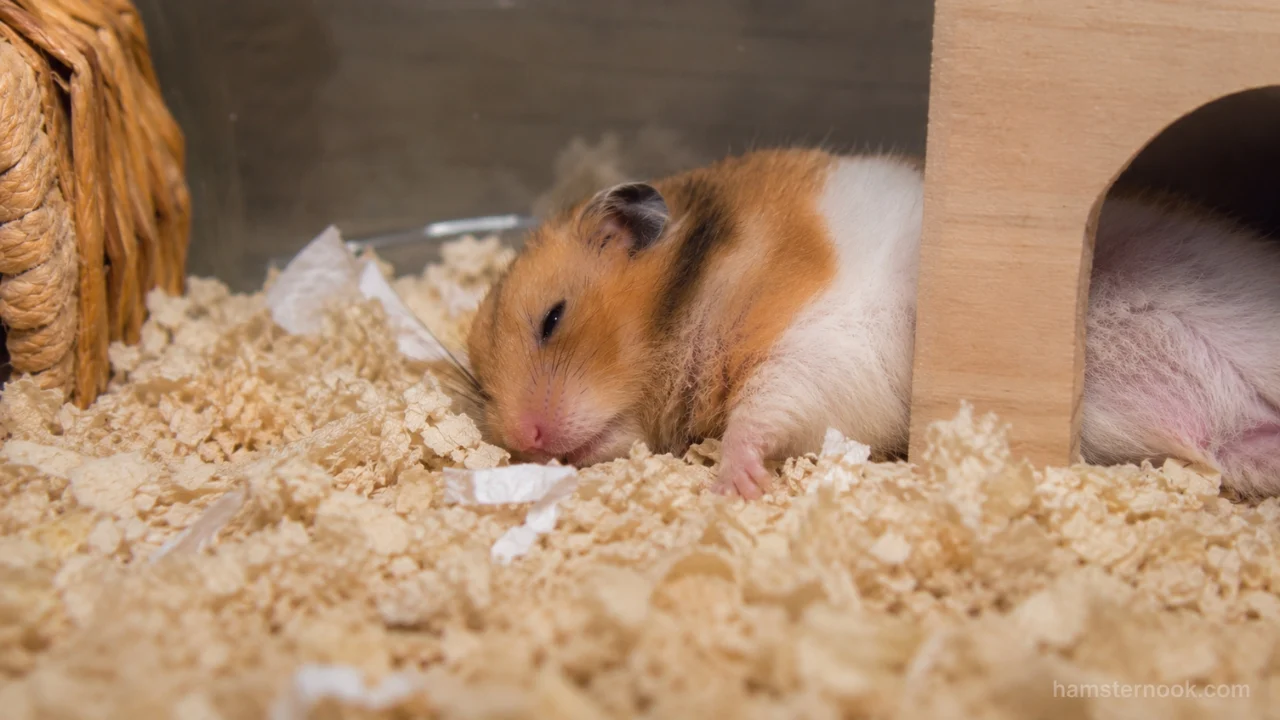
Understanding normal sleep behavior also makes it easier to tell when your hamster is naturally active versus reacting to something unusual. Hamster sleeping positions and what they mean can provide additional clues about your pet’s comfort and normal behavior.
Forcing Interaction
Trust develops faster when the hamster chooses interaction voluntarily.
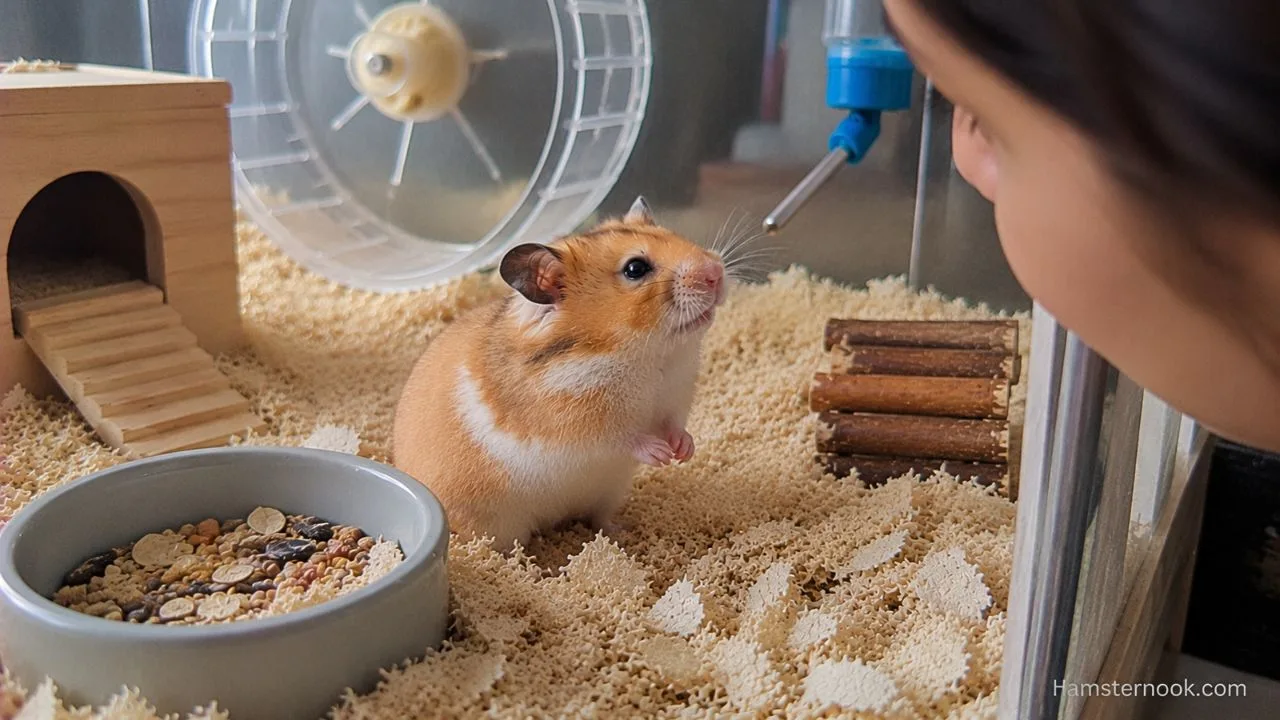
Chasing a hamster around the cage or grabbing it unexpectedly often has the opposite effect.
Ignoring Signs of Stress
A hamster that freezes, squeaks, or attempts to flee is communicating discomfort.
Respecting these signals helps build trust more effectively than pushing through them.
How to Strengthen Your Bond With Your Hamster
If you’d like your hamster to become more comfortable around you, focus on consistency rather than intensity.
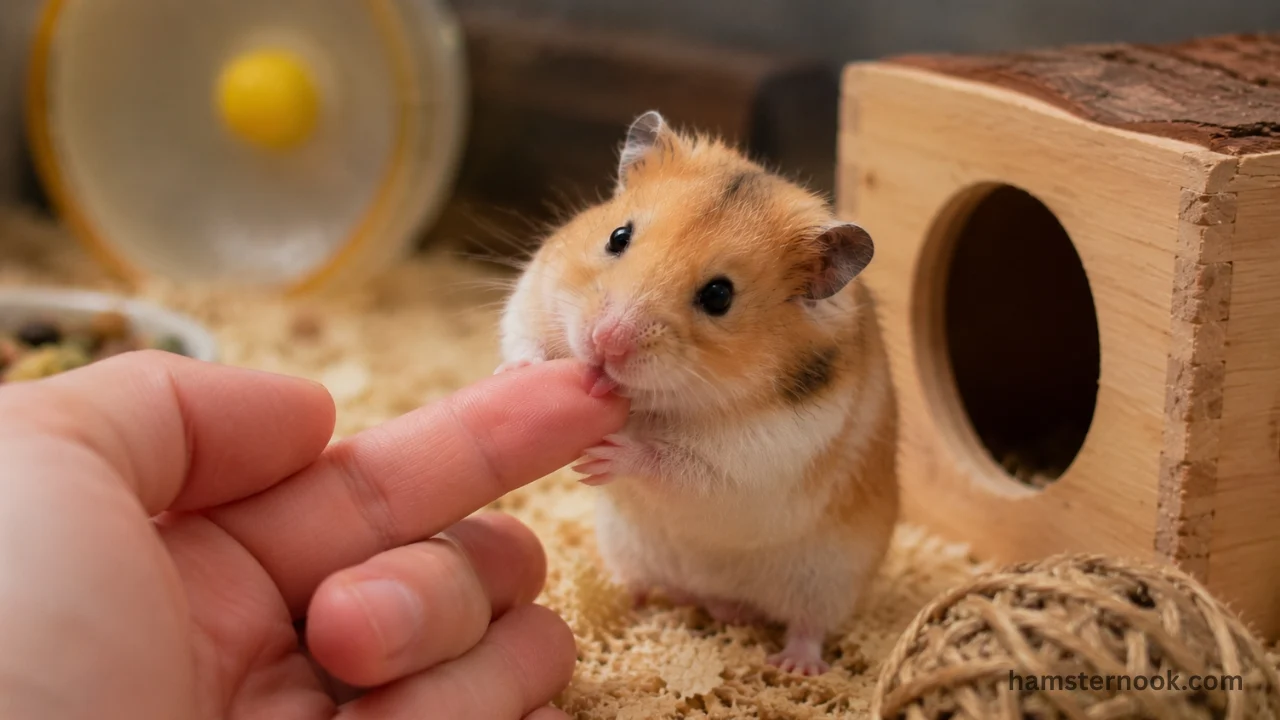
Focus on Positive Daily Interactions
Short, calm interactions are usually more effective than long sessions.
A few minutes each evening can go a long way toward building trust.
Let Your Hamster Make Choices
Allow your hamster to:
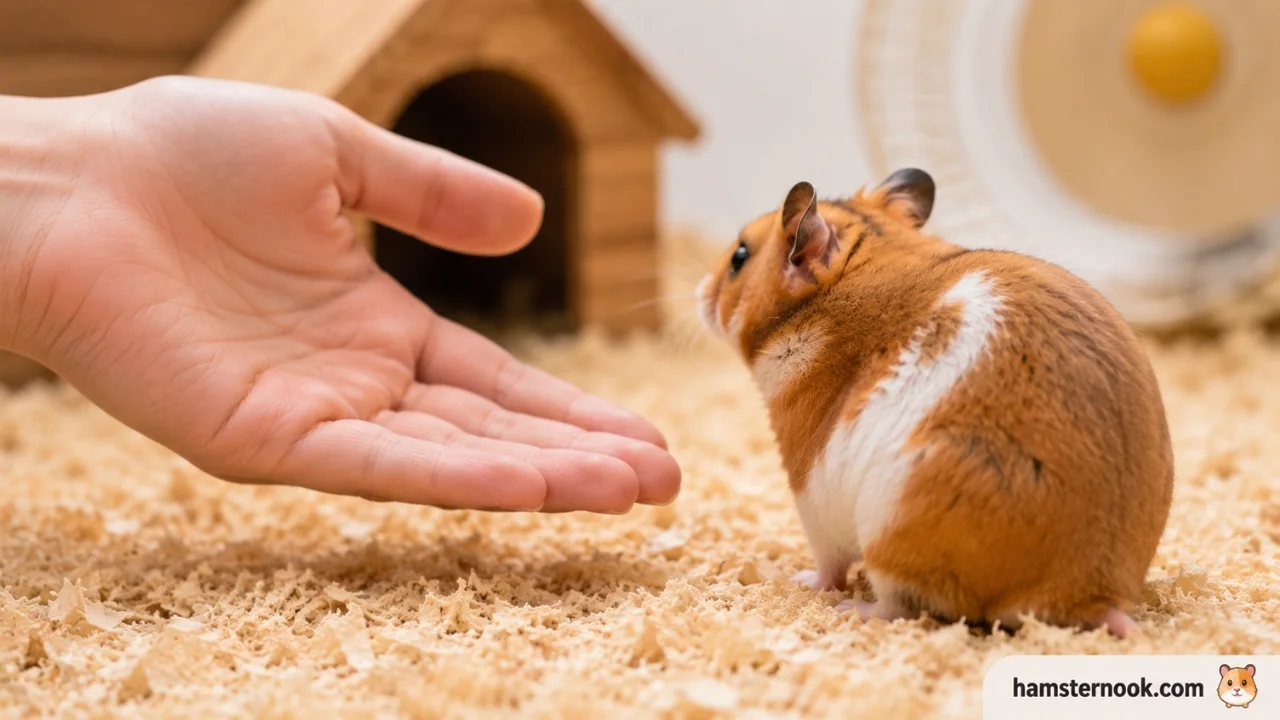
- Approach your hand
- Explore at its own pace
- Decide when to interact
This gives the animal a sense of control and often increases confidence.
Use Treats Wisely
Treats can reinforce positive experiences, but they shouldn’t become the only reason your hamster approaches.
Balancing food rewards with gentle handling and enrichment creates a stronger relationship.
Approaching voluntarily is often one of the clearest trust signals a hamster can show. Our 10 Signs Your Hamster Trusts You guide explains several other behaviors that often indicate growing confidence and comfort around people.
When Your Hamster Suddenly Stops Greeting You
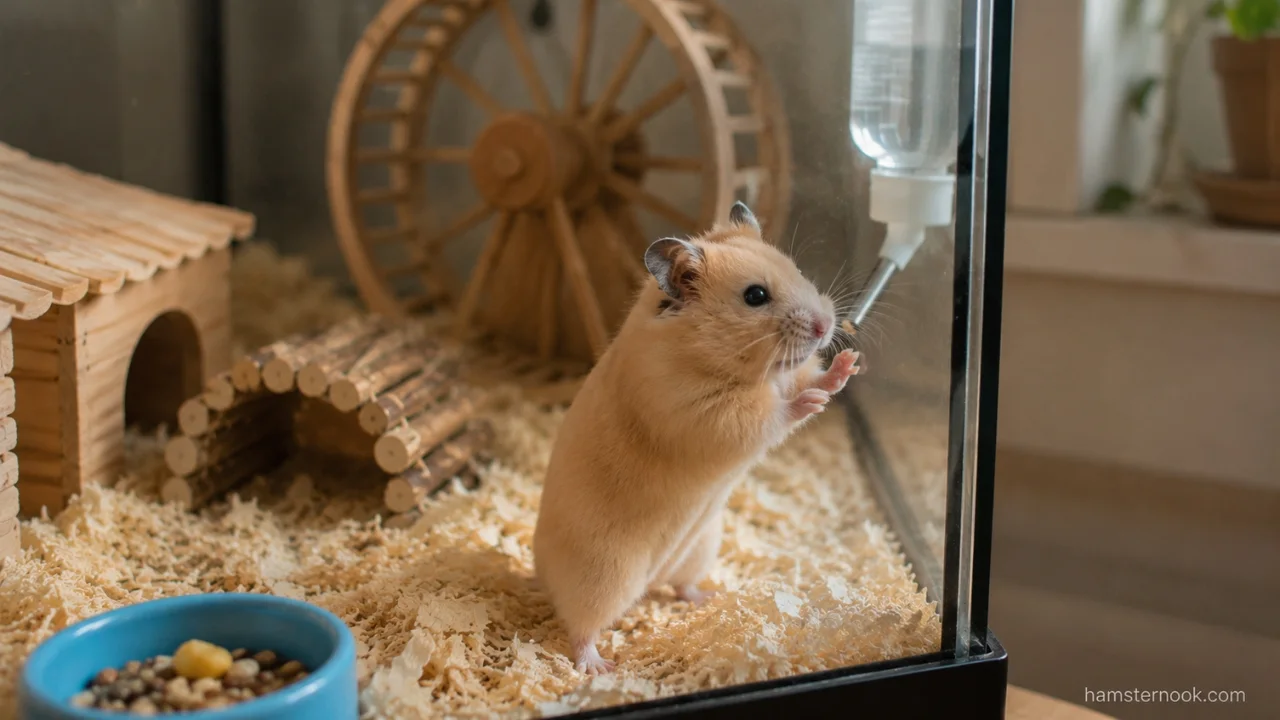
A hamster that normally approaches you but suddenly becomes withdrawn may be experiencing a problem.
Possible causes include:
- Illness
- Stress
- Environmental changes
- Aging
- Disrupted routines
Changes in behavior should always be observed carefully.
A sudden change in behavior is more concerning when it occurs alongside signs of illness such as reduced appetite, low energy, difficulty breathing, or other noticeable changes in appearance or activity. In those situations, contact a veterinarian rather than assuming the change is simply a loss of interest in you.
If your hamster suddenly becomes less social, it may be worth reviewing Why Is My Hamster Acting Strange? 9 Warning Signs & What to Do for possible explanations.
Trust and Excitement Are Not the Same Thing
A hamster can trust its owner without appearing excited every time it sees them.
Some hamsters quietly approach their owner, while others simply remain relaxed nearby. Both behaviors can indicate a positive relationship. The absence of dramatic reactions does not mean your hamster dislikes you.
The Reality of Hamster Affection
It’s important to understand that hamsters show affection differently than many other pets.
For more detail on how trust and positive interactions can be interpreted as affection in hamsters, see our Do Hamsters Understand Affection? How They Show Trust and Bond With You guide.
Do Hamsters Show Affection to Humans?
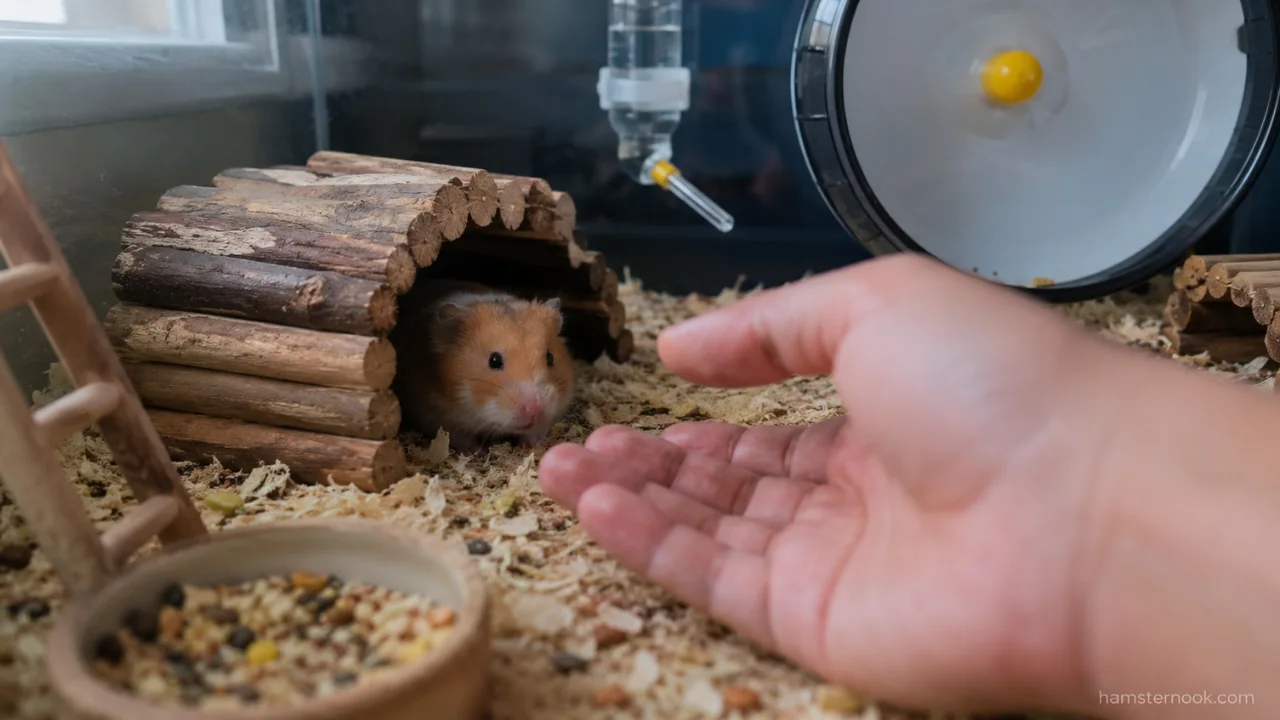
There is no reliable way to know whether a hamster experiences love or affection in the same human sense. What owners can observe is familiarity, trust, and positive associations. A hamster that voluntarily approaches, investigates your hand, remains relaxed around you, or chooses to interact without being forced may be showing that it feels safe and comfortable with you.
Food can also influence these behaviors, so it is more useful to look for repeated voluntary interaction rather than one excited reaction. This distinction matters because the same hamster may show trust quietly without seeking constant physical contact.
They are solitary animals by nature and generally do not seek social interaction in the same way dogs, cats, or some birds do.
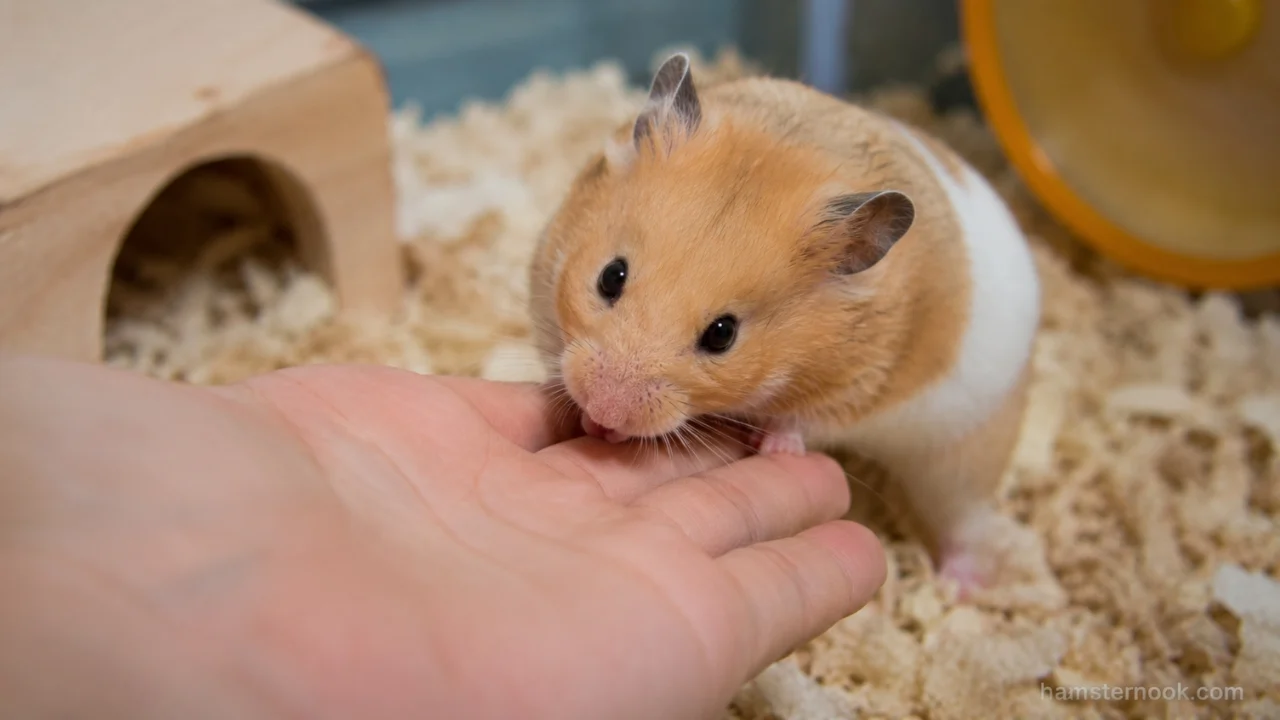
However, a hamster that willingly approaches you, accepts handling, explores your hand, and remains relaxed in your presence is demonstrating something meaningful: trust.
For a prey animal, trust is one of the strongest positive relationships it can offer.
What New Owners Should Expect
Many first-time owners expect immediate affection. In reality, most hamsters need days or weeks to build confidence around people. The small signs of trust often become more noticeable as your hamster settles into a predictable routine.
Final Thoughts
So, do hamsters get excited to see their owners?
In their own way, many do.
Although hamsters rarely display affection in obvious ways, many learn to recognize and trust the people who care for them consistently. Their excitement is often expressed through curiosity, confidence, voluntary interaction, and a willingness to approach rather than avoid.
The best relationships usually develop when owners allow trust to grow naturally instead of trying to rush interaction. Over time, many owners discover that the small signs—a hamster coming to the cage front, climbing onto a hand, or calmly accepting interaction—can be just as rewarding as the more obvious displays of affection seen in other pets.
Key Takeaways
- Hamsters can recognize familiar owners through scent, voice, and routine.
- Excitement is usually expressed through curiosity and voluntary interaction.
- Approaching your hand willingly is one of the strongest trust signals.
- Food may contribute to excitement, but trust often develops beyond feeding.
- Patience and consistency build stronger relationships than frequent handling.
Frequently Asked Questions
Do hamsters remember their owners?
Yes. Hamsters can recognize familiar scents, voices, and routines, allowing them to distinguish their owners from strangers.
How do I know if my hamster likes me?
Signs include approaching voluntarily, taking treats calmly, exploring your hand, and remaining relaxed during interactions.
Can hamsters become attached to their owners?
Hamsters can form positive associations and trust their owners, although their social bonds differ from those seen in dogs or cats.
Why does my hamster run to me when I enter the room?
Your hamster may recognize your presence and associate you with feeding, treats, or positive experiences.
Do hamsters enjoy being held?
Some hamsters tolerate or enjoy gentle handling once trust develops, while others prefer limited physical interaction.

Can a hamster miss its owner?
There is limited scientific evidence showing hamsters miss owners in the same way highly social animals do. However, they can recognize familiar people and routines and may react differently when those routines change.
Why does my hamster seem excited some days but not others?
Hamster behavior can vary depending on sleep quality, age, health, environmental conditions, and daily routine. Temporary changes in enthusiasm do not necessarily indicate a problem.
How can I tell if my hamster is excited to see me or just wants food?
If your hamster only approaches when you have food, the behavior may be mainly food anticipation. If it also approaches you when no food is present, remains relaxed, explores your hand, or chooses to interact with you, those behaviors provide stronger evidence of familiarity and trust.
References
This guide is based on hamster behavior, social interaction, recognition, handling, enrichment, and welfare guidance from trusted animal welfare and veterinary resources, including:
- RSPCA – Hamster Behaviour – Guidance on natural hamster behavior, activity patterns, handling, interaction, communication, and signs of stress.
- RSPCA – Keeping Hamsters as Pets – General guidance on hamster care, behavior, handling, enrichment, housing, and welfare.
- Blue Cross – Hamster Care Guide – Practical advice on hamster behavior, handling, enrichment, routine, and building confidence around people.
- MSD Veterinary Manual – Providing a Home for a Hamster – Veterinary guidance on hamster environmental needs, enrichment, exercise, housing, and behaviors associated with a suitable home.
- NC3Rs – Housing and Husbandry: Hamster – Guidance on hamster behavior, environmental needs, housing, enrichment, and opportunities to express natural behaviors.
- NC3Rs – Choosing Appropriate Enrichment – Information on enrichment that supports natural behaviors, exploration, foraging, and animal welfare.

Narayan Kumar is the founder and author of HamsterNook. He creates practical, research-based hamster care guides covering hamster behavior, nutrition, cage setup, enrichment, health, and everyday care. His goal is to help hamster owners make informed decisions and provide safer, healthier lives for their pets through clear, beginner-friendly information based on trusted animal care resources.