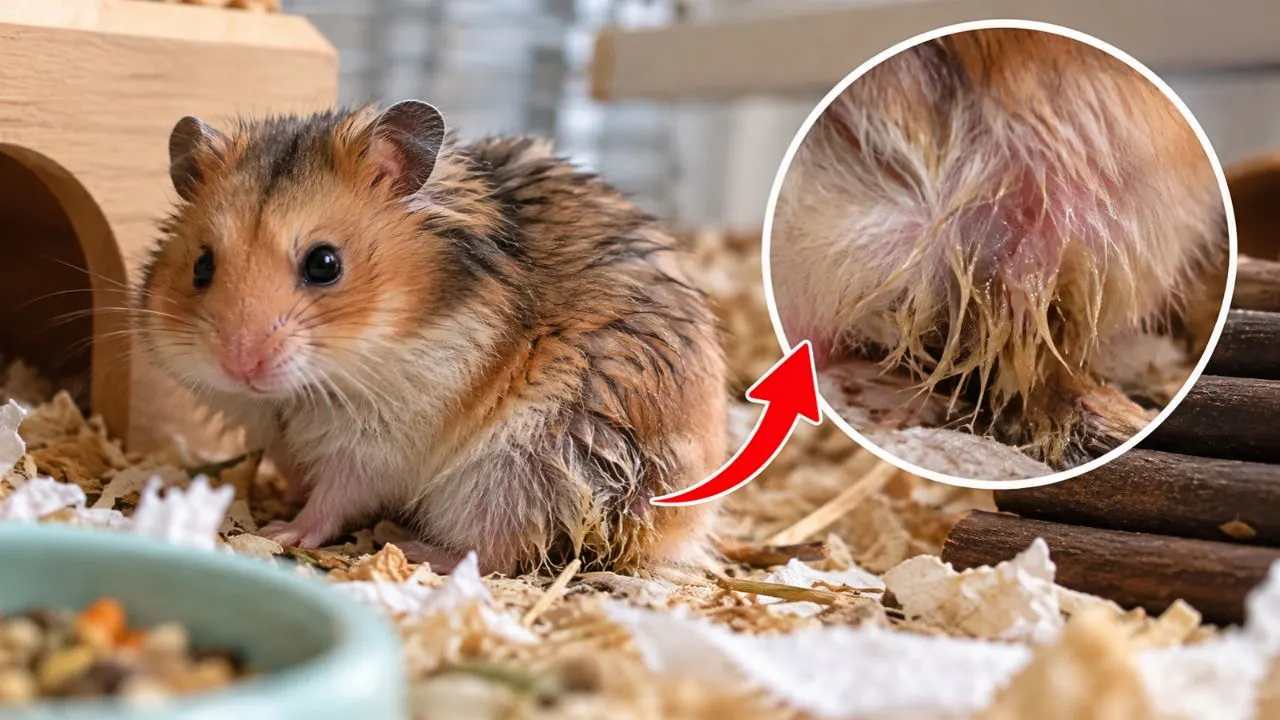
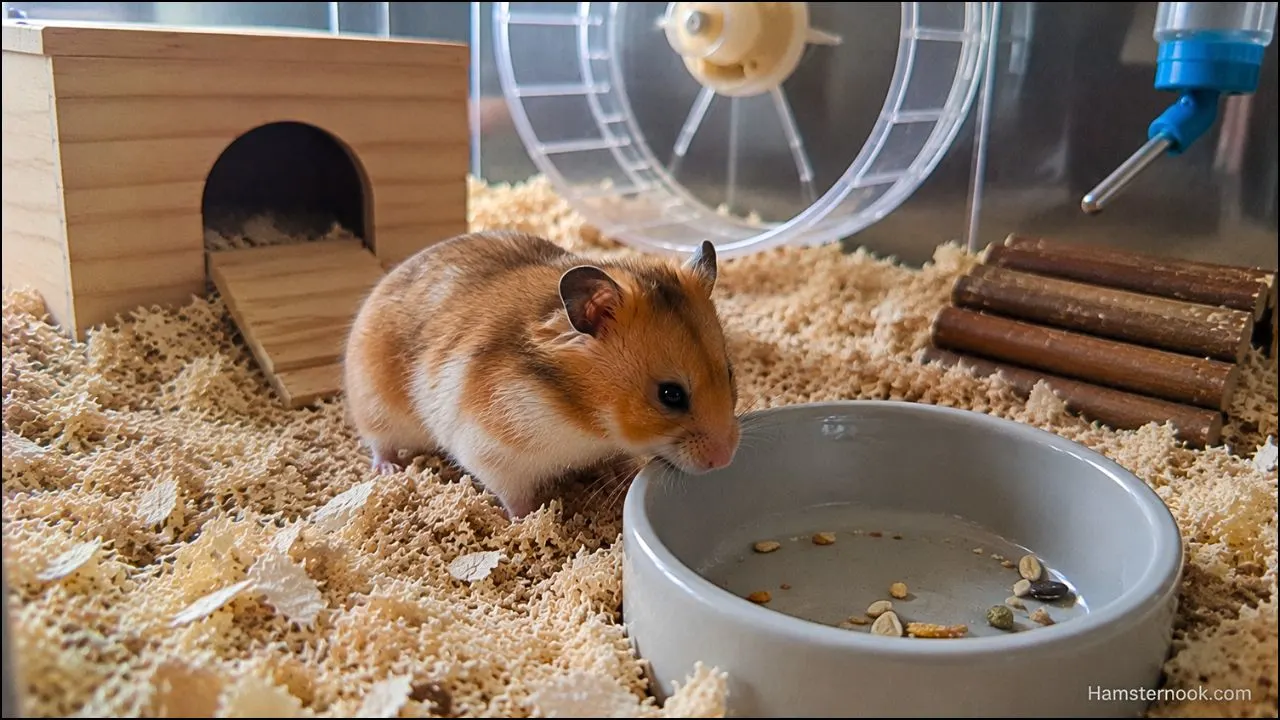
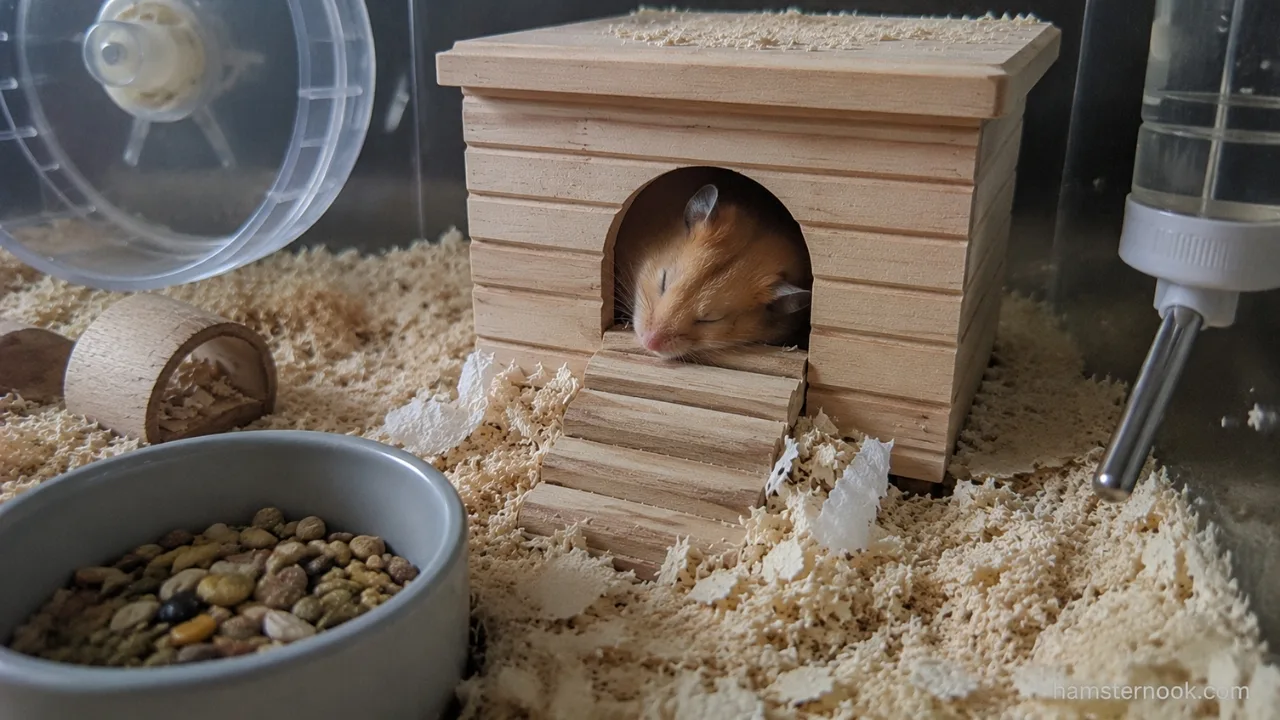
One morning your hamster is curled up inside its favorite hideout. The next day, it’s sleeping under the wheel, behind a tunnel, or buried in a completely different corner of the enclosure. For many owners, this sudden change can be confusing and even worrying.
In most cases, a hamster suddenly sleeping in a different spot is normal. Temperature, comfort, cage cleaning, nesting instincts, habitat changes, and simple preference can all cause a hamster to choose a new place to rest.
The change deserves closer attention when it appears alongside appetite loss, lethargy, breathing problems, difficulty moving, or other unusual symptoms.
Understanding the reasons behind this behavior makes it easier to decide whether the change is simply a preference or something worth monitoring more closely.
Quick Answer
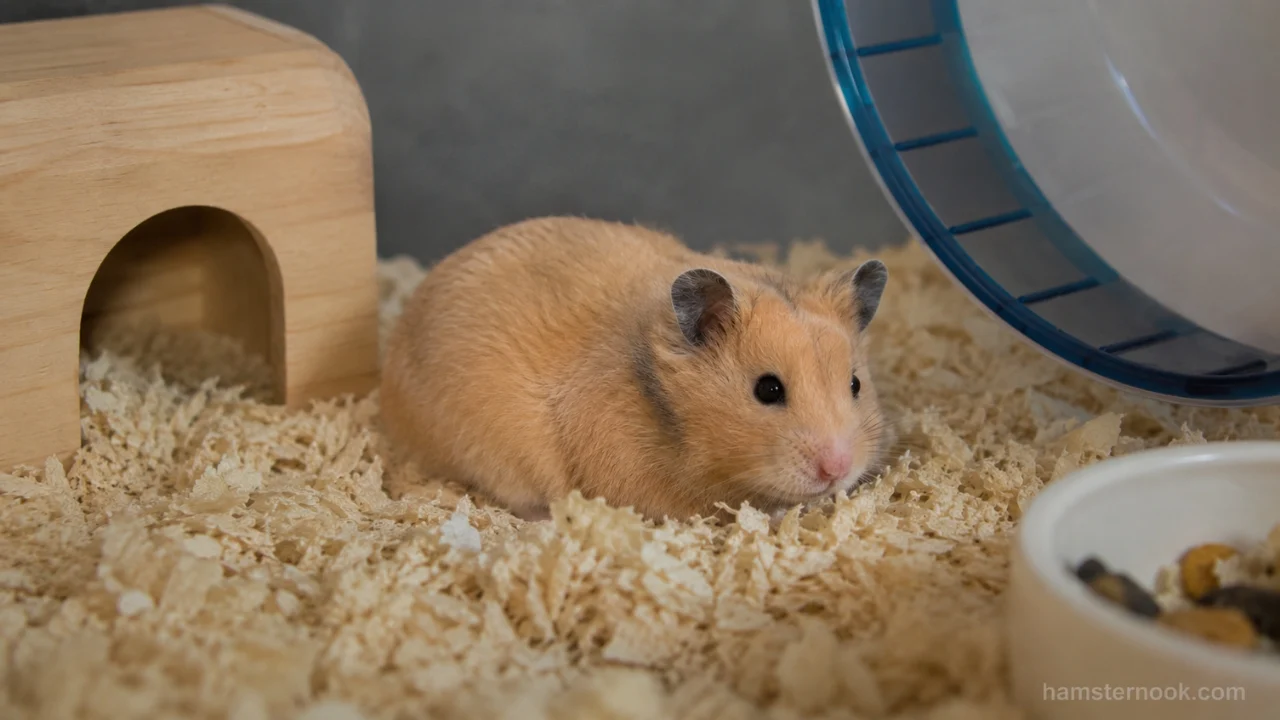
A hamster sleeping in a different spot is usually normal if it continues eating, drinking, grooming, exploring, and behaving normally when awake. Common reasons include temperature changes, cage cleaning, nest building, a new hideout, age, or simply finding a more comfortable location.
The change becomes more concerning when it occurs alongside other symptoms such as appetite loss, persistent lethargy, breathing difficulty, weight loss, or abnormal movement.
Is It Normal for Hamsters to Change Their Sleeping Spot?
Yes, it is completely normal for many hamsters to change sleeping locations from time to time.
Unlike some pets that consistently rest in the same place, hamsters often create multiple resting and nesting areas throughout their enclosure. In the wild, they use complex burrow systems with different chambers for sleeping, storing food, and hiding from danger.
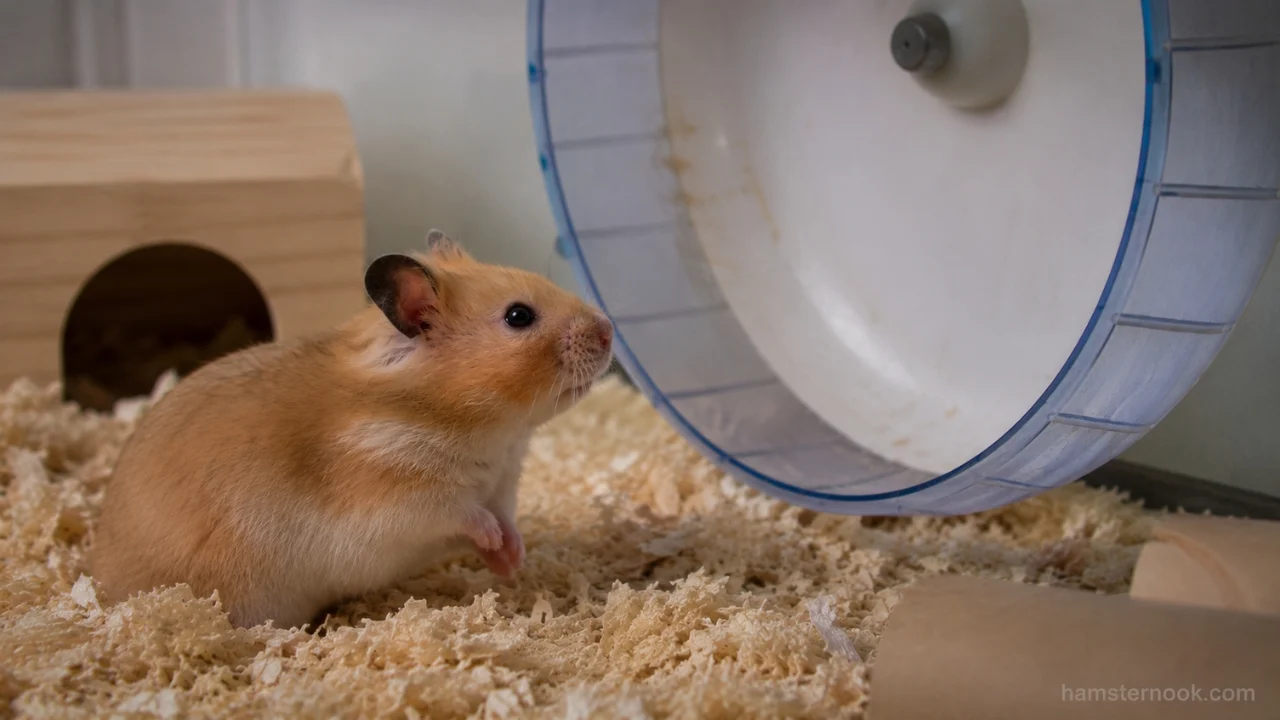
Pet hamsters often display similar instincts by moving between different parts of their habitat.
A hamster may sleep in:
- A hideout
- A tunnel
- A bedding burrow
- A corner of the cage
- Under platforms
- Near food storage areas
Many hamsters switch sleeping spots from time to time, while others may prefer the same nesting area for long periods. There is no single sleeping pattern that is normal for every hamster.
How Often Do Hamsters Change Sleeping Spots?
Some hamsters use the same sleeping area for weeks, while others rotate between several nesting locations. There is no single “normal” pattern. What matters most is whether your hamster continues eating, drinking, and behaving normally after the change.
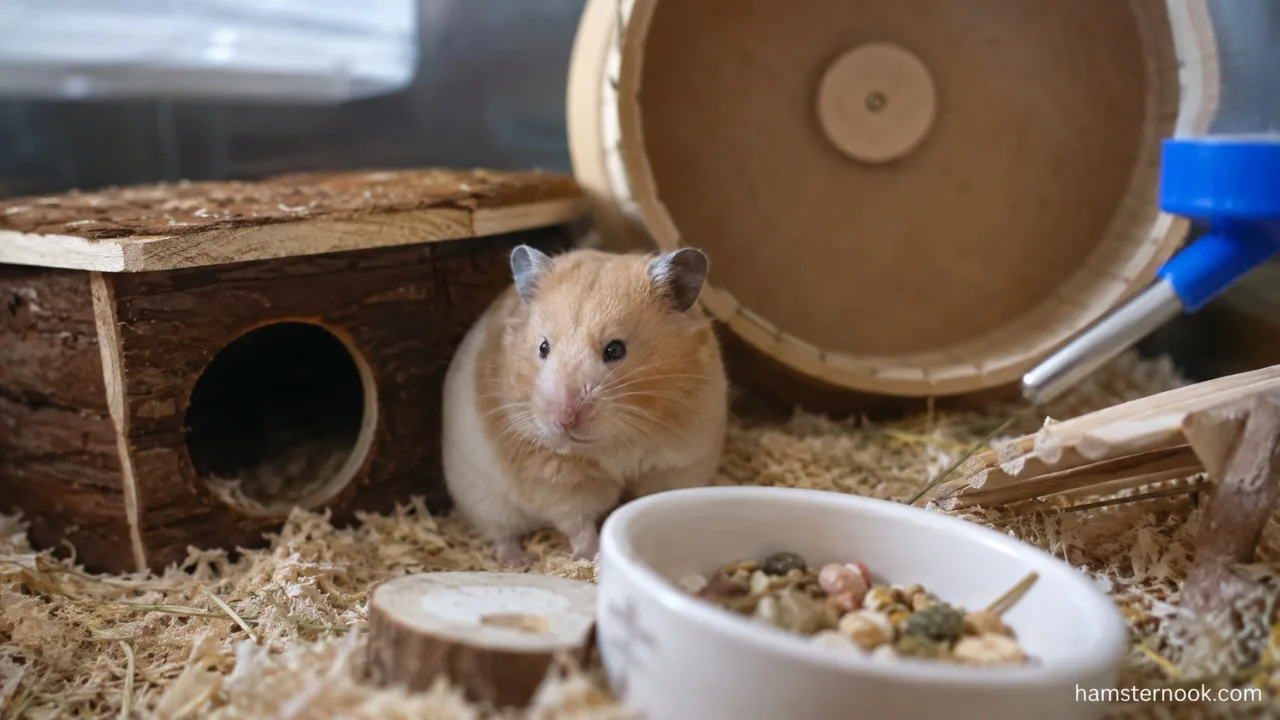
Common Reasons Hamsters Suddenly Sleep Somewhere Else
Several normal factors can cause a hamster to choose a new sleeping spot.
Temperature Changes Inside the Enclosure

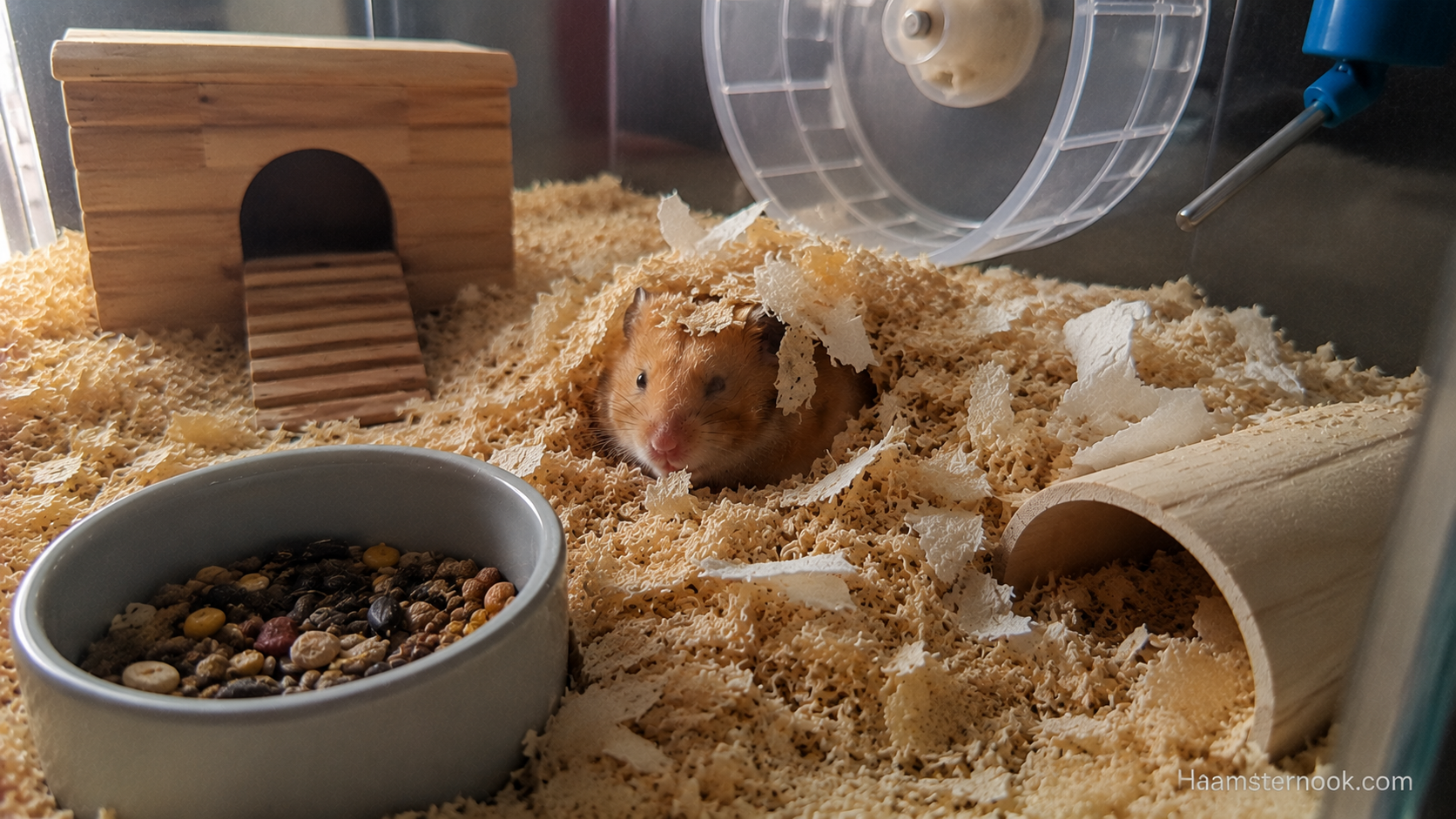
Temperature is one of the most common reasons for a sleeping location change.
If one area becomes too warm or too cool, your hamster may relocate to a more comfortable part of the enclosure.
For example:
| Environmental Change | Possible Hamster Response |
|---|---|
| Direct sunlight reaching cage | Moves to a shaded area |
| Warm room temperatures | Sleeps closer to cooler surfaces |
| Cooler weather | Burrows deeper into bedding |
| Draft near enclosure | Chooses a more protected location |
Even small temperature differences can influence where a hamster chooses to rest.
Your Hamster Found a Better Sleeping Area
In some cases, the reason is simply that your hamster prefers the new location.
Hamsters naturally explore and constantly evaluate their environment. After living in the enclosure for a while, your hamster may simply discover a location it prefers more than its previous nest.
Many owners notice this after adding:

- New hides
- Tunnels
- Platforms
- Additional bedding
- Enrichment items
If your hamster recently received habitat upgrades, it may simply be testing a new favorite spot.
Natural Nest-Building Behavior
Hamsters are instinctive nest builders.
They regularly move bedding, expand burrows, and create new sleeping chambers as part of their natural nesting instincts. Some hamsters frequently redesign their nests, especially when they have deep bedding available.
Nest relocation often happens alongside digging and burrow construction. Our Why Does My Hamster Suddenly Start Digging More Than Usual? guide explains why digging is a normal instinct and when changes in digging behavior may reflect the enclosure environment.

If you’re providing enough bedding depth, you may notice your hamster moving its sleeping area periodically while creating more elaborate burrows.
Deep bedding, secure hiding areas, enrichment, and appropriate enclosure design give hamsters more opportunities to choose comfortable nesting locations. Our Ultimate Hamster Care Guide for Beginners explains how these elements support natural behavior.
Could Cage Cleaning Be the Reason?
A recent cage cleaning is one of the most overlooked causes of sleeping location changes.
Hamsters rely heavily on scent to feel secure. When a large amount of bedding is removed, familiar scents disappear.
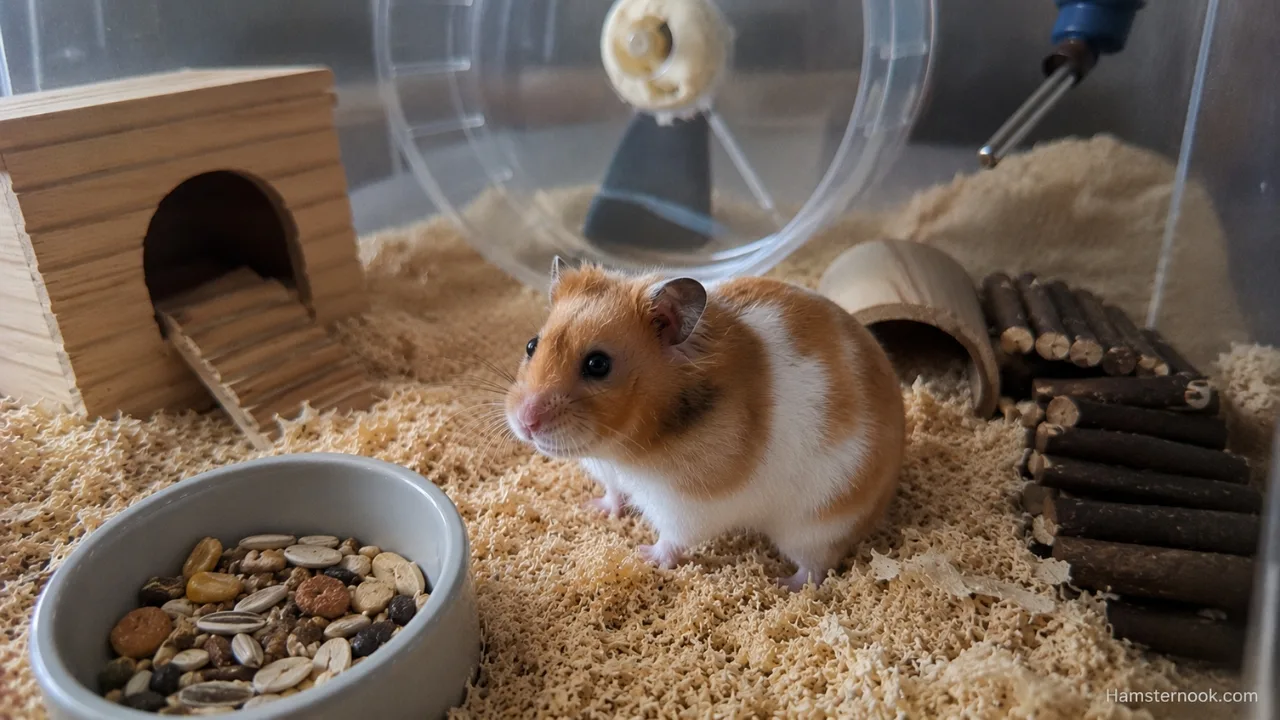
As a result, your hamster may:
- Build a new nest
- Choose a different sleeping area
- Rearrange bedding extensively
- Spend time re-establishing scent markers
This is one reason many experienced owners avoid replacing all bedding at once unless absolutely necessary.
Preserving clean familiar bedding during routine maintenance can reduce unnecessary disruption to established nests and scent markers. Our How Often Should You Clean a Hamster Cage? guide explains how spot cleaning and larger cleanouts can be balanced without resetting the entire enclosure.
If your hamster’s behavior changed immediately after cleaning, the new sleeping location may simply be part of the adjustment process.
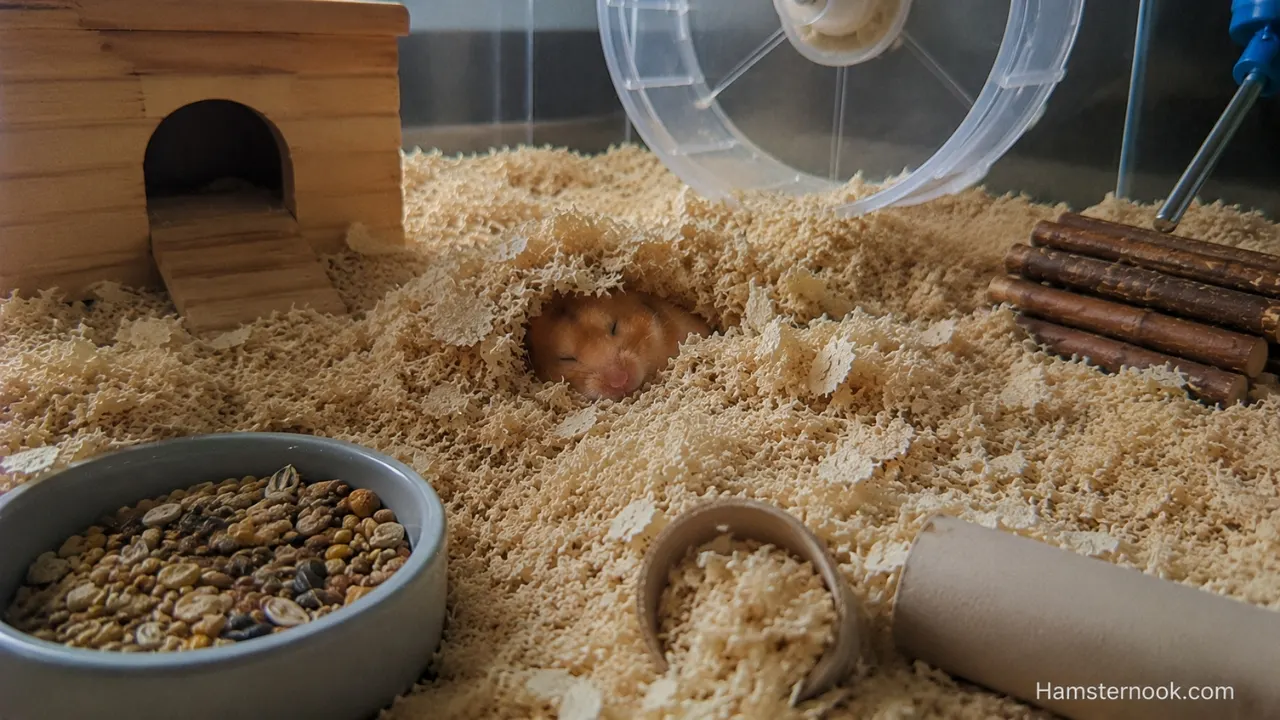
When Sleeping Somewhere New May Indicate Stress
Although changing sleeping spots is usually harmless, it can sometimes be linked to stress.
Sleeping changes are more concerning when they appear alongside other unusual behaviors.
Signs That Suggest Stress Rather Than Preference
| Likely Normal Behavior | Possible Stress Indicator |
|---|---|
| Sleeping in a new hide | Constant hiding all day |
| Building a different nest | Refusing food |
| Exploring new cage areas | Repeated escape attempts |
| Occasional nest relocation | Excessive bar chewing |
| Temporary sleeping changes | Sudden aggression |
A single sleeping location change rarely indicates a serious problem by itself.
However, multiple unusual behaviors occurring together deserve closer observation.

New hamsters may change sleeping locations while learning which areas of the enclosure feel safest. Our Biggest Mistake New Hamster Owners Make in the First Week guide covers common environmental and handling mistakes that can make this adjustment period more stressful.
Is My Hamster Too Hot or Too Cold?
Hamsters often relocate their sleeping area to regulate comfort.
Signs Your Hamster May Be Too Warm
- Sleeping above ground instead of burrowing
- Stretching out instead of curling up
- Seeking cooler surfaces
- Reduced activity during warm periods
Signs Your Hamster May Be Too Cold
- Burrowing deeper than usual
- Creating larger nests
- Sleeping in enclosed areas
- Curling tightly while resting
Monitoring the temperature near the enclosure can help explain sudden sleeping-location changes, especially during seasonal weather shifts. Our Safe Temperature for Hamsters guide explains comfortable temperature ranges and warning signs of excessive heat or cold.
Why Is My Hamster Sleeping Near Its Food?
Some hamsters occasionally build nests close to their food storage area.

This behavior is rooted in natural instincts.
Wild hamsters often maintain food chambers near their sleeping areas to reduce travel and improve security.
If your hamster is sleeping close to its food stash while otherwise behaving normally, this is generally not a concern.
Sleeping close to a food stash can make more sense once you understand normal hoarding behavior. Our Why Does My Hamster Keep Hiding Food? Explained Simply guide explains why hamsters store food and how hoarding relates to their natural burrow habits.
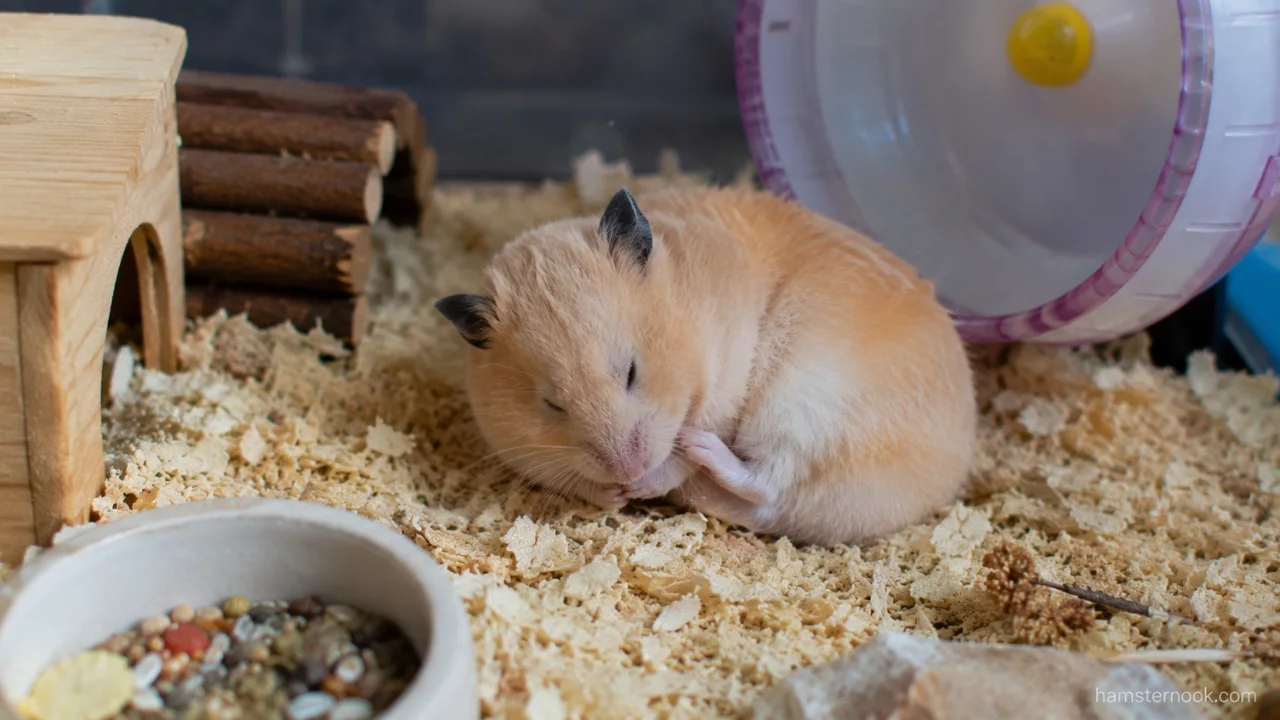
Why Is My Hamster Sleeping Out in the Open?

Sleeping out in the open often surprises owners because most hamsters naturally prefer enclosed, sheltered sleeping areas.
Regularly sleeping outside a hideout is a more specific behavior than simply changing nests. Our Why Is My Hamster Sleeping Outside Its House? guide covers reasons a hamster may repeatedly choose an exposed sleeping area.
Several factors may contribute:
- The enclosure is too warm
- Bedding depth is insufficient
- The hamster feels comfortable and secure
- The chosen location offers better airflow
If your hamster repeatedly sleeps above the bedding despite having previously burrowed, check whether the bedding is deep enough to hold tunnels and whether it remains dry, comfortable, and suitable for burrowing. A hamster may abandon an underground nest when the bedding no longer provides a comfortable sleeping environment.

Occasional open sleeping is not automatically a warning sign.
However, if your hamster normally burrows deeply and suddenly begins sleeping exposed while appearing lethargic or unwell, further observation may be needed.
Could Age Affect Sleeping Locations?
Yes, age can influence where a hamster chooses to sleep.
Older hamsters may prefer locations that are easier to access.
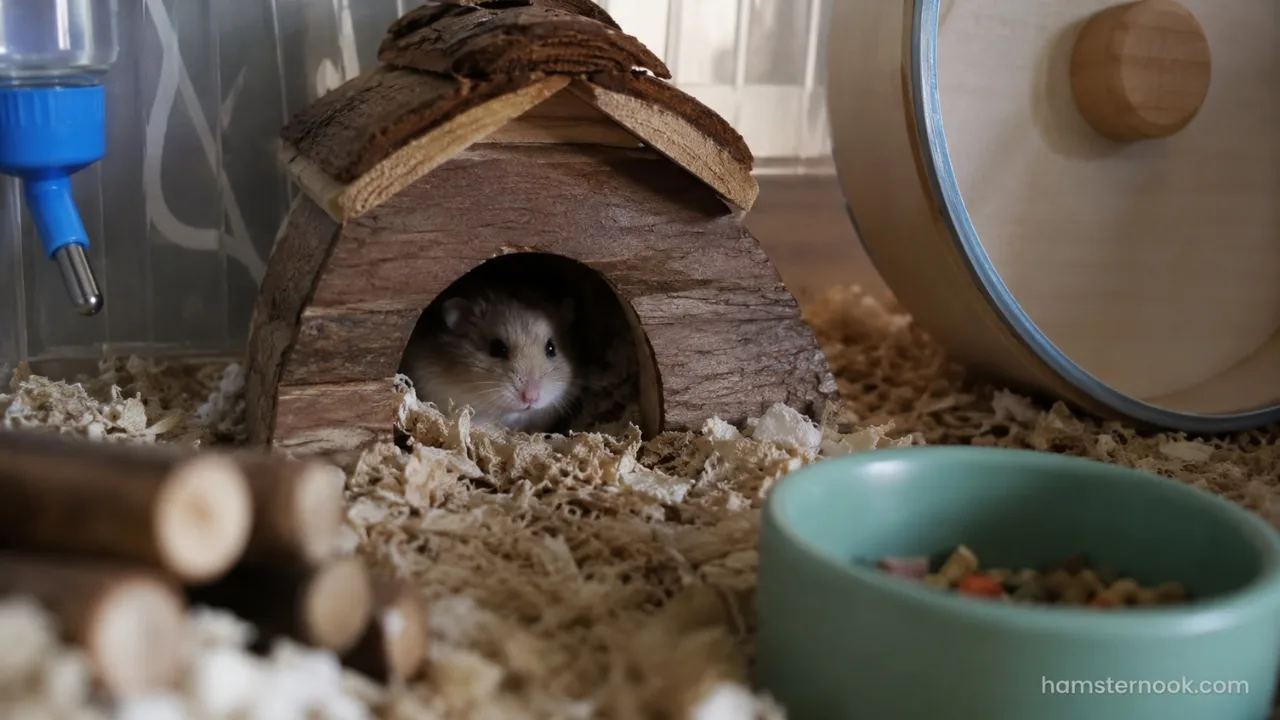
For example, a senior hamster may stop using elevated platforms or complex tunnels and instead select sleeping areas that require less climbing.
Age-related changes often happen gradually rather than suddenly.
Older hamsters may gradually change where and how they rest as mobility and activity levels change. Our Senior Hamster Care: How to Keep an Older Hamster Comfortable and Healthy guide covers practical ways to support an aging hamster as its mobility and daily routine change.
Habitat Changes That Can Trigger New Sleeping Habits
Hamsters often respond to changes in their environment.

Common triggers include:
- New cage accessories
- Different bedding materials
- Rearranged layouts
- New hideouts
- Increased noise levels
- Moving the enclosure to another room
Even positive habitat improvements can temporarily change sleeping patterns while the hamster adjusts.
Habitat changes can temporarily alter established nesting routines, particularly after new hides, bedding, tunnels, or platforms are introduced. Our Best Hamster Cage Setup for Beginners guide explains how enclosure layout can support natural nesting, burrowing, and exploration.
Signs the New Sleeping Spot Is Completely Normal
A new sleeping location is usually harmless when your hamster:

- Eats and drinks normally
- Maintains a healthy activity level
- Continues grooming itself
- Shows interest in exploring
- Has normal droppings and urine output
- Responds normally when awake
These signs suggest your hamster has simply chosen a different place to rest.
When Should You Be Concerned?
A change in sleeping location by itself is rarely a reason for concern.
However, consider contacting an exotic pet veterinarian if the new sleeping behavior occurs alongside:
If your hamster is not simply sleeping in a new place but is also staying in one spot when awake, eating less, or becoming unusually inactive, that is a different pattern from an ordinary sleeping-location change.

If your hamster is staying in one place even when awake, our Why Is My Hamster Suddenly Staying in One Spot? Causes & Warning Signs guide covers the warning signs that can help distinguish inactivity from normal resting behavior.
- Loss of appetite
- Significant weight loss
- Difficulty moving
- Labored breathing
- Persistent lethargy
- Unusual discharge
- Visible injuries
These symptoms are more important than the sleeping location itself.
For a broader look at sleeping positions and the signs that may be worth watching, see What Your Hamster’s Sleeping Position Says About Their Health (Normal vs Warning Signs).
Behavior changes become concerning when they occur together with signs of illness.

A sleeping-location change becomes more significant when it appears alongside abnormal posture, movement, appetite, or activity. Our How Can You Tell If a Hamster Is in Pain? Warning Signs Owners Miss guide explains subtle signs of discomfort that owners can monitor alongside behavioral changes.
What Should You Do If Your Hamster Chooses a New Sleeping Spot?
In most cases, the best response is simple observation.
Recommended Actions
| What To Do | Why It Helps |
|---|---|
| Monitor eating habits | Confirms normal appetite |
| Check water consumption | Helps identify health concerns |
| Observe activity levels | Reveals overall wellbeing |
| Maintain routine care | Reduces unnecessary stress |
| Avoid disturbing the nest | Allows the hamster to feel secure |
What Not To Do
| Avoid | Reason |
|---|---|
| Moving the hamster back | Creates stress |
| Constantly checking the nest | Disturbs sleep |
| Rearranging the cage repeatedly | Removes familiar scents |
| Assuming illness immediately | Sleeping changes are often normal |
Let Your Hamster Settle Into Its New Nest
Many owners feel tempted to move bedding back to the original sleeping area. In most situations, it is better to allow your hamster to settle where it feels comfortable.
As long as your hamster appears healthy and active, respecting its choice of sleeping location usually causes the least stress.
Final Thoughts
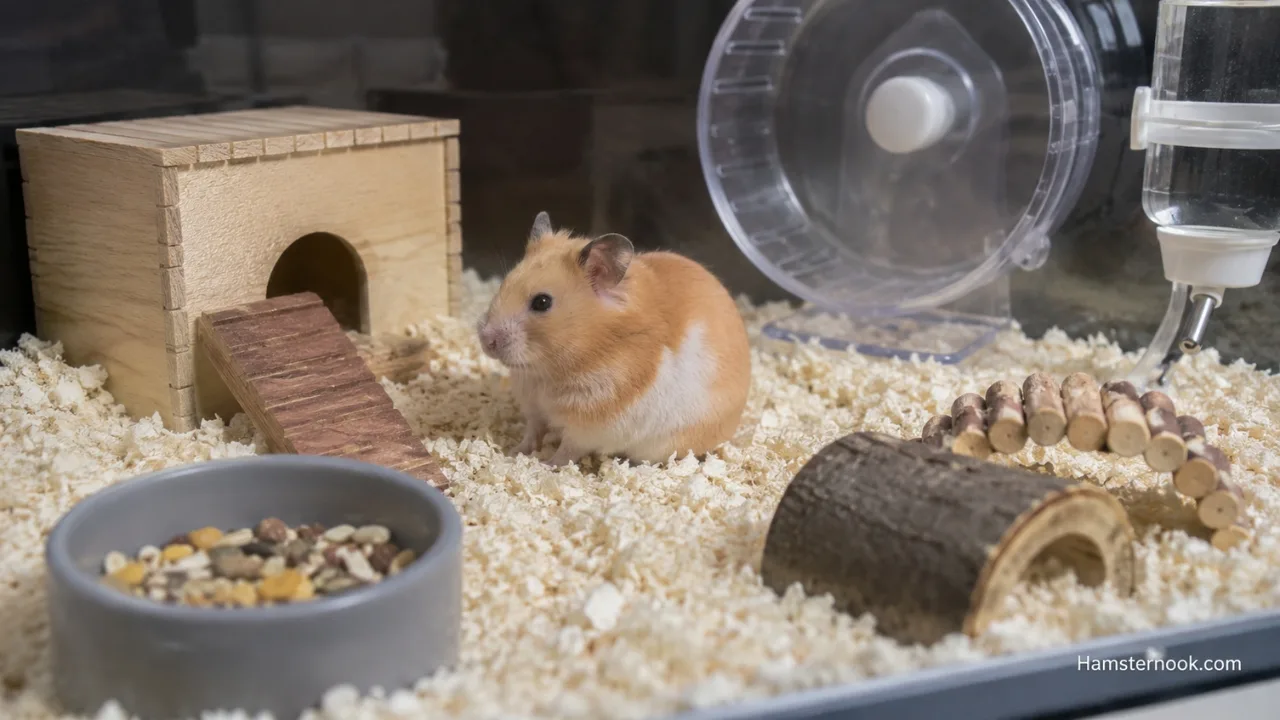
A hamster suddenly sleeping in a different spot is often a normal and harmless behavior. Temperature changes, cage cleaning, nest-building instincts, aging, habitat upgrades, and simple personal preference can all influence where a hamster chooses to rest.
Focus on your hamster’s overall routine rather than the sleeping location alone. If it continues eating, drinking, grooming, exploring, and showing its usual activity when awake, choosing a different place to sleep is generally not a cause for concern.
Frequently Asked Questions
Why did my hamster stop sleeping in its hideout?
Your hamster may have found a more comfortable location, adjusted to temperature changes, or decided to build a new nest elsewhere. This behavior is often normal.
Is it bad if my hamster sleeps under its wheel?
Not necessarily. Some hamsters choose unusual sleeping locations temporarily. As long as the wheel is stable and the hamster shows no signs of stress or illness, it is usually harmless.

Why is my hamster suddenly sleeping in a corner?
Corners often feel secure and protected. Your hamster may simply prefer that area or be responding to environmental changes within the enclosure.
Should I move my hamster back to its old sleeping spot?
No. Allow your hamster to choose where it feels most comfortable. Forcing a hamster back to a previous nest can create unnecessary stress.
Why is my hamster sleeping above the bedding instead of burrowing?
Warm temperatures, habitat changes, or personal preference can sometimes cause hamsters to sleep on top of the bedding rather than underneath it.
Can illness cause a hamster to sleep in a different place?
Sometimes. While sleeping location changes are usually normal, illness should be considered if the behavior occurs alongside lethargy, appetite loss, breathing problems, or other concerning symptoms.
Why does my hamster keep changing its nest?
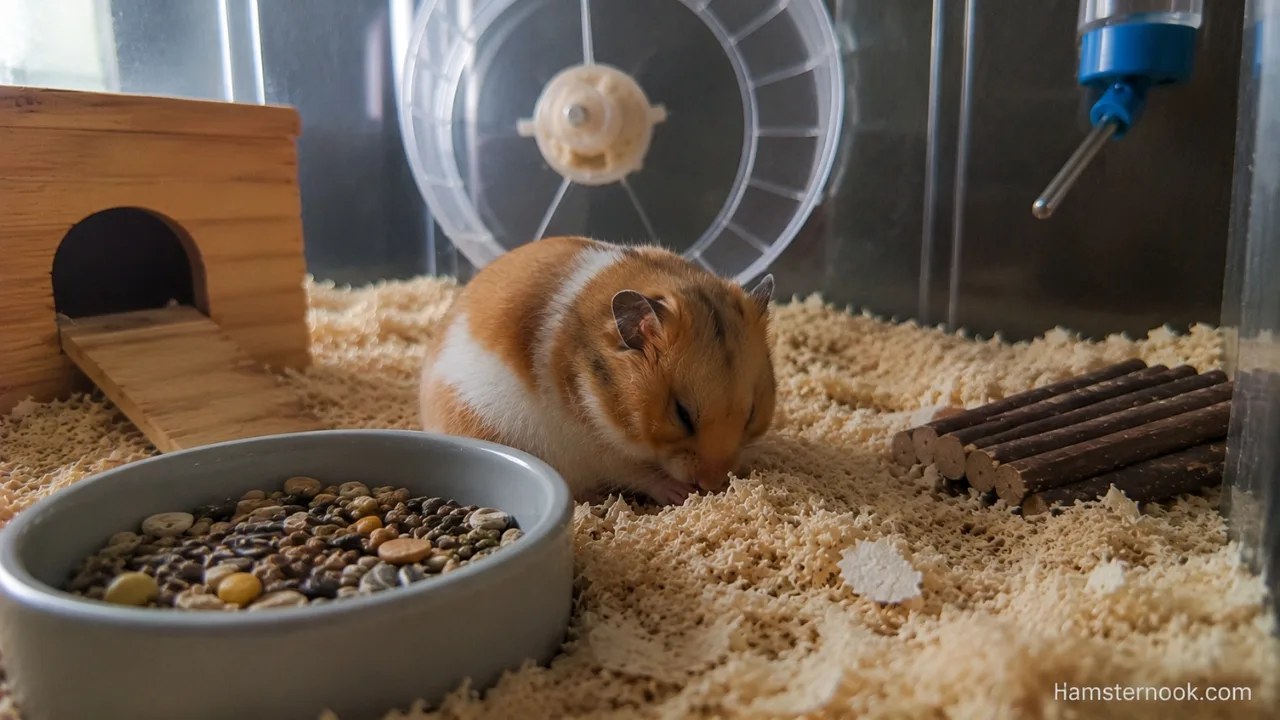
Many hamsters regularly rebuild nests or move sleeping locations as part of their natural burrowing and nesting instincts. This behavior is usually normal.
Can a hamster have more than one sleeping spot?
Yes. Some hamsters maintain multiple nesting areas and alternate between them depending on temperature, comfort, and activity patterns.
Should I remove an old nest after my hamster moves?
No. Unless the bedding is heavily soiled, leaving familiar nesting material in place can help your hamster feel secure and reduce stress.
Why did my hamster change sleeping spots after I cleaned the cage?
Cleaning can remove familiar scents or disturb an established nest, causing a hamster to choose another sleeping area. During routine cleaning, preserve clean familiar bedding when possible and avoid unnecessarily dismantling a dry, hygienic nest.
References
This guide is based on hamster behavior, nesting, housing, environmental care, temperature, stress, and welfare guidance from trusted animal welfare and veterinary resources, including:
- RSPCA – Hamster Behaviour – Guidance on natural hamster behavior, sleeping patterns, nesting, activity, handling, and signs of stress.
- RSPCA – Creating a Good Home for Hamsters – Guidance on bedding, burrowing, nesting areas, enclosure setup, environmental conditions, and hamster comfort.
- RSPCA – Hamster Health & Welfare – Health monitoring, recognizing changes in normal behavior, and signs that may require veterinary attention.
- Blue Cross – Hamster Care Guide – Practical guidance on hamster housing, bedding, nesting, enrichment, activity, handling, and wellbeing.
- MSD Veterinary Manual – Providing a Home for a Hamster – Veterinary guidance on hamster housing, bedding, nesting, environmental needs, exercise, and enclosure conditions.
- NC3Rs – Housing and Husbandry: Hamster – Guidance on hamster housing, bedding, burrowing opportunities, environmental conditions, and species-appropriate husbandry.
Medical Disclaimer
This article is intended for educational purposes only and should not be considered veterinary advice. A change in sleeping location is often a normal behavior, but changes accompanied by appetite loss, significant weight loss, persistent lethargy, breathing difficulties, difficulty moving, unusual discharge, visible injury, or other concerning symptoms may indicate an underlying health problem. If your hamster shows persistent or concerning changes in behavior or health, consult a qualified exotic animal veterinarian for proper evaluation.

Narayan Kumar is the founder and author of HamsterNook. He creates practical, research-based hamster care guides covering hamster behavior, nutrition, cage setup, enrichment, health, and everyday care. His goal is to help hamster owners make informed decisions and provide safer, healthier lives for their pets through clear, beginner-friendly information based on trusted animal care resources.