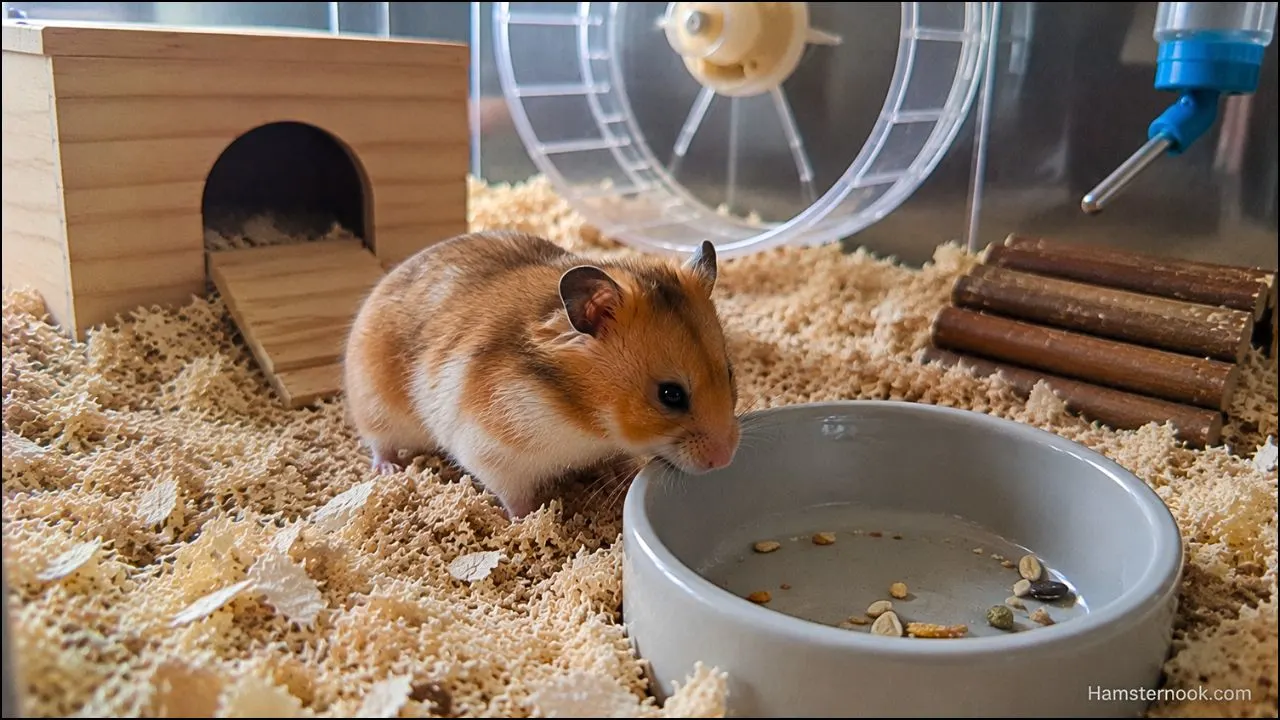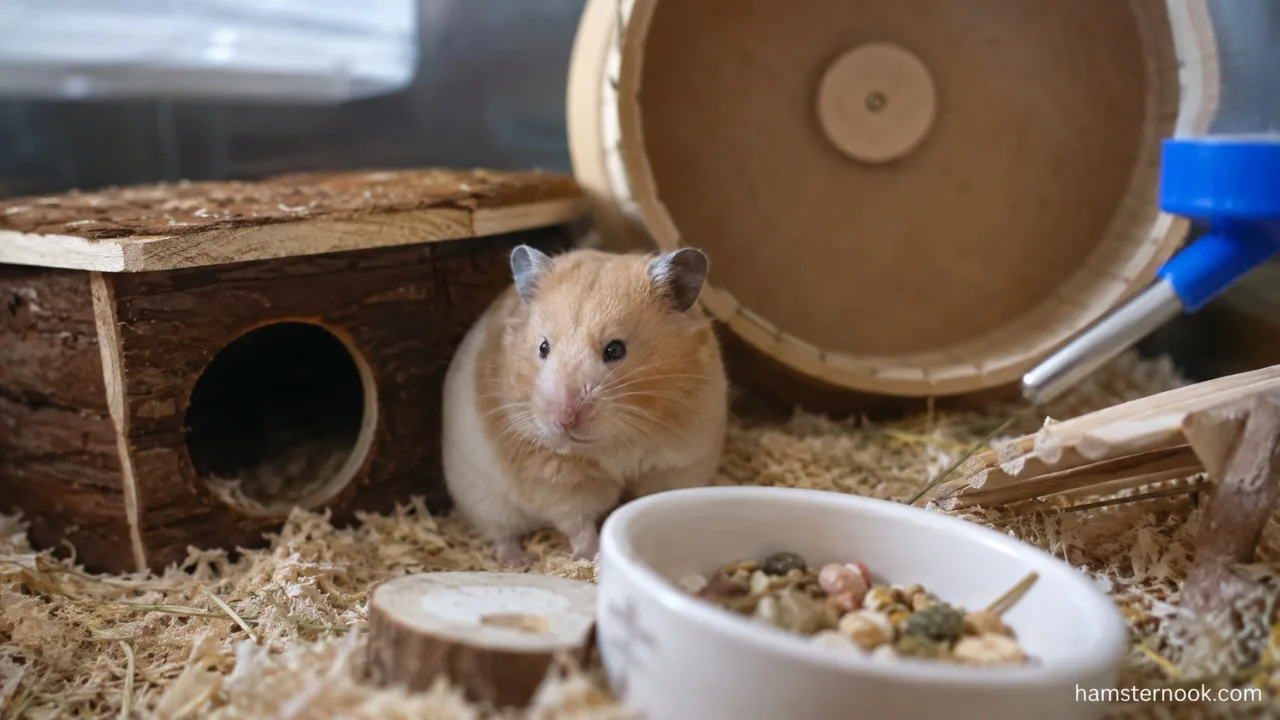
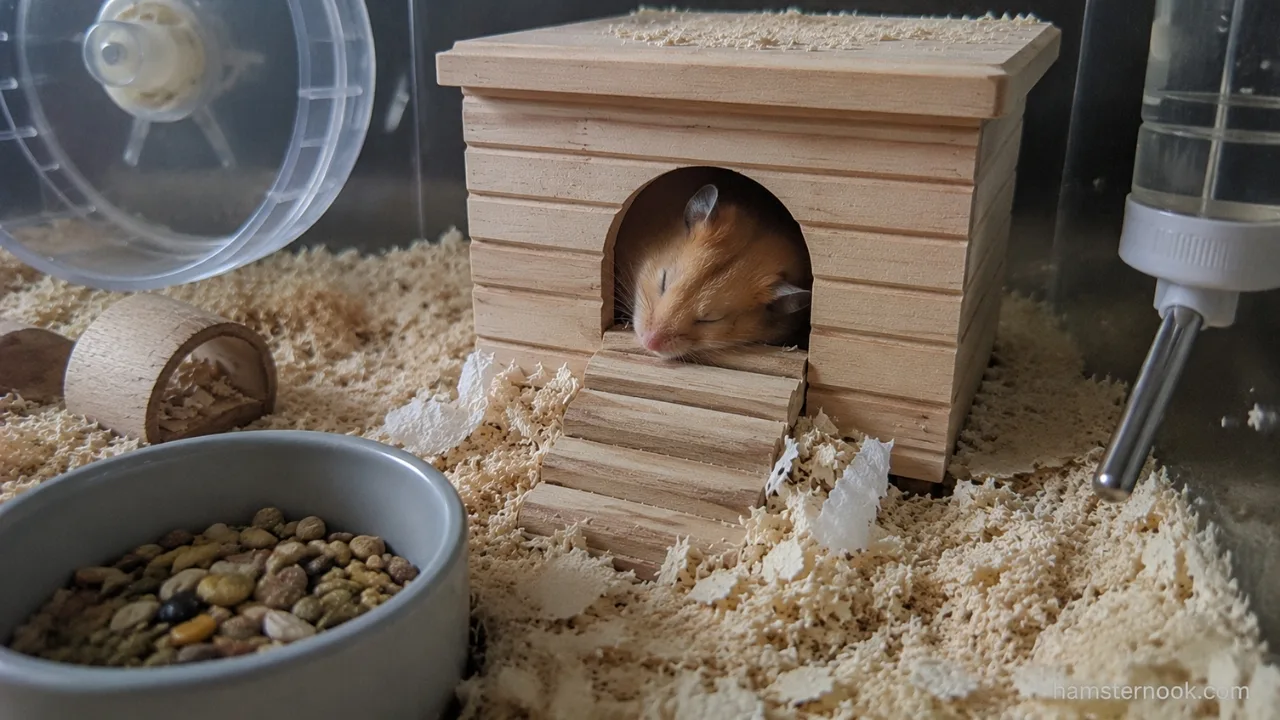
Many hamster owners become worried when they look into the cage and see their hamster sitting completely still for long periods. A hamster that normally runs on its wheel, explores tunnels, and rushes over for treats may suddenly seem inactive, uninterested, or frozen in one spot.
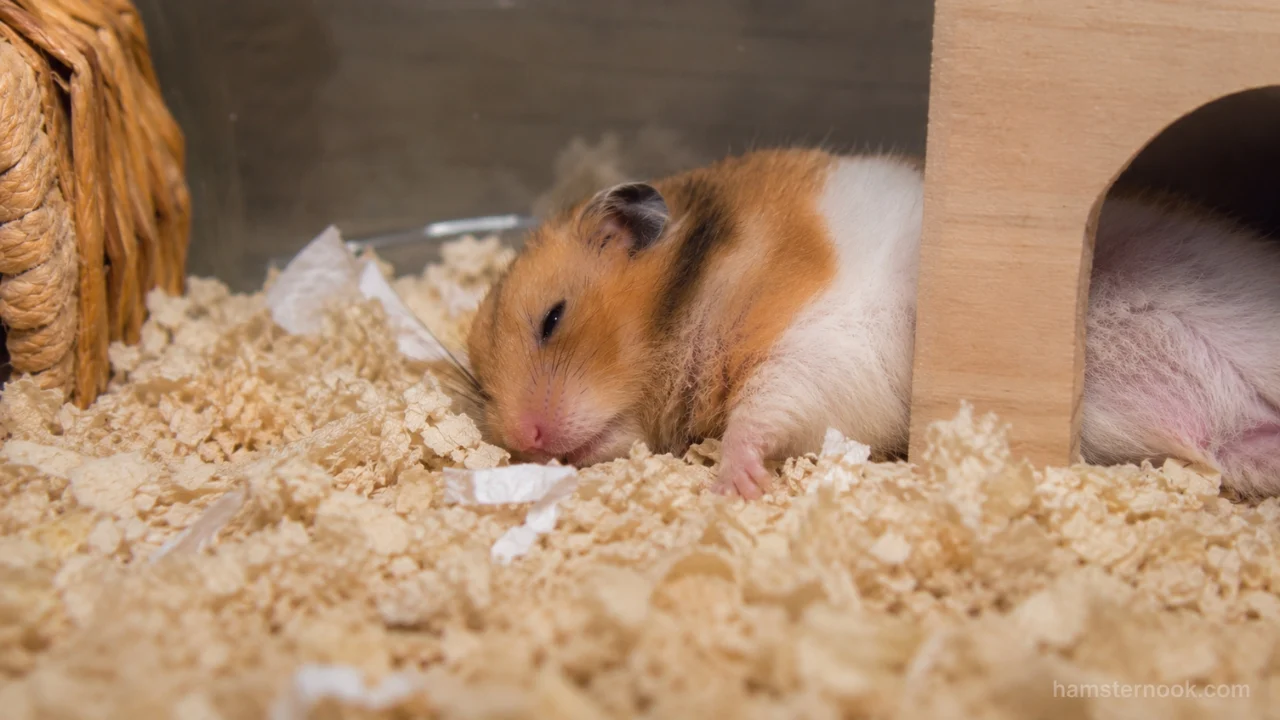
A hamster sitting still is often completely normal when it is resting, waking up, listening, or observing its surroundings. The more important concern is a change from your hamster’s normal behavior, especially when stillness occurs during its usual active period or alongside weakness, appetite loss, breathing difficulty, weight loss, or difficulty moving.
However, there are situations where unusual inactivity can signal stress, illness, injury, environmental problems, or other health concerns. Understanding what is normal and what is unusual makes it easier to decide whether your hamster simply needs time or may need closer attention.
Quick Answer
A hamster sitting still is often normal when it is resting, waking up, listening, or observing its surroundings. Concern is greater when the behavior is unusual for your hamster, continues during its normal active period, or occurs with weakness, loss of appetite, weight loss, breathing difficulty, an abnormal posture, or trouble moving. These combinations warrant veterinary attention.
Why Do Hamsters Sometimes Sit Still?
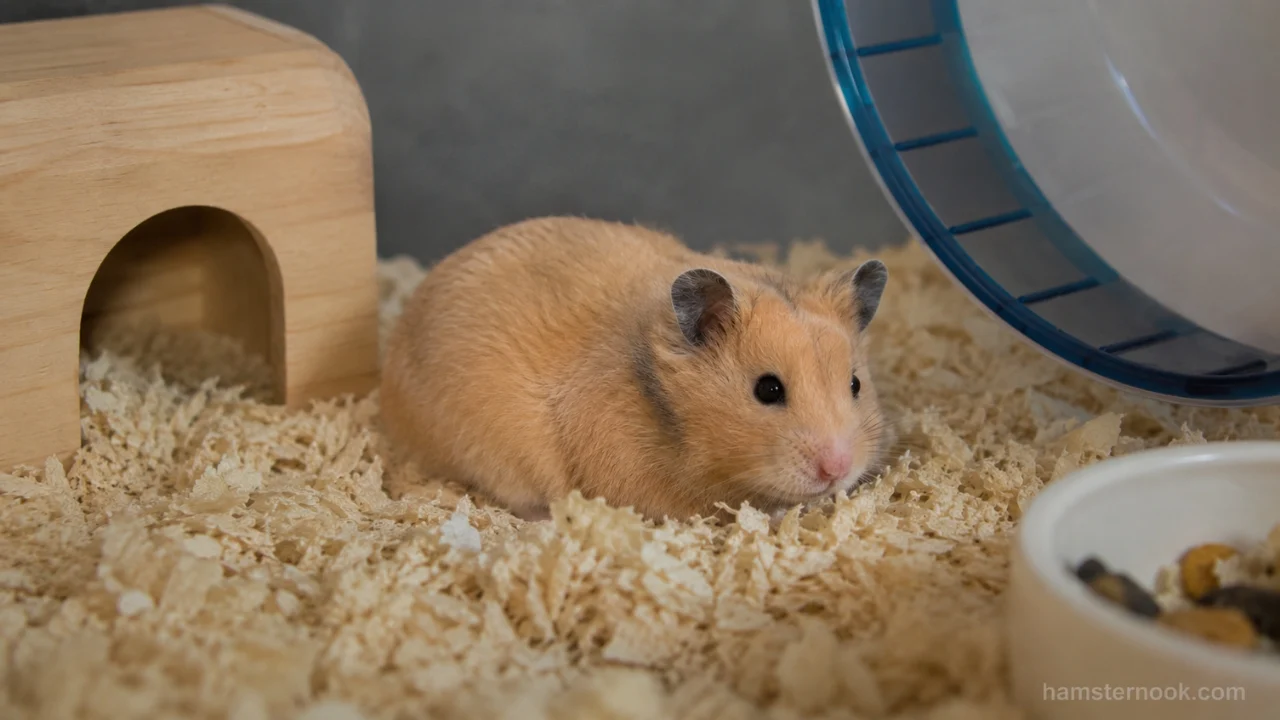
Before worrying about illness, it’s helpful to understand that periods of stillness are a normal part of hamster behavior.
Unlike highly active pets such as dogs, hamsters often alternate between short bursts of activity and periods of rest. They may pause to listen for sounds, evaluate their surroundings, groom themselves, or simply relax.
Many owners are surprised to learn that healthy hamsters often spend part of their waking time sitting quietly. In reality, even healthy hamsters spend time sitting quietly.
Normal Reasons a Hamster May Sit Still
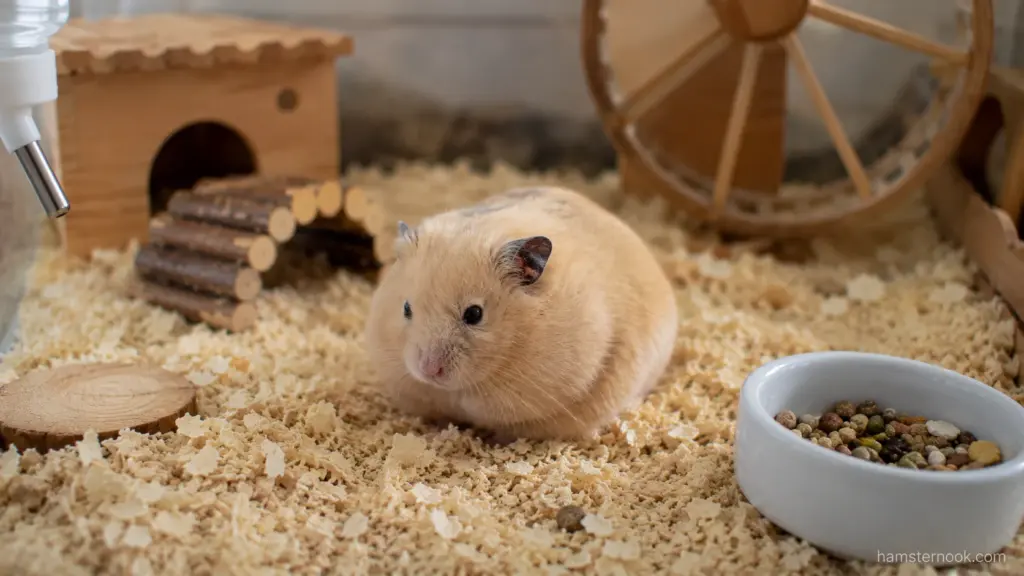
Your Hamster Is Resting
Being awake does not necessarily mean a hamster is ready to run, explore, or play.

After running on a wheel, exploring the cage, or carrying food to its nest, a hamster may stop and rest for several minutes before becoming active again.
This is especially common in older hamsters.
Your Hamster Is Observing Its Environment
Hamsters rely heavily on hearing and smell.
When they hear unfamiliar sounds or notice changes in their surroundings, they often stop moving and remain still while assessing potential threats.
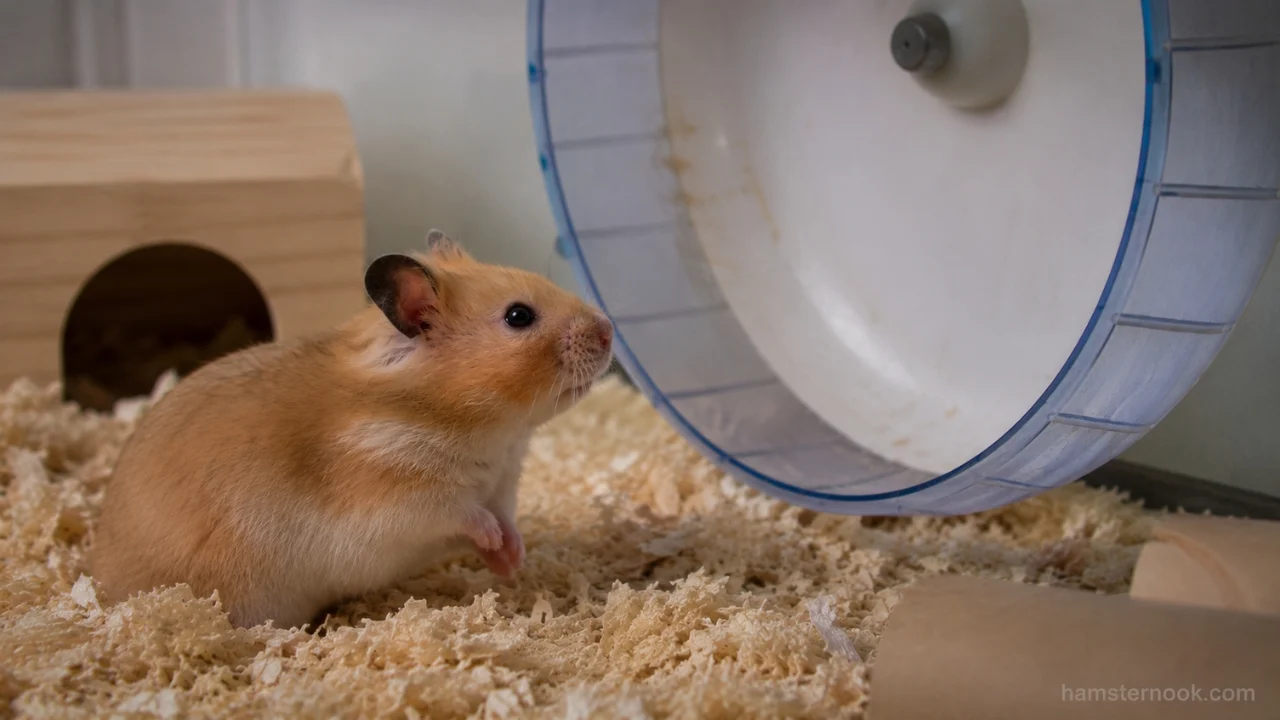
In the wild, remaining still while assessing surroundings helps hamsters avoid potential danger.
Your Hamster Recently Woke Up
Many hamsters appear sluggish immediately after waking.
Just like people can be groggy in the morning, hamsters often take time to fully wake up before becoming active.
If your hamster sits quietly near its sleeping area for a short period after waking, this is usually normal.

Your Hamster Is Adjusting to a New Home
Newly adopted hamsters frequently spend more time hiding, resting, or sitting still.
Everything around them is unfamiliar, including smells, sounds, lighting, and people.
Owners experiencing this situation may also find The Biggest Mistake New Hamster Owners Make in the First Week helpful because adjustment stress often explains unusual behavior during the first several days.
How Long Is Too Long?
A hamster that sits quietly for a few minutes is usually behaving normally. There is no single number of minutes that automatically means something is wrong. Concern becomes greater when your hamster remains unusually inactive during its normal waking period, especially if it ignores food, avoids movement, or appears weak.
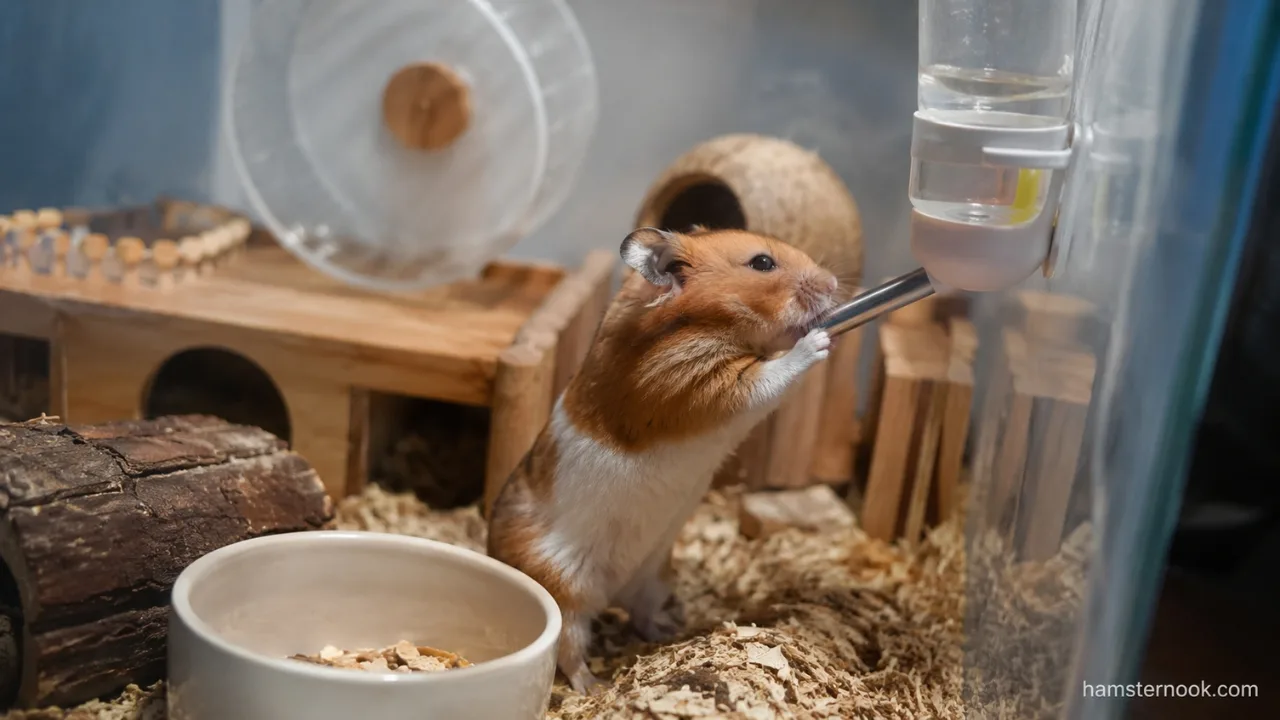
How your hamster looks and behaves overall is usually more important than the amount of time spent sitting still.
Looking at appetite, posture, grooming habits, and activity levels together usually provides a much clearer picture of your hamster’s health than any single behavior alone.
When Sitting Still May Be a Warning Sign
While inactivity is sometimes normal, there are situations where it may indicate a problem.
The key is looking at the hamster’s overall behavior rather than focusing on one symptom alone.
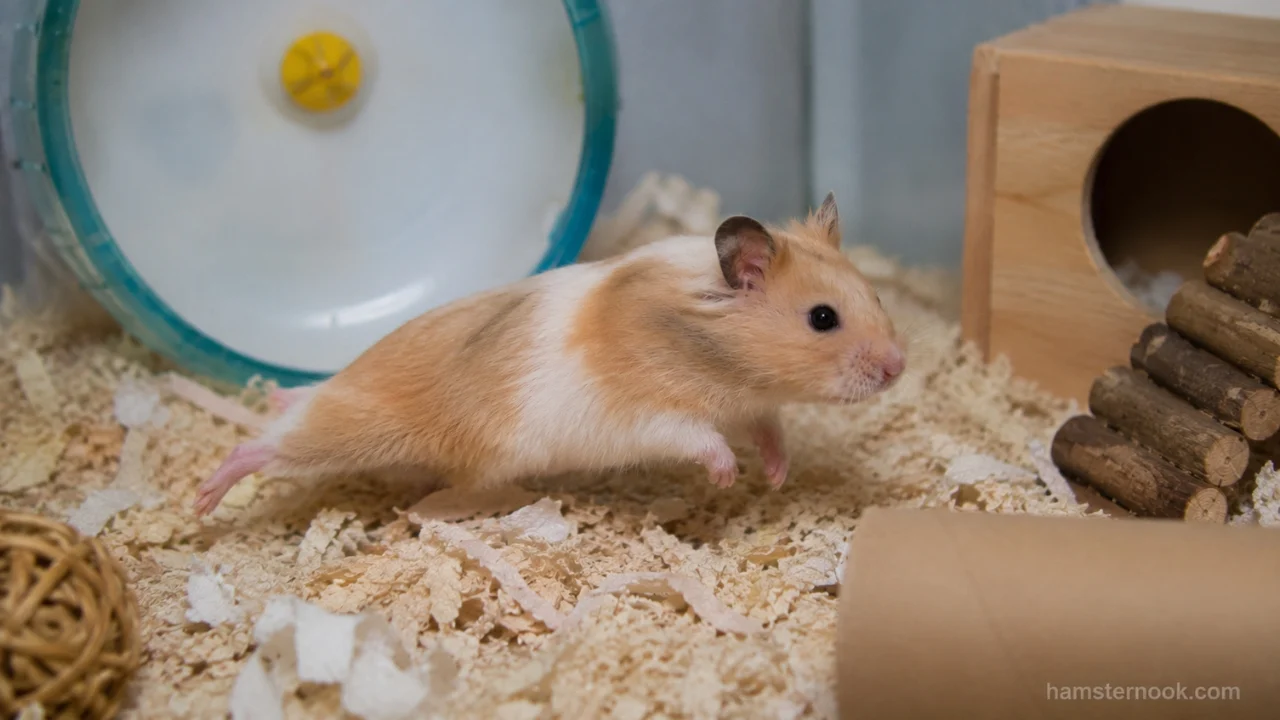
Warning Signs vs Normal Behavior
| Behavior | Usually Normal | Potential Concern |
|---|---|---|
| Sitting quietly for a few minutes | Yes | No |
| Resting after exercise | Yes | No |
| Remaining inactive for hours while awake | No | Yes |
| Ignoring favorite treats | No | Yes |
| Hunched posture with eyes partly closed | No | Yes |
| Difficulty walking or moving | No | Yes |
| Sitting still combined with weight loss | No | Yes |
| Brief freezing after a loud noise | Yes | No |
If sitting still is accompanied by several warning signs, such as weakness, appetite loss, weight loss, breathing problems, or difficulty moving, the situation deserves prompt attention.
Stress Can Cause a Hamster to Become Inactive
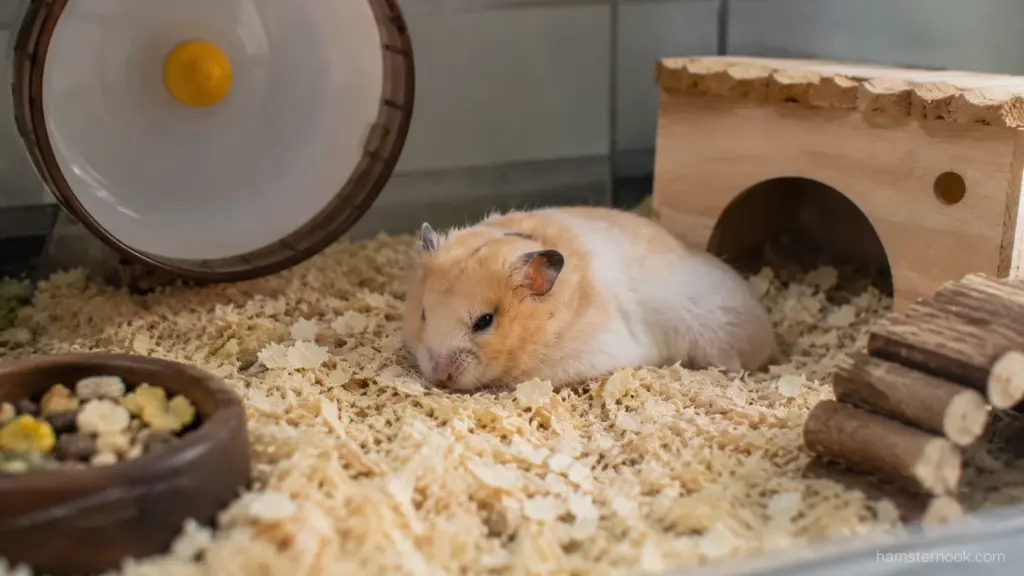
Stress is one of the most common reasons a hamster suddenly becomes less active.
If you notice several stress triggers at the same time, our 7 Ways You’re Accidentally Stressing Your Hamster: Signs & What to Do guide covers common environmental and handling-related causes in more detail.
Hamsters are sensitive animals that can react strongly to changes in their environment.

Common stress triggers include:
- Moving to a new cage
- Loud noises
- Frequent handling
- Lack of hiding places
- Cage mate conflicts
- Sudden environmental changes
When a hamster feels uncertain about its environment, remaining still can be a defensive response until it feels safe again.
If your hamster spends most of its time hiding or remaining still, you may also benefit from reading Why Is My Hamster Always Hiding? When It’s Normal and When to Worry.
Illness Can Cause Reduced Activity
Because hamsters naturally hide signs of illness, reduced activity is often noticed before more obvious symptoms appear. Paying attention to small behavioral changes can help owners identify problems earlier.
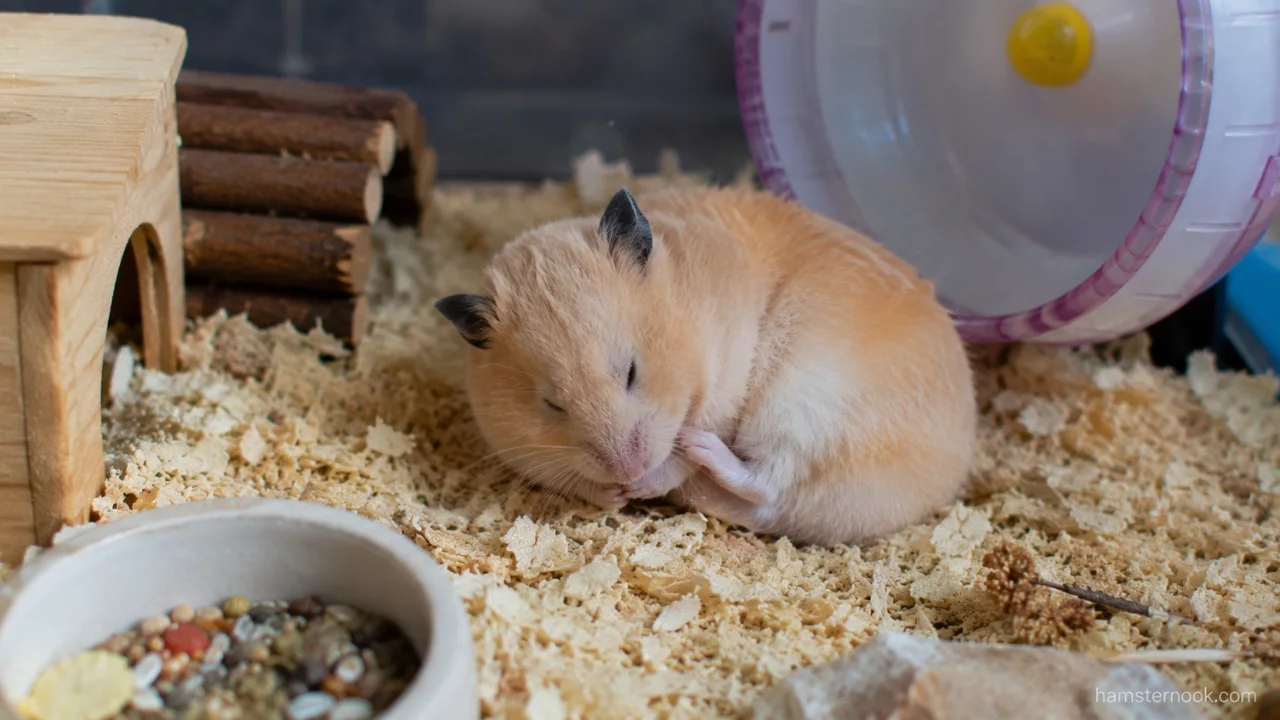
Illness is one possible reason a hamster may suddenly become less active than usual.
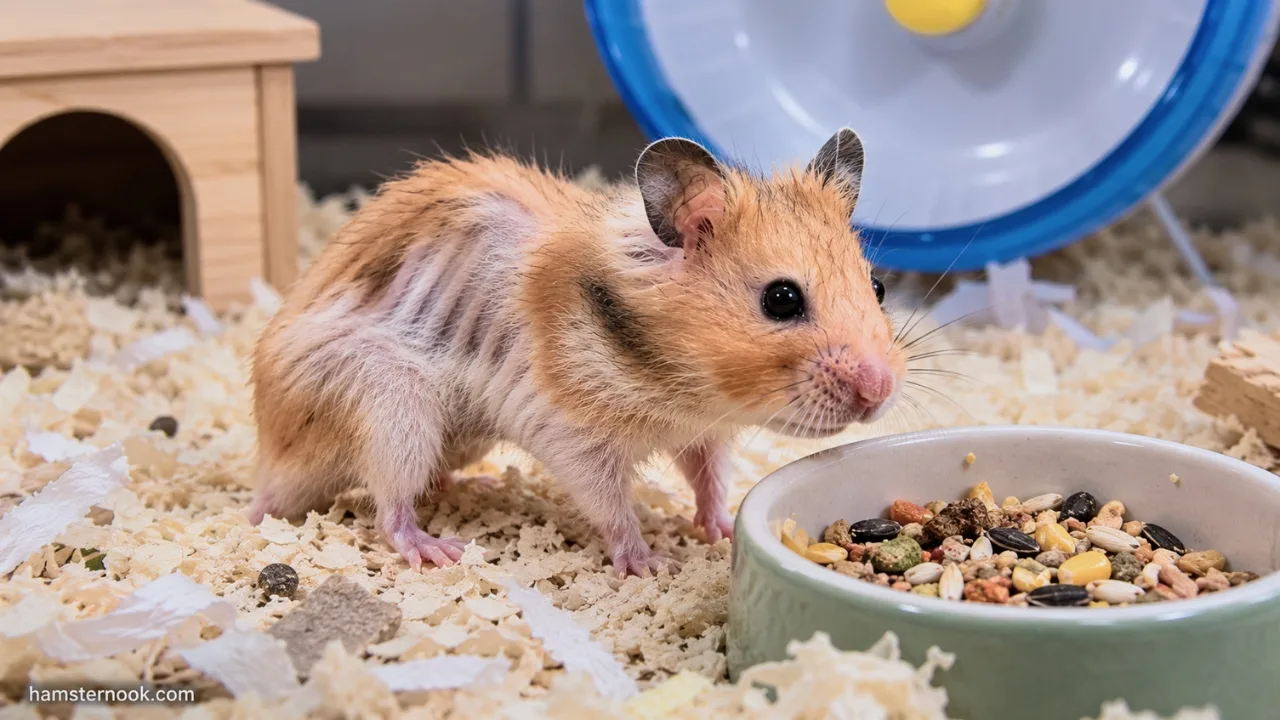
Because hamsters can show only subtle signs when they are unwell, a noticeable change from your hamster’s normal activity can be important, especially when other symptoms appear at the same time. Inactivity is more concerning when it occurs with appetite or weight changes, breathing difficulty, an abnormal walk, a hunched posture, diarrhea, or other unusual signs.
Signs That Illness May Be Involved
Watch for:
- Loss of appetite
- Weight loss
- Labored breathing
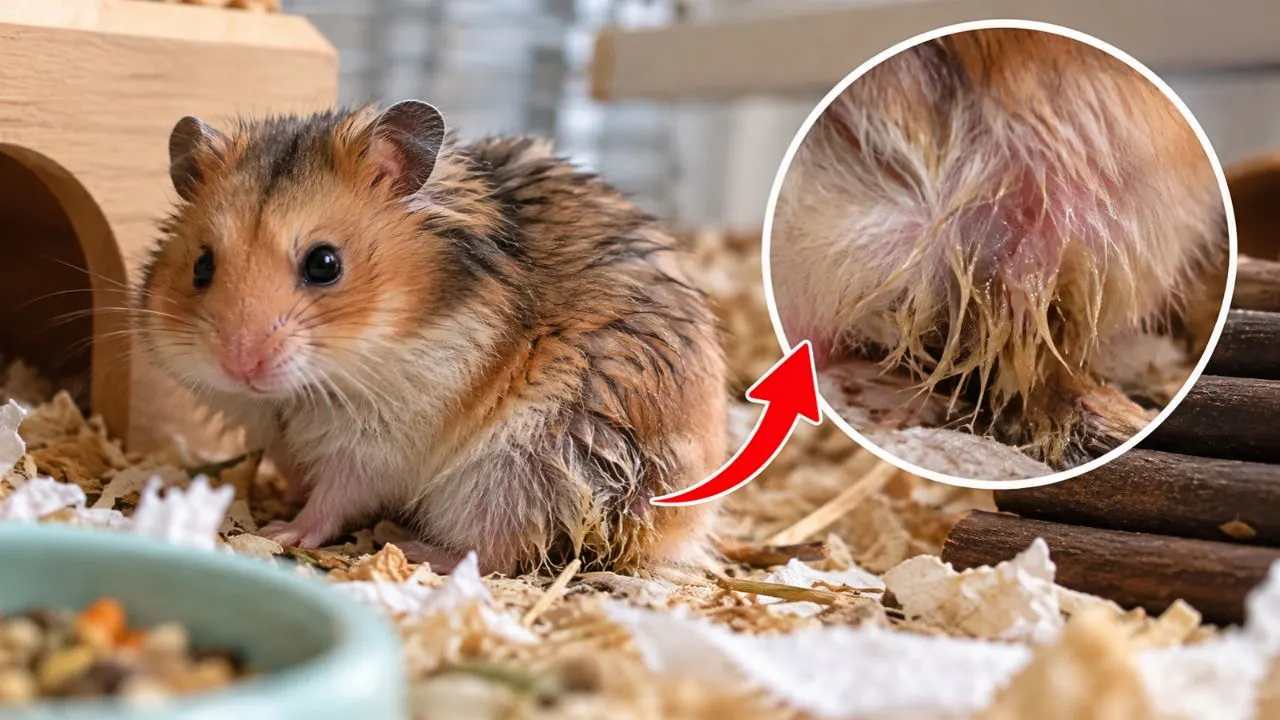
- Wet tail area
- Rough or unkempt fur
- Half-closed eyes
- Weakness — see our Why Is My Hamster Suddenly Weak? guide for common causes and warning signs
- Excessive sleeping
If your hamster is sitting still and showing several of these symptoms, contact an exotic veterinarian as soon as possible.
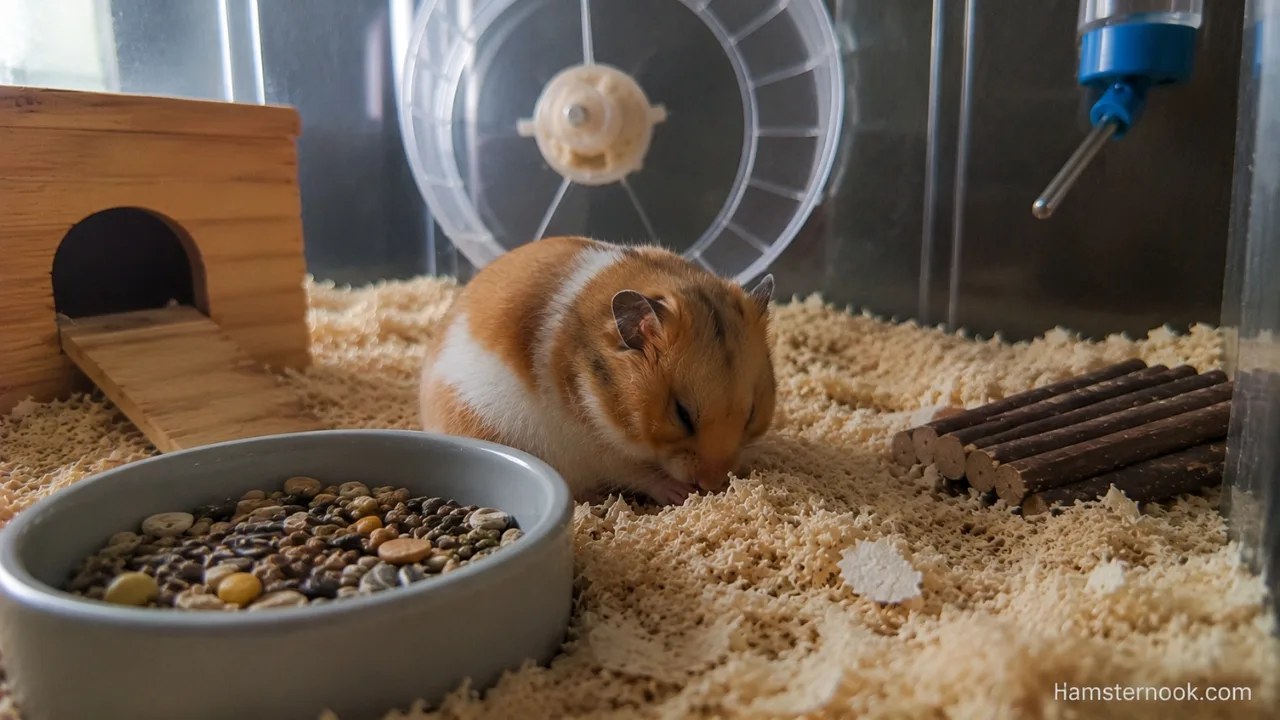
Our Signs of a Sick Hamster: Warning Symptoms Every Owner Should Know guide explains many of the early warning signs that often appear before a hamster becomes seriously ill.
Temperature Problems Can Affect Activity Levels
Hamsters are very sensitive to temperature extremes.
If the room becomes too cold, your hamster may become unusually inactive.
In severe cases, hamsters can enter a state called torpor, which is often mistaken for illness or even death.
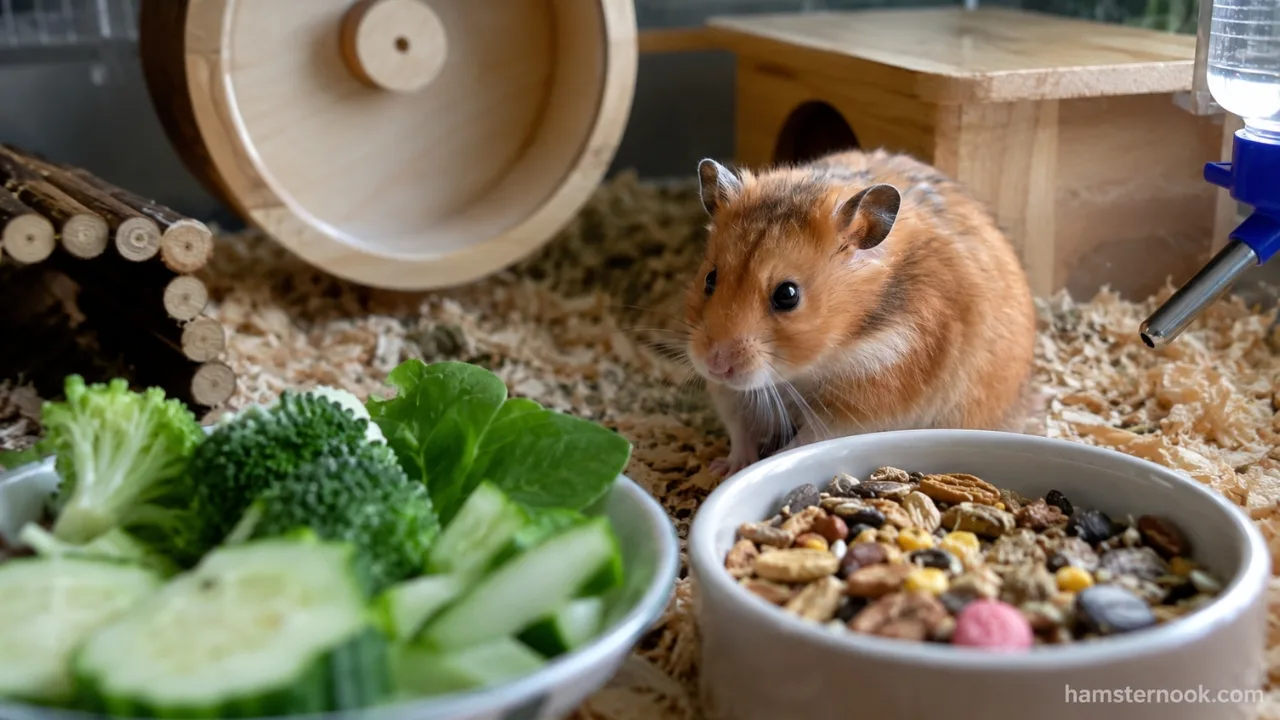
Signs a Hamster May Be Too Cold
| Symptom | Possible Cause |
|---|---|
| Cold body | Low room temperature |
| Slow breathing | Torpor risk |
| Reduced movement | Cold stress |
| Curled sleeping position | Attempting to conserve heat |
Most hamster species do best in a stable environment between approximately 65°F and 75°F (18°C to 24°C).
Because temperature problems can make a hamster unusually inactive and may be confused with illness, our Hamster Temperature: Safe Range, Too Hot & Too Cold guide explains temperature-related warning signs and safer environmental conditions.
Avoid placing cages near windows, air conditioners, or drafty areas.
Pain or Injury May Cause a Hamster to Sit Still
Reduced movement is a common response when a hamster is experiencing pain or physical discomfort.
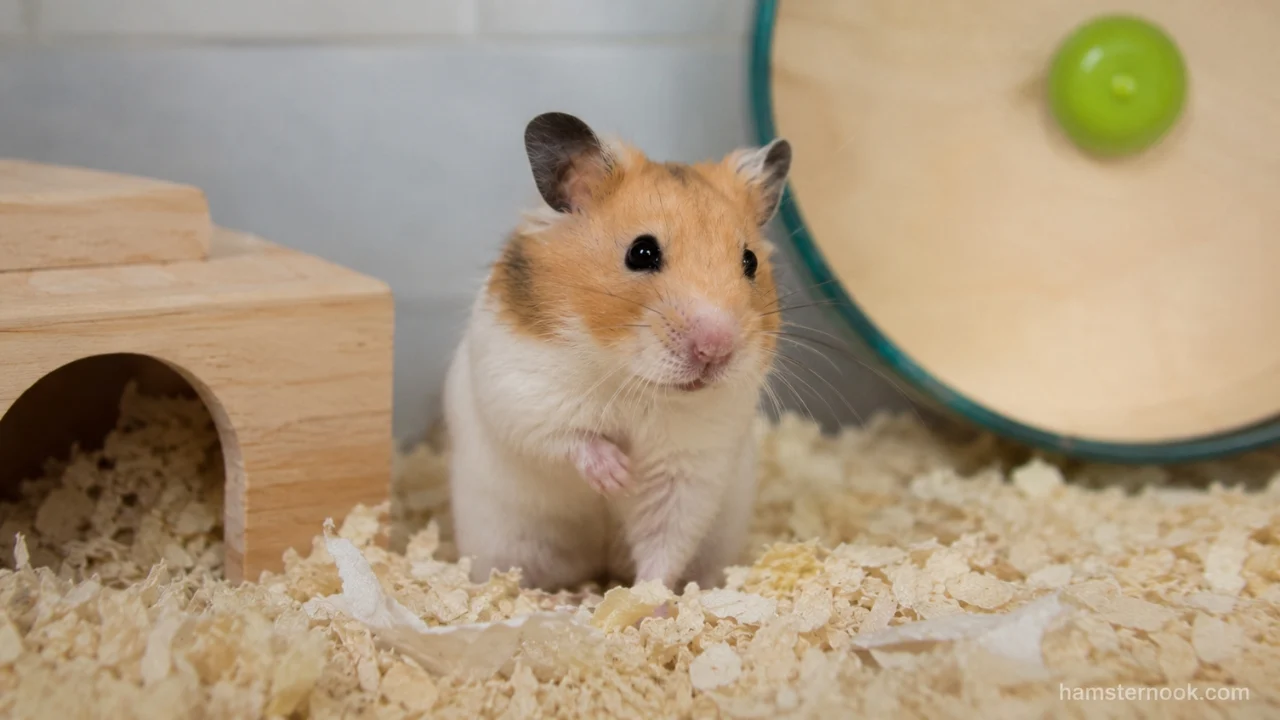
Potential causes include:
- Falls
- Foot injuries
- Broken nails
- Sprains
- Dental issues
- Internal illness
Check for signs such as:
- Limping
- Difficulty climbing
- Reluctance to use the wheel
- Swelling
- Unusual posture
A hamster that suddenly stops being active after an accident should be examined by a veterinarian.
Could Your Hamster Simply Be Aging?
Older hamsters naturally become less active than younger ones.
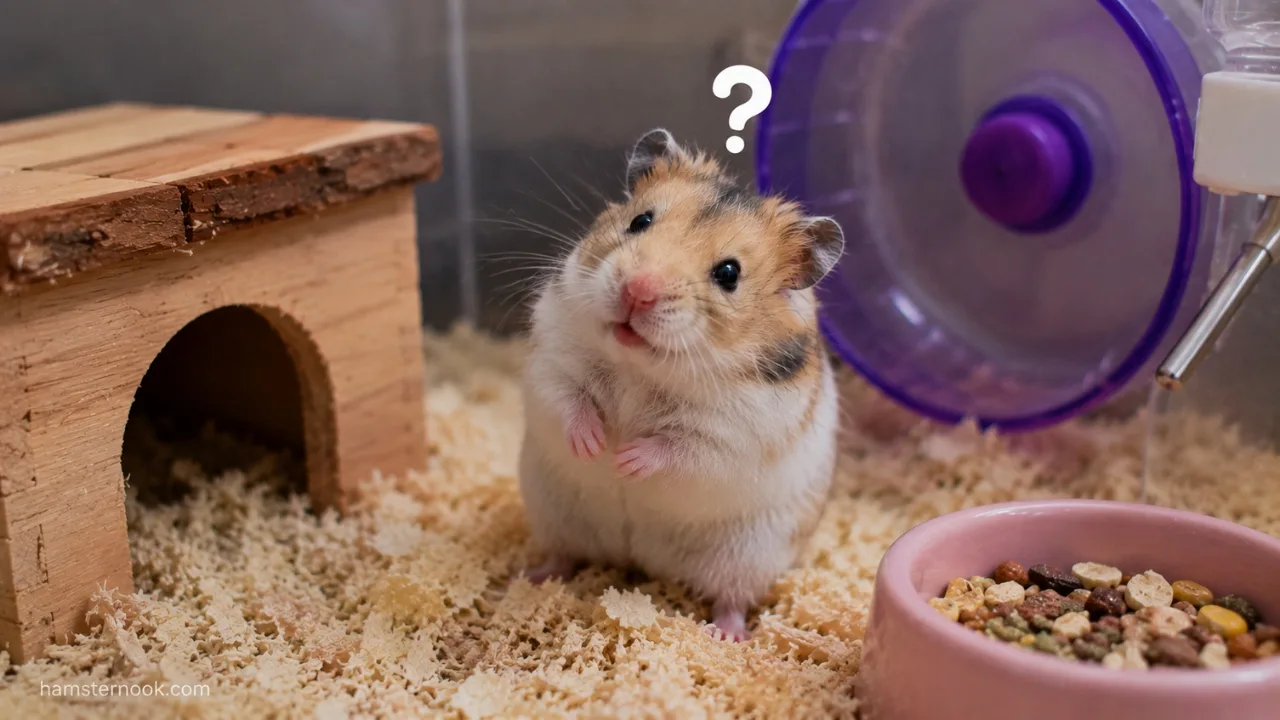
Senior hamsters often:
- Sleep more
- Run less
- Move more slowly
- Take longer breaks
This gradual reduction in activity is usually normal.
However, sudden inactivity should never be automatically blamed on age.
Health problems become more common in older hamsters and should still be considered.
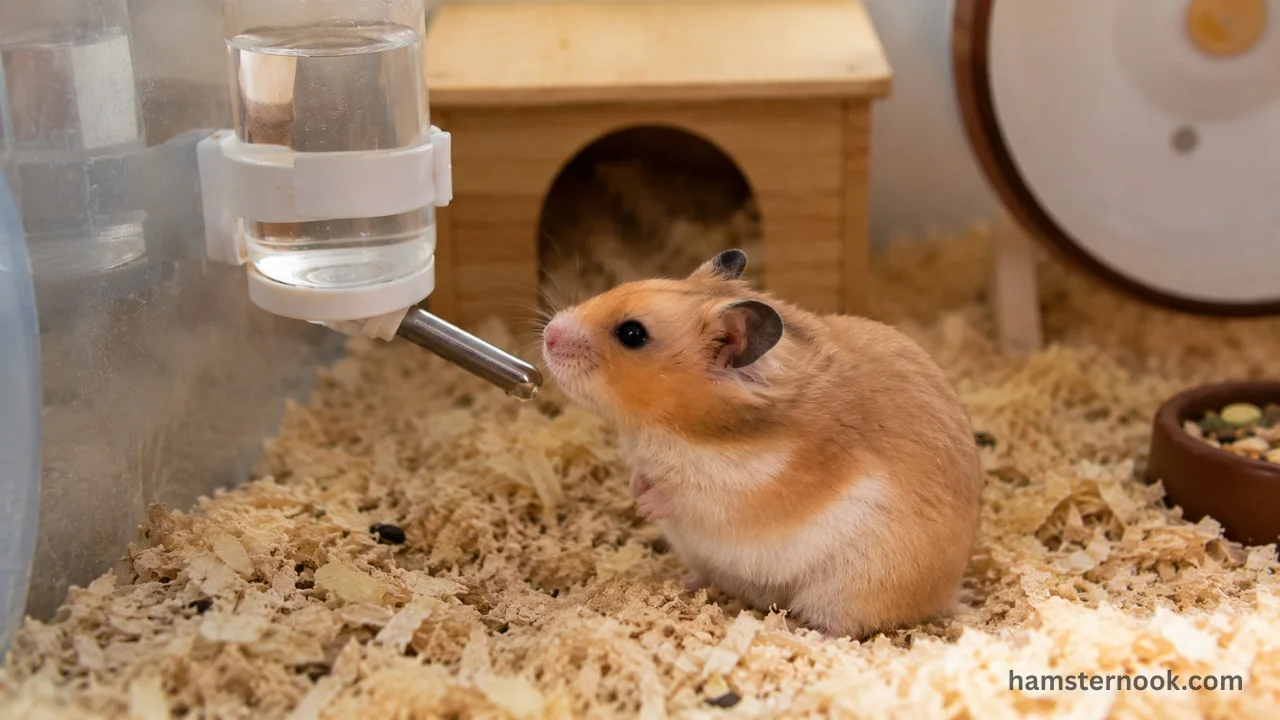
Is Your Hamster Eating and Drinking Normally?
When evaluating inactivity, food and water intake provide valuable clues.
A hamster that sits quietly but continues to:
- Eat normally
- Drink regularly
- Maintain weight
- Groom itself
is often less concerning than a hamster that has stopped eating altogether.
Owners noticing changes in appetite may also find Why Is My Hamster Losing Weight? Causes Owners Should Never Ignore useful because weight changes often accompany underlying health issues.
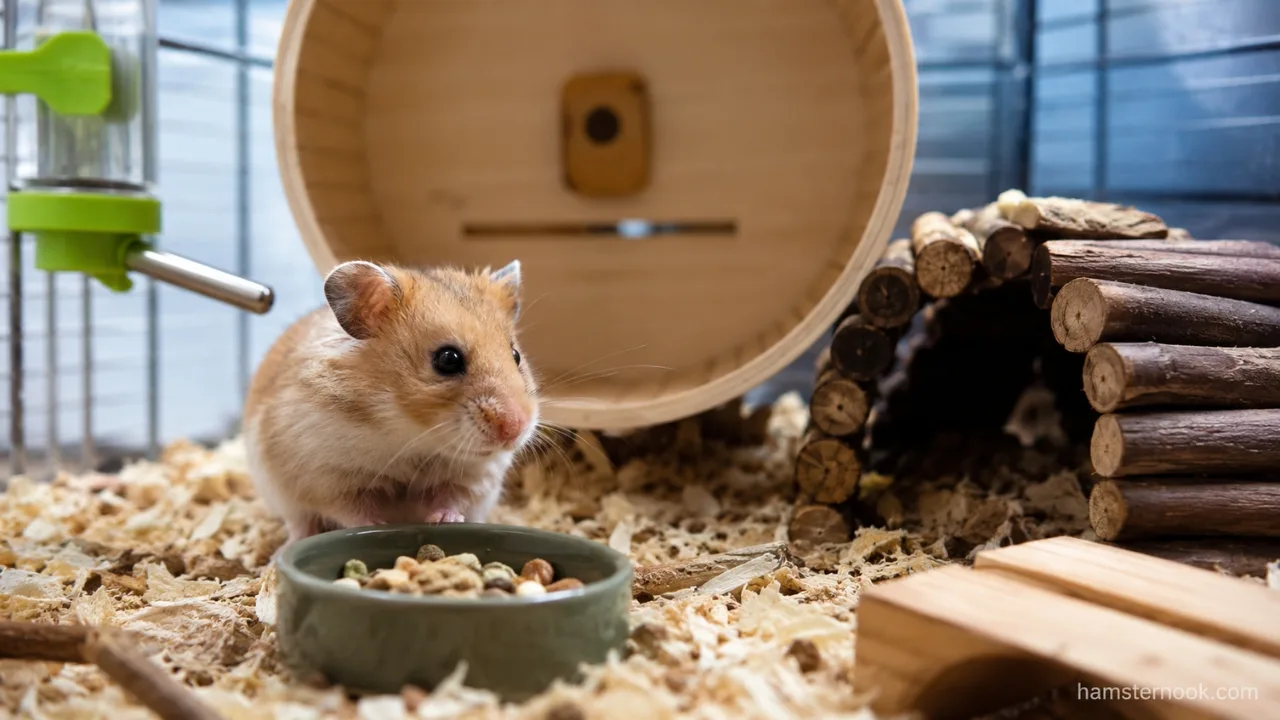
Common Mistakes Owners Make When a Hamster Sits Still
Sometimes well-meaning owners accidentally make the situation worse.
Waking the Hamster Repeatedly
If your hamster appears inactive, constantly waking it up may increase stress rather than solve the problem.
Allow your hamster to maintain its natural sleep schedule.
Assuming Every Quiet Hamster Is Sick
Some hamsters simply have calmer personalities than others.
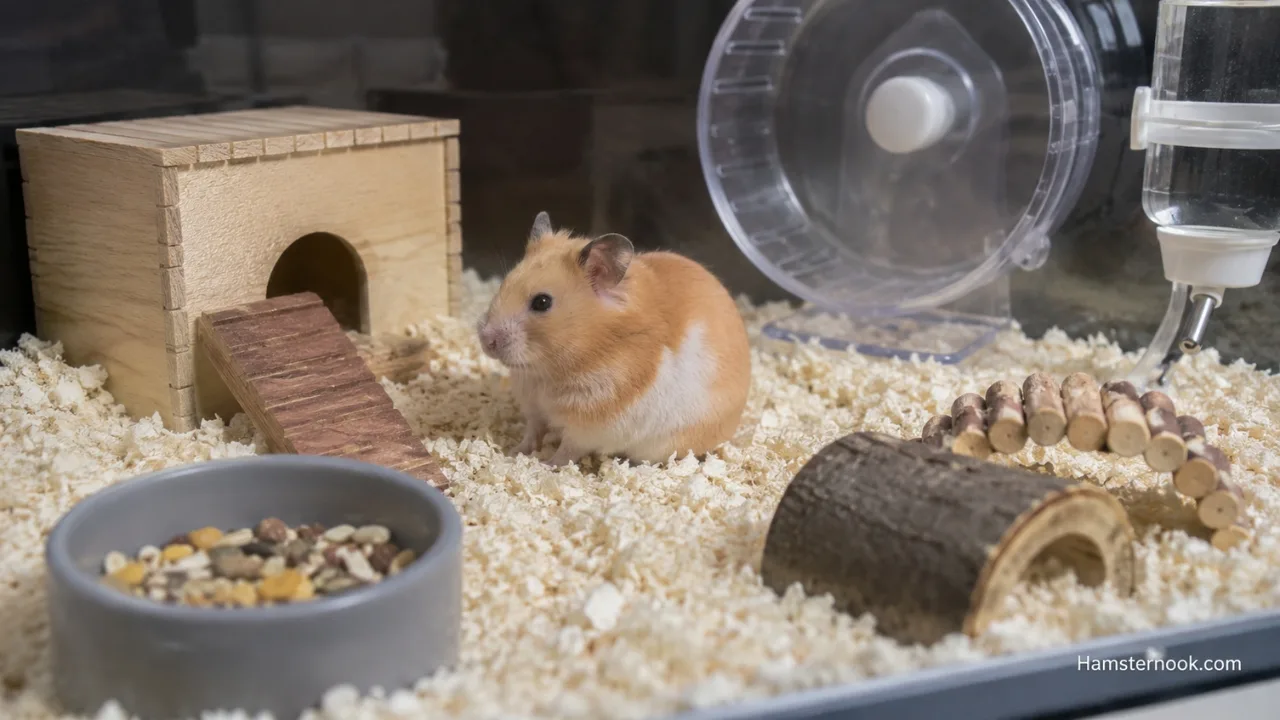
Not every hamster spends hours running on a wheel each night.
Ignoring Other Symptoms
Focusing only on inactivity can cause owners to miss more important clues.
Always evaluate:
- Appetite
- Weight
- Breathing
- Posture
- Grooming habits
The overall picture matters more than a single behavior.

Hamsters can deteriorate quickly when they are unwell, and early signs may be subtle. Looking at changes in activity together with appetite, weight, breathing, posture, and grooming can help you recognize when veterinary assessment is warranted.
How to Encourage Healthy Activity
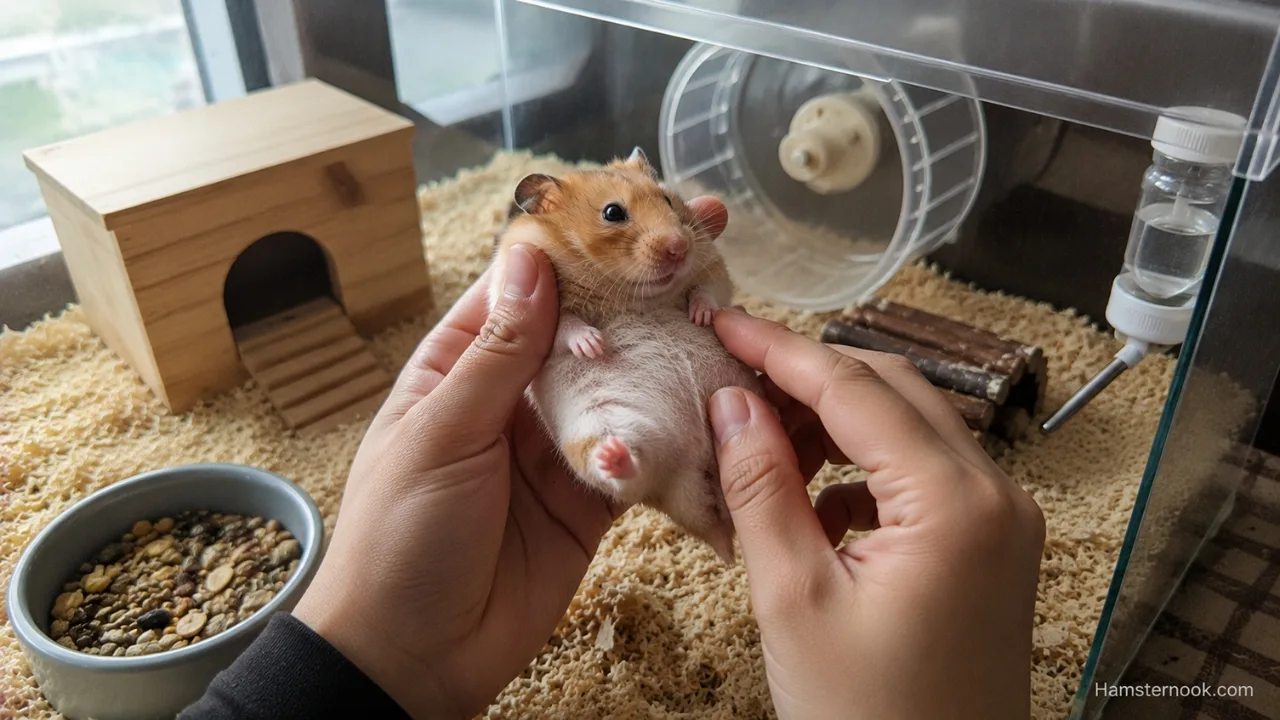
If your hamster appears healthy but less active than usual, there are several ways to encourage natural movement.
Upgrade Enrichment
Provide:
- Tunnels
- Hideouts
- Chew toys
- Digging areas
- Foraging opportunities
Some hamsters become less active when their environment offers few opportunities to explore or forage.
Offer More Space
Small cages often contribute to reduced activity levels.
Hamsters generally become more active when given larger enclosures with varied enrichment.
Create a Consistent Routine
Hamsters thrive on predictable schedules.
Try to keep feeding times, lighting, and handling routines relatively consistent.
Red Flags That Require Immediate Attention
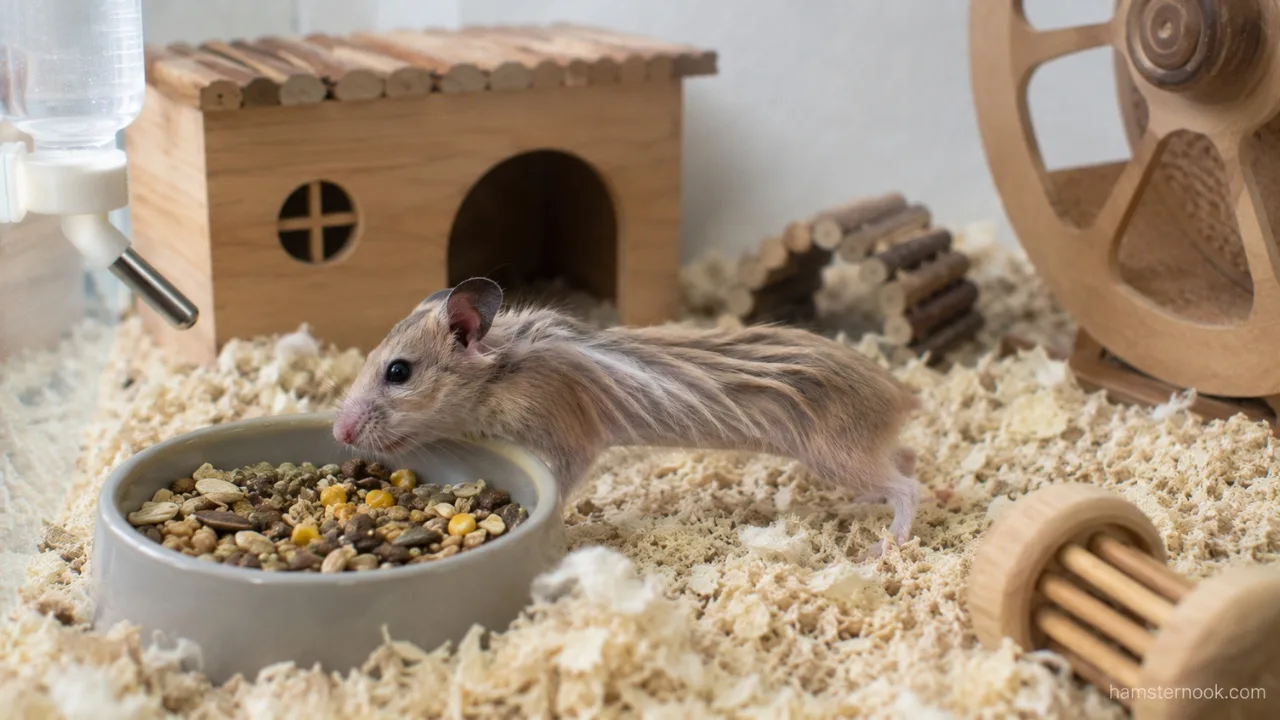
Contact an exotic veterinarian promptly if your hamster:
- Cannot stand normally
- Appears unusually weak
- Shows labored breathing
- Has diarrhea or a wet tail area
- Stops eating
- Cannot keep its eyes open
- Becomes cold and unresponsive
- Shows a sudden, major change in normal behavior
These symptoms are more concerning than inactivity alone. If your hamster is unable to stand, unusually weak, struggling to breathe, cold and unresponsive, or showing another sudden serious change, do not wait to see whether the behavior resolves on its own.
When Should You Call a Vet?
Seek veterinary attention if your hamster:
- Remains inactive for an extended period
- Stops eating or drinking
- Shows breathing difficulties
- Has diarrhea
- Appears weak or unable to move normally
- Experiences sudden weight loss
- Shows signs of pain
Hamsters can decline quickly when ill, so prompt veterinary advice is important when inactivity is sudden, persistent, or accompanied by other warning signs.
If your hamster’s behavior has changed dramatically alongside inactivity, Why Does My Hamster Suddenly Act Different? Common Reasons Behind Behavior Changes may help you identify possible contributing factors before speaking with a veterinarian.
Final Thoughts
Seeing your hamster sit quietly for a while is usually not a reason for concern on its own. In many cases, it simply means your pet is resting, observing its surroundings, waking up, or adjusting to a new environment.
The real concern arises when inactivity is combined with other warning signs such as appetite loss, weight loss, breathing problems, weakness, or unusual posture.
Looking at changes in appetite, activity, posture, and behavior together usually provides the clearest picture of your hamster’s health.
Key Takeaways
- Sitting still is often normal hamster behavior.
- Resting, observing, and waking up can all cause temporary inactivity.
- Stress can make a hamster quieter than usual.
- Illness, injury, and temperature problems can also reduce activity.
- Appetite, weight, posture, and breathing provide important clues.
- Multiple symptoms together are more concerning than inactivity alone.
Frequently Asked Questions
Is it normal for my hamster to sit still for a long time?
Yes. Hamsters may sit quietly while resting, grooming, waking up, or observing their surroundings. Brief periods of stillness are usually normal when your hamster otherwise eats, drinks, moves, and behaves normally.
Why is my hamster awake but not moving much?
An awake hamster may stay still because it is resting, cautious, adjusting to a new environment, or listening to something around it. If the reduced movement is unusual for your hamster or continues during its normal active period, check for appetite loss, weakness, breathing changes, or other warning signs.
Should I worry if my hamster suddenly becomes less active?
A sudden change in activity level deserves attention, especially if it occurs alongside appetite loss, weight loss, or signs of illness.
Can stress make a hamster sit still?
Yes. Stress is one of the most common reasons hamsters become unusually quiet, inactive, or withdrawn.
How do I know if my hamster is sick or just resting?
A hamster that is simply resting should return to its normal behavior and continue eating, drinking, grooming, and moving normally at other times. Illness is more concerning when sitting still is accompanied by weakness, weight loss, poor appetite, breathing problems, diarrhea, or difficulty moving.
Why is my hamster sitting in one spot and staring?
Hamsters frequently pause to listen, smell, and assess their environment. If the behavior is temporary and your hamster otherwise appears healthy, it is usually not a cause for concern.
Why is my hamster sitting still with its eyes open?
Hamsters often sit quietly with their eyes open while listening, smelling, or observing their surroundings. If your hamster continues eating, drinking, and behaving normally, this behavior is usually not a cause for concern.
References
This guide is based on hamster health, behavior, environmental care, temperature management, and veterinary guidance from trusted animal welfare and veterinary resources, including:
- RSPCA – Hamster Health & Welfare – Guidance on recognizing changes in activity, appetite, behavior, breathing, mobility, and other signs that may indicate health concerns.
- RSPCA – Hamster Behaviour – Information on normal hamster activity, sleeping patterns, environmental responses, stress, and natural behavior.
- RSPCA – Creating a Good Home for Hamsters – Guidance on suitable housing, bedding, temperature, enclosure environment, enrichment, and reducing environmental stress.
- PDSA – Hamsters as Pets – Practical guidance on hamster care, health, behavior, diet, housing, and recognizing when veterinary attention may be needed.
- MSD Veterinary Manual – Hamsters – Veterinary reference information on hamster diseases, clinical signs, health problems, husbandry, and veterinary care.
- MSD Veterinary Manual – Routine Health Care of Hamsters – Veterinary guidance on routine health monitoring, body condition, nutrition, dental health, and identifying changes that require attention.
- MSD Veterinary Manual – Providing a Home for a Hamster – Guidance on hamster housing, environmental conditions, temperature, bedding, exercise, and appropriate enclosure care.
Medical Disclaimer
This article is intended for educational purposes only and should not be considered veterinary advice. Sitting still can be normal hamster behavior, but sudden or persistent inactivity may also be associated with illness, injury, stress, temperature problems, or other health concerns. If your hamster shows weakness, loss of appetite, weight loss, breathing difficulties, difficulty moving, an abnormal posture, or becomes cold and unresponsive, consult a qualified exotic animal veterinarian promptly.

Narayan Kumar is the founder and author of HamsterNook. He creates practical, research-based hamster care guides covering hamster behavior, nutrition, cage setup, enrichment, health, and everyday care. His goal is to help hamster owners make informed decisions and provide safer, healthier lives for their pets through clear, beginner-friendly information based on trusted animal care resources.