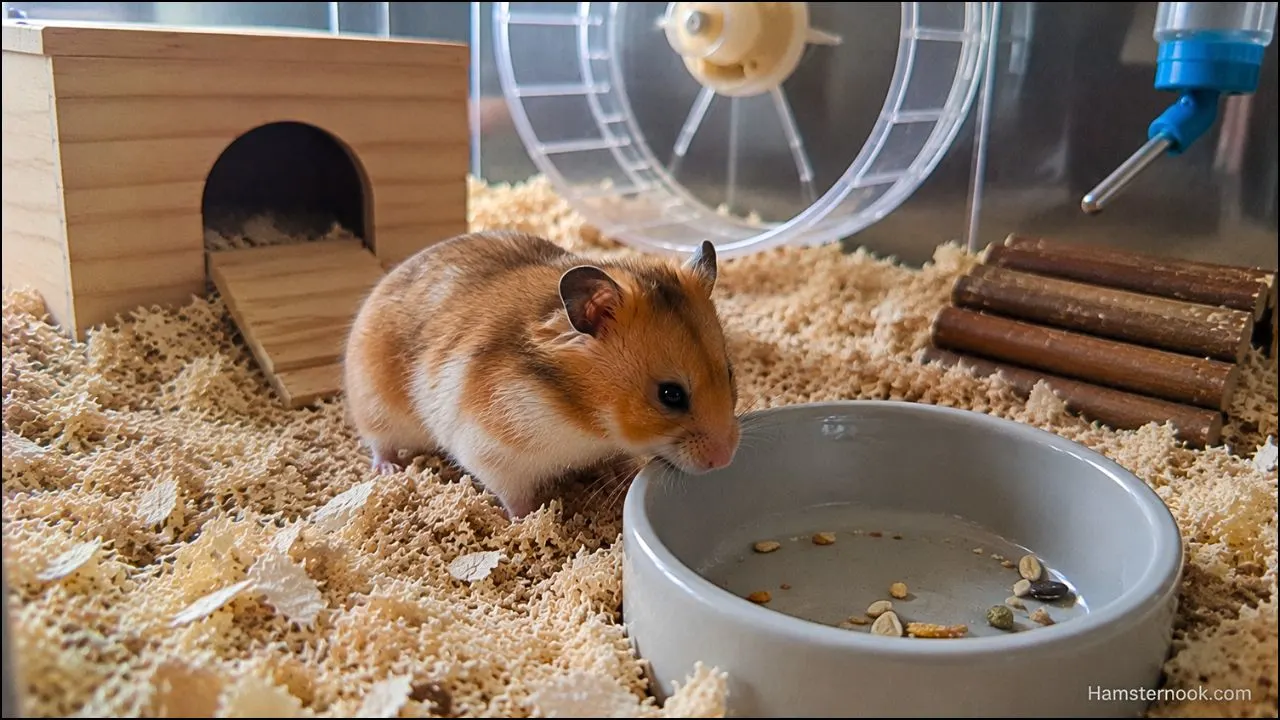
Why Is My Hamster Sleeping So Much? Normal vs Warning Signs: Hamsters are famous for sleeping a lot, but for new owners, it can still feel worrying. You bring home a tiny, active pet expecting playful nighttime energy, and instead, your hamster seems to spend most of the day curled up in bedding.
So, is it normal?
In many cases, yes. Hamsters naturally sleep far more than humans because they are nocturnal or crepuscular animals. That means they are most active during the evening, night, and early morning hours. However, excessive sleeping combined with other unusual symptoms can sometimes point to stress, illness, poor habitat conditions, or aging.
Understanding the difference between healthy hamster sleep and warning signs can help you keep your pet safe, comfortable, and healthy.
How Much Sleep Is Normal for a Hamster?
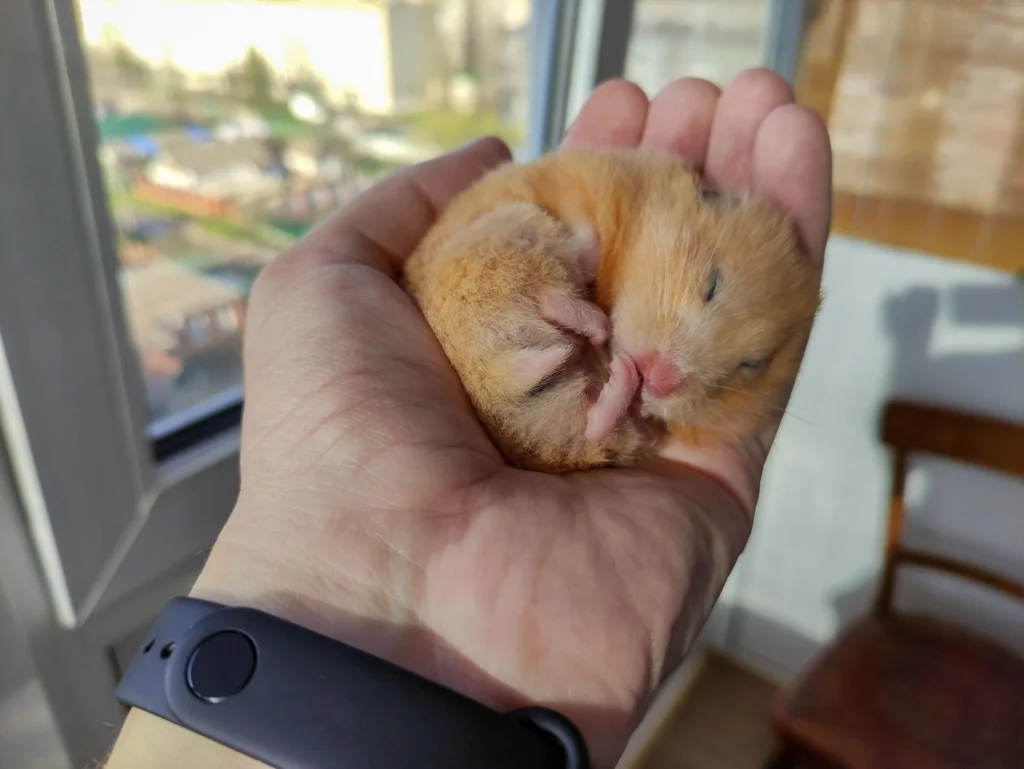
Most healthy hamsters sleep between 12 and 18 hours per day. Some may appear to sleep even longer, especially during daylight hours.
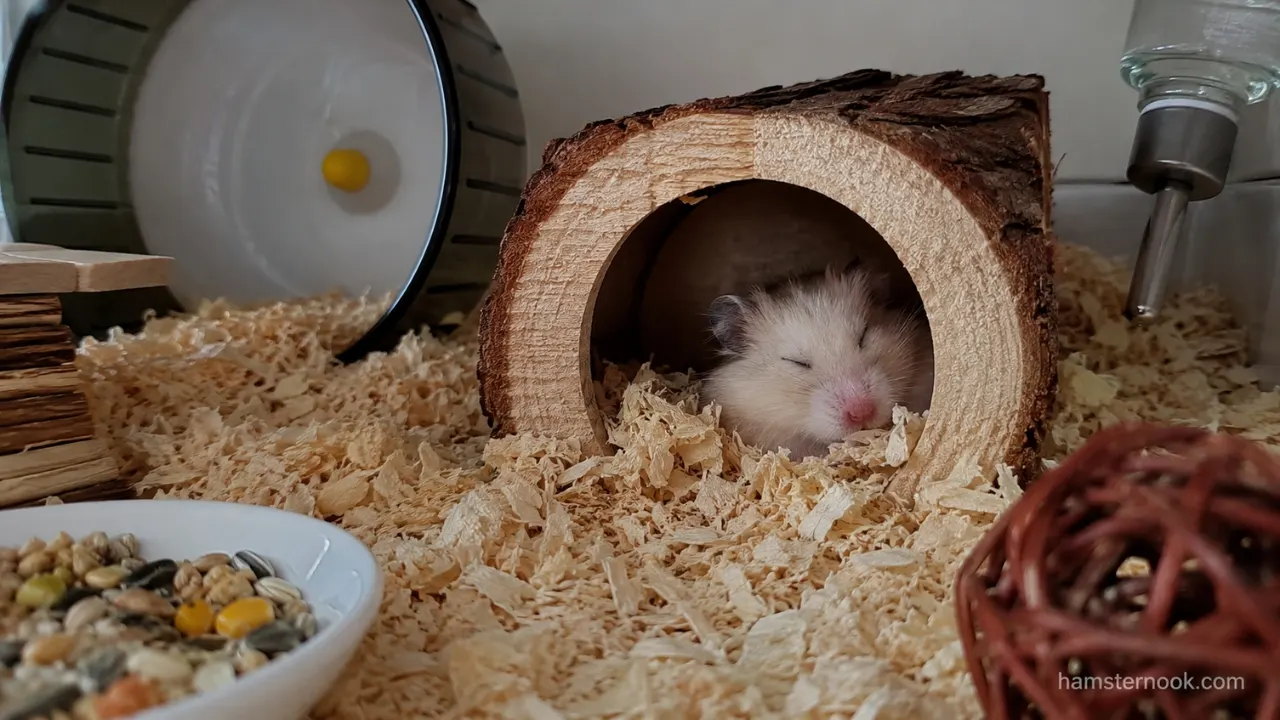
Their sleep schedule depends on:
- Species
- Age
- Environment
- Stress levels
- Seasonal temperature changes
Hamsters are naturally programmed to avoid predators by staying hidden during the day. In the wild, they spend daylight hours underground in burrows and become active after sunset.
This means a hamster sleeping most of the daytime is usually completely normal.
Why Hamsters Sleep During the Day
Many beginner owners worry because they rarely see their hamster awake. But daytime sleeping is part of a hamster’s natural routine.

Common reasons include:
Natural Nocturnal Behavior
Syrian, Robo, Chinese, and many dwarf hamsters are naturally more active at night. Your hamster may start waking up around evening and stay active for several hours overnight.
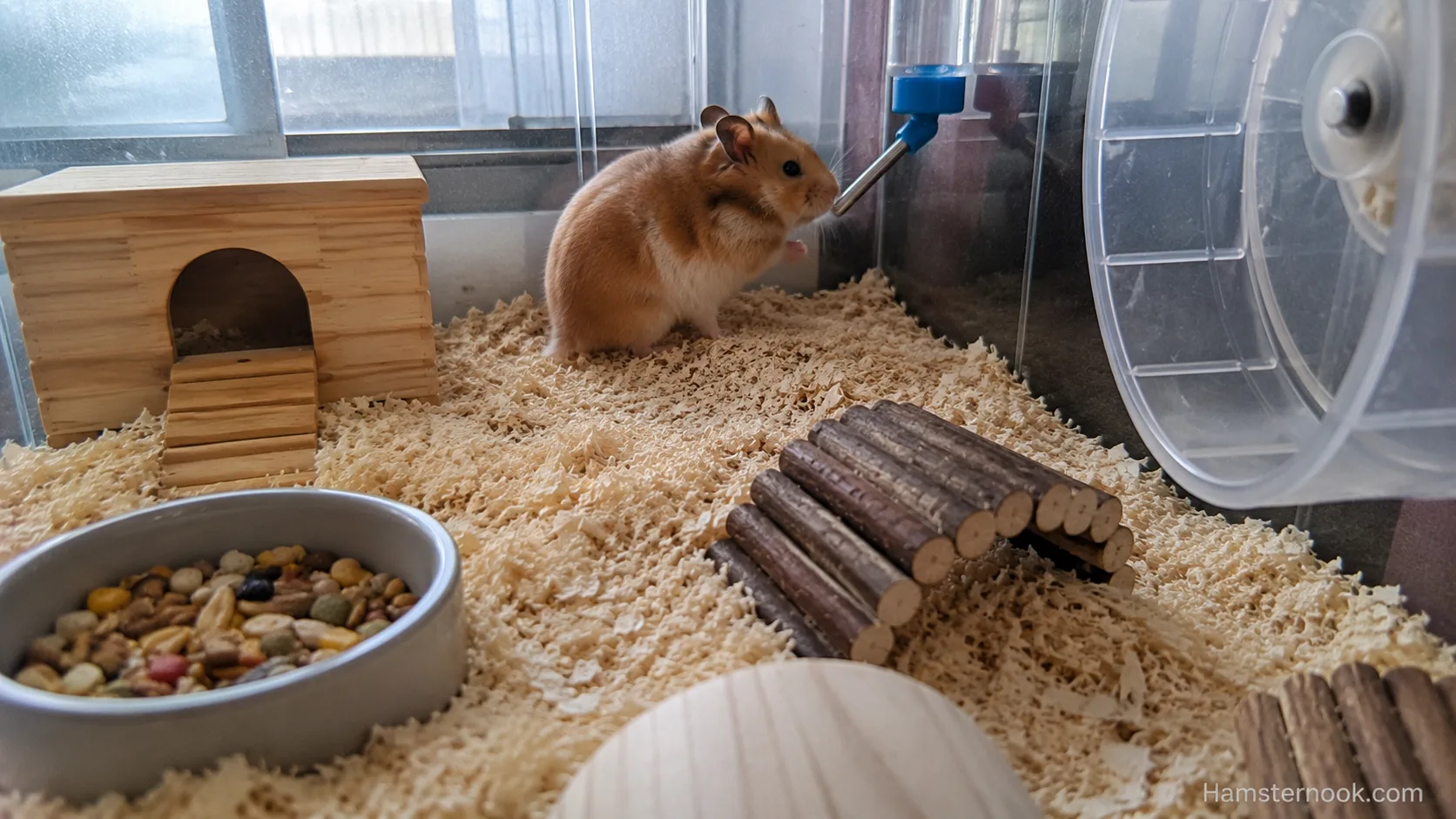
Feeling Safe in the Cage
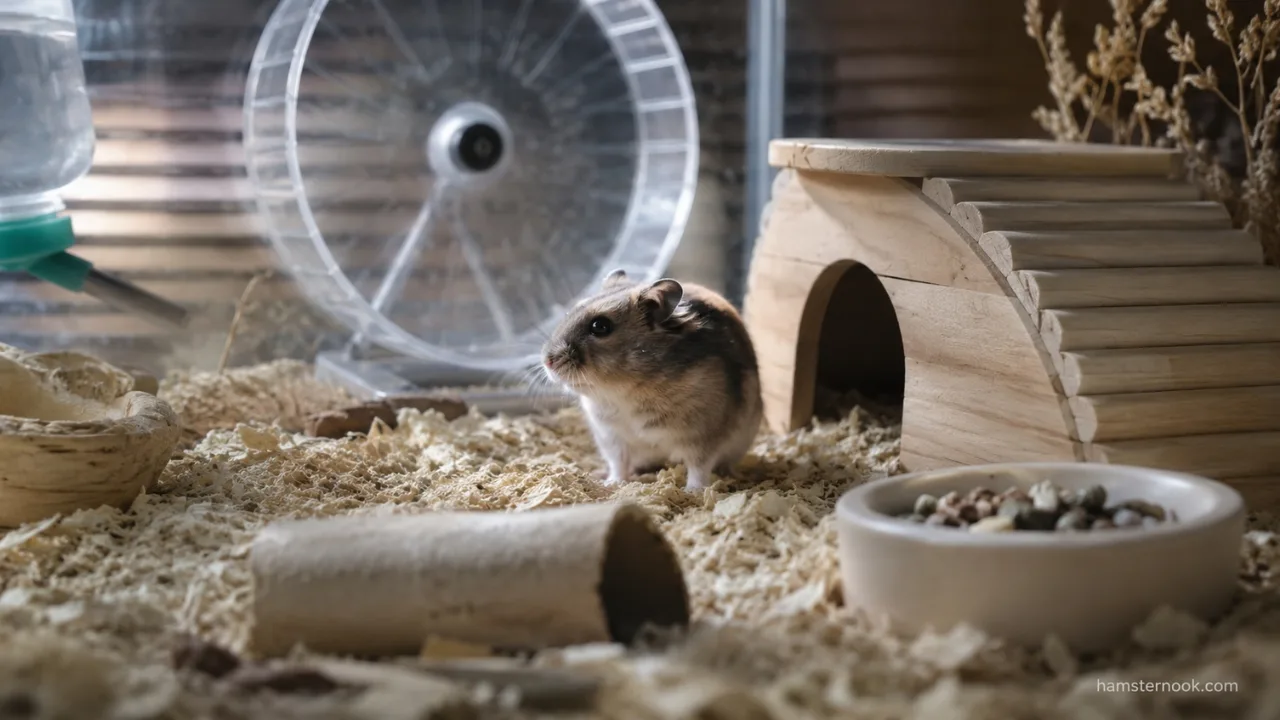
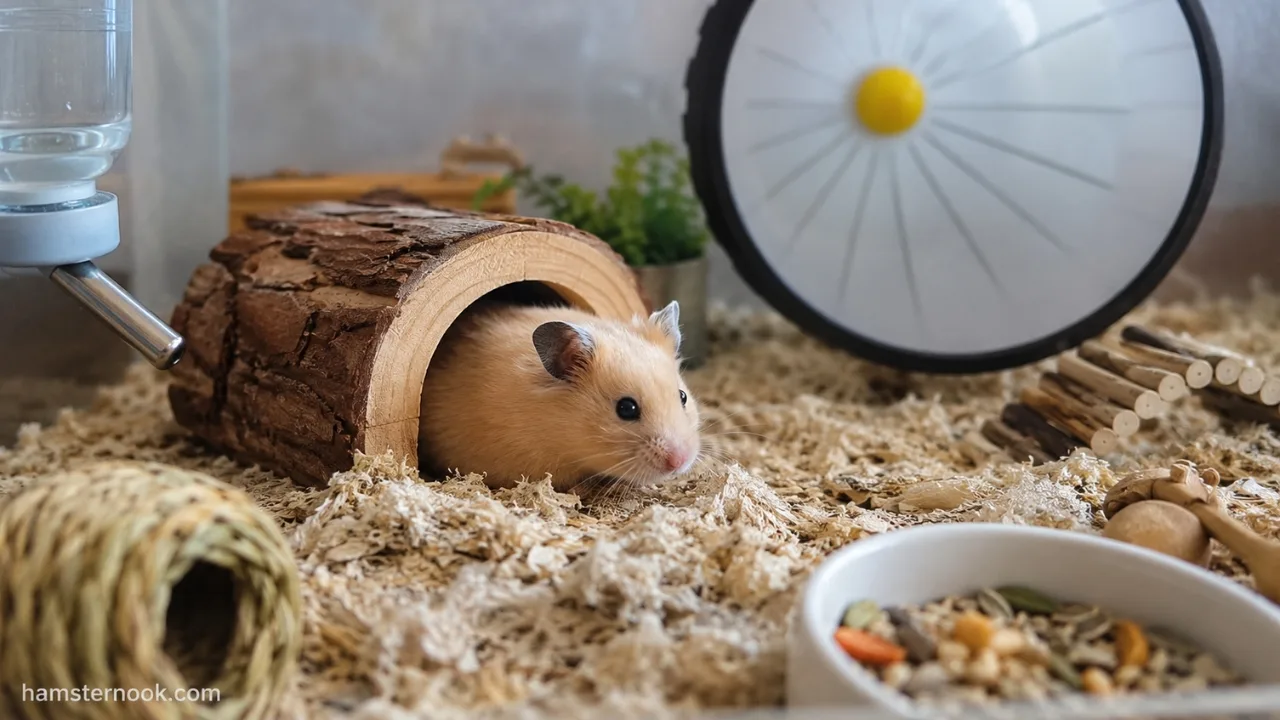
A hamster that sleeps deeply in its hideout often feels secure. Comfortable bedding, quiet surroundings, and suitable cage conditions encourage healthy sleep.
A proper cage setup, balanced diet, and low-stress environment all play a major role in healthy hamster sleep and behavior.
Young Hamsters Need More Rest
Baby and juvenile hamsters usually sleep more because they are still growing.
Older Hamsters Slow Down
Senior hamsters become less active and may spend more time resting as their energy levels naturally decrease.
Normal Sleep vs Warning Signs in Hamsters
The biggest question owners ask is whether their hamster is simply resting or showing symptoms of a problem.
Here’s a simple comparison table to help you tell the difference.
If the concern is where your hamster sleeps rather than how long it sleeps, our What Your Hamster Sleeping Position Says About Their Health (Normal vs Warning Signs) guide explains what different sleeping positions can mean.
| Normal Hamster Sleep | Possible Warning Signs |
|---|---|
| Sleeps mostly during daytime | Sleeps constantly day and night |
| Wakes up for food and water | Stops eating or drinking |
| Active during evening/night | Weak, wobbly, or unable to move properly |
| Bright eyes when awake | Eyes half-closed or crusty |
| Normal breathing | Heavy, noisy, or labored breathing |
| Smooth grooming habits | Messy fur or lack of grooming |
| Responds to sounds/movement | Unresponsive or unusually lethargic |
| Regular wheel activity | No interest in movement or exercise |
If your hamster shows multiple warning signs together, it may need veterinary attention.
If you notice unusual sleep patterns along with weakness, appetite loss, or breathing problems, it’s important to recognize the early warning signs of illness in hamsters.
If your hamster is sleeping more than usual alongside other unusual symptoms, our Signs of a Sick Hamster: Symptoms, Warning Signs & When to See a Vet guide explains the early warning signs that should not be ignored.
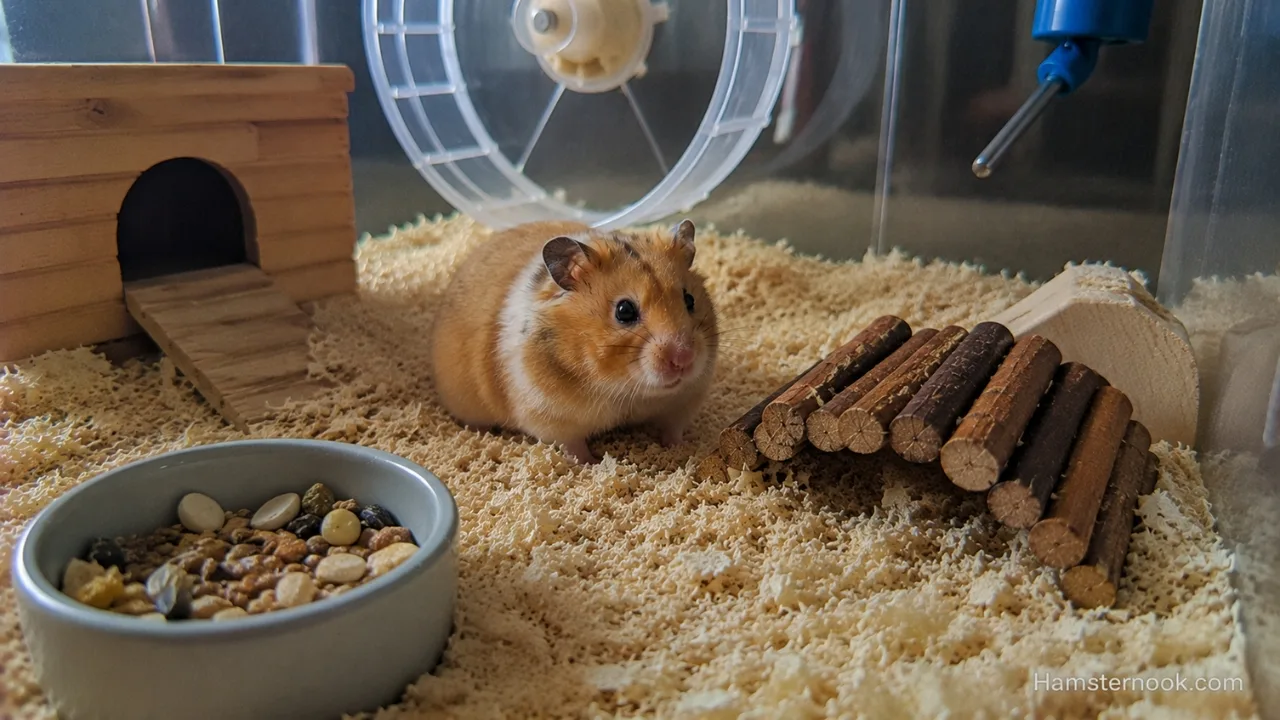
Signs Your Hamster Is Sleeping Normally
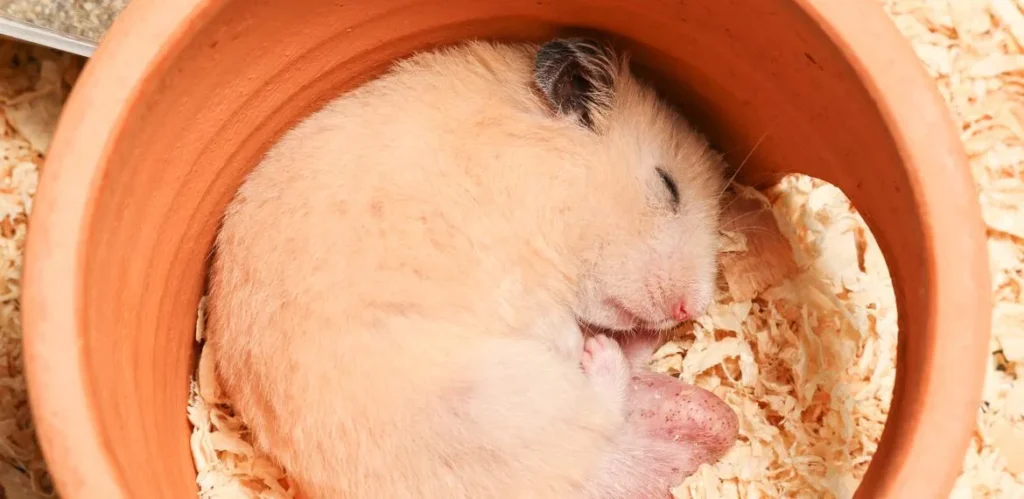
A healthy sleeping hamster usually shows these behaviors:
Sleeps Hidden Under Bedding
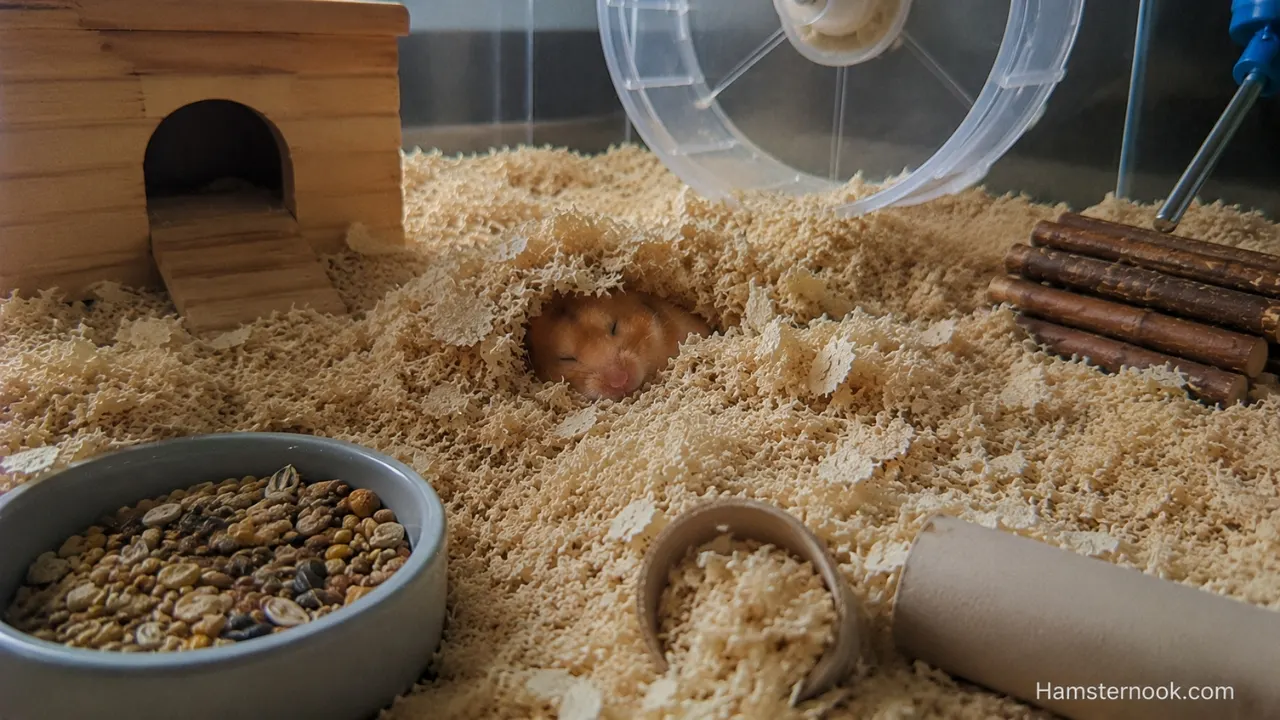
Hamsters often burrow deeply into bedding for warmth and security.
Wakes Up on a Consistent Schedule
Most hamsters wake around sunset or late evening. Some become active very late at night.
Most hamsters wake around sunset or late evening. Some become active very late at night. If your hamster’s sleep schedule seems unusual or you are unsure whether it needs darkness or additional lighting, our Do Hamsters Need Light? Daylight, Darkness & Night Lights Explained guide covers healthy day-night conditions.
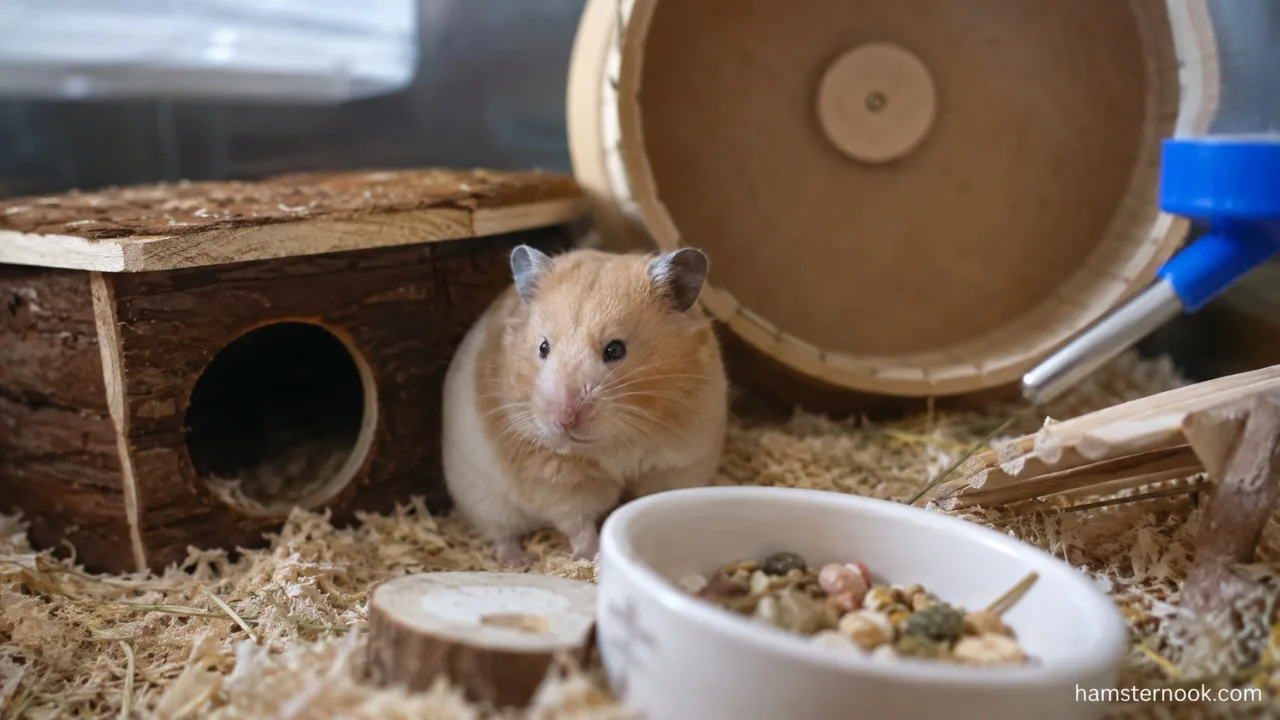
Eats and Drinks Normally
Check food levels and water bottle use daily. A healthy hamster should still eat regularly even if you rarely see it awake.
A balanced diet plays an important role in maintaining healthy energy levels. Our What Do Hamsters Eat? Complete Beginner Food List guide explains which foods are appropriate for regular feeding and which foods should be limited or avoided.
Runs on the Wheel at Night
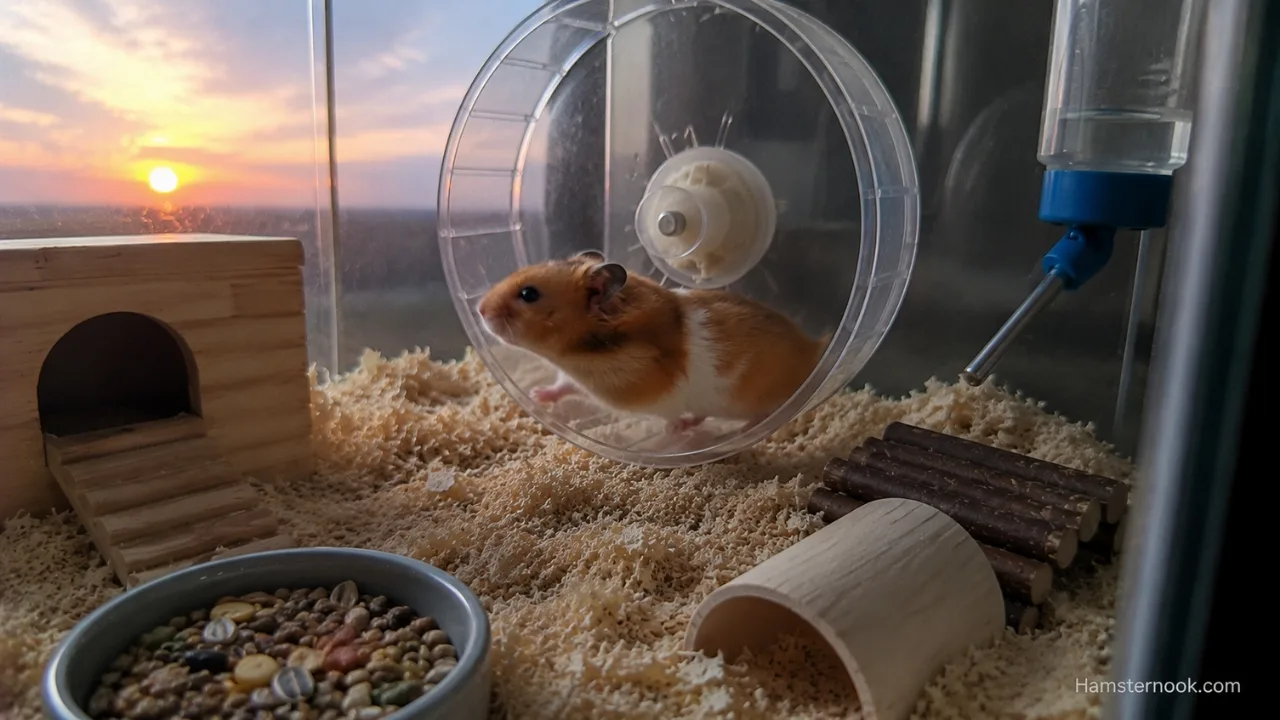
You may hear wheel activity after dark. This is one of the clearest signs your hamster is behaving normally.
Reacts When Disturbed
A healthy hamster may stretch, move, or react gently if it hears noise nearby.
Warning Signs Your Hamster May Be Sick
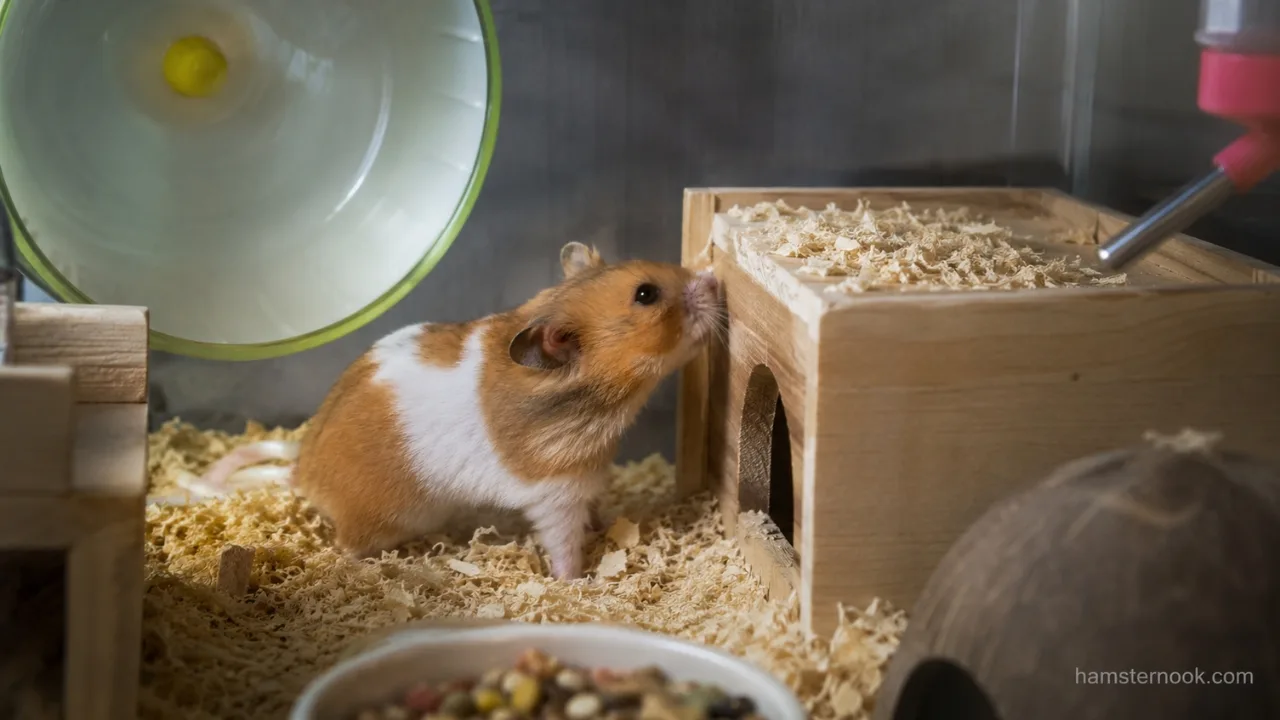
While sleeping a lot is usually harmless, certain symptoms should not be ignored.
Excessive Sleeping Combined With Loss of Appetite
If your hamster refuses food for an extended period, it can quickly become dangerous because hamsters have very fast metabolisms.
Watch for:
- Empty food untouched
- Sudden weight loss
- Sunken appearance
Lethargy and Weakness in Hamsters
A sick hamster may appear extremely tired even when awake.
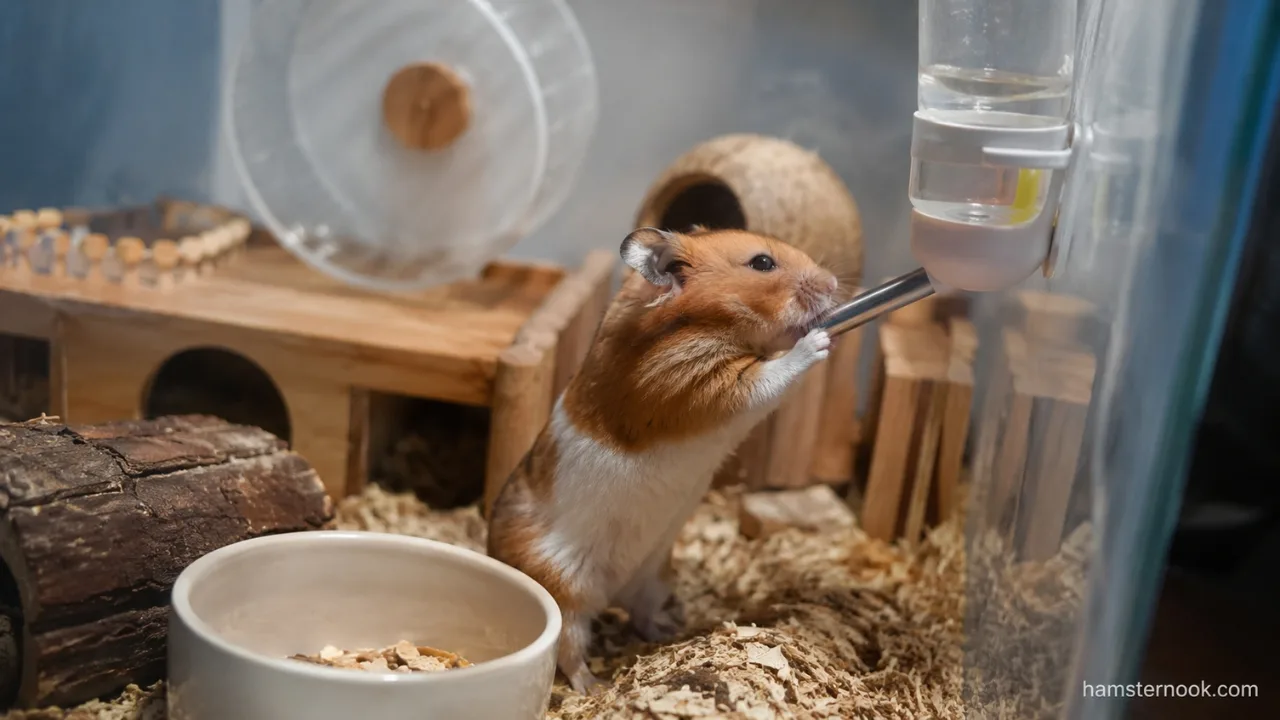
Signs include:
- Slow movement
- Difficulty climbing
- Poor balance
- Staying in one corner
Breathing Problems While Sleeping
Healthy hamsters breathe quietly.
Concerning symptoms include:
- Clicking sounds
- Wheezing
- Rapid breathing
- Open-mouth breathing
Respiratory infections in hamsters can become serious quickly.
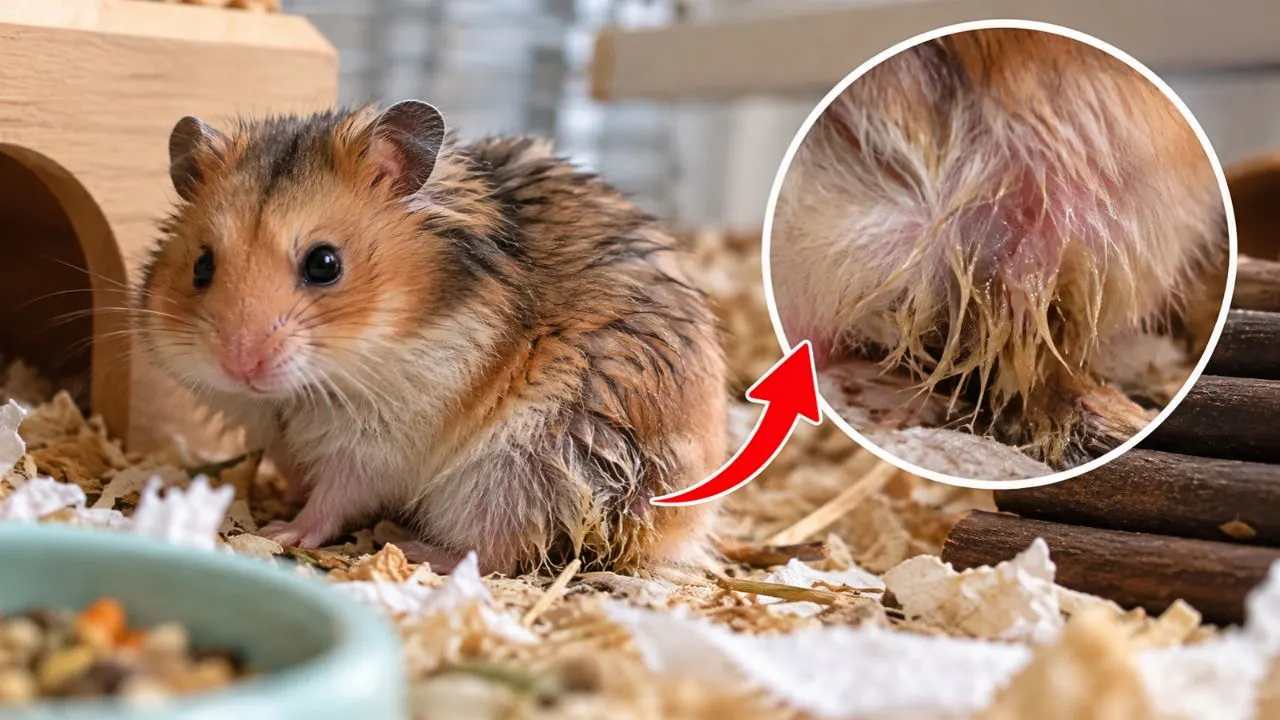
Wet Tail and Sleeping More Than Normal
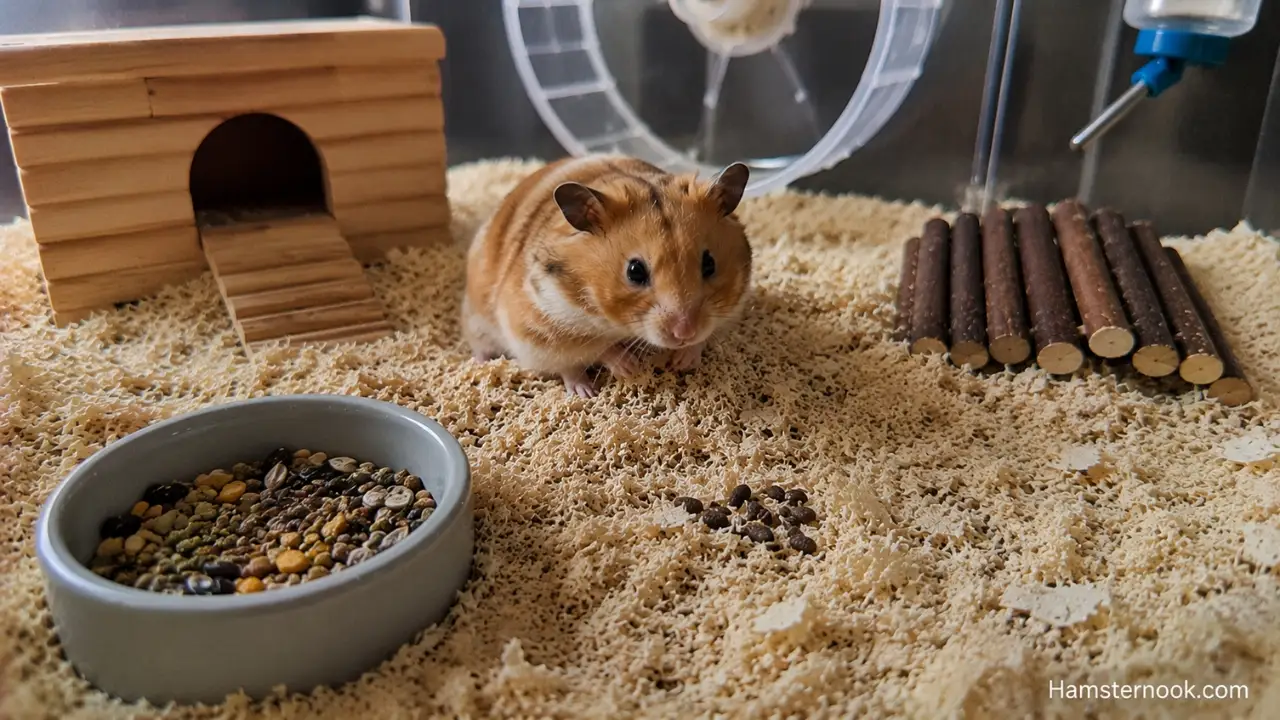
Wet tail is a serious health condition mainly seen in young hamsters. Excessive sleeping can appear alongside:
- Diarrhea
- Wet rear end
- Bad smell
- Severe weakness
This condition should be evaluated by a veterinarian as soon as possible.
Cold Temperatures and Hamster Torpor
Sometimes owners worry their hamster is seriously ill when it is actually in torpor.
Torpor is a survival response caused by cold temperatures or poor conditions. During torpor:

- The hamster becomes very still
- Breathing slows dramatically
- Body feels cool
This is not normal sleep.
Hamsters should generally be kept in a safe temperature range around 65–75°F (18–24°C). Temperatures that drop too low can trigger torpor.
Never assume a motionless hamster has died without checking carefully.
Why Your Hamster Suddenly Started Sleeping More
A sudden behavior change is more important than the total number of sleeping hours.
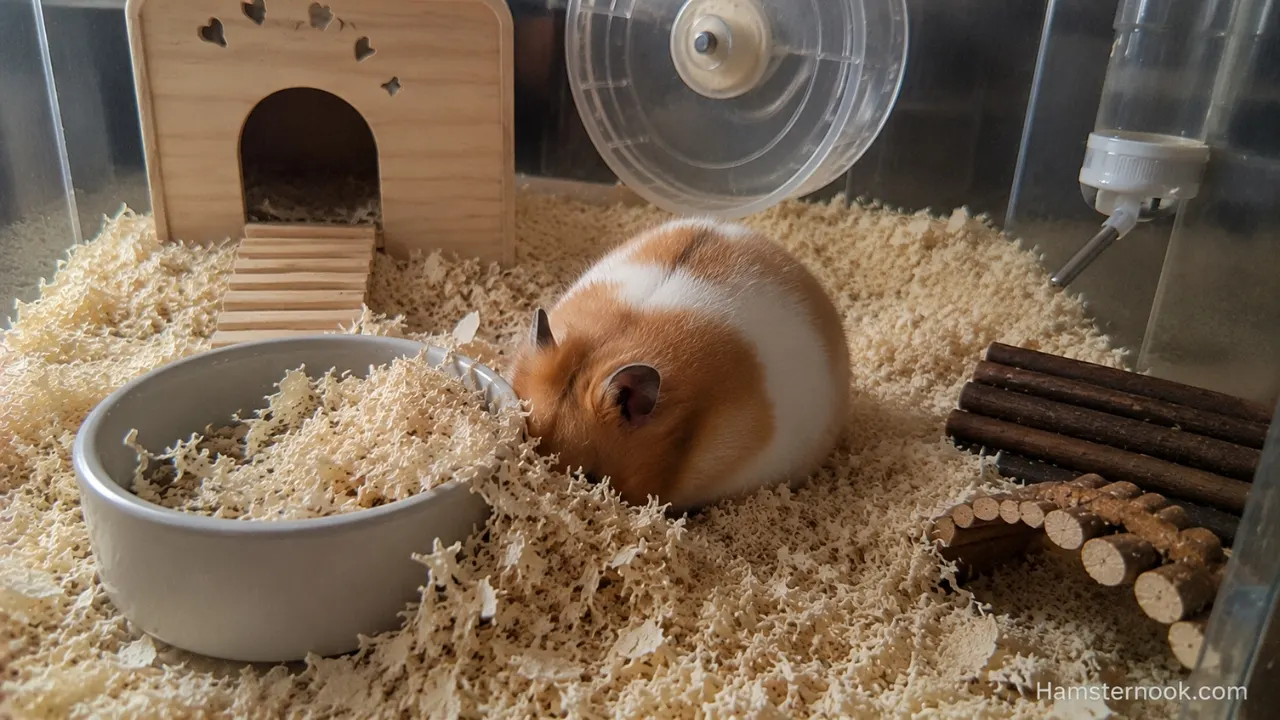
If your hamster is sleeping through the hours when it normally becomes active, especially at night, pay closer attention to its overall behavior. Sleeping during the day is normal, but sleeping through its usual waking period can be a warning sign. This is especially concerning when your hamster also eats less, seems weak, has breathing problems, or shows other unusual changes.
Stress and Environmental Changes
Hamsters can sleep more when stressed by:
- Loud noise
- Frequent handling
- Small cages
- Bright lights
- Other pets nearby
A stressed hamster may hide constantly to feel safe. Our Is My Hamster Stressed? 5 Warning Signs & How to Help guide covers common stress signs and what to check when behavior changes.
Many owners notice these changes after moving the cage, introducing a new pet, or rearranging the enclosure. If your hamster was active before and suddenly starts sleeping much more, think about whether anything in its environment has recently changed.
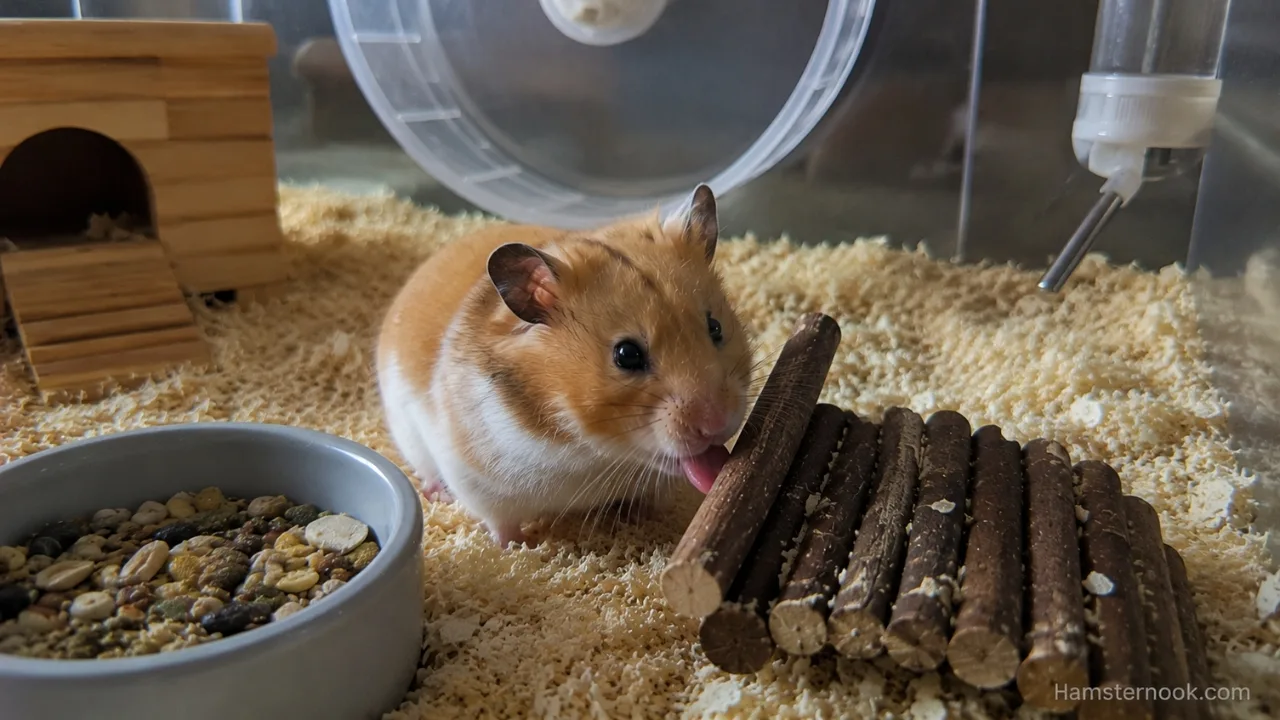
Poor Cage Setup
An unsuitable habitat can reduce activity levels.
Common problems include:
- Tiny cages
- Lack of enrichment
- Dirty bedding
- No hiding spots
- Improper wheel size
Hamsters need mental stimulation and exercise to stay active.
A well-designed habitat with proper enrichment can help reduce stress and encourage healthy nighttime activity in hamsters.

A comfortable enclosure encourages normal sleep and activity. Our Best Hamster Cage Setup for Beginners: Size, Bedding & Essentials guide explains the essential features of a healthy hamster habitat.
Illness or Pain
Infections, dental issues, injuries, and internal illness can all cause lethargy.
Hamsters naturally hide signs of sickness, so even subtle changes matter.
Aging
Senior hamsters naturally become calmer and sleep longer. This usually happens gradually rather than suddenly.
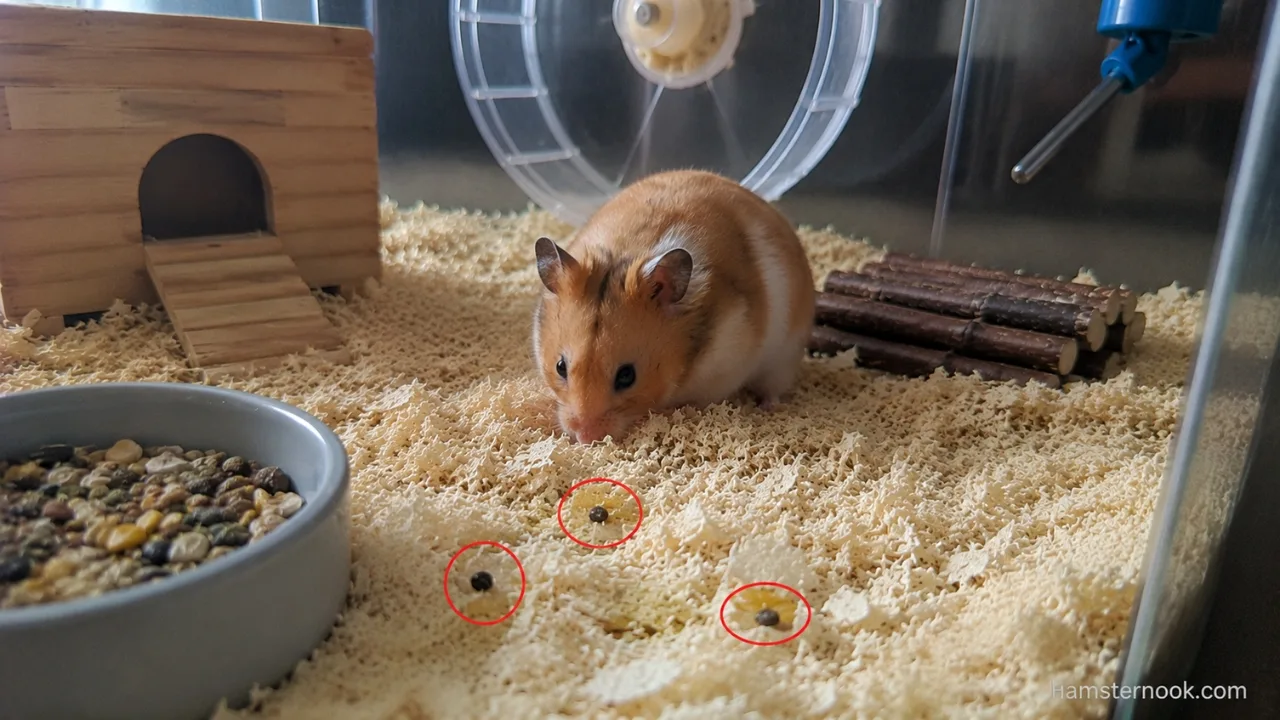
Older hamsters may:
- Move slower
- Use the wheel less
- Prefer resting
- Sleep more deeply
Why Is My Hamster Sleeping and Not Eating?
A hamster that is sleeping more than usual and refusing food should be monitored carefully. While stress after a cage change or environmental disruption can sometimes cause both behaviors, excessive sleep combined with appetite loss may also indicate illness, pain, dental problems, dehydration, or infection. If your hamster is also refusing food, see Why Is My Hamster Not Eating? for the warning signs and possible causes.
Pay attention to additional symptoms such as weight loss, weakness, diarrhea, breathing difficulties, drooling, or a hunched posture. These warning signs often suggest that the problem is more serious than a temporary change in routine.
If your hamster is drinking less, avoiding food completely, or remains inactive even during its normal waking hours, veterinary attention may be necessary. Because hamsters have fast metabolisms, appetite loss can lead to rapid health decline if left untreated.
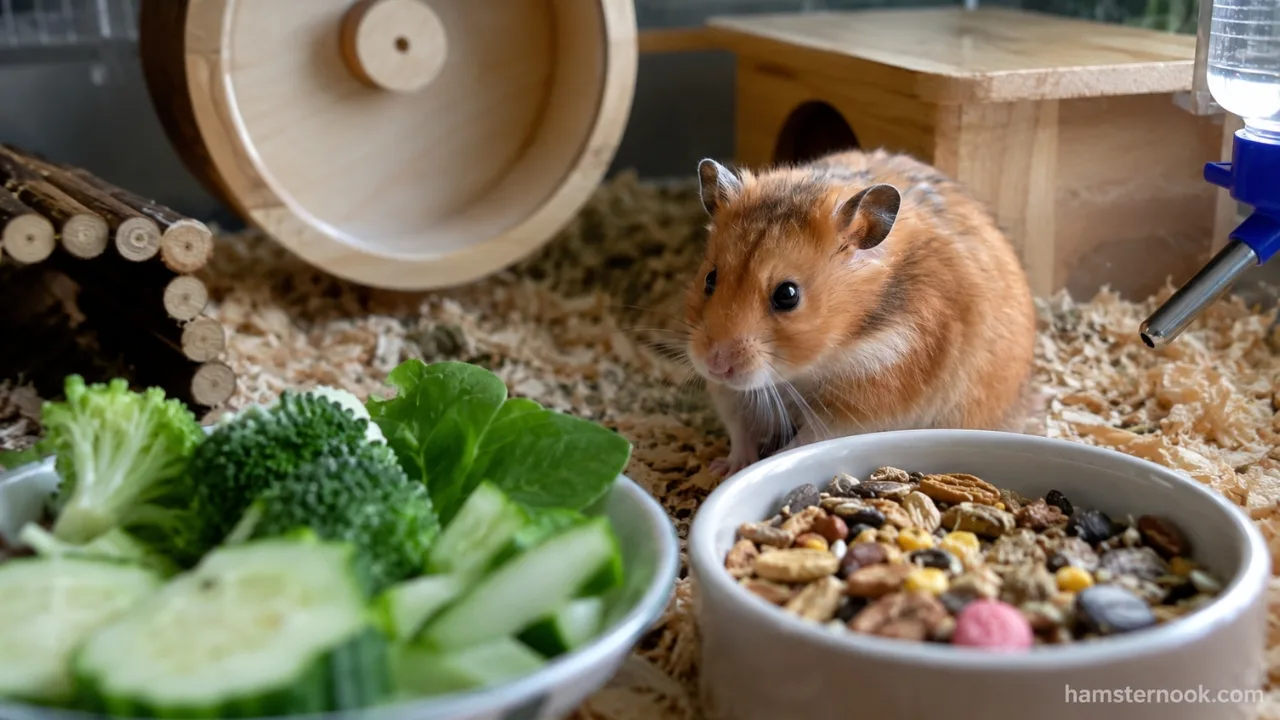
In many cases, sleeping more and eating less is one of the earliest signs that something is wrong, making early observation especially important.
How to Check if Your Sleeping Hamster Is Healthy
You do not need to wake your hamster repeatedly. Instead, observe its overall routine.
Monitor Eating and Drinking
Check:
- Food stash changes
- Water bottle level
- Chewing activity
A hamster that still eats normally is usually in better condition than one refusing food.
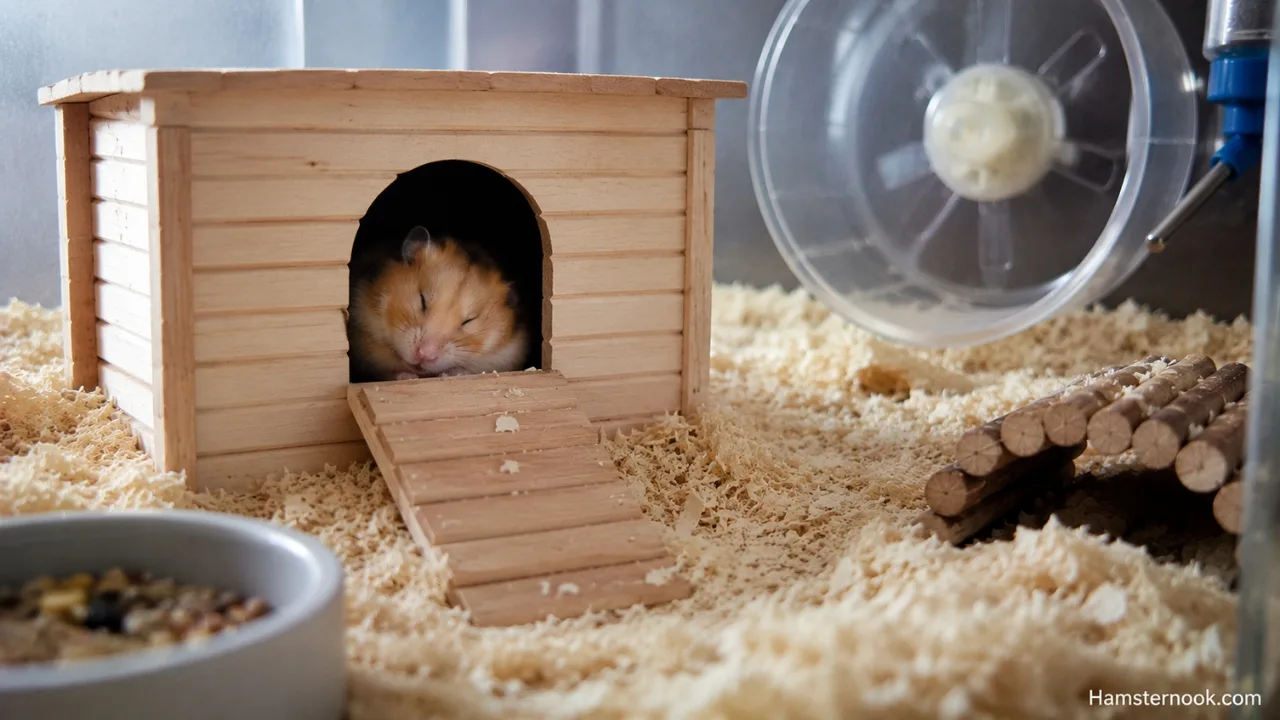
Looking at just one behavior can be misleading. It’s usually more helpful to check eating, drinking, grooming, and nighttime activity together before deciding that something is wrong.
Observe Nighttime Activity
Look for:
- Wheel use
- Rearranged bedding
- Food gathering
- Burrowing
Even shy hamsters often become active when the room is dark and quiet.
Check Physical Appearance
Healthy hamsters usually have:

- Clean fur
- Clear eyes
- Dry nose
- Rounded body shape
Signs like discharge, messy fur, or sudden weight loss should not be ignored.
Listen to Breathing
Breathing should remain quiet and smooth.
Maintain a Proper Sleep Environment
Good sleep supports overall hamster health.
Keep the Cage in a Quiet Area
Avoid:
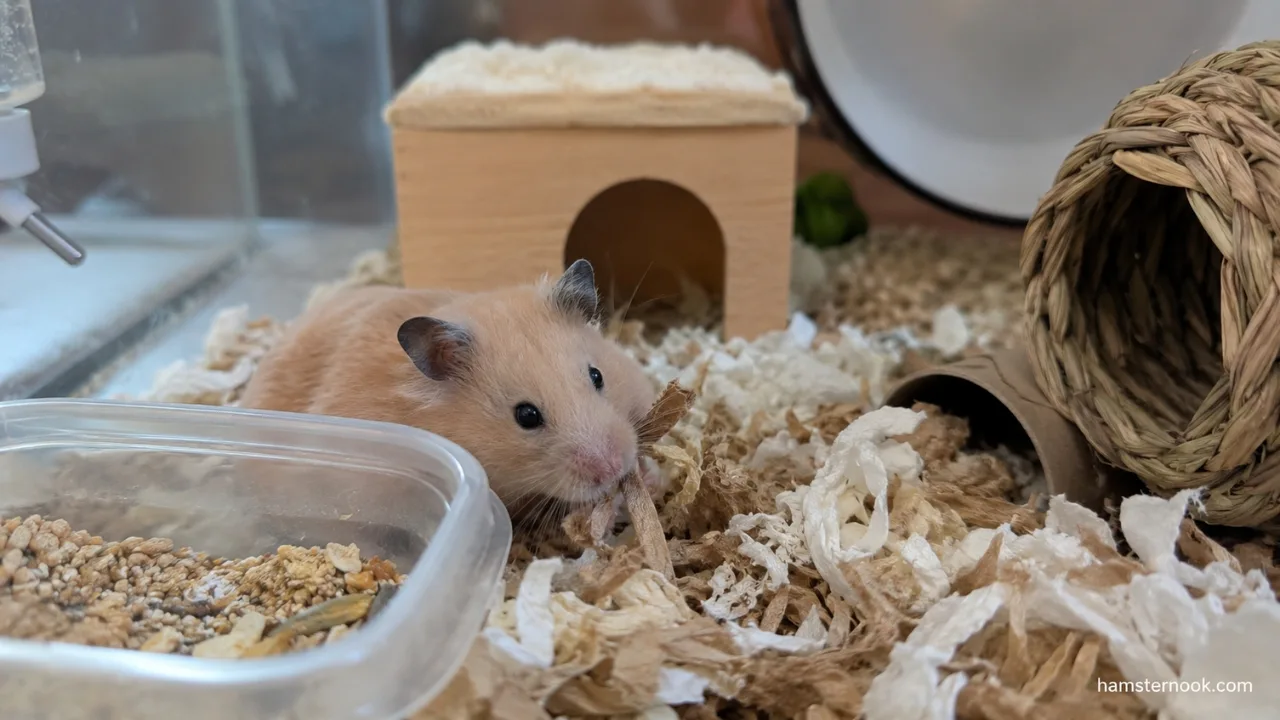
- TVs
- Speakers
- Constant movement
- Bright direct sunlight
Provide Deep Bedding
Hamsters love burrowing. Deep bedding helps them feel secure and sleep comfortably.
Avoid Waking Your Hamster Frequently
Disturbing sleep regularly can create stress and even lead to biting or defensive behavior.
Maintain Stable Temperatures
Extreme heat or cold can affect activity levels and health.
When to Take Your Hamster to a Vet
Seek veterinary help if your hamster:
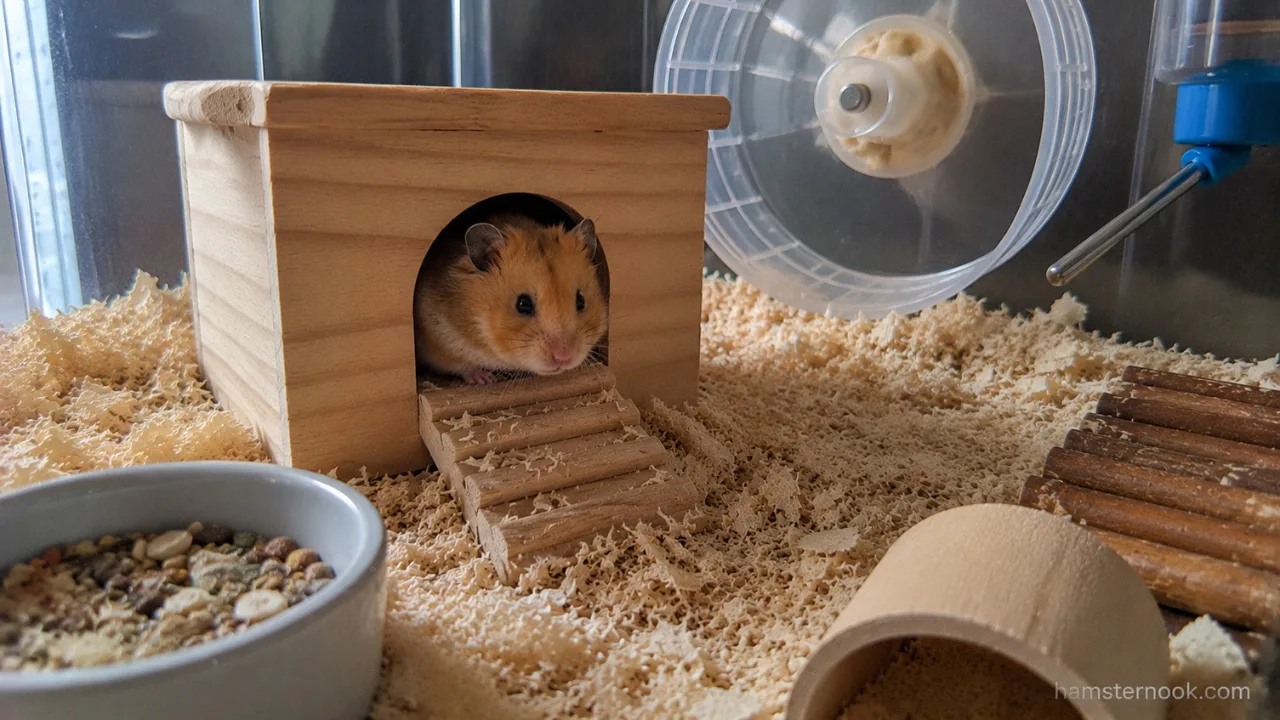
- Stops eating
- Has diarrhea
- Struggles to breathe
- Cannot walk properly
- Sleeps constantly without waking normally
- Feels cold and weak
- Has sudden weight loss
- Shows discharge from eyes or nose
Because hamsters are small prey animals, illnesses can progress quickly.
Best Times to Interact With Your Hamster
Trying to play with a hamster during daytime sleep often causes stress.
Instead:
- Interact during evening hours
- Let the hamster wake naturally
- Offer treats gently
- Speak softly before handling
This helps build trust and reduces anxiety.
Common Myths About Hamster Sleeping
“A Sleeping Hamster Is Lazy”
False. Sleeping heavily during the day is completely natural for most hamsters.
“Hamsters Should Be Active All Day”
False. Their biological clock is designed for nighttime activity.
“A Hamster Sleeping Deeply Is Sick”
Not always. Healthy hamsters can sleep very deeply, especially in dark and quiet environments.
Final Thoughts
A hamster sleeping most of the day is usually completely normal. These tiny pets are naturally wired for nighttime activity, and many owners simply miss their most energetic hours.

Sleep is only one part of the picture. A hamster that continues eating, drinking, grooming, and becoming active at night is usually much healthier than one that sleeps more while also showing other unusual symptoms.
If your hamster still eats well, drinks normally, explores the cage at night, and looks healthy, there is usually no reason to worry. But if excessive sleeping appears alongside weakness, breathing problems, weight loss, or other unusual symptoms, it is important to take those warning signs seriously.
By understanding your hamster’s natural sleep habits and maintaining a proper habitat, you can help your pet stay healthy, comfortable, and supported in a low-stress environment.
Frequently Asked Questions
Is it normal for my hamster to sleep all day?
Yes. Most hamsters naturally sleep during the daytime and become active at night.
How do I know if my hamster is sleeping or sick?
A healthy hamster still eats, drinks, grooms, and becomes active during normal waking hours. A sick hamster may appear weak, stop eating, or remain lethargic even at night.
Why is my hamster suddenly less active?
Possible causes include stress, aging, illness, cold temperatures, or poor cage conditions.
Can hamsters sleep too much?
Yes. Excessive sleeping combined with weakness, appetite loss, breathing issues, or diarrhea may indicate a health problem.
Should I wake my hamster during the day?
No. Regularly waking a sleeping hamster can cause stress and disrupt its natural routine.
Do older hamsters sleep more?
Yes. Senior hamsters commonly rest more and become less active with age.
References
This guide is based on hamster sleep behavior, health monitoring, husbandry, environmental care, and veterinary guidance from trusted animal welfare and veterinary resources, including:
- RSPCA – Hamster Behaviour – Guidance on natural hamster activity, sleeping patterns, behavior, environmental needs, and signs that may indicate stress.
- RSPCA – Hamster Health – Information on monitoring hamster health, recognizing illness, and identifying changes in eating, activity, breathing, and general condition.
- RSPCA – Creating a Good Home for Hamsters – Guidance on suitable housing, bedding, temperature, environmental conditions, and creating a comfortable hamster habitat.
- PDSA – Hamsters as Pets – Practical advice on hamster care, behavior, nutrition, common health problems, and when veterinary attention may be needed.
- MSD Veterinary Manual – Routine Health Care of Hamsters – Veterinary guidance on routine health monitoring, nutrition, body condition, dental health, and recognizing health changes.
- MSD Veterinary Manual – Disorders and Diseases of Hamsters – Veterinary reference information on common hamster diseases, respiratory problems, gastrointestinal disorders, lethargy, and other health concerns.
- MSD Veterinary Manual – Providing a Home for a Hamster – Veterinary guidance on hamster housing, bedding, temperature, environmental conditions, and maintaining a suitable habitat.
Medical Disclaimer
This article is intended for educational purposes only and should not be considered veterinary advice. While hamsters naturally sleep for long periods during the day, excessive sleeping accompanied by loss of appetite, weakness, breathing difficulties, diarrhea, abnormal movement, sudden weight loss, or other unusual symptoms may indicate an underlying health problem. If your hamster shows persistent or concerning symptoms, feels unusually cold or weak, or does not wake and behave normally during its usual active period, consult a qualified exotic animal veterinarian promptly.

Narayan Kumar is the founder and author of HamsterNook. He creates practical, research-based hamster care guides covering hamster behavior, nutrition, cage setup, enrichment, health, and everyday care. His goal is to help hamster owners make informed decisions and provide safer, healthier lives for their pets through clear, beginner-friendly information based on trusted animal care resources.