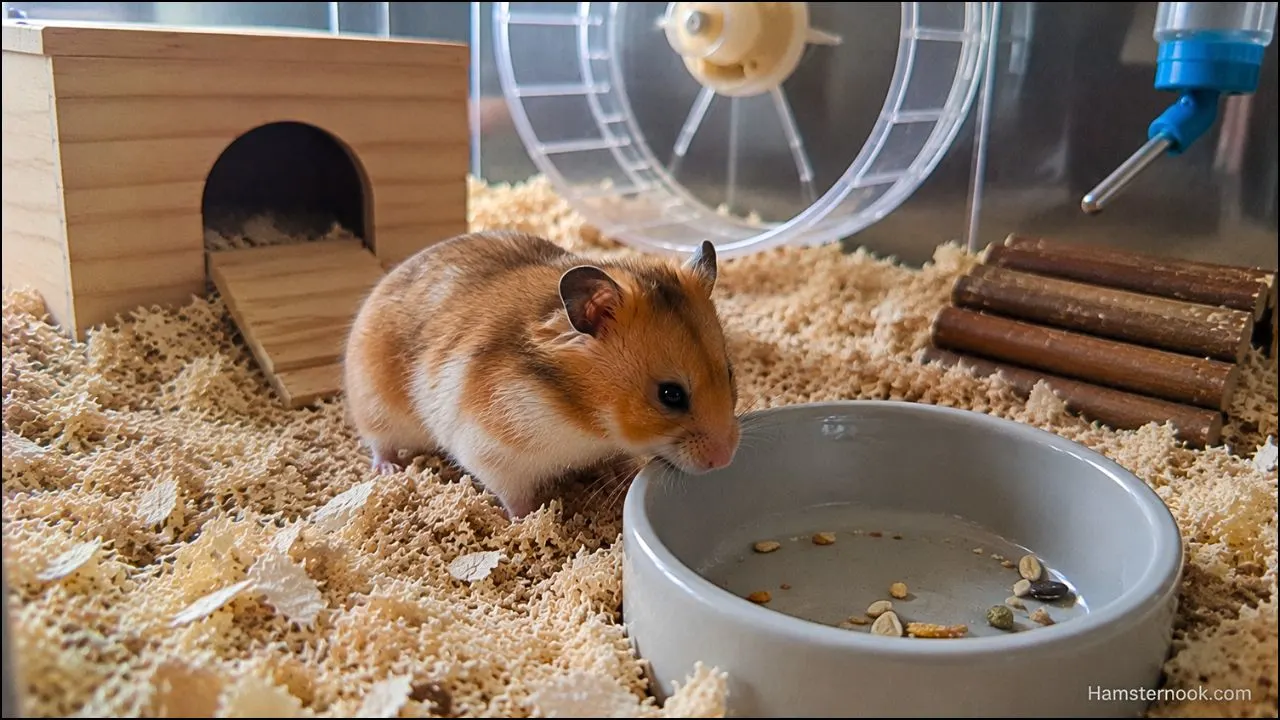
Hamsters are small, quiet animals that naturally hide pain and weakness. In the wild, showing illness makes them vulnerable to predators, so even pet hamsters often continue acting “normal” until they become seriously sick. That’s one reason many owners miss early warning signs and realize something is wrong only when the condition has become severe.
While not every symptom means a hamster is dying, certain physical and behavioral changes can signal a major health emergency or the final stage of life. Recognizing these signs early may help owners provide faster veterinary care, reduce suffering, and make their hamster more comfortable.
This guide explains seven important warning signs that may indicate a hamster is seriously ill, aging rapidly, or approaching the end of life. It also covers what owners should do next and which symptoms require urgent veterinary attention.
How to Tell If Your Hamster Is Seriously Sick or Dying
Some symptoms develop gradually over days, while others appear suddenly. A hamster can be seriously ill without being near the end of life, so no single symptom can confirm that a hamster is dying. Multiple changes together are more concerning and should be assessed by a veterinarian.

The table below shows common differences between a healthy hamster and one that may need immediate medical attention.
| Healthy Hamster Signs | Possible Warning Signs |
|---|---|
| Active during normal waking hours | Unusually weak or inactive during its normal active period |
| Eating and drinking normally | Refusing food or drinking much less than usual |
| Smooth, clean fur | Suddenly messy, greasy, or poorly groomed fur |
| Bright, alert eyes | Dull, closed, or abnormal-looking eyes |
| Normal curiosity and movement | Unusual withdrawal, weakness, or difficulty walking |
| Quiet, steady breathing | Labored, noisy, rapid, or difficult breathing |
| Normal posture and balance | Collapse, unsteady movement, or inability to stand |
If several emergency signs appear together, the hamster should be seen by an exotic veterinarian as soon as possible.
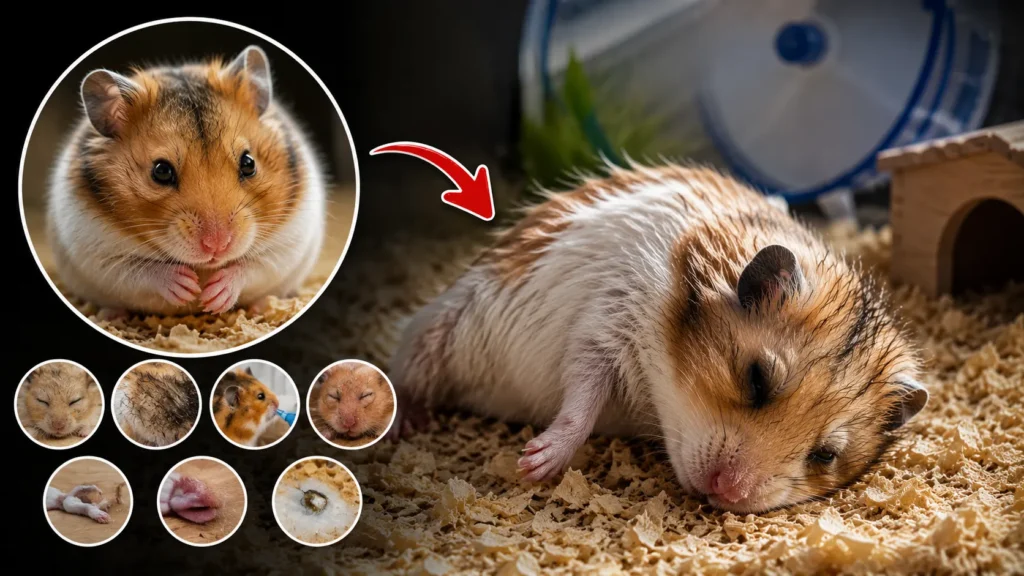
Not every serious-looking symptom means that a hamster is dying. Some conditions can be treatable when veterinary care is provided quickly. The safest approach is to treat sudden severe symptoms as a medical emergency rather than trying to determine at home whether your hamster is at the end of its life.
1. Severe Loss of Appetite and Weight
One of the earliest and most serious warning signs is when a hamster suddenly stops eating or loses noticeable body weight.

Hamsters have extremely fast metabolisms, so even short periods without food can weaken them quickly. Owners may first notice:
- Food left untouched
- Empty cheek pouches less often
- Visible bones or spine
- Smaller body shape
- Weak chewing
Weight loss can happen due to:
- Dental disease
- Internal illness
- Tumors
- Organ failure
- Severe infections
- Old age decline
A hamster that suddenly stops eating may require prompt veterinary attention. If refusal to eat is one of the first changes you notice, our Why Is My Hamster Not Eating? 9 Causes, Warning Signs & What to Do guide explains common causes, warning signs, and when veterinary care is needed.
2. Extreme Weakness or Lack of Movement
Healthy hamsters are naturally active animals, especially during evening and nighttime hours. If a hamster suddenly becomes weak, barely moves, or struggles to stand, this may indicate a serious medical problem.

If your hamster is barely moving or sitting unusually still, the change itself can be an important warning sign. Our Why Is My Hamster Sitting Still and Not Moving? Normal vs Warning Signs guide explains other reasons a hamster may become unusually inactive and what owners should watch for.
Warning signs include:
- Sleeping far more than usual
- Remaining in one corner
- Difficulty climbing
- Dragging limbs
- Falling over while walking
- Little reaction when touched
Extreme weakness may happen near the end of life, but it can also occur from dehydration, infections, injuries, or low body temperature.
Because weakness can have several causes, it should not automatically be assumed to mean that a hamster is dying. Our Why Is My Hamster Suddenly Weak? 9 Causes, Warning Signs & What to Do guide covers the warning signs that can accompany sudden weakness and when the change needs urgent attention.

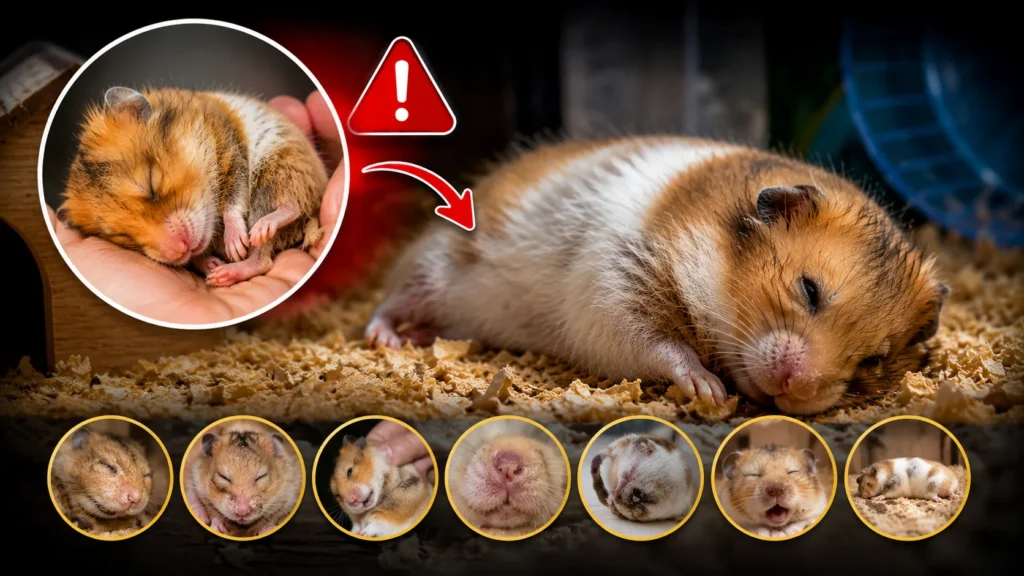
Some owners mistake this for normal aging when the hamster is actually critically ill.
3. Labored, Fast, or Noisy Breathing
Breathing changes are one of the clearest signs that a hamster needs urgent attention.
Because hamsters naturally hide illness, our How to Tell If Your Hamster Is Sick: Signs, Symptoms & When to See a Vet guide explains the early warning signs owners should never ignore and when professional veterinary care may be needed.
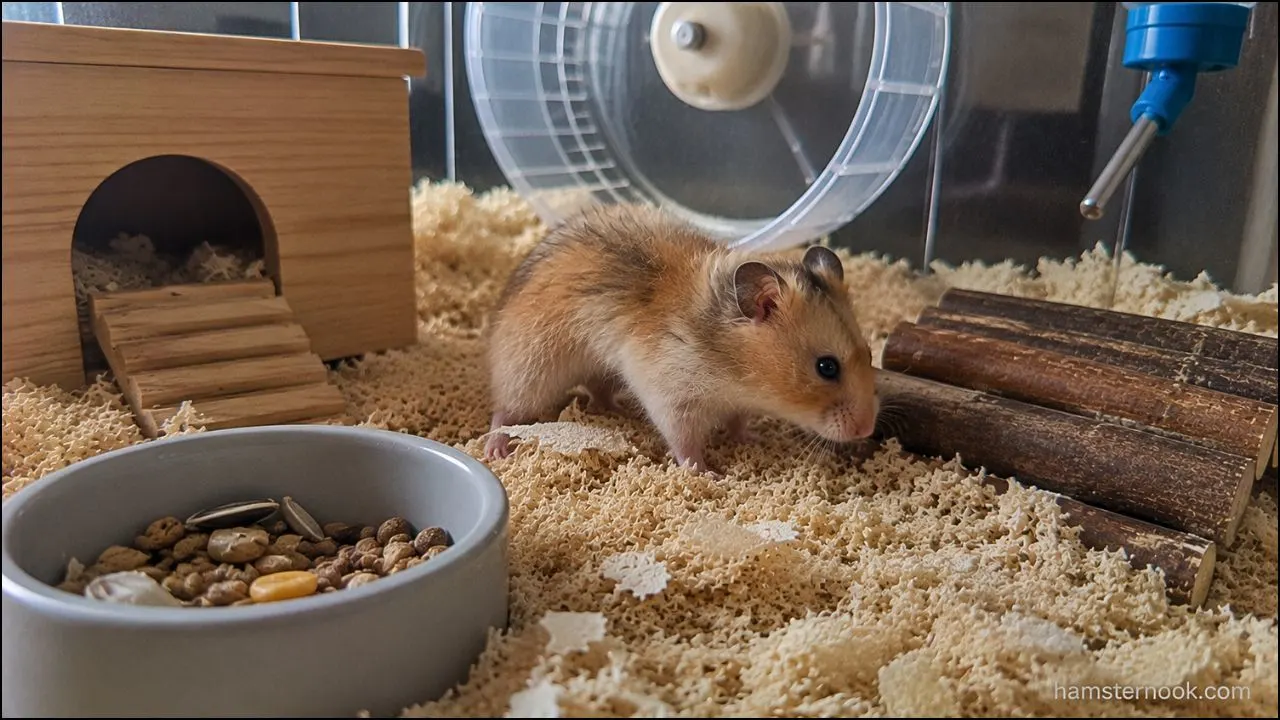
A healthy hamster breathes quietly and steadily. Serious illness may cause:
- Wheezing
- Clicking sounds
- Rapid breathing
- Open-mouth breathing
- Visible chest strain
- Gasping
Respiratory infections in hamsters can worsen quickly and should always be monitored carefully.
Any major change in breathing should be evaluated by an exotic veterinarian as soon as possible.
4. Wet Tail or Severe Diarrhea
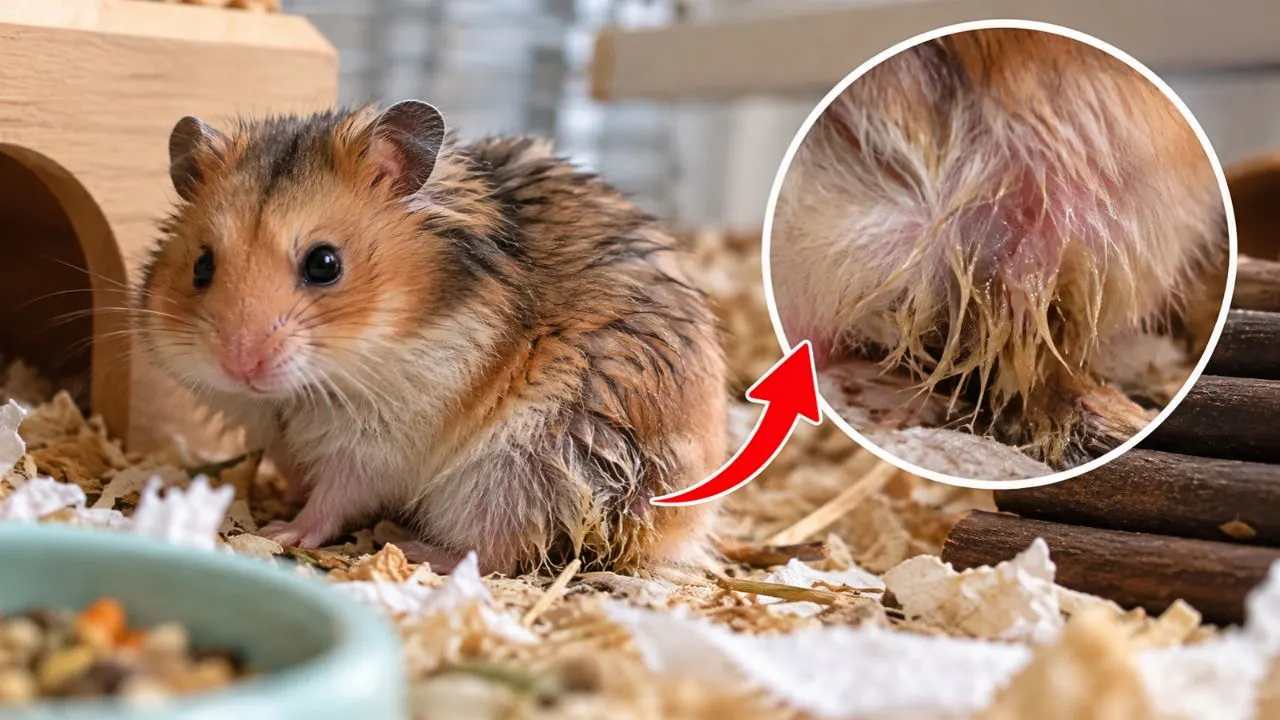
Wet tail is a serious digestive illness in hamsters that can worsen rapidly without treatment.
Some cases of wet tail can be associated with stress, diet changes, or other health and husbandry factors. 7 Common Hamster Mistakes That Can Make Your Pet Sick (And How to Avoid Them) explains everyday care mistakes that owners should avoid.

The condition usually causes:
- Wetness around the tail area
- Diarrhea
- Strong odor
- Severe dehydration
- Hunched posture
- Weakness
Many owners notice symptoms too late because hamsters try to hide illness in the early stages.
Although wet tail is more common in young Syrian hamsters, severe diarrhea in any hamster can quickly become dangerous due to dehydration and fluid loss.
5. Cold Body and Low Body Temperature
A hamster that feels unusually cold may be in critical condition.
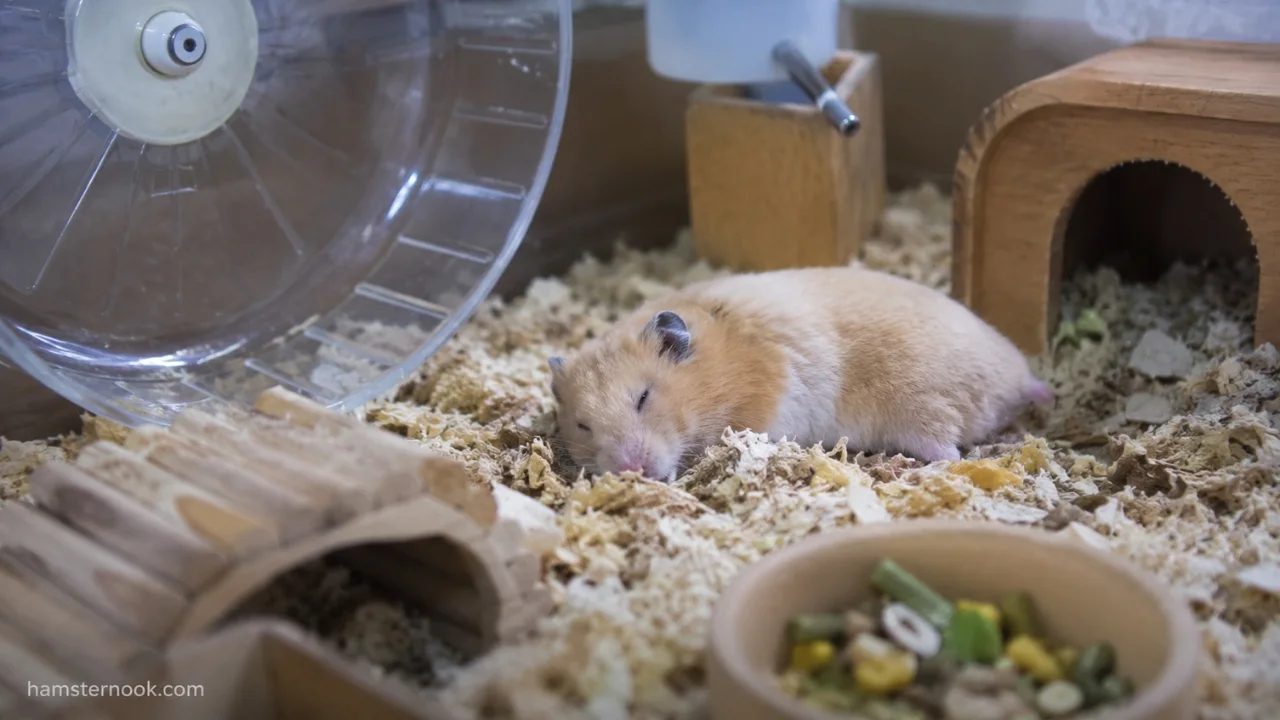
A very cold hamster may be seriously unwell, but coldness alone does not prove that a hamster is dying. Torpor can also cause a major reduction in movement and responsiveness, and it can be difficult to distinguish from illness at home.
Owners may notice:
- Cold ears or feet
- Very little movement
- Reduced responsiveness
- Shivering
- Other signs of illness or weakness
Because coldness and severe illness can look similar, avoid trying to diagnose the cause from temperature or appearance alone.
Sick Hamster vs Torpor
| Possible Torpor Signs | Concerning Signs That Need Veterinary Attention |
|---|---|
| Markedly reduced movement | Severe weakness or collapse |
| Very low responsiveness | No normal response to gentle observation |
| Very slow breathing | Labored, irregular, or difficult breathing |
| Unusually cool body | Cool body together with other illness signs |
| May resemble deep sleep | Diarrhea, discharge, injury, weight loss, or other abnormal symptoms |
These signs cannot reliably diagnose torpor at home. If a hamster is unusually cold, minimally responsive, or difficult to rouse, contact a veterinarian promptly rather than assuming it is simply torpor.
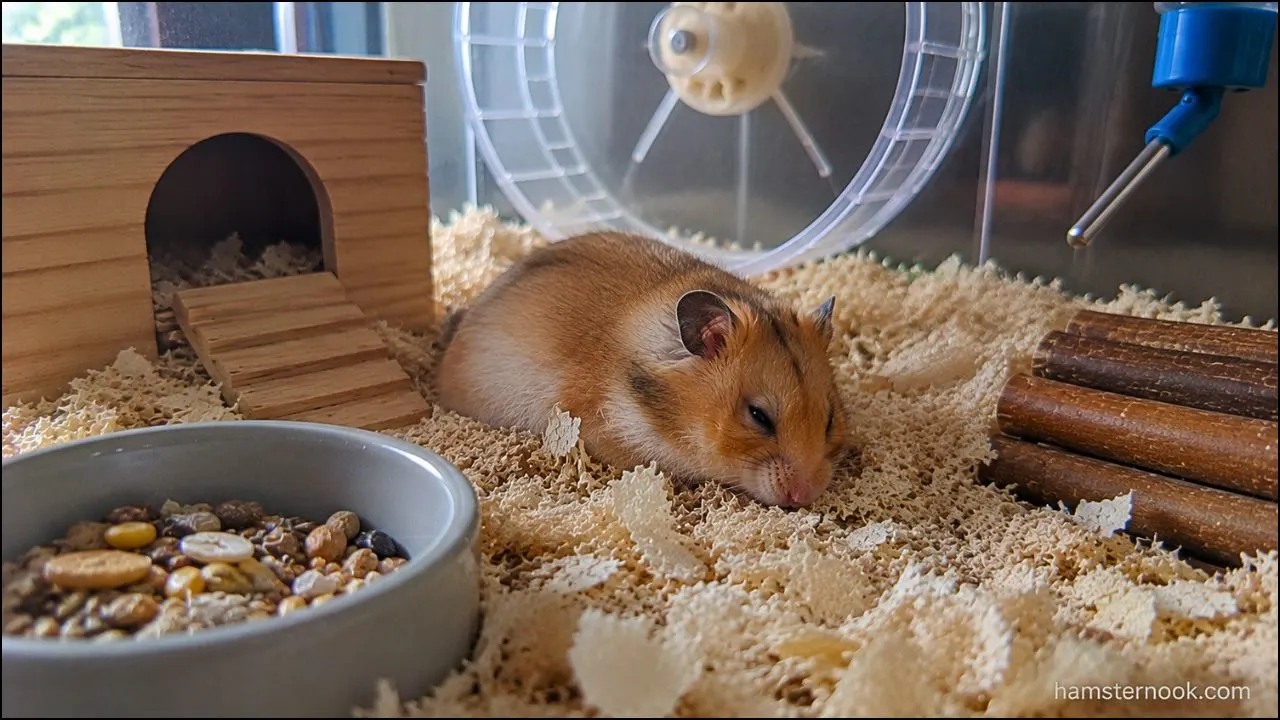
If unsure, contact a veterinarian immediately because torpor and critical illness can look very similar.
6. Fur Changes and Poor Grooming
Hamsters normally keep themselves very clean. A hamster that suddenly stops grooming may be extremely sick, weak, or in pain.
Changes in your hamster’s coat don’t always mean it is dying. Why Is My Hamster Losing Hair? Causes, Bald Spots & When to See a Vet explains the most common causes of fur loss and when it may require veterinary attention.
Warning signs include:
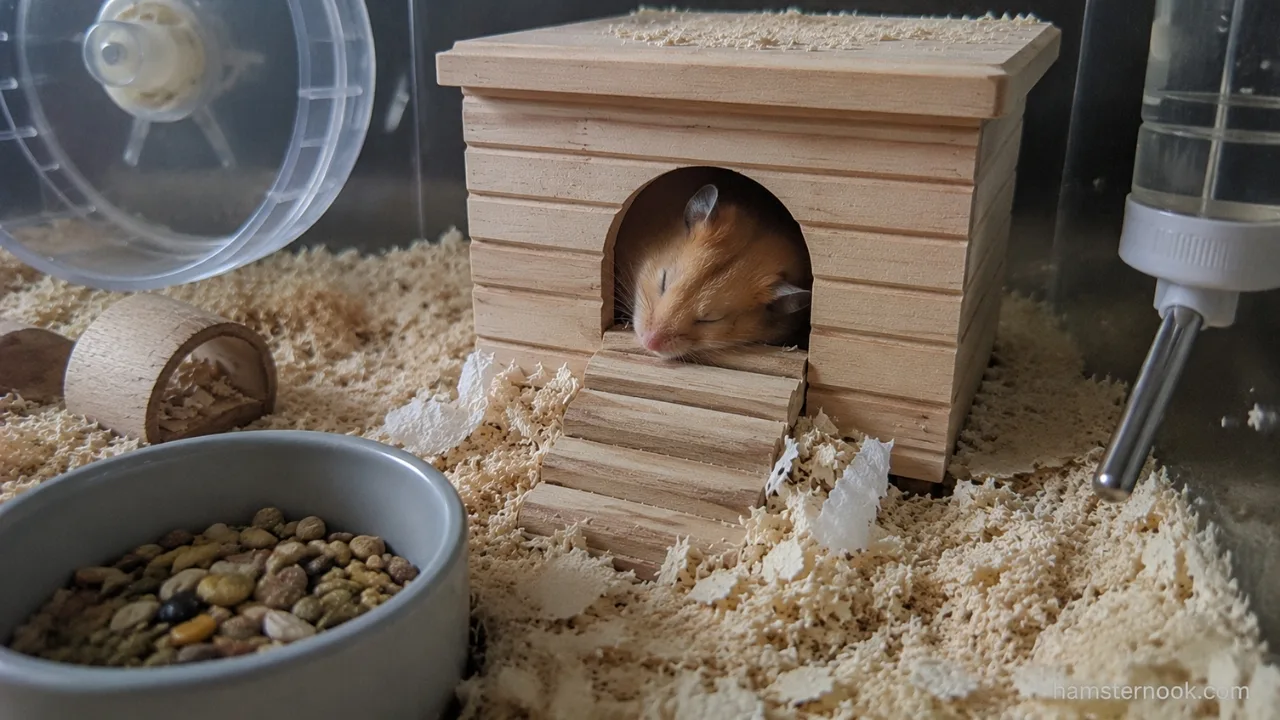
- Greasy fur
- Matted fur
- Puffiness
- Bald patches
- Dirty underside
- Strong smell
Poor grooming often appears alongside other symptoms such as lethargy or appetite loss.
Older hamsters sometimes groom less due to arthritis or weakness, but sudden severe coat changes should still be evaluated.
7. Unusual Behavior or Unresponsiveness
Behavior changes are sometimes the first thing experienced owners notice.
If unusual behavior is accompanied by signs of discomfort, How to Tell If Your Hamster Is in Pain: 10 Warning Signs explains common signs that may indicate pain.

A dying or critically ill hamster may become:
- Confused
- Unresponsive
- Easily startled
- Aggressive from pain
- Extremely withdrawn
- Uninterested in favorite treats
Some hamsters stop reacting to sounds or touch entirely during the final stages of illness.
Owners may also notice the hamster lying stretched out awkwardly or sleeping outside its normal nesting area.
Common Causes Behind These Symptoms
Several health conditions may cause the warning signs listed above.

| Possible Cause | Symptoms Often Seen |
|---|---|
| Respiratory Infection | Wheezing, weakness, poor appetite |
| Wet Tail | Diarrhea, dehydration, smell |
| Tumors | Weight loss, weakness |
| Dental Problems | Refusing food, drooling |
| Old Age | Reduced activity, thinning body |
| Organ Failure | Lethargy, poor coat condition |
| Severe Dehydration | Sunken eyes, weakness |
Only a veterinarian can diagnose the exact cause properly.
What To Do If Your Hamster Shows These Signs
Keeping track of eating habits, activity levels, and body condition can help owners notice health changes earlier.
Owners should stay calm and focus on supportive care while arranging veterinary help.
Immediate Steps
| What To Do | Why It Helps |
|---|---|
| Keep the environment comfortably warm | Avoids additional cold stress |
| Keep the enclosure quiet | Reduces unnecessary stress |
| Minimize unnecessary handling | Avoids additional strain or injury |
| Keep the hamster in a secure carrier for transport | Reduces movement and escape risk |
| Monitor breathing and responsiveness | Helps communicate important changes to the veterinarian |
| Contact an exotic veterinarian promptly | Allows the underlying problem to be assessed and treated |
If possible, call the veterinary clinic before travelling and explain the symptoms you are seeing. Keep the hamster in a secure carrier with familiar bedding, minimize handling, and avoid unnecessary noise or temperature changes during transport.
Avoid forcing food or medication unless instructed by a veterinarian.
Do not force food, water, or medication into a weak or poorly responsive hamster unless a veterinarian has specifically instructed you how to do it. A hamster that cannot swallow normally may be at risk of choking or aspirating food or liquid.
How Old Age Changes Hamster Behavior
Not every elderly hamster is dying immediately. Senior hamsters naturally slow down over time.
Keeping a simple record of your hamster’s weight, appetite, and activity can make gradual changes easier to notice, especially in older hamsters where symptoms may develop slowly.

Senior hamsters may become less active naturally, but sudden severe symptoms should still be taken seriously.
Normal aging may include:
- Sleeping more
- Slower movement
- Mild weight loss
- Thinner fur
- Reduced climbing ability
However, severe symptoms like gasping, collapse, or complete refusal to eat are not considered normal aging signs.
When Emergency Veterinary Care Is Needed
Seek urgent help immediately if your hamster has:

- Difficulty breathing
- Severe diarrhea
- Collapse or seizures
- Bleeding
- Complete refusal to eat or drink
- Extreme weakness
- Sudden paralysis
Hamsters are small animals, so health conditions may progress faster than many owners expect.
If your hamster is still breathing but is extremely weak, collapsed, barely responsive, or unable to move normally, do not wait for additional symptoms to appear. These signs can occur with serious but potentially treatable conditions, so emergency veterinary assessment is more appropriate than trying to monitor the hamster at home.
How to Keep a Sick Hamster Comfortable
If a hamster is seriously ill or near the end of life, comfort becomes very important.
A quiet, well-designed enclosure can make an ill hamster more comfortable. Our Best Hamster Cage Setup for Beginners: Size, Bedding, Wheel & Essentials guide explains how bedding, hideouts, and enclosure layout can help reduce stress.

Owners can help by:
- Keeping bedding soft and clean
- Maintaining a warm room temperature
- Limiting stress
- Providing easy food access
- Keeping water close to sleeping areas
- Handling gently and minimally
Some hamsters prefer quiet rest rather than constant interaction during illness.
A seriously ill hamster may become less tolerant of handling than usual. Keep the enclosure quiet and handle the hamster only when necessary, especially if it appears weak or painful.
Final Thoughts
Because hamsters instinctively hide weakness, many dangerous illnesses are not obvious until symptoms become severe. Changes like rapid weight loss, breathing problems, weakness, wet tail, poor grooming, and unusual behavior should never be ignored.

Knowing what healthy behavior looks like makes serious changes much easier to recognize. Our guide to Happy and Healthy Hamster Signs explains the normal behaviors owners can expect from a healthy hamster each day.
While old age is natural, severe physical decline is often a sign that medical care is needed quickly. Early veterinary attention can sometimes save a hamster’s life or at least reduce suffering and improve comfort.
The most important thing owners can do is monitor their hamster’s daily habits closely. Small changes in eating, movement, or behavior are often the first clues that something serious may be wrong.
Frequently Asked Questions
Do hamsters hide when they are dying?
Yes. Hamsters often hide or isolate themselves when they feel weak or sick because hiding is a natural survival instinct.

How long can a sick hamster survive without eating?
There is no reliable safe number of days that a sick hamster can go without eating. A noticeable loss of appetite can be a sign of illness, and veterinary advice should be sought promptly rather than waiting for a specific time threshold.
Can old age alone cause weakness in hamsters?
Yes, older hamsters may naturally slow down, but extreme weakness, collapse, or breathing trouble are not normal aging signs.
Why is my hamster cold and barely moving?
A cold hamster that is barely moving may be experiencing torpor or a serious illness. Because these conditions can look similar, avoid direct heat and contact a veterinarian promptly for guidance.
Is wet tail always fatal?
No. Wet tail can be serious and potentially fatal, but the outcome depends on the underlying cause and how quickly appropriate veterinary treatment is provided.

Should I hold my hamster when it is dying?
Some hamsters may find gentle comfort reassuring, while others prefer quiet rest. Handle very carefully and avoid causing additional stress.
References
This guide is based on hamster health, disease symptoms, emergency warning signs, veterinary care, aging, and welfare guidance from trusted veterinary and animal welfare resources, including:
- RSPCA – Hamster Health & Welfare – Guidance on recognizing illness, changes in behavior and appearance, breathing problems, eating changes, and when veterinary attention may be needed.
- RSPCA – Keeping Hamsters as Pets – General hamster care, health monitoring, welfare, diet, housing, and recognizing changes from normal behavior.
- PDSA – Hamsters as Pets – Information on hamster health, nutrition, common illnesses, behavior, handling, and veterinary care.
- MSD Veterinary Manual – Disorders and Diseases of Hamsters – Veterinary information on common hamster diseases, clinical signs, respiratory problems, digestive disorders, tumors, and other serious health conditions.
- MSD Veterinary Manual – Routine Health Care of Hamsters – Guidance on routine health observation, body condition, nutrition, dental health, and recognizing changes that may require veterinary evaluation.
- MSD Veterinary Manual – Providing a Home for a Hamster – Veterinary guidance on appropriate housing, environmental conditions, bedding, temperature, and reducing stress for hamsters.
- Blue Cross – Hamster Care Guide – Practical hamster care, health monitoring, handling, housing, nutrition, and welfare information.
Medical Disclaimer
This article is intended for educational purposes only and should not be considered veterinary advice. The symptoms described in this guide can have different causes, and no single symptom can confirm that a hamster is dying. If your hamster has difficulty breathing, severe diarrhea, collapse, seizures, bleeding, extreme weakness, sudden paralysis, complete refusal to eat or drink, or another serious or rapidly worsening change, contact a qualified exotic animal veterinarian promptly. Do not delay professional care by attempting to diagnose or treat a serious condition at home.

Narayan Kumar is the founder and author of HamsterNook. He creates practical, research-based hamster care guides covering hamster behavior, nutrition, cage setup, enrichment, health, and everyday care. His goal is to help hamster owners make informed decisions and provide safer, healthier lives for their pets through clear, beginner-friendly information based on trusted animal care resources.