Bringing home a hamster may seem straightforward, but these small pets have very specific care requirements. Minor mistakes involving housing, diet, cleaning, or handling can gradually affect their health, making good daily habits far more important than many first-time owners realize.
A hamster can seem “fine” for weeks while living in a cage that is too small, eating the wrong foods, or dealing with constant stress. By the time obvious symptoms appear, the problem may already be serious.
The good news is that most hamster health problems are preventable. Small improvements in housing, diet, hygiene, and handling can dramatically improve your pet’s lifespan and quality of life.
This guide explains the most common hamster care mistakes, why they are dangerous, and what you should do instead.

Quick Answer:
The most common hamster care mistakes include using a cage that’s too small, feeding unhealthy foods too often, choosing unsafe wheels or bedding, waking hamsters during the day, cleaning the cage incorrectly, and housing hamsters together. Correcting these mistakes can significantly improve your hamster’s health and well-being.
Why Small Hamster Care Mistakes Matter So Much
Hamsters are prey animals with very sensitive bodies. Stress, poor nutrition, dirty environments, or unsafe accessories affect them faster than many larger pets.
Unlike cats or dogs, hamsters also hide illness extremely well. In the wild, weak animals become easy targets for predators. Because of this instinct, many hamsters appear normal until they are seriously sick.
That is why prevention is one of the most important parts of hamster care.

Understanding these basic care principles from the beginning helps prevent many common health problems. If you’re new to hamster ownership, our Ultimate Hamster Care Guide for Beginners: Everything You Need to Know (2026) provides a complete overview of housing, feeding, handling, and daily care.
Quick Comparison Table: Dangerous vs Safe Hamster Care
| Common Mistake | Why It’s Harmful | Safer Alternative |
|---|---|---|
| Tiny cages | Causes stress, boredom, and bar chewing | Large enclosure with deep bedding |
| Wire or mesh wheels | Can injure feet and spine | Solid-surface exercise wheel |
| Sugary treats daily | May lead to obesity and diabetes risk | Occasional healthy treats |
| Certain scented or strongly aromatic bedding | Aromatic or dusty materials may irritate sensitive airways | Paper-based bedding or aspen |
| Waking hamsters during daytime | Causes stress and biting | Interact during evening hours |
| Poor cage cleaning routine | Bacteria and ammonia buildup | Spot-clean regularly |
| Housing hamsters together | Can trigger deadly fights | One hamster per enclosure |
1. Using a Cage That Is Too Small
Small Hamster Cages Cause Constant Stress
One of the biggest hamster care mistakes is buying the tiny colorful cages often marketed in pet stores.
Hamsters naturally travel long distances every night in search of food. A cramped enclosure prevents normal movement and mental stimulation. Over time, this can lead to:
- Stress behaviors
- Excessive bar chewing
- Aggression
- Poor sleep
- Obesity
- Low activity levels and boredom-related behavior
Some hamsters also develop repetitive pacing or climbing behaviors when they lack space.

Changes in activity and repetitive behaviors are often early clues that your hamster is struggling with its environment. Our Hamster Body Language Explained: Signs of Stress, Fear & Happiness guide explains how to recognize these warning signals before more serious problems develop.
Bar chewing is often linked to boredom, stress, or small enclosure size. Learn the most common causes and solutions in our detailed hamster behavior guide.
Bar chewing is often one of the first signs that something isn’t right with your hamster’s environment. Our Why Is My Hamster Biting the Cage? Causes & Easy Fixes guide explains how to identify the cause and reduce this stress-related behavior.
What Size Cage Does a Hamster Need?
While enclosure recommendations vary, providing more usable floor space generally gives a hamster more room to move, explore, and express natural behaviors.
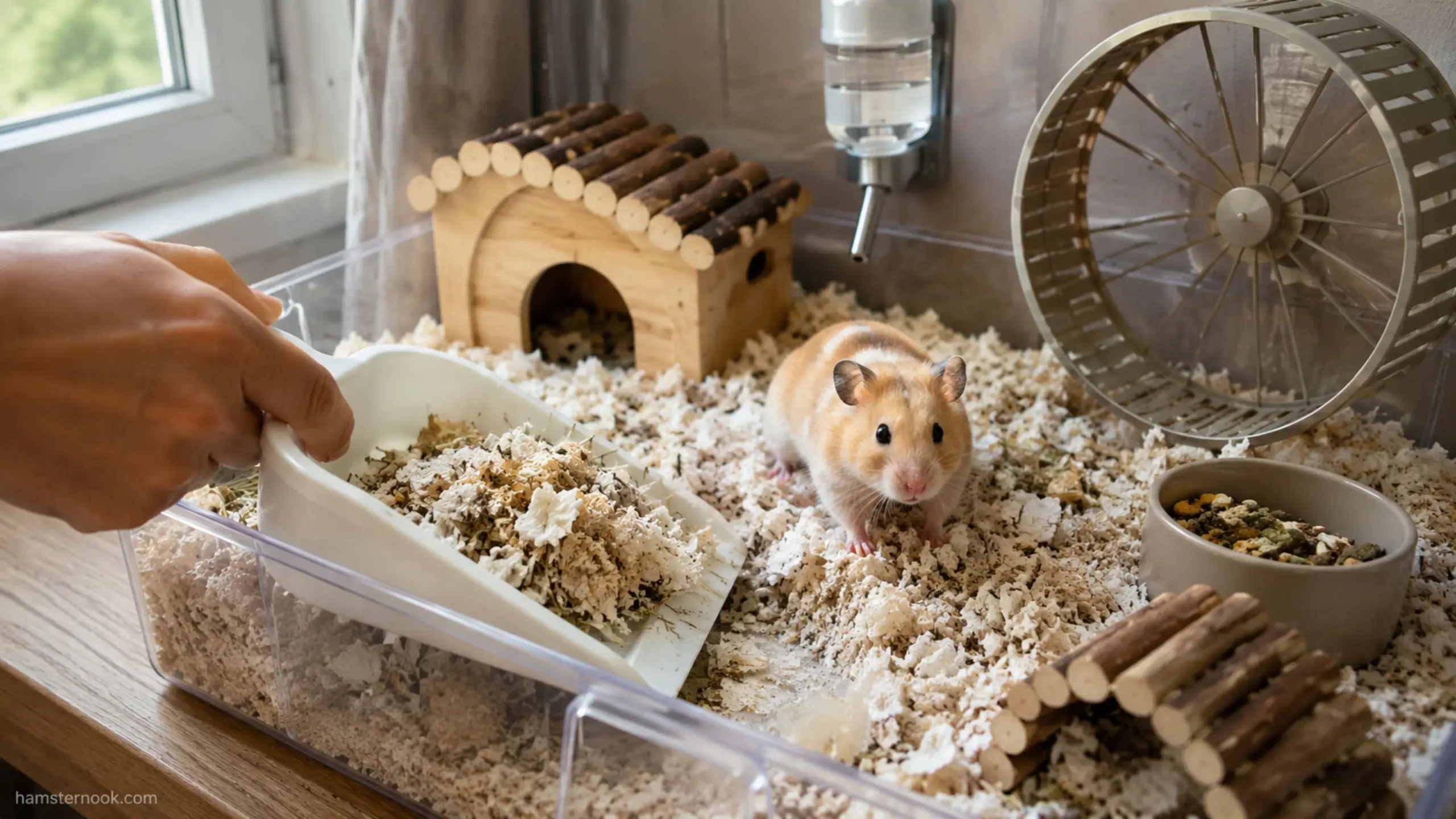
A good beginner target is:
| Hamster Type | Recommended Minimum Floor Space |
|---|---|
| Syrian Hamster | At least 800 square inches |
| Dwarf Hamster | At least 600 square inches |
Deep bedding is equally important because hamsters are natural burrowers.
If you are setting up a new enclosure, our Best Hamster Cage Setup for Beginners: Size, Bedding & Essentials guide covers the main housing features to consider alongside floor space.
Aim for:

- 8–10 inches of bedding minimum
- Multiple hideouts
- Enrichment toys
- A properly sized wheel
2. Feeding the Wrong Foods Too Often
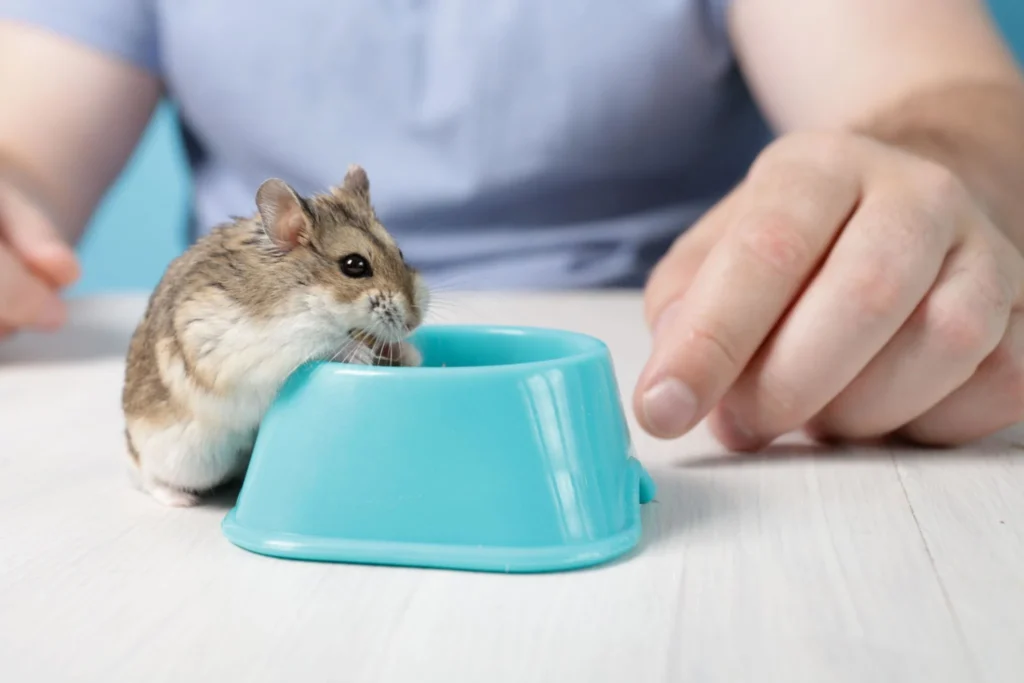
Many “Treat Foods” Are Not Actually Healthy
Hamsters are omnivores, but that does not mean they can safely eat everything humans eat.
A common beginner mistake is giving too many sugary, salty, or processed foods. This may lead to:
- Weight gain
- Digestive upset
- Nutritional imbalance
- Metabolic health problems, particularly when high-sugar foods are offered too often
Foods that are especially risky include:
- Chocolate
- Candy
- Chips
- Citrus fruits
- Onions
- Garlic
- Sugary cereals
What Should Hamsters Actually Eat?
A healthy hamster diet usually includes:

- High-quality hamster food mix or pellets
- Small amounts of safe vegetables
- Occasional protein sources
- Limited treats
Safe vegetables often include:
- Cucumber
- Broccoli
- Carrot (small amounts)
- Romaine lettuce
- Bell pepper
Treats should stay occasional, not daily.
Introducing new foods gradually also helps reduce digestive upset. Offering only one new food at a time makes it much easier to identify which foods your hamster tolerates well and which ones should be avoided.
If you’re unsure which foods fit into a hamster’s diet, our What Do Hamsters Eat? Complete Safe & Unsafe Food List guide explains the basics of safe and unsuitable foods.

3. Choosing Unsafe Wheels and Accessories
Wire Wheels Can Injure Hamster Feet
Exercise wheels are essential because hamsters run several miles each night. However, the wrong wheel can cause serious injuries.
Wire or mesh wheels may lead to:
- Foot sores
- Broken toes
- Leg injuries
- Spine strain
Small wheels may also create problems because they force the hamster’s back into an unnatural curve.
Safe Hamster Wheel Guidelines
Choose:

- A solid running surface
- No wire gaps
- Proper size for your hamster breed
Recommended wheel sizes:
- Syrian hamster: 11–12 inches
- Dwarf hamster: 8–10 inches
Your hamster’s back should stay mostly straight while running.
4. Cleaning the Cage Too Much or Too Little
Dirty Cages Can Cause Respiratory Problems
Hamster urine creates ammonia over time. If bedding stays dirty for too long, strong fumes may irritate the respiratory system.
Signs of poor cage hygiene may include:

- Sneezing
- Watery eyes
- Strong odor
- Wet bedding patches
However, over-cleaning is also stressful.
Why Full Cage Cleanouts Can Upset Hamsters
Hamsters rely heavily on scent for security. Completely removing all bedding too often may make them anxious because their familiar smell disappears.
Instead:
- Spot-clean urine areas regularly
- Remove spoiled food
- Keep part of the old clean bedding during deeper cleans
This balance helps maintain hygiene without causing unnecessary stress.
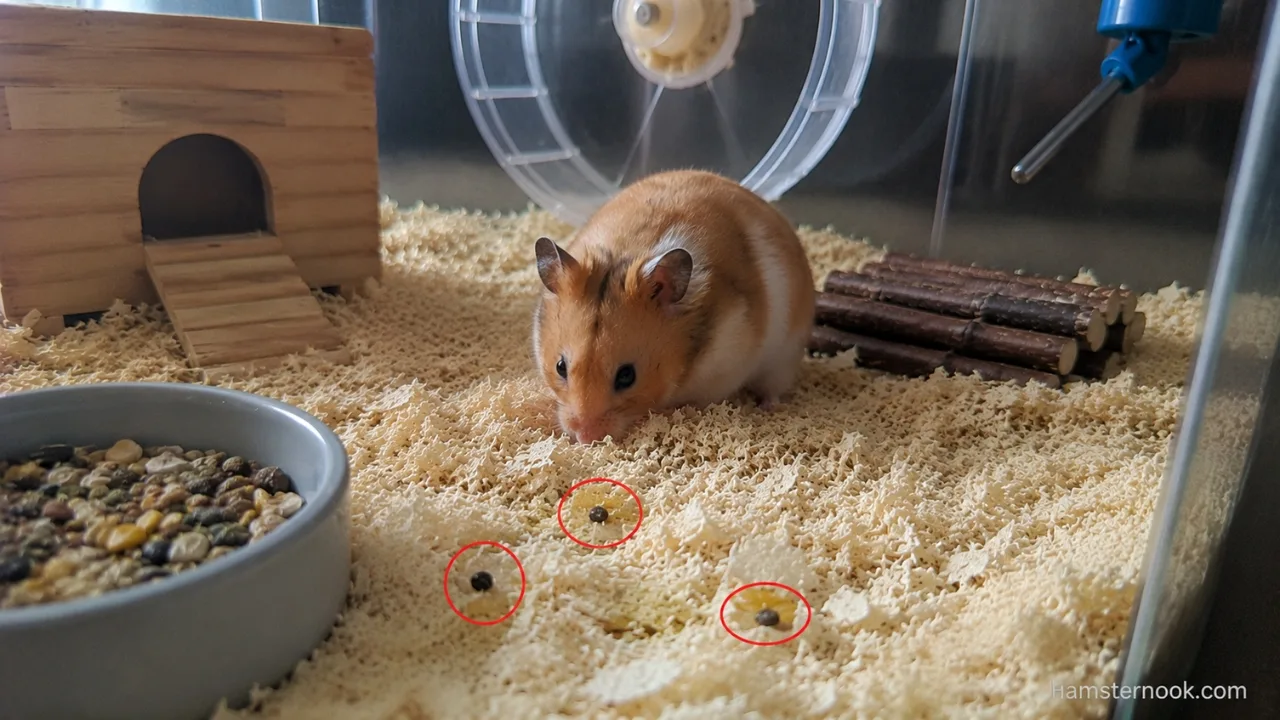
A simple cleaning routine is usually easier to maintain than occasional deep cleanouts. Spot-cleaning every few days while performing larger cleanings only when needed helps keep the enclosure hygienic without disrupting your hamster’s familiar scent.
5. Waking Hamsters During the Day
Hamsters Are Naturally Active at Night
Understanding your hamster’s natural sleep schedule can help reduce stress and improve bonding. Learn more in our hamster sleep behavior guide.
Respecting your hamster’s natural sleep cycle is one of the easiest ways to reduce unnecessary stress. Our Are Hamsters Nocturnal? Understanding Their Sleep Schedule guide explains when hamsters are naturally awake and ready to interact.
Many owners expect hamsters to behave like daytime pets. But most hamsters are crepuscular or nocturnal, meaning they become active mainly during evening and nighttime hours.

Waking a sleeping hamster repeatedly can cause:
- Irritability
- Stress
- Fear-based biting
- Poor sleep quality
Children especially may accidentally scare sleeping hamsters by grabbing them suddenly.
Best Time to Handle a Hamster
The safest approach is:
- Let the hamster wake naturally
- Interact during evening hours
- Use calm movements
- Allow the hamster to approach you first
A relaxed hamster is much less likely to bite.

6. Using Dangerous Bedding Materials
Some Bedding Types May Irritate a Hamster’s Lungs
Hamsters have sensitive respiratory systems. Strong-smelling or dusty bedding can create breathing problems over time.
Some strongly aromatic or dusty bedding products may irritate sensitive hamsters, particularly when ventilation is poor.
Very dusty bedding can also trigger respiratory irritation.
Safer Bedding Choices for Hamsters
Safer options often include:

- Unscented paper bedding
- Aspen shavings
- Low-dust bedding materials
Good bedding should:
- Hold burrows well
- Stay relatively dust-free
- Have no artificial fragrance
Avoid scented products whenever possible.
Choosing the right bedding is important for burrowing, odor control, and respiratory health. Learn which bedding materials are safest in our complete bedding guide.
Choosing a safe bedding material protects both your hamster’s respiratory health and its ability to burrow naturally. Our Best Hamster Bedding: Safe & Unsafe Options for Beginners guide compares the most common bedding types and explains which ones to avoid.

7. Keeping Hamsters Together
Many Hamsters Prefer Living Alone
A surprisingly common mistake is housing hamsters together because they “look lonely.”
Most pet hamsters are solitary animals, especially Syrian hamsters. Even dwarf hamsters that appear peaceful at first may suddenly become territorial later.
Fights can cause:
- Severe injuries
- Stress
- Food guarding
- Ongoing territorial conflict
Should Any Hamsters Live Together?
For beginners, the safest rule is simple:

One hamster per cage.
Many owners keep hamsters together because they worry about loneliness. Our Do Hamsters Get Lonely? The Truth Most Owners Don’t Know guide explains why most pet hamsters are actually happier living alone.
This prevents territorial conflicts and makes health monitoring easier.
Small Daily Checks Can Prevent Bigger Problems
You don’t need a long health inspection every day. Simply watching your hamster eat, move, groom, and explore for a few minutes each evening makes it easier to notice subtle changes before they become serious health concerns.

Warning Signs Your Hamster May Already Be Sick
Because hamsters hide illness well, owners should watch carefully for early symptoms.
Contact an exotic veterinarian if you notice:
- Sudden weight loss
- Wet tail area
- Trouble breathing
- Loss of appetite
- Severe lethargy
- Eye discharge
- Persistent diarrhea
- Bleeding
- Difficulty walking
Because hamsters can hide signs of illness, noticeable changes deserve prompt attention, especially when symptoms are severe or worsening.
Many illnesses develop gradually, and subtle behavior changes often appear before obvious physical symptoms. Our What Your Hamster Does Right Before It Gets Sick: 10 Early Warning Signs guide explains the early warning signs that owners frequently overlook.
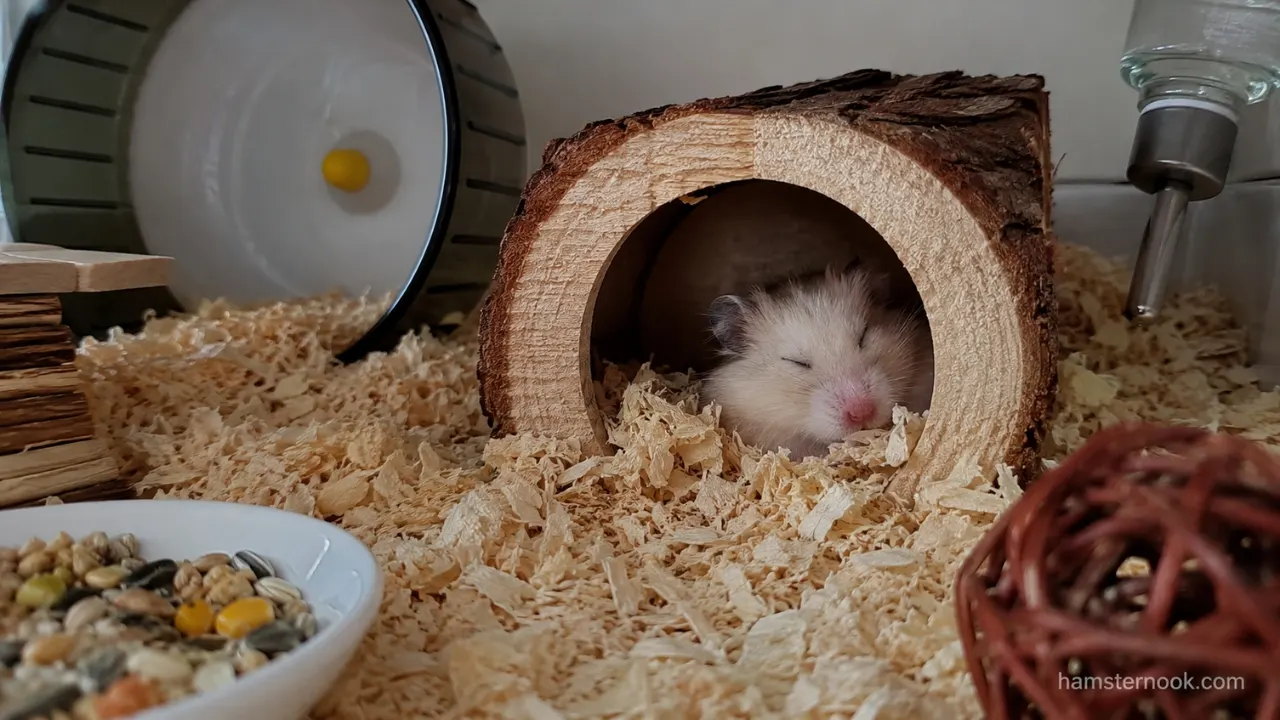
Simple Daily Habits That Keep Hamsters Healthy
Good hamster care does not need to be complicated.
These basic habits prevent many common problems:
| Healthy Habit | Why It Helps |
|---|---|
| Fresh water daily | Supports normal hydration |
| Spot-cleaning | Helps maintain a cleaner enclosure |
| Large enclosure | Provides room for natural behaviors |
| Proper wheel size | Supports safer exercise |
| Evening interaction | Respects normal activity patterns |
| Safe chew toys | Provides appropriate chewing opportunities |
| Balanced diet | Supports overall nutrition |
Consistency is more important than buying expensive products.
Keeping a simple weekly routine for checking food, water, bedding condition, wheel safety, and your hamster’s overall behavior can help you identify small problems before they become serious. Preventative care is often much easier than treating illness later.

Most hamster care mistakes happen because owners receive outdated or incomplete advice rather than intentionally doing something wrong. Learning the basics of proper housing, nutrition, and daily care early can prevent many of the health problems commonly seen in pet hamsters.
Final Thoughts
Many of the most common hamster health problems can be prevented through consistent daily care. Providing enough space, safe equipment, proper nutrition, and a low-stress environment gives your hamster the best chance to live a healthy, active, and comfortable life.
The best hamster care focuses on:
- Space
- Safety
- Cleanliness
- Proper nutrition
- Low stress
When those basics are handled correctly, hamsters are usually far healthier, more active, and easier to bond with.

Good hamster care is usually about getting the small things right every day. Consistent routines, a suitable enclosure, and careful observation often prevent problems long before a veterinarian is needed.
A well-cared-for hamster may only be a tiny pet, but consistent daily care can significantly improve a hamster’s health, comfort, and overall well-being.
FAQ About Common Hamster Care Mistakes
Can a small cage really make a hamster sick?
Yes. Small cages may contribute to chronic stress, obesity, boredom, and abnormal behaviors. Long-term stress can weaken overall health.
Is it bad to clean a hamster cage every day?
Full deep-cleaning every day is usually too stressful. Spot-cleaning dirty areas is better for daily maintenance.

What foods should hamsters never eat?
Avoid chocolate, onions, garlic, citrus fruits, sugary candy, salty snacks, and heavily processed human foods.
Do hamsters get lonely living alone?
Most pet hamsters are naturally solitary and usually feel safer living alone rather than sharing territory.
Why is my hamster suddenly biting me?
Common causes include fear, stress, being woken suddenly, unfamiliar smells, or feeling threatened.
Are hamster balls safe?
Many modern hamster experts discourage exercise balls because they may cause stress, injuries, poor ventilation, and disorientation. Large secure playpens are generally safer alternatives.

Can one small mistake really make a hamster sick?
Not usually on its own, but repeated care mistakes—such as poor diet, inadequate space, or chronic stress—can gradually affect your hamster’s health over time. Correcting these issues early greatly reduces the risk of preventable illnesses.
References
This guide is based on hamster health, housing, nutrition, bedding, behavior, hygiene, and welfare guidance from trusted veterinary and animal welfare organizations, including:
- RSPCA – Keeping Hamsters as Pets – General guidance on hamster housing, diet, bedding, exercise, behavior, handling, and welfare.
- RSPCA – Hamster Health & Welfare – Information on common health concerns, illness signs, dental care, grooming, and health monitoring.
- RSPCA – Creating a Good Home for Hamsters – Guidance on enclosure size, bedding, nesting, exercise, enrichment, cleaning, and environmental needs.
- RSPCA – Hamster Diet and Feeding – Guidance on balanced nutrition, suitable foods, treats, fresh foods, and feeding practices.
- Blue Cross – Hamster Care Guide – Practical advice on hamster housing, bedding, diet, exercise, handling, enrichment, and general wellbeing.
- MSD Veterinary Manual – Providing a Home for a Hamster – Veterinary guidance on enclosure design, bedding, ventilation, exercise, and environmental management.
- MSD Veterinary Manual – Disorders and Diseases of Hamsters – Veterinary reference information on common hamster diseases, clinical signs, and health concerns.
- NC3Rs – Housing and Husbandry: Hamster – Guidance on hamster housing, bedding, environmental conditions, enrichment, and species-appropriate husbandry.
Medical Disclaimer
This article is intended for educational purposes only and should not be considered veterinary advice. The information provided is designed to help hamster owners understand common care mistakes and basic ways to support their hamster’s health and well-being. It does not diagnose, treat, or prevent any specific medical condition.
Hamsters can hide signs of illness, and symptoms such as sudden weight loss, difficulty breathing, severe lethargy, loss of appetite, diarrhea, bleeding, eye discharge, or difficulty walking may require prompt veterinary attention. If your hamster shows concerning, persistent, or worsening symptoms, consult a qualified exotic animal veterinarian for proper evaluation and treatment.

Narayan Kumar is the founder and author of HamsterNook. He creates practical, research-based hamster care guides covering hamster behavior, nutrition, cage setup, enrichment, health, and everyday care. His goal is to help hamster owners make informed decisions and provide safer, healthier lives for their pets through clear, beginner-friendly information based on trusted animal care resources.