Unlike dogs or cats, hamsters can’t wag their tails, purr loudly, or greet you at the door. This often leaves owners wondering a simple but important question: Is my hamster actually happy?
Hamsters communicate differently from many popular pets. Instead of showing happiness through obvious affection, they reveal their comfort level through everyday behaviors such as exploring, grooming, nesting, eating normally, and interacting with their environment. Learning these subtle signals helps owners understand whether their hamster feels safe and content.
Once you understand these behaviors, it becomes much easier to tell whether your hamster feels comfortable, stressed, or needs a closer look. In this guide, you’ll discover 10 key signs that reveal how your hamster is feeling and what you can do to support their well-being.
No single behavior proves that a hamster is happy or unhappy. Look at several behaviors together and compare them with your hamster’s usual routine. A sudden change from normal behavior is more useful to notice than one isolated action.
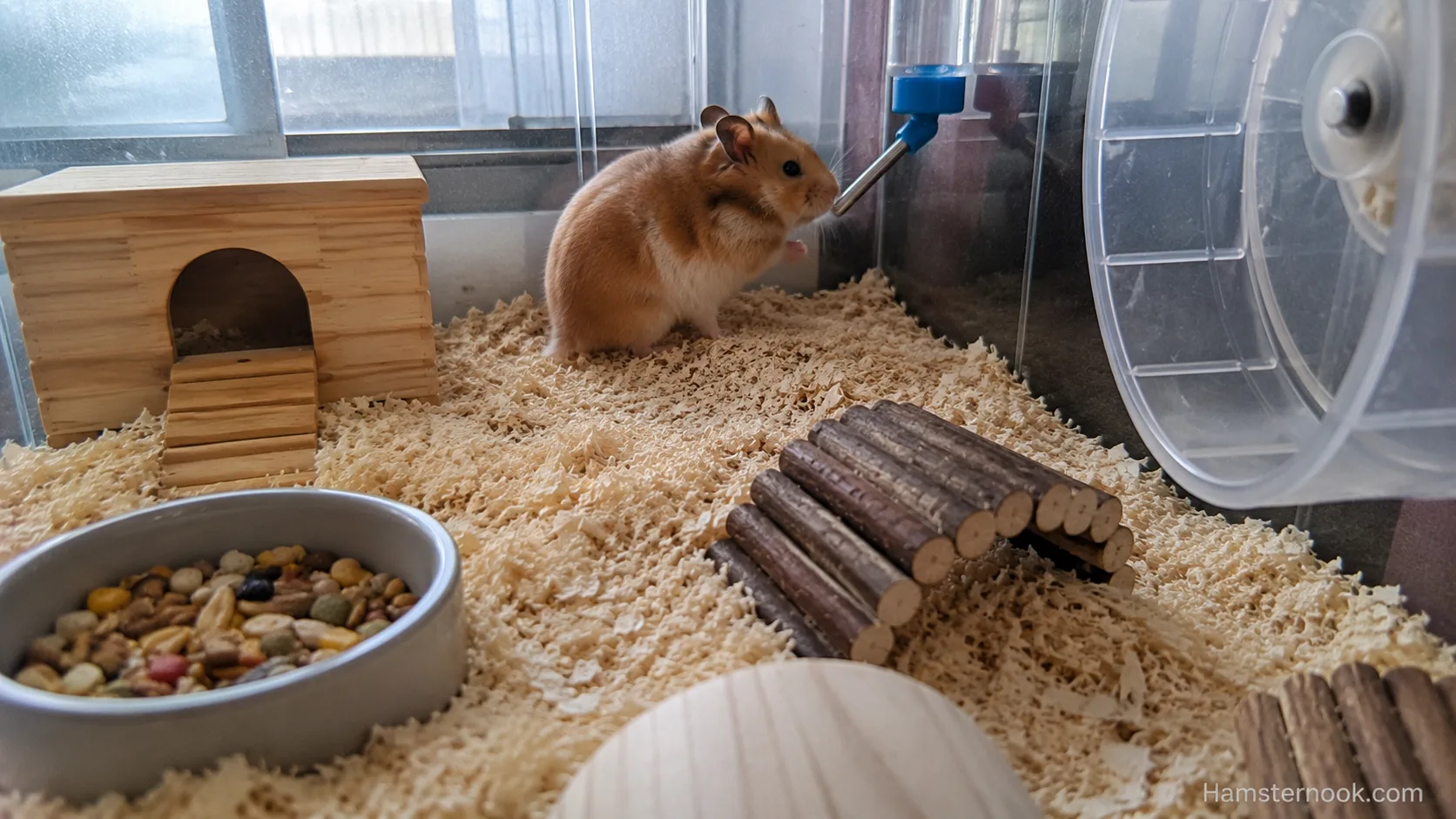
Why Understanding Hamster Behavior Matters
Hamsters are prey animals by nature. In the wild, showing weakness or distress could make them vulnerable to predators. As a result, they often hide discomfort surprisingly well.
This means owners must pay close attention to subtle behavioral changes rather than waiting for obvious warning signs.
One of the biggest mistakes new owners make is expecting happiness to look the same as it does in dogs or cats. A hamster may never run toward you or seek constant attention, yet still be completely comfortable. Looking at natural behaviors such as exploring, nesting, eating normally, and maintaining a routine gives a much more accurate picture of how a hamster feels.
A happy hamster usually shows natural behaviors such as exploring, burrowing, grooming, eating normally, maintaining a routine, and interacting confidently with its environment. Signs of an unhappy hamster may include excessive hiding, repetitive behaviors, appetite changes, aggression, or sudden changes in normal habits.

Quick Comparison: Happy vs Unhappy Hamster Signs

| Happy Hamster Behaviors | Unhappy Hamster Behaviors |
|---|---|
| Active during waking hours | Excessive hiding |
| Curious and exploratory | Constant escape attempts |
| Builds nests regularly | Neglects nesting behavior |
| Eats and drinks normally | Sudden appetite changes |
| Uses wheel comfortably | Repetitive pacing |
| Grooms regularly | Poor coat condition |
| Relaxed body posture | Frequent stress behaviors |
| Interested in surroundings | Lack of engagement |
Looking at several behaviors together usually gives a much clearer picture of your hamster’s overall well-being.
Sign #1: A Happy Hamster Explores Its Environment
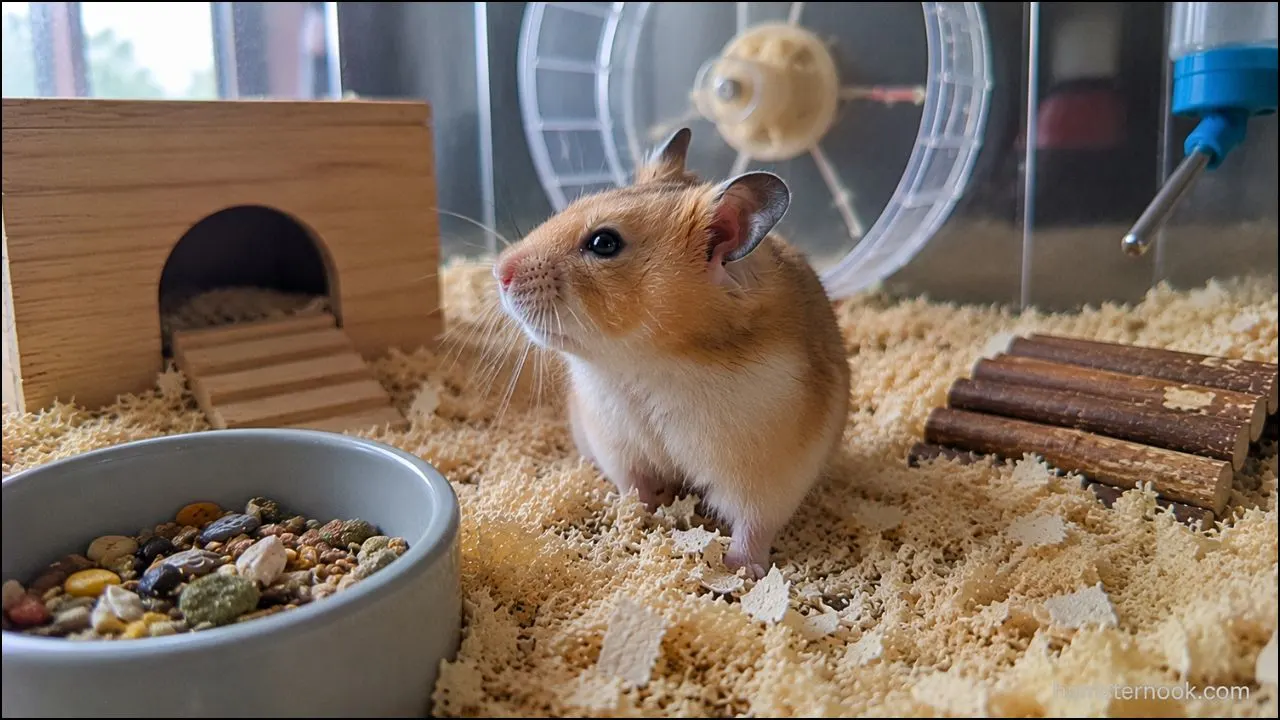
Exploration is one of the strongest indicators of a content hamster.
Healthy hamsters naturally investigate:
- New toys
- Tunnels
- Hideouts
- Bedding changes
- Foraging opportunities
Curiosity shows that a hamster feels secure enough to interact with its surroundings.
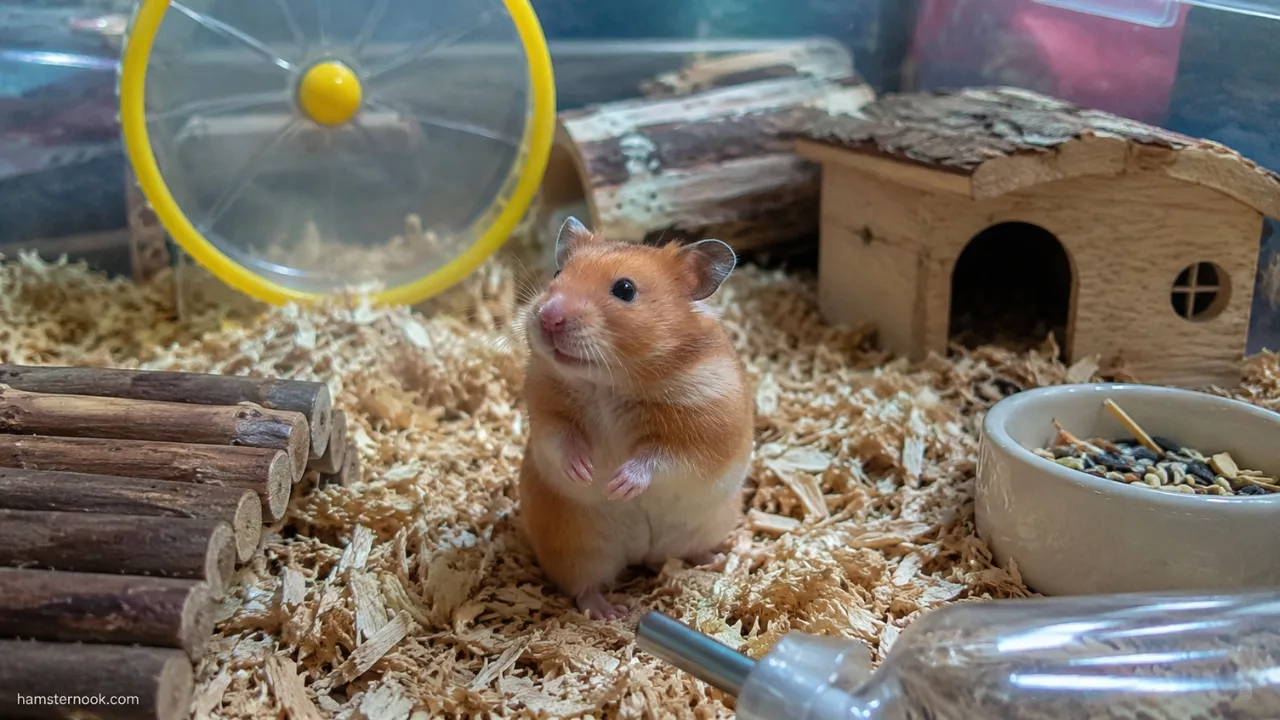
If your hamster consistently explores during its normal active hours, that’s usually a positive sign.
Sign #2: Regular Burrowing and Nest Building
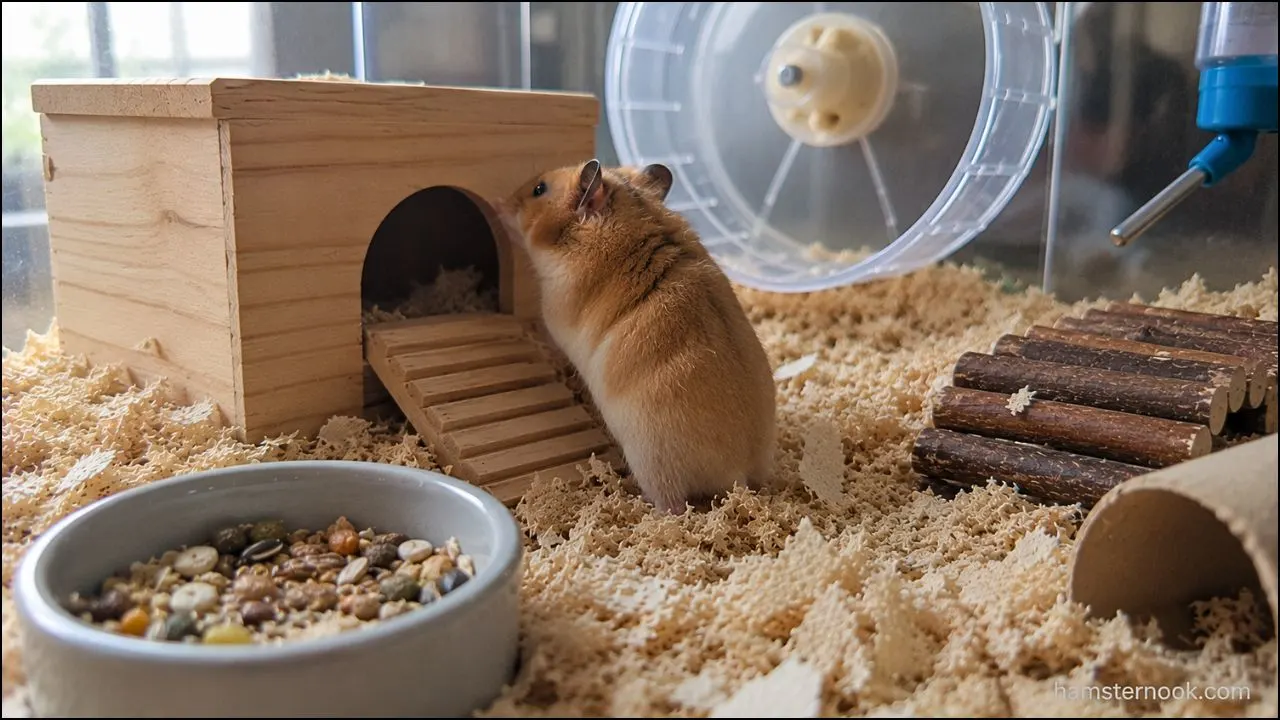
Burrowing is one of the most natural hamster behaviors.
A happy hamster often spends time:
- Digging tunnels
- Rearranging bedding
- Building sleeping nests
- Creating food storage areas
These activities demonstrate comfort and natural instinct expression.
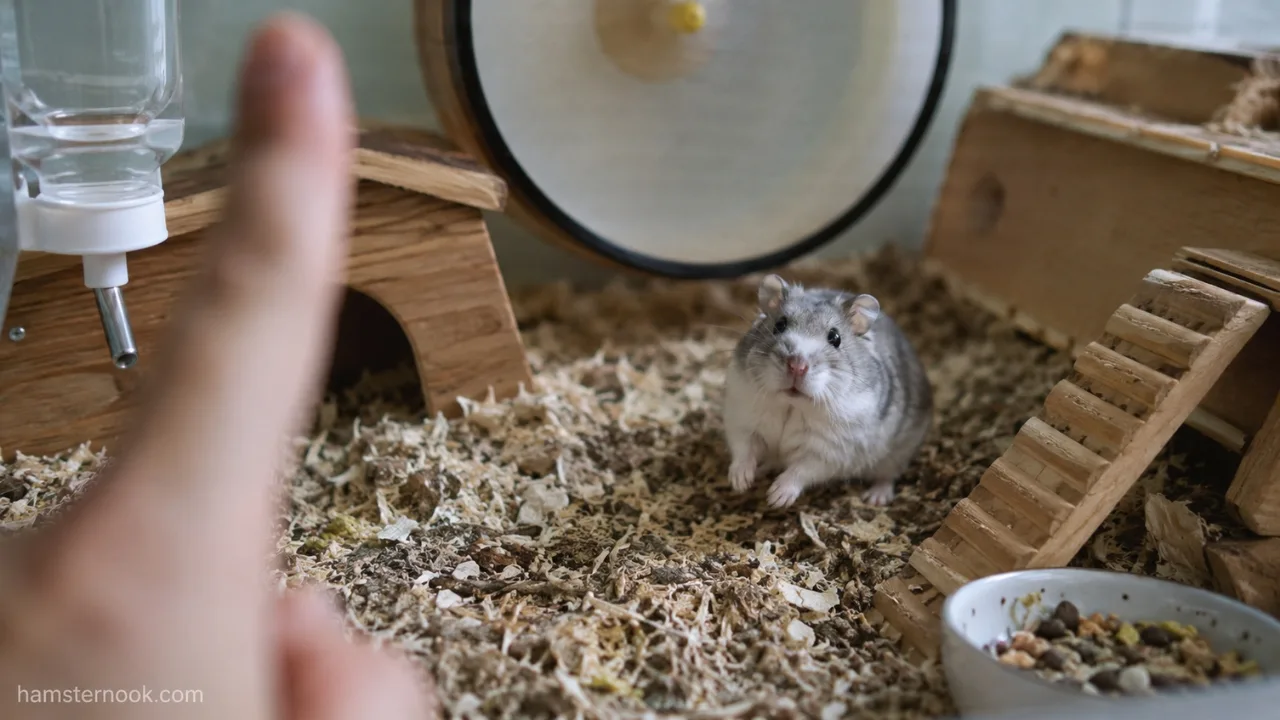
If your hamster suddenly stops nesting or burrowing despite having suitable bedding, it may indicate stress or environmental issues.
Sign #3: Healthy Wheel Running Habits
Many owners associate wheel running with happiness, and in most cases that’s true.
Hamsters are naturally active animals and may run several miles during a single night.
Healthy wheel use typically involves:
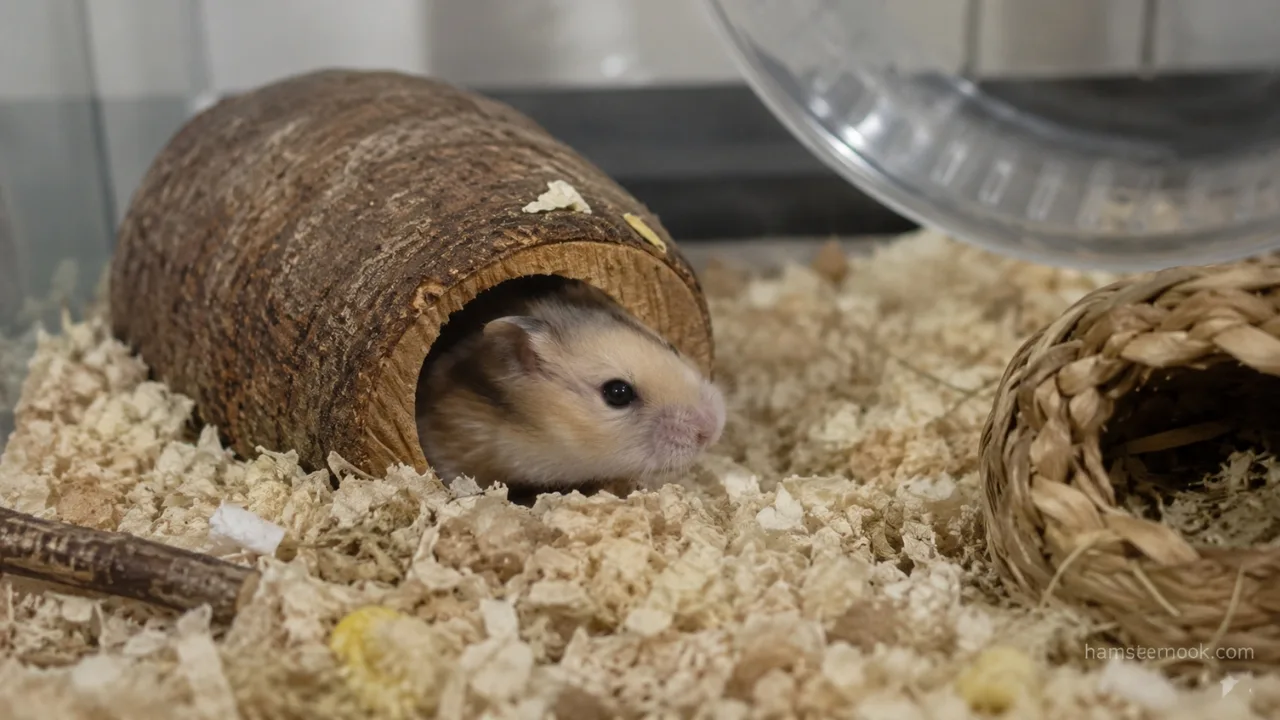
| Healthy Running Behavior | Potential Concern |
|---|---|
| Runs during active hours | Runs frantically for hours without breaks |
| Alternates with other activities | Ignores all other behaviors |
| Maintains normal sleep schedule | Appears restless constantly |
Wheel running alone doesn’t prove happiness, but balanced activity is usually a positive sign.
If your hamster spends an unusual amount of time running and ignores other activities, understanding the reasons behind excessive wheel use can help identify whether it is normal behavior or a sign of an underlying issue. Our guide on Why Is My Hamster Running on the Wheel So Much? explains the common causes.
Sign #4: Comfortable Grooming Behavior
Hamsters are naturally clean animals.
A relaxed hamster frequently grooms itself by:

- Cleaning its fur
- Washing its face
- Organizing its coat
- Maintaining cleanliness
Regular grooming generally indicates comfort and normal behavior.
However, excessive grooming or fur loss may signal stress and should not be confused with healthy grooming habits.
Sign #5: A Good Appetite and Normal Drinking Habits
Happy hamsters typically maintain consistent eating and drinking patterns.
Most healthy hamsters:

- Show interest in food
- Store food in nests
- Eat regularly
- Drink water daily
Sudden changes in appetite may indicate stress, illness, or environmental problems.
Monitoring food consumption helps owners identify concerns early.
A balanced diet plays an important role in maintaining normal energy levels and behavior. Our guide What Do Hamsters Eat? Safe Foods, Daily Diet & Foods to Avoid explains how to provide a suitable everyday diet.
Sign #6: Relaxed Body Language Around You
Trust takes time, especially with prey animals.
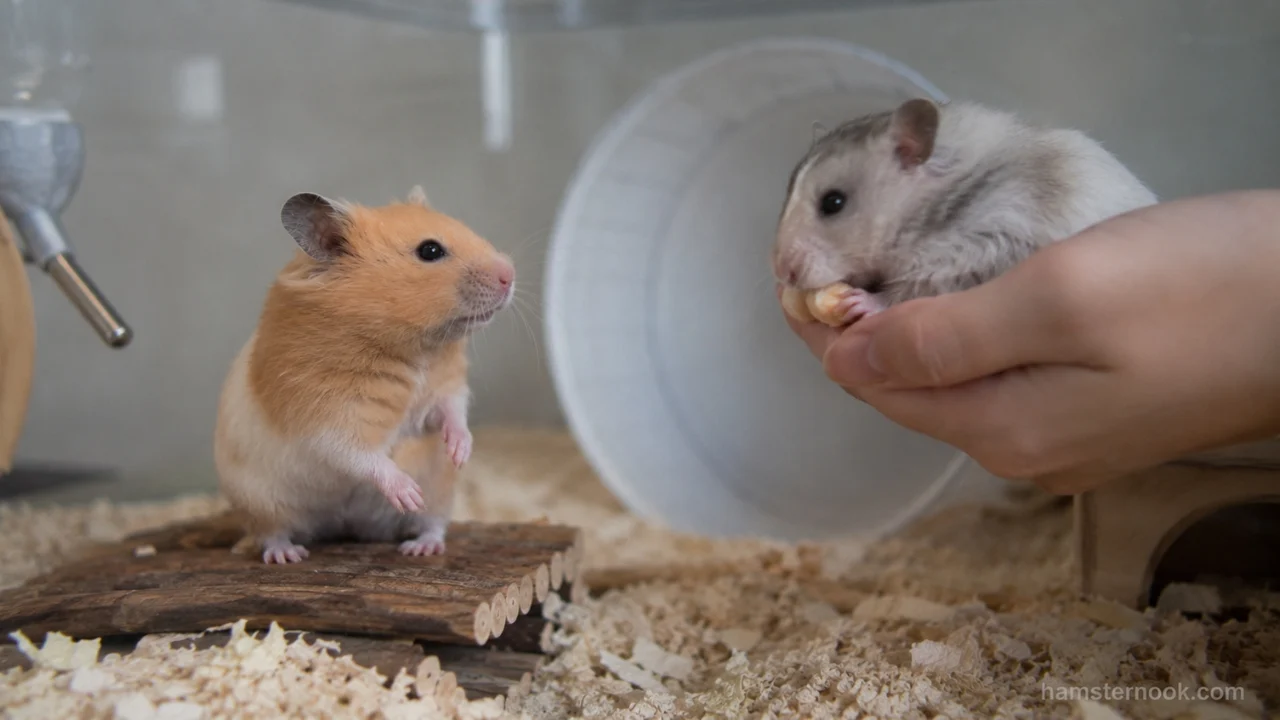
A hamster that feels comfortable may:
- Approach your hand voluntarily
- Sniff curiously
- Accept treats calmly
- Remain relaxed during interaction
A happy hamster doesn’t necessarily enjoy being held constantly, but it usually becomes more confident around familiar people.
If your hamster is comfortable around you but does not actively seek handling, that can still be normal. Do Hamsters Get Excited to See You? Signs They Recognize & Trust You explains other ways hamsters may show recognition and trust.
What Does a Happy Hamster Look Like Around Its Owner?
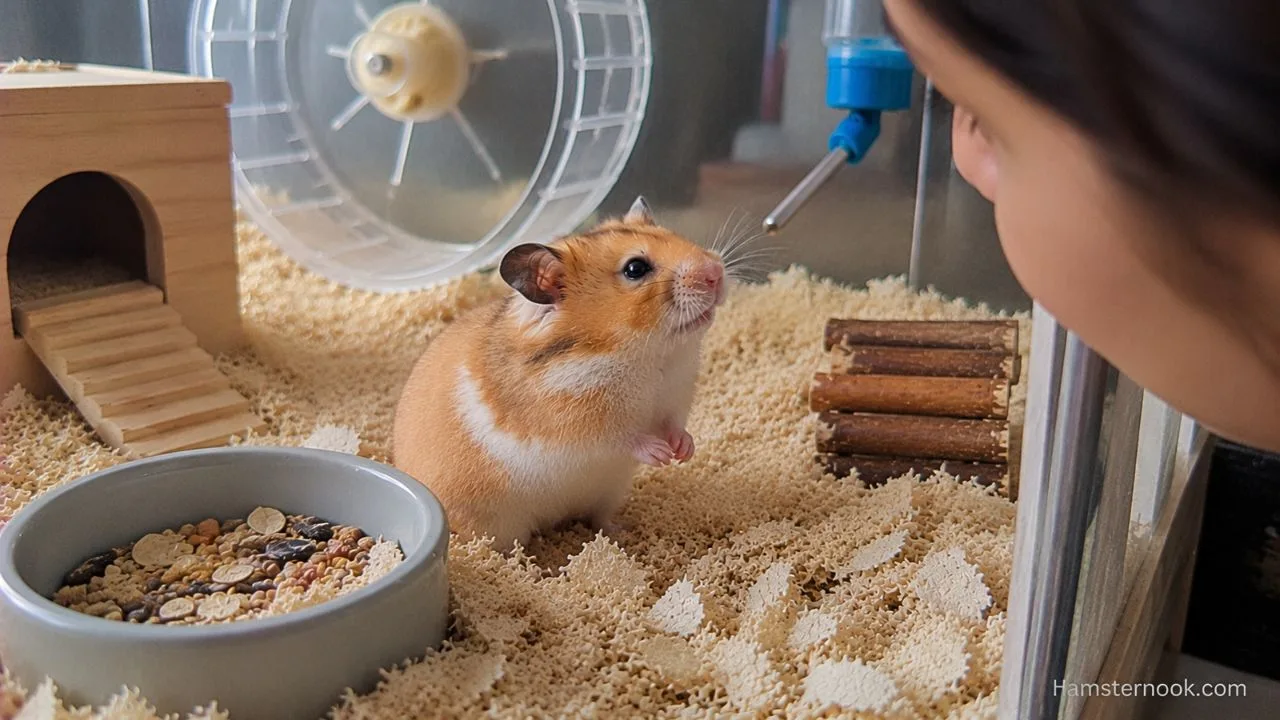
A comfortable hamster may choose to approach, investigate your hand, accept a treat, or simply continue normal activities while you are nearby. It does not need to seek physical contact to be comfortable. Some hamsters prefer interacting from inside their enclosure, so their usual behavior and willingness to explore are more useful than expecting a specific type of affection.
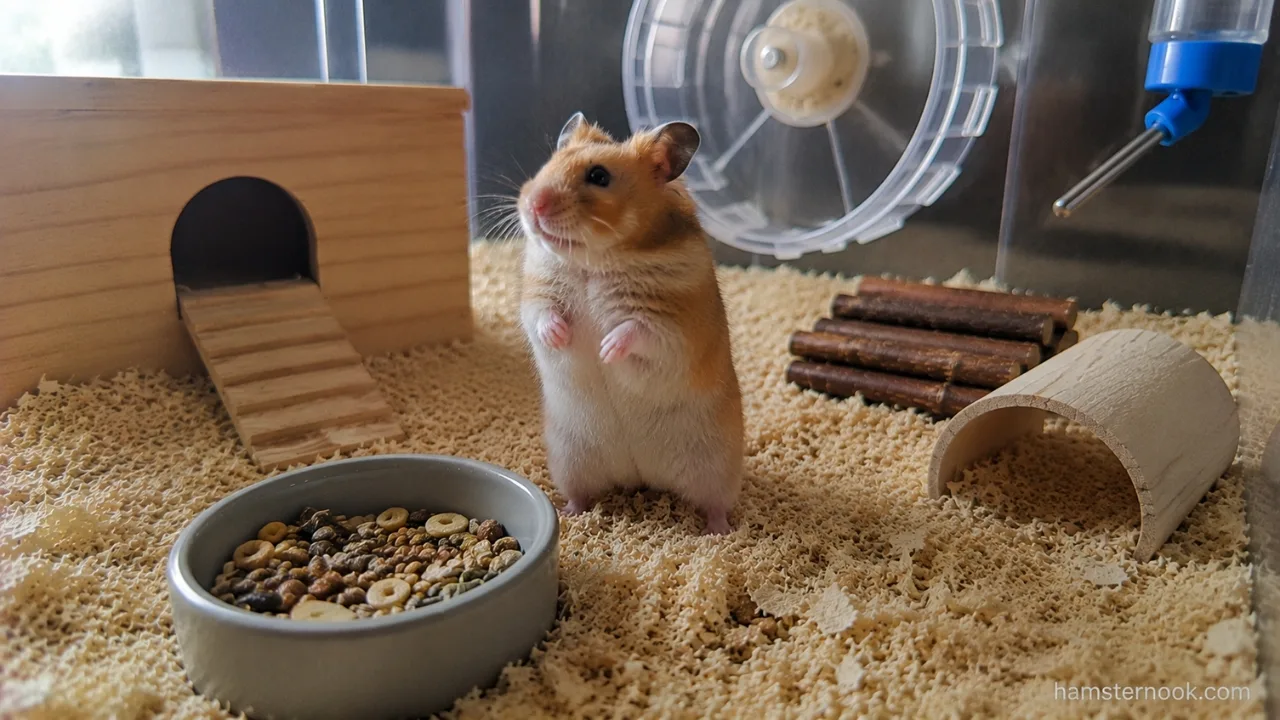
A hamster showing trust may still have personal boundaries. Some individuals enjoy climbing onto hands, while others prefer interacting from inside their enclosure. Respecting these differences is important because forcing physical contact can reduce confidence instead of building a stronger bond.
Sign #7: Normal Sleeping Patterns
Hamsters are generally nocturnal or crepuscular, meaning they are most active during evening and nighttime hours.
Healthy sleep habits include:
| Normal Sleep Behavior | Possible Concern |
|---|---|
| Sleeps during the day | Sleeping constantly |
| Wakes naturally at night | Difficulty waking |
| Returns to nest comfortably | Restlessness all day |
Owners sometimes worry when a hamster sleeps frequently during daylight hours, but this is completely normal.
Sign #8: Curiosity Instead of Fear
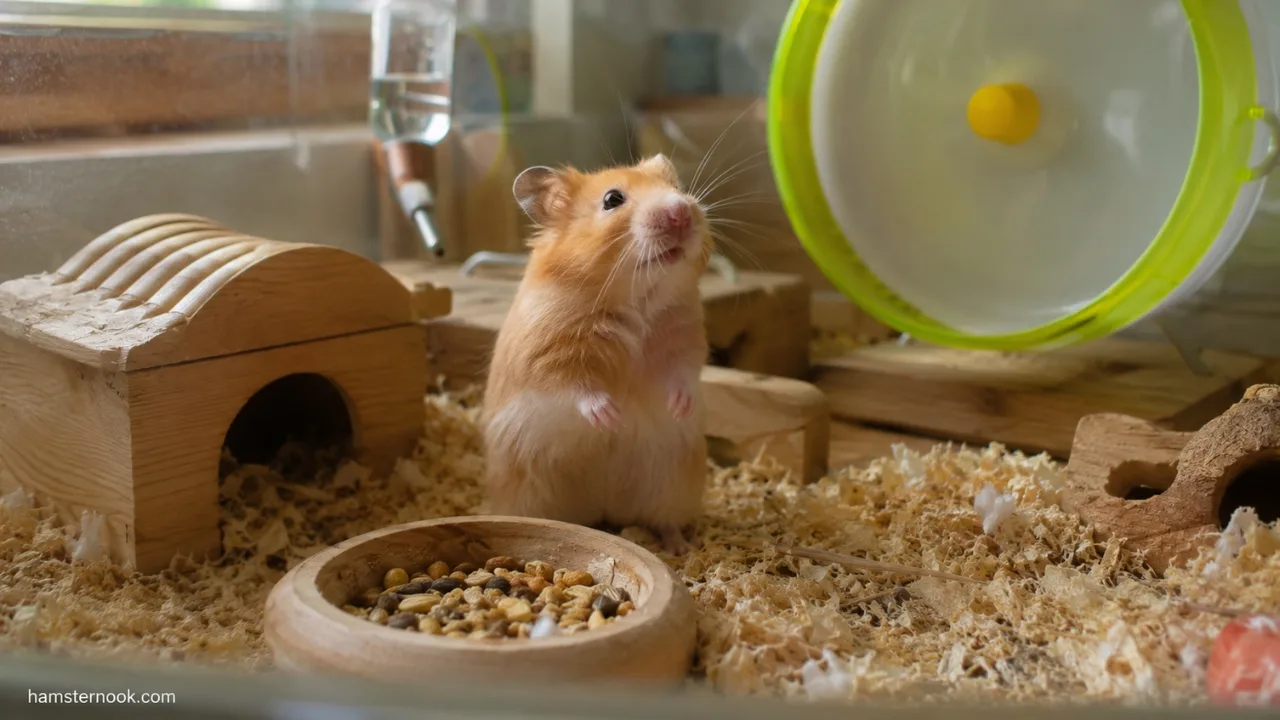
Curious hamsters often investigate sounds, smells, and changes in their environment.
Positive signs include:
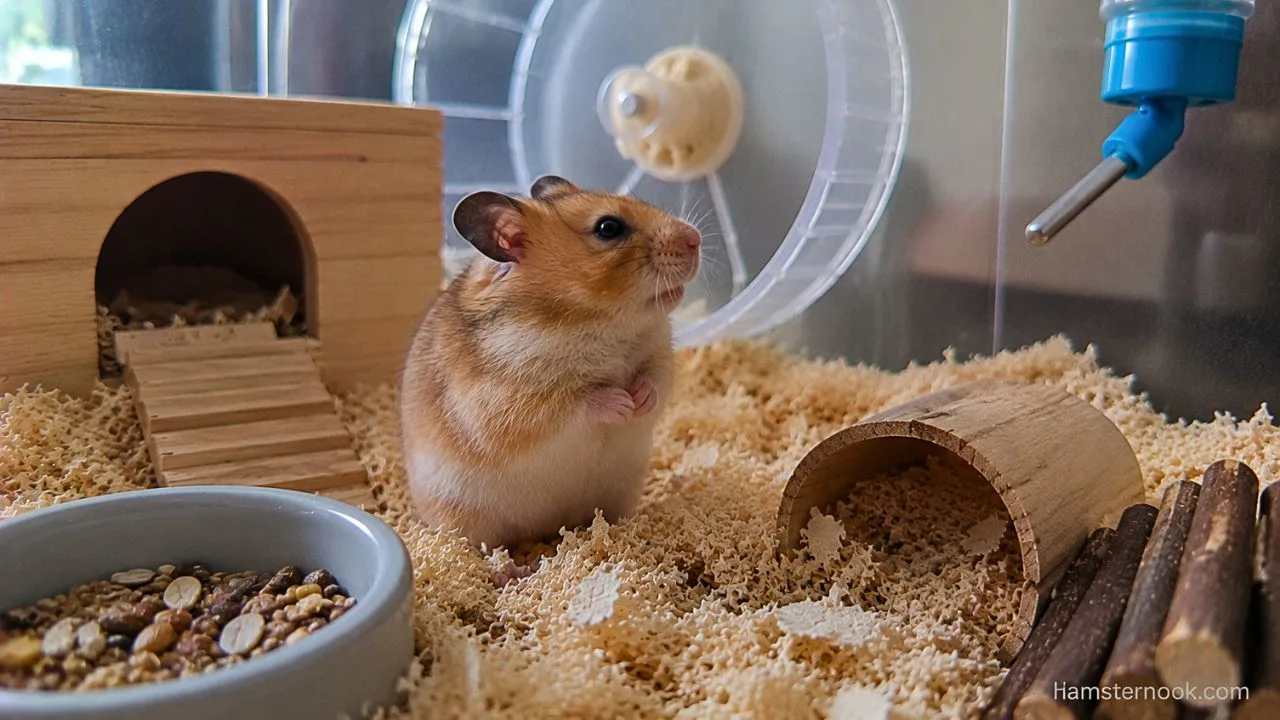
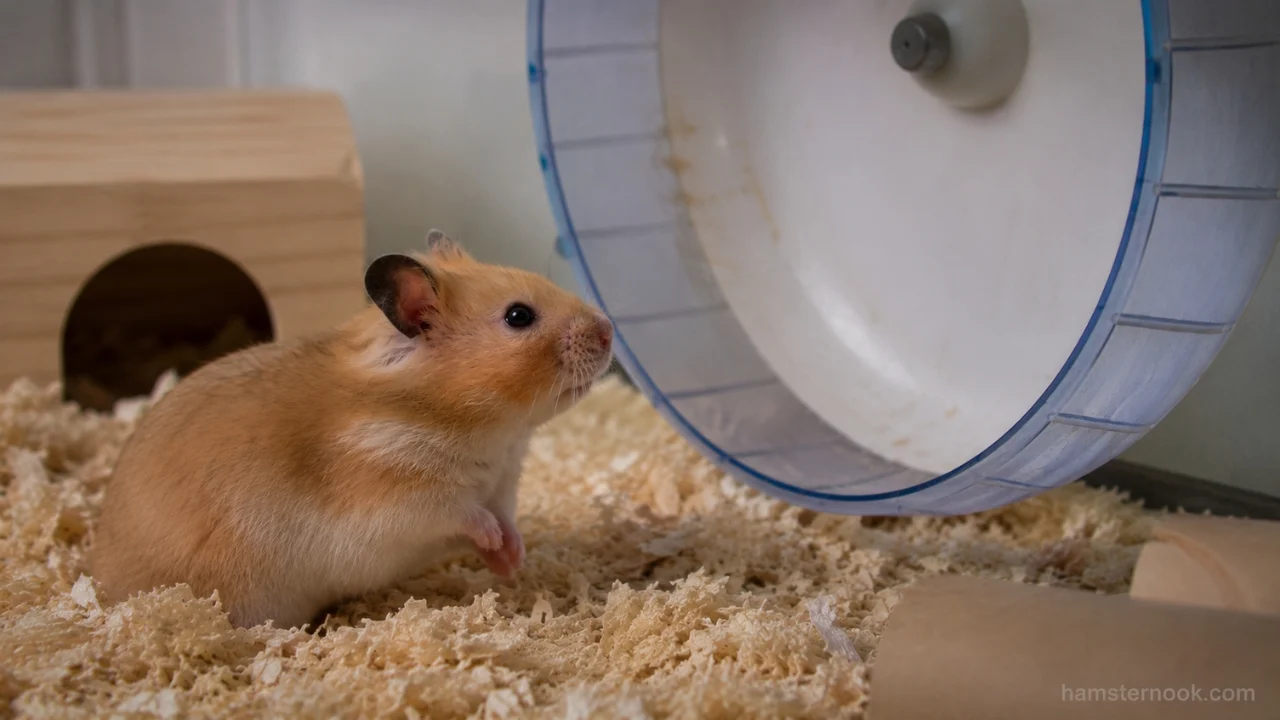
- Standing on hind legs to observe
- Sniffing new objects
- Exploring cage updates
- Investigating treats
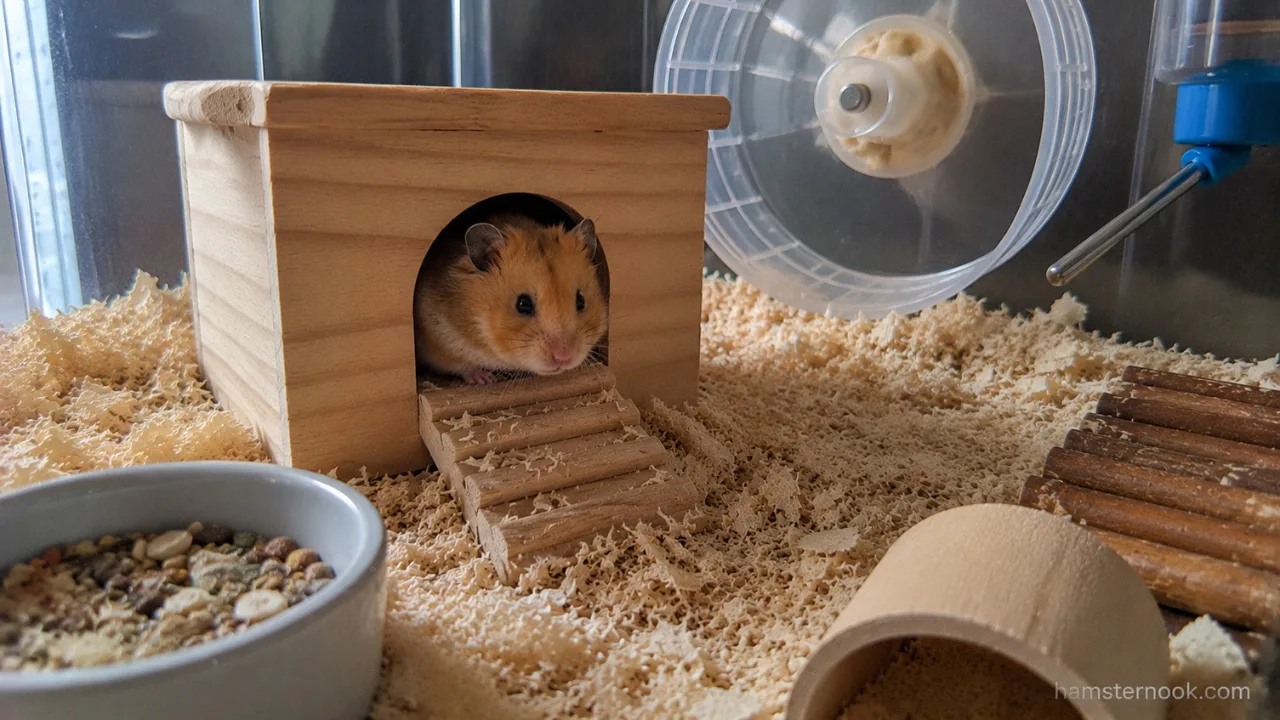
Fearful hamsters may immediately hide whenever something changes.
A curious hamster generally feels safer in its environment.

Sign #9: Lack of Stress Behaviors

One of the easiest ways to judge happiness is by looking for the absence of common stress behaviors.
Common Stress Signals
| Stress Behavior | What It May Indicate |
|---|---|
| Bar chewing | Frustration or boredom |
| Constant climbing | Desire to escape |
| Repetitive pacing | Environmental stress |
| Sudden aggression | Fear or discomfort |
| Excessive hiding | Anxiety |
Many of these behaviors overlap with the warning signs covered in Is My Hamster Stressed? 5 Warning Signs & How to Help.
Occasional occurrences are normal. Persistent patterns deserve attention.
Sign #10: Consistent Daily Routine
A comfortable hamster often develops a familiar daily pattern. It may wake around similar times, visit favorite areas of the enclosure, build nests in the same spots, and follow predictable feeding or exercise habits. Consistency does not mean every day looks identical, but noticeable routine usually suggests that a hamster feels secure in its environment.
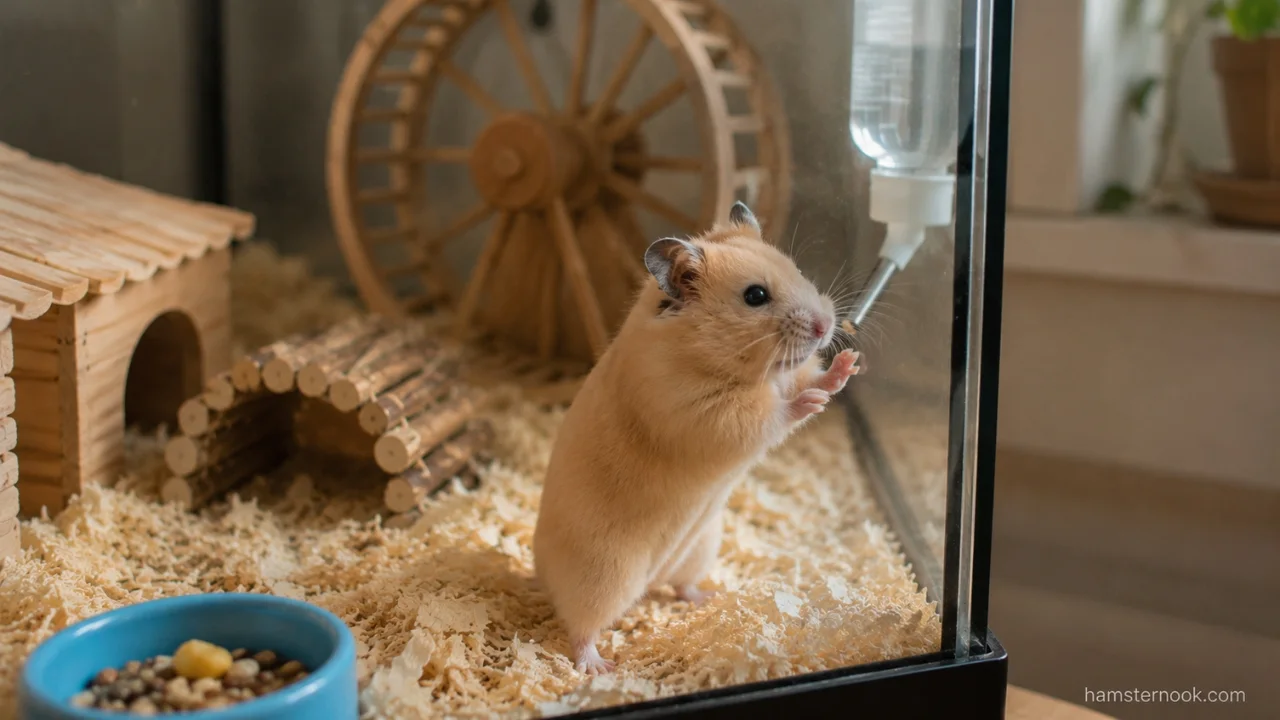
Many owners notice their hamster:
- Wakes around similar times
- Uses favorite tunnels
- Visits food areas regularly
- Runs on the wheel nightly
- Returns to the same sleeping spot
Consistency often suggests that a hamster feels secure in its environment.
Major changes in routine may indicate stress, illness, or environmental problems.
How Environment Affects a Hamster’s Happiness
A hamster’s environment has a major influence on its behavior. Even a naturally calm hamster may become stressed when it lacks opportunities to dig, hide, explore, or search for food.
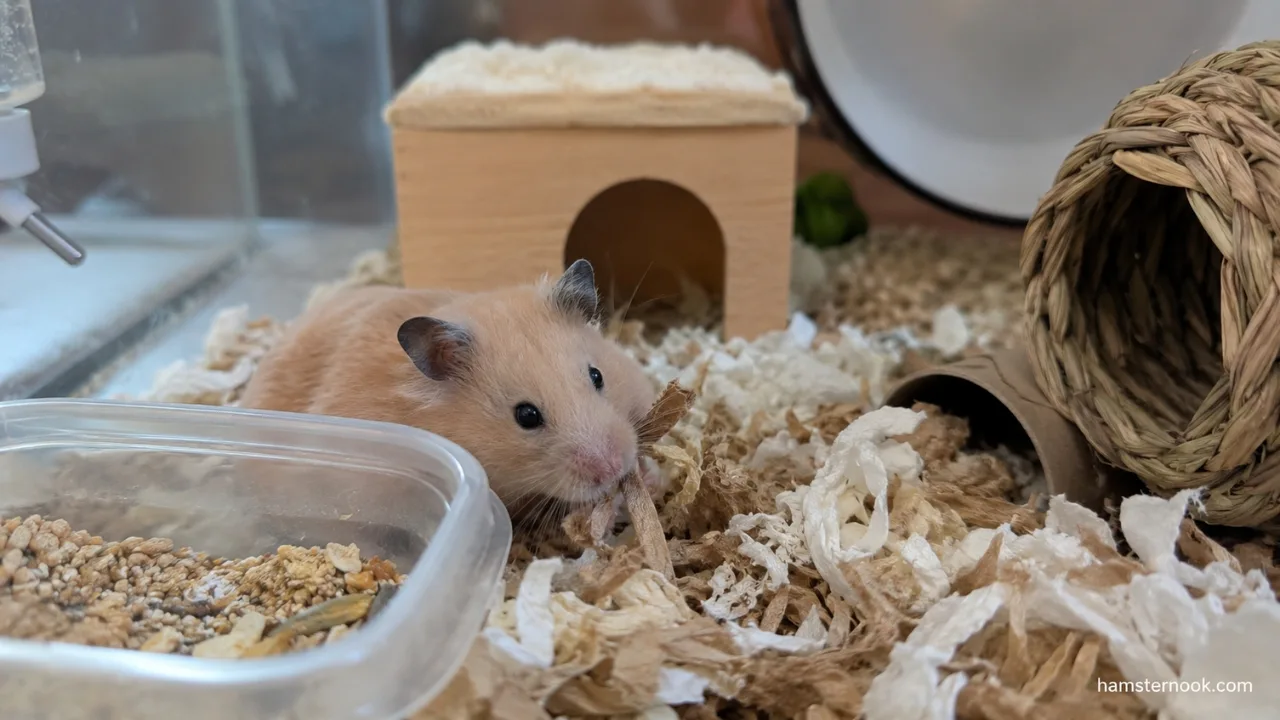
Signs that the environment may need improvement include repeated cage climbing, excessive chewing, reduced exploration, or spending most of the time hiding. Providing deeper bedding, enrichment activities, and a predictable routine allows hamsters to express natural behaviors and often leads to a more confident pet.
What Makes a Hamster Unhappy?
Several factors commonly contribute to hamster stress and unhappiness.
| Potential Cause | How It Affects Hamsters |
|---|---|
| Small cage | Restricts natural behaviors |
| Lack of enrichment | Causes boredom |
| Shallow bedding | Limits burrowing |
| Incorrect wheel size | Creates discomfort |
| Frequent disturbances | Disrupts sleep |
| Loud environments | Increases stress |
| Poor diet | Impacts health and energy |
Improving these areas often leads to noticeable behavioral improvements.
How to Help an Unhappy Hamster
If your hamster shows multiple signs of stress, consider reviewing its overall care setup.
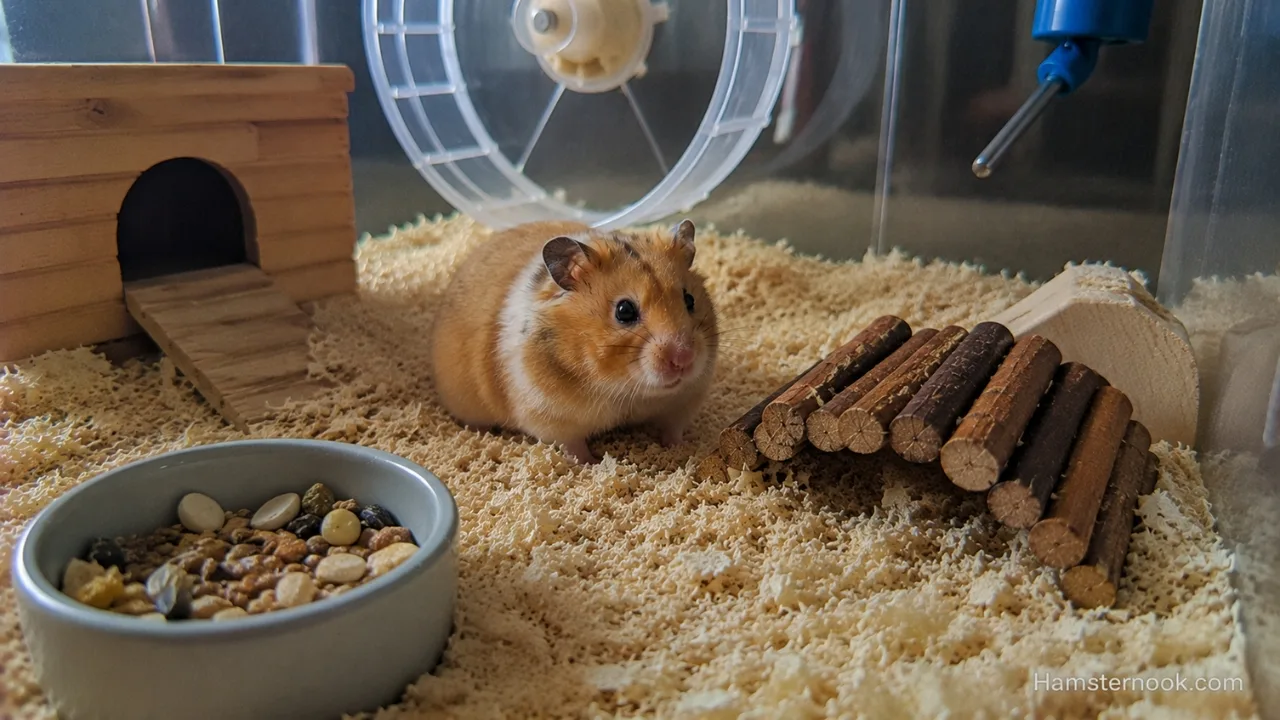
Helpful improvements may include:
- Upgrading cage size
- Adding deeper bedding
- Providing additional hideouts
- Offering safe chew toys
- Creating foraging opportunities
- Reducing daytime disturbances
- Ensuring a proper wheel size
Many behavior problems improve when a hamster has enough space, enrichment, and a comfortable environment. Our Best Hamster Cage Setup for Beginners: Size, Bedding, Wheel & Essentials guide covers the important habitat features that support natural behaviors.
Even small changes can significantly improve a hamster’s quality of life.
When Behavior Changes Might Signal a Health Problem
Not every behavioral change is caused by stress.
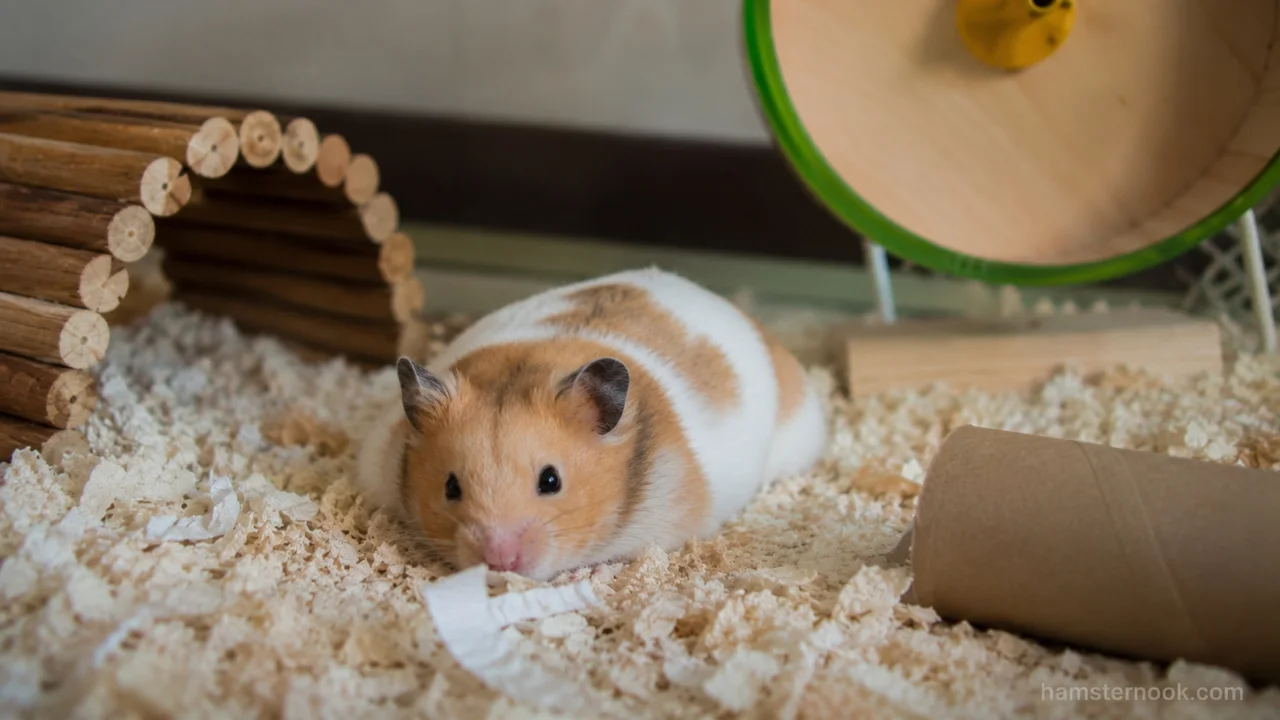
A hamster that suddenly becomes:
- Extremely lethargic
- Weak
- Unresponsive
- Refuses food
- Shows rapid weight changes
may be experiencing a health issue rather than simple unhappiness.
Behavior should always be evaluated alongside physical condition and overall health.
Small behavior changes are sometimes normal, especially after cage cleaning, a new environment, or changes in routine. However, sudden and lasting changes deserve attention because hamsters often hide problems until symptoms become noticeable. Tracking normal habits makes it easier to recognize when something is genuinely different.
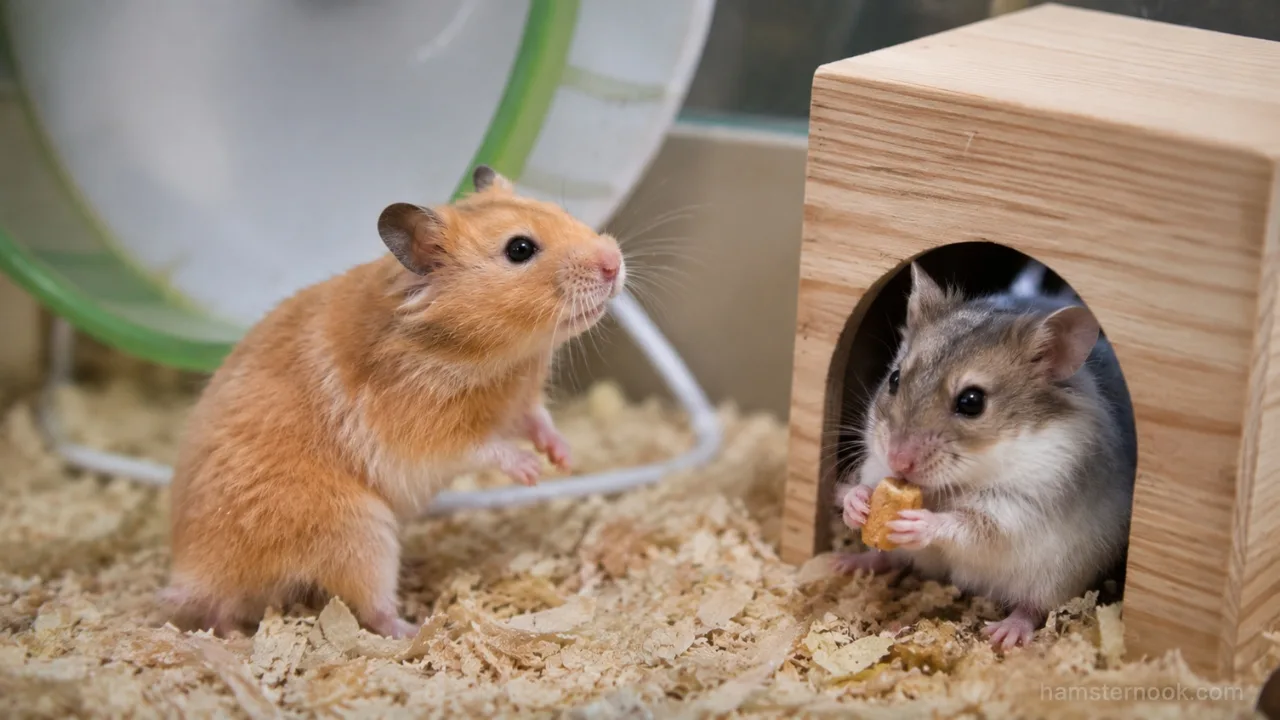
When unusual behavior appears together with physical symptoms, it is important to look beyond normal mood changes. Our guide How to Tell If Your Hamster Is Sick: Signs, Symptoms & When to See a Vet explains warning signs that owners should monitor.
A hamster’s happiness is best understood through patterns rather than single moments. One quiet day or one hiding session does not always mean something is wrong. Paying attention to changes over time helps owners recognize what is normal for their individual hamster and when extra support may be needed.
Final Thoughts
A happy hamster doesn’t need to perform tricks or constantly interact with people to show contentment. Instead, happiness is usually reflected through natural behaviors such as exploring, burrowing, nesting, grooming, and maintaining a healthy routine.
By paying attention to these everyday signs, owners can better understand their hamster’s needs and create an environment where it feels safe, comfortable, and stimulated. The more opportunities a hamster has to express its natural instincts, the more likely it is to thrive.
Frequently Asked Questions
Can a hamster be happy even if it doesn’t like being held?
Yes. Many perfectly happy hamsters prefer limited handling. Comfort around humans is only one part of overall well-being.
Is sleeping all day a sign that my hamster is unhappy?
Not usually. Hamsters are naturally most active during the evening and night, so daytime sleeping is normal.
Why does my hamster suddenly hide more than usual?
Temporary hiding can occur after environmental changes. However, persistent hiding may indicate stress, illness, or discomfort.
Do happy hamsters always run on their wheel?
Most healthy hamsters enjoy wheel running, but activity levels can vary based on age, personality, and health.
Can boredom make a hamster unhappy?
Yes. Lack of enrichment, exploration opportunities, and mental stimulation can contribute to stress-related behaviors.
What is the strongest sign that a hamster feels comfortable?
A combination of normal eating, regular grooming, curiosity, nesting behavior, and a consistent daily routine is often one of the best indicators of overall contentment.
Can a hamster be happy without interacting with humans?
Yes. A hamster can be perfectly content without enjoying frequent handling. Natural behaviors like exploring, nesting, grooming, eating normally, and feeling safe in its enclosure are stronger indicators of well-being than how much physical interaction it wants.
References
This guide is based on hamster behavior, welfare, enrichment, housing, stress, and natural activity patterns from trusted animal welfare and veterinary resources, including:
- RSPCA – Hamster Behaviour – Guidance on natural hamster behavior, activity, sleeping patterns, grooming, handling, communication, and signs of stress.
- RSPCA – Creating a Good Home for Hamsters – Guidance on enclosure space, bedding, nesting, hiding places, enrichment, and environmental conditions that support hamster welfare.
- RSPCA – Keeping Hamsters as Pets – General hamster care, behavior, diet, housing, exercise, enrichment, and welfare guidance.
- Blue Cross – Hamster Care Guide – Practical information on hamster behavior, housing, enrichment, handling, exercise, feeding, and wellbeing.
- MSD Veterinary Manual – Providing a Home for a Hamster – Veterinary guidance on hamster housing, bedding, nesting, exercise, environmental needs, and appropriate husbandry.
- NC3Rs – Housing and Husbandry: Hamster – Guidance on hamster housing, bedding, natural behaviors, environmental conditions, enrichment, and welfare.
- NC3Rs – Choosing Appropriate Enrichment – Guidance on providing enrichment that supports natural behaviors such as exploration, foraging, digging, and activity.
Medical Disclaimer
This article is intended for general educational purposes only and should not be considered veterinary advice. Changes in behavior can sometimes be associated with stress, illness, pain, or other health problems. If your hamster shows a sudden or persistent change in behavior, especially when accompanied by loss of appetite, weakness, rapid weight changes, difficulty moving, or other physical symptoms, consult a qualified exotic animal veterinarian for proper evaluation.

Narayan Kumar is the founder and author of HamsterNook. He creates practical, research-based hamster care guides covering hamster behavior, nutrition, cage setup, enrichment, health, and everyday care. His goal is to help hamster owners make informed decisions and provide safer, healthier lives for their pets through clear, beginner-friendly information based on trusted animal care resources.