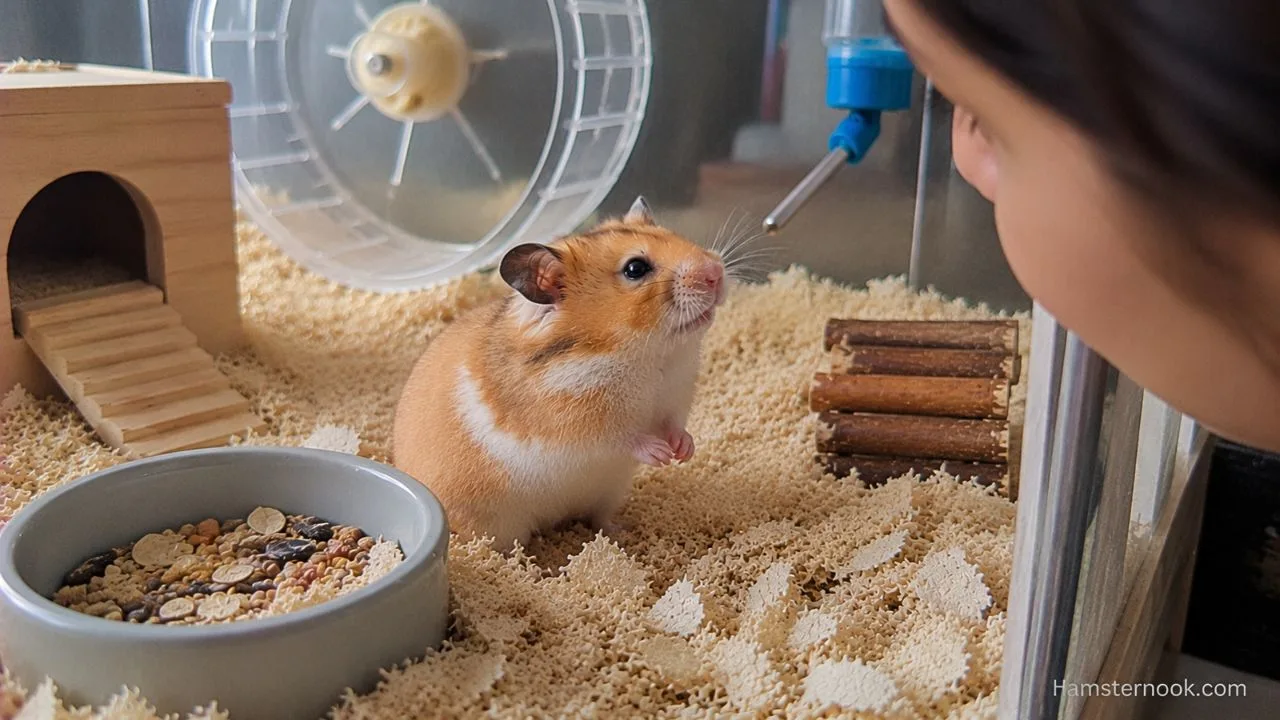
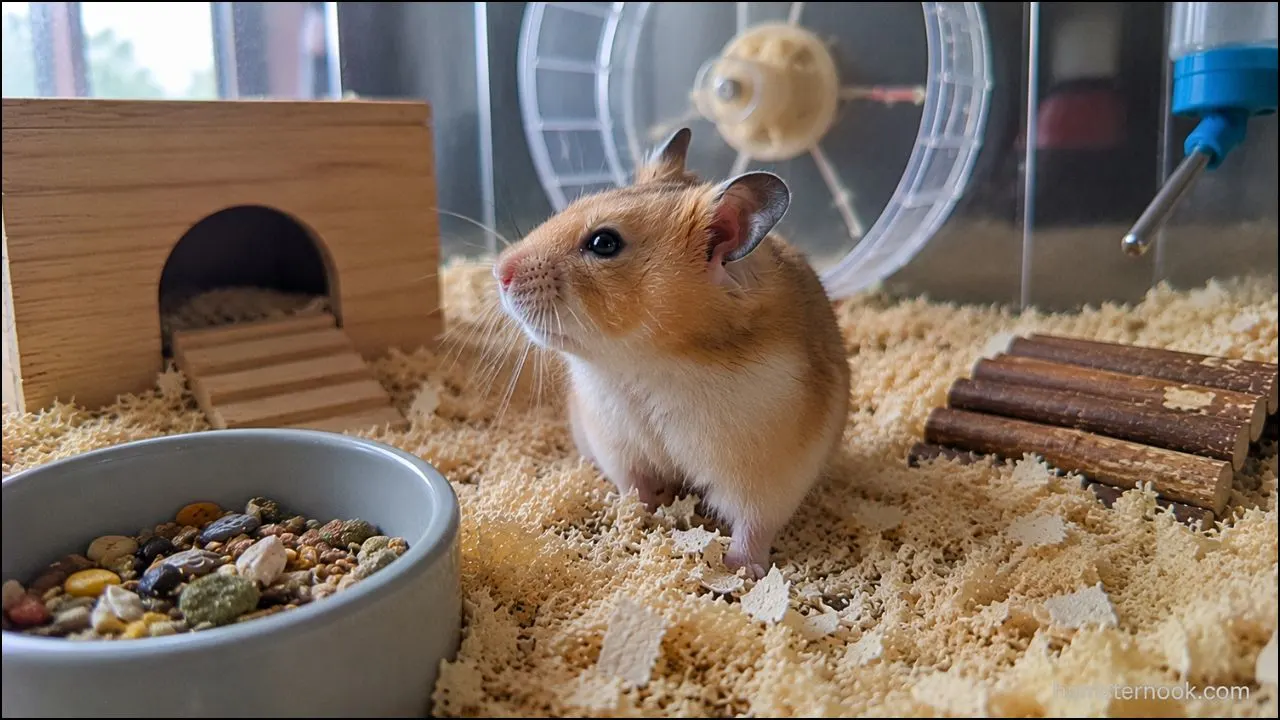
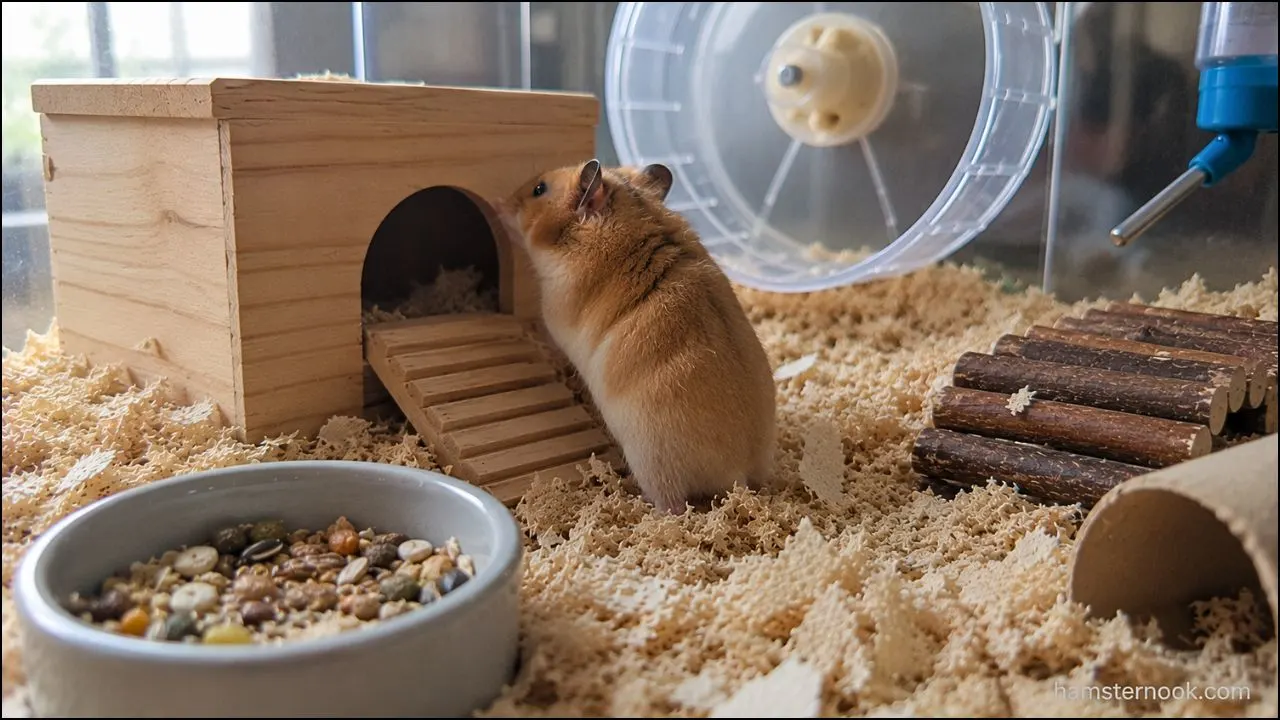
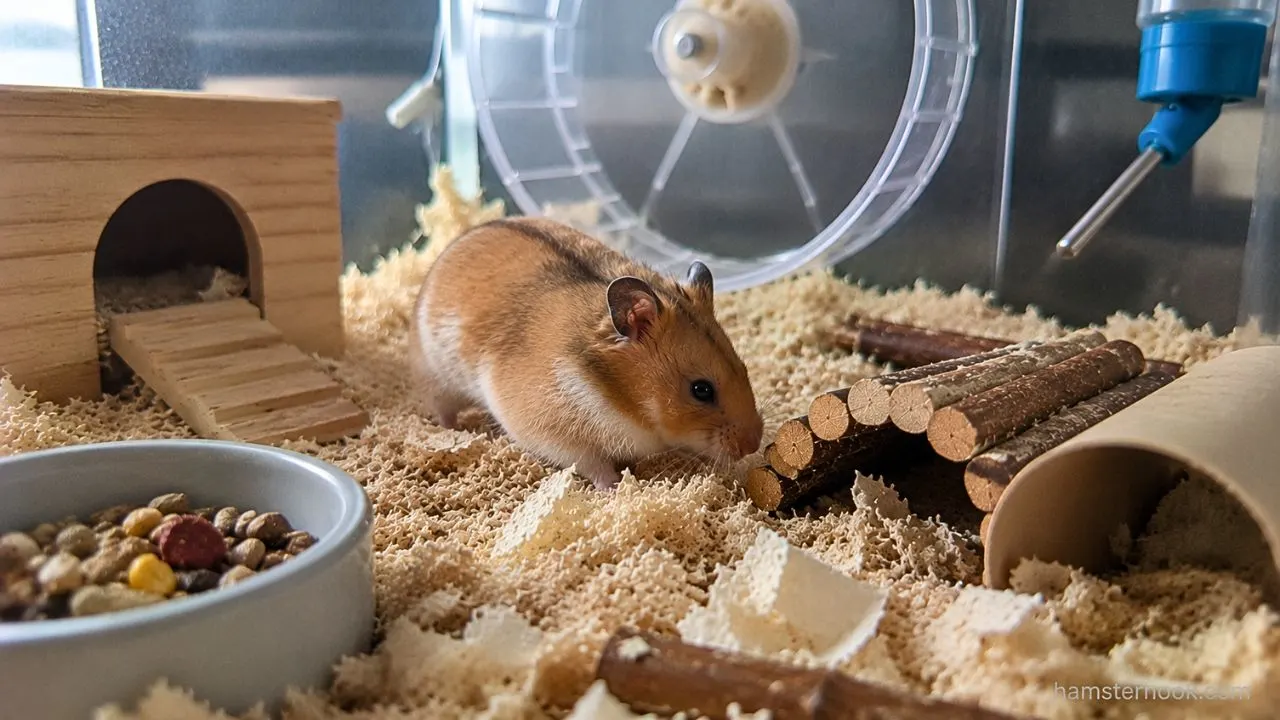
You walk past your hamster’s cage and suddenly notice something unusual. Your hamster is completely motionless. No running, no digging, no exploring—just standing perfectly still. For many owners, especially first-time hamster keepers, this can be alarming.
The good news is that freezing behavior is often a normal part of hamster communication and survival instincts. In many cases, a hamster that suddenly stops moving is simply reacting to a sound, scent, movement, or unfamiliar situation. However, there are times when prolonged stillness can signal stress, fear, illness, or another issue that deserves attention.
Understanding why hamsters freeze can help you determine whether your pet is behaving normally or whether a health concern may be developing. This guide explains the most common reasons hamsters stay still, how to recognize normal freezing behavior, and when you should consider contacting a veterinarian.
Quick Answer: Why Is My Hamster Frozen?
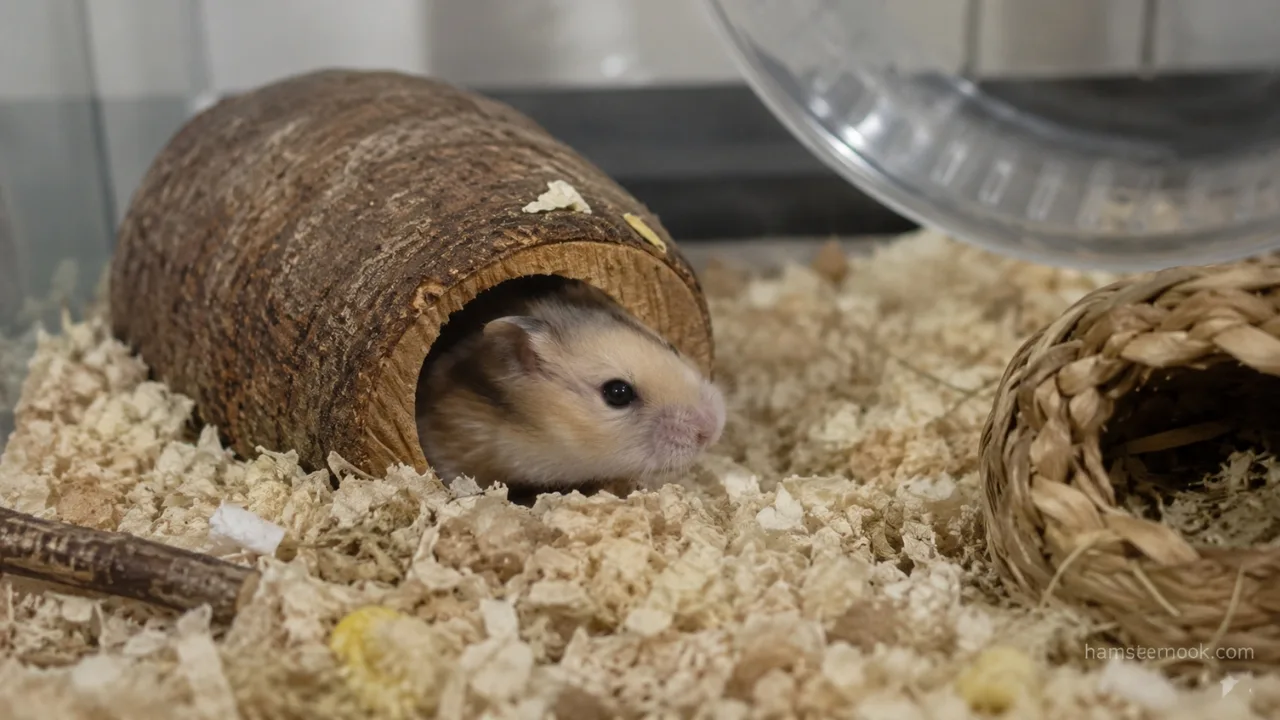
A hamster may freeze briefly after hearing a sound, noticing movement, or encountering something unfamiliar. This is often a normal defensive response. However, unusual stillness becomes more concerning when your hamster is difficult to rouse, stays inactive during its normal waking period, or also shows weakness, poor appetite, breathing problems, weight loss, or other signs of illness. Cold exposure is another important possibility because hamsters can enter torpor when temperatures become too low.
For room-temperature guidance and signs that the environment may be too hot or too cold, see Hamster Temperature: Safe Range, Too Hot & Too Cold.
What Does It Mean When a Hamster Freezes?
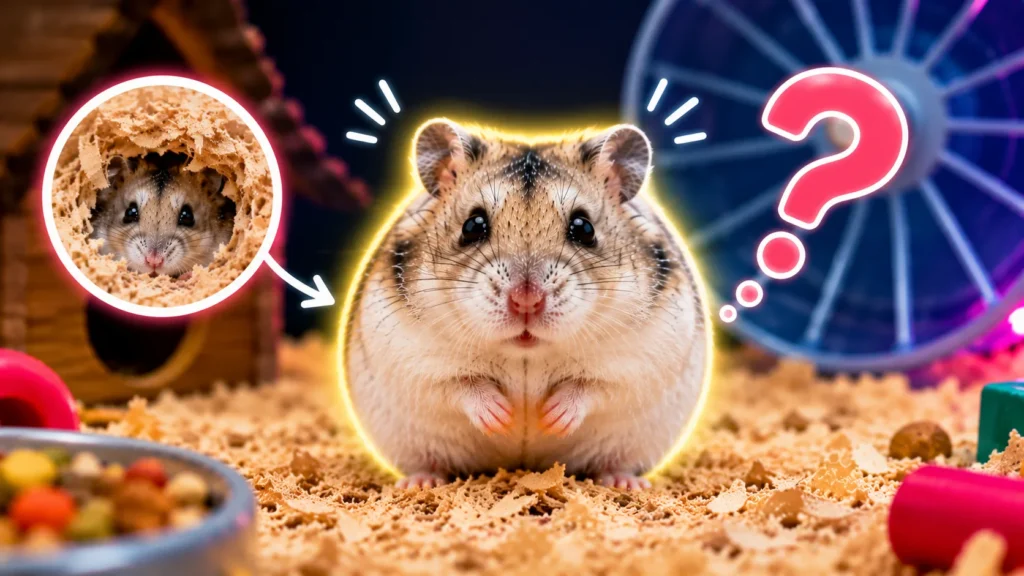
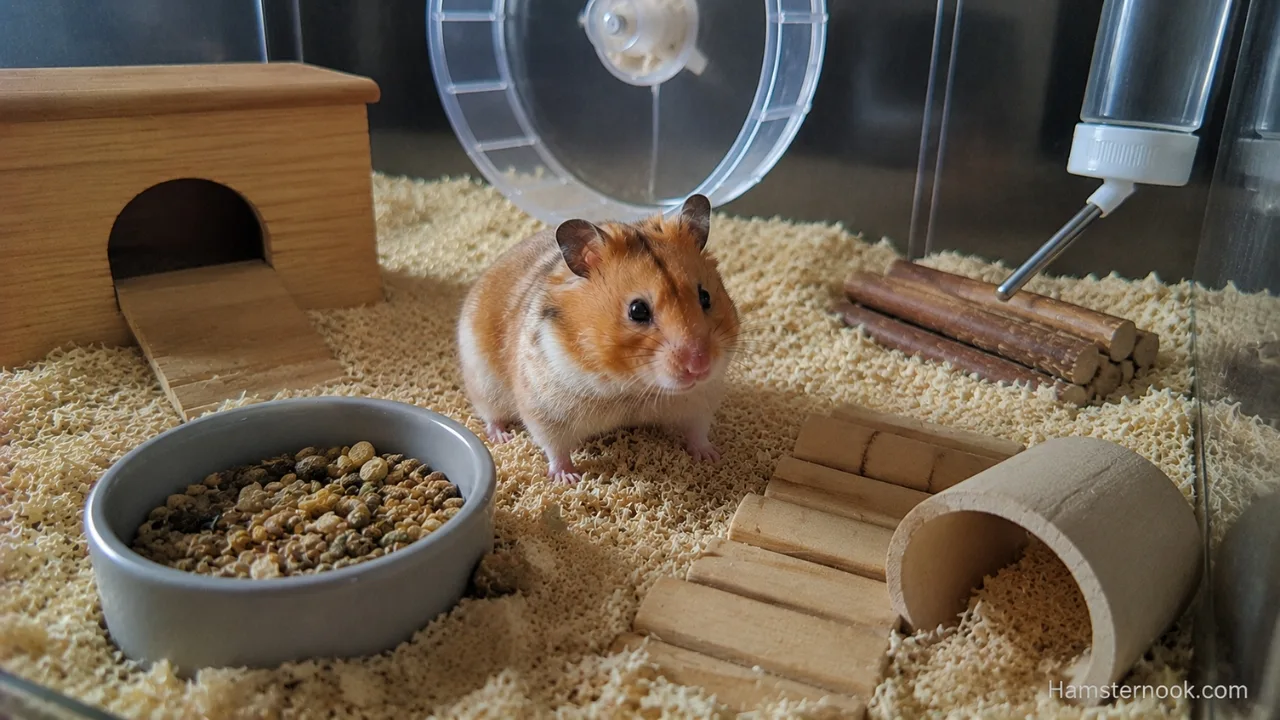
Freezing is a natural defensive behavior in hamsters. Instead of immediately running away from a perceived threat, a hamster may stop moving completely while assessing its surroundings.
In the wild, sudden movement can attract predators. Remaining motionless for a few moments may help a hamster avoid detection while deciding whether danger is present.
A brief freeze can be normal when your hamster remains alert, responds to its surroundings, and returns to normal activity afterward. The context matters more than a fixed number of seconds, because prolonged or unusual stillness can also occur with stress, illness, or cold-related torpor.
Common Reasons Hamsters Freeze and Stay Still
There are several possible explanations for this behavior. Some are completely harmless, while others require closer observation.
Your Hamster Heard an Unfamiliar Sound
Hamsters have excellent hearing and can detect sounds that humans barely notice.
Common triggers include:
- Doors closing
- Vacuum cleaners
- Television noise
- Barking dogs
- Loud conversations
- Household appliances
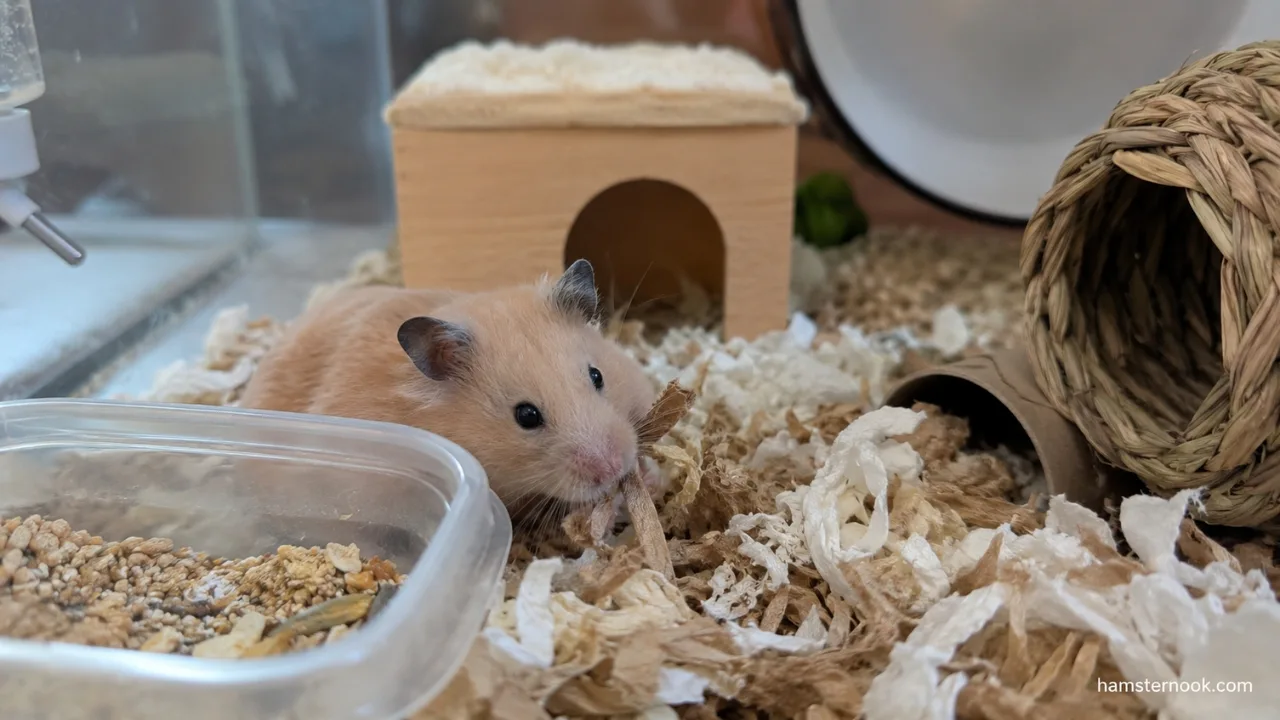
When a hamster hears something unusual, it may stop moving while trying to identify the source of the sound.
| Situation | Typical Response |
|---|---|
| Sudden loud noise | Brief freezing |
| New household sound | Alert posture |
| Repeated unfamiliar noise | Increased caution |
| Constant loud environment | Ongoing stress |
If your hamster resumes normal activity after a few seconds, the behavior is usually normal.
Your Hamster Is Feeling Nervous or Scared
Fear is one of the most common causes of freezing.
If your hamster often freezes, hides, or avoids interaction, it may be showing other signs of fear. Learn more in our guide on Why Is My Hamster Scared?
A hamster may freeze when:
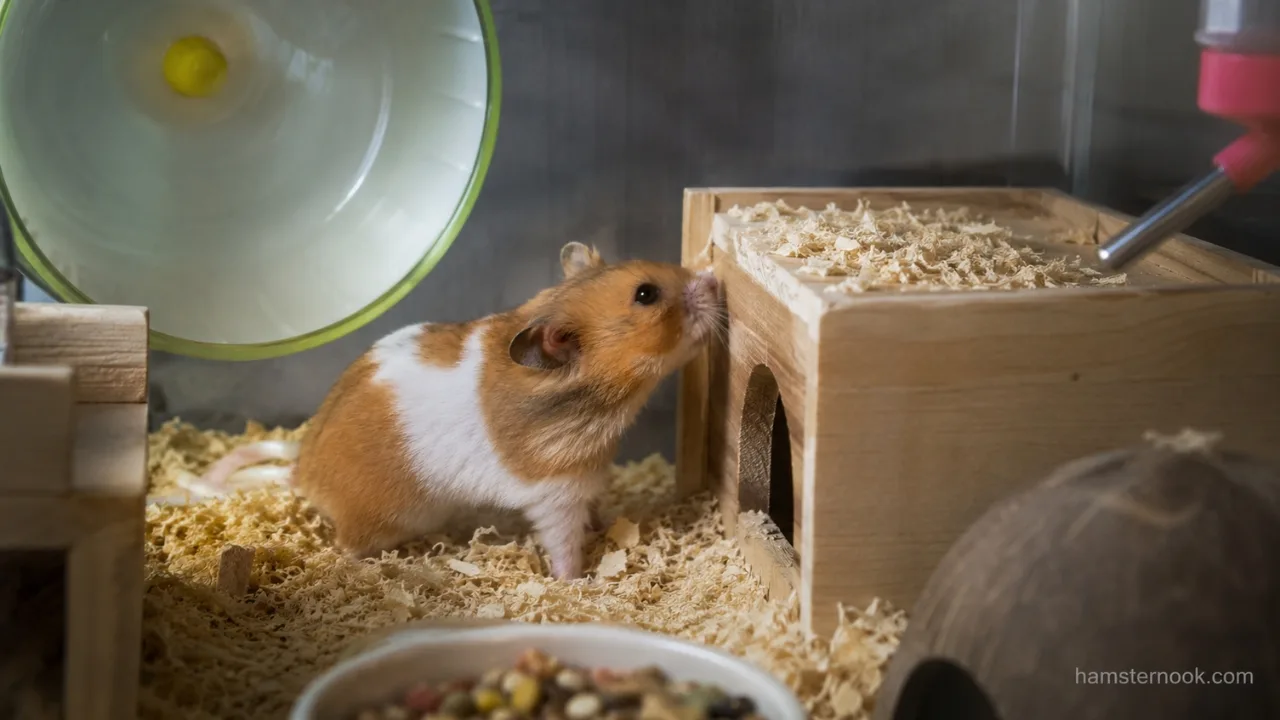
- Meeting a new owner
- Entering a new cage
- Experiencing a recent move
- Encountering unfamiliar scents
- Seeing another pet nearby
Young hamsters and newly adopted hamsters often freeze more frequently while adjusting to their environment.
If your hamster also hides frequently or seems unusually cautious, read our guide on Why Is My Hamster Suddenly Hiding More Than Usual?
Your Hamster Is Assessing Its Surroundings
Sometimes freezing is simply observation.
Hamsters rely heavily on their senses to gather information about their environment. A hamster may pause completely while listening, sniffing, or evaluating something new.
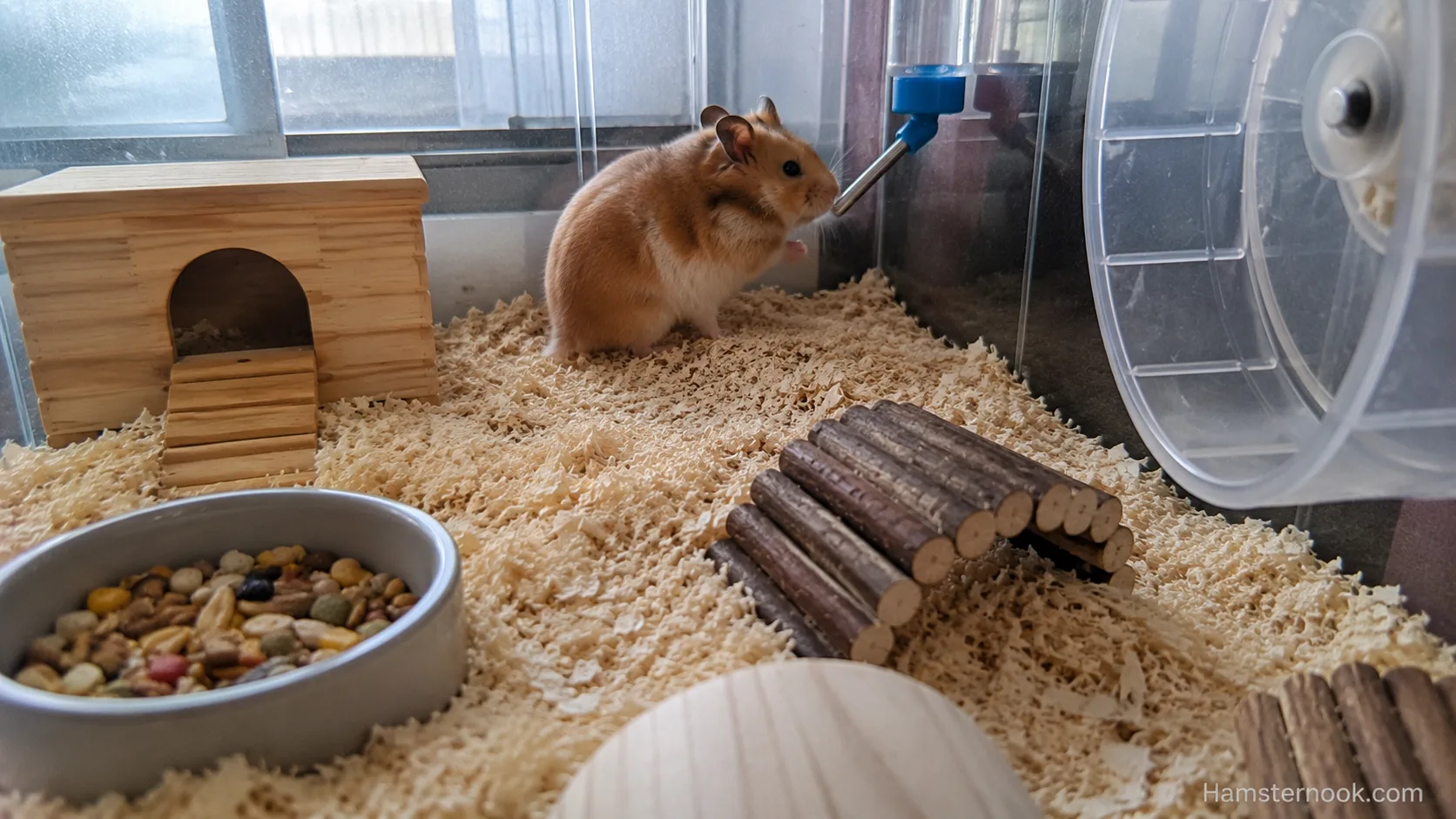
This behavior often occurs when:
- A new toy is added
- Cage furniture is rearranged
- New bedding is introduced
- An unfamiliar person enters the room
Once the hamster feels comfortable, normal activity usually resumes.
Sudden Movement Nearby Triggered a Freeze Response
Hamsters are prey animals.
Even friendly actions from owners can occasionally trigger caution.
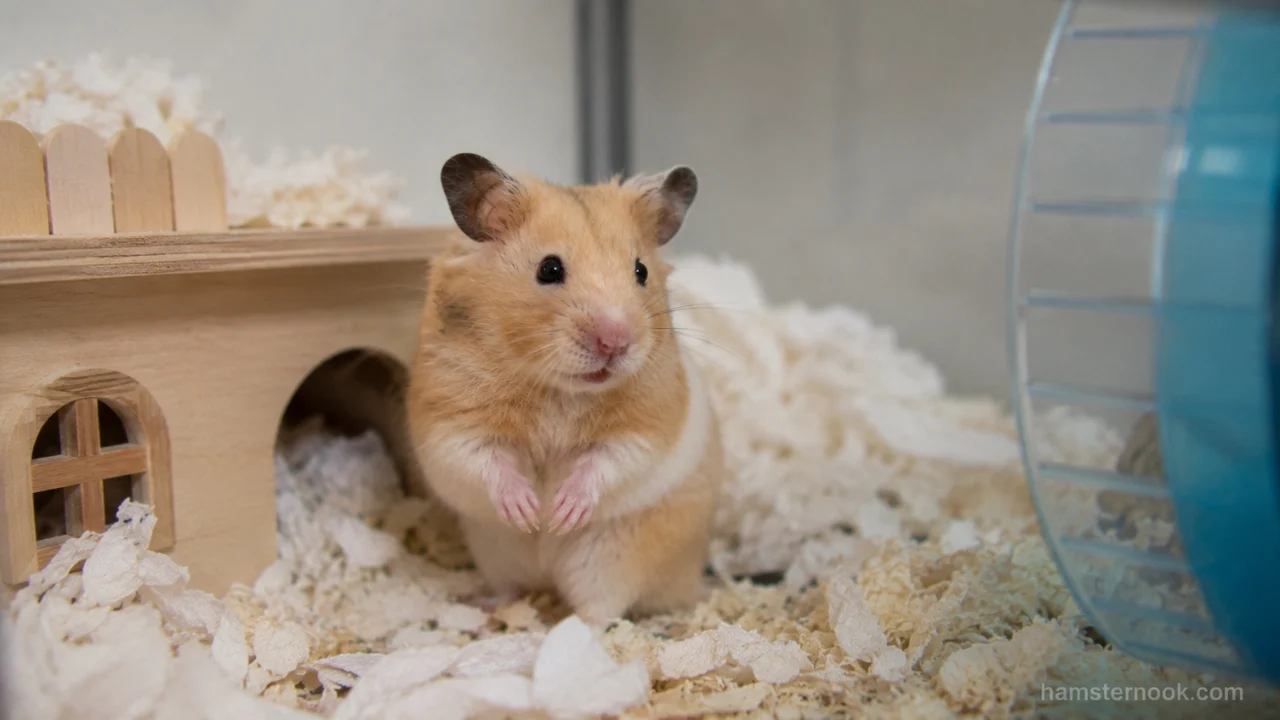
Examples include:
| Trigger | Possible Hamster Reaction |
|---|---|
| Hand entering cage suddenly | Freezing |
| Fast movement near enclosure | Alert posture |
| Shadow passing overhead | Brief stillness |
| Unexpected handling attempt | Defensive freezing |
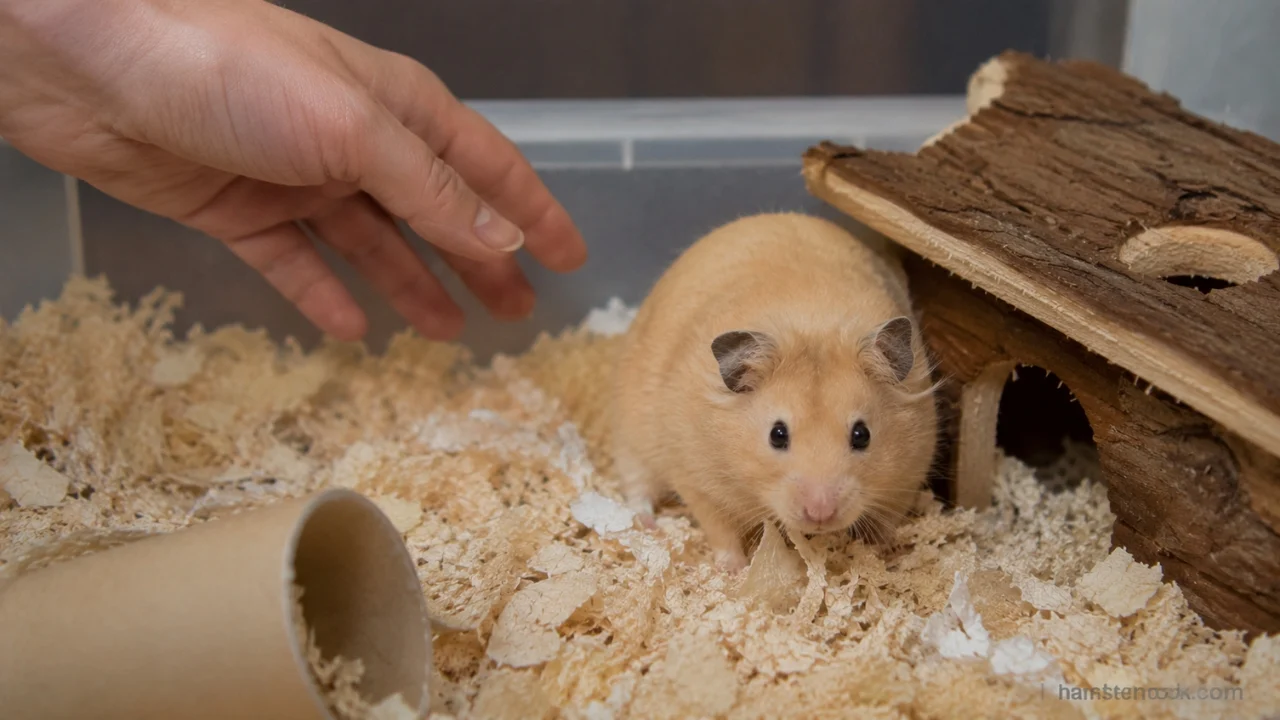
Approaching your hamster slowly and calmly can help reduce these reactions.
Your Hamster May Be Sleeping Lightly
Hamsters usually sleep during the day and become more active in the evening and at night. Their exact routine can vary, but owners should avoid disturbing a hamster that is resting or sleeping unless necessary.
Sometimes owners mistake a sleepy hamster for a frozen hamster.
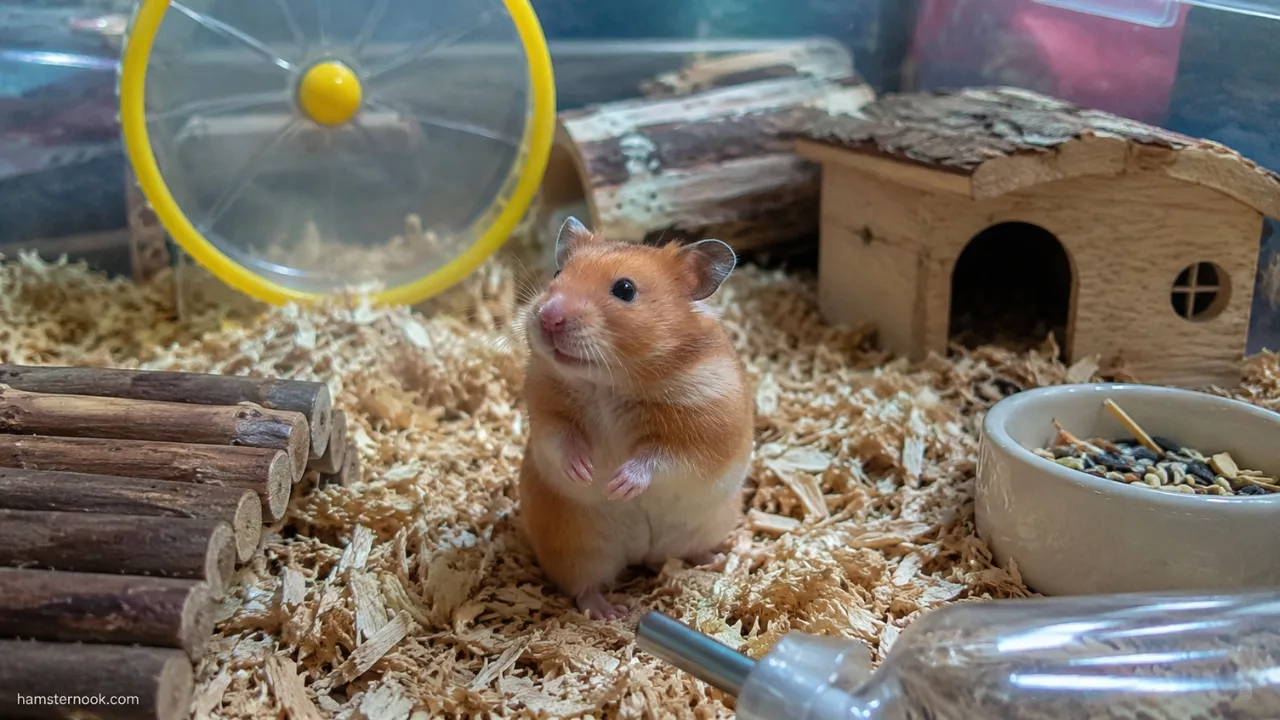
If you are unsure whether your hamster is simply resting, our What Your Hamster’s Sleeping Position Says About Their Health guide can help you recognize normal versus concerning sleeping patterns.
Signs of a relaxed resting hamster include:
- Half-closed eyes
- Relaxed body posture
- Slow breathing
- Calm facial expression
A resting hamster may look very still, so the timing and context matter. If your hamster is resting during its normal sleep period and otherwise returns to normal activity when awake, this is different from unusual inactivity during its normal active period.
A sleeping or drowsy hamster will usually respond gradually if disturbed.
Could Cold Temperature Make a Hamster Look Frozen?
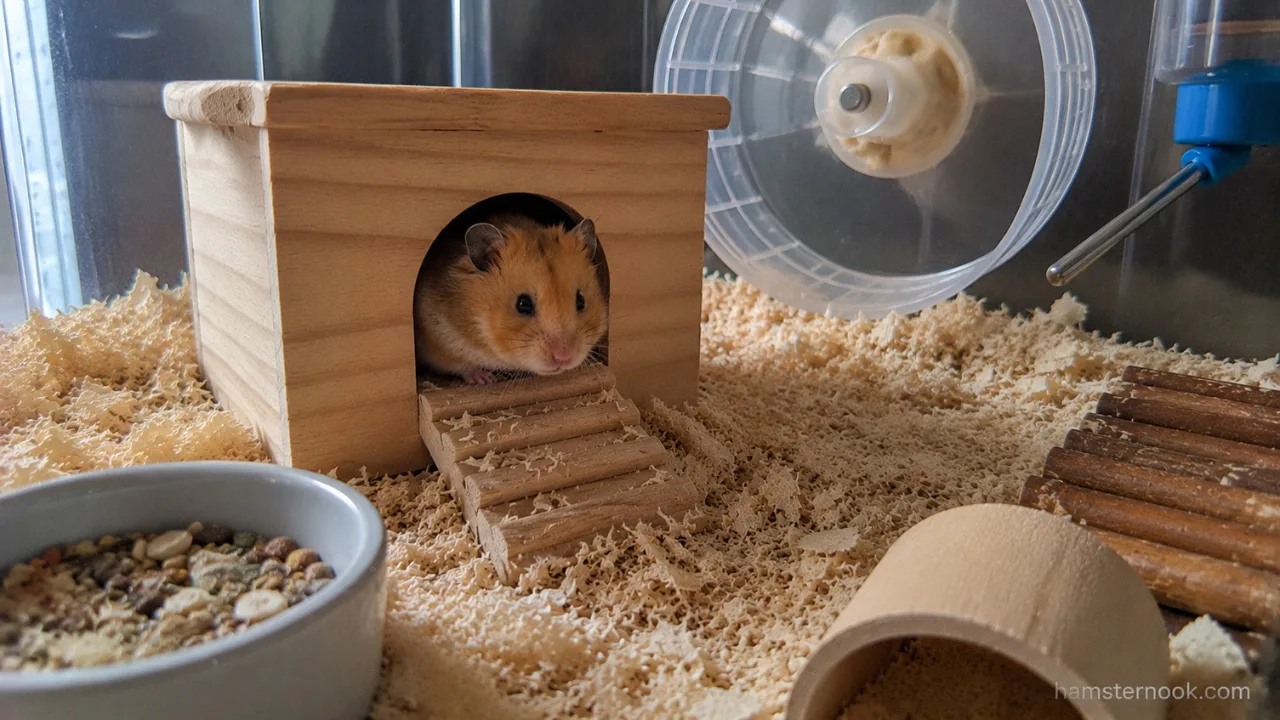
Cold-related torpor can look very different from a normal brief freeze. A hamster in torpor may become extremely inactive and feel unusually cool, so this should not simply be assumed to be normal sleeping or freezing behavior. Keep the enclosure away from cold drafts and monitor the room temperature. If your hamster is unusually cold, difficult to rouse, or not returning to normal activity, contact an exotic-animal veterinarian promptly.
Stress Can Cause Extended Freezing
Short freezing episodes are normal. Long periods of freezing may indicate stress.
Potential stressors include:
- Cage that is too small
- Lack of hiding places
- Frequent disturbances
- Poor cage location
- Constant bright lighting
- Loud household activity
Stress-related freezing often occurs alongside other behavioral changes.
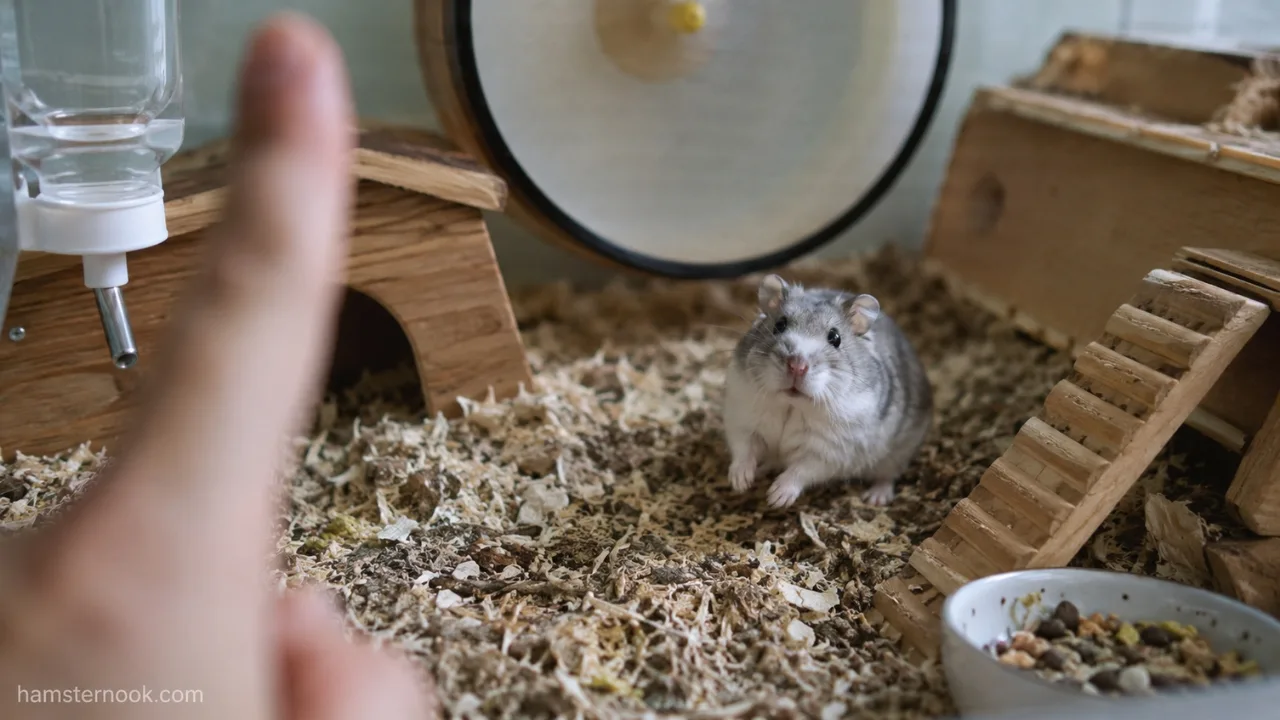
If you are seeing several stress-related changes together, 7 Signs You’re Accidentally Stressing Your Hamster covers common environmental and handling factors that can contribute to stress.
Stress-related freezing can occur alongside other changes in behavior, but these signs are not specific to stress alone. Persistent inactivity, appetite changes, weakness, breathing problems, or other physical changes should be treated as possible health concerns rather than assumed to be behavioral stress.
| Stress Sign | May Appear With Freezing? |
|---|---|
| Bar chewing | Yes |
| Hiding excessively | Yes |
| Reduced activity | Yes |
| Poor appetite | Sometimes |
| Increased aggression | Sometimes |
Addressing environmental stress can often improve behavior.
Could Illness Cause a Hamster to Stay Still?
Yes. Health problems can sometimes cause a hamster to remain motionless.
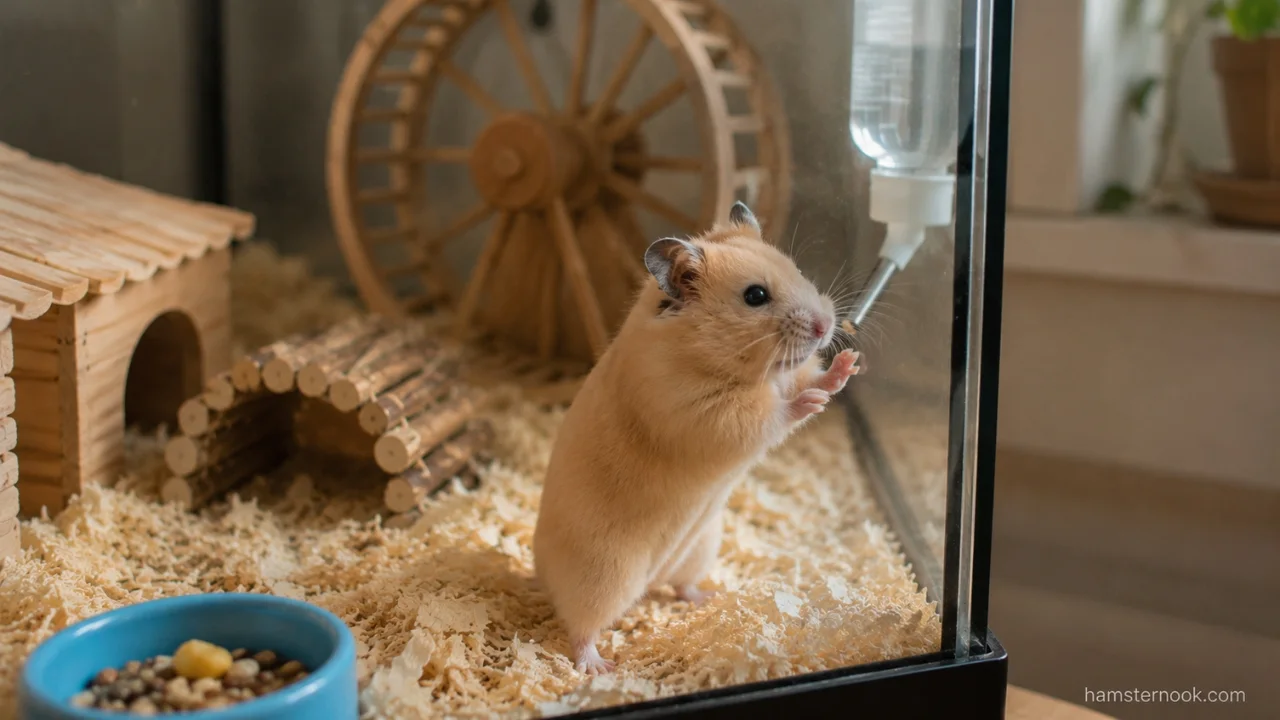
Unlike normal freezing, illness-related stillness usually lasts longer and is often accompanied by additional symptoms.
If your hamster is staying still even when there is no obvious trigger, our Why Is My Hamster Sitting Still and Not Moving? guide covers other causes and warning signs to watch for.
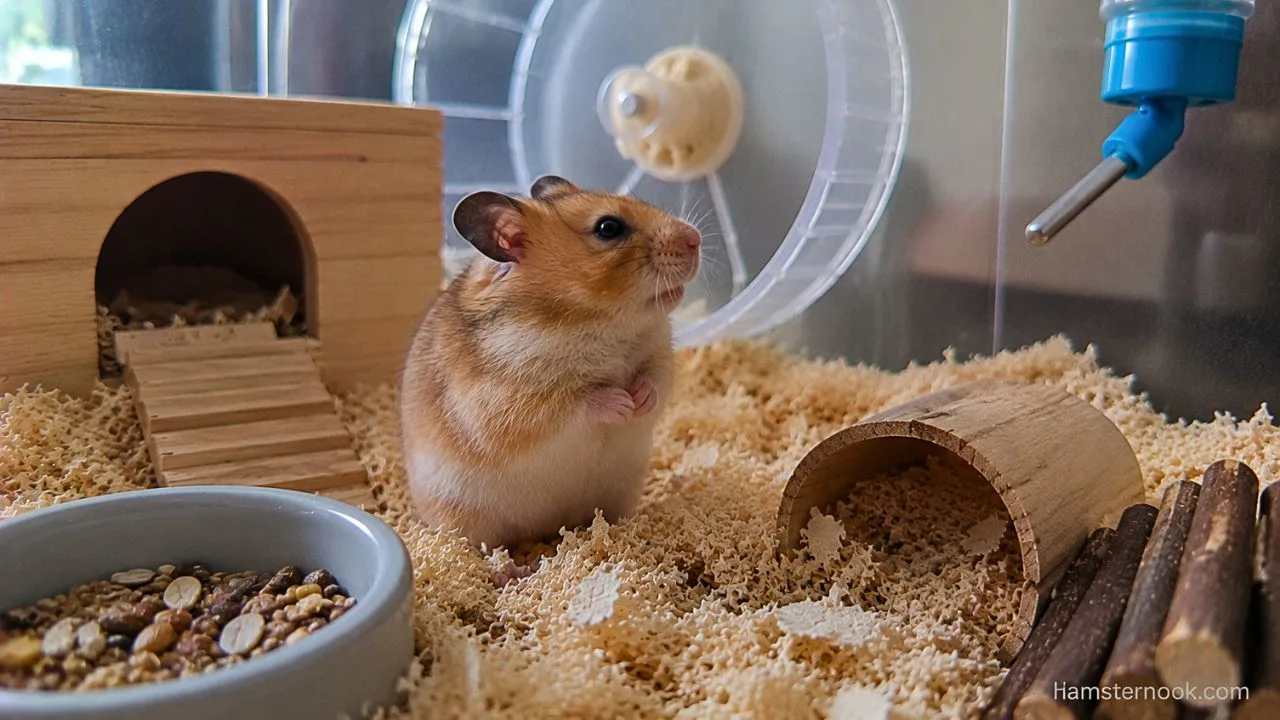
Watch for:
These symptoms can sometimes indicate an underlying health problem rather than normal freezing behavior.
- Lethargy
- Loss of appetite
- Weight loss
- Difficulty breathing
- Hunched posture
- Closed eyes while awake
- Discharge from eyes or nose
If these symptoms are present, veterinary attention is recommended, particularly when the change is sudden or your hamster is unusually weak, difficult to rouse, or having trouble breathing. Hamsters can become seriously ill quickly, so unusual inactivity should not be dismissed as normal freezing.
MSD Veterinary Manual lists inactivity, appetite or weight loss, hunched posture, discharge, and breathing difficulty among hamster illness signs.
A noticeable loss of appetite is another important warning sign, and our Why Is My Hamster Not Eating? guide covers possible causes and when veterinary care may be needed.
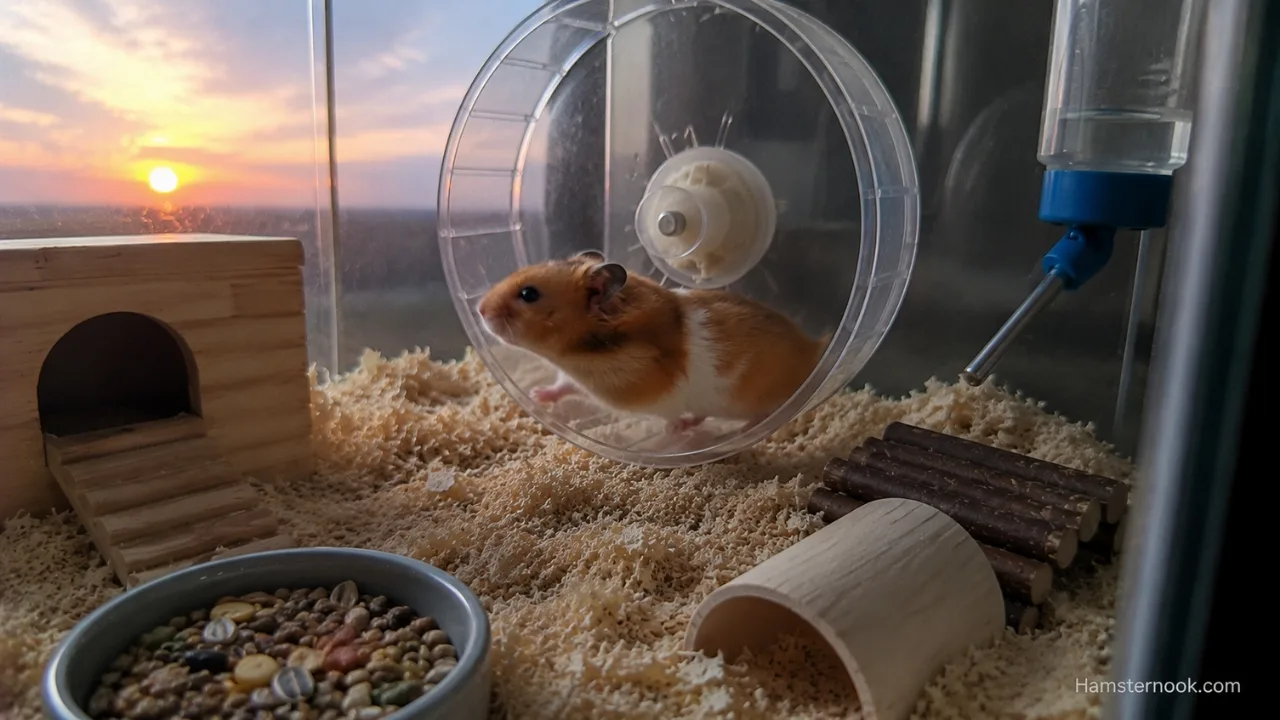
Freezing vs Illness: How to Tell the Difference
The following comparison can help owners evaluate what they are seeing.
| Behavior | Normal Freezing | Possible Health Problem |
|---|---|---|
| Duration | Brief | Prolonged or repeated |
| Alertness | Alert and responsive | Often less responsive or sluggish |
| Reaction to sounds | Responds normally | May respond less than usual |
| Eating habits | Normal | Reduced appetite |
| Activity afterward | Returns to normal | Remains unusually inactive |
| Body posture | Upright and attentive | Hunched or weak |
A hamster that remains alert, reacts normally to its surroundings, and returns to its usual activity is more consistent with a brief freeze response. If it remains unusually inactive, becomes difficult to rouse, or develops other physical symptoms, do not assume the behavior is simply freezing.
Can Older Hamsters Freeze More Often?
Older hamsters sometimes appear less active than younger ones.
Understanding the normal lifespan of a hamster can make age-related behavior changes easier to recognize.
Age-related changes may include:
- Longer resting periods
- Slower movement
- Reduced exploration
- Increased sleep
However, aging alone should not cause constant motionlessness. If an older hamster suddenly becomes much less active than usual, it is worth monitoring closely.
How to Help a Hamster That Freezes Frequently
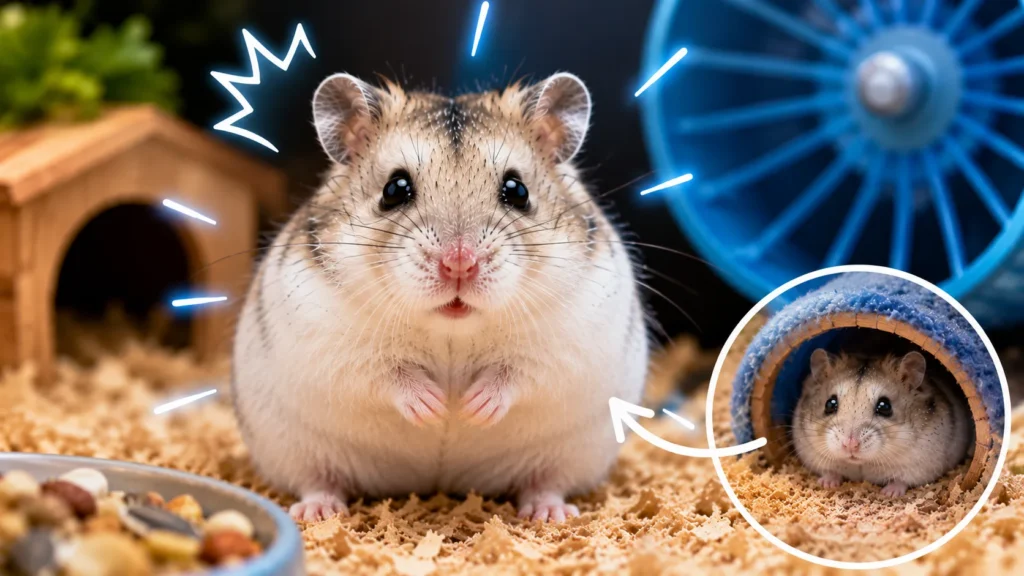
If your hamster freezes often but otherwise appears healthy, a few simple changes may help.
Create a Predictable Environment
Hamsters feel safer when their surroundings remain consistent.
Try to:
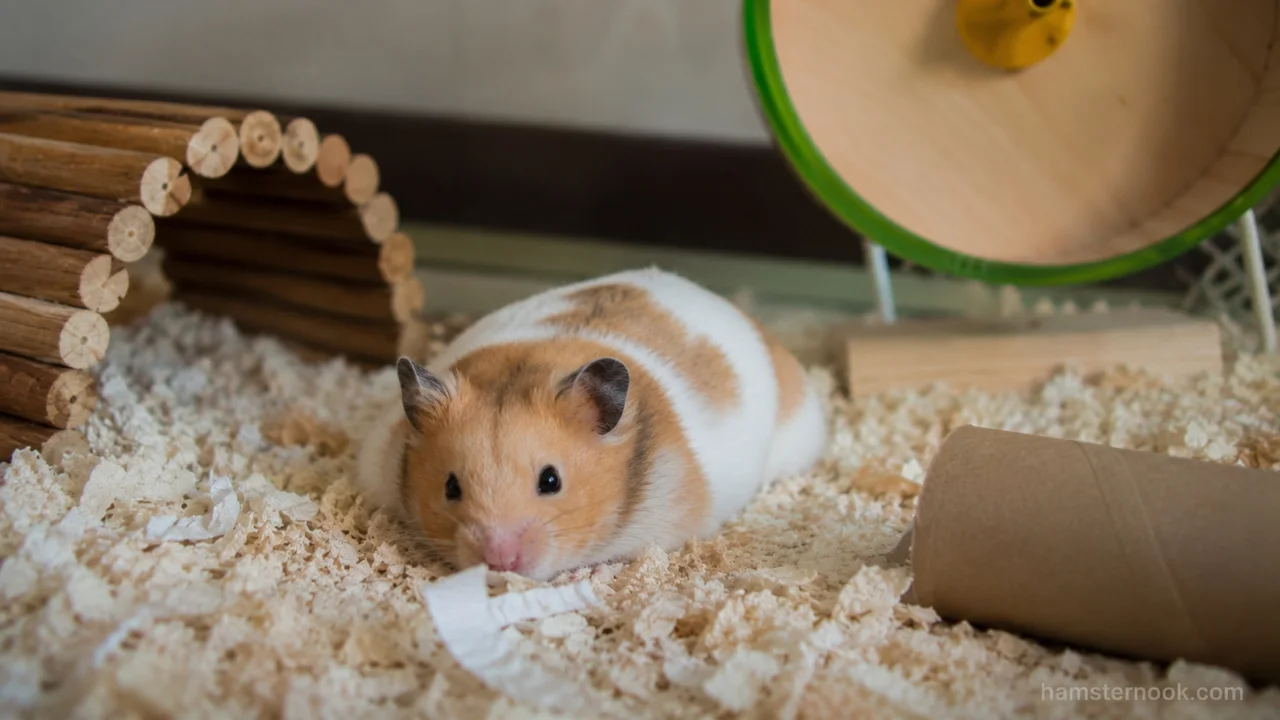
- Keep the cage in a quiet area
- Maintain regular feeding times
- Avoid frequent cage rearrangements
- Reduce sudden loud noises
Provide More Hiding Spots
A hamster that feels secure is less likely to remain frozen out of fear.
Useful hiding options include:
- Multi-chamber hides
- Cork tunnels
- Wooden houses
- Safe cardboard shelters
Approach Slowly
Always allow your hamster to see and smell your hand before attempting contact.
Slow movements can reduce defensive reactions and build trust over time.

Give New Hamsters Time to Adjust
Recently adopted hamsters may need time to become comfortable in a new environment. Keep handling gentle, provide secure hiding places, and avoid unnecessary disturbances while the hamster adjusts.
Patience is often the best solution during the adjustment period.
When Should You Contact a Veterinarian?
While freezing itself is usually normal, veterinary advice is important if your hamster:
- Remains motionless for long periods
- Appears weak or lethargic
- Stops eating or drinking
- Has breathing difficulties
- Shows sudden behavioral changes
- Experiences weight loss
- Develops other signs of illness
Prompt evaluation can help identify medical issues before they become more serious.

Learning normal hamster body language can make it much easier to tell the difference between healthy caution and potential health concerns.
Final Thoughts
A hamster that suddenly freezes and stays still is often displaying a natural survival behavior rather than a health problem. Many hamsters briefly stop moving when they hear a strange sound, notice movement nearby, or encounter something unfamiliar in their environment.
The key difference is duration and overall condition. A healthy hamster typically remains alert, responsive, and returns to normal activity shortly afterward. If the freezing becomes frequent, prolonged, or occurs alongside symptoms such as lethargy, poor appetite, or breathing problems, further investigation may be needed.
By learning to recognize normal caution versus potential illness, owners can better understand their hamster’s behavior and provide a safer, less stressful environment.
Frequently Asked Questions
Is it normal for a hamster to suddenly freeze?
Yes. Brief freezing is a natural behavior that helps hamsters assess potential threats in their environment.
How long should a hamster stay frozen?
Normal freezing is usually brief, with the hamster remaining alert and then returning to normal activity once it no longer feels threatened.
Why does my hamster freeze when I walk near the cage?
Your hamster may be reacting to movement, sound, or an unfamiliar presence. This is especially common with new or nervous hamsters.
Should I pick up my hamster when it freezes?
It is usually best to wait until the hamster relaxes and begins moving normally again. Sudden handling may increase stress.
Can stress cause a hamster to stay still?
Yes. Chronic stress can contribute to excessive freezing, hiding, and reduced activity levels.
When is freezing behavior a medical concern?
Freezing becomes more concerning when it is prolonged or accompanied by lethargy, weight loss, breathing difficulties, or loss of appetite. In those cases, veterinary evaluation is recommended.
References
This guide is based on hamster behavior, stress, welfare, husbandry, and health guidance from trusted veterinary and animal care organizations, including:
- RSPCA – Hamster Care Guidance
- PDSA – Hamster Care Advice
- Blue Cross – Hamster Care Guide
- Merck Veterinary Manual – Hamster Behavior, Health & Husbandry
Medical Disclaimer
This article is intended for educational purposes only and should not be considered veterinary advice. Brief freezing can be a normal hamster behavior, but prolonged or unusual stillness may sometimes be associated with stress or illness. If your hamster remains unusually motionless or shows signs such as severe lethargy, loss of appetite, breathing difficulties, weakness, or other concerning changes, consult a qualified exotic animal veterinarian promptly.

Narayan Kumar is the founder and author of HamsterNook. He creates practical, research-based hamster care guides covering hamster behavior, nutrition, cage setup, enrichment, health, and everyday care. His goal is to help hamster owners make informed decisions and provide safer, healthier lives for their pets through clear, beginner-friendly information based on trusted animal care resources.