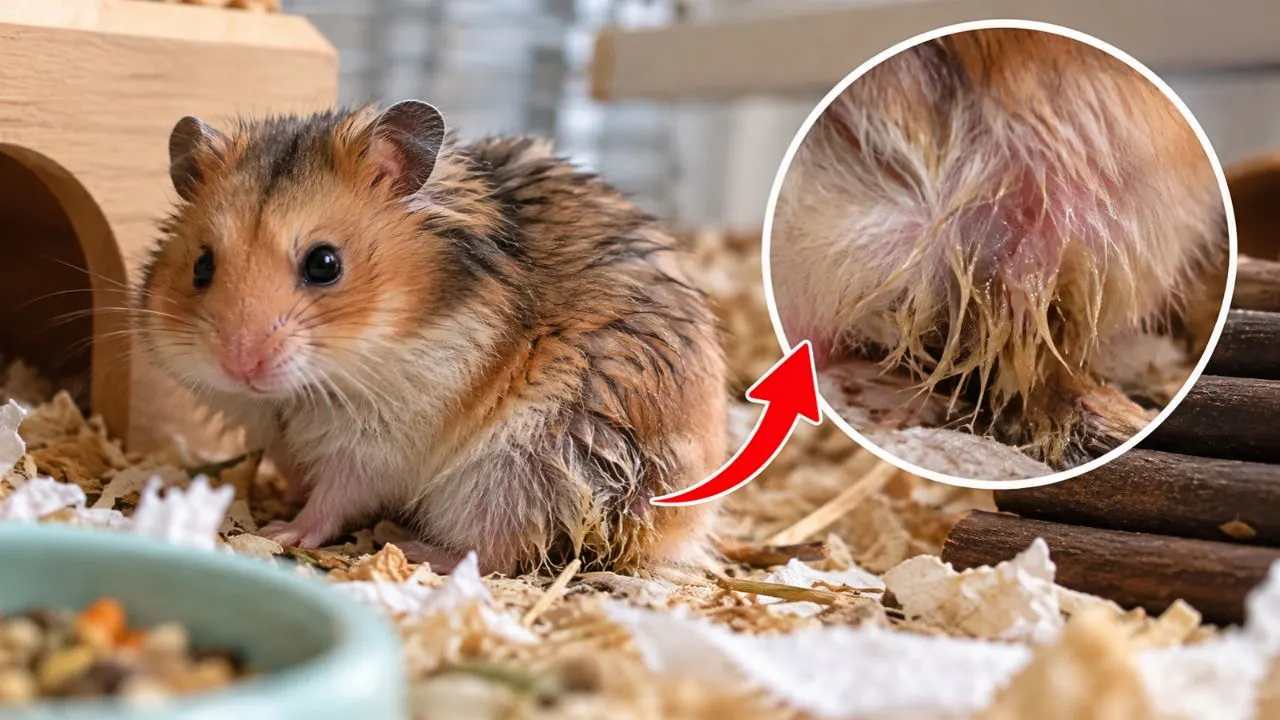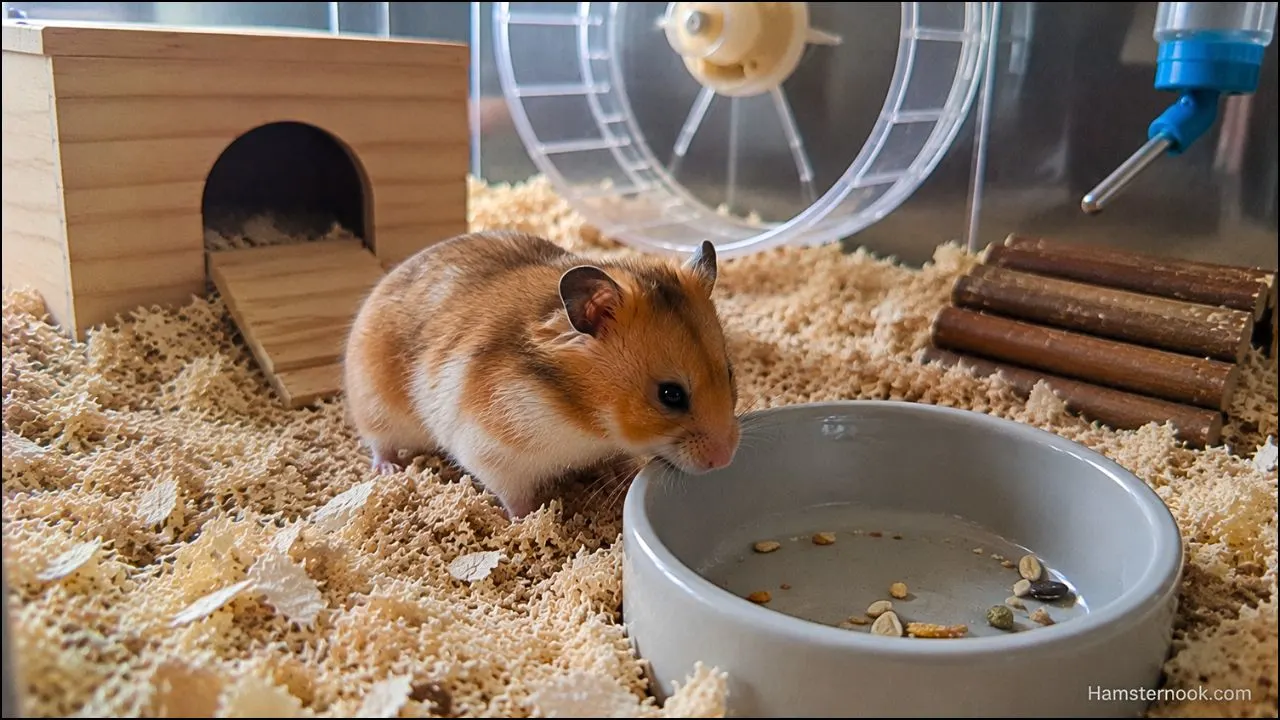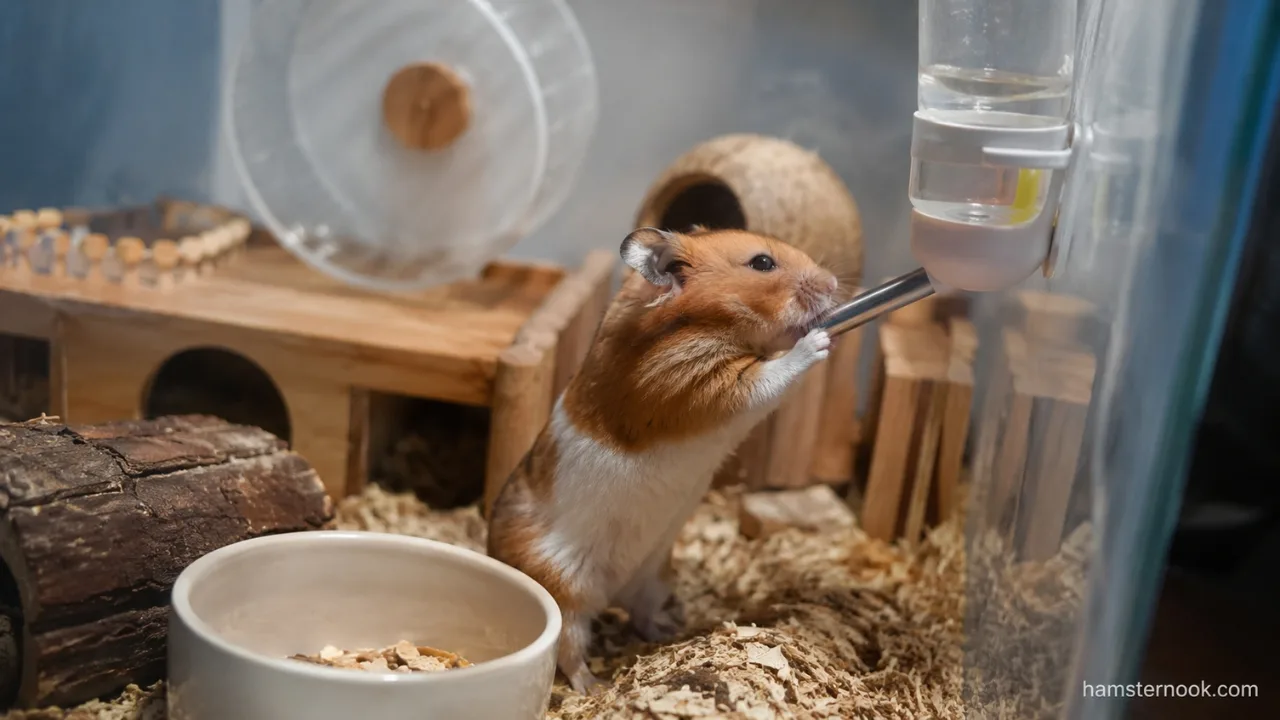
One evening, you refill your hamster’s water bottle and notice it seems much emptier than usual the next day. Maybe you’ve caught your hamster visiting the water bottle repeatedly, or perhaps you’re worried because the bottle needs refilling more often than before.
Many hamster owners notice changes in their pet’s drinking habits at some point, and it can be difficult to know whether the change is harmless or something that deserves closer attention. The challenge is that increased drinking can sometimes be completely normal—but in other situations, it may signal an underlying health problem that shouldn’t be ignored.
Understanding what is normal for your hamster makes it easier to recognize when a change in drinking habits deserves closer attention. In this guide, we’ll explore why hamsters drink water, what affects their water intake, when increased drinking is harmless, and when it’s time to seek veterinary advice.
Quick Answer: Why Is My Hamster Drinking So Much Water?
A hamster may drink more water because of hot weather, a dry-food diet, increased activity, pregnancy, or nursing. However, excessive thirst combined with symptoms such as weight loss, lethargy, frequent urination, or appetite changes can sometimes indicate a health problem that requires veterinary attention.
How Much Water Does a Hamster Normally Need?
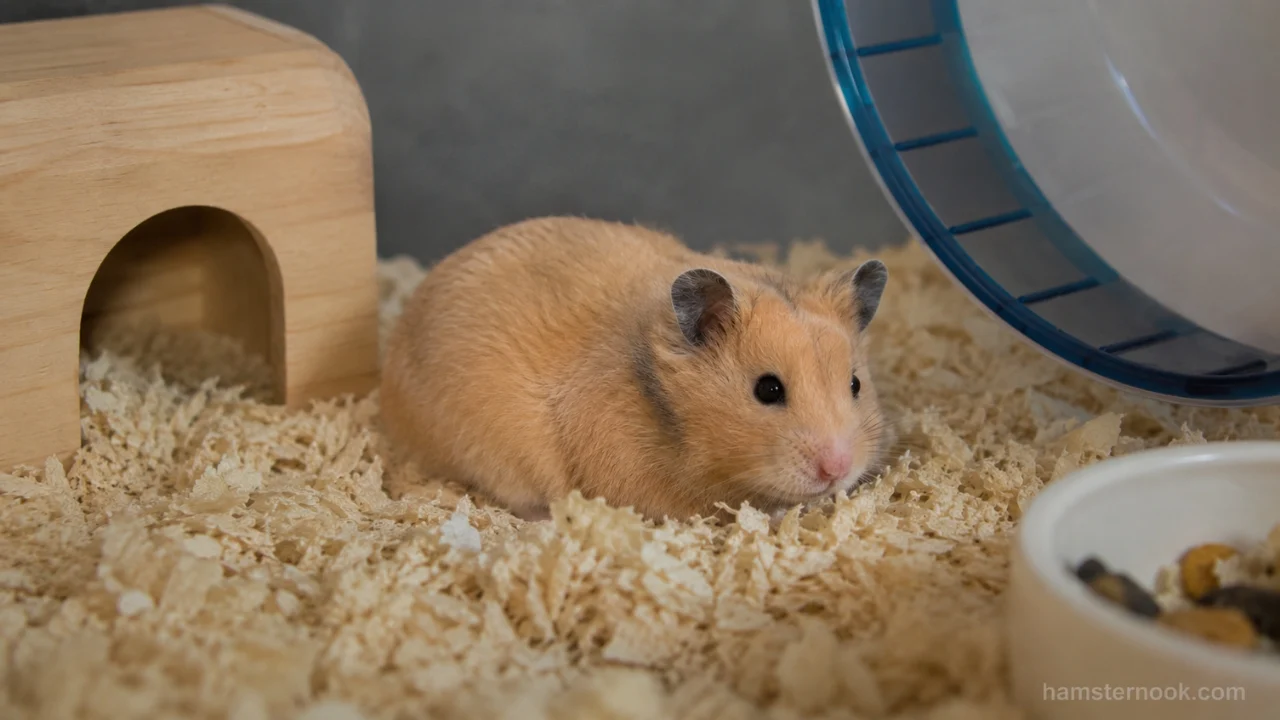
Hamsters are small animals, so they naturally consume much less water than larger pets.
The exact amount varies depending on several factors, including:
- Hamster species
- Age
- Diet
- Activity level
- Room temperature
- Health status
A hamster eating dry pellets and seed mixes will usually drink more water than one eating moisture-rich vegetables.
Because water intake varies from one hamster to another, sudden changes from your pet’s usual routine are often more meaningful than the exact amount being consumed.
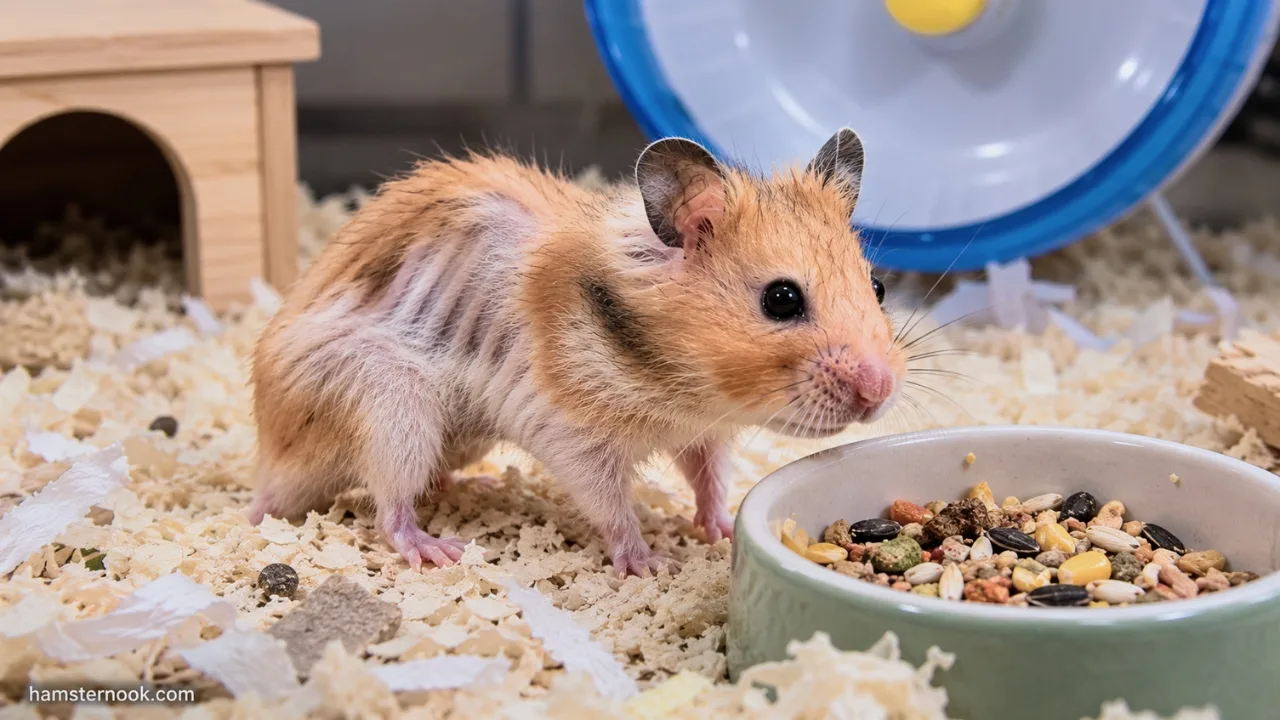
One simple way to identify a genuine change is to observe your hamster for three to five days instead of relying on a single day. Looking for a consistent pattern helps you distinguish temporary changes caused by weather or activity from a possible health concern.
What Counts as Excessive Drinking?
The biggest concern is a clear increase compared with your hamster’s normal drinking pattern, particularly if it develops suddenly, continues for several days, or occurs alongside other changes such as weight loss, reduced activity, increased urination, or appetite changes.
Normal Reasons Your Hamster May Be Drinking More Water
Often, there is a simple and completely normal reason behind increased water consumption.
Hot Weather and Higher Temperatures
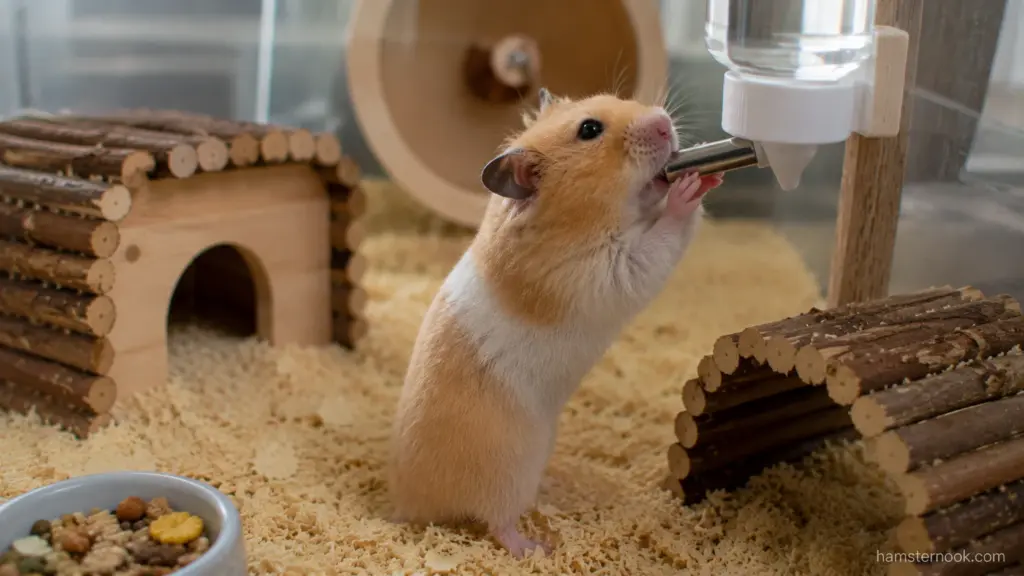
Like people, hamsters tend to drink more when temperatures rise.
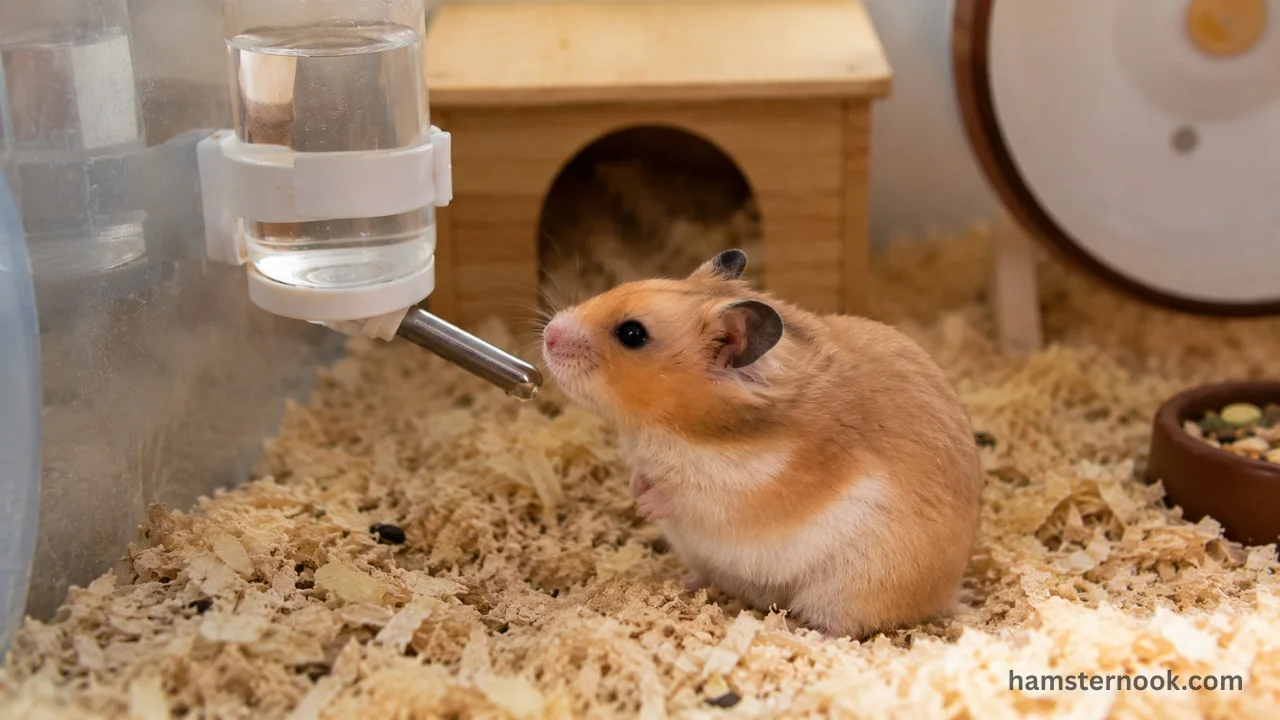
During warmer months, your hamster may naturally increase its water intake to stay hydrated.
If you’re unsure whether your room is becoming too warm, our Safe Temperature for Hamsters: How Hot or Cold Is Too Much? explains the safest temperature range and how heat affects hamster behavior.
If your hamster seems otherwise healthy and active, seasonal changes may be the explanation.
Always make sure the enclosure remains within a safe temperature range and that fresh water is available at all times during warmer weather.
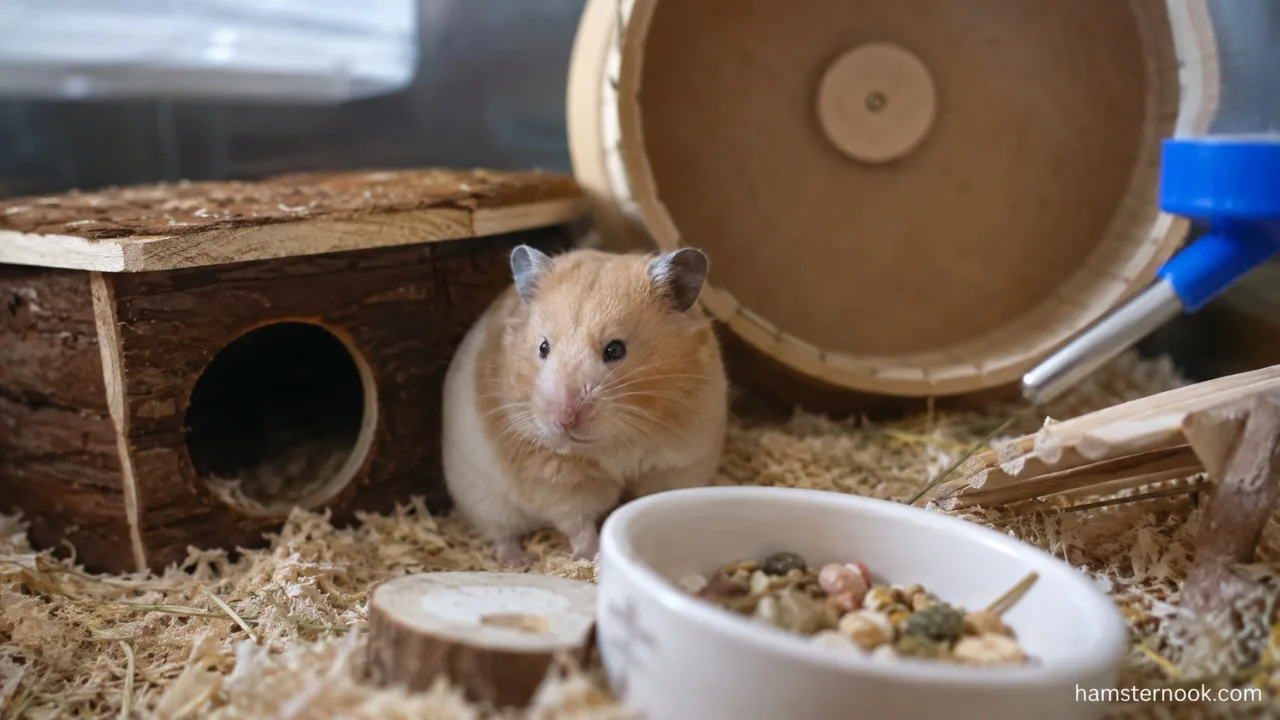
A Diet Higher in Dry Foods
Hamsters eating mostly:
- Seed mixes
- Pellets
- Dried treats
often drink more water than hamsters receiving regular fresh vegetables.
Dry foods contain very little moisture, so additional drinking is completely normal.
Increased Activity Levels
An active hamster running on its wheel for hours every night may naturally consume more water than a less active pet.
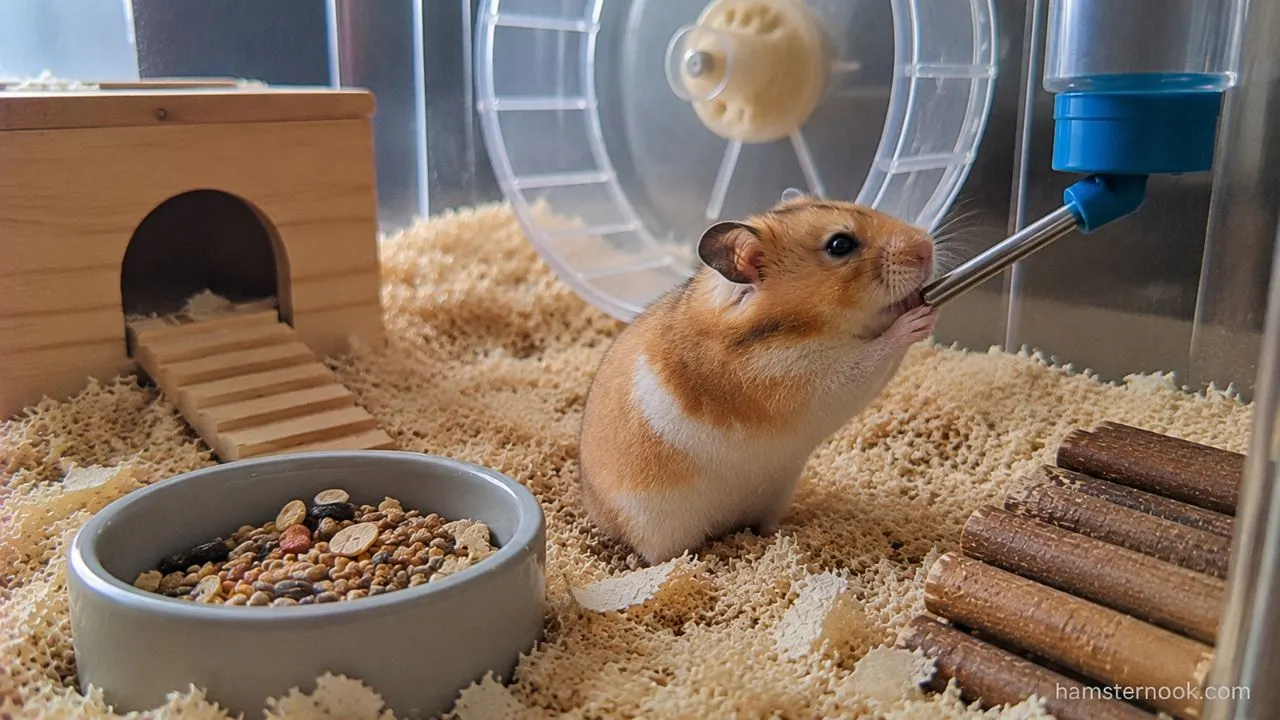
This is especially common in young and energetic hamsters.
Higher activity often goes hand in hand with increased thirst. Our Why Is My Hamster Running on the Wheel So Much? guide explains when lots of nighttime exercise is completely normal.
Owners who recently upgraded their hamster’s enclosure or enrichment may notice increased activity and slightly higher water consumption.
Pregnancy or Nursing
Female hamsters that are pregnant or nursing babies often require more water than usual.
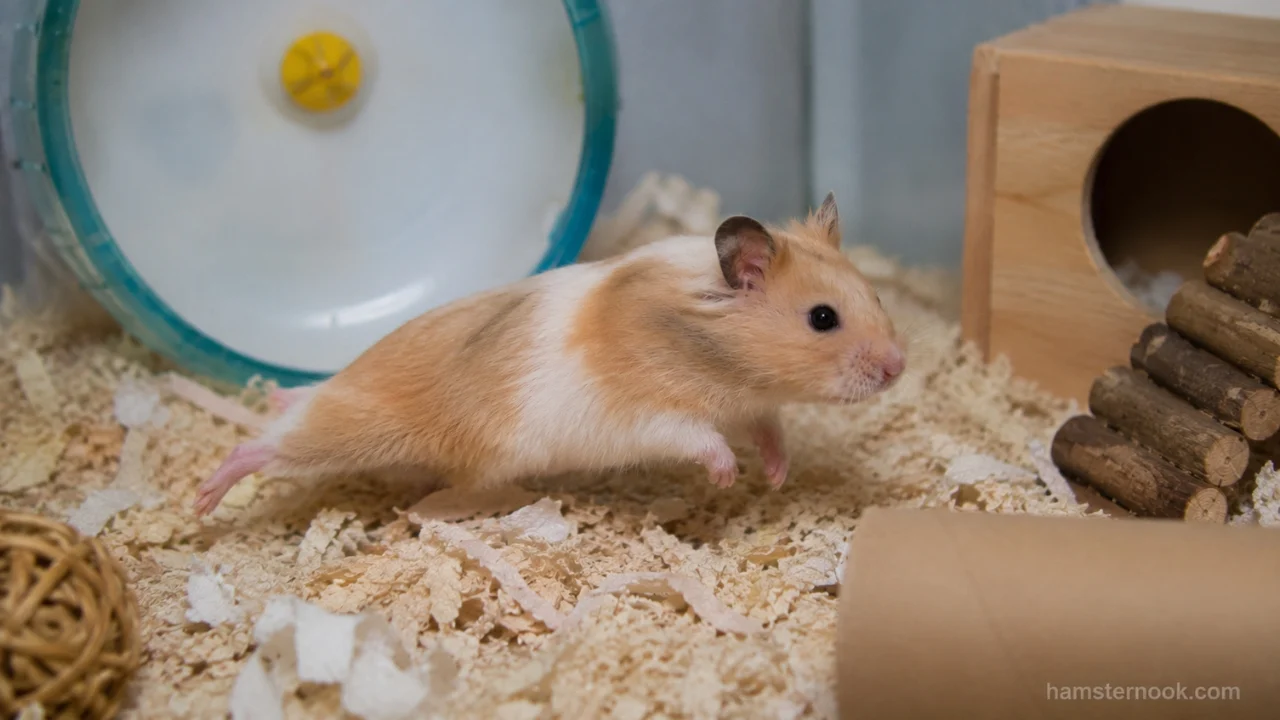
Their bodies are working harder and need additional hydration to support reproduction and milk production.
When Increased Drinking Could Be a Warning Sign
Although increased thirst is sometimes harmless, sudden or excessive drinking can occasionally indicate an underlying health problem.
The most important thing is to watch for other physical or behavioral changes that appear alongside the increased thirst.
Signs That Increased Drinking May Need Attention
| Observation | Usually Normal? | Worth Monitoring? |
|---|---|---|
| Slight increase during hot weather | Yes | No |
| More drinking after eating dry foods | Yes | No |
| Sudden dramatic increase | No | Yes |
| Increased thirst with weight loss | No | Yes |
| Drinking constantly throughout waking hours | No | Yes |
| Increased drinking plus lethargy | No | Yes |
| More water intake with excessive urination | No | Yes |
This table is intended as a general guide. Any persistent change in drinking habits combined with other unusual symptoms should be monitored carefully.
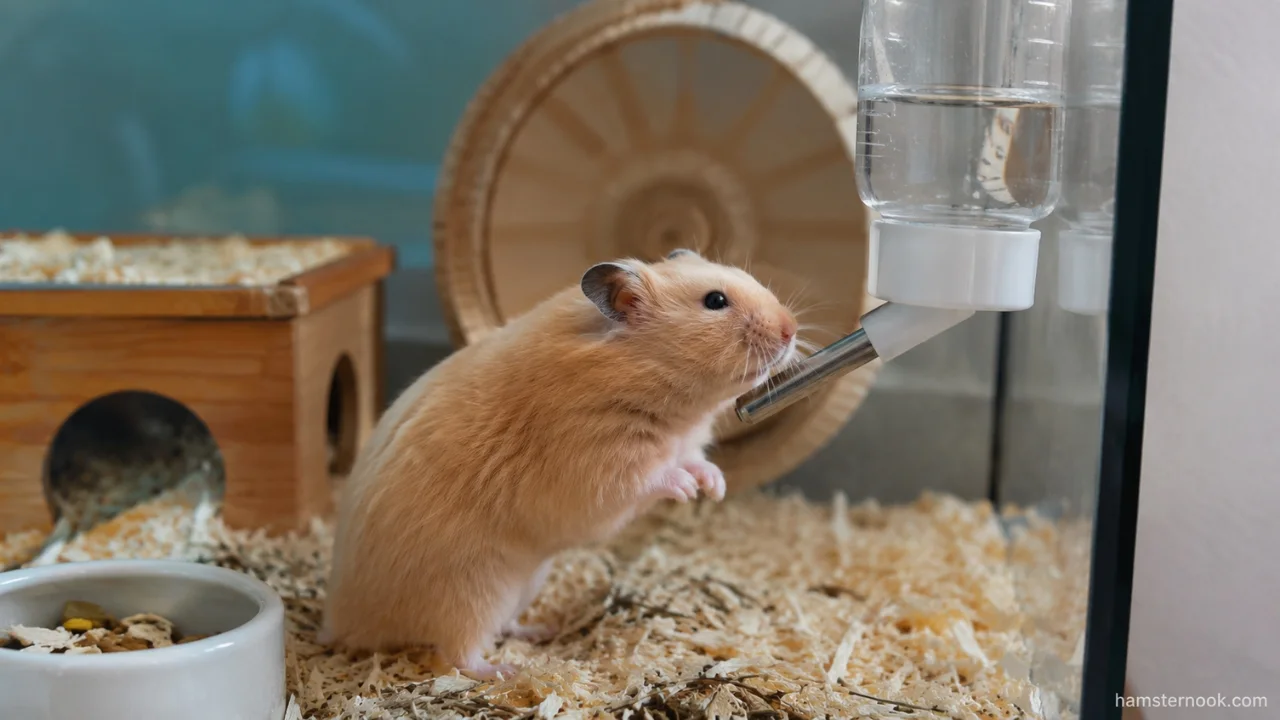
A single symptom is not always a cause for concern, but several changes occurring together deserve attention.
If increased thirst is accompanied by several other unusual symptoms, our Signs of a Sick Hamster guide can help you recognize problems that should not be ignored.
Could Diabetes Cause Excessive Thirst in Hamsters?
Diabetes is one of the most commonly discussed causes of excessive drinking in hamsters, particularly in certain dwarf hamster species.
Because diet plays an important role in long-term health, our Safe vs Unsafe Foods for Hamsters: Complete Food List guide explains which foods should be limited or avoided altogether.
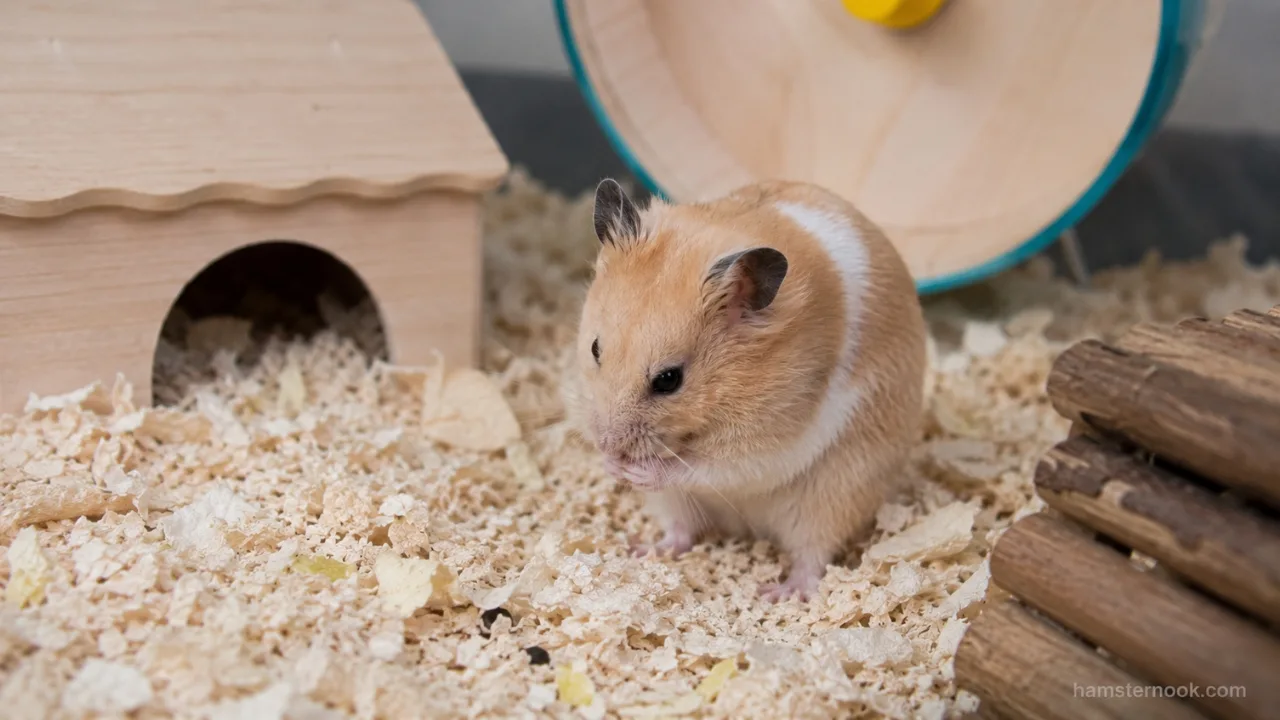
Diabetic hamsters may experience:
- Increased thirst
- Frequent urination
- Weight loss
- Reduced energy
- Changes in appetite
Dwarf breeds such as Campbell’s and some Winter White hamsters are generally considered more prone to diabetes than Syrian hamsters.
If you suspect diabetes, veterinary evaluation is important because diagnosis cannot be confirmed based on thirst alone.
Urinary Tract Problems and Increased Water Consumption
Urinary tract infections and other urinary issues may also affect drinking behavior.
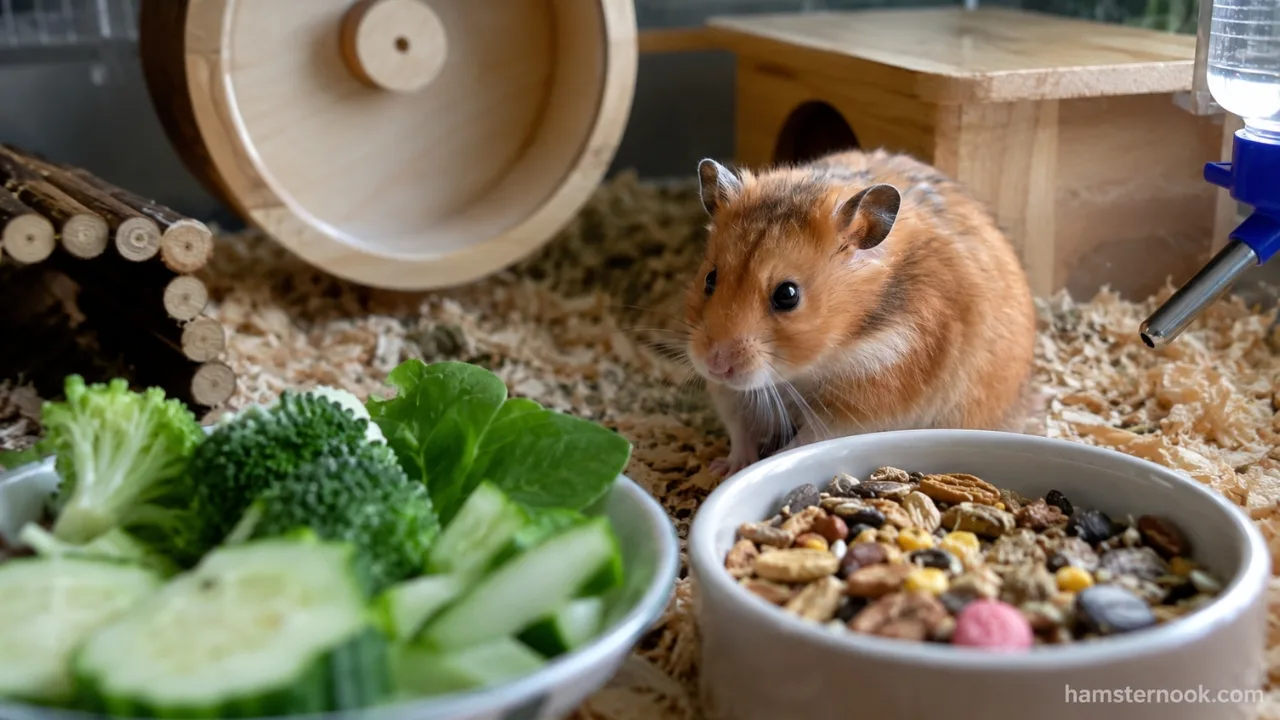
Potential signs include:
- Strong-smelling urine
- Wet bedding more often than usual
- Frequent urination
- Discomfort when urinating
- Reduced activity
These symptoms should never be ignored, particularly if they appear suddenly.
Kidney Problems in Older Hamsters
Senior hamsters may develop age-related health issues that affect hydration and urination.
Kidney disease can sometimes lead to:

- Excessive thirst
- Increased urine output
- Weight loss
- Weakness
While kidney problems are less common than dietary causes of increased drinking, they become more relevant in older hamsters.
Is Your Water Bottle Actually Leaking?
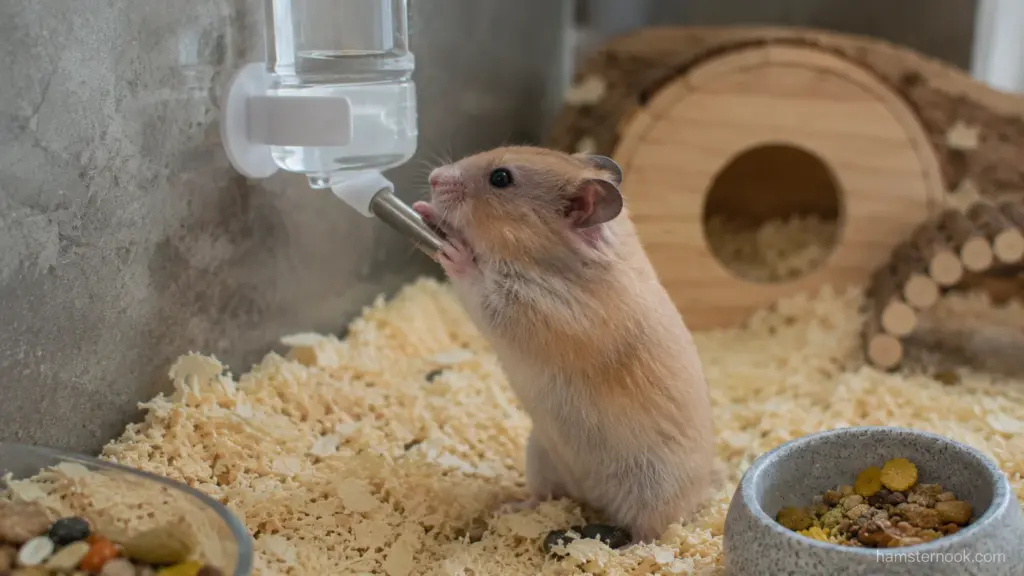
Before assuming your hamster is suddenly drinking more, make sure the missing water actually disappeared because of drinking and not because of a faulty bottle.
Sometimes the water bottle is the real culprit.
Check for These Problems
| Water Bottle Issue | What Happens |
|---|---|
| Slow leak | Water level drops unexpectedly |
| Dripping nozzle | Bedding becomes damp |
| Improper positioning | Water escapes continuously |
| Damaged seal | Gradual water loss |
Before assuming your hamster is drinking excessively, inspect the cage carefully.

Touch the bedding directly beneath the bottle nozzle. Even a slow leak can make it seem as though your hamster is drinking far more water than it actually is.
Damp bedding near the bottle often points to a leak rather than increased water consumption.
How to Tell if Your Hamster Is Actually Drinking More
A simple way to monitor drinking habits is to check the bottle level at the same time each day. Comparing water levels over several days often provides a more accurate picture than relying on memory alone.
Common Owner Mistakes When Monitoring Water Intake
Many owners accidentally misinterpret normal behavior.
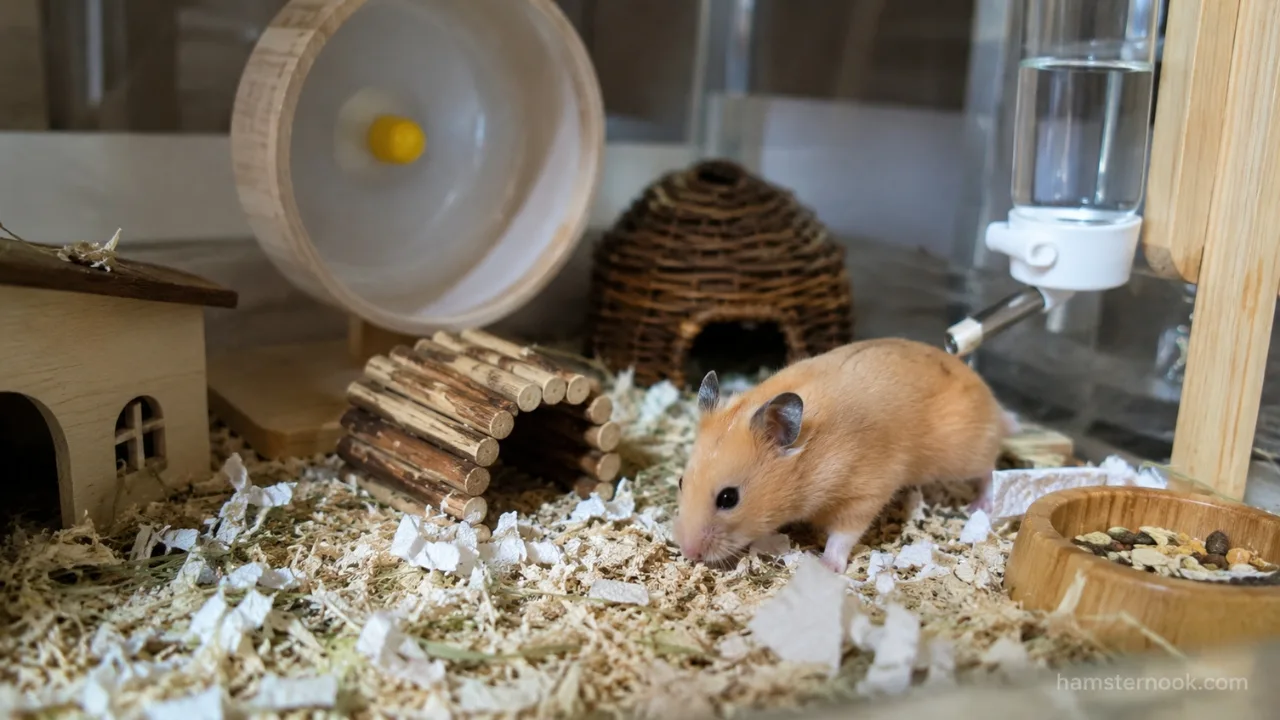
Refilling Without Measuring
If you refill the bottle daily without paying attention to water levels, it becomes difficult to know whether intake has actually changed.
Ignoring Other Symptoms
Drinking habits are most useful when considered alongside other changes in behavior and health.
Changes in:
- Weight
- Appetite
- Activity
- Grooming
- Urination
provide important clues.

Assuming More Drinking Is Always Dangerous
Many owners panic after seeing their hamster drink several times in a short period.
Remember that hamsters often drink in bursts, especially after waking up or after exercising.
How to Monitor Your Hamster’s Water Intake
If you’re concerned, start tracking observations for several days.
Things to Record
| What to Monitor | Why It Helps |
|---|---|
| Water bottle level | Tracks actual consumption |
| Appetite | Helps identify illness |
| Activity level | Reveals behavior changes |
| Weight | Detects health problems early |
| Urine output | May indicate urinary issues |
| Stool quality | Shows digestive health |
A simple notebook or phone note can reveal patterns that are otherwise easy to miss.
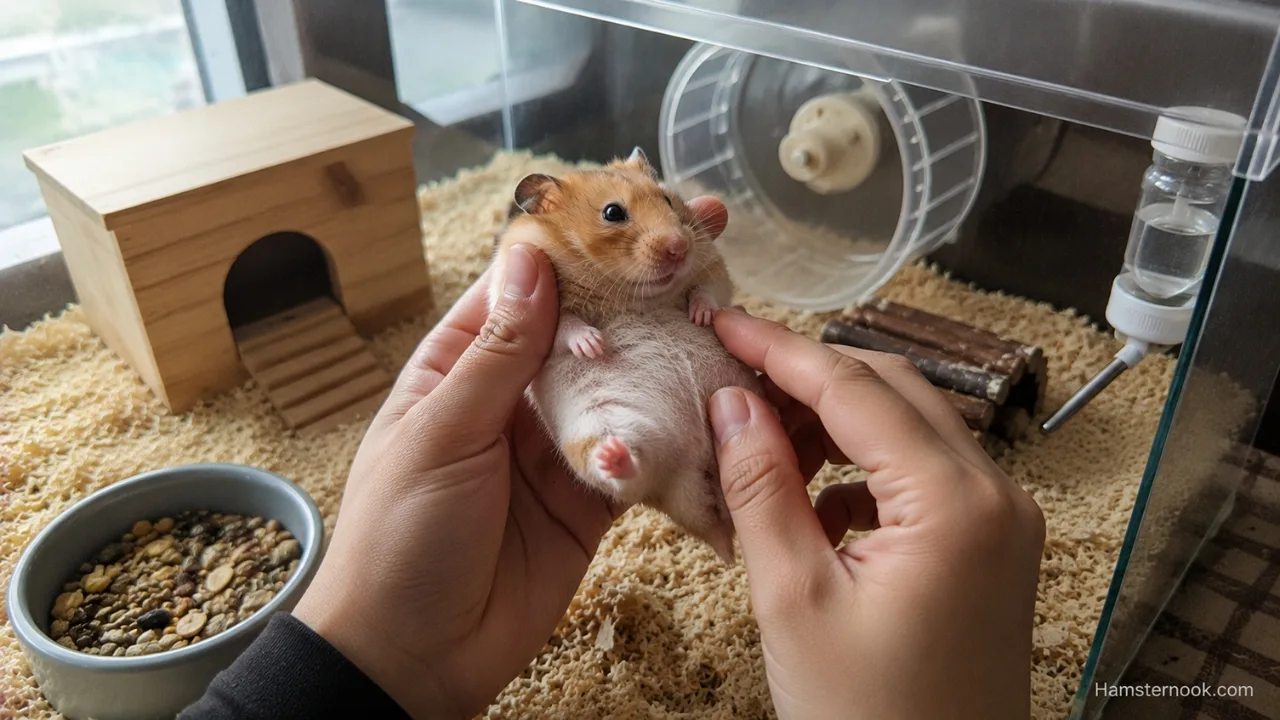
Recording your hamster’s weight once a week alongside its water intake can make gradual health changes much easier to spot before they become obvious.
Regular weight checks become much more useful when combined with an understanding of other early warning signs. Our Signs of a Sick Hamster: 10 Warning Symptoms Every Owner Should Know guide explains the behavior and physical changes that owners should monitor alongside unusual drinking habits.
When to Contact a Veterinarian
You should consider veterinary advice if increased drinking occurs alongside:
- Weight loss
- Lethargy
- Frequent urination
- Loss of appetite
- Visible illness
- Persistent behavioral changes
If you also notice unusual movement or weakness, our Why Is My Hamster Walking Weird? Common Causes and When to Worry article explains other warning signs that deserve prompt attention.

Hamsters are skilled at hiding health problems. By the time symptoms become obvious, prompt evaluation is often beneficial.
How to Support Healthy Hydration Habits
Healthy hydration habits are usually supported by consistent day-to-day care.
Provide Fresh Water Daily
Fresh, clean water should always be available, even if your hamster appears to drink only small amounts.
If you use a water bottle, check that the ball bearing moves freely each day. A partially blocked nozzle can reduce water flow and make it difficult for your hamster to drink normally.
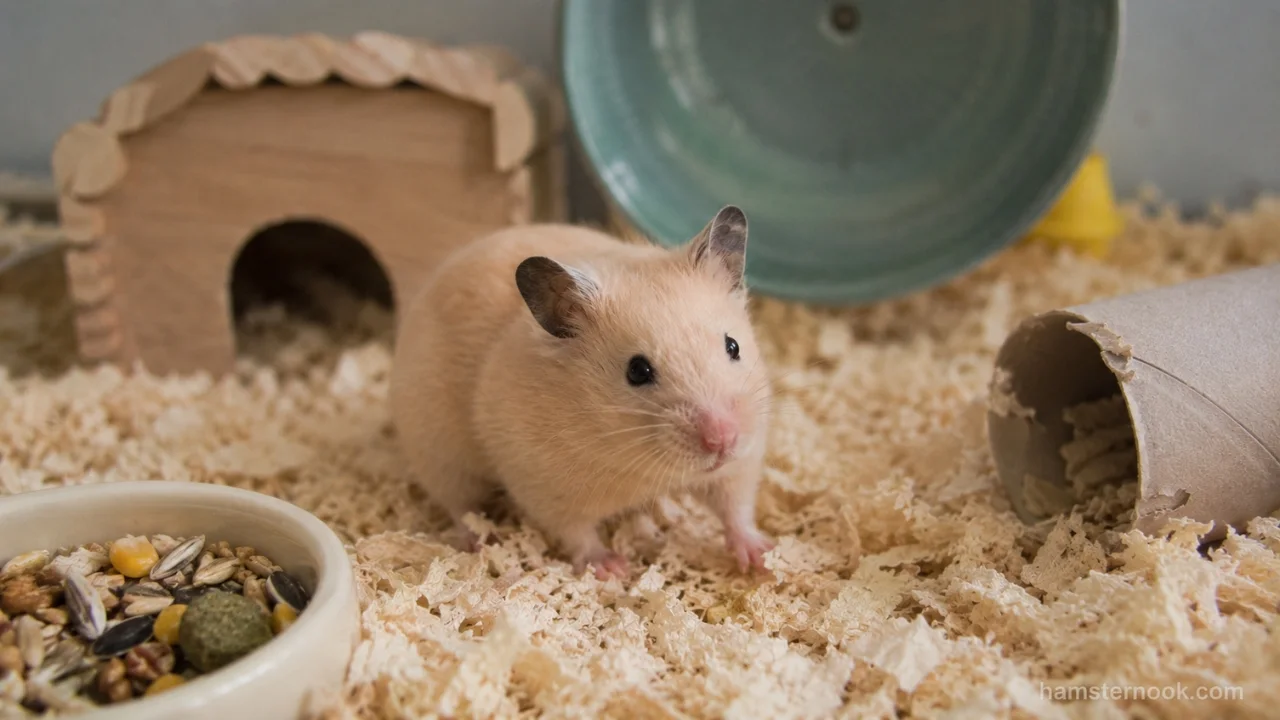
Water should be changed every day, even if the bottle is not empty.
Clean Water Bottles Regularly
Bacteria can grow inside bottles if they are not cleaned routinely.
Feed a Balanced Diet
Choosing the right foods every day is just as important as monitoring water intake. Our Best Fruits and Vegetables for Hamsters guide explains which fresh foods are suitable and how often they can be offered.
A varied diet that includes appropriate vegetables can help maintain healthy hydration levels.

Foods that naturally contain more moisture can support normal hydration, but fresh vegetables should complement a balanced diet rather than replace your hamster’s regular food.
Avoid Excessive Sugary Treats
If you’re looking for healthier treat alternatives, our Can Hamsters Eat Mealworms? Benefits & Risks guide explains when mealworms can be a suitable occasional protein source.
High-sugar foods can contribute to health problems that may affect thirst and overall wellness.
Key Takeaway
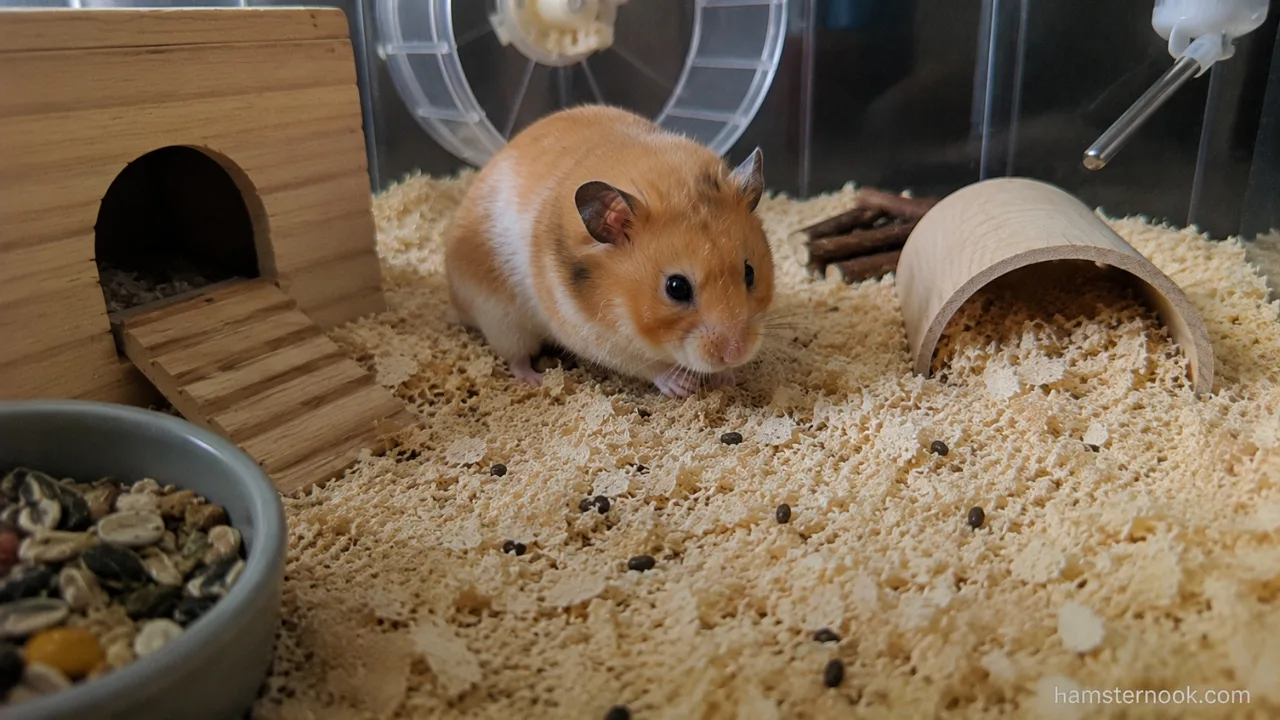
A moderate increase in water consumption is often caused by normal factors such as temperature, diet, or activity levels. Excessive thirst becomes more concerning when it appears suddenly or occurs alongside other symptoms such as weight loss, lethargy, or frequent urination.
Final Thoughts on Increased Water Consumption
Seeing your hamster drink more water than usual can be concerning, but it doesn’t automatically mean something is wrong. Changes in weather, diet, activity level, and life stage can all influence how much water a hamster needs.
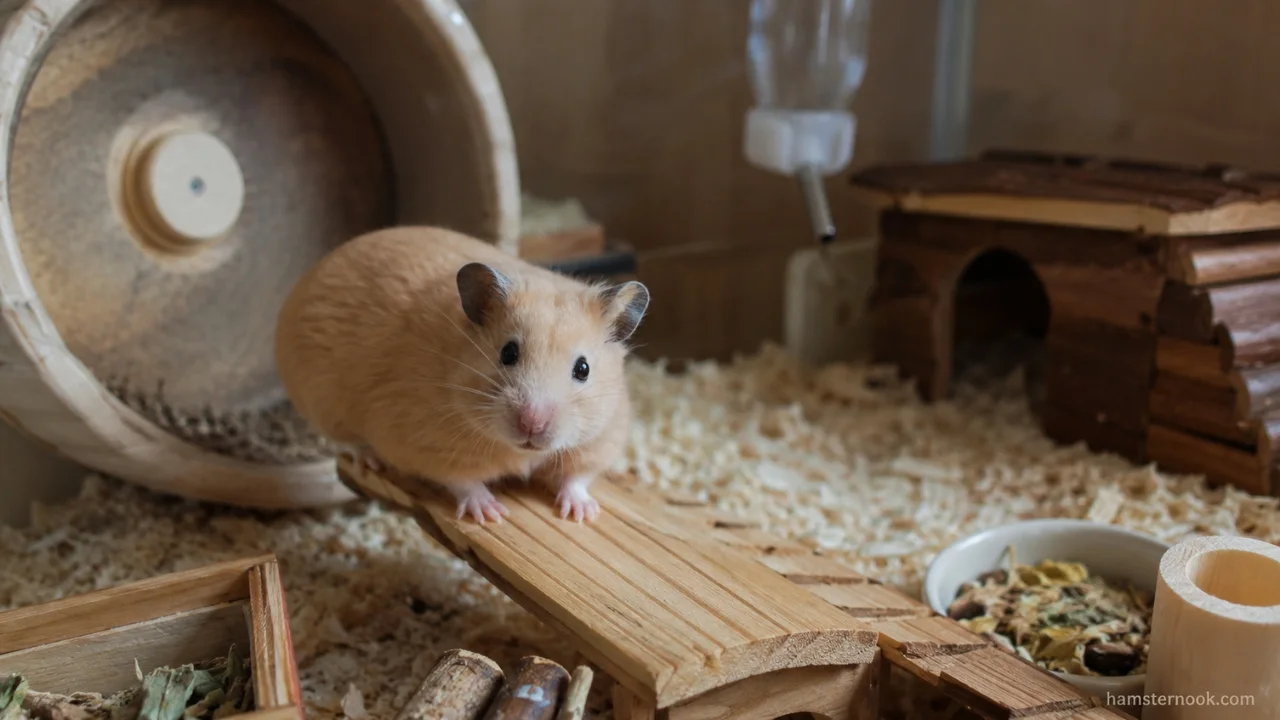
Looking at your hamster’s overall behavior, appetite, weight, and activity level usually provides a much clearer picture than water intake alone. A healthy hamster that is active, eating normally, maintaining weight, and behaving as usual may simply be responding to environmental changes.
However, if excessive drinking is accompanied by weight loss, lethargy, increased urination, or other unusual symptoms, it’s worth taking seriously. Careful observation and early veterinary attention can make a significant difference when health issues are involved.
By understanding what’s normal for your individual hamster, you’ll be much better equipped to recognize when increased thirst is simply a habit—and when it’s a warning sign.
Medical Disclaimer
This article is for educational purposes only and should not replace professional veterinary advice. If your hamster’s increased thirst is accompanied by weight loss, lethargy, frequent urination, appetite changes, or other unusual symptoms, consult a qualified veterinarian promptly.
References
This guide is based on hamster health, husbandry, and welfare guidance from trusted veterinary and animal care organizations, including:
- Merck Veterinary Manual – Hamster Disorders & Husbandry
- RSPCA – Hamster Care Guidance
- PDSA – Hamster Care Advice
- Blue Cross – Hamster Care Guide
Frequently Asked Questions
Why is my hamster suddenly drinking more water?
Sudden increases in water intake can result from warmer temperatures, dietary changes, higher activity levels, or underlying health conditions. Look for additional symptoms to determine whether further investigation is needed.
How much water should a hamster drink per day?
Water needs vary depending on species, diet, age, and environment. Monitoring changes in your hamster’s normal drinking habits is usually more helpful than focusing on a specific amount.
Can diabetes make hamsters thirsty?
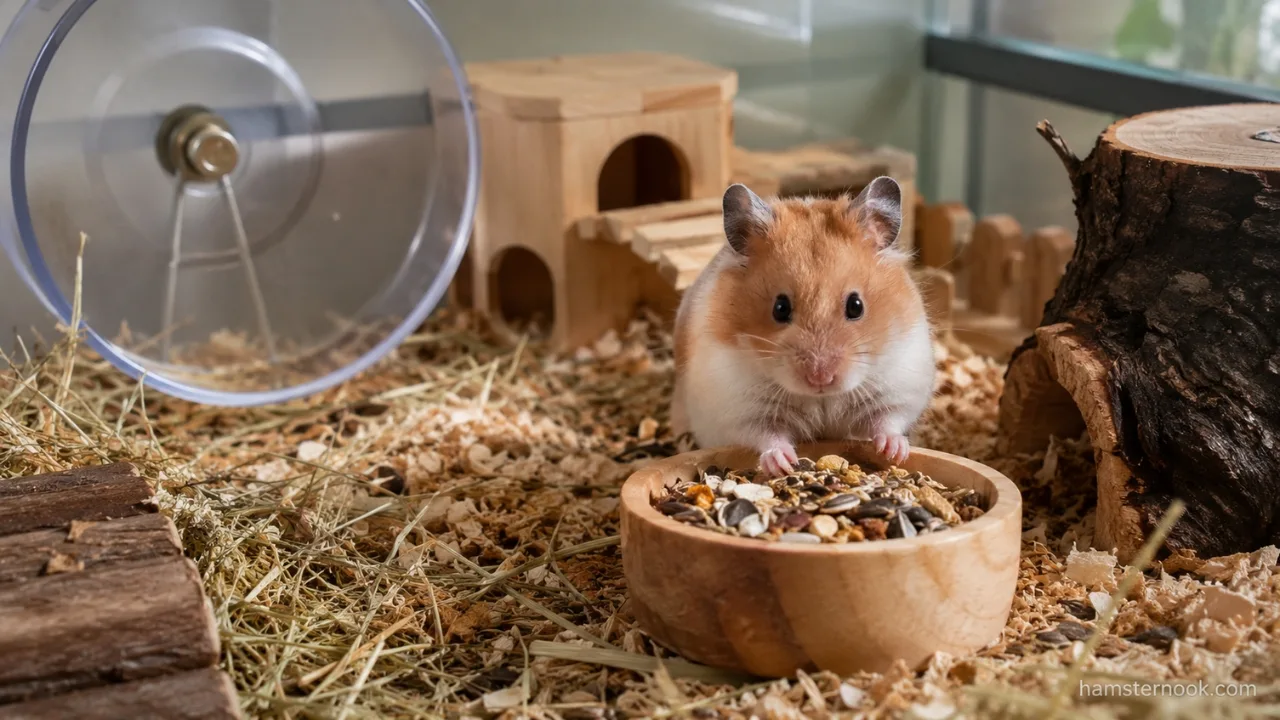
Yes. Increased thirst is one possible symptom of diabetes, especially in certain dwarf hamster species. Other symptoms often include increased urination and weight loss.
Is it normal for a hamster to drink a lot after running on a wheel?
Yes. Physical activity can increase thirst just as it does in humans and other animals.
Why is my hamster’s water bottle empty so quickly?
The cause may be increased drinking, but leaking water bottles are also common. Check for damp bedding and inspect the bottle for drips or damage.
When should I worry about excessive thirst in my hamster?
Seek veterinary advice if increased drinking occurs alongside symptoms such as weight loss, lethargy, appetite changes, frequent urination, or other unusual behavior.
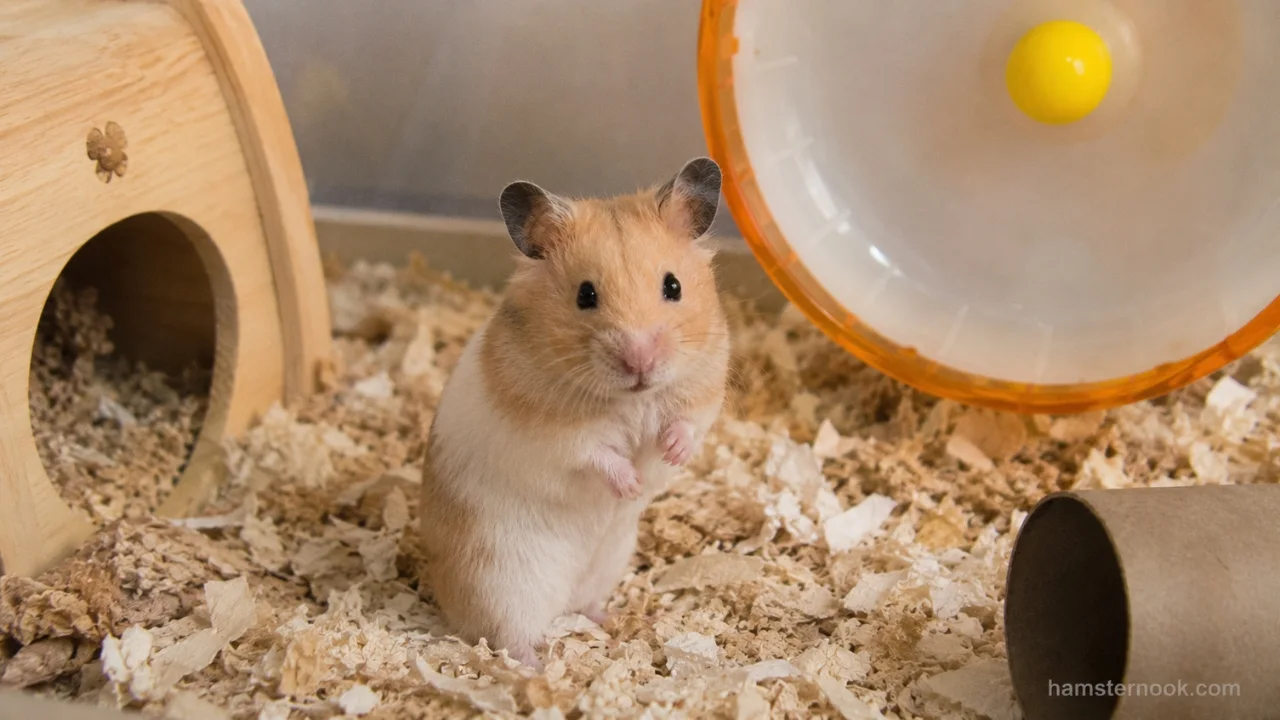
Can a hamster drink too much water?
Yes. While increased drinking is sometimes normal, excessive thirst can occasionally indicate medical conditions such as diabetes, urinary problems, or kidney disease.
Do hamsters drink more water in summer?
Many hamsters naturally increase their water intake during warmer weather because they need additional hydration to maintain normal body functions.
Should I measure my hamster’s water intake?
If you notice a sudden change in drinking habits, measuring bottle levels over several days can help determine whether consumption has actually increased.
Should I change my hamster’s water every day even if it hasn’t finished it?
Yes. Fresh water should be provided every day, even if the bottle still contains water. Daily replacement helps keep the water clean and reduces the risk of bacterial growth inside the bottle.

Narayan Kumar is the founder and author of HamsterNook. He creates practical, research-based hamster care guides covering hamster behavior, nutrition, cage setup, enrichment, health, and everyday care. His goal is to help hamster owners make informed decisions and provide safer, healthier lives for their pets through clear, beginner-friendly information based on trusted animal care resources.