Many hamster owners only realize after bringing their pet home that hamsters are much more complex than their small size suggests. What looks like a harmless care decision can sometimes create long-term stress, frustration, or health problems without obvious warning signs. But many new owners are surprised to learn that some of the most common hamster care practices can actually harm a hamster’s health over time.
Fortunately, many of the mistakes new owners make can be corrected once they understand what hamsters actually need to feel comfortable and secure. By understanding what hamsters truly need—not what outdated pet store advice suggests—you can help your pet live a healthier, safer, and more comfortable life.
In this guide, we’ll cover seven common hamster care mistakes that can negatively affect a hamster’s wellbeing and potentially shorten its lifespan, along with practical solutions every owner can apply immediately.
Quick Answer
The most common hamster care mistakes include using a cage that is too small, feeding too many treats, providing inadequate enrichment, choosing unsafe exercise equipment, housing incompatible hamsters together, cleaning incorrectly, and ignoring early signs of illness. Most of these problems can be prevented with proper housing, enrichment, nutrition, and routine health monitoring.

Quick Overview: Common Hamster Care Mistakes and Their Risks
| Mistake | Potential Risk | Better Alternative |
|---|---|---|
| Using a cage that is too small | Stress, boredom, poor physical health | Provide a spacious enclosure with room to explore |
| Choosing unsafe exercise equipment | Foot injuries, spinal issues | Use a properly sized solid-surface wheel |
| Feeding too many treats | Obesity, diabetes, nutritional imbalance | Focus on a balanced staple diet |
| Ignoring mental enrichment | Chronic stress and boredom | Add tunnels, hides, and foraging opportunities |
| Housing incompatible hamsters together | Fighting, injury, death | House most pet hamsters individually |
| Cleaning the cage incorrectly | Stress and territory disruption | Use partial cleaning methods when appropriate |
| Delaying veterinary care | Worsening illness and suffering | Seek veterinary help early when symptoms appear |
Why So Many Owners Make These Mistakes
Many hamster care mistakes happen because outdated information is still widely available. Small cages, tiny wheels, exercise balls, and unsuitable accessories are often marketed directly toward hamster owners despite modern care recommendations suggesting otherwise.
One of the biggest lessons for new owners is that products marketed for hamsters are not always the products hamsters actually need.
Mistake #1: Keeping Your Hamster in a Cage That Is Too Small

One of the most widespread hamster care problems is inadequate housing.
Many cages sold specifically for hamsters are far smaller than what animal welfare experts recommend. While a hamster may physically fit inside a small cage, that doesn’t mean the environment meets its behavioral and exercise needs.
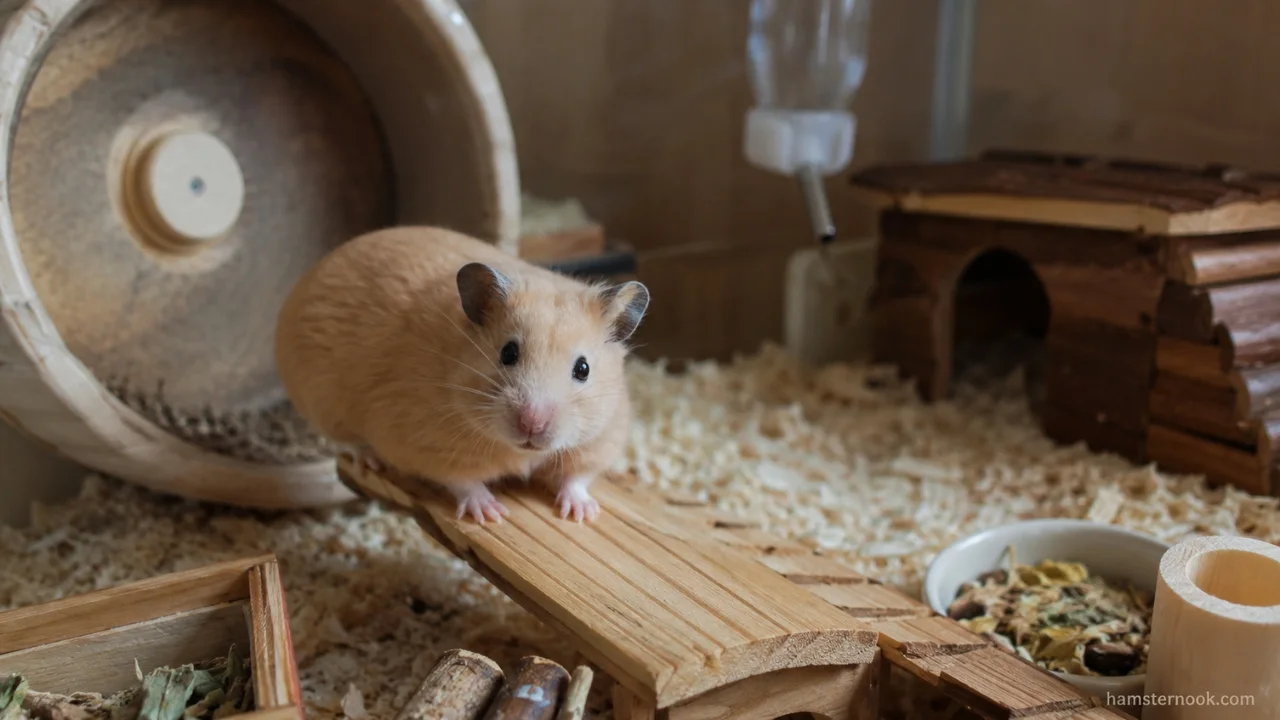
Hamsters naturally travel long distances in the wild while searching for food and exploring their territory. When confined to a tiny enclosure, they often develop stress-related behaviors such as:
- Bar chewing
- Excessive climbing
- Repetitive pacing
- Agitation
- Reduced activity levels
A spacious enclosure allows room for burrowing, exercise, hiding, and natural exploration, all of which contribute to better physical and mental health.
Repeated pacing, bar chewing, and other behavior changes can also indicate stress. 7 Ways You’re Accidentally Stressing Your Hamster: Signs & What to Do explains common stress triggers and practical ways to reduce them.
If you’re unsure whether your setup is large enough, see How Big Should a Hamster Cage Be?
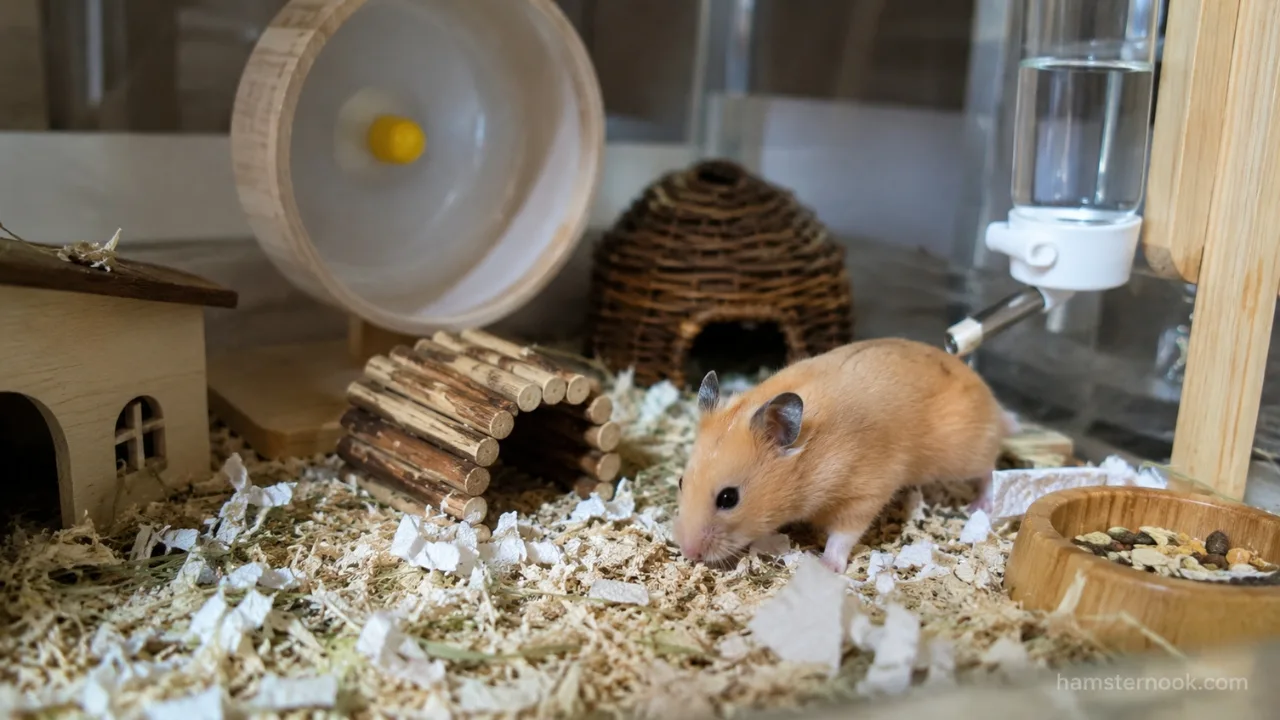
Many owners notice that hamsters kept in larger, more enriching environments often become more active, confident, and easier to observe because they are able to perform natural behaviors instead of constantly searching for stimulation.
Mistake #2: Using Unsafe Wheels and Exercise Accessories
Exercise wheels are essential for hamsters, but not all wheels are safe.
Many injuries occur because owners unknowingly purchase wheels with wire rungs, mesh surfaces, or inappropriate sizes. These designs can cause:
- Foot injuries
- Broken toes
- Leg injuries
- Back strain
Safe vs Unsafe Hamster Wheels
| Feature | Safe Choice | Unsafe Choice |
|---|---|---|
| Running Surface | Solid surface | Wire or mesh surface |
| Wheel Size | Appropriate for species | Too small for body size |
| Back Position | Straight while running | Curved or bent posture |
| Injury Risk | Low | High |
A hamster should be able to run with a relatively straight back rather than arching or bending excessively.
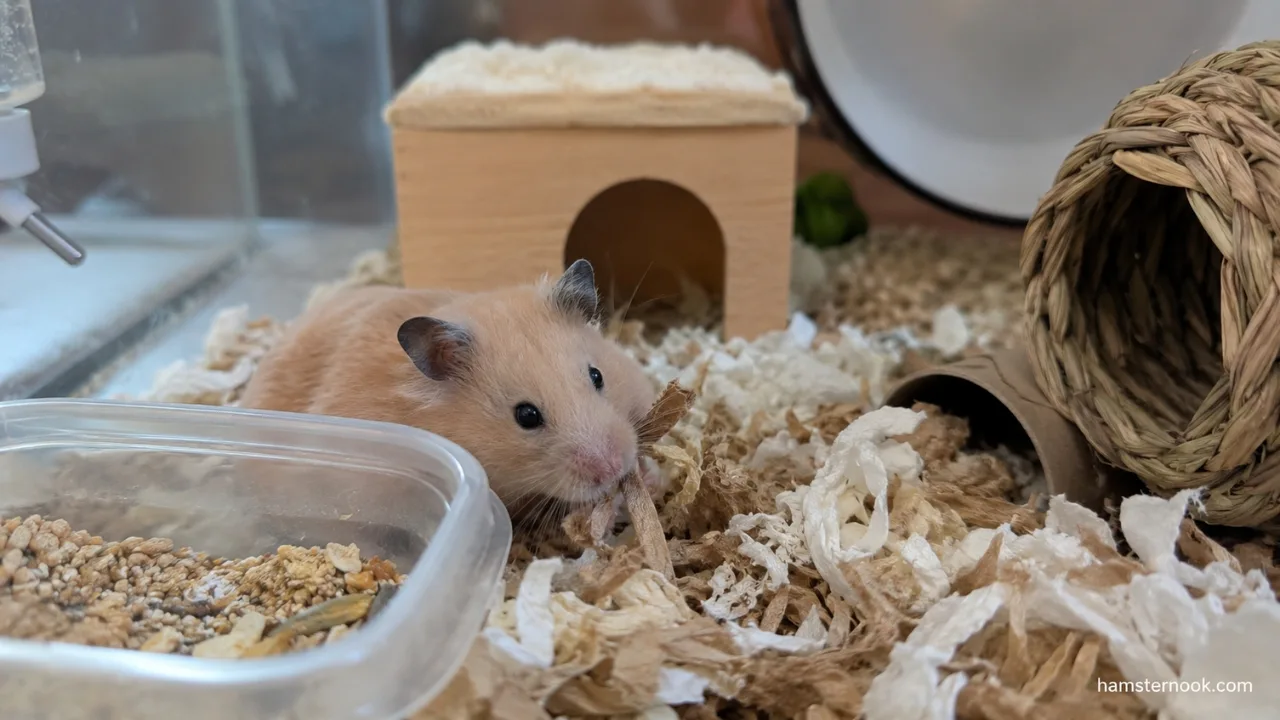
Avoid enclosed hamster exercise balls, too. They restrict natural exploration and can be stressful because hamsters cannot freely investigate their surroundings. A secure, supervised playpen with hides and tunnels offers a better way to explore outside the enclosure.
For enclosure recommendations that support healthy exercise and activity levels, read Best Hamster Cage Setup for Beginners.
Mistake #3: Feeding Too Many Sugary or Fatty Treats
Many owners show affection through food, but overfeeding treats can become a serious health issue.
Commercial treat sticks, yogurt drops, sugary snacks, and excessive fruit often contain far more sugar than hamsters need.

Over time, poor dietary habits may contribute to:
- Weight gain
- Obesity
- Reduced activity
- Nutritional imbalance
This concern is especially important for dwarf hamster species, which are more prone to diabetes than Syrian hamsters.
Healthier Treat Choices
| Better Treat Options | Treats to Limit |
|---|---|
| Cucumber | Sugary treats |
| Broccoli | Candy-like pet treats |
| Bell pepper | Excess fruit |
| Small protein treats | Sweet snack mixes |
Treats should remain a small part of a hamster’s overall diet, not a daily feeding routine.
You can also check Complete Hamster Diet Guide for a broader list of suitable foods.
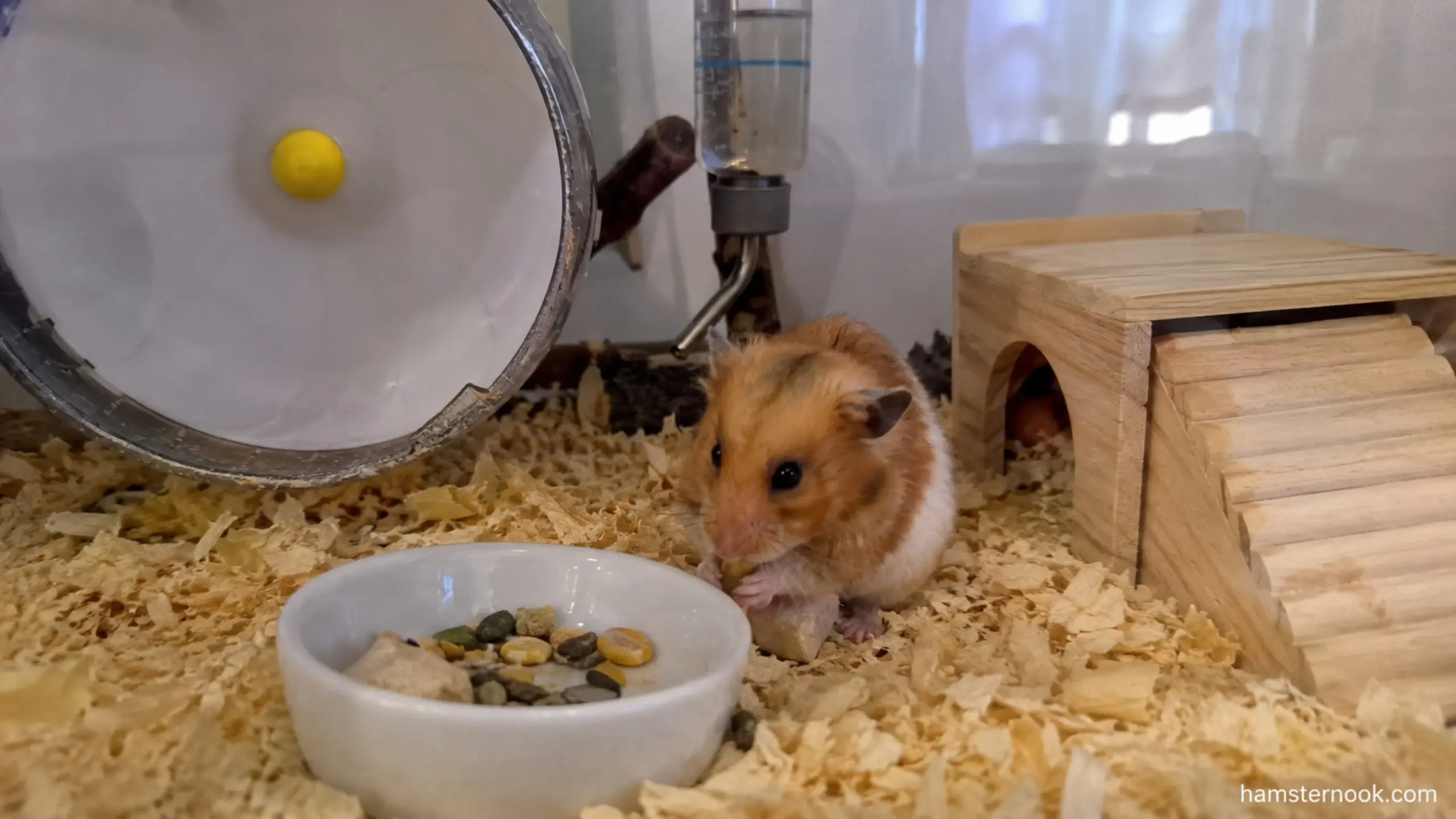
Mistake #4: Not Providing Enough Mental Stimulation
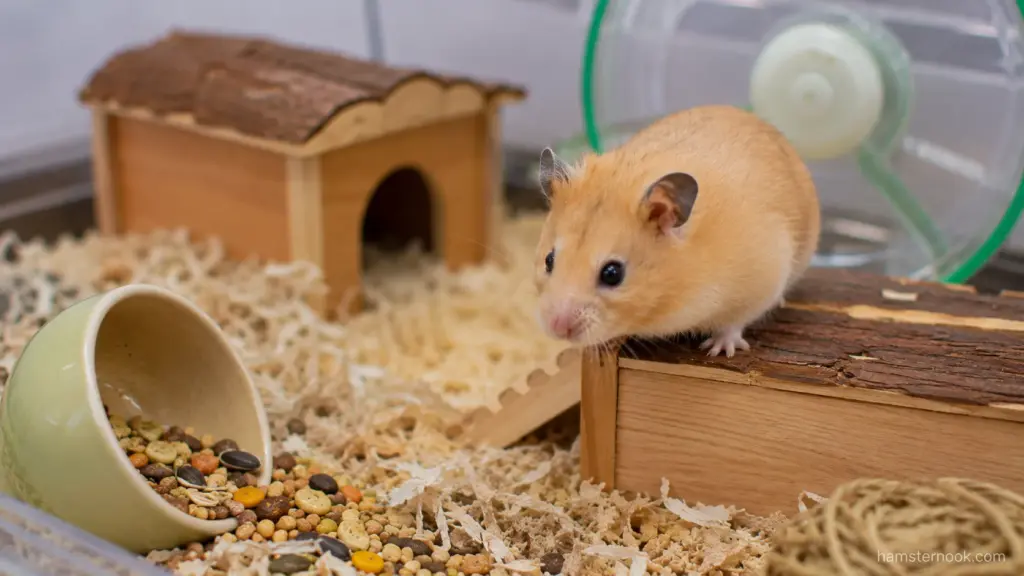
A hamster’s environment affects more than physical health.
Hamsters are intelligent animals that spend much of their time exploring, digging, nesting, and foraging. A bare cage with only food, water, and a wheel often fails to meet these natural behavioral needs.
Boredom can lead to:
- Stress
- Frustration
- Repetitive behaviors
- Reduced activity
- Poor overall welfare
Simple enrichment ideas include:
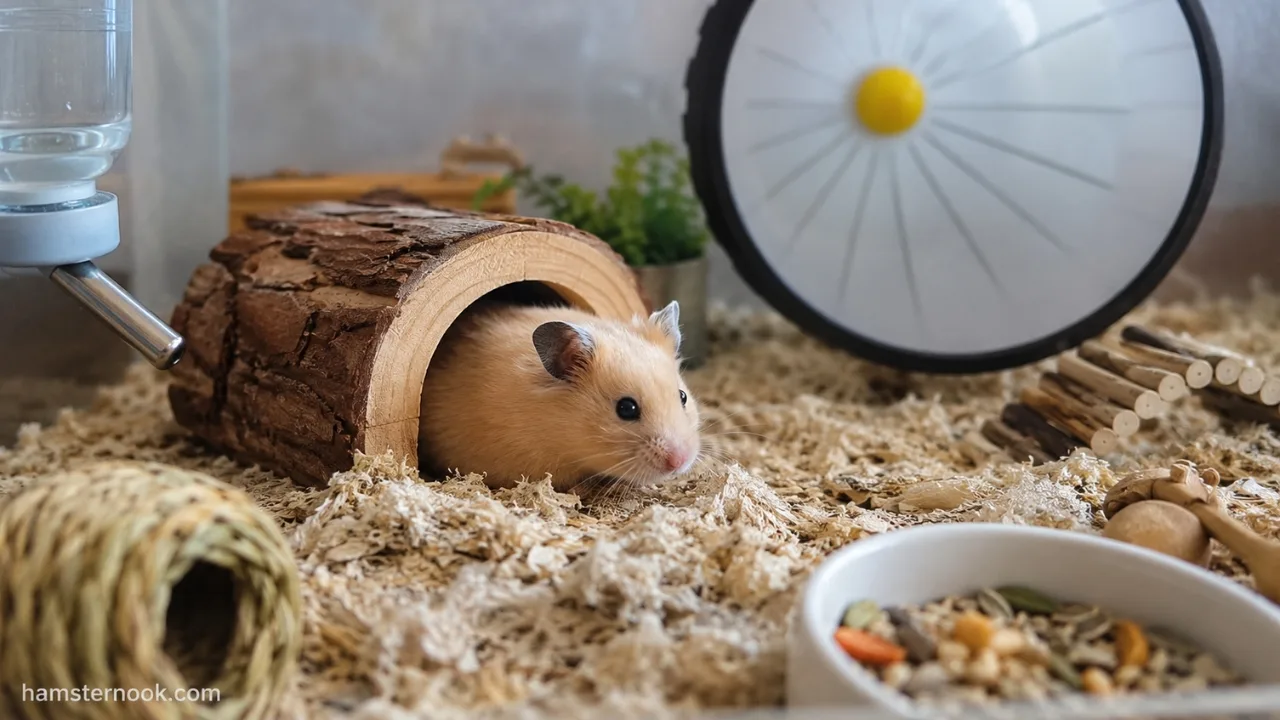
- Cardboard tunnels
- Dig boxes
- Multi-chamber hides
- Safe chew toys
- Scatter feeding
- Foraging activities
Enrichment encourages natural behaviors and helps create a more engaging environment.
For more ideas, see Can Hamsters Get Bored in Their Cage?
Mistake #5: Housing Hamsters Together Without Understanding the Risks
One of the most dangerous misconceptions in hamster care is that hamsters need companions.
While some species may occasionally tolerate group living under specific circumstances, most pet hamsters are naturally solitary.
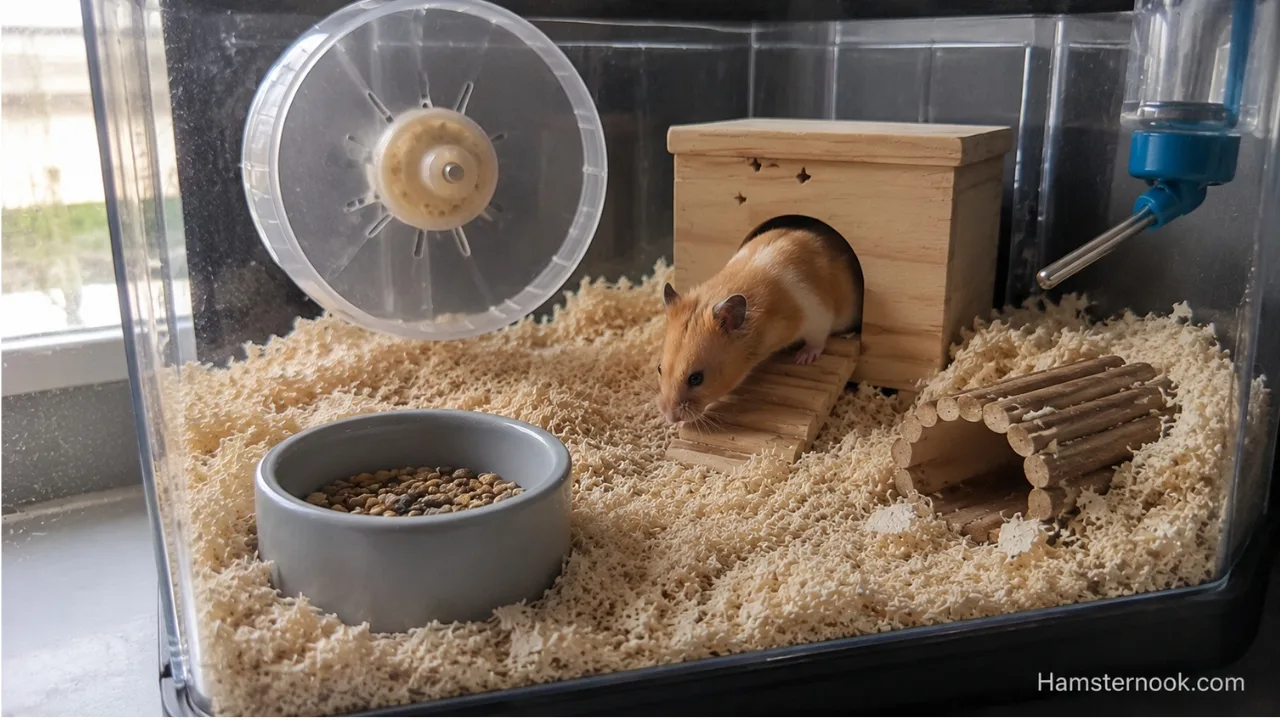
Syrian hamsters should always be housed alone. Even dwarf species that appear peaceful can suddenly become aggressive as they mature.
Single Housing vs Group Housing
| Housing Style | Advantages | Risks |
|---|---|---|
| Individual Housing | Safer, less stress, fewer injuries | Requires individual setup |
| Group Housing | May appear social temporarily | Fighting, injuries, territorial disputes |
Serious fights can occur without warning and may lead to severe injuries or death.
For most owners, separate housing is the safest approach.
Because hamsters do not automatically need a cage companion, Do Hamsters Get Lonely? The Truth About Keeping Hamsters Alone explains their social needs and why individual housing is often the safer choice.
Mistake #6: Cleaning the Cage the Wrong Way
A clean habitat is important, but overcleaning can create problems too.
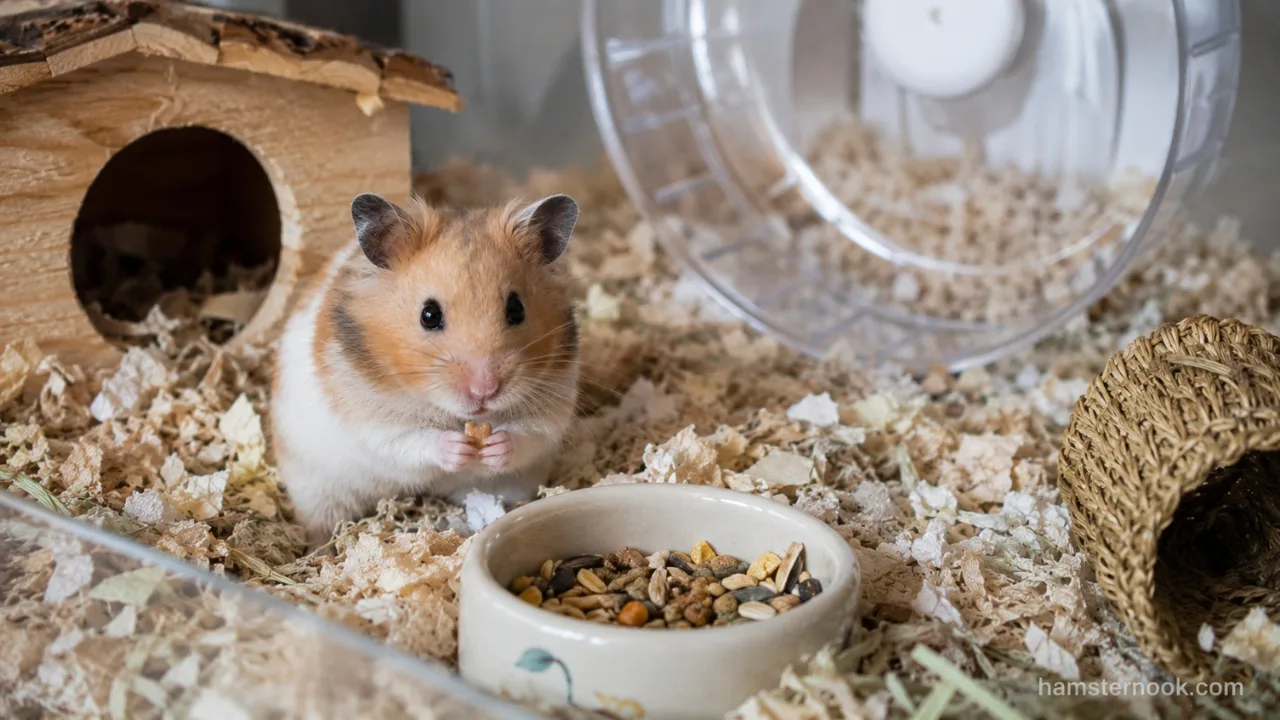
Hamsters rely heavily on scent to understand their environment. Completely removing every trace of familiar scent during every cleaning session can cause unnecessary stress.
Common cleaning mistakes include:
- Replacing all bedding too frequently
- Deep-cleaning the entire enclosure every few days
- Removing all nesting material at once
Instead, many owners find success with spot cleaning and gradual bedding replacement while maintaining overall hygiene.
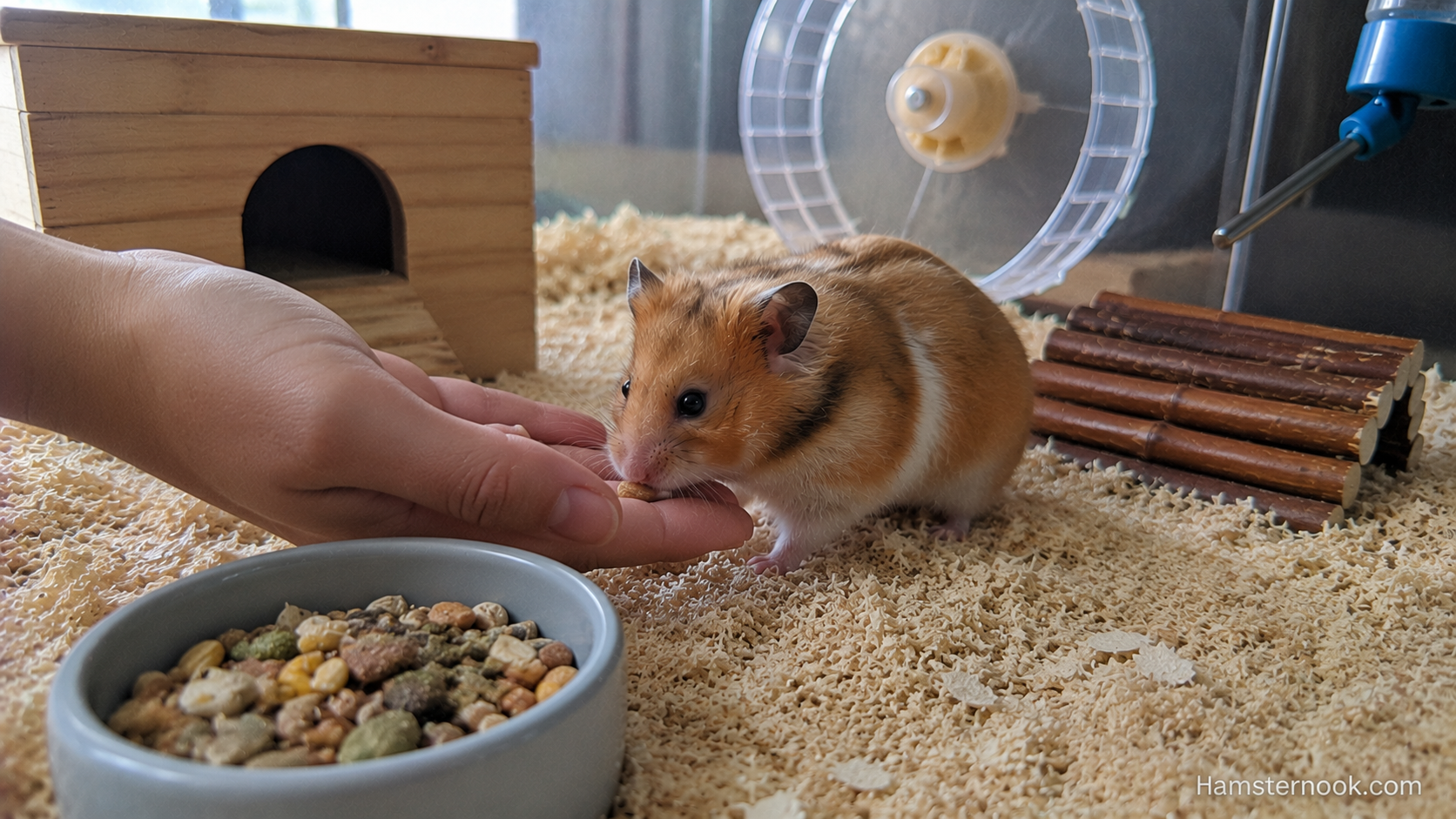
The goal is balancing cleanliness with environmental stability.
Cleaning frequency depends on the enclosure and how quickly it becomes soiled. How Often Should You Clean a Hamster Cage? Daily, Weekly & Deep Cleaning Guide explains how to maintain hygiene without unnecessary disturbance.
One simple approach is to remove soiled bedding as needed while preserving clean nesting material whenever possible. This helps maintain familiar scents while still keeping the enclosure hygienic.
Mistake #7: Ignoring Early Signs of Illness
Hamsters are prey animals, which means they often hide symptoms when they’re sick.

Unfortunately, this natural behavior causes many owners to miss health problems until the condition becomes serious.
Watch for signs such as:
- Sudden weight loss
- Lack of appetite
- Labored breathing
- Discharge from eyes or nose
- Diarrhea
- Lethargy
- Unusual lumps
- Changes in behavior
If you’re unsure what normal behavior looks like, read Signs of a Healthy Hamster.
Symptoms That Require Prompt Attention
| Symptom | Why It Matters |
|---|---|
| Difficulty breathing | Can indicate respiratory illness |
| Persistent diarrhea | Risk of dehydration |
| Refusal to eat | Often signals underlying illness |
| Severe lethargy | May indicate serious health problems |
| Visible injury | Can worsen quickly without treatment |
Early veterinary care often improves treatment outcomes and helps prevent minor problems from becoming major ones.
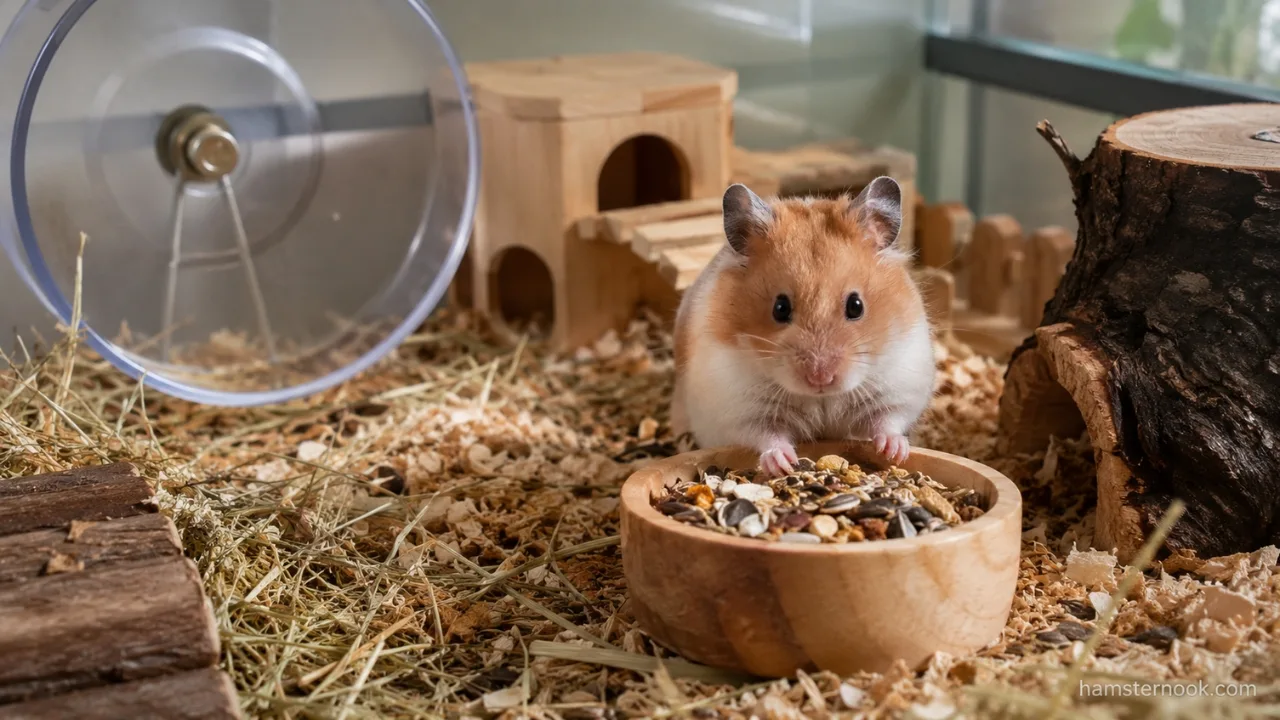
Why Small Mistakes Matter Over Time
Most hamster owners do not intentionally neglect their pets.
In many cases, problems arise because outdated information is still widely shared online, in pet stores, and among inexperienced owners.
A hamster may not show immediate signs of harm from:
- Poor housing
- Improper diet
- Lack of enrichment
- Unsafe equipment
However, long-term stress and poor husbandry can gradually affect health and quality of life.

In most cases, hamsters do best when their environment is built around their natural behaviors rather than convenience or marketing claims.
Building a Healthier Environment for Your Hamster
Improving hamster care does not always require expensive products.
Often, the most meaningful improvements involve understanding how hamsters naturally behave and designing their environment around those instincts.
A healthy hamster typically has:

- Adequate living space
- Proper nutrition
- Safe exercise opportunities
- Mental enrichment
- Clean living conditions
- Access to veterinary care when needed
When these basic needs are met, most hamsters become more active, confident, and enjoyable to watch.
Final Thoughts
Many hamster care mistakes happen because owners receive outdated or incomplete information rather than intentionally doing something wrong. Fortunately, the seven mistakes covered in this guide are among the easiest to prevent once you understand their impact.
New owners may also benefit from Things I Wish I Knew Before Getting a Hamster.
Providing a larger enclosure, offering proper nutrition, using safe exercise equipment, encouraging natural behaviors, and recognizing health concerns early can significantly improve your hamster’s quality of life.
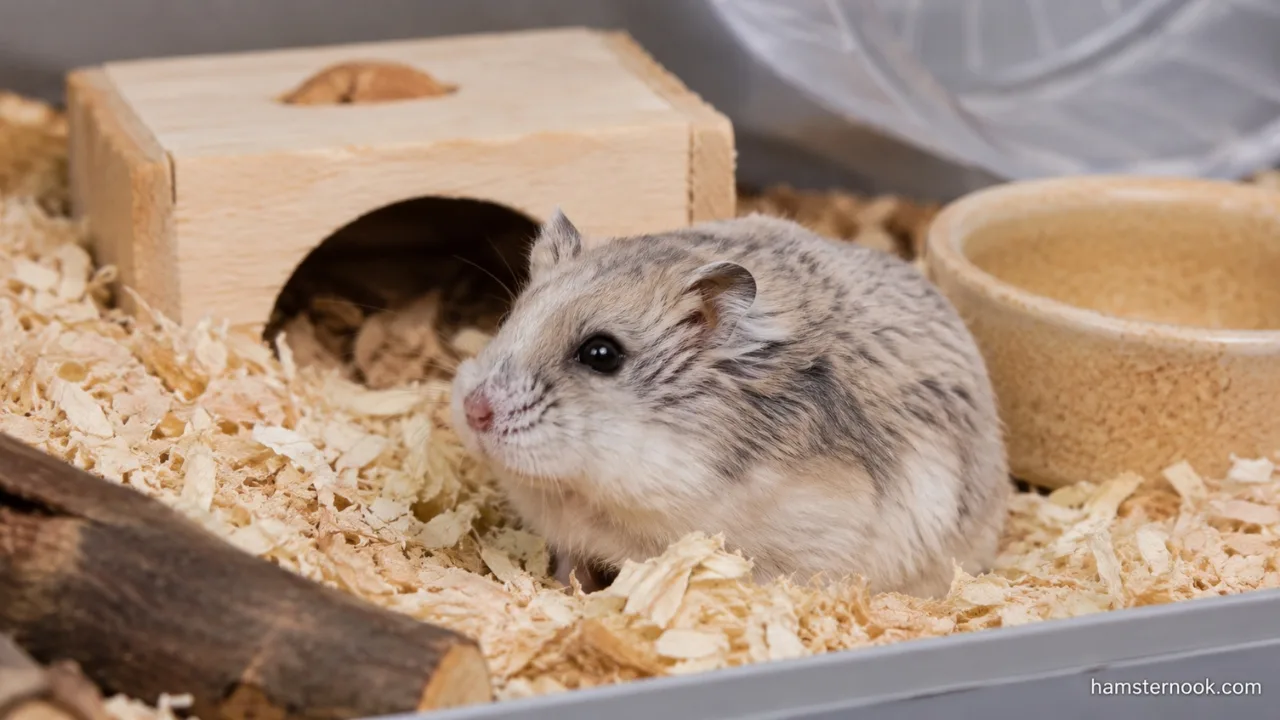
In many cases, the biggest improvements come from providing more space, deeper bedding, better enrichment, and a predictable routine rather than spending more money on accessories. Small improvements made today can make a meaningful difference in your hamster’s long-term health and wellbeing.
Frequently Asked Questions
What is the most common hamster care mistake?
Using a cage that is too small is one of the most common mistakes. Many commercial hamster cages do not provide enough space for natural behaviors and exercise.
Can a hamster die from stress?
Chronic stress can negatively affect a hamster’s immune system, behavior, and overall health. While stress alone is not always directly fatal, long-term stress can contribute to health problems.
Is it bad to clean a hamster cage too often?
Yes. Completely removing all bedding and scent markings too frequently can be stressful. Spot cleaning and gradual bedding replacement are often better approaches.

Why does my hamster keep chewing cage bars?
Bar chewing is commonly associated with boredom, stress, inadequate space, or a lack of enrichment opportunities.
Should hamsters live alone?
Syrian hamsters should be housed alone. Most pet hamsters are safer when housed individually because territorial disputes can become dangerous.
How do I know if my hamster is unhealthy?
Warning signs include weight loss, loss of appetite, breathing difficulties, lethargy, diarrhea, unusual lumps, or sudden behavioral changes. A veterinarian should evaluate concerning symptoms as soon as possible.
How often should I check my hamster for health problems?
A quick daily observation is ideal. Changes in appetite, activity level, weight, posture, breathing, or grooming habits are often among the earliest signs that something may be wrong.

References
This guide is based on hamster housing, nutrition, enrichment, exercise, behavior, cleaning, health monitoring, and welfare guidance from trusted animal welfare and veterinary resources, including:
- RSPCA – Keeping Hamsters as Pets – General guidance on hamster housing, diet, exercise, enrichment, behavior, health, and welfare.
- RSPCA – Creating a Good Home for Hamsters – Guidance on enclosure size, bedding, nesting, enrichment, exercise, and maintaining a suitable living environment.
- RSPCA – Hamster Diet – Guidance on balanced hamster nutrition, appropriate foods, treats, and feeding practices.
- RSPCA – Hamster Health – Guidance on common health concerns, monitoring for signs of illness, and seeking veterinary care.
- Blue Cross – Hamster Care Guide – Practical advice on hamster housing, bedding, exercise, enrichment, diet, handling, and general wellbeing.
- MSD Veterinary Manual – Providing a Home for a Hamster – Veterinary guidance on hamster housing, bedding, exercise, environmental needs, and safe enclosure design.
- MSD Veterinary Manual – Disorders and Diseases of Hamsters – Veterinary reference information on common hamster diseases, warning signs, and health conditions requiring attention.
- NC3Rs – Housing and Husbandry: Hamster – Guidance on appropriate hamster housing, bedding, enrichment, exercise, environmental conditions, and welfare.
Medical Disclaimer
This article is intended for educational purposes only and should not be considered veterinary advice. The information about hamster health, nutrition, housing, exercise, and warning signs is provided to help owners understand basic care and recognize potential concerns. If your hamster shows concerning symptoms such as difficulty breathing, persistent diarrhea, refusal to eat, severe lethargy, sudden weight loss, visible injury, unusual lumps, or significant changes in behavior, consult a qualified exotic animal veterinarian for proper evaluation and treatment.

Narayan Kumar is the founder and author of HamsterNook. He creates practical, research-based hamster care guides covering hamster behavior, nutrition, cage setup, enrichment, health, and everyday care. His goal is to help hamster owners make informed decisions and provide safer, healthier lives for their pets through clear, beginner-friendly information based on trusted animal care resources.