When I first considered getting a hamster, I imagined a small, low-maintenance pet that would happily live in a colorful cage, run on a wheel, and occasionally enjoy a treat. Like many new owners, I assumed caring for a hamster would be simple and inexpensive.
After bringing one home, I quickly realized that many common hamster care assumptions were wrong.
Hamsters can be wonderful companions, but many of their most important care requirements are often overlooked in pet stores and beginner care advice. From cage size and bedding depth to handling expectations and veterinary costs, there are several things that surprise first-time owners.
If you’re thinking about getting a hamster, or you’ve recently brought one home, these are the lessons many owners wish someone had told them sooner.

What I Wish I Knew Before Getting a Hamster
Before getting my first hamster, I assumed they were easy pets that needed very little space or attention. What surprised me most was how important proper housing, deep bedding, enrichment, and patience actually are. A hamster may be small, but meeting its needs requires more preparation than many beginners expect.
Hamsters Need Much More Space Than Most People Expect
One of the biggest surprises for new owners is how much living space a hamster actually needs.
Many cages marketed for hamsters are far smaller than modern care recommendations. A cage may look large in a pet store, but once you add a wheel, hideouts, food dishes, and toys, very little usable space remains.
Recommended Cage Space
| Hamster Type | Minimum Recommended Floor Space | Better Long-Term Size |
|---|---|---|
| Syrian Hamster | 775 sq in (5,000 cm²) | 900–1,200+ sq in |
| Dwarf Hamster | 600 sq in (3,870 cm²) | 800–1,000+ sq in |
| Chinese Hamster | 600 sq in (3,870 cm²) | 800–1,000+ sq in |
A larger enclosure gives your hamster enough room to run, forage, burrow, create nesting areas, and perform many natural behaviors that are impossible in cramped habitats.

If you’re unsure whether your enclosure is adequate, read Do Hamsters Need a Bigger Cage? Signs Yours Is Too Small.
Hamsters Are Not Always Cuddly Pets

Many people expect a hamster to behave like a miniature dog, cat, or guinea pig.
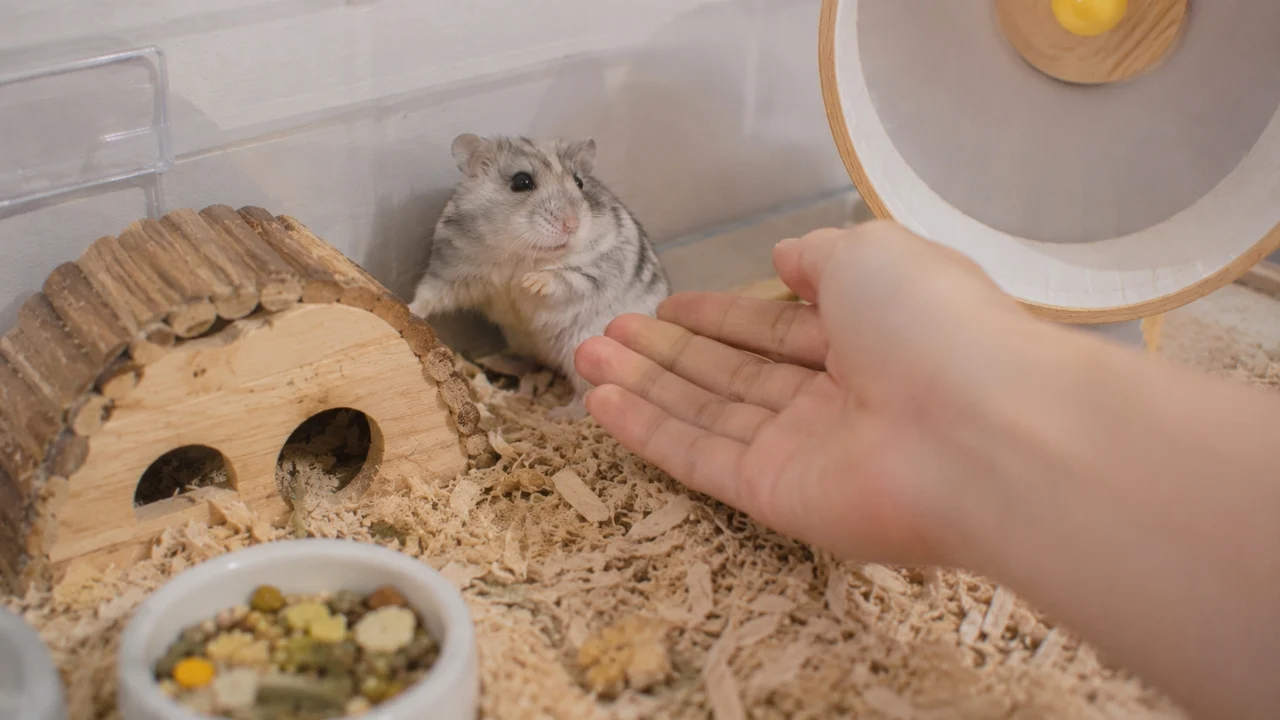
In reality, hamsters are independent animals that often prefer exploring over being held. Some become very comfortable with handling, while others remain reserved throughout their lives.
Building Trust Takes Longer Than Most Beginners Expect
One of the biggest surprises for new owners is how slowly trust can develop.

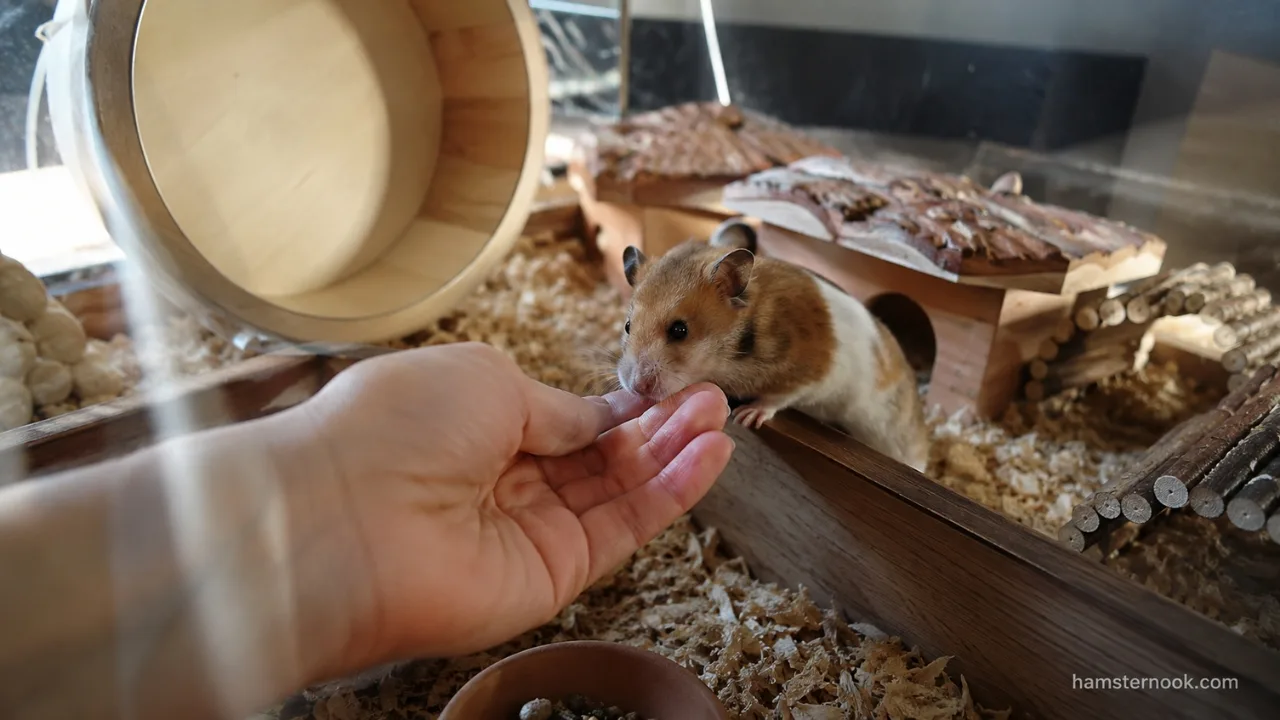
Some hamsters become comfortable with handling within a few days, while others may need several weeks of patient interaction. Trying to rush the process often creates more fear and stress.
Allowing your hamster to approach voluntarily, offering treats, and keeping handling sessions short usually produces better long-term results.
What New Owners Often Expect vs Reality
| Expectation | Reality |
|---|---|
| Loves being held immediately | Usually needs time to build trust |
| Enjoys long cuddle sessions | Most prefer short interactions |
| Always friendly | Personalities vary widely |
| Wants constant attention | Often enjoys alone time |
Patience and gentle handling are essential when building trust.
Hamsters Are Nocturnal and Active at Night
Many first-time owners are surprised when their hamster sleeps all day.

Hamsters are naturally crepuscular and nocturnal, meaning they are most active during the evening, nighttime, and early morning hours.
This natural schedule also explains why many owners wonder if their pet is sleeping too much. See Why Is My Hamster Sleeping So Much? Normal vs Warning Signs.
This means:
- They may sleep when you’re awake.
- They may run on their wheel at midnight.
- They may not want interaction during daylight hours.
If you’re looking for a pet that’s active throughout the day, a hamster may not be the best fit.
Deep Bedding Is More Important Than Fancy Accessories

Before owning a hamster, many people focus on toys, tubes, and decorations.
What many owners later discover is that bedding depth often matters more.
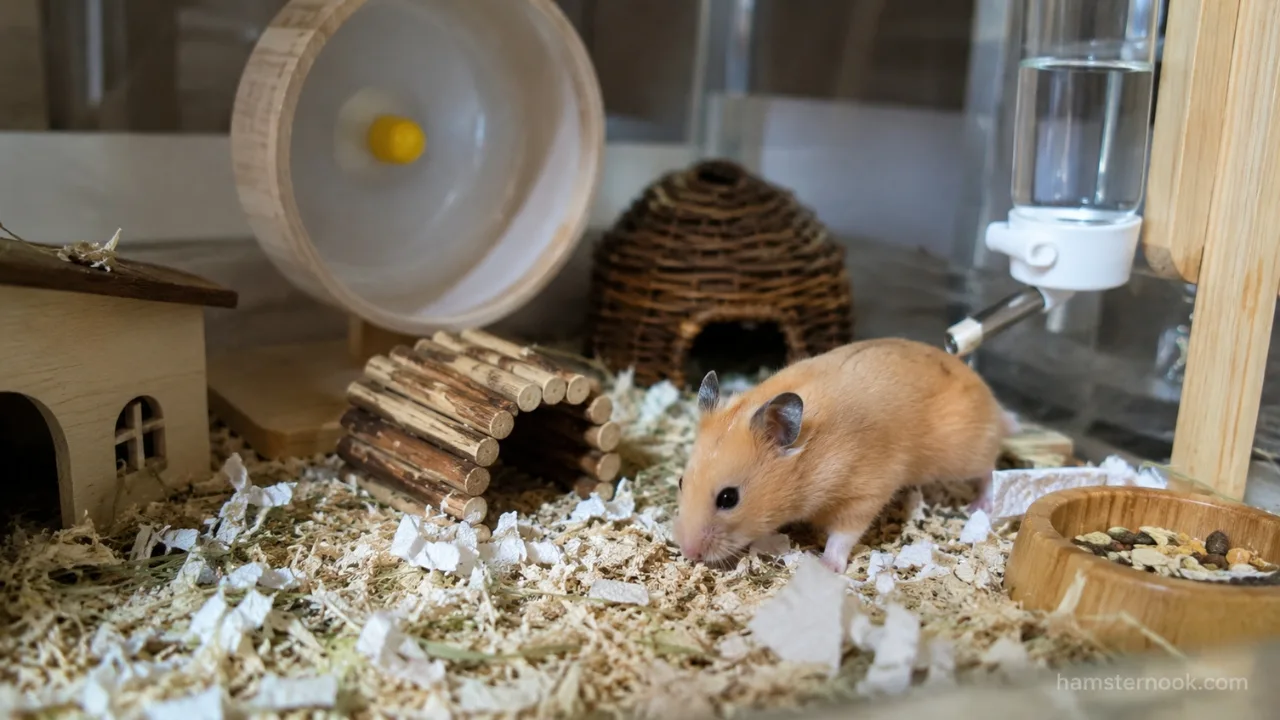
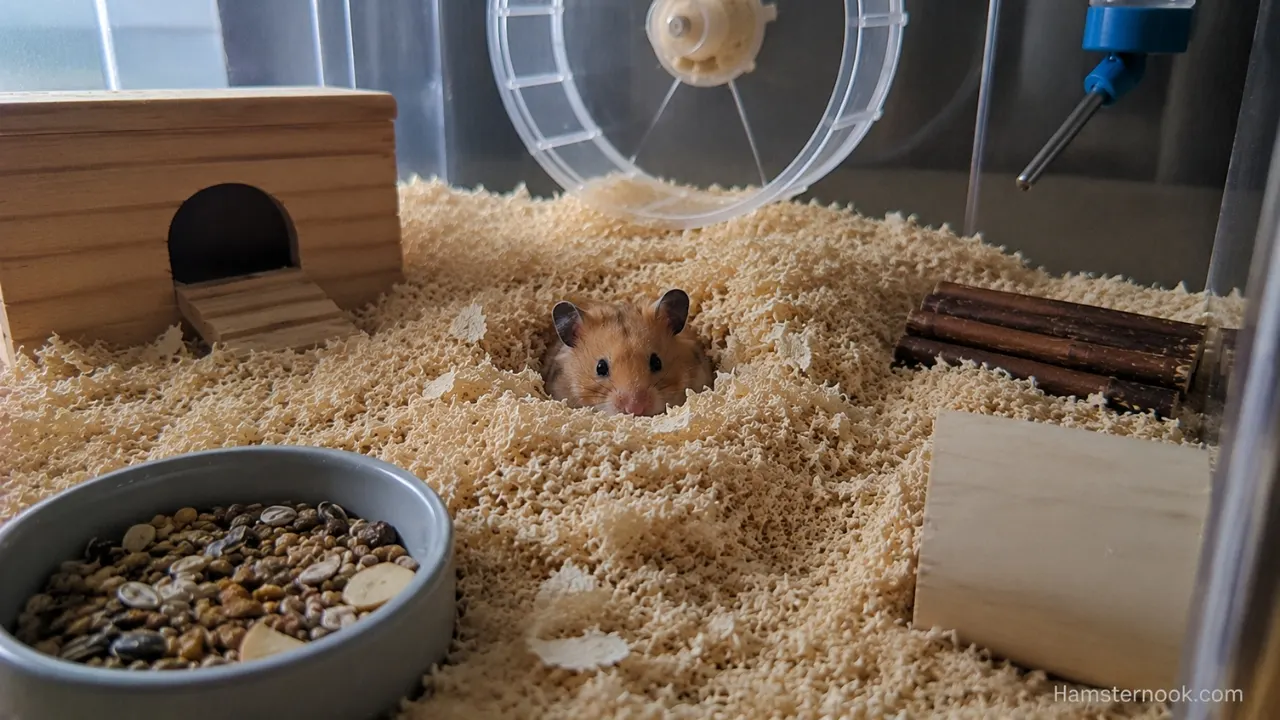
Hamsters have a natural instinct to dig tunnels and create underground nests. Shallow bedding prevents these behaviors and can contribute to boredom.
Deep bedding is one of the most important parts of a proper habitat. Learn more in How Deep Should Hamster Bedding Be?
Ideal Bedding Setup
| Feature | Recommended |
|---|---|
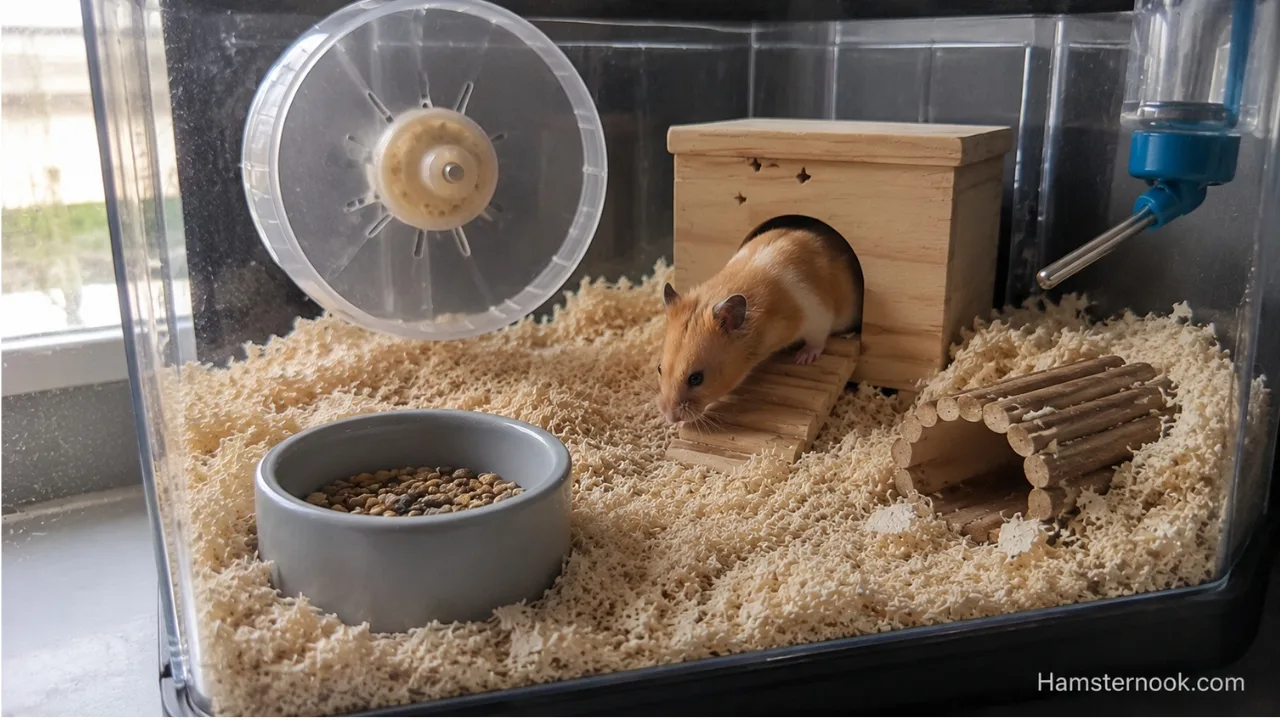
| Bedding Depth | 8–10 inches minimum where possible |
| Material | Unscented paper-based bedding |
| Burrowing Area | Large uninterrupted section |
| Spot Cleaning | Regularly remove soiled areas |
A hamster that can burrow is often more confident and relaxed.
Deep burrows also help hamsters feel secure and reduce stress. Read Why Is My Hamster Scared of Me? to understand how a safe environment affects behavior.
Not Every Hamster Enjoys the Same Activities
Many beginners buy the same toys and accessories they see online, only to discover their hamster ignores them.
Some hamsters love digging, others prefer foraging, climbing, exploring tunnels, or chewing. Learning your hamster’s individual preferences can help you create a more enriching habitat.

Veterinary Care Can Be More Expensive Than Expected
A lot of first-time owners are surprised by how much the initial setup can cost. While food and bedding are generally affordable, veterinary care can sometimes be surprisingly costly.
Exotic pet veterinarians often charge more than standard clinics because treating small animals requires specialized knowledge.
Potential costs may include:
- Health exams
- Dental issues
- Injuries
- Skin problems
- Emergency visits
It’s wise to budget for veterinary expenses before bringing a hamster home.

Hamsters Need More Enrichment Than Just a Wheel
Mental stimulation plays a major role in hamster welfare. Read Can Hamsters Get Bored in Their Cage?
A wheel is important, but it’s only one part of a healthy environment.
Hamsters are curious animals that benefit from opportunities to:
- Dig
- Climb safely
- Forage
- Explore tunnels
- Chew
- Hide
Essential Enrichment Items
| Enrichment Item | Purpose |
|---|---|
| Exercise Wheel | Physical activity |
| Sand Bath | Grooming and coat care |
| Tunnels | Exploration |
| Chew Toys | Dental wear |
| Foraging Toys | Mental stimulation |
| Hideouts | Security and comfort |
A hamster with varied enrichment is often more active and engaged.

Enrichment also helps prevent repetitive behaviors caused by boredom. See Can Hamsters Get Bored in Their Cage? for additional enrichment and habitat ideas.
Pet Store Advice Isn’t Always Up to Date
This can be a difficult lesson for new owners.
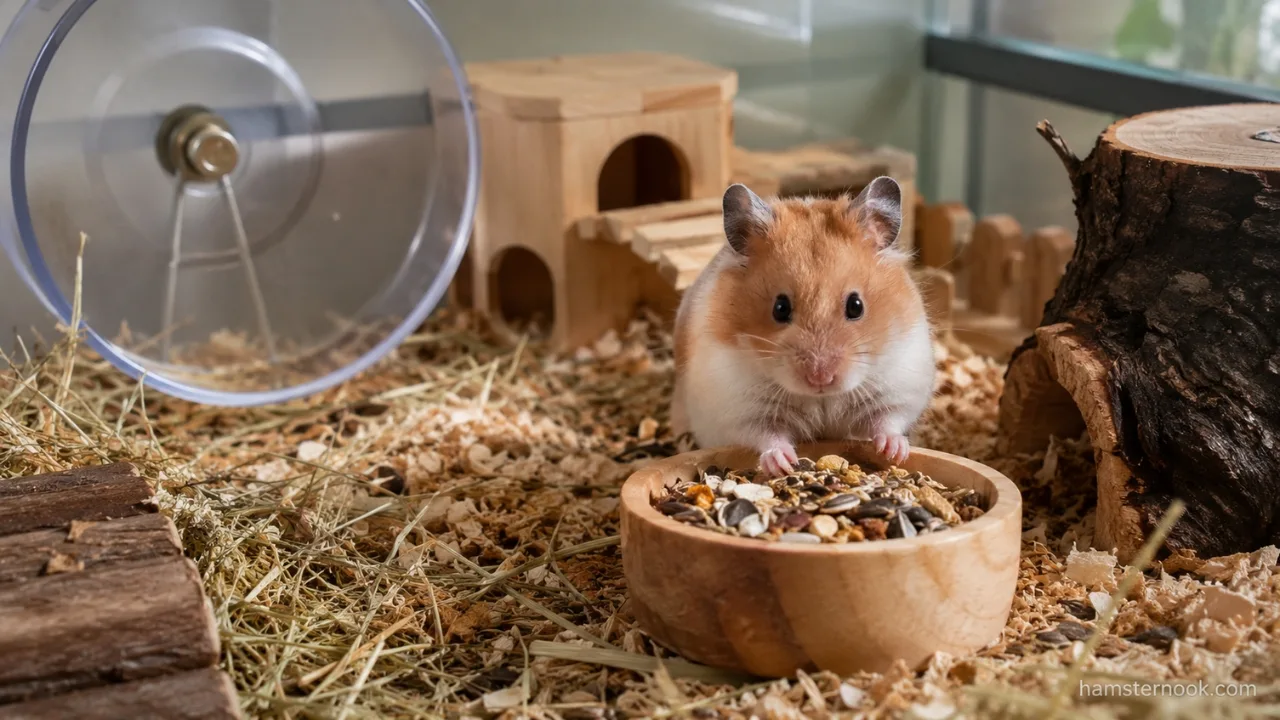
Many products sold specifically for hamsters do not necessarily meet modern care standards.
Examples include:
- Very small cages
- Tiny exercise wheels
- Flavored mineral blocks
- Cotton nesting materials
- Unsafe exercise balls
Researching care recommendations from multiple trusted sources can help you avoid costly mistakes.
Hamsters Have Short Lifespans
One of the hardest realities of hamster ownership is their relatively short lifespan.
Average Lifespans by Species
| Hamster Type | Typical Lifespan |
|---|---|
| Syrian Hamster | 2–3 years |
| Roborovski Hamster | 3–4 years |
| Winter White Hamster | 1.5–3 years |
| Campbell’s Dwarf Hamster | 1.5–2.5 years |
| Chinese Hamster | 2–3 years |
While some individuals live longer, hamsters generally have shorter lives than many other pets.
Understanding this before adopting helps set realistic expectations.
Cleaning Is Easier Than Many Beginners Think
A common misconception is that hamster cages need complete cleaning every week.
In reality, frequent full cleanouts can be stressful because they remove familiar scents.
Most owners find success with:
- Daily checks
- Spot cleaning soiled areas
- Partial bedding replacement
- Occasional deep cleaning when necessary
This approach often keeps the cage cleaner while reducing stress.

Every Hamster Has a Different Personality
No two hamsters are exactly alike.
Some are:
- Curious
- Bold
- Social with humans
- Food-motivated
Personality differences are one reason some hamsters bond with owners faster than others. See Will My Hamster Remember Me After Months Apart?
Others may be:
- Shy
- Independent
- Cautious
- Easily startled
Many new owners compare their hamster to videos online and worry when behavior differs. Personality differences are completely normal.
A Proper Setup Costs More Than the Hamster
The hamster itself is often one of the least expensive parts of ownership.
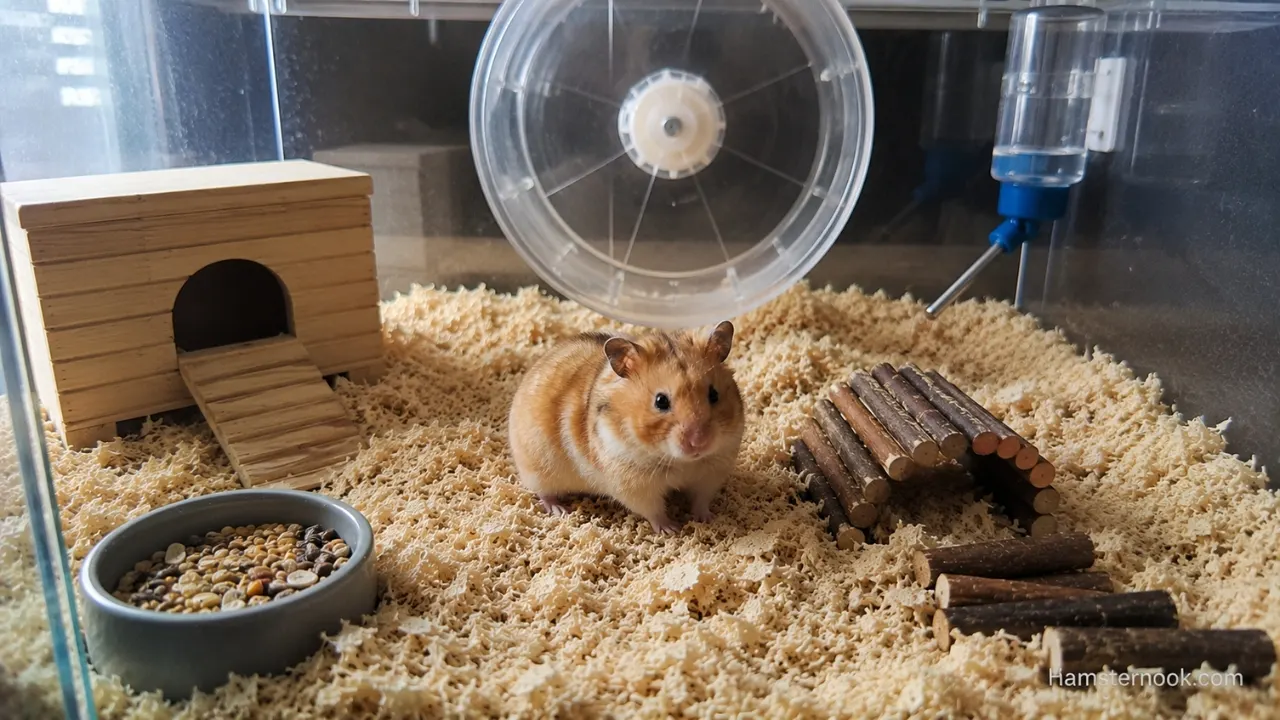
A quality setup may include:
| Item | Usually Needed |
|---|---|
| Large enclosure | Yes |
| Proper wheel | Yes |
| Bedding | Yes |
| Sand bath | Yes |
| Food | Yes |
| Hideouts | Yes |
| Enrichment items | Yes |
Many owners spend significantly more on the habitat than on the hamster itself.

Investing in the right setup from the start often saves money and prevents unnecessary upgrades later.
The Best Hamster Care Starts Before You Bring One Home
Looking back, many owners realize that the work done before bringing a hamster home often makes the biggest difference later on.
Before adopting a hamster:
- Research species differences.
- Prepare the enclosure.
- Buy appropriate supplies.
- Learn proper handling techniques.
- Find an exotic veterinarian.
- Understand long-term care needs.
New owners can avoid many common mistakes by reading How to Tame a Hamster Without Getting Bitten before bringing a hamster home.
A well-prepared owner is far more likely to have a positive experience.
Final Thoughts
If there’s one thing many hamster owners wish they had known before bringing home their first pet, it’s that hamsters are far more complex than their small size suggests. They need space, enrichment, patience, proper nutrition, and an environment that allows natural behaviors.
Once you understand their needs, hamsters can be incredibly enjoyable pets to watch and care for. Watching them build tunnels, forage for food, rearrange their nests, and develop unique personalities is part of what makes hamster ownership so enjoyable.
The more you understand before getting a hamster, the better prepared you’ll be to provide a healthy, enriching, and comfortable life for your new pet.

Frequently Asked Questions
Is a hamster a good pet for beginners?
Yes, hamsters can be suitable for beginners, but they still require proper research, housing, and ongoing care.
What is the biggest mistake new hamster owners make?
One of the most common mistakes is purchasing a cage that is too small and lacks enough space for natural behaviors.
Do hamsters need attention every day?
While they are independent pets, hamsters benefit from daily observation, feeding, and gentle interaction when they are comfortable.
Are hamsters expensive to keep?
Daily care is usually affordable, but habitat setup and veterinary care can cost more than many new owners expect.

How long does it take for a hamster to trust you?
Every hamster is different. Some become comfortable within days, while others may need several weeks of consistent, gentle interaction.
What should I buy before bringing a hamster home?
At minimum, prepare a suitable cage, wheel, bedding, hideouts, food, water source, sand bath, and enrichment items before adoption.

Narayan Kumar is the founder and author of HamsterNook. He creates practical, research-based hamster care guides covering hamster behavior, nutrition, cage setup, enrichment, health, and everyday care. His goal is to help hamster owners make informed decisions and provide safer, healthier lives for their pets through clear, beginner-friendly information based on trusted animal care resources.