Many homes use air fresheners to create a pleasant-smelling living space, but what smells fresh to us isn’t always harmless to small pets. If your hamster’s enclosure is in a room where sprays, plug-ins, scented candles, or essential oil diffusers are used, it’s worth taking a closer look. Hamsters have delicate respiratory systems, and airborne fragrances can affect them differently than they affect people.
Quick Answer
Air fresheners are not recommended around hamsters. While evidence specifically studying pet hamsters and commercial air fresheners is limited, veterinary and animal welfare organizations consistently advise keeping small mammals away from smoke, aerosols, strong fragrances, and airborne chemicals that may irritate their sensitive respiratory systems. The safest approach is to keep the air around your hamster as clean and fragrance-free as possible.
Clean air is only one part of creating a healthy living environment. Our Complete Hamster Care Guide for Beginners (2026) explains the essential housing, environment, feeding, and daily care practices that help hamsters stay healthy long-term.
Why Hamsters Are More Sensitive to Airborne Fragrances
Hamsters may be tiny, but their respiratory systems work hard to support an active lifestyle. They also spend much of their time close to the bedding, where airborne particles can settle.
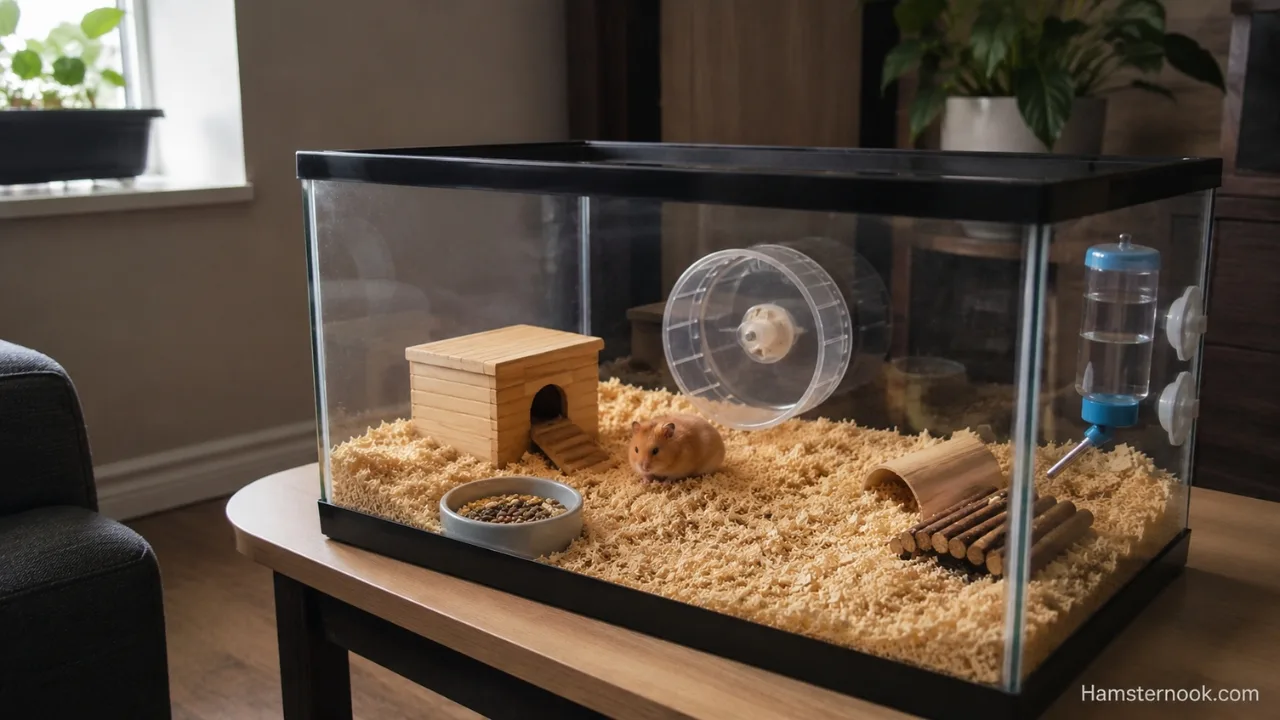
Unlike humans, hamsters cannot tell you when an odor is irritating their airways. They rely on clean air to breathe comfortably, and even mild airborne irritants may have a greater impact because of their small body size.
Animal welfare guidance recommends housing hamsters in a well-ventilated environment free from cigarette smoke and other airborne pollutants. Although these recommendations often focus on smoke and dust, the same principle applies to unnecessary airborne fragrances and chemical sprays that can reduce air quality.
Good air quality also depends on where the enclosure is placed. Should a Hamster Cage Be Near a Window? Risks Every Owner Should Know explains how ventilation, drafts, and direct sunlight can all influence your hamster’s environment.
Types of Air Fresheners Found in Homes
Not every product works the same way. Some release fragrance continuously, while others send concentrated particles into the air.
Aerosol Air Fresheners
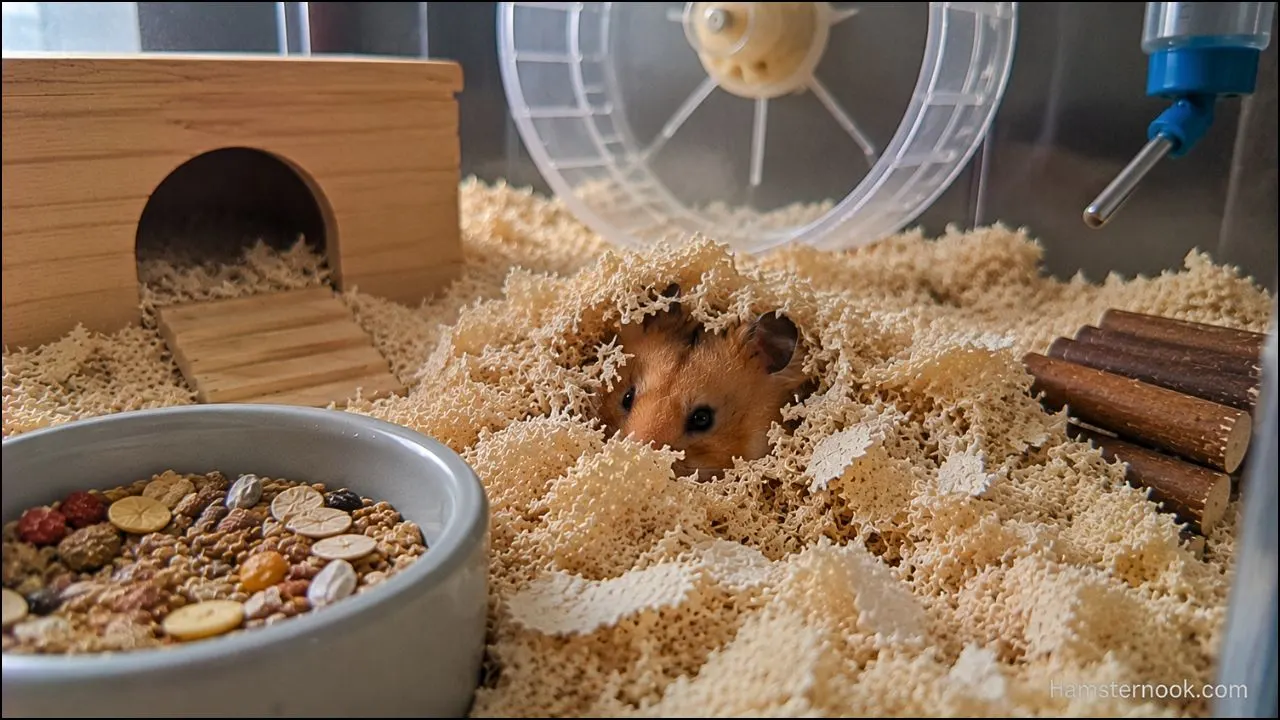
Spray air fresheners produce fine droplets that remain suspended in the air before eventually settling on surfaces.
If sprayed near a hamster enclosure, those particles may enter the cage or settle on bedding, toys, food dishes, and water bottles.
For that reason, aerosol sprays should never be used in the same room while your hamster is present.
Even if the spray is used after removing your hamster from the room, wait until the fragrance has fully dispersed and the room has been well ventilated before returning the enclosure.
Plug-In Air Fresheners
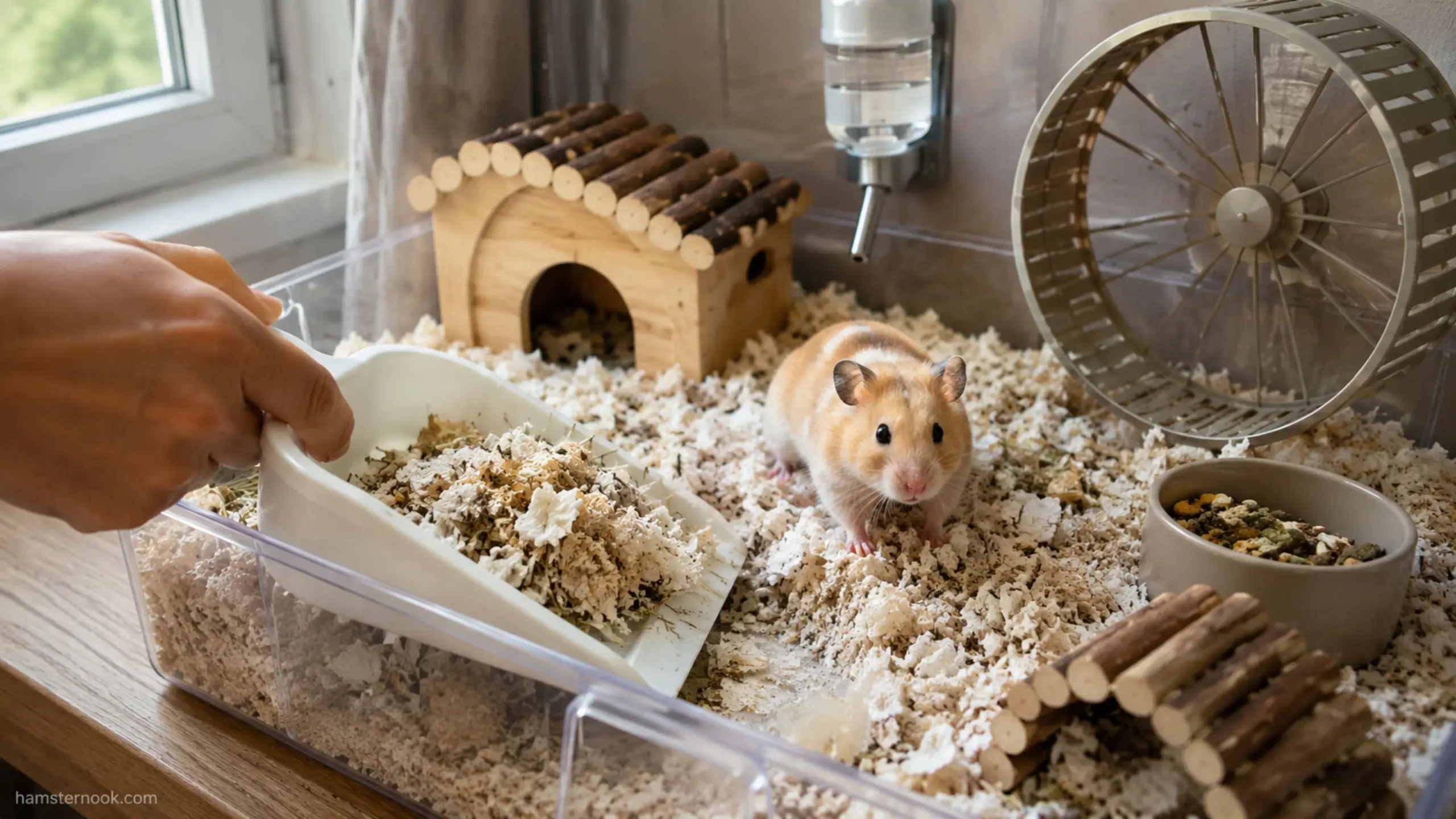
Plug-in fragrance devices release scent continuously over long periods.
Although they don’t produce visible sprays, they constantly add fragrance compounds to the surrounding air. If a hamster lives in that room full-time, it may be exposed for many hours every day.
Because there is little research specifically evaluating long-term exposure in pet hamsters, it’s difficult to define a “safe” level. A fragrance-free room remains the lower-risk option.
Gel Air Fresheners
Gel products generally release fragrance more slowly than aerosols.

Even so, they are designed to perfume indoor air. They should not be placed beside or underneath a hamster enclosure where the concentration of fragrance may be higher.
Automatic Spray Dispensers
Automatic dispensers can be particularly problematic because they release fragrance at regular intervals regardless of whether anyone is nearby.
A hamster resting during the day has no way to avoid repeated bursts of airborne chemicals if the dispenser operates in the same room.
Scented Candles
Burning candles introduce more than fragrance into the air.

Combustion can also release soot and other particles. Open flames additionally present obvious household safety concerns.
Animal welfare organizations generally recommend avoiding smoke-filled environments for small pets.
Essential Oil Diffusers
Many owners assume essential oils are “natural” and therefore harmless.
Natural does not automatically mean safe.

Essential oils are highly concentrated plant extracts. Some are known to be irritating or toxic to various animals, and there is very little reliable evidence establishing safe airborne exposure levels for pet hamsters.
Because safe airborne exposure levels for pet hamsters have not been established, avoiding essential oil diffusers in rooms where hamsters live is the more cautious choice.

Why Fragrances Can Be a Problem
The concern isn’t simply that something smells strong.
Air fresheners work by releasing volatile compounds into the surrounding air.

Hamsters spend hours:
- Sleeping close to bedding
- Grooming themselves
- Digging through substrate
- Sniffing their surroundings
- Breathing air inside an enclosed habitat
Unlike people, they cannot leave the room if an odor becomes overwhelming.
Repeated exposure may increase the chance of respiratory irritation, especially if several scented products are used together.
Environmental irritants aren’t the only source of ongoing stress. Our Can Strong Household Smells Stress a Hamster? Signs to Watch For guide explains how strong household odors can affect hamster behavior and what warning signs owners should watch for.
Can Air Fresheners Affect a Hamster’s Sense of Smell?
Possibly.
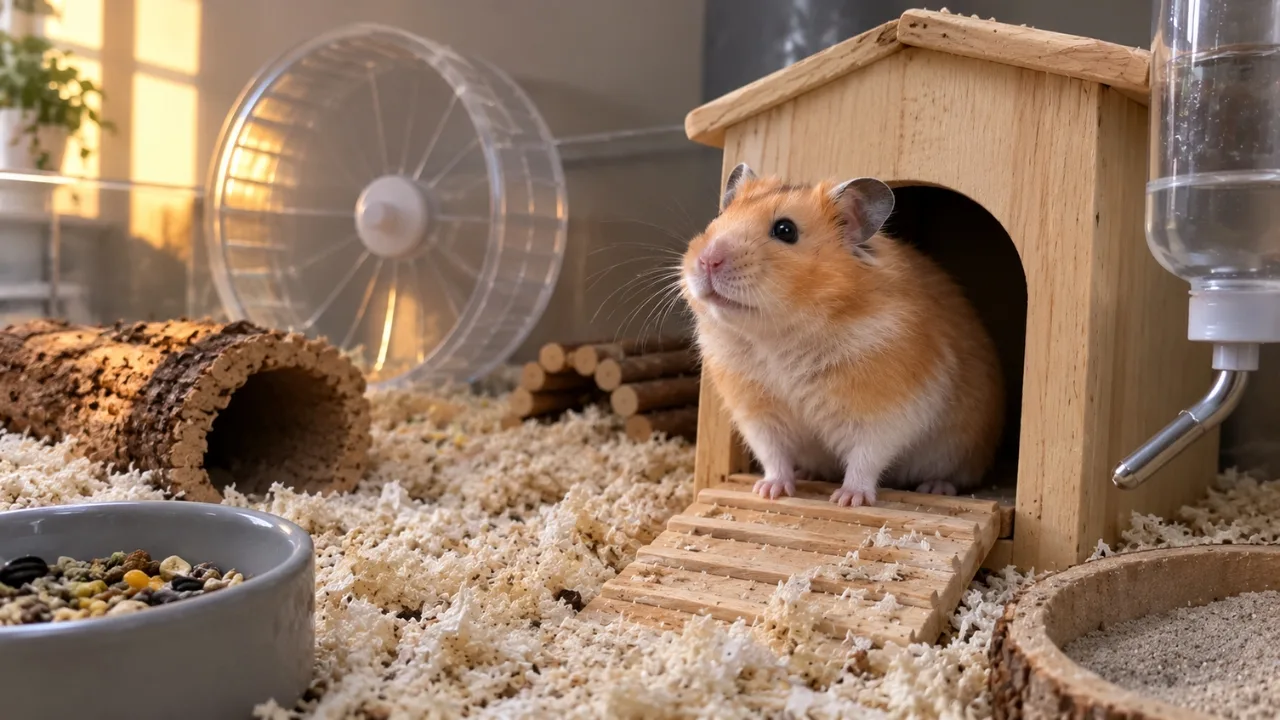
Hamsters depend heavily on their sense of smell for nearly every aspect of daily life.
They use scent to:
- Recognize familiar people
- Navigate their enclosure
- Locate food stores
- Identify nesting areas
- Detect changes in their environment
Strong artificial fragrances may temporarily overwhelm these natural scent cues, although direct research in pet hamsters is limited.
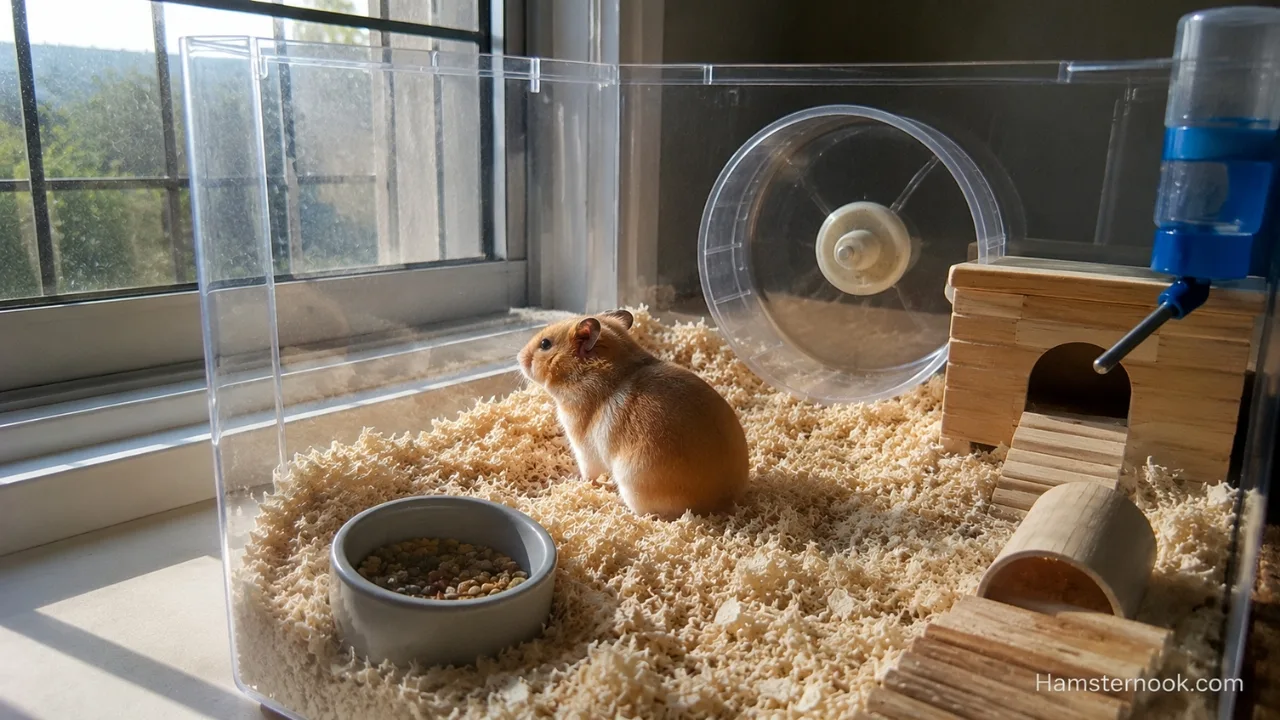
For that reason alone, keeping the environment as natural as possible is generally recommended.
Products That Should Be Kept Away From Hamsters
| Product | Recommended Around Hamsters? | Why |
|---|---|---|
| Aerosol air fresheners | No | Can release droplets and fragrance compounds into the air. |
| Plug-in air fresheners | Not recommended | Continuously releases fragrance into the surrounding air. |
| Automatic fragrance sprays | No | Releases repeated bursts of fragrance into the room. |
| Scented candles | Not recommended | Produce fragrance, combustion products, and airborne particles. |
| Essential oil diffusers | No | Safe airborne exposure levels for hamsters have not been established. |
| Incense | No | Produces smoke and fine particles that can reduce air quality. |
| Unscented ventilation | Yes | Provides airflow without deliberately adding fragrance. |
What About Rooms That Occasionally Use Air Freshener?
The level of risk depends on factors such as:
- How often products are used
- Room ventilation
- Distance from the hamster enclosure
- Type of fragrance product
- Duration of exposure
A single brief exposure is unlikely to affect every hamster the same way.
However, because hamsters have sensitive respiratory systems and safer alternatives exist, routine use of fragranced products in the same room isn’t recommended.
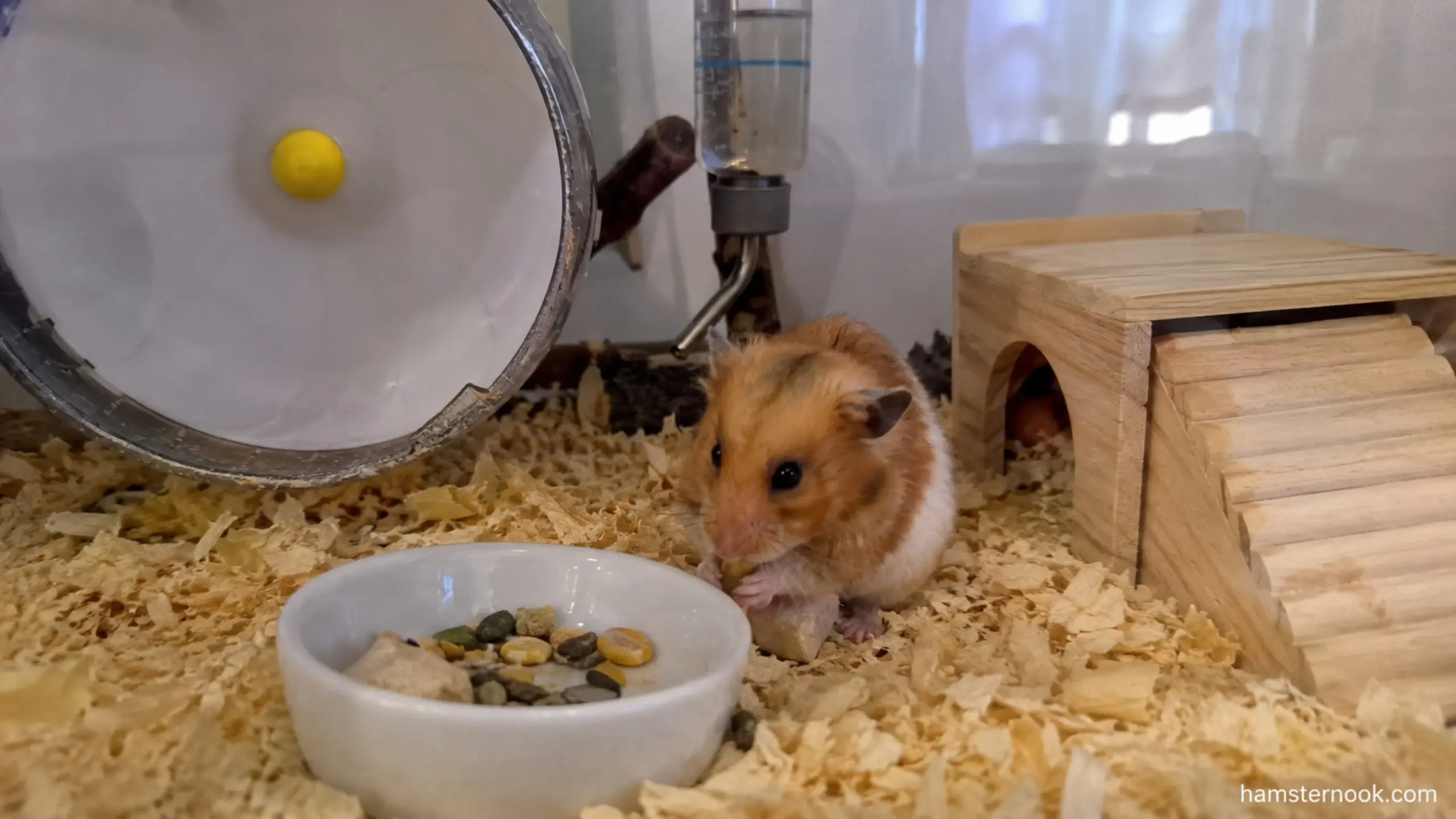
If you accidentally spray an air freshener nearby:
- Stop using the product immediately.
- Increase fresh air circulation if it can be done safely without creating drafts.
- Avoid spraying additional products to “cover” the smell.
- Observe your hamster during its next active period for any unusual changes in breathing or behavior.
Rapid or noisy breathing should never be ignored, especially after exposure to airborne irritants. Why Is My Hamster Breathing Fast? Causes, Warning Signs & When To Worry explains which symptoms require closer attention.
Practical Examples
Example 1: Spraying Before Guests Arrive
You spray an aerosol air freshener throughout the living room where your hamster’s enclosure is located.
Although the fragrance may seem mild to you, airborne particles can drift into the enclosure and settle on bedding and accessories. Waiting until the room is fragrance-free before returning your hamster to the area is a safer approach.

Example 2: A Plug-In Beside the Cage
A plug-in fragrance device sits on the wall directly behind the hamster enclosure.
Because it releases scent continuously, the hamster is exposed whenever it is in the room. Moving the device to another area of the home—or removing it entirely from the hamster’s room—reduces unnecessary exposure.
Example 3: Using an Essential Oil Diffuser
A lavender diffuser runs for several hours each evening.
Although lavender is commonly used in homes for relaxation, there isn’t sufficient evidence to confirm that airborne exposure is safe for pet hamsters. Avoiding diffusers in rooms where hamsters live is the more cautious choice.
Common Mistakes Owners Make
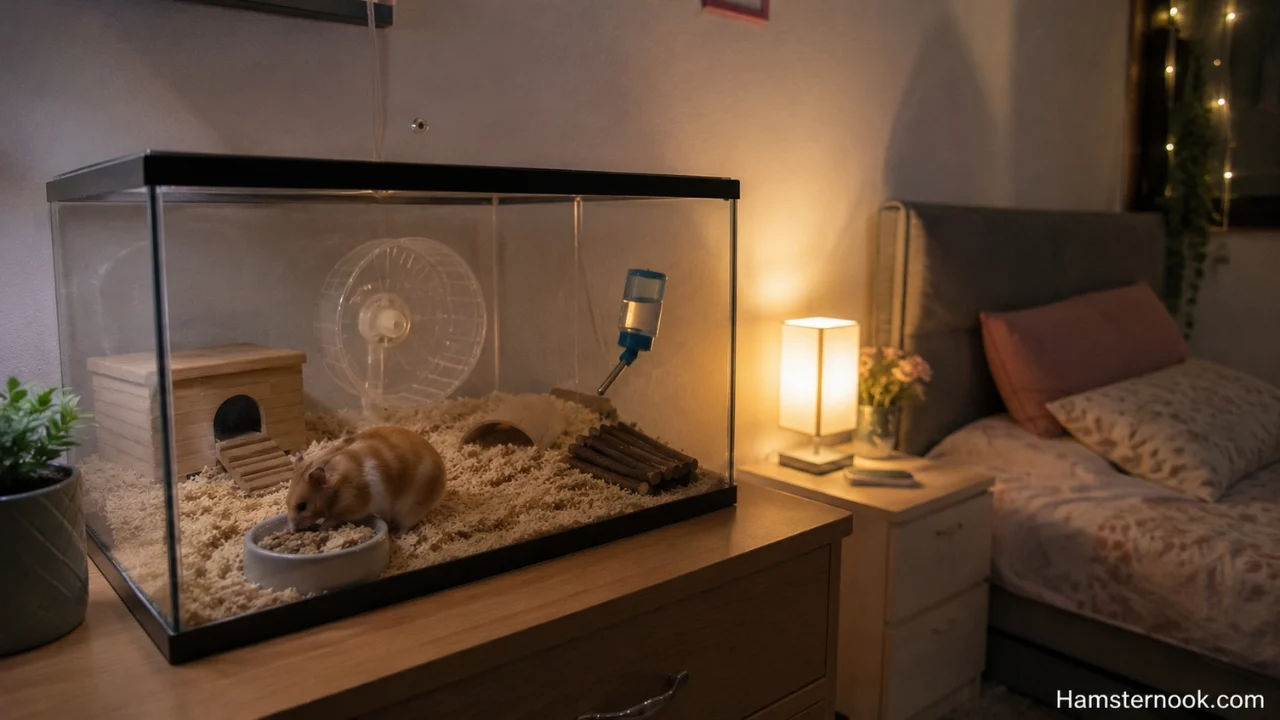
Many owners don’t realize that everyday household products can affect a hamster simply because they’re released into the air. These are some of the most common mistakes.
Assuming “Natural” Means Safe
Essential oils and plant-based fragrances are often marketed as natural alternatives, but natural substances can still irritate a hamster’s respiratory system. Since reliable evidence establishing safe airborne exposure levels for pet hamsters is lacking, it’s best not to use them around your pet.
Spraying Air Freshener Near the Cage
Some people spray air freshener after cleaning the hamster’s enclosure or the room around it. Even if the spray isn’t directed at the cage, airborne droplets can settle on bedding, food bowls, toys, and other surfaces your hamster touches.
Using Multiple Scented Products Together
A room may contain a plug-in air freshener, scented candle, fabric spray, and diffuser at the same time. While each product may seem mild on its own, together they increase the amount of fragrance and airborne chemicals in the environment.

Trying to Cover Up Cage Odors
A healthy hamster enclosure shouldn’t need perfume.
If unpleasant odors become noticeable, the solution is usually to:
- Spot clean soiled areas regularly.
- Replace wet bedding as needed.
- Ensure the enclosure has appropriate ventilation.
- Use a suitable unscented paper-based bedding.
Adding fragrance doesn’t solve the source of the odor and may create unnecessary exposure for your hamster.
What You Should Do
The safest approach is to keep your hamster’s room as fragrance-free as possible.
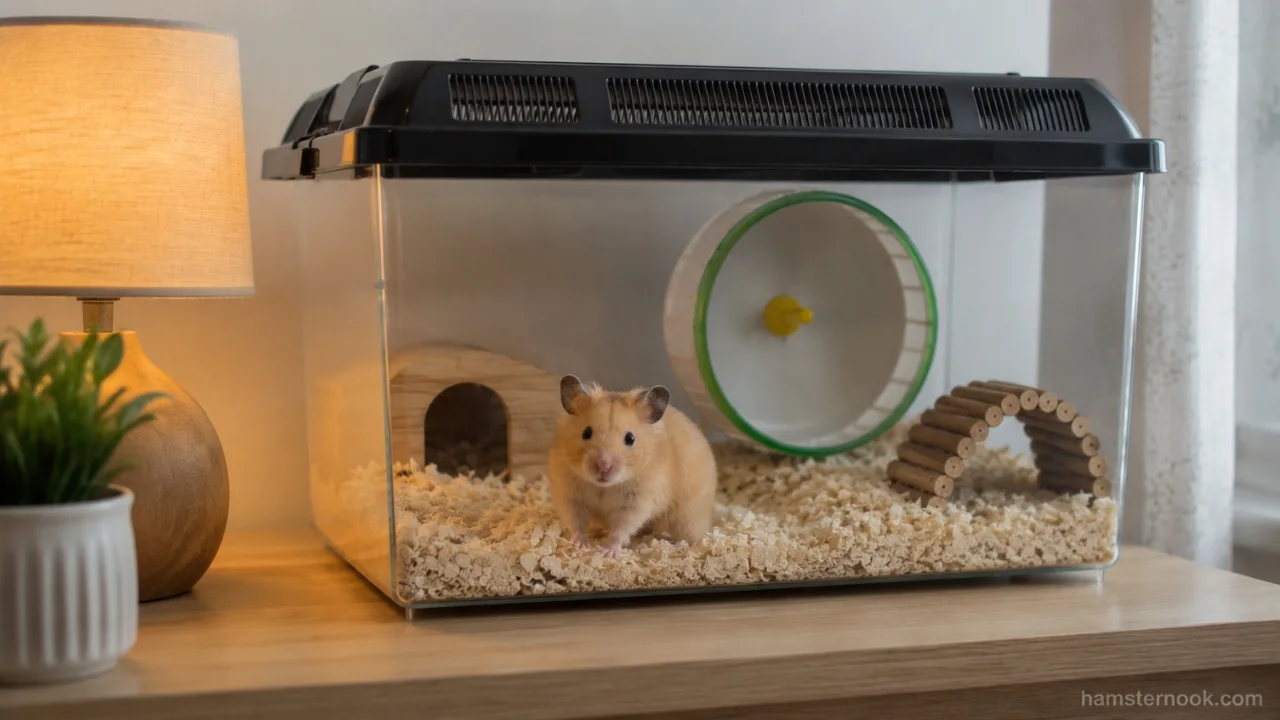
Instead of relying on air fresheners:
- Use unscented bedding designed for small animals.
- Spot clean the enclosure regularly rather than waiting for odors to build up.
- Remove spoiled food each day.
- Keep water bottles and food dishes clean.
- Improve natural ventilation where possible without exposing your hamster to direct drafts or extreme temperatures.
- Store strong cleaning products away from the enclosure.
If you need to clean the room with scented household products, allow the area to air out fully before spending extended time with your hamster in that room.
If you are also using sprays or other cleaning products around the enclosure, our Can Household Cleaning Sprays Affect Hamsters? What Owners Should Avoid guide covers the products and exposure risks owners should consider.

If you enjoy scented candles or plug-in fragrances, consider using them only in areas of the home where your hamster does not live.

Warning Signs That May Suggest Airway Irritation
A hamster won’t be able to tell you that the air feels uncomfortable, so you’ll need to watch for changes in its behavior.
Possible warning signs include:
- Frequent sneezing.
- Audible breathing noises.
- Watery eyes or nasal discharge.
- Reduced activity during normal waking hours.
- Spending unusually long periods hiding.
- Less interest in food or exploration.
Looking at several behavioral changes together provides a much clearer picture than focusing on one symptom alone. 7 Signs You’re Accidentally Stressing Your Hamster (Without Even Realizing It) explains the most common patterns owners should watch for.
These signs are not specific to air fresheners and can occur for many different reasons, including respiratory illness or unsuitable bedding. However, if they appear after introducing a new scented product, removing the product and monitoring your hamster closely is a sensible first step.
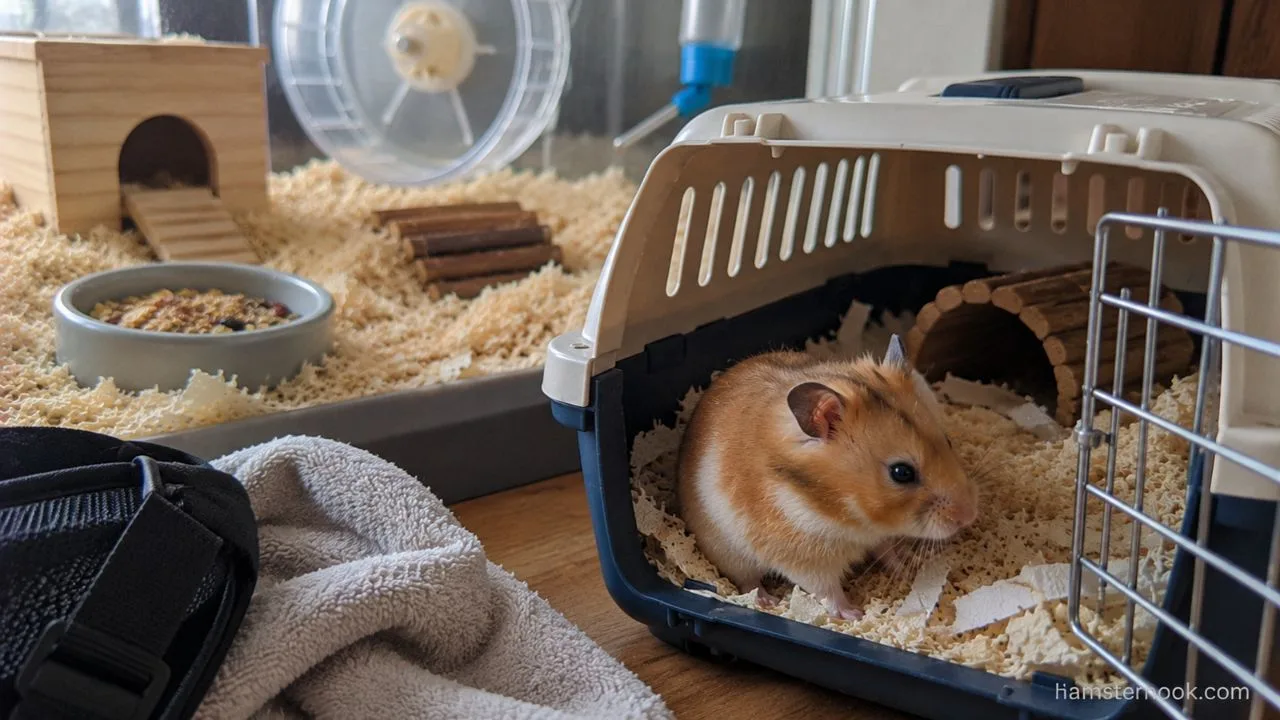
Considering your hamster’s breathing, activity level, appetite, and posture together usually provides a better understanding of its overall condition. How to Tell If Your Hamster Is Happy, Healthy, Stressed, or Sick: Complete Owner’s Guide (2026) explains how these signs fit together.
When to Worry
Occasional curiosity or avoiding a newly scented area isn’t necessarily an emergency.
However, your hamster should be examined promptly by an experienced exotic animal veterinarian if you notice:
- Labored or difficult breathing.
- Persistent sneezing that doesn’t improve.
- Open-mouth breathing.
- Blue or pale gums.
- Severe lethargy.
- Refusal to eat or drink.
- Rapid worsening of respiratory signs.
If your hamster suddenly stops eating alongside breathing changes or lethargy, the problem may extend beyond simple environmental irritation. Why Is My Hamster Not Eating? 9 Causes You Should Never Ignore explains the most important warning signs.
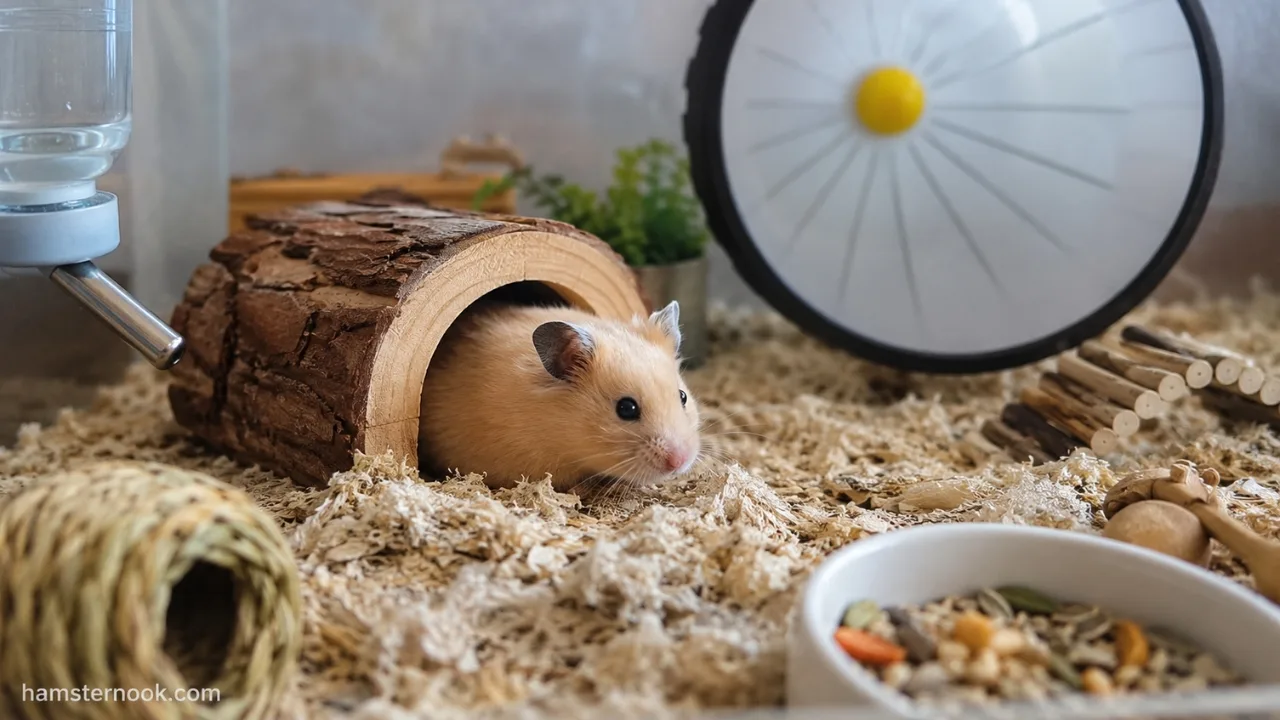
Respiratory problems in small mammals can become serious quickly, so it’s best not to delay professional veterinary care if your hamster appears to be struggling to breathe.
Medical Disclaimer: This article is for educational purposes only and should not replace professional veterinary advice. If your hamster develops breathing difficulties, persistent sneezing, nasal discharge, or any other signs of illness, consult a qualified veterinarian experienced in treating small mammals.
Final Thoughts
Air fresheners may seem like a harmless part of keeping a home smelling pleasant, but they aren’t a good addition to the environment where a hamster lives. Aerosol sprays, plug-ins, scented candles, incense, and essential oil diffusers all introduce substances into the air that offer no benefit to your pet and may increase the risk of irritation.
Because hamsters rely heavily on clean air and spend their lives close to bedding where airborne particles settle, keeping their room free from unnecessary fragrances is the safest choice. Good cage hygiene, regular spot cleaning, and proper ventilation are far more effective ways to maintain a fresh-smelling habitat than masking odors with scented products.
Frequently Asked Questions
Can I use an air freshener in another room?
Using an air freshener in another room can reduce your hamster’s exposure, but keep the enclosure away from areas where fragrance can circulate into its environment. The safest option is still to keep the hamster’s room fragrance-free.
Are plug-in air fresheners safer than aerosol sprays?
Plug-ins don’t release visible sprays, but they continuously emit fragrance into the air. Because hamsters may be exposed for long periods, they still aren’t recommended in the same room.
Is lavender safe around hamsters?
There isn’t enough reliable evidence to confirm that airborne lavender essential oil is safe for pet hamsters. As a precaution, avoid using essential oil diffusers in rooms where hamsters live.
Can scented candles harm hamsters?
Burning candles release fragrance and combustion particles into the air. Animal welfare guidance recommends protecting small mammals from smoke and unnecessary airborne pollutants.

How can I keep my hamster’s room smelling fresh without air fresheners?
Regular spot cleaning, removing spoiled food, using quality unscented bedding, and maintaining good ventilation are safer and more effective than masking odors with fragrance.
Do hamsters have a strong sense of smell?
Yes. Hamsters depend heavily on their sense of smell to recognize their environment, locate food, identify familiar scents, and navigate their enclosure.
References
This guide is based on hamster respiratory health, environmental care, housing, air quality, and welfare guidance from trusted veterinary and animal welfare resources, including:
- RSPCA – Creating a Good Home for Hamsters – Guidance on suitable hamster housing, ventilation, bedding, environmental conditions, and protecting hamsters from unsuitable airborne conditions.
- RSPCA – Hamster Health & Welfare – Health monitoring and guidance on recognizing signs that may indicate illness or require veterinary attention.
- Blue Cross – Hamster Care Guide – Practical advice on hamster housing, bedding, ventilation, environmental care, and general wellbeing.
- MSD Veterinary Manual – Providing a Home for a Hamster – Veterinary guidance on hamster housing, ventilation, bedding, environmental management, and reducing potential respiratory irritants.
- MSD Veterinary Manual – Disorders and Diseases of Hamsters – Veterinary information on respiratory disorders, clinical signs, and health problems that may require professional evaluation.
- NC3Rs – Housing and Husbandry: Hamster – Guidance on hamster housing, environmental conditions, ventilation, bedding, and appropriate husbandry practices.
Medical Disclaimer
This article is intended for educational purposes only and should not be considered veterinary advice. Evidence specifically evaluating commercial air fresheners and their effects on pet hamsters is limited, and individual hamsters may respond differently to airborne irritants. If your hamster develops persistent sneezing, nasal discharge, noisy or difficult breathing, severe lethargy, loss of appetite, or other concerning symptoms, consult a qualified veterinarian experienced in treating small mammals.

Narayan Kumar is the founder and author of HamsterNook. He creates practical, research-based hamster care guides covering hamster behavior, nutrition, cage setup, enrichment, health, and everyday care. His goal is to help hamster owners make informed decisions and provide safer, healthier lives for their pets through clear, beginner-friendly information based on trusted animal care resources.