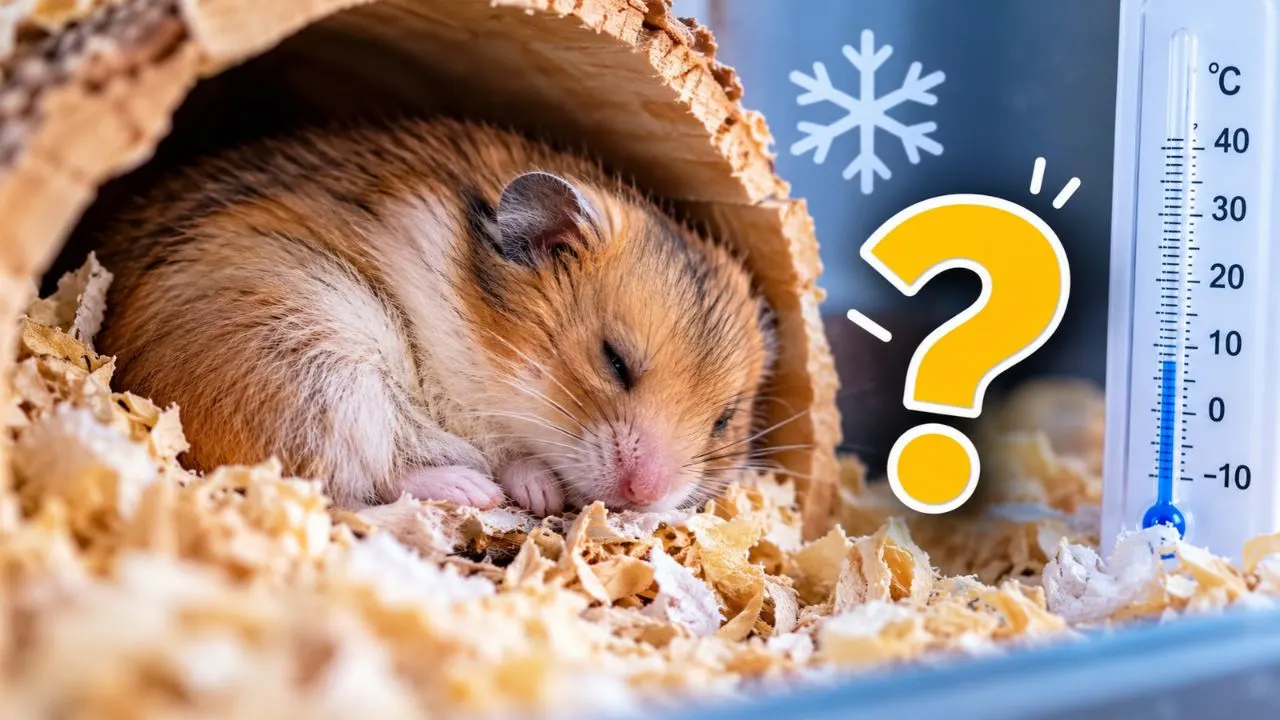
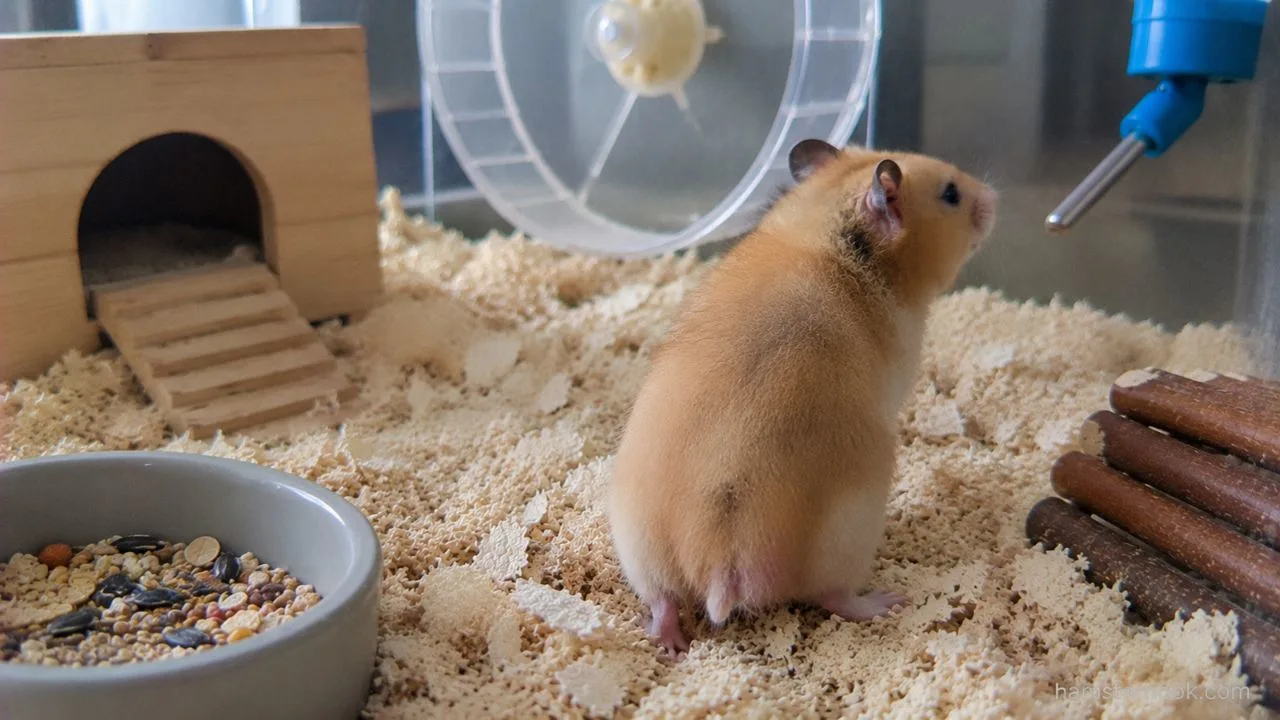
Keeping a hamster comfortable during warm weather can be challenging, especially if your home doesn’t have air conditioning. Many owners wonder whether pointing a fan directly at the cage is a safe way to help their pet cool down. While fans can improve airflow in a room, directing a constant stream of air onto a hamster isn’t the safest solution and may create more problems than it solves.
Quick Answer
No, a fan should not blow directly into a hamster enclosure for extended periods. A fan can help circulate air around the room, but direct airflow may create a constant draft that the hamster cannot comfortably escape. A safer approach is to keep the enclosure out of the fan’s direct airflow while using room ventilation, shade, deep bedding, and fresh water to help maintain a comfortable environment.
Why Direct Airflow Isn’t Ideal for Hamsters
A fan doesn’t actually lower the room temperature. Instead, it moves air around the space. People feel cooler because moving air increases the evaporation of sweat from the skin.
Hamsters do not rely on moving air in the same way people do. Direct airflow can instead create a draft inside the enclosure, particularly when the hamster has limited ability to move away from it.

When a fan continuously blows into the enclosure, it may:
- Create an uncomfortable draft.
- Dry out nesting material more quickly.
- Disturb lightweight bedding.
- Make it difficult for the hamster to rest comfortably.
- Limit the hamster’s ability to choose a preferred temperature zone.
A better setup gives the hamster sheltered areas where it can rest away from moving air. RSPCA guidance specifically recommends protecting hamsters from draughts and providing suitable bedding and nesting areas.
How Hamsters Regulate Their Body Temperature
Hamsters naturally avoid excessive heat by changing their behavior rather than relying on moving air.
During warmer conditions, they may:

- Spend more time inside underground-style hides.
- Sleep deeper beneath bedding.
- Stretch out on cool ceramic or stone surfaces.
- Reduce activity during the hottest part of the day.
- Drink water more frequently.
In the wild, hamsters escape high daytime temperatures by retreating into underground burrows where temperatures remain much more stable than above ground. A well-designed enclosure allows pet hamsters to display similar behaviors by burrowing into deep bedding.
Can a Fan Ever Be Used Safely?
Yes—but indirectly.
Instead of pointing the fan directly at the enclosure, use it to improve overall air circulation within the room.
A safe setup might include:
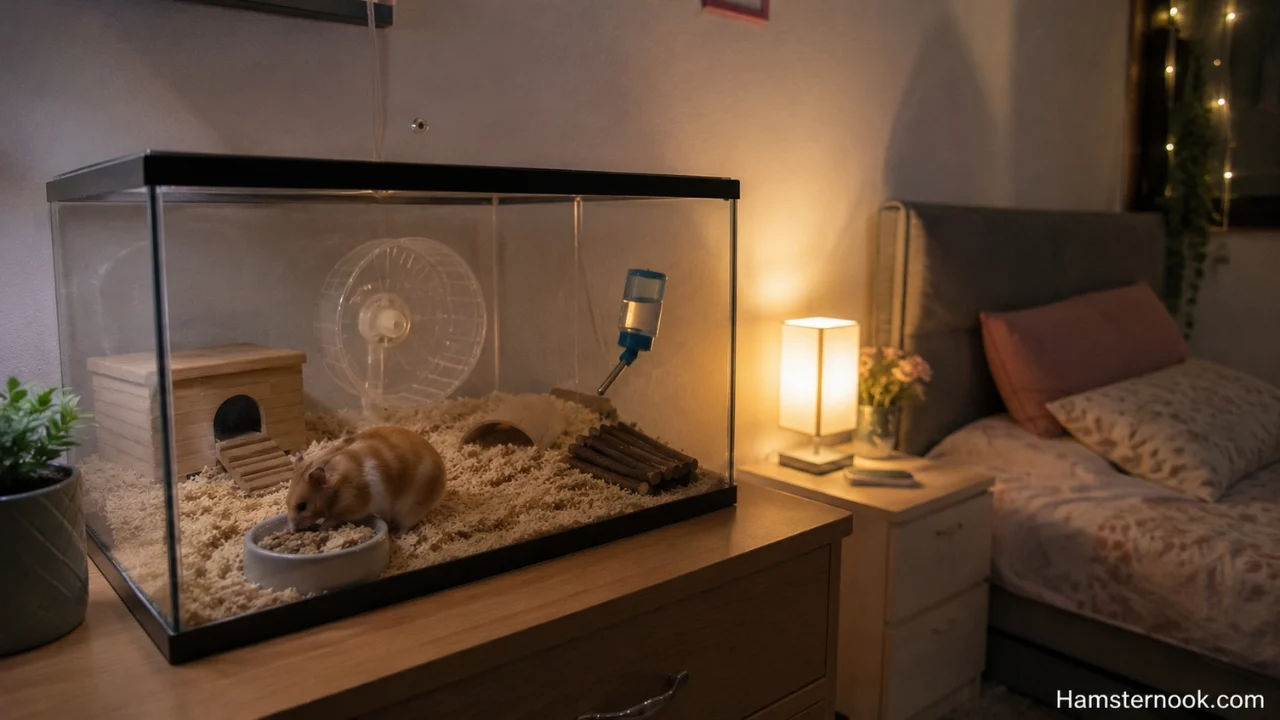
- Positioning the fan so its airflow does not blow directly into the enclosure.
- Angling airflow across the room rather than toward the cage.
- Keeping part of the enclosure sheltered from moving air.
- Monitoring the room temperature instead of relying on airflow alone.
The goal is to improve room ventilation without creating a constant breeze inside the hamster’s enclosure.
If you can feel a steady stream of air when you place your hand beside the enclosure, the airflow is probably too direct. Adjusting the fan’s position or angle usually provides gentler room circulation without blowing into the cage.
Direct Fan vs. Indirect Air Circulation
| Direct Fan on Cage | Indirect Room Airflow |
|---|---|
| Constant draft inside enclosure | Gentle circulation throughout the room |
| Bedding may shift around | Bedding remains undisturbed |
| Hamster cannot fully escape airflow | Hamster can choose comfortable areas |
| May interfere with resting and nesting | Supports a more stable environment |
| Not recommended as the primary cooling method | Generally the safer approach |

What Happens if a Fan Blows on the Cage?
Every hamster responds a little differently.
Some may simply move into a hide where the airflow is weaker.
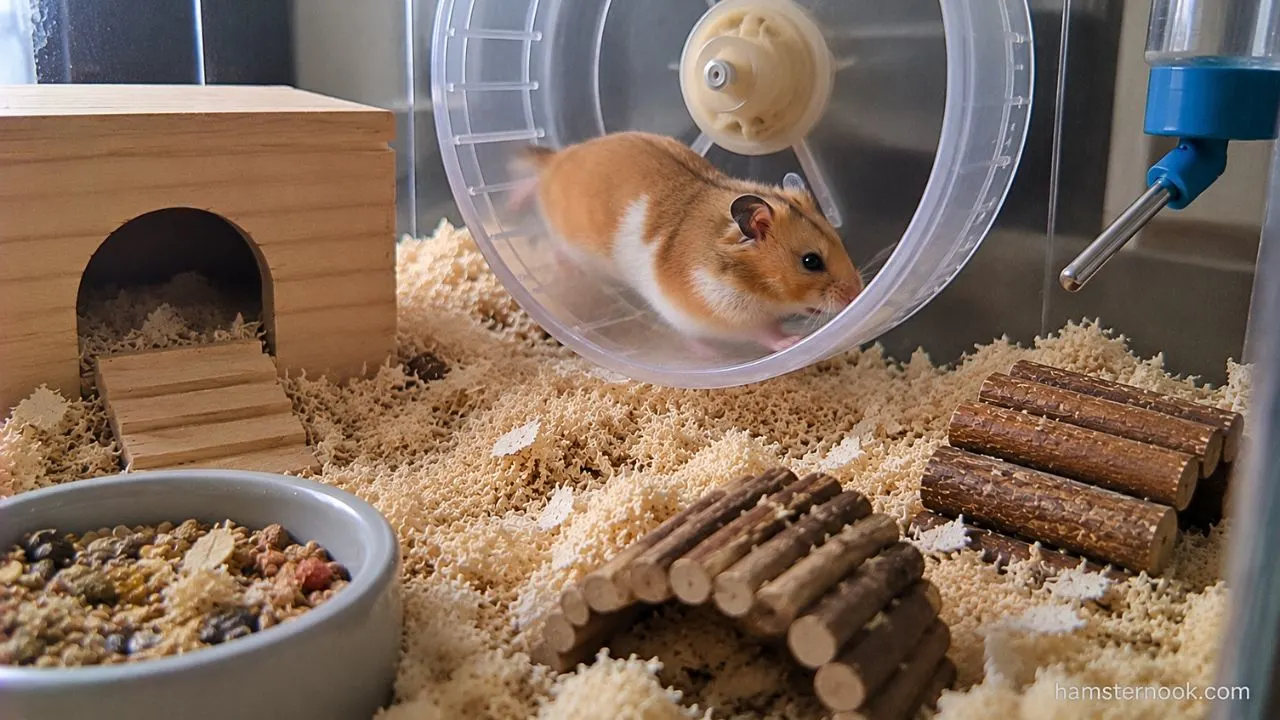
Others may repeatedly adjust their nesting area or choose a different sleeping location.
If the airflow is strong enough to move bedding or create noticeable drafts, the hamster may avoid exposed parts of the enclosure altogether.
Pay attention to your hamster’s behavior. If it consistently leaves one side of the enclosure whenever the fan is running, that’s a sign it prefers to avoid the moving air.
Fans Don’t Replace Proper Temperature Management
A fan should never be the only strategy for keeping a hamster comfortable during hot weather.

More effective ways to support your hamster include:
Before relying on cooling methods, make sure the room itself stays within a safe temperature range. Read Safe Temperature for Hamsters: How Hot or Cold Is Too Much? for recommended indoor temperatures throughout the year.
Keep the Room Cool
Whenever possible, prevent the room from overheating by:
- Closing curtains during the hottest hours.
- Keeping the enclosure away from direct sunlight.
- Improving general ventilation.
- Using air conditioning if available.
If your home has air conditioning, using it correctly is generally a safer way to cool the room than blowing a fan directly into the enclosure. Learn more in Can Air Conditioning Make Hamsters Sick? Safe Room Temperature Explained.
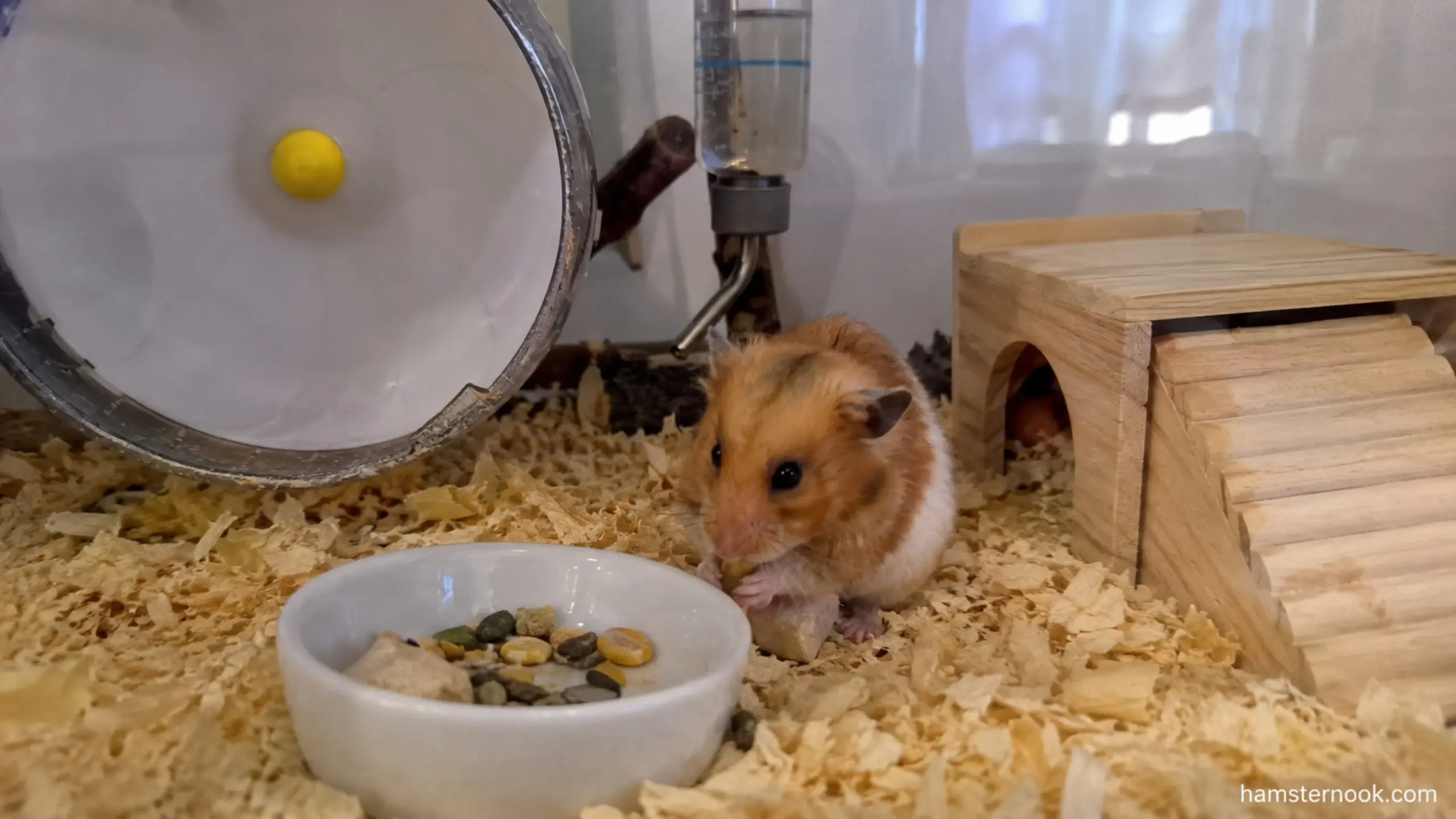
Most welfare organizations recommend avoiding excessive heat rather than trying to cool an already overheated enclosure.
Provide Deep Bedding
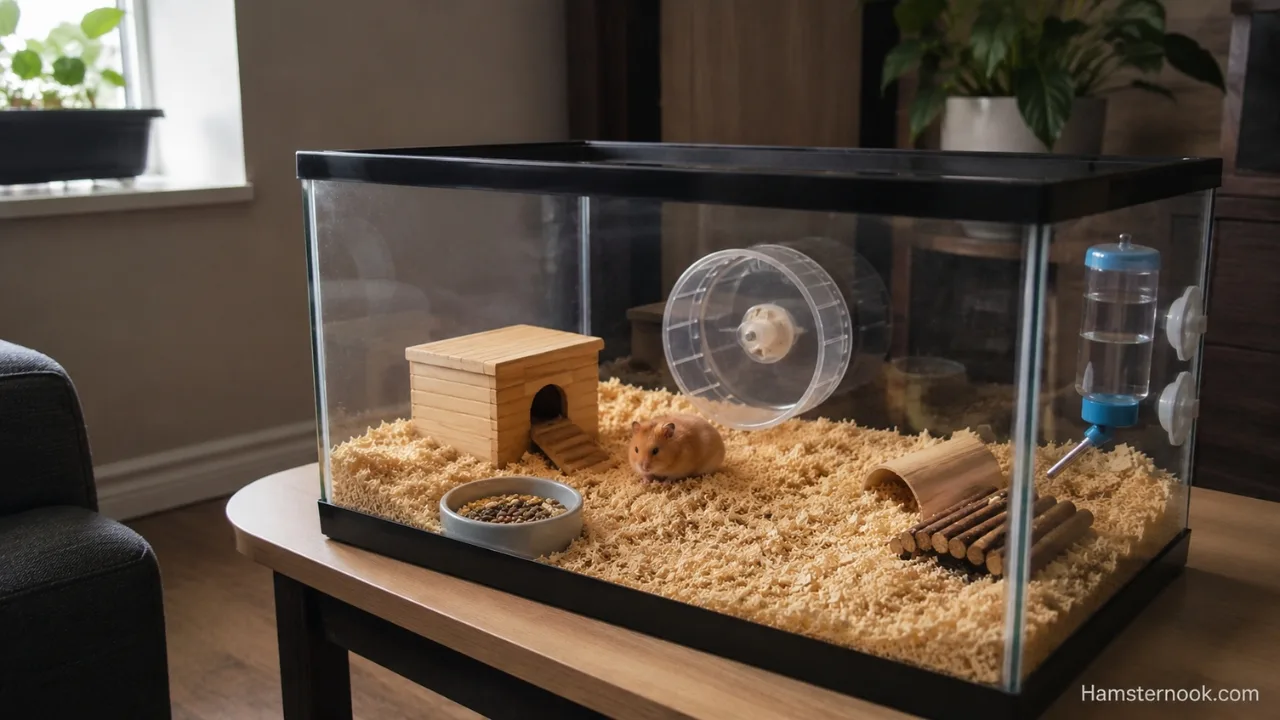
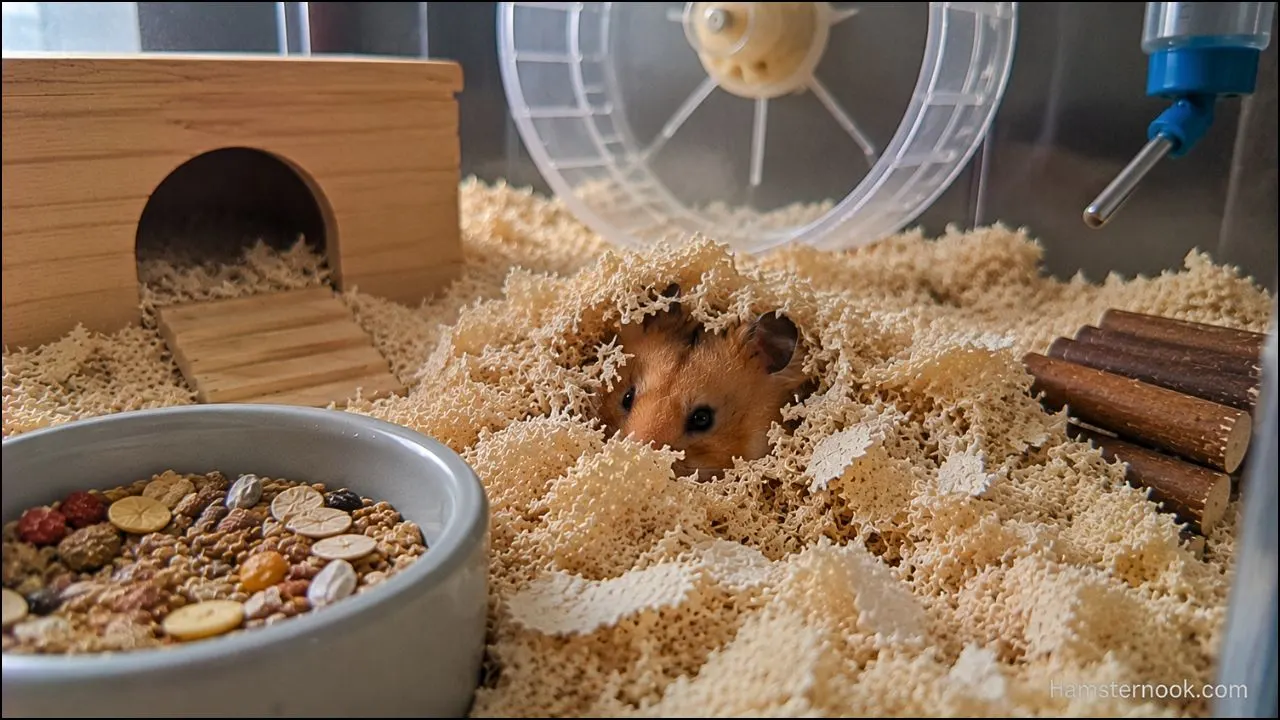
Deep paper-based bedding allows hamsters to burrow into cooler layers, much like they would underground.
Providing enough bedding lets your hamster create insulated burrows and choose a comfortable resting temperature naturally. Read How Much Bedding Does a Hamster Need? Minimum Depth Guide for Healthy Burrowing.
This natural behavior is often more effective than exposing them to direct moving air.
Offer Cool Resting Surfaces
Many hamsters enjoy resting on:
- Ceramic hides.
- Unglazed ceramic tiles.
- Granite cooling slabs designed for small pets.
These objects often remain cooler than surrounding bedding without creating drafts.
Always Provide Fresh Water
Hydration becomes even more important during warm weather.
Check the water bottle regularly to ensure it is working properly and refill it with fresh water daily.
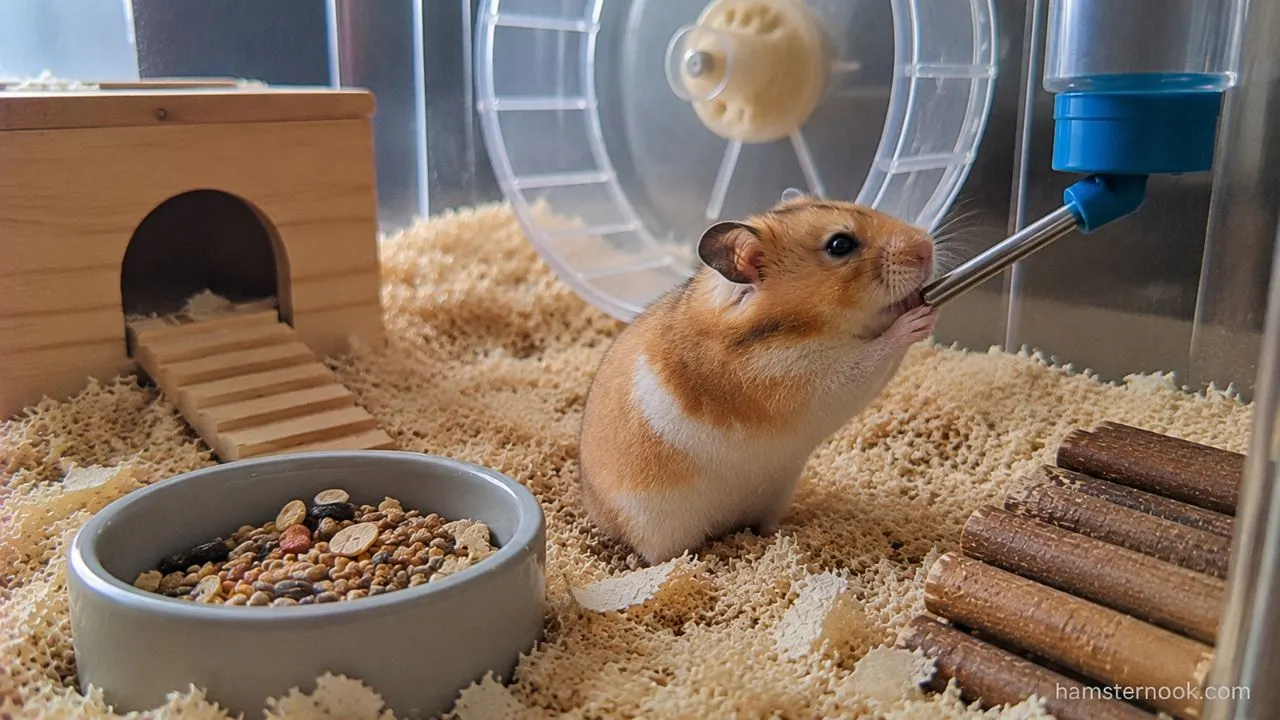
If a water bottle stops working during hot weather, our Why Is My Hamster Not Using Its Water Bottle? 8 Reasons & What to Do guide explains what to check.
Practical Examples
Example 1: Fan Across the Room
A ceiling or standing fan improves room ventilation without directing air into the enclosure.
The hamster continues using every part of its habitat normally.
This is generally a comfortable setup.

Example 2: Fan Pointed Directly at the Cage
The bedding shifts continuously, lightweight nesting material moves around, and the hamster spends most of its time inside one hide on the opposite side.
This suggests the airflow is probably stronger than the hamster prefers.
Example 3: Warm Bedroom Without Air Conditioning
Instead of placing a fan directly on the cage, the owner closes curtains during the afternoon, improves room ventilation, places a ceramic hide inside the enclosure, and runs a fan across the room to circulate air.
Together, these steps help keep the enclosure more comfortable than relying on direct airflow alone.

Common Mistakes Owners Make
Trying to help a hamster stay cool is well-intentioned, but some common cooling methods can create unnecessary discomfort.
Pointing a Fan Directly at the Cage
This is the mistake owners ask about most often.
A continuous stream of air doesn’t cool a hamster the way it cools a person. If the airflow is strong enough to move bedding or constantly blow through the enclosure, it may interfere with the hamster’s ability to rest and regulate its own comfort.
Assuming More Air Means a Cooler Hamster
A fan circulates existing air—it doesn’t reduce the room’s temperature. If the room itself is hot, simply increasing airflow won’t solve the problem.
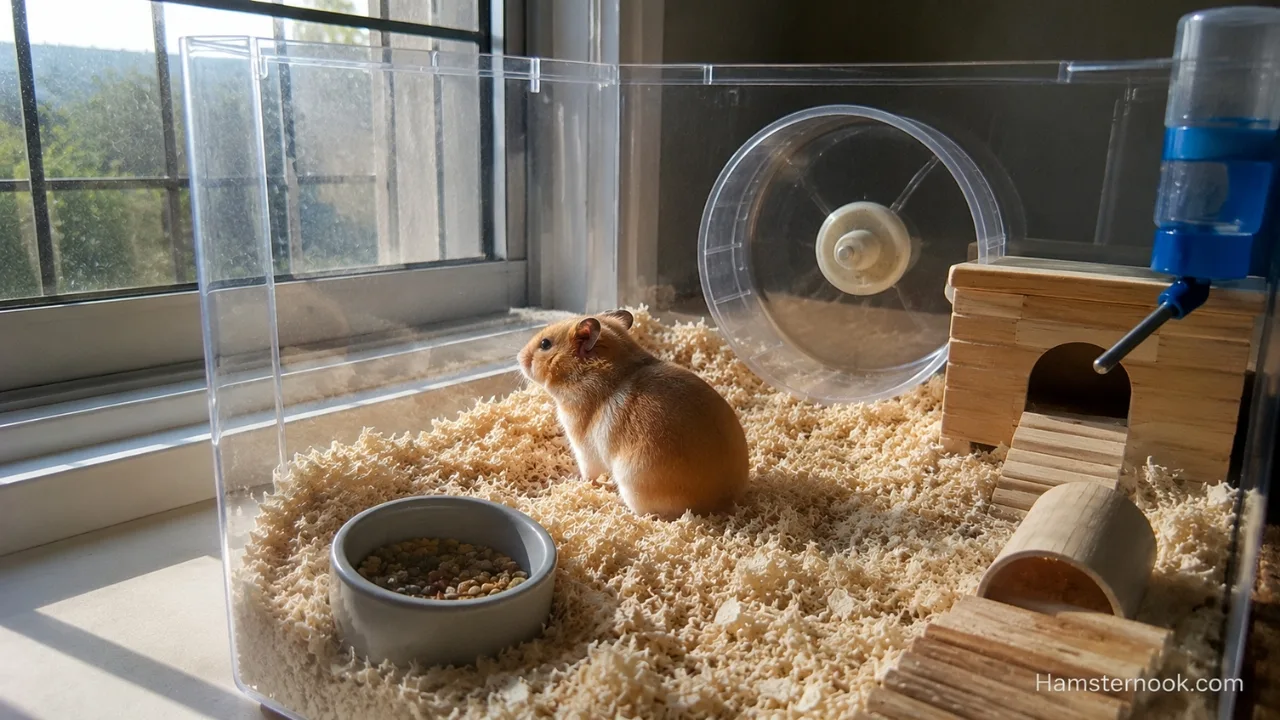
Lowering the ambient room temperature is much more effective than increasing the strength of the breeze.
Removing Too Much Bedding
Some owners reduce bedding depth during summer because they’re worried it will make the enclosure warmer.
In reality, deep bedding allows hamsters to burrow into cooler layers, similar to the underground burrows they naturally use to escape daytime heat. Removing this option may leave them with fewer places to regulate their body temperature.
Placing the Cage in Front of an Open Window
An open window can create unpredictable drafts while also exposing the enclosure to direct sunlight as the day progresses. Outdoor temperatures can also change quickly, making conditions inside the cage less stable.
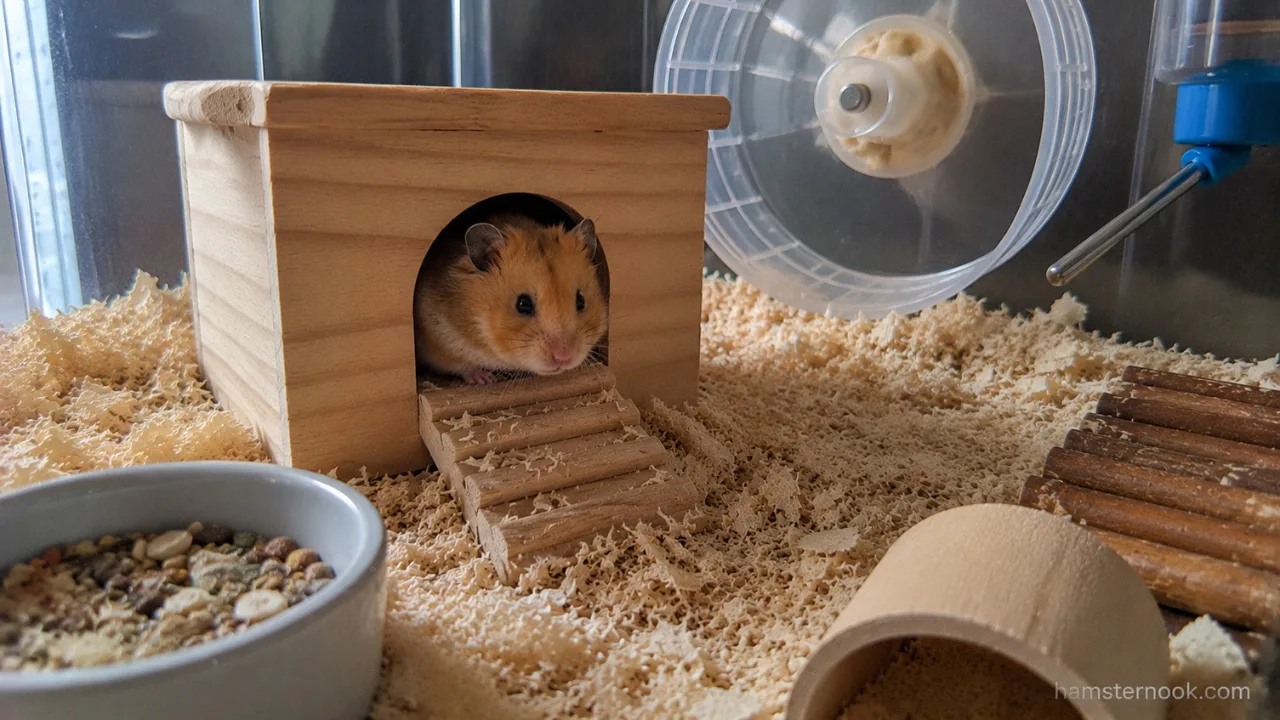
Ignoring Signs That the Hamster Is Avoiding the Airflow
If your hamster consistently sleeps only on one side of the enclosure whenever the fan is running, it may be choosing to avoid the draft. Watching where your hamster prefers to rest can tell you a lot about whether the setup is comfortable.
Consistently avoiding part of the enclosure can sometimes indicate that the environment is uncomfortable. Our 7 Signs You’re Accidentally Stressing Your Hamster (Without Even Realizing It) guide covers other environmental stressors owners may overlook.
What You Should Do
If your home becomes warm during summer, focus on keeping the entire room comfortable instead of cooling only the cage.
A practical approach includes:
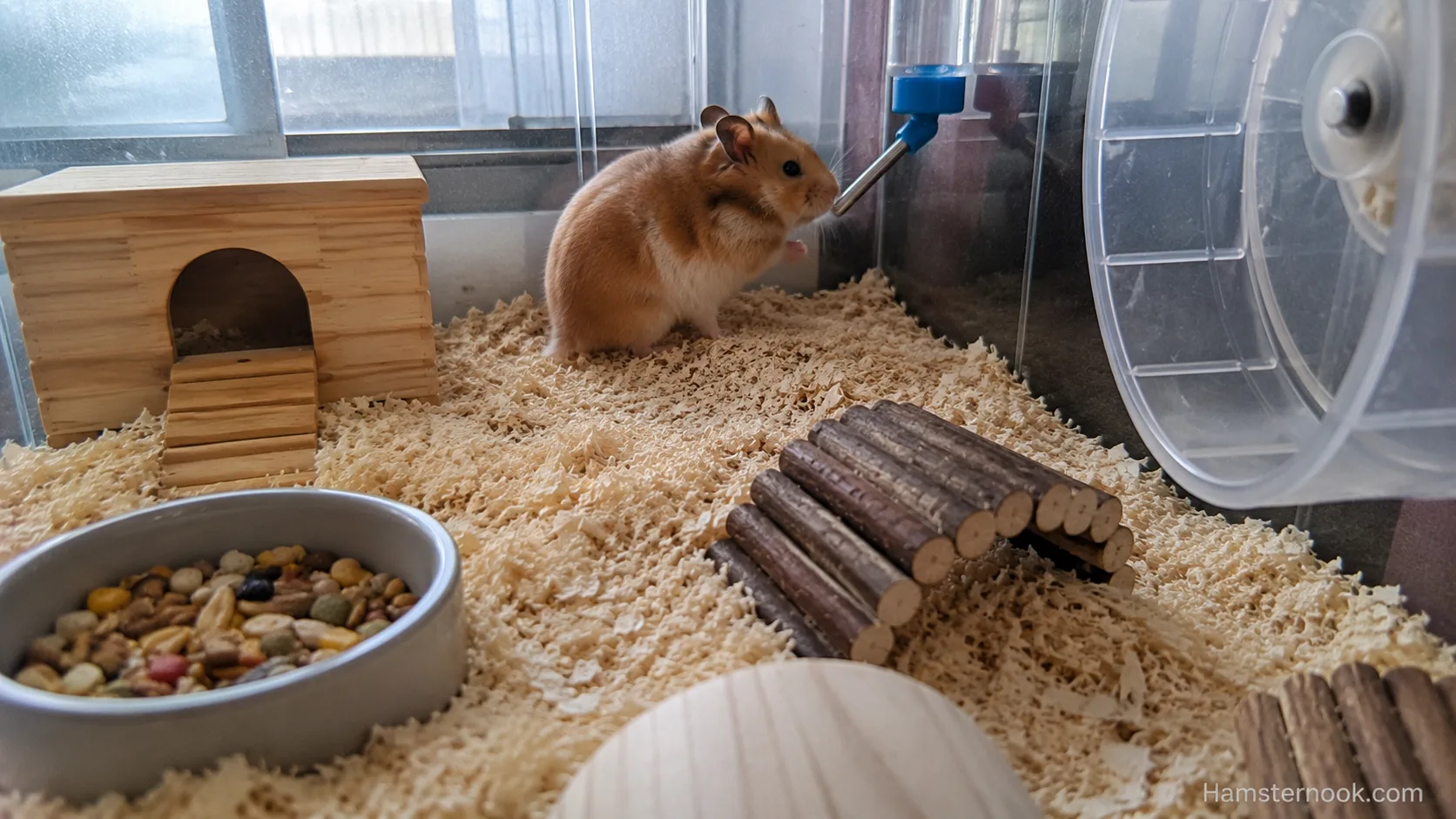
- Keep the enclosure out of direct sunlight.
- Use a fan to circulate air around the room rather than directly into the cage.
- Maintain good room ventilation whenever it’s safe to do so.
- Provide plenty of deep paper bedding for burrowing.
- Add a ceramic hide or cooling tile if your hamster chooses to use it.
- Check the water bottle daily to ensure it’s working properly.
- Avoid frequent handling during the hottest part of the day.

During hot weather, it’s also important to make sure your hamster always has access to clean drinking water. See Can Hamsters Drink Tap Water? Is It Safe or Should You Filter It?.
These simple adjustments allow your hamster to choose the part of the enclosure that feels most comfortable.
Warning Signs of Heat Stress
A hamster that is simply resting during the day isn’t necessarily too hot—remember that they’re naturally inactive for much of daylight.
However, pay closer attention if you notice:
- Unusually rapid or labored breathing.
- Remaining stretched out for long periods while appearing lethargic.
- Weakness or reluctance to move during normal active hours.
- Difficulty maintaining balance.
- Refusing food or water after becoming active.
- An unusually warm room combined with abnormal behavior.
These signs suggest your hamster may be struggling with excessive heat rather than simply relaxing.
Changes in breathing, activity, appetite, and posture are easier to understand when viewed together rather than individually. Read How to Tell If Your Hamster Is Happy, Healthy, Stressed, or Sick: Complete Owner’s Guide (2026).
When to Worry
If your hamster appears overheated and doesn’t improve after being moved to a cooler environment, seek veterinary advice promptly.
Contact an experienced exotic animal veterinarian if your hamster:
- Has difficulty breathing.
- Appears extremely weak or unresponsive.
- Cannot stand or walk normally.
- Stops drinking completely.
- Shows persistent lethargy during its usual evening activity.
- Doesn’t recover after the room temperature has been safely reduced.
Heat-related illness can become serious quickly in small mammals, so persistent or worsening symptoms should never be ignored.
Final Thoughts
A fan can be part of keeping your hamster comfortable during warm weather, but it shouldn’t blow directly into the enclosure for long periods. Unlike humans, hamsters don’t rely on moving air to cool themselves, and constant drafts may make parts of their habitat less comfortable.
Instead, aim to keep the entire room at a suitable temperature, provide opportunities to burrow, ensure fresh drinking water is always available, and give your hamster cool resting options if it chooses to use them. A stable environment allows your hamster to regulate its own comfort naturally without being exposed to continuous airflow.
Frequently Asked Questions
Can I leave a fan on all night near my hamster?
Yes, if it’s being used to circulate air around the room rather than blowing directly into the enclosure. Make sure your hamster can choose areas that aren’t exposed to constant airflow.

Is a ceiling fan safer than a desk fan?
A ceiling fan can be suitable if it circulates air around the room without creating a strong or constant draft over the enclosure. The important factor is the airflow reaching the hamster, not whether the fan is mounted on the ceiling or placed on a desk.
How can I tell if the fan is bothering my hamster?
If your hamster consistently avoids the side of the enclosure facing the fan, repeatedly rebuilds its nest, or appears uncomfortable whenever the fan is running, the airflow may be too direct.
What’s the best way to keep a hamster cool without air conditioning?
Keep the cage out of direct sunlight, improve room ventilation, close curtains during the hottest hours, provide deep bedding for burrowing, fresh water, and cool ceramic resting surfaces.
Should I cover part of the cage if a fan is nearby?
If the airflow cannot be redirected, moving the fan or changing its angle is usually a better solution than covering the enclosure, which could reduce ventilation.
Can baby hamsters be exposed to direct fan airflow?
It’s best not to direct a fan at a baby hamster’s enclosure. Keep the room comfortably stable, avoid drafts, and provide suitable bedding and a sheltered nesting area.
References
This guide is based on hamster temperature management, housing, ventilation, bedding, hydration, and welfare guidance from trusted animal welfare and veterinary resources, including:
- RSPCA – Creating a Good Home for Hamsters – Guidance on suitable environmental conditions, bedding, nesting areas, ventilation, temperature, and protecting hamsters from draughts.
- RSPCA – Hamster Health & Welfare – Health and welfare guidance, including recognizing signs that may indicate a hamster is unwell and when veterinary attention may be needed.
- RSPCA – Keeping Hamsters as Pets – General hamster care, housing, environmental needs, diet, hydration, and welfare guidance.
- Blue Cross – Hamster Care Guide – Practical guidance on hamster housing, bedding, temperature, ventilation, enrichment, and general wellbeing.
- MSD Veterinary Manual – Providing a Home for a Hamster – Veterinary guidance on hamster housing, bedding, ventilation, environmental conditions, and maintaining a suitable habitat.
- NC3Rs – Housing and Husbandry: Hamster – Guidance on hamster housing, environmental conditions, bedding, husbandry, and welfare considerations.
Medical Disclaimer
This article is intended for educational purposes only and should not be considered veterinary advice. Hamsters can become seriously unwell when exposed to unsuitable environmental conditions, and symptoms such as breathing difficulties, severe weakness, abnormal lethargy, or difficulty standing or walking require prompt veterinary attention. If your hamster appears overheated or shows persistent or worsening symptoms, consult a qualified exotic animal veterinarian as soon as possible.

Narayan Kumar is the founder and author of HamsterNook. He creates practical, research-based hamster care guides covering hamster behavior, nutrition, cage setup, enrichment, health, and everyday care. His goal is to help hamster owners make informed decisions and provide safer, healthier lives for their pets through clear, beginner-friendly information based on trusted animal care resources.