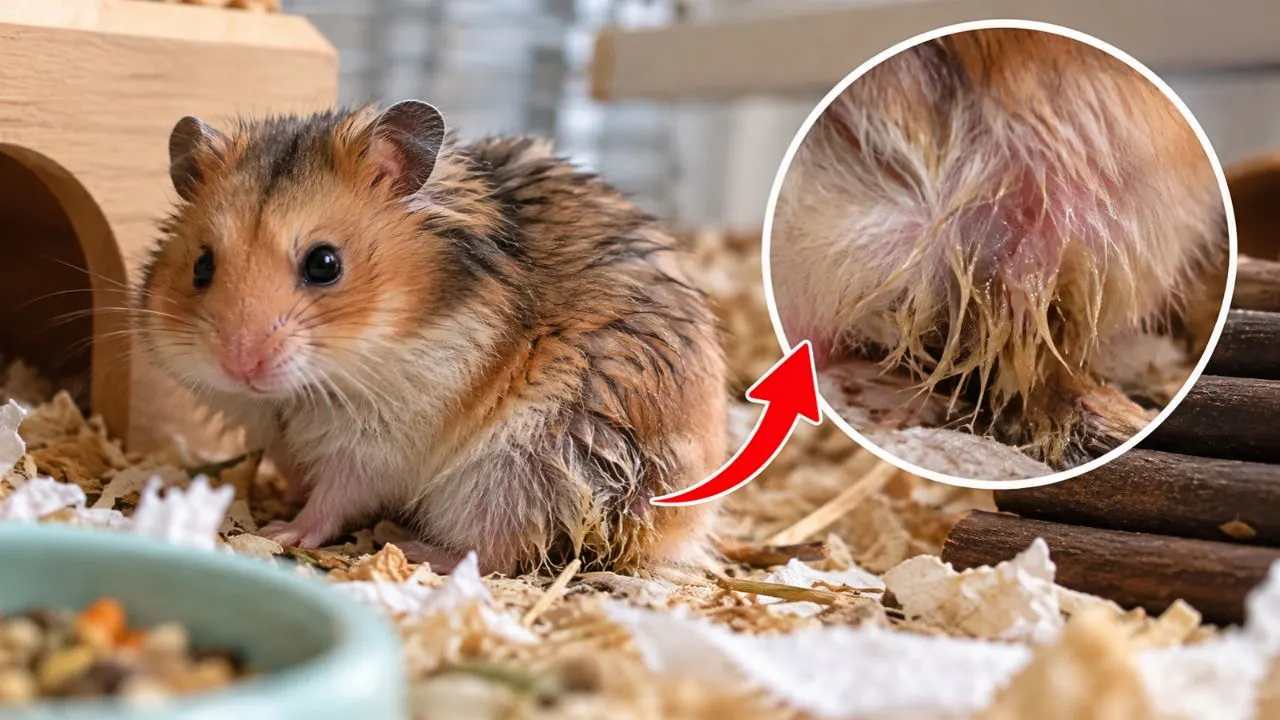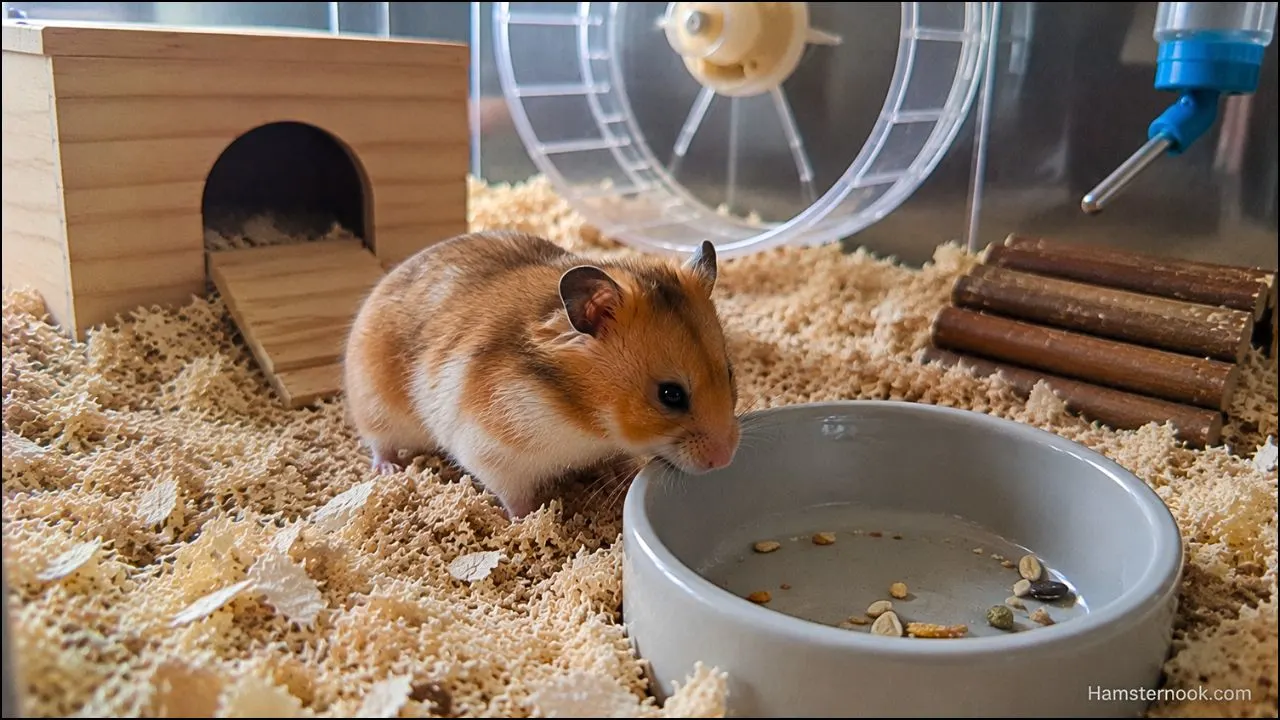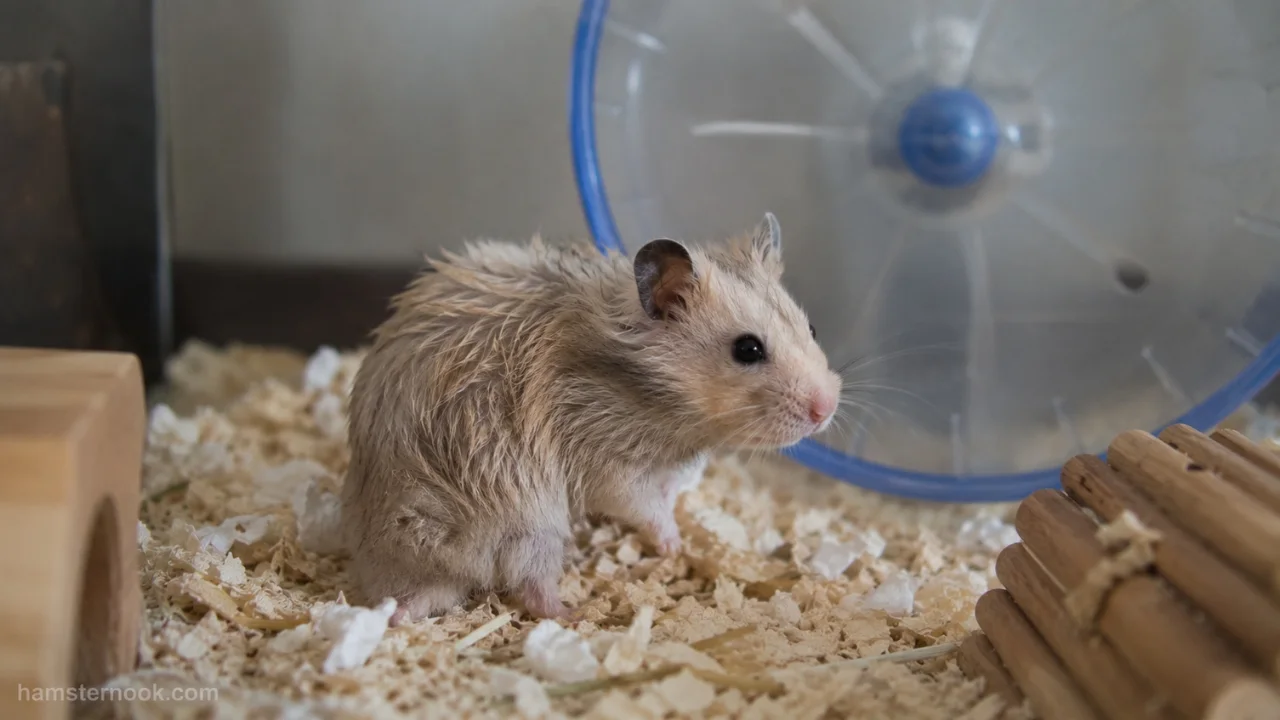
One day your hamster’s coat looks soft, fluffy, and healthy. Then suddenly you notice patches of fur that seem oily, clumped together, or unusually damp. Many owners first assume their hamster simply got dirty, especially if the rest of its behavior seems normal. However, a hamster’s coat often provides important clues about its overall health and well-being.
In some cases, greasy fur is completely normal and linked to natural scent glands. In others, it may signal stress, aging, illness, obesity, or grooming difficulties. Knowing the difference can help you determine whether your hamster simply needs a small environmental adjustment or a veterinary examination.
This guide explains the most common causes of greasy fur in hamsters, how to identify warning signs, and when professional veterinary care may be necessary.
Is Greasy Fur Normal in Hamsters?
Sometimes, yes.

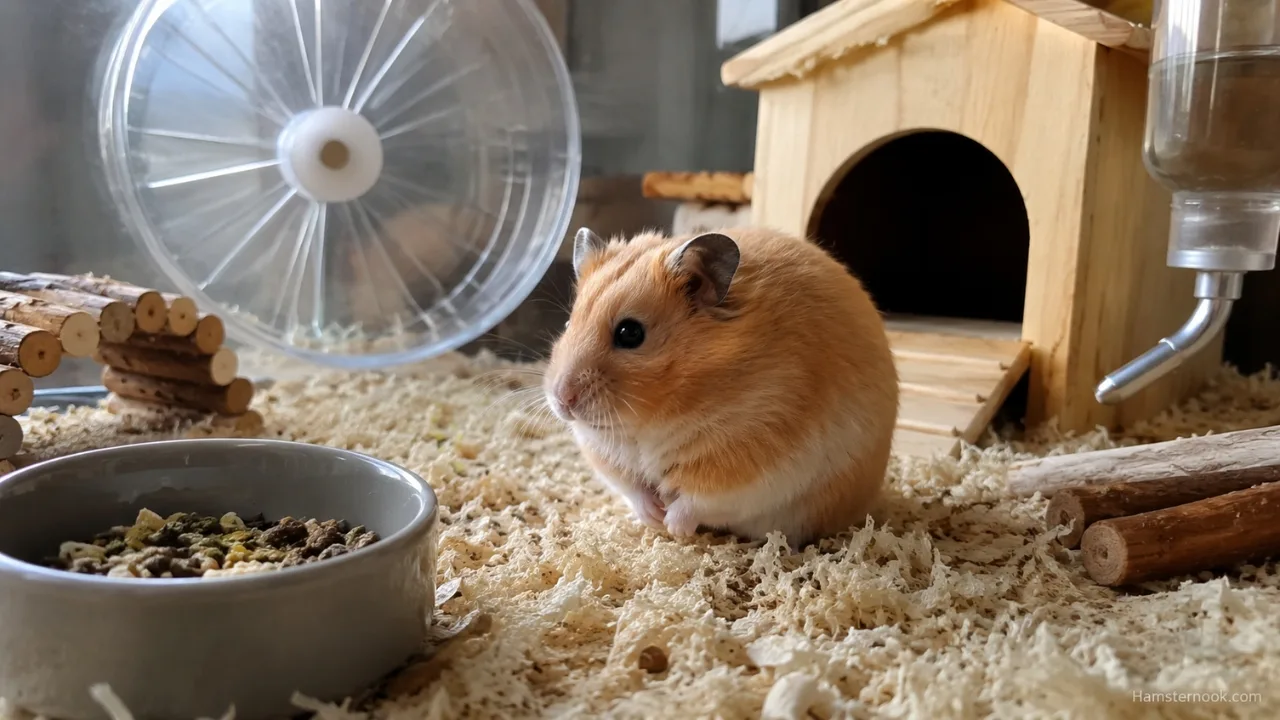
A healthy hamster’s coat should generally appear clean, soft, and well-maintained. Hamsters are naturally meticulous groomers and spend a significant amount of time cleaning themselves.
Owners often notice greasy fur while refilling food, cleaning the enclosure, or handling their hamster. Paying attention to whether the greasiness is limited to one area or spread across the body can provide an important clue about the cause.
However, certain situations can make parts of the coat appear greasy without indicating a serious problem.
The key is identifying whether the oily appearance is limited to a specific area or affecting the entire body.
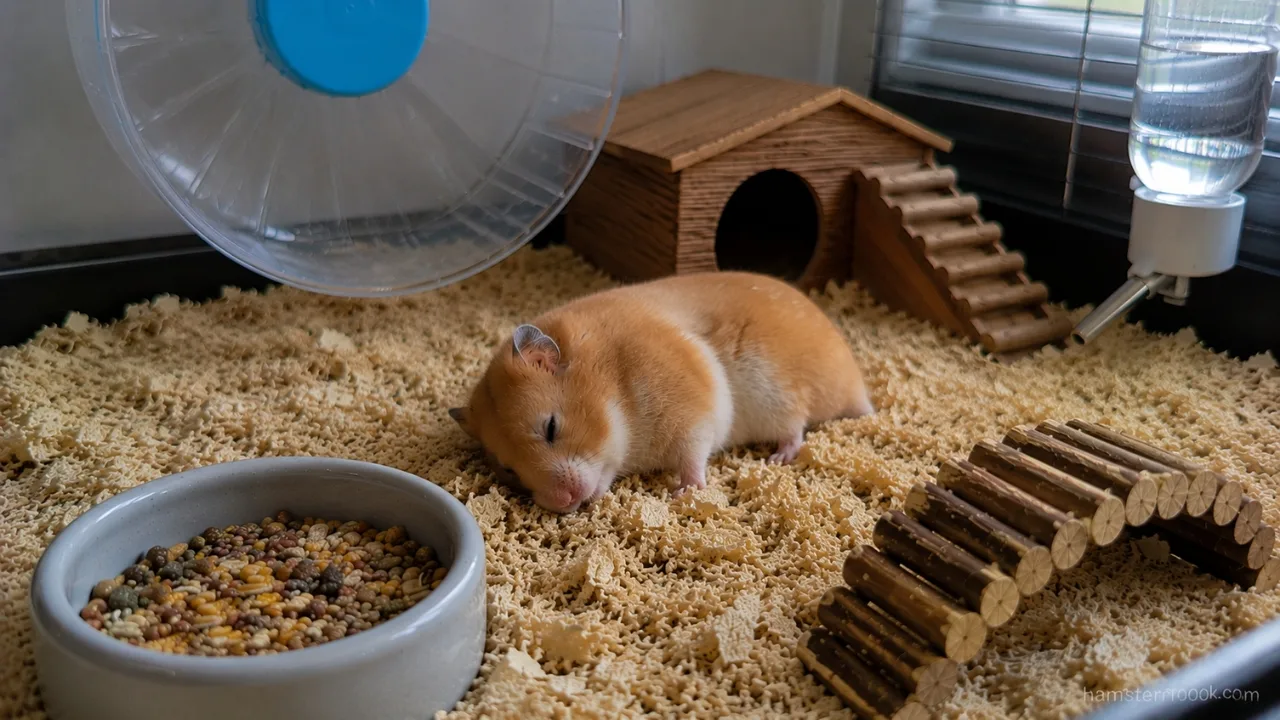
Localized greasiness around scent glands is often normal, while widespread coat changes are more likely to indicate a grooming, environmental, or health-related issue.
Common Causes of Greasy Fur in Hamsters
Several factors can cause a hamster’s fur to look greasy. Some are harmless, while others deserve closer attention.
| Possible Cause | Severity | Veterinary Attention Needed? |
|---|---|---|
| Scent gland secretions | Low | Usually no |
| Aging | Low to Moderate | Sometimes |
| Obesity | Moderate | If grooming is affected |
| Stress | Moderate | Depends on severity |
| Dirty environment | Moderate | Usually no |
| Illness | High | Yes |
| Dental problems | High | Yes |
| Skin infections | High | Yes |
Natural Scent Glands May Cause Oily Fur
One of the most common and harmless reasons for greasy fur involves scent glands.
Hamsters use scent glands to mark territory and communicate with their environment.
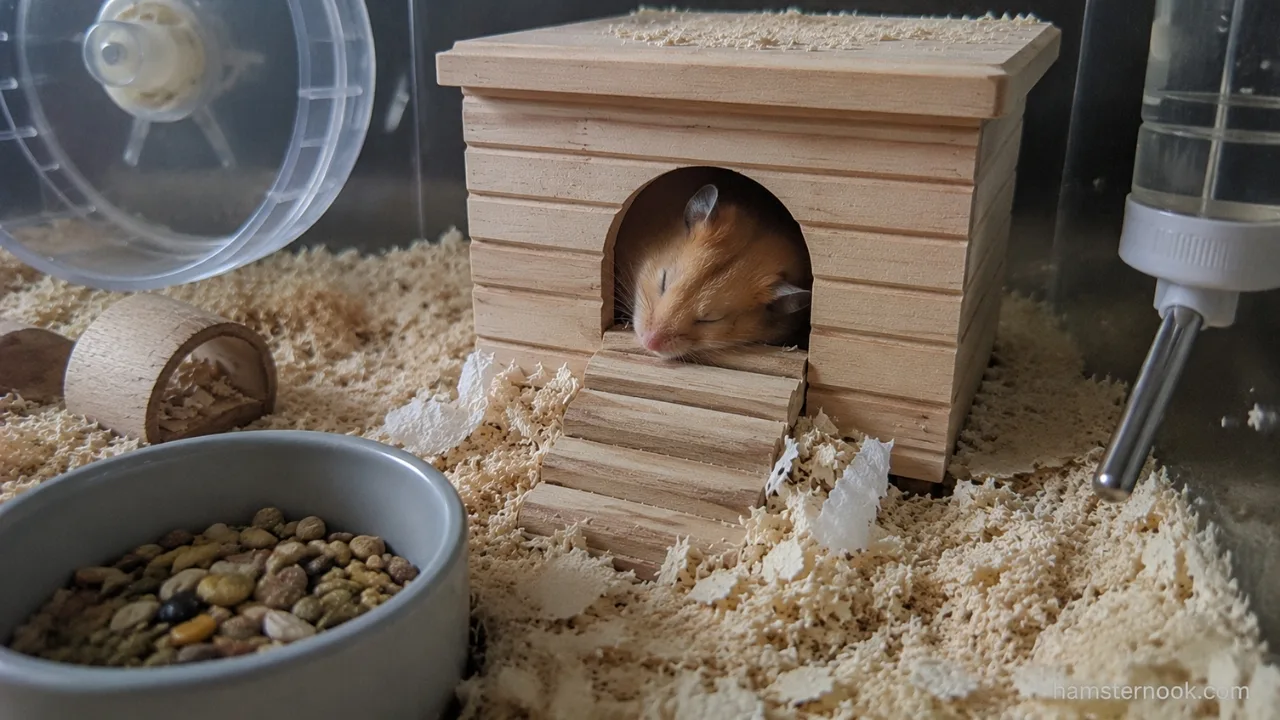
Different species have these glands in different locations:
| Hamster Species | Typical Scent Gland Location |
|---|---|
| Syrian Hamster | Flanks (sides of the body) |
| Dwarf Hamsters | Midsection of the abdomen |
| Chinese Hamsters | Abdomen area |
These glands naturally produce oily secretions.
If the oily fur is only around the scent gland area and your hamster is eating, grooming, and behaving normally, it is often a normal part of scent-marking rather than a health problem.
Poor Grooming Can Lead to Greasy Fur
Healthy hamsters usually keep themselves remarkably clean.
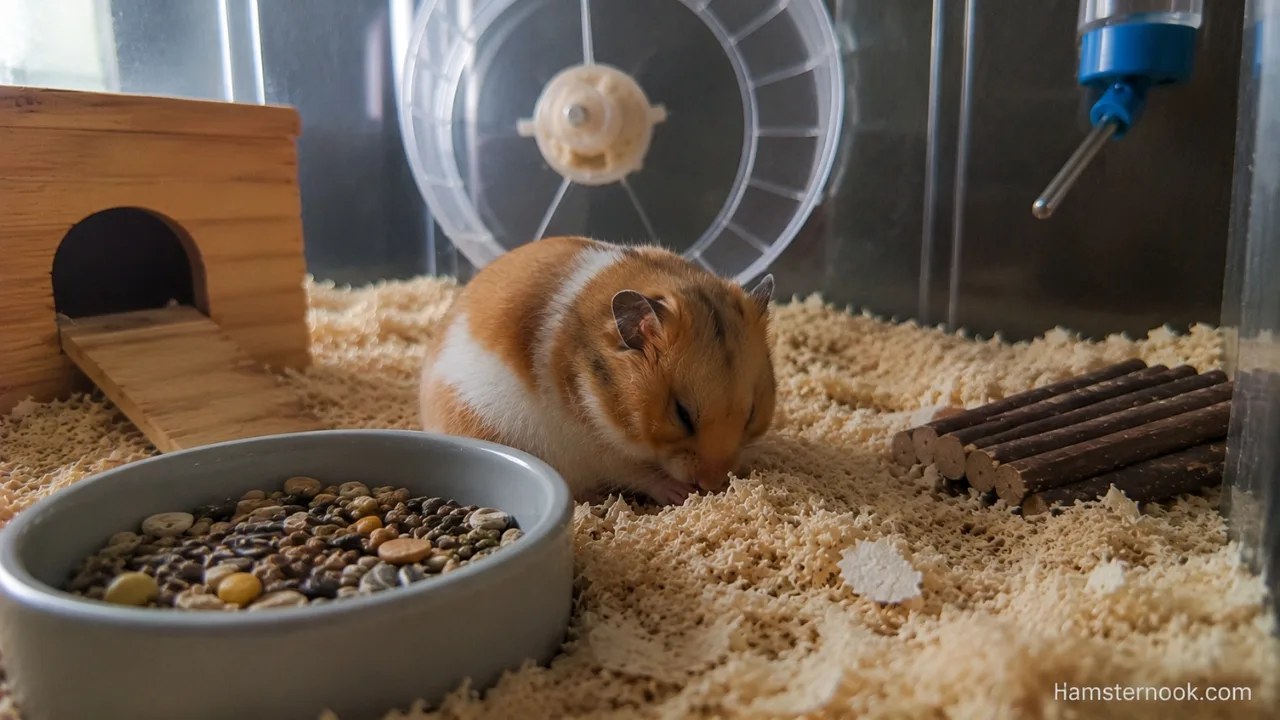
When grooming decreases, oils can begin accumulating in the coat, causing fur to appear greasy, matted, or unkempt.
Several factors can interfere with grooming.
Obesity
Overweight hamsters may struggle to reach certain areas of their bodies.
As a result, fur can become:
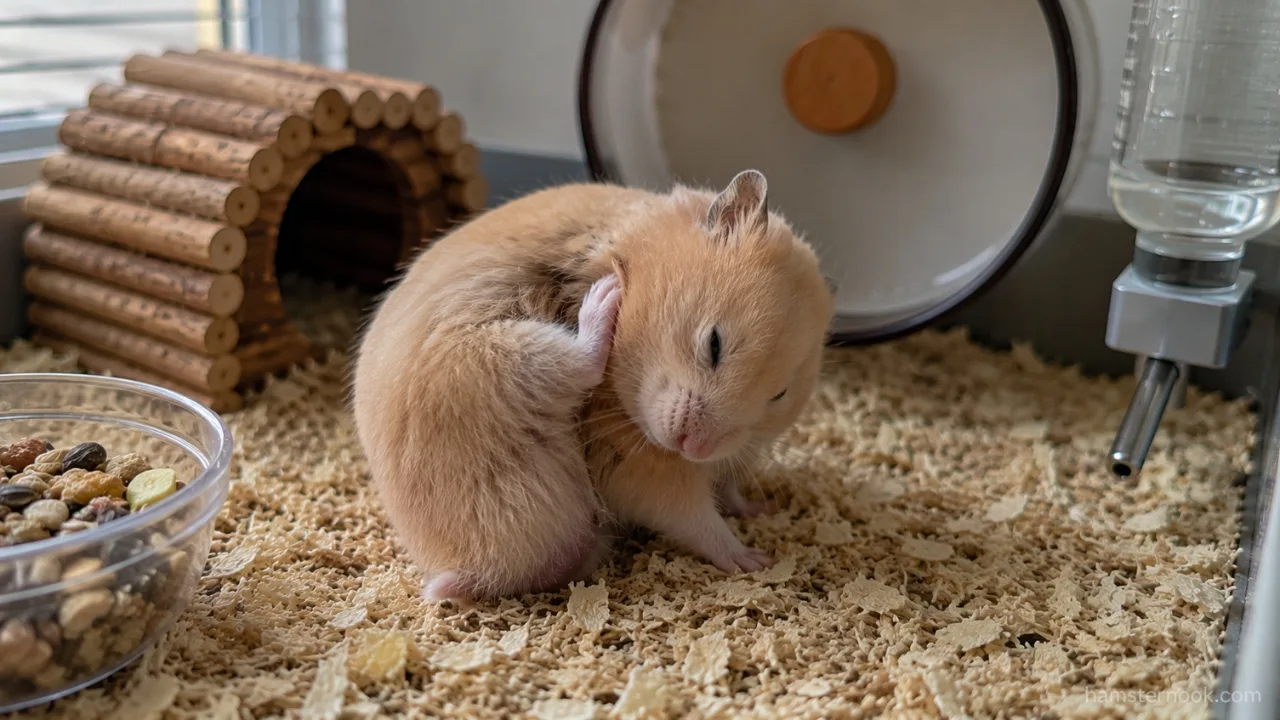
- Oily
- Clumped together
- Dirty
- Matted
Obesity may also increase the risk of other health problems that affect coat quality.
Advanced Age
Older hamsters sometimes groom less frequently than younger animals.
Senior hamsters may experience:
- Reduced flexibility
- Arthritis
- Lower energy levels
- Difficulty reaching certain body areas
A gradual decline in coat condition is not uncommon in elderly hamsters.
Stress Can Affect Coat Condition
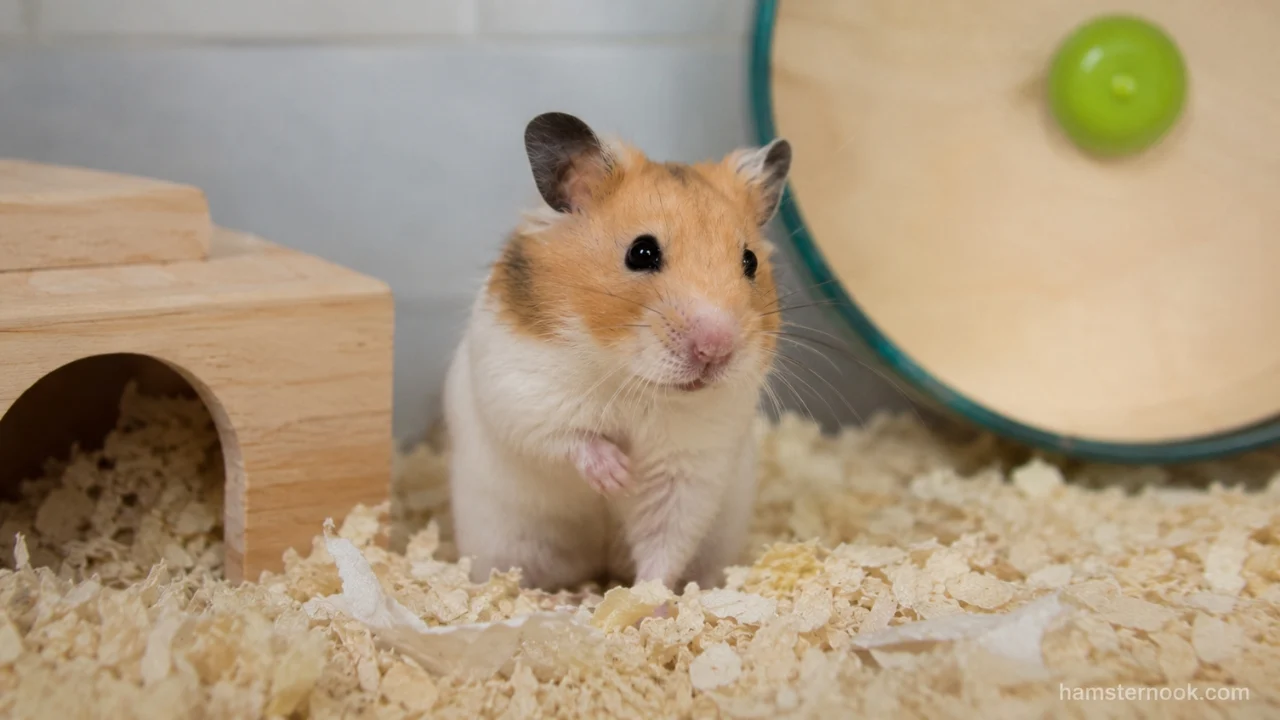
Stress can affect both behavior and physical appearance, including coat quality.
When hamsters experience chronic stress, their grooming habits may change. Some may groom excessively, while others may groom less than normal.
Potential stressors include:
- Small cages
- Lack of enrichment
- Frequent disturbances
- Incompatible cage mates
- Sudden environmental changes
- Excessive handling
A stressed hamster may develop greasy fur alongside behavioral changes such as pacing, bar chewing, hiding, or reduced activity.
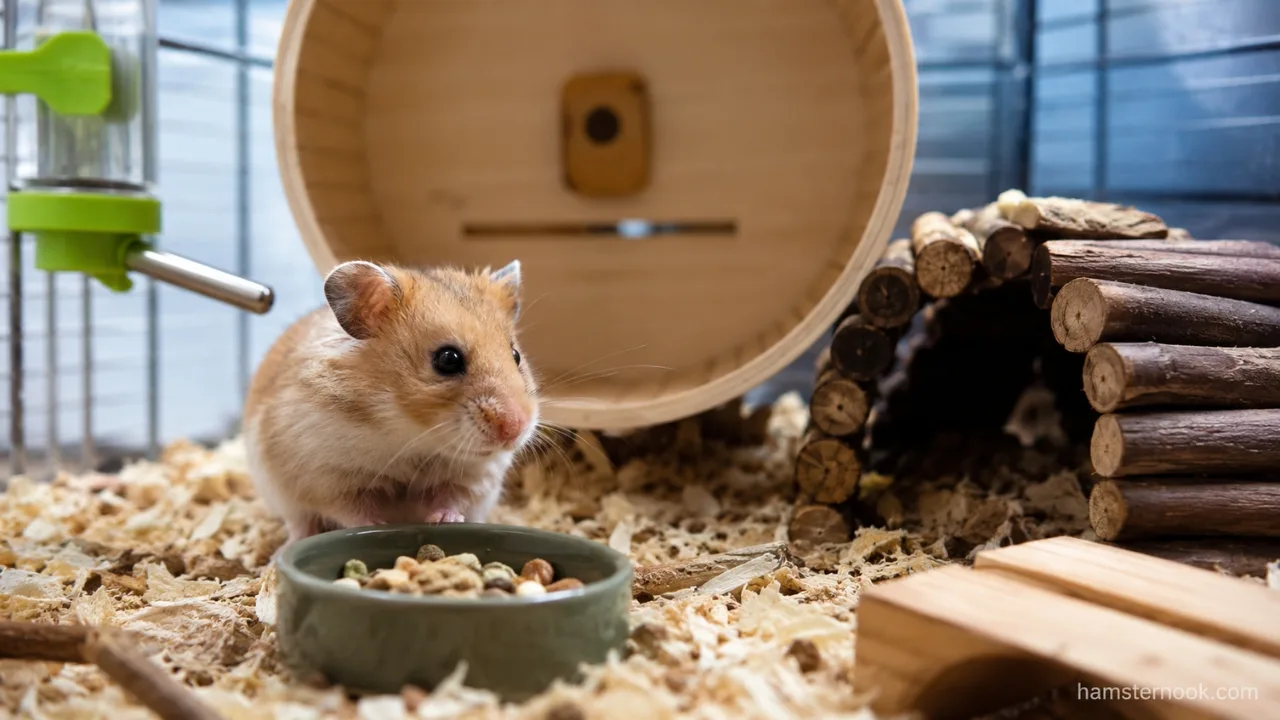
If stress may be contributing to the change in grooming or coat condition, 7 Ways You’re Accidentally Stressing Your Hamster: Signs & What to Do covers common stress triggers and practical ways to reduce them.
Dirty Housing Conditions Can Make Fur Look Oily
The cage environment plays a major role in coat health.
If bedding becomes damp, dirty, or heavily soiled, oils and debris can transfer onto the hamster’s coat.
Environmental problems that may contribute include:
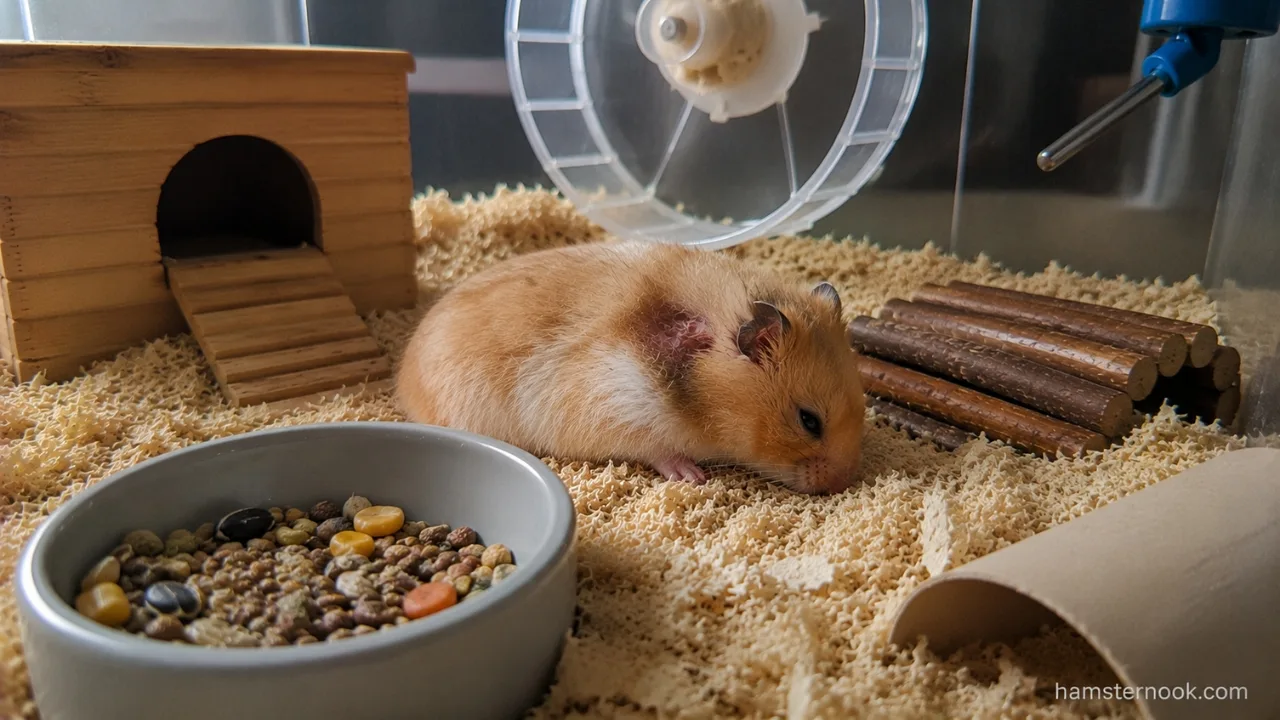
| Housing Issue | Potential Effect on Fur |
|---|---|
| Wet bedding | Oily appearance |
| Poor ventilation | Damp coat |
| Infrequent cleaning | Dirty or greasy fur |
| Contaminated sand bath | Reduced grooming effectiveness |
Maintaining a clean habitat helps support healthy skin and fur.
Lack of a Proper Sand Bath
Many hamster species naturally use sand to help maintain their coats.
A suitable sand bath can help:
- Remove excess oils
- Support natural grooming
- Improve coat texture
- Encourage enrichment behaviors
Without access to safe bathing sand, some hamsters may struggle to keep their fur in optimal condition.
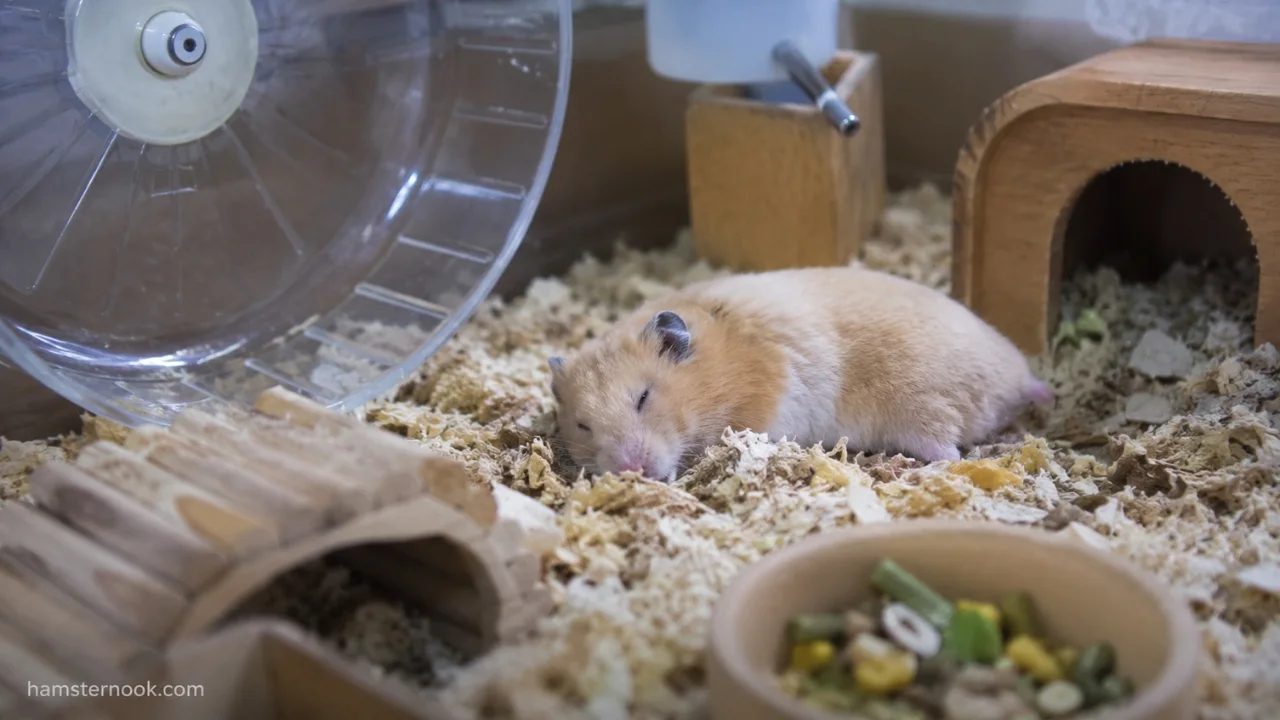
Proper enclosure setup also plays a role in coat health. See Hamster Cage Setup Guide.
It is important to use hamster-safe sand rather than dusty products that may cause respiratory issues.
For guidance on choosing and offering a suitable sand bath, Can Hamsters Have a Sand Bath? Benefits, Safety & How to Offer One explains the safer setup.
Illness Can Sometimes Cause Greasy Fur
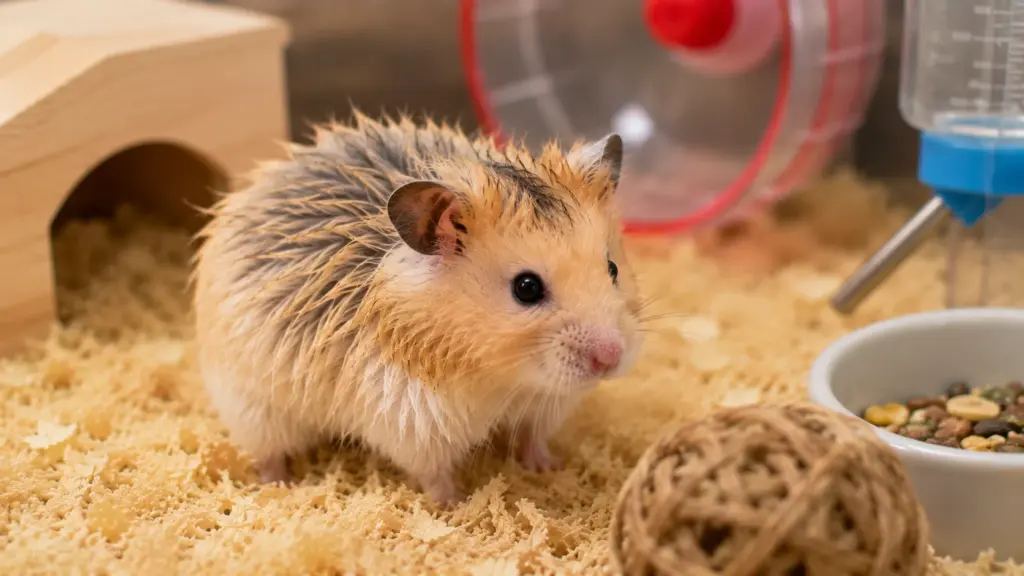
When a hamster becomes sick, grooming is often one of the first behaviors to decline.
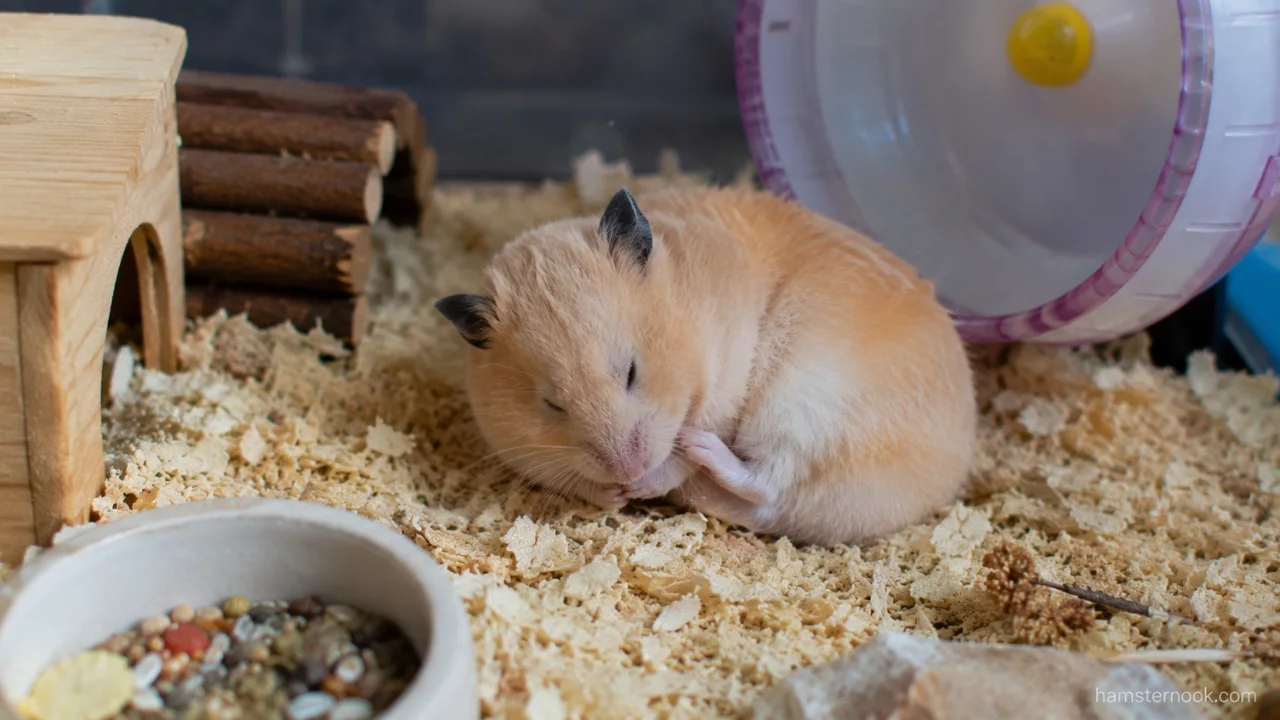
A hamster that feels unwell may stop cleaning itself regularly, causing the coat to appear greasy or neglected.
Health conditions that may contribute include:
- Internal illness
- Chronic pain
- Respiratory disease
- Organ dysfunction
- Severe infections
Greasy fur alone does not diagnose a disease, but it can be an early warning sign when combined with other symptoms.
Our Signs of a Sick Hamster: Warning Symptoms Every Owner Should Know guide explains many of the early health changes owners often notice before more serious symptoms appear.
Dental Problems May Affect Grooming
Many owners do not immediately connect dental health with coat condition.
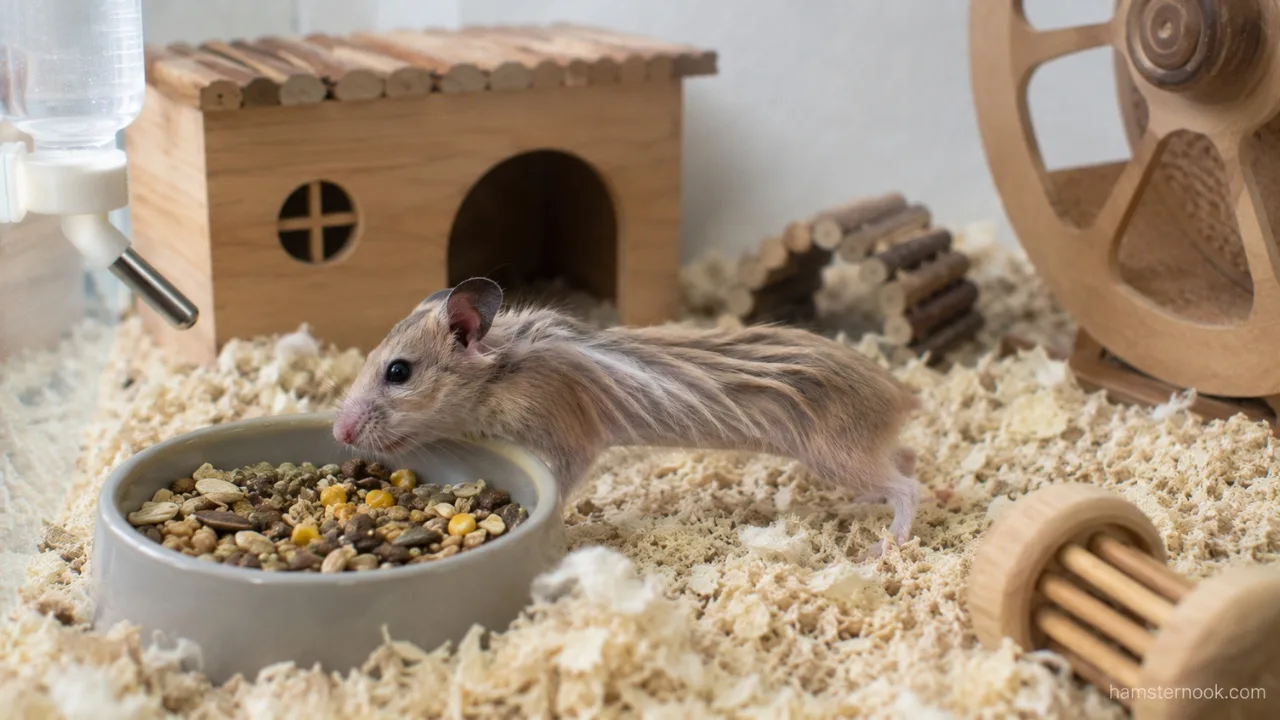
Hamsters rely heavily on their teeth and mouths for grooming. If dental disease, overgrown teeth, or mouth pain develops, grooming may become uncomfortable.
Additional signs may include:
- Difficulty eating
- Weight loss
- Drooling
- Reduced activity
- Messy coat
A greasy coat with hair loss, redness, scabs, or persistent scratching is more concerning than mild oiliness by itself. These changes can have different causes, so avoid applying treatments without veterinary guidance.
Skin Infections and Parasites
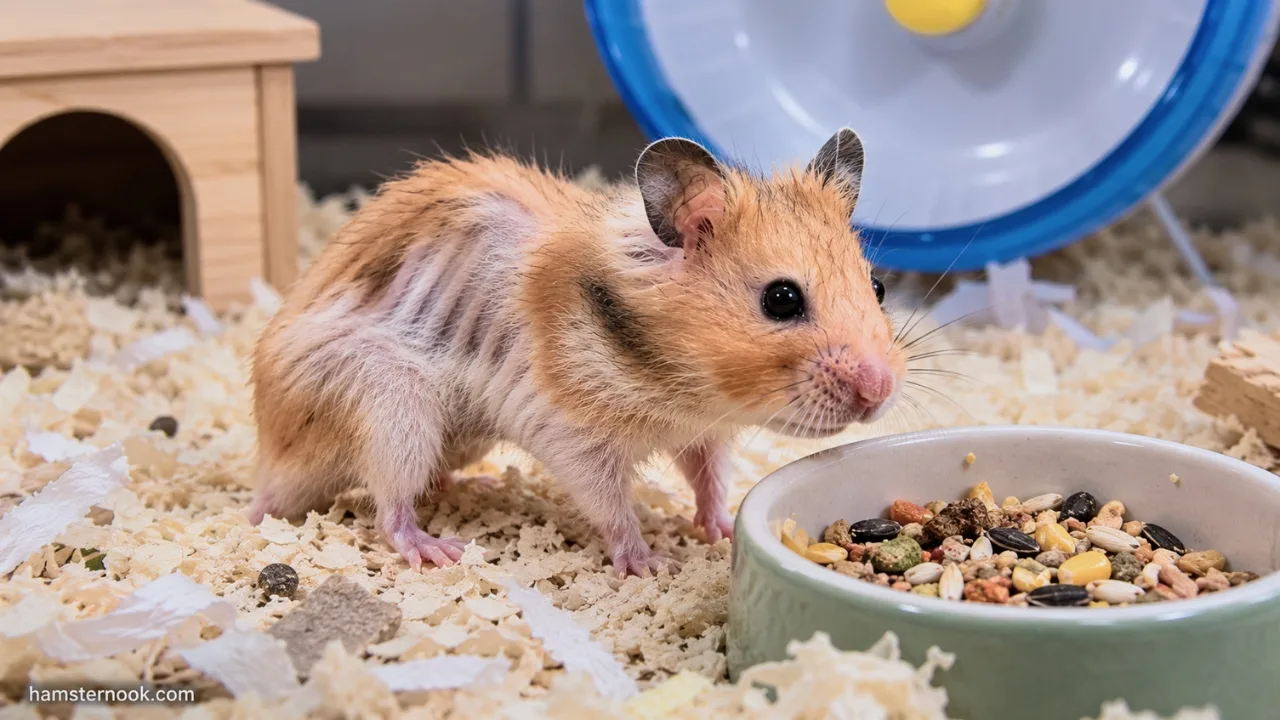
Some skin conditions can cause the fur to appear greasy or abnormal.
Possible causes include:
- Mites
- Fungal infections
- Bacterial skin infections
These problems often occur alongside other symptoms.
| Symptom | May Suggest Skin Disease |
|---|---|
| Hair loss | Yes |
| Scabs | Yes |
| Excessive scratching | Yes |
| Red skin | Yes |
| Strong odor | Yes |
| Greasy coat | Sometimes |
Veterinary diagnosis is important because different skin conditions require different treatments.

If your hamster is also scratching frequently or developing irritated skin, Why Does My Hamster Keep Scratching Itself? Causes, Signs & When to Worry covers common causes and warning signs.
Warning Signs That Require Veterinary Care
Greasy fur by itself is not always an emergency. Concern increases when coat changes appear together with appetite loss, weight loss, reduced activity, breathing problems, or obvious skin irritation.
Greasy fur becomes more concerning when accompanied by additional symptoms.
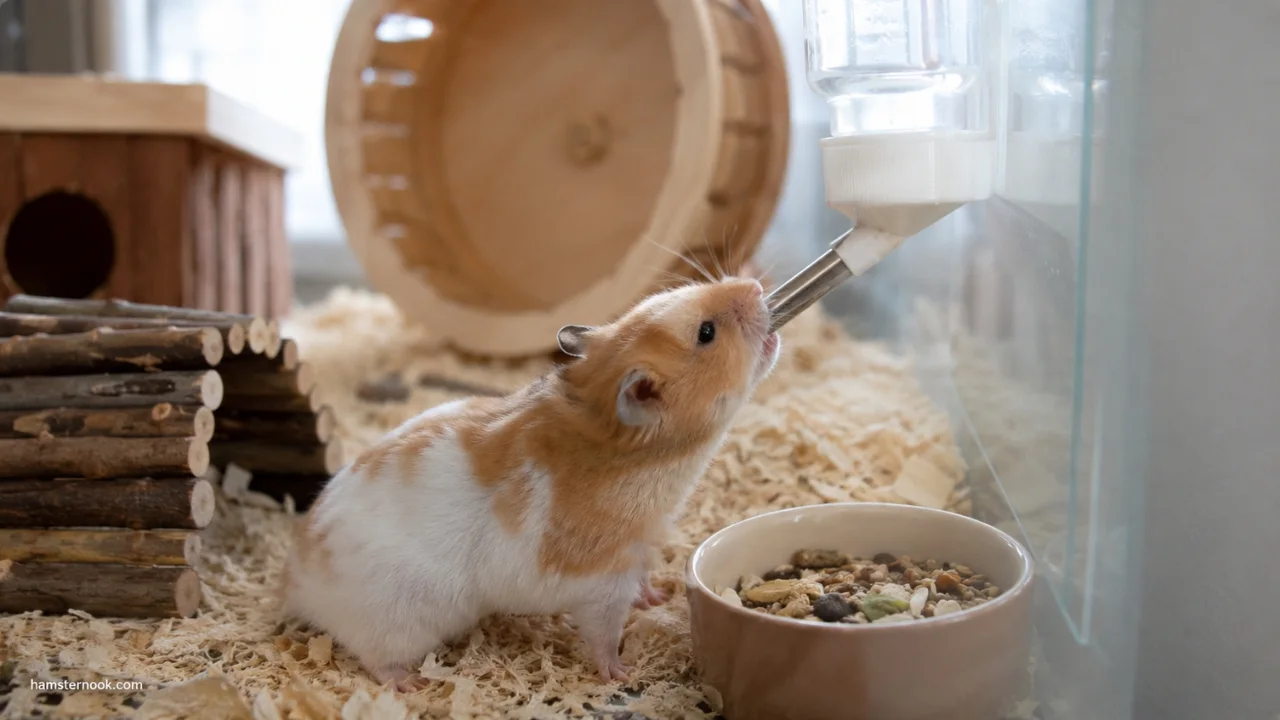
Seek veterinary attention if you notice:
- Weight loss
- Loss of appetite
- Lethargy
- Breathing difficulties
- Hair loss
- Skin redness
- Persistent scratching
- Hunched posture
- Diarrhea
- Visible wounds
These signs suggest that the greasy coat may be part of a larger health issue.
How to Check Your Hamster’s Coat at Home
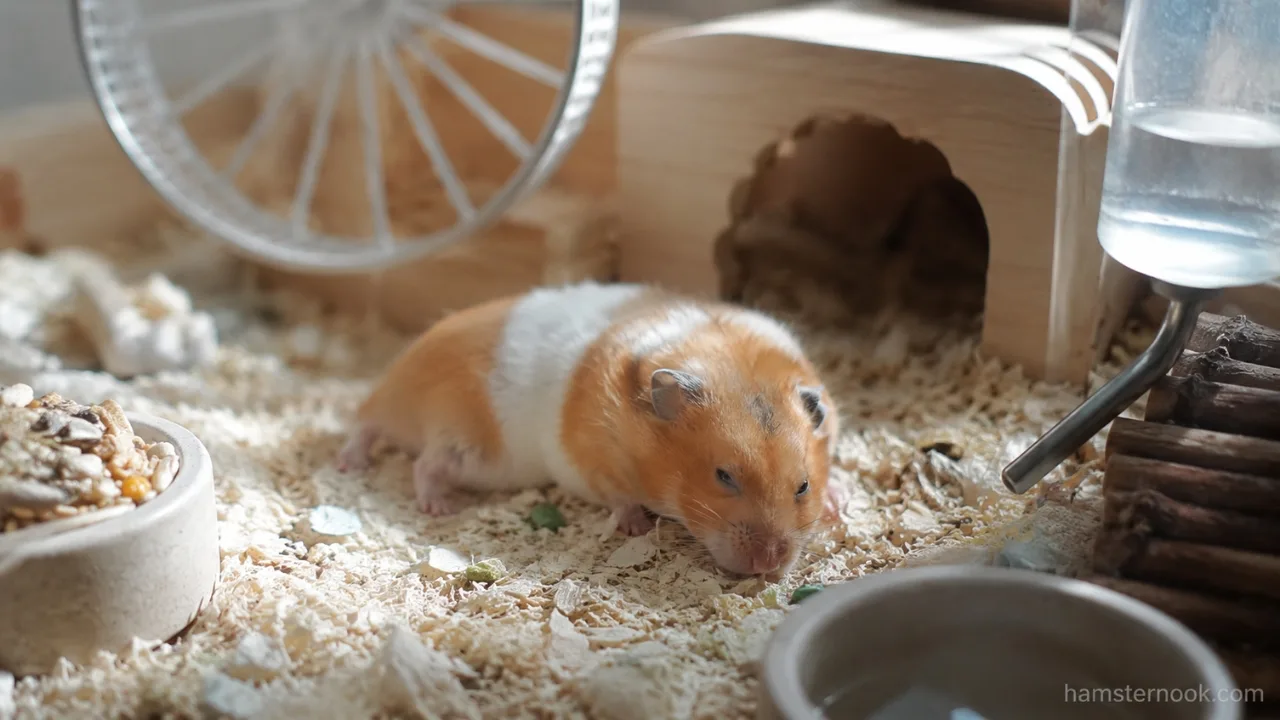
A quick weekly coat inspection can help identify problems early.
Checking the coat regularly also helps owners notice gradual changes that might otherwise go unnoticed until a problem becomes more advanced.
Gently examine:
| Area to Check | What to Look For |
|---|---|
| Scent glands | Normal oil production |
| Back and sides | Clumped fur |
| Skin underneath | Redness or irritation |
| Tail area | Dampness or diarrhea residue |
| Face and mouth | Drooling or discharge |
Regular observation makes it easier to spot changes before they become serious.
What You Should Avoid Doing
Owners sometimes attempt to solve greasy fur using methods that can actually make the problem worse.
Avoid:
- Bathing your hamster in water
- Using human shampoo
- Applying oils or lotions
- Scrubbing the fur
- Using scented pet products
Hamsters generally do not require water baths, and unnecessary bathing can increase stress and remove natural protective oils.
How to Help a Hamster With Mildly Greasy Fur
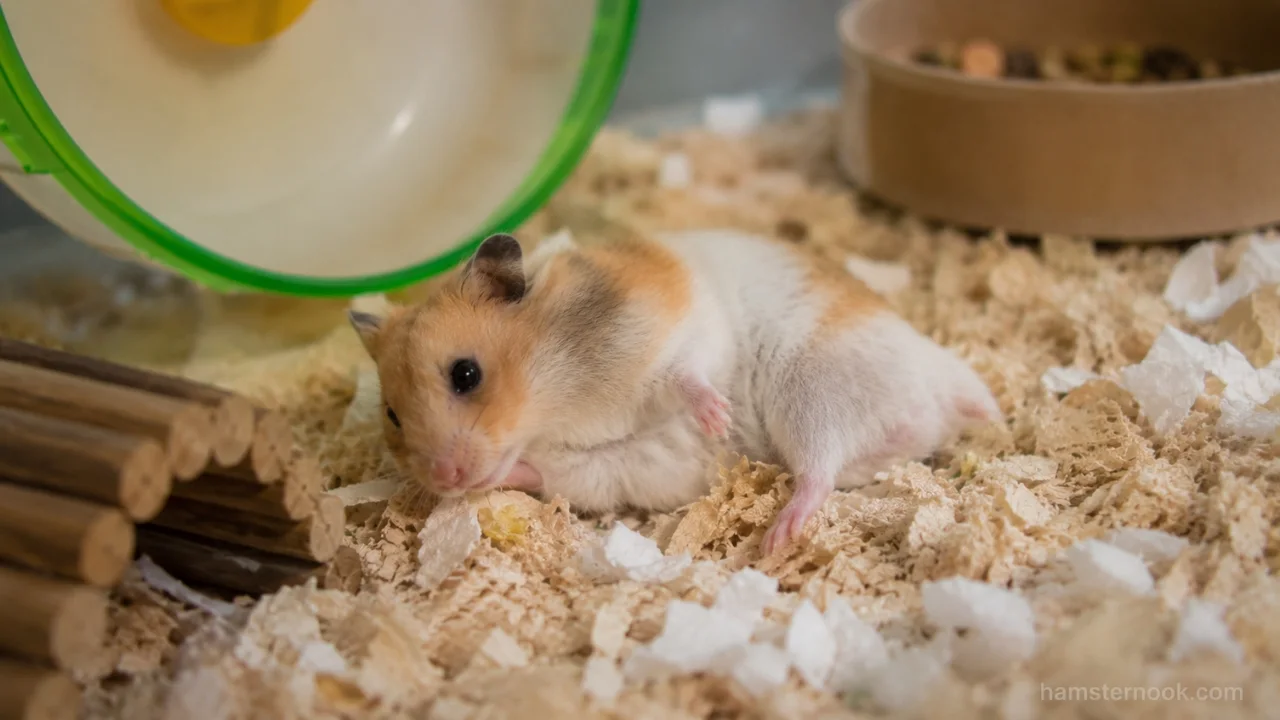
If your hamster is otherwise healthy and the greasy fur appears mild, consider these supportive steps:
- Ensure cage cleanliness
- Provide a hamster-safe sand bath
- Check diet quality
- Monitor body weight
- Reduce environmental stress
- Observe grooming behavior
If obesity may be contributing to grooming difficulties, review How to Make Your Hamster Happy in a Small Cage because enrichment and activity play an important role in maintaining a healthy weight.
If coat condition improves within a reasonable period, the cause may have been environmental rather than medical.
Final Thoughts
Greasy fur is not a disease by itself, but it can be an important clue about your hamster’s health. Sometimes the explanation is completely normal, such as natural scent gland activity. Other times, the coat may be signaling stress, obesity, aging, dental issues, or an underlying illness.
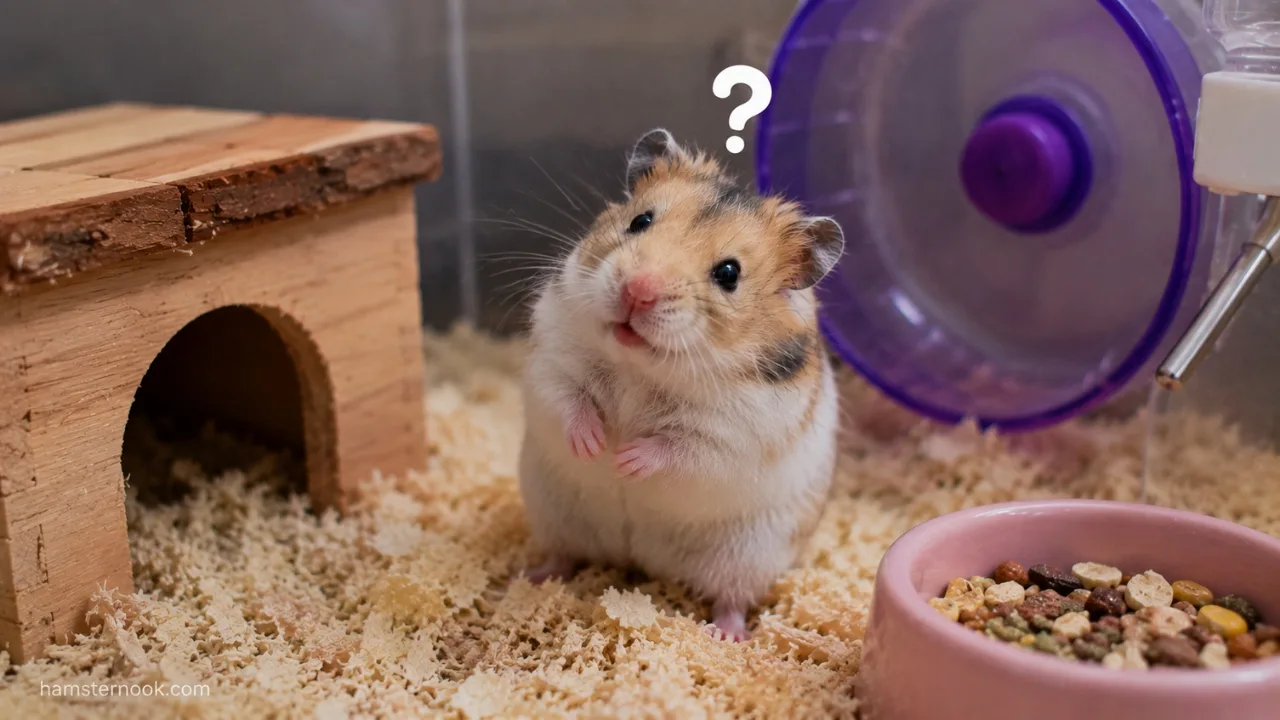
The most important step is to look at the whole picture. A hamster with slightly oily fur but normal behavior may not need immediate intervention. However, greasy fur combined with weight loss, lethargy, poor appetite, or skin changes should never be ignored.
By monitoring your hamster’s coat regularly and responding quickly to unusual changes, you can help catch potential problems before they become more serious.
Can greasy fur go away on its own?
Yes. If the cause is related to temporary stress, a dirty enclosure, mild grooming disruption, or normal scent gland activity, the coat may improve once the underlying issue is corrected. Persistent greasy fur should be investigated further.
Frequently Asked Questions
Does greasy fur always mean my hamster is sick?
No. Natural scent gland secretions, aging, or temporary grooming changes can sometimes cause mild greasiness without illness.
Why does my Syrian hamster have oily patches on its sides?
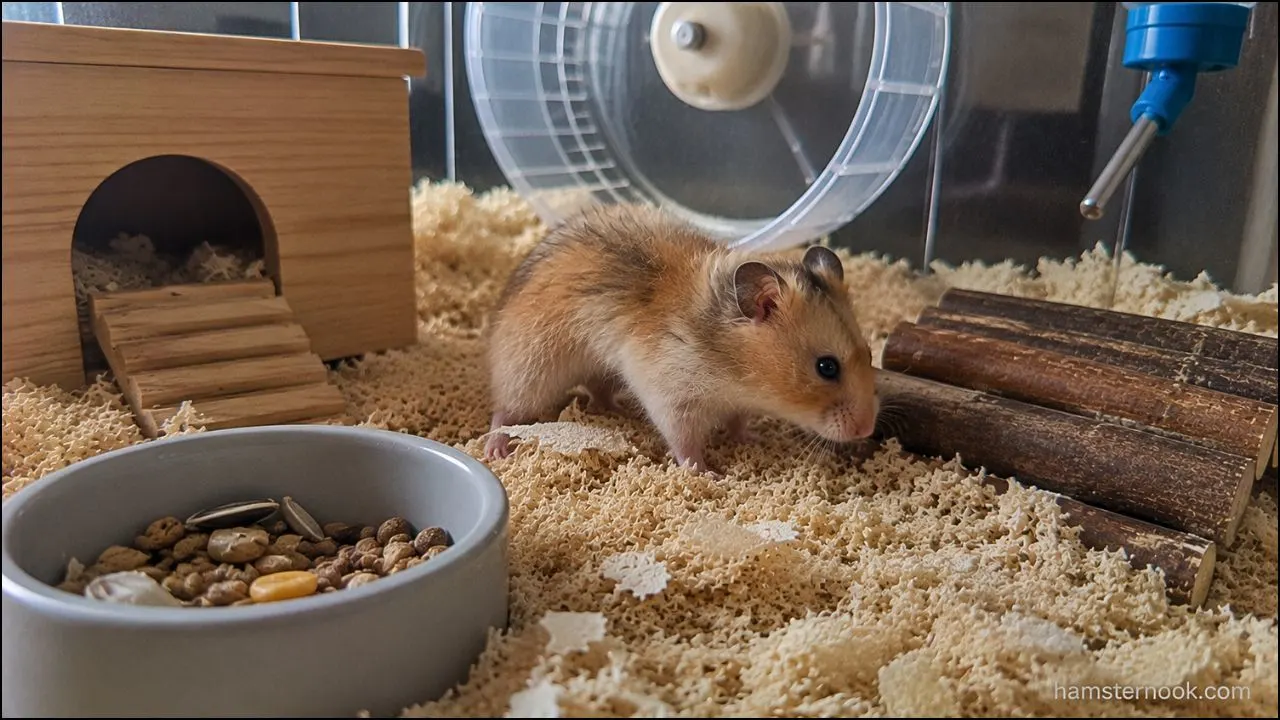
Syrian hamsters have scent glands on their flanks. These areas can naturally appear darker, slightly oily, or more noticeable than surrounding fur.
Can obesity make a hamster’s fur greasy?
Yes. Overweight hamsters may have difficulty grooming certain parts of their body, allowing oils and dirt to build up in the coat.
Should I give my hamster a bath if its fur looks greasy?
No. Water baths are generally not recommended for hamsters. Instead, investigate the underlying cause and provide a suitable sand bath if appropriate.
Can stress cause coat problems in hamsters?
Yes. Chronic stress can affect grooming habits and overall coat condition, sometimes resulting in greasy or unkempt fur.
When should I take my hamster to a vet for greasy fur?
You should seek veterinary care if greasy fur is accompanied by symptoms such as weight loss, lethargy, appetite changes, hair loss, scratching, skin irritation, or breathing problems.
Can a sand bath help greasy fur in hamsters?
Yes. A hamster-safe sand bath can help remove excess oils and support natural grooming behavior, although it will not solve greasy fur caused by illness, obesity, or dental problems.
References
This guide is based on hamster health, grooming, skin and coat care, housing, nutrition, and veterinary guidance from trusted animal welfare and veterinary resources, including:
- RSPCA – Hamster Health & Welfare – Guidance on hamster health monitoring, grooming, skin and coat changes, common health concerns, and signs that may require veterinary attention.
- RSPCA – Creating a Good Home for Hamsters – Guidance on bedding, enclosure hygiene, environmental conditions, grooming opportunities, and maintaining a suitable hamster habitat.
- RSPCA – Keeping Hamsters as Pets – General hamster care, grooming, diet, housing, behavior, and welfare guidance.
- MSD Veterinary Manual – Disorders and Diseases of Hamsters – Veterinary information on common hamster diseases, skin problems, dental conditions, infections, and clinical signs that may require veterinary evaluation.
- MSD Veterinary Manual – Providing a Home for a Hamster – Veterinary guidance on hamster housing, bedding, environmental conditions, grooming needs, and appropriate husbandry.
- Blue Cross – Hamster Care Guide – Practical guidance on hamster grooming, sand baths, housing, diet, enrichment, and general wellbeing.
Medical Disclaimer
This article is intended for educational purposes only and should not be considered veterinary advice. Greasy fur can sometimes be caused by normal scent gland activity or grooming changes, but it may also occur alongside obesity, dental problems, skin conditions, infections, or other health concerns. If greasy fur persists or is accompanied by weight loss, loss of appetite, lethargy, hair loss, persistent scratching, skin irritation, breathing difficulties, or other concerning symptoms, consult a qualified exotic animal veterinarian for proper evaluation.

Narayan Kumar is the founder and author of HamsterNook. He creates practical, research-based hamster care guides covering hamster behavior, nutrition, cage setup, enrichment, health, and everyday care. His goal is to help hamster owners make informed decisions and provide safer, healthier lives for their pets through clear, beginner-friendly information based on trusted animal care resources.