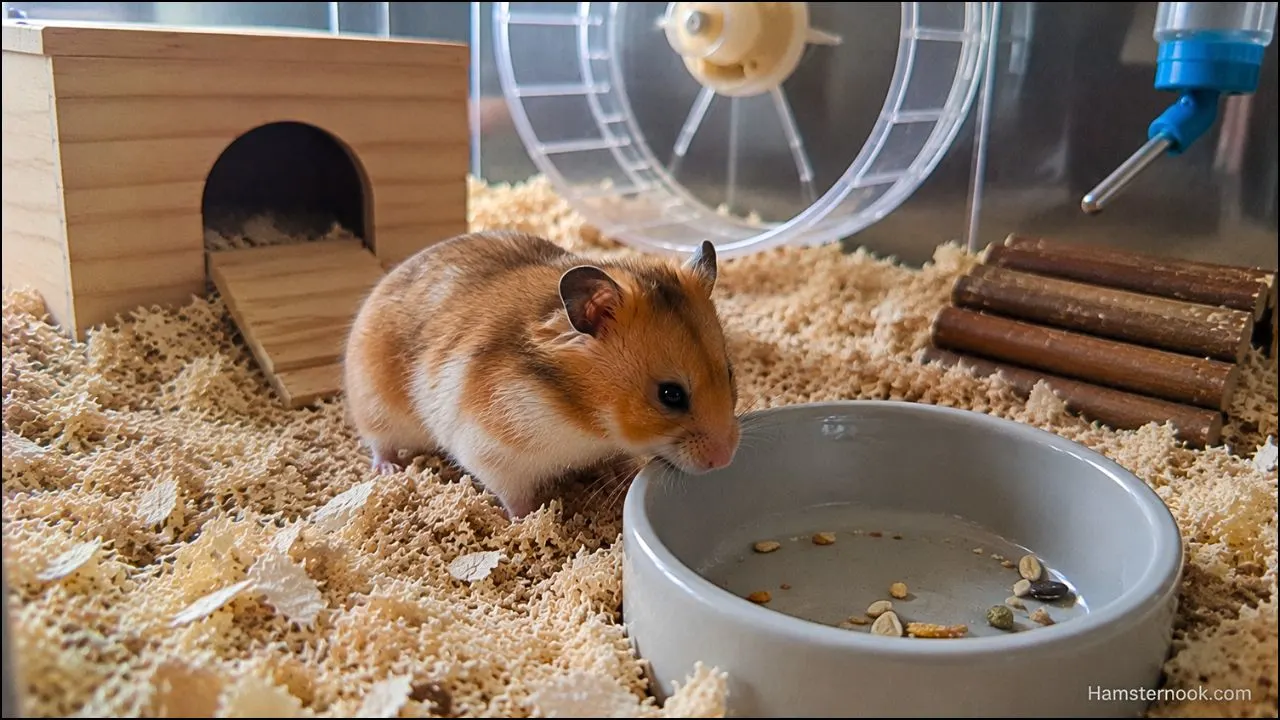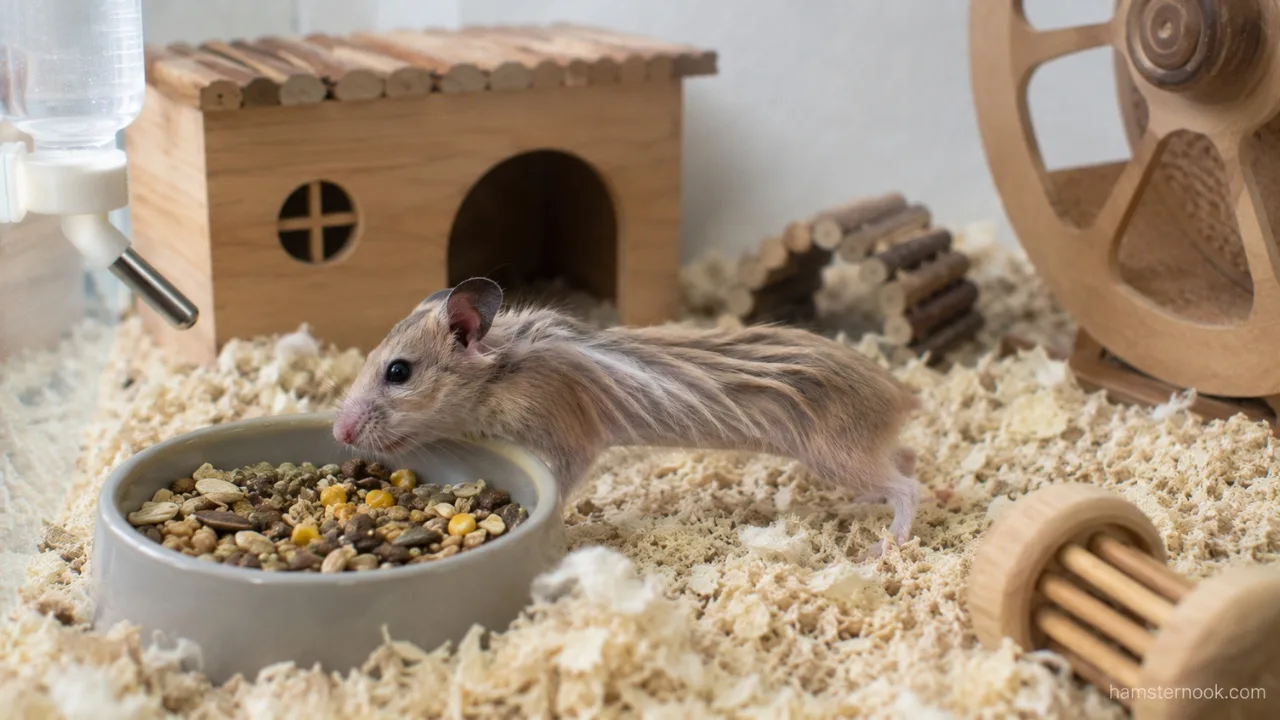
Watching your hamster lose weight can be worrying, especially when it still seems to be eating normally. Many owners assume that if food is disappearing from the bowl, their pet must be getting enough nutrition. Unfortunately, ongoing weight loss despite a normal appetite can sometimes point to an underlying problem that deserves closer attention.
Sometimes the cause is relatively harmless, such as increased activity or age-related body changes. However, persistent weight loss despite a normal appetite can also be an early warning sign of dental disease, diabetes, parasites, digestive problems, or other health conditions that should not be ignored.
Understanding why a hamster might lose weight while continuing to eat is important because early intervention often leads to better outcomes. This guide explores the most common causes, warning signs to watch for, and practical steps owners can take to help their hamster stay healthy.
Quick Answer
A hamster can lose weight while still eating because of dental problems, diabetes, parasites, chronic illness, poor nutrient absorption, age-related changes, or dietary imbalances. In some cases, the hamster may appear to be eating normally but is unable to chew, digest, or utilize nutrients effectively.

Is Weight Loss in Hamsters Ever Normal?
A hamster’s weight can fluctuate slightly due to factors such as age, activity levels, seasonal changes, and diet adjustments. If your hamster continues getting thinner over time, there is usually an underlying reason worth investigating.
If your hamster appears thinner, feels lighter when handled, or has more prominent bones than usual, it’s worth paying close attention.
Regular weigh-ins using a small digital kitchen scale can help owners spot changes before they become obvious. If you’ve never tracked your hamster’s weight before, learning about Signs of a Healthy Hamster can help you establish a useful baseline.
Why Weight Loss Should Be Taken Seriously
Hamsters are very small animals with limited body reserves. Even a modest amount of weight loss can represent a significant percentage of their total body weight.
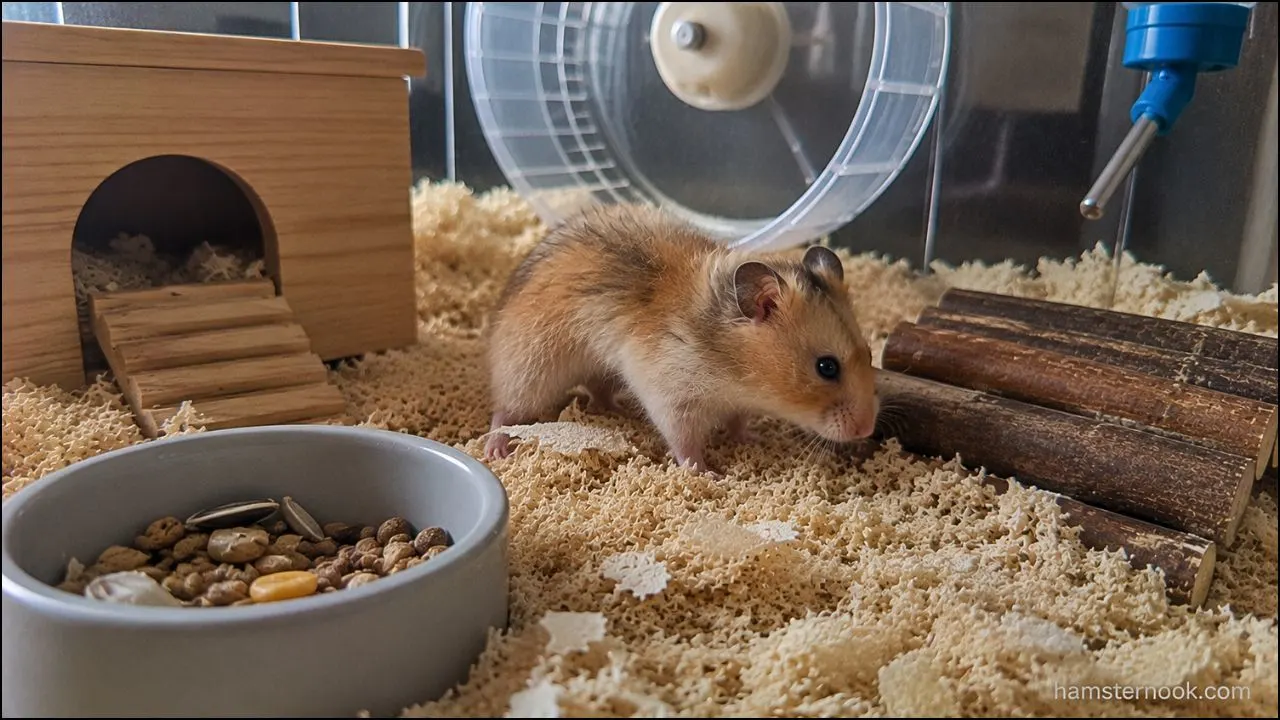
Because many hamsters continue behaving relatively normally during the early stages of illness, weight changes are often one of the first warning signs owners notice.
Common Reasons a Hamster Loses Weight While Still Eating
| Cause | What It May Mean |
|---|---|
| Dental problems | Can interfere with chewing and may cause weight loss |
| Diabetes or other metabolic disease | May cause weight loss and changes in drinking or urination |
| Parasites | Can contribute to digestive problems and weight loss |
| Chronic illness | May cause ongoing weight loss along with other health changes |
| Age-related changes | Gradual changes can occur, but unexplained weight loss still deserves attention |
| Dietary imbalance | A hamster may eat regularly but still receive an inadequate or unbalanced diet |
| Increased activity | Can increase energy use, especially after changes to exercise or enrichment |
Weight loss with a normal appetite can occur for several different reasons. Some are relatively minor, while others require prompt veterinary care.
Dental Problems Can Make Eating Difficult
Dental problems are one of the first things veterinarians consider when a hamster is losing weight despite appearing interested in food.
Hamster teeth grow continuously throughout their lives. If teeth become overgrown, misaligned, broken, or infected, a hamster may still attempt to eat but struggle to chew food properly.
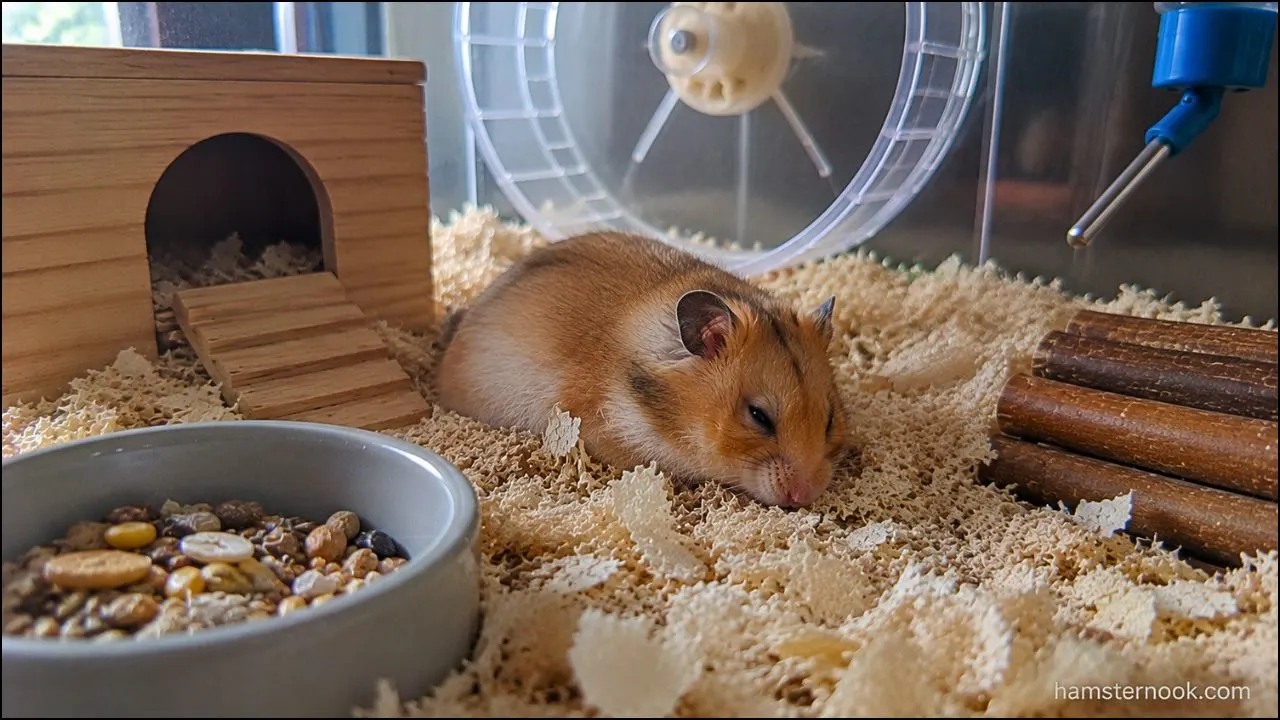
Signs of dental issues may include:
- Dropping food while eating
- Taking longer to finish meals
- Wet fur around the mouth
- Preference for soft foods
- Reduced cheek pouch use
What to Do If You Suspect a Dental Problem
If your hamster is losing weight and showing signs of dental trouble, arrange a veterinary examination rather than trying to trim or correct the teeth yourself. Overgrown or damaged teeth can interfere with eating, and a veterinarian can examine the teeth and mouth and provide appropriate treatment.
Many owners mistakenly believe their hamster is eating normally because they see food being handled. In reality, much of the food may not be consumed effectively.
Internal Parasites May Affect Nutrient Absorption
Although less common in well-cared-for pet hamsters, internal parasites can sometimes contribute to weight loss.
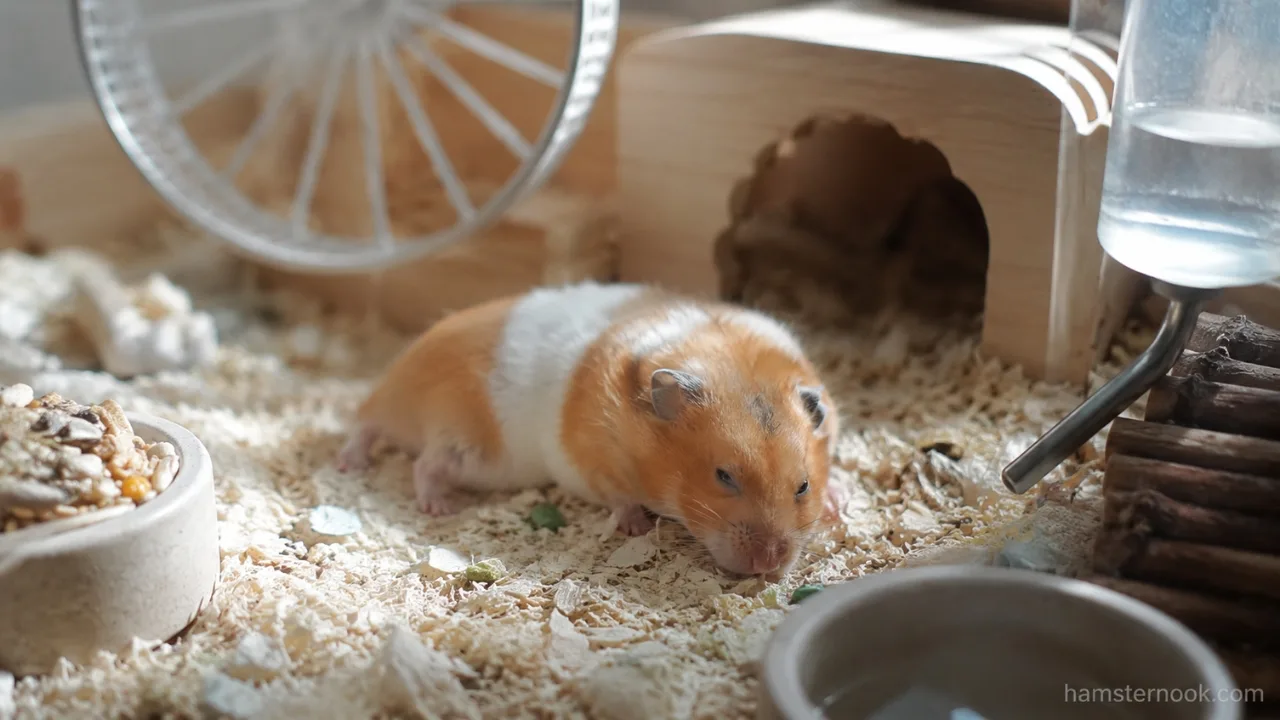
Parasites may interfere with digestion and nutrient absorption, causing a hamster to lose weight despite maintaining a healthy appetite.
Possible symptoms include:
- Weight loss
- Changes in stool consistency
- Poor coat condition
- Reduced energy
A veterinarian can diagnose parasites through appropriate testing.
Diabetes Can Cause Weight Loss
Certain hamster species, especially dwarf hamsters, are more prone to diabetes than others.
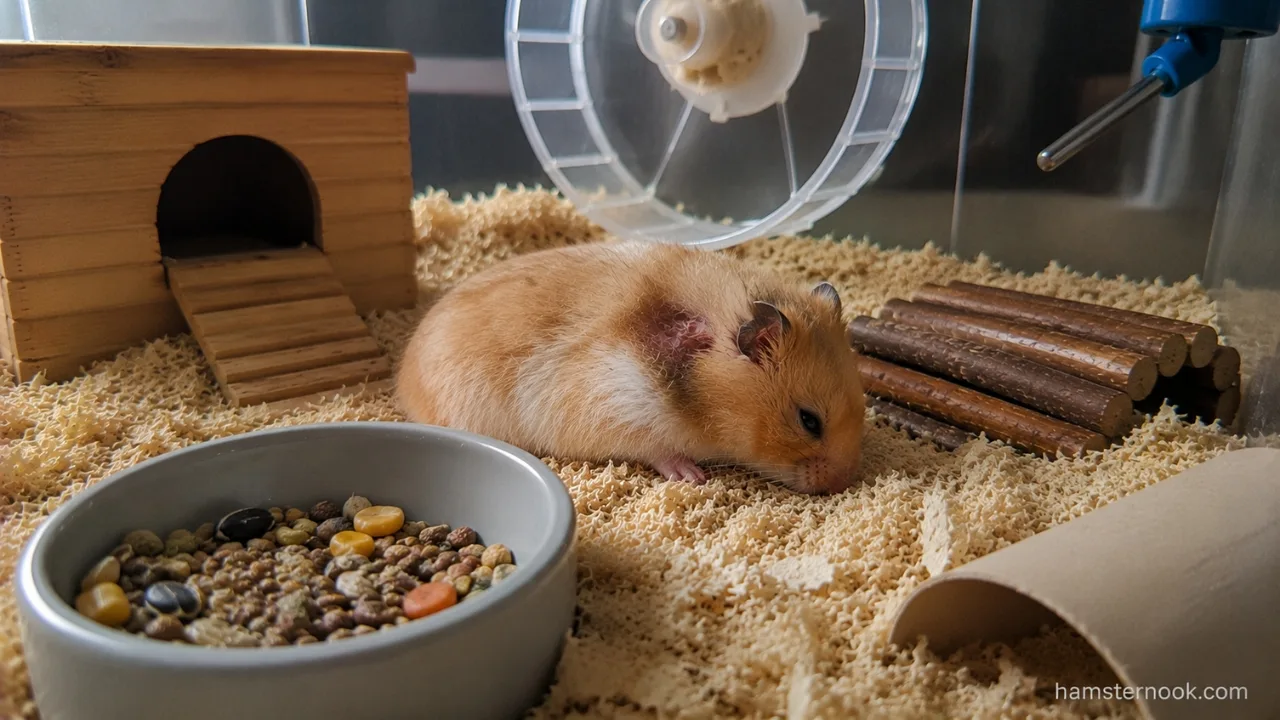
In diabetic hamsters, the body may struggle to use nutrients properly, leading to weight loss even when food intake appears normal.
Additional signs may include:
- Increased thirst
- Frequent urination
- Lethargy
- Poor coat quality
Owners concerned about excessive drinking may find Why Is My Hamster Drinking So Much Water? helpful for understanding related warning signs.
Chronic Illnesses May Increase Calorie Needs
Various health conditions can increase the body’s energy demands.
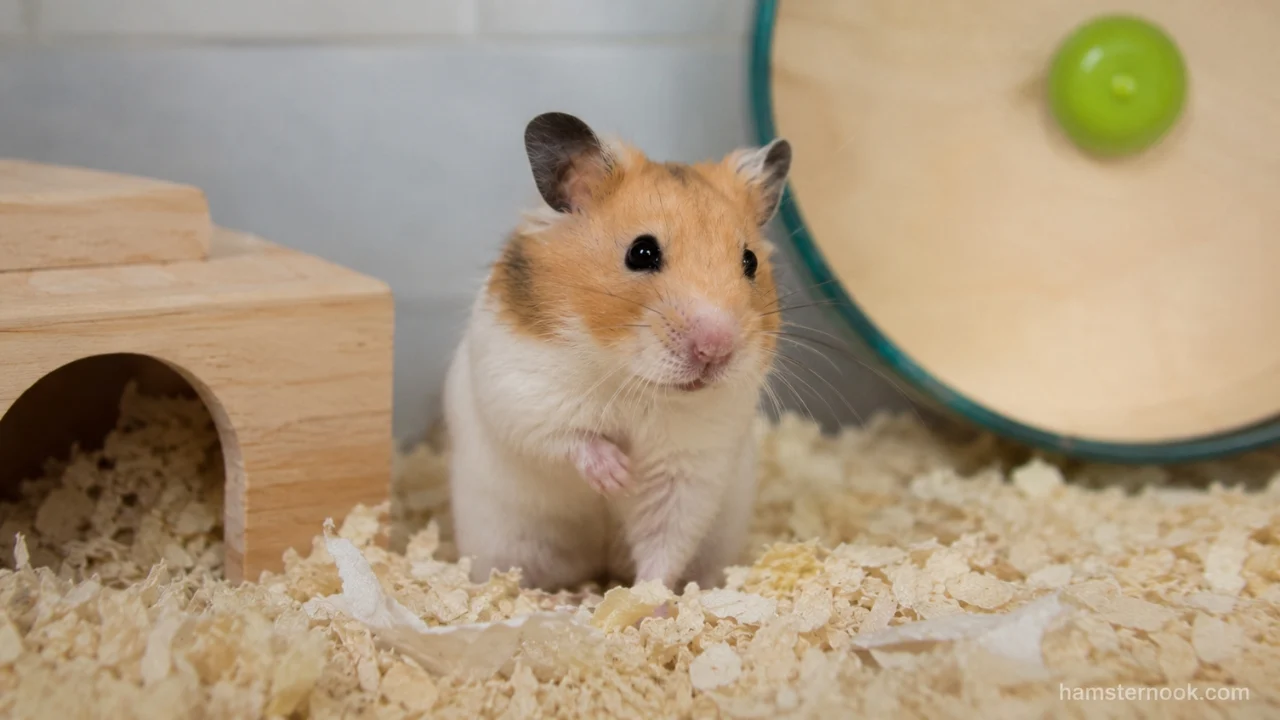
In these cases, a hamster may continue eating but burn calories faster than it can replace them. Examples include:
- Organ disease
- Chronic infections
- Tumors
- Metabolic disorders
These conditions are often accompanied by other symptoms such as reduced activity, breathing changes, or altered behavior.
How Can You Tell if Your Hamster Is Actually Eating?
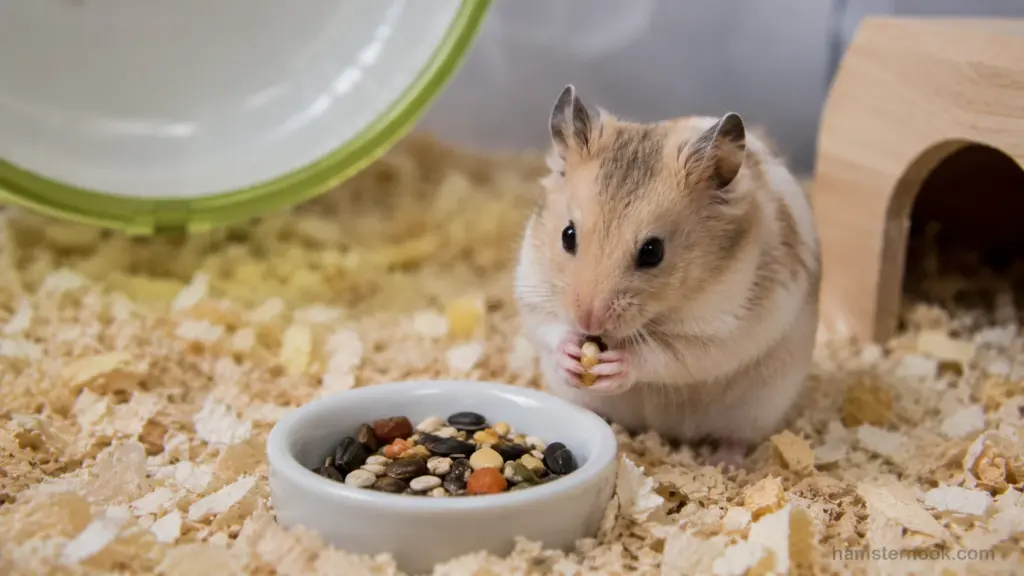
Many owners assume their hamster is eating because food disappears from the bowl.
Look for signs such as:

- Empty seed shells around feeding areas
- Visible chewing and swallowing
- Normal droppings
- Reduced food hoards over time
- Stable body weight
A hamster that carries food away but continues losing weight may not actually be consuming enough nutrition.
For a clearer picture, check the hamster’s food hoard as well as the bowl. A large hidden stash does not necessarily mean the hamster is eating enough, especially if the food is being selectively hoarded or certain foods are being left behind. Weight tracking remains one of the most useful ways to confirm whether body condition is actually changing.
Could Your Hamster Be Hiding Food Instead of Eating It?
Hamsters naturally hoard food.
This behavior is normal and helps them store resources for later use. However, it can sometimes create confusion for owners.
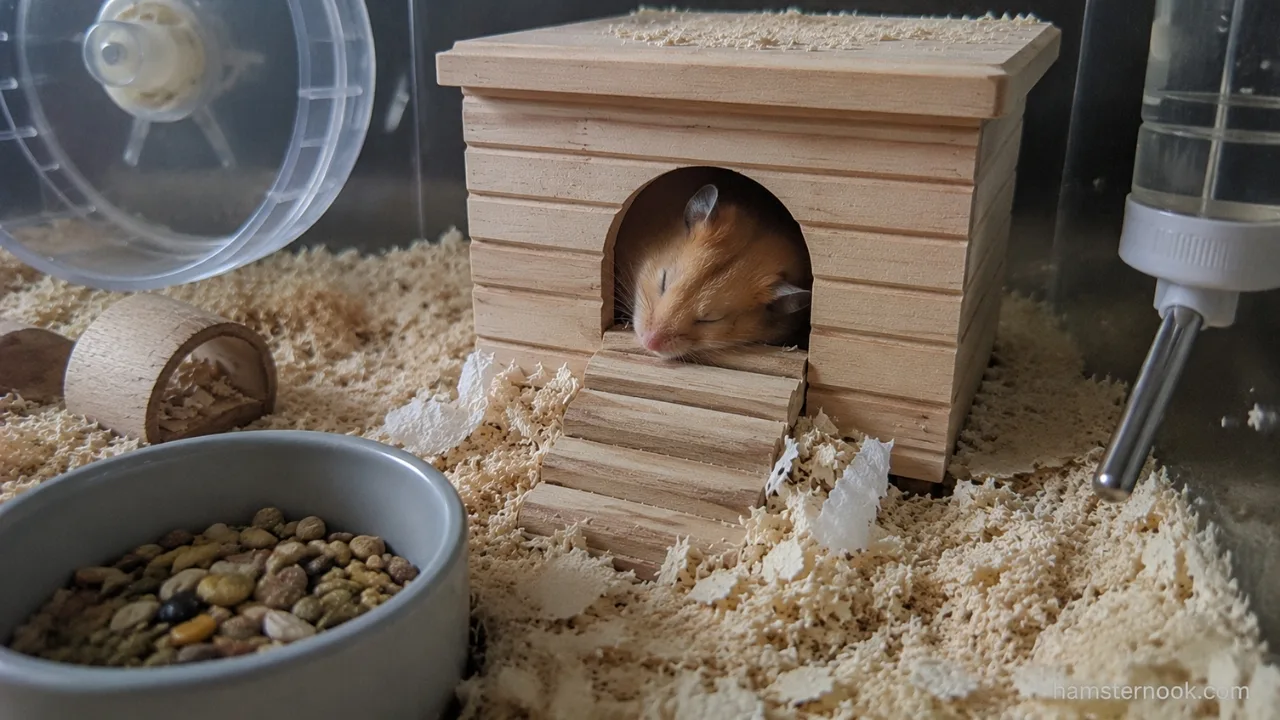
A food bowl that empties quickly does not always mean the food has been eaten. The hamster may simply be transporting food into hidden storage areas.
To determine whether your hamster is actually consuming enough food:
| Observation | What It May Mean |
|---|---|
| Empty food bowl but growing food stash | Hoarding rather than eating |
| Weight stable and active behavior | Likely normal |
| Weight dropping despite food disappearing | Possible health concern |
| Large food stores but poor body condition | Veterinary evaluation recommended |
Regularly checking food storage areas can provide useful clues.
Age-Related Weight Loss in Older Hamsters
Senior hamsters often experience gradual changes in body condition.
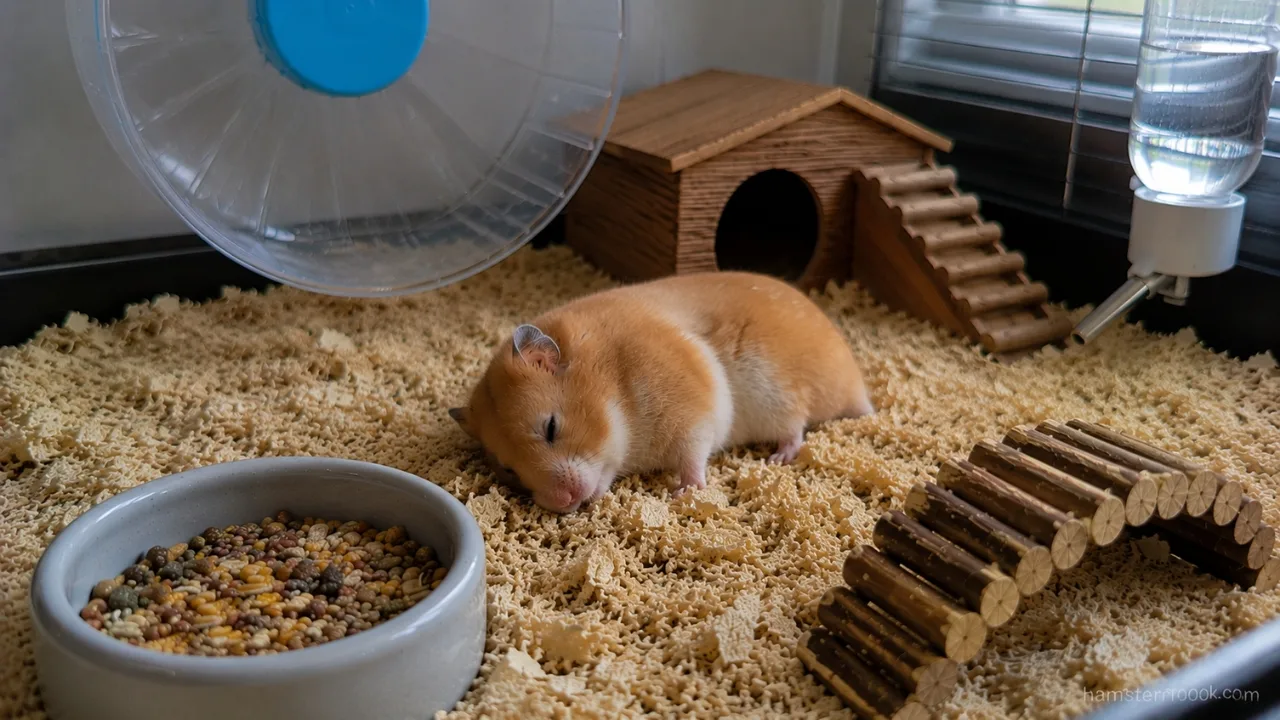
As hamsters age, they may:
- Lose muscle mass
- Become less efficient at digestion
- Develop dental wear
- Experience chronic health issues
A small amount of gradual weight loss may occur naturally in elderly hamsters. However, sudden or significant weight loss should still be investigated.
Owners caring for older pets may benefit from reading Hamster Lifespan Guide for age-related care and expectations.
Dietary Imbalances Can Contribute to Weight Loss
A hamster can eat plenty of food while still failing to receive proper nutrition.
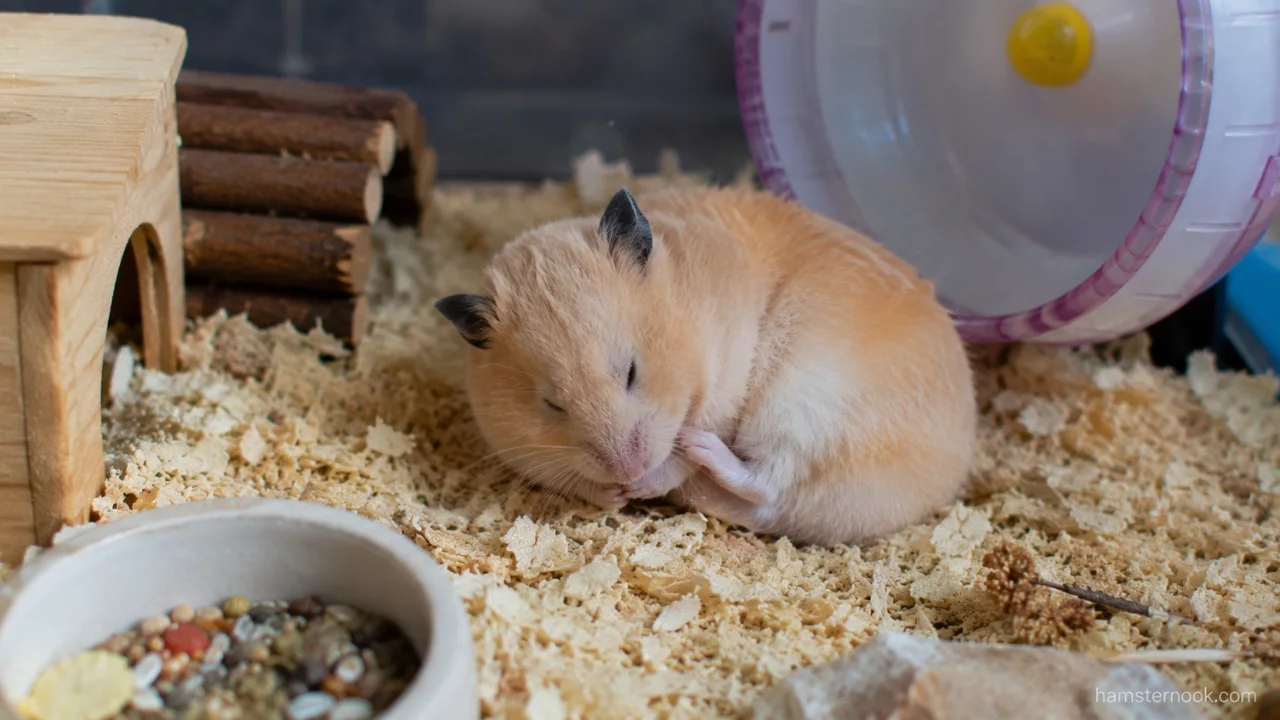
This sometimes happens when:
- Seed mixes are heavily picked through
- Nutritionally balanced pellets are ignored
- Too many treats replace staple foods
- Diet variety becomes limited
Hamsters often select their favorite foods first, which can lead to nutritional gaps over time.
Common Feeding Mistakes
| Feeding Habit | Potential Problem |
|---|---|
| Too many treats | Reduced nutrient intake |
| Excess sunflower seeds | High fat but poor balance |
| Feeding only one food type | Nutritional deficiencies |
| Frequent sugary snacks | Blood sugar concerns |
If your hamster has become selective with food, Complete Hamster Diet Guide can help ensure the diet remains balanced.
Increased Activity Can Cause Weight Changes
Not all weight loss is caused by illness.
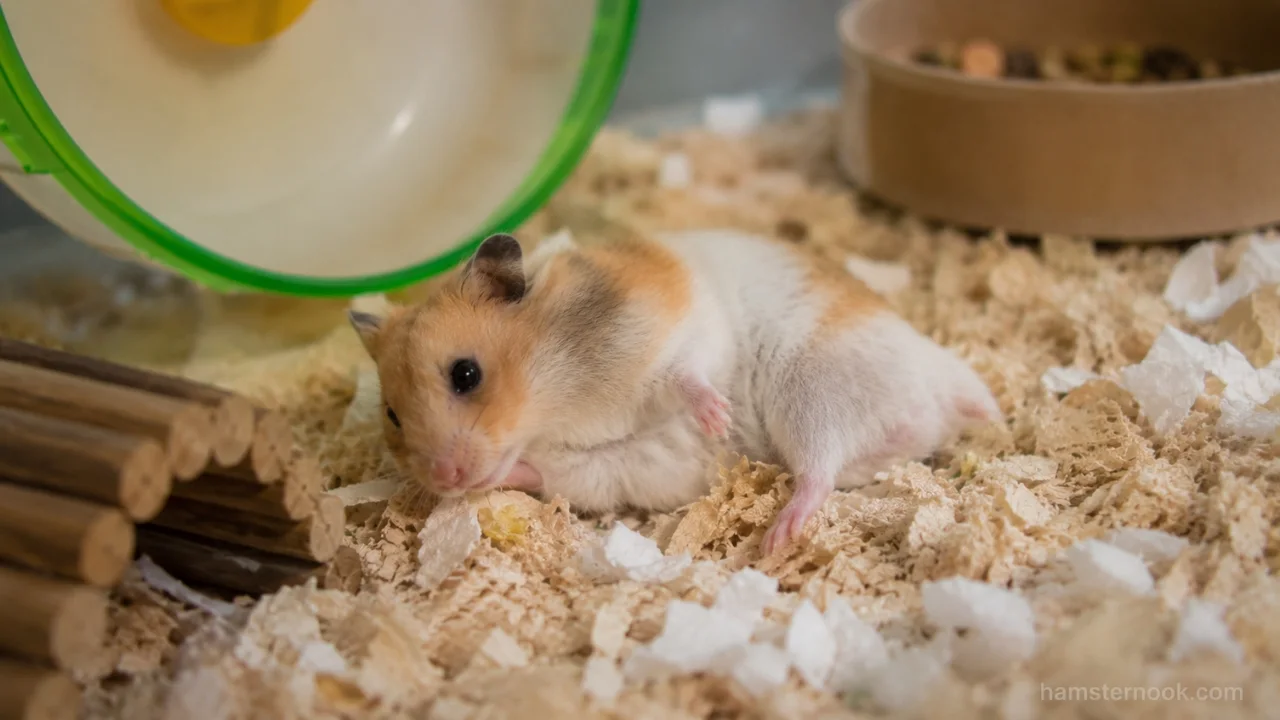
Some hamsters become significantly more active after moving to a larger enclosure, receiving a better wheel, or gaining access to more enrichment opportunities.
Healthy activity can increase calorie expenditure and occasionally result in minor weight changes.
Consider whether any of the following recently changed:
- Cage size
- Exercise wheel
- Playpen access
- Enrichment items
- Daily activity levels
Owners upgrading their setup may also find How to Make Your Hamster Happy in a Small Cage useful for understanding healthy activity patterns.
When Is Weight Loss Considered an Emergency?
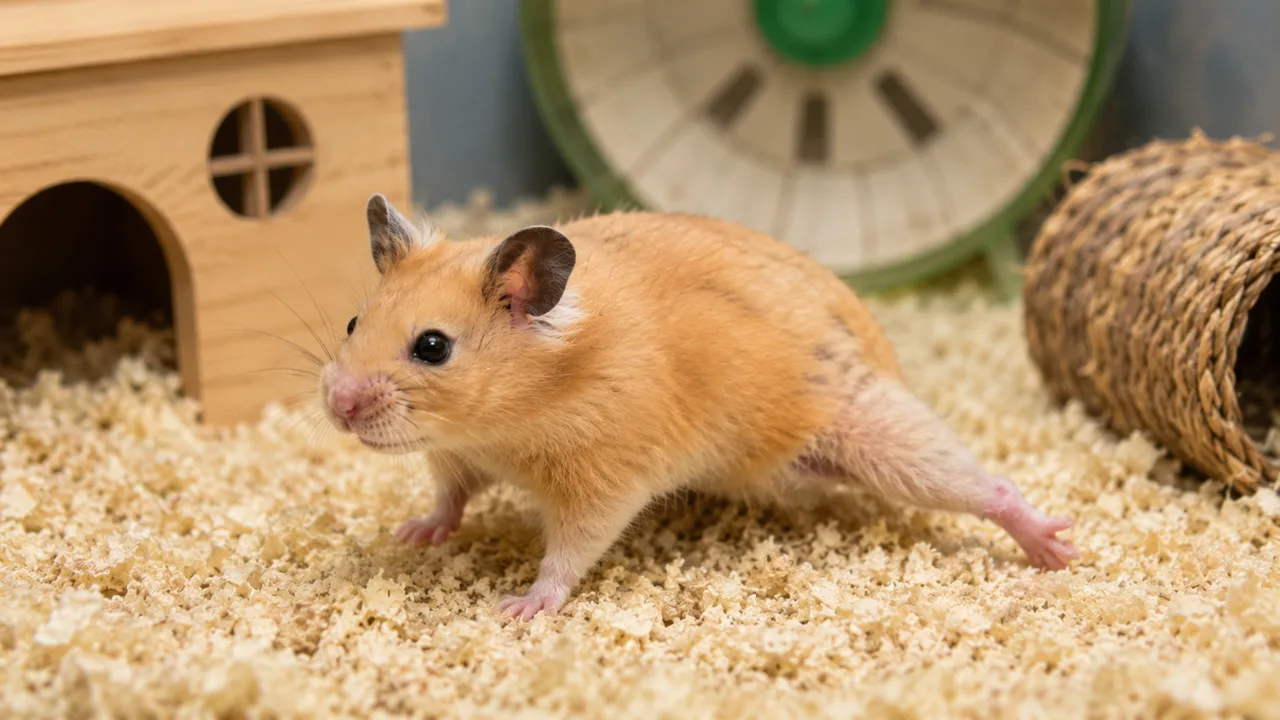
Weight loss becomes especially concerning when it occurs alongside:
- Refusal to eat
- Severe lethargy
- Breathing difficulties
- Diarrhea
- Dehydration
- Difficulty walking
- Rapid decline in body condition
A hamster showing several of these symptoms at once should be evaluated as soon as possible.
If weight loss is accompanied by unusual weakness or a noticeable drop in normal activity, that combination deserves extra attention. Our Why Is My Hamster Suddenly Weak? guide covers other warning signs that can appear when a hamster becomes unusually weak.
Can a Hamster Lose Weight From Stress?
Yes.
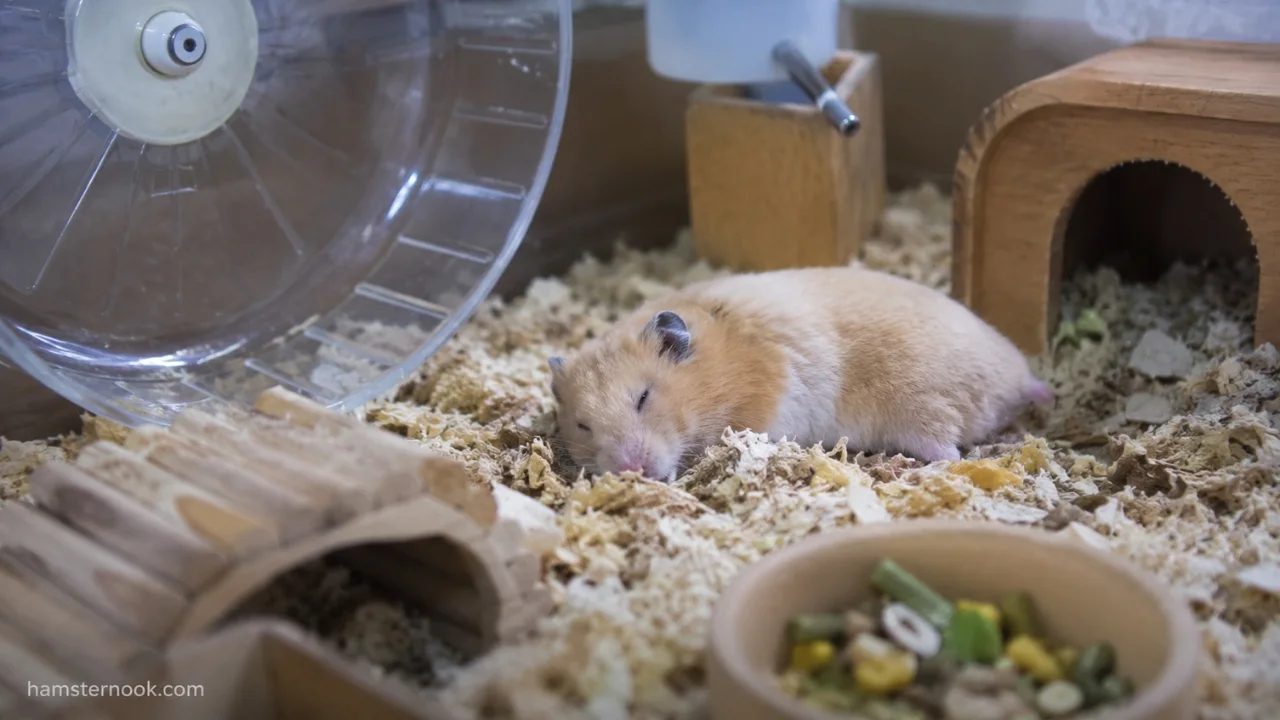
Chronic stress can affect appetite, digestion, sleep patterns, and overall health. Stress-related weight loss is more likely when environmental changes, excessive handling, loud noises, overcrowding, or inadequate enclosure conditions are present.
While stress can contribute to weight loss, it should not automatically be assumed to be the cause until other health issues have been ruled out.
Environmental stress can sometimes affect a hamster’s health, so 7 Ways You’re Accidentally Stressing Your Hamster: Signs & What to Do can help identify common stressors that may need to be addressed.
Warning Signs That Require Veterinary Attention
Weight loss becomes more concerning when accompanied by additional symptoms.

Seek veterinary advice if you notice:
- Rapid weight loss
- Difficulty eating
- Diarrhea
- Excessive thirst
- Breathing problems
- Lethargy
- Visible lumps
- Poor grooming
- Hunched posture
A hamster’s small size means health problems can progress quickly.
How to Monitor Your Hamster’s Weight at Home
One of the most valuable habits for hamster owners is routine weight monitoring.
A digital kitchen scale can help track small changes that might otherwise go unnoticed.
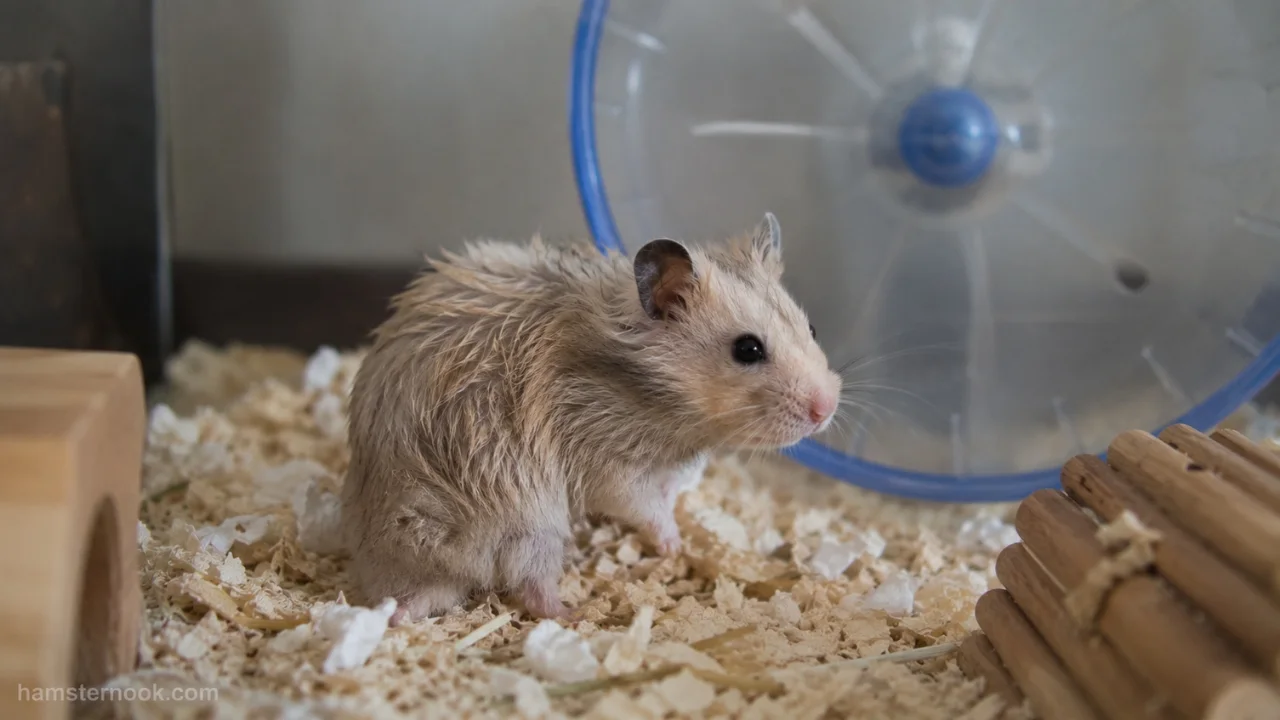
To weigh your hamster safely, place a small container or familiar hide on the digital scale first and note its weight. Then place your hamster inside and record the reading. Subtract the container’s weight to get your hamster’s weight. Weigh at a similar time each week and record every result so you can compare the trend rather than relying on a single measurement.
Weekly Hamster Weight Monitoring Checklist
| Step | Recommendation |
|---|---|
| Use the same scale each time | Improves accuracy |
| Weigh weekly | Helps identify trends |
| Record results | Makes changes easier to spot |
| Weigh at similar times | Reduces normal fluctuations |
| Monitor behavior alongside weight | Provides better context |
Tracking weight regularly often allows owners to identify problems earlier.
What You Should Do If Your Hamster Is Losing Weight
If you notice weight loss, avoid making assumptions.
Instead:

- Check for visible dental issues.
- Review the diet carefully.
- Inspect food hoards.
- Monitor water intake.
- Observe activity levels.
- Record weekly weights.
- Schedule a veterinary examination if weight loss continues.
The earlier an underlying issue is identified, the easier it may be to manage.
Common Mistakes Owners Make When Weight Loss Occurs
Several common mistakes can delay proper treatment.
Assuming Appetite Means Good Health
A hamster can continue eating while still experiencing a serious health problem.
Offering More Treats Instead of Finding the Cause
Extra treats may temporarily increase calorie intake but do not address underlying issues.

Waiting Too Long to Seek Help
Because hamsters are small animals, health conditions can worsen rapidly.
Ignoring Other Subtle Symptoms
Weight loss can also appear alongside changes in normal behavior. If your hamster is suddenly acting differently as well as losing weight, our Why Is My Hamster Suddenly Acting Different? guide explains other changes that may signal an underlying problem.
Final Thoughts
Ongoing or unexplained weight loss deserves closer attention even when the food bowl continues to empty every day. Some causes may be relatively minor, but weight loss can also occur with dental disease, metabolic problems, parasites, chronic illness, or age-related health changes. A veterinarian can help determine the underlying cause.
The key is to look beyond the food bowl. A hamster may appear to be eating normally while struggling to chew, digest, absorb nutrients, or maintain a healthy body condition.

Regular weight monitoring, careful observation, and prompt veterinary attention when needed can help identify the cause early and improve your hamster’s chances of staying healthy and comfortable.
Frequently Asked Questions
Why is my hamster getting skinny but still eating?
A hamster can lose weight despite eating because of dental disease, diabetes, parasites, digestive disorders, chronic illness, poor nutrient absorption, or age-related changes. Veterinary evaluation is often needed if the weight loss continues.
How much weight loss is considered dangerous in a hamster?
There is no single weight-loss amount that is safe for every hamster because normal body weight varies by species, age, sex, and individual size. What matters most is a clear downward trend from your hamster’s usual weight. Rapid loss, continued loss over repeated weigh-ins, or weight loss accompanied by other symptoms should be evaluated by a veterinarian promptly.
Can stress cause weight loss in hamsters?
Yes. Chronic stress may affect eating habits, activity levels, and overall health. Environmental changes, frequent disturbances, or inadequate housing can sometimes contribute.

Why does my hamster’s food bowl keep emptying if it’s losing weight?
Hamsters often hoard food in nesting areas or hidden storage locations. An empty bowl does not always mean the food is being eaten.
Can old age make a hamster lose weight?
Yes. Senior hamsters may gradually lose muscle mass and body condition. However, sudden or severe weight loss should never be assumed to be a normal part of aging.
Should I give my hamster extra treats to help it gain weight?
Not without understanding the underlying cause first. Extra treats may mask the problem and could worsen certain conditions. Identifying the reason for the weight loss is more important than simply increasing food intake.
Can a hamster lose weight even if it eats every day?
Yes. Some health conditions prevent the body from properly digesting, absorbing, or using nutrients. As a result, a hamster may continue eating while gradually losing weight.
How often should I weigh my hamster?
Most owners should weigh their hamster once per week using a digital kitchen scale. Regular monitoring makes it easier to detect gradual weight loss before it becomes severe.
What is the most common cause of weight loss in a hamster that still eats?
Dental problems are among the most common causes. A hamster may appear interested in food but struggle to chew or consume enough of it because of overgrown, damaged, or misaligned teeth.
References
This guide is based on hamster health, weight monitoring, dental care, nutrition, metabolic conditions, parasites, and veterinary welfare guidance from trusted veterinary and animal welfare resources, including:
- RSPCA – Hamster Health & Welfare – Guidance on monitoring hamster health, recognizing signs of illness, dental problems, weight changes, and when veterinary care may be needed.
- PDSA – Hamsters as Pets – Information on hamster nutrition, weight, common health problems, dental care, and general wellbeing.
- MSD Veterinary Manual – Hamsters – Veterinary reference information on hamster diseases, nutrition, dental disorders, metabolic conditions, parasites, and clinical signs.
- MSD Veterinary Manual – Routine Health Care of Hamsters – Guidance on routine health monitoring, examination, nutrition, dental health, and recognizing changes that may require veterinary attention.
- MSD Veterinary Manual – Disorders and Diseases of Hamsters – Veterinary information on diseases and conditions that can cause changes in weight, appetite, digestion, activity, and overall health.
- Blue Cross – Hamster Care Guide – Practical guidance on hamster nutrition, health monitoring, husbandry, and general wellbeing.
Medical Disclaimer
This article is intended for educational purposes only and should not be considered veterinary advice. Unexplained or ongoing weight loss in a hamster can have several possible causes, including dental problems, metabolic disease, parasites, digestive disorders, chronic illness, or age-related changes. If your hamster continues to lose weight, develops difficulty eating, excessive thirst, diarrhea, lethargy, breathing problems, dehydration, weakness, visible lumps, or other concerning symptoms, consult a qualified exotic animal veterinarian for proper examination and treatment.

Narayan Kumar is the founder and author of HamsterNook. He creates practical, research-based hamster care guides covering hamster behavior, nutrition, cage setup, enrichment, health, and everyday care. His goal is to help hamster owners make informed decisions and provide safer, healthier lives for their pets through clear, beginner-friendly information based on trusted animal care resources.