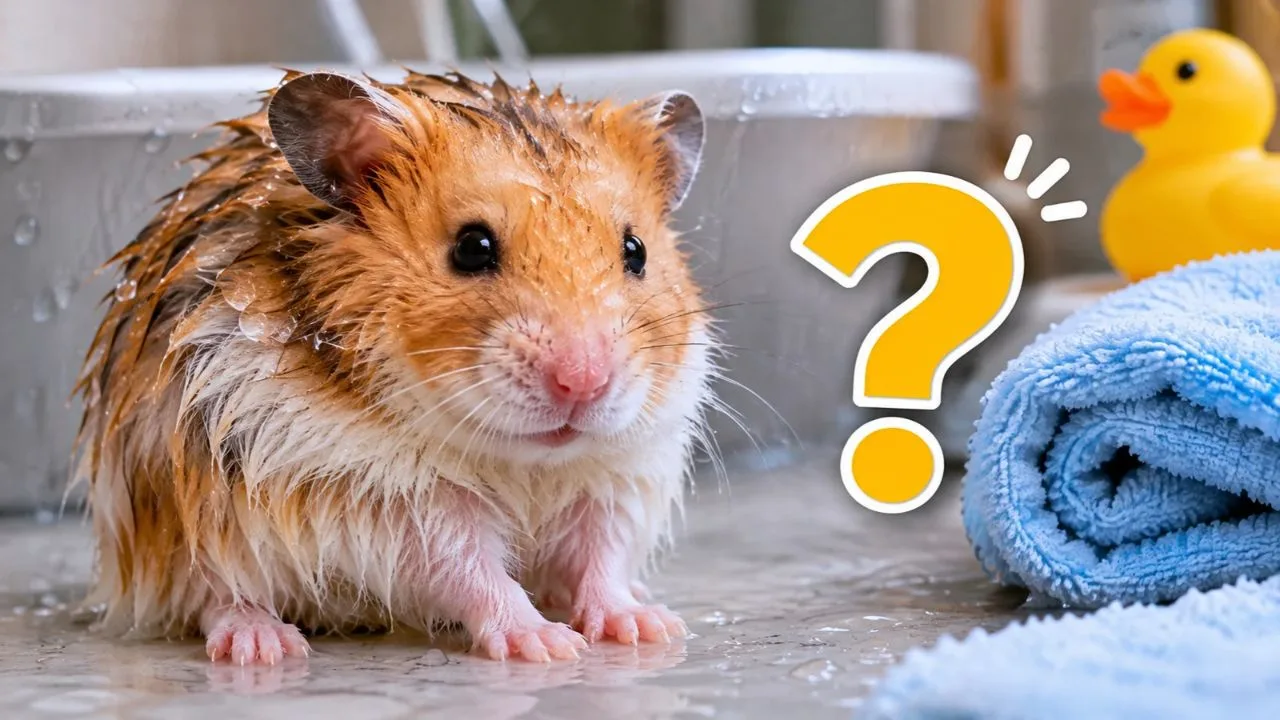
Have you ever noticed your hamster getting wet after spilling its water bottle, walking through a damp area, or accidentally falling into water? It can be worrying, especially if you’re unsure whether to dry your pet immediately or give it a bath. Hamsters generally don’t need water baths, and unnecessary water exposure can cause stress and other problems. Knowing how to handle accidental wet fur safely can help you avoid common mistakes.
Quick Answer: Can Hamsters Get Wet?
Hamsters can get wet accidentally, but they should not be bathed in water as part of their normal grooming routine.
Unlike dogs that may need regular baths, hamsters generally keep themselves clean through natural grooming. They don’t need shampoo or a traditional water bath to maintain their coats.
Unnecessary water exposure can:

- Cause stress and discomfort.
- Leave the fur and skin wet for an extended period.
- Remove some of the natural oils that help maintain the coat.
- Make it harder for a hamster to stay comfortably warm.
- Create additional problems if the enclosure and bedding also become damp.
If your hamster gets a small amount of water on its fur, gently blot the wet area with a soft, dry towel or paper towel and keep the animal in a comfortable, warm, draft-free environment.
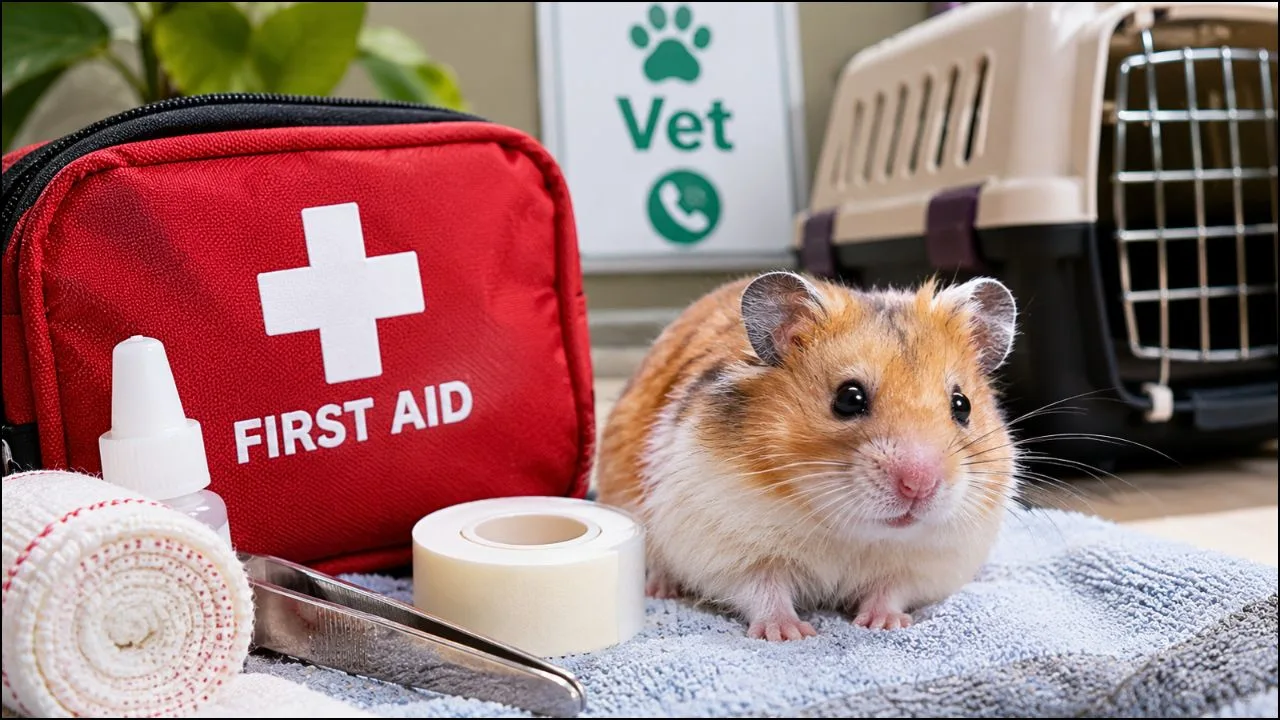
If your hamster becomes completely soaked, falls into deep water, or appears weak or unwell afterward, contact a veterinarian promptly.
The important distinction is that accidental water exposure is different from deliberately bathing your hamster.
Why Do Hamsters Generally Not Need Water Baths?
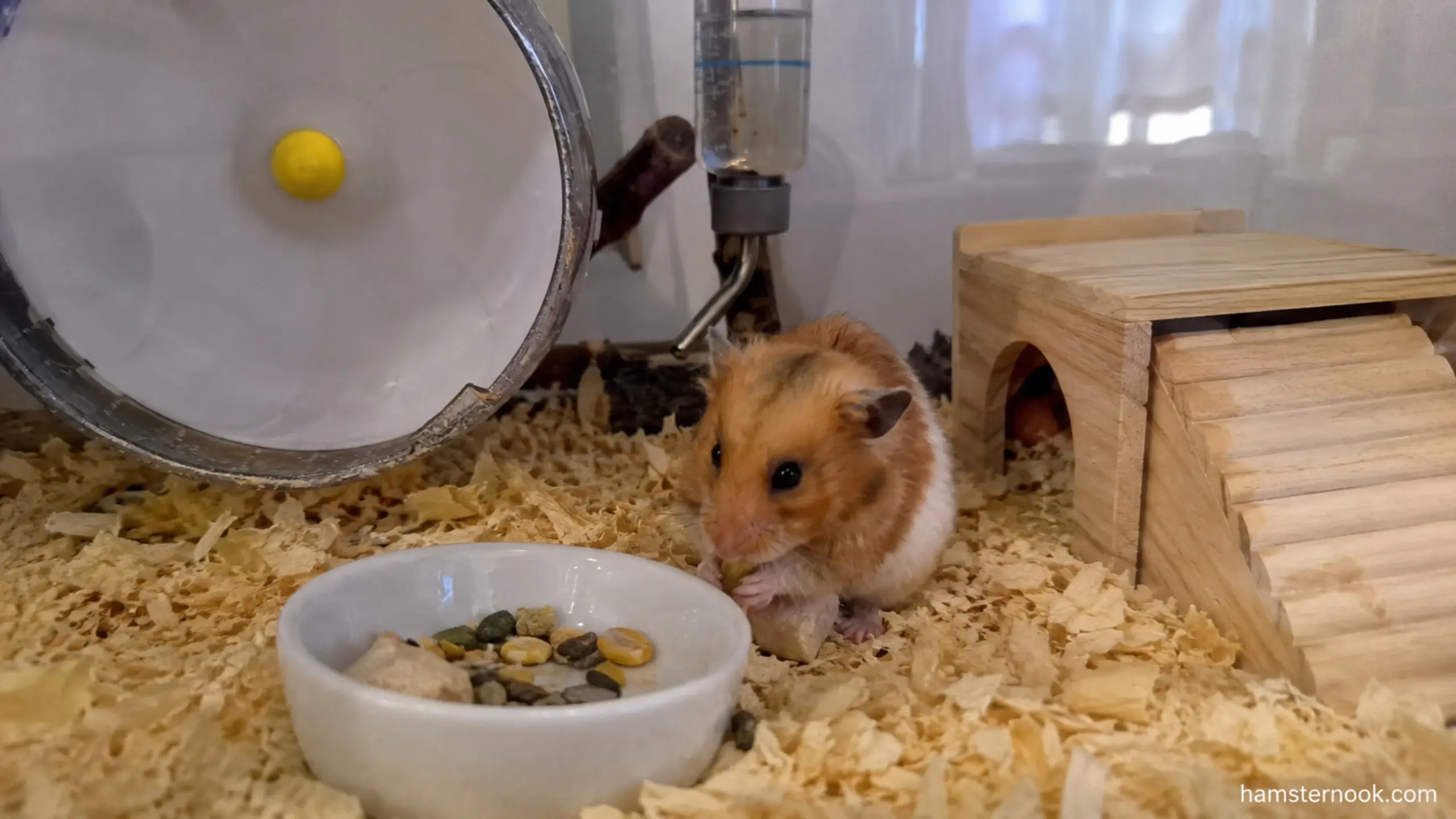
Hamsters are naturally capable of maintaining their coats through self-grooming. They regularly use their paws and mouths to clean their fur and remove small amounts of dirt and debris.

Adding routine water baths to their care isn’t necessary.
Natural grooming keeps their coats clean
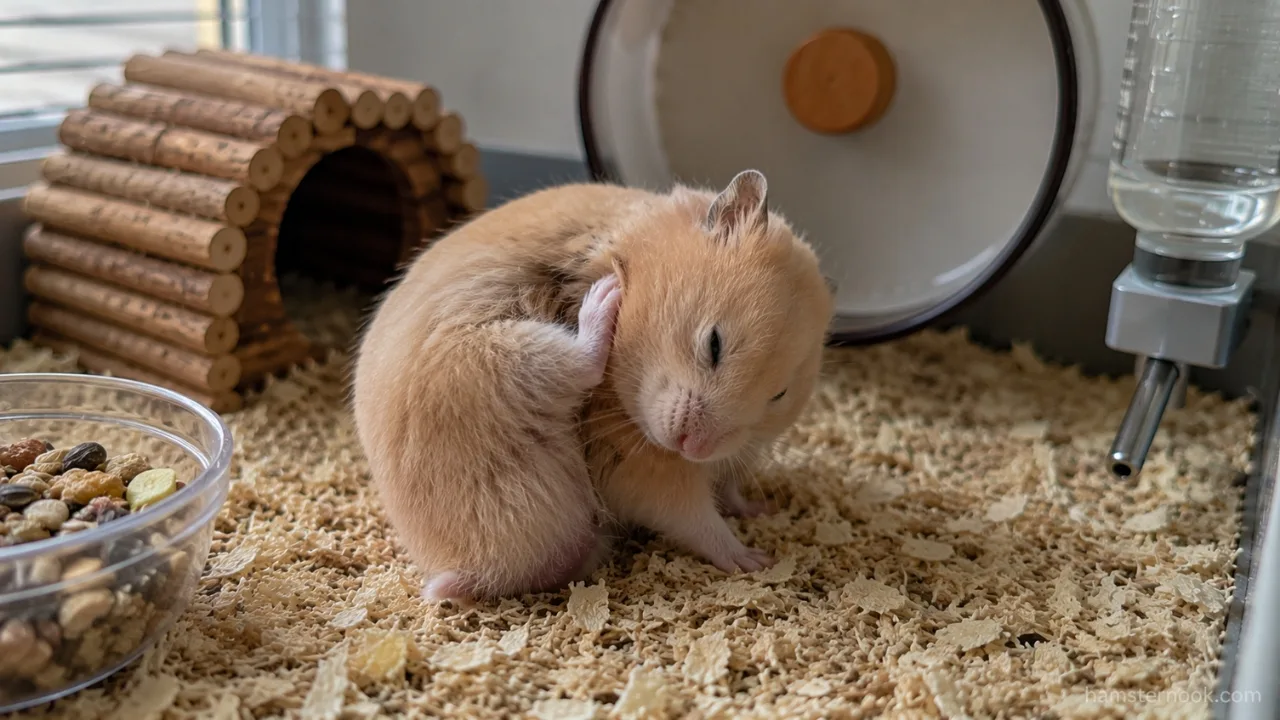
You may occasionally see your hamster sitting quietly and cleaning its face, rubbing its paws over its head, or working through its fur.
This is normal grooming behavior.
For most healthy hamsters, regular self-grooming is sufficient to keep their coats in reasonable condition.

The RSPCA explains that hamsters generally don’t require grooming beyond their own self-cleaning, although some long-haired varieties may need occasional brushing to remove debris and prevent mats.
Water and shampoo can interfere with the coat
A traditional bath can disturb the natural condition of a hamster’s coat and skin.
Shampoo and repeated washing may remove natural oils, while unnecessary handling and immersion can cause considerable stress.
A hamster also cannot simply be treated like a small dog or cat when it comes to bathing. Its size and grooming needs are different.
For this reason, water baths should not be part of an ordinary hamster-care routine.
What Happens If a Hamster Gets Wet?
The consequences depend on how much water reaches the hamster, how long the fur remains wet, the surrounding temperature, and the animal’s overall condition.
A few drops on the back are different from a hamster becoming completely soaked.
1. Wet fur can make temperature regulation more difficult
A hamster with soaked fur may have difficulty maintaining comfortable body warmth, particularly in a cool or drafty environment.
This is why it is sensible to remove excess water gently and avoid leaving a wet hamster in a damp enclosure.
Don’t use intense heat to warm your pet. A hair dryer, heating pad, or hot water bottle can create additional risks, including burns and overheating.
2. Water exposure can cause stress
Many hamsters are uncomfortable with unnecessary handling and unfamiliar experiences.
Being submerged, held under running water, or placed in a slippery container can be frightening.

Trying to force a hamster to tolerate a bath can make the experience even more stressful.
3. Wet bedding creates additional problems
Sometimes the hamster itself isn’t the only thing that gets wet.
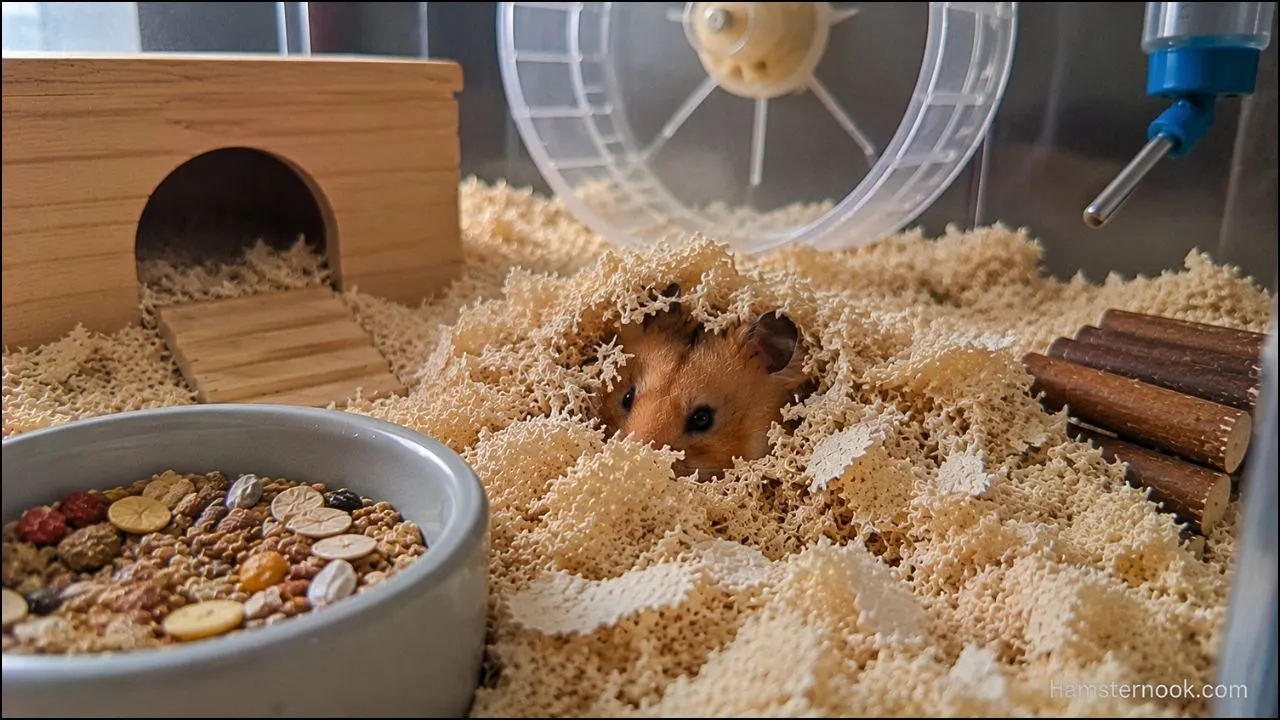
A leaking water bottle, spilled water bowl, or overturned container can soak the bedding and nesting material.
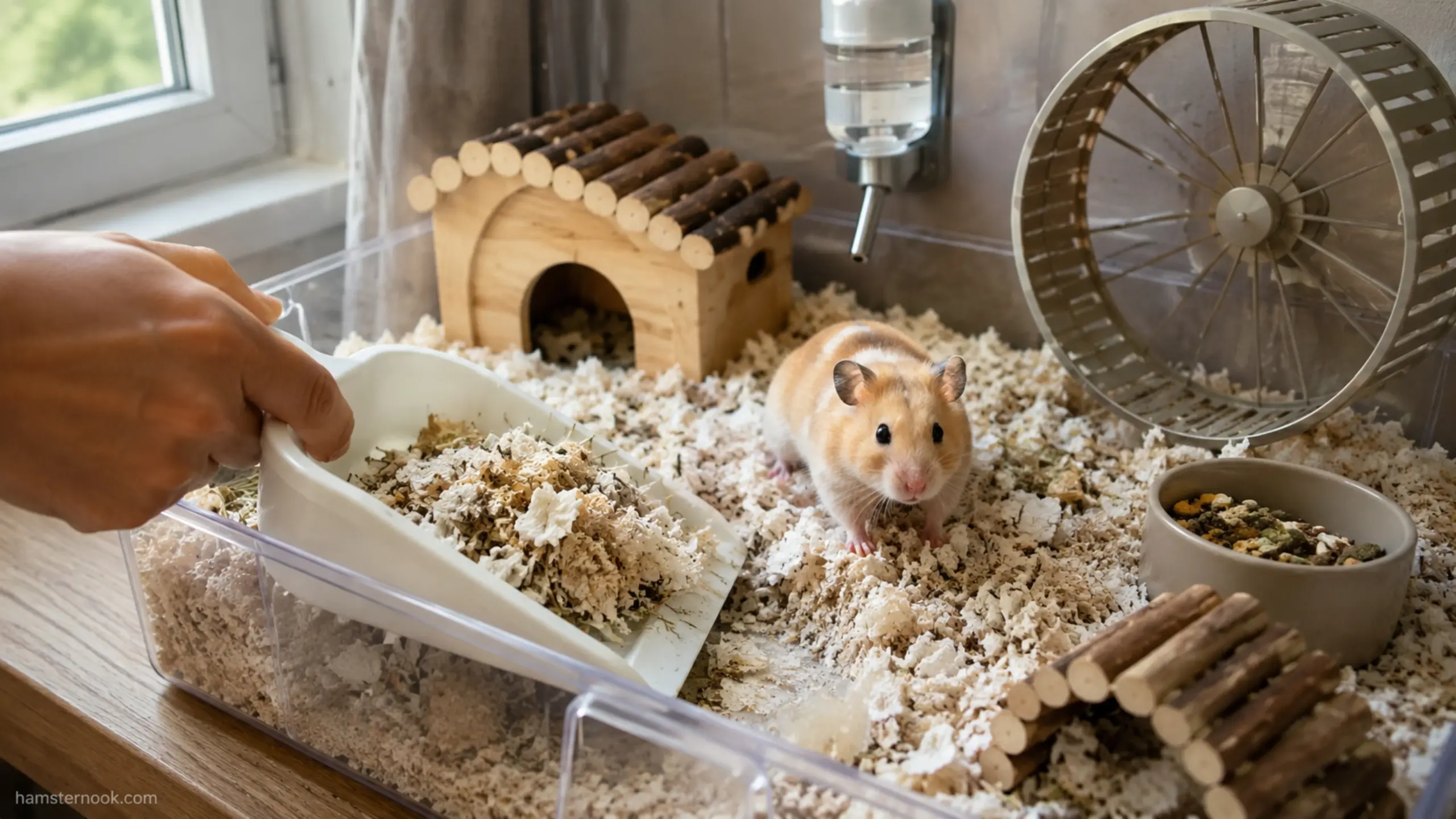
Damp bedding should be removed and replaced with clean, dry material. Hamsters need a clean, dry living environment, and their nesting area should not be allowed to become damp or smelly.

For a practical cleaning routine that helps maintain a clean enclosure, see How Often Should You Clean a Hamster Cage? Daily, Weekly & Deep Cleaning Guide.
4. Prolonged or extensive wetness needs attention
If your hamster has been soaked for a long time, fallen into deep water, or appears unusually weak afterward, don’t assume that drying the fur has resolved everything.
A veterinarian should assess concerning changes in behavior or physical condition.
Can Hamsters Swim?
Hamsters should not be placed in water to test whether they can swim.
Even if a hamster makes movements that look like paddling when placed in water, this does not mean swimming is safe or enjoyable for it.
Deep water creates a risk of drowning, and a frightened hamster may struggle to get out.
Avoid:
- Putting your hamster in a bathtub.
- Placing it in a sink filled with water.
- Using a swimming pool as an activity.
- Testing its ability to swim in a bowl or bucket.
- Allowing children to put the hamster in water for entertainment.
There is no benefit to teaching a pet hamster to swim. Keep water available for drinking, not recreation.
What to Do If Your Hamster Gets Wet Accidentally
If your hamster has accidentally become wet, the first step is to understand how much of its body is affected.
You don’t need to panic over a few drops, but you should take action to prevent prolonged wetness.
Situation 1: Only a few drops of water on the fur
If your hamster has a little water on its back, paws, or face:
- Approach calmly and avoid startling it.
- Use a soft, dry, lint-free cloth or paper towel.
- Gently blot the wet area.
- Avoid rubbing or pulling the fur.
- Allow your hamster to return to a comfortable, dry environment.
Do not use soap or shampoo for a few drops of water.

If water has entered the eyes, ears, or nose, or your hamster appears uncomfortable, seek veterinary advice rather than attempting to clean inside these areas.
Situation 2: Part of the body is wet
If the belly, legs, or a larger area of fur is wet:
- Carefully move your hamster away from the water source.
- Gently blot the wet fur with a clean, soft towel.
- Replace any wet bedding or nesting material.
- Keep the enclosure in a comfortable, draft-free location.
- Observe your hamster’s breathing, movement, appetite, and usual behavior.
Avoid repeatedly handling your hamster to check whether the fur is dry.
If the animal is very wet, seems cold, becomes unusually inactive, or behaves differently, contact a veterinarian promptly.
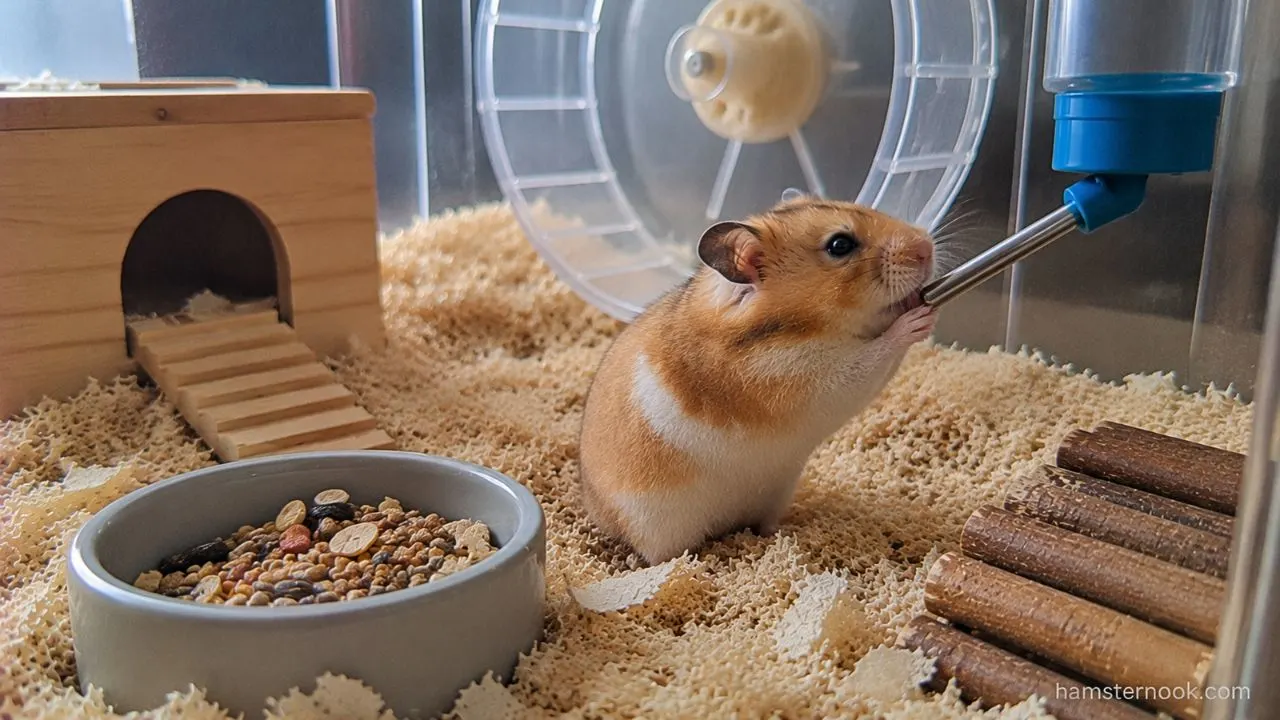
Situation 3: Your hamster is completely soaked
A completely soaked hamster needs more attention than one with a few damp spots.
Follow these precautions:
- Remove it from the source of water immediately.
- Gently absorb excess water using a clean, dry towel.
- Do not squeeze the body or rub aggressively.
- Keep it away from cold air and drafts.
- Do not use a hair dryer or direct heating equipment.
- Contact a veterinarian promptly for guidance.
If your hamster is struggling to breathe, collapsing, unresponsive, or extremely weak, seek emergency veterinary care immediately.
Don’t delay veterinary help while attempting to dry every part of the coat.
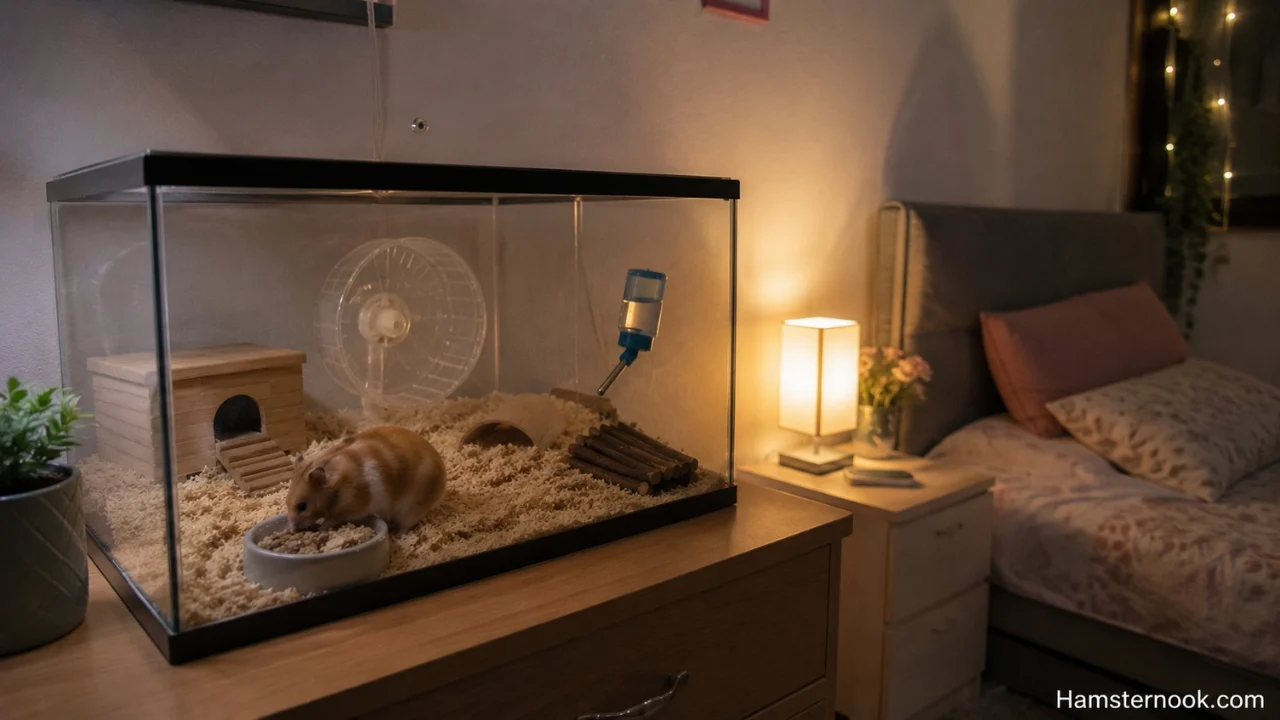
How to Dry a Wet Hamster Safely
Drying should be gentle. The objective is to absorb excess water without frightening, overheating, or injuring your pet.
Use a soft, dry towel
Choose a clean towel that doesn’t have loose threads or rough fibers.
Allow your hamster to sit on the towel if it is comfortable doing so. Gently blot the wet areas instead of rubbing the fur back and forth.
A plain, unscented paper towel can also work for absorbing a small amount of water.
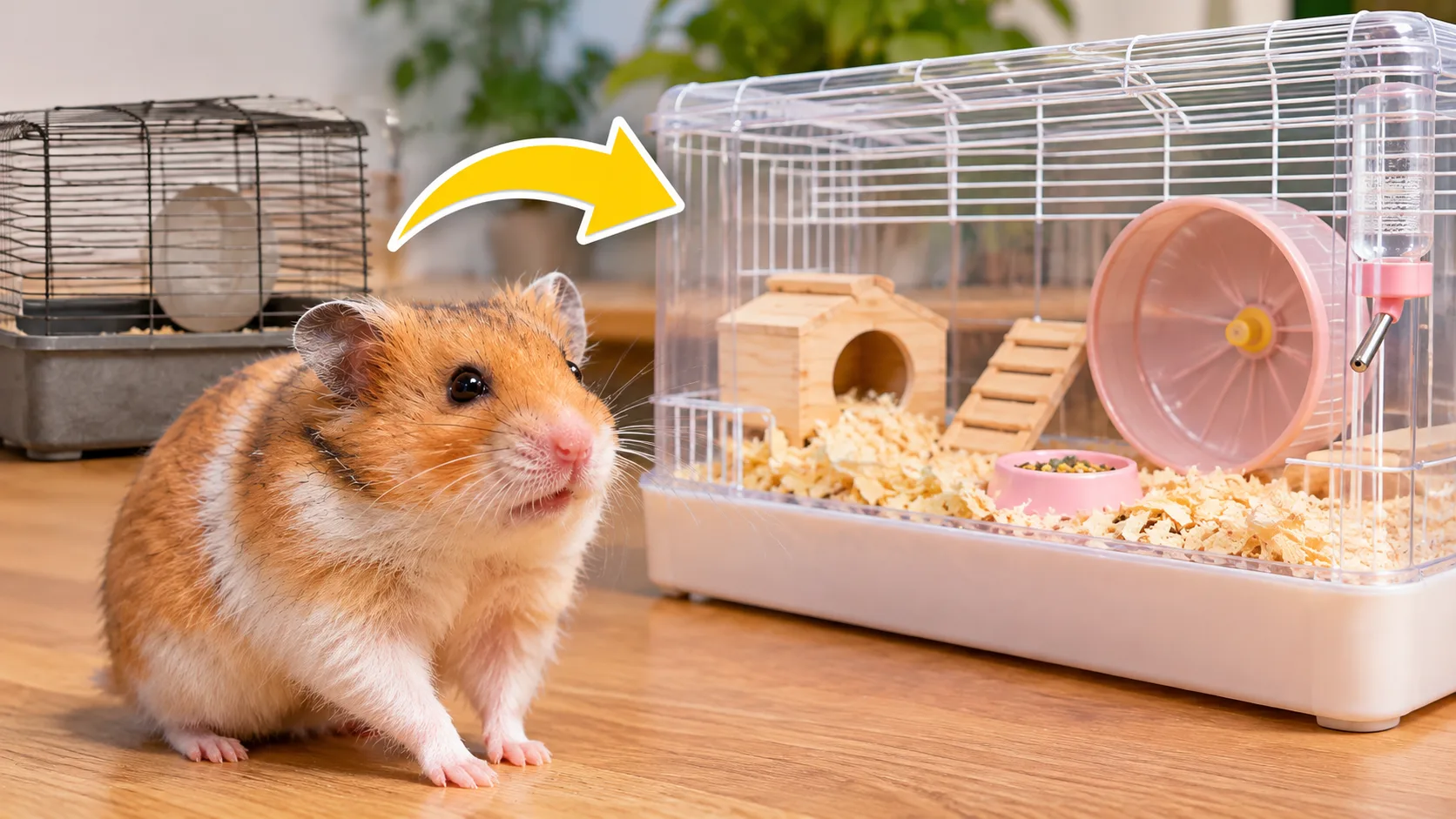
Keep the surroundings comfortable
Move the enclosure away from open windows, fans, air-conditioning drafts, or other cold airflow.
For more guidance on maintaining comfortable conditions, see Hamster Temperature: Safe Range, Too Hot & Too Cold.
Maintain the hamster’s normal comfortable room environment rather than trying to warm it rapidly.
Replace wet bedding
If the bedding has become soaked, remove the affected material.
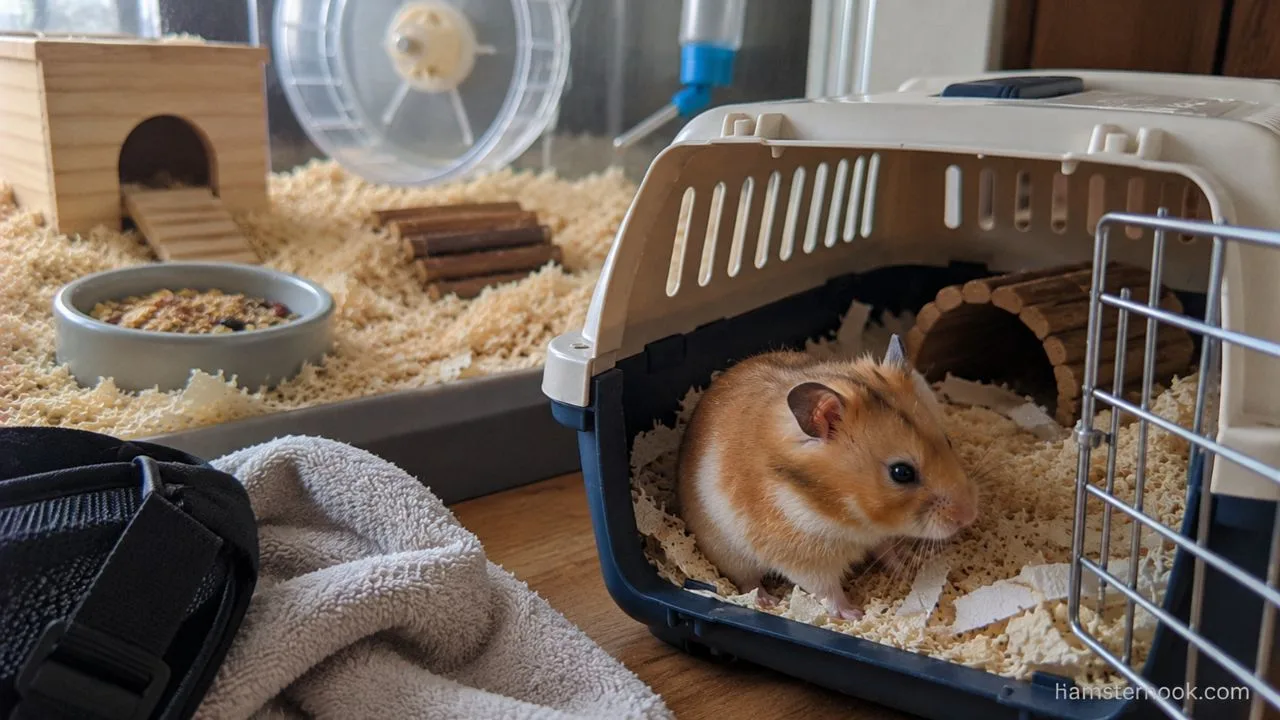
Add fresh, dry bedding and some clean nesting material. You can retain a portion of the original unsoiled nesting material to preserve familiar smells.
If you need help choosing suitable replacement material, read Best Hamster Bedding: Safest Types, Depth, Burrowing & What to Avoid.
Check the sleeping area, hideout, and any food-storage spots that may have become wet.
Let your hamster settle
After gentle drying, give your hamster some quiet time.

Avoid unnecessary handling, bathing, brushing, or repeated disturbance.
Observe whether it returns to its normal activity when awake.
Should You Use a Hair Dryer to Dry a Hamster?
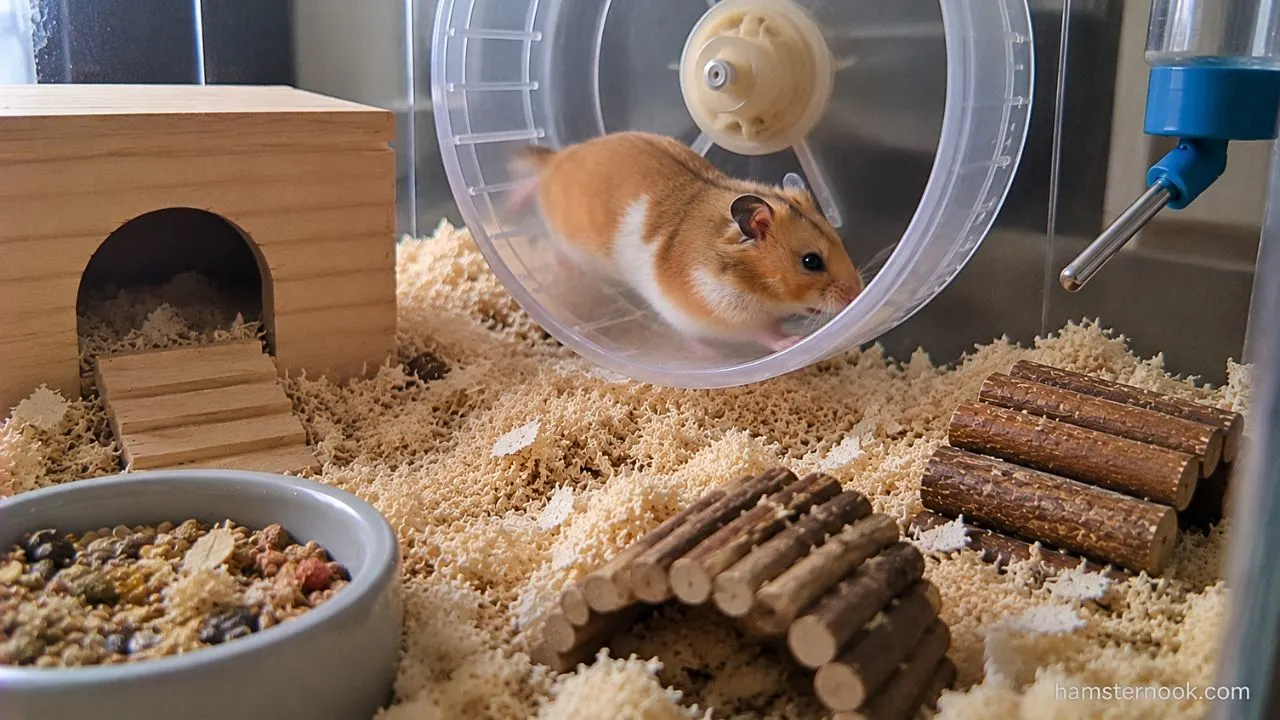
No. A household hair dryer is not a recommended way to dry a wet hamster.
Hair dryers can produce concentrated hot airflow and noise. A small animal can be exposed to excessive heat or frightened by the sound and movement.
Also avoid:
- Heat guns.
- Heated blankets.
- Direct sunlight as a drying method.
- Hot water bottles placed against the hamster.
- Radiators and space heaters positioned close to the enclosure.
Gentle towel blotting and a comfortable environment are safer first steps.
If the hamster is soaked or cannot stay warm, veterinary guidance is more appropriate than experimenting with household heating methods.
Can You Give a Hamster a Bath With Water and Shampoo?
Routine water baths are not recommended.

Even products marketed as gentle or natural may not be appropriate for hamster skin and fur.
Human shampoo, baby shampoo, dog shampoo, and cat shampoo should not be used unless a veterinarian specifically recommends an appropriate product for your hamster.
A veterinarian may occasionally recommend a particular cleaning method when an animal has significant contamination or cannot groom itself properly.
In those circumstances, follow the veterinarian’s instructions rather than choosing a bathing product yourself.

What Is the Safest Way to Clean a Dirty Hamster?
Not every dirty hamster needs a full bath.
The cleaning method should depend on what has made the fur dirty and how much of the body is affected.
| Situation | Appropriate approach |
|---|---|
| A few dry bedding particles | Allow normal grooming or gently remove accessible debris. |
| Small amount of surface dirt | Ask whether gentle spot-cleaning is appropriate; avoid unnecessary soaking. |
| A small damp patch | Gently blot with a clean, dry cloth. |
| Sticky or unknown substance | Contact a veterinarian before attempting removal. |
| Chemical contamination | Seek immediate veterinary guidance and provide the product details. |
| Persistent dirty or matted fur | Arrange veterinary assessment to identify the underlying reason. |
| Long-haired hamster with loose debris | Gentle brushing with an appropriate soft grooming tool may help. |
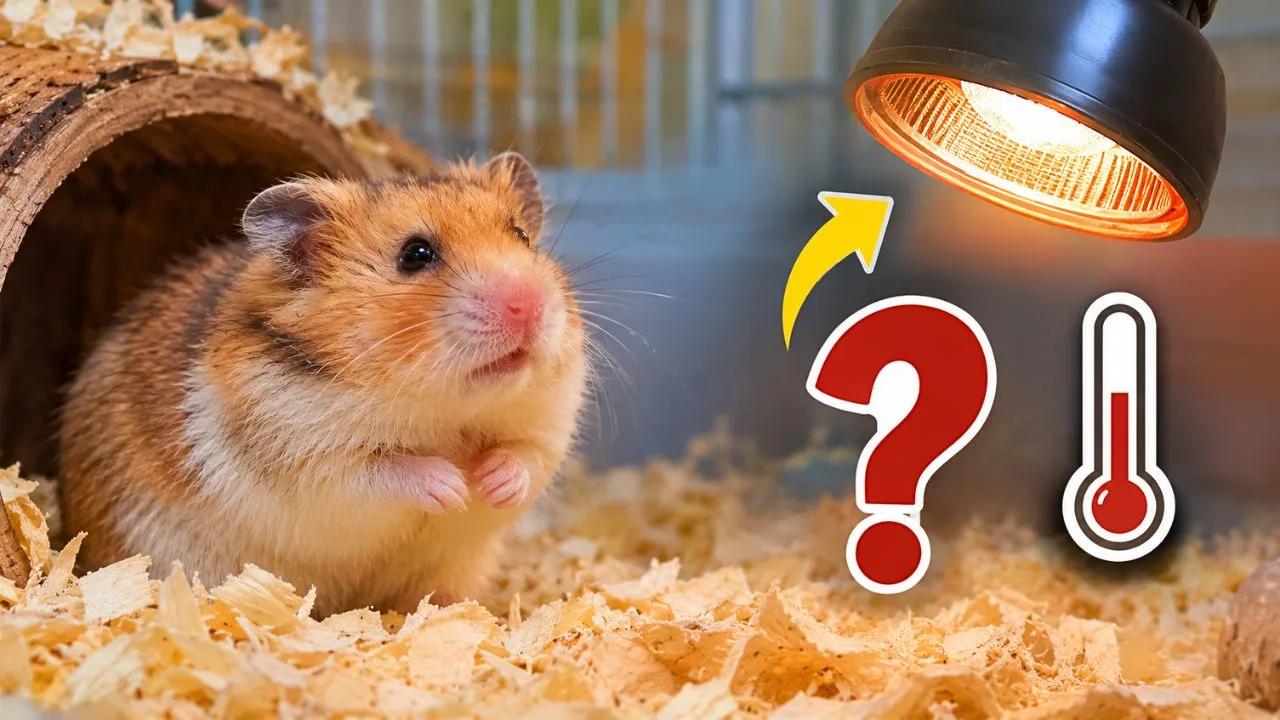
Can you use a damp cloth?
A slightly damp cloth may sometimes be useful for removing localized dirt, but it should not become a substitute for a full bath.
If you are unsure whether the substance is safe to remove at home, ask a veterinarian first.
Never pull at matted fur or use scissors close to your hamster’s skin.
If the dirt is stuck to the skin, contains chemicals, or covers a large area, professional guidance is the safer choice.
Are Sand Baths Better Than Water Baths for Hamsters?
Yes. A suitable sand bath is generally a better grooming option for hamsters than a traditional water bath.
For guidance on choosing suitable bathing material and introducing it safely, read Can Hamsters Have a Sand Bath? Benefits, Safety & How to Offer One.
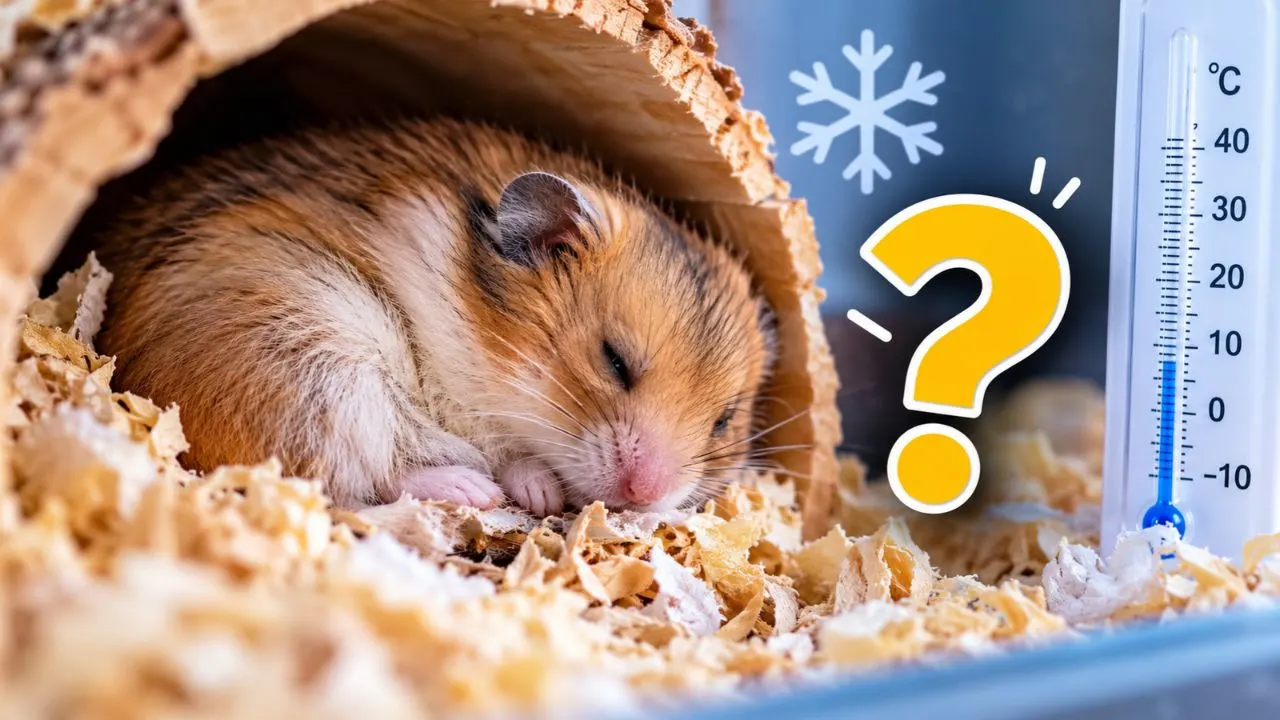
Hamsters can roll, dig, and move around in bathing sand as part of their grooming and enrichment activities.
A sand bath helps remove excess dirt and oil from the coat without requiring the hamster to be submerged in water.
What type of sand should you use?
Choose a commercially prepared bathing sand specifically suitable for hamsters.
Keep these points in mind:
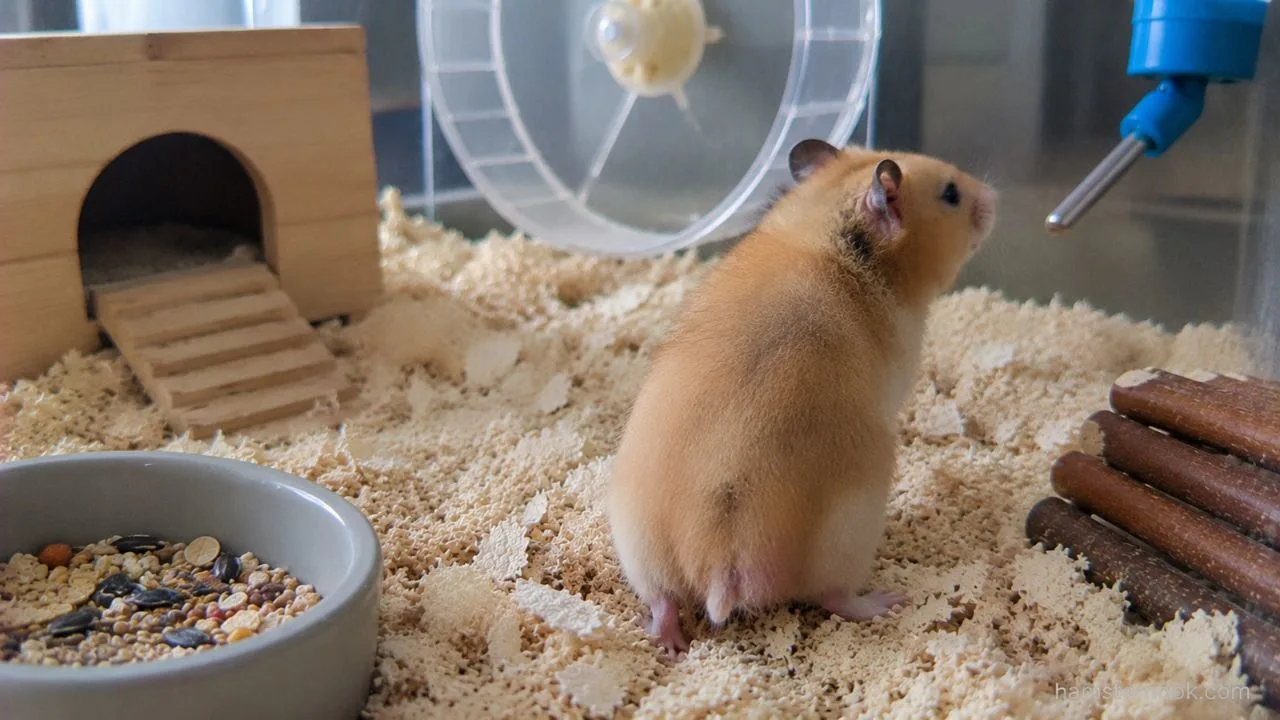
- Use clean, low-dust bathing sand.
- Avoid very fine chinchilla dust.
- Do not use construction sand or sand collected outdoors.
- Avoid scented or chemically treated products.
- Replace sand when it becomes soiled.
Dusty products can irritate the eyes and respiratory system, so choosing an appropriate bathing material matters.
How to introduce a sand bath
- Choose a stable, shallow container.
- Add a suitable layer of bathing sand.
- Place it in your hamster’s enclosure.
- Allow your hamster to explore it voluntarily.
- Remove soiled sand and keep the container clean.
Some hamsters use sand baths regularly, while others show less interest. Never force your hamster to roll in the sand.
Important: A sand bath is for normal grooming. It is not a treatment for wet fur, chemical contamination, parasites, or skin disease.
Why Does My Hamster Smell Bad or Have Dirty Fur?
If your hamster smells unpleasant or frequently has dirty fur, giving it a water bath may not solve the underlying problem.
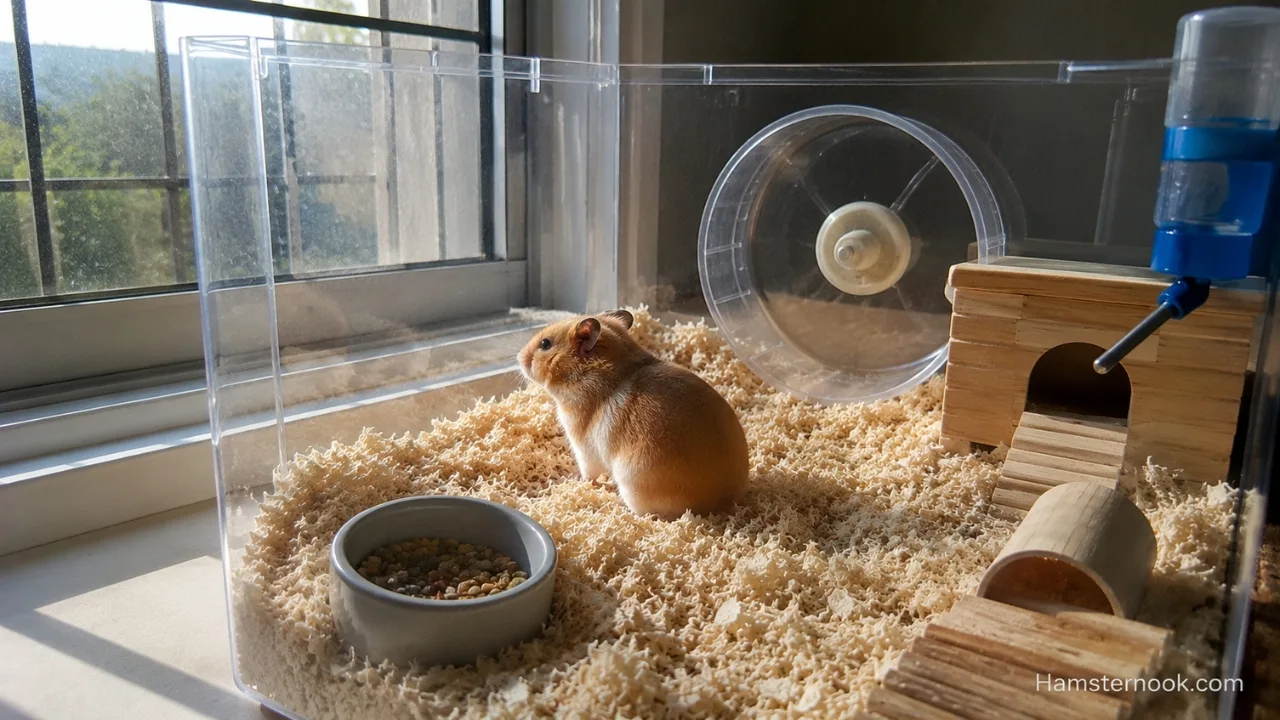
Changes in coat condition can also be worth investigating; see Why Is My Hamsters Fur Looking Greasy? Causes, Warning Signs & What to Do for related guidance.
First, consider where the smell or dirt is coming from.
1. Dirty enclosure
Wet or soiled bedding can create unpleasant odors.
Check:
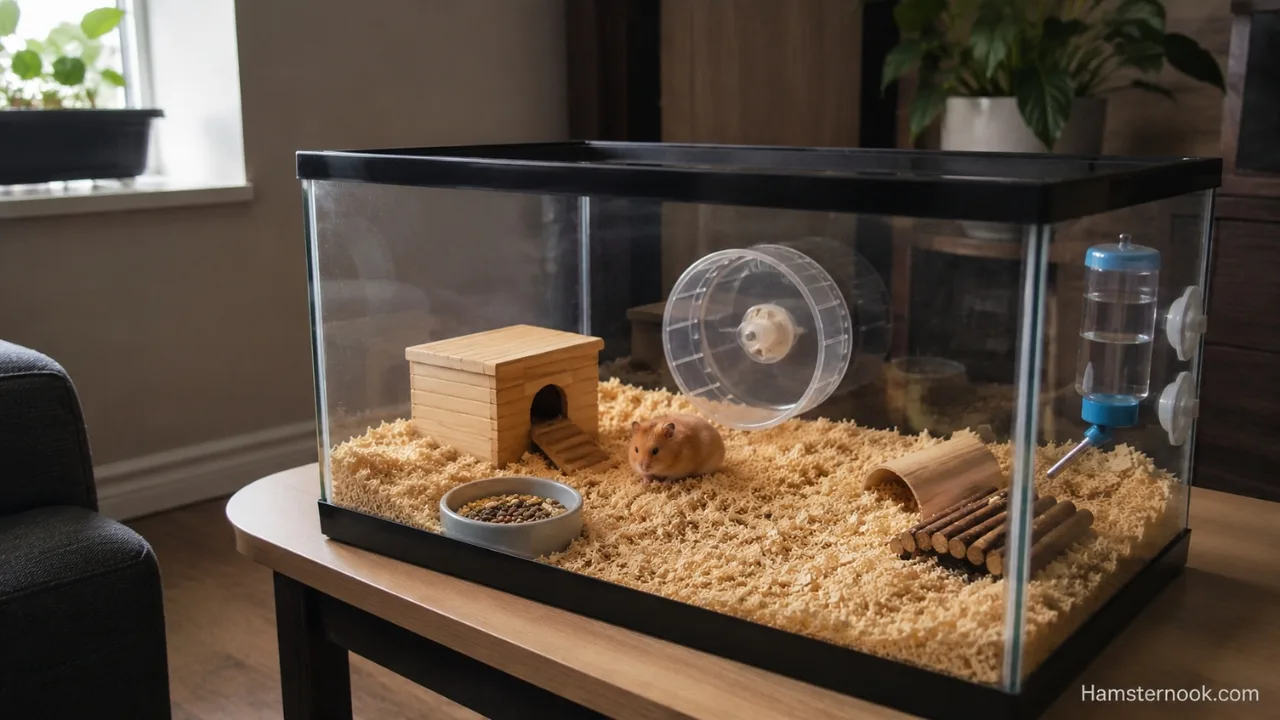
- The toilet area.
- Corners where urine collects.
- The sleeping area.
- Hidden food-storage spots.
- Areas around the water bottle.
Remove wet or spoiled material and replace it with clean, dry bedding.
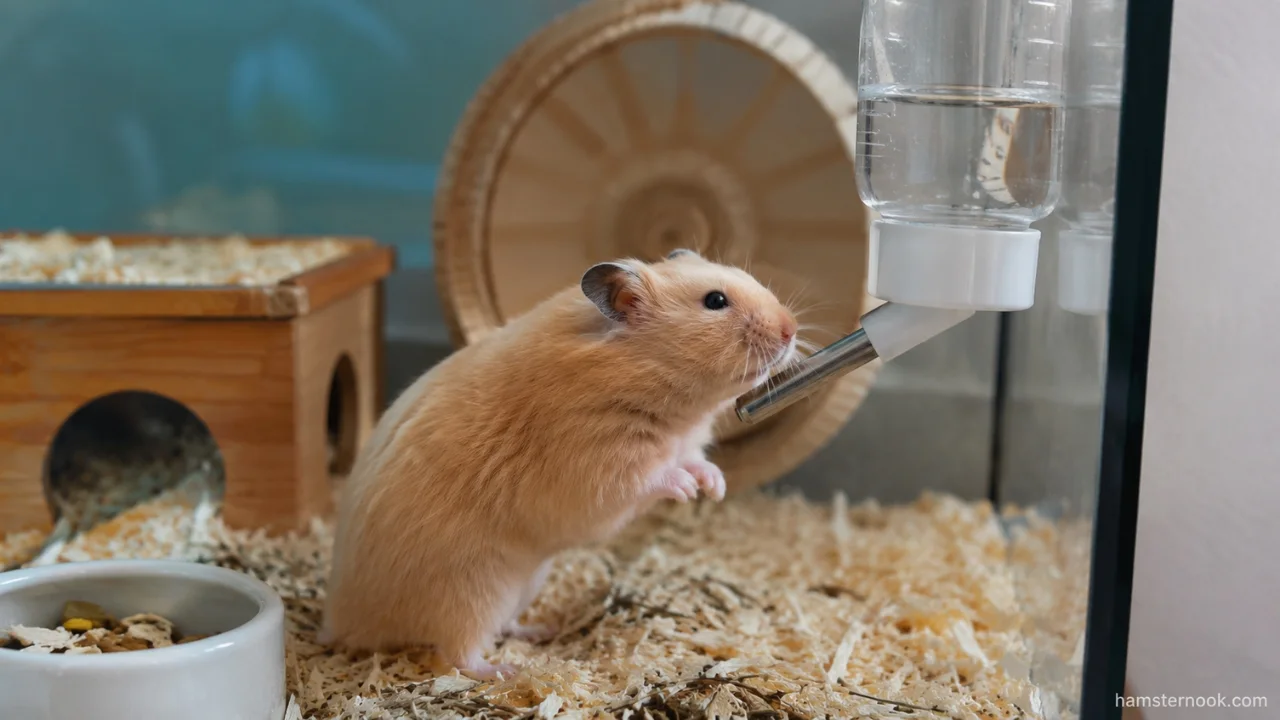
2. Leaking water bottle
A leaking bottle can create a damp patch beneath the drinking area.
Check the bottle and nozzle regularly. Make sure the bedding underneath stays dry.
3. Food stuck in the fur
Fresh or sticky food may occasionally become trapped in a hamster’s coat.
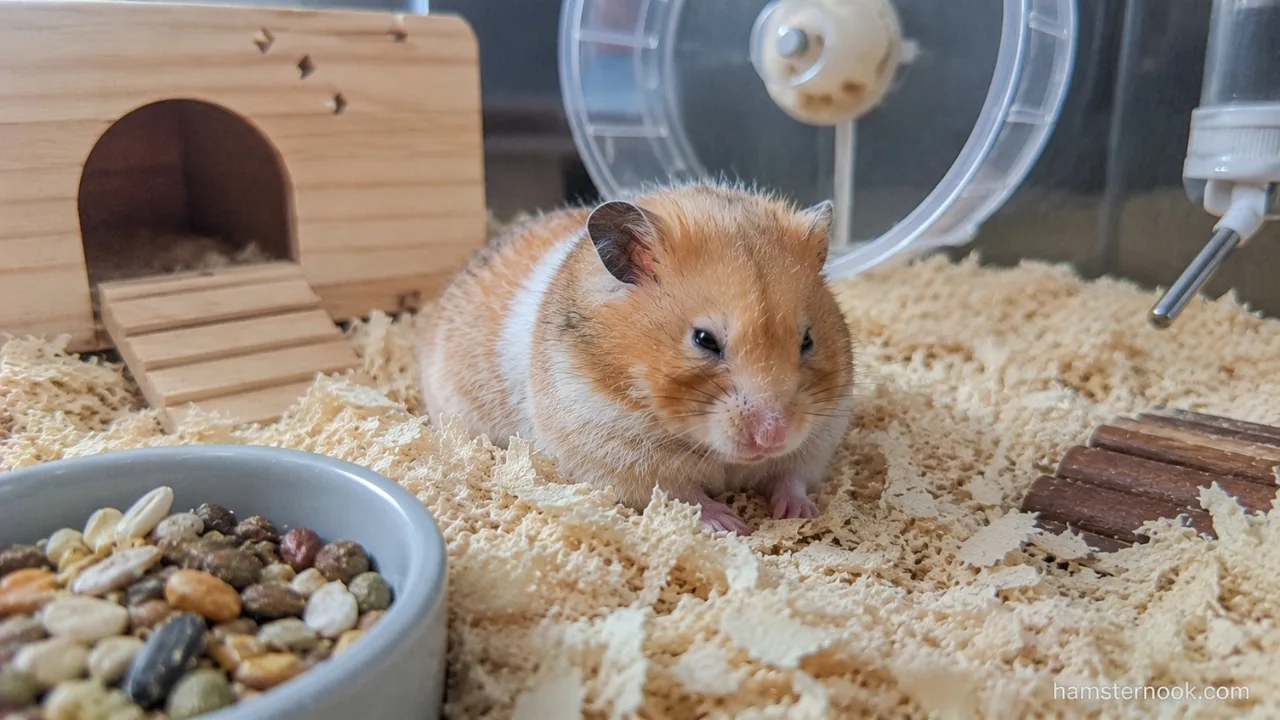
Avoid pulling at it or immediately reaching for shampoo. Check whether it can be removed safely without disturbing the skin, and ask a veterinarian if it is difficult to remove.
4. Difficulty grooming
An older, unwell, or long-haired hamster may sometimes struggle to keep its coat clean.
If the fur repeatedly becomes dirty or tangled, don’t assume that the hamster simply needs more baths.
A veterinarian can assess whether an underlying health or mobility problem is affecting normal grooming.

Warning Signs After Water Exposure
Most important is to watch how your hamster behaves after becoming wet.
A little moisture on the fur without any change in normal behavior is different from extensive water exposure followed by weakness or abnormal breathing.
Look out for:
- Unusual inactivity.
- Weakness or difficulty moving.
- Trembling or persistent shivering.
- Abnormal or labored breathing.
- Loss of normal coordination.
- Unresponsiveness.
- A noticeable change in appetite or drinking.
These signs do not establish that water exposure caused an illness, but they should not be ignored.
When should you contact a veterinarian?
Contact a veterinarian promptly if:
- Your hamster became completely soaked.
- It fell into deep water or may have inhaled water.
- It seems unusually cold or weak.
- It is not behaving normally after drying.
- You notice persistent changes in breathing.
- A chemical, cleaning product, or unknown substance has contaminated its fur.
Difficulty breathing, collapse, or unresponsiveness requires emergency veterinary attention.
Do not attempt to treat these problems with additional bathing, forced feeding, or home medication.
What About Wet Tail Disease?
A wet hamster’s fur and the disease commonly called wet tail are two different issues.
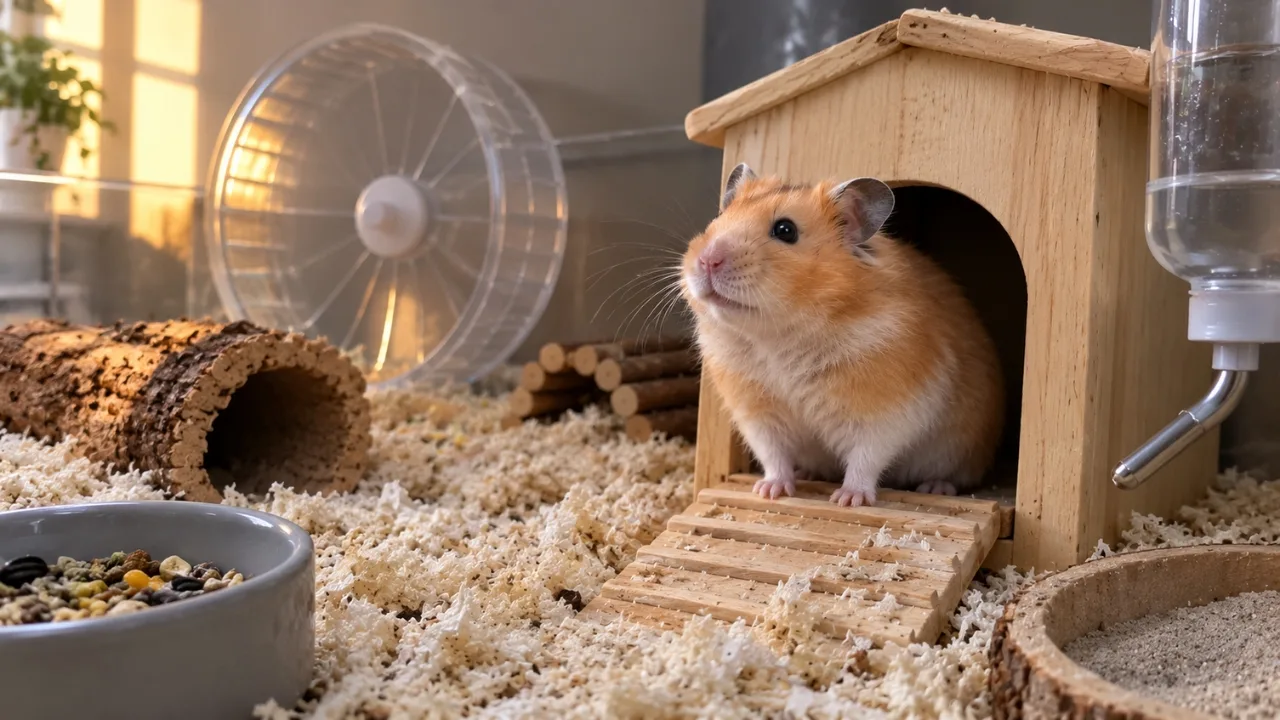
Can Hamsters Get Wet? is about external water exposure, damp fur, bathing, and safe cleaning.
Wet tail disease is a separate health topic involving serious gastrointestinal illness. A wet coat alone does not establish that a hamster has this disease.
For a closer look at this separate condition, including its symptoms and veterinary care, see Wet Tail in Hamsters: Symptoms, Causes, Treatment & When to See a Vet.
If your hamster develops diarrhea, a soiled rear end, reduced appetite, or unusual lethargy, seek veterinary advice rather than assuming the problem is simply external moisture.
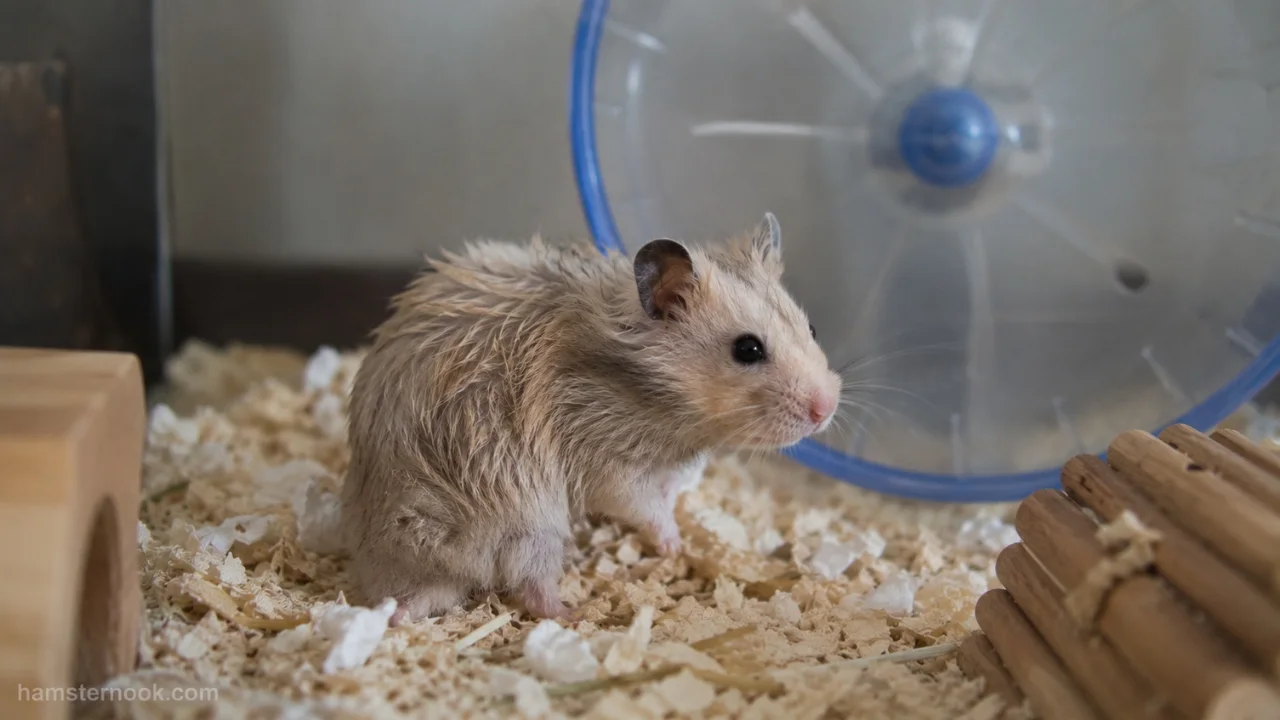
For a detailed explanation of the disease, consult a veterinarian and use a dedicated wet tail health guide.
Common Mistakes Owners Make When a Hamster Gets Wet
1. Giving another bath to remove the water
Some owners assume that if a hamster gets dirty, a full bath will make it cleaner.
Additional water exposure can make the situation worse. Blot the wet area gently instead.
2. Using human shampoo
Human shampoo is not automatically safe for hamsters. Avoid using it without veterinary instructions.
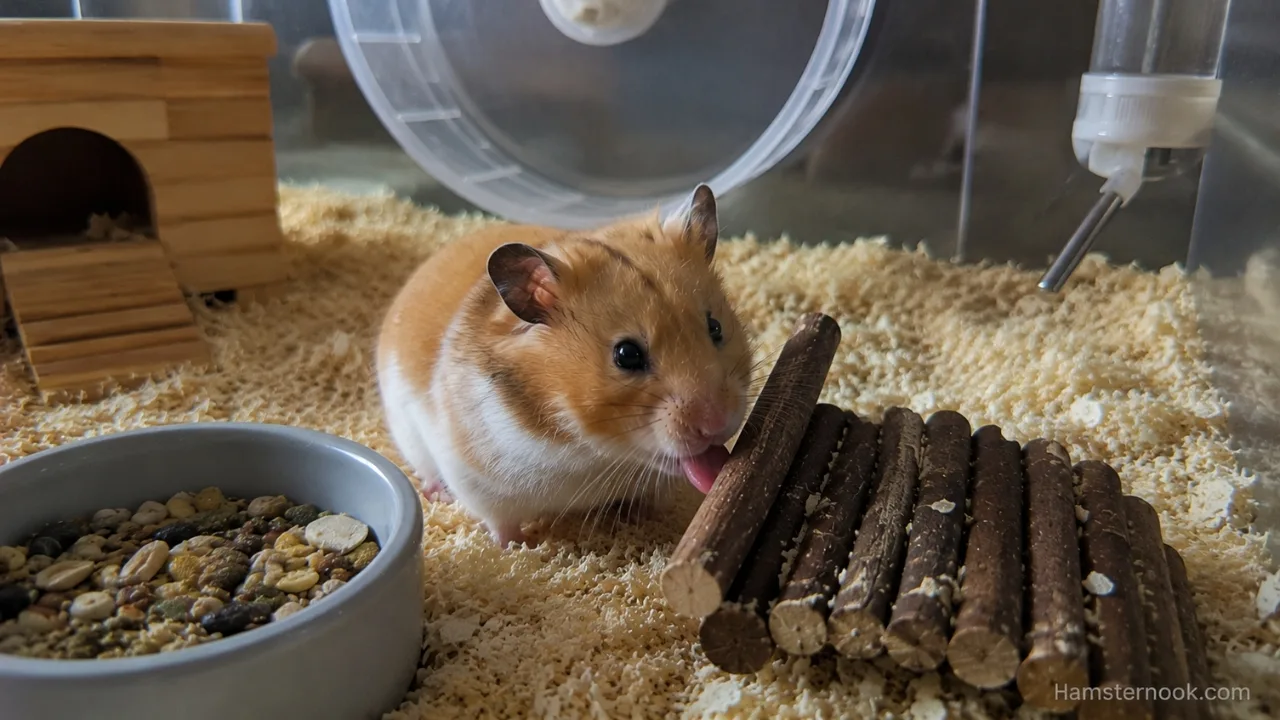
3. Rubbing the fur aggressively
Hard rubbing can frighten your hamster and potentially irritate its skin.
Use gentle blotting instead.
4. Using a hair dryer
Direct hot airflow can create a risk of overheating and burns. Avoid using household hair dryers.
5. Leaving wet bedding inside the enclosure
Even if your hamster’s fur is dry, damp nesting material can remain a problem.
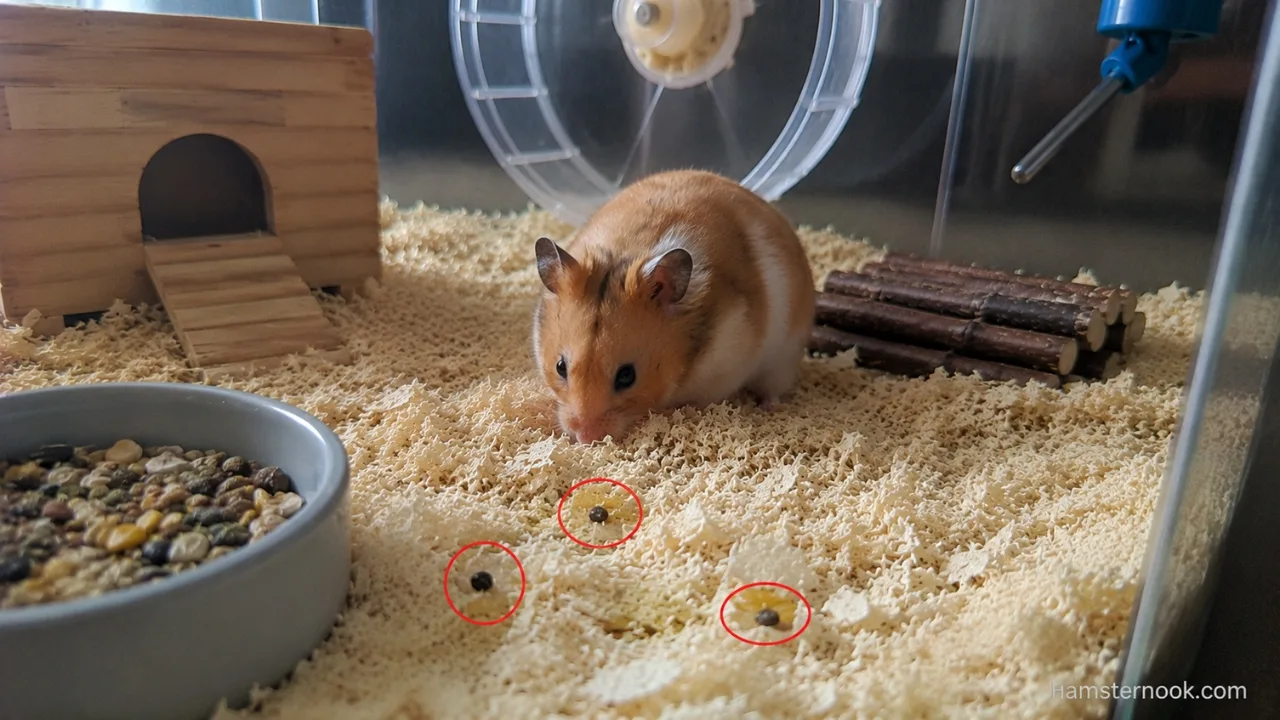
Replace wet bedding and check the surrounding area for leaks.
6. Assuming every dirty hamster needs a bath
Hamsters naturally groom themselves. Repeated bathing is not a solution for every grooming problem.
Identify why the fur is dirty before deciding what to do.
7. Ignoring unusual behavior after soaking
A hamster that becomes weak, unusually inactive, or develops breathing difficulties needs veterinary attention. Don’t dismiss these changes as ordinary tiredness.
What You Should Do: A Simple Water-Safety Checklist
If your hamster gets wet, use this practical checklist:
- Remove your hamster from the water source.
- Check how much of its body is wet.
- Gently blot excess moisture with a clean, dry towel.
- Avoid shampoo, soap, and household hair dryers.
- Replace wet bedding and nesting material.
- Keep the enclosure in a comfortable, draft-free environment.
- Allow your hamster to rest without unnecessary handling.
- Monitor its normal movement, breathing, appetite, and behavior.
- Contact a veterinarian if the hamster is soaked or shows concerning changes.
For everyday prevention, keep water bottles secure, check for leaks, and make sure your hamster’s sleeping area stays dry.
Final Thoughts
Can hamsters get wet? Yes, accidental water exposure can happen, but that doesn’t mean hamsters should be given regular water baths.
Healthy hamsters generally keep themselves clean through natural grooming, and suitable bathing sand provides an alternative for normal coat maintenance.

If your hamster gets a few drops of water on its fur, gently blot the area and make sure its surroundings remain dry and comfortable. If it becomes soaked, appears weak, or develops breathing difficulties, contact a veterinarian rather than relying on home remedies.
The best approach is simple: prevent unnecessary water exposure, maintain a clean and dry enclosure, and let your hamster follow its natural grooming routine.
Frequently Asked Questions
1. Can hamsters get wet from water?
Yes. Hamsters can accidentally get wet from spilled water, leaking bottles, or contact with damp surfaces. A few drops are different from becoming completely soaked. Gently blot small wet areas and monitor your hamster.
2. Can I give my hamster a bath with water?
Routine water baths are not recommended. Hamsters generally clean themselves, and unnecessary bathing can cause stress and interfere with the natural condition of their coat. Only use a water bath if a veterinarian specifically recommends it.
3. What happens if my hamster falls into water?
Remove your hamster from the water immediately. Gently absorb excess moisture with a dry towel and contact a veterinarian, particularly if it was submerged, became soaked, or shows unusual behavior. Difficulty breathing or collapse requires emergency veterinary care.
4. Can hamsters swim in a bathtub?
No. Never put your hamster in a bathtub for swimming or entertainment. Deep water creates a drowning risk, and the experience can cause considerable stress.
5. Can I dry my hamster with a hair dryer?
No. Household hair dryers can expose hamsters to excessive heat and frightening noise. Use gentle towel blotting and maintain a comfortable, draft-free environment instead.
6. Can hamsters clean themselves without water?
Yes. Hamsters naturally groom their coats using their paws and mouths. Most healthy hamsters do not require traditional baths to stay clean.

7. Are sand baths safe for hamsters?
A suitable, low-dust bathing sand can support natural grooming and enrichment. Avoid fine dust products, scented materials, and ordinary outdoor sand. Keep the bathing container clean and replace soiled sand.
8. What should I do if my hamster’s fur is sticky?
Don’t immediately wash the hamster with shampoo. Identify what has made the fur sticky. If the substance is unknown, potentially toxic, or difficult to remove, contact a veterinarian before attempting to clean it.
9. Can a hamster get sick from being wet?
Extensive or prolonged wetness can create problems, particularly if the hamster becomes chilled or stressed. However, a little accidental moisture does not automatically mean your hamster will become ill. Monitor its condition and seek veterinary advice if anything seems abnormal.
10. Why is my hamster wet even though I haven’t bathed it?
Possible explanations include a leaking water bottle, spilled drinking water, damp bedding, or contact with wet surfaces. Check the enclosure, especially around the water source and sleeping area. If the fur repeatedly becomes wet without an obvious explanation, arrange a veterinary examination.
11. Can I use baby wipes to clean my hamster?
Avoid using ordinary baby wipes. They may contain fragrances, preservatives, or other ingredients that are unsuitable for hamster skin and may be ingested during grooming. Ask a veterinarian about an appropriate cleaning method if your hamster needs help.
12. Do Syrian and dwarf hamsters need different bathing methods?
No. Both Syrian and dwarf hamsters generally groom themselves and do not need routine water baths. Both can benefit from appropriate bathing sand, provided the product and setup are suitable.
References
This guide is based on hamster grooming, coat maintenance, hygiene, bathing, and general health guidance from trusted veterinary and animal welfare resources, including:
- RSPCA – Hamster Health and Welfare – Guidance on natural grooming, long-haired hamster coat maintenance, handling, and recognizing signs of illness.
- RSPCA – Creating a Good Home for Hamsters – Guidance on maintaining clean, dry bedding, nesting areas, and a suitable enclosure environment.
- PetMD – How to Give Your Hamster a Bath – Veterinary-authored guidance on why routine water baths are generally unnecessary, safe spot-cleaning, sand baths, and situations requiring veterinary-directed bathing.
- PetMD – How to Care for Your Hamster – Veterinary guidance on hamster grooming, sand baths, handling, and general care.
- RSPCA – What to Feed Your Pet Hamster – Guidance on providing clean drinking water, checking water bottles for leaks, and maintaining appropriate daily care.
Medical Disclaimer
This article provides general hamster-care information and is not a substitute for professional veterinary advice. Extensive water exposure, suspected water inhalation, abnormal breathing, weakness, or other concerning symptoms require veterinary assessment. Do not attempt home treatments or administer medication without veterinary guidance.

Narayan Kumar is the founder and author of HamsterNook. He creates practical, research-based hamster care guides covering hamster behavior, nutrition, cage setup, enrichment, health, and everyday care. His goal is to help hamster owners make informed decisions and provide safer, healthier lives for their pets through clear, beginner-friendly information based on trusted animal care resources.