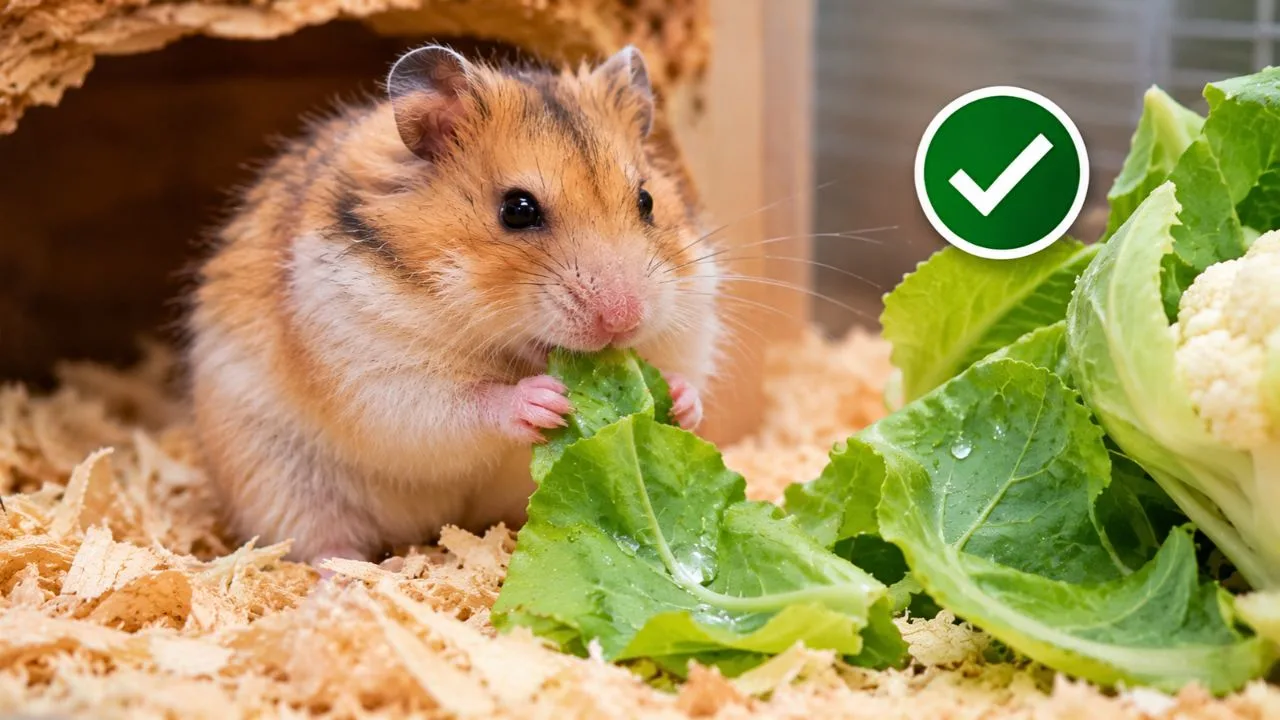
Cauliflower is a familiar vegetable in many kitchens, and its leaves are often discarded during food preparation. If you have a hamster, you might wonder whether those green leaves can become a healthy snack instead of going into the trash. The answer needs a little care: cauliflower itself is listed among suitable hamster vegetables, but guidance specifically about its leaves is less consistent. Here’s how to make a safe feeding decision.
Quick Answer: Can Hamsters Eat Cauliflower Leaves?
It’s best to avoid feeding cauliflower leaves to hamsters. Although cauliflower florets and other parts of the vegetable are listed as suitable in some hamster-feeding guides, Woodgreen Pets Charity specifically advises against feeding the leaves.
There isn’t enough consistent hamster-specific guidance to recommend a safe portion of cauliflower leaves confidently.
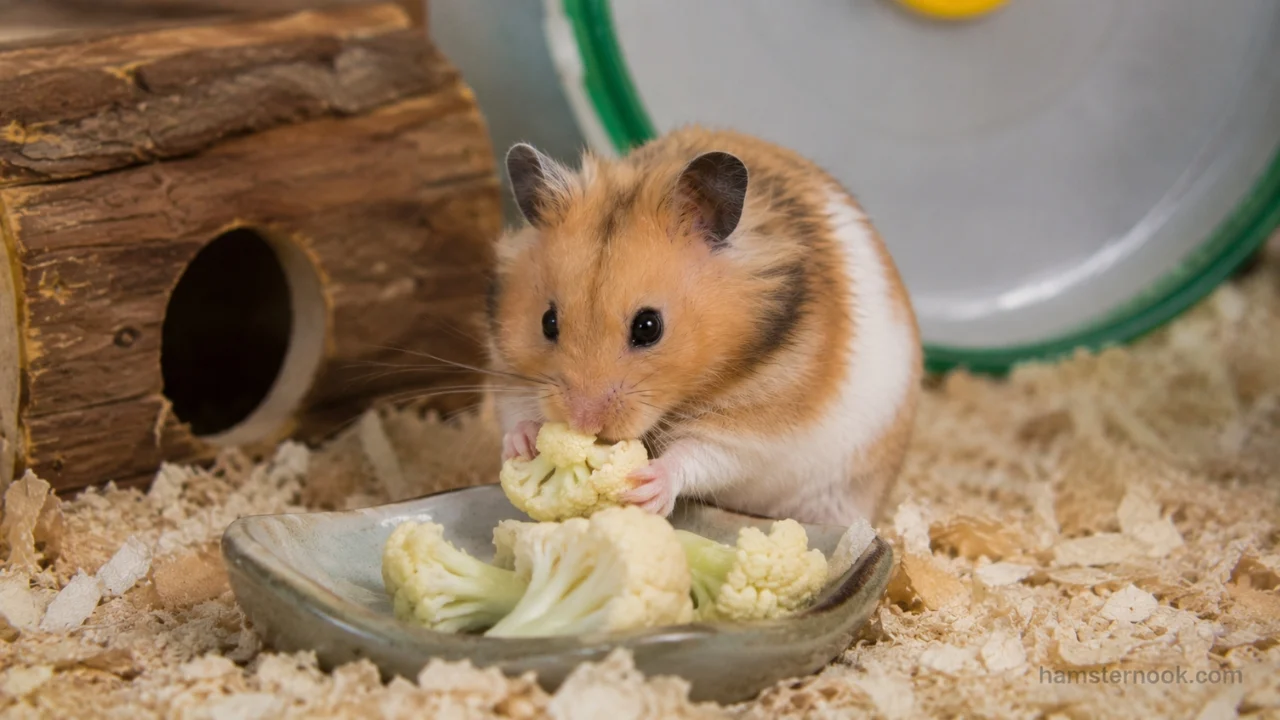
If you want to offer cauliflower, choose a small piece of the plain floret instead, wash it thoroughly, and introduce it gradually.
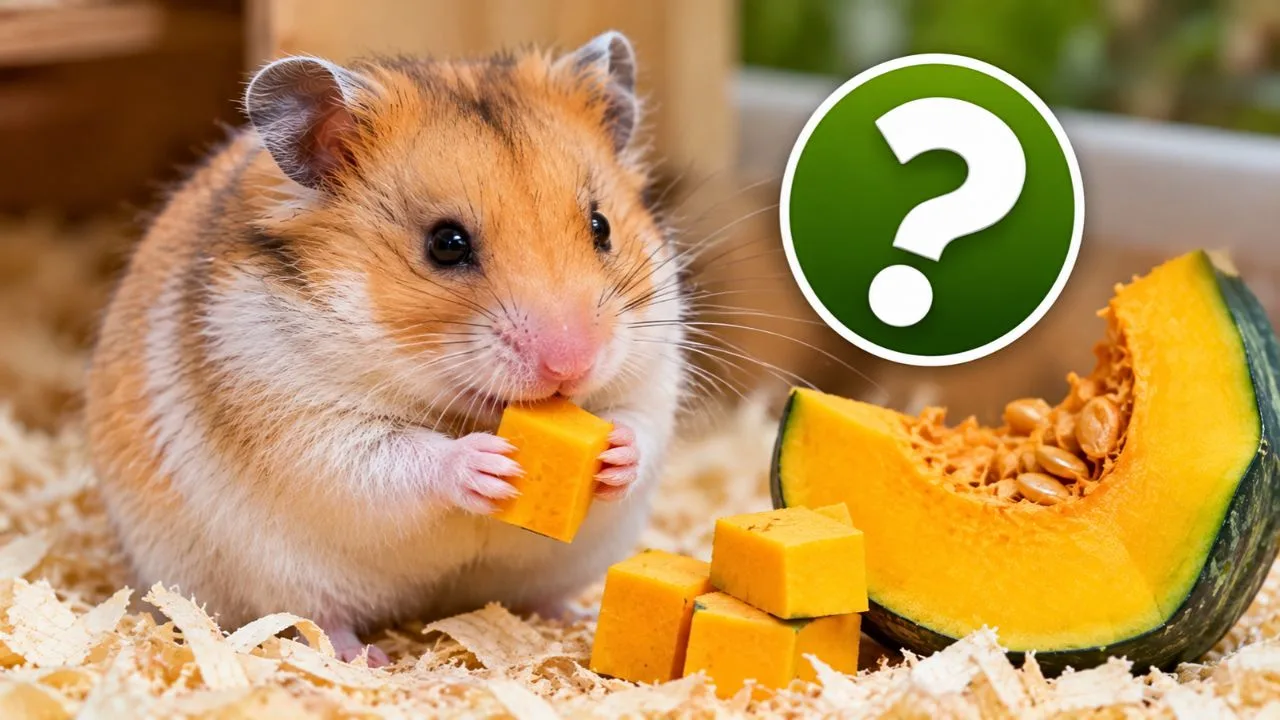
Here’s the difference:
- Cauliflower florets: Listed as suitable in small quantities by hamster-care resources.
- Cauliflower stalk: Listed as suitable by Woodgreen Pets Charity when offered in small quantities.
- Cauliflower leaves: Best avoided because specific feeding guidance is conflicting.
- Cooked cauliflower: Not necessary; plain raw cauliflower is an option.
- Seasoned cauliflower: Avoid completely.
The safest approach is to choose vegetables with clearer hamster-feeding guidance rather than experimenting with parts that have less established suitability.
Are Cauliflower Leaves Safe for Hamsters?
Cauliflower leaves are the green outer leaves surrounding the familiar white head of cauliflower. They are edible for humans, but human food safety doesn’t automatically establish suitability for hamsters.
The distinction between the vegetable’s different parts matters.
Woodgreen Pets Charity lists cauliflower florets and stalks as suitable in small quantities but specifically advises owners not to feed the leaves. Other veterinary and animal-welfare resources list cauliflower among suitable hamster vegetables without separately confirming the safety of its leaves.
This means there is a difference between knowing that hamsters can eat some cauliflower and having enough evidence to recommend every part of the plant.
Why should you avoid the leaves?
The main reason is the lack of consistent, hamster-specific feeding guidance supporting their use.
Rather than inventing a safe portion or claiming that cauliflower leaves are poisonous, it’s more responsible to choose an alternative with clearer feeding recommendations.
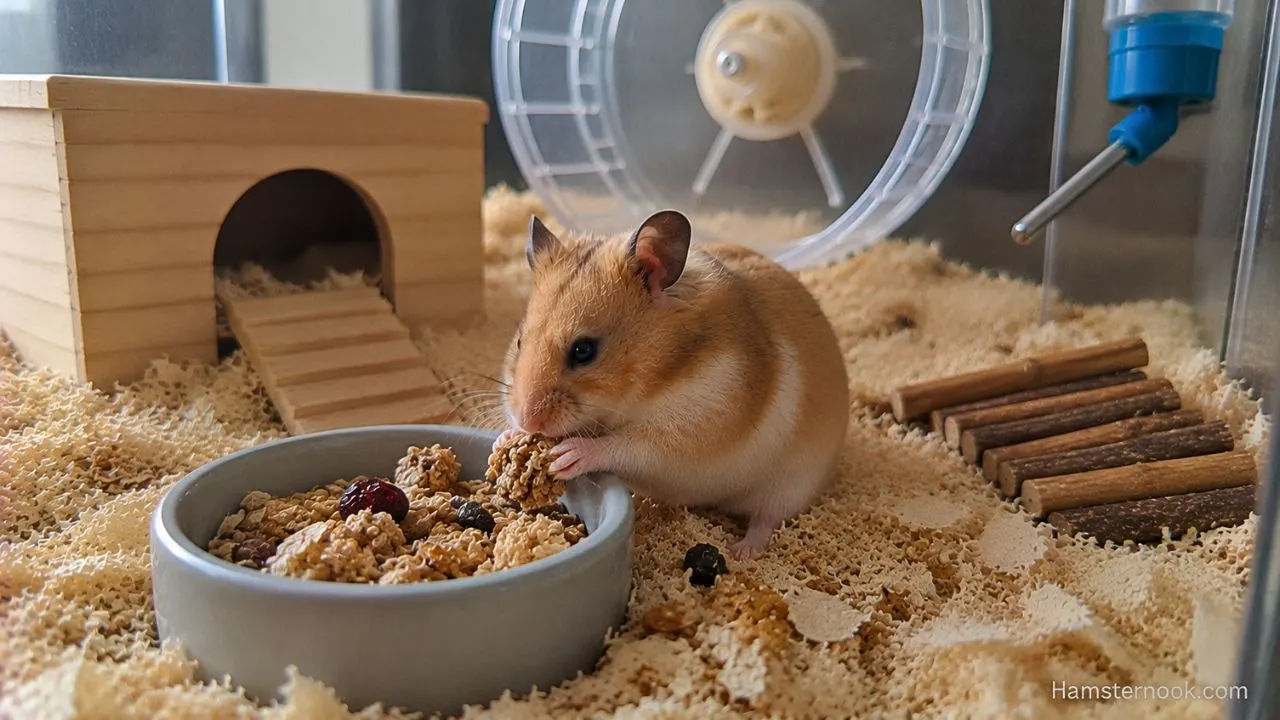
You don’t need to include cauliflower leaves to provide nutritional variety. Your hamster can get variety from other suitable vegetables.
Can Hamsters Eat Other Parts of Cauliflower?
Different parts of cauliflower are treated differently in available hamster-feeding guidance.
Cauliflower parts at a glance
| Cauliflower part | Feeding recommendation | Guidance |
|---|---|---|
| White florets | Suitable | Offer a small piece occasionally or as part of a varied vegetable rotation. |
| Stalk | Suitable | Can be offered in a small, manageable piece. |
| Green outer leaves | Avoid | Specific feeding guidance is inconsistent. |
| Raw cauliflower | Suitable | Wash thoroughly and serve plain. |
| Cooked cauliflower | Not necessary | Plain cooked cauliflower is not required; avoid added ingredients. |
| Seasoned cauliflower | Avoid | Salt, butter, sauces, garlic, and other seasonings are unsuitable additions. |
The University of California, Davis School of Veterinary Medicine includes cauliflower among the fresh vegetables hamsters may enjoy. Woodgreen also identifies the florets and stalk as suitable while advising against the leaves.

For beginners, the white floret is the simplest choice.
What Is the Best Portion of Cauliflower for a Hamster?
Portion size matters because fresh vegetables should supplement a hamster’s balanced staple food, not replace it.
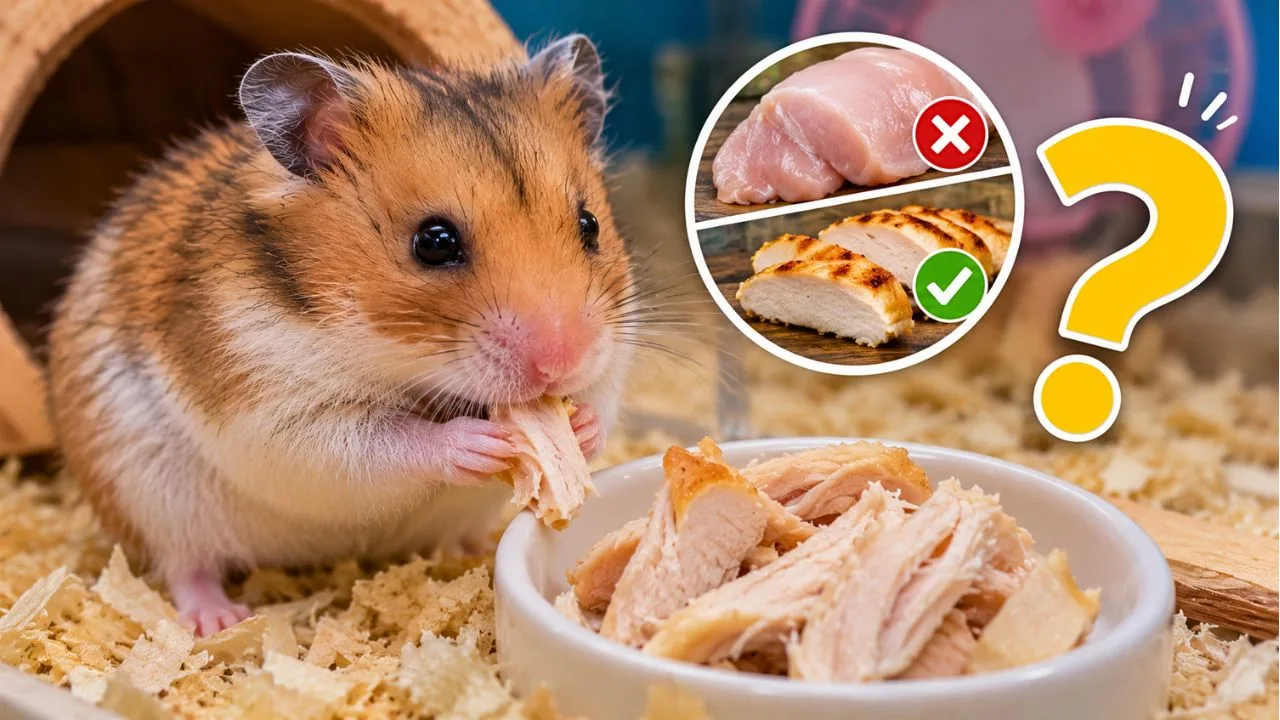
There is no universally established cauliflower-specific serving size for hamsters. However, Woodgreen Pets Charity suggests keeping occasional treats around the size of a hamster’s ear.
For a beginner, this is a useful conservative guide when offering a suitable cauliflower floret.
Portion guidance for different hamsters
| Hamster type | Practical approach |
|---|---|
| Syrian hamster | Start with a tiny piece of floret. |
| Campbell’s dwarf hamster | Start with a particularly small piece. |
| Winter White dwarf hamster | Offer a small piece and introduce it gradually. |
| Roborovski hamster | Start with a very small piece appropriate to its size. |
| Chinese hamster | Offer a small piece as an occasional extra. |
These are cautious starting recommendations, not scientifically established species-specific serving limits.
A hamster’s size, existing diet, health, and tolerance of fresh vegetables all matter.
Don’t give your hamster a large cauliflower floret simply because it appears small to you. A little goes a long way for such a small animal.
How often can hamsters eat cauliflower?
Cauliflower can be included occasionally as part of a varied selection of suitable vegetables.

Avoid making it the only fresh vegetable your hamster receives. Rotate suitable options and maintain a consistent, nutritionally complete staple diet.
If your hamster is new to fresh vegetables, introduce one food at a time so you can identify which food may be associated with a change in appetite or droppings.
For a step-by-step approach to introducing unfamiliar foods without changing your hamster’s diet too quickly, see How to Introduce New Foods to a Hamster Safely: Step-by-Step Guide.
How to Prepare Cauliflower Safely for Hamsters
Even a suitable vegetable needs proper preparation before it reaches your hamster’s food bowl.
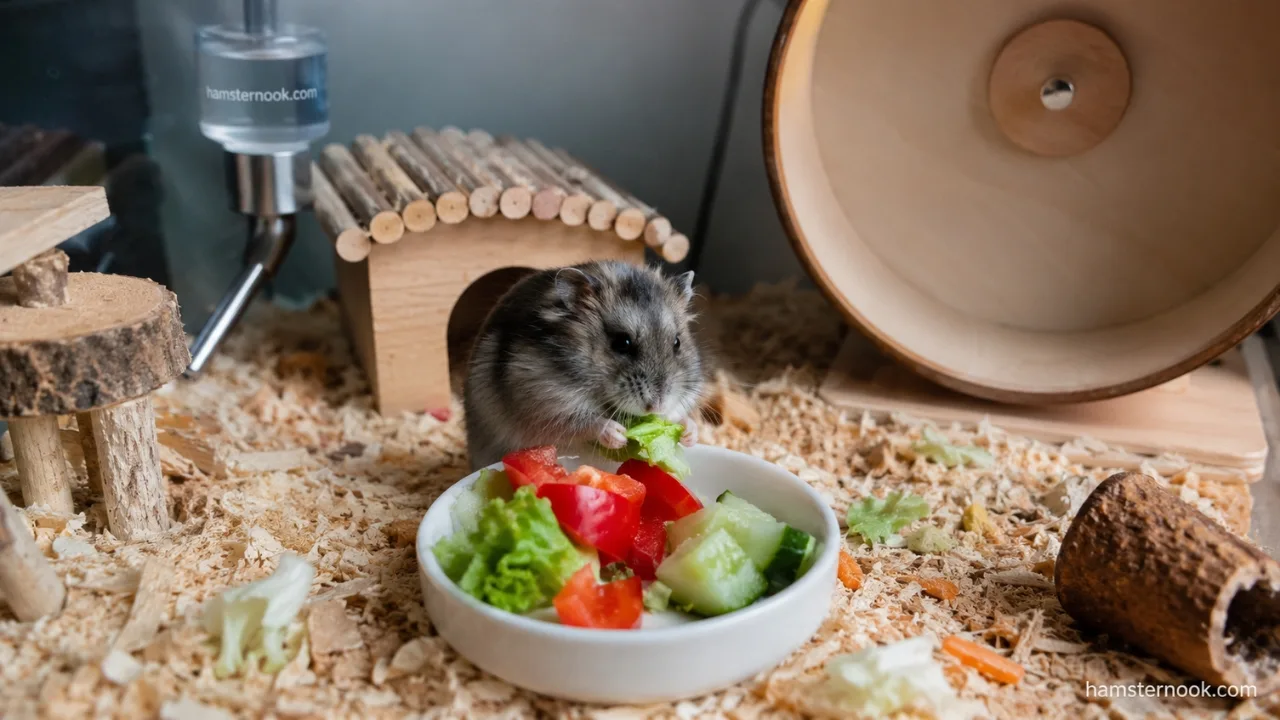
Follow these steps when preparing a small cauliflower floret.
Step 1: Choose fresh cauliflower
Select cauliflower that:
- Has a firm, clean white head.
- Does not have visible mold.
- Has no slimy or rotten areas.
- Does not smell spoiled.
- Has been stored appropriately.
Avoid cauliflower that has started deteriorating.
Step 2: Wash it thoroughly
Rinse the floret under clean running water to remove visible dirt and other surface debris.
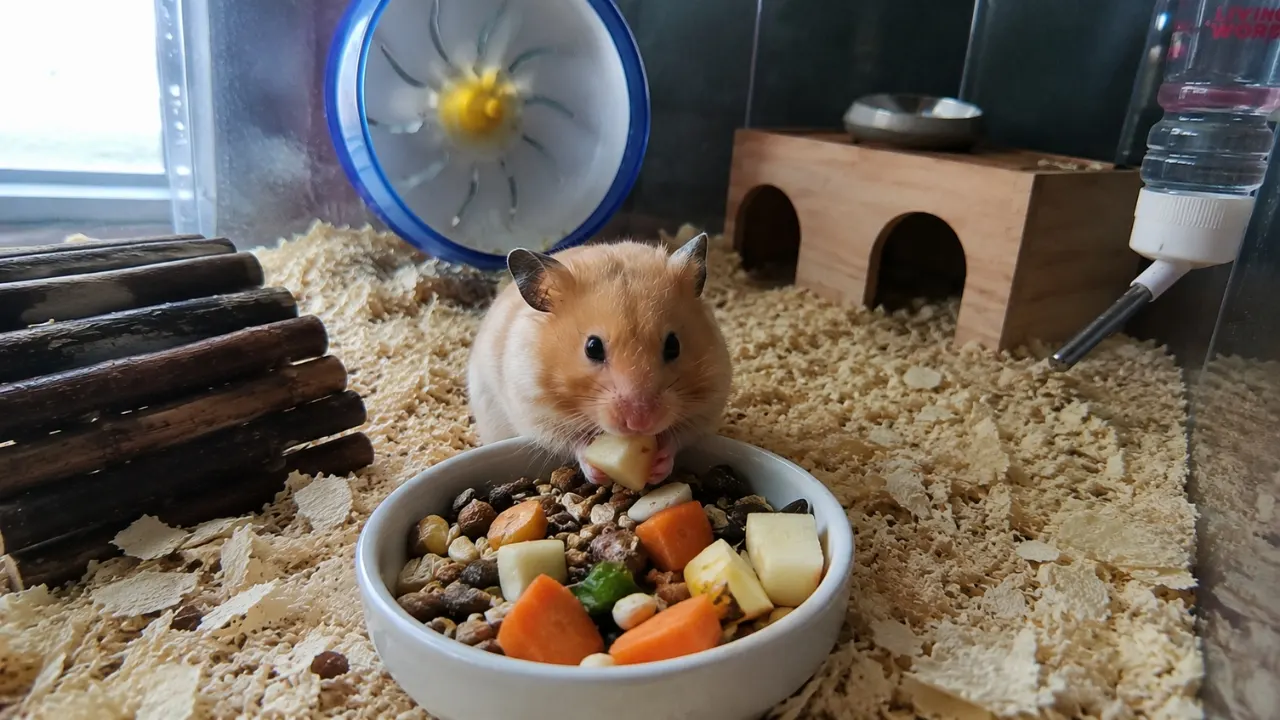
For more detailed guidance on preparing fresh produce before offering it to your pet, see Should You Wash Fruits and Vegetables Before Feeding Your Hamster?.
Do not use soap, household detergents, or cleaning chemicals on the vegetable.
Step 3: Cut a small piece
Separate a tiny piece of the white floret.
Make sure it is manageable for your hamster to hold and eat. Avoid giving a large, awkward chunk.

Step 4: Serve it plain
You do not need to boil, steam, fry, or season cauliflower before offering a small piece.
Serve it raw and plain.
Never add:
- Salt.
- Butter.
- Cooking oil.
- Garlic.
- Onion.
- Cheese.
- Spices.
- Sauces.
These additions are unnecessary and can make the food unsuitable.
Step 5: Remove leftovers
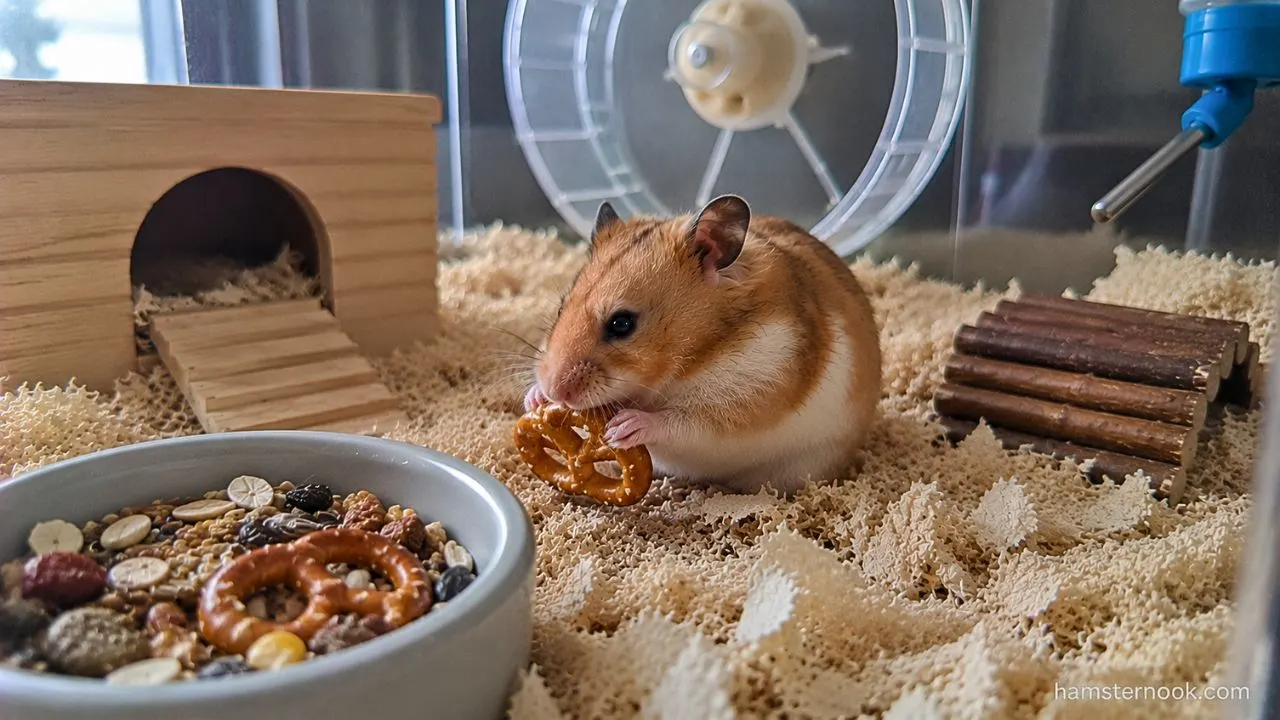
Hamsters naturally carry food into hiding places and may store it for later.
Fresh vegetables can spoil if left hidden in warm or damp areas of an enclosure.
Check the feeding area and accessible food-storage spots. Remove uneaten fresh cauliflower before it deteriorates.
The RSPCA specifically advises owners to monitor stored food and avoid allowing fresh food to become stale or spoiled.
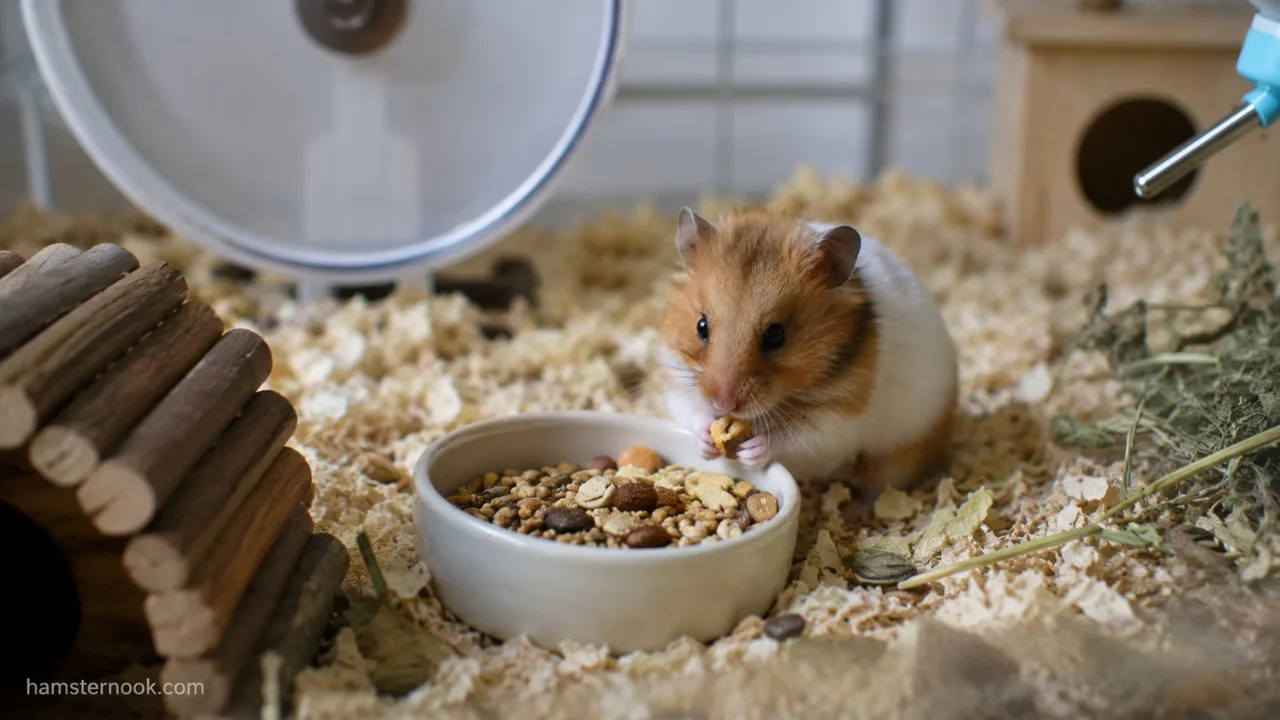
Can Hamsters Eat Raw or Cooked Cauliflower?
Both preparation methods may seem reasonable, but raw cauliflower is the simpler option when offering this vegetable.
Raw cauliflower
Preferred option
Wash thoroughly, cut a small piece, and serve without seasoning.

Cooked cauliflower
Not necessary
There is no need to cook cauliflower specifically for your hamster.
If you have already cooked cauliflower for your family, don’t automatically share it with your pet. Human recipes commonly contain butter, salt, oil, sauces, or seasonings.

Preparing a separate, plain piece is a better approach.
What Are the Potential Risks of Feeding Cauliflower?
Cauliflower is a suitable vegetable in several hamster-care guides, but that doesn’t mean unlimited portions are appropriate.
There are a few practical feeding risks to consider.
1. Too much fresh food at once
Introducing a large amount of a new vegetable can disrupt your hamster’s normal feeding routine.
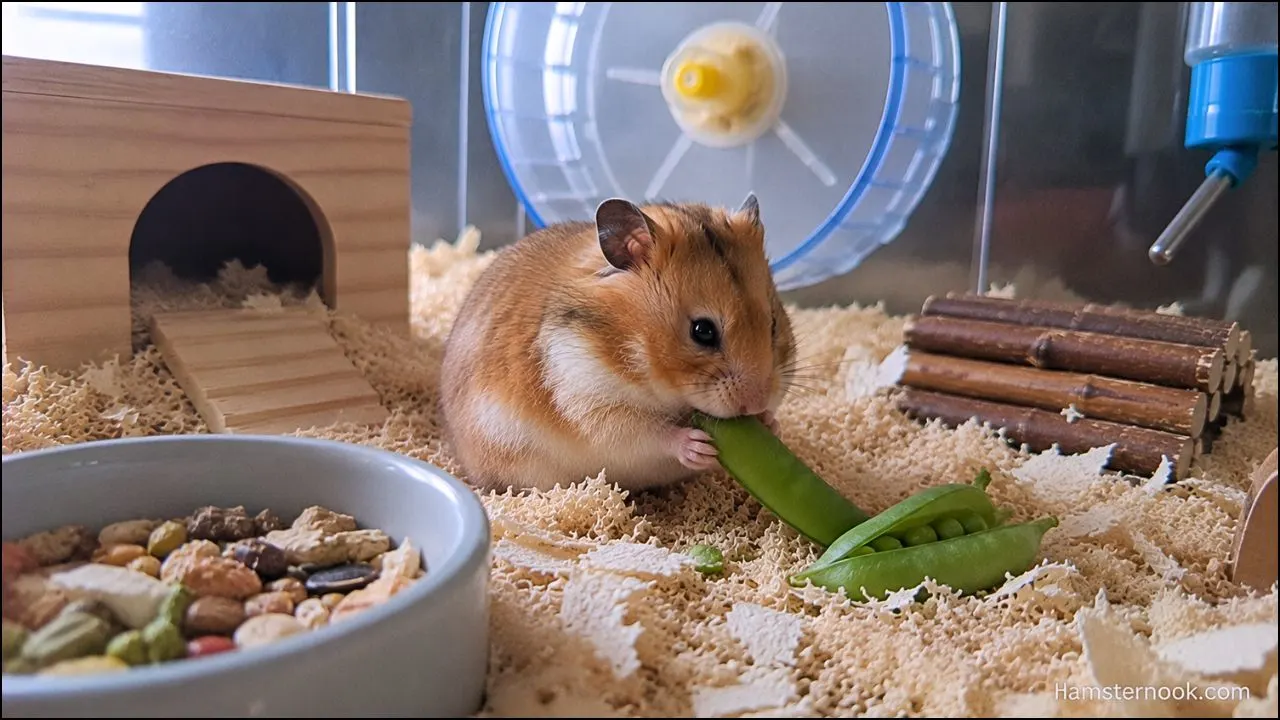
Hamsters should receive a balanced staple diet, and fresh vegetables should remain supplementary.
For a more complete explanation of daily feeding, appropriate portions, and how often to offer different foods, see What to Feed a Hamster: Daily Food List, Safe Portions & Feeding Schedule.
Start with a small amount and avoid introducing several unfamiliar foods together.
2. Digestive changes
A change in diet can be associated with digestive upset.

The RSPCA advises owners to avoid sudden dietary changes and monitor their hamster’s appetite and droppings.
If you’re unsure what normal hamster droppings should look like, this guide explains their usual appearance and possible warning signs: What Do Healthy Hamster Droppings Look Like? Normal Color, Shape & Warning Signs.
If you notice unusually moist droppings, diarrhea, reduced eating, or soiled hindquarters, contact a veterinarian rather than assuming the vegetable is the only possible cause.
3. Spoiled vegetables hidden in the enclosure
This is an easy problem to overlook.

Your hamster may take a piece of cauliflower away from the feeding area and store it inside its nest.
If fresh food remains hidden, it can deteriorate and develop mold or bacterial contamination.
Remove uneaten fresh food during regular checks, including food that has been stored in accessible hiding places.
For other common mistakes involving fresh foods, storage, and feeding routines, see 15 Fresh Food Mistakes Hamster Owners Should Avoid.

4. Unwashed or contaminated vegetables
Vegetables can carry dirt and surface contaminants.
Always wash cauliflower before feeding it. Avoid vegetables that have been exposed to household cleaning products or have started to rot.
5. Confusing edible leaves with recommended hamster food
Cauliflower leaves are edible for humans, but that does not mean they should automatically be offered to hamsters.
Because the available feeding guidance specifically distinguishes the leaves from the florets and stalk, choose the better-supported parts instead.
What Vegetables Can Hamsters Eat Instead of Cauliflower Leaves?
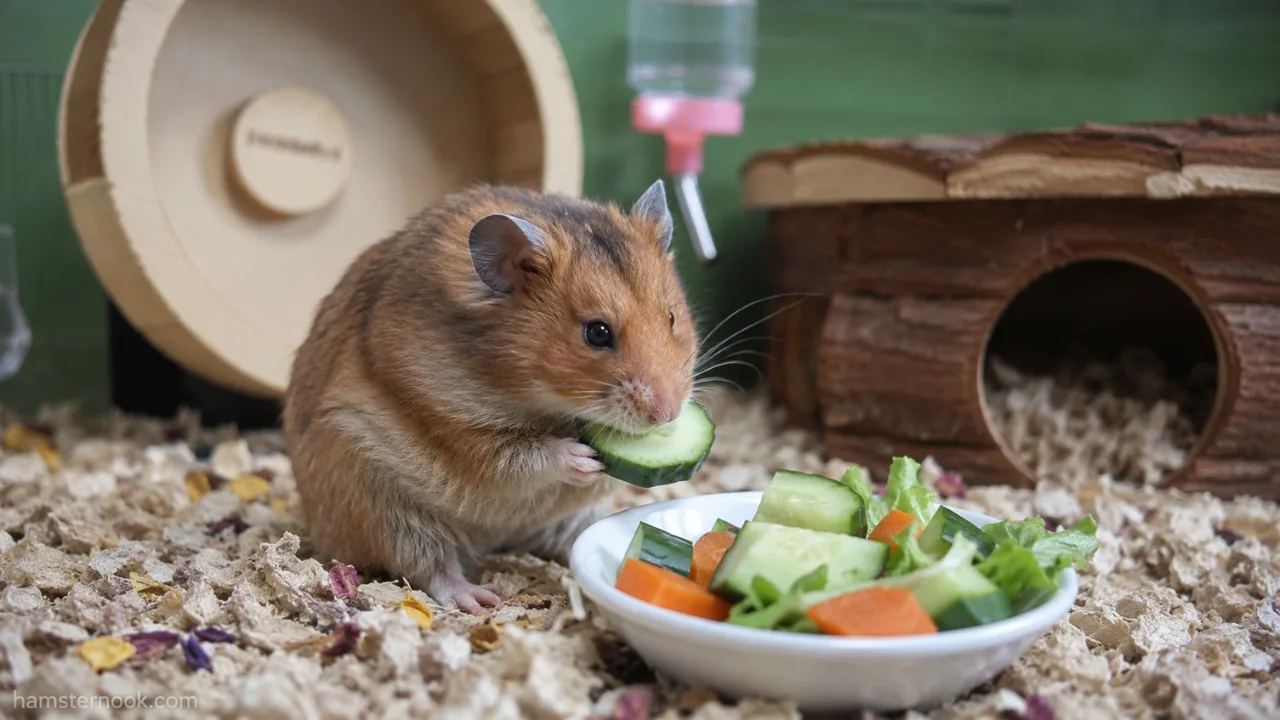
If you want to give your hamster a little variety, several vegetables have clearer support in hamster-feeding guidance.
The PDSA and Woodgreen Pets Charity list a range of suitable vegetables.
| Vegetable | Feeding guidance |
|---|---|
| Broccoli | Suitable in small quantities. |
| Cucumber | Suitable in small quantities. |
| Bell pepper | Suitable in small quantities. |
| Carrot | Suitable in moderation. |
| Spinach | Suitable in small quantities. |
| Kale | Suitable in small quantities. |
| Green beans | Suitable in small quantities. |
| Cauliflower floret | Suitable in small quantities. |
Wash vegetables before serving, introduce unfamiliar foods gradually, and keep portions small.
For dwarf hamsters, be particularly thoughtful about sugary foods and maintain an appropriate balanced diet.

You don’t need to offer every vegetable. A few suitable options rotated over time are enough to provide variety.
For a broader list of vegetables that are suitable for hamsters, along with feeding guidance, see What Fruits and Vegetables Can Hamsters Eat? Safe List & Portions.
Can Baby Hamsters Eat Cauliflower Leaves?
It is better not to introduce cauliflower leaves to baby hamsters.
Young hamsters have different nutritional requirements depending on their developmental stage. Their diet should be appropriate for their age, and they should not be given unfamiliar foods simply because an adult hamster can eat a particular vegetable.
If you are caring for a recently weaned hamster, maintain an appropriate staple diet and ask a veterinarian experienced with small mammals before introducing unfamiliar foods.
Warning Signs to Watch for After Eating a New Vegetable
Most feeding decisions should focus on prevention, but owners should also know what changes deserve attention.
After introducing a new vegetable, observe your hamster’s:
- Appetite.
- Drinking habits.
- Droppings.
- Activity level.
- General behavior.
- Appearance of its hindquarters.
A single observation cannot establish the cause of a health problem.

When should you contact a veterinarian?
Contact a veterinarian promptly if your hamster develops:
- Persistent diarrhea or unusually wet droppings.
- Wet or soiled hindquarters.
- Reduced appetite or refusal to eat.
- Unusual weakness or lethargy.
- Signs of abdominal discomfort.
- A noticeable change in normal behavior.
Severe weakness, collapse, or difficulty breathing requires emergency veterinary attention.
Do not try to treat digestive problems with home remedies or additional vegetables.
Common Mistakes to Avoid When Feeding Cauliflower
Even when offering a suitable vegetable, a few common mistakes can make feeding less safe.

Giving the entire cauliflower leaf: Don’t assume that all edible vegetable parts are appropriate for hamsters. Avoid the leaves and choose a small floret instead.
Offering too much on the first try: A large serving is unnecessary. Begin with a tiny portion of a suitable vegetable.
Adding cauliflower to a seasoned meal: Never share cooked cauliflower containing butter, salt, garlic, sauces, or spices.
Leaving leftovers inside the enclosure: Fresh food should not be allowed to spoil in your hamster’s nest or food-storage areas.

Replacing regular hamster food with vegetables: Fresh vegetables are supplementary foods. A complete hamster diet should remain the foundation of daily feeding.
What You Should Do
If you have cauliflower at home and want to share some with your hamster, follow this simple checklist:
- Avoid the green cauliflower leaves.
- Select a fresh, clean white floret.
- Wash it thoroughly under running water.
- Cut a tiny, manageable piece.
- Serve it plain without seasoning.
- Introduce it gradually rather than alongside several new foods.
- Check your hamster’s appetite and droppings.
- Remove uneaten fresh food before it spoils.
If you are unsure about a particular vegetable or your hamster has an existing health concern, ask your veterinarian before introducing it.
Final Thoughts
Can hamsters eat cauliflower leaves? It’s best to avoid them. Although cauliflower florets and stalks are included in some hamster-feeding guides, specific guidance about the leaves is less consistent.
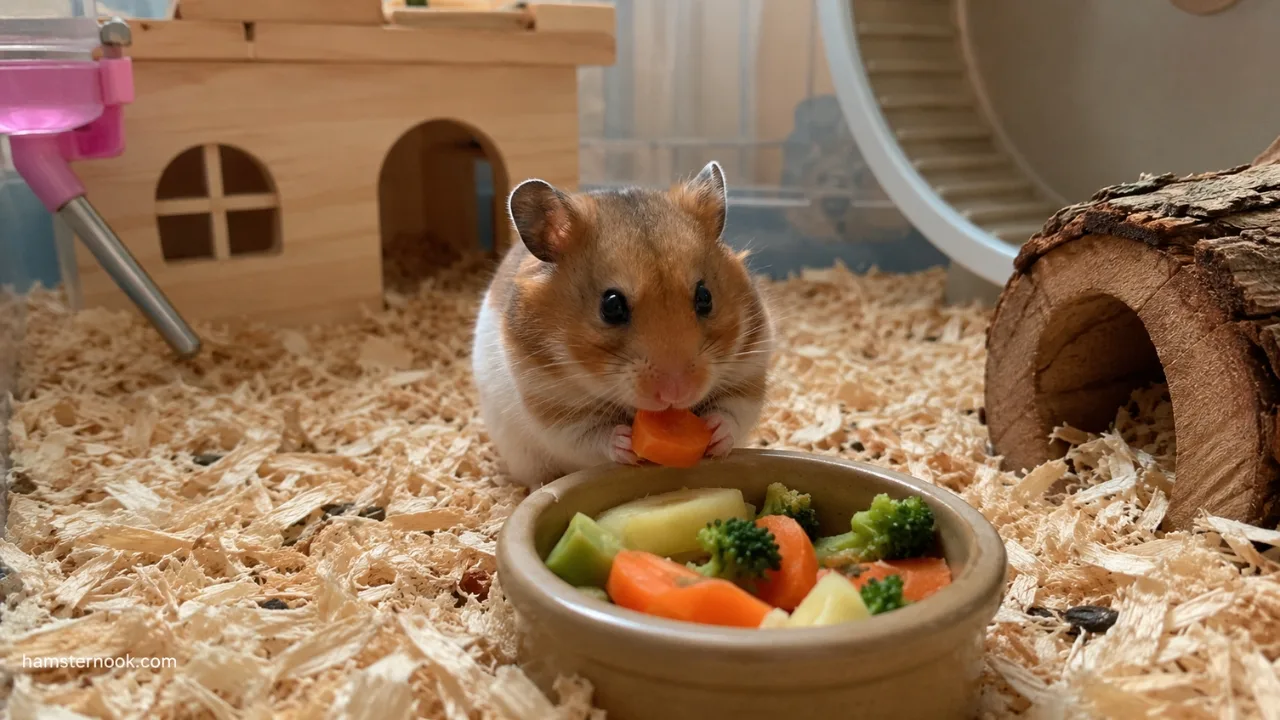
You don’t need to take unnecessary chances when suitable alternatives are available. A small piece of washed, plain cauliflower floret is a more straightforward choice.
Keep portions modest, introduce new vegetables carefully, and make sure fresh food never replaces your hamster’s complete daily diet.
A little variety can make feeding more interesting, but choosing appropriate ingredients and handling them safely should always come first.
Frequently Asked Questions
1. Can hamsters eat raw cauliflower leaves?
It’s best to avoid raw cauliflower leaves. Although cauliflower florets are listed as suitable in hamster-feeding guidance, some animal welfare guidance specifically advises against feeding the leaves.
2. Can Syrian hamsters eat cauliflower leaves?
The recommendation is the same for Syrian hamsters: avoid the leaves. A small piece of washed, plain cauliflower floret is a better option.
3. Can dwarf hamsters eat cauliflower leaves?
Dwarf hamsters should also avoid cauliflower leaves. If you want to introduce cauliflower, choose a tiny piece of the white floret instead.
4. Can hamsters eat cauliflower stalks?
Yes. Woodgreen Pets Charity lists cauliflower stalks as suitable in small quantities. Wash the stalk and cut it into a small, manageable piece.
5. Can hamsters eat cauliflower florets?
Yes. The University of California, Davis School of Veterinary Medicine and other hamster-care resources list cauliflower among suitable vegetables. Offer a small amount, washed and plain.

6. Should cauliflower be cooked before feeding it to hamsters?
No. Cooking is not necessary. A small piece of fresh, washed, raw cauliflower is a straightforward option. Never add salt, butter, oil, or seasoning.
7. Can hamsters eat cauliflower every day?
There is no established cauliflower-specific daily serving recommendation. Offer it occasionally as part of a varied selection of suitable vegetables rather than making it a daily staple.
8. What happens if my hamster accidentally eats a cauliflower leaf?
An accidental small bite does not automatically mean your hamster will become ill. Remove the remaining leaves, observe your pet, and monitor its appetite and droppings. Contact a veterinarian if concerning symptoms develop or you are unsure how much was eaten.
9. Can baby hamsters eat cauliflower?
Avoid introducing cauliflower leaves or unfamiliar vegetables to baby hamsters. Their nutritional requirements depend on their developmental stage, so prioritize an age-appropriate diet.

10. What is the safest alternative to cauliflower leaves?
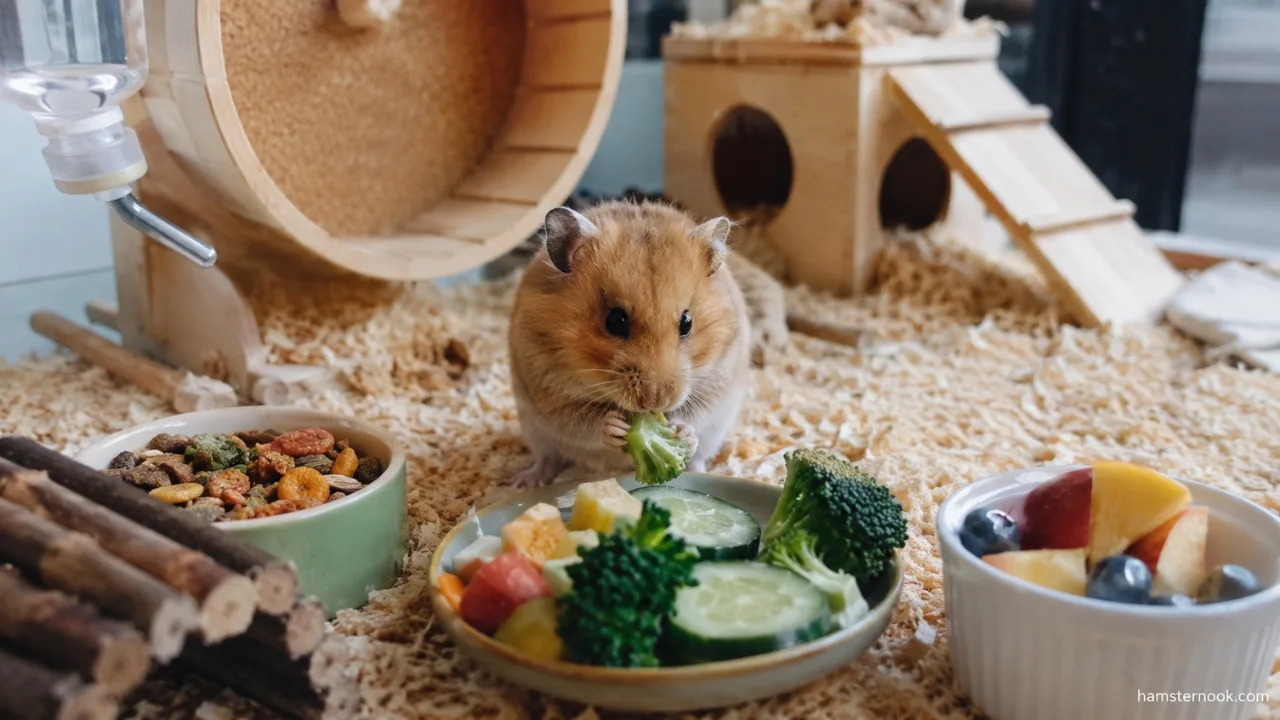
Suitable alternatives include small portions of broccoli, cucumber, bell pepper, and other vegetables listed in recognized hamster-care guides. Wash them thoroughly and introduce them gradually.
References
This guide is based on hamster-specific feeding advice and veterinary and animal welfare guidance on safe vegetables, food preparation, and balanced hamster nutrition, including:
- Woodgreen Pets Charity – Hamster Food: What to Feed Your Hamster – Hamster-specific feeding guidance covering suitable vegetables, cauliflower florets and stalks, and appropriate treat portions.
- University of California, Davis – Hamster Care – Veterinary guidance on hamster nutrition, fresh vegetables, and washing vegetables before feeding.
- RSPCA – What to Feed Your Pet Hamster – Guidance on balanced hamster diets, supplementary fresh foods, food storage, and monitoring eating habits and droppings.
- PDSA – Hamsters as Pets – Animal welfare and veterinary guidance on suitable vegetables, washing fresh foods, and offering appropriate portions.
- RSPCA – Taking Your New Hamster Home: Food and Water – Guidance on gradual dietary changes, supplementary vegetables, and maintaining a consistent hamster diet.
Medical Disclaimer: This article provides general hamster-feeding information and is not a substitute for professional veterinary advice. If your hamster develops diarrhea, stops eating, or shows other concerning changes after eating a new food, consult a veterinarian experienced with small mammals.

Narayan Kumar is the founder and author of HamsterNook. He creates practical, research-based hamster care guides covering hamster behavior, nutrition, cage setup, enrichment, health, and everyday care. His goal is to help hamster owners make informed decisions and provide safer, healthier lives for their pets through clear, beginner-friendly information based on trusted animal care resources.


