
Seeing red or pink urine in your hamster’s enclosure can be frightening, especially when you aren’t sure whether it is blood or simply a change in urine color. Hamsters can develop urinary and kidney problems that require veterinary attention, but not every reddish stain means the same thing. Understanding the possible causes, recognizing warning signs, and knowing when to seek help can make a real difference to your pet’s health.
Quick Answer: Why Is My Hamster Peeing Blood?
If your hamster appears to be passing blood in its urine, contact a veterinarian experienced with small mammals promptly. Blood in urine, medically called hematuria, can be associated with inflammation, infection, urinary stones, injury, or disease affecting the kidneys or reproductive system.
However, hamster urine can naturally vary in color. Depending on the animal and its diet, normal urine may appear yellowish, cream-colored, or light brown. Some dietary pigments can also produce reddish or orange discoloration that resembles blood.
For a more detailed guide to normal urine colors, unusual discoloration, and warning signs, see Hamster Urine Color: What’s Normal and When to Call a Vet.

You should not try to distinguish blood from harmless pigmentation by color alone.
The safest approach is to have suspected blood in your hamster’s urine checked by a veterinarian rather than waiting several days to see whether it disappears.
What Does Blood in Hamster Urine Look Like?
Blood in urine does not always appear as bright red liquid. Depending on the amount and source of bleeding, you might notice pink, red, reddish-brown, or dark brown discoloration.
Common observations include:

- Pink or red patches in the bedding.
- Red-colored liquid where your hamster urinates.
- Brownish stains in its usual bathroom corner.
- Small reddish spots around the genital area.
- Discolored urine accompanied by frequent urination.
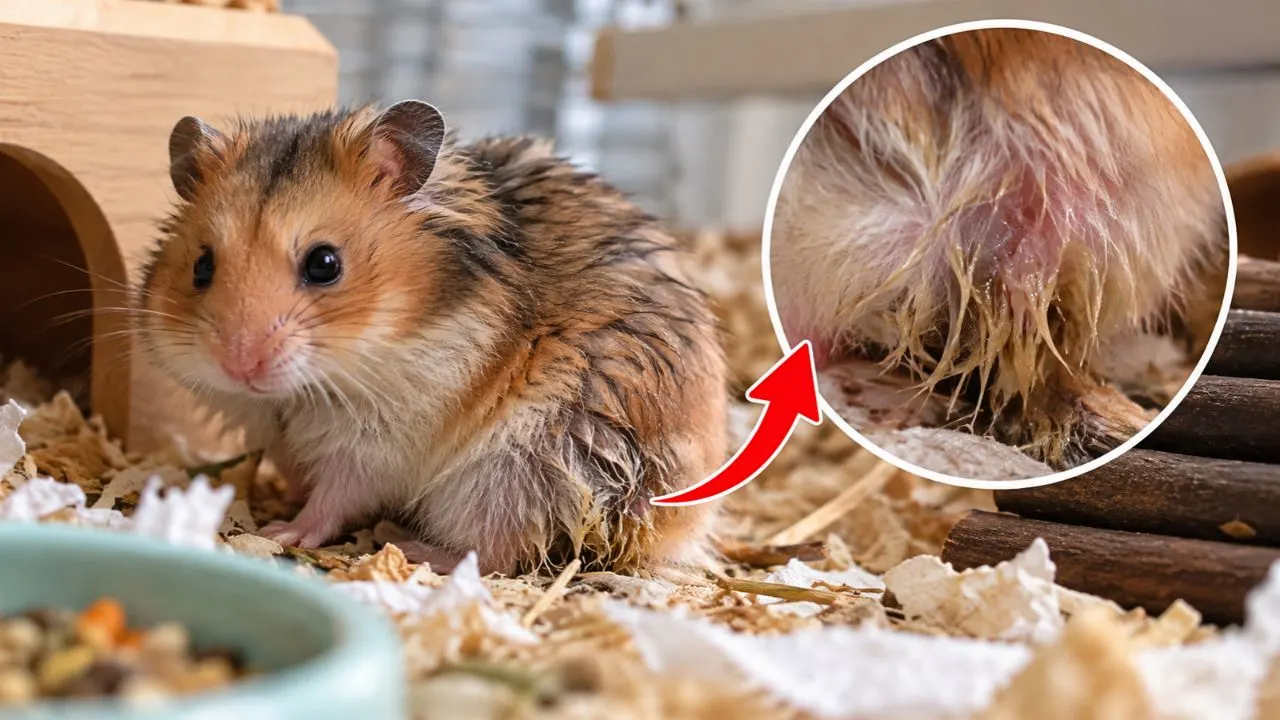
Sometimes the urine may look normal, but you notice blood around the genital opening or on the bedding.
This matters because blood near the rear end does not necessarily come from the urinary tract. In female hamsters, bleeding or discharge may originate from the reproductive tract rather than the bladder.
Is red hamster urine always blood?
No. Hamster urine naturally contains pigments and can vary in appearance.
Dietary pigments, particularly after eating certain vegetables, may cause temporary reddish or orange discoloration. This can be mistaken for bleeding.
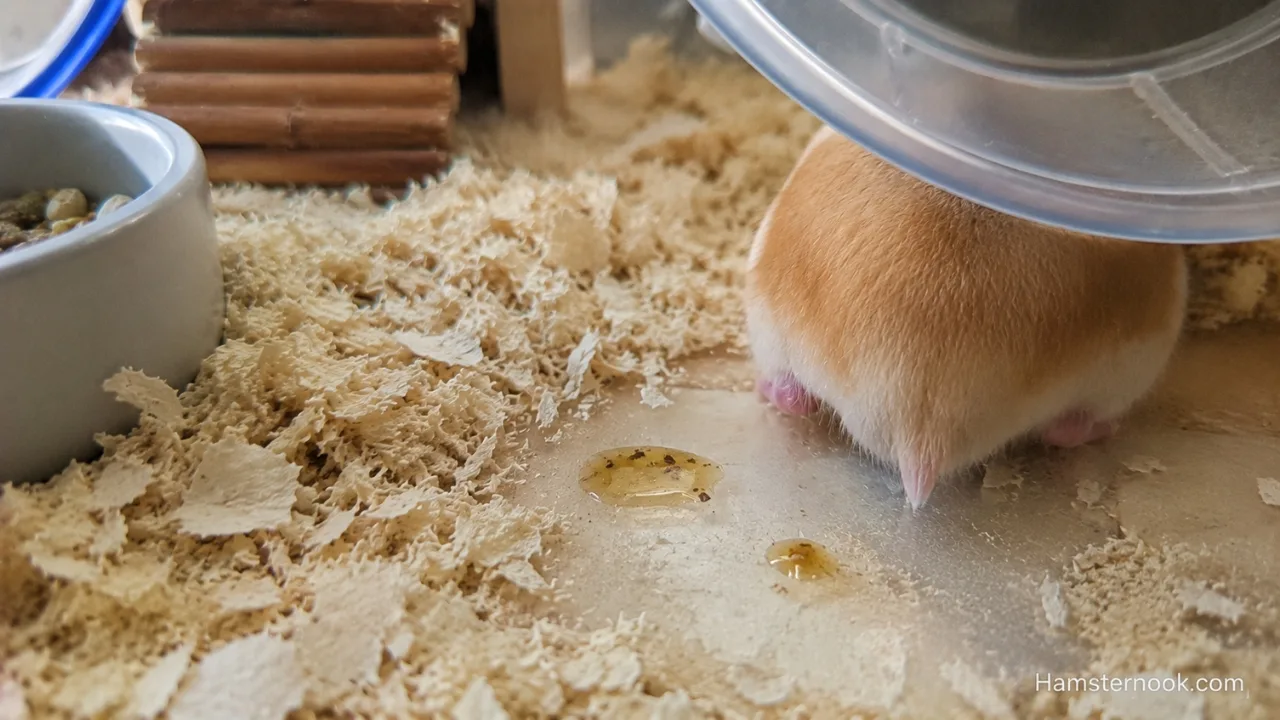
However, you cannot reliably confirm the difference by looking at the bedding.
A veterinarian can examine a urine sample under a microscope to identify red blood cells and distinguish actual bleeding from other causes of discoloration.
7 Possible Reasons Your Hamster Is Peeing Blood
Several conditions can cause blood to appear in a hamster’s urine. The exact cause cannot be determined from urine color alone.
1. Urinary Tract Infection
A urinary tract infection (UTI) occurs when microorganisms infect part of the urinary system.

In hamsters, bacterial inflammation of the bladder, known as cystitis, and infection involving the kidneys, known as pyelonephritis, have been reported.
Possible signs include:
- Blood-tinged urine.
- Frequent urination.
- Discomfort while urinating.
- Changes in normal bathroom habits.
- Reduced activity or appetite.
Some hamsters may show very few obvious signs initially.
A veterinarian may recommend urine testing and bacterial culture to investigate whether an infection is present and identify an appropriate treatment.

Do not give leftover antibiotics or medication prescribed for another animal.
2. Bladder Stones or Urinary Stones
Urinary stones, also called uroliths, are mineral deposits that can develop within the urinary system.
Although urinary stones are considered uncommon in hamsters, they are a recognized potential cause of urinary problems.
Depending on their location, stones may irritate urinary tissues or interfere with the normal passage of urine.
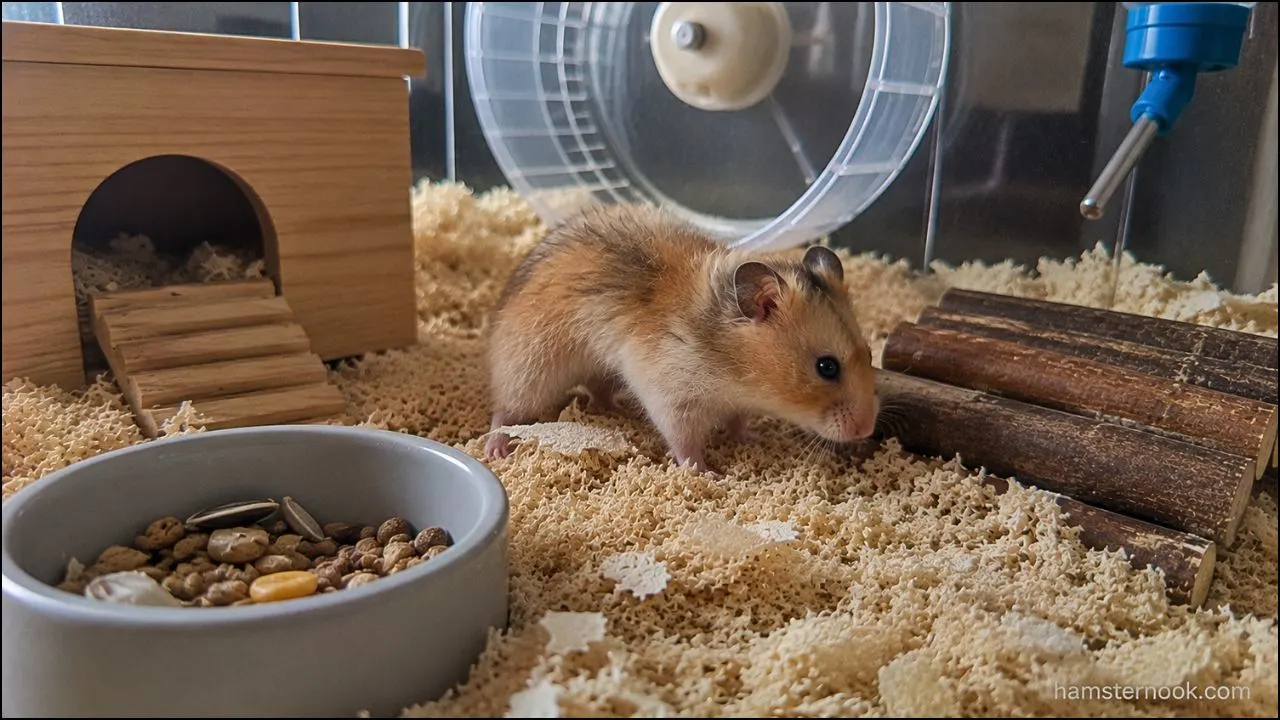
Possible warning signs include:
- Blood in the urine.
- Repeated attempts to urinate.
- Passing unusually small amounts of urine.
- Signs of discomfort.
- A change in normal urination habits.
A urinary blockage is particularly dangerous because urine cannot pass normally.
A veterinarian may use imaging, such as an ultrasound or X-ray when appropriate, to investigate suspected stones.
3. Kidney Disease or Kidney Inflammation
The kidneys filter waste products from the blood and help regulate the body’s fluid balance.
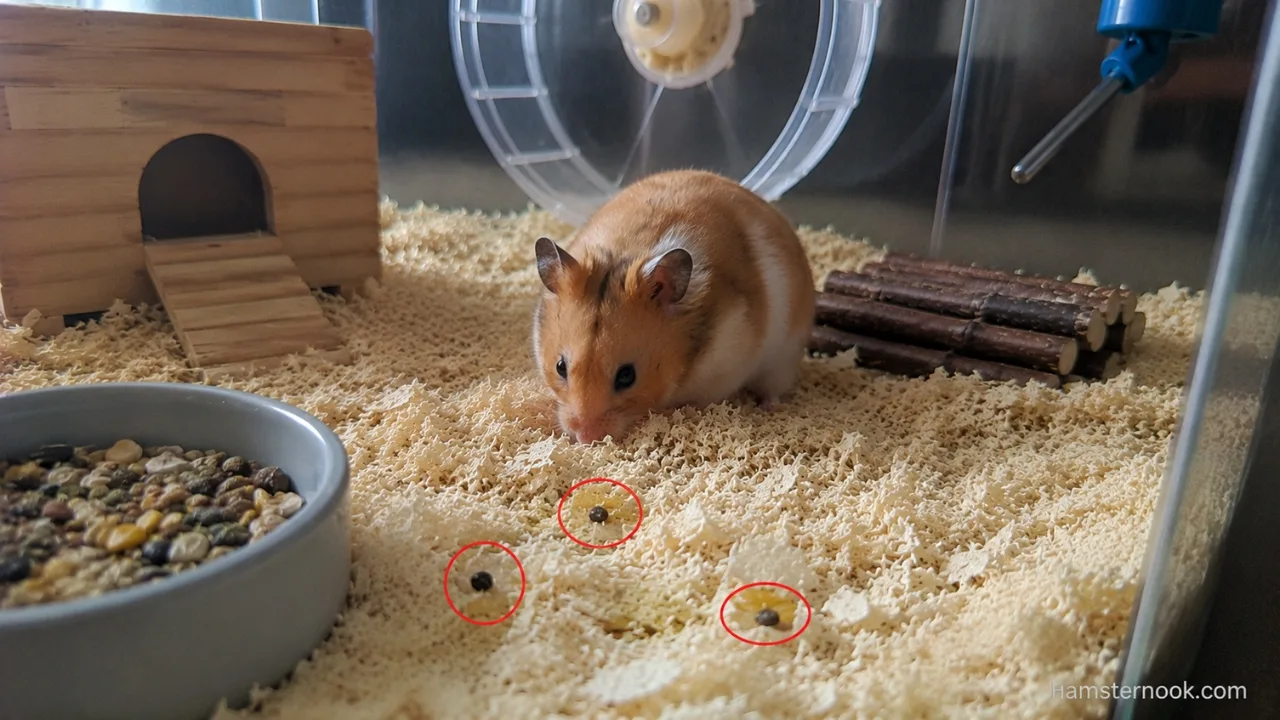
Hamsters can develop kidney disorders, including inflammatory and degenerative conditions.
Some kidney problems are more frequently described in older hamsters and females.
Possible changes include:
- Drinking more water than usual.
- Producing more urine.
- Weight loss.
- Changes in urine appearance.
- Reduced activity.
Blood in the urine is not the only sign of kidney disease, and increased thirst alone does not establish a diagnosis.

A veterinarian may recommend blood tests, urine analysis, and abdominal imaging to investigate kidney function and identify the underlying problem.
4. Injury or Trauma
An injury involving the abdomen, urinary tract, or surrounding tissues may cause bleeding.
Possible situations include:
- A fall from furniture or a height.
- An accident involving an enclosure accessory.
- A bite or injury caused by another animal.
- Trauma to the genital area.
Hamsters can hide discomfort, so an injury may not be immediately obvious.

If you suspect trauma and notice blood around the genital area or in the urine, arrange prompt veterinary assessment. Do not press or massage your hamster’s abdomen to check for injury.
5. Reproductive Tract Problems
Sometimes what looks like bloody urine is actually discharge or bleeding from the reproductive tract.
This is particularly important when observing female hamsters.
Blood may appear near the vulva and mix with urine or spread onto the bedding.

Possible causes require veterinary investigation and may involve reproductive tract inflammation, infection, or other disorders.
Do not assume that bleeding is a normal part of a female hamster’s reproductive cycle.
A veterinarian needs to determine where the blood is coming from.
6. Bladder or Urinary Tract Inflammation
Inflammation can affect the bladder and other urinary tissues.

It may occur alongside bacterial infection, urinary stones, or other underlying problems.
A hamster with urinary inflammation may show:
- Discolored urine.
- Frequent urination.
- Discomfort when passing urine.
- Changes in normal bathroom behavior.
These signs overlap with several other conditions, so a veterinary examination is needed to identify the cause.
7. Other Kidney or Urinary Disorders
Less common problems can also affect the urinary system.
These include abnormal tissue growth and other disorders affecting the kidneys, bladder, or surrounding structures.
Persistent or unexplained urinary discoloration should never be dismissed simply because your hamster is still eating or moving around normally.
Blood in Urine or Normal Urine Discoloration: How to Tell the Difference
One of the biggest challenges for hamster owners is deciding whether a reddish stain is actual blood or ordinary urine pigmentation.
The following comparison can help you understand what you are seeing, but it cannot replace laboratory testing.

| What you notice | Possible explanation | What to do |
|---|---|---|
| Pale yellow urine | Normal urine coloration | Continue routine monitoring |
| Yellowish-white or light brown urine | Can occur in normal hamster urine | Monitor for other changes |
| Orange or reddish urine after certain foods | Possible dietary pigmentation | Check the diet and contact a vet if uncertain |
| Pink or red urine | Possible blood or pigmentation | Arrange prompt veterinary assessment |
| Dark red or reddish-brown urine | Possible bleeding or other abnormal pigments | Contact a veterinarian promptly |
| Red stains with straining to urinate | Possible urinary tract problem | Seek urgent veterinary care |
| Blood around the genital opening | Possible urinary or reproductive tract bleeding | Arrange prompt veterinary assessment |
Important: Never assume that red urine is harmless because your hamster recently ate vegetables. Dietary pigments may explain some color changes, but actual bleeding must be ruled out when suspected.
Other Symptoms to Watch for Alongside Bloody Urine
Urine discoloration becomes more concerning when it appears with changes in your hamster’s normal behavior.
Hamsters cannot tell you when they are experiencing pain, so observing their eating habits, activity, posture, and bathroom behavior is particularly useful.
1. Frequent attempts to urinate
Your hamster may repeatedly visit its usual bathroom area or adopt a urinating posture more often than normal.
If it repeatedly tries to urinate but produces little or nothing, this could indicate a serious urinary problem.
2. Straining or discomfort
Watch for unusual postures, repeated attempts to pass urine, or signs of distress while urinating.
Do not press the abdomen to check for bladder discomfort.
3. Reduced appetite
A hamster that suddenly loses interest in its regular food may be experiencing an underlying health problem.

Reduced appetite alongside suspected blood in the urine warrants prompt veterinary attention.
4. Unusual tiredness
You may notice that your hamster is less active, spends more time hiding, or shows less interest in its usual activities.
A major change in normal behavior should not be ignored.
For a broader guide to recognizing illness and understanding when veterinary attention may be needed, see How to Tell If Your Hamster Is Sick: Signs, Symptoms & When to See a Vet.

5. Increased drinking and urination
Drinking noticeably more water or producing more urine than usual can be associated with kidney or other metabolic problems.
For more information about possible reasons for increased drinking and the warning signs to monitor, see Why Is My Hamster Drinking So Much Water? Causes & Warning Signs.
Keep an eye on the water supply and note any unusual changes.
6. Swelling or discharge around the genital area
Check for visible blood, unusual discharge, or swelling around the genital opening.

Avoid pulling fur apart aggressively or repeatedly handling the area.
When Is Bloody Urine a Veterinary Emergency?
Not every change in urine color represents an immediate life-threatening emergency. However, certain symptoms require urgent assessment.
Seek emergency veterinary care immediately if your hamster:
- Repeatedly tries to urinate but cannot produce urine.
- Appears to be in severe pain.
- Becomes extremely weak or collapses.
- Has heavy or ongoing bleeding.
- Develops a swollen abdomen alongside difficulty urinating.
- Shows severe weakness or difficulty breathing.
If you see suspected blood in the urine but your hamster is still eating and behaving normally, contact a veterinarian promptly for an appointment rather than waiting several days.

Do not wait for additional symptoms to appear before arranging an examination.
What Should You Do If Your Hamster Is Peeing Blood?
Finding a red or pink stain can make you panic. Instead of immediately changing the bedding or trying home treatments, take a few practical steps.
Step 1: Observe the urine carefully
Look for fresh urine in your hamster’s usual bathroom area.
Check whether the discoloration appears throughout the urine or only as a separate spot on the bedding.

Remember that bedding color and moisture can make urine difficult to assess.
Step 2: Take a photograph
Take a clear photograph of the discolored area while it is still fresh.
If you notice changes over several urinations, photographs may help the veterinarian understand how the appearance has changed.
Avoid disturbing your hamster unnecessarily to obtain a better picture.

Step 3: Check your hamster’s behavior
Observe:
- Whether it is eating normally.
- Whether it is drinking more or less than usual.
- Whether it is urinating normally.
- Whether it appears uncomfortable.
- Whether it is moving and behaving as usual.
Write down any changes and when they started.
Step 4: Contact an exotic-pet veterinarian
Explain that you suspect blood in your hamster’s urine.
Mention your hamster’s age, species, sex, symptoms, and any recent dietary changes.

Ask whether the clinic wants you to bring a urine sample.
Do not delay an urgent appointment while trying to collect one.
Step 5: Prepare for the veterinary examination
If requested, bring a fresh urine sample in a clean, sealed container, following the clinic’s collection and storage instructions.
Also take photographs of the urine and bring information about your hamster’s food and recent health changes.

Avoid squeezing your hamster’s bladder or trying to force urine out.
How Will a Veterinarian Diagnose Blood in a Hamster’s Urine?
A veterinarian will investigate where the blood or discoloration is coming from and look for the underlying cause.
Several tests may be considered depending on your hamster’s condition.
1. Physical examination
The veterinarian may examine your hamster’s abdomen, genital area, hydration, body condition, and general behavior.

This helps identify possible signs of injury, swelling, or other abnormalities.
2. Urine analysis
A urine test can help identify:
- Red blood cells.
- White blood cells.
- Protein.
- Glucose.
- Other abnormal substances.
- Urine concentration and sediment.
Microscopic examination is particularly useful because a color change alone cannot confirm hematuria.
3. Urine culture
If a bacterial infection is suspected, the veterinarian may recommend a urine culture.

This helps determine whether bacteria are present and can guide antibiotic selection when treatment is needed.
4. Blood tests
Blood testing may help assess kidney function and identify other abnormalities that could explain the symptoms.
5. Imaging
An ultrasound or X-ray may be recommended when the veterinarian suspects urinary stones, kidney abnormalities, bladder changes, or another internal problem.
Not every hamster needs every test. The veterinarian will decide which investigations are appropriate.
Can Blood in Hamster Urine Be Treated?
Treatment depends entirely on the underlying cause.
There is no single medicine that safely treats every case of bloody urine.
For example:
- A confirmed bacterial infection may require veterinarian-prescribed antibiotics.
- Urinary stones may require additional investigation and specific treatment.
- Kidney disease may require supportive care and ongoing monitoring.
- An injury may need appropriate veterinary wound or trauma management.
- Reproductive tract problems require treatment based on the diagnosis.
The sooner the cause is identified, the sooner appropriate care can begin.

Never purchase antibiotics online or use medication left over from another pet. Incorrect treatment may cause additional harm and make proper diagnosis more difficult.
What Should You Avoid Doing at Home?
When you notice possible blood in your hamster’s urine, some well-intentioned actions can make the situation worse.
Avoid these common mistakes:
1. Don’t wait several days
Do not assume the discoloration will disappear on its own, particularly if you repeatedly notice red urine.

Contact a veterinarian promptly.
2. Don’t give human medication
Human painkillers, antibiotics, and urinary medicines are not suitable substitutes for veterinary treatment.
Never give them without specific veterinary instructions.
3. Don’t restrict drinking water
Your hamster should always have access to clean drinking water.

Never reduce water availability to try to decrease urination.
4. Don’t change the entire diet suddenly
Avoid making several dietary changes at once.
Instead, record recent foods and any new treats so the veterinarian can consider possible dietary pigmentation.
5. Don’t squeeze your hamster’s abdomen
Trying to express urine manually can injure your pet.

Leave urine collection and examination to trained veterinary professionals.
6. Don’t assume the problem is a urinary infection
Blood can have several possible sources. Giving antibiotics without confirming the cause is not appropriate.
How to Help Prevent Urinary Problems in Hamsters
Not every urinary disorder can be prevented, but good daily care can support your hamster’s general health.
Provide constant access to fresh water
Check the water bottle or bowl every day.

Make sure the drinking nozzle works properly and that your hamster can reach the water comfortably.
Maintain a clean enclosure
Remove soiled bedding and clean the usual bathroom area regularly.
For a complete routine covering spot cleaning, weekly cleaning, and deeper enclosure maintenance, see How Often Should You Clean a Hamster Cage? Daily, Weekly & Deep Cleaning Guide.
A clean enclosure also makes it easier to notice unusual urine discoloration.

Avoid using strongly scented cleaning products around your hamster.
Offer a balanced diet
Feed a complete commercial hamster diet rather than relying on loose seeds, sugary treats, or human snacks.
Introduce fresh vegetables gradually and avoid sudden dietary changes.
Monitor weight and drinking habits
Record your hamster’s weight periodically.

For a structured routine to monitor your hamster’s overall health, see How Often Should You Check Your Hamster Health? A Weekly Wellness Checklist.
Pay attention to noticeable changes in drinking, urination, appetite, and activity.
These observations can help you recognize health changes earlier.
Arrange veterinary care when something changes
If your hamster develops unusual urine coloration, repeated urination, or changes in normal behavior, contact a veterinarian.
Preventive care does not guarantee that urinary problems will never occur, but monitoring helps you respond sooner.
What You Should Do: A Quick Action Checklist
If you suspect your hamster is peeing blood, follow these steps:
- Photograph the unusual urine or staining.
- Check whether your hamster is passing urine normally.
- Observe appetite, drinking, and activity.
- Look for visible bleeding or discharge around the genital area.
- Record recent dietary changes.
- Contact a veterinarian experienced with hamsters promptly.
- Ask whether a urine sample is needed.
- Keep fresh drinking water available.
- Avoid human medicines and home remedies.
- Seek emergency care if your hamster cannot urinate, collapses, or shows severe distress.
Final Thoughts
Seeing red or pink urine in your hamster’s enclosure should never be ignored. Although dietary pigments can sometimes cause urine discoloration, actual blood may indicate a urinary tract problem, kidney disorder, injury, or reproductive health issue.
Pay attention to your hamster’s normal bathroom habits, drinking, appetite, and activity. Take photographs of unusual urine and arrange veterinary assessment rather than trying to identify the cause yourself.

Most importantly, don’t wait for your hamster to become visibly unwell before seeking help. Early investigation gives your veterinarian a better opportunity to identify the problem and recommend appropriate care.
Frequently Asked Questions
1. Why is my hamster peeing red?
Red urine can result from dietary pigments or actual bleeding within the urinary or reproductive system. Urinary inflammation, infection, stones, and other disorders are possible causes. A veterinarian can distinguish these possibilities through examination and appropriate testing.
2. Is blood in hamster urine always a sign of infection?
No. Infection is one possible cause, but urinary stones, inflammation, injury, kidney disorders, and reproductive tract problems can also cause bleeding. Testing is needed to identify the underlying condition.
3. Can vegetables make hamster urine look red?
Certain dietary pigments can cause orange or reddish urine discoloration in rodents. However, you should not assume that red urine is harmless because your hamster recently ate vegetables. Contact a veterinarian if you suspect blood.

4. Why is my female hamster bleeding from her private area?
Bleeding around a female hamster’s genital opening may originate from the reproductive tract rather than the urinary system. Infection, inflammation, or other reproductive disorders may be involved. It should not automatically be considered normal reproductive discharge. Arrange veterinary assessment.
5. Can male hamsters pee blood?
Yes. Male hamsters can develop urinary tract problems, including inflammation, infection, and urinary stones. Blood or unusual discoloration should be investigated regardless of sex.
6. Can a bladder stone cause blood in hamster urine?
Yes. Urinary stones can irritate urinary tissues and cause bleeding. They may also interfere with normal urination. Repeated straining or difficulty passing urine requires urgent veterinary attention.
7. How do I know if my hamster has a urinary tract infection?
Possible signs include blood-tinged urine, frequent urination, discomfort while urinating, and changes in bathroom habits. However, these symptoms can occur with other conditions. A veterinarian may recommend urine analysis and bacterial culture.

8. Can hamster urinary problems go away on their own?
Some temporary urine discoloration may be related to dietary pigments, but actual urinary bleeding should not be left untreated without veterinary assessment. The underlying cause determines whether treatment is necessary.
9. Should I stop feeding vegetables if my hamster has red urine?
Don’t make sudden dietary changes as a substitute for veterinary assessment. Record what your hamster has eaten recently and discuss it with your veterinarian. Dietary pigments may explain some discoloration, but they do not rule out bleeding.
10. What if my hamster is peeing blood but acting normally?
A hamster can appear active and continue eating despite an underlying health problem. Contact a veterinarian promptly even if your pet seems normal. Do not wait for weakness or appetite loss before arranging an examination.
11. Can dehydration cause blood in hamster urine?
Dehydration can affect urine concentration, but it should not be assumed to explain visible blood. If you notice suspected bleeding, have your hamster assessed rather than trying to correct the problem by changing water intake.

12. Can a hamster die from urinary tract problems?
Severe urinary problems can become life-threatening, particularly when urine flow is obstructed or serious kidney disease is present. Inability to urinate, collapse, and severe weakness require emergency veterinary care.
References
This guide is based on veterinary research and clinical guidance covering hamster urinary tract disorders, kidney disease, urinary bleeding, diagnostic testing, and medical care, including:
- MSD Veterinary Manual – Disorders and Diseases of Hamsters – Veterinary information about hamster kidney disease, urinary tract disorders, clinical signs, diagnostic testing, and treatment considerations.
- MSD Veterinary Manual – Hamsters: Exotic and Laboratory Animals – Veterinary reference covering hamster health, examination of the urinary and reproductive areas, and general disease assessment.
- Reavill and Lennox – Disease Overview of the Urinary Tract in Exotic Companion Mammals and Tips on Clinical Management – Veterinary review discussing urinary disorders, including bacterial cystitis, kidney inflammation, urinary stones, and diagnostic considerations.
- Rodent Diagnostic Testing – Veterinary Clinical Pathology Reference – Explains how veterinarians distinguish blood in urine from other pigments and why microscopic urine examination is important when investigating urinary bleeding.
- Veterinary Partner – Husbandry and Medical Care of Hamsters – Veterinary guidance on hamster health, urinary stones, difficulty urinating, frequent urination, and bloody urine.
Medical Disclaimer: This article provides general hamster health information and is not a substitute for professional veterinary diagnosis or treatment. Blood in urine or suspected urinary bleeding requires veterinary assessment. If your hamster is unable to urinate, has severe bleeding, collapses, or shows significant distress, seek emergency veterinary care immediately.

Narayan Kumar is the founder and author of HamsterNook. He creates practical, research-based hamster care guides covering hamster behavior, nutrition, cage setup, enrichment, health, and everyday care. His goal is to help hamster owners make informed decisions and provide safer, healthier lives for their pets through clear, beginner-friendly information based on trusted animal care resources.