
If your hamster suddenly stretches its neck, makes unusual mouth movements, or appears to gag, it is natural to wonder whether it is about to vomit. However, hamsters are generally considered unable to vomit because of the way their digestive system is structured. That does not mean every unusual movement is harmless. Understanding how hamsters carry food in their cheek pouches, recognizing signs of breathing difficulty, and knowing when to contact a veterinarian can help you respond safely.
Quick Answer: Can Hamsters Vomit?
No, hamsters are generally considered unable to vomit. Unlike animals that can bring stomach contents back up through the mouth, hamsters have anatomical and physiological features that make vomiting extremely difficult.
However, a hamster may make movements that look like gagging, retching, or trying to throw up. These movements can have different explanations, and you should not assume you know the cause just by watching them.
For example, a hamster might be:

- Moving food inside its cheek pouches.
- Chewing or adjusting food in its mouth.
- Experiencing a problem involving its mouth or cheek pouches.
- Having difficulty breathing or showing another sign of illness.
If the behavior is repeated, unusual, or accompanied by weakness, loss of appetite, or breathing problems, contact a veterinarian experienced with hamsters or other small mammals.
The key point: A hamster that appears to be vomiting needs careful observation, not an attempt to induce vomiting or a home remedy.
Why Hamsters Cannot Vomit
A hamster’s digestive anatomy differs from that of animals that can vomit. Veterinary references describe structural and physiological features of the esophagus and stomach that make expelling stomach contents through the mouth extremely difficult.
A 2025 review of the scientific literature on vomiting in rodents also examined reports of vomiting-like responses. The researchers concluded that although some evidence of retching-like behavior exists in certain rodents, the ability to vomit has not been established.

For hamster owners, this distinction matters: a movement that looks like vomiting does not necessarily mean stomach contents are coming up.
If you see something unusual, focus on what your hamster is doing, whether the behavior repeats, and whether other signs of illness are present.
What Does It Look Like When a Hamster Seems to Vomit?
Hamsters cannot explain what they feel, so owners must rely on visible behavior. Several actions can be mistaken for vomiting, but they are not interchangeable.
1. Moving food in the cheek pouches
Hamsters have large cheek pouches that extend along the sides of the head. They use these pouches to transport food and sometimes nesting materials.
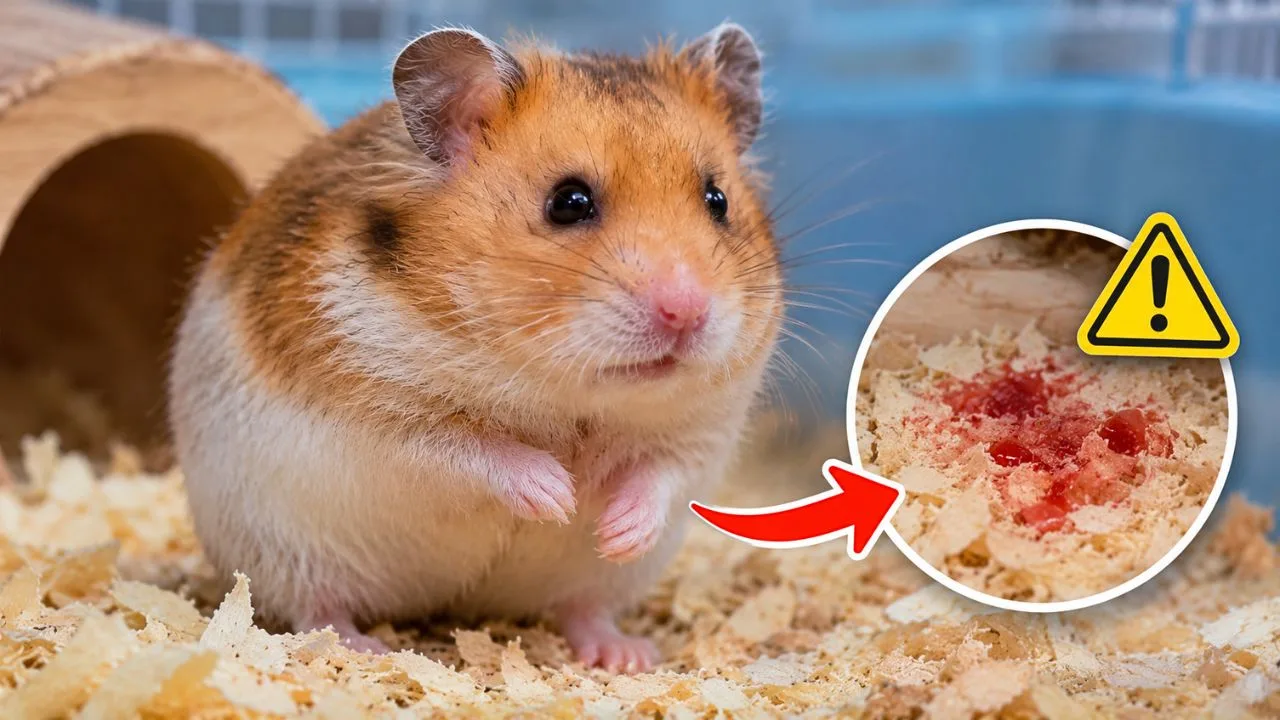
A hamster may appear to have unusually full cheeks after collecting food. It may also pause, move its mouth, or manipulate food before storing it elsewhere.
This is normal food-carrying behavior when the hamster otherwise appears comfortable and behaves normally.
However, persistent swelling, drooling, difficulty eating, or a pouch that appears unable to empty can indicate a problem that needs veterinary assessment.
For a more focused look at these symptoms, see Why Does My Hamster Have a Swollen Cheek? Food Pouch Problems & Warning Signs.

2. Chewing or unusual mouth movements
A hamster may repeatedly move its jaw while chewing, adjusting food, or grooming.
These movements alone do not establish that the animal is sick. The context matters: is your hamster eating normally, moving comfortably, and behaving as usual?
Repeated jaw movements accompanied by drooling, reduced appetite, or weight loss are more concerning because dental problems can affect a hamster’s ability to eat.
3. Retching-like or gagging movements
Repeated body contractions, neck movements, or unusual mouth movements can look like retching.

There is no reliable way to diagnose the cause from this appearance alone. The behavior may involve the mouth, throat, breathing, or another health problem.
Do not dismiss repeated episodes simply because hamsters are generally unable to vomit.
4. Coughing-like sounds or breathing difficulty
If your hamster makes unusual sounds while breathing, stretches its neck, or appears to struggle for air, treat the situation seriously.
Breathing difficulty is not something to interpret as ordinary vomiting-like behavior. A hamster with labored breathing needs urgent veterinary assessment.
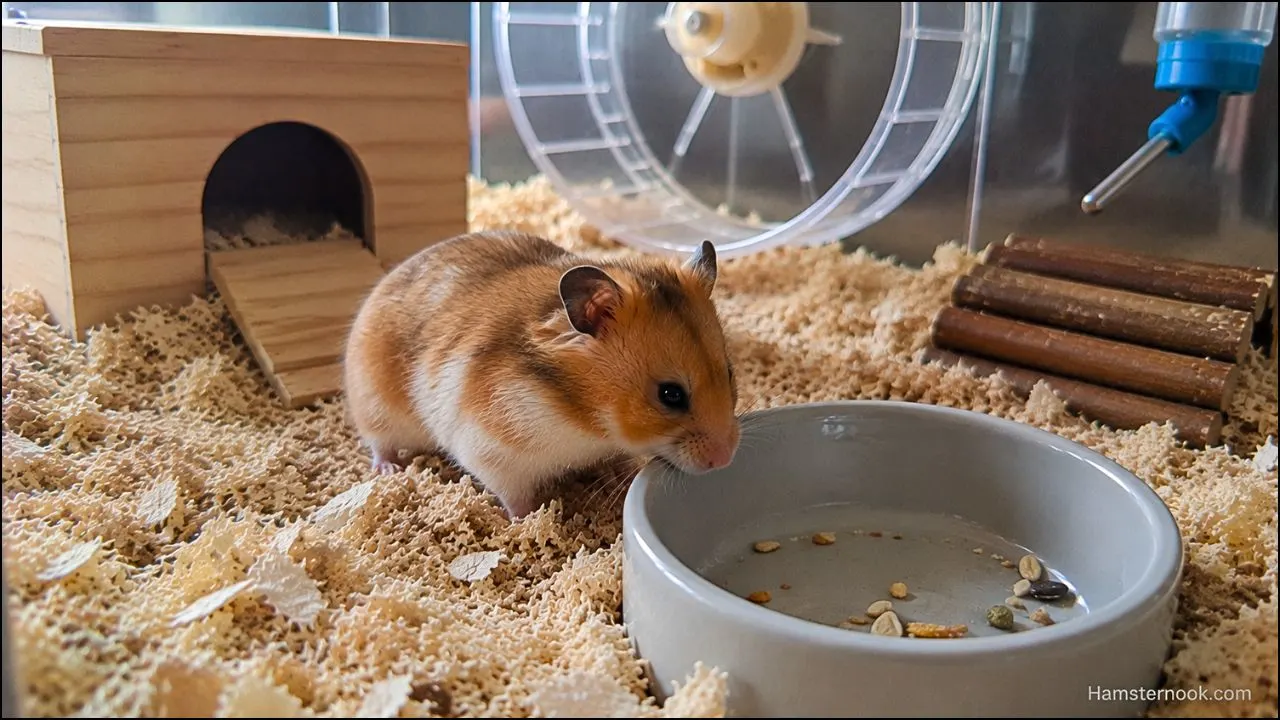
Avoid repeatedly picking up or restraining the animal to inspect its mouth. Handling can add stress and may delay appropriate care.
How to Tell Normal Behavior From a Potential Problem
The most useful clues are your hamster’s overall condition, whether the behavior stops, and whether eating and breathing remain normal.
| What you notice | What it may indicate | What to do |
|---|---|---|
| Full cheeks after collecting food | Normal cheek-pouch storage | Observe whether the hamster behaves normally afterward. |
| Brief mouth movements while eating | Chewing or adjusting food | Monitor if eating and behavior remain normal. |
| Persistent cheek swelling or drooling | Possible cheek-pouch or dental problem | Contact a veterinarian promptly. |
| Repeated gagging-like movements | An unexplained problem requiring assessment | Arrange prompt veterinary advice, especially if it continues. |
| Refusal to eat or noticeable weight loss | Possible illness or difficulty eating | Contact a veterinarian promptly. |
| Open-mouth breathing, severe breathing effort, or collapse | Possible emergency | Seek emergency veterinary care immediately. |
These are general observations, not a diagnostic checklist. A hamster may have a health problem without showing every warning sign.
What Health Problems Could Cause Vomiting-Like Signs?
Because actual vomiting is generally considered impossible in hamsters, it is more useful to investigate other explanations than to assume the animal has an upset stomach.

Cheek-pouch impaction or injury
Food or other material can become trapped in a hamster’s cheek pouch. Cheek-pouch problems may also involve injury, inflammation, or infection.
Watch for persistent swelling around the cheek, unusual discharge, drooling, or difficulty eating.
Do not try to pull material out with tweezers, cotton swabs, or your fingers. The pouch is delicate, and an attempt to remove trapped material can cause further injury. A veterinarian can examine the area and determine whether treatment is necessary.
Dental problems
Hamsters’ front teeth grow continuously. If the teeth become overgrown or damaged, eating may become difficult.

For guidance on appropriate chewing materials and dental care, see Best Hamster Chew Toys: Safe Materials, Dental Care & What to Avoid.
Possible warning signs include drooling, reduced food intake, weight loss, and changes in normal chewing behavior.
A veterinarian should examine a hamster showing these signs rather than an owner attempting to trim its teeth at home.
Digestive illness or obstruction
A hamster that appears uncomfortable, stops eating, develops diarrhea, or produces noticeably fewer droppings may have a digestive problem.

These signs are not proof of an obstruction or any particular illness. They do, however, warrant attention, particularly when several occur together.
If reduced food intake is one of the changes you notice, Why Is My Hamster Not Eating? 9 Causes, Warning Signs & What to Do discusses possible explanations and when to seek veterinary advice.
Do not give human stomach medicines, laxatives, oils, or other home remedies without veterinary direction.
Respiratory illness or another urgent problem
Unusual mouth movements can sometimes be confused with respiratory distress. If the hamster appears to be working hard to breathe, do not wait to see whether the behavior goes away.

For more information about this warning sign, see Why Is My Hamster Breathing Fast or Heavy? Causes & Warning Signs.
A veterinarian can assess breathing, the mouth, the cheek pouches, and other relevant areas to identify the problem.
What You Should Do if Your Hamster Appears to Be Vomiting
If you witness an episode, follow these steps rather than attempting to treat the apparent vomiting yourself.
Step 1: Observe without causing extra stress
Watch your hamster from a short distance if it is safe to do so.
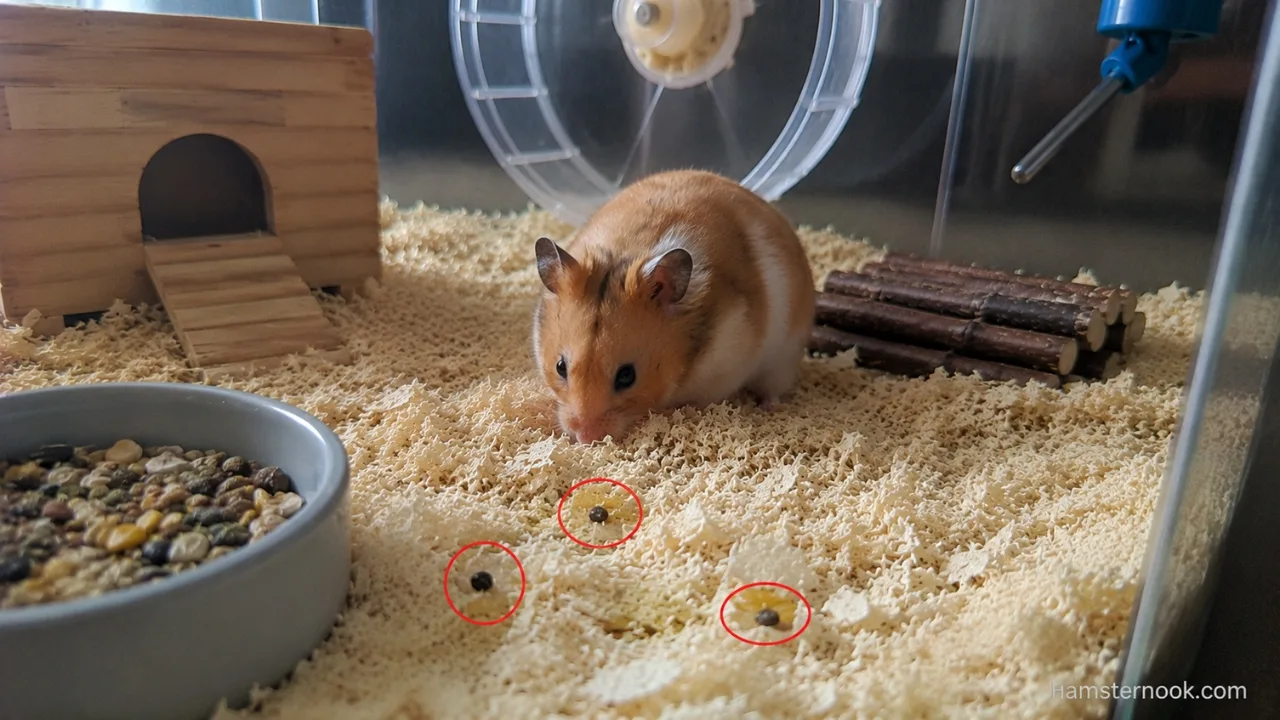
Note whether the movement stops, whether the hamster can walk normally, and whether its breathing appears comfortable.
If you can record a short video without disturbing the animal, it may help the veterinarian understand what happened.
Step 2: Check eating, drinking, and droppings
Look for changes in appetite, water intake, and the amount or appearance of droppings.
Also notice whether the hamster’s cheeks remain swollen or whether there is wetness around its mouth.

Do not force food or water into its mouth, particularly if swallowing or breathing seems difficult.
Step 3: Keep the environment calm
Leave the hamster in its familiar enclosure if it is safe to do so. Avoid unnecessary handling, loud disturbances, or attempts to inspect deep inside its mouth.
Make sure clean drinking water is available. Do not introduce new foods or give medicines in an attempt to settle the apparent problem.
Step 4: Contact a veterinarian
Call a veterinarian experienced with hamsters or exotic small mammals if the behavior repeats, persists, or is accompanied by other unusual signs.

Explain exactly what you observed, when it began, whether your hamster has eaten normally, and whether any new food or material may have been swallowed.
If breathing is severely labored, the hamster collapses, or it becomes markedly weak, seek emergency care rather than waiting for a routine appointment.
Warning Signs You Should Never Ignore
Hamsters can become seriously ill without showing dramatic symptoms at first. A change from your pet’s normal behavior may be more informative than one isolated movement.
For a broader overview of warning signs beyond vomiting-like movements, see How to Tell If Your Hamster Is Sick: Signs, Symptoms & When to See a Vet.

Contact a veterinarian promptly if you notice:
- Loss of appetite or an inability to eat.
- Persistent drooling or swelling around the cheek.
- Unexplained weight loss.
- Repeated gagging-like or abnormal mouth movements.
- Unusual lethargy or a hunched posture.
- Diarrhea or a marked change in droppings.
- Discharge from the eyes or nose.
Seek emergency veterinary care for severe breathing difficulty, collapse, or profound weakness.
Do not wait for several symptoms to appear before seeking help. The urgency depends on the signs, their severity, and how quickly your hamster’s condition changes.
Common Mistakes Hamster Owners Make
Assuming that vomiting is the only explanation
A hamster’s movements may resemble vomiting, but this appearance does not establish what is happening. Consider the behavior alongside breathing, eating, and general condition.
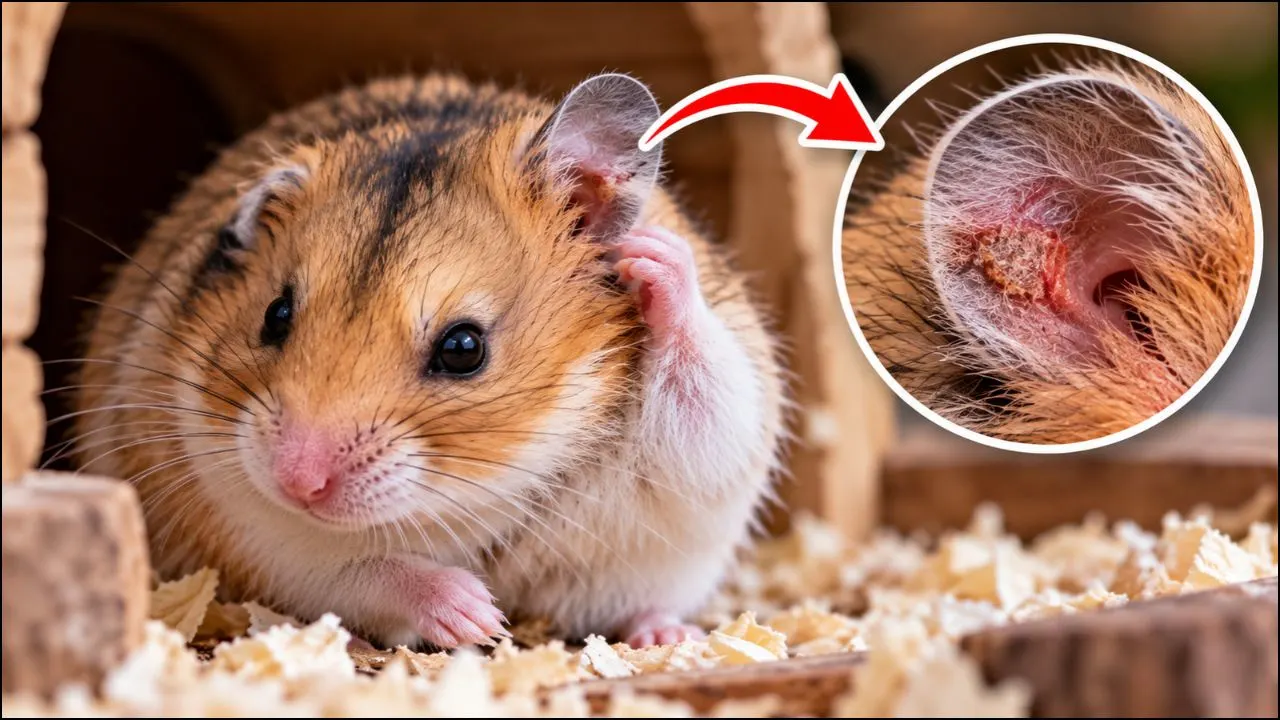
Trying to induce vomiting
Never attempt to make a hamster vomit. Hamsters are generally considered unable to vomit, and inducing vomiting is not an appropriate home treatment for them.
If your pet swallowed something potentially toxic, contact a veterinarian immediately for species-appropriate guidance.
For reference on foods that may be unsafe for hamsters, see What Foods Should Hamsters Never Eat? Toxic & Unsafe Foods to Avoid.
Forcing open the mouth
Trying to inspect deep inside a hamster’s mouth can cause stress or injury. Visible cheek swelling or drooling should be assessed by a veterinarian rather than treated with improvised tools.

Giving human medicines
Human medicines and home remedies can be dangerous to small animals. Never administer medication unless a veterinarian has specifically advised it for your hamster.
Waiting too long when behavior changes
A hamster that repeatedly acts abnormally, stops eating, or struggles to breathe should not simply be watched for several days. Prompt assessment can help identify a problem before it becomes more serious.
Final Thoughts
Hamsters are generally considered unable to vomit because of their digestive anatomy. Still, that does not mean every gagging-like movement, unusual mouth action, or apparent attempt to bring up food is normal.
Food storage in the cheek pouches and ordinary chewing can look unusual to a new owner. Persistent swelling, drooling, loss of appetite, repeated abnormal movements, or breathing difficulty deserve closer attention.

Stay calm, observe what is happening without handling your hamster unnecessarily, and seek veterinary advice when the behavior is unexplained or accompanied by warning signs. Never attempt to induce vomiting or treat the problem with human medicines.
Frequently Asked Questions
1. Can hamsters throw up food?
Hamsters are generally considered unable to vomit. Their digestive anatomy makes the expulsion of stomach contents through the mouth extremely difficult. If your hamster appears to be bringing food up, seek veterinary advice if the behavior is repeated or unusual.
2. Why does my hamster look like it is gagging?
Gagging-like movements can have several explanations, including unusual mouth movements, cheek-pouch problems, or breathing difficulties. The appearance alone cannot identify the cause. Repeated episodes or accompanying symptoms warrant veterinary assessment.
3. Can hamsters vomit if they eat something poisonous?
Hamsters should not be expected to vomit after ingesting a toxin. If your hamster eats something potentially poisonous, contact a veterinarian immediately. Do not induce vomiting or give home remedies.

4. Why is my hamster moving its mouth repeatedly?
Your hamster may be chewing, adjusting food, or moving material in its cheek pouches. If the movements persist or occur alongside drooling, swelling, difficulty eating, or other changes, arrange a veterinary examination.
5. Can a hamster choke even though it cannot vomit?
The inability to vomit does not mean a hamster cannot experience a serious problem involving its mouth, throat, or breathing. If it appears unable to breathe normally, seek emergency veterinary care.
6. Why are my hamster’s cheeks suddenly swollen?
Hamsters naturally fill their cheek pouches when collecting food. However, persistent or uneven swelling, drooling, discharge, or difficulty eating may indicate a cheek-pouch problem. A veterinarian should examine these signs.
7. Should I give my hamster water if it looks like it is vomiting?
Keep fresh drinking water available, but do not force water into its mouth. If swallowing or breathing appears difficult, seek urgent veterinary guidance.

8. When should I take my hamster to the vet?
Contact a veterinarian promptly if the movements repeat, the hamster stops eating, its cheeks remain swollen, or its behavior changes noticeably. Severe breathing difficulty, collapse, or profound weakness requires emergency care.
References
This guide is based on veterinary references and scientific research on hamster health, digestive physiology, and vomiting-related responses in rodents, including:
- MSD Veterinary Manual – Hamsters: Exotic and Laboratory Animals – Veterinary reference covering hamster biology, common health problems, and clinical assessment.
- MSD Veterinary Manual – Routine Health Care of Hamsters – Guidance on recognizing illness, dental concerns, appetite changes, and when veterinary care may be needed.
- University of California, Davis, School of Veterinary Medicine – Hamster Care – Veterinary information on hamster biology, cheek pouches, feeding, housing, and general care.
- Emesis in Rodents: Present or Absent? A Critical Review of the Evidence and Implications for the Use of Rodents in Biomedical Research – Scientific review examining evidence about vomiting and retching-like responses in rodents and the uncertainty surrounding their ability to vomit.
Medical Disclaimer
This article provides general educational information and cannot diagnose your hamster’s condition. If your pet shows repeated vomiting-like movements, difficulty eating, or other concerning signs, seek advice from a veterinarian experienced with small mammals. Severe breathing difficulty or collapse requires emergency veterinary attention.

Narayan Kumar is the founder and author of HamsterNook. He creates practical, research-based hamster care guides covering hamster behavior, nutrition, cage setup, enrichment, health, and everyday care. His goal is to help hamster owners make informed decisions and provide safer, healthier lives for their pets through clear, beginner-friendly information based on trusted animal care resources.