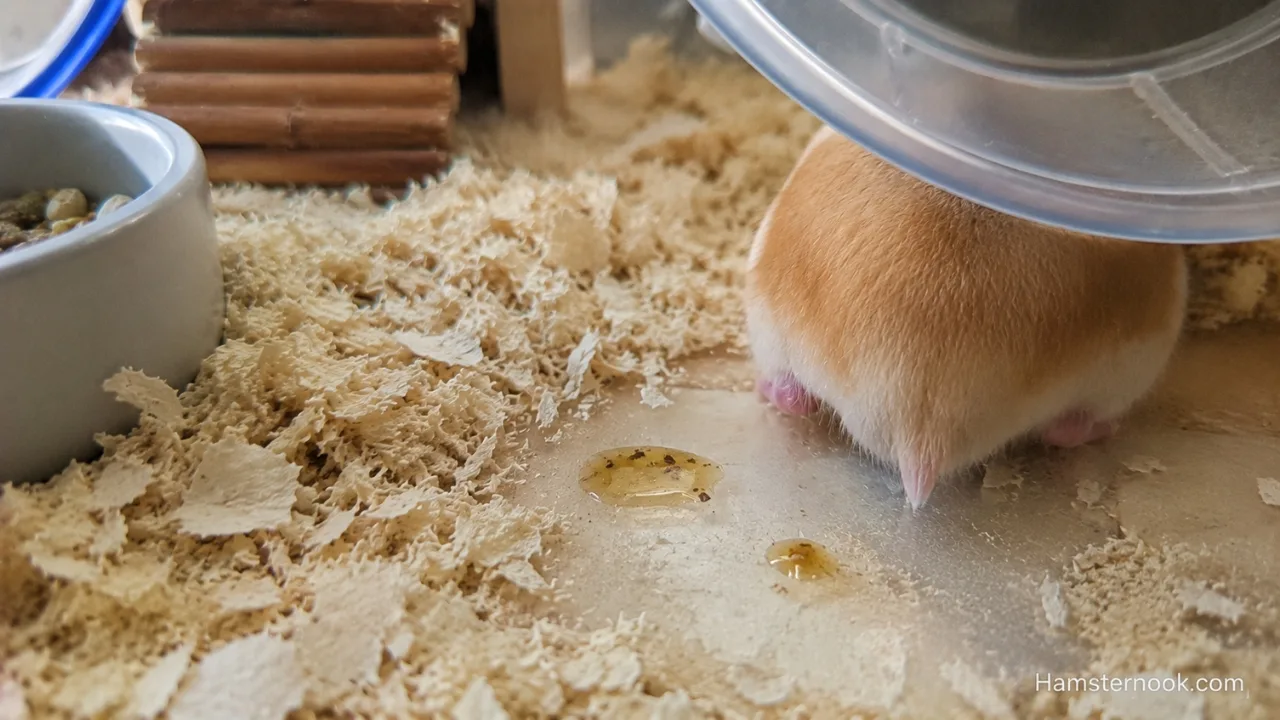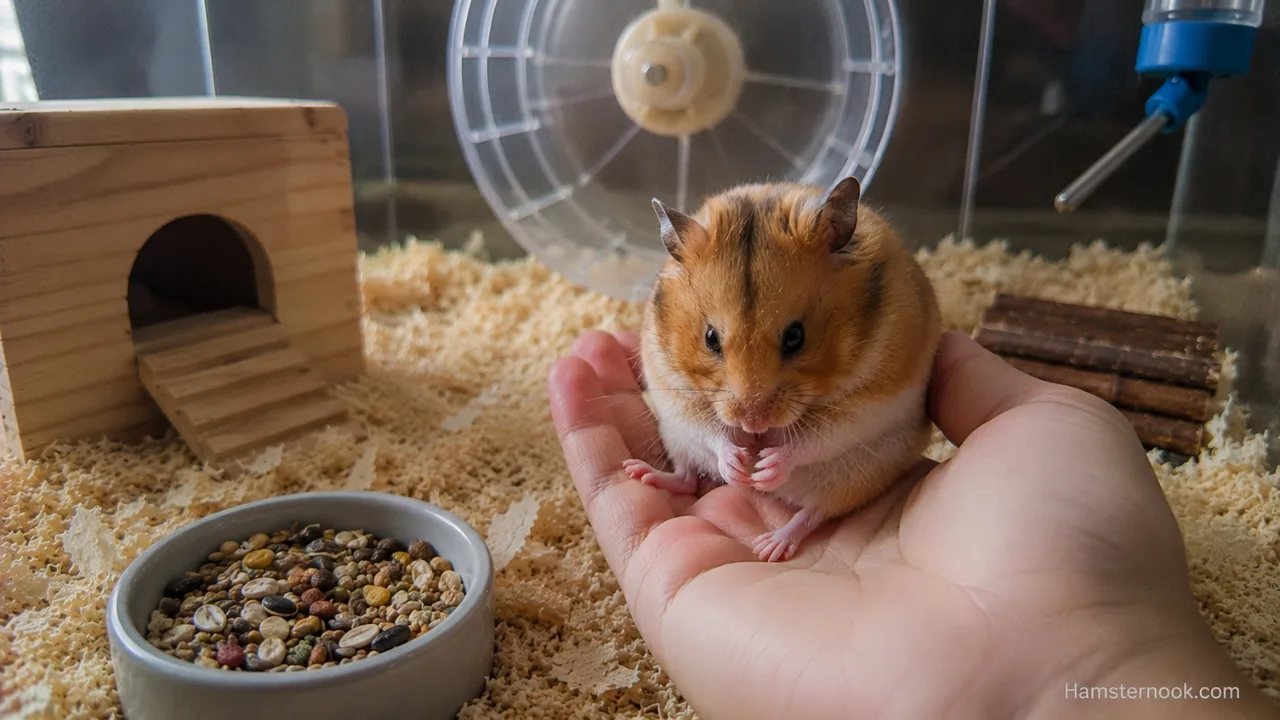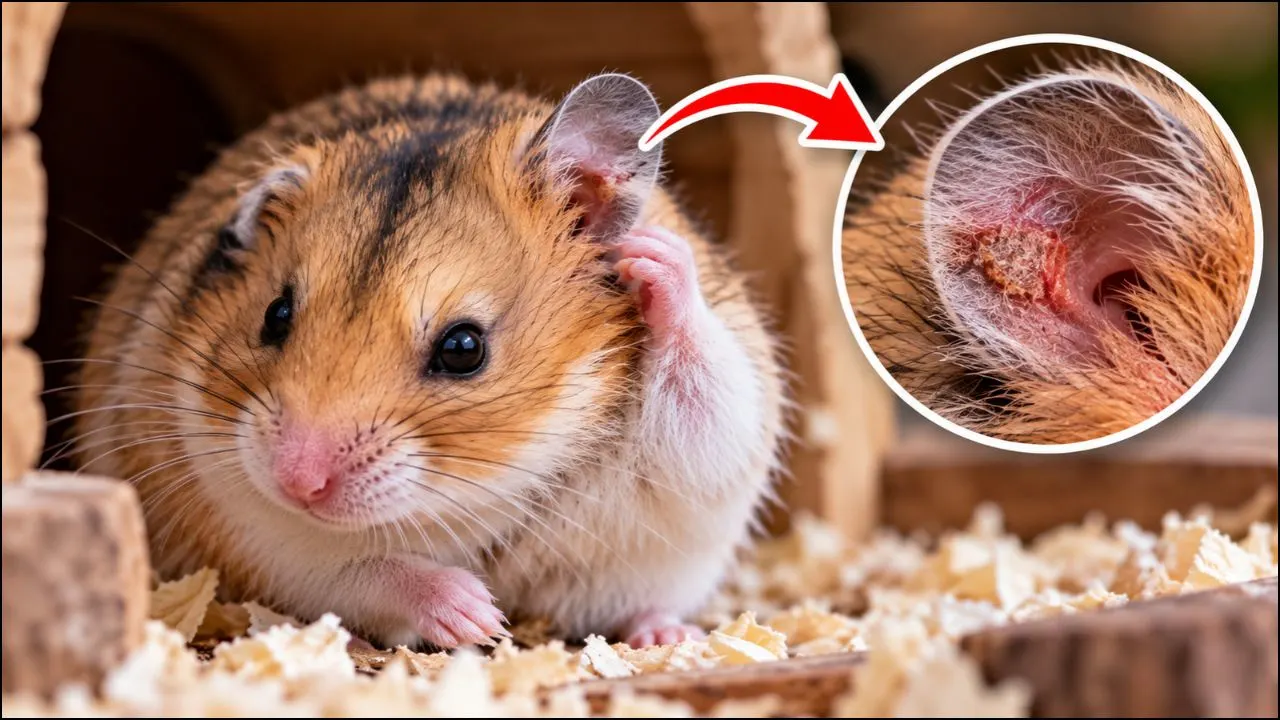
A hamster’s ears may look small and simple, but changes in their appearance can sometimes signal a problem that needs attention. Redness, swelling, crusting, discharge, or a sudden change in how your hamster holds its head shouldn’t be ignored. Some changes may be related to minor irritation or an injury, while others can indicate infection or another health condition. Knowing what to look for, what to avoid doing at home, and when to contact a veterinarian can help you protect your hamster’s health.
Quick Answer: What Are the Signs of Ear Problems in Hamsters?
Common warning signs of hamster ear problems include redness, swelling, scabs, discharge, an unpleasant smell, repeated scratching around the ears, and sensitivity when the area is touched. A hamster that repeatedly tilts its head, loses balance, walks in circles, or appears unusually weak needs prompt veterinary assessment because these signs may indicate a problem affecting more than the outer ear.
Contact a veterinarian if you notice persistent ear changes, pain, discharge, or an unexplained head tilt. Seek emergency veterinary care for severe balance problems, collapse, breathing difficulties, or rapid deterioration.
Do not put ear drops, oil, water, cotton swabs, or human medications into your hamster’s ears unless a veterinarian specifically directs you to do so.

What Do Healthy Hamster Ears Look Like?
A healthy hamster’s ears are generally free from obvious swelling, wounds, unusual discharge, and persistent crusting. Their exact appearance varies with species, age, fur length, and individual pigmentation.
Syrian hamsters may have relatively prominent ears, while dwarf hamsters have smaller ears that can be partly concealed by their fur. A naturally darker patch of skin or a difference in ear shape is not necessarily a problem if it has always been present.
What matters most is a noticeable change from your hamster’s normal appearance.
Normal changes versus possible warning signs
| What you notice | What it may mean | What to do |
|---|---|---|
| Ears look unchanged and have no wounds or discharge | Often normal | Continue routine observation. |
| A small amount of scratching without other changes | May be ordinary grooming or irritation | Watch for repetition, skin damage, or other symptoms. |
| Persistent redness or swelling | Possible inflammation, injury, or infection | Arrange veterinary assessment. |
| Crusting, bleeding, or open wounds | Possible injury or skin disease | Contact a veterinarian promptly. |
| Discharge or an unpleasant smell | Possible infection or another ear problem | Seek prompt veterinary advice. |
| Head tilt, circling, or loss of balance | Possible inner-ear or neurological problem | Seek urgent veterinary assessment. |
These signs cannot establish a diagnosis on their own. A veterinarian may need to examine the ear canal and surrounding skin to determine the cause.
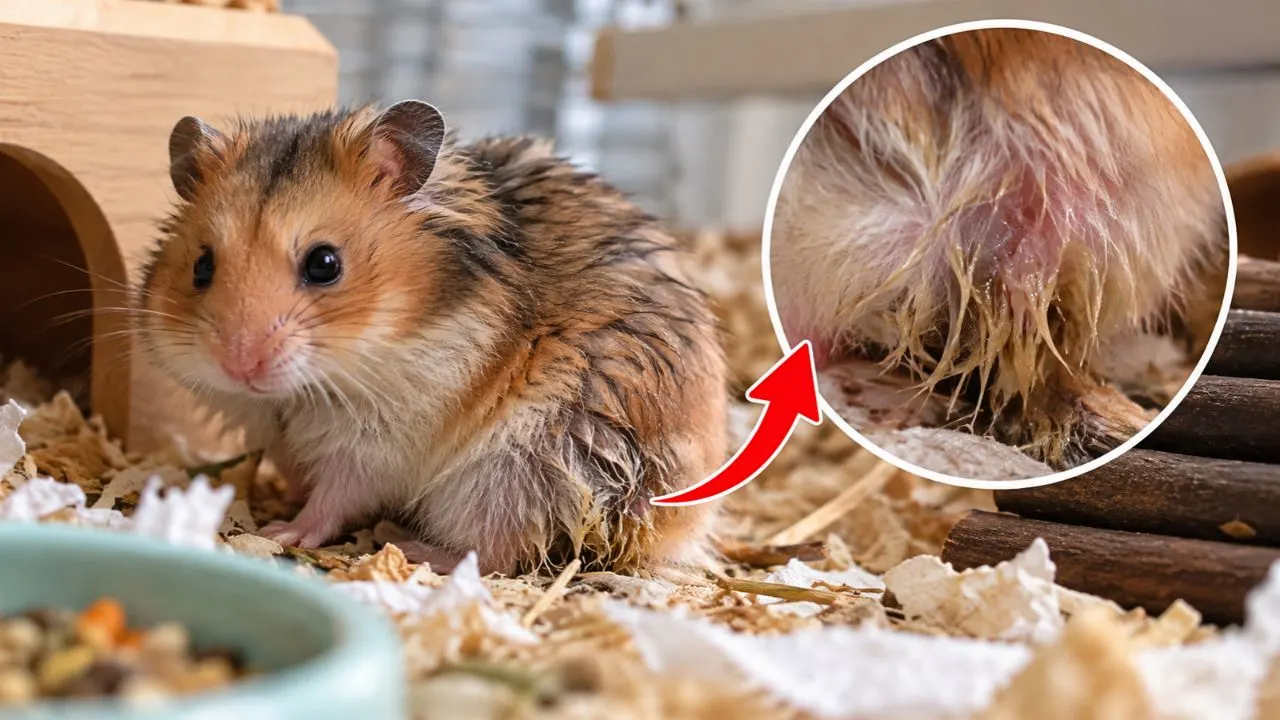
Common Causes of Hamster Ear Problems
Several conditions can affect a hamster’s ears or the skin surrounding them. Similar symptoms can have different causes, so avoid deciding that your hamster has an infection based on redness or scratching alone.
1. Ear infections
An infection or inflammation involving the ear may cause discomfort, scratching, head shaking, discharge, or changes in how the ear looks.
Problems can affect the external ear or deeper structures. When the middle or inner ear is involved, symptoms may extend beyond the visible ear and include changes in balance or head position.
However, these symptoms are not specific to an ear infection. Other conditions can produce similar signs, and an examination is needed to identify the cause.
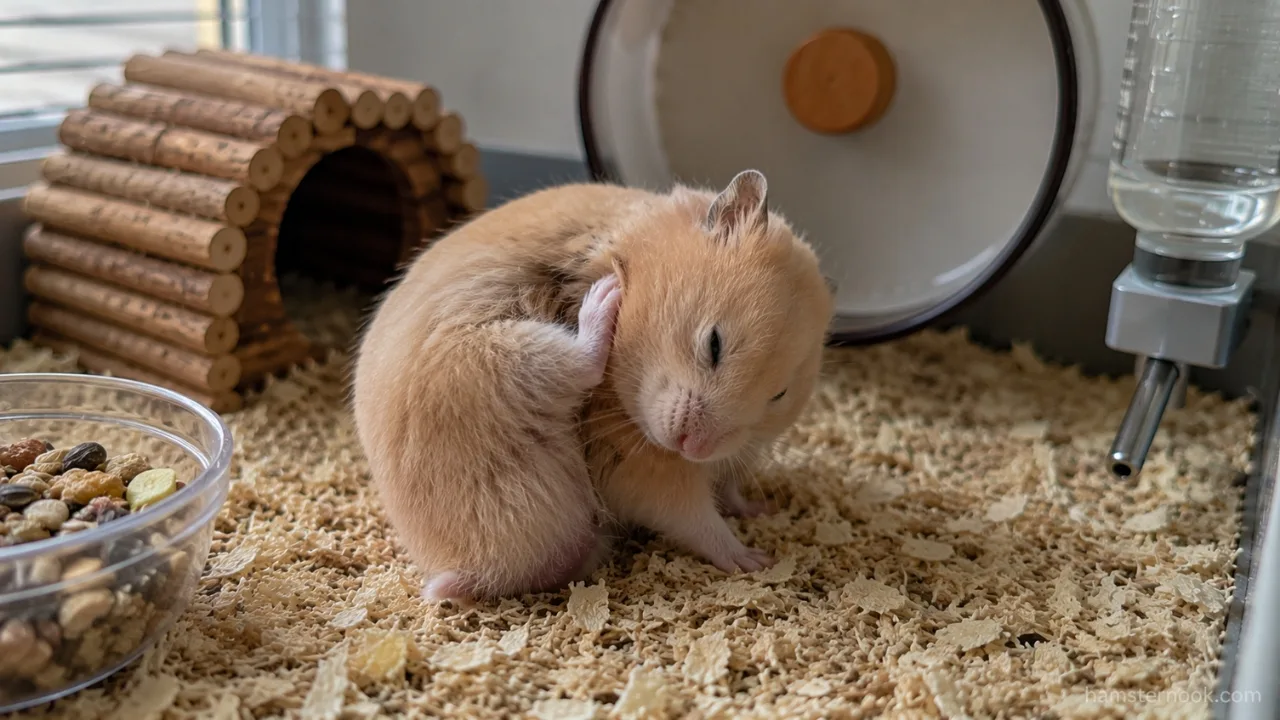
What to do: Contact a veterinarian if your hamster has discharge, persistent redness, swelling, or apparent ear pain. Head tilt or balance problems warrant urgent assessment.
2. Ear mites and other skin parasites
Hamsters can develop mite infestations that affect their skin. Some mites can involve the areas around the ears, face, feet, or tail.
Possible signs include:
- Repeated scratching or rubbing.
- Inflamed skin around the ears.
- Dry, scaly patches.
- Hair loss or crusting in affected areas.
These symptoms can overlap with fungal skin disease, bacterial infection, and other skin conditions. You cannot reliably identify mites just by looking at your hamster.

If you also notice bald patches or changes in your hamster’s coat, Why Is My Hamster Losing Hair? Causes, Bald Spots & When to See a Vet discusses other possible explanations and when to seek veterinary advice.
A veterinarian may examine skin samples or hair to determine whether parasites are present and recommend an appropriate treatment.
If parasites are suspected, ask the veterinarian whether cage cleaning, bedding replacement, or other environmental measures are needed. Do not use household insecticides or over-the-counter parasite treatments intended for dogs or cats.
3. Scratches, bites, and other injuries
An ear can be injured through scratching, accidental trauma, or fighting with another hamster.

Look for a fresh cut, a scab, bleeding, swelling, or a change in the ear’s shape. An injury may also be hidden beneath fur, making the surrounding skin worth checking carefully.
If hamsters are housed together and fighting occurs, separate them safely. Syrian and Chinese hamsters should be housed alone, and any hamsters involved in fighting need an arrangement that prevents further injury.
Do not pull off a scab, squeeze a lump, or attempt to close a wound with household products.
What to do: Contact a veterinarian about open wounds, swelling, persistent bleeding, or signs of pain. Heavy bleeding or a severe injury needs emergency veterinary attention.

4. Skin irritation and environmental problems
Dusty bedding, debris, and unsuitable materials may irritate the skin or contribute to discomfort. However, irritation should not automatically be assumed to be the cause of a visibly inflamed ear.
Check the enclosure for excessively dusty bedding, damp or dirty areas, sharp edges, and objects that could injure your hamster.
Use clean, appropriate hamster bedding and maintain a dry, well-kept enclosure. Avoid applying powders, essential oils, fragrances, or cleaning chemicals directly to your pet.
To compare suitable bedding materials and understand which options to avoid, see Best Hamster Bedding: Safest Types, Depth, Burrowing & What to Avoid.
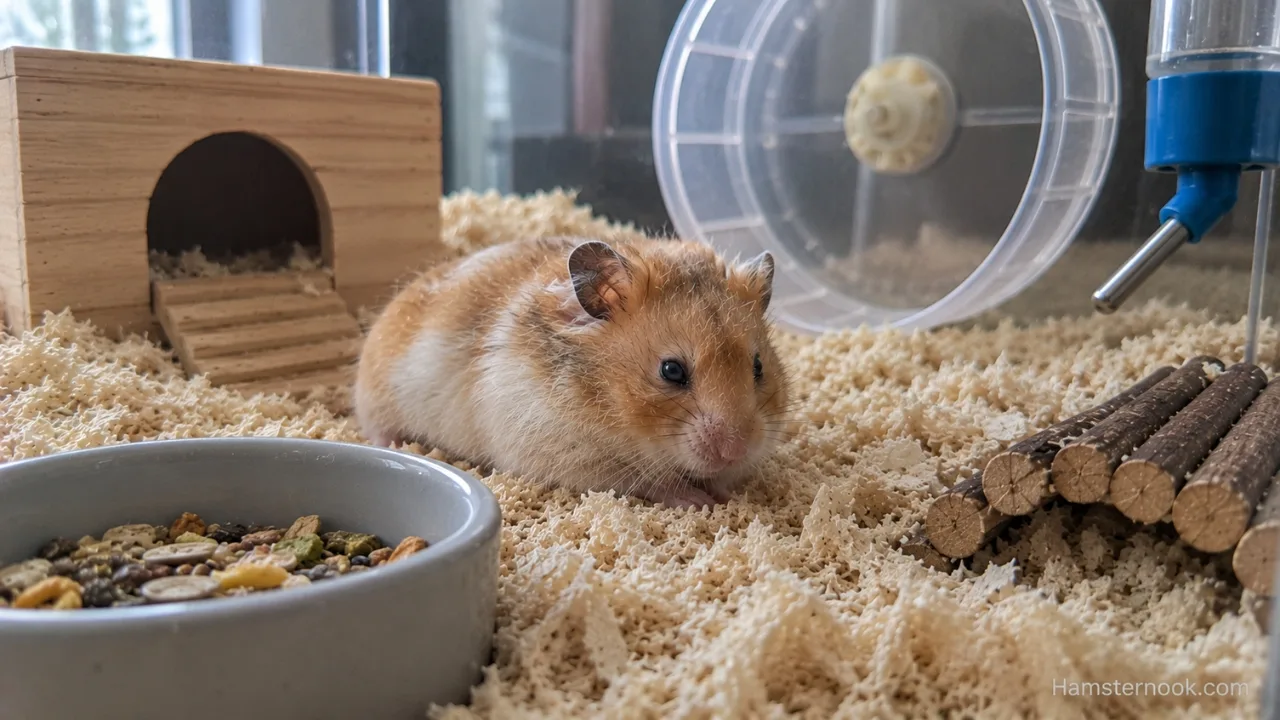
If the ear is swollen, bleeding, crusted, or painful, changing the bedding alone is not an adequate response. Arrange veterinary assessment.
5. Lumps, growths, or persistent crusts
A lump or recurring scab near the ear may have several explanations, including an injury, infection, skin condition, or growth.
Do not assume that a lump is harmless simply because your hamster is still eating and moving normally. Hamsters can show subtle signs of discomfort, and their behavior alone cannot rule out illness.
Arrange a veterinary appointment for any new, enlarging, bleeding, or persistent lump. A veterinarian can decide whether further examination or testing is needed.

How to Check Your Hamster’s Ears Safely at Home
A gentle visual check can help you notice changes before they become more obvious. It should not involve probing the ear canal or restraining your hamster forcefully.
Step 1: Observe before handling
Watch your hamster when it is naturally awake. Notice whether it repeatedly scratches one ear, shakes its head, holds an ear differently from usual, or seems less active.
Compare the affected ear with the other one, but remember that natural differences in shape or pigmentation can occur.
Step 2: Look at the outer ear
If your hamster is comfortable being handled, let it approach your hands and gently support its body. In good lighting, look at the visible ear and nearby skin for:
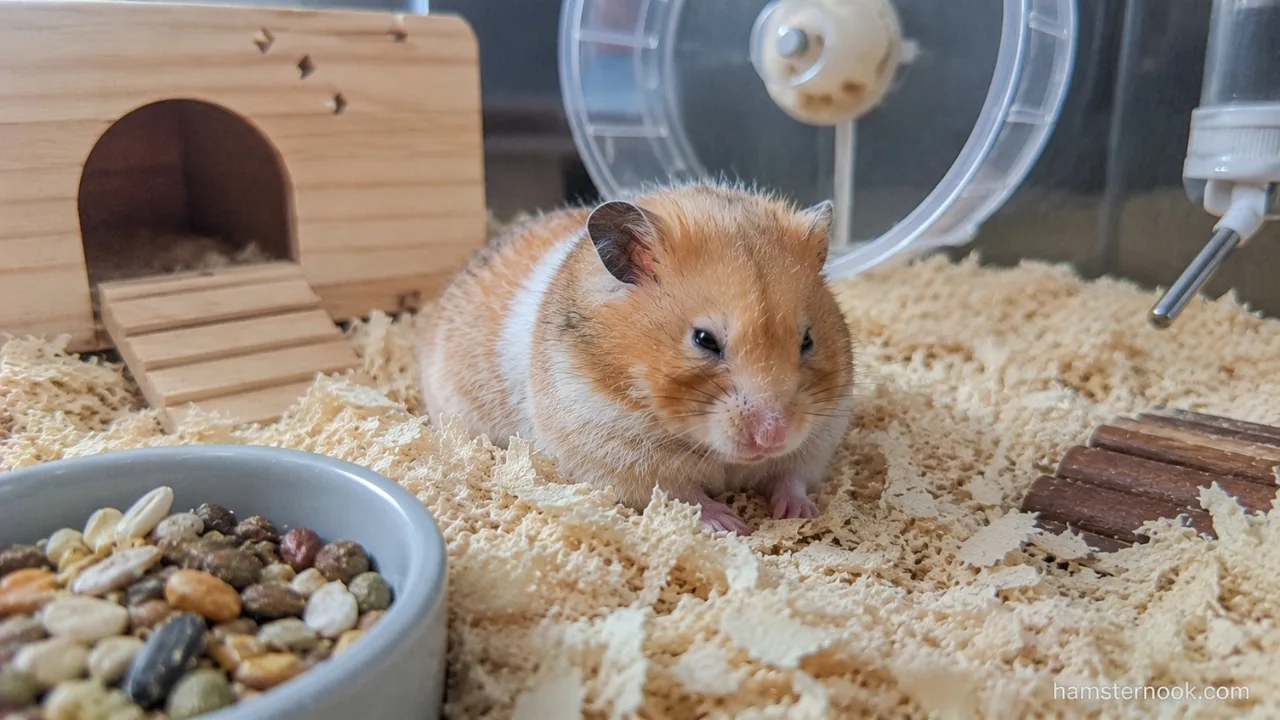
- Redness or swelling.
- Cuts, scabs, or bleeding.
- Crusting or unusual discharge.
- Bald patches or flaky skin.
- A lump or noticeable change in shape.
Do not force the ear open or insert anything into the ear canal. If your hamster struggles, appears frightened, or reacts as though it is in pain, stop.
Step 3: Record what you notice
If it is safe to do so, take a clear photograph of the visible area. Note when the change began, whether it is getting worse, and whether your hamster is eating, drinking, and moving normally.
These details can help a veterinarian assess the problem. A photograph is useful for documenting changes, but it cannot replace an examination.
Step 4: Check the rest of your hamster
Ear problems may occur alongside other signs of illness. Notice whether your hamster has changes in appetite, activity, grooming, weight, or walking.

Check for other skin lesions without repeatedly handling or disturbing your pet.
If several signs appear together, contact a veterinarian promptly rather than treating the ear as an isolated problem.
What Not to Do When Your Hamster Has an Ear Problem
Some home remedies can make an uncertain problem harder to assess or cause additional harm.
Avoid these common mistakes:
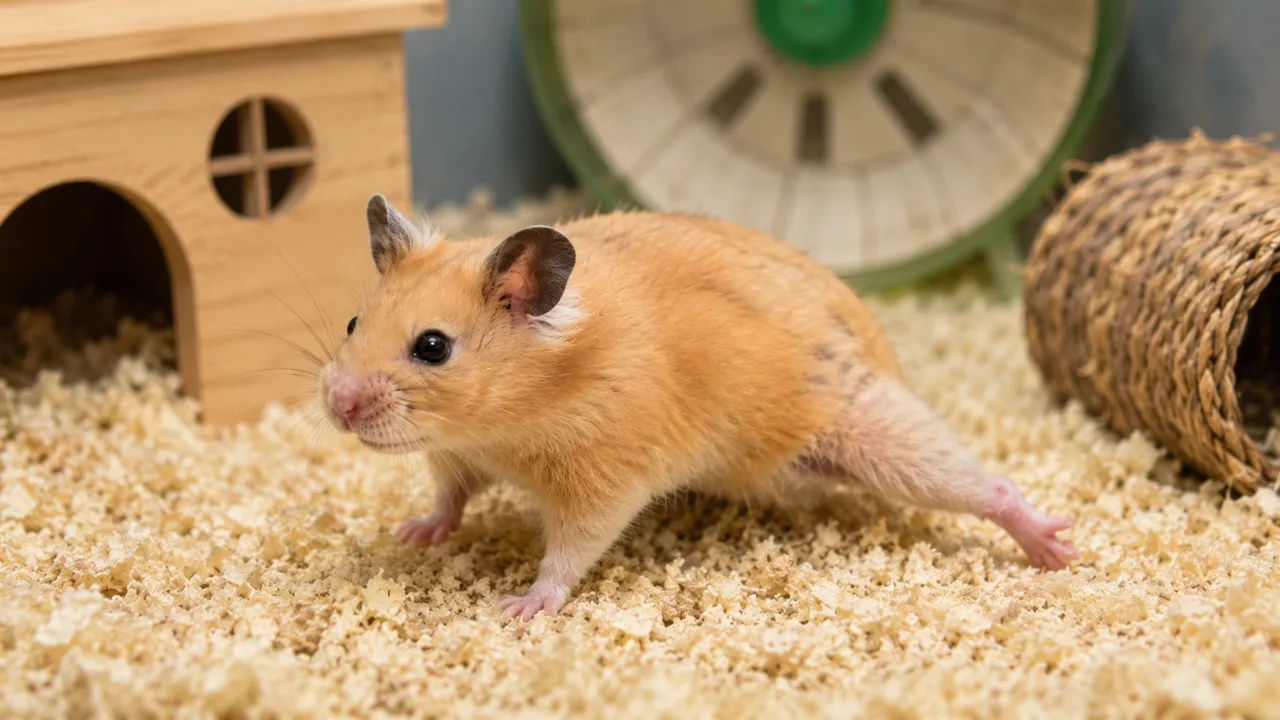
- Do not use human ear drops. A product intended for people may not be appropriate for a hamster, and the correct treatment depends on the diagnosis.
- Do not use leftover antibiotics. The wrong medication or dose can be harmful, and some antibiotics are particularly dangerous for hamsters.
- Do not apply oils or essential oils. They are not a substitute for veterinary treatment and may irritate the skin.
- Do not clean inside the ear with cotton swabs. Inserting objects can injure delicate tissue or push debris farther inside.
- Do not pull off crusts or squeeze lumps. This may cause bleeding or additional tissue damage.
- Do not wait several days if symptoms are worsening. Small animals can deteriorate quickly, and persistent ear changes deserve attention.
The safest approach is to observe the visible signs, prevent further injury, and obtain veterinary guidance.
When Should You Take Your Hamster to a Vet?
The urgency depends on what you see and how your hamster is behaving overall. A small, stable skin change is different from a painful wound or a sudden loss of balance.
Arrange a prompt veterinary appointment
Contact a veterinarian if you notice persistent redness, swelling, repeated scratching, a new lump, crusting, discharge, or a wound that is not healing. Do not postpone an appointment simply because your hamster is still eating.

Seek urgent veterinary assessment
A sudden head tilt, circling, unsteady walking, falling, or unusual eye movements can indicate a problem affecting the balance system or another serious condition. These signs should not be treated as a minor ear irritation.
For a more focused discussion of unusual movement and possible warning signs, see Why Is My Hamster Walking Weird? Causes & When to See a Vet.
Seek emergency veterinary care

Collapse, severe weakness, difficulty breathing, uncontrolled bleeding, or rapid deterioration requires emergency care. A hamster that stops eating or drinking or becomes markedly inactive also needs immediate veterinary advice.
If your usual veterinarian does not treat hamsters, look for a veterinarian experienced with small mammals or exotic pets. When arranging the appointment, describe the symptoms and ask whether the clinic can assess hamsters.
How Do Veterinarians Diagnose Hamster Ear Problems?
A veterinarian will consider the ear’s appearance alongside your hamster’s overall health and behavior. The examination may include:
- Physical examination: Checking the ears, surrounding skin, face, and general condition.
- Skin or hair testing: If mites or another skin condition are suspected, samples may help identify the cause.
- Further ear examination: The veterinarian may need to assess the ear canal and determine whether the problem extends beyond the visible outer ear.
- Additional testing: Depending on the findings, further tests may be recommended to investigate infection, a growth, or another underlying condition.
Not every hamster needs every test. The appropriate investigation depends on the symptoms and examination findings.

Treatment also varies. A veterinarian may prescribe a suitable medication, treat an identified parasite, or recommend additional care for an injury or growth. Never assume that all ear problems require antibiotics or that one treatment will work for every cause.
How to Help Prevent Hamster Ear Problems
You cannot prevent every ear condition, but sensible husbandry can reduce avoidable risks and help you notice changes early.
Keep the enclosure clean and safe
Remove soiled bedding and spoiled food regularly. Check the enclosure for sharp edges, damaged equipment, and objects that could injure your hamster.
For a practical cleaning routine, see How Often Should You Clean a Hamster Cage? Daily, Weekly & Deep Cleaning Guide.

Choose suitable, low-dust bedding and avoid strongly fragranced products. Keep the enclosure dry and appropriately ventilated.
Prevent fighting and falls
Provide appropriate housing for your hamster’s species. If hamsters fight, prevent further contact that could result in injury.
Handle your hamster gently and close to a safe surface so that a sudden movement cannot lead to a fall.
Make routine health checks part of your care
Observe your hamster daily when it is awake. Pay attention to appetite, activity, movement, grooming, and any new skin changes.
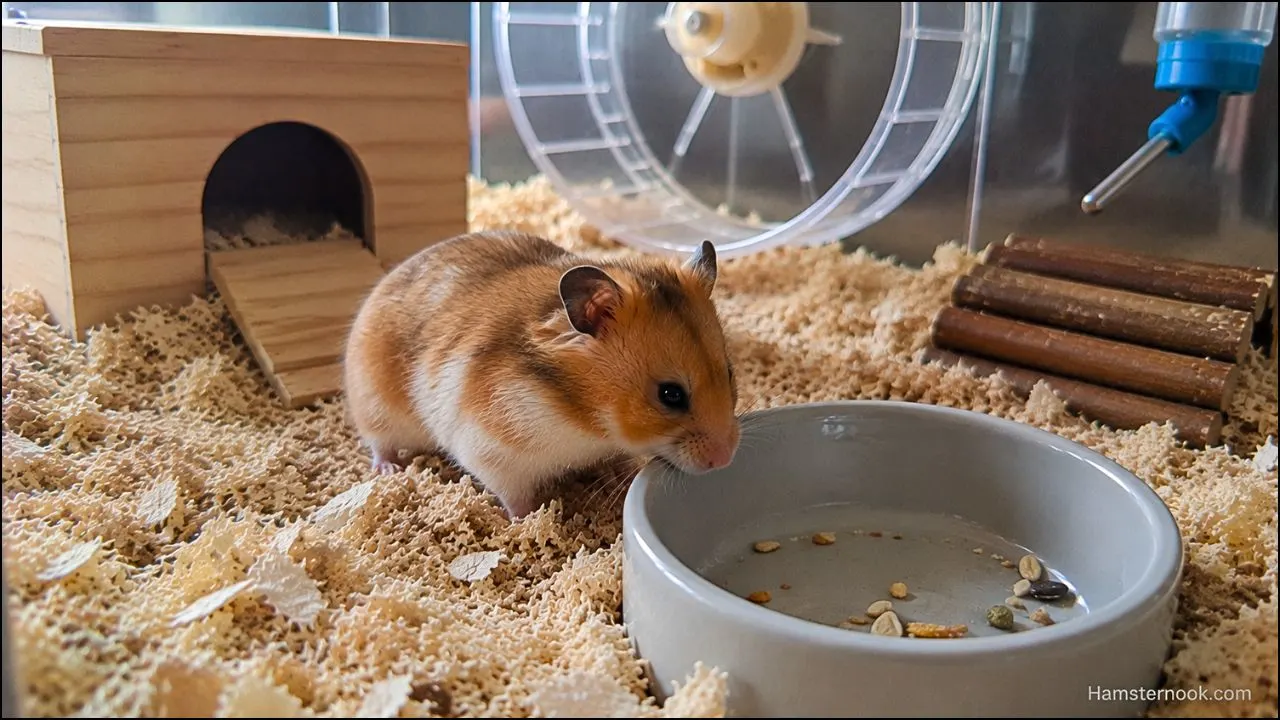
You do not need to repeatedly touch the ears or disturb your hamster’s sleep to check them. A calm visual inspection is preferable to frequent, stressful handling.
Avoid unnecessary treatments
Do not routinely apply ear cleaners, parasite products, or other substances to healthy-looking ears without veterinary guidance. If a problem develops, identify its likely cause before choosing a treatment.
Final Thoughts
Hamster ear problems can range from superficial irritation and minor injuries to infections, parasites, and growths that require veterinary treatment. Redness, scratching, swelling, crusting, and discharge are useful warning signs, but they do not reveal the exact cause.
Check the visible ear gently, keep the enclosure clean, and avoid home remedies that could injure delicate tissue. Contact a veterinarian when you notice persistent changes, pain, or a wound, and seek urgent help if your hamster develops a head tilt or difficulty walking.

The most useful rule is simple: notice changes early, avoid treating an undiagnosed ear problem yourself, and get veterinary help when something looks or feels wrong.
Frequently Asked Questions
1. How can I tell if my hamster has an ear infection?
Possible signs include redness, swelling, discharge, repeated scratching, head shaking, or apparent discomfort around the ear. However, injuries, parasites, and other conditions can cause similar symptoms. A veterinarian must assess the ear to determine the cause.
2. Why is my hamster scratching one ear repeatedly?
Repeated scratching may be associated with irritation, parasites, an injury, or another skin or ear problem. Check the visible skin gently and look for redness, crusting, swelling, or hair loss. If the behavior persists or causes skin damage, arrange a veterinary examination.
3. Can hamster ear mites spread to other hamsters?
Some mites affecting hamsters can spread between animals through contact or shared contaminated environments. If mites are suspected, ask your veterinarian whether other animals need examination and how the enclosure should be cleaned. Do not treat every hamster with parasite medication without professional guidance.

4. Can I clean my hamster’s ears with warm water?
Do not pour water into the ear canal or attempt to flush it. If the ear is dirty, crusted, or inflamed, ask a veterinarian how it should be handled. Cleaning the visible area without understanding the cause may not address the underlying problem.
5. Why does my hamster have a scab on its ear?
A scab may result from scratching, an injury, or a skin condition. Some parasites and infections can also cause crusting. Do not pick at the scab; contact a veterinarian if it is painful, bleeding, recurring, or accompanied by swelling or hair loss.
6. What does a head tilt mean in a hamster?
A new head tilt can indicate a problem affecting balance, including possible inner-ear disease, but it can also have other causes. It cannot be diagnosed at home. Contact a veterinarian urgently, especially if your hamster is circling, falling, or struggling to walk.
7. Can hamster ear problems heal without treatment?
Some minor irritations may settle when the source is removed, but it is not possible to determine that an ear problem is minor from appearance alone. Infection, parasites, significant injuries, and other conditions may require treatment. Persistent or worsening signs should be assessed by a veterinarian.
8. Are hamster ear problems contagious to humans?
Not all ear problems are contagious. Some causes, such as physical injuries, are not infectious, while certain skin conditions can affect other animals or people. If a veterinarian suspects a contagious skin disease, follow their advice on hygiene, handling, and cleaning the enclosure.
9. Can a hamster lose its hearing because of an ear problem?
Hearing can be affected by certain conditions involving the ear, particularly deeper structures, but a change in behavior alone does not establish hearing loss. If you notice an unusual response to familiar sounds alongside other symptoms, discuss it with your veterinarian.
10. Should I separate my hamster if it has an ear injury?
If another hamster may have caused the injury or fighting is continuing, prevent further contact and arrange safe housing. Syrian and Chinese hamsters should be housed alone. For other species, housing decisions depend on their circumstances, but an injured hamster must be protected from further harm.
References
This guide is based on veterinary guidance and animal welfare resources covering hamster ear problems, signs of illness, skin conditions, and ear inflammation, including:
- MSD Veterinary Manual – Hamsters: Exotic and Laboratory Animals – Veterinary information on hamster examinations, recognizing illness, and assessing ear inflammation or discharge.
- MSD Veterinary Manual – Disorders and Diseases of Hamsters – Information on skin conditions, mites, and other disorders affecting hamsters.
- MSD Veterinary Manual – Routine Health Care of Hamsters – Guidance on monitoring appetite, activity, movement, and other potential signs of illness.
- RSPCA – Hamster Health and Welfare Tips – Animal welfare advice on routine health checks, handling, recognizing illness, and seeking veterinary care.
- Merck Veterinary Manual – Otitis Media and Interna in Animals – General veterinary information on middle and inner ear inflammation and possible signs such as head tilt, balance difficulties, and coordination problems. These clinical signs are not specific to hamsters.
Medical Disclaimer
This article is intended for educational purposes only and should not be considered veterinary advice. Ear redness, swelling, scratching, crusting, discharge, and balance changes can have several causes and cannot be reliably diagnosed at home. Do not use human ear drops, antibiotics, oils, or other treatments unless specifically directed by a qualified veterinarian. Contact a veterinarian experienced in treating hamsters if your pet develops persistent ear symptoms, wounds, swelling, or signs of pain. Seek urgent veterinary care for a sudden head tilt, loss of balance, severe weakness, uncontrolled bleeding, or rapid deterioration.

Narayan Kumar is the founder and author of HamsterNook. He creates practical, research-based hamster care guides covering hamster behavior, nutrition, cage setup, enrichment, health, and everyday care. His goal is to help hamster owners make informed decisions and provide safer, healthier lives for their pets through clear, beginner-friendly information based on trusted animal care resources.